How AI’s rise is reshaping brand storytelling in 2026
What 2026 Super Bowl ads reveal about emotional comfort, cultural nostalgia, practical value, and the ways brands invite people to interact.
Advertising prices for Super Bowl LX in 2026 recently set another all-time record.
Starting prices for a single 30-second spot averaged $8 million to $8.5 million, with prime slots close to the halftime show topping $10 million. That’s an increase of more than 15% over the roughly $7 million average asking price in 2024. The increase was driven primarily by fierce competition for streaming rights and by AI companies piling in and bidding up ad inventory.
As one of the most influential advertising showcases in the United States, the Super Bowl has long had brands vying for viewers’ attention in spots lasting mere seconds. This year, AI and high-tech brands accounted for just under half of the ads.
We looked to this showcase of commercial content for signs of how brand storytelling is changing. Market conditions and media contexts differ between China and other markets, but how are the industry giants most willing to spend big today approaching commercials and brand stories? What do their approaches have in common? And as AI and tech companies put more emphasis on content, have the principles and methods of brand storytelling changed? What these campaigns share can inform brand storytelling around the world.
The Super Bowl’s entertainment-driven, celebrity-heavy marketing made one shift easy to spot. As tech and AI become industry watchwords, more brands are turning to emotional comfort, cultural nostalgia, and the revival of brand assets.
1. Retro culture and nostalgia offer emotional refuge
Even as technology and performance become more central to brand competition, retro culture and nostalgia are sweeping Super Bowl advertising.
Xfinity reunited the original Jurassic Park cast for its commercial. Dunkin' tapped actors from Friends and Seinfeld to jog viewers’ collective memory, and Budweiser revived its century-old Clydesdale imagery. These campaigns underscore an enduring truth about nostalgia and its power to comfort.
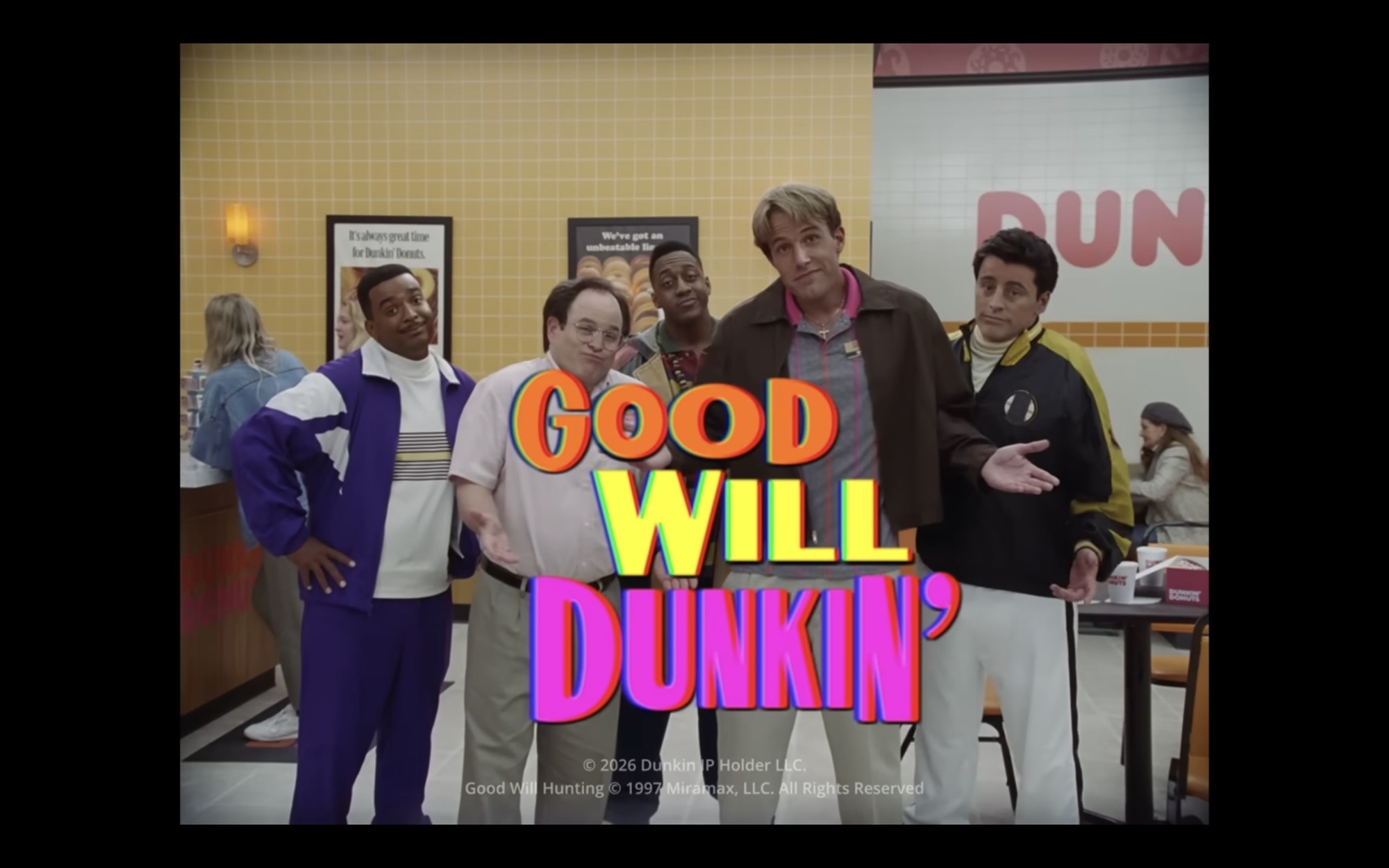

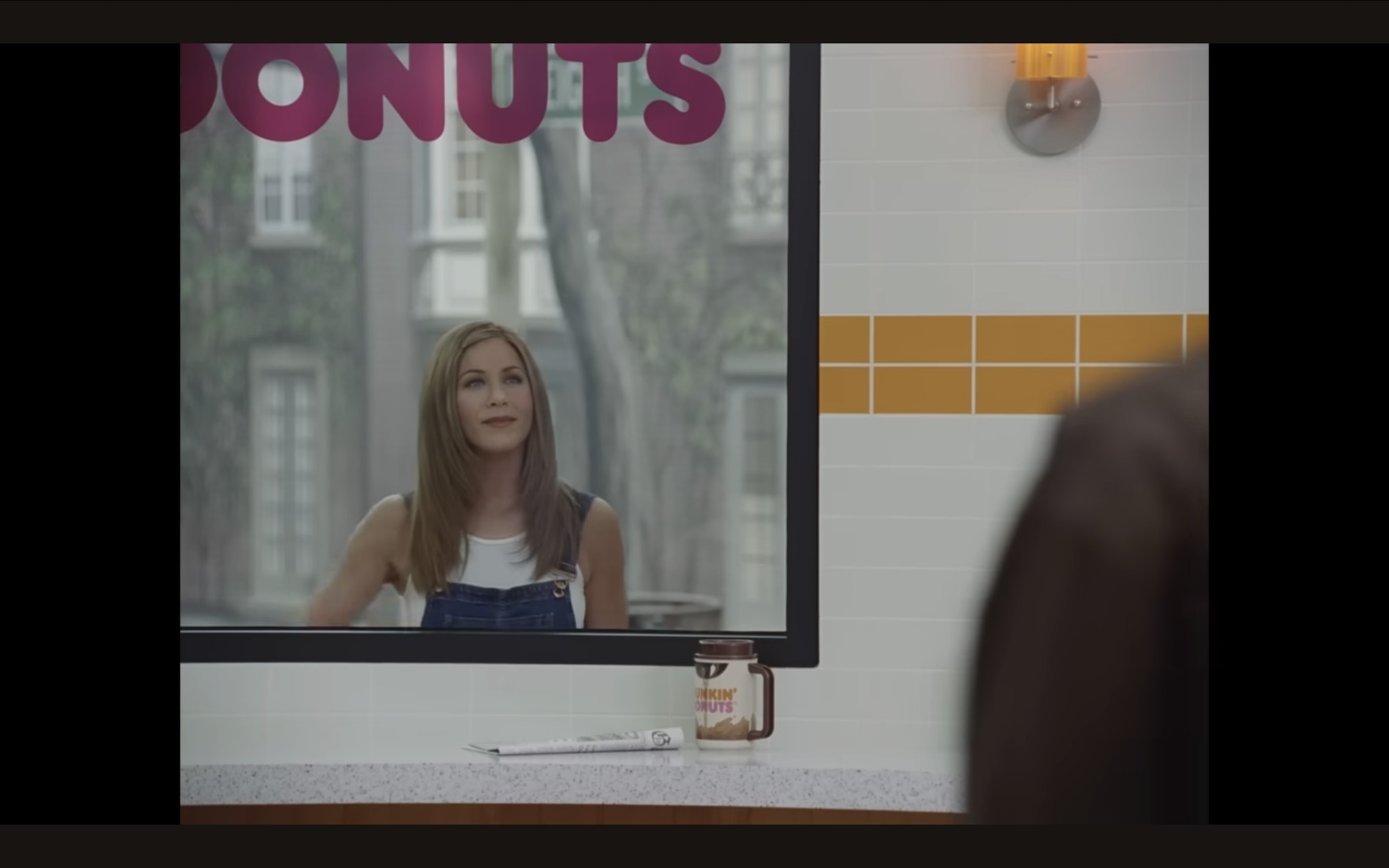


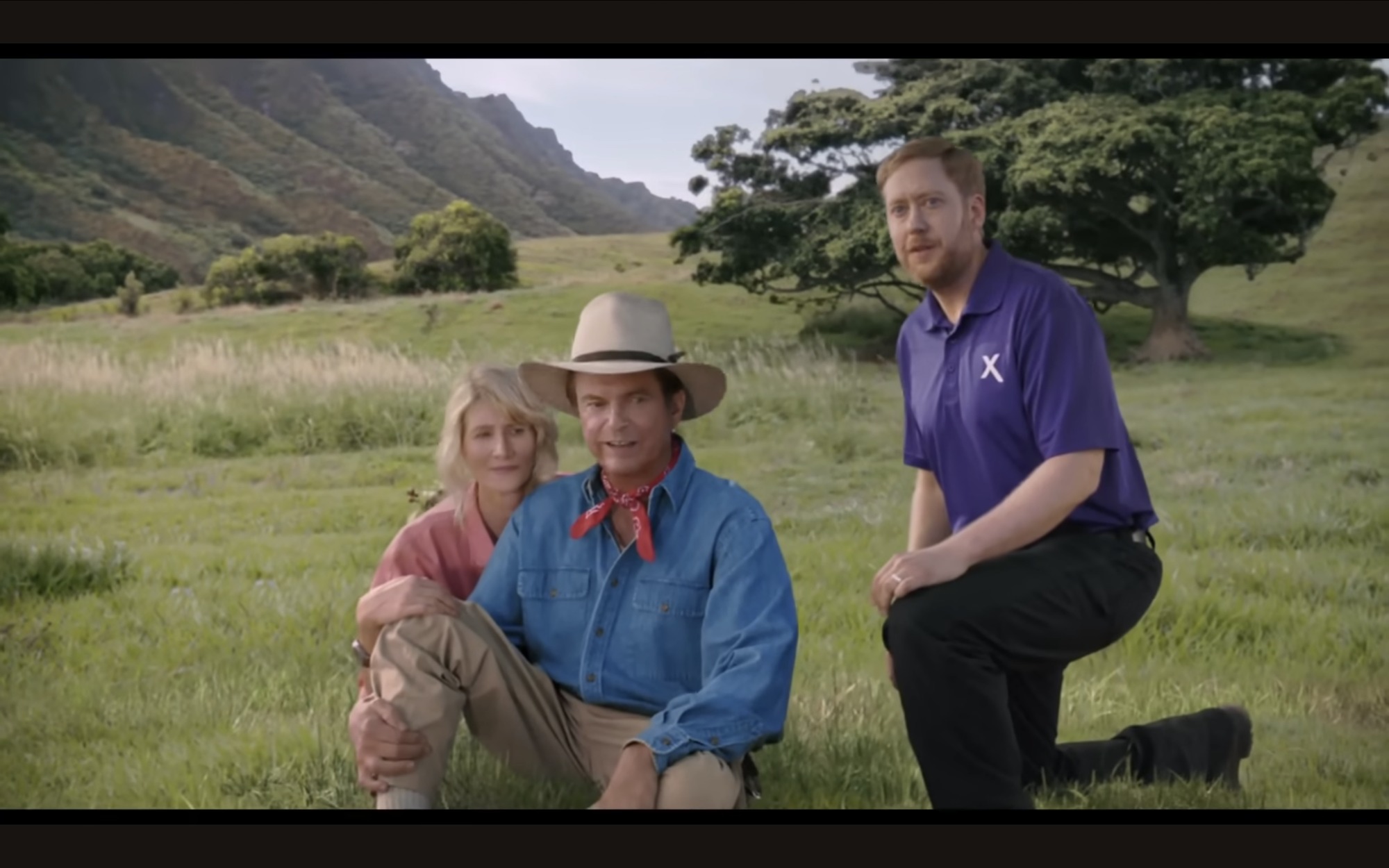
The trend has taken hold in China, too. In 2025, the phrase “the unmistakable look of a booming economy” caught on online in China, and retro culture and nostalgia have left a deep mark on how Chinese brands tell their stories. Olay reunited with Maggie Cheung, and adidas reissued classic World Cup products. Both drew on cultural nostalgia and familiar icons to reconnect with consumers emotionally.
From a cognitive psychology perspective, when people feel uncertain about the world around them and what the future holds, they tend to seek a sense of certainty in personal experiences such as entertainment and shopping. They know every line of an old TV show and every vocal flourish in an old song. Along with providing entertainment, these familiar details give people an emotional anchor and a sense of stability and comfort.
Brands can tap into that familiarity and predictability by mining their own heritage assets or drawing on cultural touchstones from consumers’ childhood or teenage years. Those cues can revive long-held memories and associations with the brand.
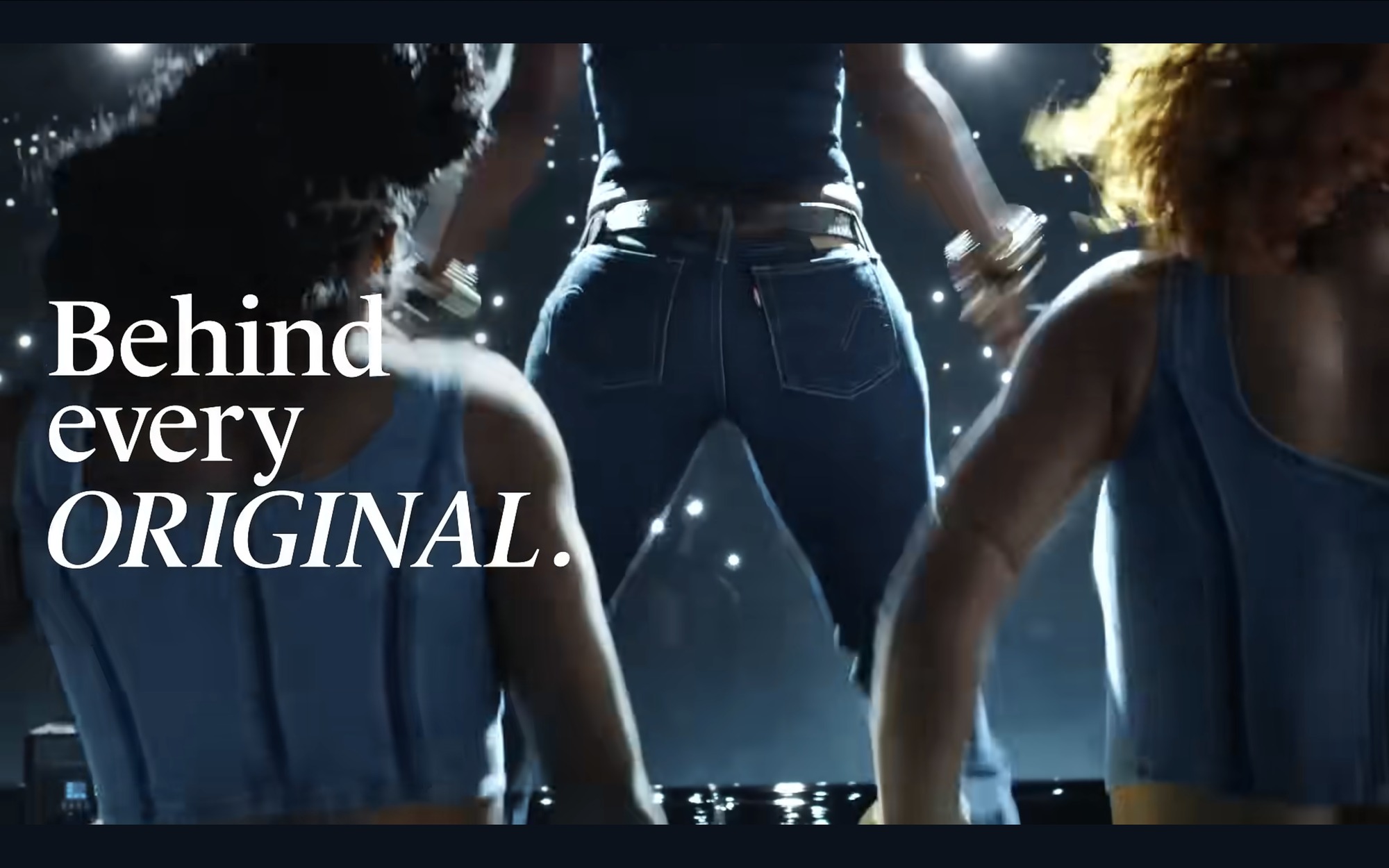
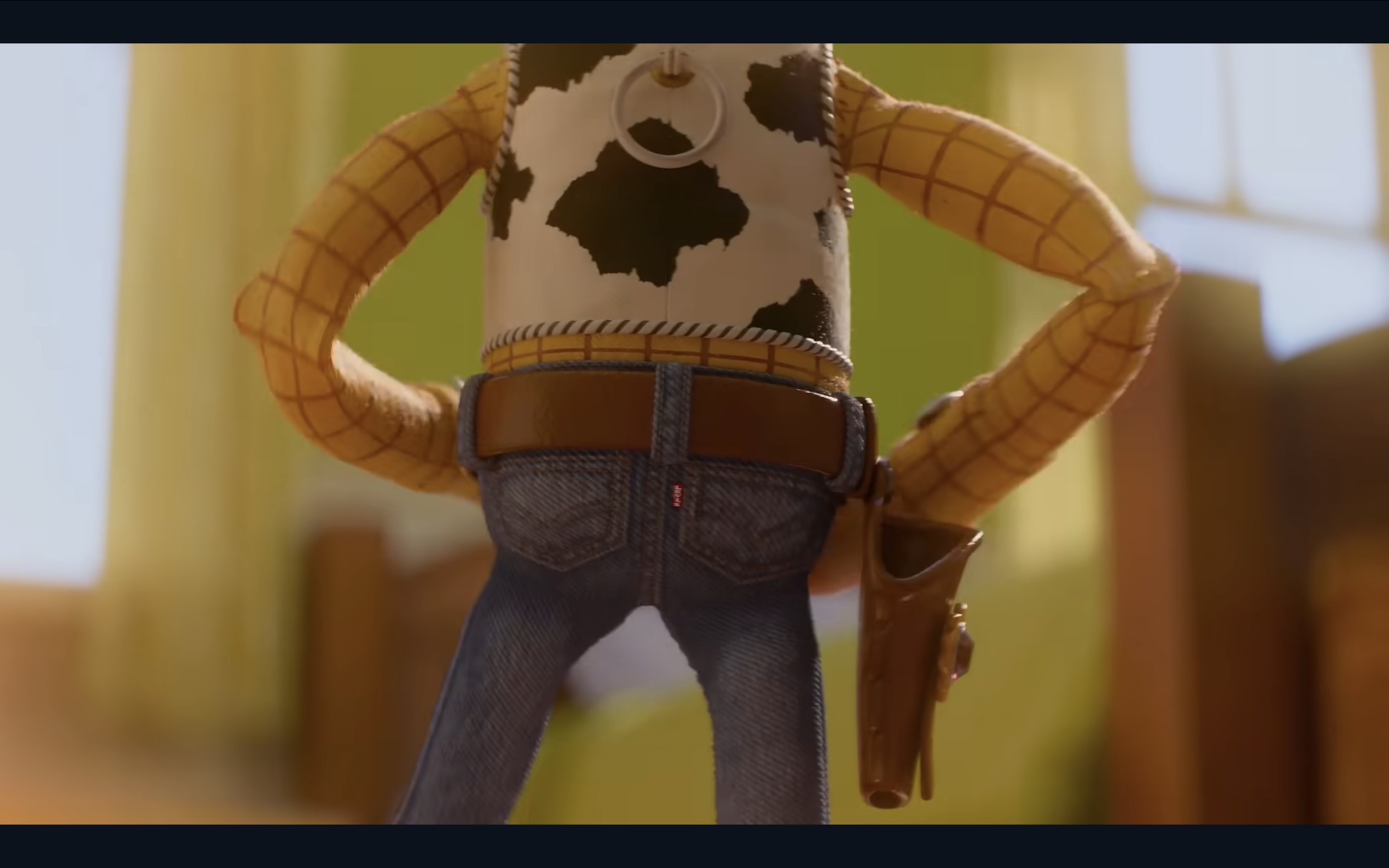
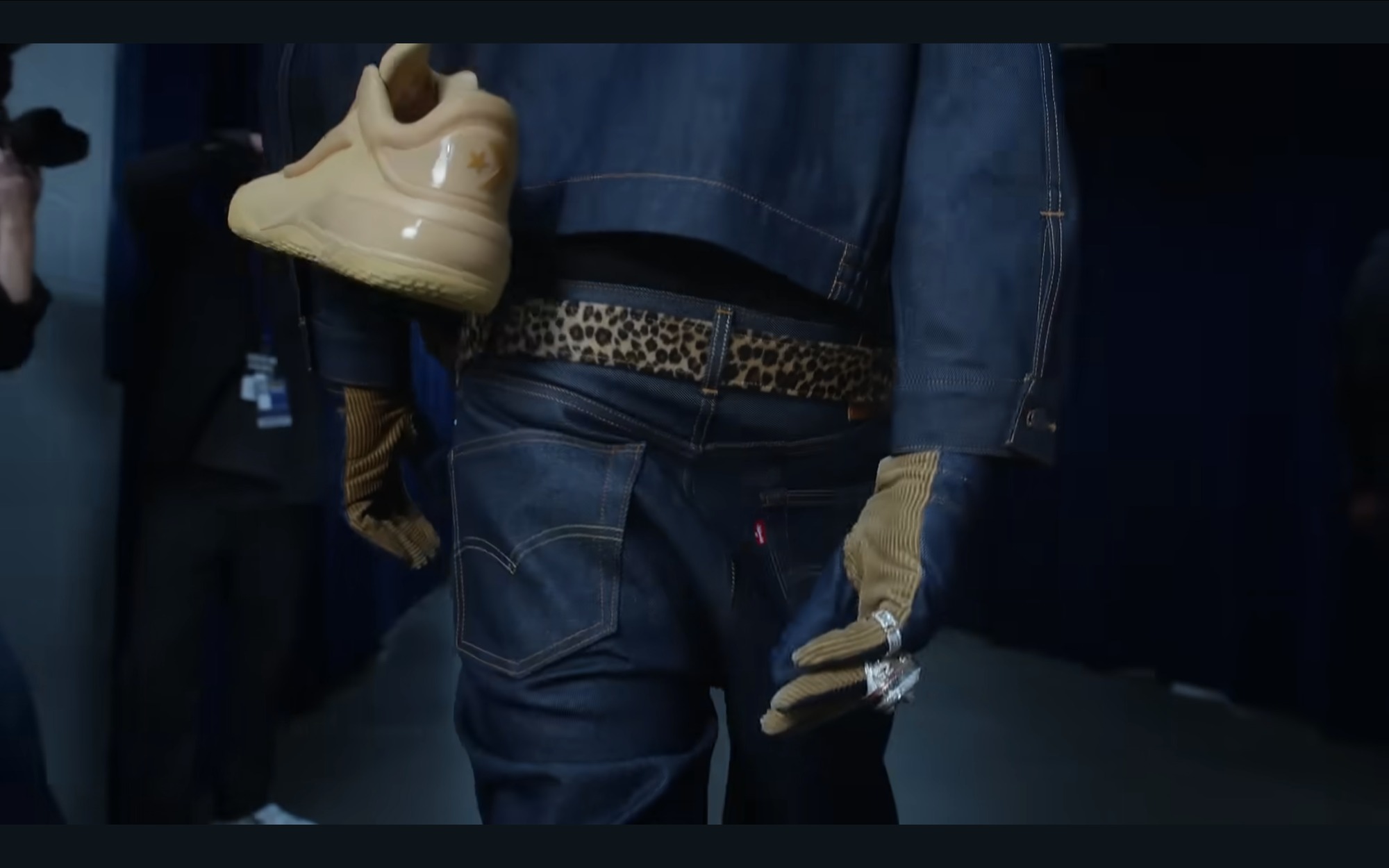
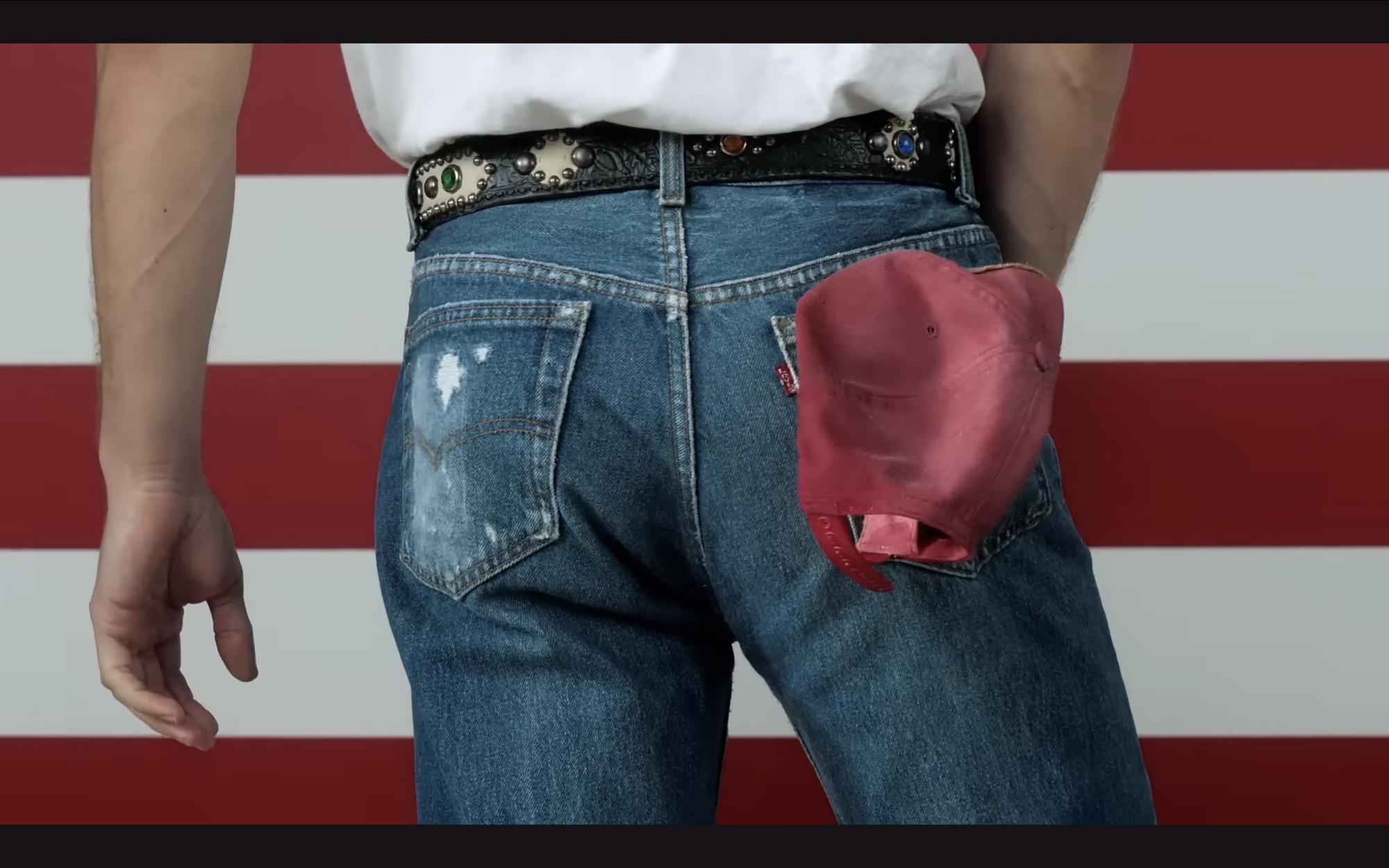
In the ad that marked Levi’s return to the Super Bowl after 20 years, the brand’s signature denim runs through every scene, whether it features celebrities or everyday people. It’s enough to remind viewers of that classic pair of jeans in their closet and bring back fond memories of the brand.
2. Practical uses speak more directly to real needs
AI and tech companies’ commercials drew some of the most attention at this year’s Super Bowl. Where audiences might have expected flashy visuals and demonstrations of sophisticated technology, these brands focused on how people can use the technology in practice.
The shift was deliberate. OpenAI Chief Marketing Officer Kate Rouch said this year’s advertising put more emphasis on practical applications of AI. That was the thrust of ChatGPT’s 2026 brand communications strategy, which scaled back abstract technical elements and showed more real-world uses.
The 60-second Super Bowl spot focused on individual creativity, showing how everyday people use AI to solve practical problems at home and at work. Scenes ranged from classroom learning, chess, and coding to working alongside a collaborative industrial robot, illustrating the range of uses for AI as a tool. The tagline “You Can Just Build Things” summed up the pitch. AI is a practical tool anyone can use to turn ideas directly into real products.
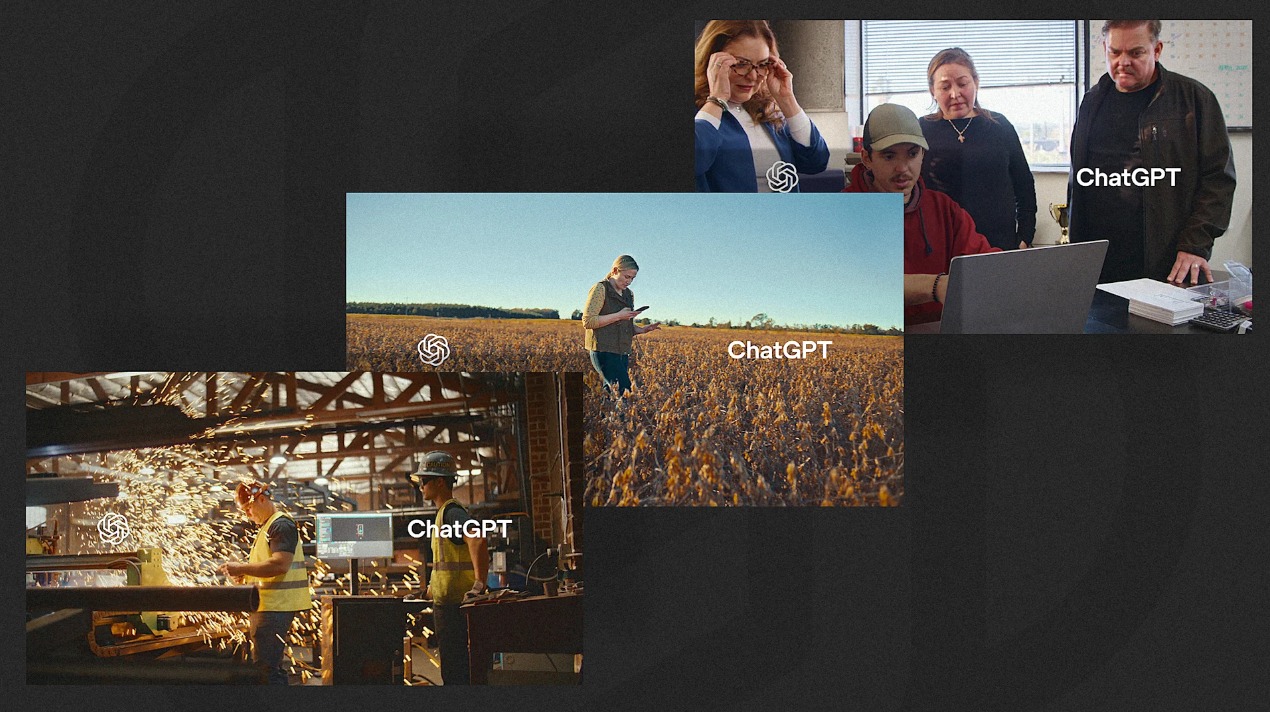
To reinforce that focus on practical use, OpenAI followed its main 60-second spot with three regional ads. Each told the true story of a small business using ChatGPT to tackle operational challenges and grow. The businesses were a seed farm, a metal recycling yard, and a family-run tamale shop. Their experiences made a more persuasive case for AI’s practical value.
https://www.fastcompany.com/91486647/exclusive-inside-openais-super-bowl-ad-playbook
3. Coordinated campaigns replace one-off exposure
Despite the Super Bowl’s enormous reach, brands across industries are coming to a shared conclusion. A 30-second spot can reach a massive audience, but the context of the game and the short airtime limit its ability to make a lasting impact on the brand.
That’s why more brands are building on the initial burst of visibility from a Super Bowl ad and using it as the anchor for generating long-tail traffic. After that first burst of exposure, brands quickly follow up across channels with new content formats and even cross-industry collaborations. The aim is to turn broad exposure into deeper conversations within specific communities and ultimately convert that attention into action.
Right after its ad aired, Dunkin' gave away 1.995 million iced coffees through its app, directing the TV audience to a channel it owns. It also released limited-edition ’90s-style merchandise and teamed up with MIT professor and former NFL player John Urschel on a whiteboard math problem inspired by the ad. To encourage participation, Dunkin' offered one lucky solver a year of free Dunkin' iced coffee and collectible merchandise signed by Ben Affleck and Matt Damon.
Pepsi kept its ad’s polar bear character in circulation on social media, with memes and themed in-person events extending the campaign. It also planned to launch a podcast series after the challenge ended, using a range of entertainment formats to carry the brand message beyond the original spot.
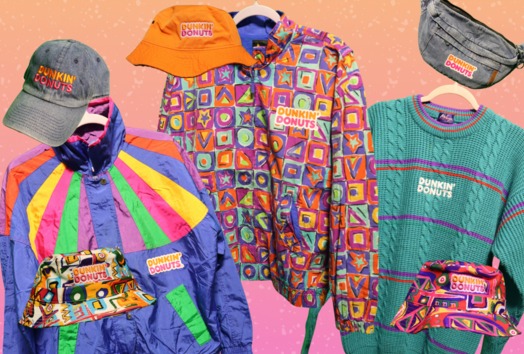
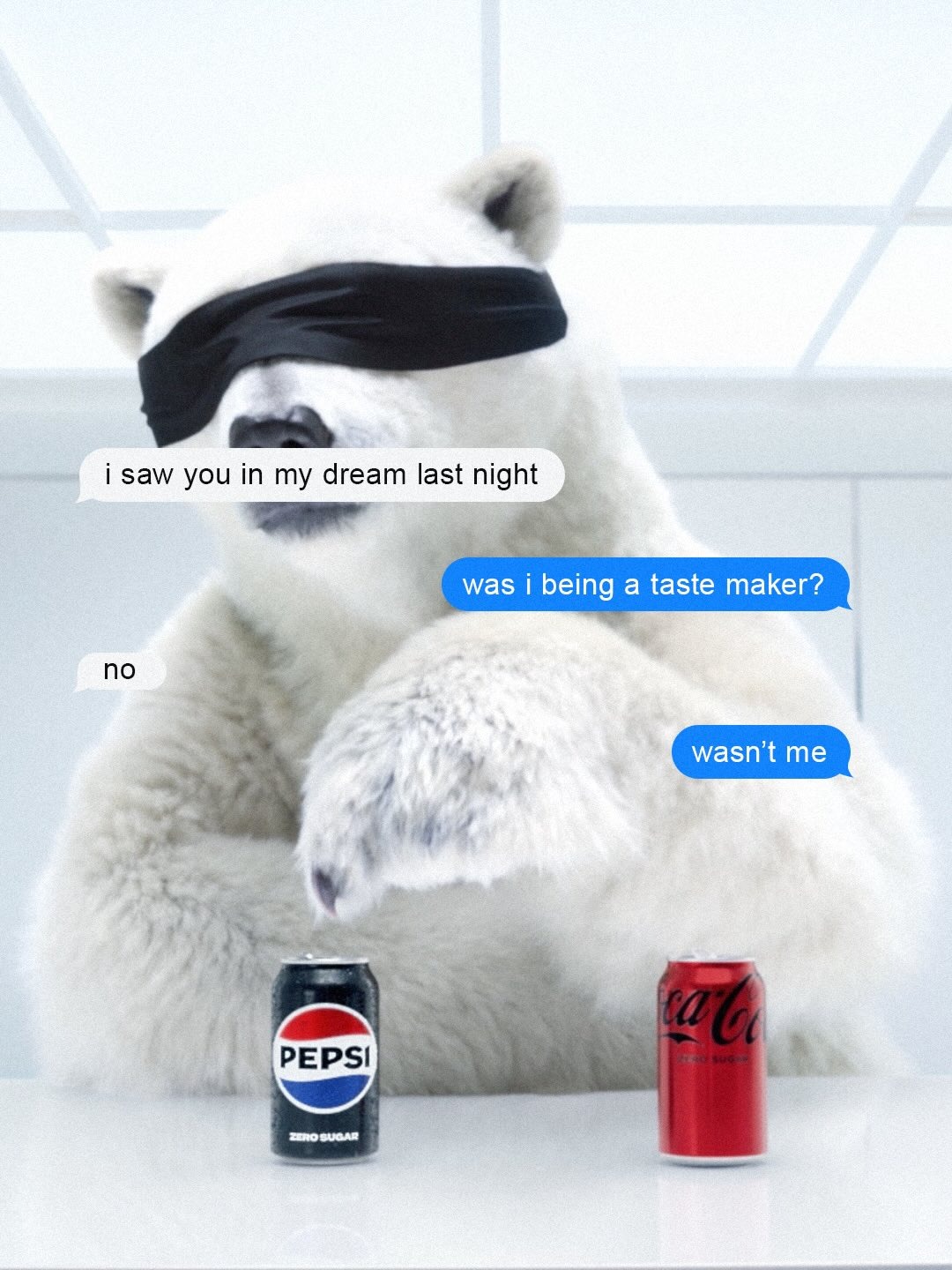
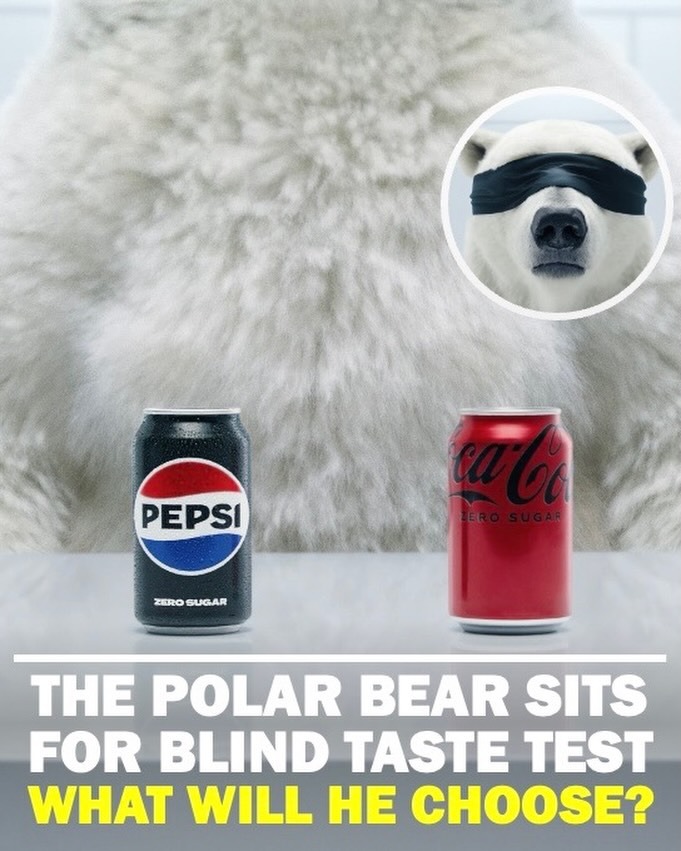
For brands today, a single Super Bowl airing is the starting point for a wider campaign. In an era of omnichannel marketing, brands increasingly rely on coordinated storytelling across channels, media, and settings to build the brand and drive measurable action. TV puts the campaign at the center of the conversation, digital media picks up the traffic and encourages people to engage, and a brand-owned app or platform helps retain that audience and build long-term value. Each step helps the campaign get as much as it can out of the initial exposure.
4. The ways people interact with brands become brand assets
Visual and verbal identifiers such as logos and taglines have traditionally been central to brand assets. Campaigns at the 2026 Super Bowl pointed to a broader definition. Brand assets also include the ways brands and consumers interact. The mechanics that invite people to participate are becoming important brand assets in their own right.
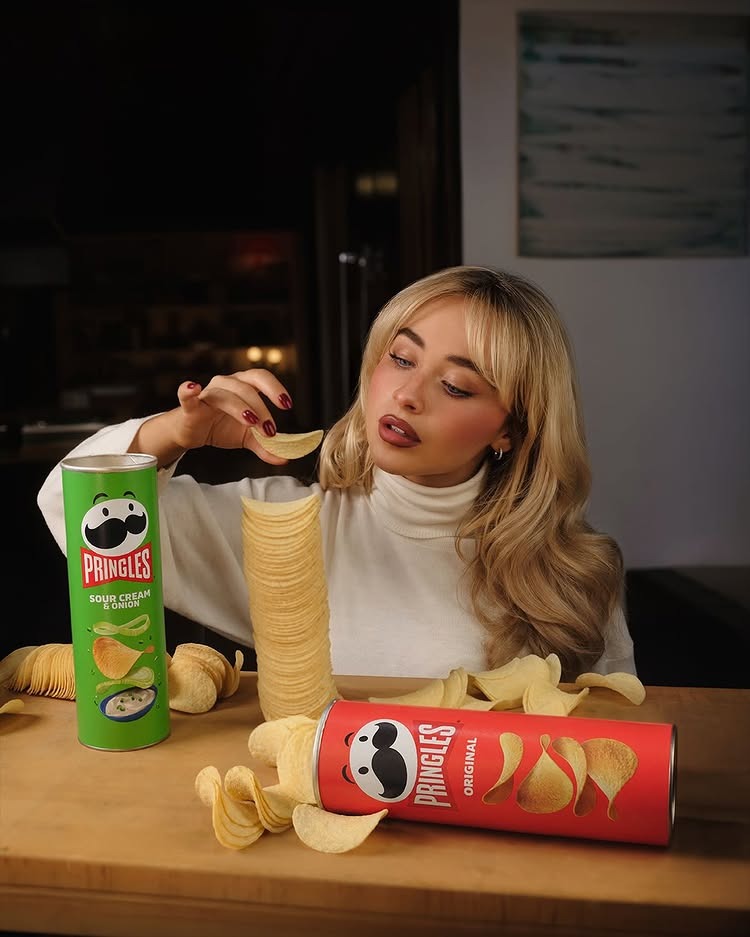
Pringles broke through at the 2026 Super Bowl with a spot starring pop idol Sabrina Carpenter that carried forward its classic theme, “Once You Pop, The Pop Don’t Stop.”
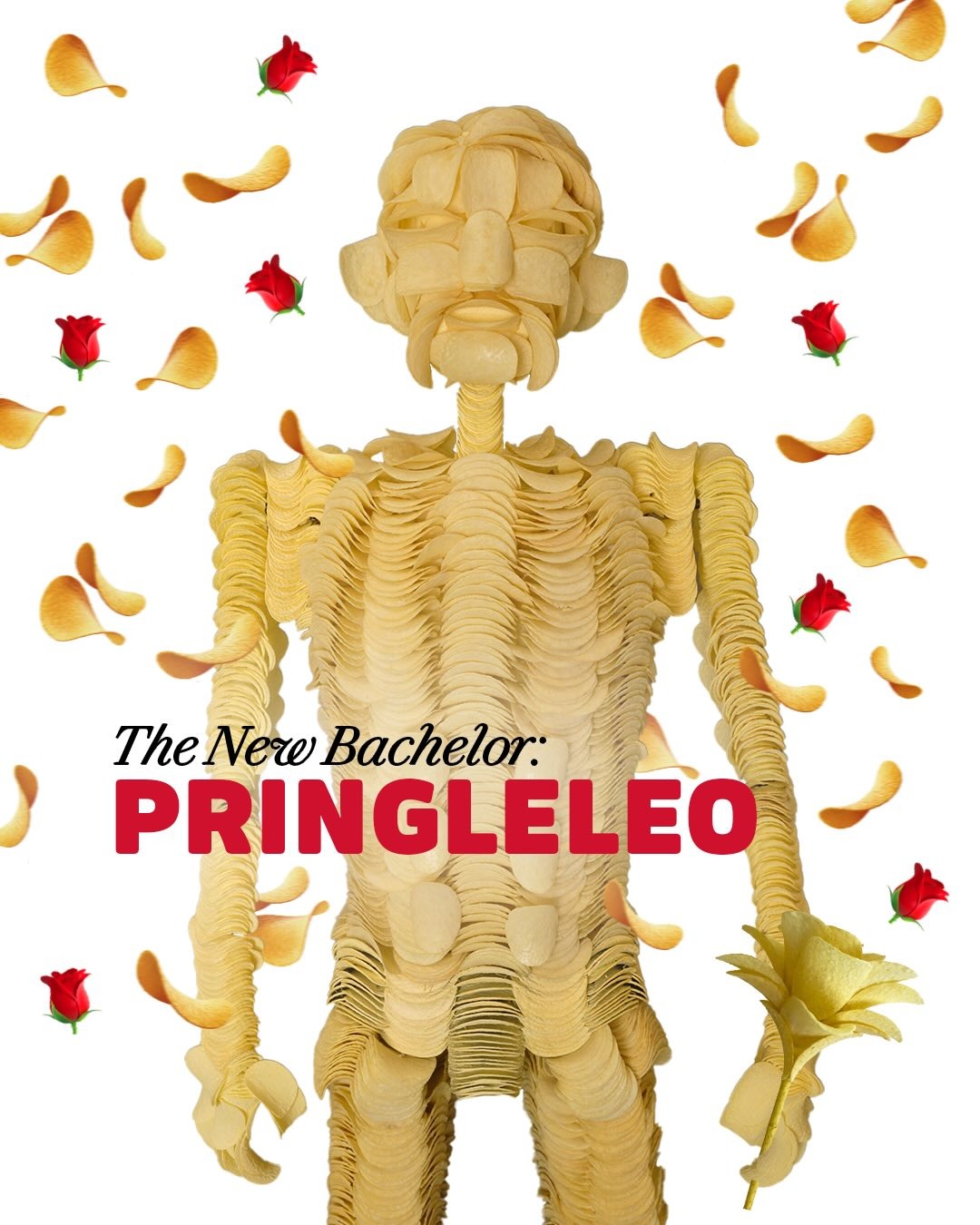
In the spot, Carpenter tells the camera she’s tired of boys and wants a real man. The mustachioed Mr. P on the Pringles can whispers an idea to her, and she hand-builds a life-size perfect partner from about 1,000 Pringles chips. She names him Pringleleo, in a playful demonstration of just how well the chips stack.
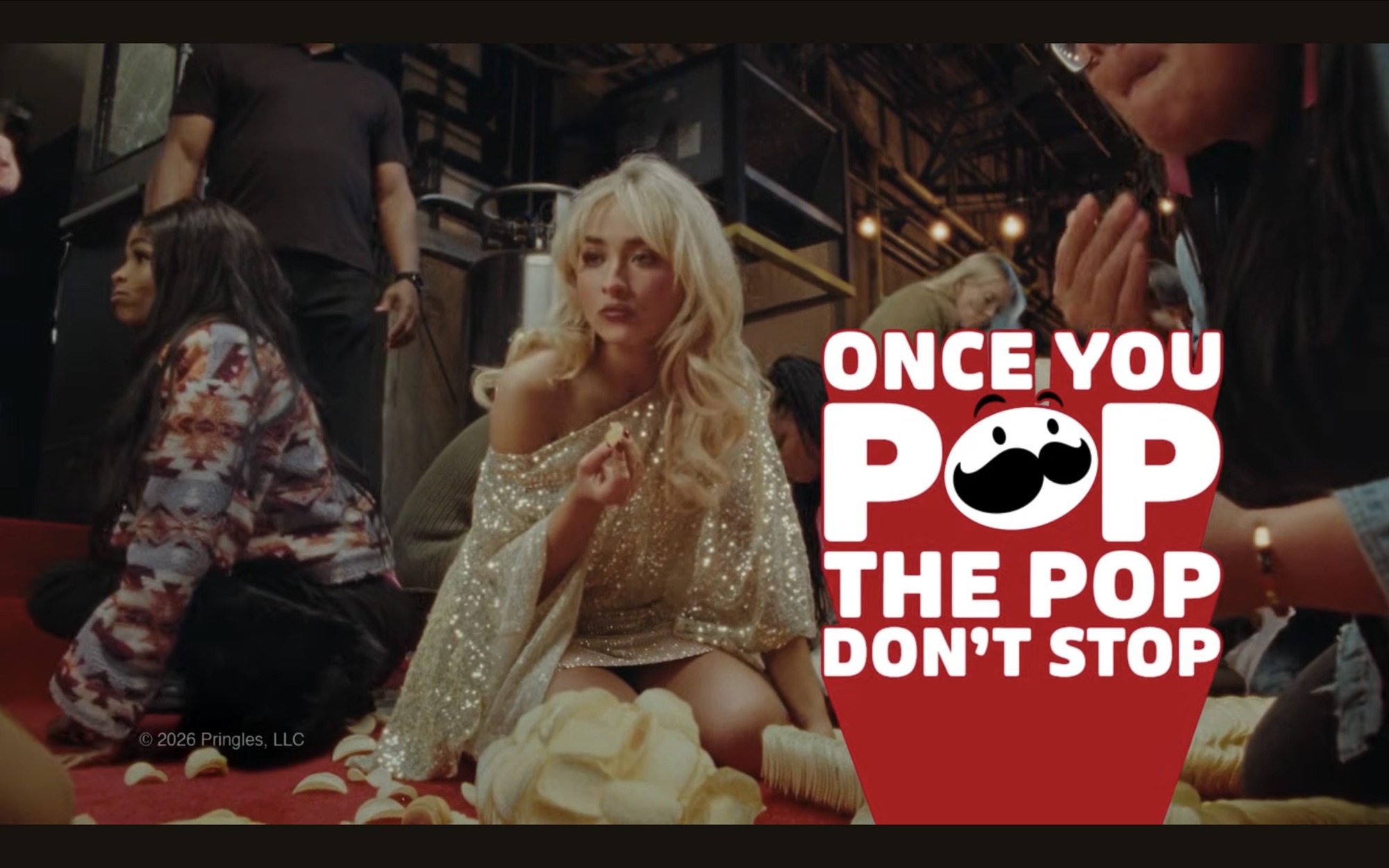
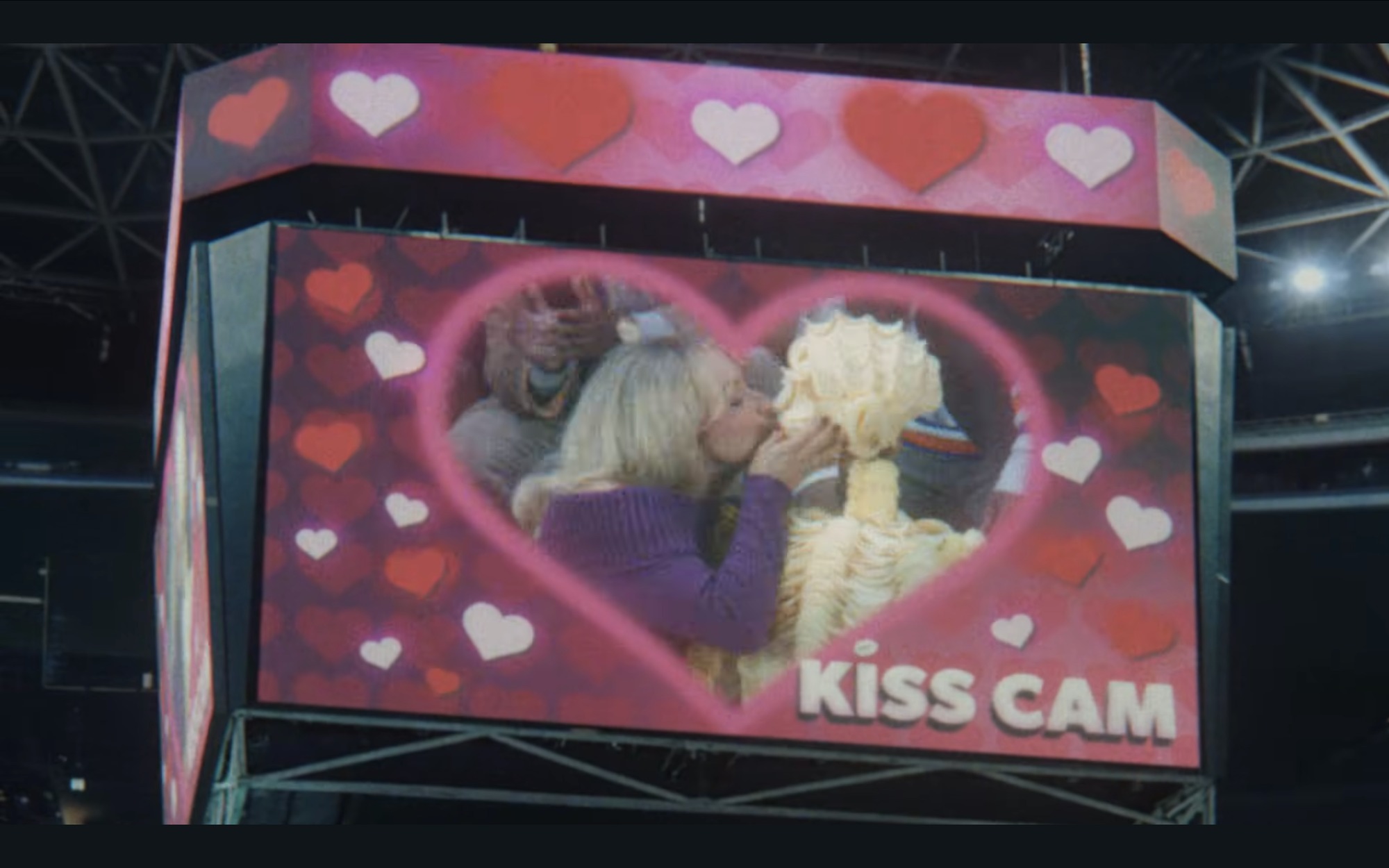
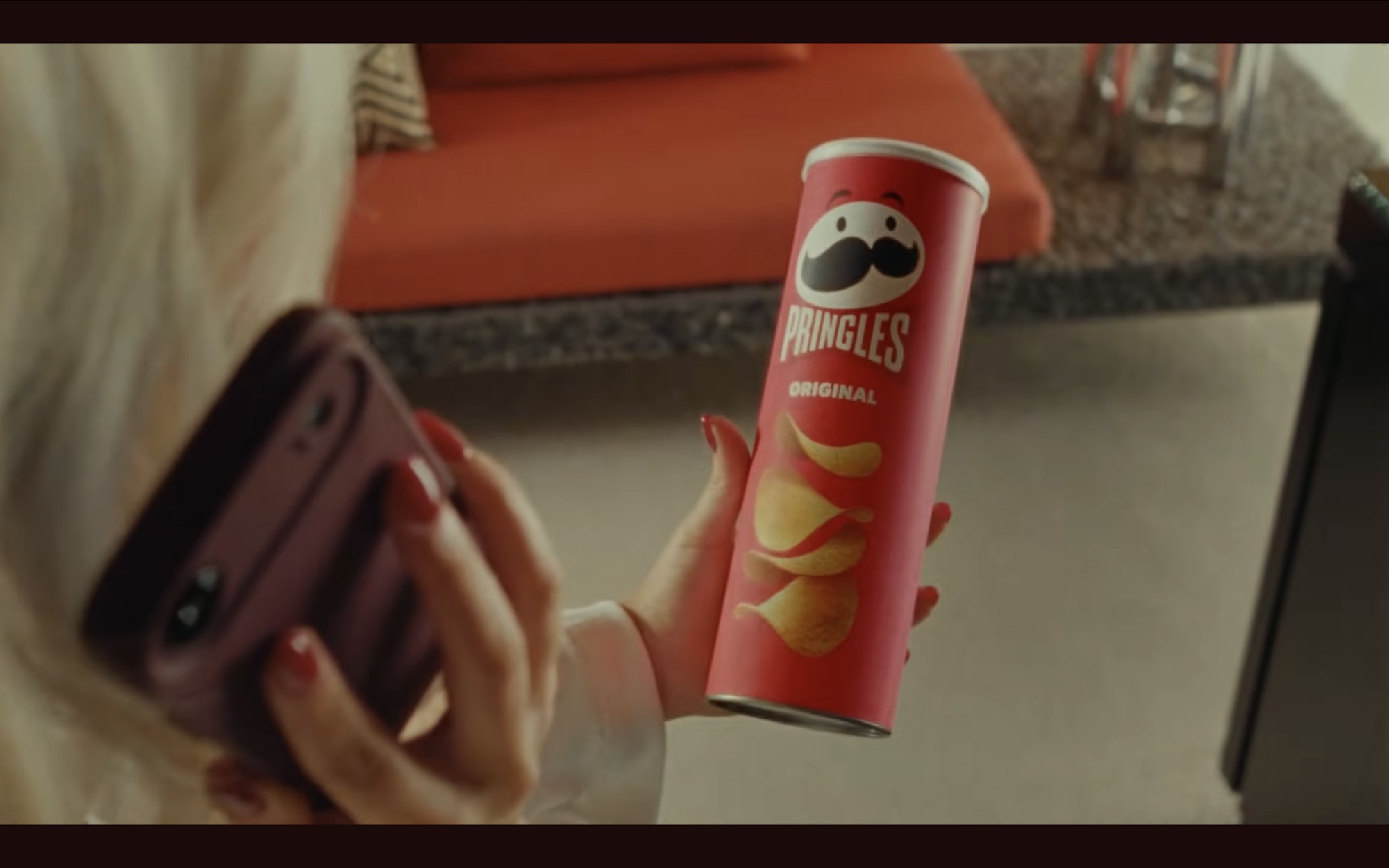
Pringles took the stacking gag a step further with a social media challenge. What viewers saw on a flat screen became a hands-on activity they could try themselves, making the act of stacking part of what people remembered about the brand.

Familiar Oreo commercials work the same way. Part of the pleasure of food is in the taste, and part is in sharing it. “Twist,” “Lick,” and “Dunk” give people a classic way to eat an Oreo and a more playful way to interact with the brand.
5. Real stories from the supply chain build brand trust
As we reported in early 2026, McDonald’s set its brand storytelling strategy for the year around the theme “Farm-fresh flavor, exceptional value.” It traced ingredients back to their agricultural sources, putting the supply chain and upstream producers at the center of the story. The brand used a more human voice and perspective to communicate product quality, letting straightforward associations with freshness and good ingredients do the trust-building work of a dry, technical ESG report. True stories about farmers and their farms also softened the industrial image associated with fast food and gave consumers something they could relate to.
Lay’s took a similar approach at this year’s Super Bowl. To get across its core message about food safety, the brand told the true story of a family that has worked the same land for generations, keeping technical data out of the spotlight. The story was inspired by a farming family Lay’s has worked with for decades.
In the ad, an aging farmer is preparing to retire and admits to his daughter that he can no longer keep up with the work. She wants to keep the farm going and persuades him to work one last growing season together. In the end, he solemnly hands her the keys, passing the farm from one generation to the next.
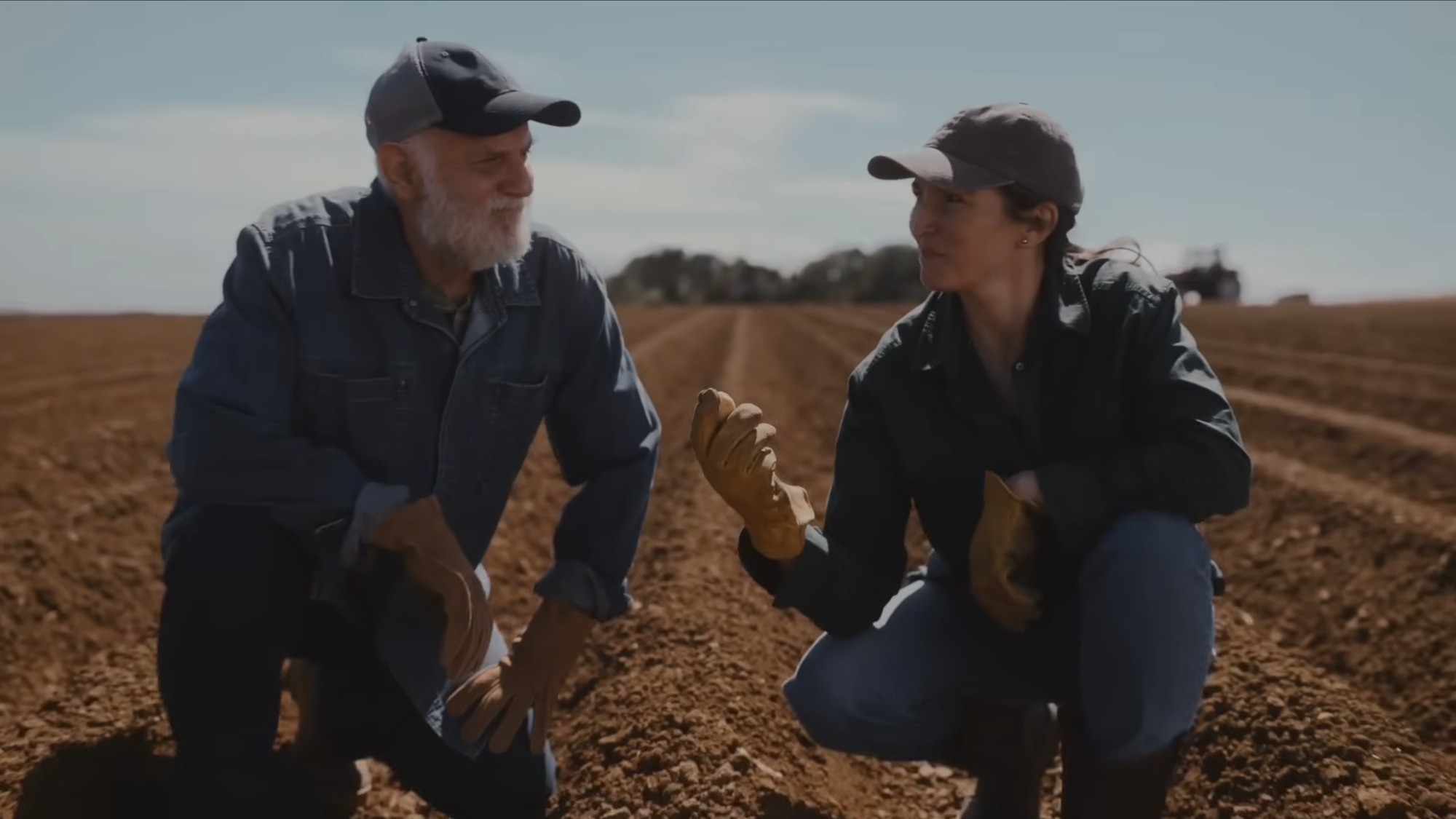
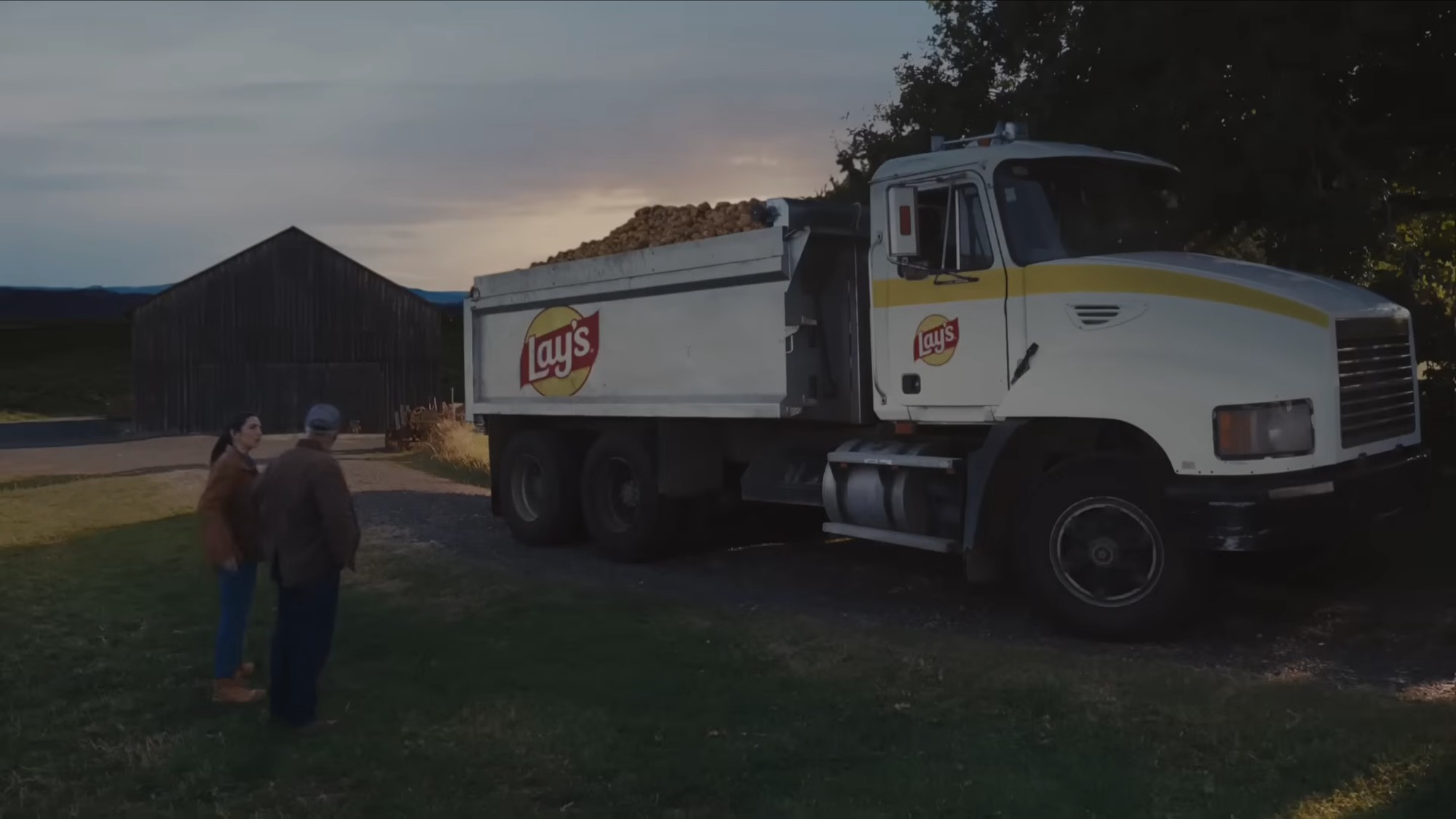
At a time when the industry is preoccupied with generative AI, Lay’s put “Real Potatoes” and “Real People” front and center. It told the story of generations who have cared for the land where its food begins and showed the people behind every bag.
To reinforce its association with freshness, Lay’s ran another ad that turned its supply chain story into a test of how quickly it could deliver.
The ad showed a huge potato field harvested in the shape of a QR code. Viewers could scan it with their phones for a chance to enter the challenge. The first 100,000 participants would receive a bag of Lay’s “freshest” chips, with a promise that no more than 72 hours would elapse from harvest to delivery at their door. If a delivery missed the deadline, the recipient would get a year’s supply of free chips, or 24 bags. By pairing a real supply chain story with a stringent delivery promise, Lay’s gave consumers a way to experience and verify its freshness claim.
6. Self-deprecating humor makes brands feel less authoritative
Brands today are more like friends who get the joke and understand everyday life than lofty life coaches. Poking fun at themselves has become an important way for brands to show personality, soften their air of authority, and connect with consumers.
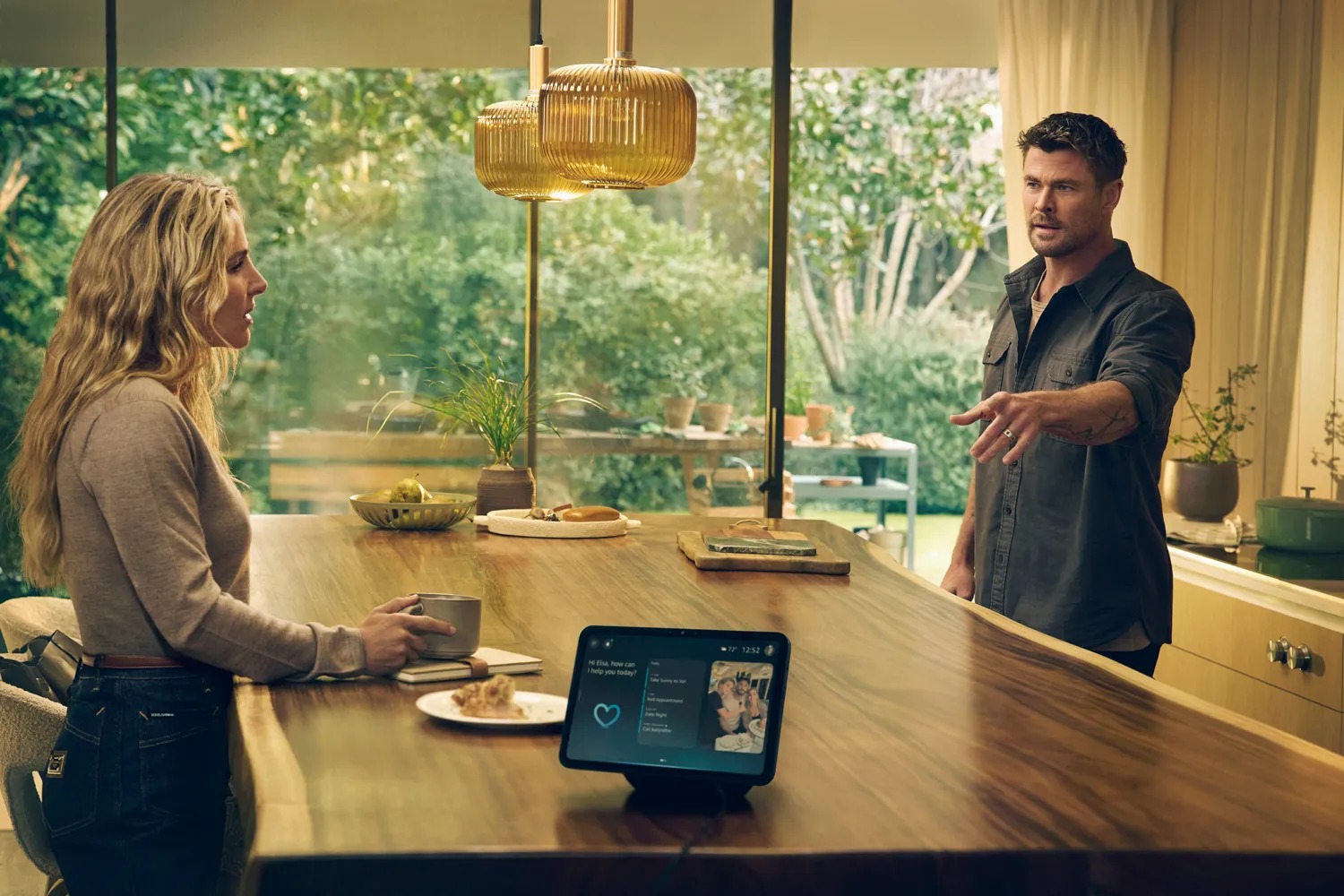
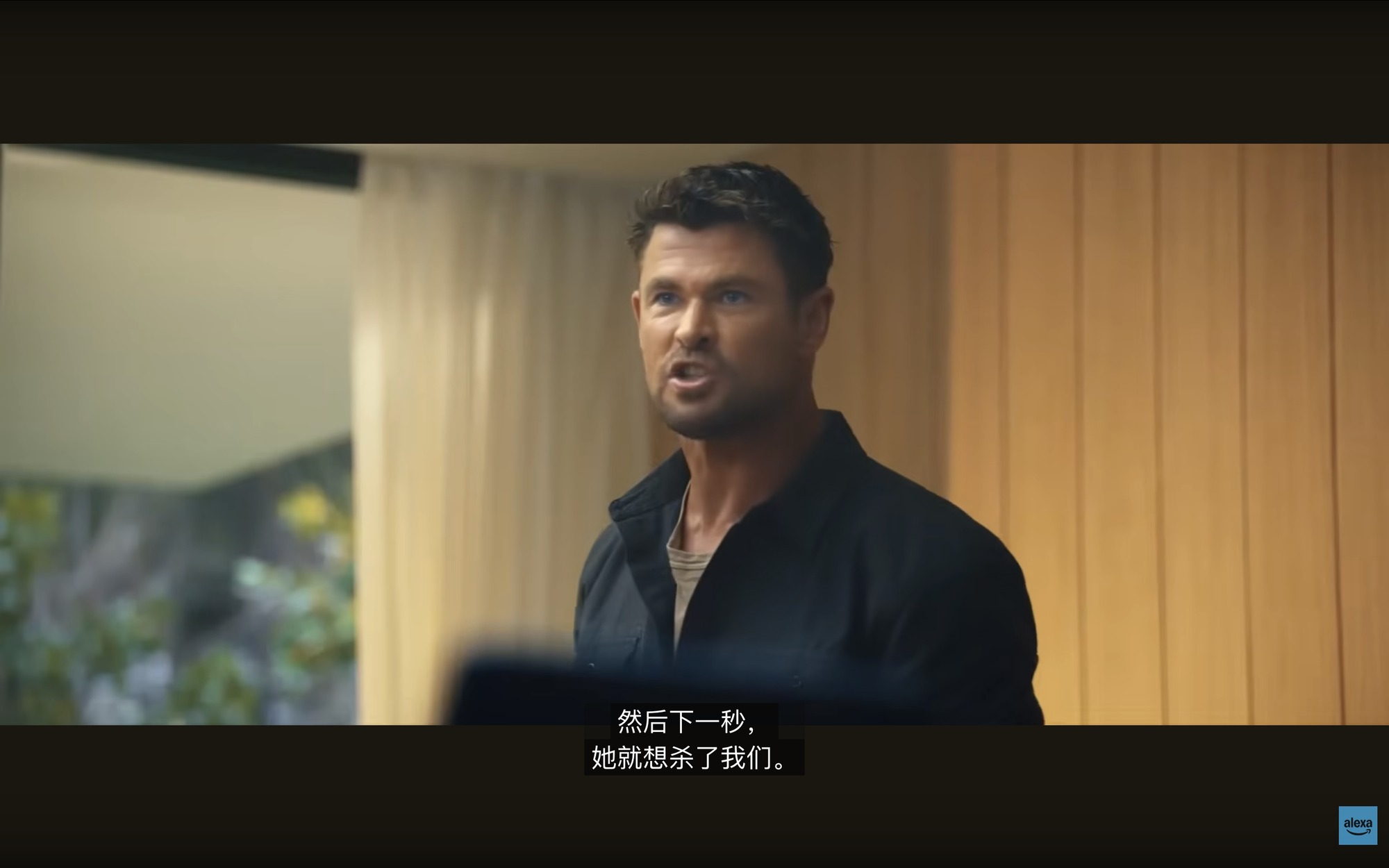
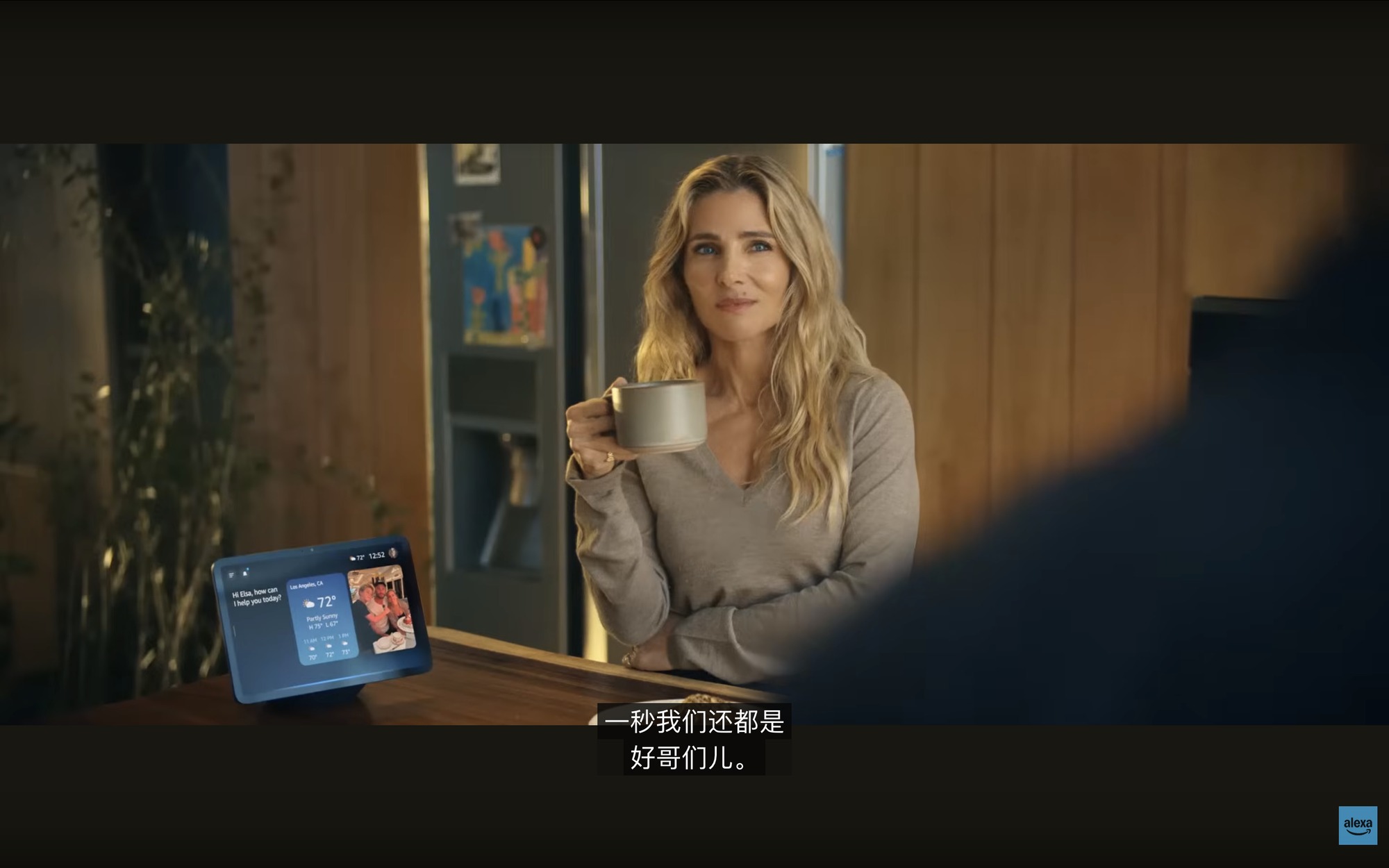
In Amazon’s Alexa ad, Chris Hemsworth calls out how “scary” AI can be at times. The self-deprecating humor tackles public concerns about privacy and fears of AI spiraling out of control, making the brand feel more authentic and candid. Pepsi gets people talking by having a rival’s iconic polar bear drink a Pepsi. In Dunkin’s ad, Ben Affleck pokes fun at himself, making both the A-list star and the brand feel more approachable.
In an era of social media and rising skepticism of authority, self-deprecation is the fastest way for brands to build trust with consumers. Brands that own up to their limitations or find the humor in past missteps come across as more confident and more human. When brands bring up the very things people criticize them for and handle them with a light touch, they acknowledge their flaws and show consumers they’re being genuine.
7. Social issues shift from “overcoming anxiety” to “joyful defiance”
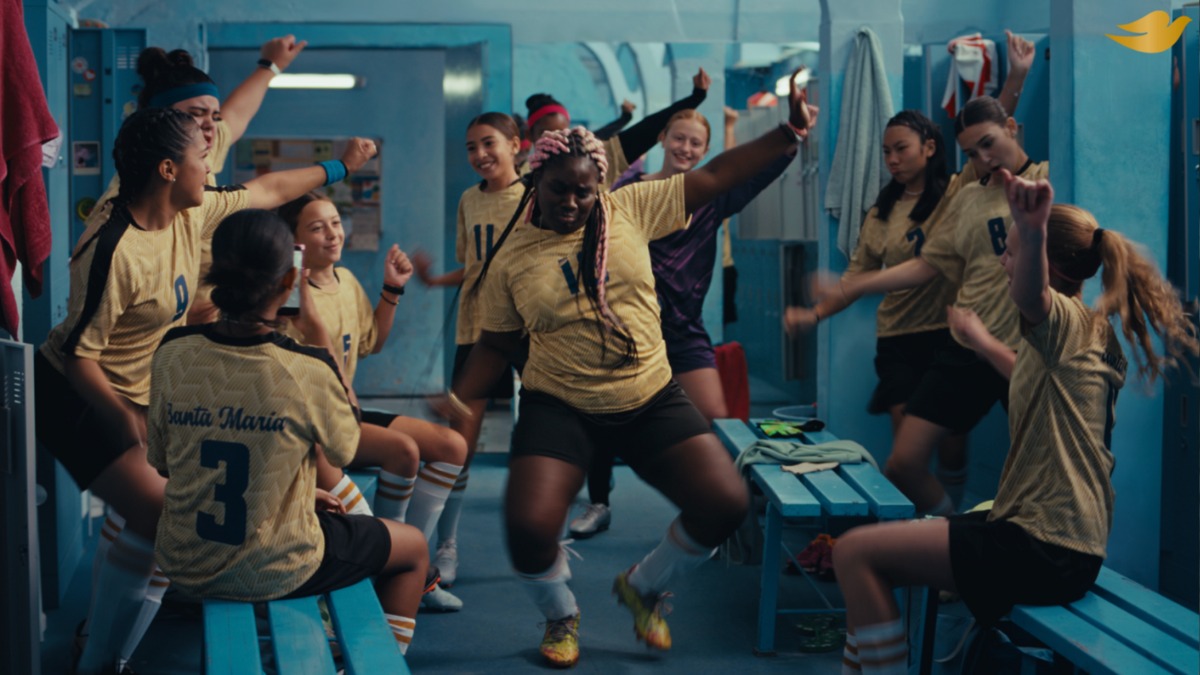
Even on a stage as entertainment-driven as the Super Bowl, plenty of brands tackle social issues, including those affecting women. Where earlier campaigns dwelled on hardship and oppression, brands today center “joyful defiance,” drawing on confidence, passion, and freedom to give their messages more force.
Dove’s Super Bowl ad “The Game is Ours” is a prime example. It simply records the sounds girls make as they play sports: sneakers squeaking against the floor, sprinters breathing hard, and water splashing as divers hit the pool. Those sounds come together in a rhythmic symphony that captures what girls are really like when they play and how much energy they bring to it.
In a statement, Dove Chief Growth Officer Marcela Melero said that girls need environments and support systems that celebrate their worth and abilities more than ever, with less emphasis on how they look. She said the campaign is part of a much broader, ongoing effort to remind every girl that her joy and love of sports matter far more than any criticism she faces.
Structural inequities persist, even as brands change how they tell these stories. Confidence, passion, and freedom can themselves give people the strength to withstand criticism. This “joyful defiance” is becoming a more powerful way for people to protect and express themselves, and it resonates more deeply with consumers.
Closing thoughts on putting people first in the AI era
By 2026, AI had permeated nearly every aspect of daily life and business, becoming a major driver of industry growth. Yet the Super Bowl ads from leading brands all emphasized the same elements AI cannot replicate. Shifting emotions, nostalgic memories, and imagery that engages the senses give these ads a distinctly human warmth that consumers can feel.
Even as AI can quickly generate ultra-high-definition, film-quality imagery, Volkswagen still chose to shoot its Super Bowl ad on film, leaning into analog imperfections for added texture and warmth. Levi’s deliberately highlighted signs of wear on its products, making the timeless appeal that comes with age central to the ad.
Humor is also central to how brands express themselves, and it’s one of the hardest things for AI to replace. In keeping with the Super Bowl’s entertainment-first atmosphere, most ads at this year’s game took a playful, irreverent tone. Their biggest draw was a sense of humor you could feel even if you couldn’t quite explain what made it work. Pepsi playfully borrowed Coca-Cola’s iconic mascot to make a case for its own cola, while Pringles turned chip stacking into a gag by building a fictional character out of the chips. Any creative idea can be studied and copied, but the particular humor of a storyline can keep an ad rewarding. AI can imitate the technique, but it may take a long time to reproduce humor and taste.
Perhaps what brands are learning today is how to live with AI and, more broadly, how to live with technology. Technology will keep changing, but brand storytelling will always depend on good taste, nostalgic feelings and memories, shifting emotions, and a distinctive sense of humor. These human qualities, which technology cannot replicate, will always give brand storytelling its competitive edge.
Artificial intelligence · Brand storytelling · Brand marketing
More stories →