How is China’s first H&M experience center rethinking fashion retail space?
H&M is using experiential retail design to reframe how people relate to fashion.
As September gave way to early fall, Shanghai’s century-old Huaihai Road welcomed back a familiar face with a very different look.
After two and a half years, Swedish fashion brand H&M returned to the site of its first flagship store in China, this time with the country’s first H&M brand experience center. The new center takes up the entire building, giving H&M a larger canvas for a landmark brand refresh at a pivotal moment between its past and its future.
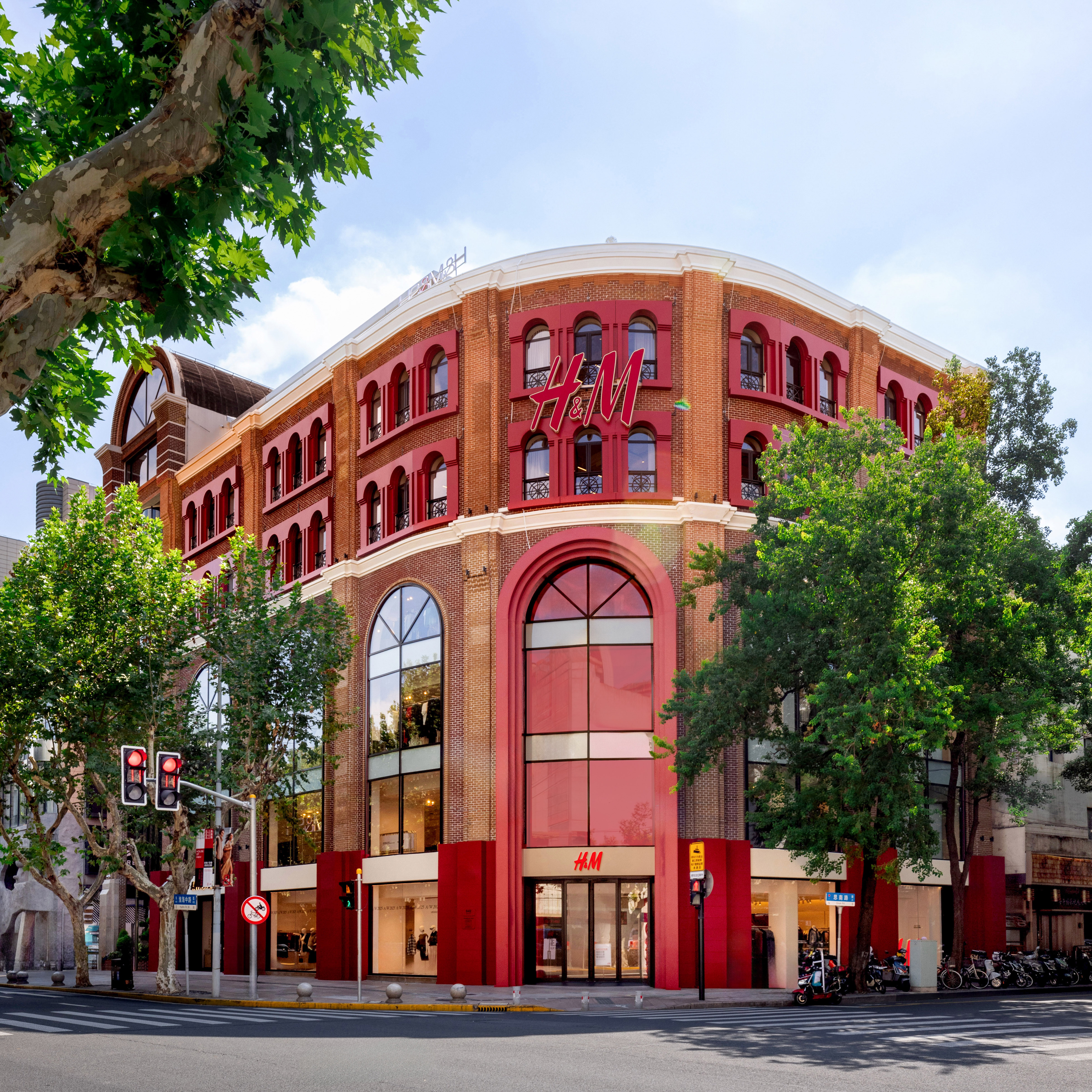 House of H&M
The first thing visitors notice is how thoroughly the fashion shopping experience has changed. H&M has shifted from putting merchandise first to prioritizing the experience. In the 3,000-square-meter retail space, an exhibition space, a café, a flower shop and a livestream studio account for nearly half the footprint, linking conventional merchandise displays with different floors and areas.
As Si Yide, president of H&M Group Retail Greater China, explained at the opening, the center showcases H&M’s new brand identity through higher-quality products and experiences, with the aim of giving customers a more inspiring shopping journey.
The boundaries of the space are also less distinct. A glass elevator brings views of Huaihai Road into the store, making the surrounding neighborhood part of the experience. A glass-fronted livestream studio connects online and in-store conversations about style and trends, making the center a communications hub for fashion, entertainment and commerce.
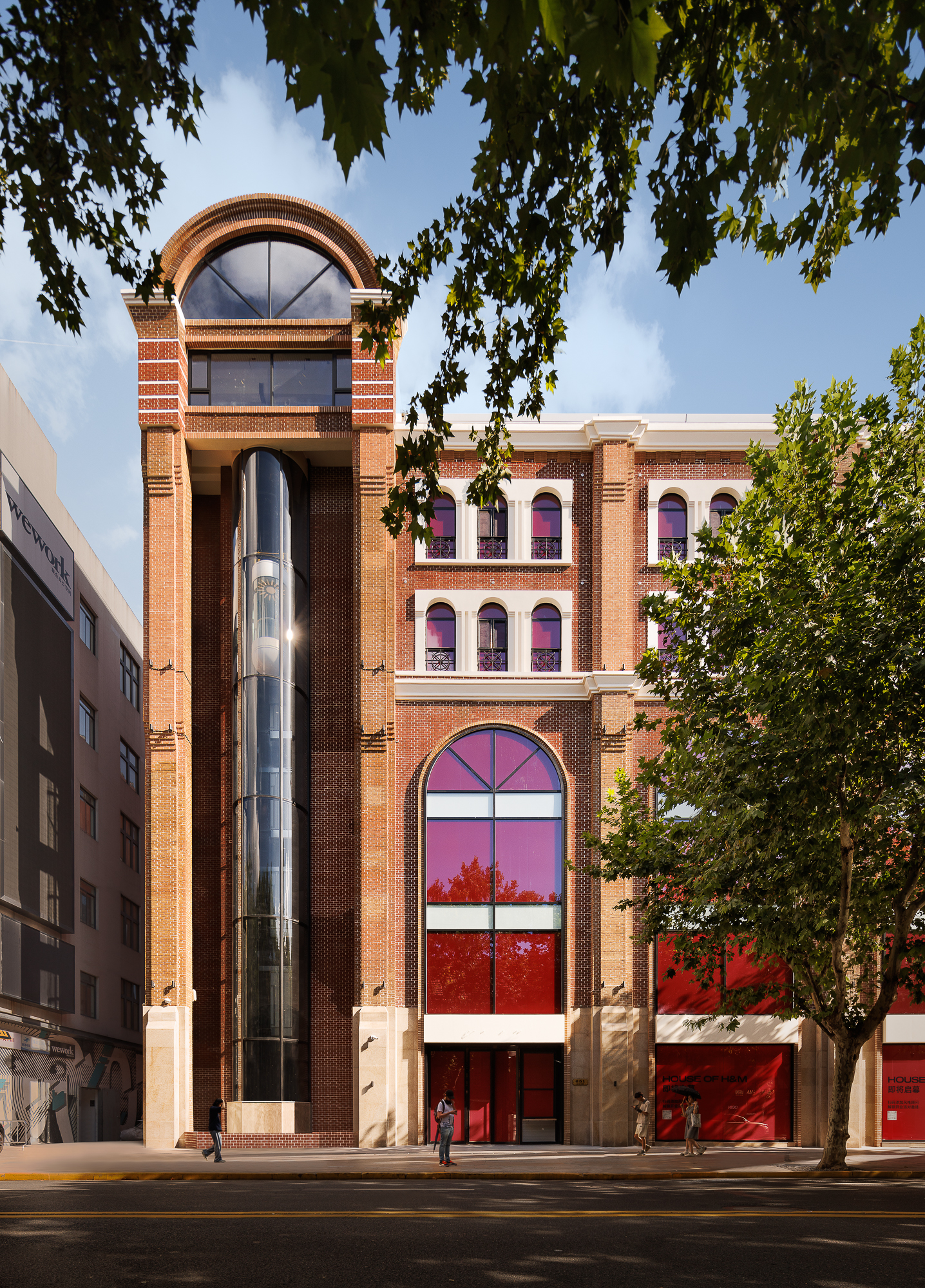
What surprised us even more was what H&M did upstairs. True to the name House of H&M, the company moved its Greater China retail headquarters into the same building. With decision-makers and shoppers sharing the shade of the same plane trees, closer contact with customers helps H&M pick up on shifting market needs more quickly.
Both the layout, which is unusual for fast fashion, and the high-profile return to Shanghai’s Huaihai Road with H&M’s first brand experience center in China reflect how the company has come to understand and respond to the Chinese market.
01. Retelling the brand story through a magazine-inspired space
Months earlier, a striking red construction hoarding appeared at an intersection on Huaihai Road. The white House of H&M lettering, set against a solid red backdrop and framed by lush green trees in the foreground, announced the space’s revival with a look that was bold and composed.
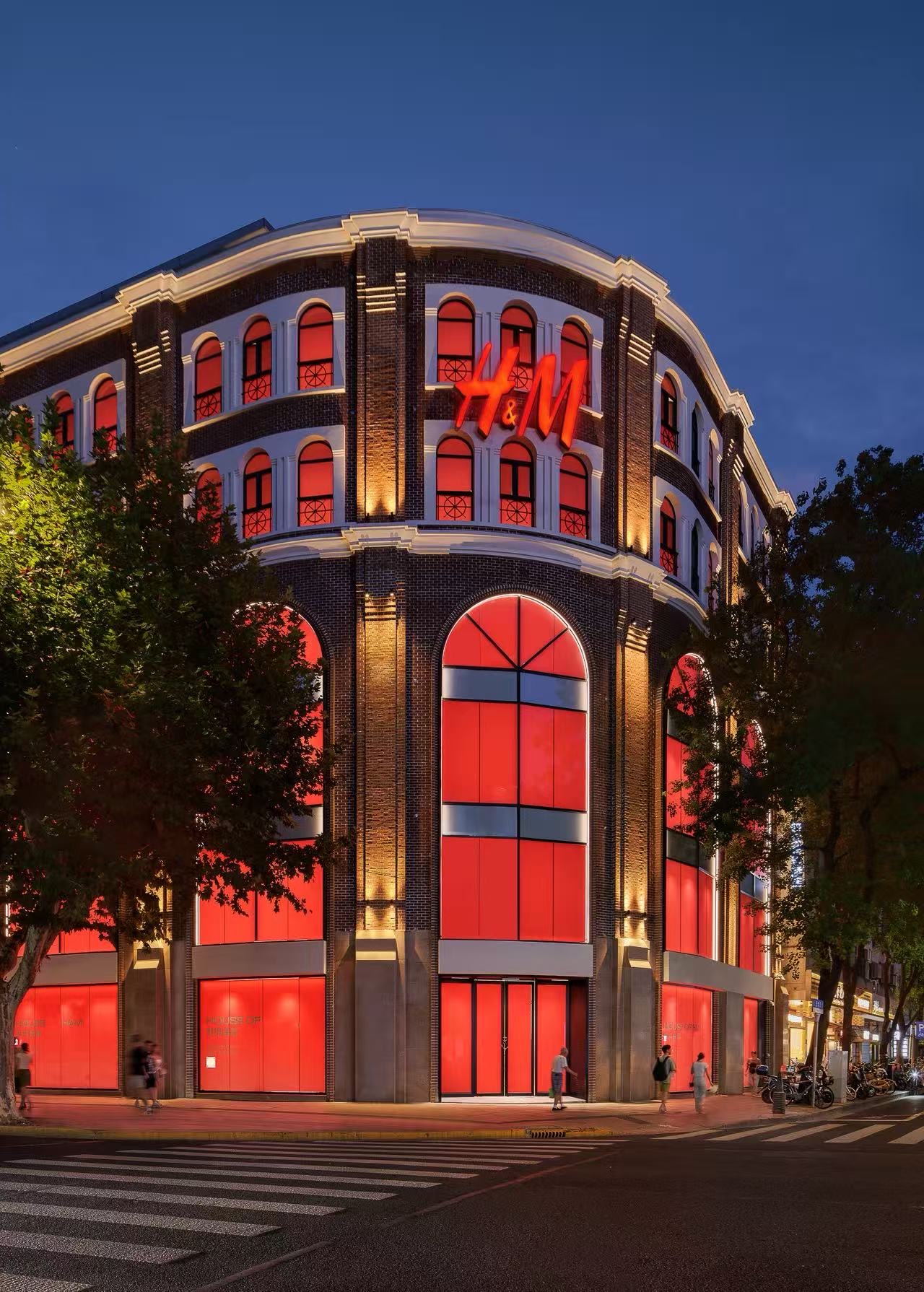
When the red curtain came up, the center’s warm visual identity took shape in red arched doors and windows set into the existing façade. The red carried through the historic building, turning the interior into a vast canvas for a series of immersive settings.
The conventional boundaries of retail dissolve here. The 3,000-square-meter space reads like a three-dimensional magazine, with each page telling a different part of the brand story. Merchandise displays are part of an evolving experiment in how people live.
With fashion and style in its DNA, H&M gave the experience center two street entrances so visitors could begin their visit in different ways.
The entrance to the H&M Home concept store faces Middle Huaihai Road. Like the entryway to a close friend’s home, it leads from the downtown streetscape into an immersive domestic setting.
 H&M Home concept store
This is the first time H&M has given its home collection a dedicated space in China. Each room offers a different take on the evolving art of making a home.
Walking through the store feels like following a close friend on a tour of their living room, bathroom, kitchen and children’s room. The throw pillows seem to still hold the warmth of the sun, while bathroom fragrances and kitchenware sit in a soft glow. In that inviting atmosphere, it feels as if something lovely could happen at any moment.
The experience engages several senses from the moment shoppers step inside, thanks to the adjoining H&M flower shop and H&M&Café. The flowers at the entrance bring a breath of life and a touch of nature to shopping amid the city’s concrete, while the aroma of coffee quietly connects fashion with everyday life.
The H&M&Café shop-in-shop gives H&M’s idea of a lifestyle a tangible form. From sourcing traceable coffee beans to designing the cup sleeves, every detail reflects the brand’s style and point of view. Limited-edition merchandise gives customers a piece of that experience to take with them. At the human scale of a coffee break, even a sip becomes an unselfconscious interaction with the brand.
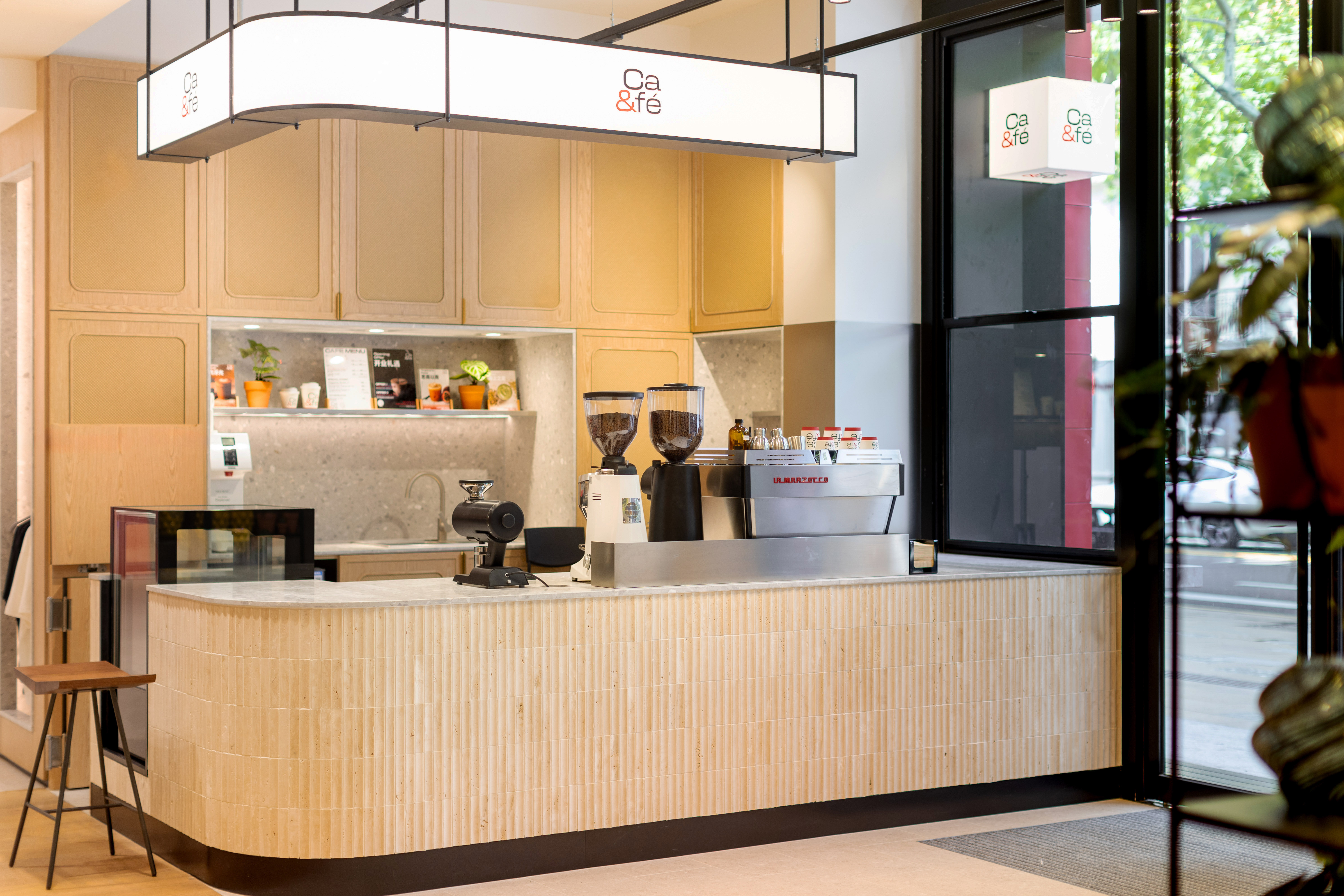 H&M Cafe
The other entrance sits at the intersection of Middle Huaihai Road and Sinan Road. With every change of the pedestrian signal, the prominent H&M sign above the door draws fresh looks and piques curiosity.
This door opens onto H&M’s fashion collections, with the latest in-season merchandise showcased in a curved display area at the entrance. The introductory display naturally draws the eyes of passing pedestrians into the building.
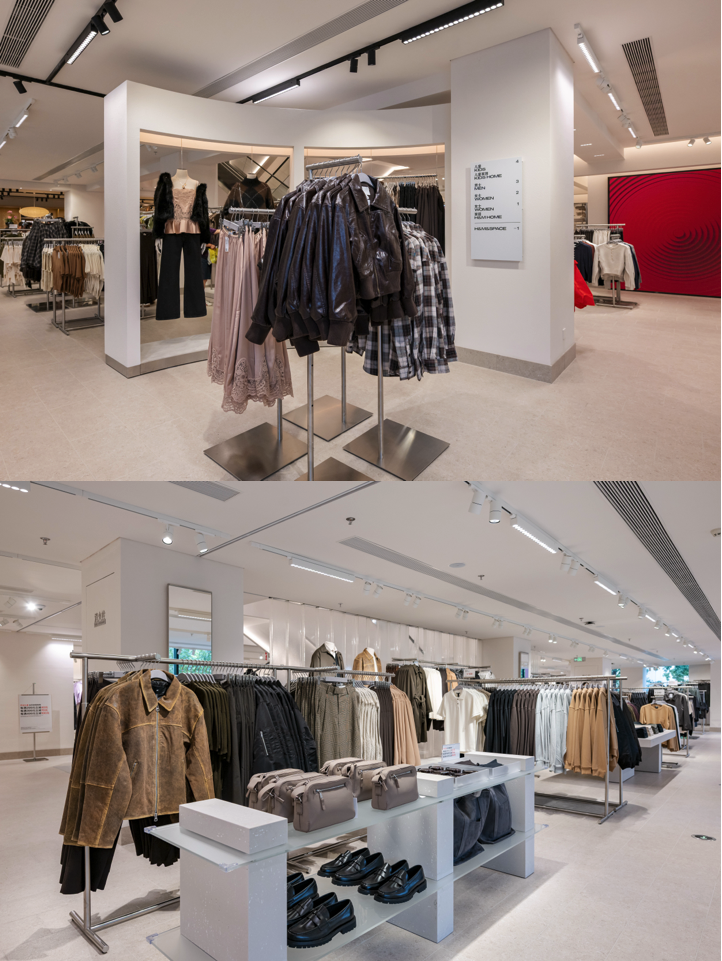
Beside the escalator, a striking red staircase with a velvety finish leads down to the basement and into the center’s most intriguing space, the H&M&SPACE exhibition area, where the brand explores its history and experiments with new ideas.
Against an immersive red backdrop, H&M has turned H&M&SPACE into an evolving fashion archive. Studio collections from past years are presented alongside installations, moving images and interactive displays that invite visitors to explore and play.
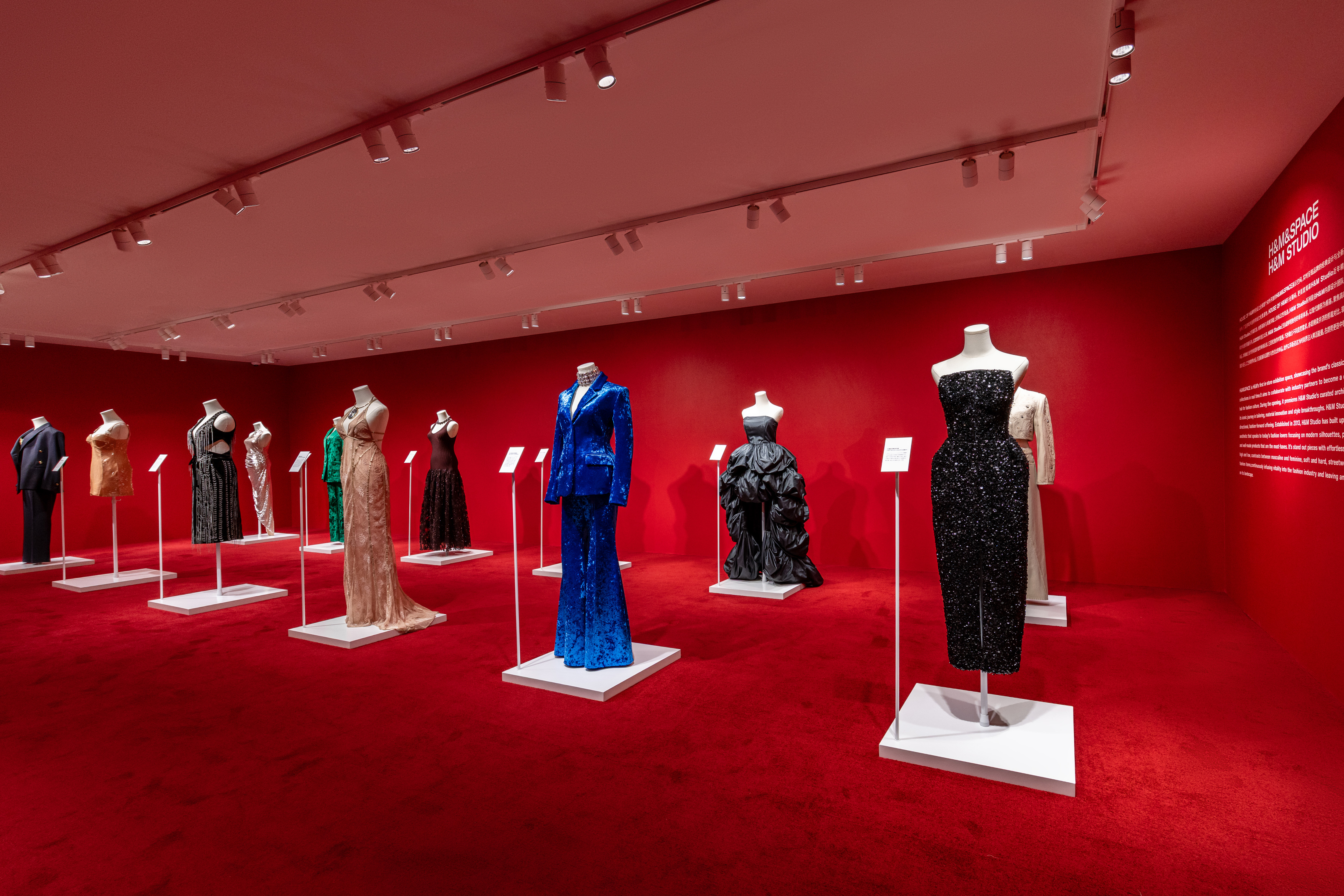 H&M&SPACE
Back on the first floor, farther into the store, a glass-enclosed livestream studio built in next to the checkout counter is another standout detail. H&M gives the studio its own Douyin account, @H&M House of Style.
Under the plan, H&M’s resident hosts will interact with online shoppers in real time from the store itself. For major brand events and key dates, H&M will invite celebrities, designers and models to share their perspectives on fashion and their personal style. The setup brings livestream production out from behind the scenes and into the store experience. It makes a once closed-off production process part of the shopping experience.
 H&M livestream studio
For shoppers in the store, the glass-fronted studio breaks traditional retail’s fourth wall. They can watch hosts talk through products live, co-hosts make quick outfit changes and crews adjust the lighting. By making the production feel less staged, the design makes livestreaming feel more accessible. As shoppers browse, they can see how the online content comes together in real time.
For online viewers, the sales floor, people walking by, merchandise displays and even the streetscape along Huaihai Road form a constantly changing backdrop. The live setting gives viewers a sense of being there that a virtual backdrop cannot replicate.
This exchange between online viewers and in-store shoppers is a bold experiment in using retail space as a media channel. The studio serves as a point of connection between the digital and physical store experiences.
Above the ground floor’s mix of uses, the second, third and fourth floors serve distinct customer groups through womenswear, menswear, teen apparel, kidswear and H&M Move activewear. Each category presents outfits and lifestyle ideas across different styles, with the experience tailored to the shoppers it serves.
On the fourth floor, play areas for children are integrated into the merchandise displays. The separate Kids Home area may be the biggest surprise. With miniature home goods and cleverly designed interactive spaces, H&M shows its youngest visitors some extra care and gives them something to remember beyond the purchase itself.
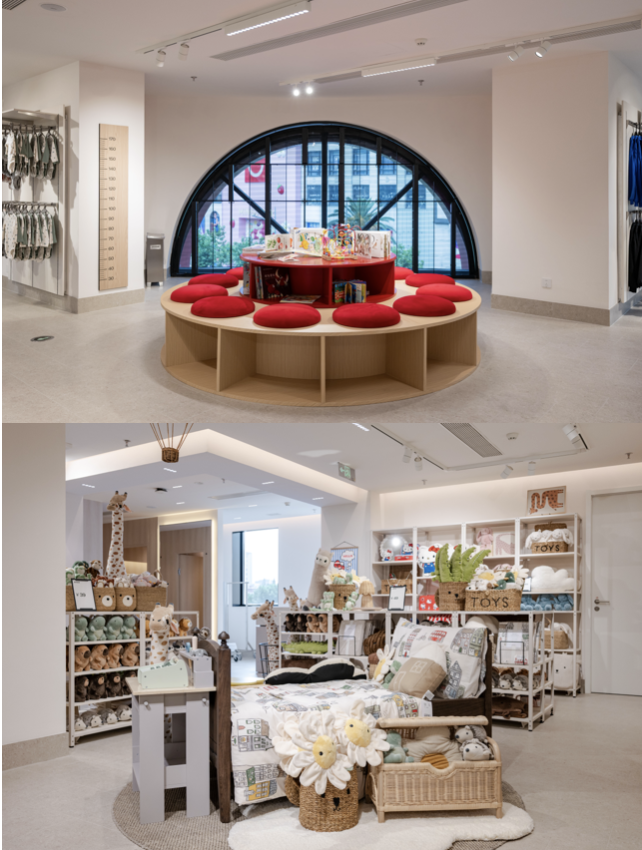
This experience-first layout overturns fast fashion’s emphasis on dense merchandise displays and rapid inventory turnover. The café gives people a place to socialize, the flower shop brings in natural elements and the exhibitions invite exploration. All three encourage shoppers to stay longer and make shopping a natural part of the visit.
The result is an inviting place to discover the brand, engage the senses and spend time with others. The physical redesign fundamentally changes how H&M tells its story.

02. Opening up the store to connect with people
More fundamentally, the H&M brand experience center marks a shift in the relationship between the brand and its customers.
As the experience economy and the attention economy operate side by side, the value of commercial space is being redefined.
Across its floors, the building expands conventional fashion retail into a setting for many kinds of interaction. Each shopping occasion gives H&M a chance to build a deeper connection with customers.
The center’s most significant innovation is bringing the retail headquarters and the flagship store together under one roof.
Si Yide said the decision to put the Greater China retail headquarters above the store was intended to bring the team closer to shoppers and help it understand their changing needs more quickly. The layout puts H&M’s commitment to making fashion accessible to the public into practice and makes its long-term commitment to China visible.
The layout breaks with the traditional chain of command in retail, where headquarters makes decisions and stores carry them out. It creates conditions for direct dialogue between the brand and its customers.
Working on site allows the brand team to take part in what happens and see customers’ reactions in real time. That proximity gives the team firsthand feedback on the shopping experience to draw on alongside the numbers in its reports.
Over the long term, bringing the store and headquarters together combines brand philosophy, operational efficiency and customer experience in a single model. Its strategic value extends beyond efficiency, making it a significant advance in the evolution of new retail.
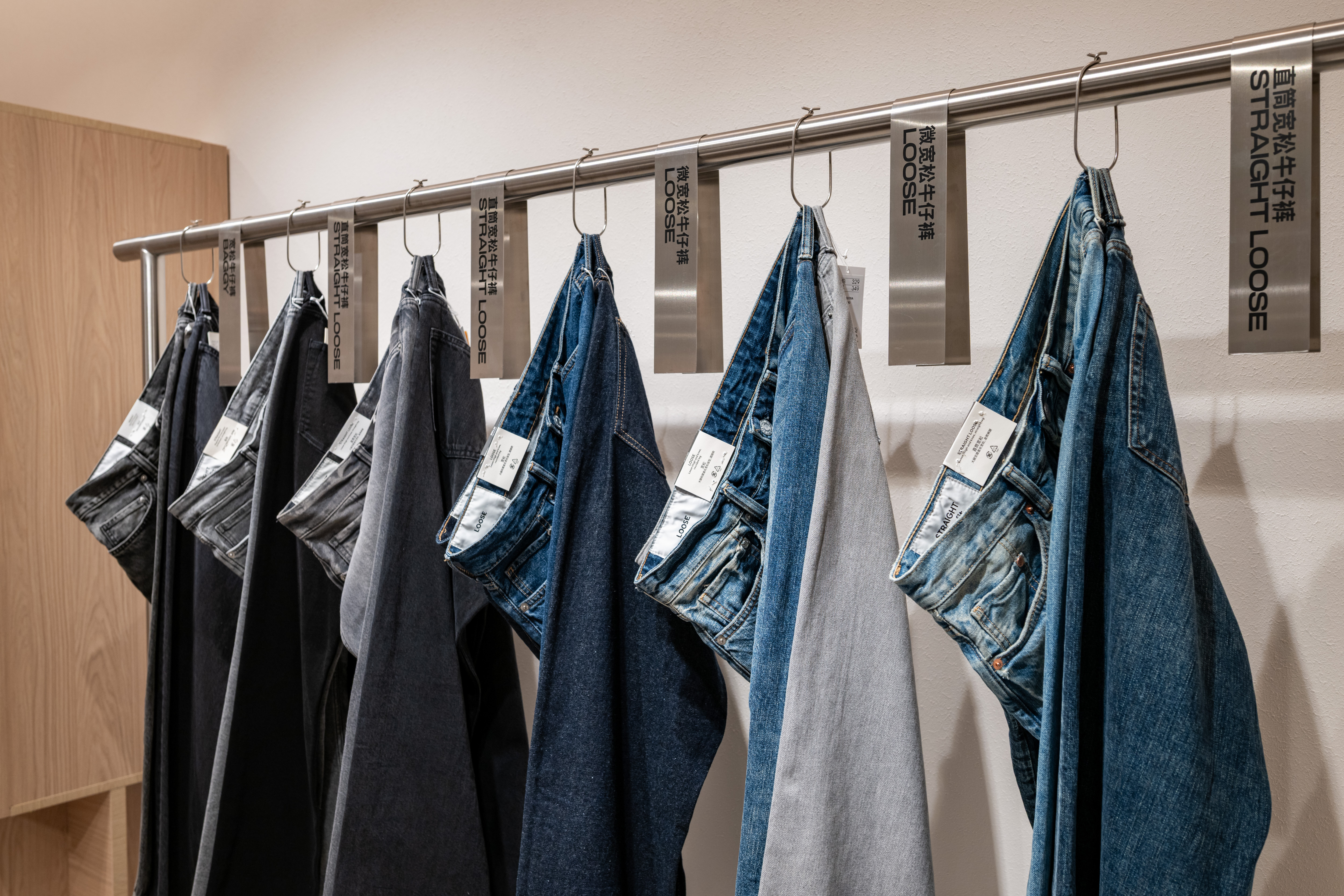
The way the center opens onto Huaihai Road suggests a new role for contemporary retail space. When a store sees itself as part of the social fabric and looks beyond transactions and concept statements, it can become part of a city’s culture and everyday life.
The glass elevator brings city views indoors, large windows at the fitting room entrance frame the historic architecture, and the glass-fronted livestream studio puts content production on public view. Together, these design choices soften the traditional boundaries between commercial space and the public realm.
H&M&Café, with its street-facing window and ordering mini program, and the flower shop at the entrance help the brand fit naturally into the street and into city life. Passersby might pause at a window display, catch the aroma of coffee or linger over a bouquet. In the process, they go from passing by to taking part without even noticing the shift.
This openness, and the ease with which people can move between the street and the store, make the brand part of the city’s public life. As the store becomes woven into everyday urban life, the relationship between the brand and its customers grows from a commercial transaction into a partnership in a shared community.
The curatorial approach at H&M&SPACE is another area of experimentation for H&M as a fashion brand, reflecting a close reading of how people shop today.
As architect and designer Michele De Lucchi has observed, the appeal of a space comes from the possibilities it opens up, regardless of its footprint.
The exhibition area feels as fluid as a social media feed. Themed displays change every few months, giving shoppers something fresh to see. The space also brings H&M together with designers from Shanghai Fashion Week and other local designers and artists to exchange ideas and see what emerges.
The exhibition space functions like a feed, with a steady stream of new content.
The changing design responds to people’s appetite for immediacy and novelty, giving a physical store some of the appeal of social media. Each visit might bring a new art installation, themed exhibition or interactive experience. That carefully designed element of surprise is what draws customers back to see what’s new.
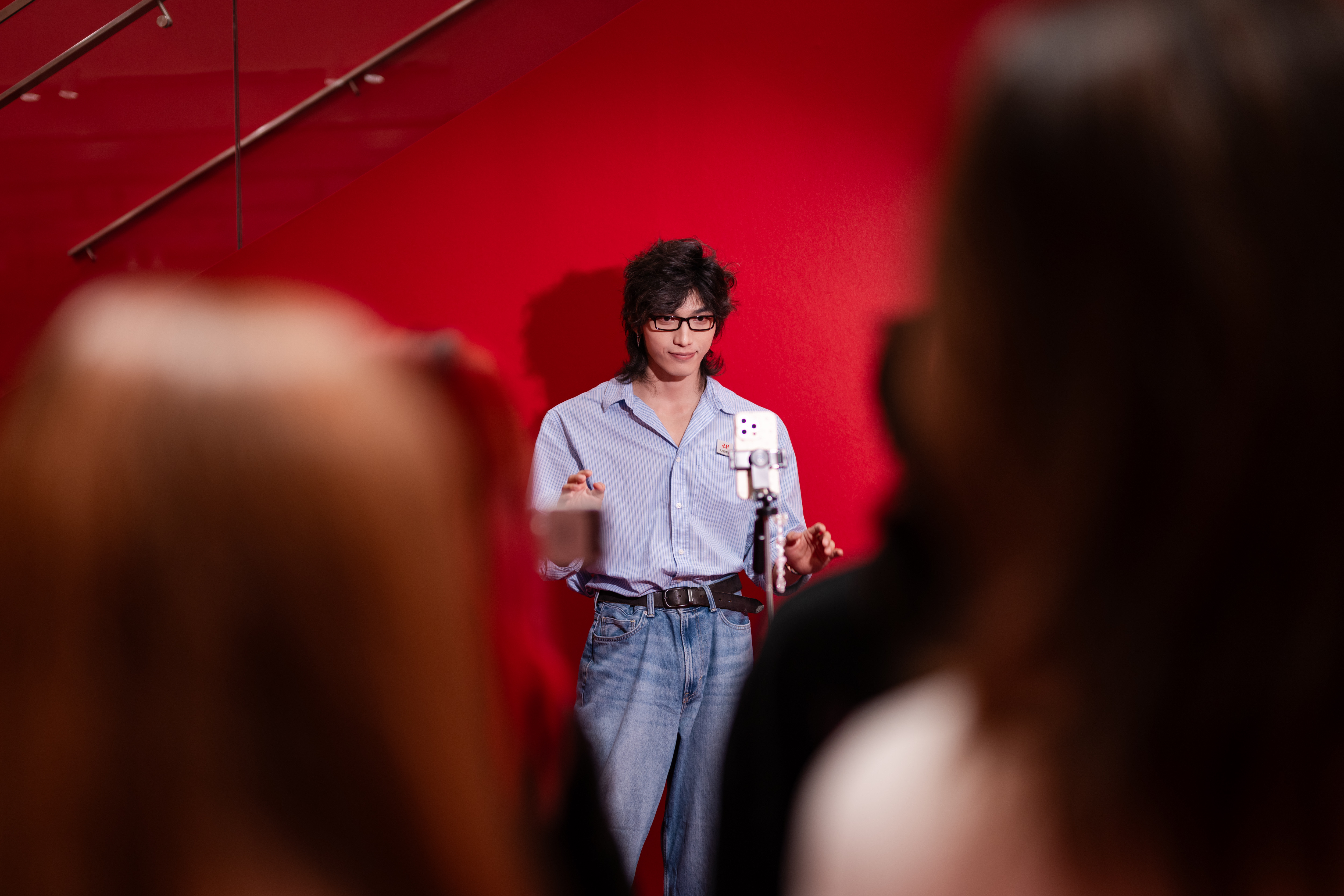
H&M also prepared a surprise for the opening of the brand experience center, a limited-time ‘Store Manager for a Day’ initiative.
From September 9 to 15, popular fashion creators made surprise appearances at the new store as guest style hosts. They met shoppers in person, offered styling advice and posed for photos with them as friends would, giving customers more ways to take part.
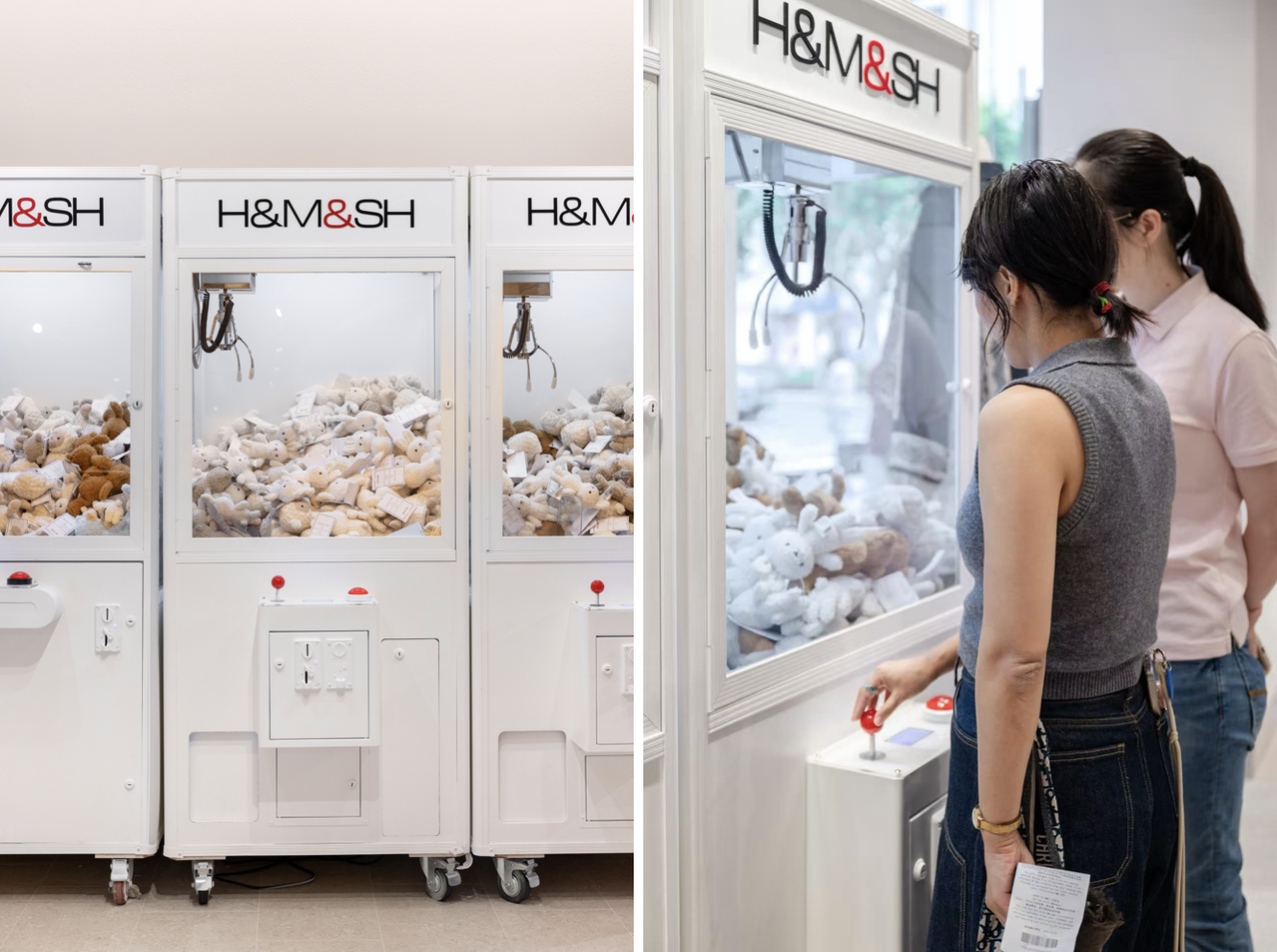
Pop-up attractions such as the claw machine and the lucky red blind-box dispenser are another way H&M is responding to what young shoppers enjoy today.
With a mix of experiences and activations, H&M makes shopping a more reciprocal exchange. At the H&M Brand Experience Center, shoppers help shape the story of how fashion fits into everyday life, while the brand takes on the role of a stylish friend they can chat with.
This blending of commerce and fashion turns shopping into a process of discovery guided by both practical needs and personal feeling. The atmosphere gives visitors room to satisfy what they need materially and find something personally fulfilling.
03. Closing thoughts
As the efficiency-driven fast-fashion industry frets over how to sell more, H&M’s Huaihai Road Brand Experience Center poses a different question. How can a store make people want to stay longer?
Moments that data can’t capture are reshaping the relationship between brands and people. There’s the rustle of children turning the pages of picture books in the reading area, the soft clink of a coffee cup against marble and the shifting shadows of plane trees beyond the glass façade.
It’s impossible to calculate the return on the sunlight filtering through the leaves, but anyone who pauses here can feel that rare sense of ease. A place to find inspiration, a corner to catch up with a friend, a space to sit with your own thoughts. These experiences stay with visitors and are priceless assets for the brand, even if they never appear on a conventional balance sheet or financial statement.
H&M is building on the concept in China. Its South China flagship at Shenzhen’s 1234space follows the same approach. The 1,764-square-meter store moves beyond conventional merchandising with a minimalist off-white palette, carefully chosen natural materials and features such as contemporary fitting rooms, making shopping part of a broader lifestyle experience.
 H&M at Shenzhen’s 1234space
The shift may seem simple, but it takes courage to challenge entrenched industry thinking. Sales per square meter can’t capture what the immersive space at H&M’s Brand Experience Center delivers. Spending time there helps visitors form an emotional connection with the brand.
When every square meter is designed to start a conversation, fashion retail’s central question shifts from how quickly merchandise moves to how lasting a connection it can build.
That may be why people are willing to linger. Shopping here offers a chance to keep making discoveries, have a conversation that stays with you and simply enjoy spending time together.BRANDSTAR