Gap brings music and local design to its China campaign
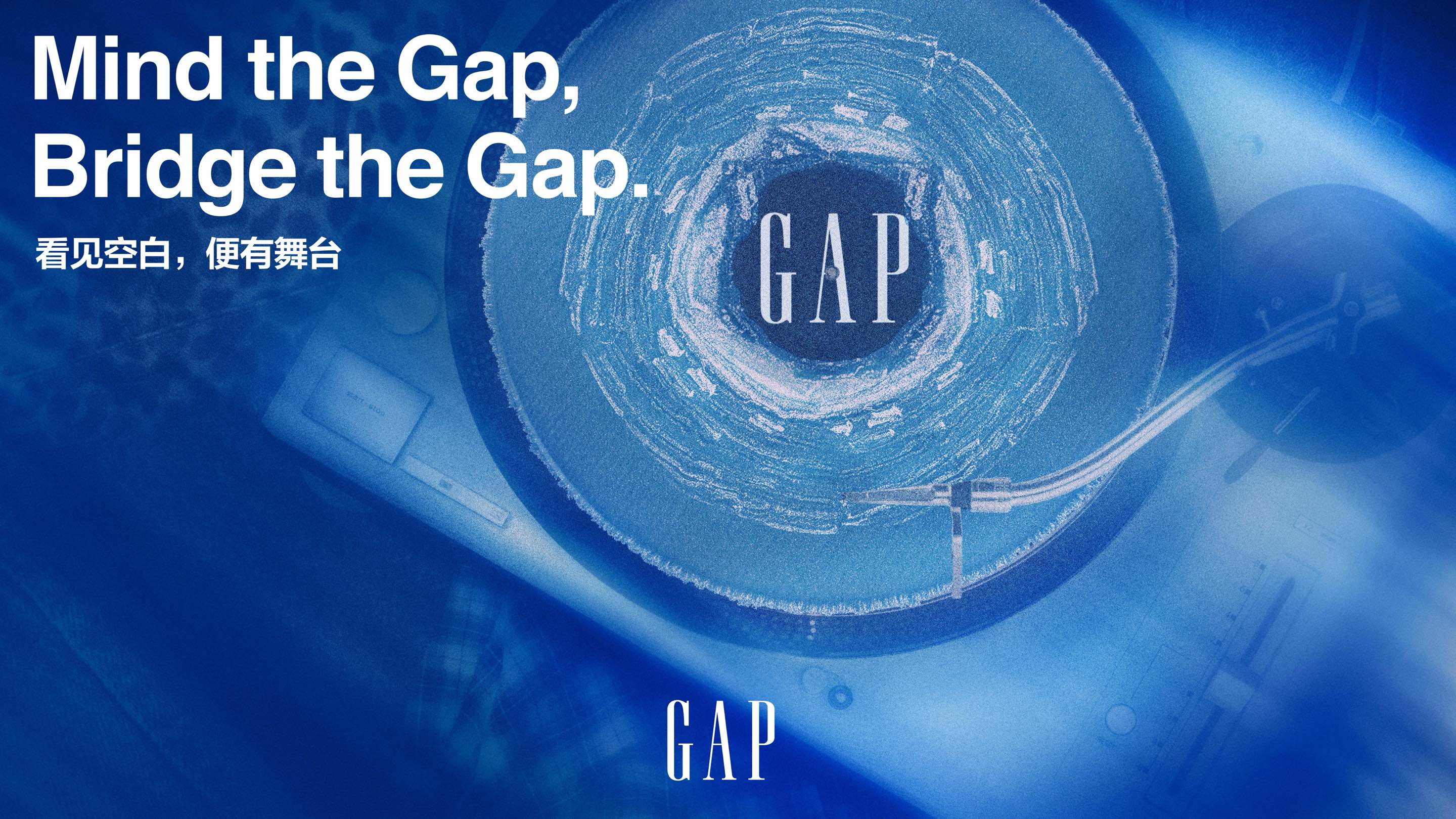
“Mind the Gap, Bridge the Gap.”
Gap has named actor Cheng Yi its brand ambassador in China and launched The Gap Club, a capsule designed under Gap China creative director Ethan Hon. The campaign takes its cue from the line “Mind the Gap, Bridge the Gap.” On September 20, the casualwear brand opened music pop-ups on Shanghai’s Anfu Road and at COCO Park in Shenzhen. In Shanghai, it also partnered with music and lifestyle businesses to create a temporary neighborhood music circuit aimed at younger audiences.
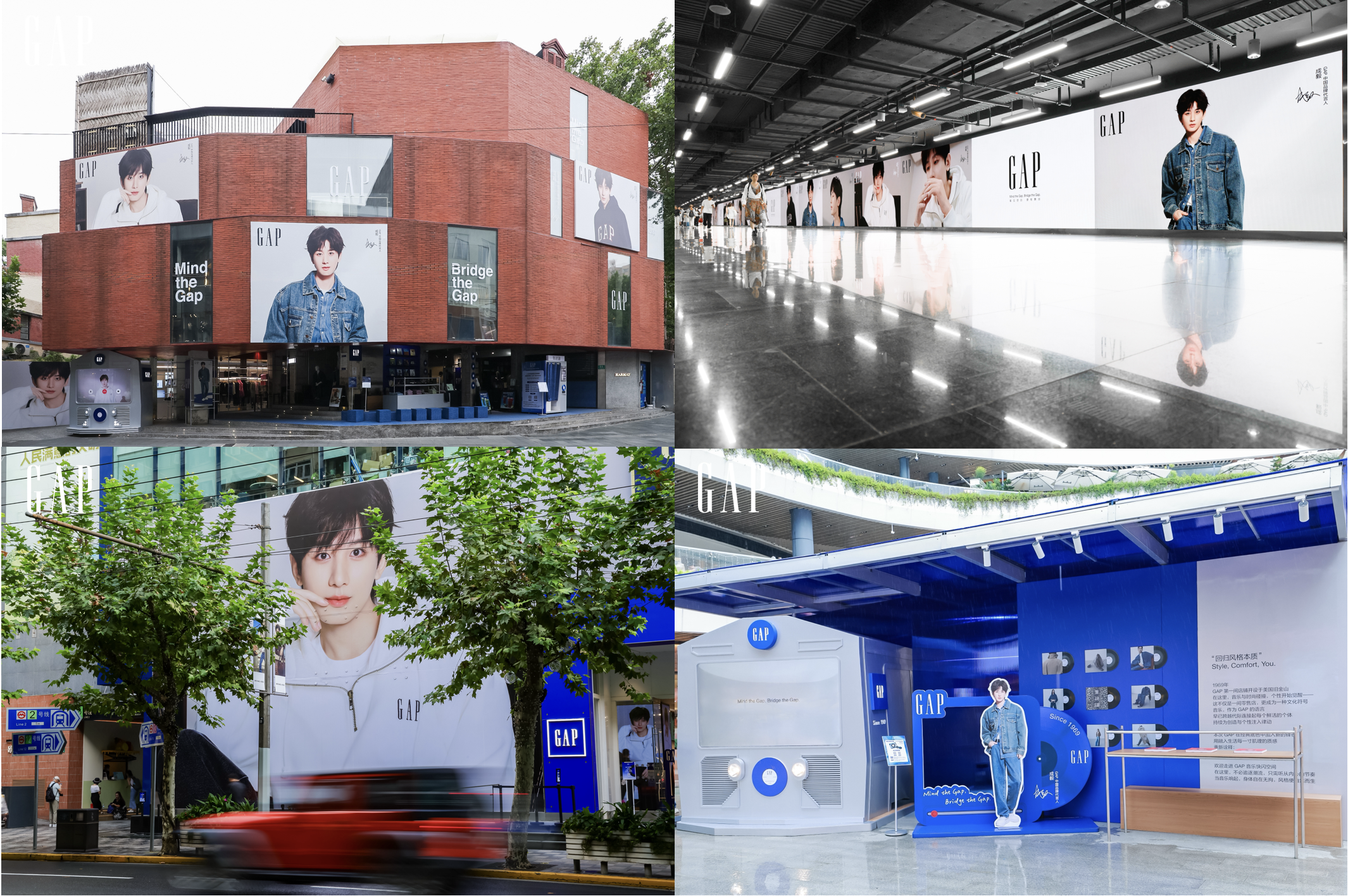
Gap coordinated its fall rollout across stores, e-commerce and outdoor advertising. The styles worn by Cheng went on sale at key stores nationwide and online. Gap’s flagship at 863 West Nanjing Road in Shanghai served as a launch location and drew an early response from fans. Campaign images appeared on landmark screens in several major cities and in Gap stores around the country, alongside the simultaneous openings in Shanghai and Shenzhen.
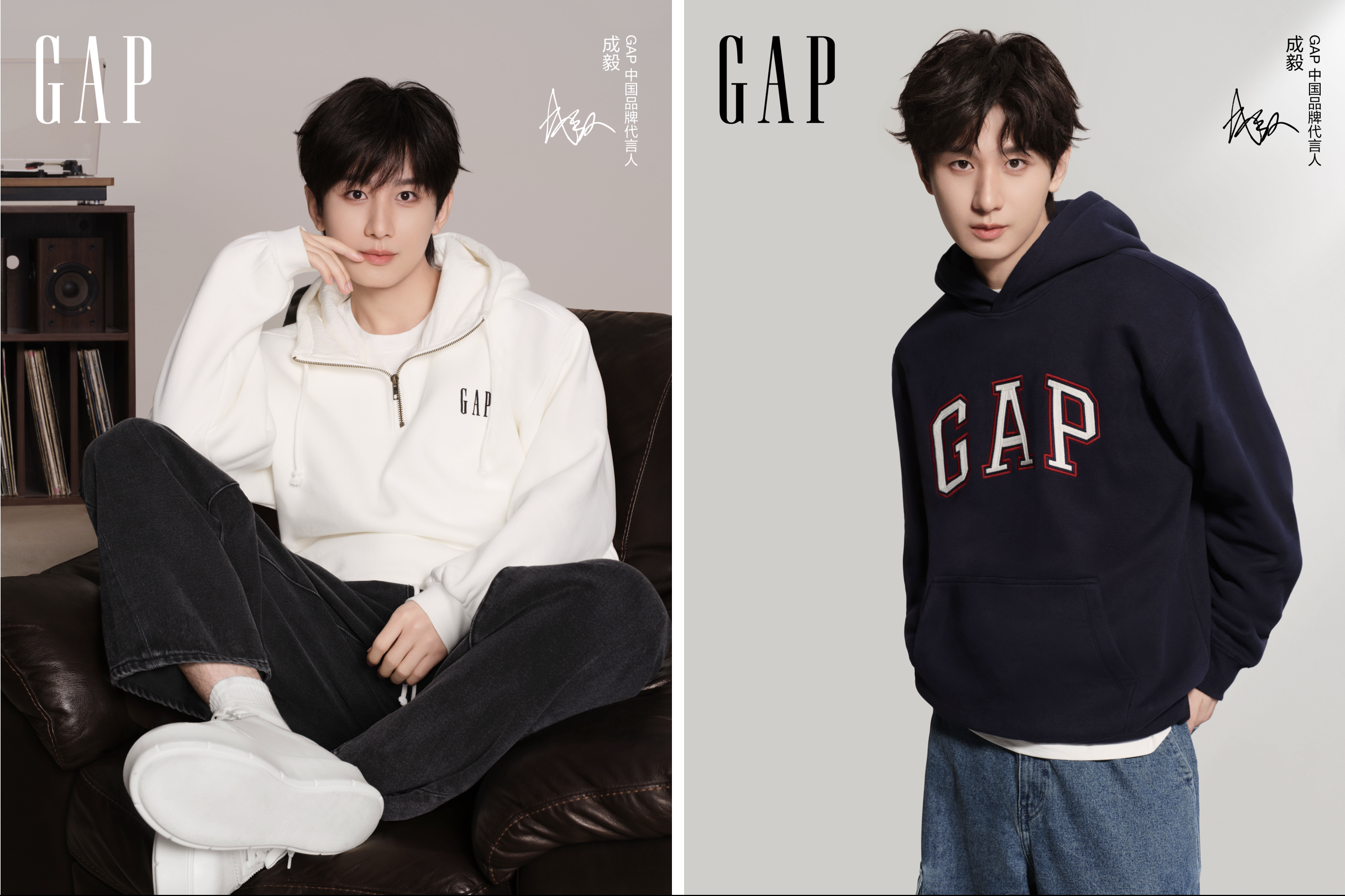
Cheng Yi, Gap’s new ambassador in China
Gap took its name from the term “generation gap” when it was founded in 1969. Its aim was to bridge cultural differences between generations. The company sees Cheng’s appointment as part of its investment in China and its effort to understand what matters to consumers there. Known for roles in both period and contemporary productions, the actor has built a following across age groups through his performances and the characters he portrays.
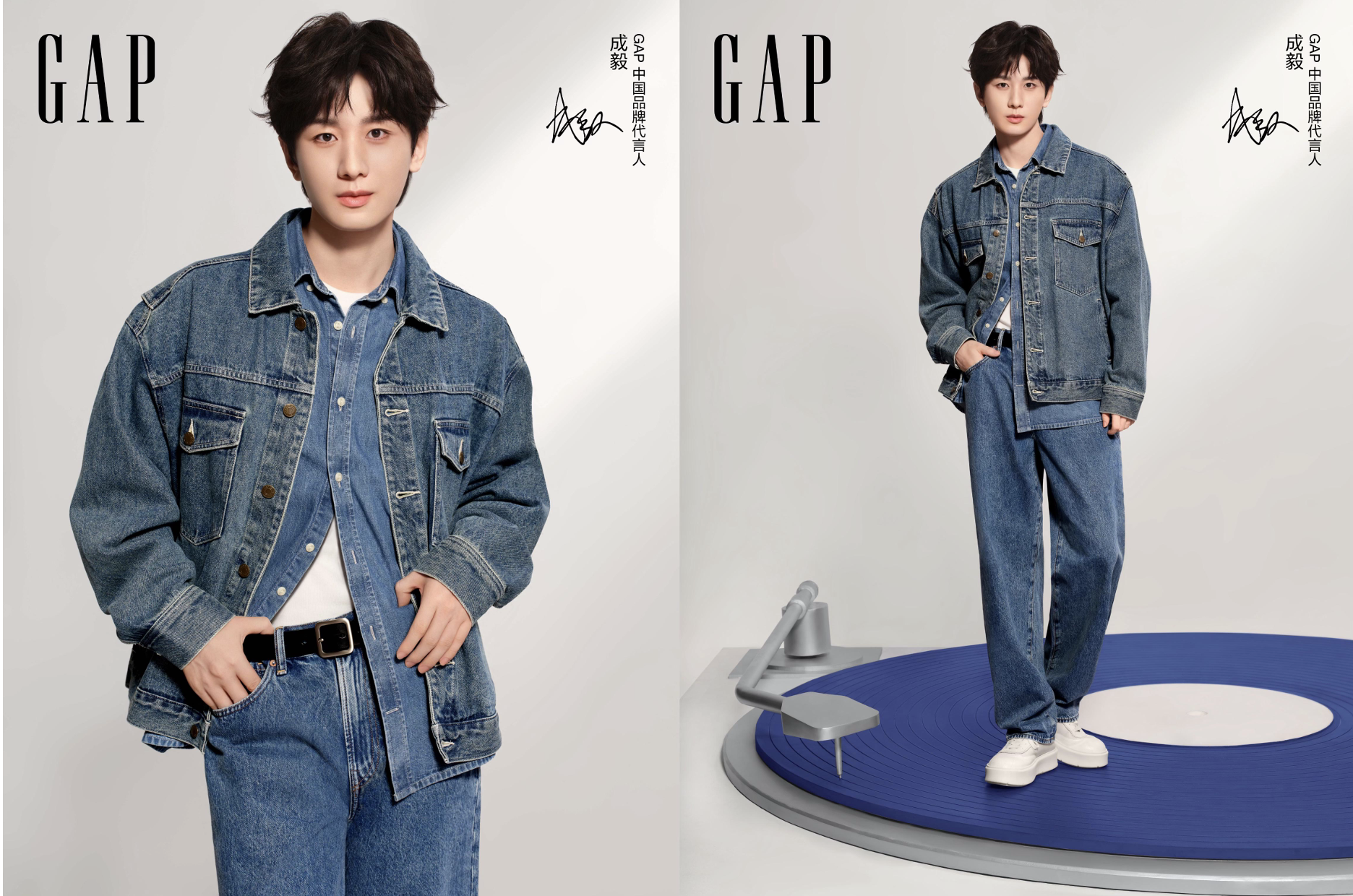
Off camera, Cheng brings an easy, candid manner to his work and public appearances. Gap sees a connection with its own emphasis on freedom, classic style, inclusion and authenticity. In the campaign, he moves to music in comfortable Gap clothing, dancing instinctively without prescribed steps or tempo. The partnership takes a long-term view, using enduring style and quality to establish a conversation with Chinese consumers.
Designing locally for a generation that dresses to express itself
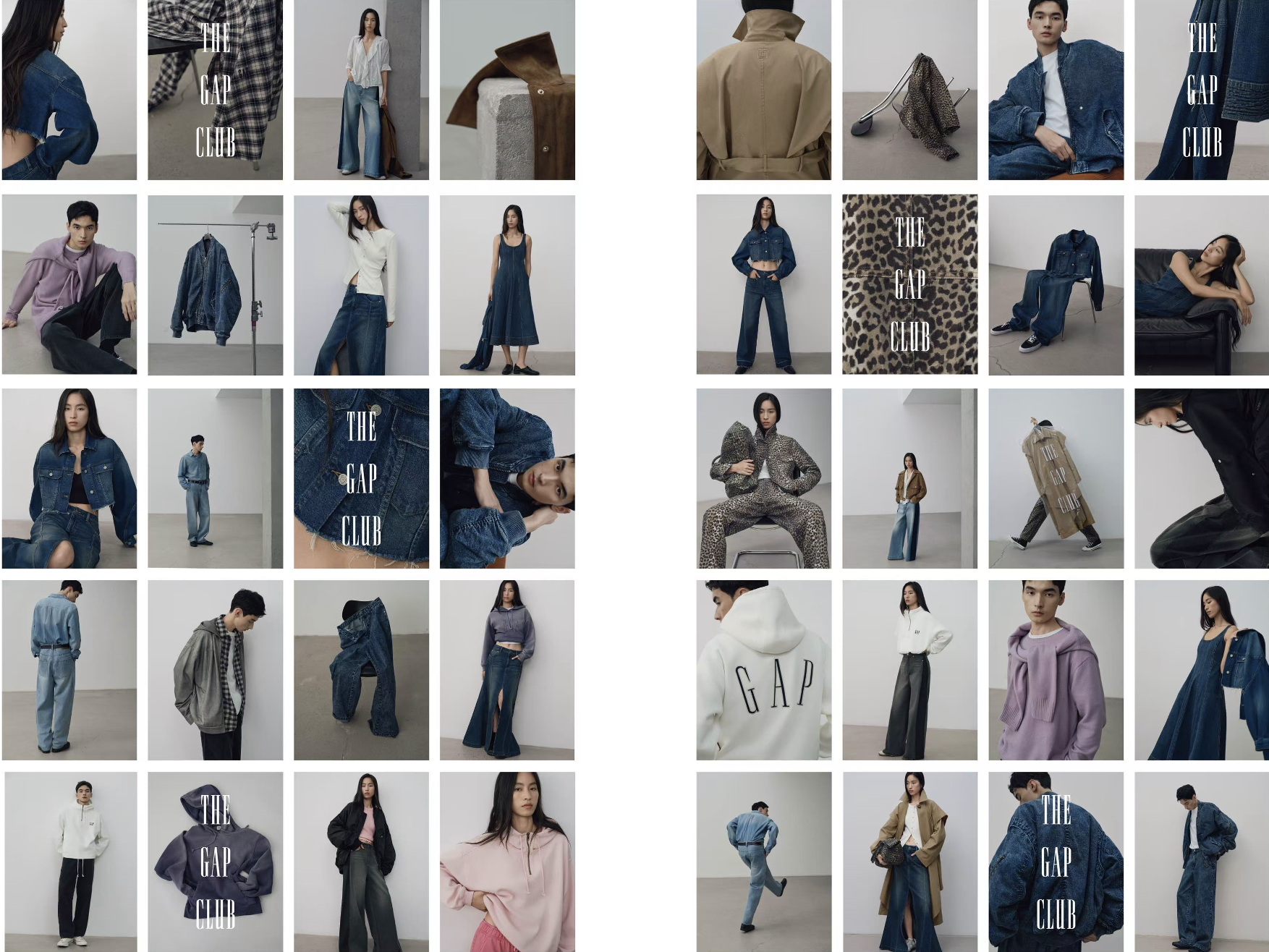
Interest in 20th-century style is especially pronounced among Gen Z. According to consumer research firm GWI, 54 percent of Gen Z consumers have a particular affinity for 1990s style. For fall and winter 2025, Hon conceived The Gap Club as a meeting place for different personalities with a shared sense of style. The capsule draws on the independence of 1990s youth culture and gives young people room to dress on their own terms.
 The Gap Club capsule launches at Gap’s flagship at 863 West Nanjing Road, Shanghai.
The “club” in the collection’s name stands for belonging. Hon envisioned an open, energetic community, taking inspiration from the way Gen Z uses clothing on social media to express identity and attitude. “Clothing has to capture the mood of society and the times and have cultural relevance for consumers,” he said of the capsule. “Looking good on its own isn’t enough to resonate with young people today.”

Gap’s work in China starts with listening to customers and builds on denim, sweatshirts and khakis, the three categories that established its global following. For half a century its jeans have offered generations of customers a choice of fits and sizes for everyday wear and personal styling. Its khakis have been popular with figures ranging from writers to screen stars since the 1990s. Its sweatshirts, a reminder of youth for a generation of customers, have taken on new meanings through collaborations with international and local brands and entertainment properties.
For fall and winter, Gap reworked these staples for Chinese customers seeking more individual styles. Traditional denim washes bring out the grain and texture of the fabric, making pieces look distinct, while new cuts offer younger customers more styling options. The perennial sweatshirt line worn by Cheng uses 360-gram carbon-brushed fabric for a soft, breathable finish. The knitwear line uses CashSoft yarn, chosen for its soft feel and ease of machine washing.
Gap says 70 percent of its products now involve local design and production through partnerships with local suppliers and manufacturers. It has shortened the time from product development to launch to six weeks and can get repeat orders into its warehouses within two weeks. The company attributes that responsiveness to closer coordination across its supply chain, product teams and sales channels.
Music connects the campaign to popular culture
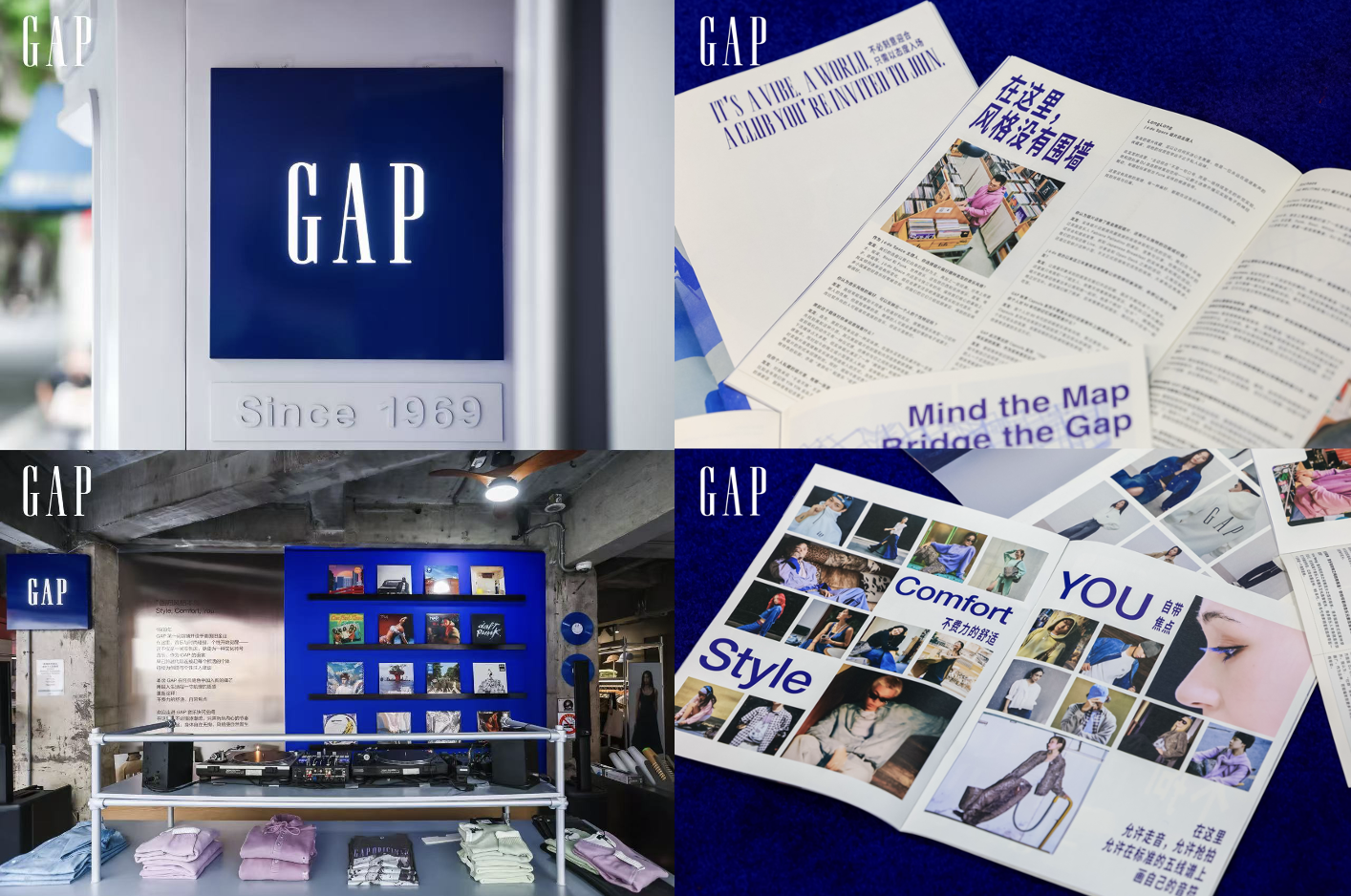
From jeans to vinyl, Gap has used fashion and music to engage with popular culture and the stories young people tell about themselves. Its Shanghai pop-up occupied Anfu Road, a hub of the city’s cultural life. Local music partners programmed DJ performances and vinyl sessions. Denim and subway-themed installations offered a look back at past styles and a setting for photographs. Interactive activities used music to bring people together across differences of age, gender and geography. Running from September 20 through October 8, including the National Day holiday, the event gave young people from China and overseas a place to express themselves, meet and make things together.
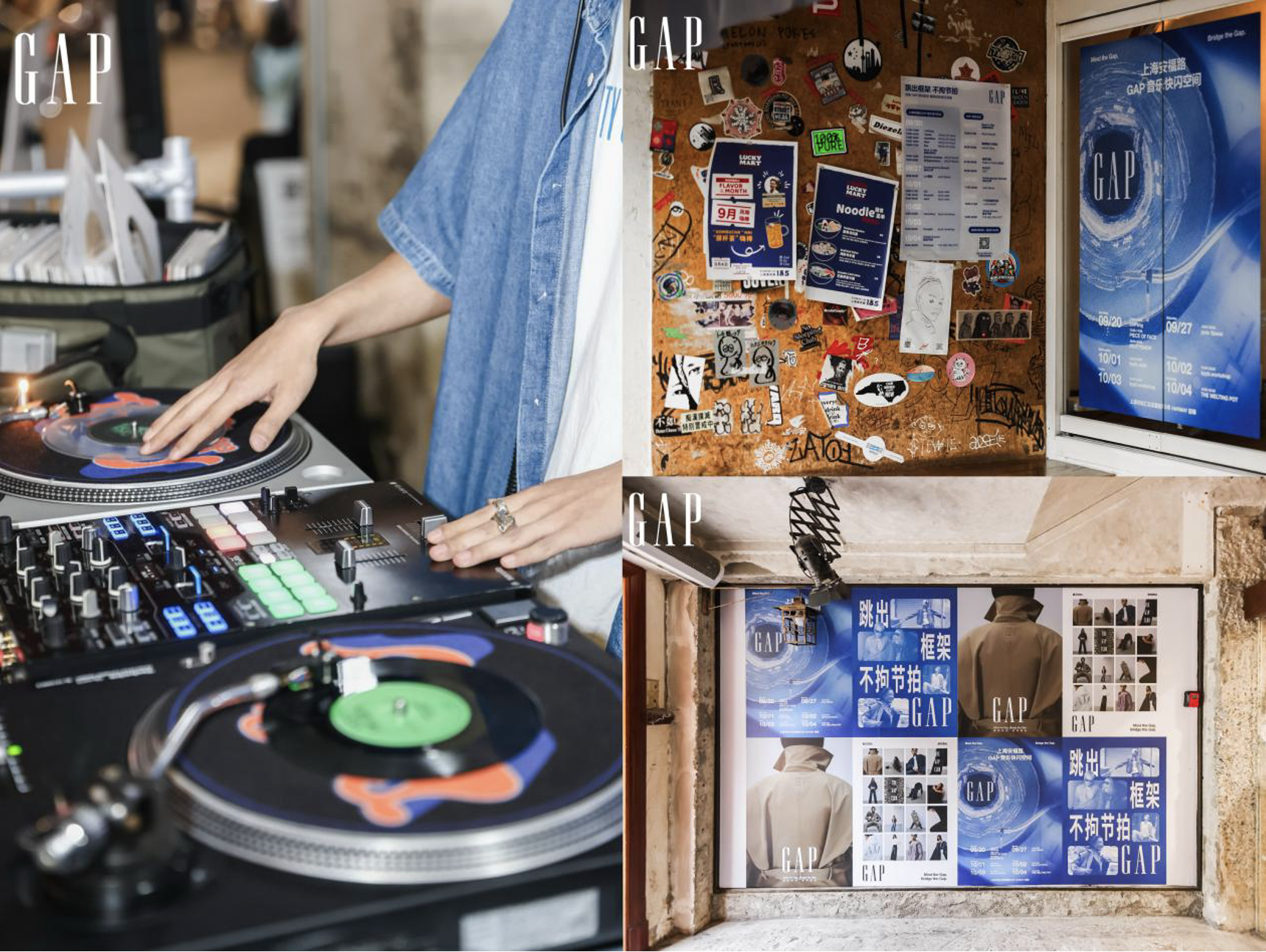
From the Anfu Road pop-up, Gap worked with more than 10 Shanghai music and lifestyle partners to extend the program into record shops, clubs, neighborhood bars, cafés and art spaces. Three music partners broadened the selection of genres in the pop-up’s vinyl collection. Visitors could also browse a limited-edition Gap magazine featuring conversations with designers and people running music ventures about the relationship between fashion, music and personal style.
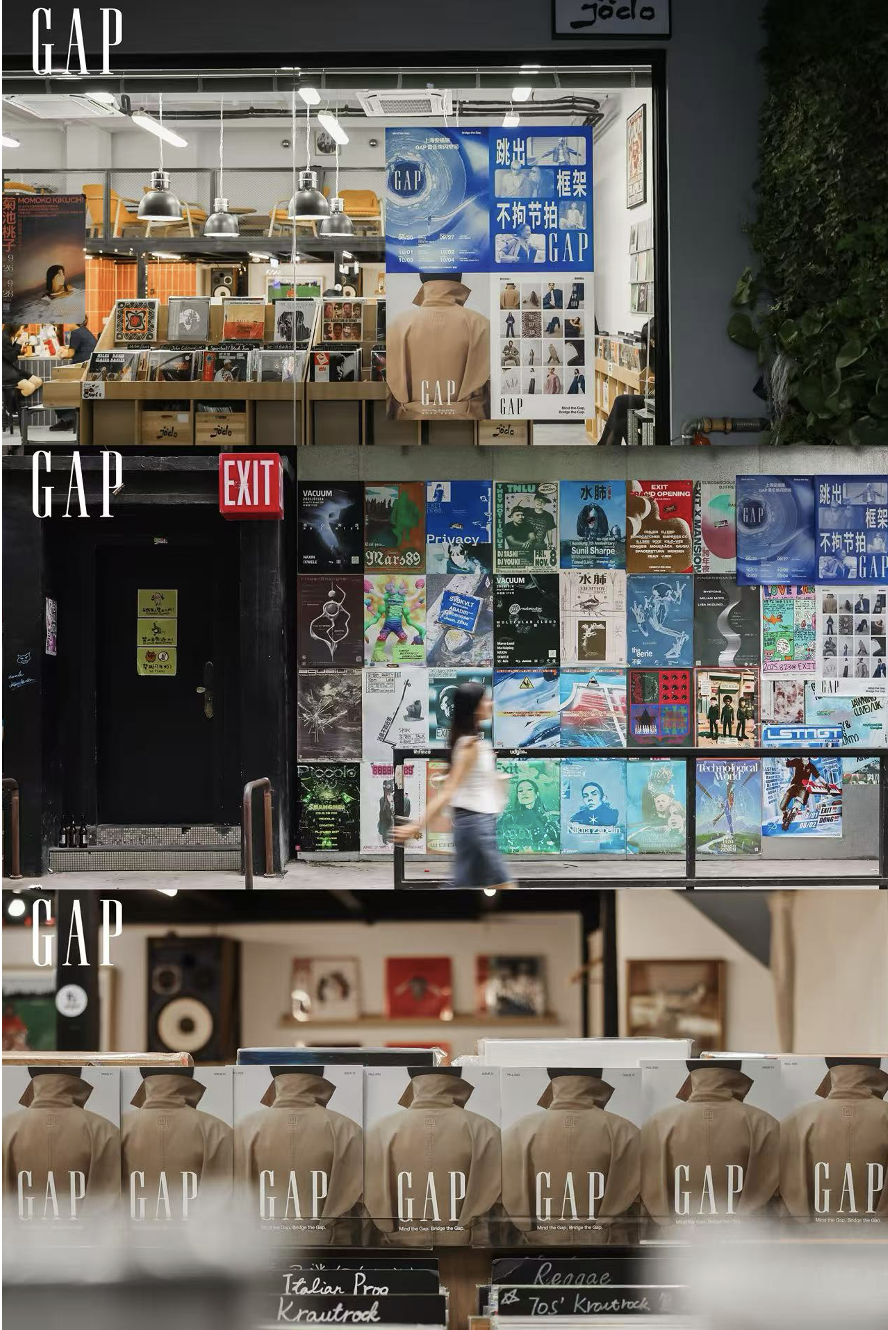
The connection between music and youth culture returns Gap to its founding idea of bridging generations and making room for difference. The company, founded in 1969, sees music and clothing as two ways people can express who they are and as the basis for an ongoing exchange with today’s younger customers.
Gap’s China strategy extends beyond localization
Over 56 years, Gap has both drawn on popular culture and helped set its tone. Its first store, which opened in San Francisco in 1969, sold jeans and records. From the 1990s through the 2010s, memorable campaigns featured artists including LL Cool J, Missy Elliott and Madonna. In 2024, Anne Hathaway’s white Gap dress attracted attention when she wore it to a Bulgari gala. More recently, international girl group KATSEYE starred in Gap’s widely shared fall campaign, “Better in Denim.”
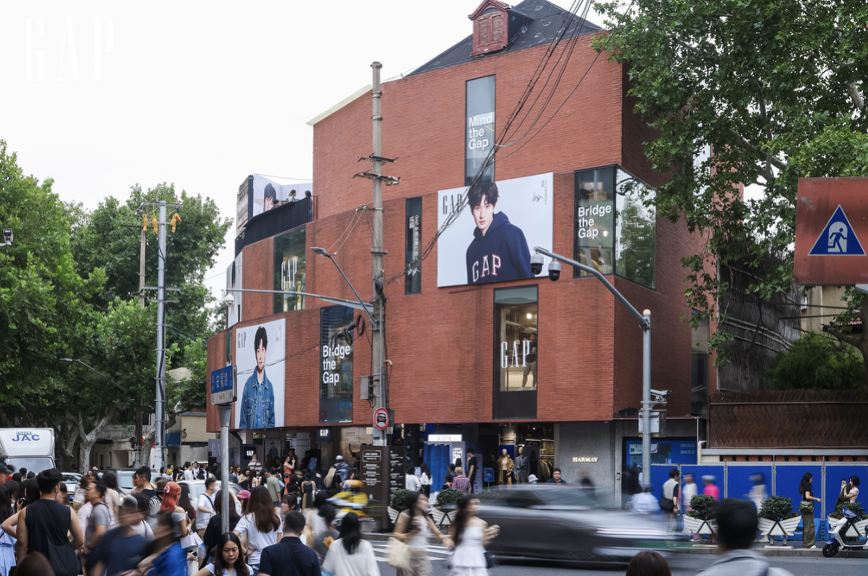
Gap entered China in 2010. Its 15 years in the market have brought both setbacks and milestones. Since Baozun took over the business in 2023, Gap has invested in local operations and reshaped its supply chain to build closer ties to the market. The fall campaign treats clothing as a means of personal expression, looking to the everyday lives of young Chinese consumers for ways to connect the brand with their values.
Gap’s approach retains its global identity while giving familiar designs a local interpretation. The line “Mind the Gap, Bridge the Gap” expresses its ambition to recognize unmet needs and create space for consumers to participate. For the company, the fall campaign draws on work it has built up over time and invites younger Chinese consumers into a longer relationship.
Looking ahead, Gap describes its China business as a new chapter for the brand. It intends to carry its classic styles forward while taking a more active part in local culture and responding to what younger customers value. The company hopes to build a lasting community with Chinese consumers and to evolve alongside them as tastes change. BRANDSTAR