How Ralph Lauren carries its brand DNA forward through goodwill
An approach rooted in goodwill resonates with today’s consumers.
Ralph Lauren stands out among international fashion brands that have grown rapidly in China in recent years.
According to reports, Ralph Lauren’s sales in China nearly doubled over the past three years, and the market’s share of group revenue rose from 5% to 8%.
Ralph Lauren’s earnings report for the first quarter of fiscal 2026, which ended June 28, 2025, showed that revenue in Asia rose 21% year over year, with revenue in China up more than 30%.
Brandstar has observed that Ralph Lauren has stepped up its marketing investment in China in recent years. That push, alongside the rise of trends such as the “old money” aesthetic, has taken social media conversation about the brand to unprecedented levels.
In our view, Ralph Lauren’s growth comes from returning to its roots and letting its brand DNA speak for itself, with little reliance on aggressive marketing.
At the China premiere of Very Ralph, for example, the brand used the documentary to give its founder and driving spirit, Ralph Lauren, a direct line to consumers through his personal experiences and reflections.
Through runway shows, sports partnerships, and immersive campaign films, the brand also gives shape to its vision of “the good life.” In doing so, it carries forward its founder’s spirit and gives people something beautiful to enjoy and aspire to.
Ralph Lauren’s communications strategy reflects what today’s consumers expect from brands: a conversation on equal terms. That is especially true of Ralph Lauren’s core audience, who are understated and think for themselves. They respond to brands that speak to them as equals.
The brand’s marketing carries forward its founder’s philosophy in full and communicates it with the openness and goodwill that today’s consumers respond to.
In our view, that is Ralph Lauren’s distinctive lesson for marketers.
01. Bringing the good life to life through nature
In recent years, nature and the outdoors have offered people a brief escape from the noise of the city and the pressures of everyday life.
Brands across industries have taken notice. In China, outdoor brands are increasing their marketing investment, and more fashion brands are drawing on nature in their campaigns.
Ralph Lauren has picked up on the same mood, as we saw in its recent “Mountain Living” campaign film.
In our view, what sets “Mountain Living” apart from slogan-led campaigns that chase trends is how directly it draws on Ralph Lauren’s brand DNA. The brand grew out of its founder’s longing for nature and his pursuit of the good life.
“Mountain Living” also builds on a longstanding strength of Ralph Lauren’s campaigns. It uses music, imagery, and atmosphere to stir viewers’ emotions. By letting the images speak for themselves, the film leaves consumers room to imagine.
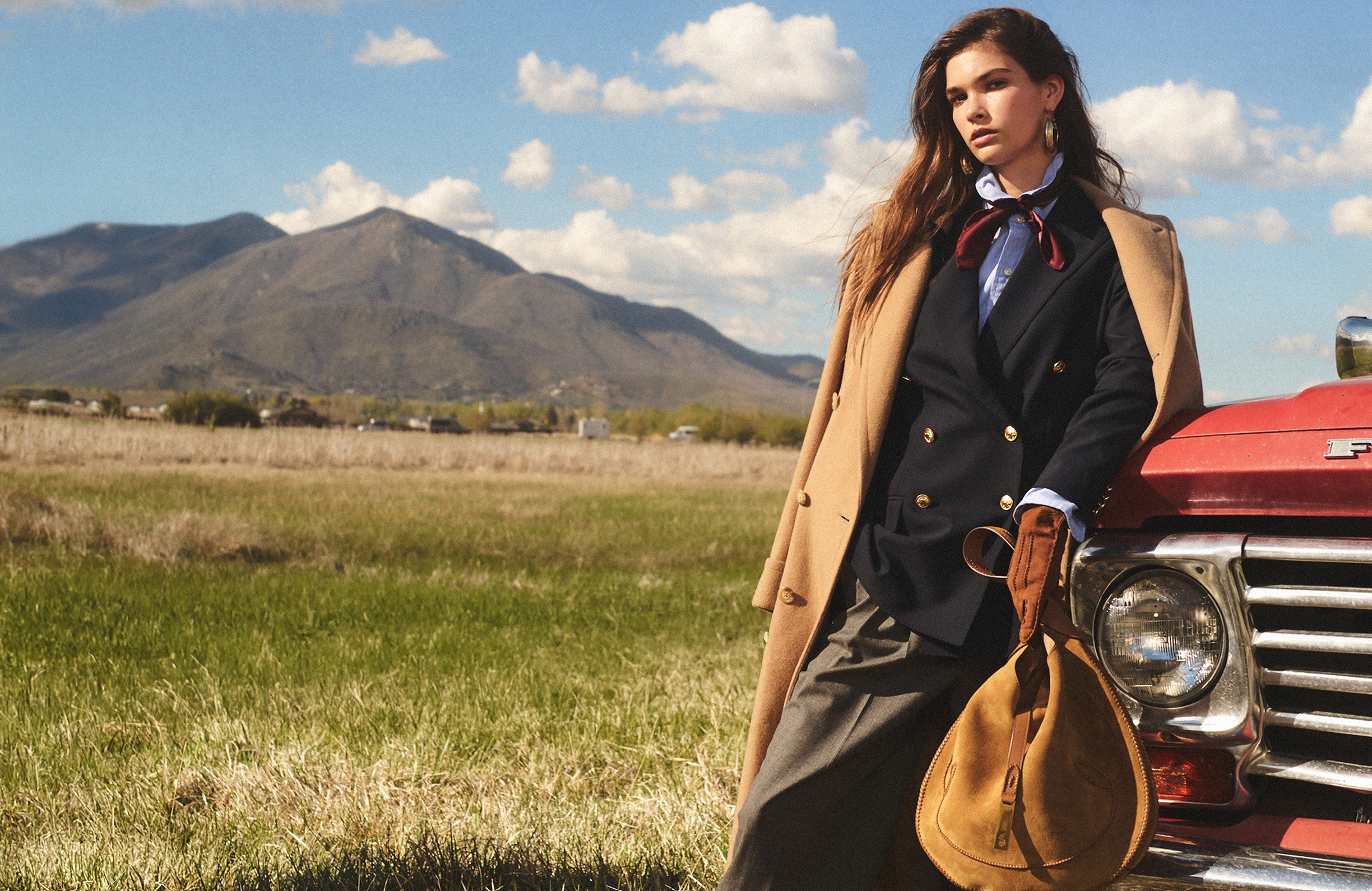
Consumers intuitively understand the idea of the good life, but because everyone defines it differently, it remains broad and abstract.
The “Mountain Living” campaign film gives the brand’s imagery a tangible, three-dimensional quality. Ralph Lauren builds brand recognition while also sharing its vision of the good life as something of broader social value.
As Brandstar has observed, “Mountain Living” is part of a longstanding Ralph Lauren practice of telling stories in natural settings.
Ralph Lauren rarely shoots campaign films in a studio. It more often films on location, where the products can feel at home in the landscape.
Early on, Ralph Lauren began working with American photographer Bruce Weber, known for his ability to capture emotion. Through Weber’s lens, Ralph Lauren’s ads felt warm and lived-in. The models wore minimal makeup, bringing out their natural, unadorned beauty.
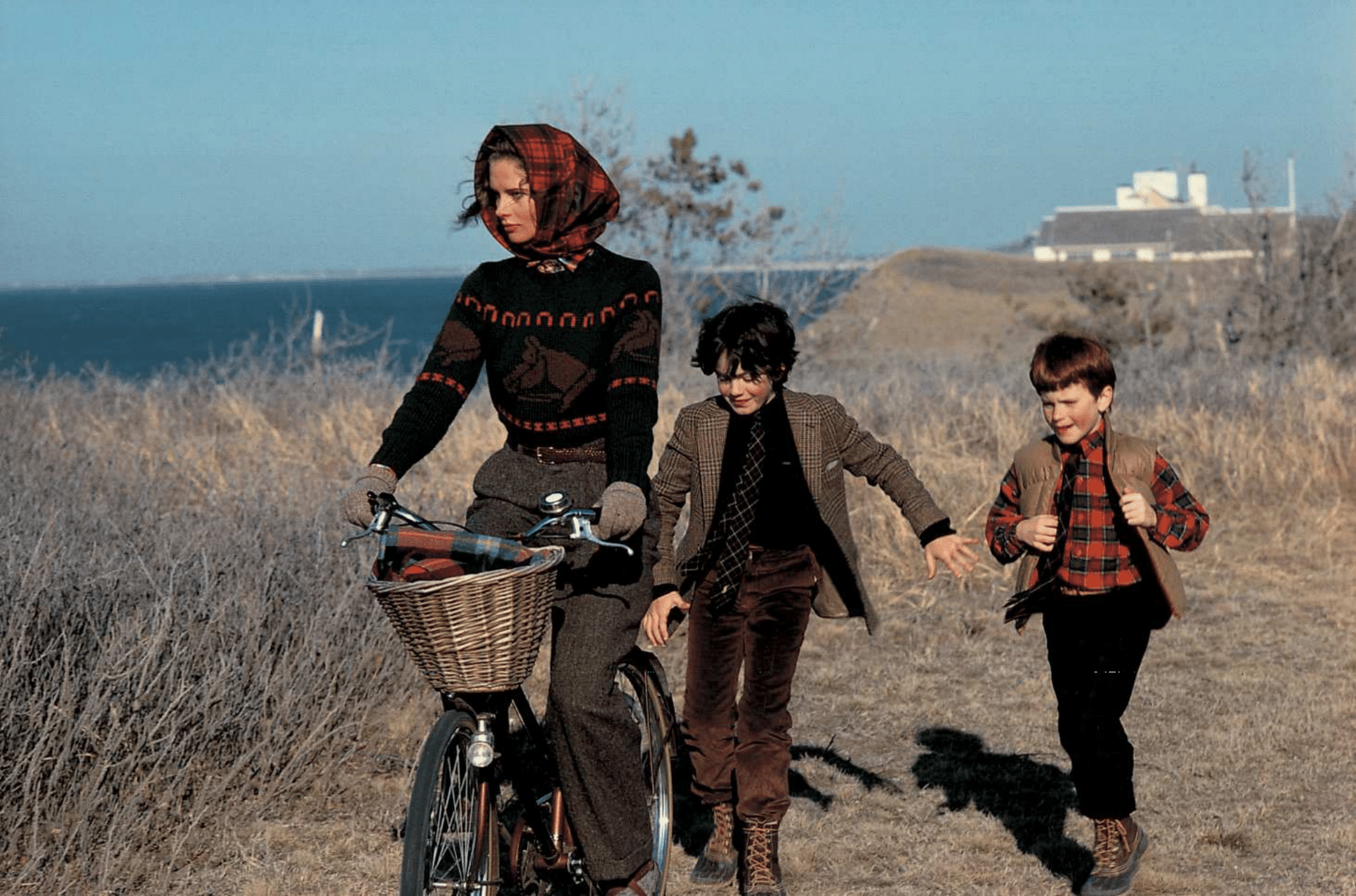
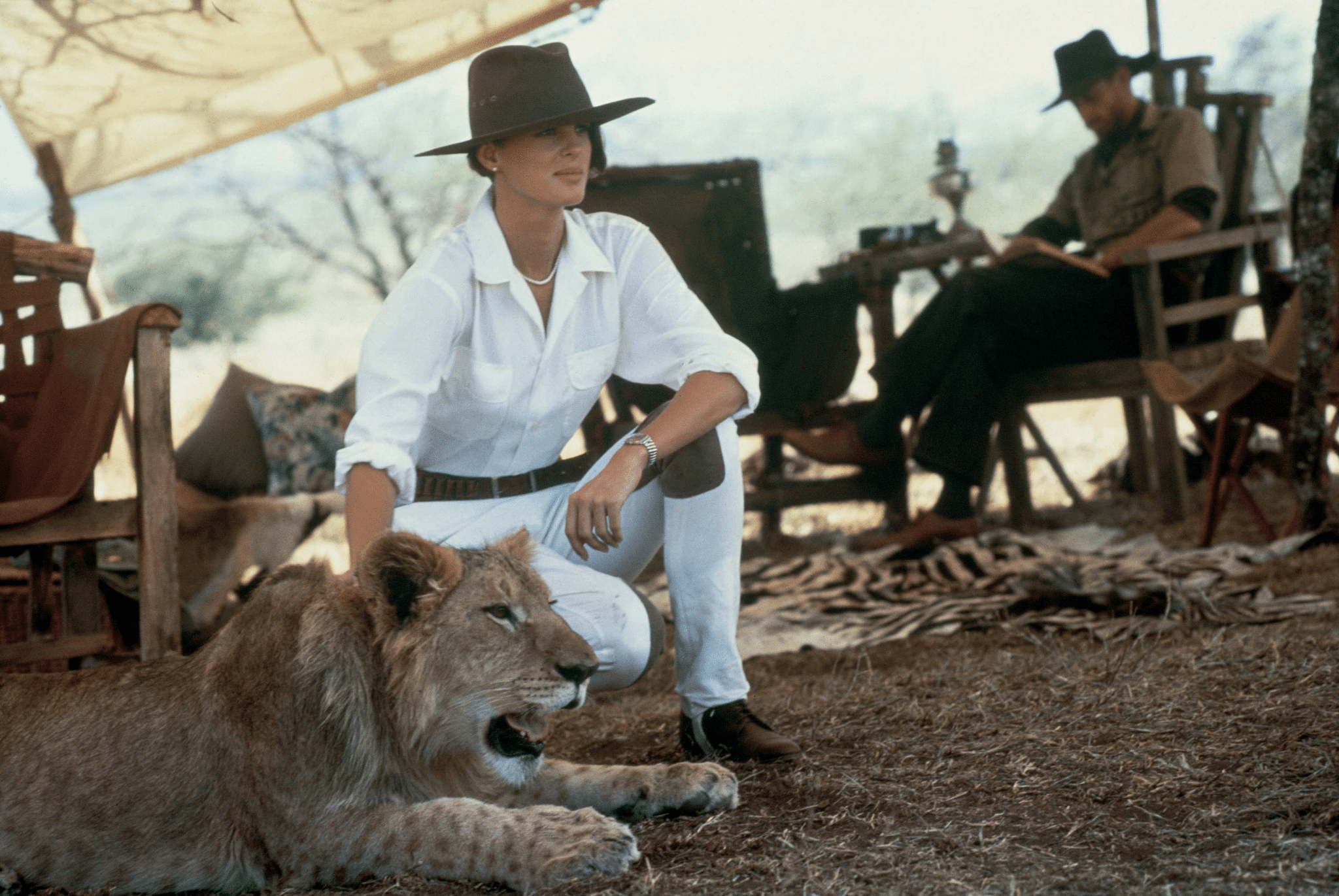 Early Ralph Lauren campaign images
Ralph Lauren’s distinctive approach to advertising reshaped the prevailing aesthetic of American fashion advertising at the time and established a signature look that endures today.
Today, nature is a recognizable motif in Ralph Lauren’s communications and a source of design inspiration.
In September 2024, Ralph Lauren debuted its spring 2025 collection, inspired by the Hamptons on the New York coast.

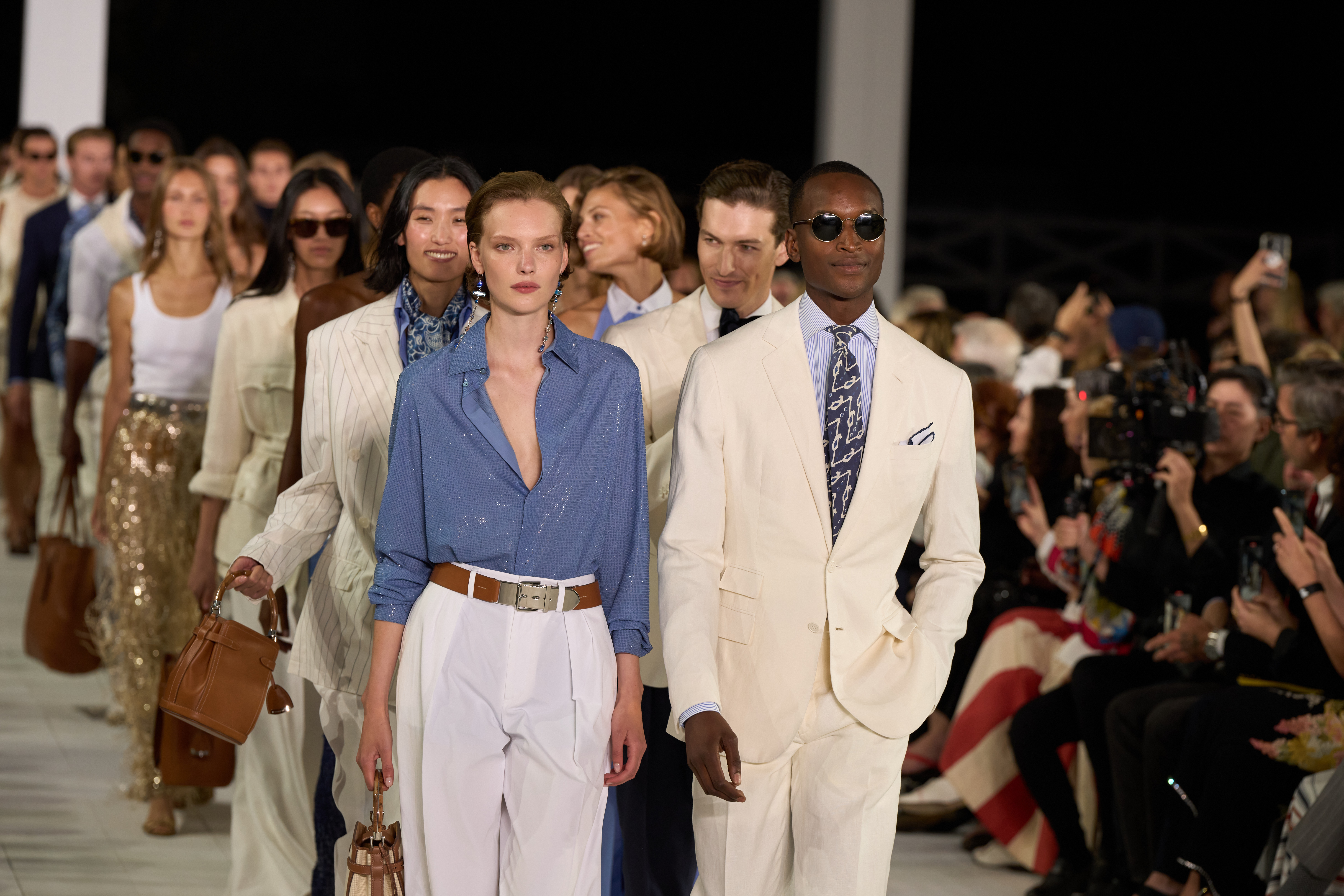
Ralph Lauren considers the Hamptons his “second home.” It is a place where he has spent time with his family.
The collection draws those fond memories into the designs, lending a lightness and energy reminiscent of the coast to Ralph Lauren staples such as polo shirts and plaid suits.
Ralph Lauren also used the runway show to invite people to explore the brand’s roots.
In 2025, the brand brought the show to Shanghai. Ralph Lauren shared its vision of the good life with Chinese consumers through warmth, elegance, and romance. As ever, the brand welcomed people as friends and drew on its founder’s own lived experience to inspire them to pursue their own idea of the good life.
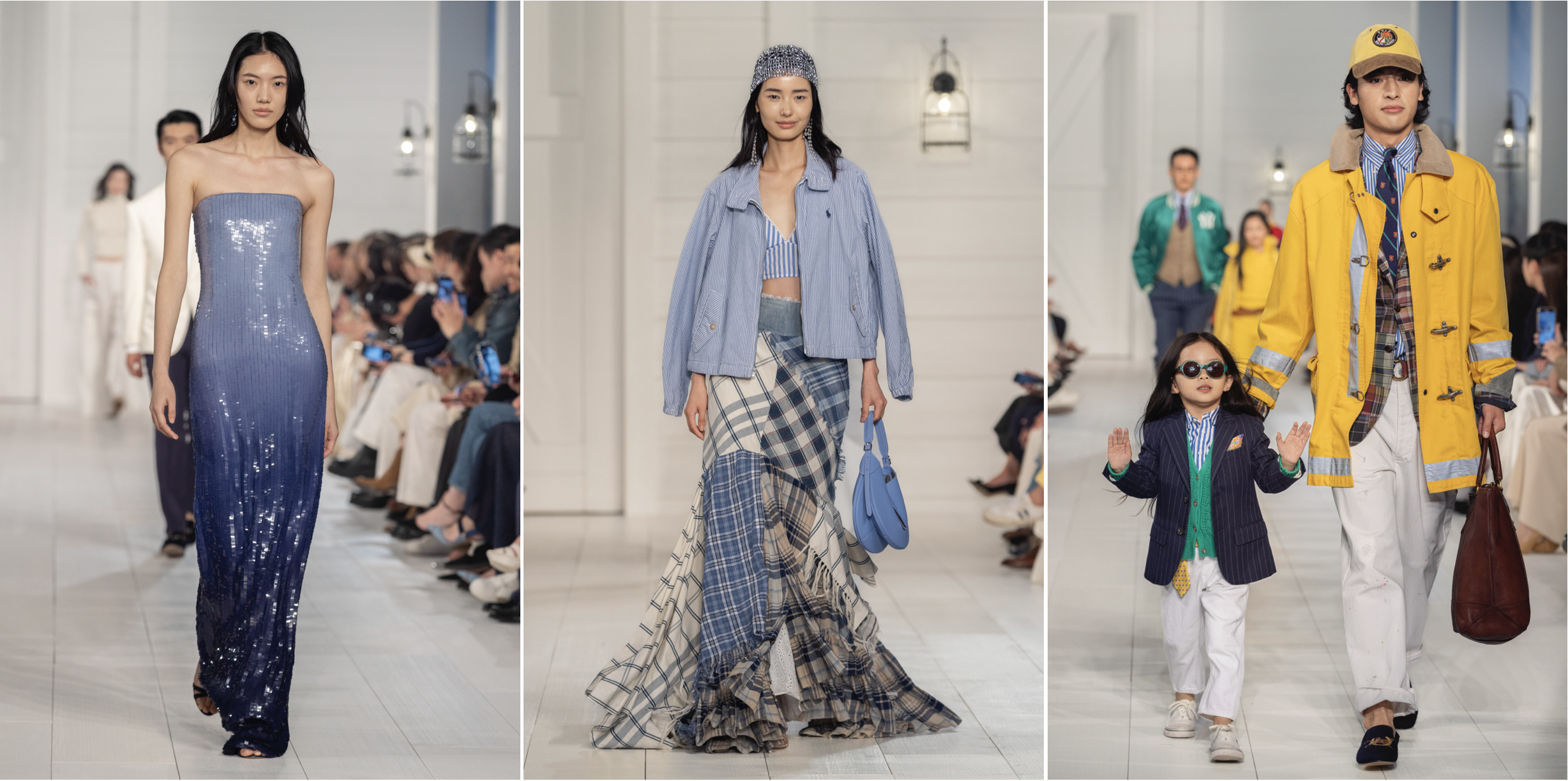
Amid widespread anxiety, more consumer brands are putting human experience at the center of their messaging.
Some brands draw on consumers’ daily lives and use a light, conversational tone. Others take a broader, more philosophical approach to prompt deeper reflection and create a stronger emotional connection.
Ralph Lauren chooses to start from the goodwill inherent in the brand, inspiring consumers by sharing the picture of the good life and the aspirations at the heart of its DNA and vision. This approach moves away from conventional product-led marketing, which can feel forced.
That openness and accessibility help Ralph Lauren connect more deeply with consumers, especially its core audience, while retaining its distinctive tone and aspirational appeal.
02. Thinking like a filmmaker to tell a coherent brand story
This approach carries through everything from the brand’s visual identity to its physical stores. Brandstar has observed that a timeless cinematic quality is a constant in how Ralph Lauren presents itself. Even when models and products are in the frame, Ralph Lauren puts the emphasis on creating a setting and a mood.
Ralph Lauren Chief Branding and Innovation Officer David Lauren once said in an interview that the founder loves drawing inspiration from the world around him and using clothes to tell the story of his private world or the good life he imagines. That approach has more in common with filmmaking than with the conventional idea of fashion design.
When Ralph Lauren begins developing a collection, he first imagines a story within his vision of the good life, then gives each garment a role. The models who wear the clothes become actors playing characters in the film.
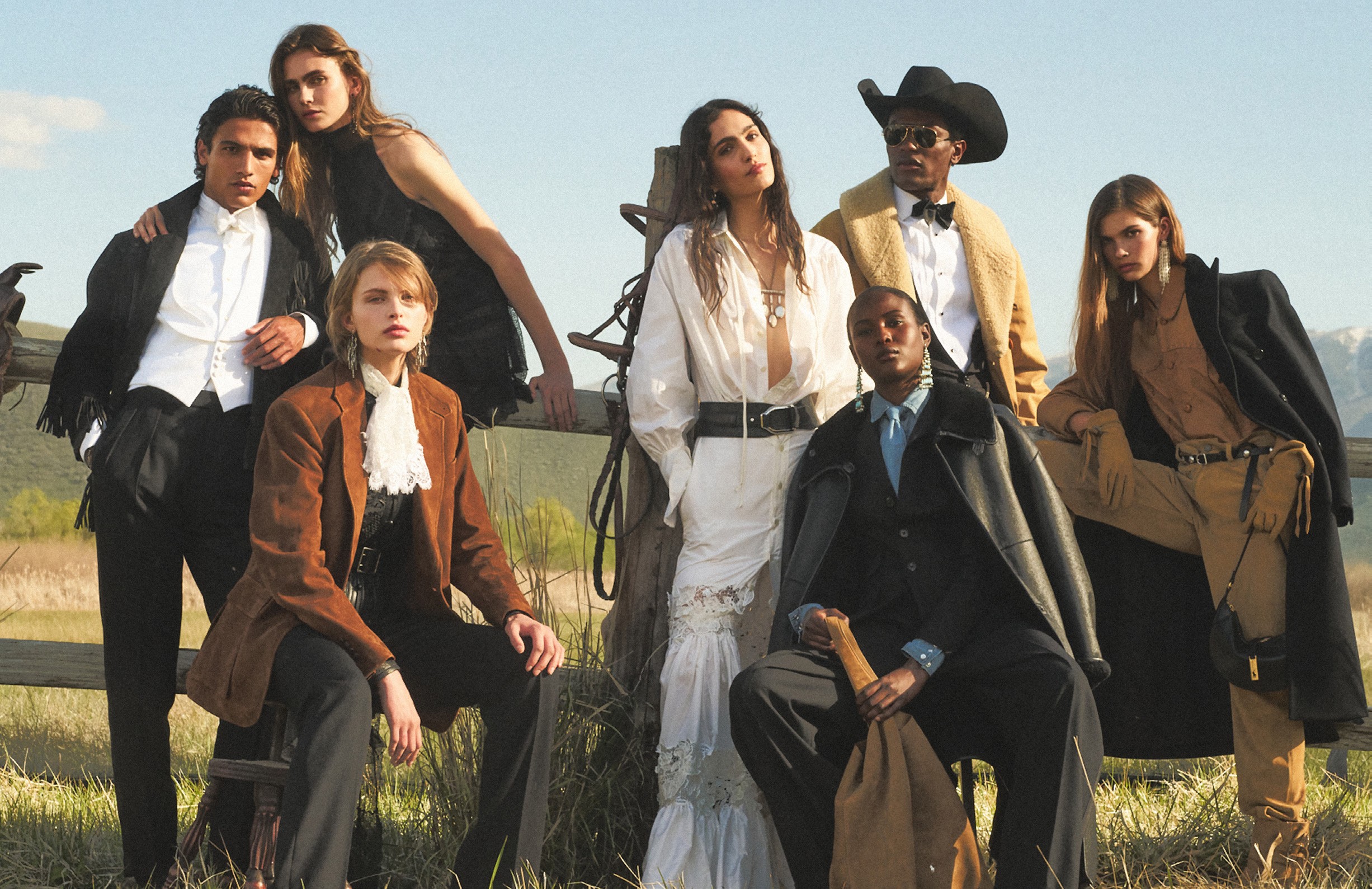
Model Tim Easton recalled how the Ralph Lauren team told him stories on the set of an ad shoot. They told him, for example, to imagine that the house was his, that he had inherited it from his uncle, and that Elizabeth was his wife.
Ralph Lauren’s cinematic quality comes from applying a filmmaker’s mindset to the entire creative process, from aesthetics to storytelling.
That approach gives Ralph Lauren a coherent brand expression from product design through communications, so consumers receive a consistent message.
In our view, thinking like a filmmaker may be the best way for Ralph Lauren to carry its founder’s spirit forward over the long term. Clothing is his medium for imagining a utopia and sharing his vision of the good life. That takes a complete picture, one that goes beyond any single element or symbol.
The cinematic thinking that runs through Ralph Lauren’s products and creative work gives each initiative a purpose beyond short-term marketing. Each becomes part of the work of building the brand over time. When craftsmanship guides how a brand works, consumers can feel the sincerity behind what it shares.
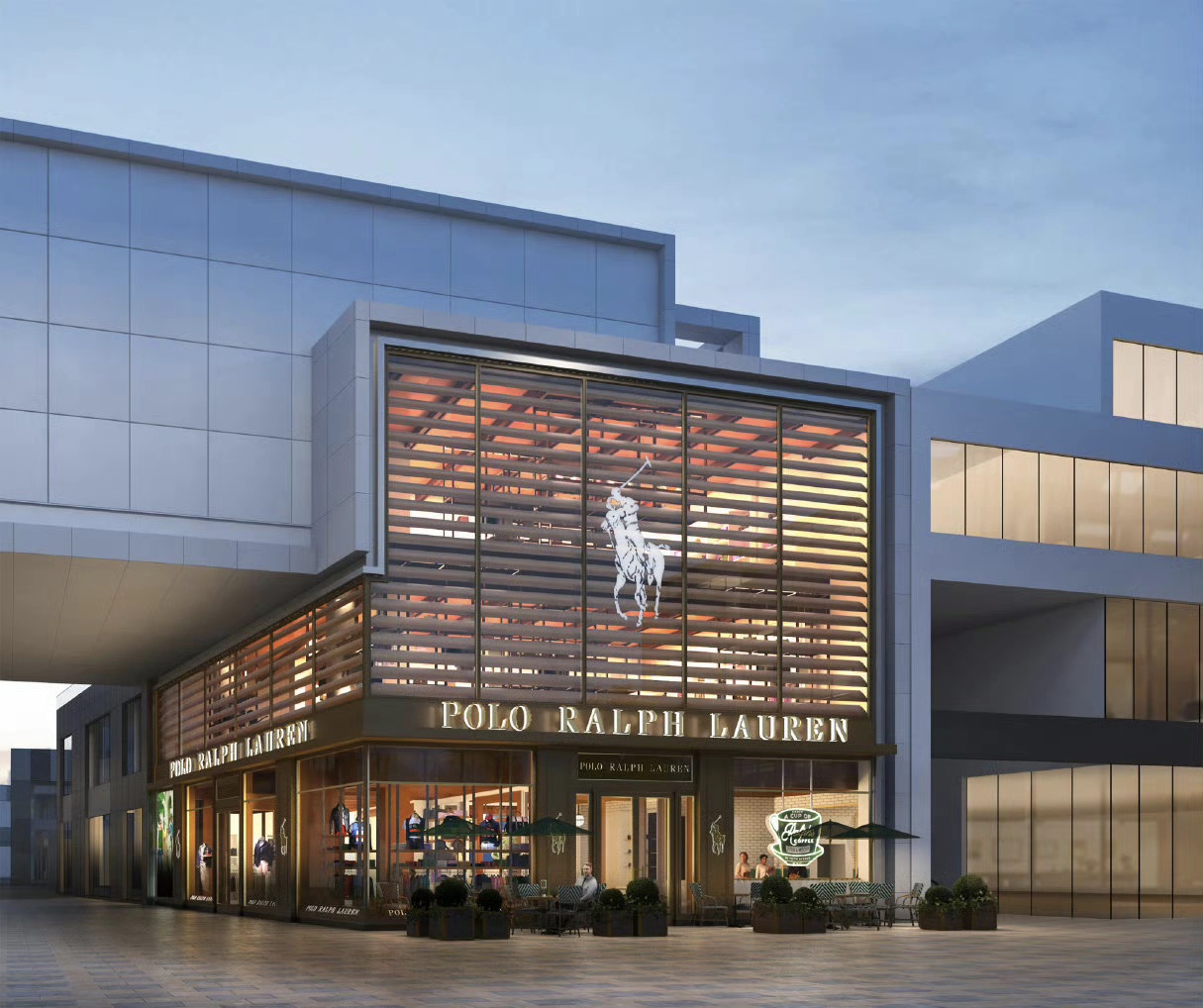 Ralph Lauren Home of the Brand in Beijing’s Sanlitun
Ralph Lauren uses every opportunity to speak with consumers to convey the full essence of the brand.
After deciding to step up its efforts in China, Ralph Lauren opened Home of the Brand stores in Beijing, Shanghai, and Chengdu. These physical stores give Chinese consumers a richer, more immersive way to experience the products and get to know the brand.
In September 2025, Ralph Lauren opened its first flagship store in mainland China at Chengdu International Finance Square (IFS).
 Ralph Lauren’s flagship at Chengdu IFS
The store carries Ralph Lauren Collection, Purple Label, Polo Ralph Lauren, and home furnishings. It also houses the first Ralph’s Coffee in western China.
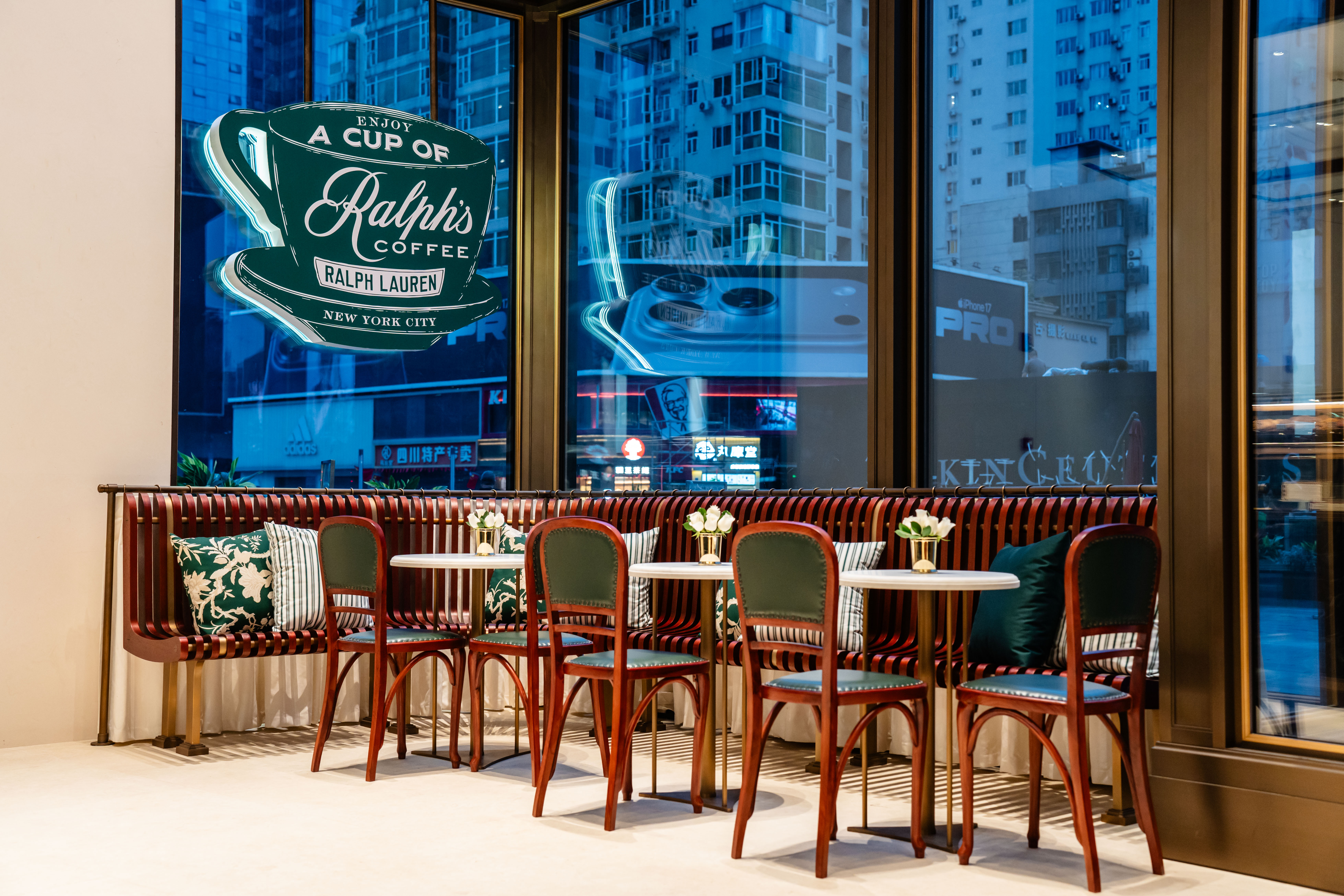 Ralph’s Coffee inside the Ralph Lauren flagship at Chengdu IFS
On December 4, 2024, Ralph Lauren hosted the China premiere of the documentary Very Ralph at Shanghai Concert Hall.
Ahead of the premiere, Ralph Lauren staged a light show with 1,000 drones on the Bund and played clips from the documentary on a loop in a busy passageway at Xujiahui metro station.
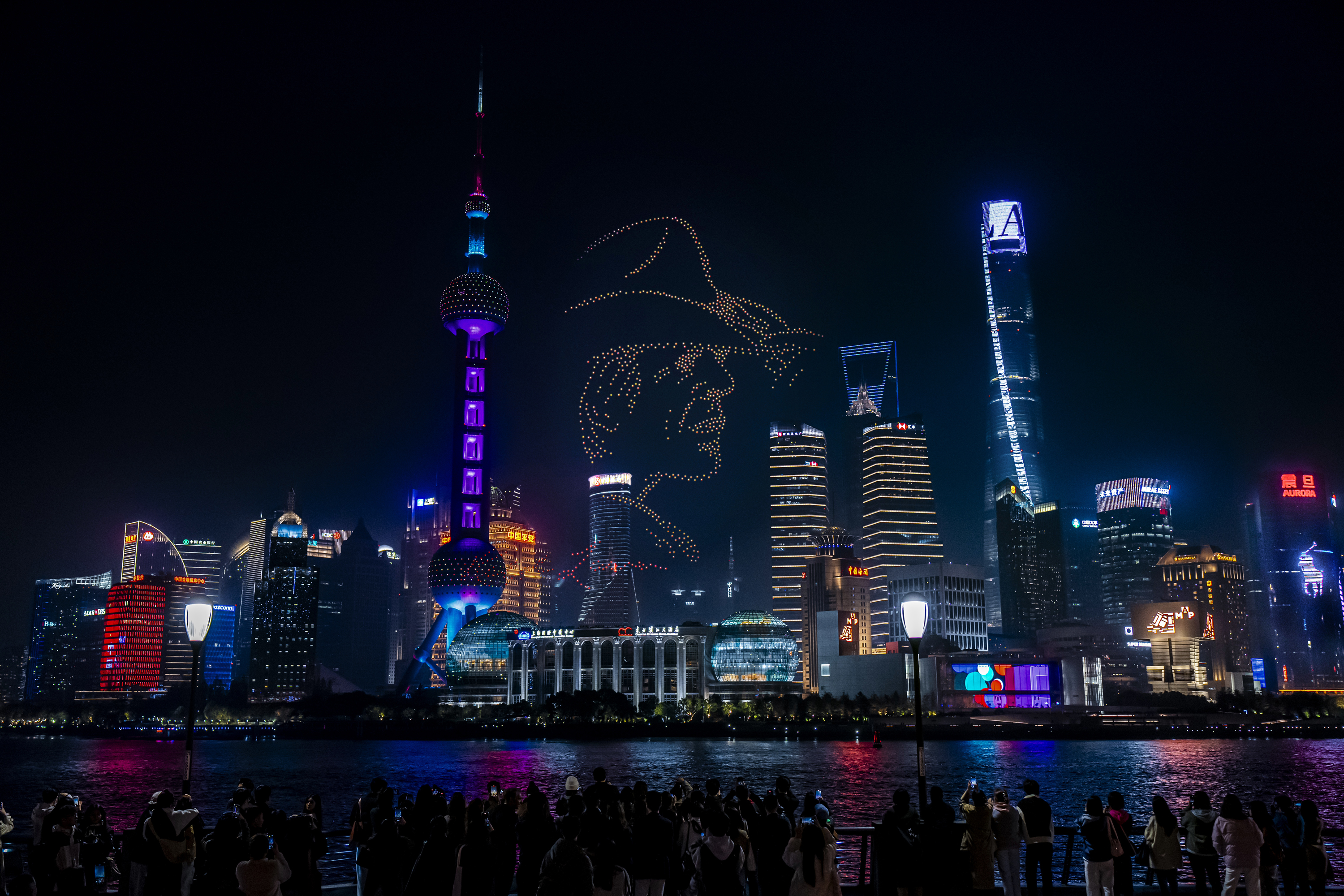 Drone light show on the Bund for the China premiere of Very Ralph
HBO’s original documentary Very Ralph traces how Ralph Lauren built his business. Through interviews with prominent figures across industries, it explores what drives the designer and the brand he founded.
The strength of the event was in the choice of format. A documentary can explore and convey the brand’s ethos more fully than a product campaign film, giving the beauty of the founder’s private world a more cohesive and artful treatment.
A film can move viewers in ways that stay with them. Very Ralph can likewise leave a deeper, more lasting impression than a conventional marketing campaign.
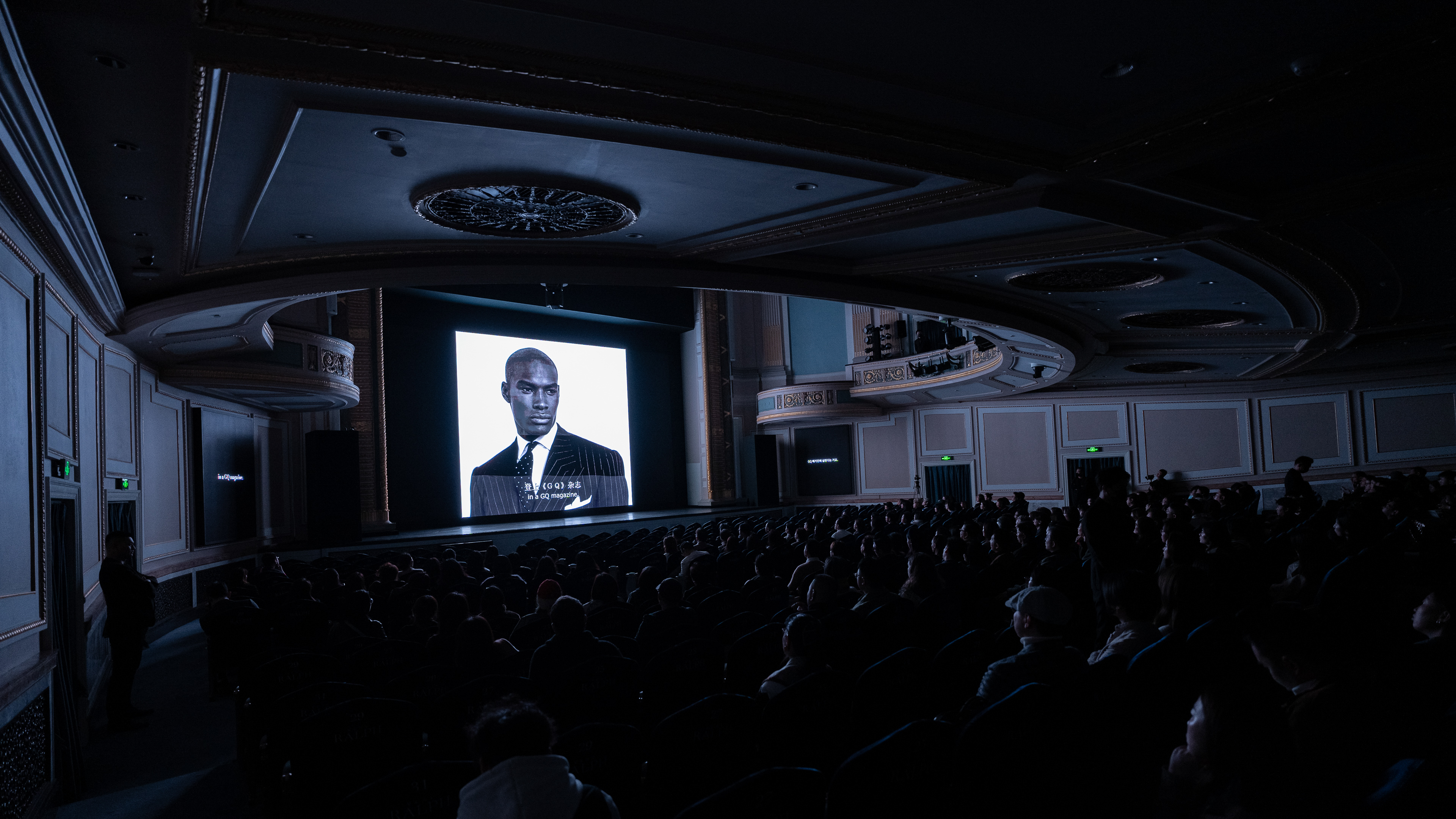 At the Shanghai premiere of Very Ralph
Building a brand starts with finding a clear point of reference. A brand can define its positioning around a target audience and use that to guide product design and communications, or it can start from a set of values.
Whichever starting point a brand chooses, we see coherence as essential. Telling one story well and telling it consistently is how a brand establishes a clear identity in consumers’ minds.
Ralph Lauren’s cinematic style reveals the craftsmanship that runs through the brand. That care keeps its storytelling coherent and makes it easier for consumers to picture themselves in the good life the brand portrays.
Trust and inspiration can grow only when consumers recognize the beauty in a brand’s goodwill and feel that it speaks to them. That connection is an intangible brand asset every company prizes.
03. How goodwill can inspire and encourage
Having a founder serve as the brand’s spokesperson or turning that founder into a marketable persona is a familiar strategy for building brand awareness. But we see the bond between Ralph Lauren and its founder as intrinsic to the brand. Its philosophy is, in essence, the sum of its founder’s life, experiences, and dreams.
As Very Ralph shows, Ralph Lauren’s refusal to be defined by others and his drive to surpass his own limits live on in the values the brand continues to share with consumers.
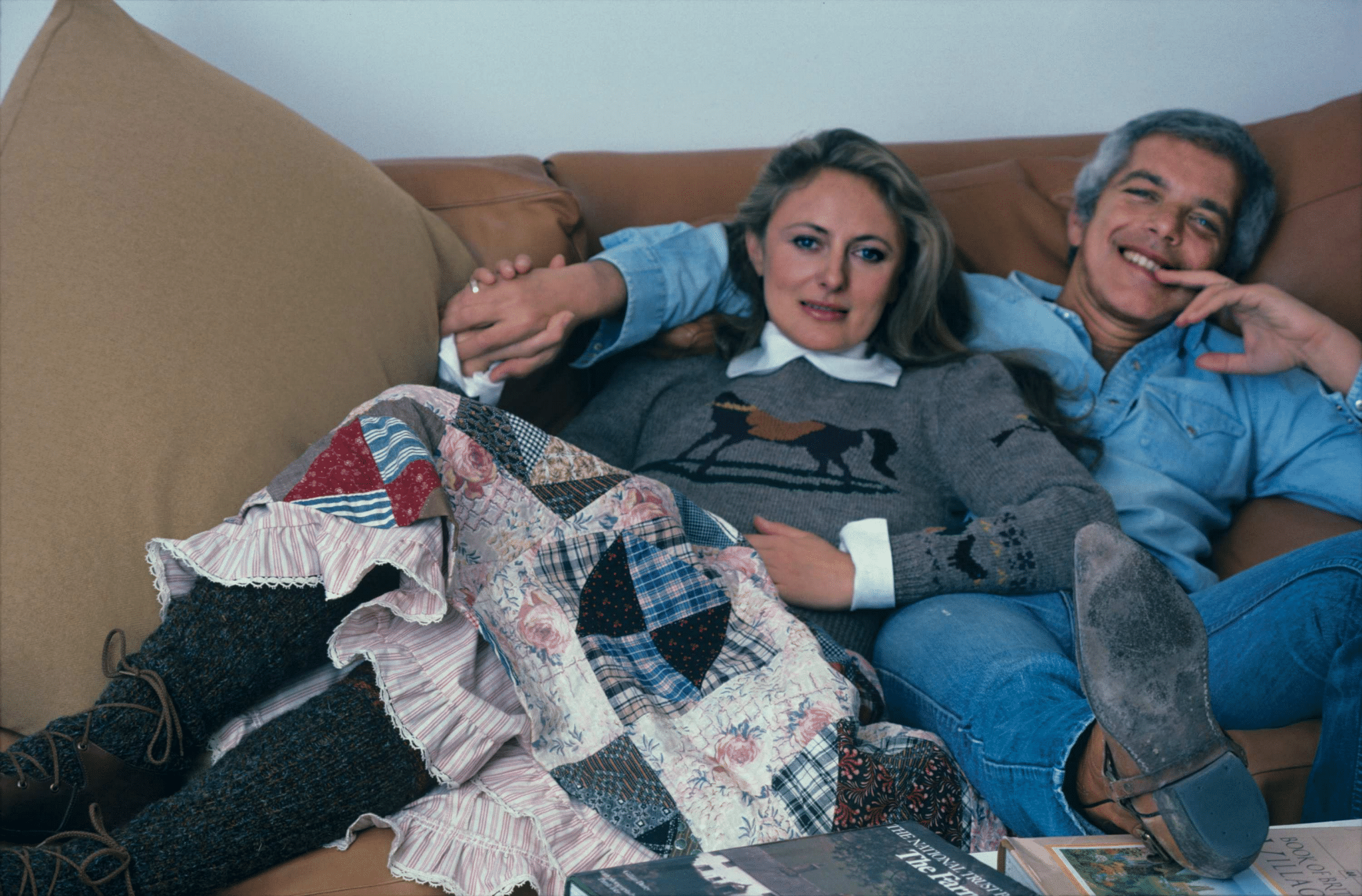 Founder Ralph Lauren and his wife, Ricky
Ralph Lauren came from modest beginnings. The beauty he saw on screen gave him the courage to pursue a better life. His fashion instincts and refusal to bend to prevailing trends ultimately made him a legend who helped define American style.
Having started out as an ordinary person, he believed that everyone had the right to express themselves freely and decide who they wanted to be. That conviction shaped his belief in fashion democracy.
The “Mountain Living” campaign film carries that spirit forward with its call to “Define yourself. Reach your own summit.”
Ralph Lauren wants people to stay focused as they pursue their dreams, find their own “summit” within themselves, and decide for themselves who they want to be.
We also see working professionals as Ralph Lauren’s core audience. Most are ambitious and driven in their careers, and many aspire to professional success or have already achieved it. “Define yourself. Reach your own summit” speaks to the mood of the moment and offers the kind of encouragement this audience needs.
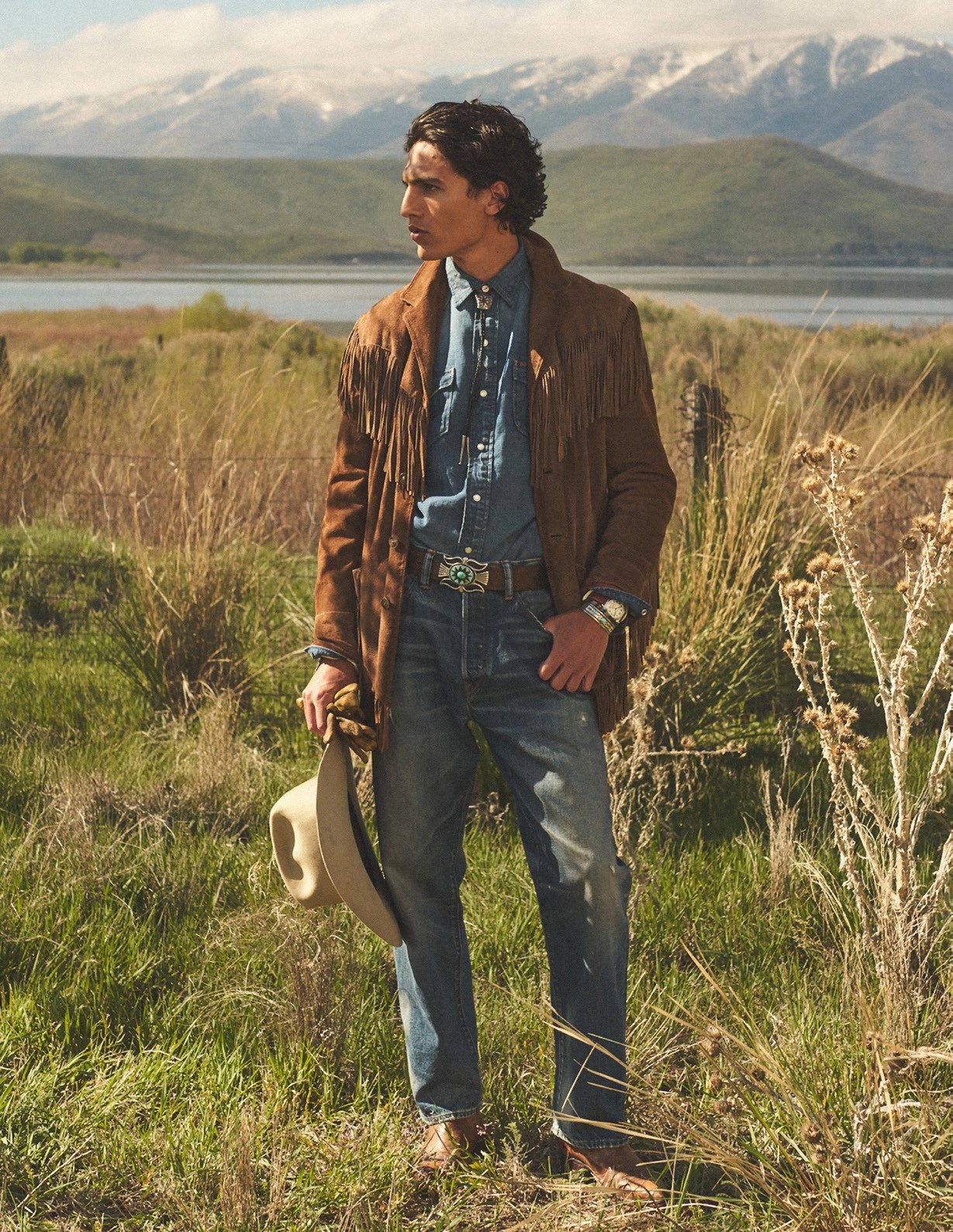
Ralph Lauren’s partnership with Wimbledon likewise reflects the brand’s desire to connect with consumers on a deeper level and inspire them.
In 2025, Ralph Lauren marked the 20th year of its partnership with the Wimbledon tennis championships, known as Wimbledon.
Over those 20 years, Ralph Lauren and Wimbledon have blended tradition with modern elegance to redefine tennis style. The tournament has also given the brand a platform to share its values and show what it means by a “winner’s mindset.”

Ralph Lauren’s idea of a “winner’s mindset” responds to the widespread anxiety of our times.
For Ralph Lauren, truly winning means letting go of the urge to measure yourself against others, staying true to yourself, giving your all to what you love, and resolving to surpass your own limits.
Wimbledon holds firm on its standards, keeping sponsor branding off the courts and requiring the grass to be kept at 8 centimeters. Ralph Lauren likewise stays true to its own design style and way of telling stories, regardless of prevailing trends.
Each year, through its Wimbledon partnership, Ralph Lauren carries forward its brand DNA and takes on a responsibility to inspire the wider public.
As tennis gains a wider following, Ralph Lauren’s role takes on greater meaning. The winner’s mindset extends beyond the tournament. Every swing in everyday play is a way to put that mindset into practice, until it becomes part of how people approach their work and lives.
04. Closing thoughts
In recent years, Ralph Lauren’s name has routinely come up alongside trend terms like “old-money style” and “quiet luxury.”
In our view, trends can bring traffic to a brand. Chasing them indiscriminately can bring attention and traffic while creating risks for the brand.
How can a brand turn fleeting attention into lasting relationships with consumers while expressing its identity in full? Ralph Lauren faced that challenge early on in China.
In our view, Ralph Lauren found an answer through a range of marketing initiatives grounded in its positioning and brand philosophy. In the process, it forged a deeper emotional connection with consumers. Revenue growth and store count in China, along with social media metrics and praise on those platforms, offer visible evidence.
These marketing initiatives are grounded in the founder’s vision of a better life. He has been generous in sharing his private world with the public. The brand carries that openness forward through a documentary, runway shows, and its Wimbledon partnership, each a fitting and distinctive way to share Ralph Lauren’s love, sincerity, and determination to pursue his dreams.
As noted earlier, Ralph Lauren has a close relationship with consumers, treats them as equals, and approaches them with goodwill.
We believe the desire for a better life is universal. The universal appeal of Ralph Lauren’s values helps explain why they resonate in China as well.

We often ask ourselves what makes a brand a lifestyle brand.
At Brandstar, we see a lifestyle brand as one that evokes a way of life for consumers, with a reach that goes beyond the breadth of its product assortment.
When consumers choose a brand, they are often choosing the kind of life they want to lead, seeking a sense of fulfillment that goes beyond material satisfaction.
For a brand to endure in the market and stand out in its industry, the lifestyle it creates must stay relevant to the current cultural context and be expressed in a language distinctly its own.
Consumers today can welcome encouragement from brands. What puts them off are patronizing, hollow slogans with no grounding beyond a desire to fit in with mainstream discourse. What they respond to is a compelling, inspiring ethos rooted in the brand’s DNA that speaks to their sense of self.
Brands need to look within their “old” DNA for a “new” ethos that resonates with consumers today, continually balancing current trends with what defines the brand.
We see Ralph Lauren continuing to work at this and setting an example in the process.
From stores and runway shows to online campaign films and documentaries, Ralph Lauren connects with consumers on a sensory and deeply personal level. By expressing its ethos in ways that speak to contemporary culture, the brand inspires consumers and rekindles their hopes for a better life. That, too, is an expression of a brand’s goodwill. BRANDSTAR