H&M’s growth in China accelerates as localization pays off
Key figures
In the third quarter ended August 31, 2025, H&M reported the following results.
• Revenue. Net sales rose 2% year over year in local currencies and totaled SEK 57.017 billion after currency conversion.
• Profit. Gross margin improved markedly to 52.9%. Operating profit jumped 40% year over year to SEK 4.914 billion, and operating margin rose from 5.9% to 8.6%.
Other earnings highlights
• Growth in China accelerated in the third quarter as H&M’s localization strategy took hold. The company will continue to expand its presence in the market.
• The fall collections sold well, and online platforms made a significant contribution to profit growth for the quarter.
• Selling and administrative expenses fell 5% to SEK 25.167 billion from SEK 26.6 billion a year earlier.
• Cash flow from operating activities rose to SEK 9.985 billion, surpassing pre-pandemic levels.
• Inventory fell 9% to SEK 37.938 billion, with a healthy inventory mix.
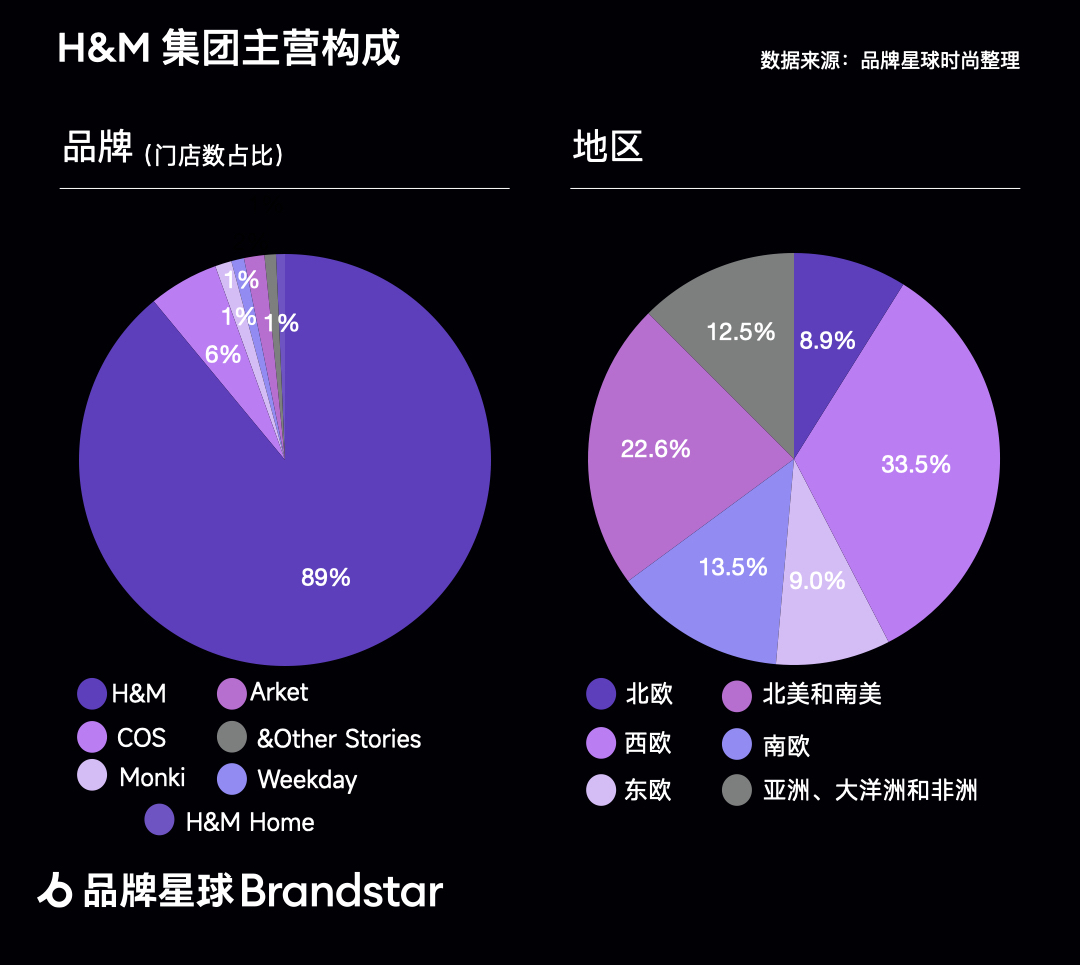
H&M had 4,118 stores worldwide at the end of the reporting period.
02. How H&M is building its brand in China
A more compelling product assortment, higher gross margins and effective cost controls helped H&M lift quarterly operating profit by 40% year over year while bringing inventory levels down.
H&M Group CEO Daniel Ervér said in the earnings report that the company continued to move in the right direction.
As H&M pursues faster growth in China, it is strengthening its brand presence by refreshing stores and developing immersive retail experiences.
Brandstar counted three major H&M store debuts in China since the start of the third quarter of 2025. The retailer opened a new store at Shenzhen Joy City, revamped its largest flagship in South China at Shenzhen’s 1234space shopping center, and held a grand opening for House of H&M on Middle Huaihai Road in Shanghai.
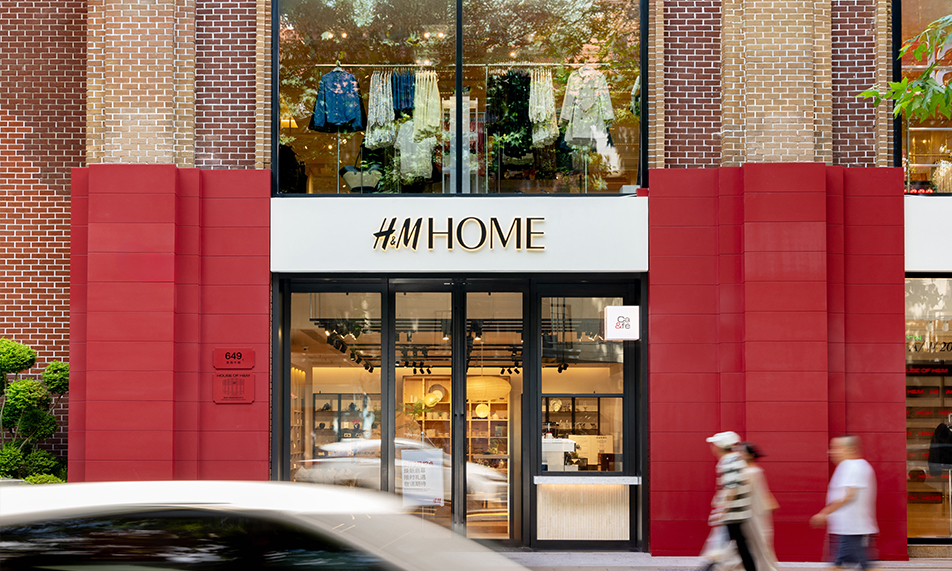
H&M’s first brand experience center in China is on Shanghai’s Huaihai Road, where the brand entered the Chinese market in 2007. Spanning nearly 3,000 square meters, the store combines retail, a café, floral design, a livestreaming area and exhibition space. It also marks the in-store debut of H&M HOME’s distinctive Scandinavian-style homewares.
The landmark opening brought H&M’s brand refresh to life, deepening customer engagement and elevating the brand experience. It also offers international fashion brands a new model for telling locally relevant stories through retail spaces in China.
As part of its omnichannel strategy, H&M made its debut at Tmall’s Super Fashion Launch event in June. Its six-hour immersive livestream drew more than 1.56 million viewers, setting a brand record. By working with the platform’s data, H&M delivered personalized offers to members and improved how viewers could interact, boosting engagement and strengthening their ties to the brand.

In July, H&M partnered with QQ Music on a branded playlist that gave consumers a new way to experience fashion through music. Inspired by the style and themes of the season’s featured collection and grounded in China’s local music scene, the playlist encouraged consumers to express themselves through both styling and music, giving them another way to connect with the brand.
H&M Group also led on sustainability transparency, ranking first among 200 global fashion companies in Fashion Revolution’s latest “What Fuels Fashion?” report.
The report focuses on companies’ transparency on decarbonization and other sustainability issues. H&M showed industry-leading performance in climate disclosure, energy procurement and financing for decarbonization. The result reflects H&M’s commitment to sustainability and reinforces its leadership in the global fashion industry.
03. Closing thoughts
H&M’s sustained investment in China is beginning to yield visible returns.
Guided by its belief that fashion should serve a broad audience, H&M will continue to draw on a wide range of design approaches and styles to stage more creative, lively fashion events in China and offer consumers quality products and a variety of fashion experiences.
H&M will also team up again with Shanghai Fashion Week on its Chinese Designer Collaboration Program and release a new season of the collaboration collection. The initiative will give local designers a broader platform to showcase their work and collaborate, while strengthening ties between the Chinese and international fashion industries.
As H&M Chief Creative Officer Jörgen Andersson put it at a London Fashion Week event, luxury brands may serve the 1%, but he prefers to work for the other 99%. In his view, fashion should be accessible to everyone.
As H&M moves past the fast-fashion industry’s shared fixation on efficiency, it is finding its own pace again and using fashion to break down barriers between styles.BRANDSTAR