How “Bundle up before you go out” captures a gentler shift in parenting
Helping parents everywhere keep kids warm and free to play.
Every generation has its own way of raising children, but “Mom thinks you’re cold” endures as a distinctly Chinese expression of care.
In Bosideng’s latest short film, “Bundle Up Before You Go Out,” a mother’s love runs as deep as ever, even as the way she expresses it is quietly changing. “Don’t go outside” gives way to a more supportive “Bundle up, then go outside.”
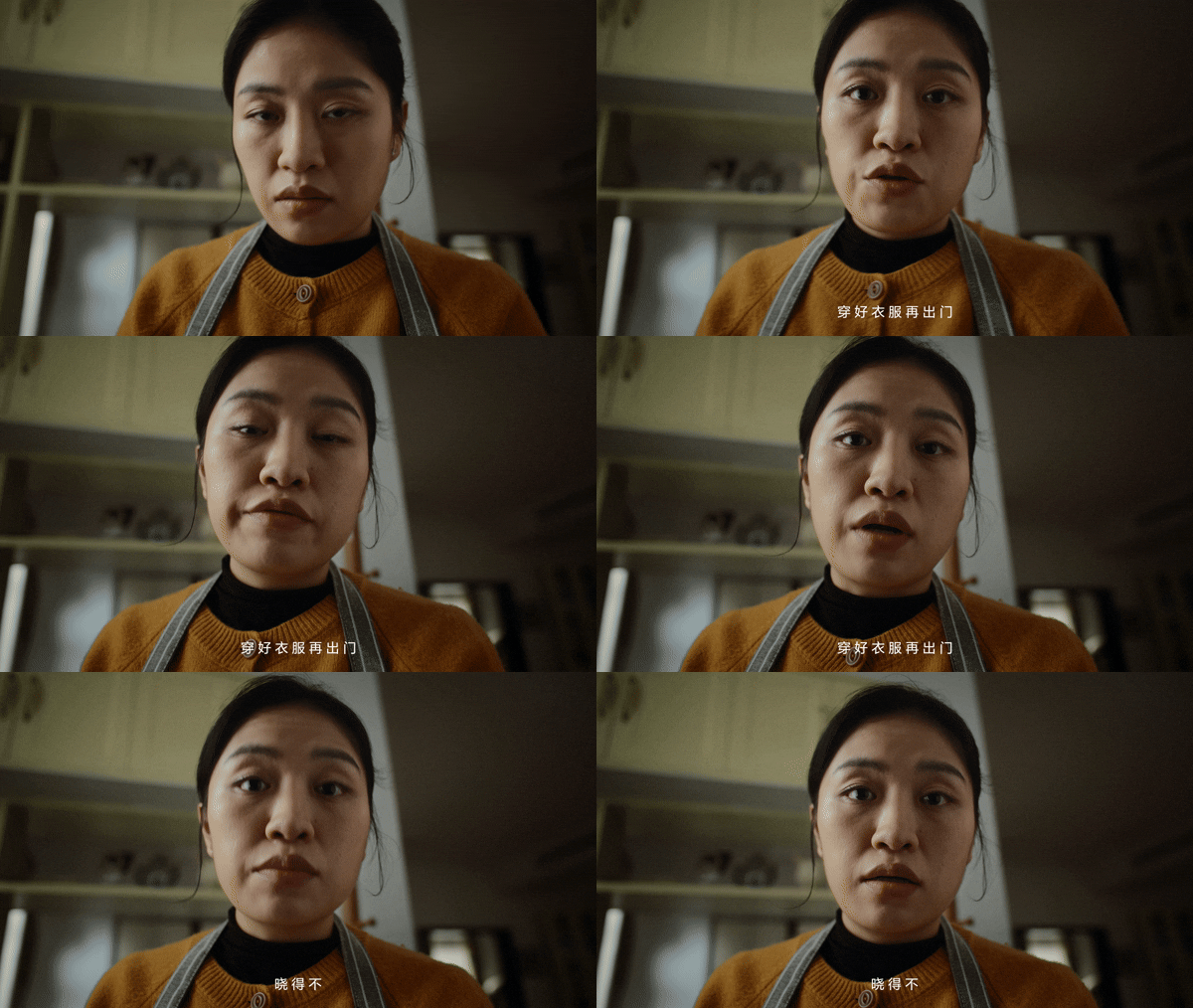
Bosideng picked up on a shift among a new generation of parents. They’re more open and supportive, more willing to let their children explore and to try new ways of keeping them safe. The film’s change in wording echoes that shift in parenting philosophy, pairing encouragement to explore with science-based protection.
01. A new generation of parents says “Yes, and”
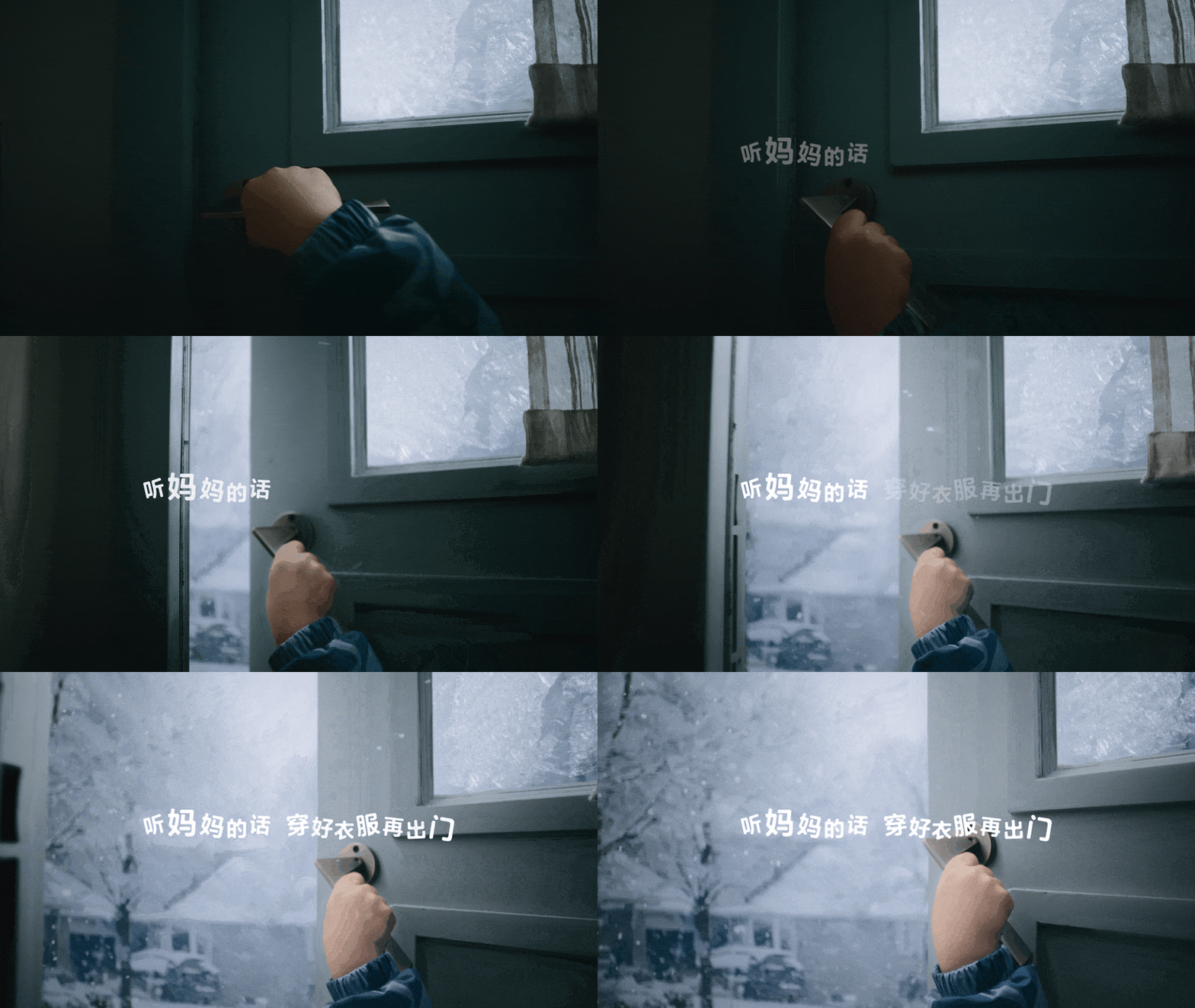
“Wow! It snowed!” the film opens with a child’s delighted shout. A pair of small hands eagerly pushes open the door to a world blanketed in fresh white snow. To a child, it might as well be the entrance to a real-life fairy tale.
The film visits families across seven regions. The children speak different dialects, but they all share the same urge. One peers out the window, another tells Mom to hurry, and another wants to bolt outside before the grown-ups are ready. One worries only about getting enough time to play, while another gets ready to explore a secret hideout with friends.

That urge to explore is what Bosideng wants to help parents protect. For many viewers, the film departs from a familiar childhood experience. Every child gets the go-ahead. All they hear, in voices ranging from stern to gentle, is “Bundle up, then go outside.” The permission is clear every time.
With a small change to an everyday reminder from Mom, Bosideng shows how parenting today is changing and how the thinking behind it is evolving, too.
The shift starts with something tangible. As a down apparel specialist, Bosideng is redefining what warmth means. Cold used to mean inconvenience, discomfort, extra work and even risk. Today, the right gear can make it a manageable problem. From Bosideng’s perspective, staying warm is an everyday winter need, and the cold needn’t keep children from exploring.
There’s an emotional shift, too. A new generation of parents expresses love by giving children the protection and support they need to experience the world more freely. They want to be the ones who say “Yes, and.” They believe that with enough protection and support, children can give full rein to their imagination and curiosity. Bosideng backs parents up by making gear that helps children connect with the world around them.
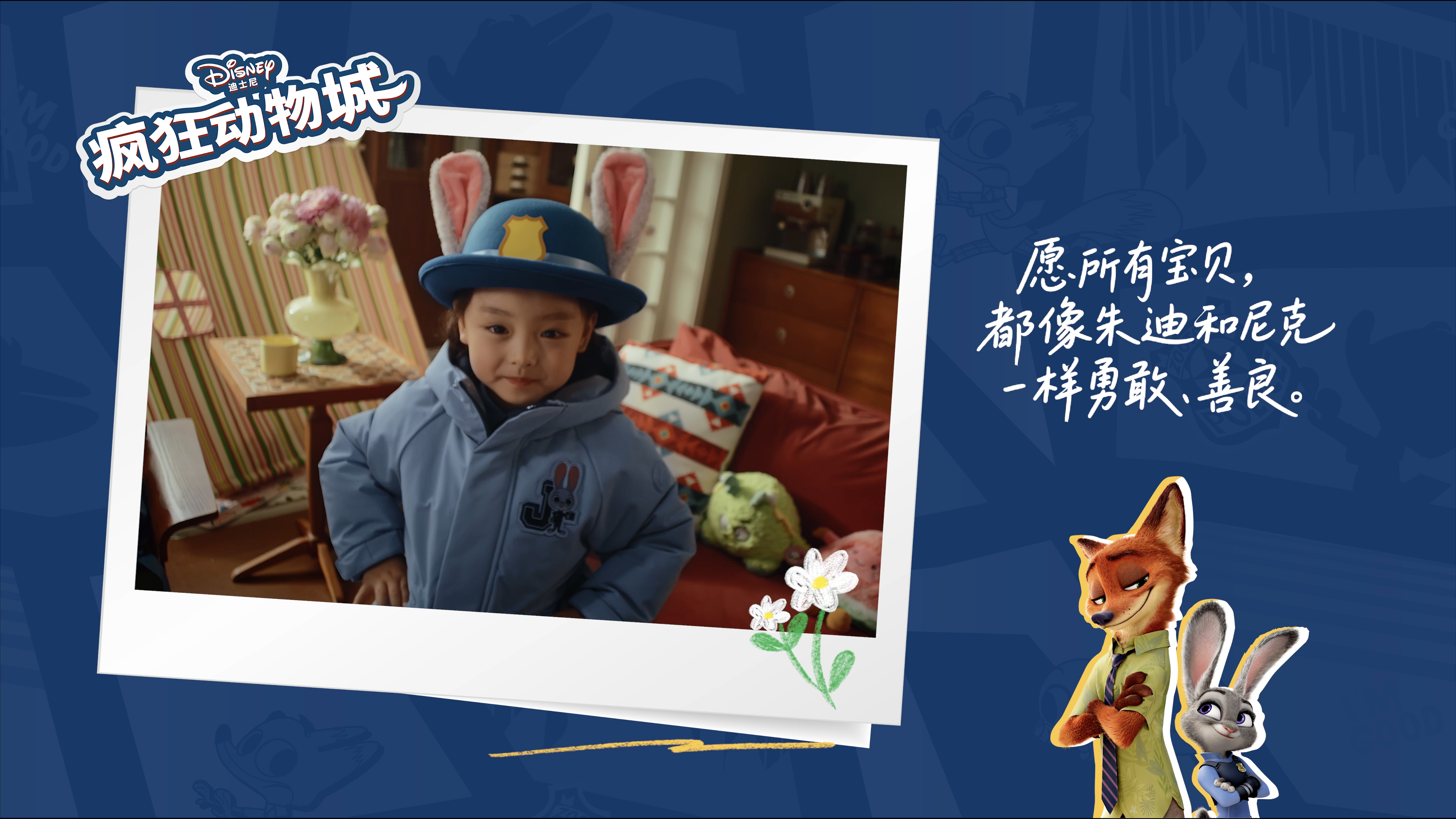
At the end of the film, the children open the door again. As they step out into winter wearing pieces from Bosideng’s Zootopia collaboration, they bring the movie’s spirit of exploration into the real world with bravery, curiosity and even a touch of wildness. Behind them, Bosideng joins parents in giving a clear response. “Yes, and.”
02. A mother’s love gives children confidence
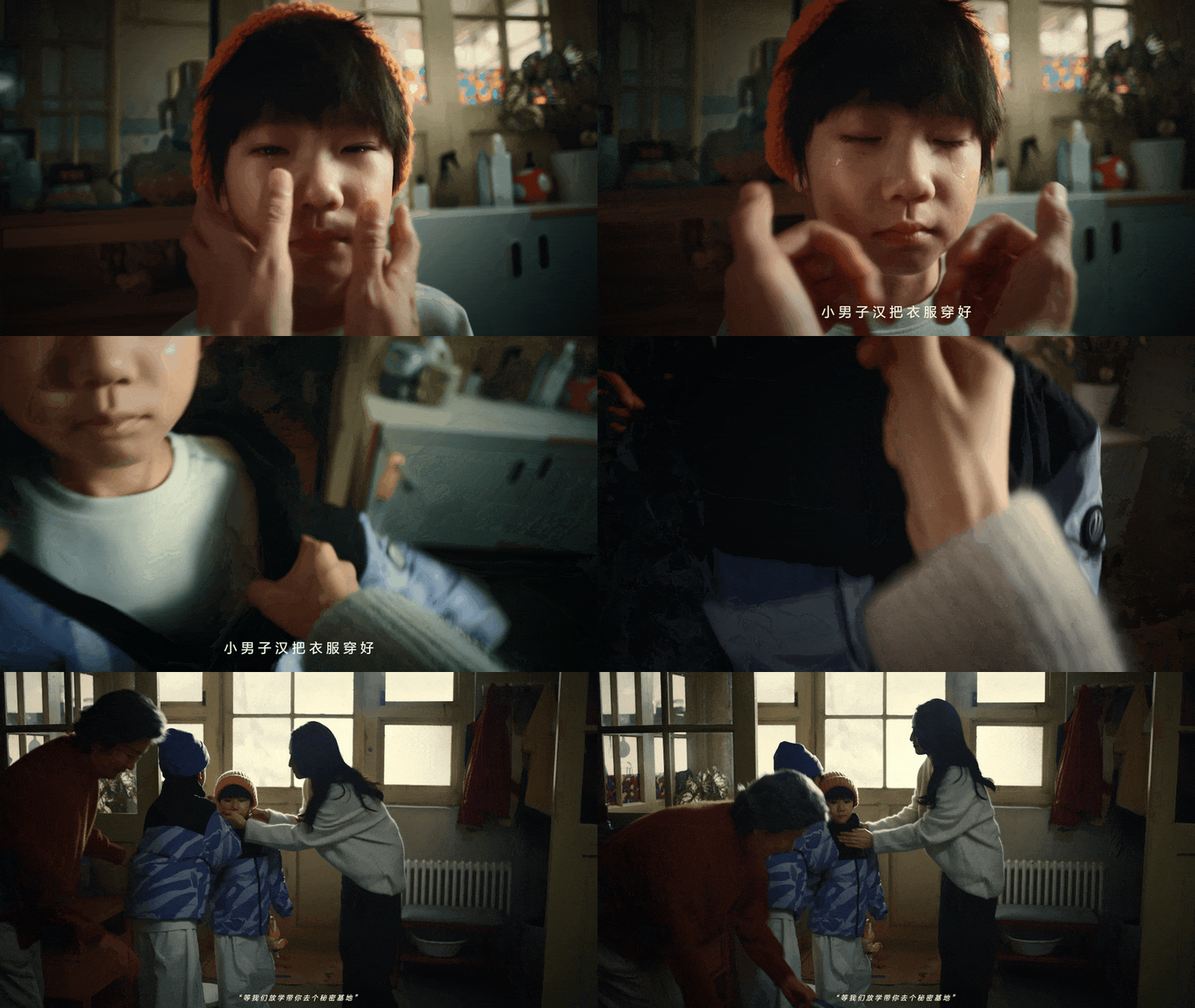
The film makes striking use of perspective. For the first 95% of its runtime, the camera repeatedly shows the children in candid close-ups from their mothers’ point of view.
Only at the very end, as a young voice says “Mom is more afraid of the cold than anyone in the world,” does the camera cut to close-ups of the mothers’ faces. Those few seconds capture something familiar from everyday life. Behind countless moments that go unseen, mothers quietly offer love and support. The mothers make room for every bit of their children’s playfulness, and Bosideng uses the film’s closing moments to support them in turn, bringing the people who give their children confidence into view.

Most of the time, that confidence comes from small gestures that make a real difference.
Young parents born in the 1990s, including those born in or after 1995, have markedly different expectations for childrenswear than the previous generation. Durability was enough for their parents. This generation pays closer attention to how clothes look, feel and perform in different settings. Alongside warmth and practicality, childrenswear now reflects how parents see their children’s temperament, individuality and eagerness to explore.
So what makes a good down jacket for a child? The people who buy and wash children’s clothes, care for them and spend time with them may be best placed to answer.
For its Zootopia collaboration, Bosideng drew on its cold-weather expertise and used 5A-grade antibacterial down that helps inhibit bacterial growth. Children can stay warm and fresh even when they work up a sweat running outdoors. It’s the kind of practical support Bosideng wants to give parents, designed to hold up in everyday use.

Bosideng also considered less obvious needs. From a product-design perspective, a full day of outdoor play can mean getting chilled when melting snow or other liquids soak into clothing, picking up grease stains at mealtimes and getting dirty from bumps and scrapes. Less visible is the extra cleaning and housework that comes with it.
In response, Bosideng used a technical fabric in the Zootopia collaboration that repels water and oil, resists soiling and makes stains easier to remove. Children can play to their hearts’ content, and easier garment care gives parents more time and energy to spend with them.
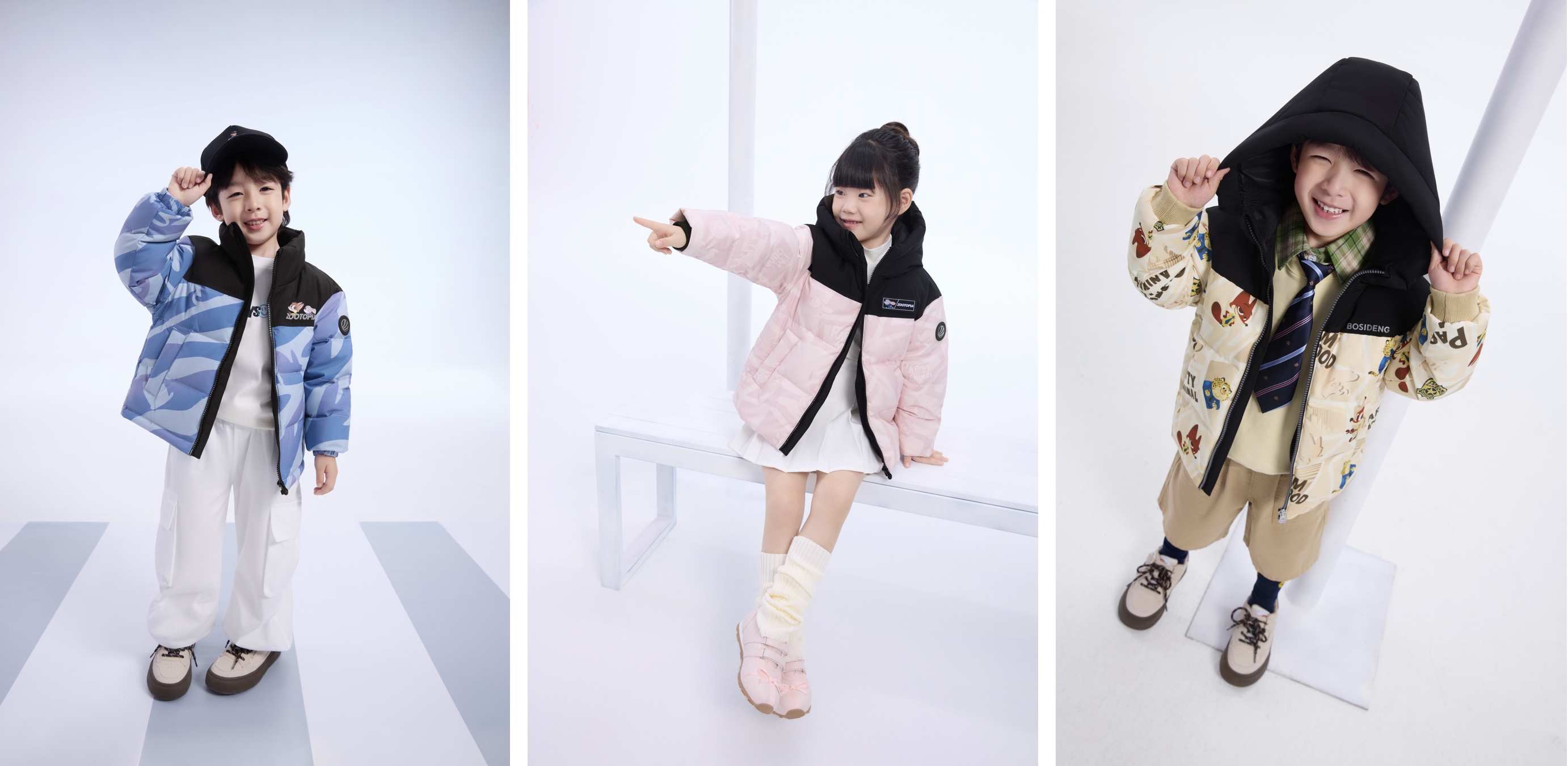
The technical features and Zootopia’s spirit of exploration give children two sources of confidence. In the film, the little girl who excitedly calls out “Officer Judy!” becomes an adventurer in her own world the moment she puts on her down jacket. The Zootopia collaboration gives her an adventurer’s uniform.
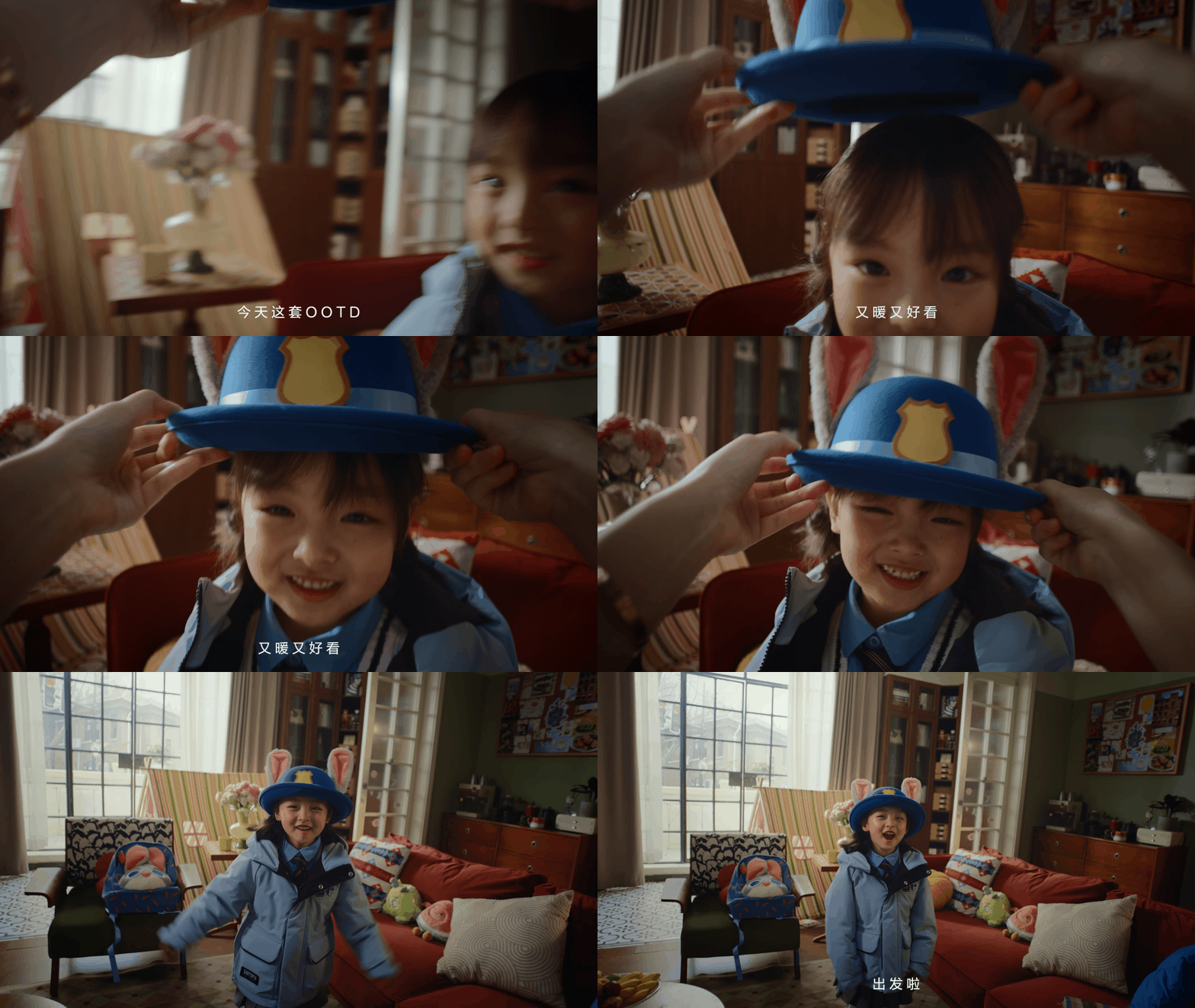
At the end of the film, as the children put on their down jackets, the camera switches to their point of view for the first time. We finally see their mothers through their eyes. To a child, Mom is the one who outfits them with the armor to explore the world. To Bosideng, her love is the real source of their courage. The brand’s role is to bring that support into view and reinforce it.
04. Closing thoughts
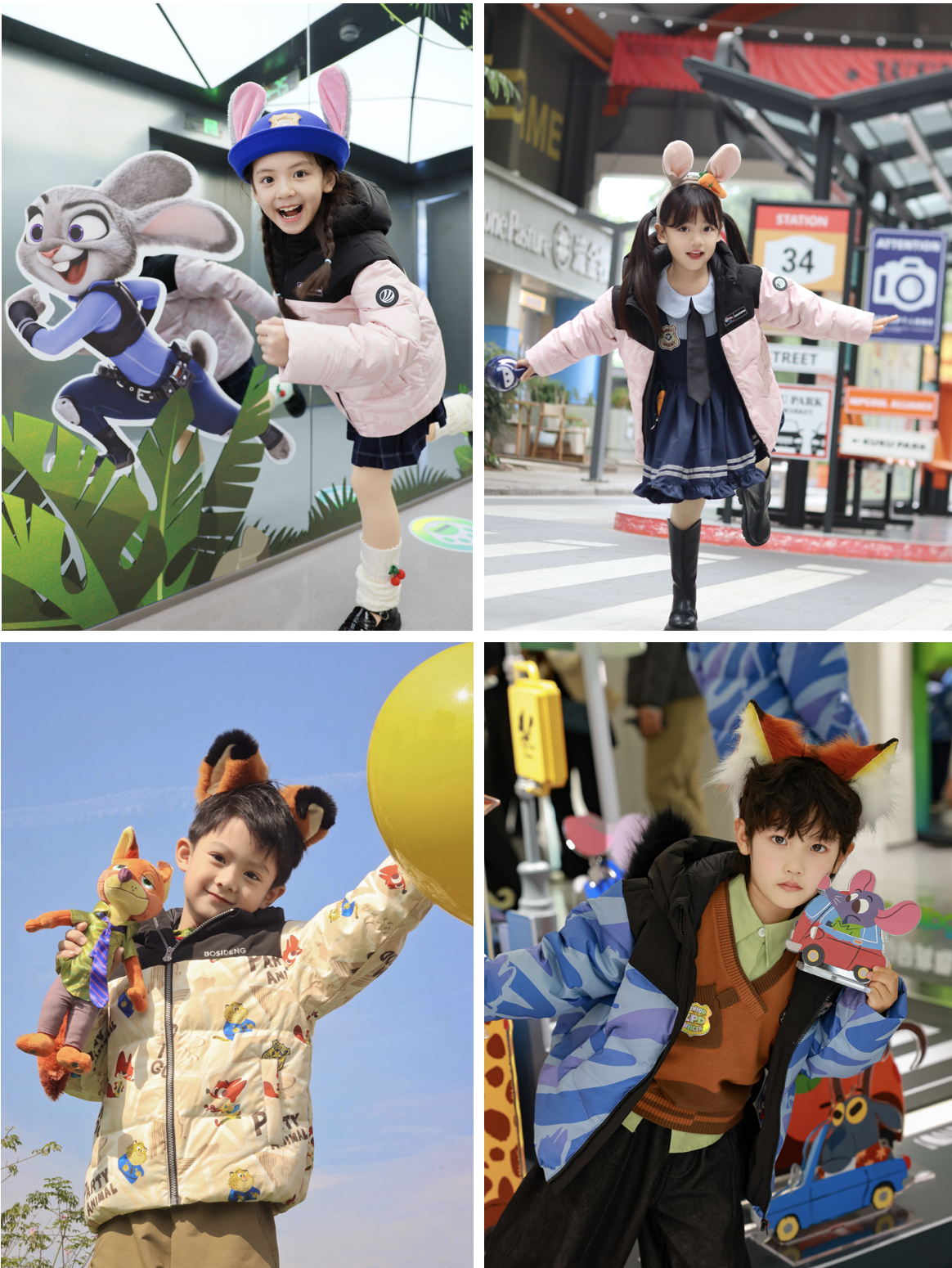
After the film’s release, many parents posted photos on social media of their children dressed up as the lead characters in pieces from the collaboration. Those real-life moments carry more emotional weight than any poster. In everyday life, online and offline, families gave Bosideng’s effort to protect childhood play a new expression and a wider reach.
In that sense, “Bundle Up Before You Go Out” is both an ad and Bosideng’s response to a question facing brands today. How should they respond as social attitudes shift? One way is to recognize and meet young parents’ needs through products and emotional connection, and to take an active part in shaping and even influencing shared social values. That’s the approach Bosideng puts forward.
In Brandstar’s view, Bosideng is looking beyond a short-term sales boost to ask how a brand can participate in, and perhaps help drive, shifts in social attitudes. More brands may one day take a similar approach, using their reach as businesses to promote positive values. BRANDSTAR