In conversation with SUNYATA on imagining a hotel beyond the usual formula
Bringing a vision for culturally rooted resorts to life through local culture.
Over the past decade, China’s hotel industry has undergone a clear structural shift. The middle class grew rapidly, independent creators and social platforms reshaped how people talk about travel, and a wave of boutique resorts emerged, giving a new generation of travelers a way to rethink what a vacation could be.
SUNYATA, founded in 2015, took shape against this backdrop. Founder Lai Guoping moved from advertising into hospitality, starting with youth hostels before turning to resorts.
Even as new resorts have proliferated, SUNYATA has remained an atypical brand.
It chooses destinations for their place in Chinese cultural history, deliberately sidestepping popular sites already associated with familiar cultural symbols. It has also carved out a middle path of its own between expansion at scale and the appeal of staying small and rooted in a single region.
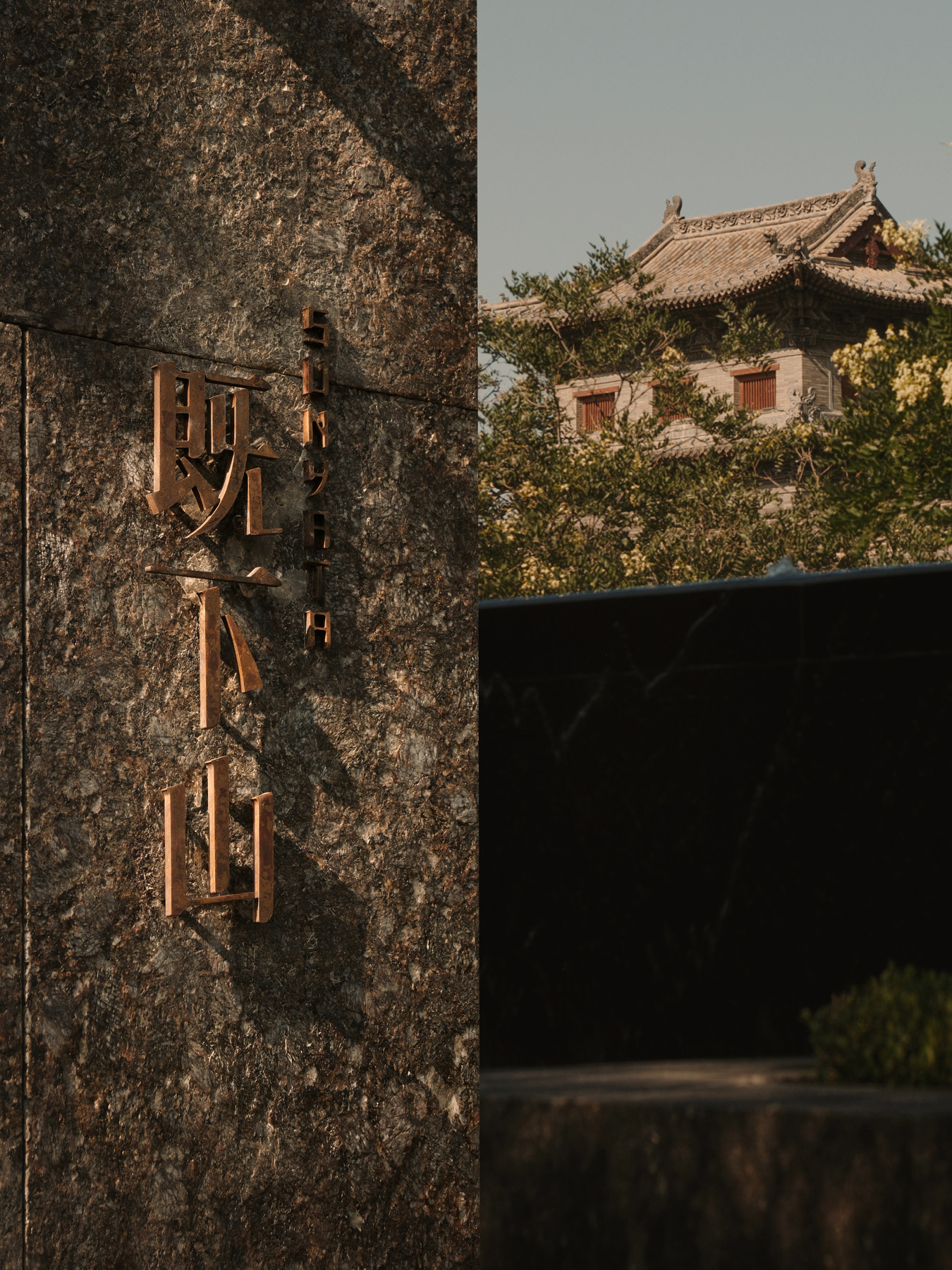
2025 marked SUNYATA’s tenth year.
That year saw the completion of SUNYATA Datong and the first location for Jixiang, its urban brand. Datong drew more attention than expected thanks to the “Black Myth effect.” Meanwhile, SUNYATA Huangguoshu and the second phase of the Datong project were both confirmed for a 2026 debut.
For SUNYATA, long known for taking things slowly, it seemed that harvest season had quietly arrived.
Lai sees the buzz as a response from the outside world, with an element of chance. He likens running a hotel to farming. Both require a genuinely long-term approach and the conviction to stand by what you value.
SUNYATA has stayed anchored in a clear principle. It continues to delve deeper into the threads of Chinese culture. In Brandstar’s view, that conviction may be what has given SUNYATA a clear sense of identity and a distinct character in today’s hospitality industry.
During Datong’s winter tourism off-season, Brandstar visited the now-quiet old city for a wide-ranging conversation with Lai Guoping at SUNYATA in the Dongnanyi quarter. We wanted to understand how SUNYATA brings its vision of a culturally rooted resort to life in a place whose cultural heritage runs deep and can be hard to define.
The conversation ultimately raised a broader question. What possibilities can grow out of a resort grounded in Chinese culture?
01. Remoteness can be an asset
For a resort brand that puts the destination first, SUNYATA has a surprising preference. It deliberately seeks out places that take time and patience to reach, passing over easy transport links and the latest travel hot spots.
Its Yunnan properties are cases in point. Getting from Shangri-La to the Meili Snow Mountains takes more than three hours by car over mountain passes. Reaching Wuli Village from Baoshan Airport takes seven to eight hours on winding mountain roads.
For Lai Guoping, the long journey is where the hotel experience begins.
He still remembers crossing the snow-covered mountains at night. The shifting weather filled him with awe one moment and apprehension the next. Once he arrived and climbed the stairs one step at a time, he felt an almost sacred stillness settle over him.
 Changing scenery on the way to SUNYATA Meili
In his view, the journey may seem long, but it helps travelers shift their state of mind. The farther they get from daily life, the more they find themselves in an unfamiliar cultural setting, and their outlook changes along the way. That sense of arrival later became the basis for SUNYATA’s tagline, “Reach the frontier within.”
As Lai moved from advertising into hospitality and tried his hand at different property types, SUNYATA went through a long period of exploration. It was only when the Meili property was completed in 2018 that something clicked for him.
Lai felt that SUNYATA had finally reached its real starting point. Far from the bustle, the building and its setting brought together a striking natural landscape and a culture unfamiliar to many guests. SUNYATA’s ideal had finally taken physical form.
Looking back on the early days, Lai recalls how the team felt its way forward, learning what worked through practice. One of the clearest lessons from that trial and error was that remoteness can be an asset.
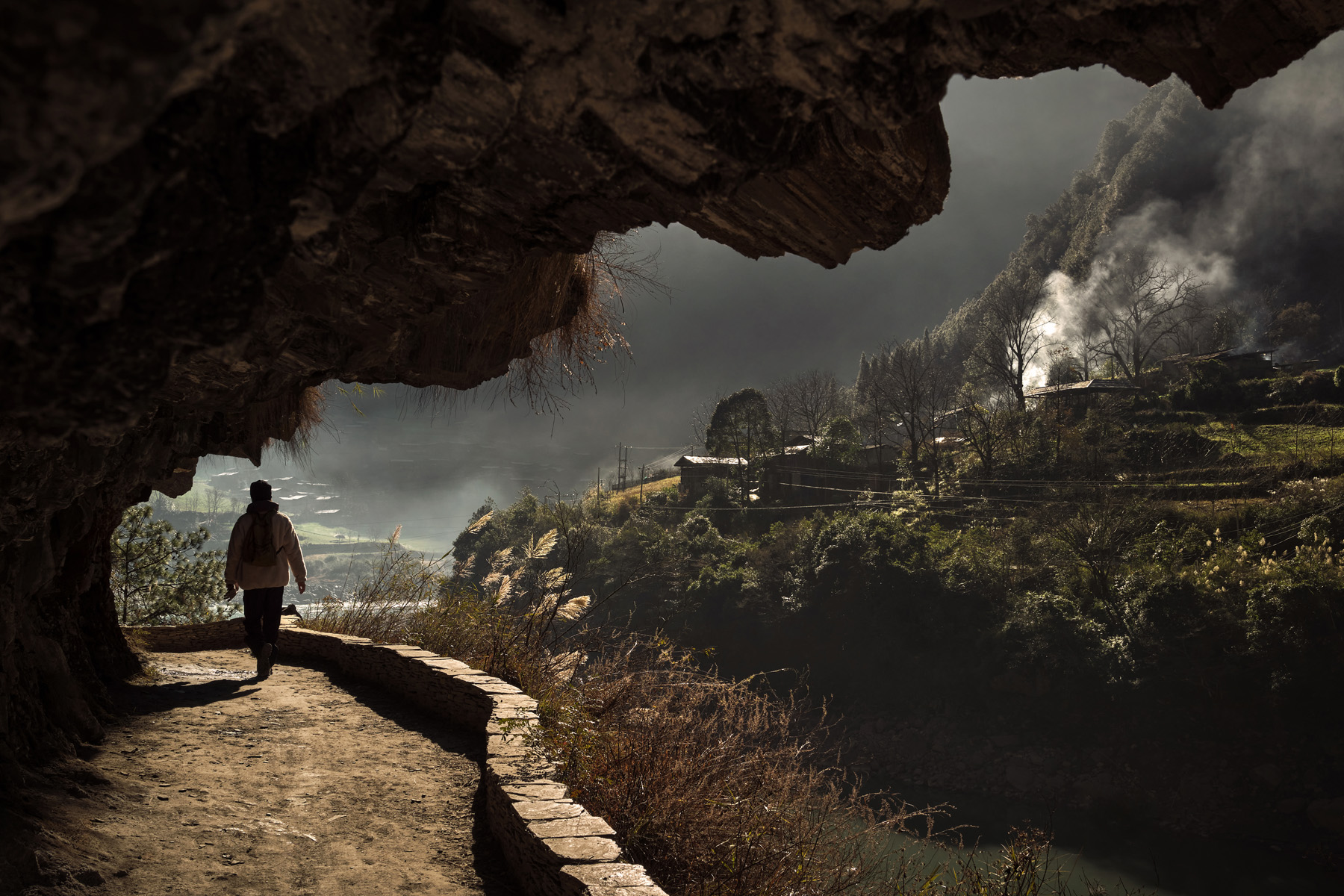 The final stretch to Wuli Village is accessible only on foot
From there, SUNYATA began to explore an idea more central to its work, the notion of “faraway.” The journey Lai describes gives people a way to feel what that distance means.
“Faraway” can mean literal geographic distance. Long journeys and complicated transport connections put physical space between everyday life and places that take time and effort to reach.
“Faraway” can also describe a psychological distance, the unfamiliarity of being somewhere beyond what you know.
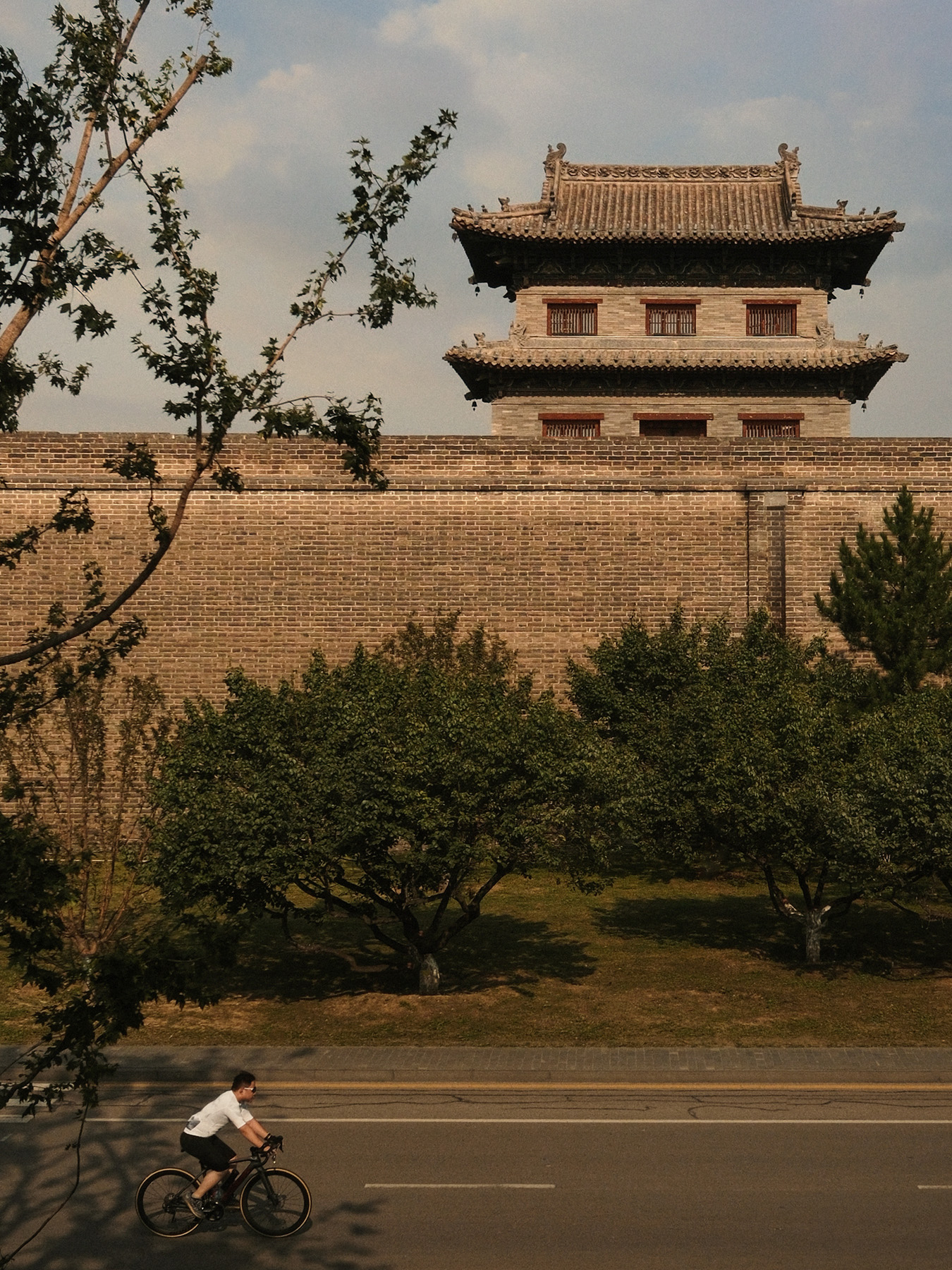
Datong is a case in point. It is easy to reach, yet its place in contemporary culture is less clearly understood. Many people may be unaware that the city, with more than 2,000 years of history, was once the Northern Wei capital, helped lay the foundations for Tang culture, and served as a major crossroads for ethnic groups and civilizations. The gap between that history and how the city is understood today gives Datong a distinctive sense of psychological distance.
Lai believes the ease of modern travel and advances in technology are gradually eroding the sense of “faraway.” As he points out, anyone can pick up a phone, open a short-video app or social platform, and learn about a place they have never visited. A VR headset can even make them feel as though they are there. As a result, curiosity about far-off places is waning, and the feeling of encountering somewhere truly distant is becoming rarer.
SUNYATA’s mission is to rethink the destination experience and bring that fading sense of “faraway” back into people’s lives.
02. The hotel as a cultural product
How can the sense of “faraway” become part of people’s lives again?
SUNYATA’s answer is to build the hotel as a cultural product. Alongside providing a place to stay, it opens a door into a particular history and culture. The hotel gives guests a way to understand and experience the destination.
In choosing destinations, SUNYATA applies its own criterion of “cultural representativeness,” looking for places that exemplify significant threads in Chinese culture.
A Northern Dynasties history enthusiast, Lai recalls his first time standing on the walls of Datong’s old city. The dilapidated scene below was a far cry from the grandeur he associated with Pingcheng, the Northern Wei capital. The team ultimately chose the site for SUNYATA because of that deep history. Working alongside efforts to preserve the old city, they spent six years recreating their vision of Pingcheng as a place where civilizations came together.
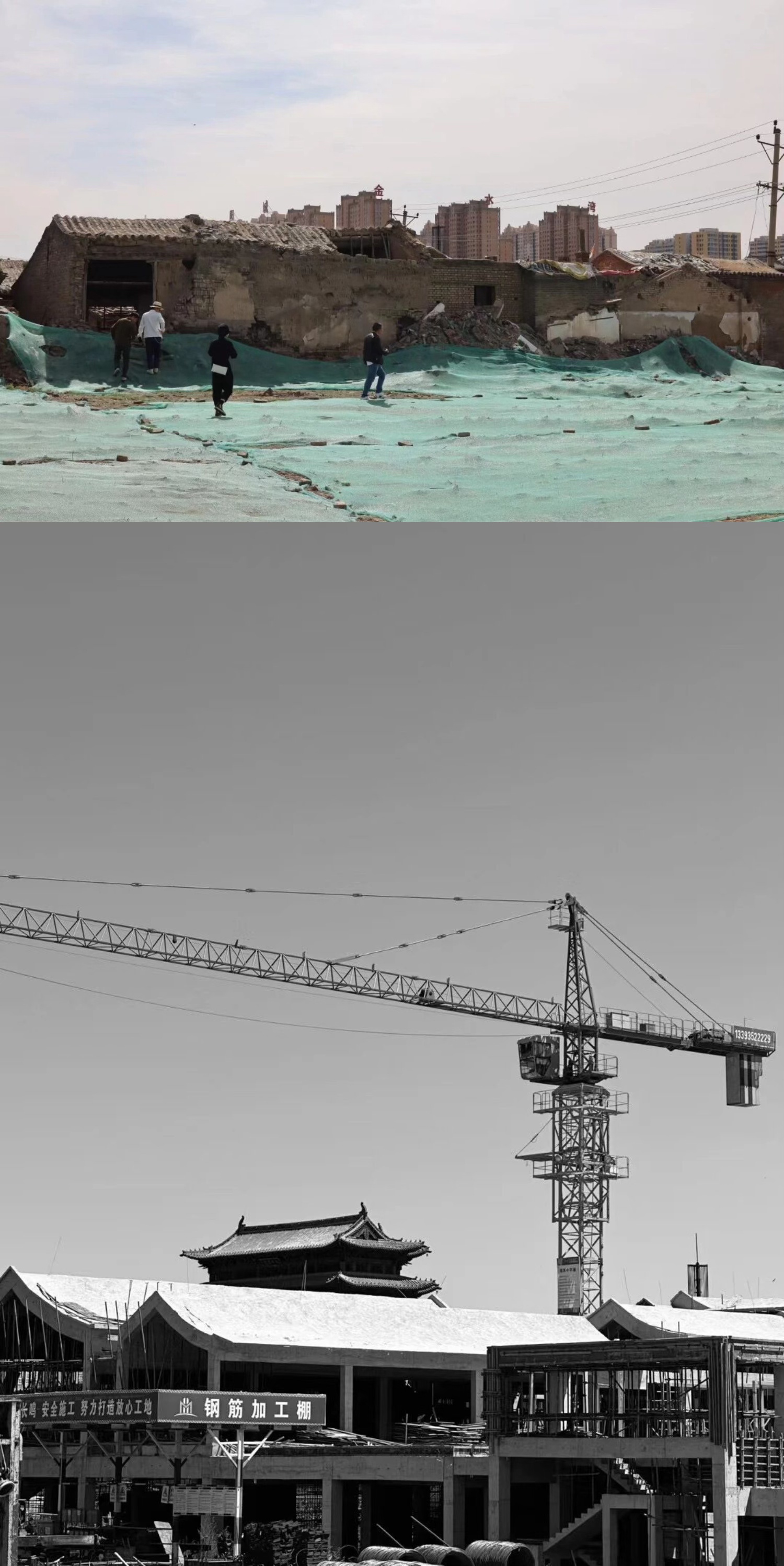 The Datong site before construction and the building process, which incorporated the preservation of historic architecture
Lai often says that every Chinese person carries a cultural map in which history and the present are layered together.
On that map, important places in China’s cultural history can fade from view in the present day. These “forgotten corners” are precisely where SUNYATA focuses its attention. Through its construction projects, the brand hopes to bring their traces of history and culture back into view.
SUNYATA therefore builds each property to serve as a cultural product. Alongside providing accommodation, each hotel gives guests multiple ways into the local culture. That role makes its properties stand out among resorts.
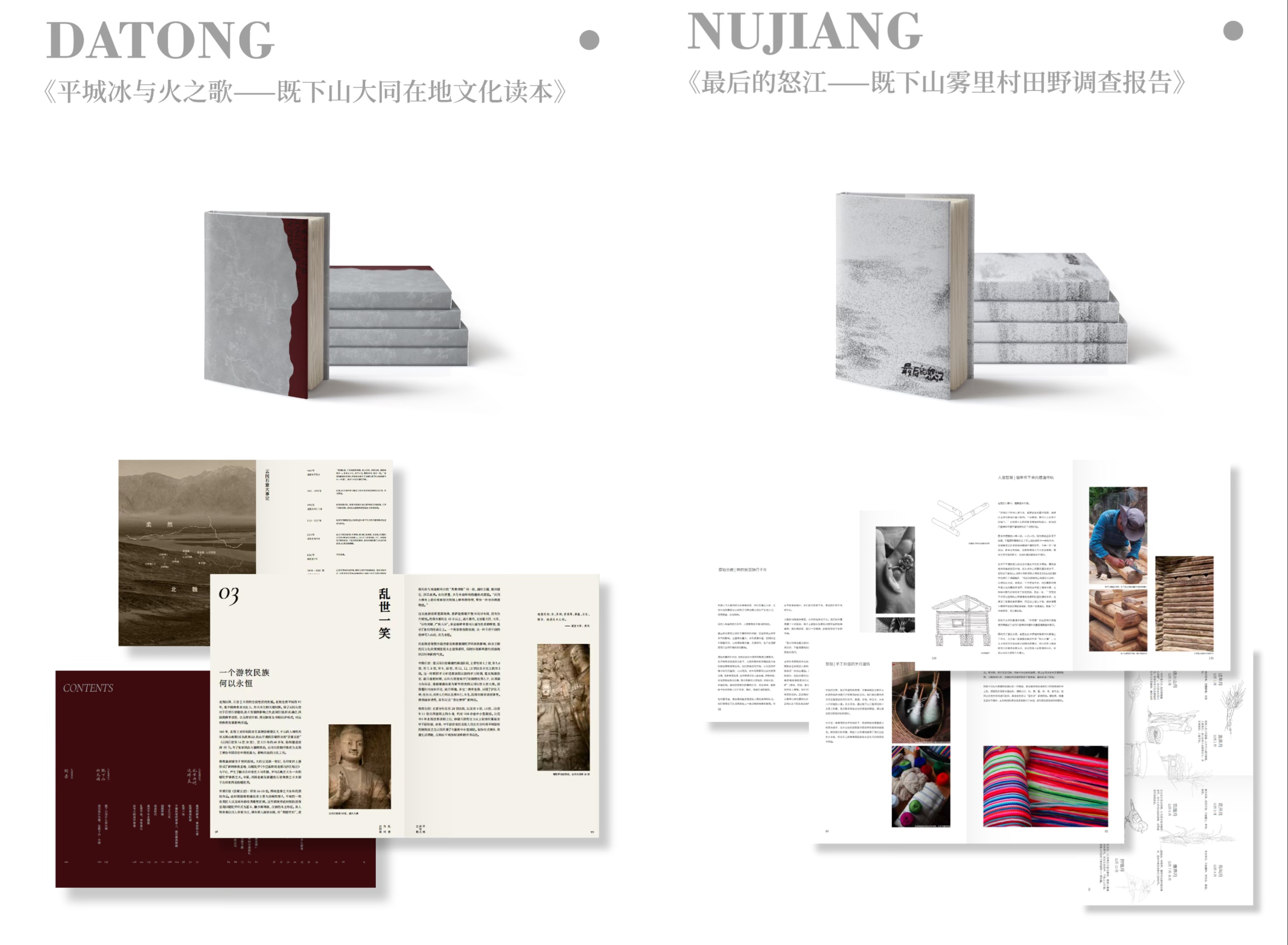 Book-length magazines are one way SUNYATA documents and interprets local culture
Lai explains that before architectural design begins, SUNYATA conducts extensive on-site research using what it calls an anthropological approach to hotel development. Two practices define the approach.
First, the team takes as broad a view as possible. Its research extends beyond hotel construction to architectural forms, the layout of local homes, everyday routines, festival rituals, and belief systems.
Second, the team emphasizes fieldwork. It typically spends 2–4 weeks on site, talking with residents about the details of everyday life. The firsthand accounts that are hard to capture through desk research give the team a solid cultural foundation for hotel design, operations, and communications.
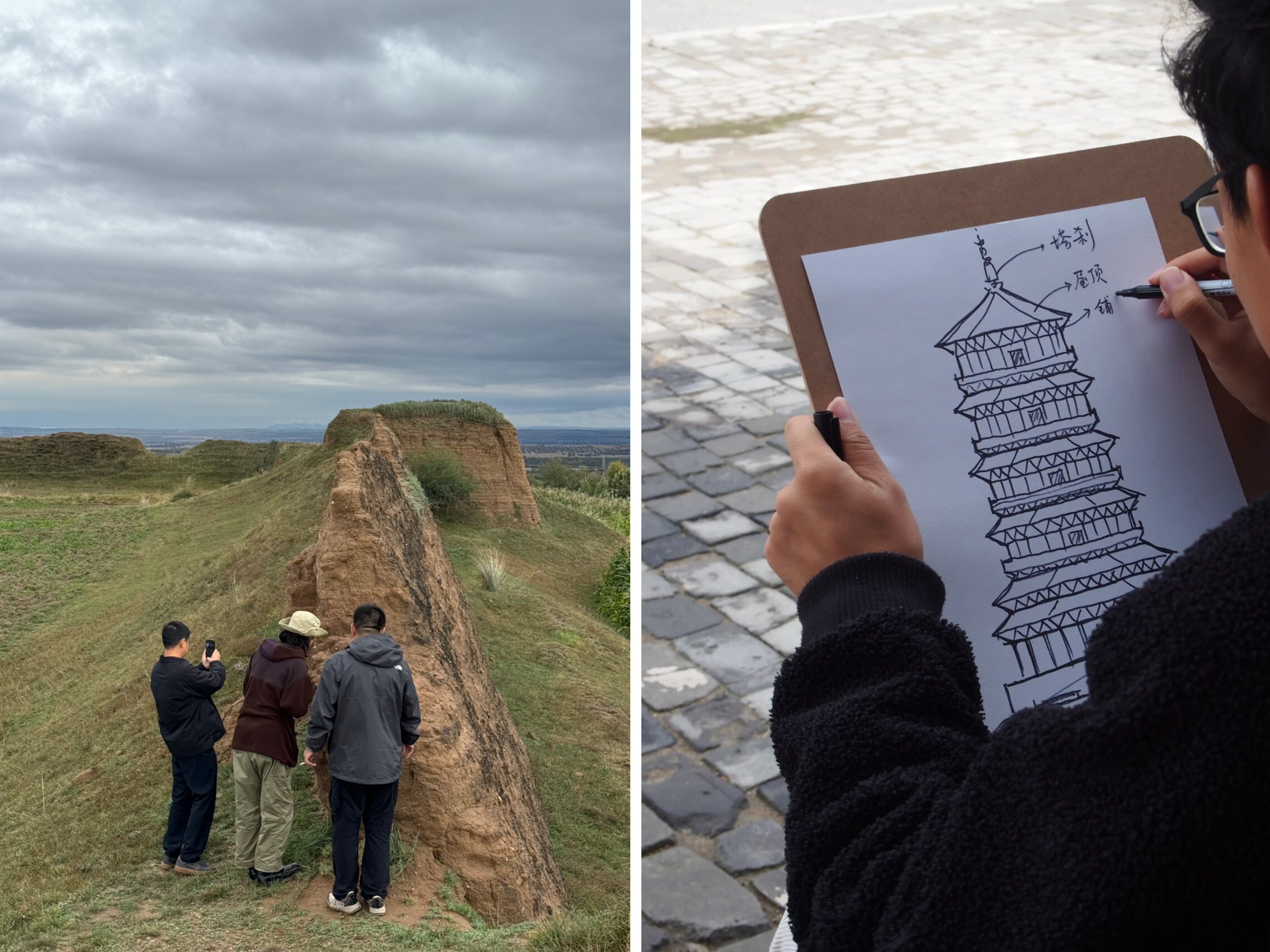 Fieldwork before construction
More importantly, for a resort, this kind of research has substantial benefits that extend beyond the hotel’s core operations.
The research and documentation go into books that serve as modern local gazetteers. Alongside compiling information, they show how the team understands and interprets each place. One example, found in the Datong guest rooms, is “A Song of Ice and Fire,” SUNYATA Datong’s guide to local culture. The books also provide a foundation for developing travel itineraries and curating art exhibitions.
The research also informs many architectural details. At Datong, for example, the lobby and corridors echo grotto sculptures, while a ceiling mural complements the underground pool. Both subtly reference the local culture.
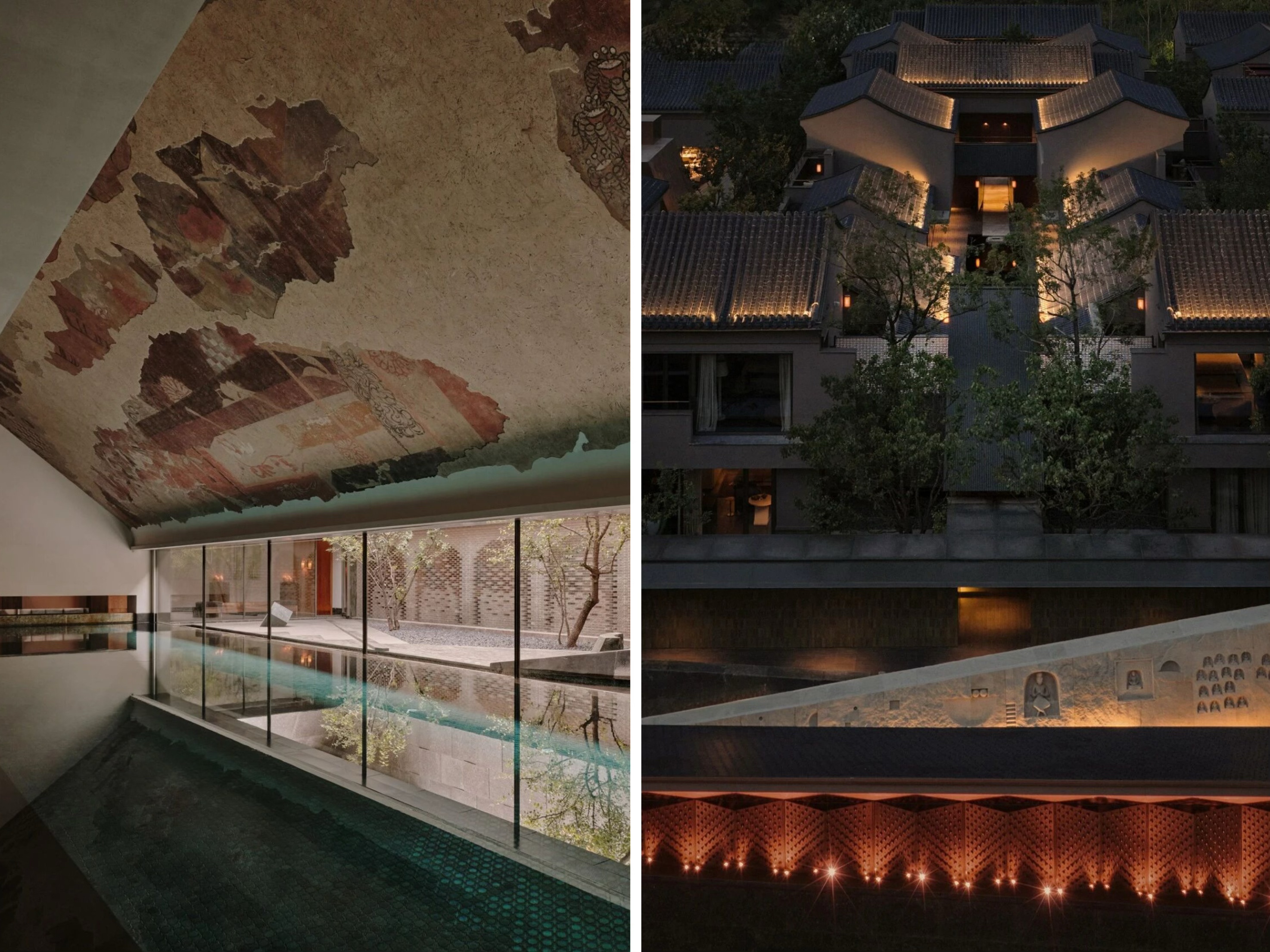 Details draw on murals and grottoes to evoke the site’s historical context
These cultural references, some overt and some subtle, go beyond what the hotel needs for day-to-day operations. They help the hotel interpret local culture for guests and spark interest in it. That role matters especially in a destination like Datong, where the cultural significance takes time to uncover.
This is one of the clearest ways Brandstar observed SUNYATA setting itself apart from other resorts. The majority of hotels want guests to stay on the property, while SUNYATA uses cultural programming and interpretation to encourage them to go out, encounter the local culture, and get to know people whose lives differ from their own.
03. What does a distinctly Chinese resort look like?
From choosing destinations to interpreting them for guests, SUNYATA has consistently worked within a Chinese cultural context. That raises a more fundamental question. What would a genuinely Chinese resort look like?
When the resort hotel was introduced to China, most properties followed a Western model that treated physical comfort as the overriding standard. Generous spaces, luxurious amenities, and smooth circulation became an industry-wide template.
Lai believes that model misses something fundamental about what Chinese travelers seek from a vacation.
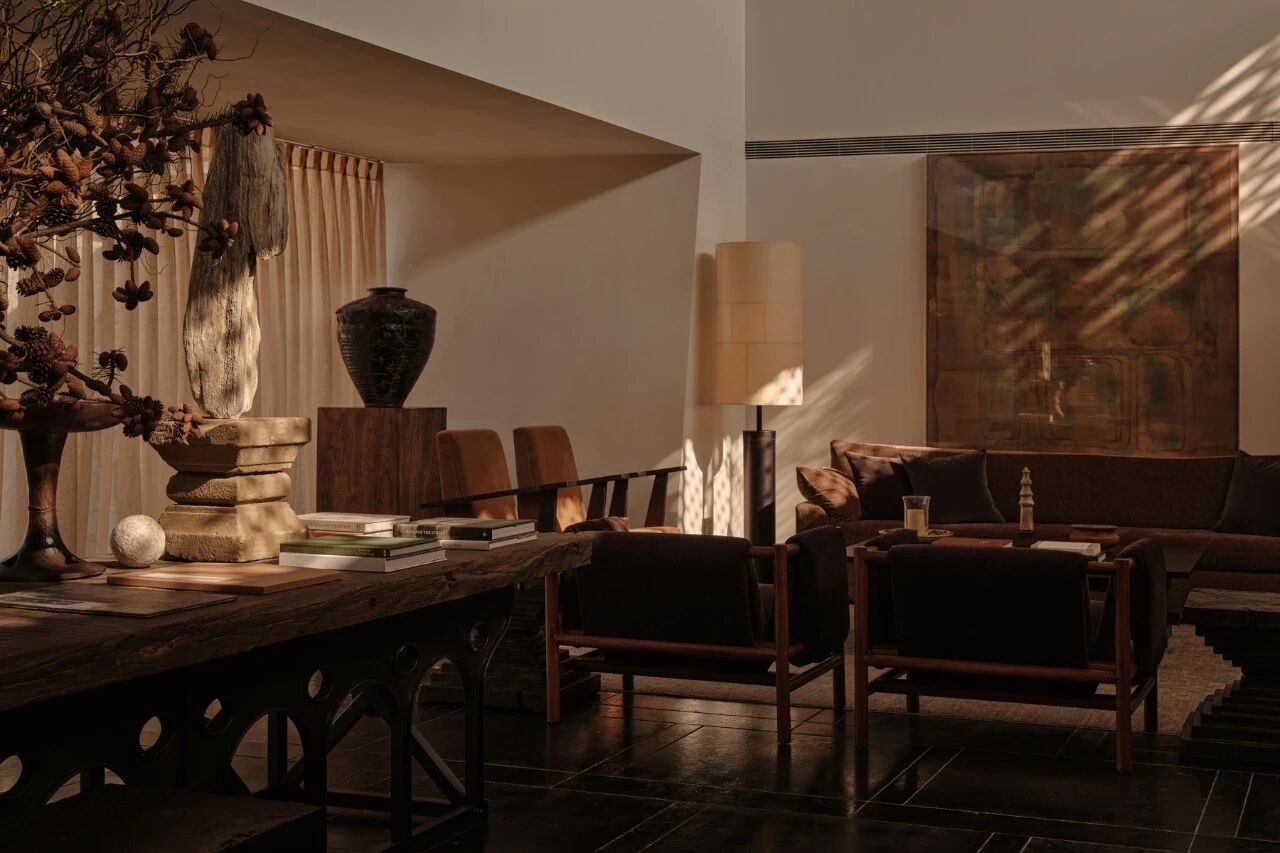
In the traditional Chinese view, Lai explains, a vacation is a chance to step out of daily life and pursue more refined pleasures. Drinking tea, reciting poetry, and designing gardens all speak to a desire for spiritual fulfillment. A hotel focused solely on physical comfort is unlikely to meet that deeper expectation.
Western-led design conventions may also feel somewhat out of step with local ideas of comfort. Lai notes that soaring lobbies and lavish decor can make a hotel feel upscale while making it difficult to feel truly at ease.
In an industry where the Western model still dominates, SUNYATA starts with the details to create a sense of ease grounded in Chinese culture.
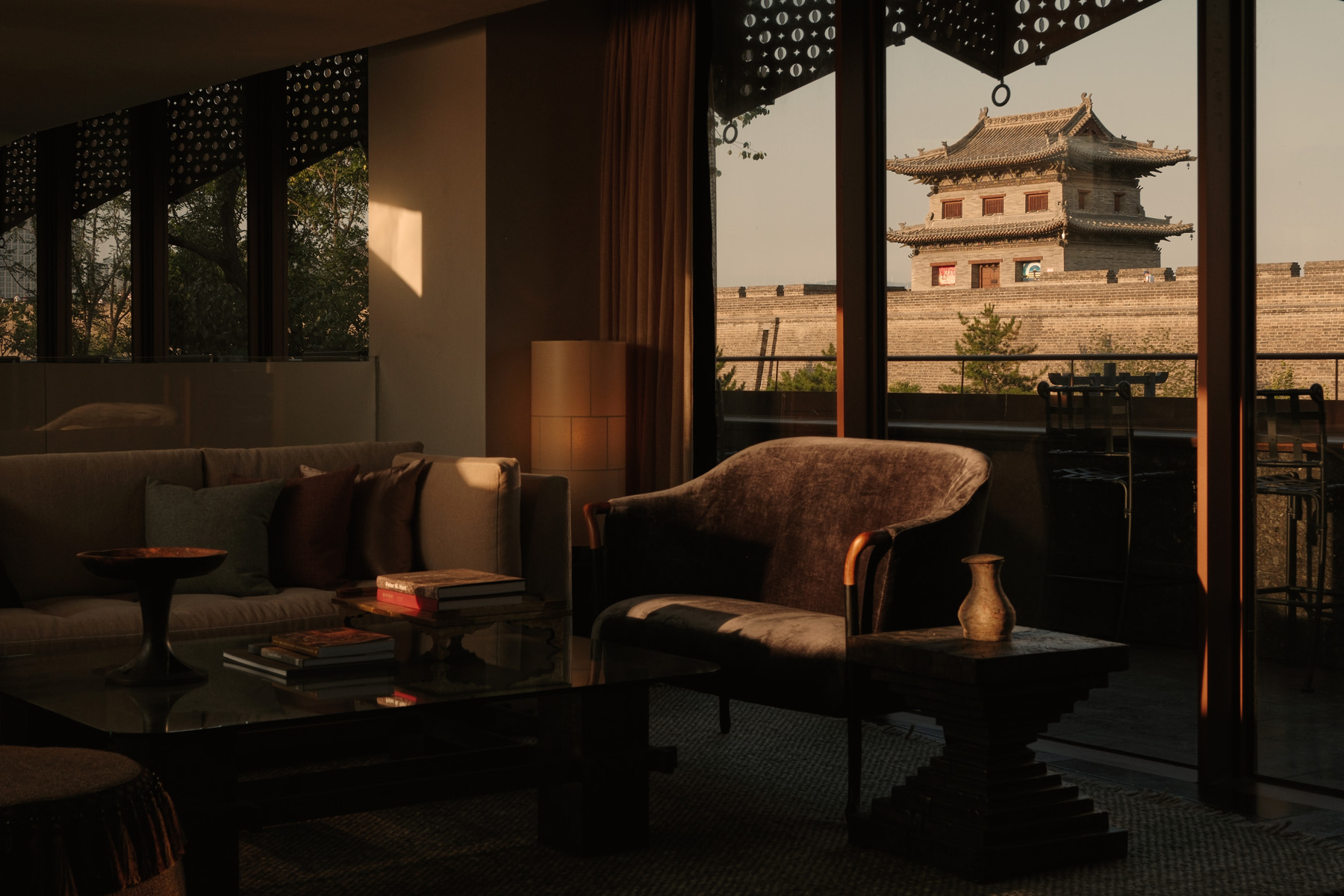
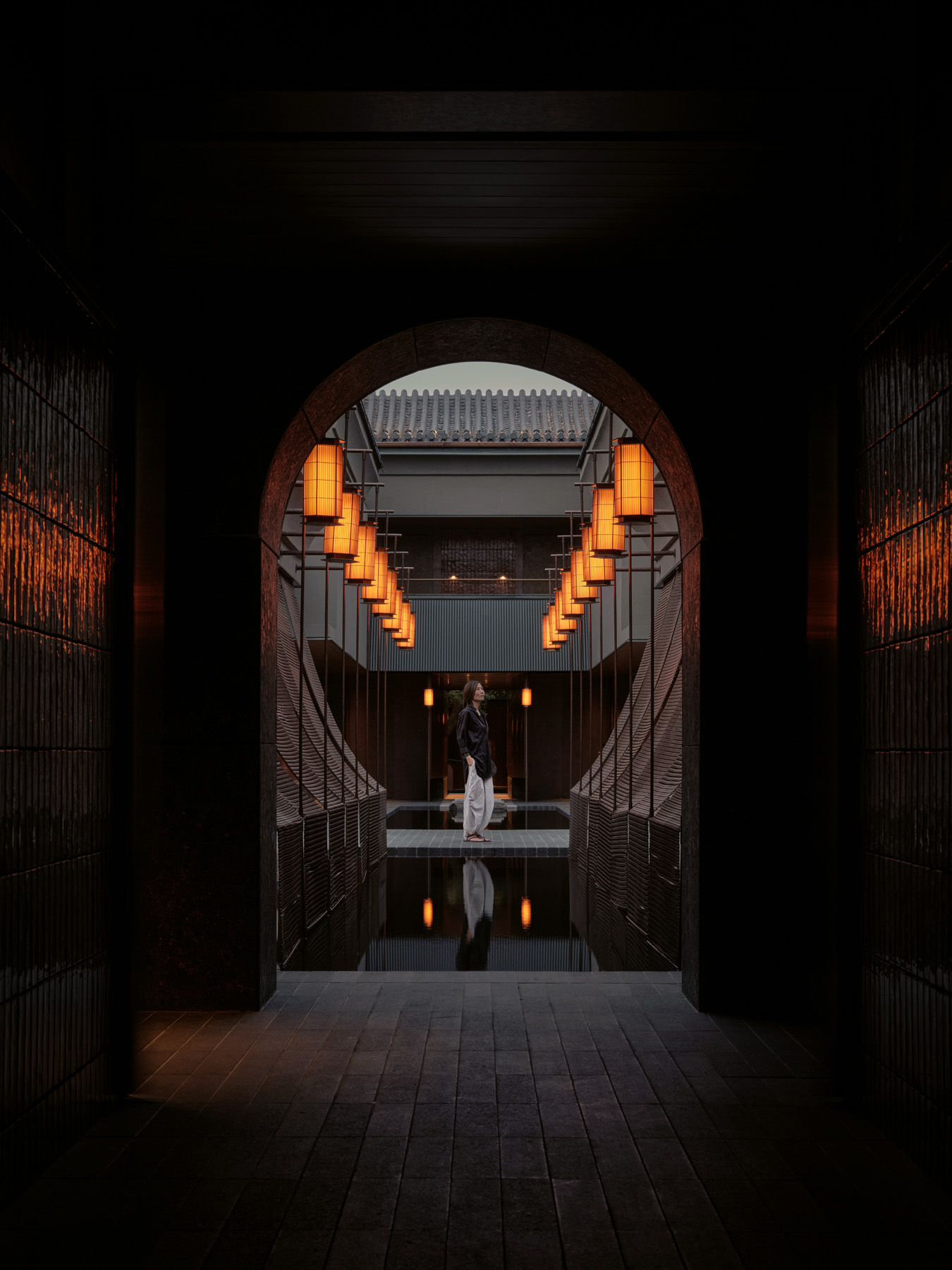
When we arrived at the Datong property that evening, the first thing we noticed was a small door tucked behind the “city wall.” Quiet and unassuming, it felt a world away from the grand entrances typical of hotels. Lai laughed and said it was SUNYATA’s grandest entrance.
Lai says SUNYATA’s entrances tend to be small. Some are even set off to the side, giving them a tucked-away quality. The design reflects a sense of reserve rooted in Chinese culture.
Farther inside, we found the same inward-looking quality in the layout. The lobby feels warm and intimate, with a modest ceiling height. Elsewhere, a series of smaller spaces opens up in sequence, evoking the way traditional Chinese design shapes the mood as people move through it.
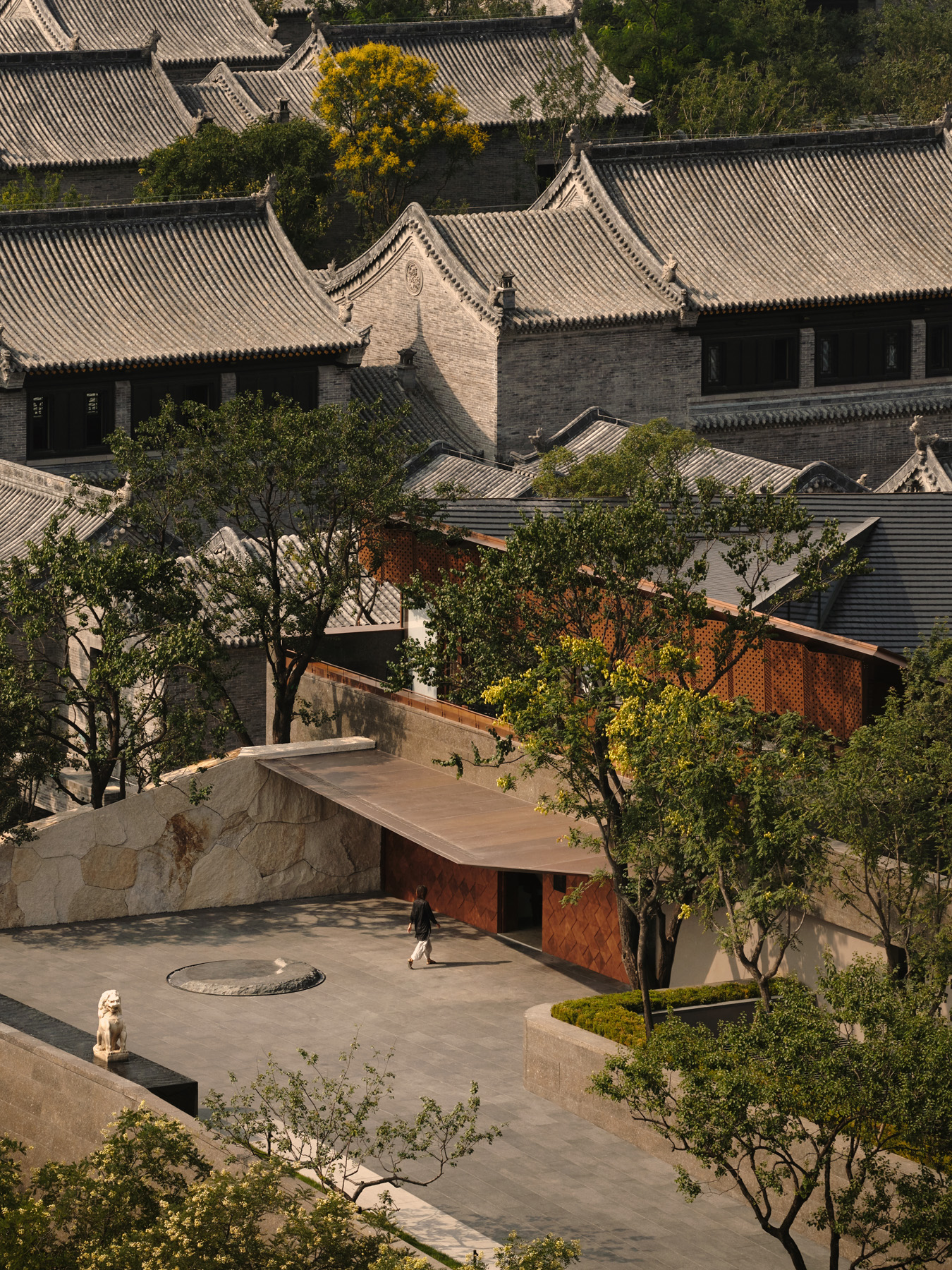 The relatively understated main entrance to SUNYATA Datong
The guest rooms carry that approach through. The emphasis is on small objects rarely found in commercial hotels, with bars of soap in place of liquid hand soap and loofahs in place of washcloths. These simple, practical choices evoke familiar details of everyday life.
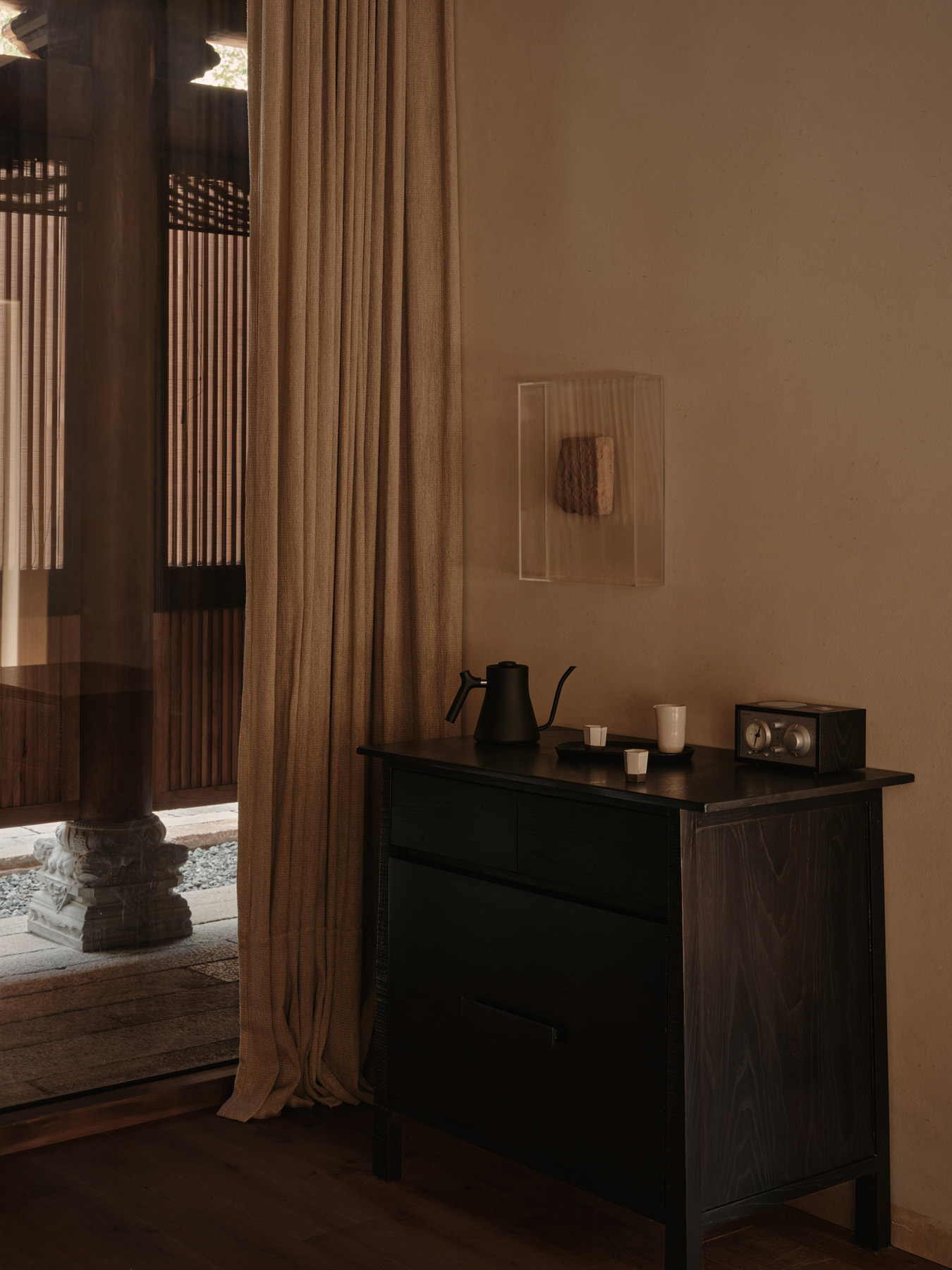
Creating that culturally grounded sense of ease sometimes involves a deliberate trade-off, including giving up a degree of physical comfort.
At Datong, guests cross an open courtyard to get from the lobby to the guest rooms or restaurant. The route is deliberate. As guests move between spaces, they experience the day’s weather and changes in their surroundings, avoiding the sense of separation from nature that can come with staying indoors.
 An open courtyard connects the guest rooms with other spaces
The design of the Meili Snow Mountains property more directly pursues a spiritual experience. Most resorts would give guests a view of the peaks turning gold in the morning sun from their rooms. SUNYATA took a different approach.
Guests have to rise early, pass through the still-sleeping yurt area, and climb the steps one by one to the lookout. Sunrise becomes an experience they reach on foot, taking shape with each step.
 Sunrise gilds the mountain peaks as seen from the Meili property
So what should a distinctly Chinese resort look like? Sunyata’s approach offers at least one way to think about the question we posed at the outset.
Starting from its own cultural perspective, a hotel brand can take a more critical look at prevailing industry models and imagine alternatives of its own. Only then can it explore what a resort can be within its local cultural context.
04. Epilogue — An unconventional brand
After decades of development, China’s resort sector has split into two camps. Large hotel chains continue to expand, while boutique hotels rooted in individual destinations keep opening. In Datong, for example, there are already plenty of boutique hotels charging more than RMB 1,000 a night, and competition is fierce.
In our view, what sets Sunyata apart is precisely how unconventional it is.
Sunyata departs from some familiar resort conventions. While most hotels prioritize convenience, it cultivates a sense of being far away. Where a vacation can be reduced to physical comfort, Sunyata uses cultural expression to speak to guests’ inner lives and explores what it means for Chinese guests to feel culturally at home. These choices give the brand its distinctly humanistic character.
Its growth has also followed an unconventional course. Sunyata has taken a middle path between rapidly replicating a standardized model and staying rooted in a single destination, expanding slowly as it follows different cultural threads.
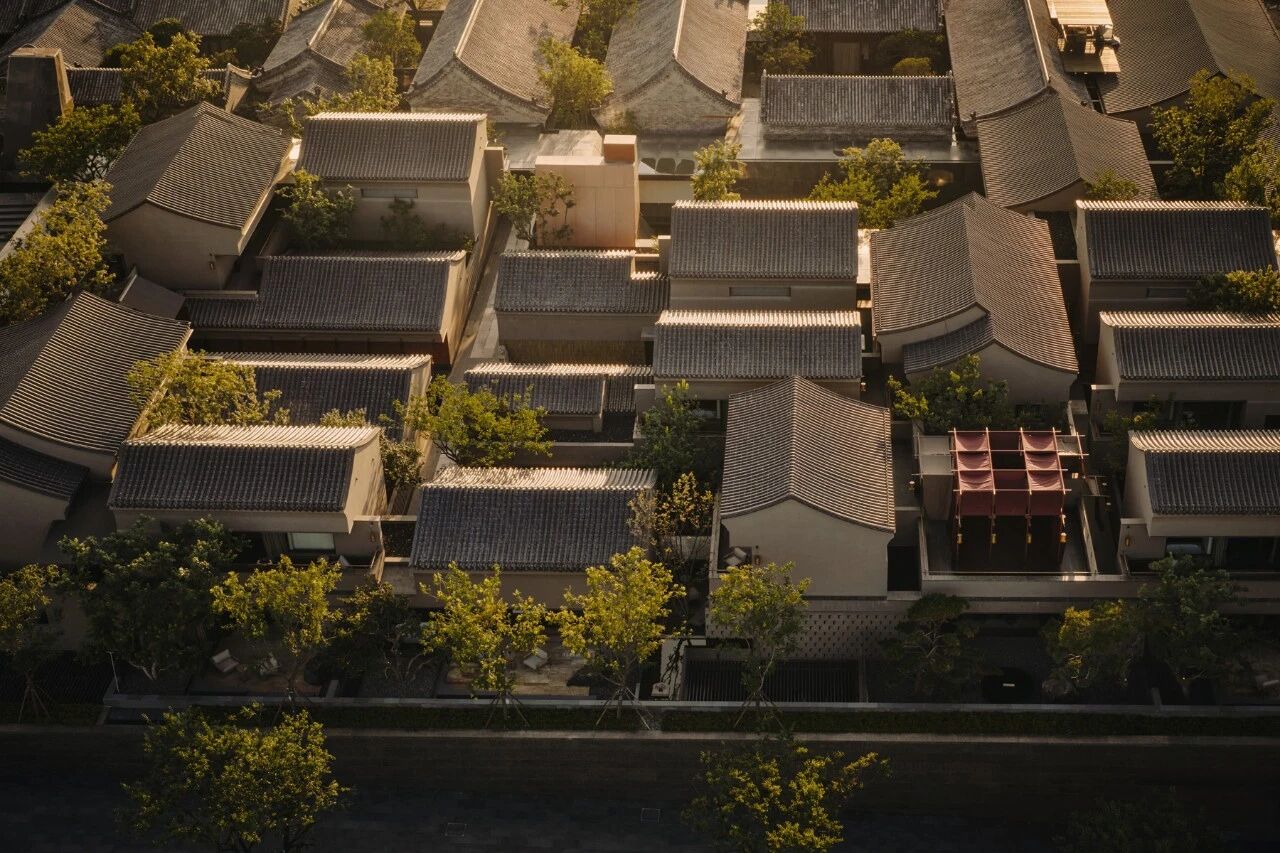
There is no ready-made blueprint for that path. Sunyata’s way forward has been to define its offering beyond the hotel itself, extending the guest experience through projects such as itinerary design, art exhibitions, and cultural publishing. Each of these cultural threads reinforces the others across the broader experience.
That points to another possibility for the industry. Hotels can build for the long term around culture and people’s needs, moving beyond the drive to get bigger, faster. Over time, grounding its work in the context, community, and culture of each place has given Sunyata an unconventional identity that reflects its own understanding of what a brand is.
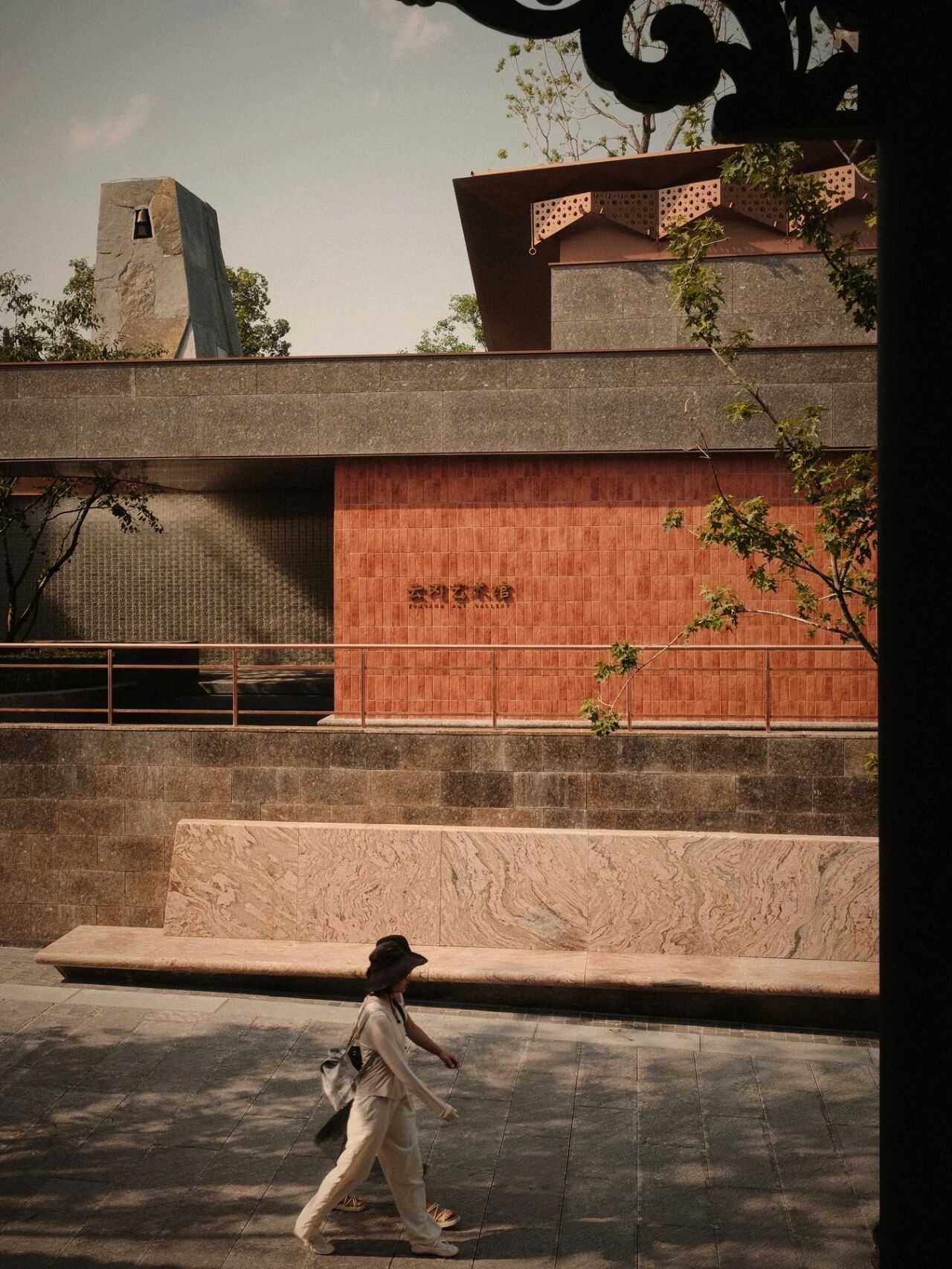
In the interview, Lai Guoping said that many companies see the brand as one part of the business, while Sunyata sees the business as one part of the brand. The business provides the structure that sustains the brand’s growth. That reversal makes Sunyata feel more like a narrow, winding, muddy trail with scenery all its own than a standard fixture on a broad main road.
That choice may have something to do with Lai Guoping’s own background. He spent his early career in advertising and joked that he had tried his hand at every kind of firm in the industry’s pecking order. Those varied and sometimes conflicting experiences helped him step outside industry habits and ask, with an open mind, what a hotel could be.
Perhaps that is why Sunyata took this unconventional route. What matters about a trail is where it leads and how distinctive the scenery is along the way, whatever its width.BRANDSTAR