The opportunity for pet brands starts with customer relationships
How can pet brands build meaningful connections?
The pet sector has drawn growing attention in recent years as the market expands and the industry undergoes rapid, far-reaching change. New players continue to enter, consumers are becoming more discerning, and the sector is entering a new phase of development.
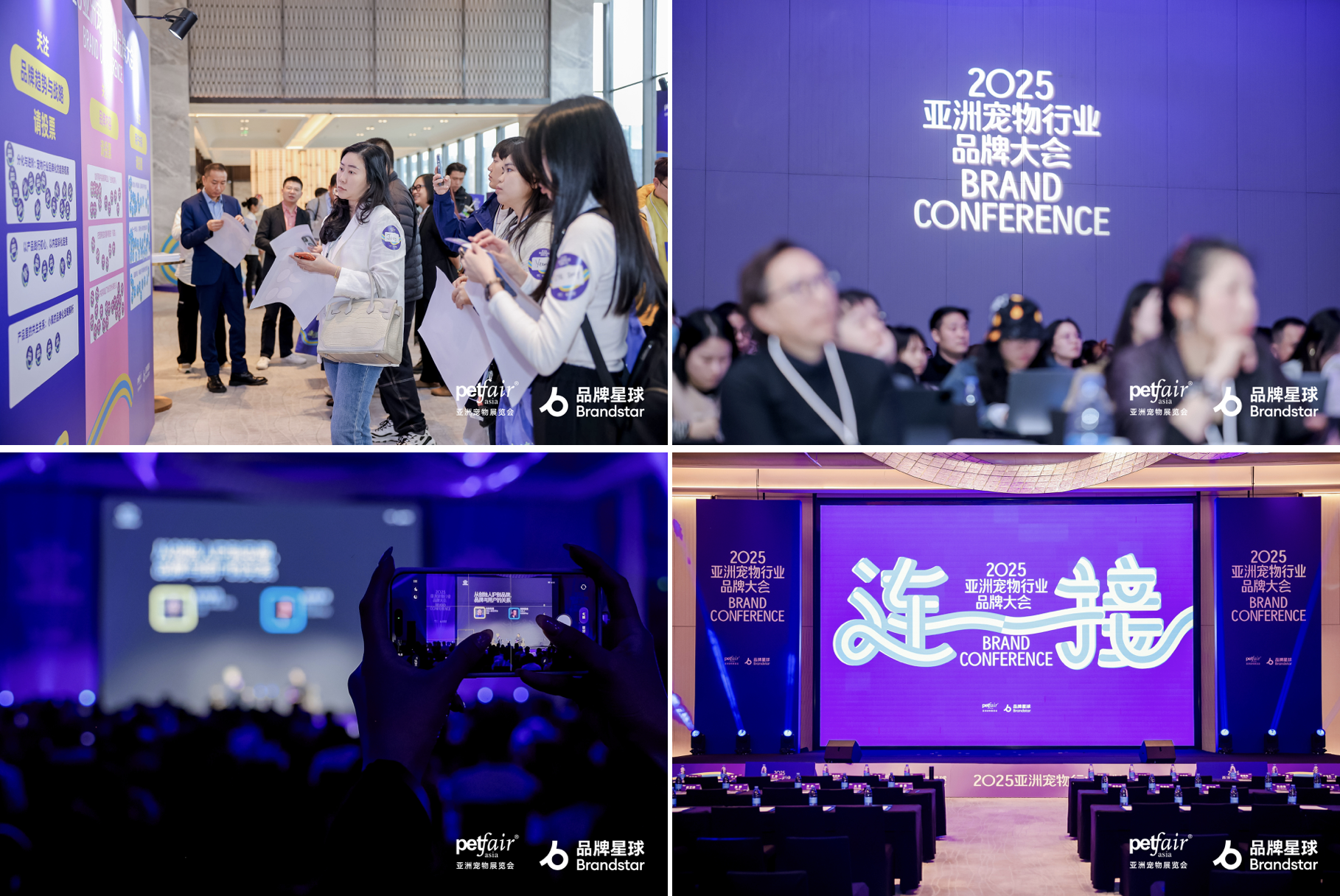
Against this backdrop, Pet Fair Asia and Brandstar recently co-organized the pet industry’s first brand conference. Leading and emerging pet brands gathered in Shenzhen for a full day of discussion on brand building.
The conference discussions showed Brandstar that brand building in the pet sector is still in its early stages compared with categories such as beauty and food and beverage, where the practice has a longer history. As interest in brand building grows across the pet industry, a pattern is emerging. Many companies are starting with customer relationships as they work to develop a warmer, more human brand personality.
Established brands are rethinking how they connect with customers through content and strategy, while emerging brands are growing quickly by building those relationships well. Customer relationships have become a priority that leading brands share.
That is why Pet Fair Asia and Brandstar chose “Connection” as the conference theme, asking how brands can grow as relationships evolve.
We wanted to return with the industry to what drives the pet economy in the first place, the emotional bond of companionship, and ask why customer relationships are a natural starting point for building pet brands and how companies can cultivate them effectively.
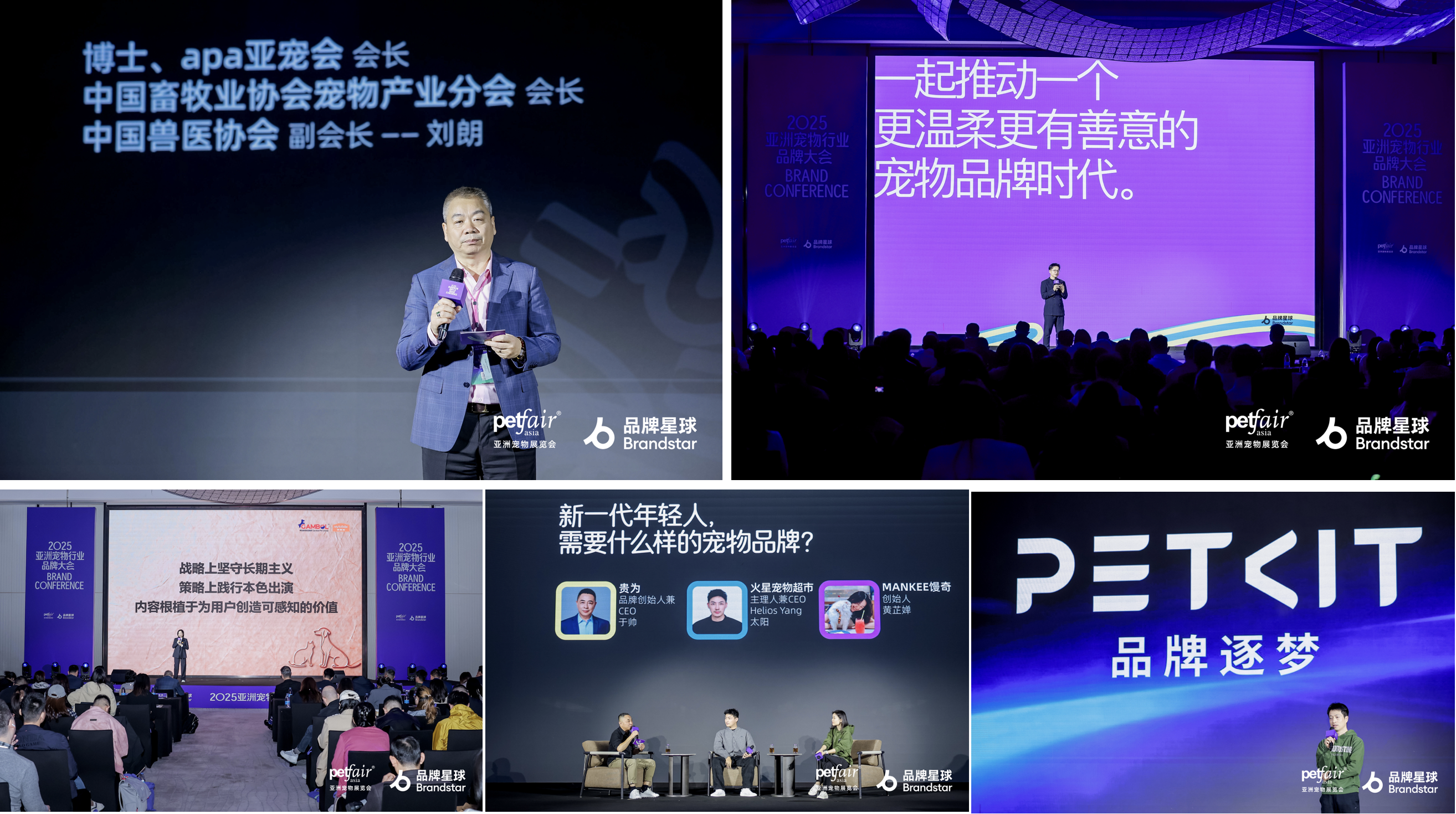
01. Brand building is optional, and customer relationships can accelerate it
After more than a decade of development, China’s pet industry still has room to grow. In this fast-growing market with a positive outlook, companies can build viable businesses in several ways, from developing better products and optimizing supply chains to building specialized sales channels or reaching a well-defined audience.
Brandstar partner Ray Yang Yueheng said pet companies can choose whether to build a brand. When they start thinking about the brand alongside the business, they broaden their focus from immediate results to the value they can create over time.
Drawing on its observations of the pet industry and feedback from a live poll at the conference, Brandstar found that customer relationships are gaining traction as a starting point for brand building. Some emerging brands have focused on developing more lasting, stable customer relationships. The positive response has helped them establish their brands faster and given the industry a fresh perspective.
There are two main reasons for this.
The pet industry is distinctive because it is built on the bond between people and their pets. That bond has inherent emotional and social value, and pet brands’ stories depend on nurturing it. This gives pet brands a natural advantage when they start the brand-building process with customer relationships.
The evolution of China’s consumer goods industry offers another explanation. China’s pet sector initially relied on OEM and ODM models, and market influence came from products and distribution. As e-commerce platforms surged and pet ownership grew rapidly, marketing and traffic became important levers. Becoming a top-of-mind brand among platform shoppers could drive growth. With the rise of social media and content platforms, consumers shifted their attention from the shelf to content, and brands began to focus on emotional resonance and shared lifestyles. Today, easy traffic gains are fading, consumer attention is fragmenting, and marketing tactics yield smaller returns. Brands are moving beyond a single selling point to tell broader stories about the value they offer, with customer relationships, the service experience, and brand values playing a growing role.

Brandstar founder Brian Lai Yongfeng said a brand can identify a product or company, strengthen the emotional bond between people and pets, and foster goodwill across the industry. Pet brands can express themselves through their products, their customers, and the pets themselves. Above all, he said, telling consumers why a brand or product exists brings the brand, its products, and its customers closer together and opens up more possibilities for the brand.

Several emerging pet brands have built distinctive models around customer relationships. Jingu grew out of a superuser’s needs, Naisi positions itself as a content-led brand, and Pika poo is building its brand around experiences.
Leading pet brands have also invested in customer relationships in recent years, extending their work to create value for the industry and society. Myfoodie released the documentary Bad Cats at Home to educate customers about feline behavior. Legend Sandy, whose guiding idea is to enrich pets’ lives through care, has held public education forums on science-based feeding. PETKIT has brought together industry partners to build a collaborative ecosystem that uses technology to make pet care more proactive.
02. How do you build a brand around customer relationships?
How a brand builds customer relationships depends on its stage of development and what makes it distinctive.
Whether the work centers on communicating product value, telling stories about people and their pets, expressing a lifestyle aesthetic, or nurturing a community, it has to come from the founding team’s convictions. A brand’s style is an extension of its founder’s.
The work goes beyond managing owned customer channels or providing customer service. Brands must understand that having a pet is itself a process of forming and nurturing a close bond, then find a place in that process. When a brand goes beyond supplying products and genuinely supports the bond between people and their pets, it can earn deep emotional loyalty and trust.
One of the most common starting points for brand building in the pet industry is a founder who is also a customer. When founders are superusers of their own brands, authenticity becomes their strongest story and the product becomes their most tangible link to customers.
Pet food brand Jingu puts the founder-as-customer model into practice. It grew out of the real needs of its founder, Deng Feng, a superuser who developed products to meet those needs himself.
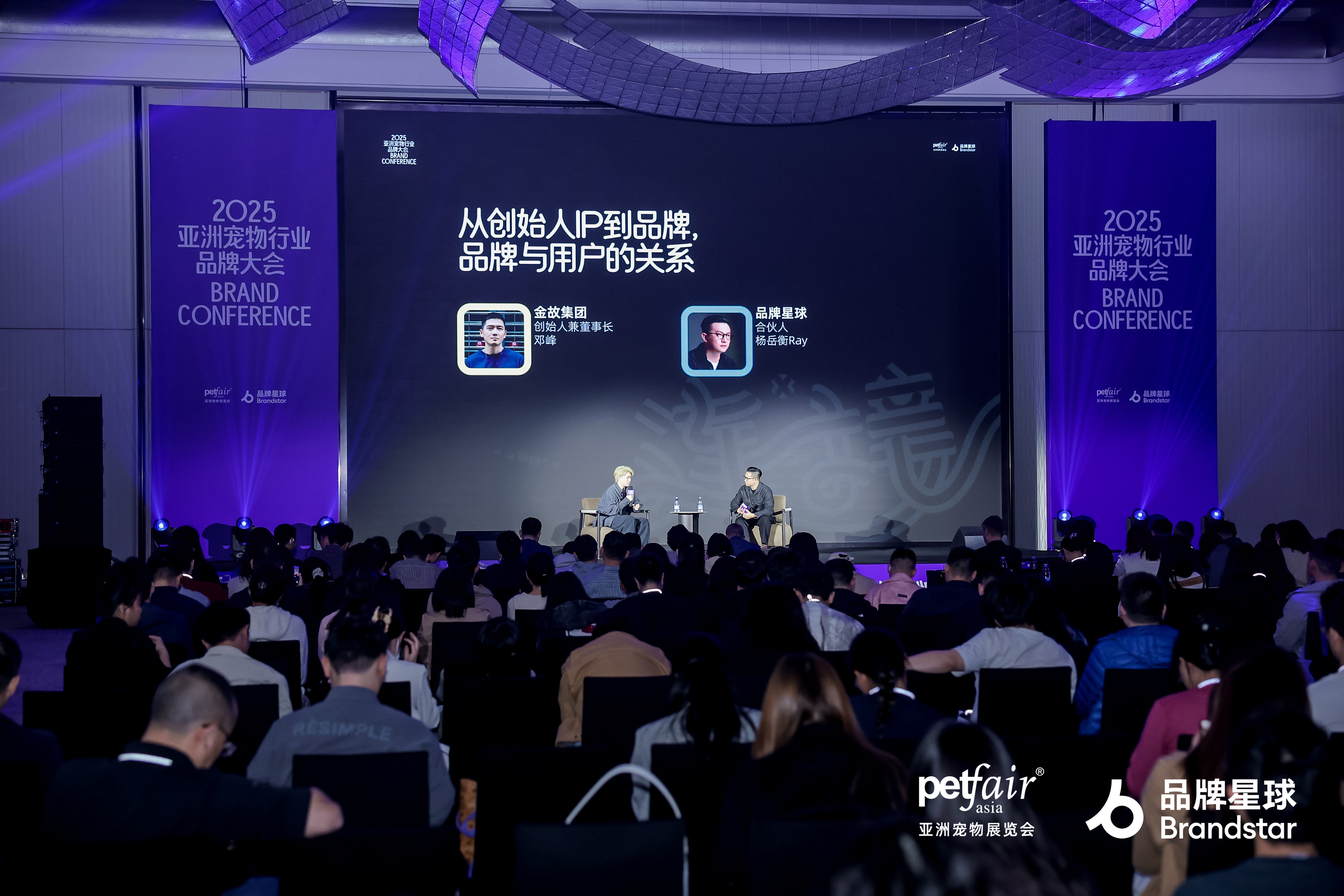
His starting point was simple. He made whatever his cattery needed. As he set out to find truly high-quality fresh food for the more than 100 cats he had bred, Jingu’s product standards took shape through the exacting eyes of an experienced cat owner. Jingu Group founder and chairman Deng Feng put it simply. He held the product to the standards he would expect as a customer. Making products he wanted to use himself moved the brand beyond conventional market competition and helped it earn trust through shared experience.
As China’s pet industry becomes more specialized, the traditional pricing model built around value for money is gradually losing its hold. When the pursuit of exceptional quality makes a product harder to explain and trust harder to earn, an editorial approach can help build customer relationships. By telling a clear, consistent story through content, brands can identify and bring together customers who share their values.
Pet food brand Naisi has put this approach into practice.
Naisi’s early communications did little to answer the central question customers raised about its high prices. Once the brand shifted its content strategy from trying to persuade everyone to talking with people who shared its values, every content decision served to deepen customer relationships. Naisi chose social platforms better suited to substantive conversations, moved its expert educational content to a personal account to build credibility, and ultimately based its visual identity on food thoughtfully prepared as an expression of care. Each change helped the brand reach and resonate with people likely to share its outlook.
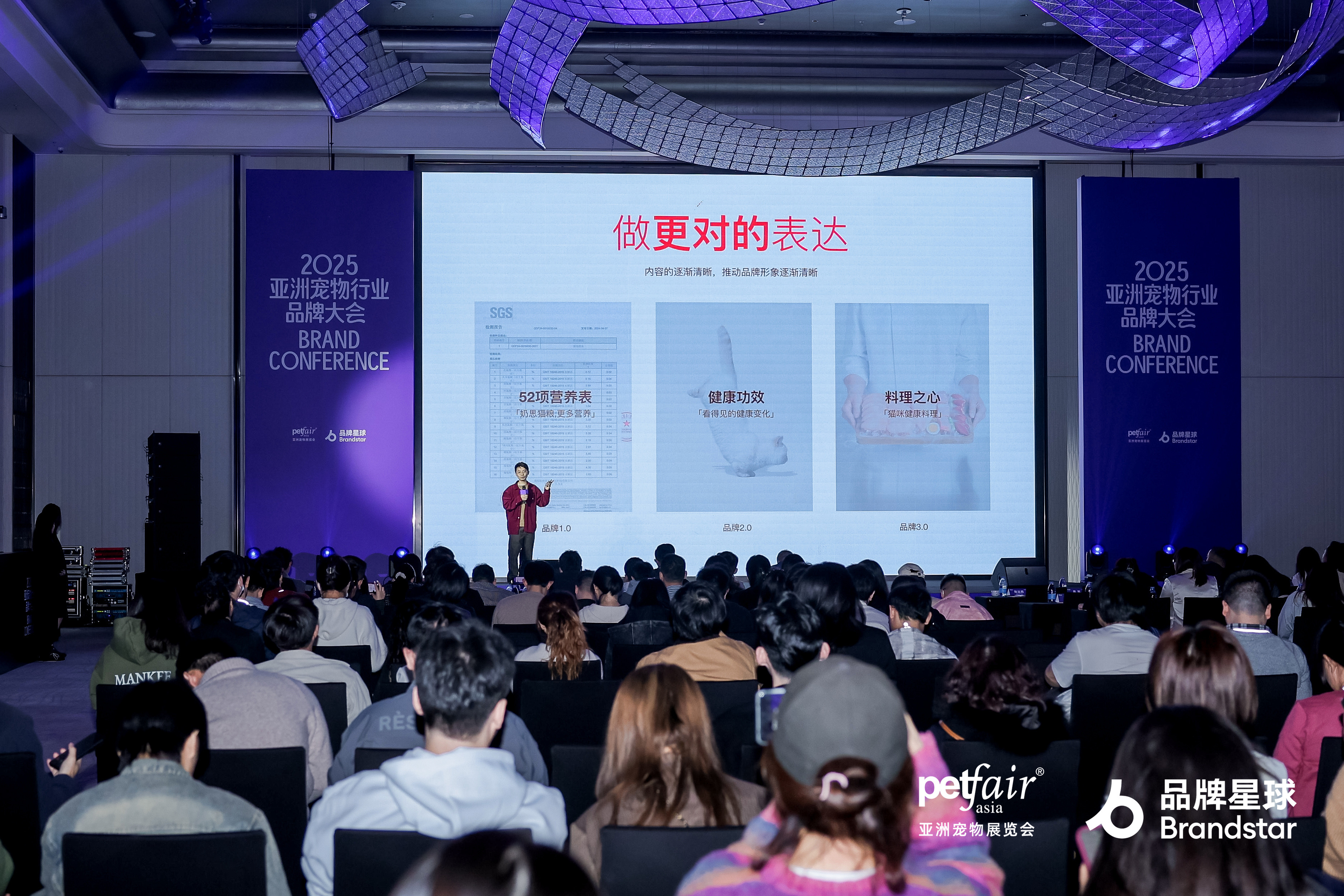
Yuan Ye, a Naisi partner who leads brand and product, said that content works when it helps a brand find its customers. Fluctuations in traffic and shifts in marketing can easily affect young brands, he said, but they can stay focused by knowing who they are and who their customers are.
Compared with other consumer sectors, the pet industry naturally brings people and pets together and gives pets opportunities to interact with one another. Building emotional connections and a shared sense of identity beyond the purchase has become central to deepening customer relationships. Pet lifestyle brand Pika poo shows how that can work. Focused community building fosters a sense of belonging, and immersive in-person experiences strengthen emotional ties. Customers come to see themselves as members, and the brand helps people connect with their pets and with one another.
Lü Zebin, deputy general manager and brand director of Pika poo, explained the thinking behind the approach. He sees a brand as a bridge that primarily creates an emotional bond between consumers and the brand. With the rise of the loneliness economy and the singles economy, he said, brands have an even greater role to play in bringing those customers together.
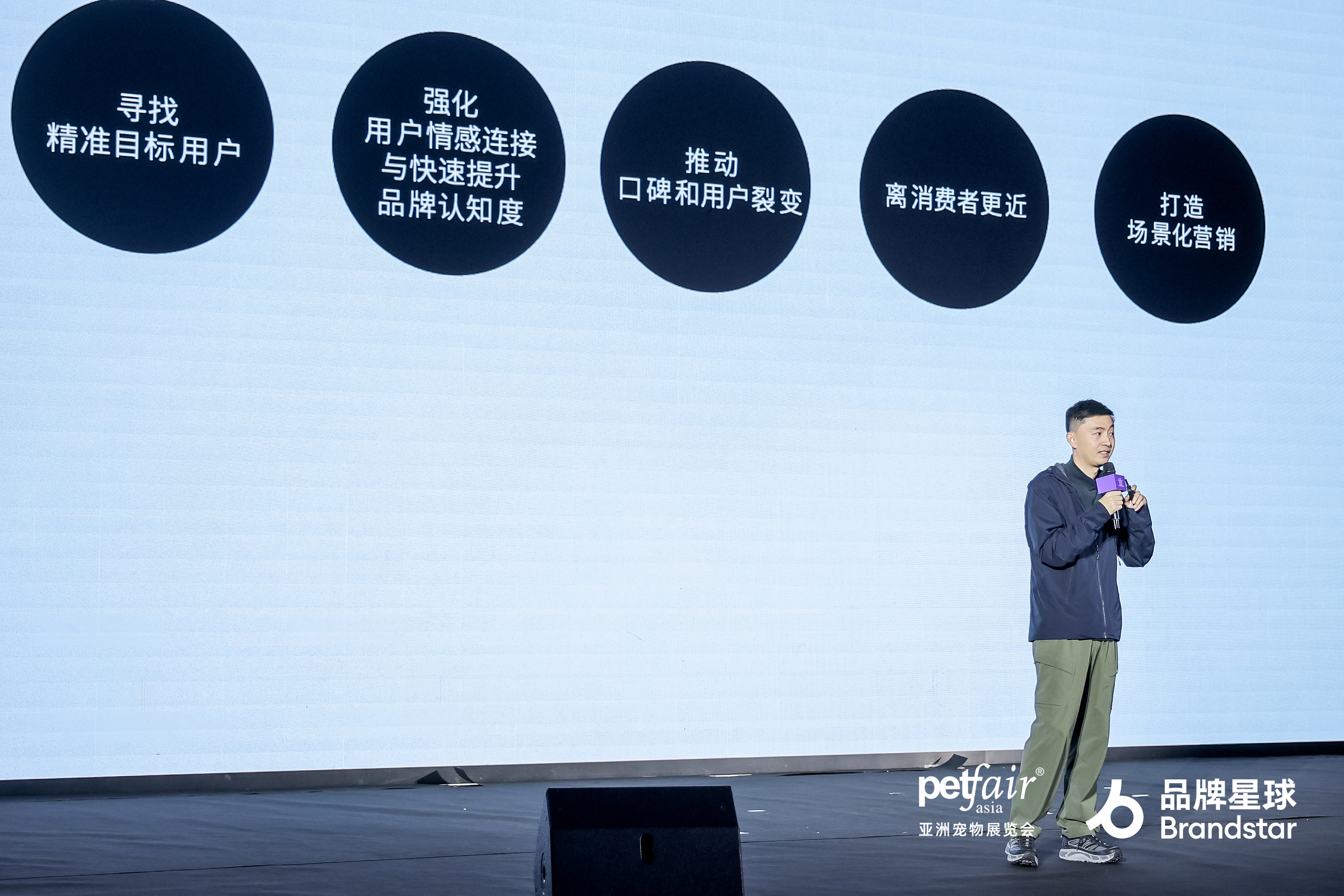
Every approach comes back to the brand’s sense of self. To build customer relationships, a brand first has to answer the question of who it is. Then it can attract people who identify with that answer.

03. How the Pet Fair Asia brand conference turned consensus into collaboration
Looking back on the exchanges, the conference gave participants a chance to share industry trends and methods and find common ground around the importance of relationships.
The discussions clarified how pet brands can cultivate customer relationships. One view was that brands should foster the emotional bond between people and pets. Cui Jia, chair of Legend Sandy, said the essence of having a pet is the companionship and healing that people and pets give each other.
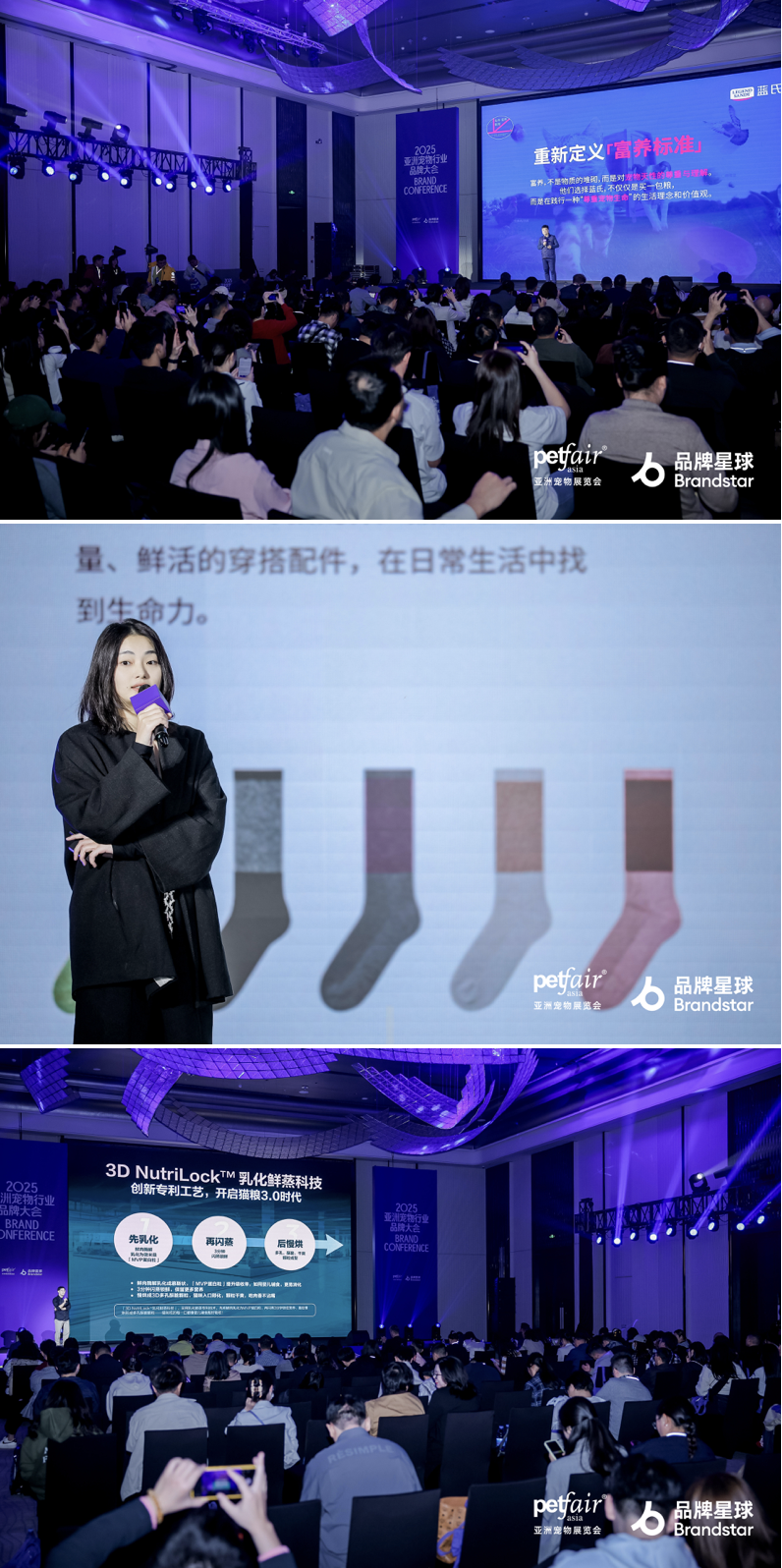
Another view was that content enables a two-way connection and products offer a deeper experience. Yuan Ye, the Naisi partner who leads brand and product, observed that while traditional advertising sends a message in one direction, content creates a two-way connection that helps a brand better understand who it is and who its customers are.
Others argued for understanding customers before trying to persuade them. MANKEE founder Huang Zhichan said younger people especially need a brand that understands both them and their pets. Huang Beika, brand director of Shangsen Paixi (sēnpop), said brands should look at where customers are in their lives, develop products that meet the needs of those life stages, and share a way of life with customers through initiatives rooted in shared values.

Participants found common ground on other aspects of brand building as well. Speakers drew on high-level strategy and in-depth content work to share insights that applied across different brand models.

This emerging consensus gives the industry a starting point for exploring brand building more systematically. It reflects an expanded role for conference organizer Pet Fair Asia, which is moving from connecting businesses through a trade show to helping the industry develop its brand-building capabilities.
The aim of this shift is to create a forum for substantive conversations that go beyond transactions. In doing so, Pet Fair Asia is building a new kind of relationship with pet brand professionals, one based on growing together.
That shift is taking shape in three ways. Pet Fair Asia is expanding its services for exhibitors to support the full range of brand operations, from market insights to customer engagement. It is building on the trade show to foster an industry ecosystem that draws on resources and ideas from other sectors to spur innovation. It is also looking beyond current market conditions, putting emerging issues on the agenda and leading discussions that can move the industry forward.
When the platform and brands move from a service-provider relationship to working as partners to define and pursue a shared future, they lay the groundwork for a more mature, more compassionate industry.
04. Closing thoughts
At its core, the evolution of the pet industry is about building deeper connections. It brings commerce together with human concerns, gives products meaning, and links individual brands to the wider industry.
By making connection a strategic priority, Pet Fair Asia is evolving from a marketplace for industry transactions into a platform that supports long-term brand building. Alongside facilitating trade, it is helping brands and consumers build trust, communicate what matters to them, and find common ground.
Brandstar believes that only by putting relationships at the center of brand building can pet brands weather market cycles and become part of the lives people share with their pets. That is the more caring future everyone involved is working toward with conviction. BRANDSTAR