How do water purification brands define ‘good water’ in an age of discerning consumers?
From subtraction to addition, Angel rewrites the story of what water can offer.
China’s water purification market in 2025 presented a complicated picture. The market was growing rapidly, even as individual consumers were weighing purchases more carefully. Government incentives and more deliberate buying decisions are reshaping the industry.
Government policy has given the market a strong boost.
In January 2025, water purifiers became eligible for China’s national home appliance trade-in subsidies. The incentives quickly revived a long-dormant replacement market, speeding up the retirement of older units and encouraging wider adoption of midrange and premium models.
According to AVC, retail sales of point-of-use water purification products reached RMB 15.65 billion in the first half of 2025, up 21.3% year over year. The breakdown is more telling. Unit sales rose 9.9%, while the average selling price increased 10.4%, a rare instance of volume and prices rising together. The industry appeared to be shifting into a higher gear.
Beneath that growth, however, brands face a tougher contest over what counts as value.
Even as the market expands, acquiring customers remains challenging, and brands face higher expectations for how they communicate with consumers. The main driver is the rise of shoppers who research purchases in depth. CBNData’s 2025 report on emerging health consumption and lifestyle trends points to a shift among nearly 90% of residents. Their concern about water quality and health has moved from general awareness to decisions about concrete improvements they can verify.
The shift is visible on social media. From in-depth teardown videos on Bilibili to Xiaohongshu explainers on how filter cartridges lose effectiveness at removing total organic carbon (TOC), more consumers want to understand the science behind product design. They favor objective information over labels such as ‘German craftsmanship,’ looking to how the technology works and what materials go into the product to make more confident purchase decisions.
At heart, the shift raises a question of trust. As the easy gains from online traffic fade, consumers’ real needs come to the fore, and growing transparency around technologies such as reverse osmosis (RO) erodes the advantage brands once held by controlling technical information, how can they build a lasting advantage in consumer trust through substantiated, verifiable claims?
Angel, a water purification pioneer with 38 years in the field, offers a case study through the strategic moves it made in 2025.
Angel sought to move beyond crowded competition over specifications and answer a broader question. How can a technology-driven brand draw on both science and human experience to show what those numbers mean in everyday life?
01. From subtraction to addition, rethinking water’s role in everyday life
The history of China’s water purification industry is also a history of how people’s understanding of water has evolved. For years, the industry framed its work as ‘subtraction’, focusing on how efficiently it could remove impurities, bacteria, heavy metals, and residual chlorine. Every technical advance in that period served the same goal of making water safer. Publishing purification specifications became standard practice across brands.
By 2025, as industrialization matured, infrastructure improved, and people’s ideas and expectations about health evolved, what consumers wanted from water had fundamentally changed. For households today, water sustains life and shapes its quality.
When the Chinese Center for Disease Control and Prevention reported that 96% of people in China had low calcium intake and 64% had inadequate magnesium intake, consumers began asking broader questions about health. The market’s expectations shifted from safety to health, with consumers looking for drinking water that is safe and offers benefits of its own.
Angel picked up on the shift. Its 2025 strategy moved from the ‘subtraction’ of purification alone to ‘addition.’ Through product design and technology, it sought to give consumers more value from water in three areas: health and well-being, flexibility in how they use space, and a better experience across everyday uses.
The first is health.
Consumers have long wondered whether drinking purified water over time could lead to mineral deficiencies. Angel responded by developing a technical solution that could be tested against that concern.
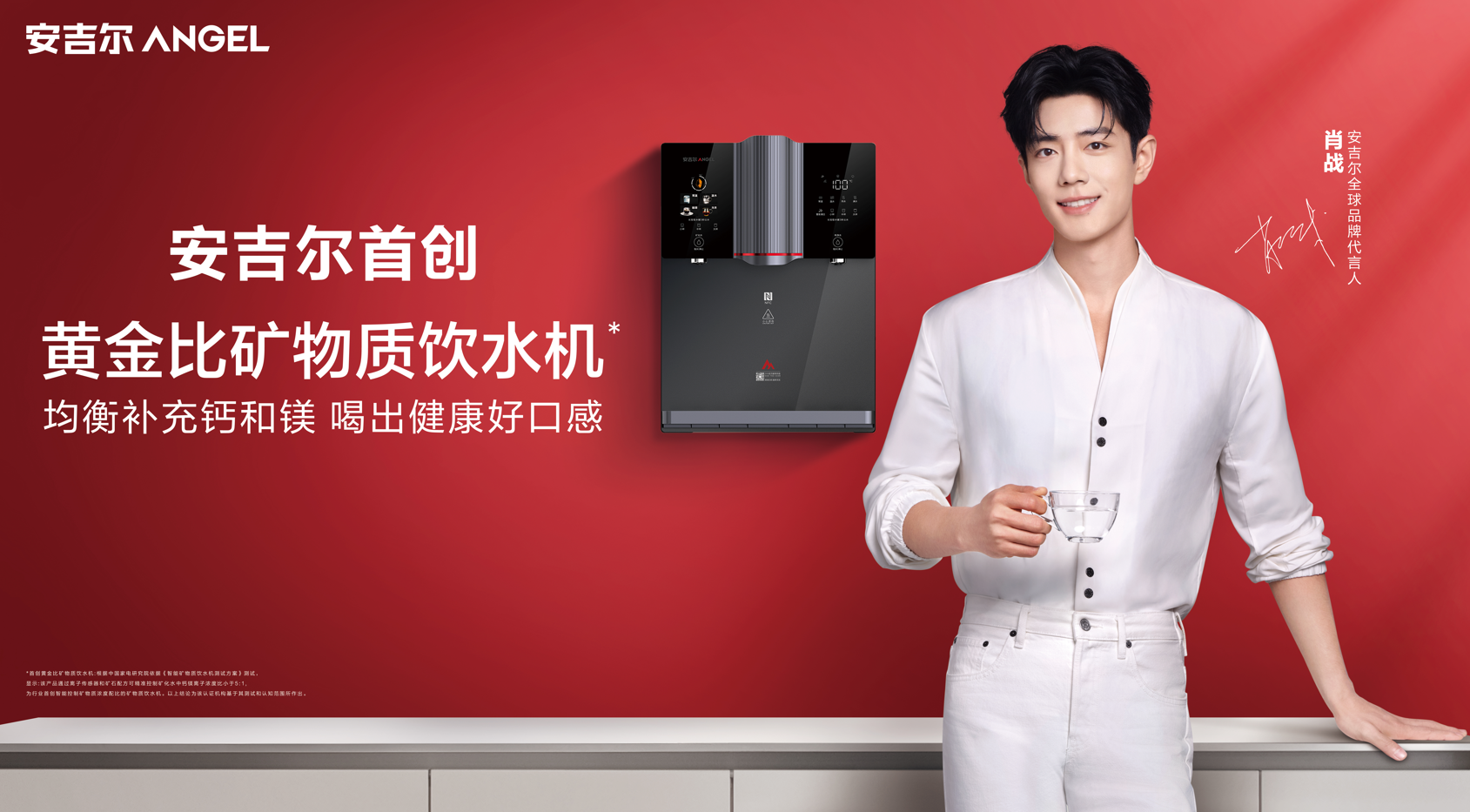
In September 2025, Angel launched its Golden Ratio Mineral Water Dispenser, offering a new way to choose between purified and mineral water.
The dispenser purifies tap water first, then adds minerals. A patented system for controlling the ‘golden ratio’ of calcium to magnesium works with sensors to precisely adjust, in real time, the proportions of minerals released into the water. Users can choose purified or mineral water, expanding the purifier’s role from filtering out substances to actively adding minerals.
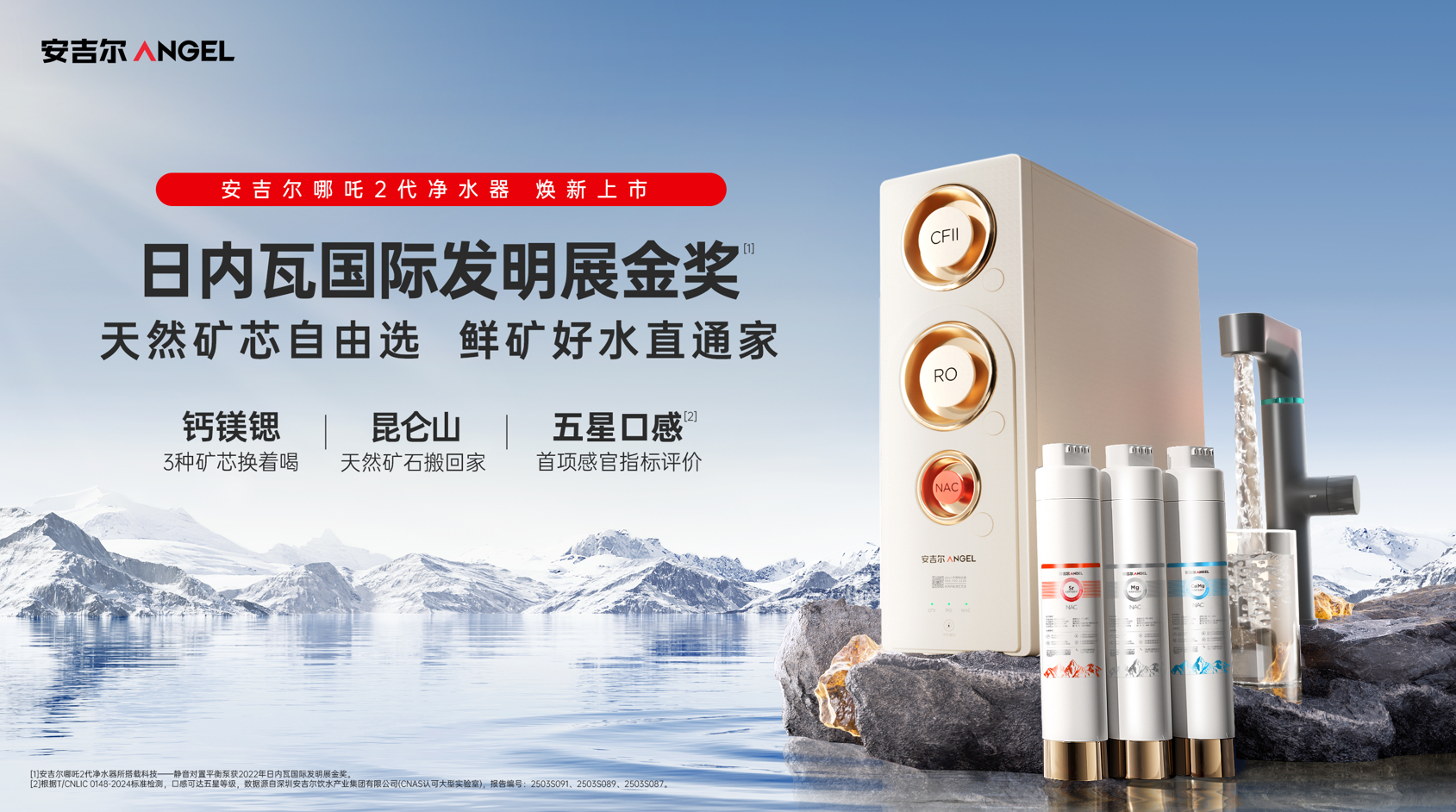
Angel also recognized that users had to be able to experience the technology in everyday life. With the Nezha 2 water purifier, it explored ways to personalize drinking water for health and taste. Users can choose different mineral blends for uses such as brewing tea or drinking water on its own, adjusting the flavor to their preferences.
That gives people who want to drink enough water more choice over what kind of water they drink, with options tailored to different uses and individual tastes.
The second is space.
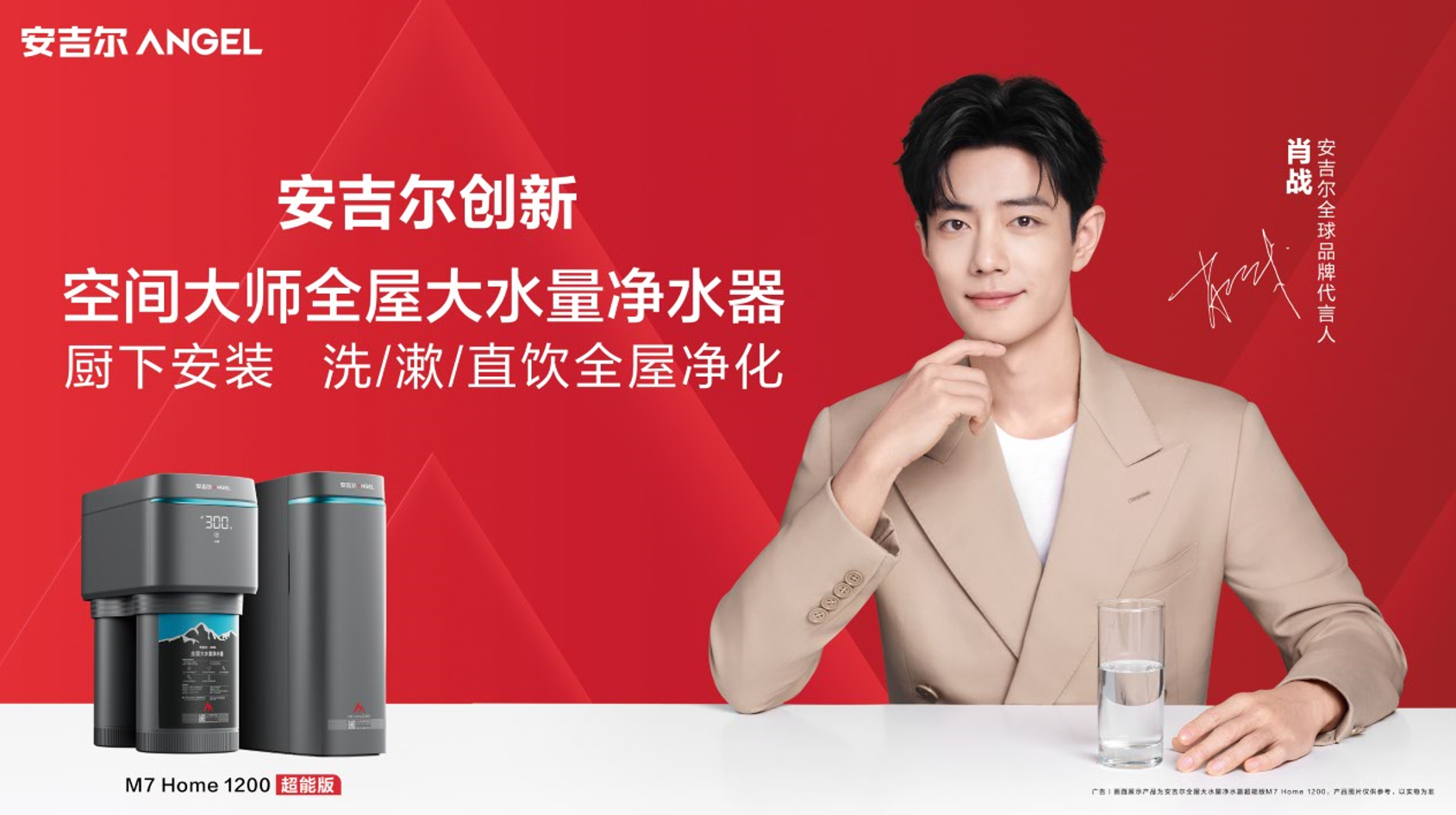
In modern cities where every square foot counts, especially in the compact kitchens common in Chinese homes, a product’s size and shape directly affect how comfortable a space is to live in. Bulky conventional whole-home purification systems have been jokingly described as ‘for villas only,’ effectively putting them out of reach for people in small and midsize homes. Angel’s Space Master series addresses that disparity with a compact design that fits where space is tight.
Using its own split-unit design and patented technology, Angel shrank its whole-home purification system enough to earn the WRCA world record for the smallest whole-home water purification system by volume. Making the system smaller gives users more room under the sink and makes whole-home filtration an option for more households.
The design brings high-quality water to a range of compact homes and gives residents more control over how their space looks and functions.
The third is the experience across everyday uses.
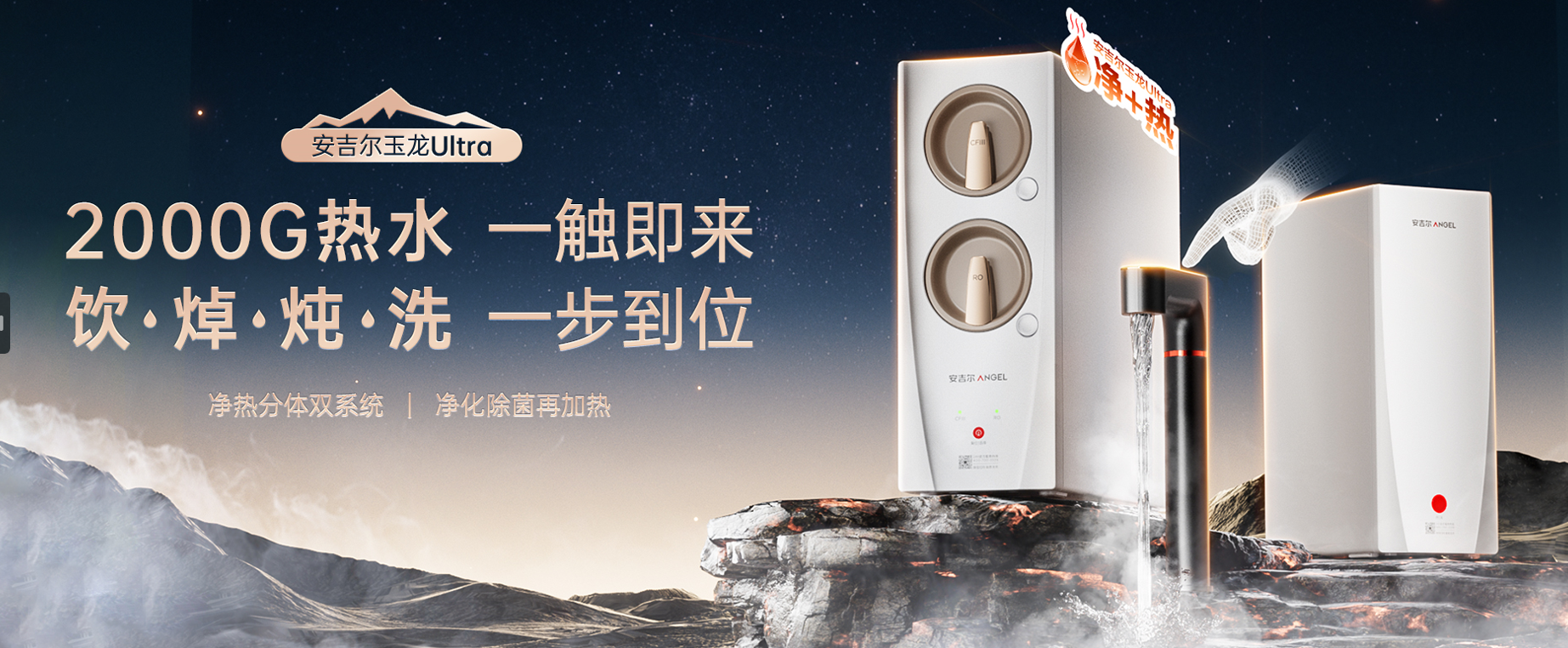
The Space Master addresses installation in smaller homes, while Angel’s Yulong Ultra takes on the water-use habits and space constraints specific to Chinese kitchens. Its dual-system design uses separate purification and heating modules. The arrangement may seem counterintuitive, but it accommodates shallow cabinets and under-sink obstructions in older residential buildings while maintaining a strong flow of hot water at peak times. It makes the purifier a practical hub for everything from drinking and simmering soup to blanching ingredients and washing dishes.
The market has put this ‘addition’ strategy to the test. According to data from relevant organizations, Angel ranked first in both unit sales and market share across several core categories.
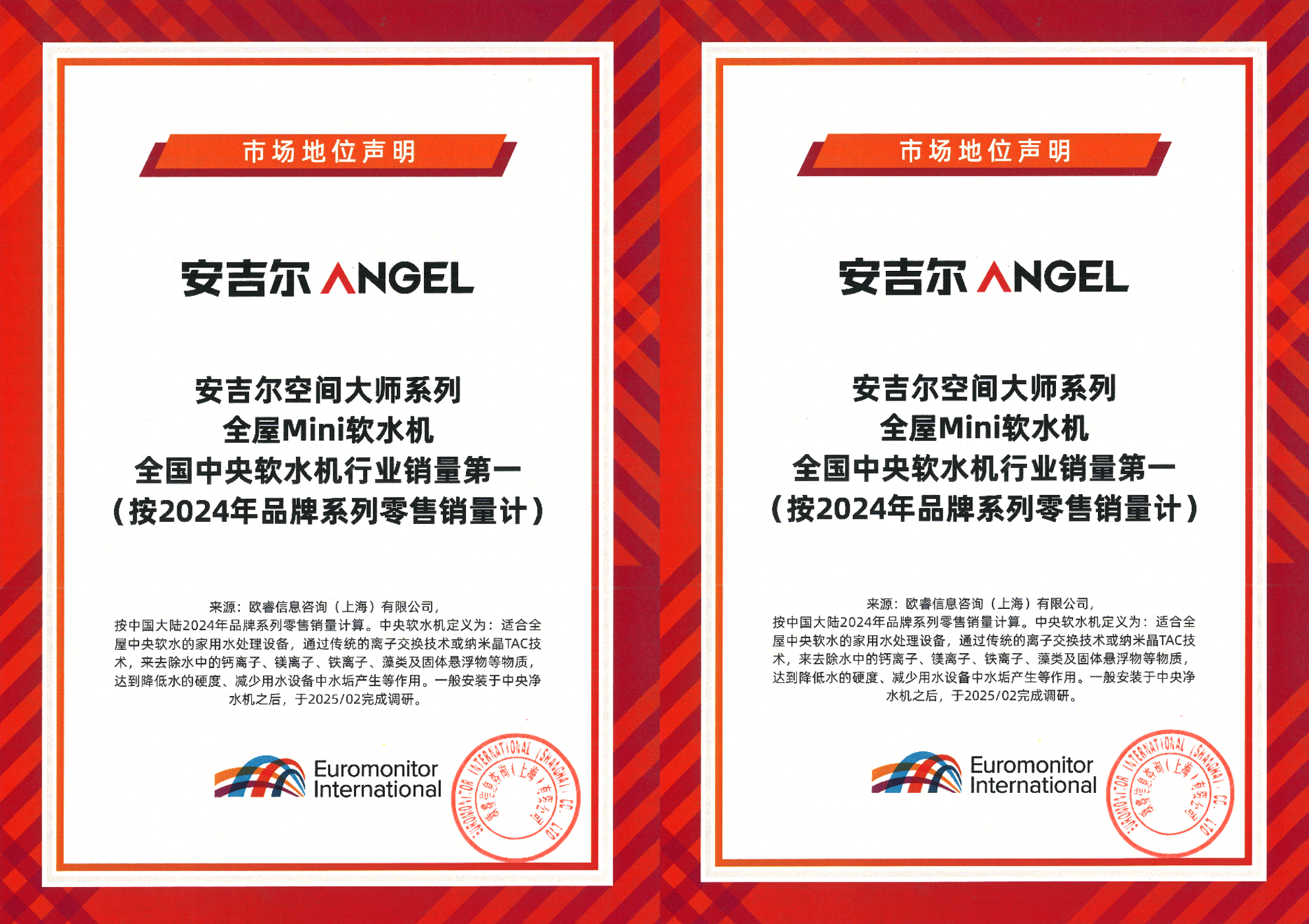
Angel’s sales performance shows where it can compete in a market of more discerning shoppers and offers an indication that consumers are receptive to a new approach to healthier drinking water.
02. Building trust through verifiable scientific evidence
With more shoppers researching products in depth, trust increasingly depends on third-party evidence from industry and academic research partnerships, international standards, and sensory science. For brands, earning trust now means having their claims validated by others.
A further part of Angel’s 2025 strategy was to back its technical claims with evidence that others could verify and reproduce.
To substantiate its ‘golden ratio’ beyond its own marketing claims, Angel partnered with China University of Geosciences (Wuhan) to look for a scientific basis for defining ‘good water’ through large-scale geological research.
Tracing the mineral and water sources took considerable time. A laboratory established by the two partners explored 18 high-quality mineral deposits across China, analyzed 10,000 ore samples, surveyed 330 water sources, and collected more than 70,000 water samples. Drawing on that geological data, the researchers identified what they described as a ‘golden ratio’ of calcium to magnesium ions beneficial to human health, at less than 5:1.
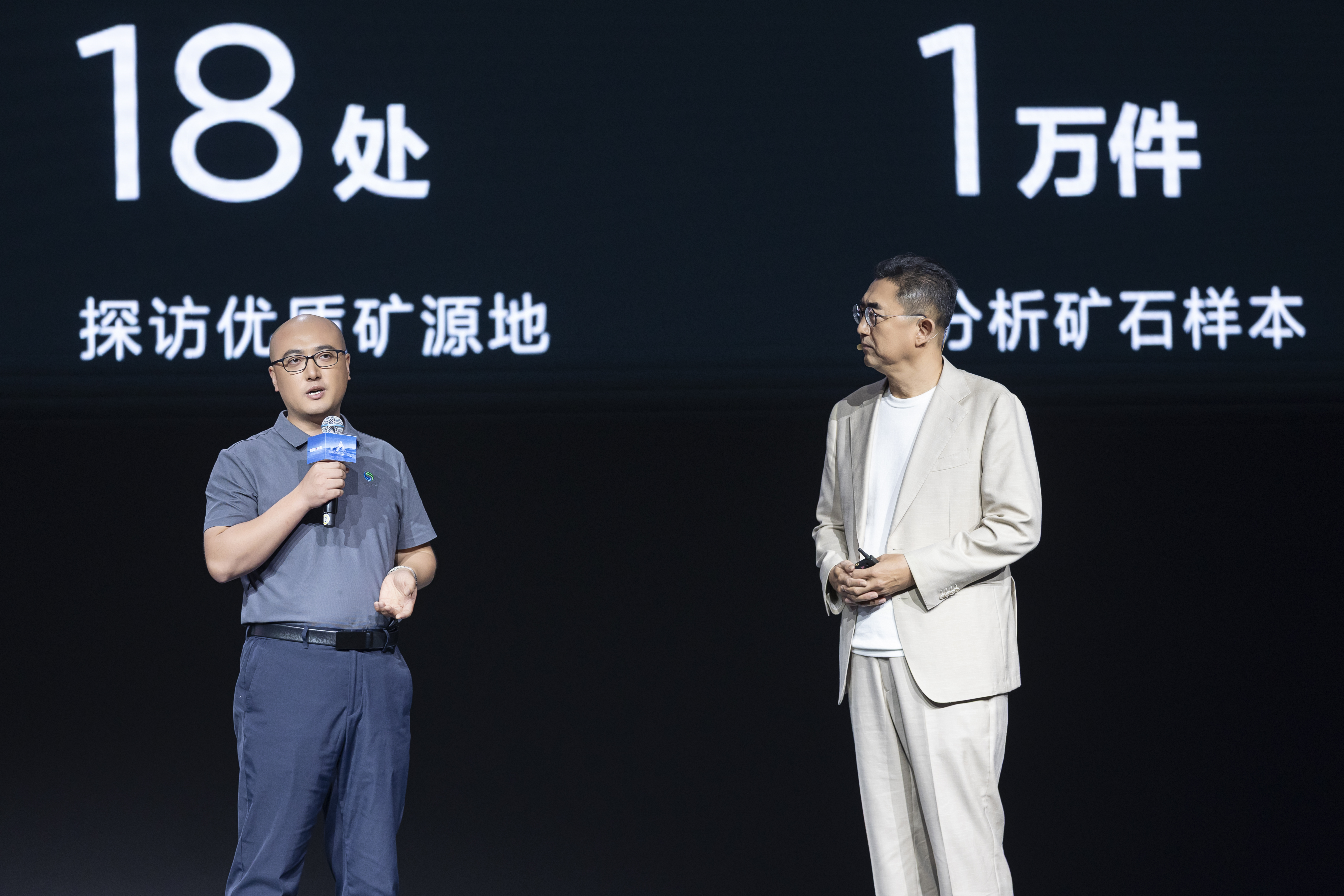
The strategic significance was that it gave the vague idea of ‘good water’ a precise, traceable scientific measure. By applying geology to home appliances, Angel gained academic backing for its healthy drinking water products.
To study how drinking water tastes, Angel partnered with the COFCO Nutrition and Health Research Institute to break down what people consider ‘good-tasting’ water into measurable sensory attributes. The partners formed a sensory evaluation panel and used precision instruments, including an electronic tongue, to digitally analyze the water’s flavor profile. The study found that water treated with the Angel Golden Ratio Mineral Water Dispenser’s mineralization technology improved the flavor of brewed tea by 36% and coffee by 72%.
Angel also released what it described as the industry’s first sensory flavor wheel for drinking water, with a vocabulary of 143 technical descriptors. In an evaluation using the consumer version of the wheel, its mineral water earned a sensory rating described as ‘clean and sweet, like dew on stone.’

In Brandstar’s view, Angel is effectively setting a standard by turning the subjective experience of taste into precise scientific measures. That gives the brand a say in how ‘good water’ is defined.
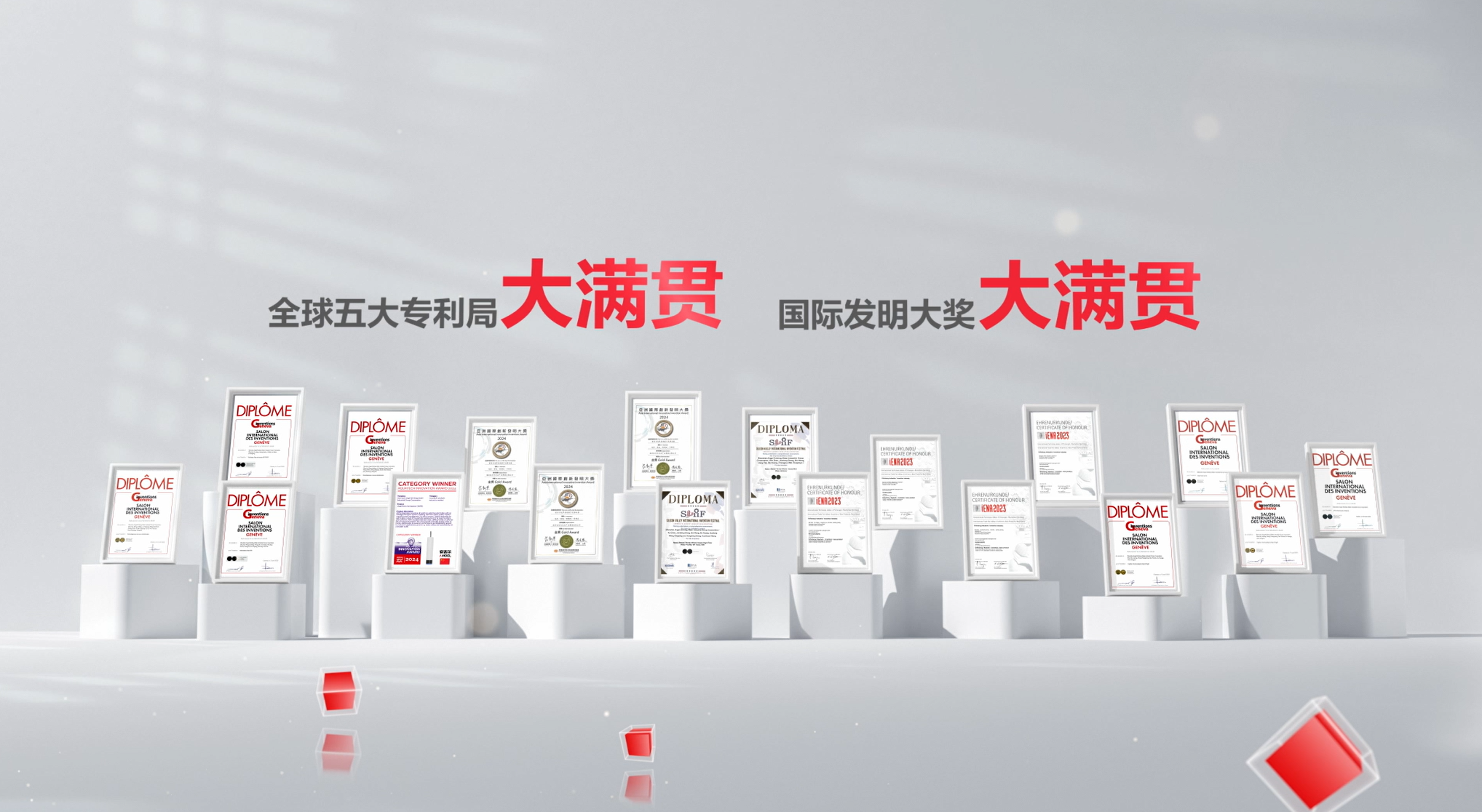
As Angel put more emphasis on health and taste, it continued to invest in the basics of water safety. For discerning consumers, patent counts and international awards often carry more weight than advertising.
These advances reflect Angel’s sustained investment in water purification research over its 38 years. They include APCM aerospace-grade bacteria removal technology for highly drug-resistant bacteria, a patented Long-Life Reverse Osmosis Filter 2.0 that extends cartridge life, and the V12 High-Power Pump 2.0 and Calcium-to-Magnesium Golden Ratio System, both designed to improve product performance.
By 2025, Angel had obtained more than 1,000 patents, secured recognition from all five of the world’s major patent offices, and won several international invention awards. It also played a leading role in drafting and revising 20 national and industry standards and earned certifications from eight leading institutions worldwide.
That third-party validation helps Angel withstand closer scrutiny and gives shoppers more confidence in their purchase decisions.
03. Making the technology relatable through everyday life
Scientific evidence gives consumers reasons to trust the technology. An emphasis on people’s lives shows how it can benefit a wider public.
Angel’s brand building in 2025 balanced two tasks. It backed up its technical claims and used a range of stories to show, in terms a broad audience could understand and relate to, how the technology might improve daily life.
Angel brought the conversation beyond the water purification industry and took its message to the wider public. Its communications addressed two consumer questions at once: whether to believe the claims and whether the benefits felt personally relevant.
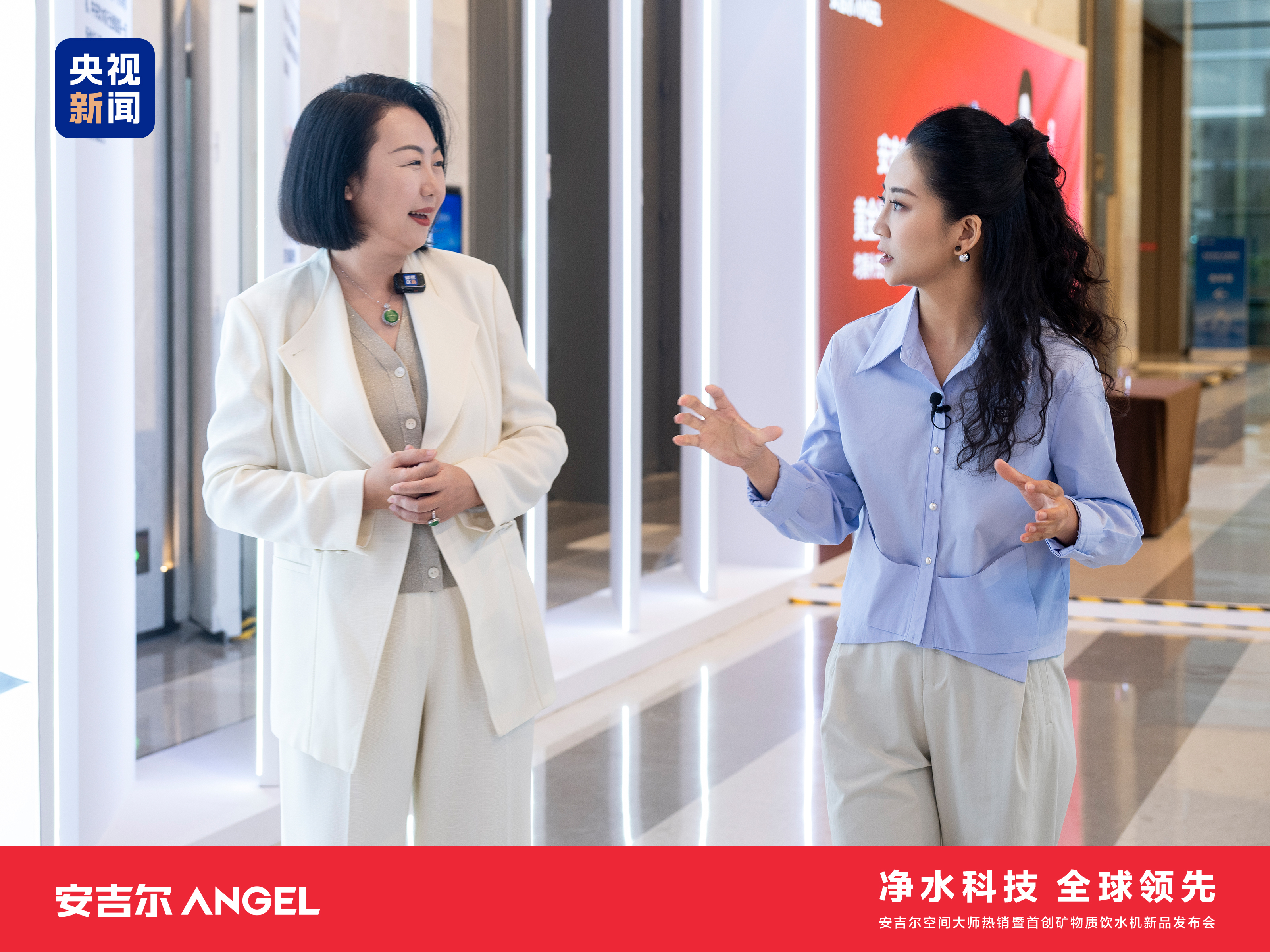
Angel’s partnerships with CCTV News and the health channel of People’s Daily Online were a first step toward building trust with a national audience.
During its September product launch, Angel partnered with People’s Daily Online on a report tracing water to its sources. Through site visits, the report showed consumers where healthier drinking water comes from and how technology helps safeguard its quality.
Documentary-style reporting by national media can show how Chinese water purification technology addresses household drinking water concerns, easing consumer doubts about the technology and building trust in the brand.
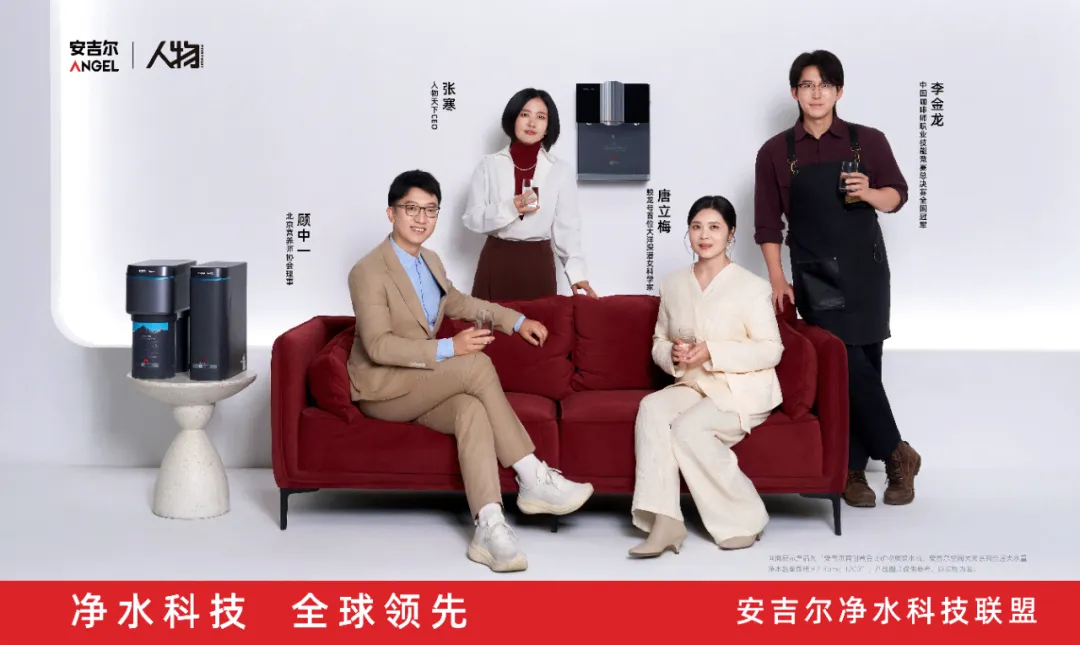
In its collaboration with People magazine, Angel moved beyond listing specifications and showcasing its technical capabilities. It framed an in-depth conversation around the question ‘What do we mean when we talk about good water?’ Four experts from different fields discussed how water connects with daily life, health, and their respective areas of expertise.
Geologist Tang Limei recalled drinking water filtered through volcanic rock on Pohnpei, an island in the western Pacific, and described it as smooth and mellow. She believes technology should help us explore nature and bring its benefits within reach of everyone. Nutritionist Gu Zhongyi drew a practical lesson from the gap between how much calcium and magnesium people consume and how much they need. He sees water dispensers as an overlooked way to supplement nutrient intake and considers reliable drinking water a foundation for good health.
By sharing these experts’ personal stories, Angel moved from connecting with consumers through its hardware to connecting with them emotionally. It presented itself as a brand that understands how people live and supports them in their daily lives.
The brand shows it cares most clearly through its actions.
In response to China’s national trade-in policy, Angel launched a 100 million yuan subsidy program to make purified drinking water more accessible. The program’s aim goes beyond short-term sales. It lowers the cost of access to healthier drinking water so more households can make whole-home water filtration and mineral water part of their daily lives.
At a strategy launch in Jakarta, Indonesia, in June this year, Angel presented solutions tailored to Southeast Asia’s complex local water quality conditions.
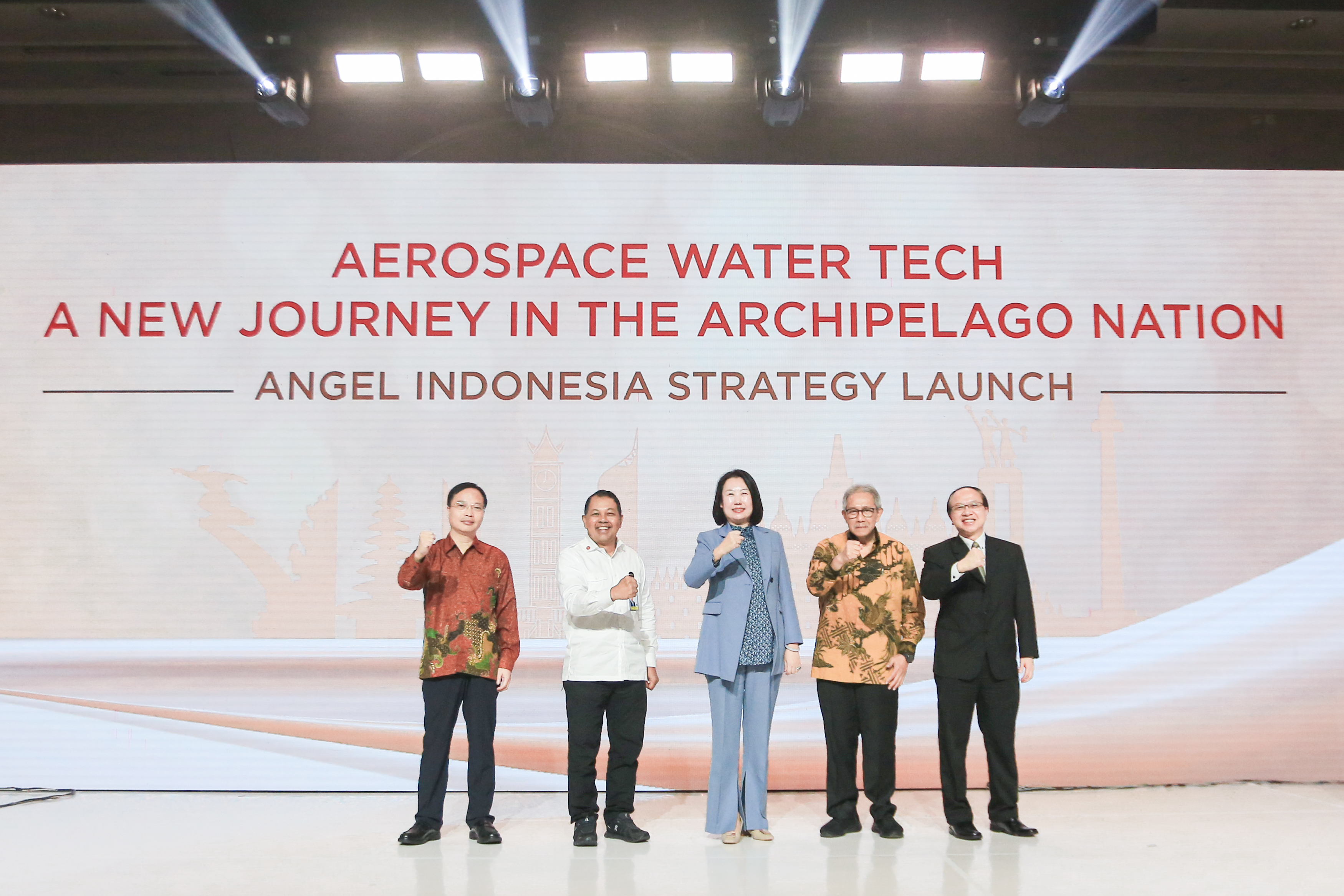
Tackling specific water quality challenges overseas demonstrated how readily Angel’s technology could adapt to local conditions. Its strategy of combining local expertise with a global outlook also gave consumers in China a fuller view of its products and technical capabilities.
In Brandstar’s view, endorsements from CCTV and People.cn, in-depth conversations with Renwu magazine, subsidies that directly benefit consumers, and work in overseas markets together make up Angel’s story about the people its technology serves.
These efforts give consumers a clearer, fuller picture of Angel as a global technology leader in water purification. They show how the company tackles complex water quality problems across regions and puts advanced technology to work in ways people can experience every day through better drinking water.
04. Closing thoughts
Looking back at Angel’s 2025, what stands out is how steadily the brand held its course in a complex market.
Angel sidestepped the race for marketing gimmicks and focused on the fundamentals of manufacturing. It used tangible technical accomplishments, such as building its patent portfolio and setting world records, to address consumers’ anxieties about uncertain conditions that could affect their health.
Angel’s shift in messaging from safe water to healthy living marks a change in its marketing strategy and points to where China’s water purification industry is headed. The shift draws on 38 years of specialization in water purification and the company’s ability to anticipate consumer trends.
The bar for competing in the water purification industry has fundamentally changed as the sector enters its next phase. As consumers increasingly see health-focused purchases as essential, the industry will have to meet higher standards.
Brandstar believes Angel’s actions show that, in an era of more deliberate consumer spending, a brand’s strongest competitive advantage is the trust it earns through scientific and technical expertise and genuine care for people.
Angel’s transition from equipment manufacturer to a leader in healthy living gives the industry an example of how to navigate shifts in the market cycle. It may also offer lessons for premium Chinese home appliance brands looking to expand internationally.BRANDSTAR