What defines the East? To Summer’s new answer
A more systematic exploration of the roots of Eastern fragrance and cultural storytelling.
The start of a new year is always a good time to look back and begin again.
Just before the Lunar New Year ushered in the Year of the Horse, we sat down with To Summer again.
Our last conversation was three years ago, when To Summer had just opened its Guozijian store in Beijing. A leader in Eastern cultural storytelling, To Summer began exploring how to express Eastern fragrance and culture through products, aesthetics, cultural programming, and physical spaces well before the trend took off.
Three years later, we spoke again just as Eastern cultural storytelling was coming into its own.
In 2025, Chinese brands’ creative work and cultural storytelling drew unprecedented attention, making waves at home and attracting interest abroad. Among the clearest signs were visits by Louis Vuitton boss Bernard Arnault to Chinese brand stores and Kering’s continued interest in and investment in Chinese cultural brands.
As the industry buzz grew, To Summer kept an increasingly low profile while pressing ahead.
To Summer opened its Kuiyuan space in Guangzhou and its Shanzhai space in Chengdu, then expanded beyond mainland China for the first time with a move into Hong Kong, a key step in its international expansion.
To Summer released print materials and its first dedicated art publication. It also brought Eastern culture into closer contact with contemporary life through its Play With the World events centered on women and its Light Boat Club urban exploration project.
On the product side, To Summer announced the latest phase of its Eastern Fragrance Ingredients Back to the Source initiative and successfully extracted essential oil from Xinhui aged mandarin peel, taking its exploration of Eastern fragrance upstream to the source of its ingredients.
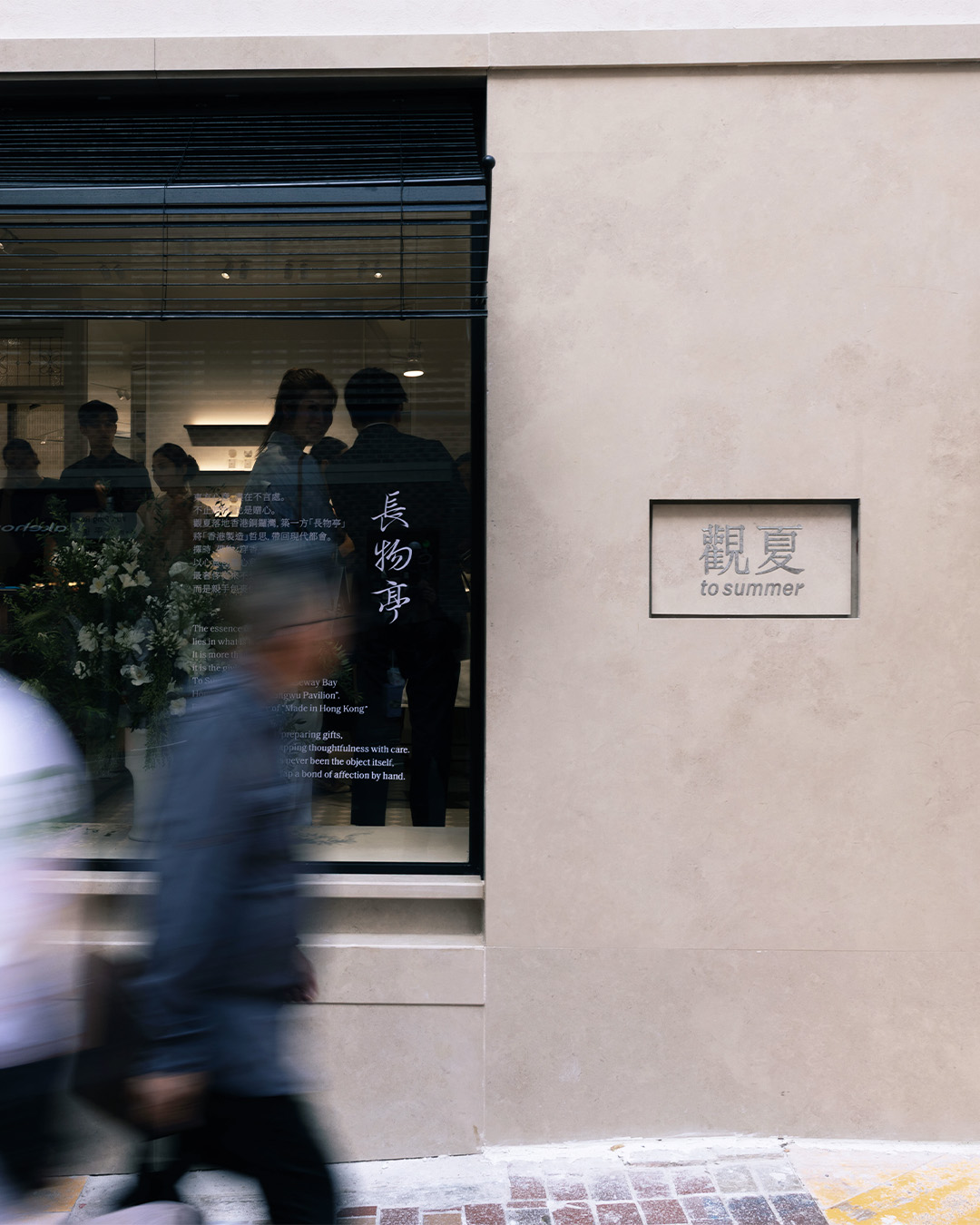
To Summer has evolved while staying true to its original purpose. Eastern fragrance remains its starting point for exploring new possibilities in Eastern culture and ways of living. Brandstar sees much to learn from the practical experience To Summer has gained as an early practitioner of Eastern cultural storytelling. That was the impetus for this conversation.
The way To Summer tells Eastern stories is evolving, too. It is taking its work upstream from publishing and programming to ingredient sourcing, drawing on tradition to meet present-day needs, bringing a lighter touch to how it conveys cultural depth, and expanding from its mainland base into Hong Kong and the wider international market.
These moves are broadening the story of Eastern fragrance. In 2025, years of work and a surge of industry interest left a distinct and lasting mark on that story.
To Summer showed us another side of Eastern cultural storytelling. Traditional culture and a modern sensibility can bring out the best in each other. To Summer’s Year of the Horse theme captures the idea. Amid the full richness of Lunar New Year traditions, a spirited horse with an open heart and youthful verve can still move lightly and freely, at ease in its stride.
01. Defining the East by tracing fragrance ingredients to their source
Grasse, France, sits at 43 degrees north and is known as the perfume capital of the world. For more than four centuries, the area has produced a wealth of high-quality flowers and other plants. It is a major source of raw materials for the global perfume industry and home to important growing fields dedicated to Chanel fragrances.
The story of the legendary Chanel No. 5 is widely known, though its deep ties to Grasse, where its raw materials are grown, are often overlooked.
Grasse helped make the perfume a success. Once Chanel No. 5 rose to prominence, the house moved to secure supply at the source. In 1987, it partnered with the Mul family, the largest flower grower in the Grasse area, to ensure a steady supply of key ingredients. Grasse jasmine, one of the fragrance’s signature proprietary ingredients, comes from these fields. Other staples of fine fragrance, including May rose, geranium, tuberose, and iris, are also grown there at scale.
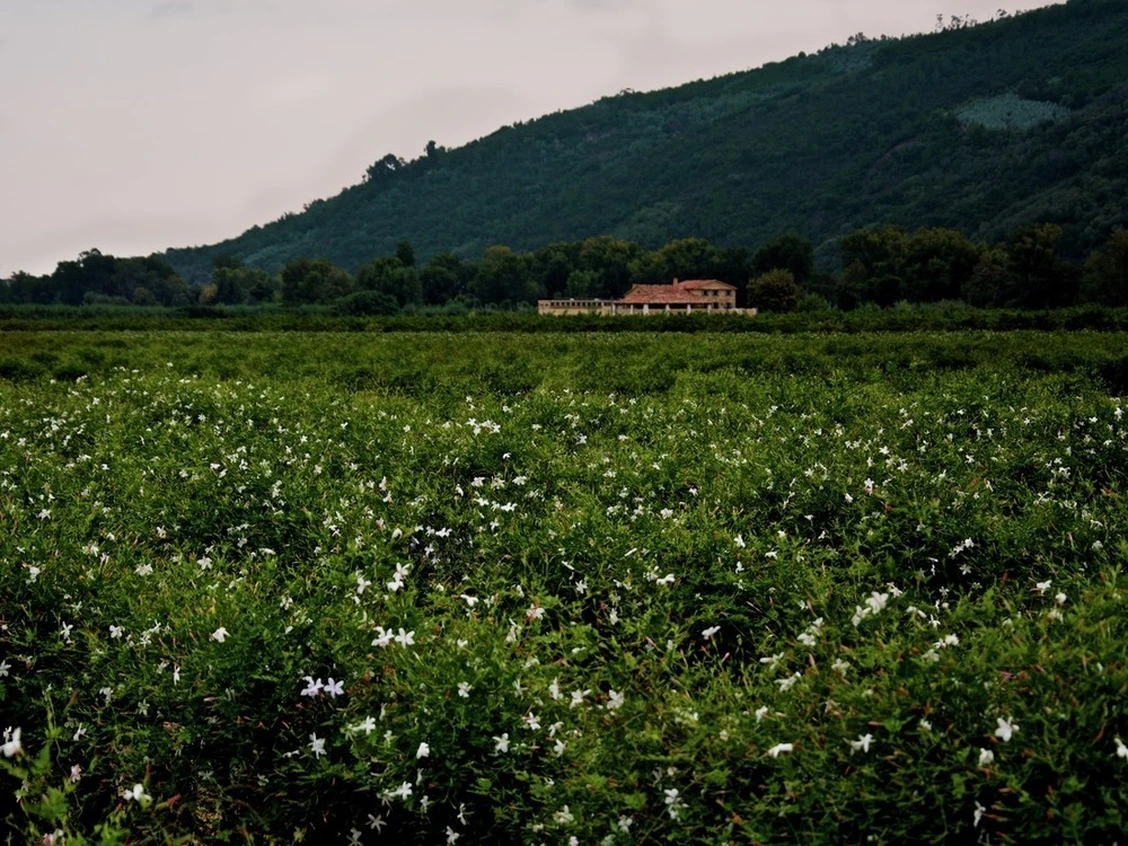 Flower fields in Grasse
A reliable supply of jasmine and other raw materials, along with quality control throughout cultivation and harvest, keeps the scent of Chanel No. 5 consistent and gives it a measure of rarity. The flower fields of Grasse have become part of the perfume’s story, embodying Chanel’s heritage, craftsmanship, and elegance.
A similar story is now unfolding in China.
Two places come into focus in To Summer’s story, Jingmai and Xinhui. Jingmai is a major pu’er tea-growing region. Xinhui is the sole place of origin of Xinhui aged mandarin peel, the foremost of Guangdong’s “Three Treasures.”
In 2021, To Summer launched its Eastern Fragrance Ingredients Back to the Source initiative in Jingmai, Yunnan, and established its Back to the Source Workshop. The initiative supports local tea growers and villages to create shared economic benefits while advancing the extraction of fragrance from pu’er tea.
It took three years to extract the first Eastern fragrance ingredient, a Jingmai pu’er tea absolute. In 2025, To Summer extracted an essential oil from Xinhui aged mandarin peel. Both ingredients went on to earn certification under International Fragrance Association (IFRA) standards, bringing them into the global palette of fragrance ingredients.
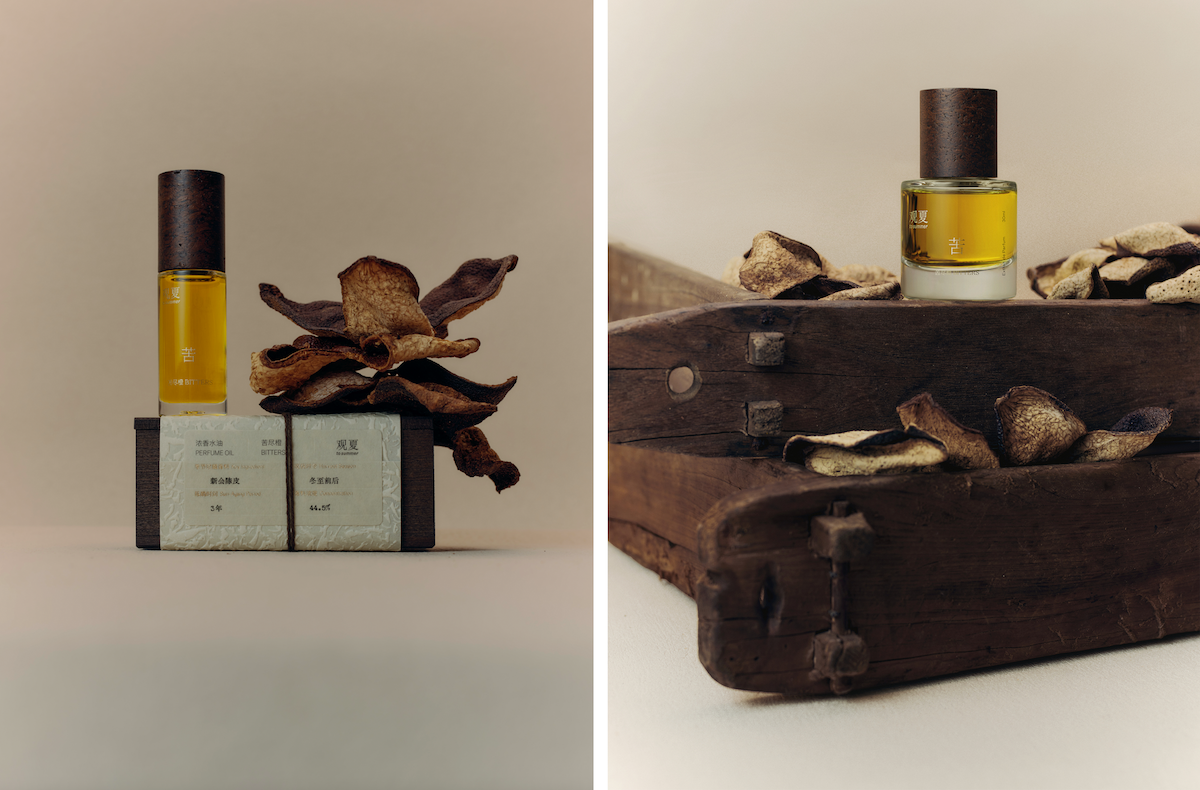 To Summer extracted essential oil from Xinhui aged mandarin peel in 2025
As To Summer co-founder Shen Li explained, the idea behind going back to the source was to build a pioneering Eastern fragrance brand by stripping away embellishment and extraneous storytelling, getting back to essentials, and letting the ingredients speak for themselves.
The Jingmai pu’er tea absolute illustrates a longstanding theme in perfumery: tea.
Tea was a central theme in Louis Vuitton’s 2025 Journey to China fragrance collection. A globally recognized popular culture symbol, tea also shapes how people around the world imagine Eastern culture.
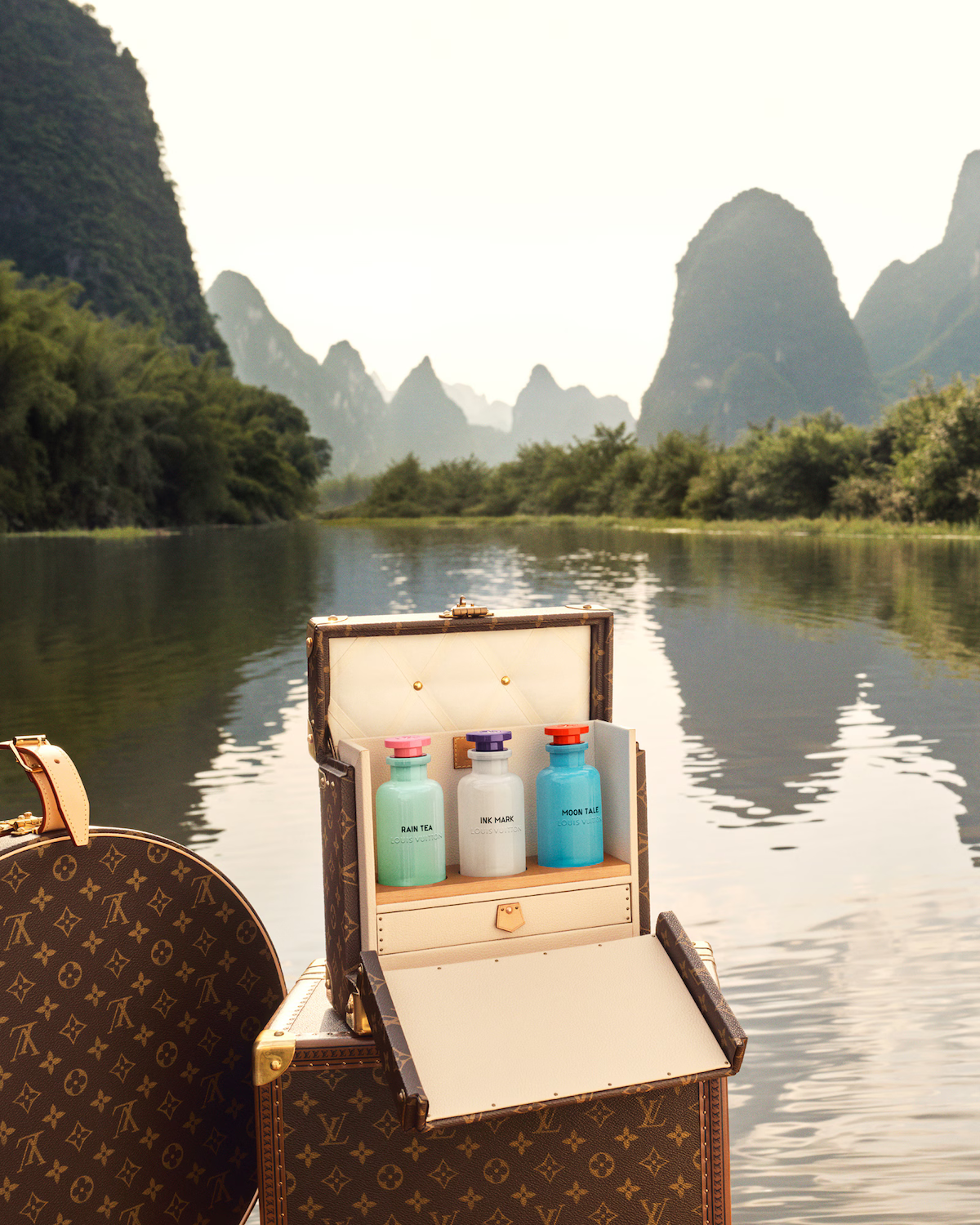 Louis Vuitton’s Journey to China fragrance collection
For years, however, most tea notes in Western perfumery have been built around ingredients such as black Darjeeling tea and yerba mate. The resulting scents bear little resemblance to the aroma many Chinese people associate with tea.
Chinese tea has long been left out of the mainstream Western perfumer’s palette for tea notes. Most high-value Chinese tea goes into beverages, and there is little market infrastructure for its use in perfumery. A lack of suitable extraction methods and technology has also made it difficult to turn Chinese tea into ingredients that meet fragrance industry standards.
That was the starting point for To Summer’s Back to the Source initiative. Innovation in Eastern fragrance needs to extend beyond composition to upstream cultivation and sourcing, so that Eastern ingredients can become part of the global perfumer’s palette.
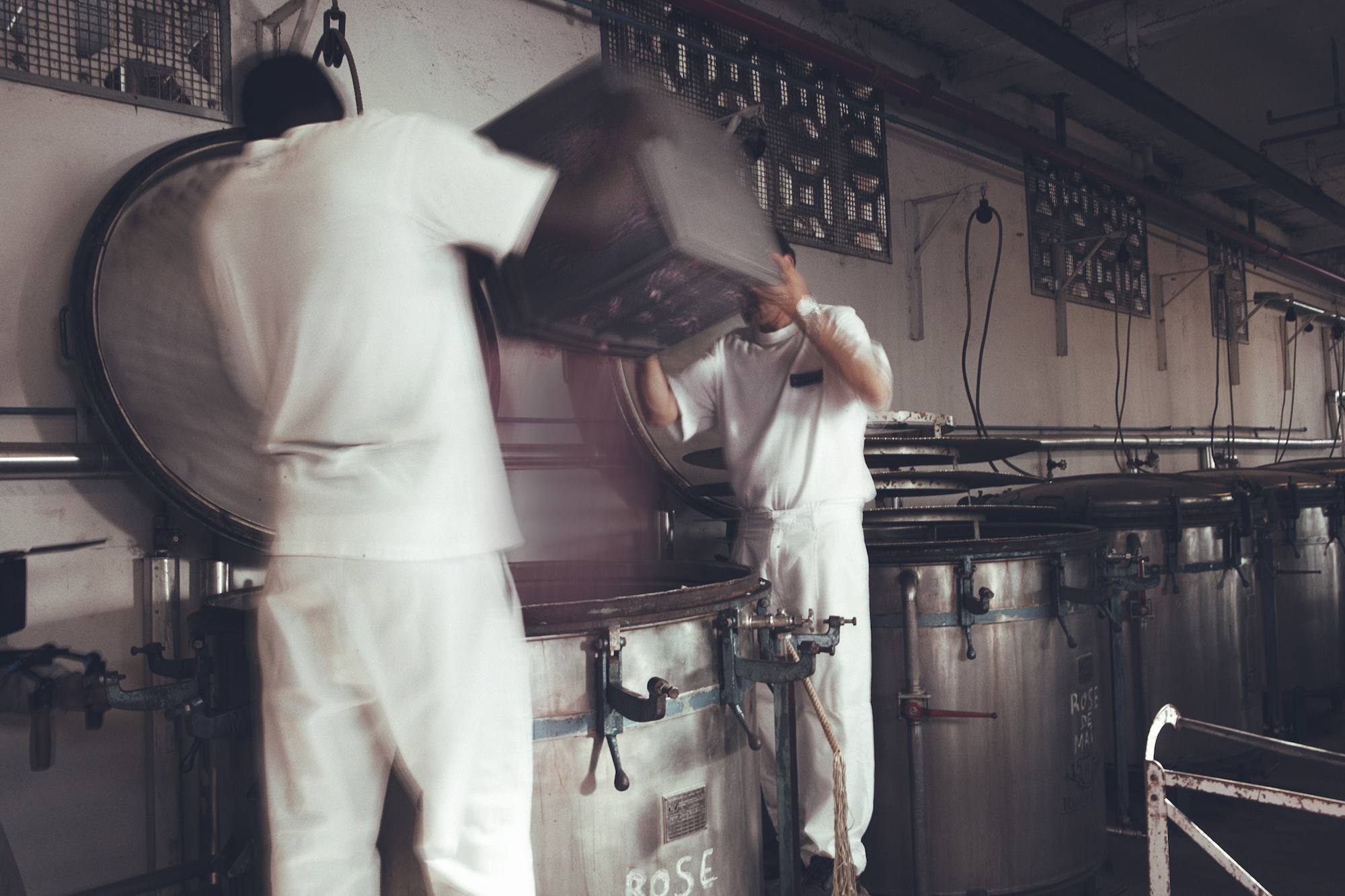
The work is difficult. To Summer founder Elvis told us the first challenge was achieving consistency at the farm level. A high-quality fragrance ingredient requires both cultivation at scale and consistent quality. Variation between batches of crops directly affects the scent. Bulgaria became a leading source of rose absolute by getting those fundamentals right. Its production system covers every step from cultivation and harvesting to extraction and quality control.
Native Chinese fragrance ingredients have long lacked standardized cultivation systems. Meeting International Fragrance Association (IFRA) certification requirements calls for strict quality control from the growing stage onward. With help from Liu Xiangyun of the Bolian Pu’er Tea Estate on Jingmai Mountain, To Summer worked closely with local tea growers and villages to develop its fragrance extraction process starting with cultivation and harvesting.
The estate protects 10,000 mu of thousand-year-old tea gardens. As China’s first tea-themed estate, it brings together cultivation, processing, storage, and cultural tourism.
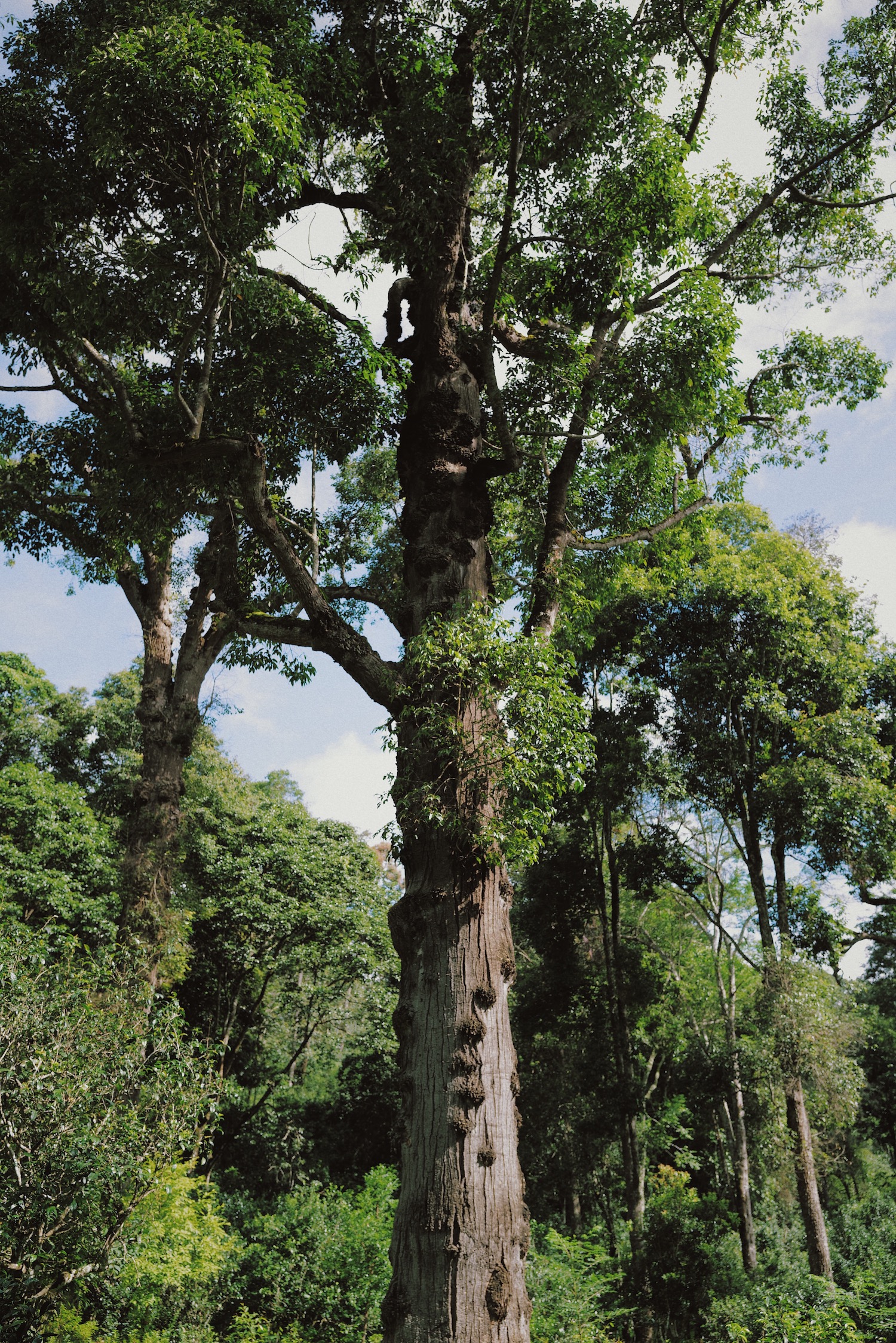 Ancient pu’er tea trees
The second challenge was extraction. Natural fragrance ingredients typically yield very little. Producing 1 kilogram of solid absolute from the Grasse jasmine used in Chanel No. 5 takes 350 kilograms of flowers. From 1,000 kilograms of pu’er tea leaves, the maximum yield is 1 kilogram of absolute. Xinhui aged mandarin peel yields even less, at just 0.09 kilograms of essential oil for every 100 kilograms of peel.
Faithfully capturing the scent of tea and aged mandarin peel requires repeated adjustments to both the chemical extraction and perfumery processes to achieve efficiency and preserve the original aroma. Bringing that work to industrial scale takes sustained investment from brands with the resources to see it through.
To Summer’s team was surprised by its first major hurdle. Getting the raw pu’er tea overseas proved a challenge in itself. Before it could send the tea to an overseas lab to test purification methods, the team spent at least six months in discussions. It worked through raw material certification, process compatibility, and safety testing before resolving the logistics and regulatory hurdles involved in exporting pu’er tea as an agricultural product.
Certification under the globally recognized IFRA standards gives these Eastern fragrance ingredients international recognition. Perfumers around the world will be able to use them directly in their compositions, opening up access to Eastern raw materials and marking a key step toward bringing Eastern fragrance to the global market.
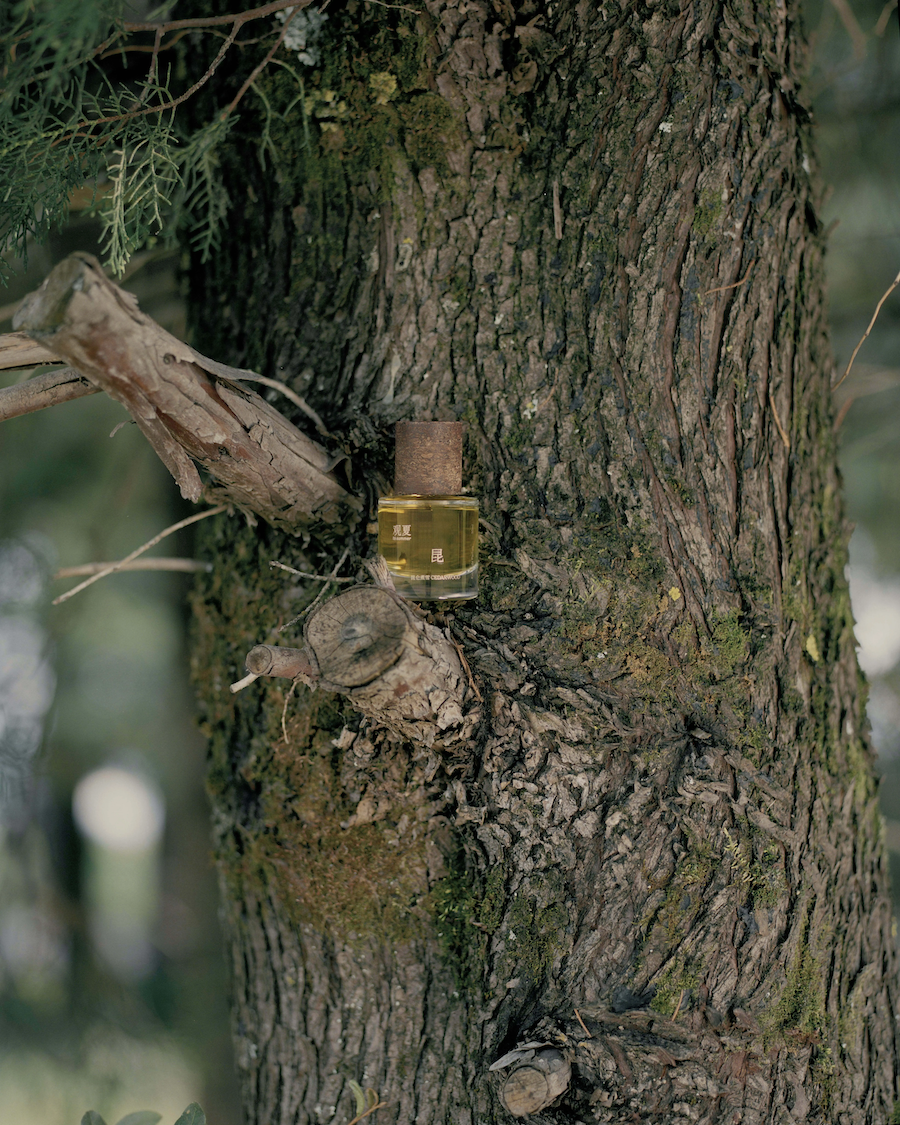
More projects are in the works. Within three years, To Summer plans to partner with France’s Maubert family, behind the world’s largest natural fragrance ingredients group, to establish China’s first large-scale botanical fragrance extraction facility in Kunming, Yunnan, so raw materials can be processed locally after harvest. The aim is to release four to five perfumes a year built around ingredients native to the East.
That groundwork helped the next project move faster. The team successfully extracted Xinhui aged mandarin peel essential oil in 2025 at a noticeably quicker pace.
To Summer sees a distinct value in Xinhui aged mandarin peel.
Like pu’er tea, Xinhui aged mandarin peel was a key commodity on the Ancient Tea Horse Road. Both have deep cultural roots and embody an Eastern appreciation for what aging can bring. The peel develops distinctive aged and medicinal notes over time, bringing an Eastern citrus profile to a global fragrance palette where it had been missing. Its aroma stands apart from the bright, airy citrus notes typical of Western perfumery and shows what Eastern ingredients can bring to the category.

For Brandstar, To Summer’s Back to the Source initiative lives up to its name. It returns to the natural origins of fragrance ingredients to redefine Eastern scent profiles from the ground up, and it recognizes the value of the land that produces them. It brings greater commercial value and new cultural meaning to traditional Chinese cash crops such as tea and mandarin peel beyond their culinary uses, while bringing the stories of the places that grow them to a wider audience.
More importantly, Eastern cultural storytelling now has a tangible foundation in raw materials and the industry that produces them.
The enduring appeal of Chanel No. 5 depends on both a compelling brand story and a reliable, long-term supply of raw materials and fragrance ingredients. That kind of foundation could also help Eastern fragrance find its footing globally.
02. Defining the East with a lighter, freer take on tradition
Early approaches to Eastern cultural storytelling often fell back on familiar tropes. Dragon and phoenix motifs, red and gold palettes, or elements drawn from ethnic traditions seemed enough to signal an Eastern aesthetic. These surface cues registered quickly with audiences, but relying on them made many of the stories feel interchangeable.
To Summer is adept at telling Eastern stories through historical objects, local heritage architecture, and traditional crafts. Its greater strength lies in reaching beyond those forms and techniques to stir shared memories and resonate emotionally with people in the East.
In 2025, To Summer showed us how a lighter, more playful approach to Eastern cultural storytelling could resonate deeply with people today.
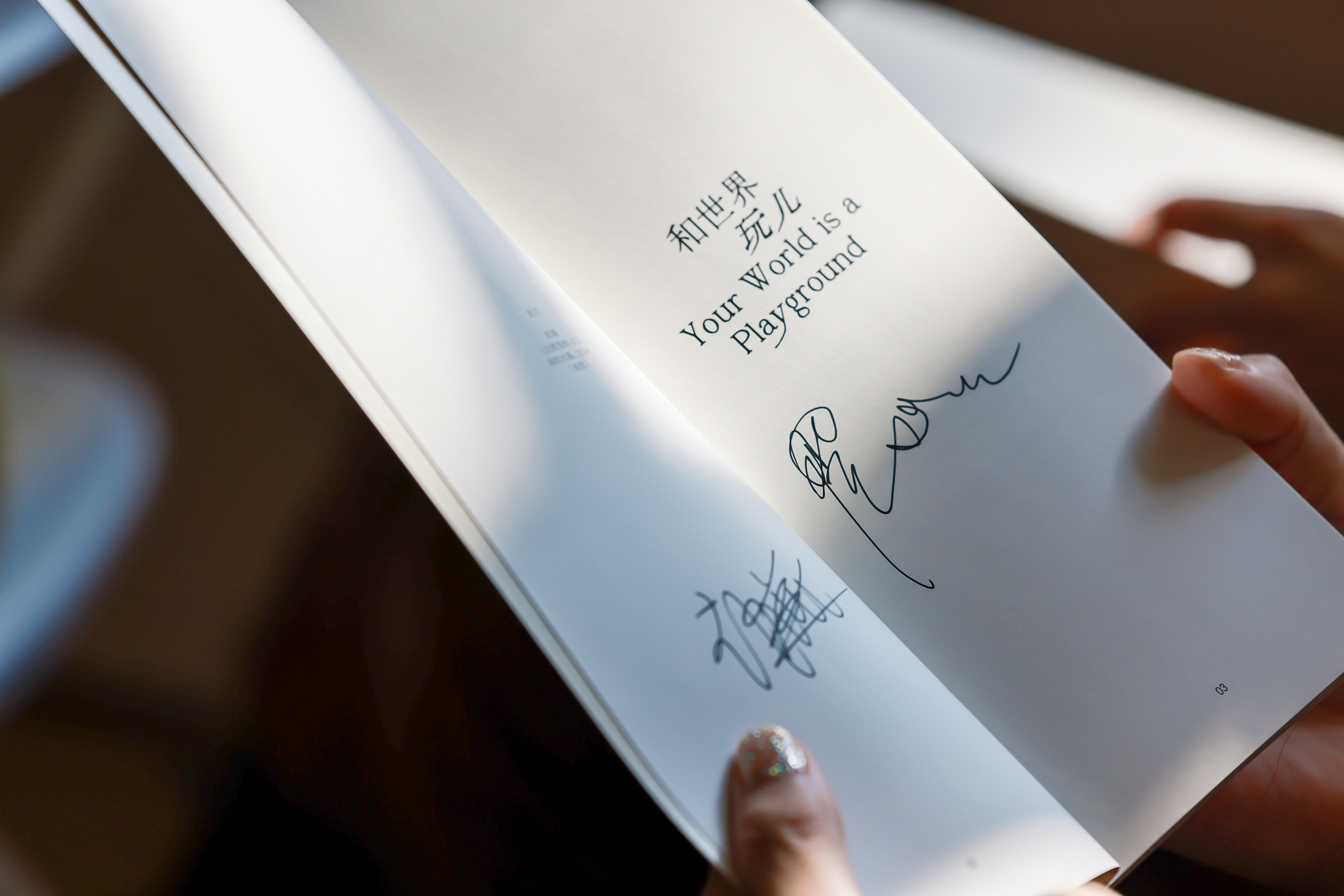
Shen Li described play as the brand’s theme for the year.
We took this idea of play to mean feeling at ease and following one’s instincts. It ran through To Summer’s creative work, freeing the brand to move beyond the weight of convention and engage more closely with the texture of everyday life today.
In March, play was a tribute to women’s freedom and imagination.
To Summer launched Play With the World, a series of events centered on women. Moving away from the hardship and heavy themes that often dominate conventional stories about women, the series embraced instinctive, imaginative play to celebrate women’s many facets and the edges that refuse to be tamed.
 To Summer released a special issue of its brand publication Nosepaper, inviting Peng Wei to set the tone with her paintings and 11 women writers, including Zhai Yongming and Yu Xiuhua, to contribute. The brand also held themed events, including in-person roundtable discussions.
In July, play meant a wander through the city in the summer heat.
To Summer brought the spirit of play into urban life with its Light Boat Club project.
The image of a light boat carries an Eastern sensibility about taking life at an easy pace. It suggests an aimless wander through the city and speaks to a familiar feeling. After a long stretch of pushing hard, you can let yourself drift for a while and take back time from the demands of efficiency to notice how everyday life feels.
Its pocket-sized Guide to Urban Drifting skipped the usual map of must-visit spots. Instead, it gathered places in Beijing and Shanghai where readers could slow down and relax at their own pace, from an understated shop selling Japanese wares to a specialty vinyl record store. The guide gave readers concrete ways to reclaim a more relaxed routine and notice the small details of everyday life.
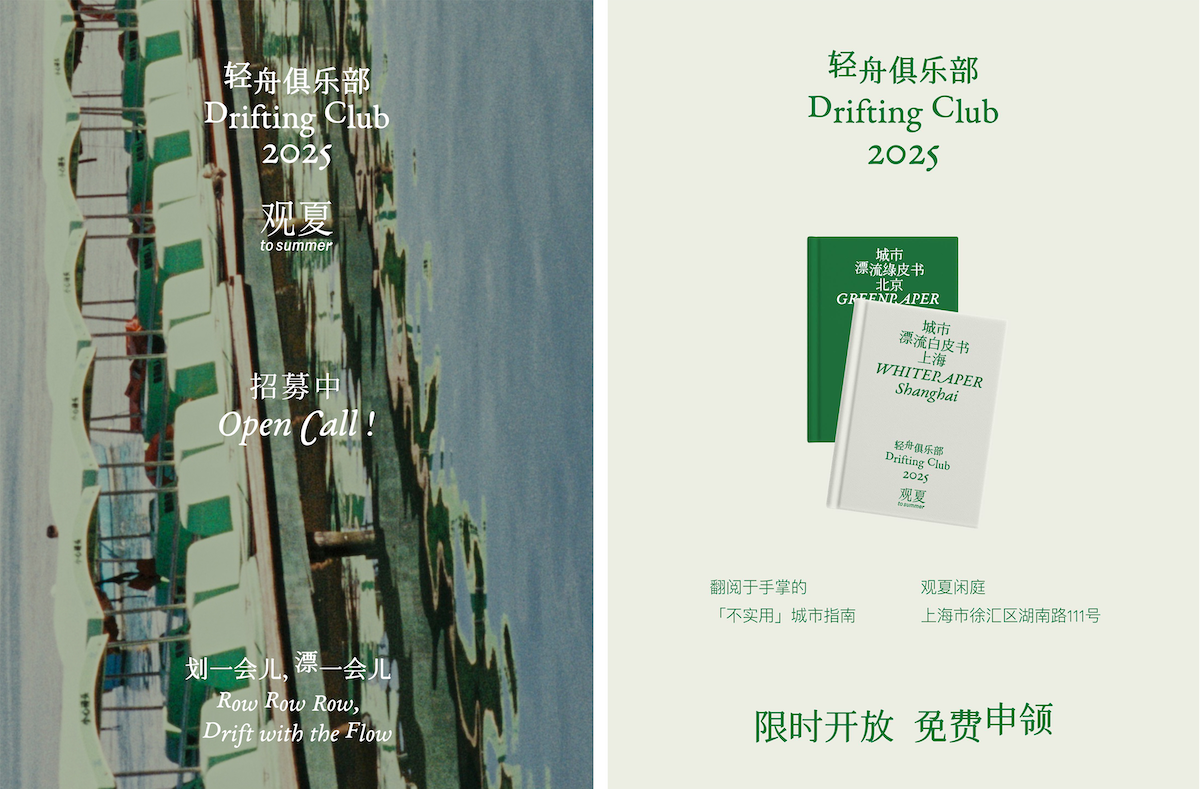 The Light Boat Club project and Guide to Urban Drifting
To Summer invited people on a leisurely, participatory urban ramble that drew their attention to their surroundings and the details of everyday life. The experience echoed the Eastern principle of using emptiness to nourish what is present. Like the negative space and open vistas of Eastern art, a little room to breathe gives life a more balanced rhythm and makes it richer inside and out.
November’s take on “play” brought ideas together freely through contemporary art.
To Summer teamed up again with artist Peng Wei, using her work “Rooms With Stories” as the basis for a large-scale public art installation of the same name on Shanghai’s West Bund.
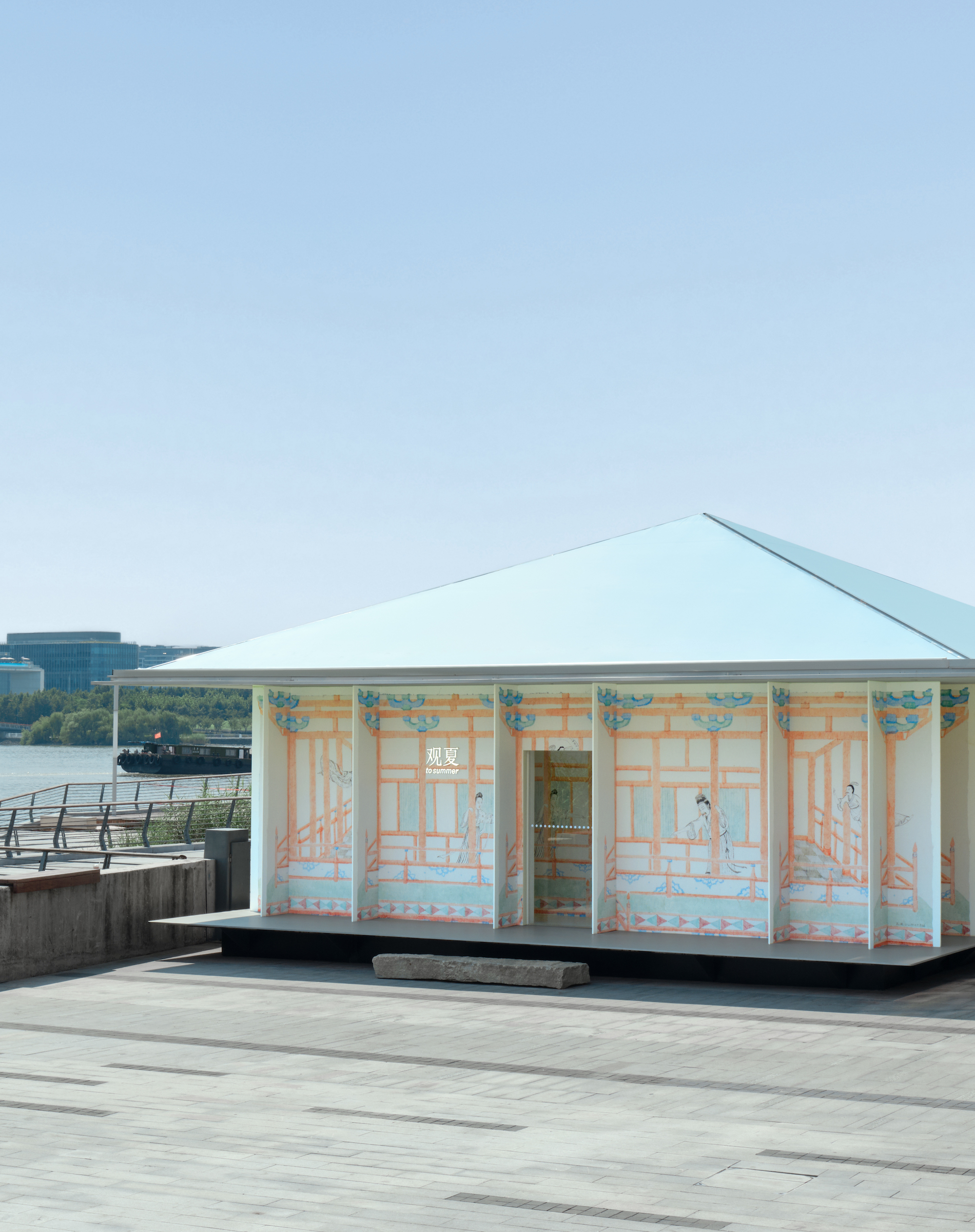 The “Hide-and-Seek” room, To Summer’s large-scale, temporary public art installation on Shanghai’s West Bund
The space unfolded like a painted scroll in motion. As visitors walked through it, they took in the scene and became part of it, with surprises and details waiting around every corner. To Summer’s first collectible art fragrance, “Hide-and-Seek,” echoed that experience. Its gently unfolding scent answered the intricate, elusive sensory world of Peng Wei’s paintings.
The scent and paintings played off each other, bringing Eastern aesthetics out of the traditional static display and into a room with a story that visitors could explore and experience for themselves. Bringing art out of the gallery and into public space gave the brand a place to start a conversation with consumers.
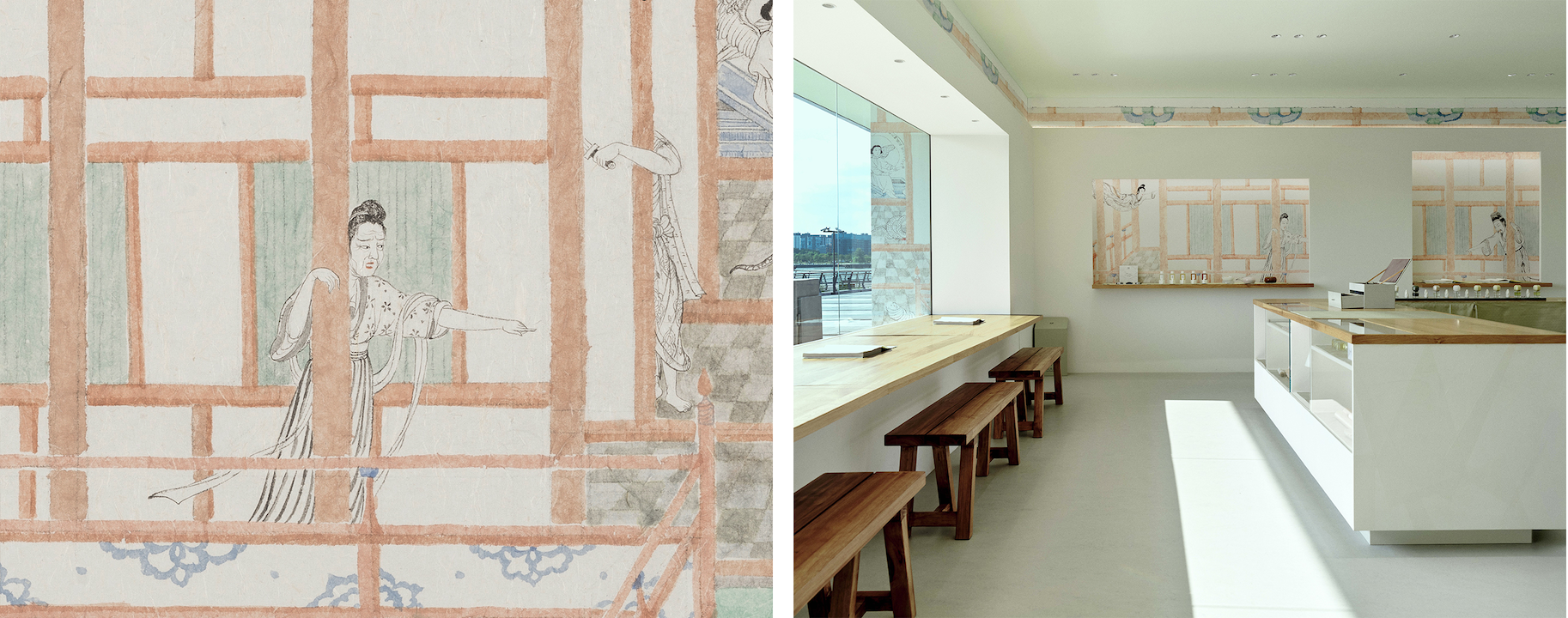 The public art installation based on Peng Wei’s work
It made us realize how contemporary, youthful, and playful Eastern storytelling can be. It can take the form of freedom and imagination in women’s writing, the ease of wandering through a city, or the sheer pleasure of playing freely with ideas in art.
“From the start, we called To Summer’s Eastern identity ‘New Eastern Modern.’ What we meant was a contemporary expression of Eastern culture. At its roots, that identity is a matter of spirit. It goes beyond forms, motifs, symbols, or colors, finding expression in evocative suggestion and in what’s left open.” So explained Shen Li.
We’ve seen a similar shift in how To Summer tells Eastern stories in recent years. Its work now reaches beyond traditional culture and objects into modern dance, contemporary painting, and other fields as it looks for deeper ways to connect with people today.
Peng Wei, for example, uses ink as the foundation for work across media, connecting classical aesthetics with contemporary storytelling. Her approach treats past and present as a whole, and the perspective she brings as a woman artist fits with To Summer’s philosophy. The brand also exclusively supported the music and dance theater production “Spaces Between Emotions: 500 Miles,” which used the movement vocabulary of modern dance to convey the atmosphere of a scent and awaken deeper feelings in contemporary audiences. To Summer also launched the “Contemporary Young Creators: Pathways Award” to support young artists and cultural practitioners working in China.
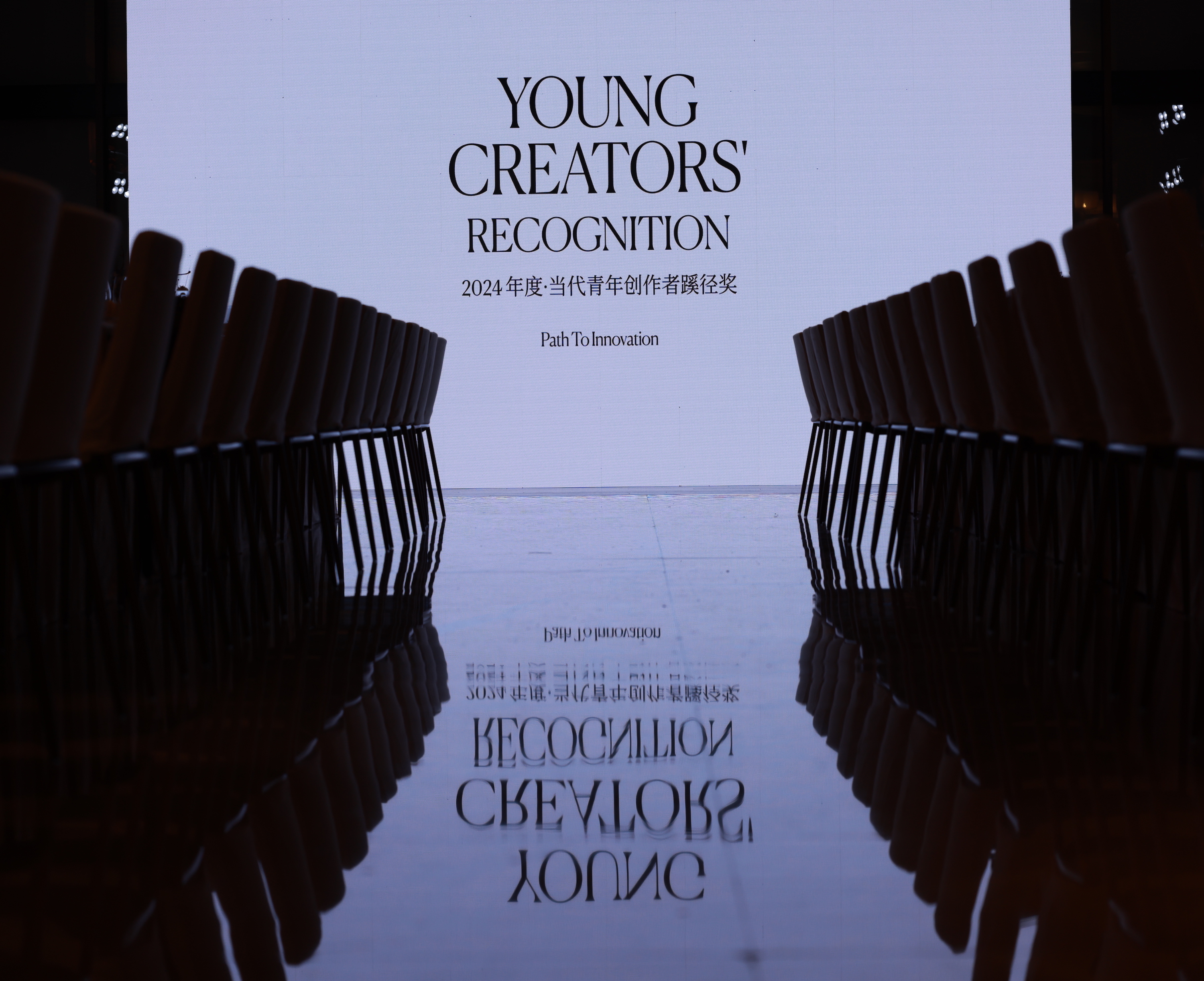 Launched in 2025, the “Contemporary Young Creators: Pathways Award” brought together a guest jury including critic, writer, and host Liang Wendao, designer Alan Chan, contemporary Chinese poet and writer Bei Dao, and film scholar and cultural critic Dai Jinhua.
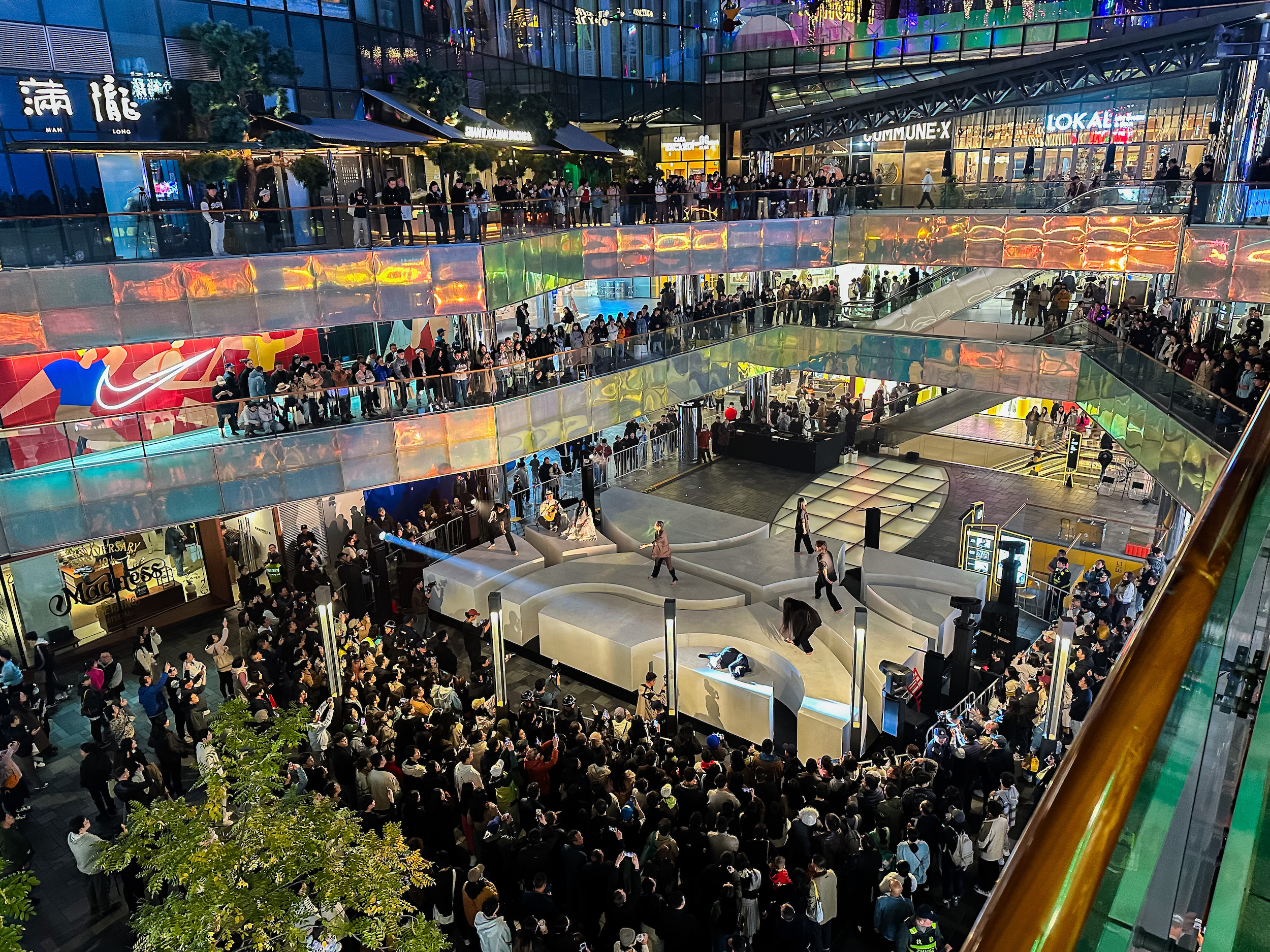 To Summer exclusively supported the outdoor music and dance theater production “Spaces Between Emotions: 500 Miles.”
These ventures across disciplines all point to the same idea. Beyond recreating scent profiles, Eastern fragrance can recover memories of everyday life in the East, capture the subtleties of present-day experience, and evoke an Eastern aesthetic that leaves room for the imagination and lingers long afterward.
To us, that lightness and immediacy reflect what fragrance itself can do. It acts as an invisible mood regulator, lending a sense of ritual to everyday life and giving the mind room to wander and imagine.
At a time when people are calling for more ease in their lives, the heart of Eastern storytelling lies in its ability to resonate with people today, beyond the forms it takes.
When brands move beyond solemnity as the defining trait of the East and give themselves more freedom to play with tradition, they discover how many faces the East has and how many answers it can offer. That freedom often helps brands escape the sameness and constraints of chasing trends and gives them room to grow in more imaginative directions.
03. Answering for the East: testing international waters with “her” as a mirror
As the old saying goes, understanding the present starts with knowing history, and interpreting the East starts with knowing the West.
The remit of Eastern storytelling extends from interpreting one’s own culture to expressing it for others and for the wider world.
To Summer had that ambition from the outset. In September 2025, it took a new step toward realizing it with the official opening of its Causeway Bay store in Hong Kong.
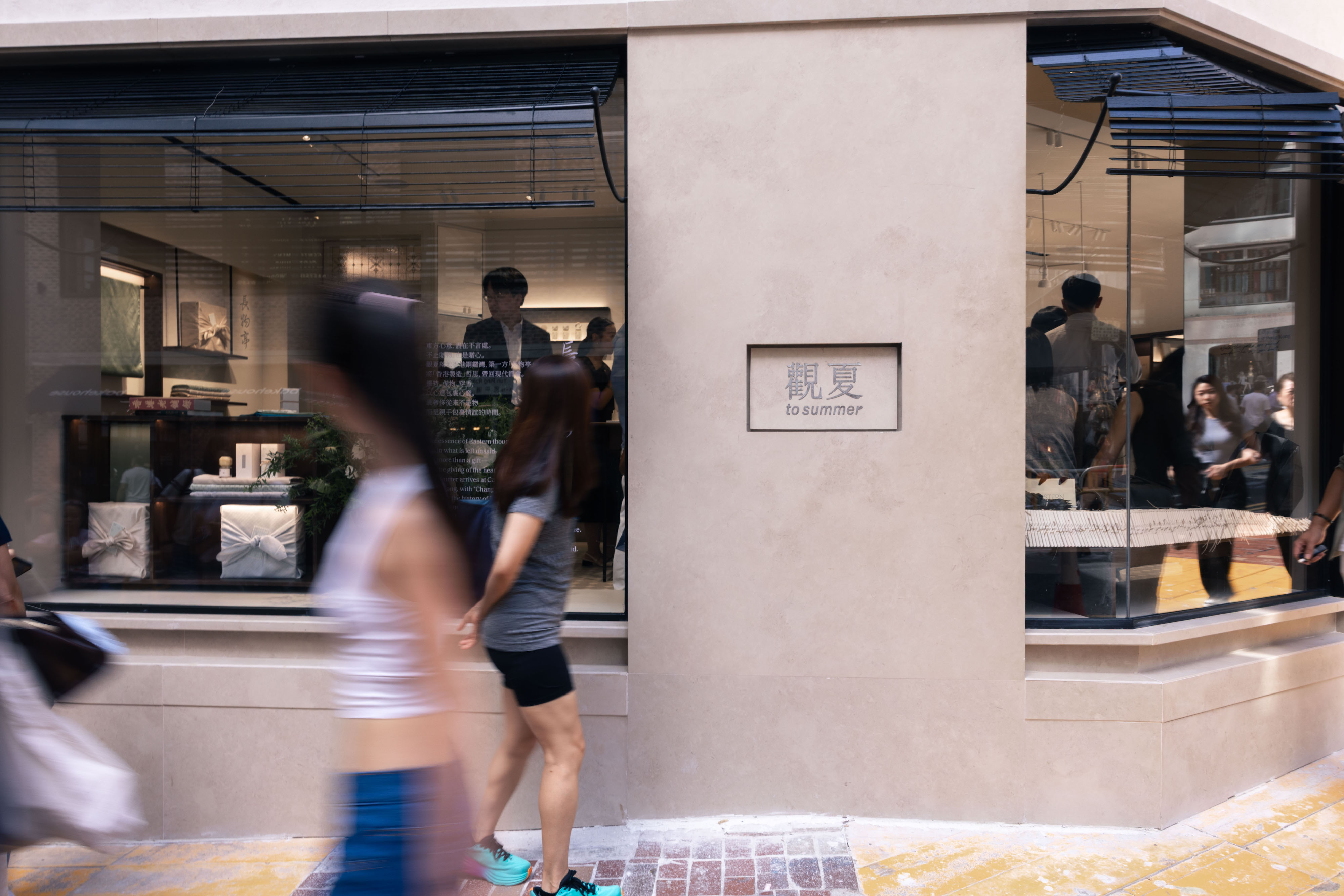 To Summer’s Causeway Bay store in Hong Kong
Plenty of people advised against opening the store. Still, perhaps buoyed by a little hope, To Summer wanted to cast a pebble into the world and see how far the ripples would travel on their own.
To Summer’s Hong Kong store targets local residents and international consumers, with visiting mainland tourists outside its core audience. The store tests how global audiences respond and serves as a staging post for overseas expansion. Hong Kong gives To Summer a bridge across the cultural barriers it would face by entering European and US markets directly, allowing it to adapt its Eastern fragrance narrative in a place where East and West already meet.
For this local interpretation, To Summer chose an unexpected point of view: “hers.”
Hong Kong rose as one of the Four Asian Tigers on the strength of its manufacturing boom in the 1960s and 1970s. Textiles, plastics, and printing flourished, and the proliferation of factories and workshops broke down the traditional division that assigned paid work to men and the home to women.
Countless women left their homes for the factory floor, doing the work that sustained Hong Kong’s export-led economy and powered its rise in the 20th century. They also paved the way for women’s growing role in finance, professional services, and other fields.
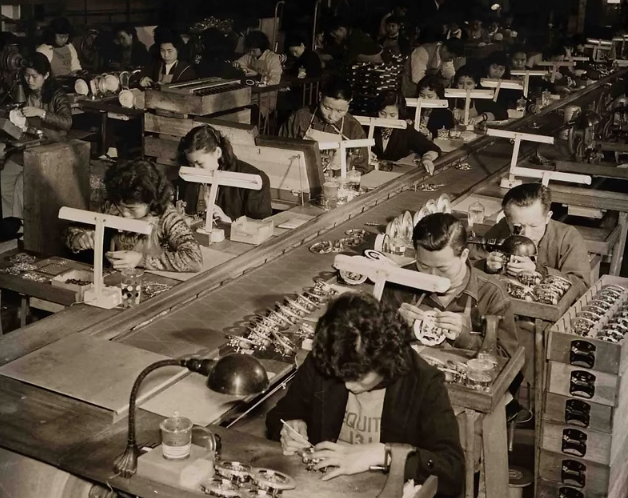 A factory floor in the late 20th century. Photo courtesy of the Hong Kong Government Records Service.
From that history came “Her City,” the theme of To Summer’s Causeway Bay store. The space takes its warmth from the stories of the unsung women behind “Made in Hong Kong.”
The “Eastern Ingredients Studio” displays Eastern fragrance products and essential oils, tracing the scents back to their raw materials.
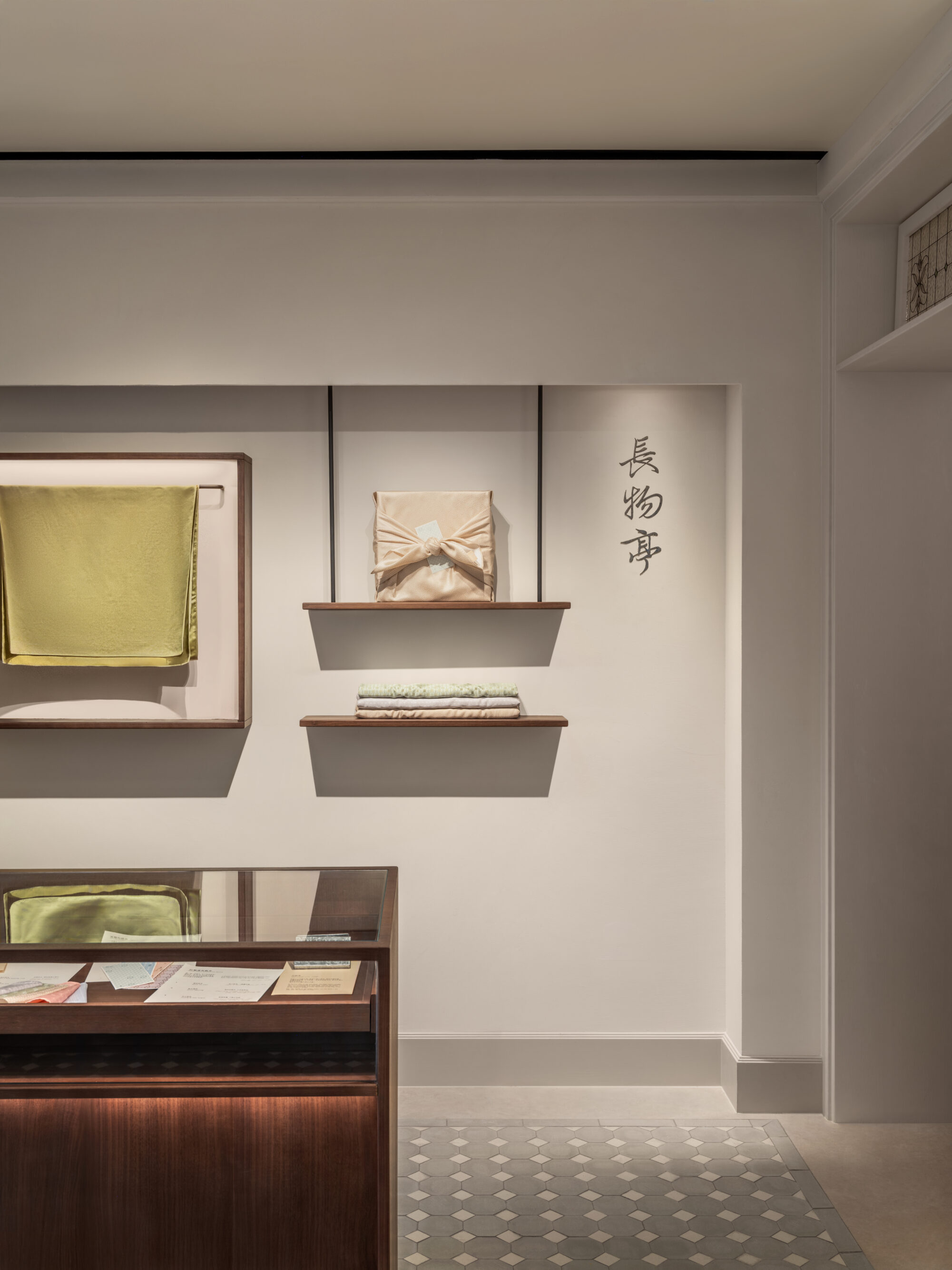
The “Pavilion of Objects” revives skills practiced by Hong Kong’s women workers in the 20th century, including galvanized sheet-metal work and fabric crafts, bringing these nearly forgotten trades back to life.
The “Study” brings together literary works by Hong Kong women, whose thinking and strength come through on every page.
The “Bathroom” draws on women’s washing and grooming rituals to recreate the intimate details of everyday life in years past.
The store also carries “Walking Her City,” a brand publication created with Hong Kong writer Cheng Jiaoyang. Two walking routes connect places associated with women’s craft work and cultural life, tracing the imprint women have left on Hong Kong.
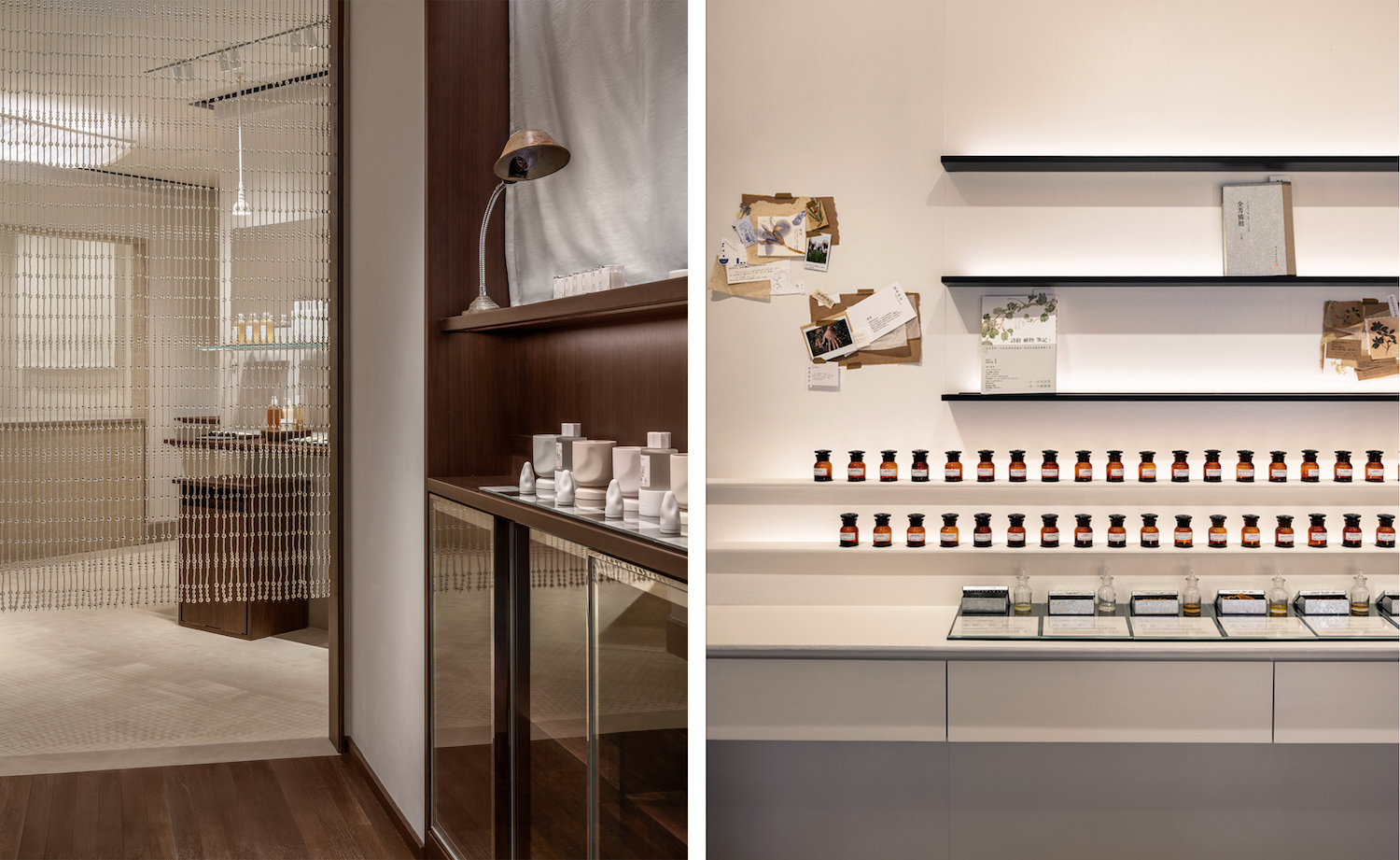 The locally rooted retail space built around the theme “Her City”
Together, these elements create a space seen through women’s eyes that reflects To Summer’s brand identity and speaks to women at the core of its customer base. Scent draws the elements together and reconnects visitors with memories of everyday life in Hong Kong.
To us, the bold move was to go beyond an accumulation of Eastern aesthetic symbols and, for the first time, build the story of the space around people.
There’s a lesson here for brands entering Hong Kong or expanding into the wider global market. The real test of Eastern aesthetics is whether they connect with local consumers’ everyday lives and emotional memories. Cultural novelty alone can only go so far.
Mainland consumers can pick up the nuances of tea in “Triple Tea” and feel both the bite and the warmth of a northern winter night in “Melting Snow in the Kunlun Mountains.” In much the same way, the galvanized metalwork in the “Pavilion of Objects” can bring back memories of Hong Kong and the golden age of “Made in Hong Kong” for local consumers.
That’s how To Summer defines Eastern fragrance at its core. It carries the emotional weight of memories for people in China and can give audiences overseas something to connect with through memories of their own.
Labubu’s popularity overseas in 2025 made the same point. What draws global attention goes deeper than cultural novelty. It comes down to shared feelings that are hard to put into words but can move anyone.
Cultural backgrounds may differ widely, but people share the capacity to feel emotions and recall the texture of everyday life. That’s the thinking behind To Summer’s decision to open in Hong Kong. In this setting, Eastern culture grows more inclusive and vital through dialogue with “her,” a counterpart who brings her own perspective to the exchange.
“The other, whether he or she, is a mirror of the self.” The idea often comes up in cross-cultural conversations and applies just as readily to how a brand expresses itself locally.
By rediscovering Hong Kong’s local memories and learning about its culture, To Summer gained a better understanding of Hong Kong consumers and of how Eastern fragrance might find its place in the wider world.
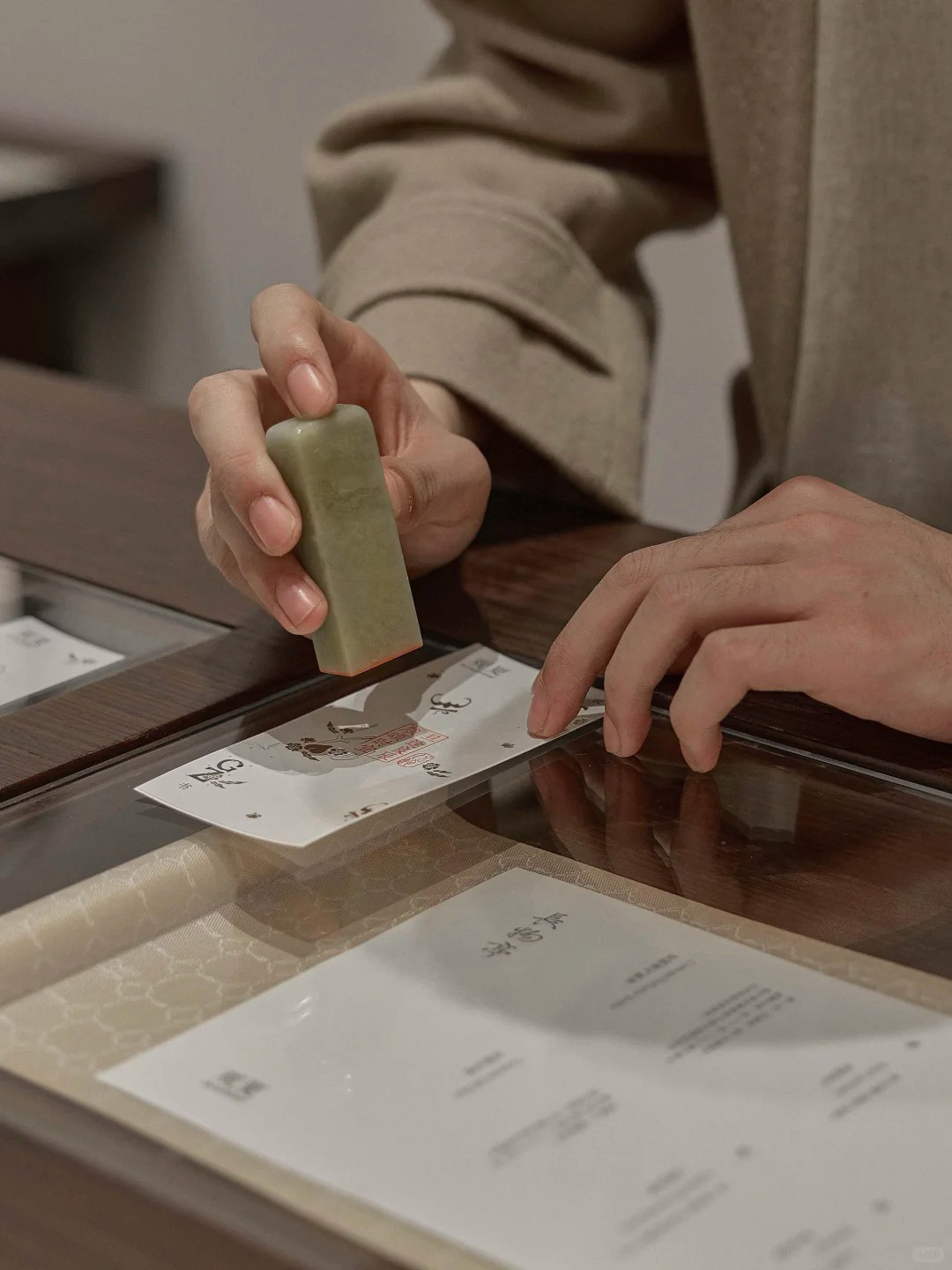
At the Causeway Bay store, for instance, the service is likely to leave a stronger impression than the purchase itself. The gift-wrapping counter in the “Pavilion of Objects” swaps Western bows and postcards for traditional Eastern wrapping cloths, reusable wooden stamps inspired by movable type, and floral stationery. It also incorporates local Hong Kong touchstones such as kapok flowers, puffed-rice bowls, and galvanized metal railings. Together, these details convey an Eastern approach to hospitality.
Alongside the fragrances, visitors encounter the warmth of Eastern hospitality and details rooted in Hong Kong. The experience retains a contemporary aesthetic and turns cultural resonance into value customers can feel.
04. Closing thoughts
In 2025, storytelling rooted in Eastern culture gained unprecedented momentum, giving brands a new starting point for defining their value.
To us, the change goes deeper than new formats or techniques. Eastern storytelling is moving beyond a reliance on visual and cultural symbols. Brands such as To Summer are seeking the foundations of Eastern fragrance and storytelling by rethinking their approach as a whole.
That was the reason for this conversation. Stories rooted in Eastern culture can be traditional, contemporary, or modern. They can reinterpret recognizable symbols or evoke a feeling that travels across cultures. They make room both for people to define their own culture and for others to add to and expand that understanding. Their emotional warmth can sit alongside a foundation in science and industry development.
Together, these elements give us a fuller picture of Eastern storytelling today. It offers Chinese brands a useful starting point for their own explorations and leaves room for other answers.
During our conversation, To Summer borrowed Nietzsche’s phrase “the slow arrow of beauty” to describe its vision of Eastern storytelling. Instead of overwhelming the senses in a single intoxicating rush, it takes effect over time, gathering force beneath conscious awareness until it strikes a deep emotional and spiritual chord.
That may be the path To Summer is taking. From the origins of its fragrance ingredients to the stories it tells and the experiences it creates for each place, the brand is taking its time to reach people and move Eastern storytelling forward. BRANDSTAR
Chinese brands · Brand Reporting · Beauty brand storytelling · To Summer
More stories →