How HEFANG is charting its own course as a Chinese designer brand
Building a lasting capacity for good design and making jewelry part of everyday life.
Over the past decade, the rise of Chinese design has gone hand in hand with a resurgence in Chinese cultural storytelling. Global attention has gradually shifted from China’s manufacturing capabilities and supply chain efficiency to the ways its brands express their culture through original design. A steady stream of standout Chinese designer brands has ushered in a new phase for Chinese design.
That rise has brought a sharper challenge to the fore, one that gets to the heart of the industry. Many brands quickly attract attention with a distinctive design language but lack the business systems to support long-term growth. Designer brands have consequently acquired a reputation for bold creativity and weak commercial skills.
The industry has moved beyond asking how much buzz a brand can generate. What matters is whether a brand can express itself consistently and build a repeatable system for bringing products to market. The former determines how firmly it takes root in consumers’ minds, while the latter determines whether it can sustain growth by refining products and developing its sales channels. When the two fall out of balance, brands can quickly fade from the spotlight or find themselves at the mercy of trends, losing their ability to thrive over time.
Among the many designer brands to emerge, HEFANG is a case worth examining. It has endured since its founding in 2012 and answered early on the question of how to sustain a brand’s story. Founder Sun Hefang has always been the driving force behind both the design and the storytelling. From the outset, she made HEFANG’s purpose clear: to tell the stories of countless girls and young women through jewelry design. That purpose has given customers a reason to keep coming back and allowed HEFANG to build a wider range of collections over time.
HEFANG speaks to moments that recur throughout women’s lives, from the ordinary to the extraordinary, including those when they need to feel seen.

HEFANG’s long-term approach began with two observations: quality affordable-luxury silver jewelry was scarce at the time, and the details of everyday life offered a rich source of inspiration.
The gap in the market told HEFANG from the start whom it wanted to serve and what level of quality and pricing would fit into those customers’ everyday lives. Its curiosity about daily life shaped where the team looked for inspiration and how the designs connected with customers emotionally. Under Sun Hefang’s leadership, the team keeps turning the playful and elegant details of daily life into pieces people can wear to express themselves, capture a feeling, or lift their mood. That emotional connection is where HEFANG’s story begins.
01. Designing from feeling
While studying in the UK, Sun Hefang spotted a set of vintage British cutlery in a souvenir shop. Charmed by the beauty it had acquired with age, she had a sudden urge to wear it. That childlike impulse became central to HEFANG’s design philosophy: design should have a place in customers’ everyday lives. For Sun, a good piece of jewelry tells a story and gives people something to feel and connect with.
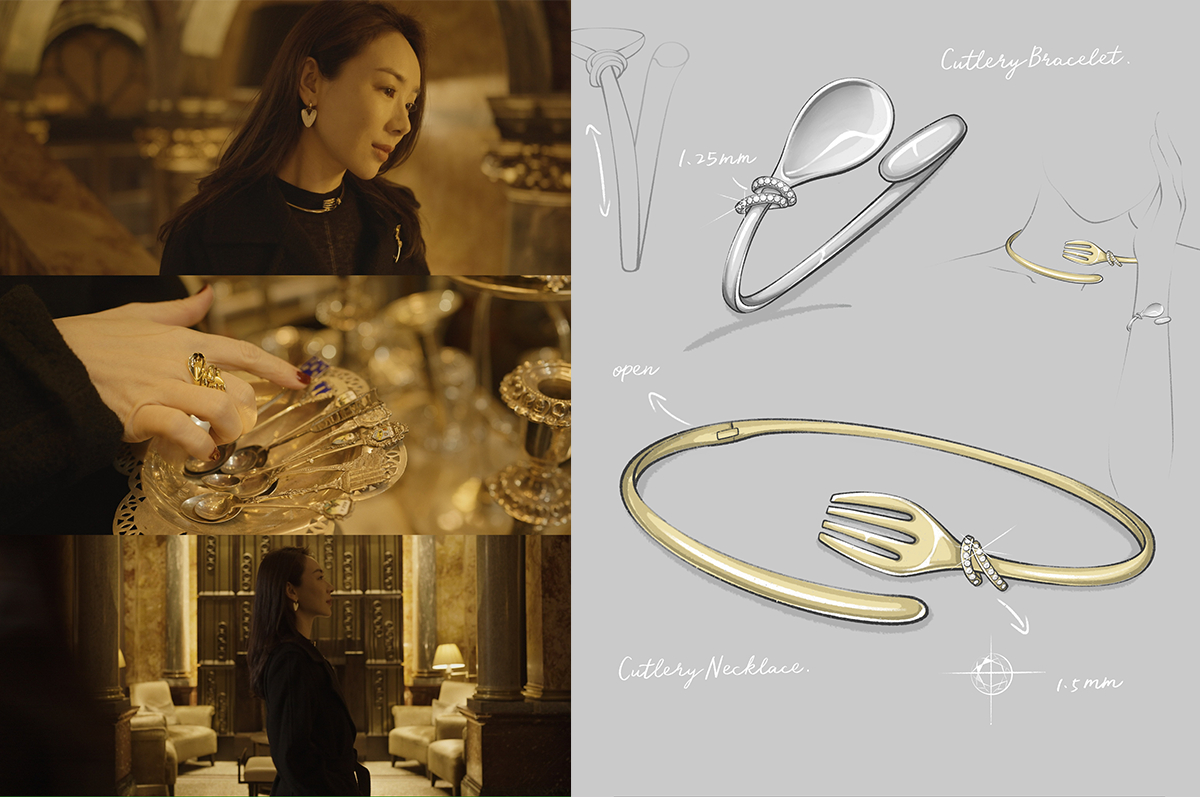
HEFANG’s designs draw on years of observing everyday life and the emotions that go with it.
A sense of play is one of the things Sun Hefang values most in life. It shapes what she notices and how she expresses what she feels. She wants to bring that spirit to jewelry through clever design, creating pieces people can play with and wear every day, each with a story to tell.
Playfulness, style, and elegance together define HEFANG’s aesthetic. Its pieces are designed to fit into the calendar, whether for a commute, a get-together, a trip, or an evening that calls for a little ritual. Wearing them gives everyday emotions somewhere to settle.
HEFANG’s Tableware Collection gives the brand room to run with the idea of turning everyday feelings into jewelry. The tiny forks and spoons served with English afternoon tea become open rings that wrap around the finger. A pearl necklace featuring a cherry topped with cream captures the pleasure of dessert. A “silk scarf necklace” strung with shell pearls adds an elegant, playful twist to an outfit. The tableware motifs give the pieces a touch of wit and understated elegance that works for any occasion. HEFANG uses jewelry to hold on to the feeling of small pleasures, like a cup of coffee or a satisfying bite during a break at work.
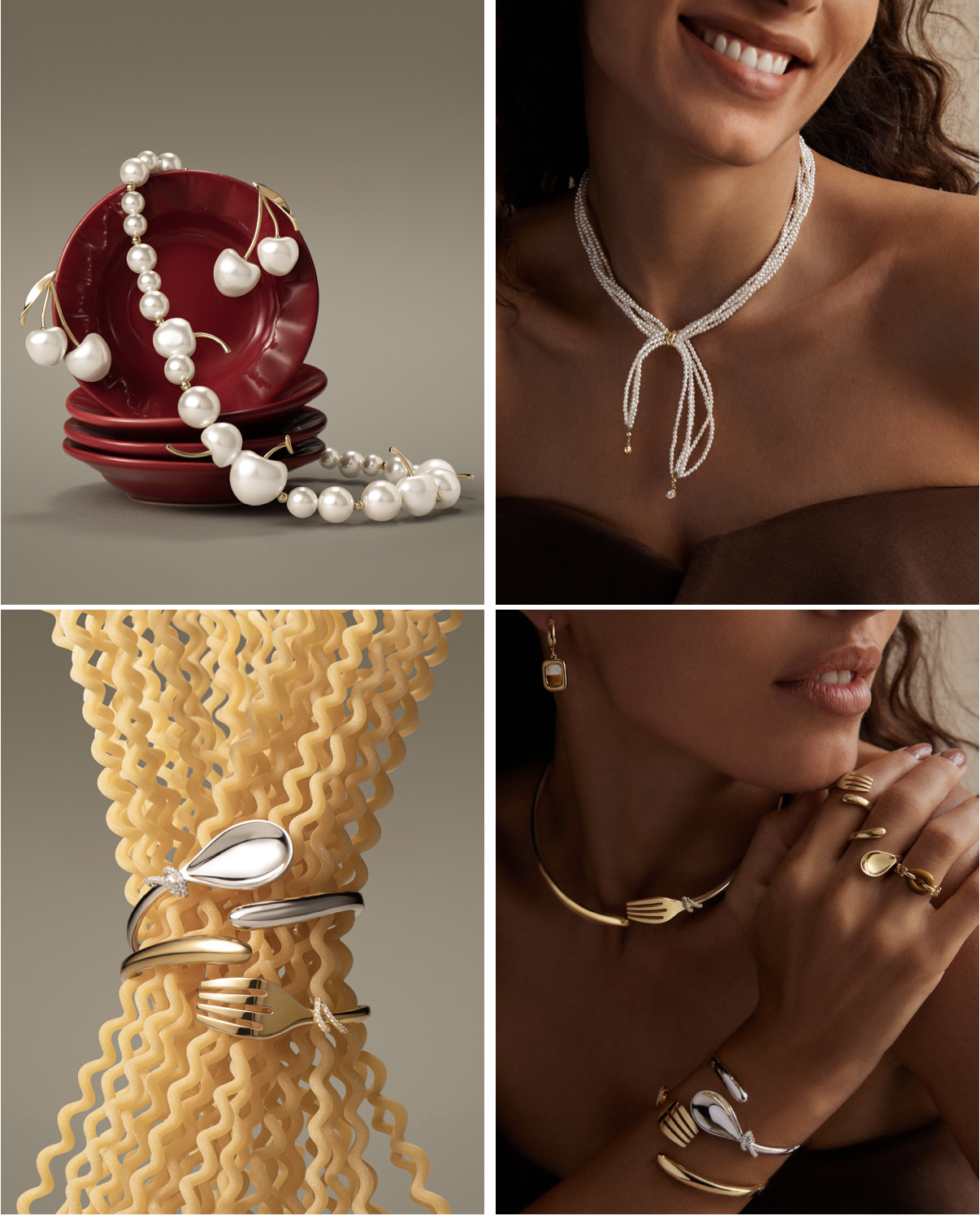 HEFANG’s Tableware Collection
Jewelry has a place in daily life, and HEFANG also makes room for life’s standout moments. Its Wedding Collection, now in its 10th year, was created for those occasions and grew out of a problem Sun Hefang encountered while planning her own wedding.
Sun wanted a tiara for the ceremony and found only two options: high jewelry that could cost millions or tens of millions, and decorative pieces that looked cheap. She realized how hard it was for brides to find wedding jewelry that combined quality, thoughtful design, and good value. That realization shaped the lasting purpose of the Wedding Collection: to celebrate the romance of a wedding and bring some sparkle to every precious moment in life.
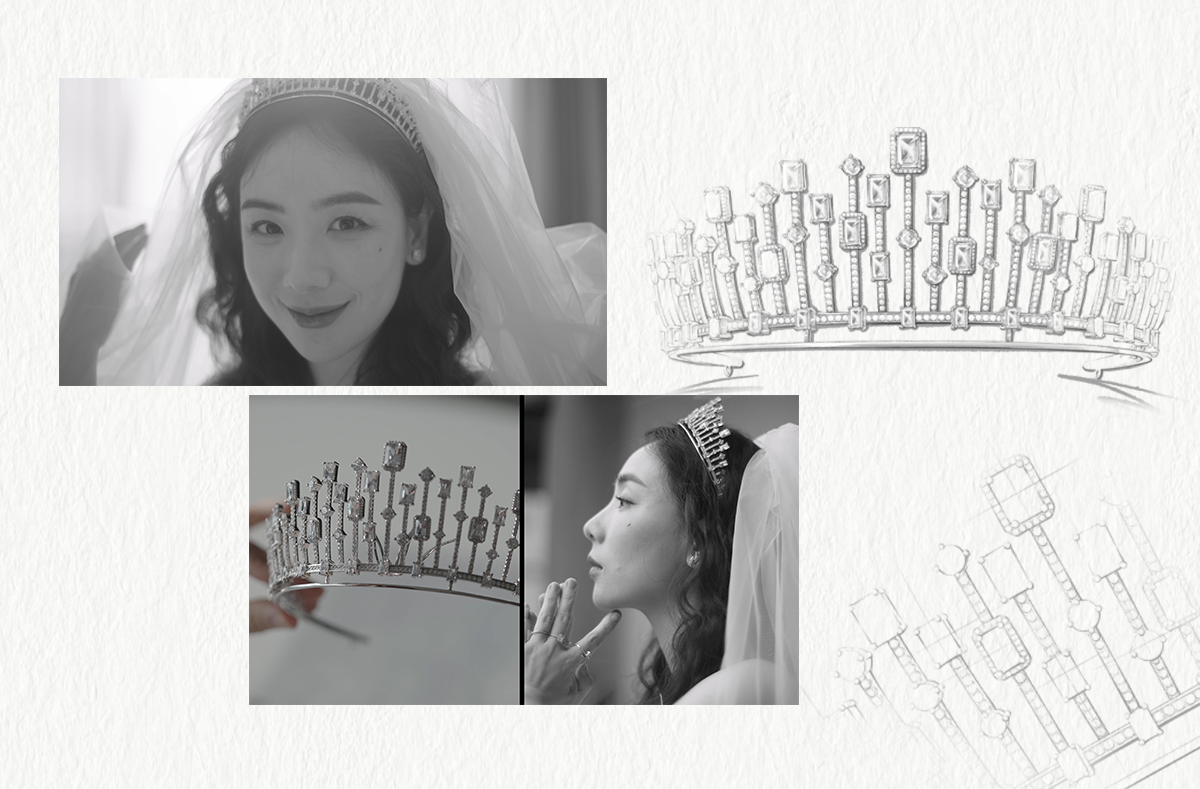
Sun Hefang designed a tiara for her own wedding, setting the Wedding Collection in motion. HEFANG has added new designs over the past decade. The latest season takes a lighter approach to ceremony. Drawing on Wagner’s opera Lohengrin, the jewelry uses airy feathers, swallows in free flight, odes to laurel, and handwritten love letters to express the theme of “Freedom and Protection.”
The intricately crafted Sparkling Feather Tiara uses symmetrical wings to evoke balance and romance, giving the wedding a sense of occasion. The same motifs return in pieces that can be worn more often. The White Moonlight Feather Necklace and Bracelet combine clear quartz beads, shell pearls, and mother-of-pearl beads. Layered styling and a full setting of zircon stones give the pieces a vintage elegance that carries the sparkle of the wedding into everyday life.
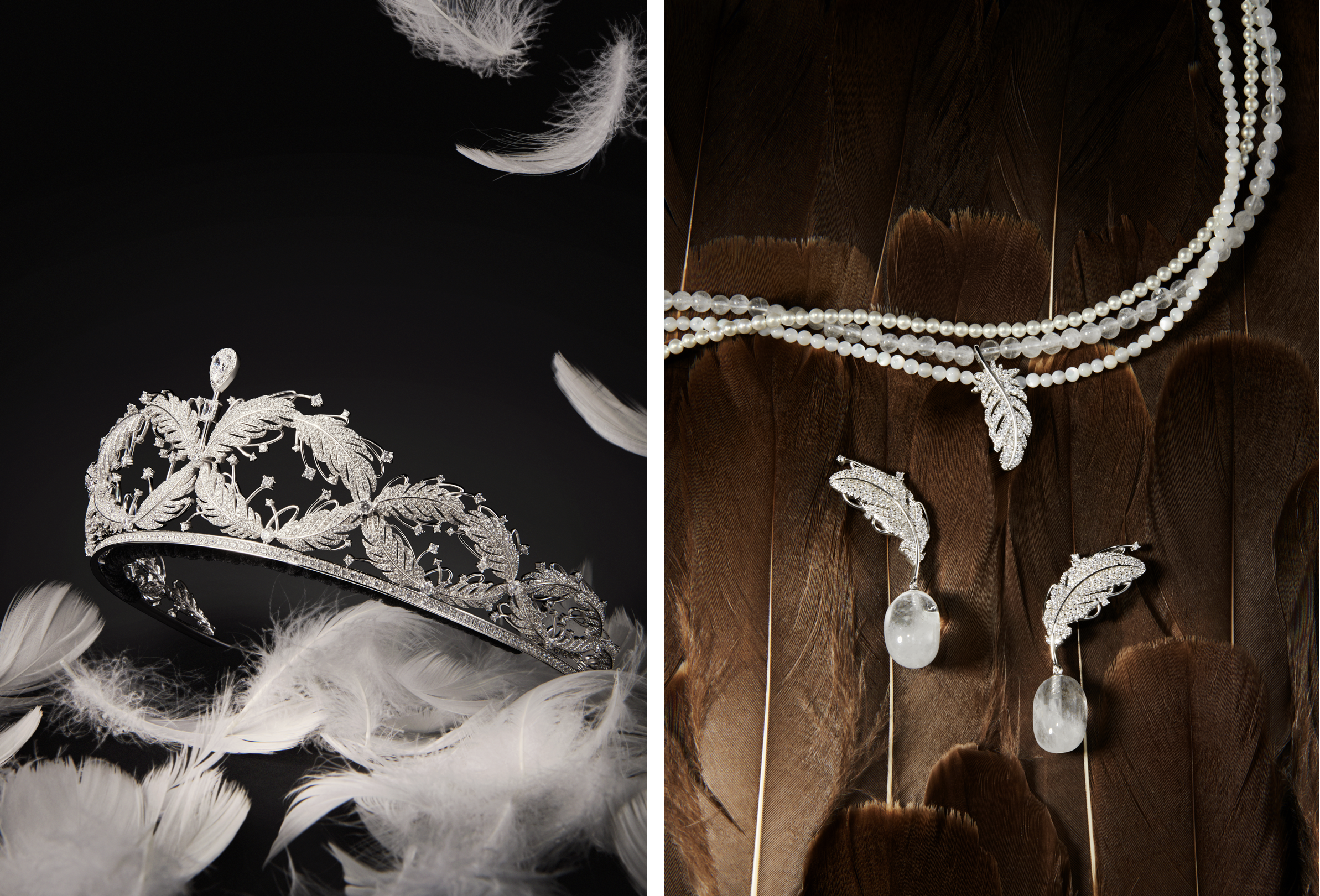
The Wedding Collection has become HEFANG’s signature expression of what jewelry can mean to people. The collection has earned the brand a place at major milestones, and HEFANG has always seen the greater challenge in making jewelry part of everyday life.
Sun Hefang takes a practical approach to making every piece fit into everyday life. She points to designs that grew out of specific customer needs.
People without pierced ears need clip-on options.
For commuting and the workday, easy-to-wear, understated pieces are essential.
Social occasions and evenings after work call for bolder pieces.
HEFANG introduced clip-on earrings and pieces with detachable elements to help customers move between work and after-hours plans, or between everyday wear and social occasions. Giving a single piece several uses is one way the brand designs around the pace of its customers’ lives.
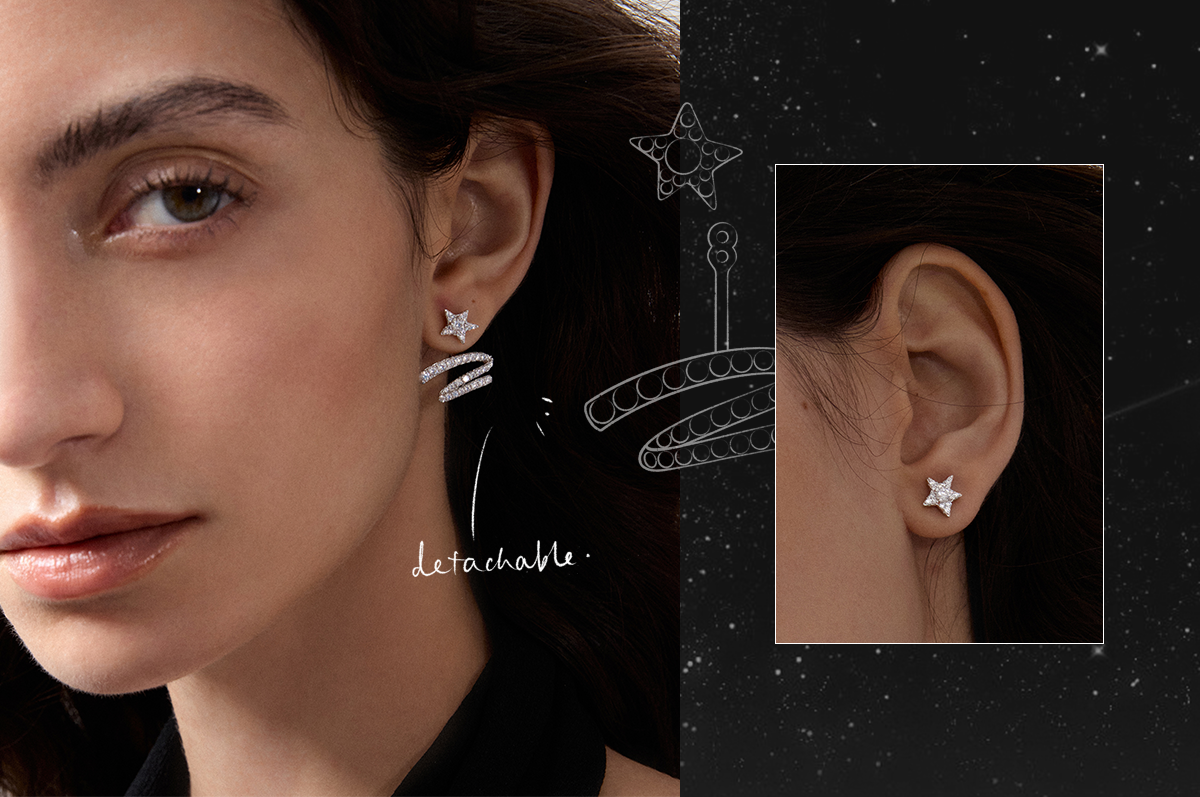
Sun Hefang also expects designers to picture where a piece will be worn. How women feel, physically and emotionally, changes with the occasion, whether they’re commuting, on vacation, at a wedding, or observing a small daily ritual. HEFANG’s designers need to know when a piece will be worn and why someone would want it. Sun sees genuine emotional investment as the starting point for a lasting connection with customers. As she puts it, if designers wouldn’t wear a piece themselves, it’s unlikely to move anyone else.
HEFANG’s sensitivity to emotion is a skill it has honed over time. Its jewelry gives customers a way to capture details of their lives and carry those memories with them. Once that emotional connection becomes part of the brand’s identity, the next challenge is preserving it over time as the business grows and speeds up.
02. Making good design last
A keen eye for emotion can bring a brand to life. Keeping it going takes a repeatable system for bringing products to market that holds up through growth and change. HEFANG has used a well-developed process for customer research, design, assortment planning, marketing, and channel development to preserve its emotional sensibility and turn its distinctive aesthetic and the connection it creates into lasting strengths.
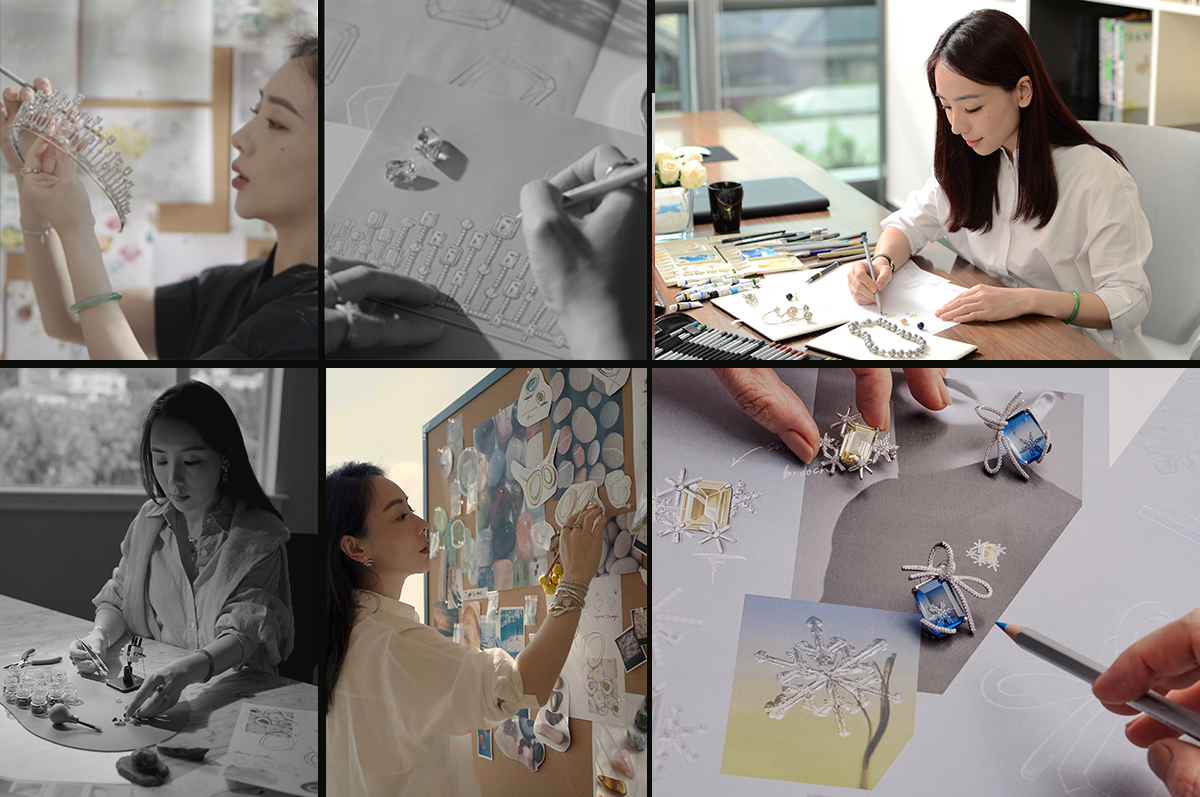
Keeping a brand’s aesthetic consistent over time often starts with deciding which products make the cut. HEFANG uses a two-group voting system to balance design instinct with commercial considerations. At internal assortment reviews, one group assesses whether each design fits HEFANG’s aesthetic of style, elegance, and playfulness. The other assesses how likely it is to sell.
For routine business decisions, Sun Hefang gives considerable weight to the collective vote of 100 people. When the two groups disagree on a consequential decision, the founder comes back to two questions. Does the design truly serve the customers HEFANG wants to attract, and does it fit the brand’s personality? The process is demanding for any brand. Giving its identity a formal role in decision-making helps the team resist the temptation of short-lived hits and keep commercial judgment and creative intuition in balance.
HEFANG also keeps its designs grounded in daily life. The team listens to customers through its online and physical stores, Xiaohongshu, and feedback from members. Their stories and accounts of how they wear the jewelry point to specific ways to improve the designs.
The Sports Collection felt a little ahead of its time when it launched in 2016, so HEFANG took it off the market. As outdoor lifestyles gained popularity, the brand polled customers and found that demand for the collection remained strong. It decided to reissue the collection at a later date. The design team also works closely with marketing, sales, and other departments, meeting regularly to share inspiration and discuss trends.

HEFANG uses standardized wear tests to assess comfort and reliability in real-life settings. Employees test every new product for one to two weeks, checking how secure and comfortable each piece is and whether it snags fabric or scratches skin. These small details often determine whether jewelry gets worn regularly. They never make it onto a poster, but they help determine whether customers will keep choosing a designer brand for more than its looks.
To standardize product testing, HEFANG made wear tests a required step in production, giving the wearer’s experience a formal role in how it makes jewelry. At HEFANG, elegance has to hold up in the hand, and finely crafted pieces have to fit into real life.
Building a team and developing sales channels have tested HEFANG’s staying power. As it grew from a studio into a brand and decided to expand beyond multibrand boutiques into e-commerce and physical retail, Sun Hefang realized she needed to put formal systems in place.
After joining Tmall in 2016, Sun Hefang began building an e-commerce team. She had no e-commerce experience, and as one of the first affordable-luxury designer brands on Tmall, HEFANG had few precedents to draw on. Recruiting e-commerce talent in Zhuhai was also especially difficult. Online retail touched everything from how HEFANG presented its content and timed its operations to customer service, supply chain responsiveness, and marketing. The brand built its commercial systems piece by piece as it learned each unfamiliar part of the business.
Ten years on, HEFANG has built in-house teams across all functions and puts greater emphasis on hands-on training. Building its own capabilities gives the brand more control over uncertainty. As the teams learn to work together, they also keep the brand’s tone and aesthetic consistent across channels.
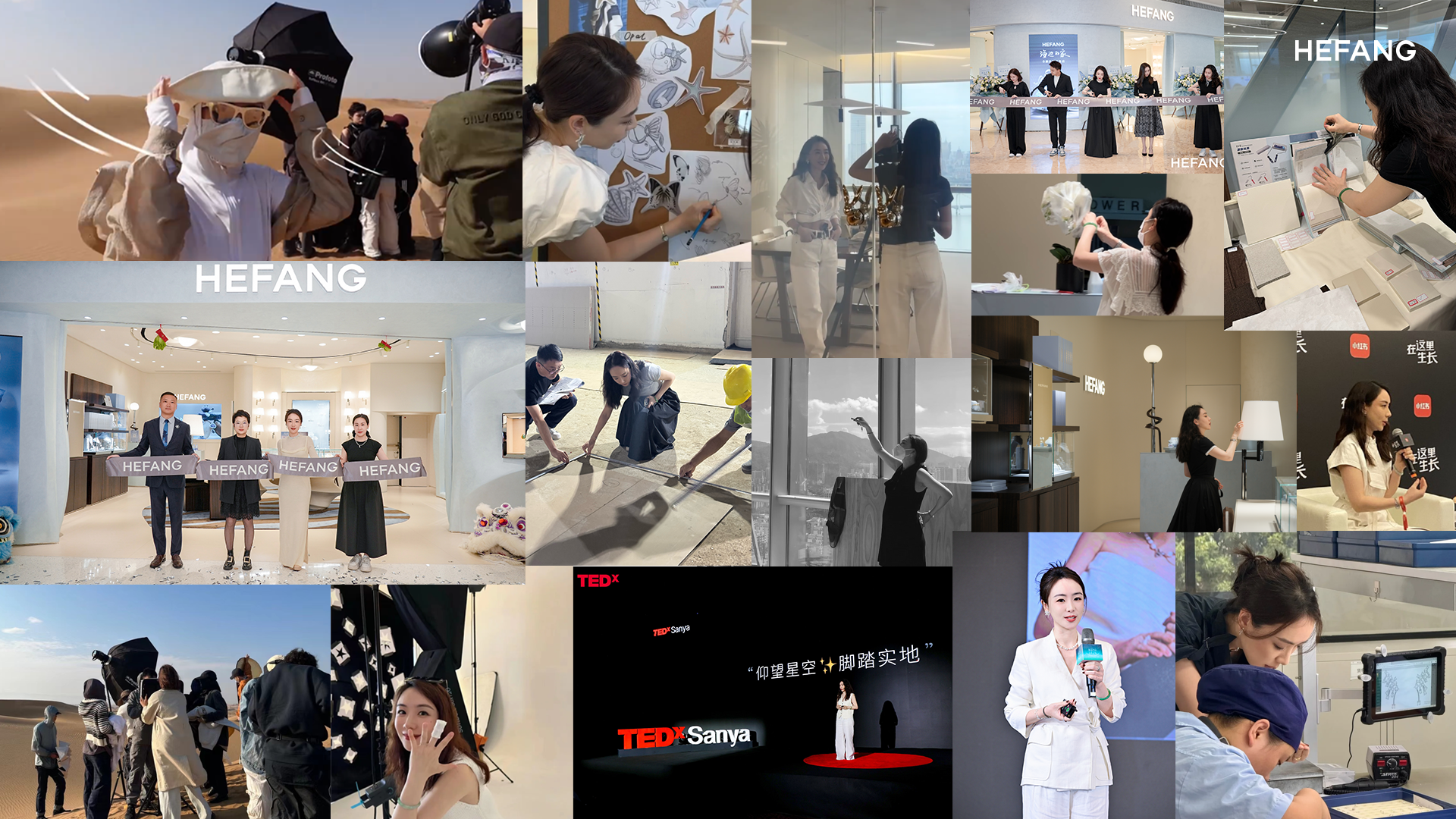
How the team works underpins the brand’s long-term growth. Practicality, transparency, collaboration, and in-house training. Those workaday principles help the brand navigate critical decisions.
Being practical means designing for what customers actually need and weighing short-lived trends before acting on them.
Transparency and collaboration mean that teams across departments share an understanding of why decisions are made.
Developing talent in-house gives HEFANG more control over the work it depends on. New designers take part in the entire process, from research and design through prototyping and launch. They work closely with sales and marketing so they can quickly get up to speed on customer feedback and market data. Sun Hefang also mentors them directly, explaining the reasoning behind decisions during photo shoots, assortment reviews, and other stages of the process.
By this point, the system continues to evolve through day-to-day operations, protecting the brand’s creative sensibility and giving its aesthetic appeal staying power. HEFANG’s long-term approach shows that a brand can scale while retaining its identity, evolve while staying true to itself, and capitalize on trends while upholding its standards. Beyond its operating practices, HEFANG has established standards it can consistently deliver on. They keep its aesthetic, customer experience, and brand expression aligned across channels and business cycles, where they are tested by the market and by time.
03. A model for bringing Chinese design to the world
As Chinese design enters a more mature phase, piling on visual symbols may generate short-term buzz. Brands that endure across cycles build their design capabilities and operating systems over time. HEFANG illustrates what that looks like. It uses a contemporary design language to speak to real emotions and ways of living, backs that expression with a system that sustains it over time, and connects with audiences around the world through shared feelings.
For Sun Hefang, bringing design or culture to a global audience calls for more than declaring where you come from with ever more conspicuous cultural cues. It takes the ability to express emotions, a sense of ritual, and everyday self-expression in a lighter, more contemporary design language, so the stories captured in the jewelry can still be understood and appreciated across cultures.
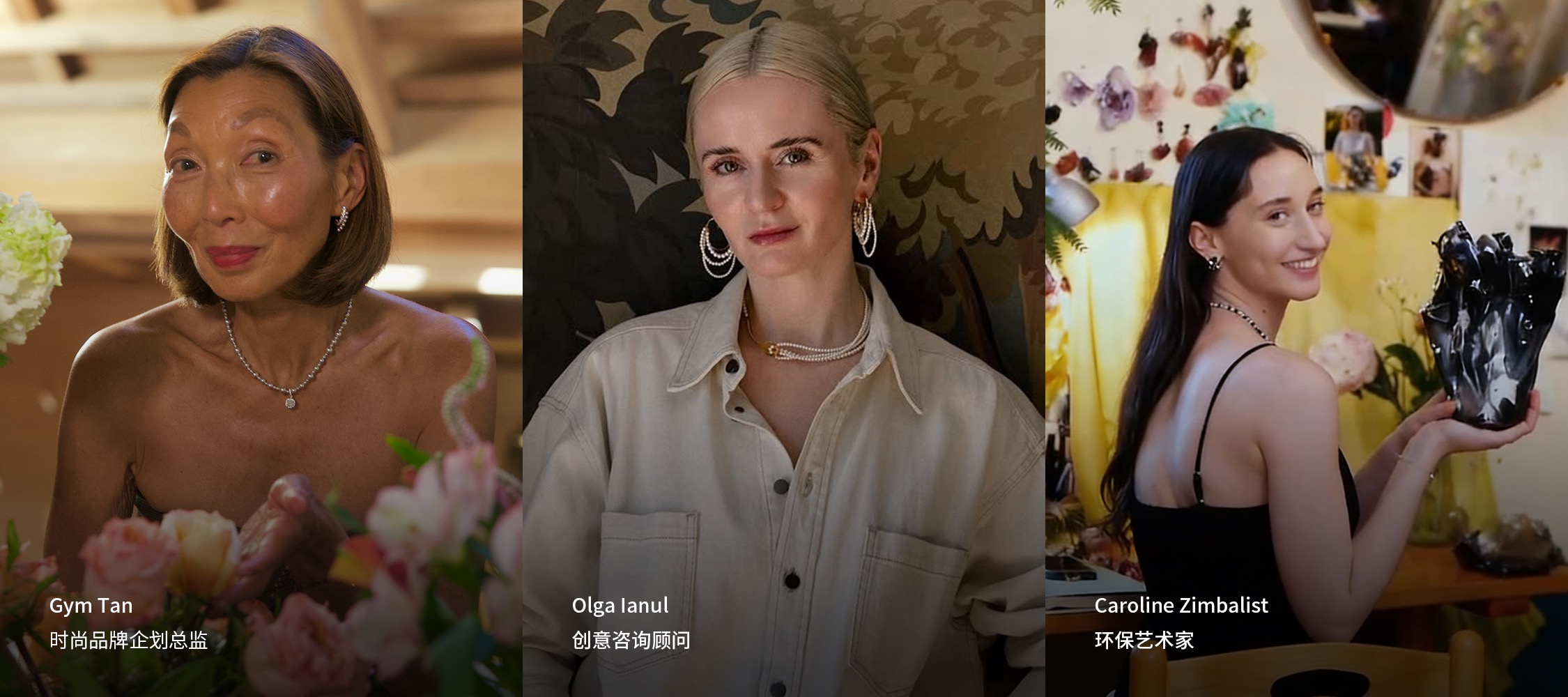 International creators from a range of backgrounds wear HEFANG.
How the world responds to Chinese design can sometimes be seen in very concrete ways. When HEFANG posted about its collaboration with Barbie on Instagram, direct messages came in from the United States, Spain, France, and elsewhere asking how to buy the collection. That interest from afar showed the founder that design that feels intuitive and distinctive can cross language and cultural barriers. It also strengthened the brand’s resolve to expand overseas faster. People already understood the designs before local sales channels were in place, and their interest reached the brand across geographic distances.
Another concrete example is HEFANG’s signature Tableware collection. The Central Saint Martins Museum in London acquired it for its permanent collection, giving the brand’s idea of making everyday objects wearable recognition from an international design institution.
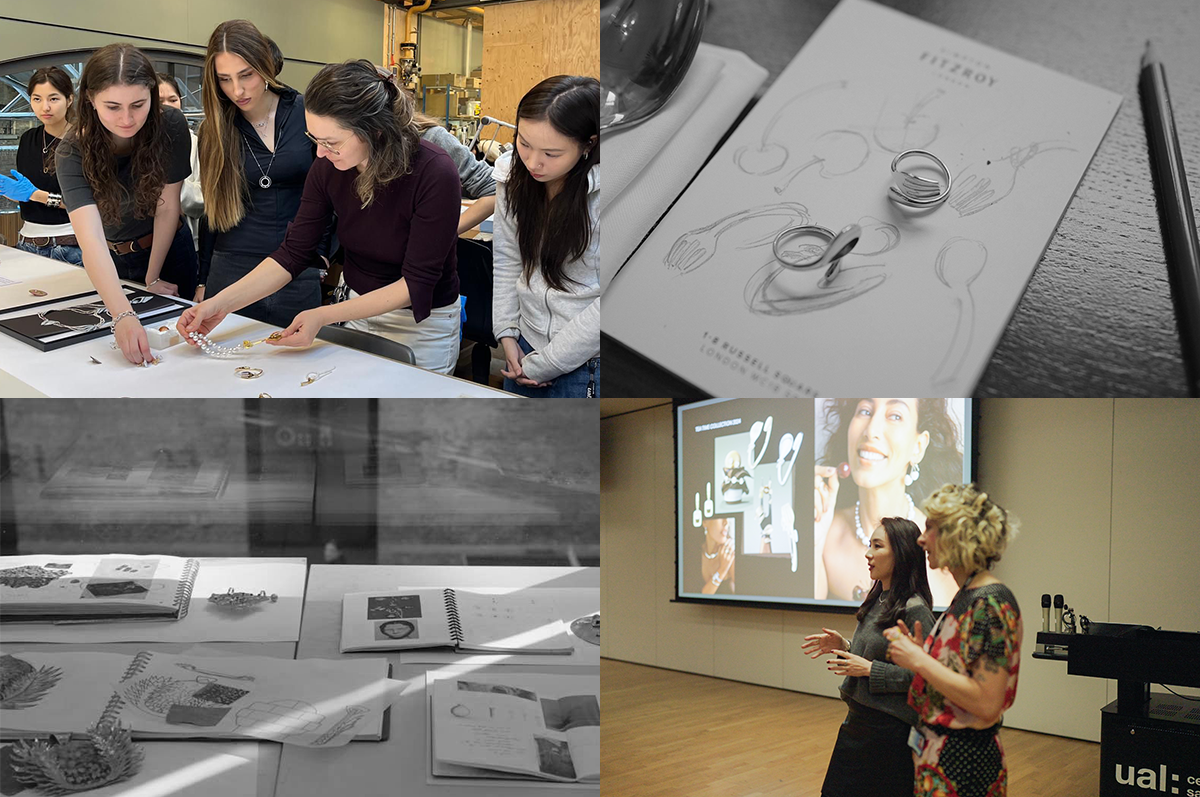
Together, these moments suggest that global audiences understand Chinese design through the work itself. The first things they notice are how a brand handles proportion, detail, and character, how it designs jewelry to be worn in everyday life and on ceremonial occasions, and how it balances playfulness with restraint.
04. Closing thoughts
Looking back on HEFANG’s 13 years, three lessons stand out for the industry.
First, keep focusing on emotional resonance and develop a design language that speaks to it. Sensibility is a way of working here. Observing everyday life and continually refining the brand’s aesthetic give the work a recognizable character.
Second, build commercial processes that protect the brand’s core identity. Consumer insights, design, assortment planning, marketing, and sales channels work together to keep short-lived trends from steering the design off course and growth from diluting it.
Third, take a long-term view to resist the pull of short-term buzz. A brand can seize a moment while staying within the boundaries of its identity. The question is whether customers genuinely need the product and will still love it over time. A bestseller can emerge when decisions are guided by customers and the brand’s core identity. Simply following others’ lead gives customers little reason to choose it.
Creative sensibility can be an asset, and a strong operating system gives a brand the confidence to act on it. HEFANG shows how a brand can consistently deliver on its aesthetic and give customers reasons to connect with it in everyday life. For 13 years, HEFANG has taken inspiration from daily life and turned it into jewelry that finds its way back into daily life. A rushed commute, vows exchanged at a wedding, a compliment on a street abroad: these small moments add up over time, building the relationship between customers and HEFANG. Customers feel understood, and in time they come to feel they need the brand.
The value of Chinese design endures beyond the moment it catches someone’s eye. It continues to show up in everyday life as people around the world choose it for themselves. BRANDSTAR