lululemon’s Lunar New Year trilogy
lululemon returns with another story about spring.
As the 2026 Year of the Horse approaches, lululemon has released a new Lunar New Year campaign film, Spring, Renewed Through Repetition, returning to spring as the starting point for a fresh story.
The opening draws viewers into a spring day brimming with life. Willow branches bud along the riverbank, warm sunlight falls on the water’s edge, and the trees are a vivid green. Amid this scene, world-renowned cellist Yo-Yo Ma sits quietly by the river and plays the prelude to the Cello Suite No. 1 in G Major.
The piece holds deep meaning for Ma and has been with him since he began playing the cello at age four. A staple for students learning solo cello, it has a bright, brisk melody that takes countless rounds of practice and refinement to master. That daily discipline of improving through repetition is at the heart of the film.
The film shows the power of repetition in different aspects of daily life. Ice dancers Ren Junfei and Xing Jianing glide and spin across the ice day after day, while brand ambassador Zhu Yilong uses activities such as rowing and boxing to reset.
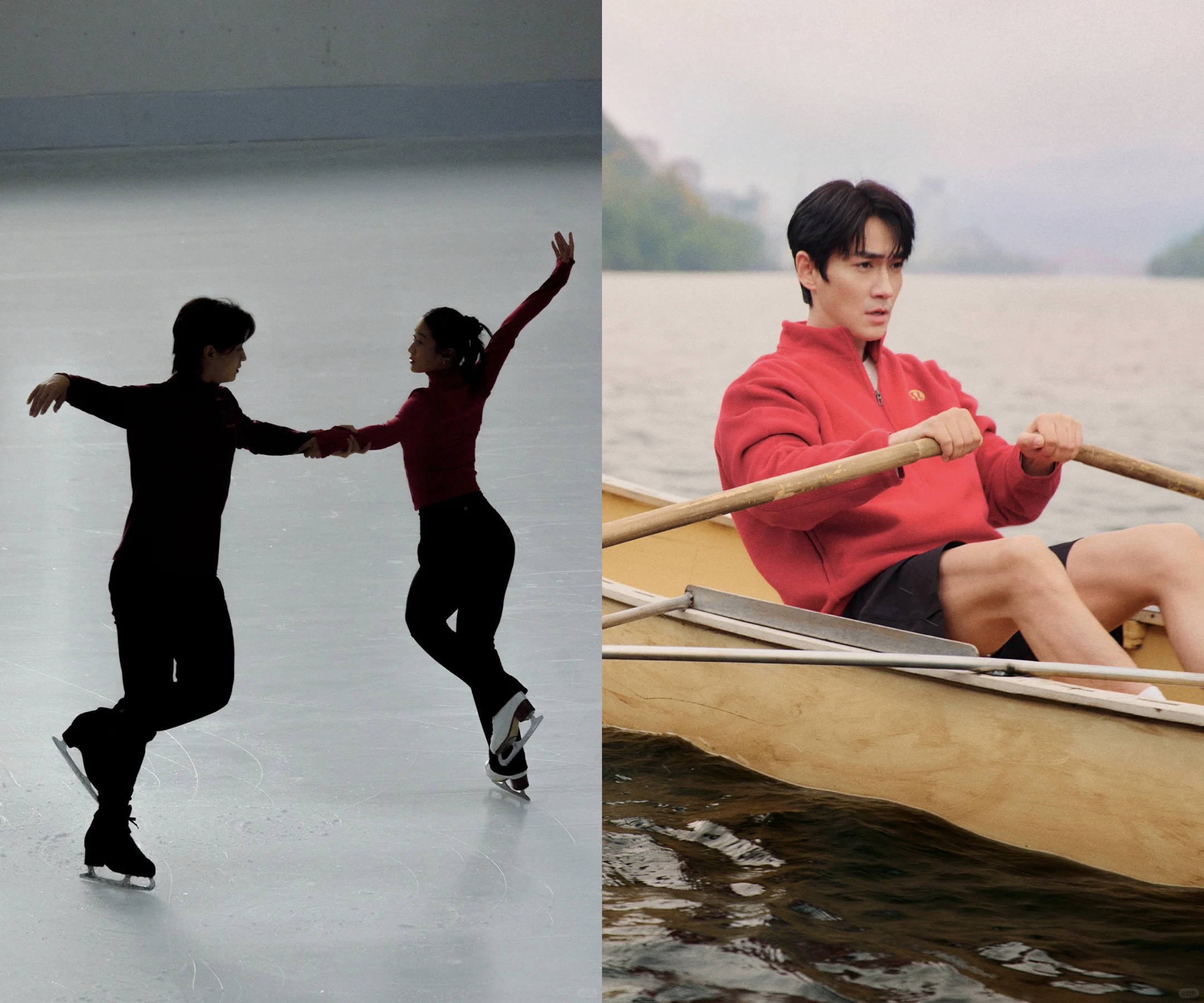
As the melody unfolds, subtle variations emerge. The same changes brought about by repetition play out in each person’s life. A stronger pull-up, a fresh ripple on the lake, a spontaneous smile. Ma’s closing voiceover captures the film’s theme: “Repeat, and notice what’s different.”
This is the third consecutive year that lululemon has built its storytelling around spring. As brands grapple at year-end with how to celebrate Chinese New Year (CNY), lululemon sidesteps familiar riffs on zodiac imagery and explores what spring itself means in the holiday. Each retelling draws fresh narrative tension from a recurring theme.
01. The return of spring, from localization to a philosophy for daily life
lululemon began exploring spring as a storytelling theme in 2024. Looking back at its Lunar New Year shorts from 2024 to 2026 reveals a clear shift in the brand’s perspective.
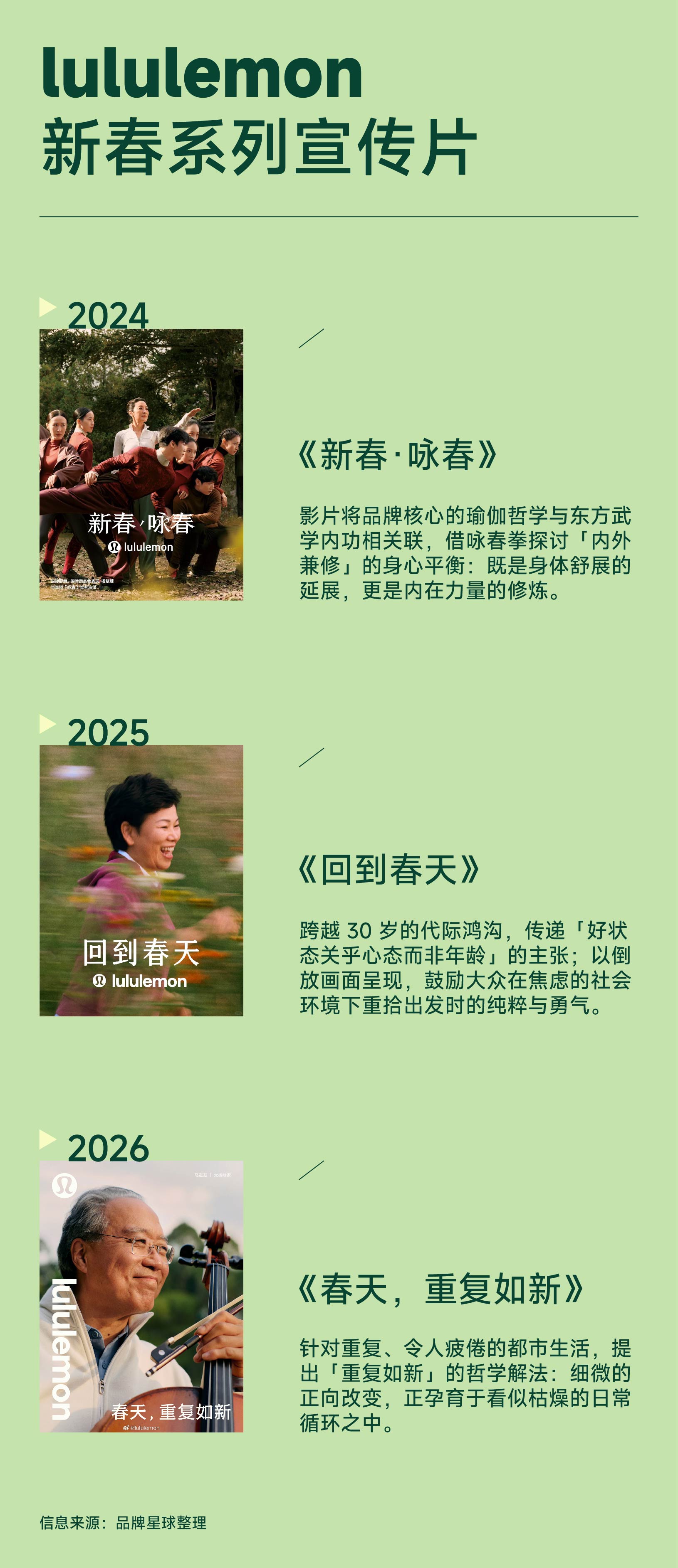
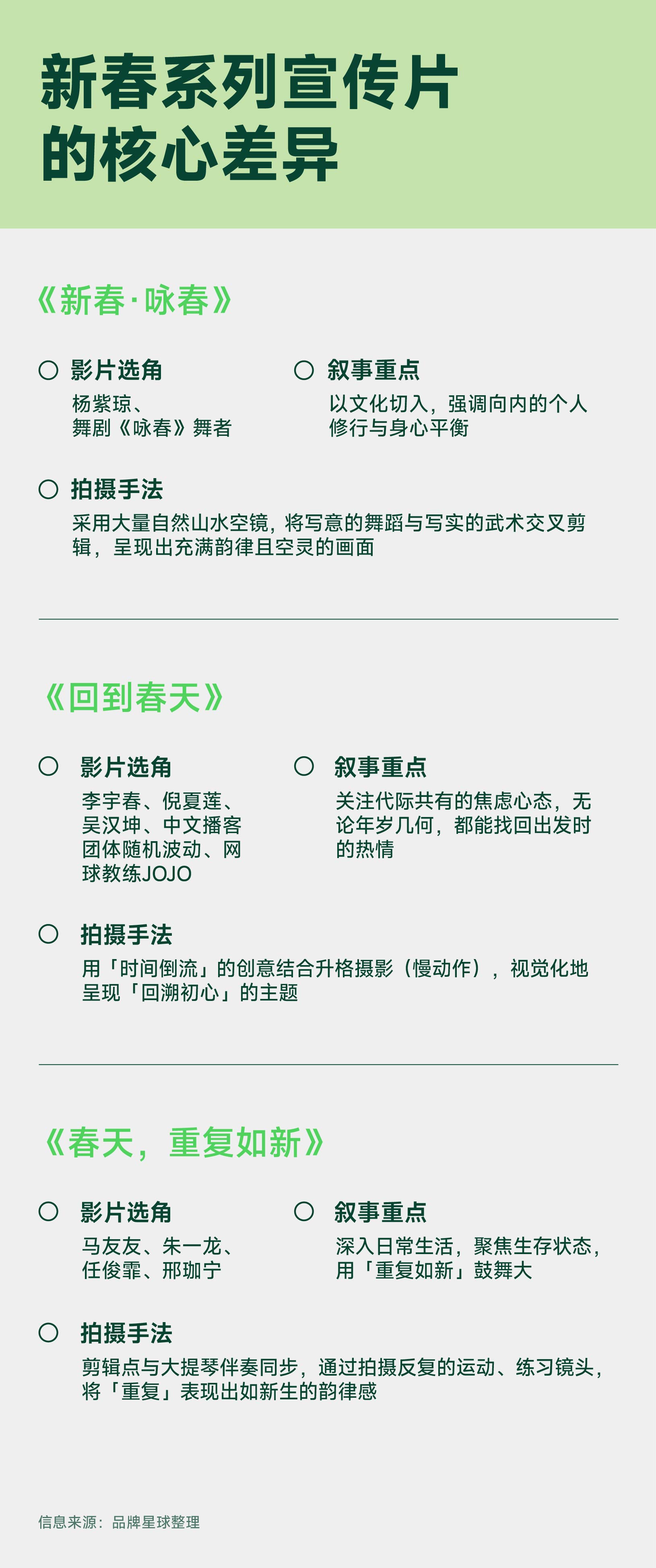
In 2024, lululemon set out to make its core idea of well-being more tangible for Chinese consumers. It brought together Michelle Yeoh, the first Asian actress to win the Oscar for Best Actress, and eight dancers from Wing Chun, one of the year’s hit dance dramas. Their public profiles and sensibilities aligned closely with the brand’s ethos.
Yeoh trained in ballet before rising to fame in martial arts films. She brings the grace and suppleness of dance to the precision and power of martial arts, capturing the spirit that animates both. The inner composure cultivated through Wing Chun echoes the perseverance behind dance. Both reflect the yoga philosophy lululemon champions, in which extending the body helps restore inner balance and change how we feel from the inside out.
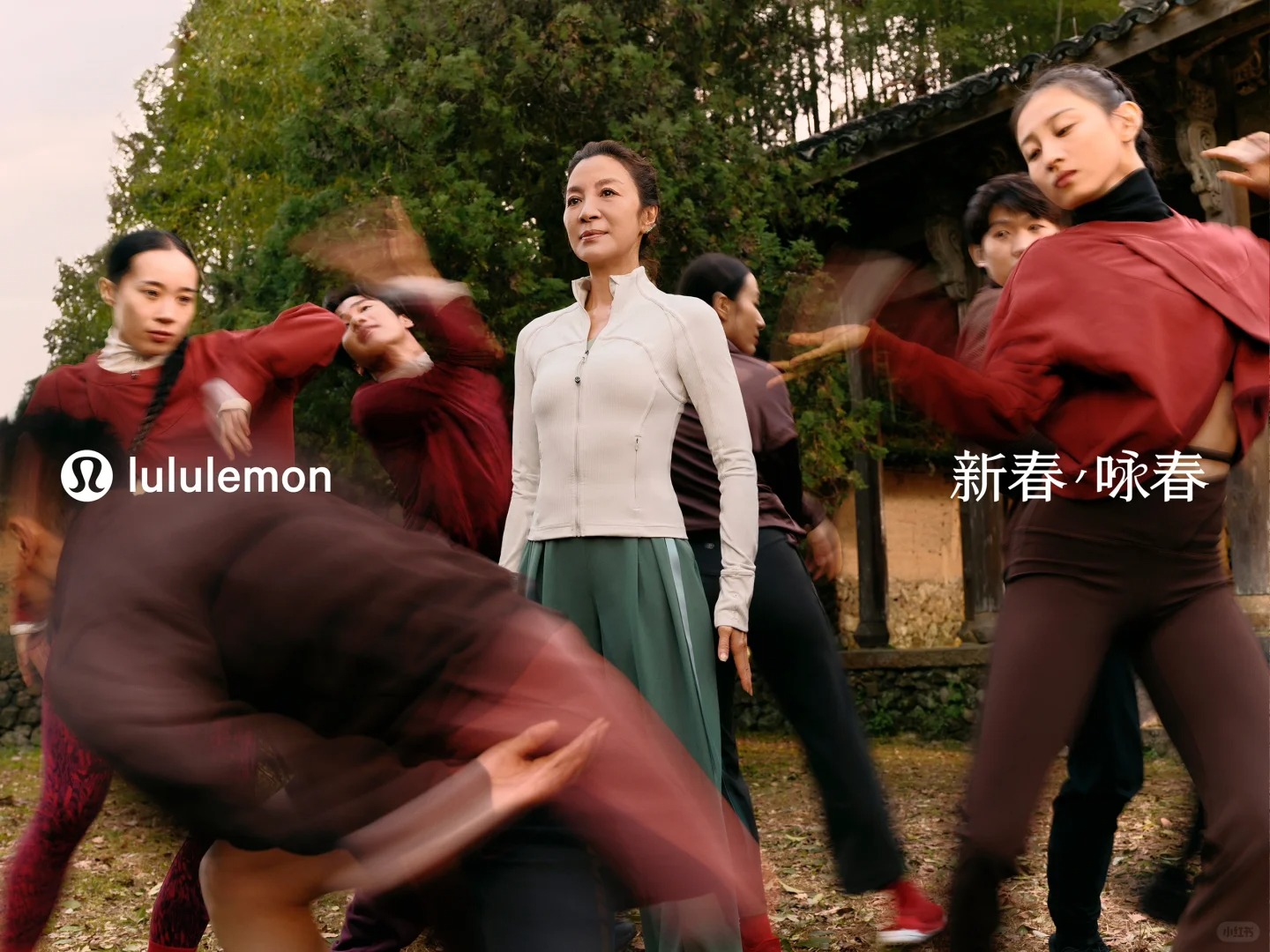 Campaign poster for Lunar New Year: Wing Chun
After Wing Chun, the brand widened its lens from inner balance to a message that could resonate across generations. Well-being is a mindset that can be cultivated at any age.
In 2025, enthusiasm from the Paris Olympics was still running high, and sports were having a moment. lululemon enlisted Li Yuchun, up-and-coming actor Wu Hankun, and table tennis veteran Ni Xia Lian, among others. The film uses reverse playback and slow motion to retrace their first steps. In keeping with its theme, Back to Spring, the technique evokes a return to the sense of purpose and enthusiasm they felt at the outset.
In 2026, the storytelling zooms in from the major stages of life to specific moments in everyday routines. The film focuses on Yo-Yo Ma’s cello strings, Zhu Yilong’s boxing, and the athletes’ training on the ice. A brisk soundtrack and dynamic visuals bring the power of renewal through repetition to life.
This year, the brand turns its attention to life in the present. Repetition helps us notice changes in everyday life that are small yet meaningful.
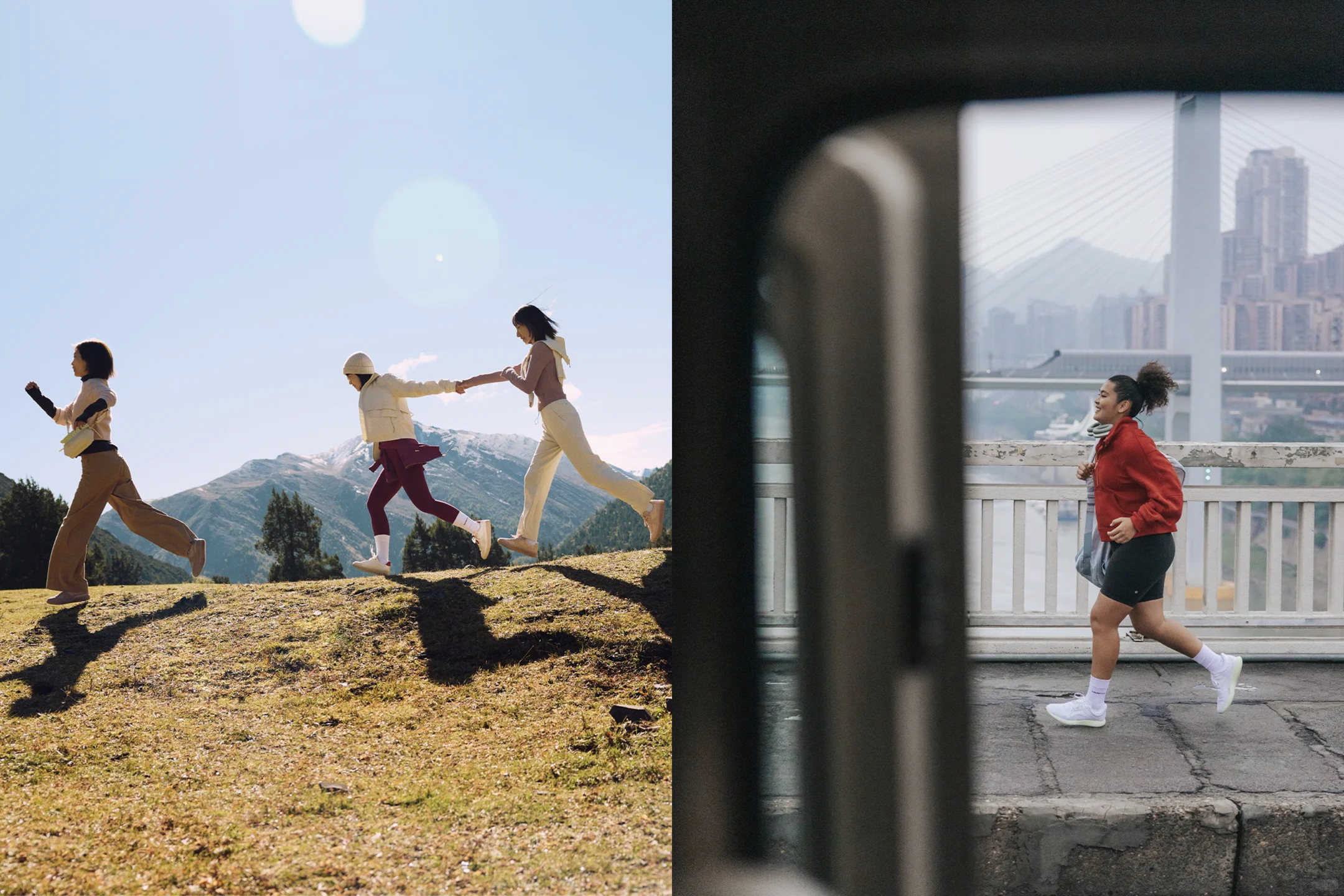 Behind the scenes of Back to Spring
How the thinking behind the theme evolved
➊ From cultural connection to shared human experience
From 2024 to 2026, lululemon’s spring storytelling gradually moved toward more abstract questions about the human spirit.
Whether the films explore regaining a sense of well-being or finding something fresh in familiar routines, the brand builds on its tributes to traditional culture by bringing art and sport together in ways that resonate across cultures.
With Lunar New Year: Wing Chun, lululemon recognized that entering the Chinese market called for a deeper connection. Wing Chun gave the brand a way to pay tribute to local culture and find a point of connection with its own ethos. Its aim was to show that the balance of body and mind it advocates is already rooted in local culture and reflects a vitality anyone can recognize.
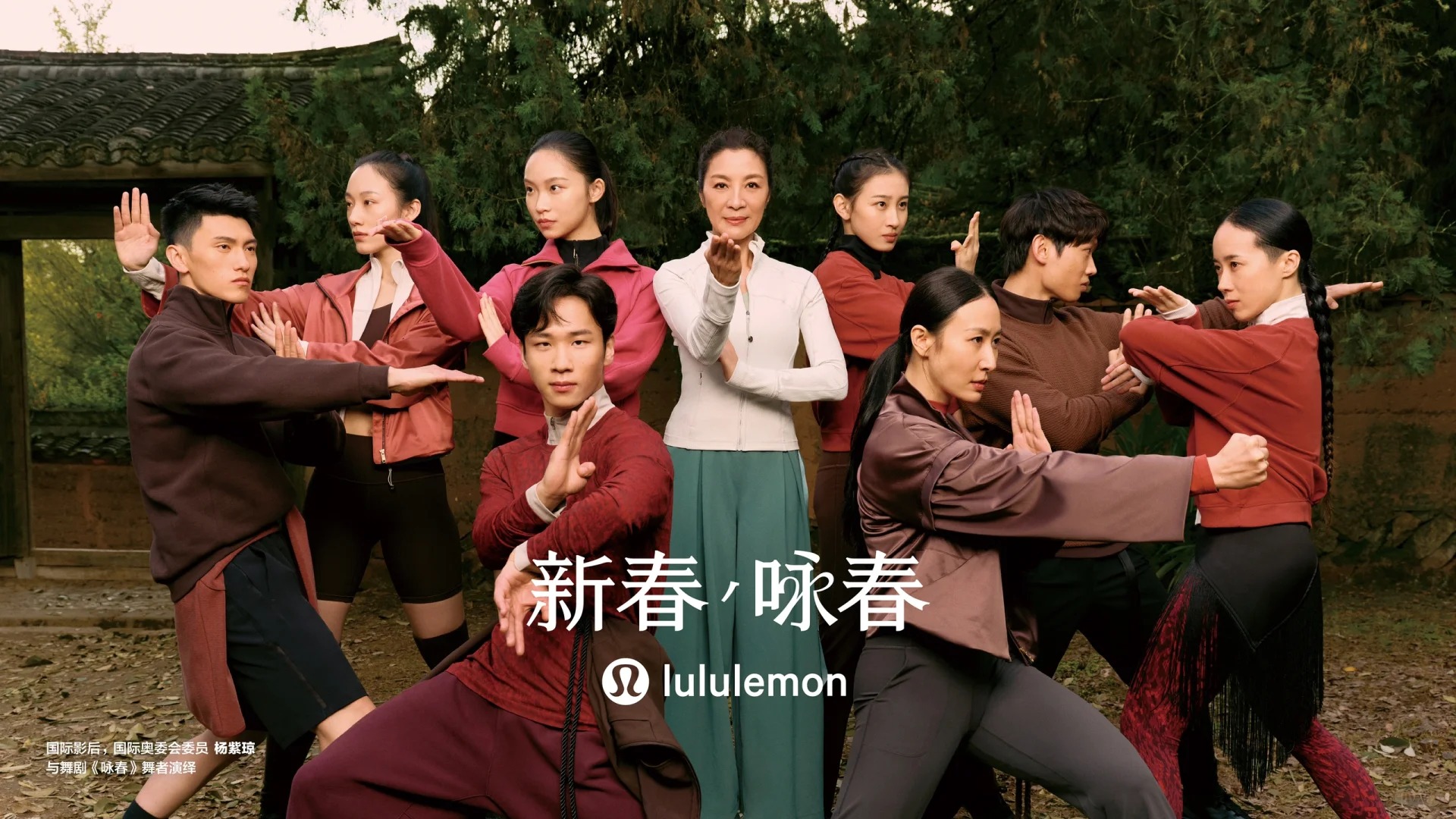
 Campaign poster series for Lunar New Year: Wing Chun
So many brands now borrow cultural symbols by rote that consumers have long since grown tired of seeing them. Consumers today are more inclined to spend on brands that engage with culture in greater depth than on those that use its symbols superficially.
lululemon uses culture as a way to connect. From Wing Chun to Spring, Renewed Through Repetition, the brand has woven the distinctly Chinese traditions of the Spring Festival into its storytelling with a lighter touch, moving from drawing on local culture to exploring ideas that resonate more broadly. The holiday serves as an occasion to explore what well-being means to each person.
➋ Using individual stories to connect through shared experiences
In 2024, Michelle Yeoh embodied personal discipline as a role model in film. In 2025 and 2026, lululemon cast ensembles of public figures from different fields and generations, broadening the range of professional and social roles, ages, and life experiences on screen.
By weaving together several perspectives, the films capture a wider range of human experience. The interplay among the protagonists adds depth and visual variety.
The brand casts people deeply engaged in their fields and shows them at work. From the athletes spinning on the ice to the musician playing on the riverbank, their unvarnished vitality makes well-being feel within reach.
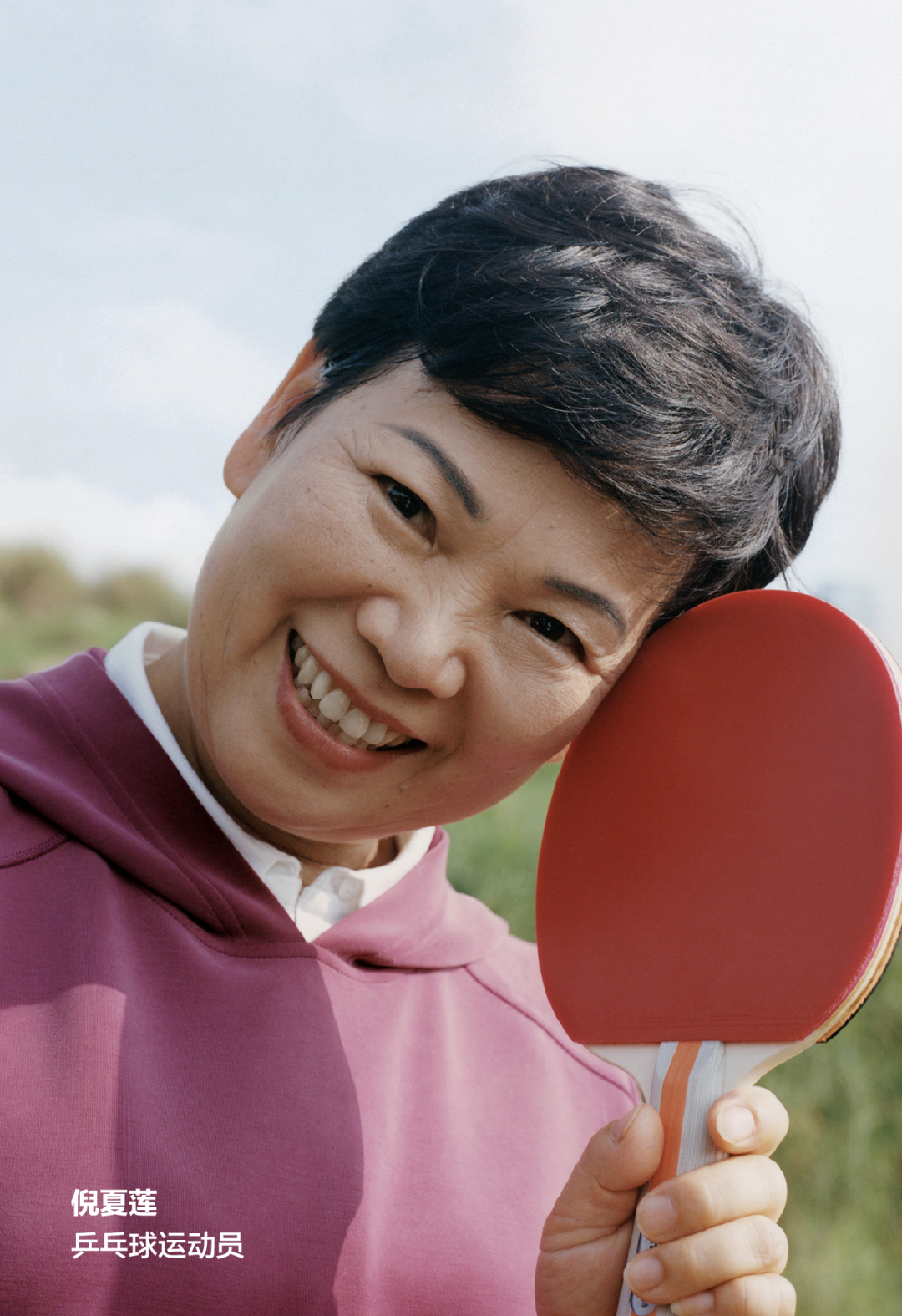
Through this range of people, the brand conveys that movement and well-being are within everyone’s reach, regardless of occupation or background.
The shift from individual to shared experience also extends to the films’ themes. An early focus on finding inner balance gives way to a closer look at experiences everyone faces, including feeling adrift, burning out, and getting caught in repetitive routines. The films resonate because viewers can see their own lives in other people’s stories.
➌ Exploring social issues and offering emotional support
The brand’s consumer insights increasingly touch on social issues that merit wider discussion. Sweeping brand slogans may leave consumers unmoved, but thoughtful content that avoids preaching can make them pause and reflect.
Starting with Back to Spring in 2025, the brand expanded its message to address one factor that can affect well-being. Anxiety at different stages of life. From the uncertainty of starting a career to the challenges veteran athletes face as they age, the film takes a view across the lifespan. Its premise that spring is a mindset anyone can adopt at any age offers reassurance across generations.
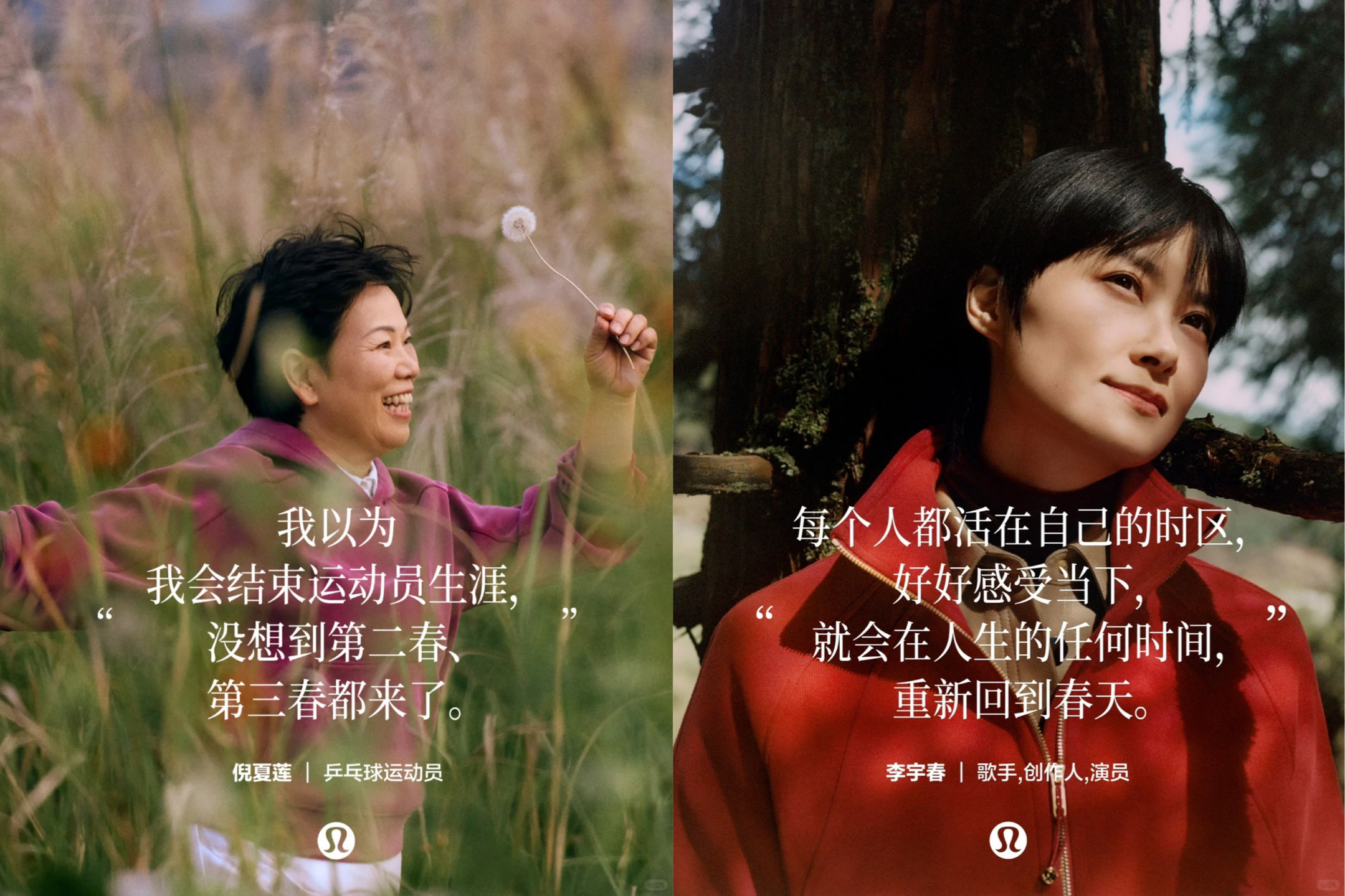 Campaign poster for Back to Spring
With Spring, Renewed Through Repetition in 2026, the brand explores the different mindsets associated with well-being and asks a more specific question. When, exactly, do we experience well-being in everyday life?
This year, the brand homes in on the details of urban life and the weariness many city dwellers feel when their days repeat. By showing what it really takes to improve at something, the film invites viewers to reconsider their own routines. It presents repetition as a form of renewal and encourages people to look for the possibility of meaningful change in what they do every day.
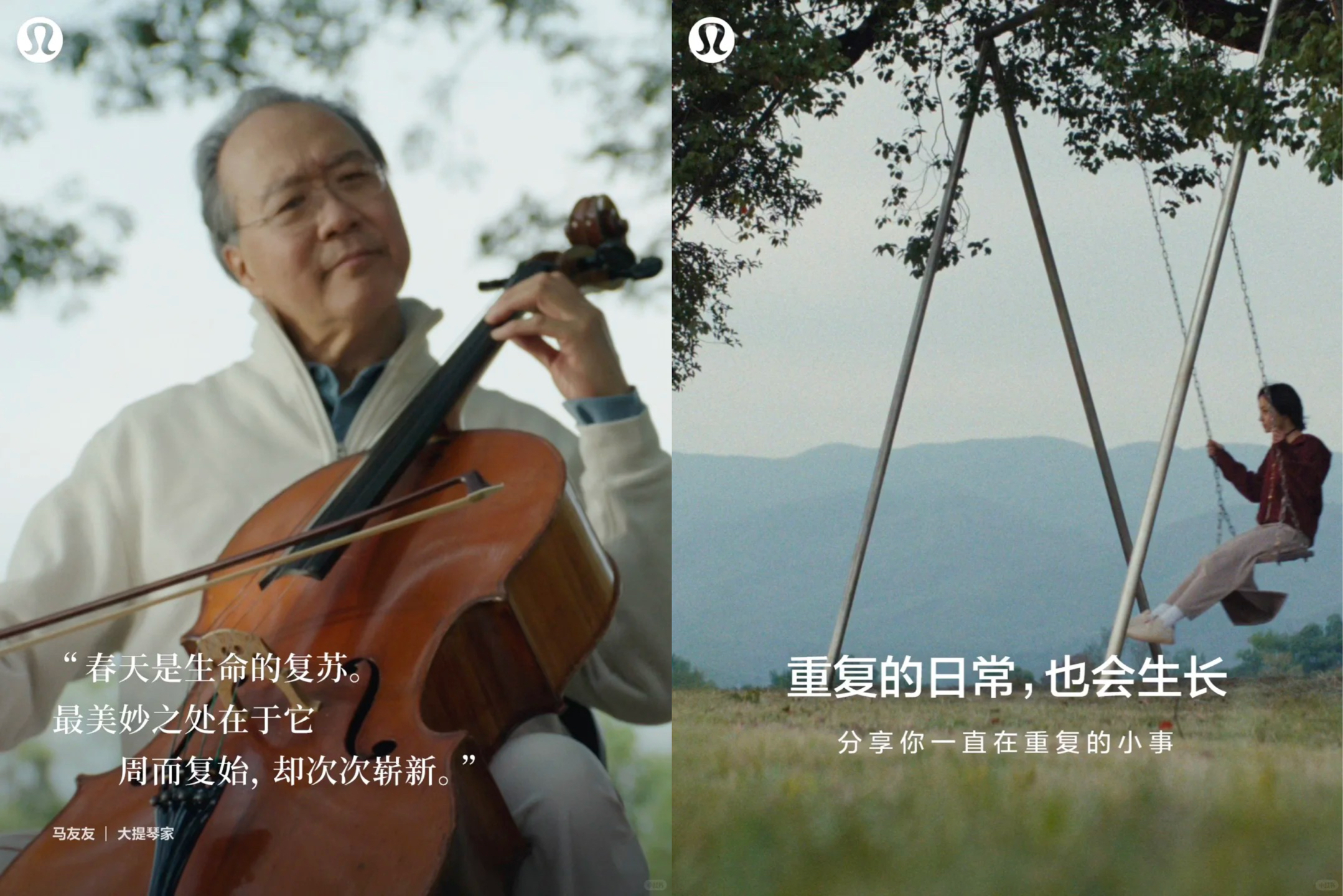
As the brand moves from addressing consumers’ doubts at particular stages of life to supporting their everyday growth, its relationship with them is changing. lululemon is building on the connection it has made at pivotal moments to become a quiet, everyday presence as people grow and change.
02. Back to the brand’s core: Made to Feel and well-being
For lululemon, spring is the season that best expresses its brand philosophy.
One principle is central to lululemon’s culture. Made to Feel, an approach that puts how people feel first.
The principle grew out of lululemon’s pursuit of high-performance fabric design for yoga since its founding in 1998, exemplified by signature fabrics such as Nulu™ and Luon™. From the earliest stages of development, lululemon used fabric technology to deliver exceptional comfort and a barely there feel, so wearers could move freely without the discomfort of clothing that felt restrictive.
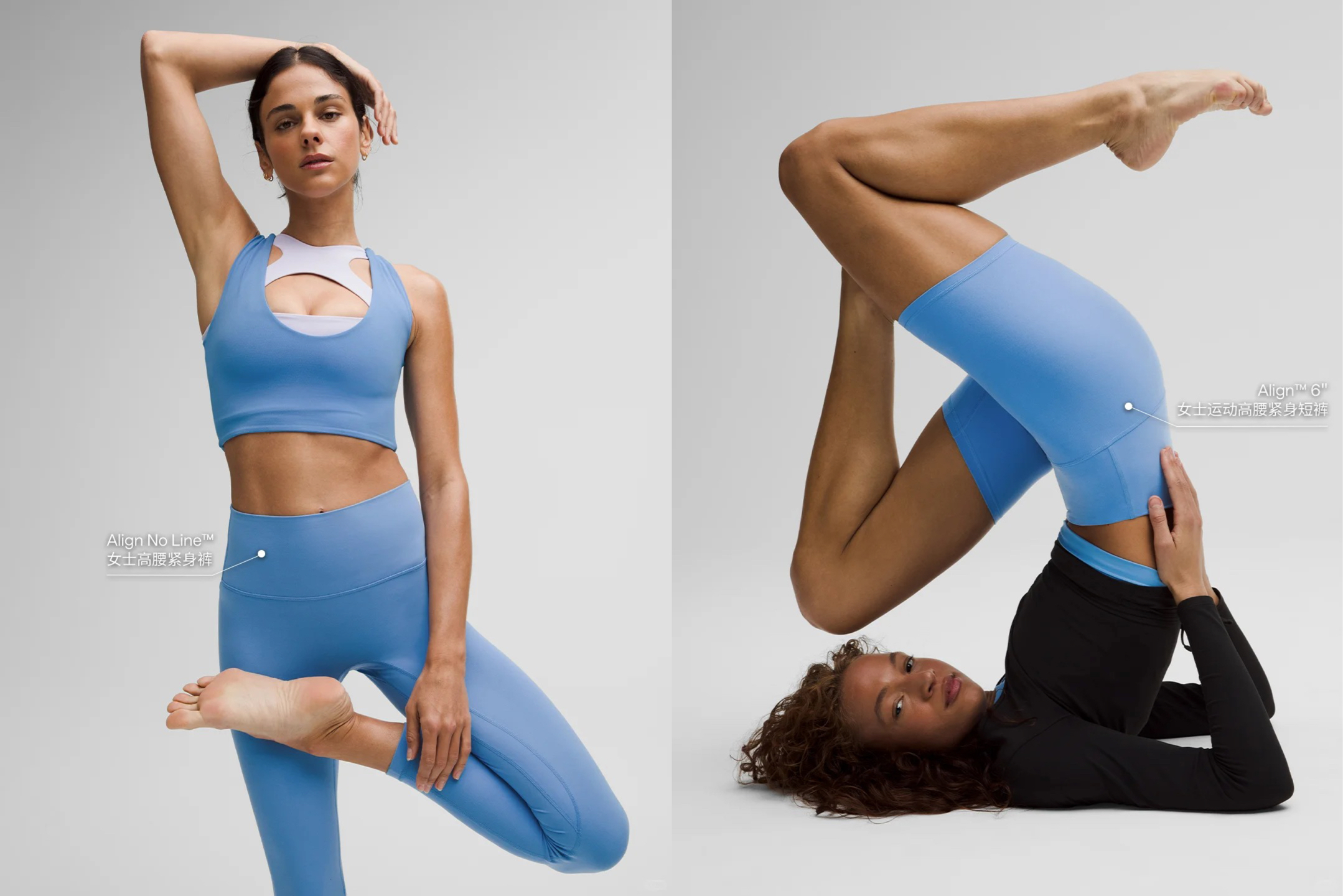 The brand’s signature Align collection uses Nulu fabric
After 2020, the brand strengthened the connection between physical comfort and how people feel on the inside, linking ease in the body to ease of mind. Made to Feel grew from a focus on how fabric feels against the skin into an experience of mindfulness.
When people feel comfortable and free to move, they can pay closer attention to how they feel inside and find a sense of joy that starts from within. That link between physical sensation and state of mind is central to how lululemon defines well-being.
The brand sees well-being as a balance across three dimensions: physical, mental, and social. It calls for a strong body, a healthy mind, and the freedom to connect with others. The brand encourages people to use movement and conversation to bring body and mind into sync across all three dimensions.
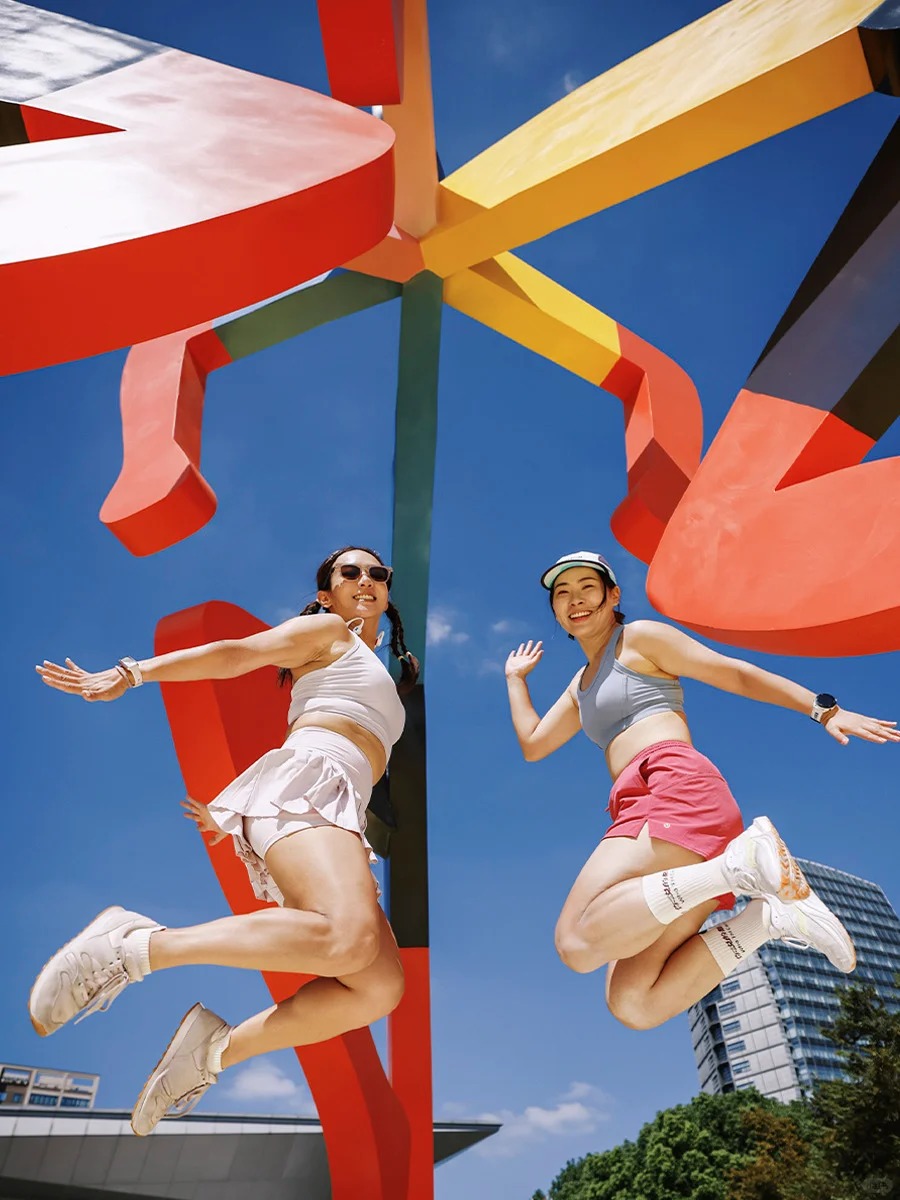 A special activation celebrating the joy of movement as part of the 2025 Wellbeing Together campaign
Spring is a natural fit for the idea of well-being. Across cultures, it symbolizes vitality and renewal, marking a natural time to look back and begin a new chapter. In China, spring carries an added meaning as the first of the four seasons and the inspiration for the Spring Festival, a time of family reunions and cultural belonging.
lululemon brings the emotional significance of the traditional holiday together with its long-standing focus on physical and mental health. Spring has become an annual occasion for the brand and Chinese consumers to come together around the idea of renewal.
Over the years, lululemon has put Made to Feel into practice through a range of initiatives aimed at building a reputation for both expertise and approachability.
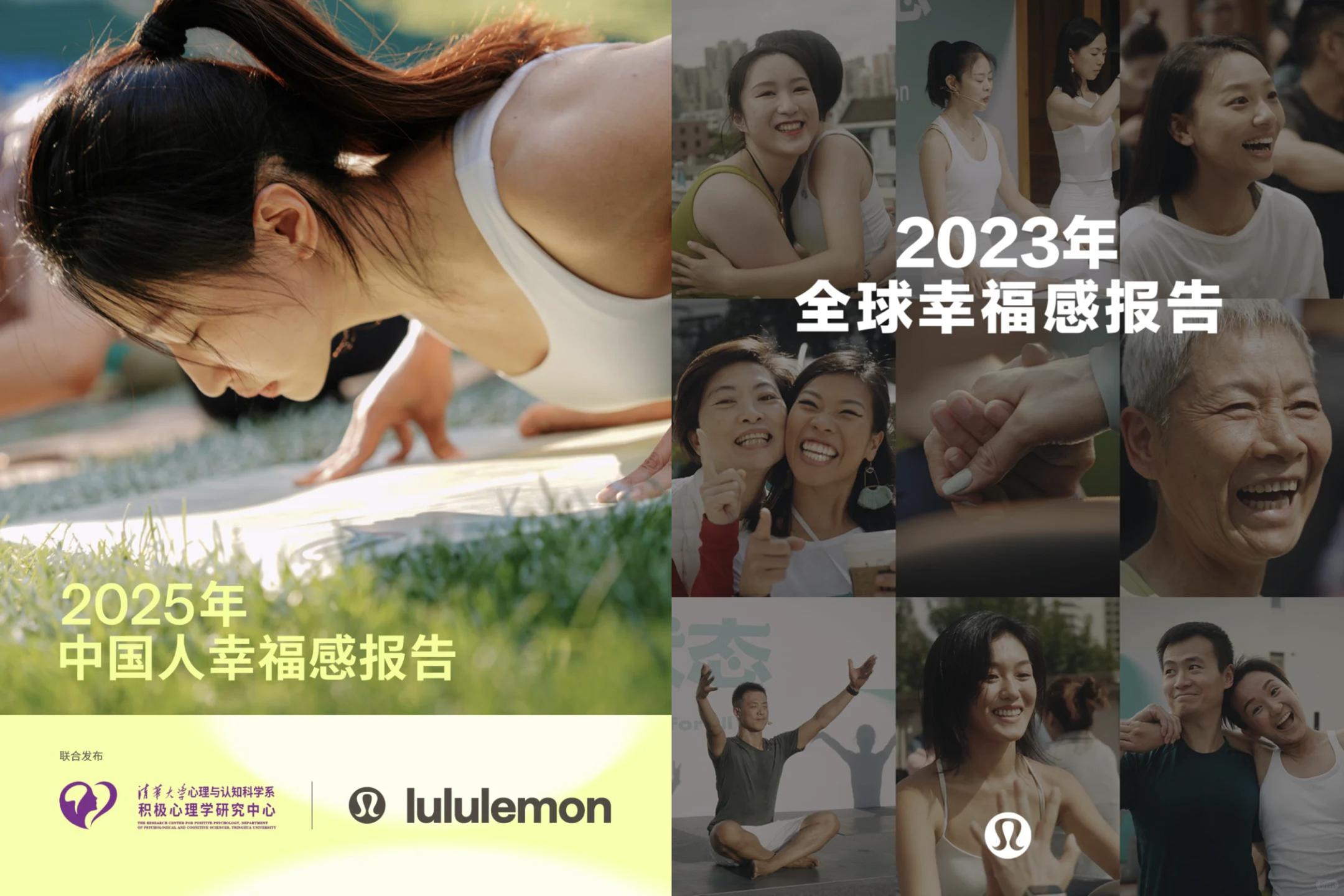
- Research. In 2021, lululemon announced its Centre for Social Impact, making physical and mental health and well-being a focus. By 2025, it had published five consecutive annual Global Wellbeing Reports, giving the public an evidence-based resource.
- In-person experiences. To give consumers firsthand experience of mind-body balance, lululemon ran its annual Wellbeing Together campaign for four consecutive years beginning in 2021. In one example, it created a weeklong well-being garden on Shanghai’s Xuhui Waterfront, using natural elements to transform a public space. It offered beginner classes in yoga, meditation, and running alongside immersive, interactive installations that engaged the senses. The event rolled out across nine major cities in China, giving local communities a way to put the brand’s philosophy into practice together.
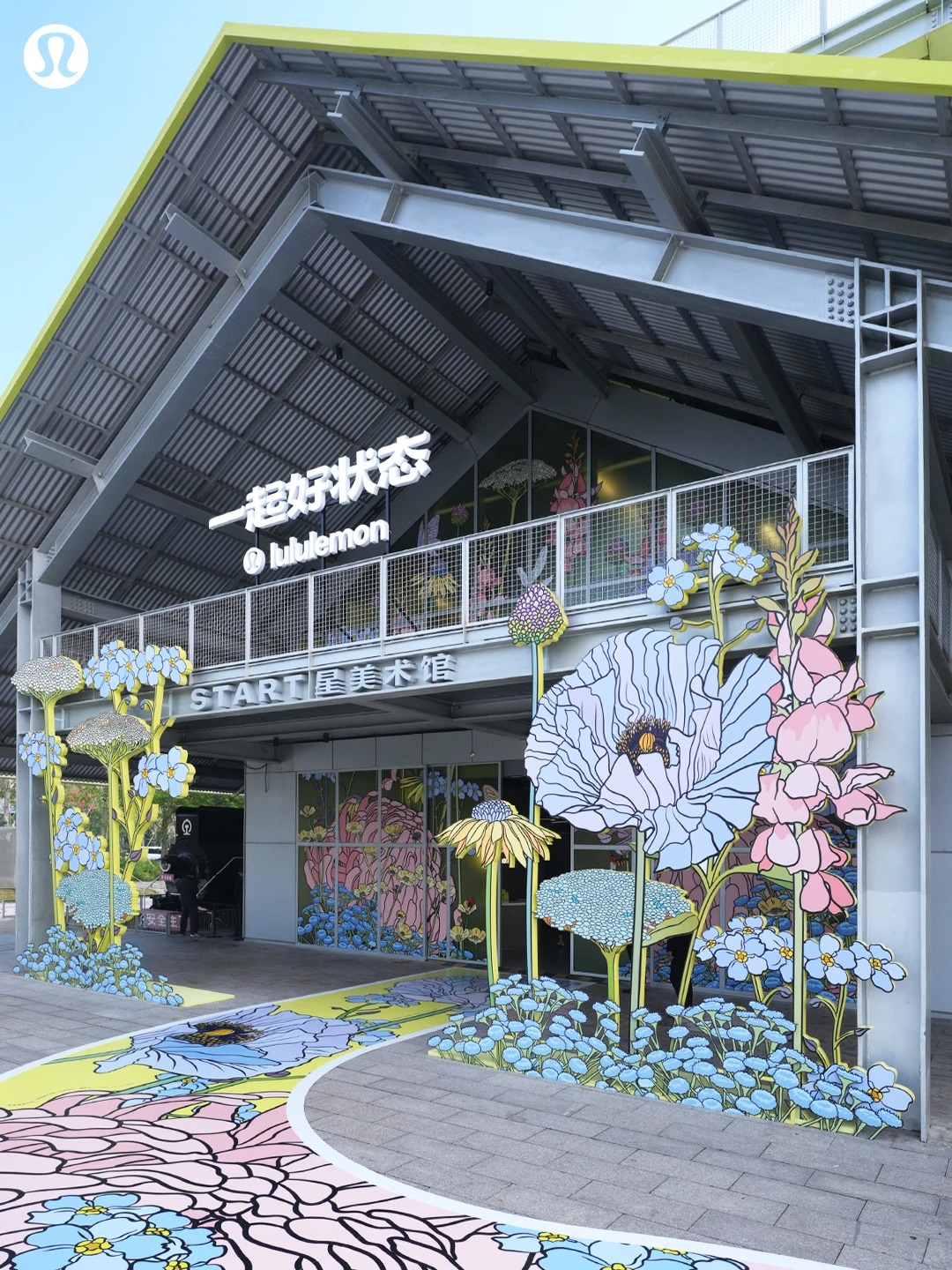 The brand partnered with Graphic Rewilding to create the well-being garden
- In-depth conversations. In 2024, lululemon launched Conversations on Well-Being, a podcast that brings together guests from different fields to discuss navigating life’s difficulties and finding inner balance. The latest episode features Yo-Yo Ma, the lead in the 2026 Lunar New Year film, in a conversation about the connections among spring, music, and movement.
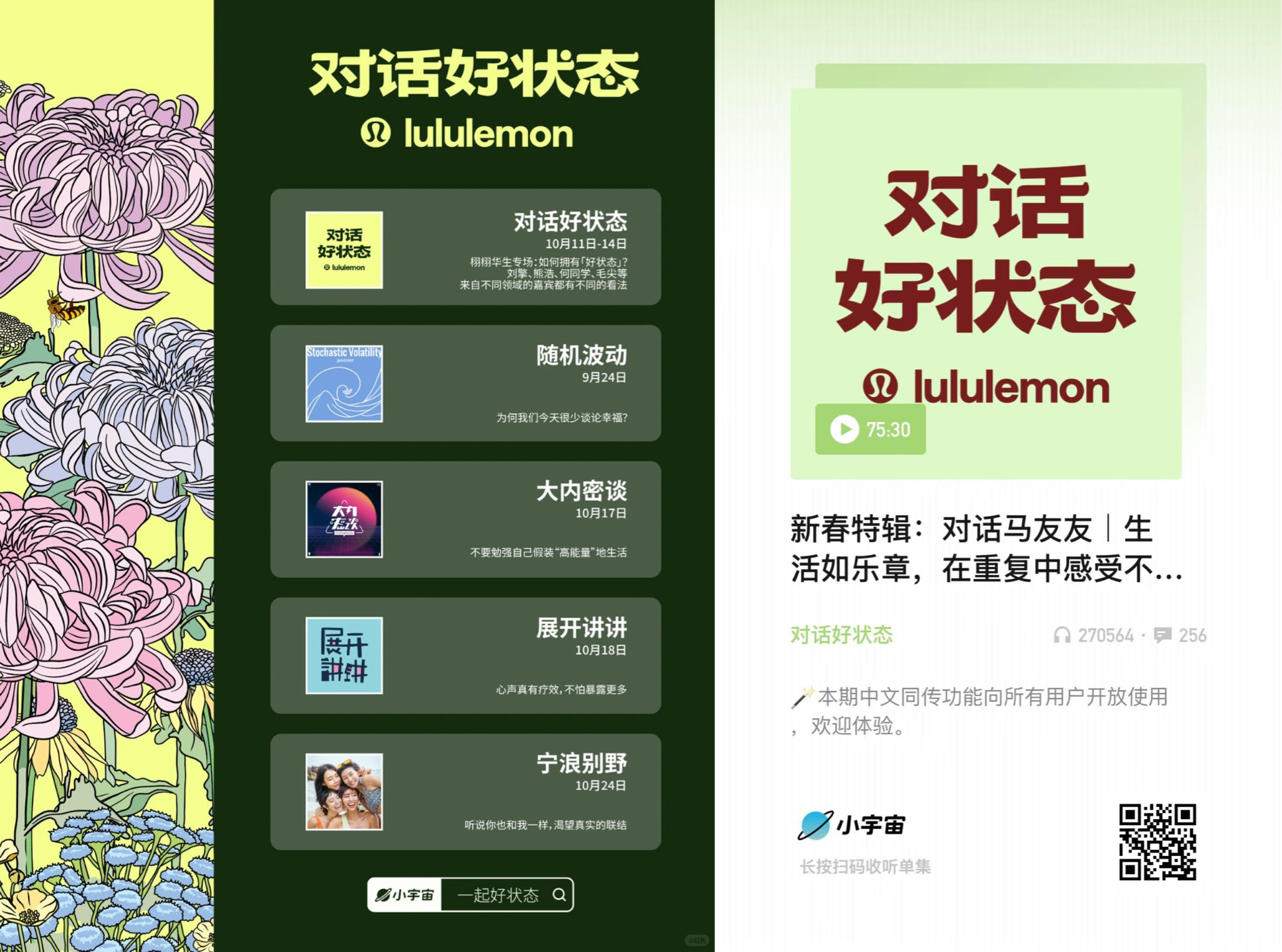
lululemon’s Conversations on Well-Being podcast
03. What the industry can learn from a long-term approach to holiday marketing
By finding fresh stories to tell around the same theme, lululemon created a distinctive Lunar New Year campaign that offers a model for the industry.
➊ A consistent philosophy and creative approach build content IP
The three campaign films show a strong consistency in how the brand expresses its ideas.
For three consecutive Lunar New Years, lululemon’s marketing has centered on putting how you feel first and on what it means to feel your best. The campaigns have explored those ideas in greater depth each year, using spring as a recurring motif while finding fresh ways to tell the story. The focus has gradually shifted from introducing the concept to encouraging people to move in their daily lives. That gives people a concrete way to experience what it means to feel their best and keeps the story rooted in the brand’s identity.
➋ A fresh take on Lunar New Year that reaches new audiences
The brand sidesteps familiar themes of family reunions and festive bustle by focusing on what spring means to people on a deeper level, making the season a signature of its campaigns. In 2026, figures from different fields, including Yo-Yo Ma and Zhu Yilong, helped the campaign reach beyond the sports community and connect naturally with a broader lifestyle audience. The casting went beyond star power: these figures live the values the campaign promotes.
➌ How the brand and its products fit naturally into the story
The film never mentions lululemon by name, yet its purpose as a campaign for the athletic brand’s new products comes through clearly.
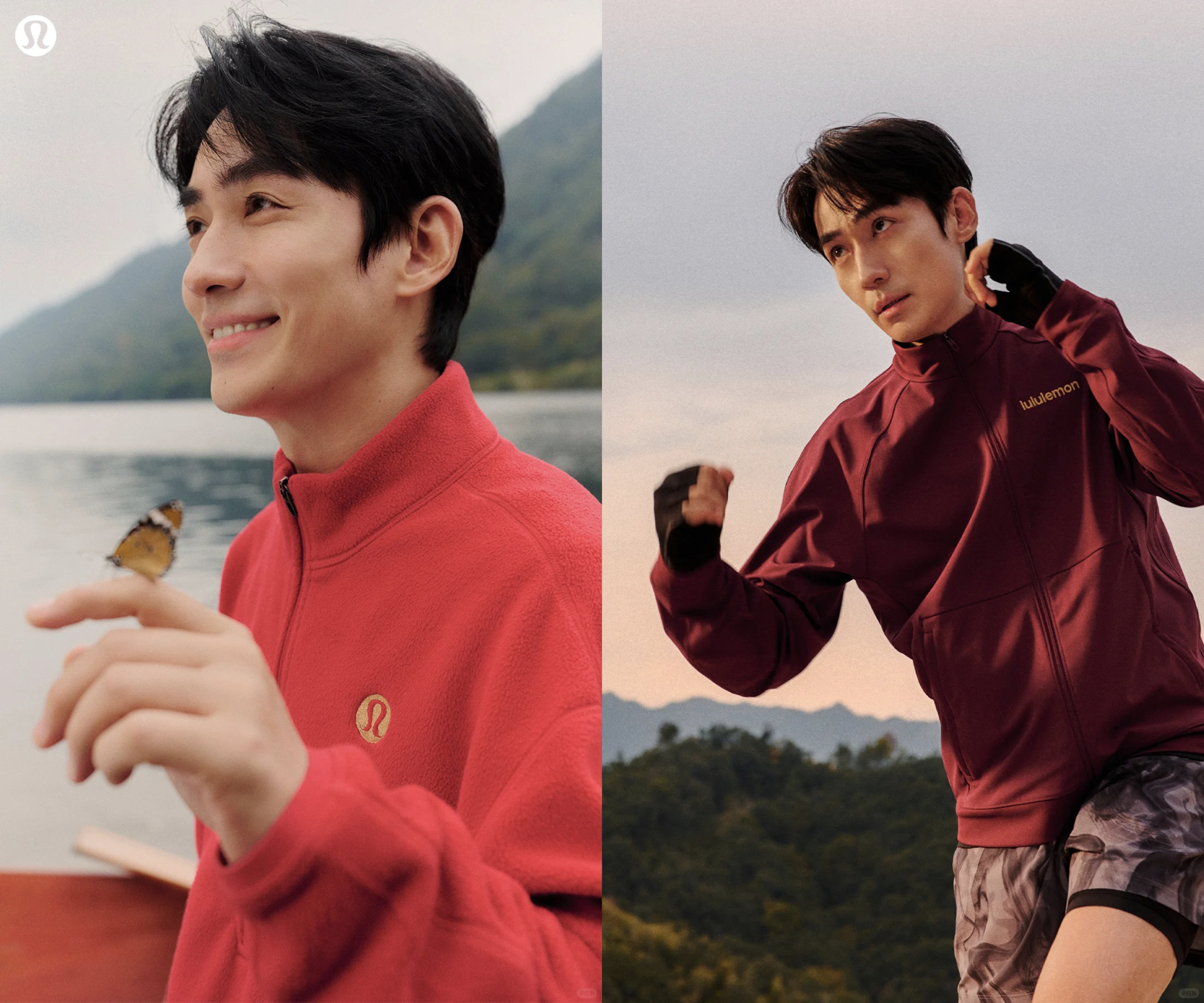 Zhu Yilong wears pieces from the limited-edition Lunar New Year collection in “Spring, Renewed with Every Repetition.”
First, the brand’s positioning is clear. Wing Chun, boxing, and ice dancing keep the connection to sport front and center. Second, the product placement feels natural, with the cast wearing pieces from the limited-edition Lunar New Year collection. Third, scenes of people actually practicing these activities show how the products perform. As viewers get a sense of what it means to feel their best, they can see the value of the gear for themselves. The result is a close link between the campaign’s message, the activities on screen, and the products.BRANDSTAR
lululemon · Brand storytelling · Storytelling in sports and outdoor brands
More stories →