Why Maison Margiela opened its working folders to the public in China
What changes when a luxury house lets people see how a collection or exhibition comes together?
In a market reshaped by digital technology and the rise of AI, how can a luxury house have a better conversation with the public?
Maison Margiela’s new China project, MaisonMargiela/folders, offers one answer worth examining.
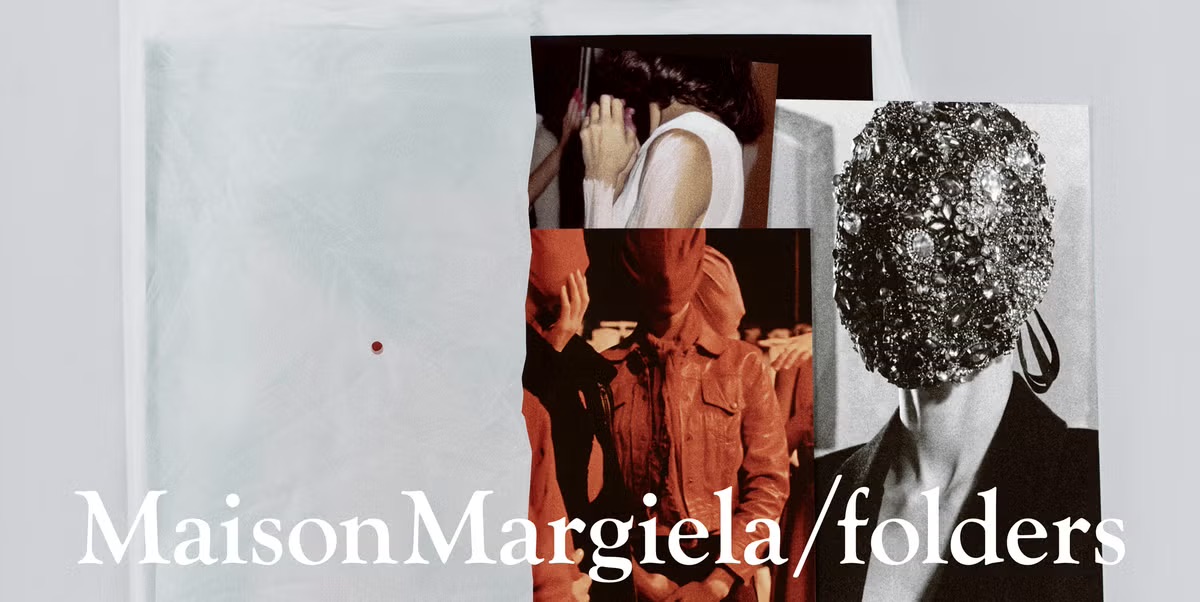
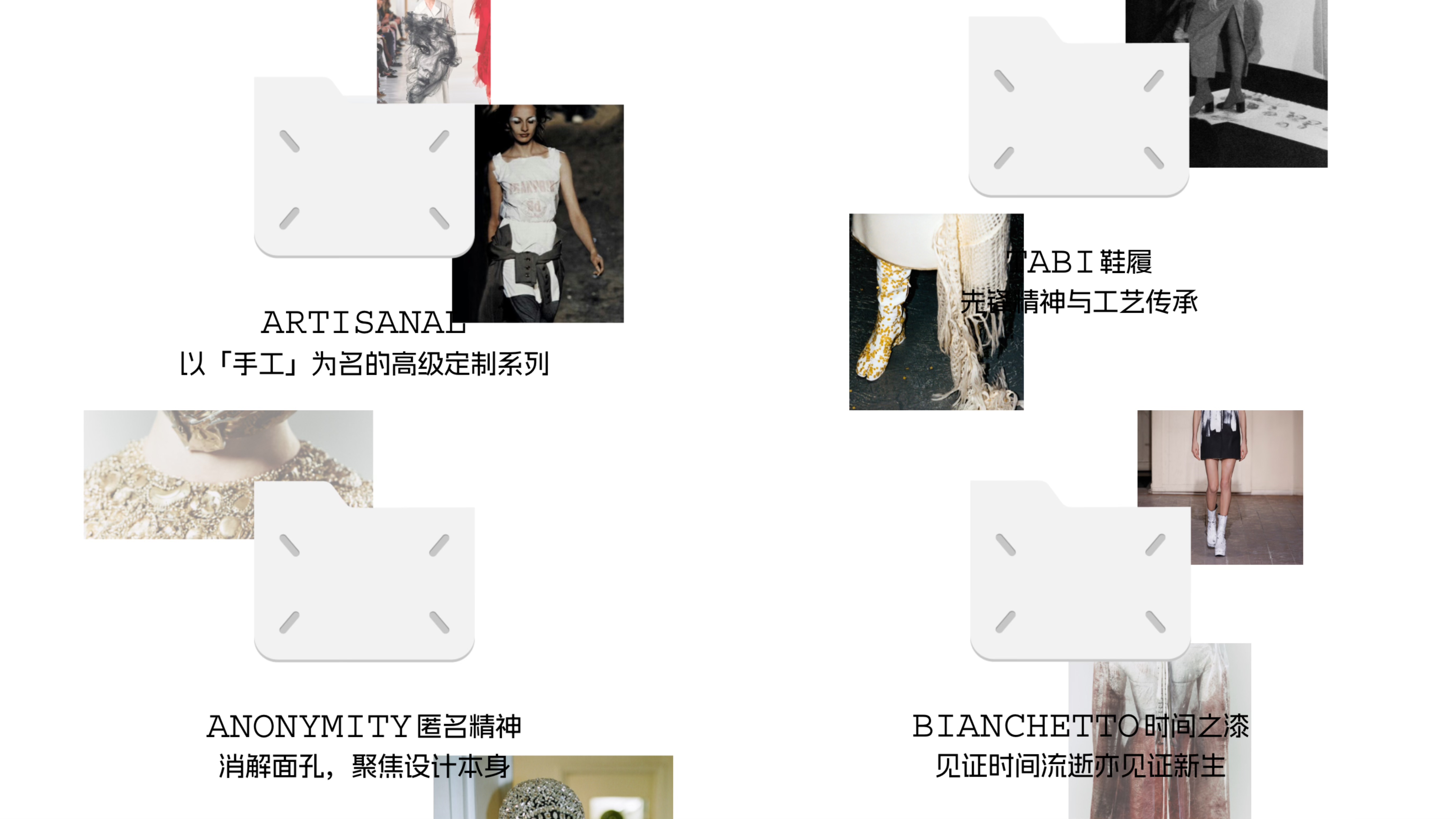 On the surface, it is a large marketing campaign. In partnership with Shanghai Fashion Week, the house will stage the global premiere of its fall 2026 collection. Four free exhibitions and immersive events in Shanghai, Beijing, Chengdu and Shenzhen will explore four house codes: the Artisanal couture line, Anonymity and the concealment of the face, the split-toe Tabi shoe, and the white overpaint technique known as Bianchetto.
Beyond the events themselves, one sentence in the announcement stood out:
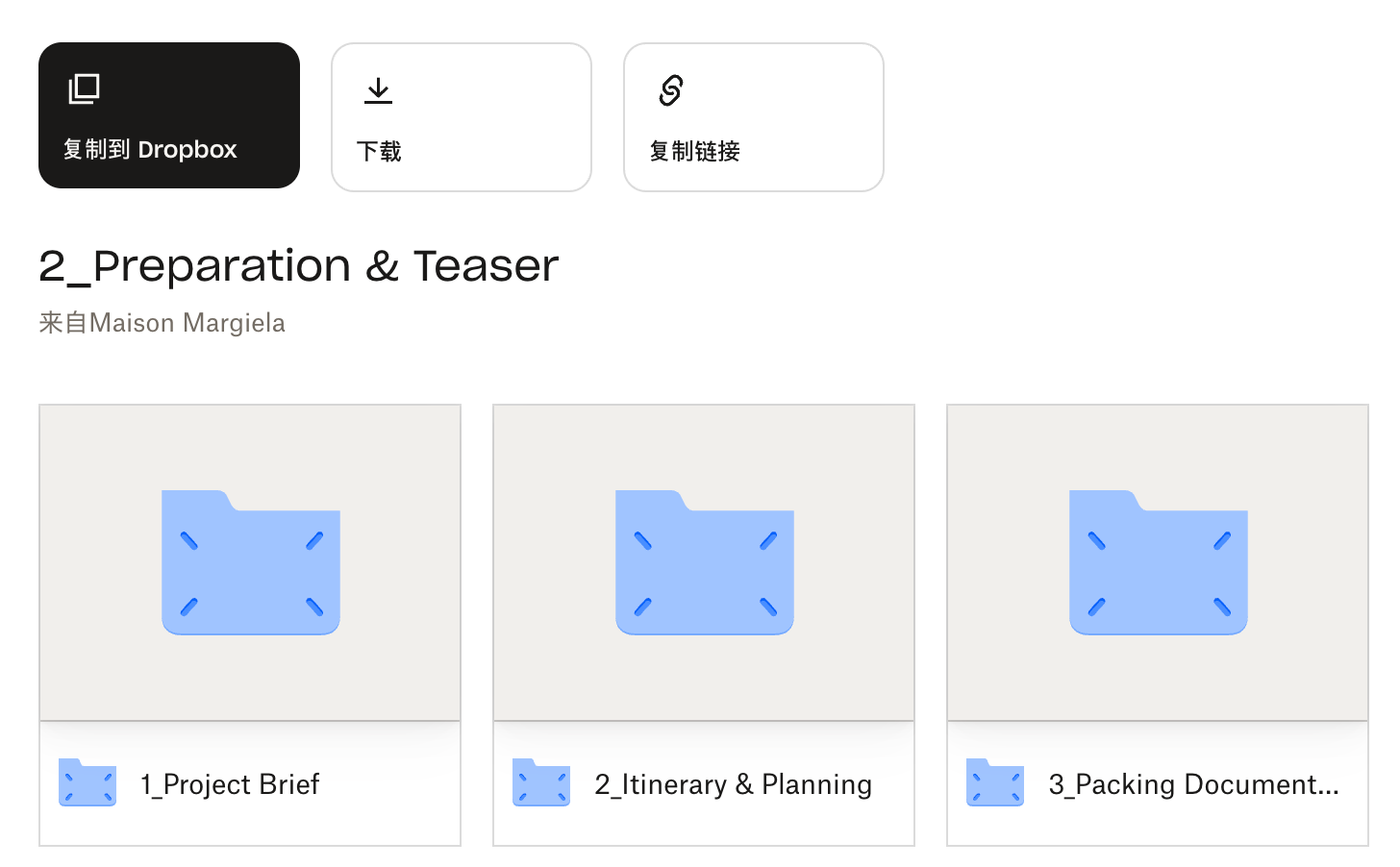
“From today, February 10, preparations for MaisonMargiela/folders will be accessible worldwide on Dropbox and the official WeChat mini program. This is the first time the house has opened the internal folders its teams use to store images, project schedules, press releases and other materials to the public.”
Nearly two months before opening its doors, a luxury house has put files that would usually be considered confidential online for anyone to browse. They include sketches, timelines and even draft press releases. The folders will be updated as the project develops, leaving a record from design through installation.
The models on the runway still wear masks. Outside the show, the house has chosen to lift its own veil. The result looks less like a routine launch or exhibition than an experiment in how a brand communicates.
What kind of relationship can a brand build if it shows the work behind the finished piece, with its polish still incomplete?
1. Four cities, four settings
Before examining the decision to open the folders, it is worth looking at how the events are organized.
In place of a single retrospective, the house has divided its philosophy into four parts and set each one in a Chinese city with a different character.
The choice suggests a particular reading of the Chinese market. The house is seeking distinct conversations with the people who live in each city, extending its ambitions beyond broad brand exposure.
Shanghai, April 2–6: Artisanal, the house’s creative laboratory
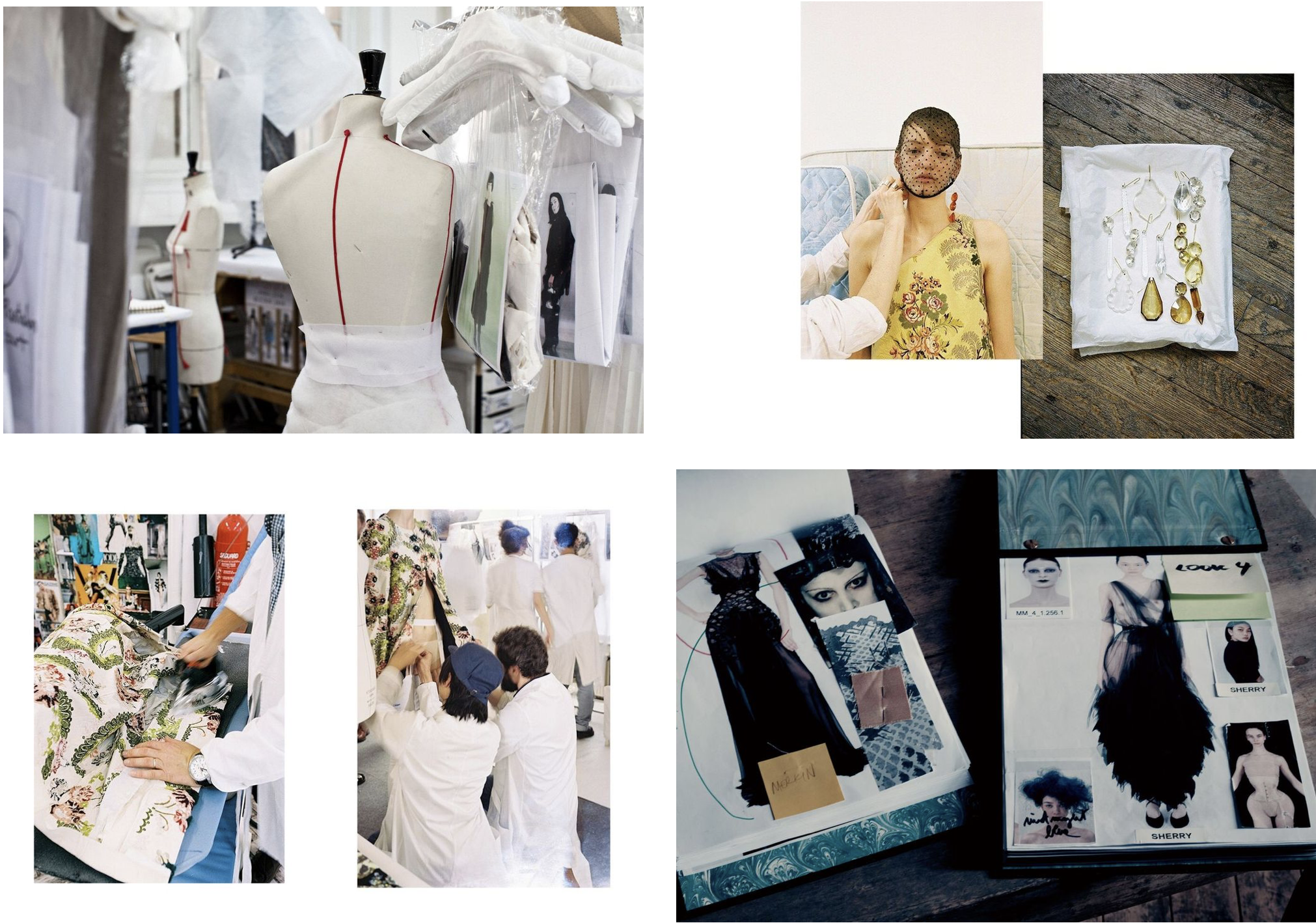
As China’s fashion capital and the host of the collection’s global debut, Shanghai takes on the highest level of the house’s craft. Artisanal is Maison Margiela’s couture line, where deconstruction, the transformation of materials and handwork reach their fullest expression.
A show about the creative laboratory speaks to buyers, editors and enthusiasts with a serious interest in clothes themselves. In Shanghai, the task is to establish the house’s authority in craft.
Beijing, April 7–12: Anonymity, an exhibition of masks
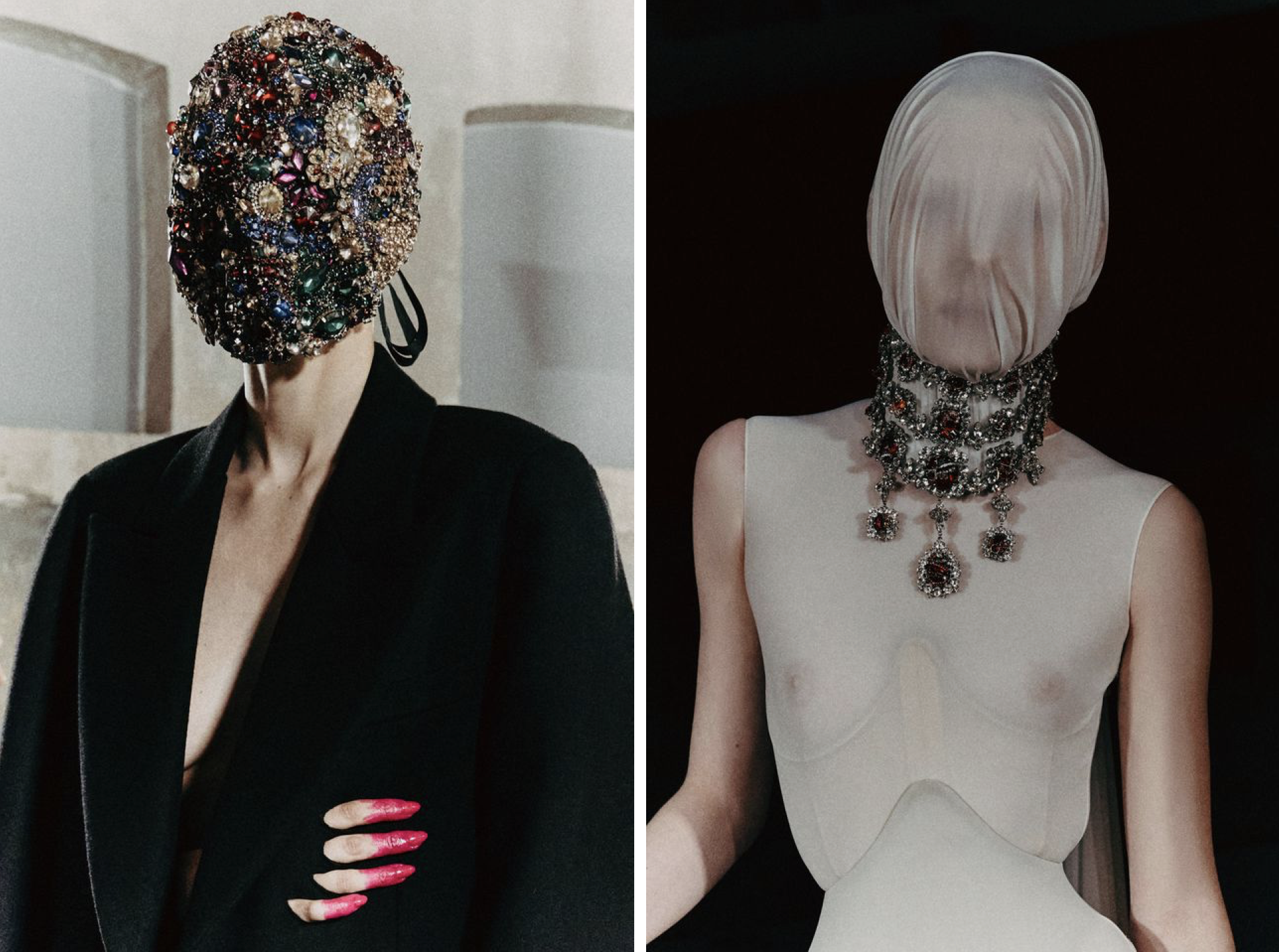
In the capital, Maison Margiela takes up one of its most philosophical ideas: anonymity. From the early blank labels to veils and stockings pulled over models’ faces, the concealment of individual identity is a central concept inherited from Martin Margiela’s tenure.
The idea asks what weight to give a creator’s identity in relation to the work and questions the cult of the designer. A mask exhibition in Beijing puts an abstract proposition into a city with considerable cultural depth and invites visitors to think about identity and authorship for themselves.
Chengdu, April 9–13: Tabi, a collectors’ exhibition
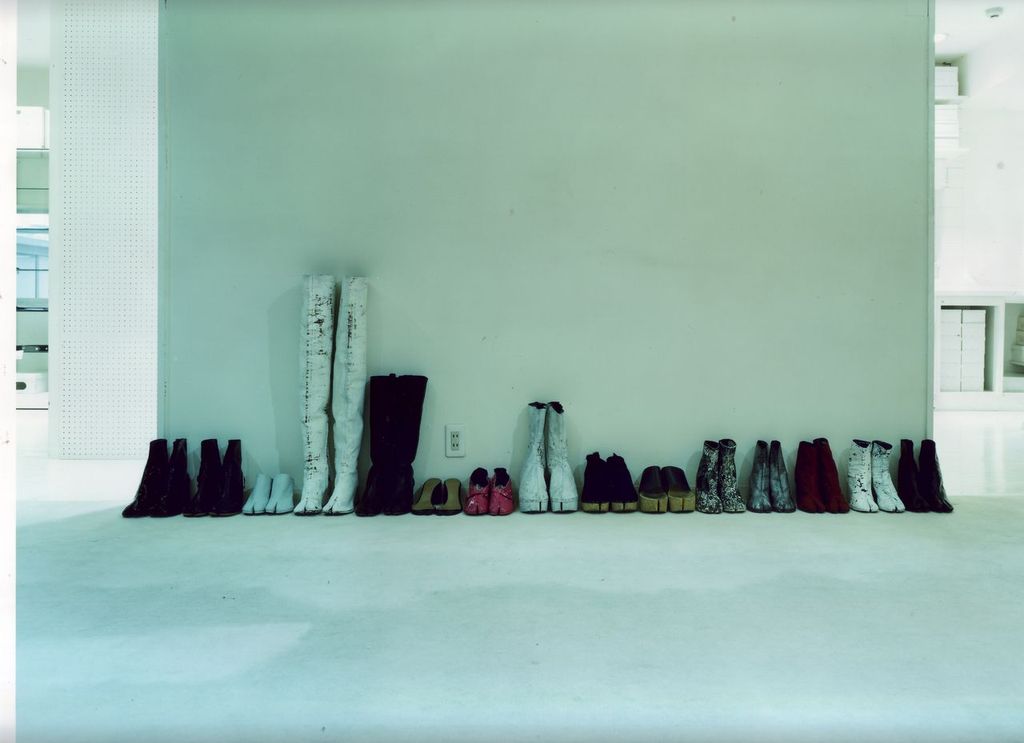
Chengdu is a major luxury market in China, with a particularly young and active fashion scene. The Tabi boot is one of Maison Margiela’s most recognizable and commercially successful products. A show devoted to private collections makes sense here.
The emphasis is on culture and personal attachment. Tabi shoes from different eras and in different versions give longtime enthusiasts and curious younger visitors a way to meet around a shared object. A distinctive shoe becomes a sign of belonging.
Shenzhen, April 11–12: a Bianchetto white-paint workshop
Shenzhen is closely associated with technology, innovation and ideas about the future. Bianchetto, the white paint the house applies over existing objects, gives wear and time a place in their transformation. An old thing becomes new while keeping traces of its history.
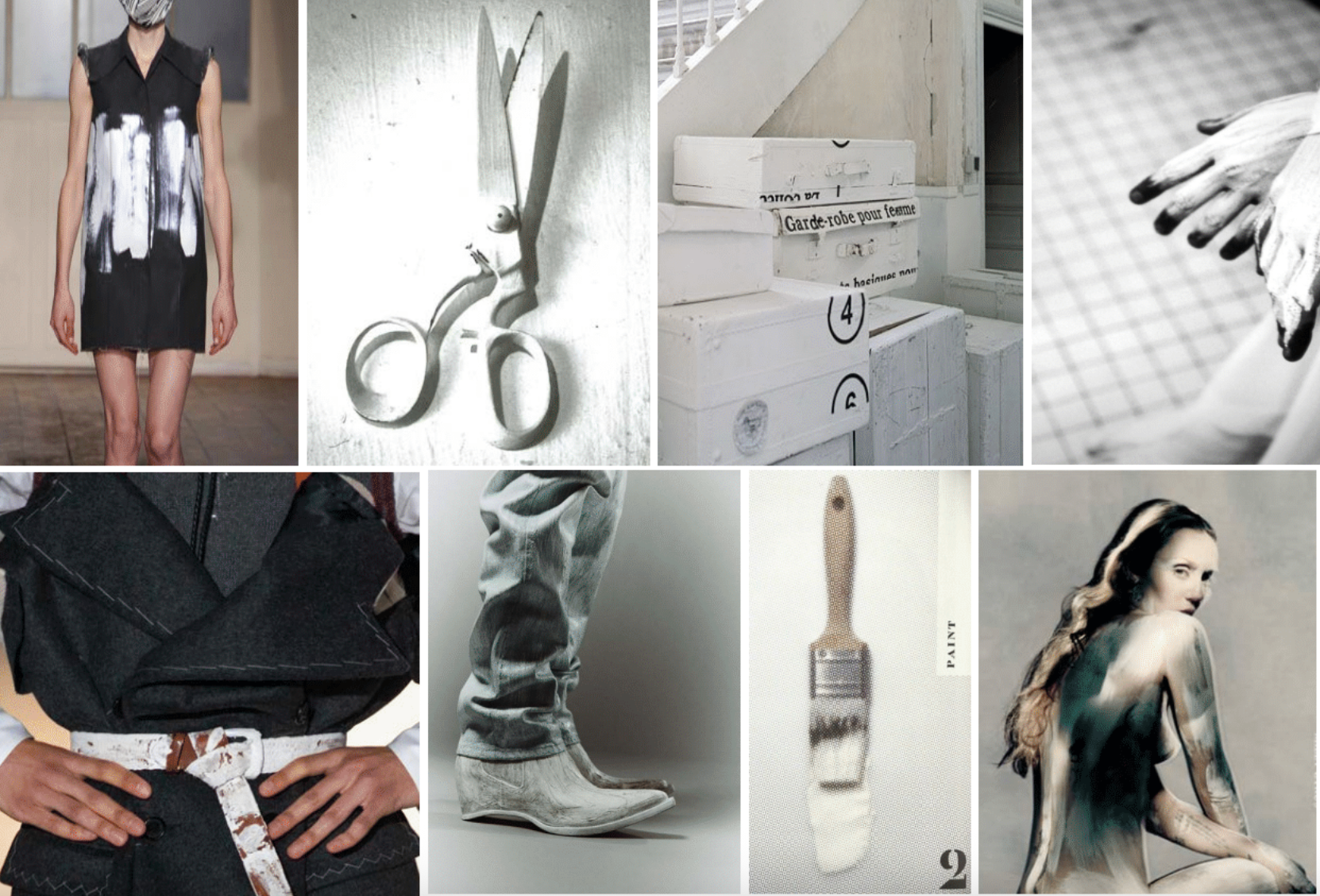
A hands-on workshop is a pointed choice for a city that calls itself a center of innovation. Visitors can use the white overpaint technique to make something new from an item with a past.
Across the four locations, Maison Margiela is identifying what each of its central ideas can mean in a particular place. The approach gives the conversation a different pace and level of detail in each city.
2. What the folders are for
The shared folders that run through the project are what set it apart from a conventional marketing campaign.
Opening them runs counter to an established luxury principle. Much of the category’s value rests on keeping a certain distance and a degree of mystery.
Beautiful windows, meticulously produced campaigns and tightly controlled messages create a complete dream. Backstage is where that dream begins and, often, the last space the house keeps entirely to itself.
Maison Margiela is opening that door. It invites visitors to ask:
How does an early sketch for an event change across a dozen or more drafts?
What goes wrong between the 3D exhibition model and the actual build?
Which phrases did the team try in a press release before it issued the final version?
What small detail forced the project schedule to change yet again?
That degree of openness has several implications.
1. Sharing authorship of the brand story
Conventionally, the brand makes its selection and tells consumers who it is. By giving them the folders, Maison Margiela hands over some control of how that account is made.
People can see hesitation, testing and revision alongside the conclusion. The imperfections can make the work more credible. The implicit message is that the house has enough confidence in its value to let people examine how it arrived at the result.
2. Giving the audience a role in the process
By the time someone sees an Artisanal piece at the Shanghai exhibition in April, they may already have seen its sketch, fabric samples and detailed photographs of it being sewn. They bring their own sense of how it was made to that first encounter.
The visitor and the house have witnessed stages of the same process. A beautifully finished advertisement cannot quite reproduce that sense of participation.
3. Communication that makes room for time
Rebellion and deconstruction have long been part of Maison Margiela’s character. From an early show in a disused playground outside central Paris to a label identifiable by four stitches at its corners, the house has a history of challenging fashion’s conventions.
Opening its files can be read as a continuation of that impulse in a digital age. What it pushes back against this time is the polished, interchangeable language of contemporary brand marketing.
This slower exchange is most likely to reach committed followers and people ready to engage more deeply. Young designers, students and enthusiasts also gain a source they can consult for themselves, giving the relationship somewhere to develop over time.
3. Why China, and why now?
The choice of China for an experiment of this kind seems deliberate.
Since becoming creative director in 2025, Glenn Martens has had to balance continuity with change. His reputation for deconstructed denim and experimental cutting brings a different emphasis to the house’s tradition of anonymity.
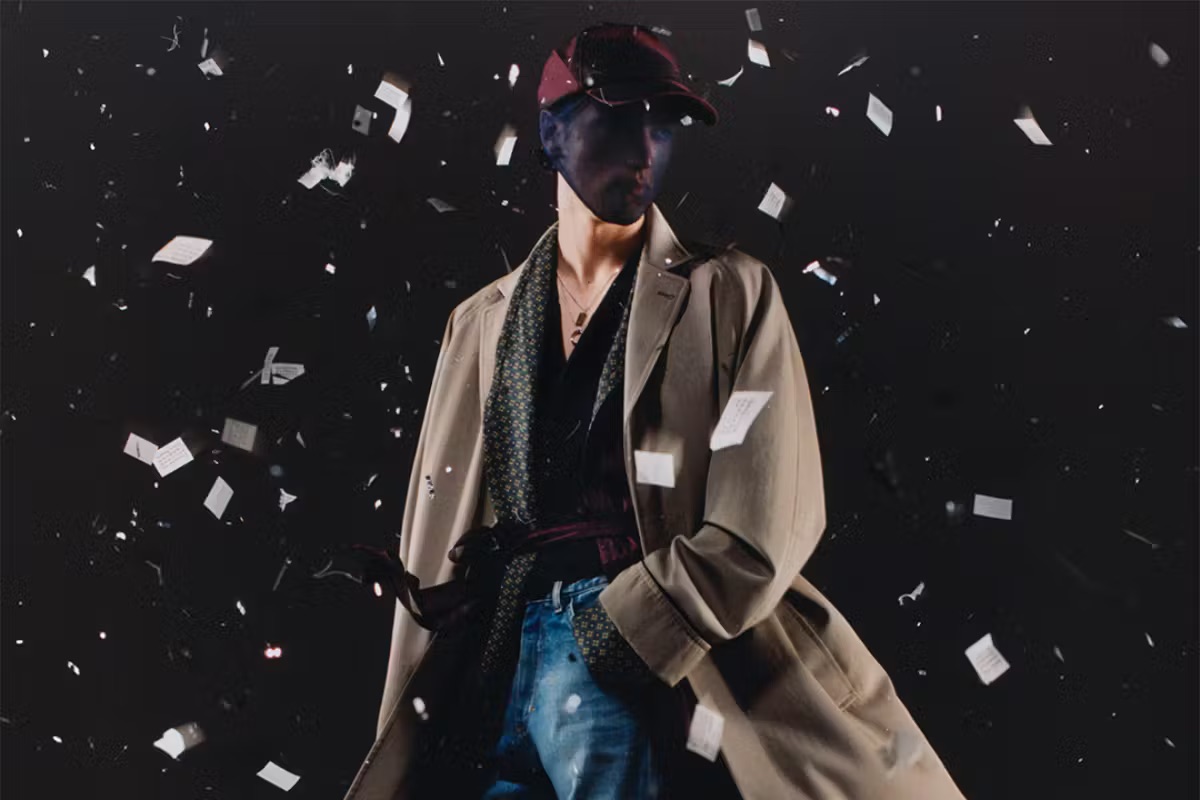
Opening the archive may offer a way through that transition. Returning attention to what was made and making material from the founder’s era available gives Martens more room for his own design explorations.
China is also one of the markets where Maison Margiela has expanded most rapidly in recent years.
Chinese consumers’ views on fashion have matured. A logo alone has limited power to close a sale, particularly among younger people in major and second-tier cities who take a growing interest in craft, a house’s history and the culture behind its work.
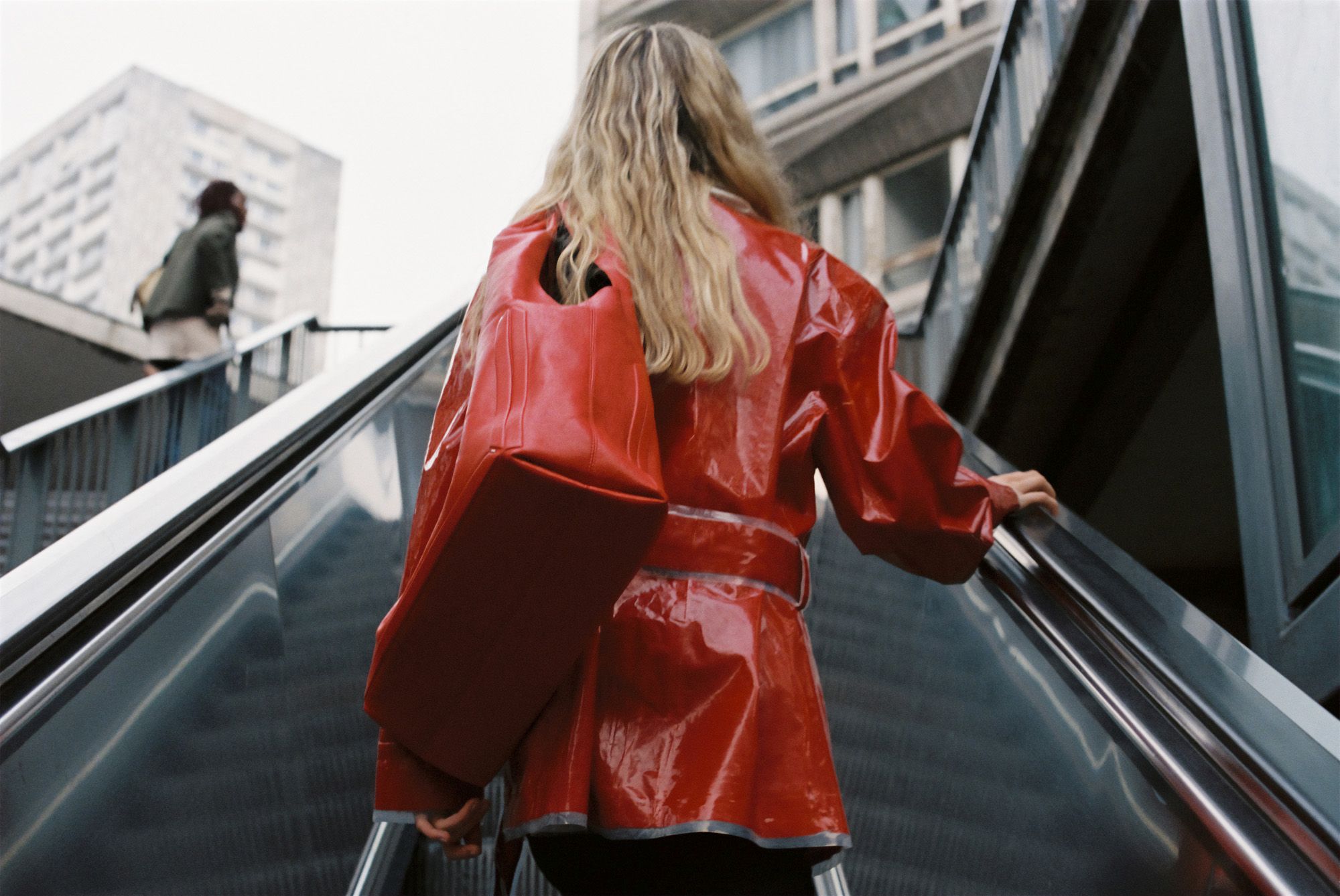
These consumers want to discover what matters to them and exercise their own judgment. Opening the backstage files gives people interested in informed purchasing and more substantial experiences a means to do that.
WeChat’s mini program is another locally informed choice. It can handle reservations and circulation of the material, then connect users to the events offline. That makes the project easy to navigate in familiar ways while keeping its central idea consistent worldwide.
By entering four cities with events that are free, open and educational, Maison Margiela is working its way into the country’s cultural conversations. Its immediate objective is to deepen understanding of the brand through access to its archive, with product sales a more distant consideration.
4. What remains after the exhibition
The most consequential idea in MaisonMargiela/folders may be that the process itself is becoming a form of content with lasting value.
When information is widely available, consumers’ curiosity can extend a long way beyond what a brand chooses to show.
A finished campaign photograph is content. A coffee-stained sketch or a schedule covered in revision notes can be absorbing too. Their immediacy gives people something to discuss and pass along.
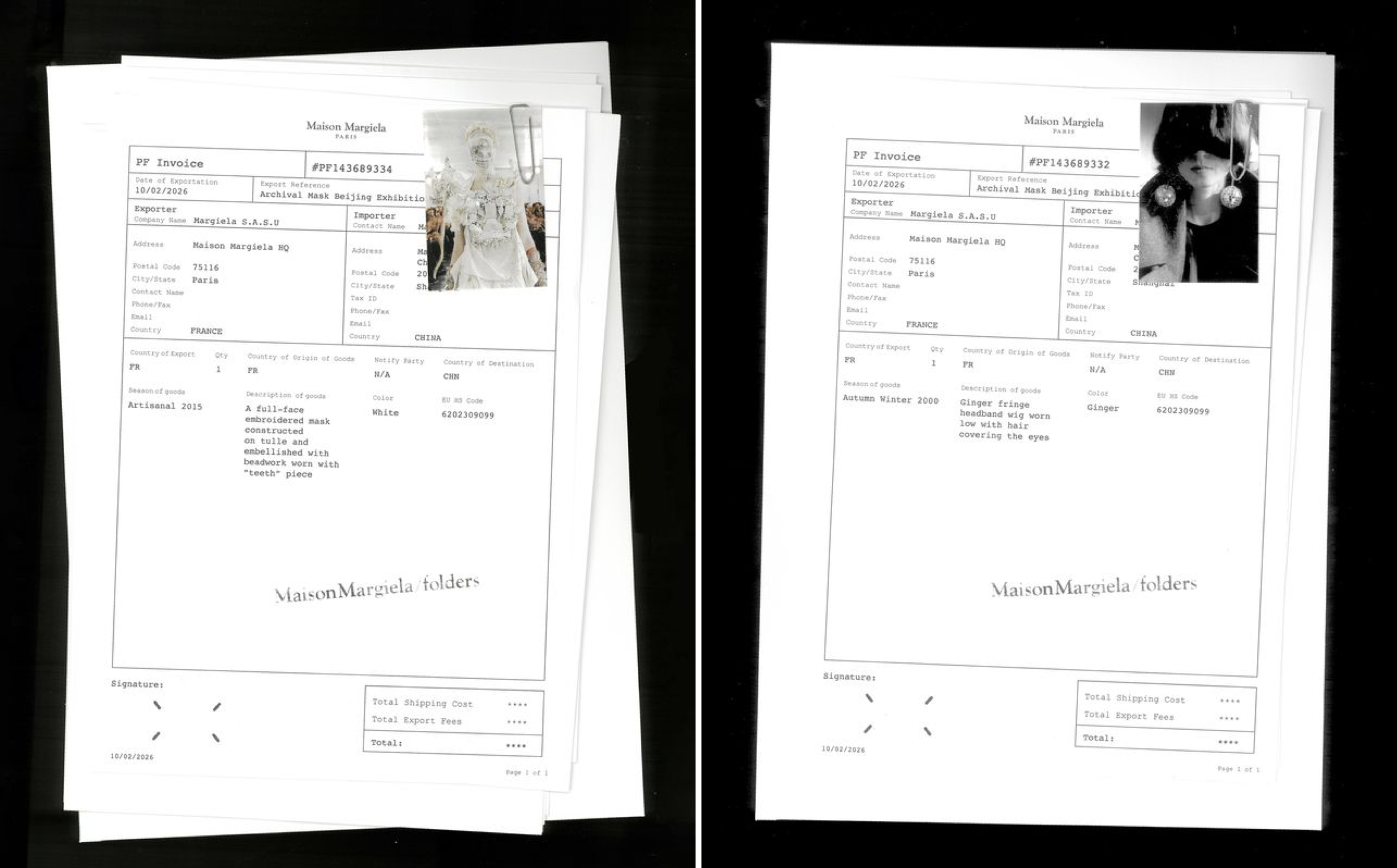
Inviting that attention requires confidence. The house is willing to let flaws be seen because it believes the decisions that follow can make a convincing case for the work. That confidence can strengthen how people see the brand.
As the easy gains from online traffic diminish, the folders offer the house a different place to establish a relationship with its audience.
The invitation is intellectual as well as emotional. Someone who has thought through part of the creative process may form an attachment that lasts longer than the memory of a single purchase.
Maison Margiela’s experiment gives other brands looking for relationships beyond a transaction a point of reference.
The approach has conditions of its own. A brand needs ideas substantial enough to sustain scrutiny, a process rich enough to interest people, and the willingness to hear what they make of it.
When visitors arrive in Shanghai, Beijing, Chengdu or Shenzhen in April, what they have already learned in the folders may change how they look at a garment, a shoe or a white-painted jacket.
The shared folder may turn out to be the exhibition’s most enduring object. BRANDSTAR