Pop Mart’s dream factory cools down
For the brand, this is only the first half of the race.
2025 was Pop Mart’s fastest-growing year. Founder Wang Ning likened it to a rookie driver being thrust into Formula 1. Running at breakneck speed put the company under immense pressure, but it also gained a great deal.
The analogy was apt. The brand posted its strongest growth ever over the past year. Full-year revenue surged 184.7% to RMB 37.1 billion, and net profit attributable to shareholders of the parent jumped 308.8% year over year to RMB 12.776 billion.
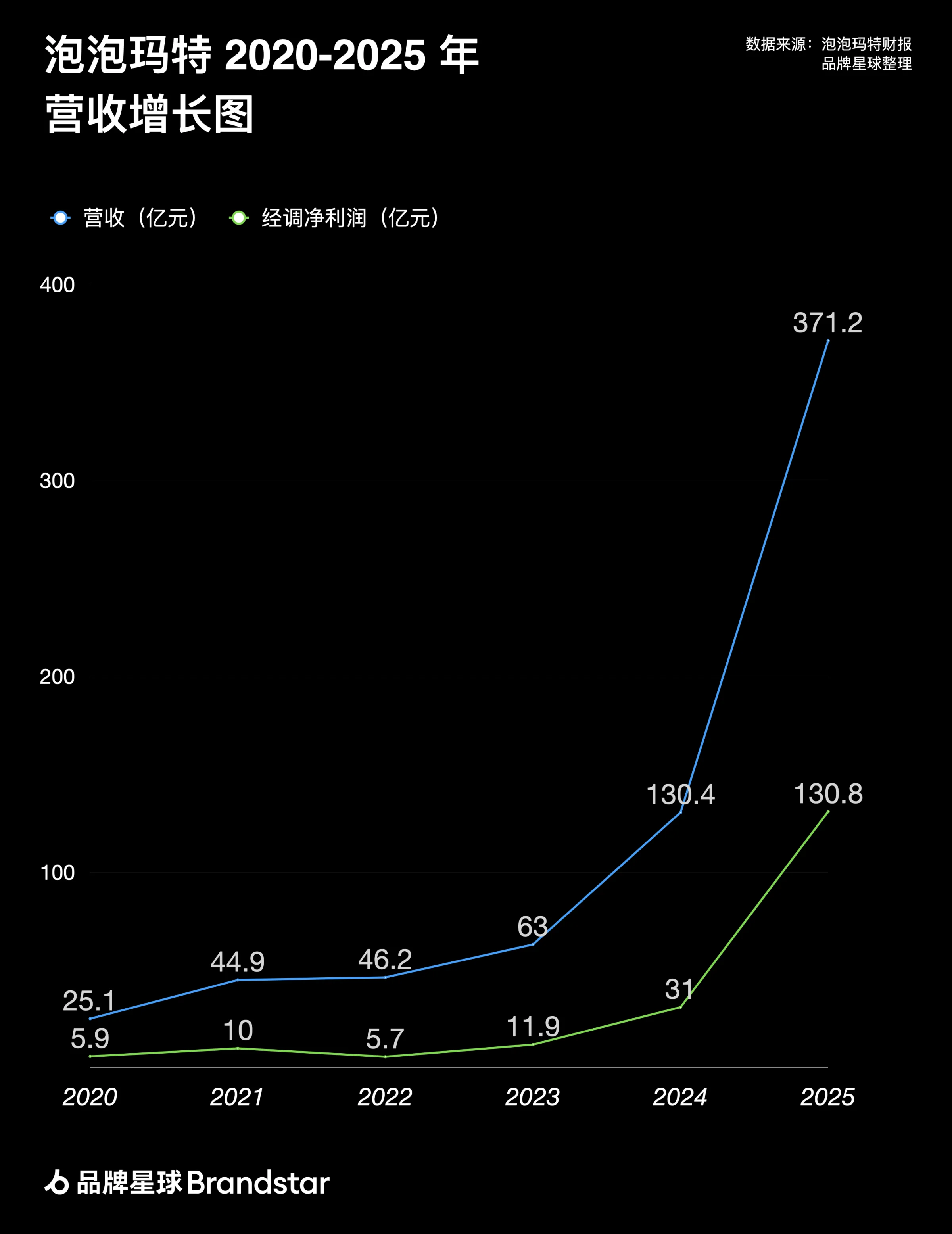 Revenue grew to roughly 14 times its size five years earlier. The climb was especially steep in 2024 and 2025, driven by Pop Mart’s global expansion strategy and the breakout of its plush category, led by LABUBU.
After that full-speed sprint, Pop Mart eased off the accelerator. It was precisely because the company had grown so fast that Pop Mart designated 2026 a year of adjustment and consolidation.
At the 2025 earnings meeting, Wang Ning said every company goes through cycles. During rapid growth, he said, companies need to spot problems faster than their peers and have a clear sense of where to improve next.
01 A platform for building dreams
Building an IP portfolio beyond a single superstar
Over the past year, LABUBU outgrew its origins as a designer toy character and became a cultural symbol with emerging global influence.
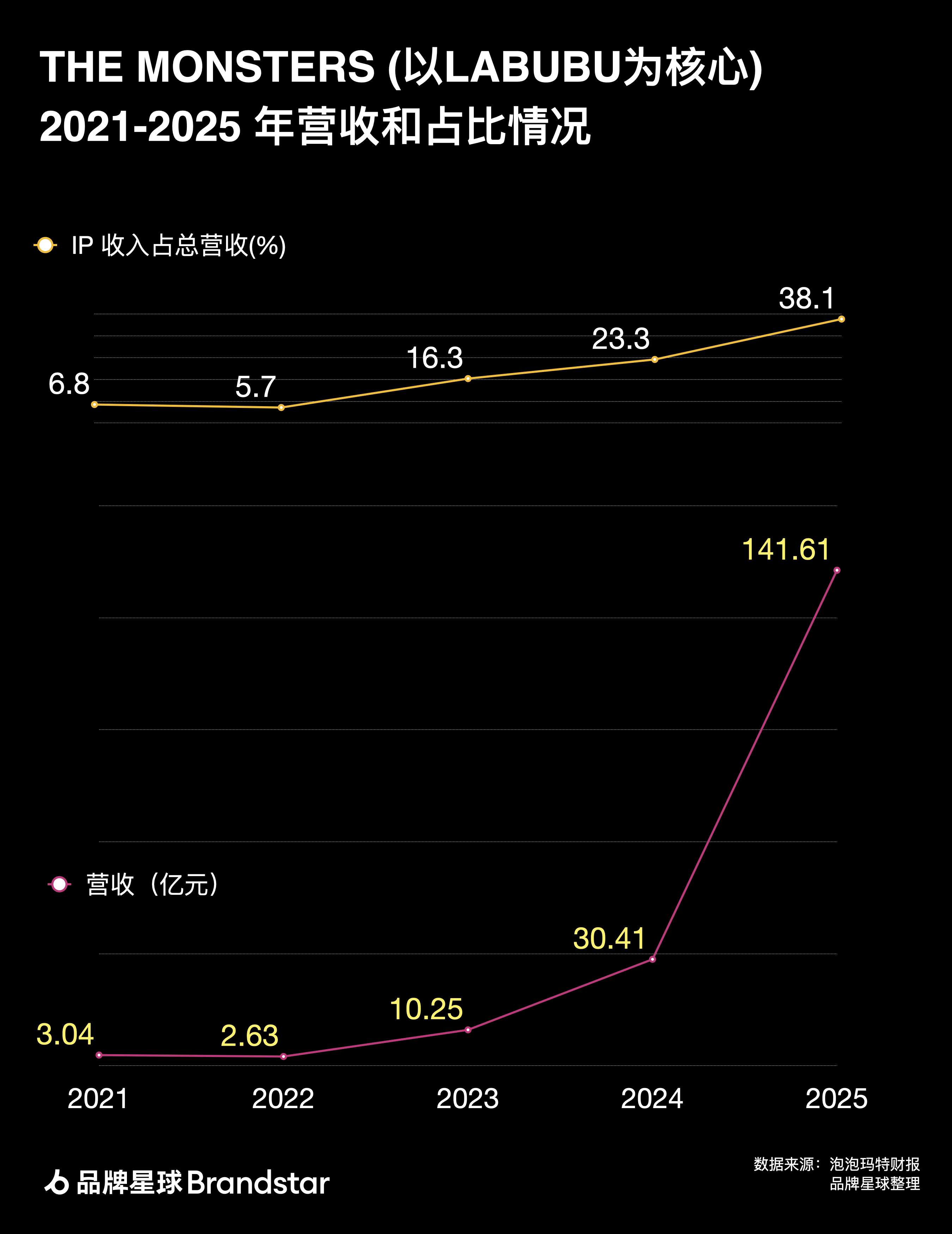
Fiscal 2025 figures show that THE MONSTERS, the character family that includes LABUBU, became the first Pop Mart IP to generate RMB 10 billion in revenue. It brought in RMB 14.1 billion for the year, up 365% year over year, making it the group’s main growth driver.
LABUBU’s breakout made clear how far Pop Mart had moved beyond its reputation as a maker of blind-box figures. It had become a cultural platform capable of developing and managing IP.
Plush became Pop Mart’s largest category for the first time in 2025, overtaking figures. Sales rose 560.6% year over year to RMB 18.708 billion, accounting for nearly half of total revenue.
That shift changed how the industry sees designer toys. Plush toys, charms, and other easy-to-carry products have taken the category beyond collecting. They offer a stronger sense of companionship, fit into everyday life, and lend themselves to social sharing, significantly expanding the category’s commercial reach and the occasions for using its products.
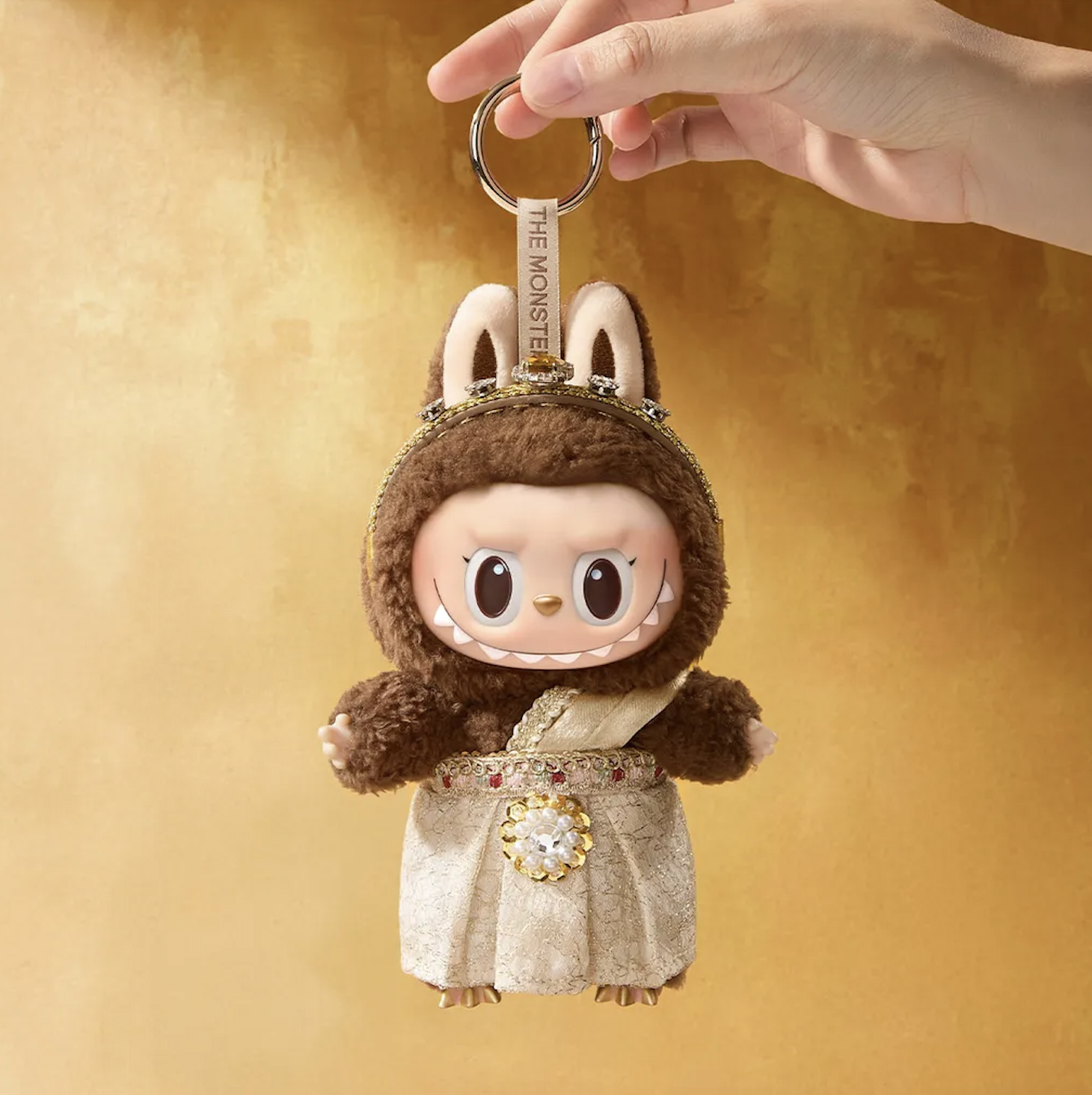
The breakout also drew attention to the risks.
LABUBU’s share of group revenue rose rapidly from 23% in 2024 to 38%, leaving more than a third of revenue dependent on its flagship IP. LABUBU is an indispensable source of profit, and that concentration has raised investor concerns about reliance on a single property and how long its popularity can last.
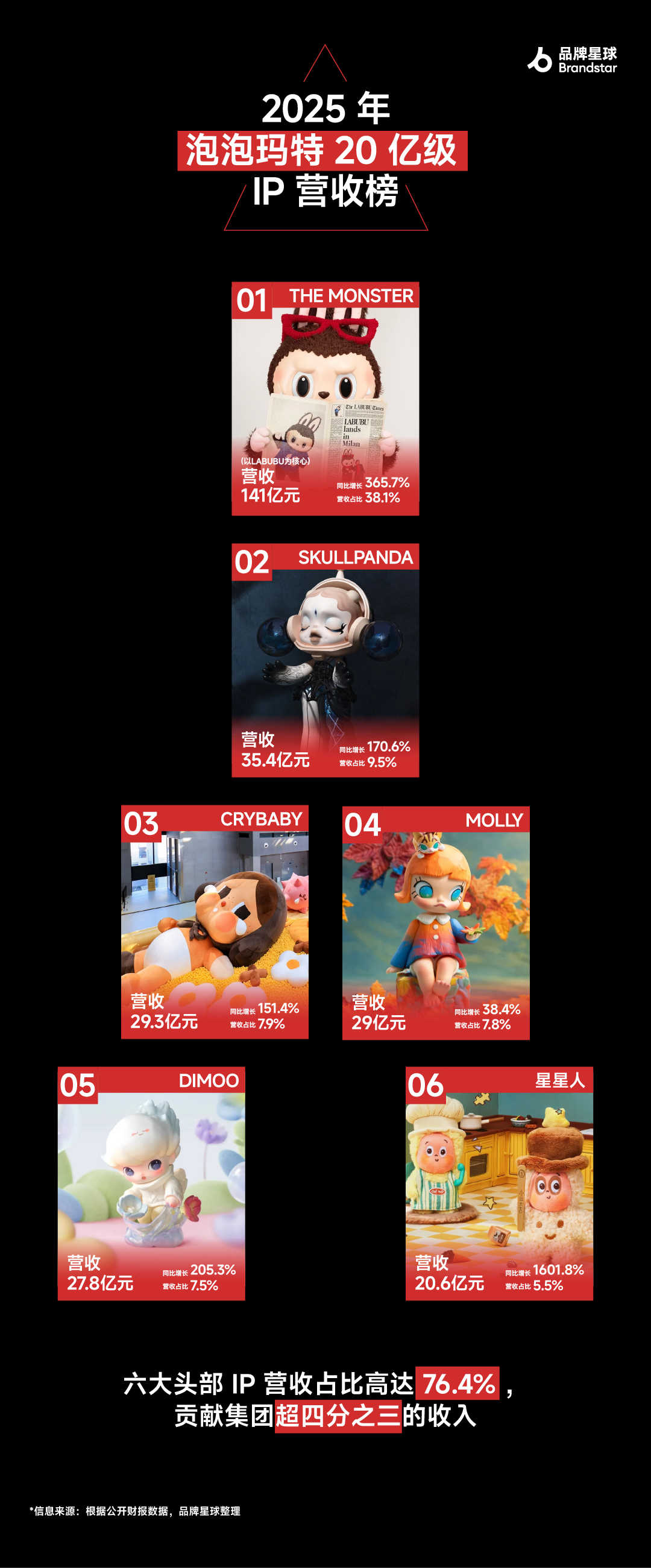
Among Pop Mart’s six leading IPs, some characters draw attention and drive revenue. Two others, the rising star Twinkle Twinkle and the established MOLLY, may offer a clearer view of how Pop Mart manages its IP portfolio.
- Created in 2020, Twinkle Twinkle went from RMB 120 million in annual revenue in 2024 to RMB 2.056 billion a year later, more than 17 times its previous level. The upstart became a surprise breakout hit.
- MOLLY, Pop Mart’s longest-running and most iconic IP, grew at a slower but steady pace, generating RMB 2.897 billion in revenue. Pop Mart keeps its established properties fresh with products spanning multiple formats, themes, and series. ROYAL MOLLY and MEGA SPACE MOLLY strengthen MOLLY’s premium positioning, raising its brand value and collectibility. ANGRY MOLLY takes an emotion-led approach, emphasizing the character’s cute, comforting side.
Twinkle Twinkle shows how quickly Pop Mart can develop a hit and create a new source of growth. MOLLY shows how the company can sustain interest in a mature property over time. Both capabilities will shape Pop Mart’s future growth.
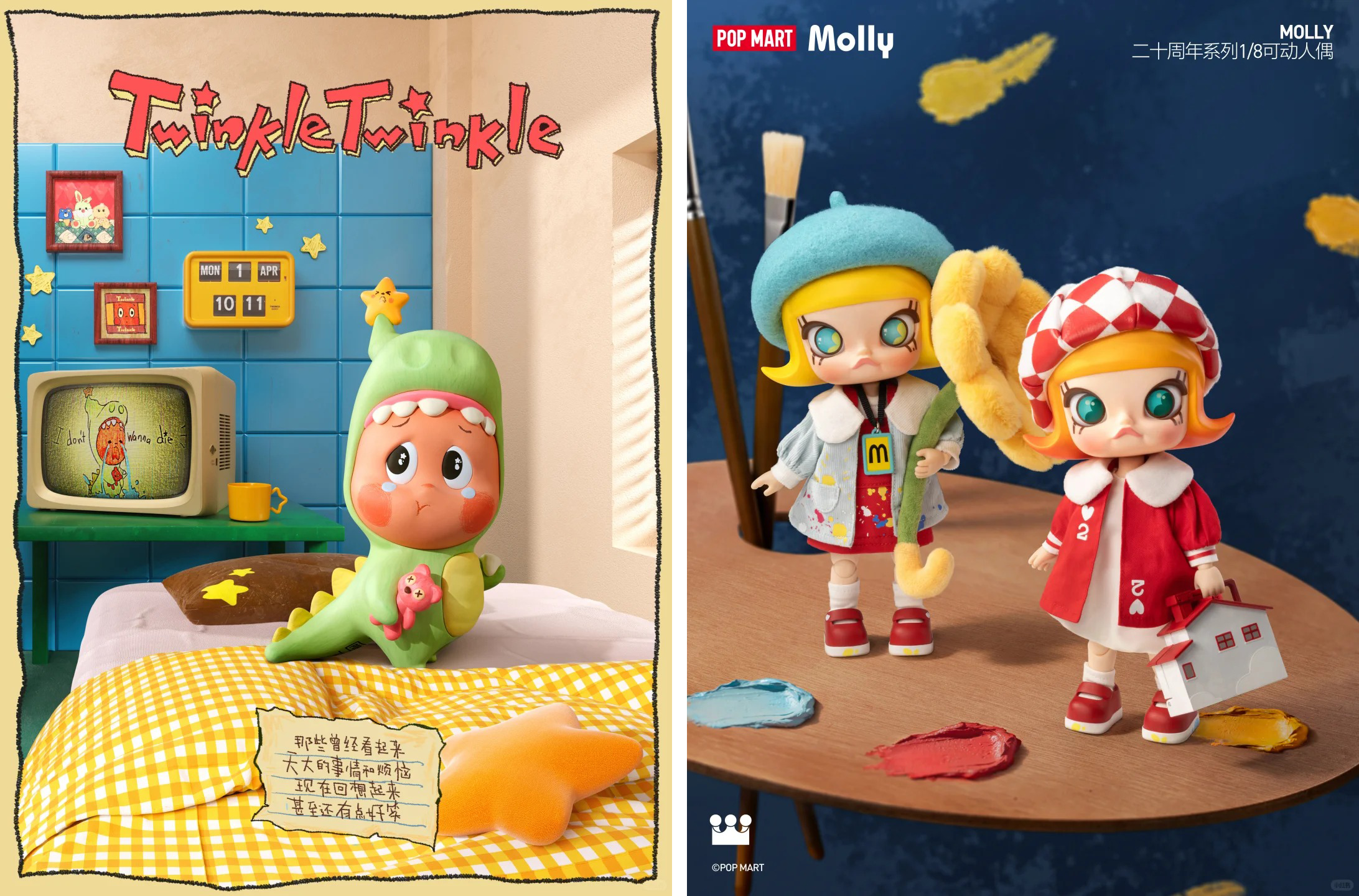 Twinkle Twinkle was created in 2020 and became a surprise breakout hit within a few years. In 2026, Molly marked its 20th anniversary and 10 years of working with Pop Mart.
Together, the six leading IPs now account for more than three-quarters of group revenue, giving Pop Mart its most reliable base for growth.
Pop Mart’s strategy is to build a platform that can take IP from incubation to breakout success, sustain its popularity, and bring it to global markets. LABUBU shows what that system can produce. The real test of Pop Mart’s competitive advantage is whether it can keep developing new properties with LABUBU’s staying power.
Storytelling moves from fragments to fully realized worlds
Pop Mart has long looked to Disney as a benchmark, but the two companies develop IP from fundamentally different starting points. Disney starts with animation and film, using fully developed stories to shape characters before extending them into merchandise and experiences. Pop Mart starts with designer toys to familiarize consumers with its characters, then gradually builds out their worlds through storytelling to extend the life of each property.
The two models start in different places and develop at different speeds, but the lines between them are blurring as both pursue the same goal of keeping their IP relevant over time.
The biggest change at Pop Mart is that its storytelling has moved from scattered bits of backstory toward coherent, expandable worlds that can take shape across different settings. Storytelling has become central to keeping its IP relevant over time.
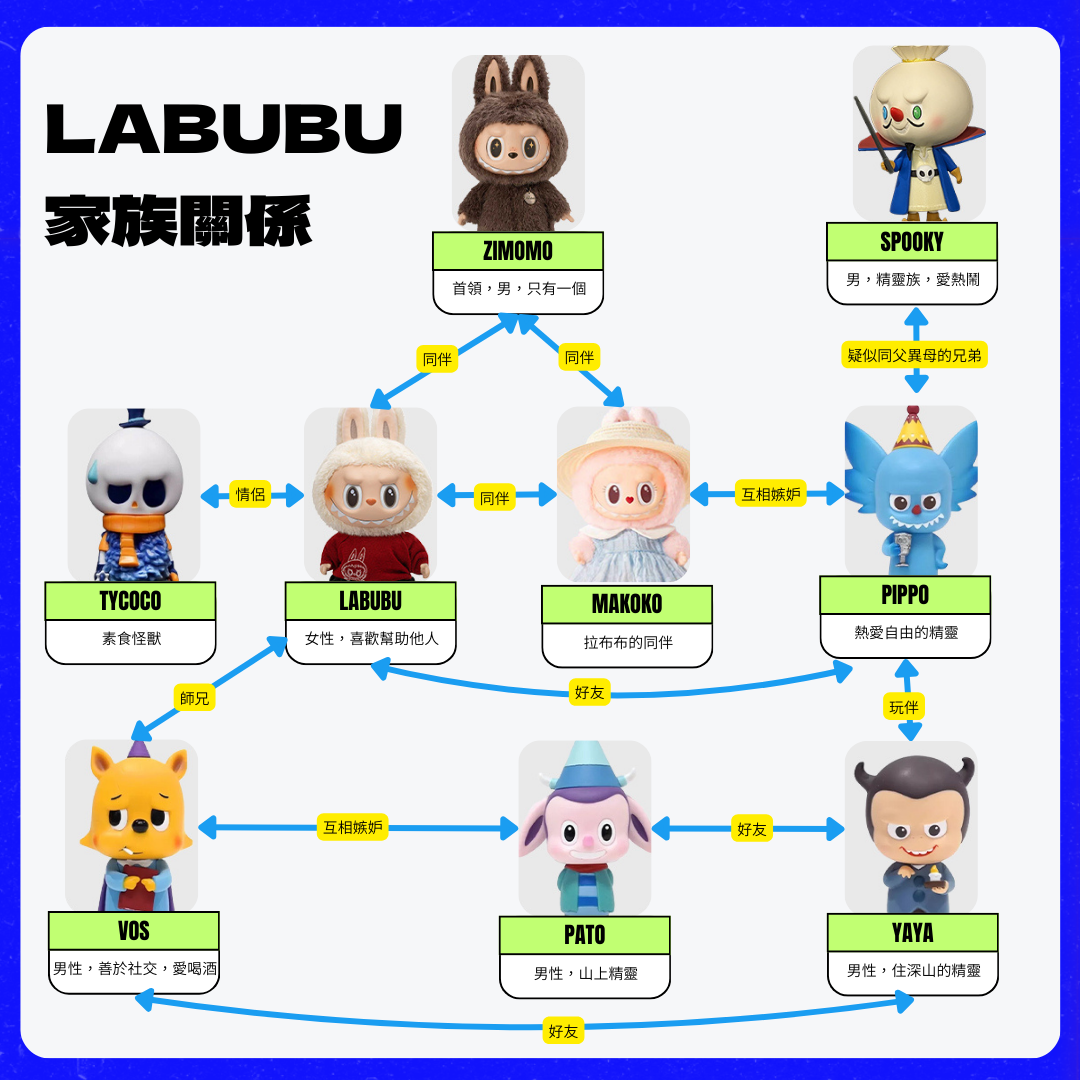
Early on, Pop Mart’s IP content primarily helped consumers get to know the products, with fragments of the fictional worlds tucked into small details. LABUBU animated shorts, hidden inserts in blind boxes, and the elf forest map in THE MONSTERS series offered clues that fans could piece together as they collected and unboxed toys, gradually discovering the characters’ backstories and the rules of their world.
LABUBU’s world has roots that predate Pop Mart. Its story goes back to artist Kasing Lung’s 2015 work The Mysterious Bouka. Before working with Pop Mart, Lung drew heavily on European folklore and used picture books to lay the foundations for the elf forest of THE MONSTERS.
For fans, cute, eye-catching products are the way in. Discovering that world piece by piece turns attractive toys into characters with stories and lives of their own.
Pop Mart is also exploring another approach to storytelling, building fictional worlds around emotions. Hirono is a prime example.
The IP grew out of a character the artist Lang created for his son, with loneliness, comfort, and defiance built in from the start. With a downturned mouth and an aloof gaze, Hirono makes little effort to charm. The character reflects the stubborn part of ourselves that refuses to grow up.
Over the past year, Pop Mart has brought Hirono to cultural attractions and travel destinations, turning abstract emotions into immersive, shareable experiences that let fans step into the character’s inner world.
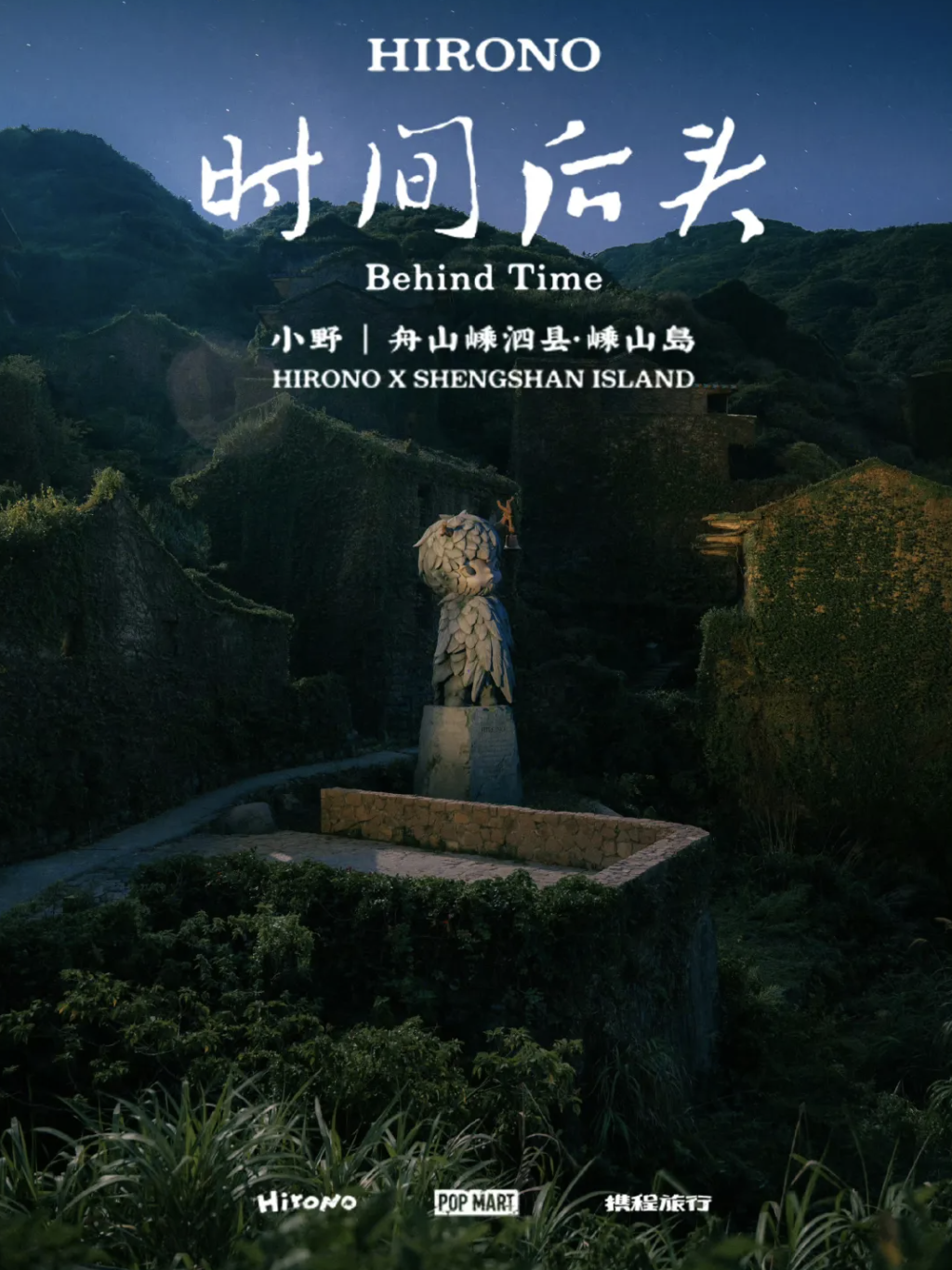
For its public art exhibition Beyond Time, Pop Mart placed Hirono sculptures on a remote island in Zhoushan accessible only by boat, using a real-world destination to give physical form to the character’s inner world.
The clearest sign that Pop Mart is moving toward a more systematic approach to content may be its upcoming hybrid live-action and animated LABUBU feature with Sony Pictures.
Paul King, the director of Paddington and Wonka, is producing and directing the film. Kasing Lung is an executive producer, and the screenplay is now in development. Bringing the elf forest to the screen marks a major step in Pop Mart’s evolution from a designer toy company into a global IP entertainment group.
Alongside the film, Pop Mart is expanding the physical settings for its fictional worlds. At the 2025 earnings meeting, the company announced that Phase 1.5 of POP LAND would open in summer 2026.
Compared with the large, capital-intensive parks run by Disney and Universal Studios, POP LAND is positioned as a lighter-format park. Its primary purpose is to give its IP a physical world that visitors can touch, explore, and interact with, beyond the usual remit of a tourist attraction. Visitors can interact with the characters in person, and stories have a place to unfold. The park also serves as a place to develop new IP content. The Twinkle Twinkle Song, a breakout hit in 2025, originated at the park and spread from there.
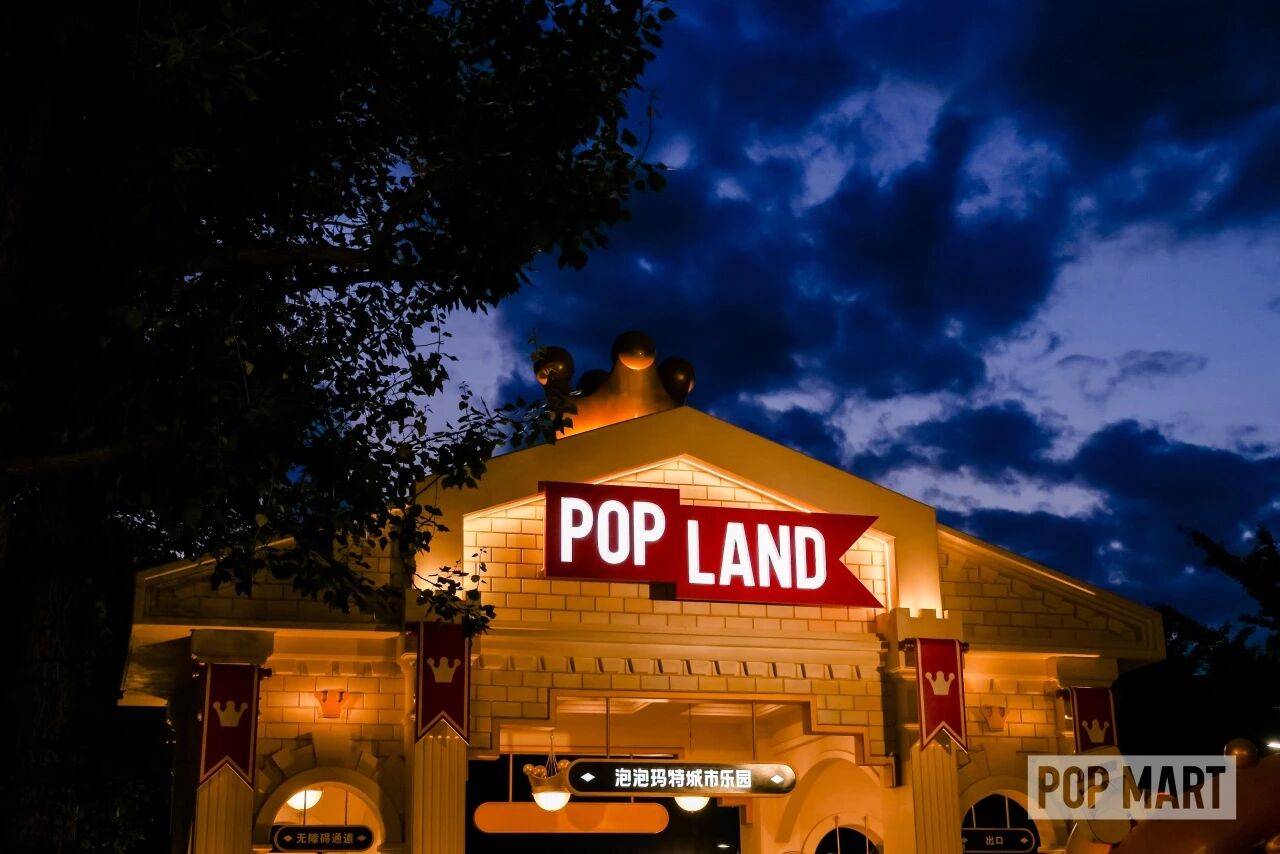
From picture books and shorts to music, films, and theme parks, each medium gives Pop Mart a different way to build out its fictional worlds and bring them to consumers.
More categories and a broader IP portfolio deepen emotional connections
Pop Mart’s IP can move readily across product categories, as flagship characters such as LABUBU and MOLLY show especially well.
A single IP can generate sales well beyond blind boxes, from vinyl-faced plush and building sets to accessible luxury jewelry priced in the thousands of yuan and products for the home. That gives Pop Mart a foothold in more categories and more areas of consumers’ lives. Entering new categories and markets is a natural outgrowth of the commercial potential of its IP.
At its 2025 earnings meeting, Pop Mart unveiled the next phase of its lifestyle expansion. It partnered with JD.com to enter small home appliances and committed to expanding its building sets so fans can assemble the worlds and everyday settings of its characters. It also continues to expand into jewelry, desserts, and other categories with strong emotional appeal, encouraging consumers to spend more and deepen their attachment to the brand.
Pop Mart’s expansion into new categories puts emotional appeal ahead of utility.
Wang Ning once used a USB flash drive to illustrate where Pop Mart draws the line in product development. When a product is primarily functional, it can dilute the artistic character of the IP, and consumers can switch to substitutes too easily for the product to create a durable competitive advantage.
From the small appliances in the pipeline to jewelry, desserts, and building sets already on the market and still proving themselves commercially, Pop Mart applies the same principle. A product’s function should support the feeling it evokes, and the product itself should fit the occasion.
- Jewelry offers the clearest example of how consumers express emotion through a product. Its appeal lies in completing an outfit, expressing personal taste, and making getting dressed feel like a ritual. It gives younger consumers a way to find comfort in what they wear every day.
- Desserts offer comfort through visual appeal, photo opportunities, sharing, and a sense of companionship, in addition to satisfying hunger. Desserts shaped like familiar characters are naturally shareable.
- Building sets deepen the sense of companionship and flesh out each fictional world. A standalone figure captures a character’s likeness. A buildable figure with a buildable setting gives that character a story. Fans spend hours assembling the pieces by hand, immersing themselves in the world as they build it.
 Pop Mart has introduced jewelry, building sets, and desserts.
By that logic, the upcoming small appliances will likely prioritize emotional appeal and a place in more everyday routines over functionality alone. That would take the characters from bags, outfits, and desktops into the rest of the home.
Once consumers start using figures and plush toys to personalize what they wear and how they live, it is natural for them to expect those characters to have a place in everyday life at home.
Responding to controversy over blind boxes, Wang Ning once said that cultural companies have their own languages. Building bricks are LEGO’s language, he said, and Pop Mart’s began with blind boxes.
That observation helps explain Pop Mart’s expansion today. The progression from blind boxes to figures, signature charms, plush, building sets, jewelry, and small appliances has changed how consumers interact with its characters. What began as collecting at a distance has become part of how fans dress, what they keep close, what they use, and what they build. Characters once known mainly in niche circles are entering mainstream daily life.
As Pop Mart expands into more categories, it continues to look for ways to connect with how people feel today. Its characters sit at the center of a cultural entertainment platform that can reach into more areas of daily life and keep growing over time.
02 Closing thoughts on cooling down after the sprint
After posting 184.7% revenue growth in 2025, Pop Mart shifted away from its high-growth strategy and set a 2026 growth target of more than 20%. That relatively conservative outlook sent shares down more than 20% on the day of the announcement.
“Think of it as an F1 pit stop. We want 2026 to be a year to refuel and change tires.”
Founder Wang Ning likened Pop Mart’s 185% growth in 2025 to an F1 car racing flat out. He stressed that the company would protect its margins and brand health as it grew. For 2026, he said Pop Mart needed to shift its focus from growing revenue to streamlining its organization, strengthening its supply chain and improving management efficiency.
Pop Mart may have recognized that its breakneck growth in 2025 was unsustainable. It is now tapping the brakes, managing both its pace of growth and expectations as it seeks to move past its reputation as a wealth-creation story and establish itself as a global platform for pop culture IP with steady growth.
That approach also shaped how Pop Mart responded to market hype. LABUBU charms had been selling for several times their retail price on the secondary market. To curb speculation and stabilize prices, Pop Mart sharply expanded production capacity from late 2025 into early 2026. Monthly capacity for its core IP rose from an average of about 10 million units in the first half of 2025 to an average of 50 million units by year-end, using greater supply to cool the frenzy.
For a company coming off a period of rapid growth, the 2026 cooldown looks like a pragmatic pullback after a series of growth surges. Pop Mart still has a long way to go to achieve its ambition of becoming a global pop culture company built around IP. BRANDSTAR