From hardcore to fun: Is outdoor storytelling getting lighter?
A different way to tell the story of the outdoors.
In April 2026, with spring approaching, Lafuma invited Brandstar to Nice in southern France for a four-day hike in the southern foothills of the Alps.
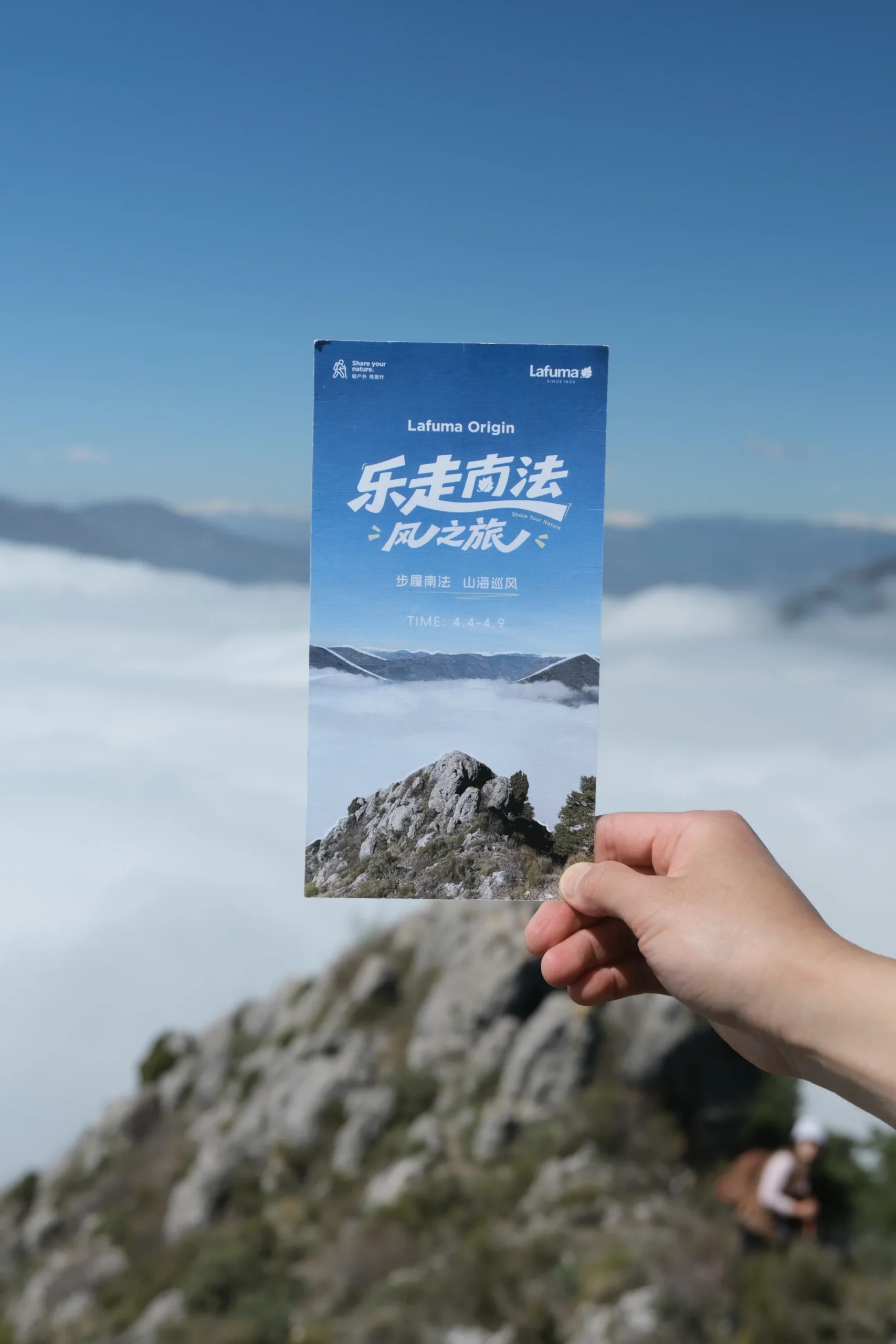
The trip was part of Lafuma Origin, a long-term project exploring what it means to travel on foot. Launched for Lafuma’s 95th anniversary with “The French Trail” as its guiding theme, the project continues to build on hiking experiences and observations across different landscapes.
Lafuma is also developing a separate ecological exploration series that visits natural settings where conservation issues are especially salient, such as the Little Elephant Rainforest in Xishuangbanna. Taking conservation as its starting point, the series explores how people and nature can coexist over the long term.
As the hikes continue, Lafuma is putting what it learns into more structured formats. After this trip, for example, the brand partnered with Atout France, the French tourism development agency, to publish the “Joy Hiking in Southern France” guide. It brings together 10 representative hiking routes in southern France so others can follow them and build on the experience.

As the project grew, we saw a familiar pattern in how Lafuma communicates. The nearly century-old brand communicates sparingly, using concrete activities and firsthand experiences to show what it stands for.
The trip to southern France gave us a chance to see the brand’s approach firsthand. Two questions guided our reporting.
- With hikes and community events now standard across the industry, what set Lafuma’s hike apart?
- Why did Lafuma choose Nice, a city with a long history as a vacation destination, to show what hiking and the outdoors mean to the brand?
As the trip unfolded, we came to see it as a demonstration of how we might rethink hiking and the outdoors.
The trip also brought a broader industry gap into focus. Outdoor marketing still leans heavily on hardcore pursuits, performance metrics and challenges. The audience for casual outdoor recreation is growing rapidly, yet storytelling that speaks to how those consumers get outdoors in everyday life has yet to take shape.
01 A different way to get outdoors, seen from the trail
In southern France, where the southern foothills of the Alps meet the Mediterranean coast, a hike can be as much about staying close as it is about going higher or farther.
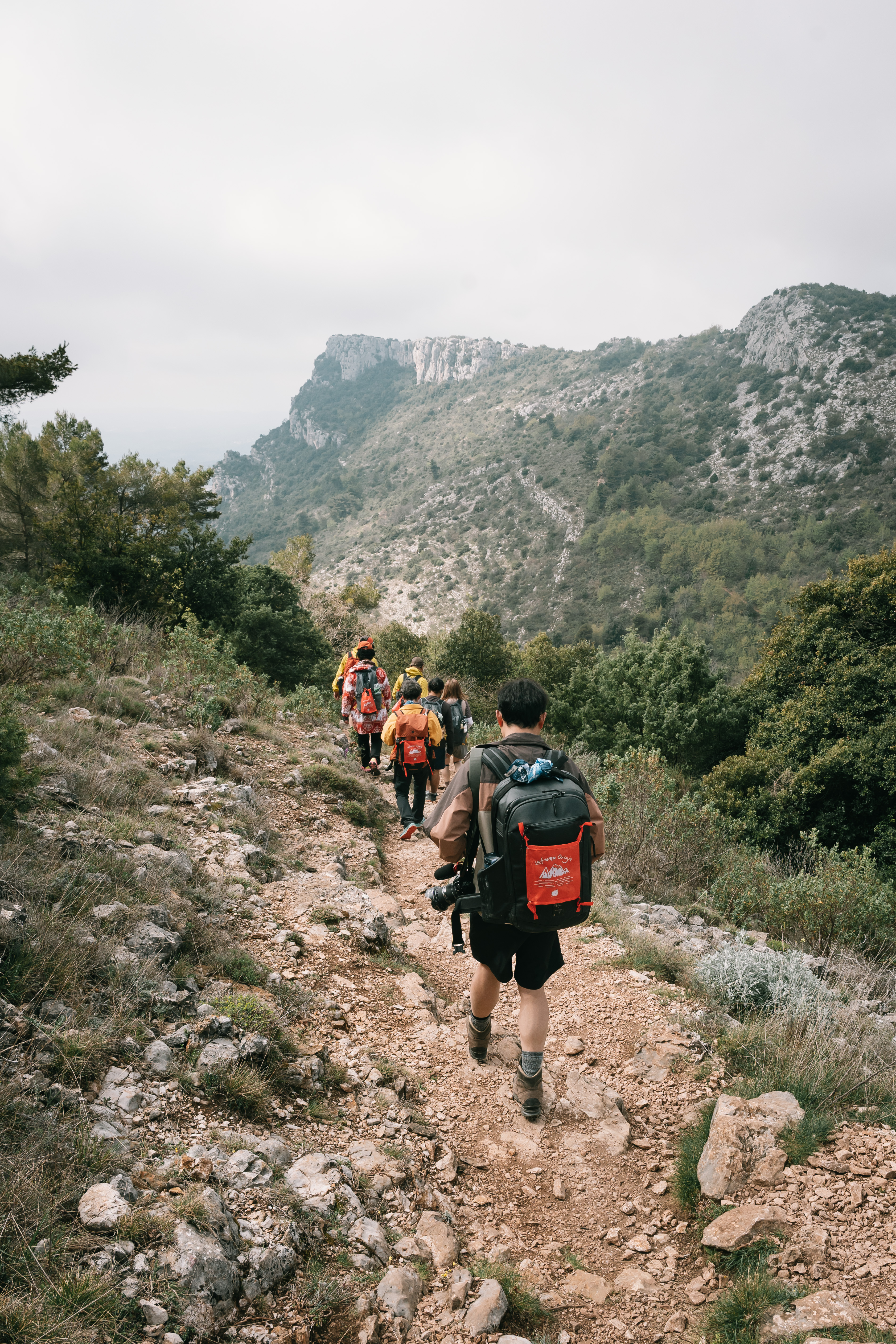
Brandstar was among the media outlets that joined Lafuma for “Joy Hiking in Southern France.” We set out from Nice with the Lafuma team and spent four days exploring the mountains of southern France. The brand event felt like a hands-on exploration of what hiking can be.
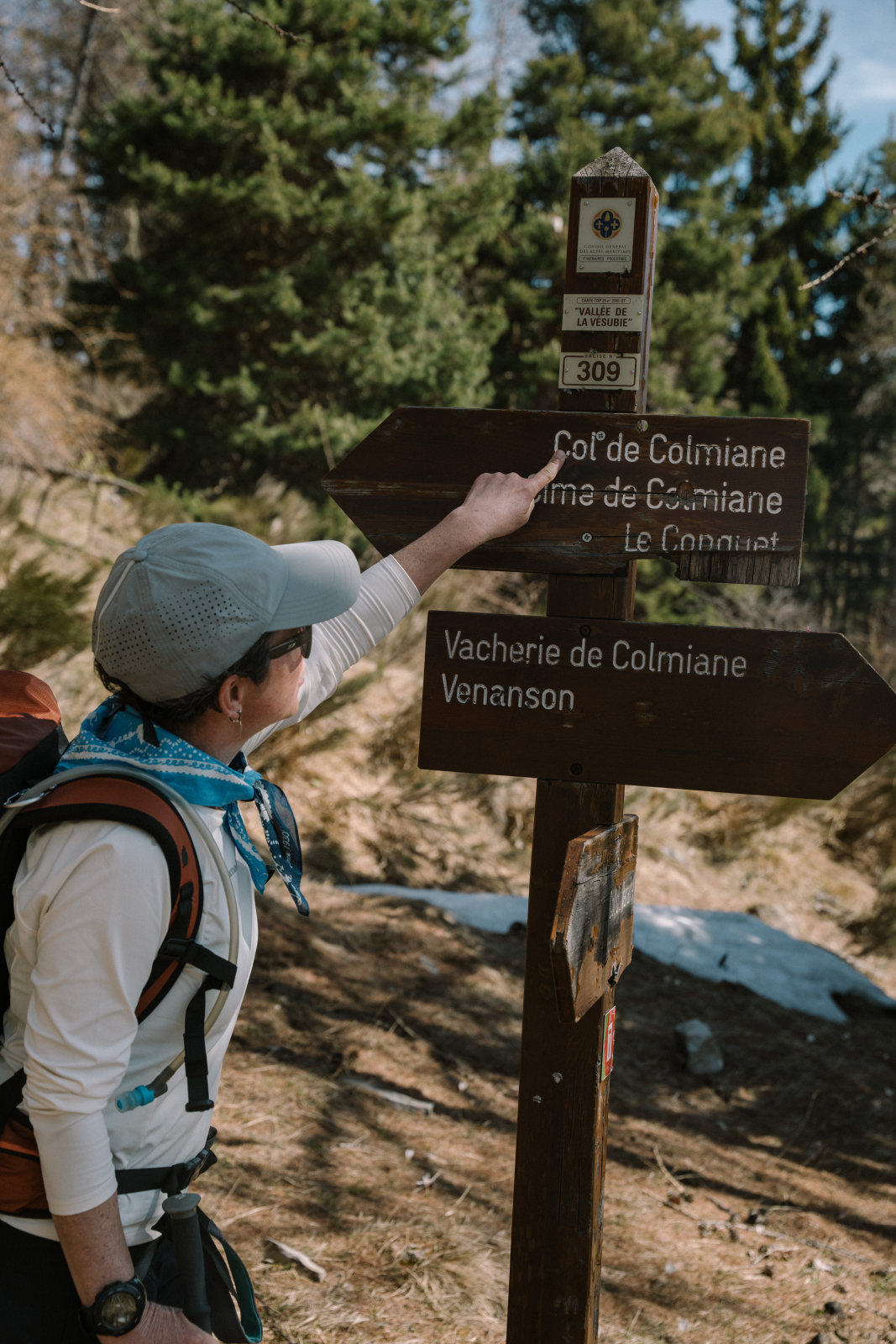 A guide briefs hikers on the day’s route.
One thing stood out immediately. The numbers mattered little on this hike. Elevation gain, distance and pace rarely came up. Walking was at the center of the experience, and what we sensed, the people we met and what happened along the way all shaped the hike.
The first thing to change was where the enjoyment came from. The walk itself became its own reward.
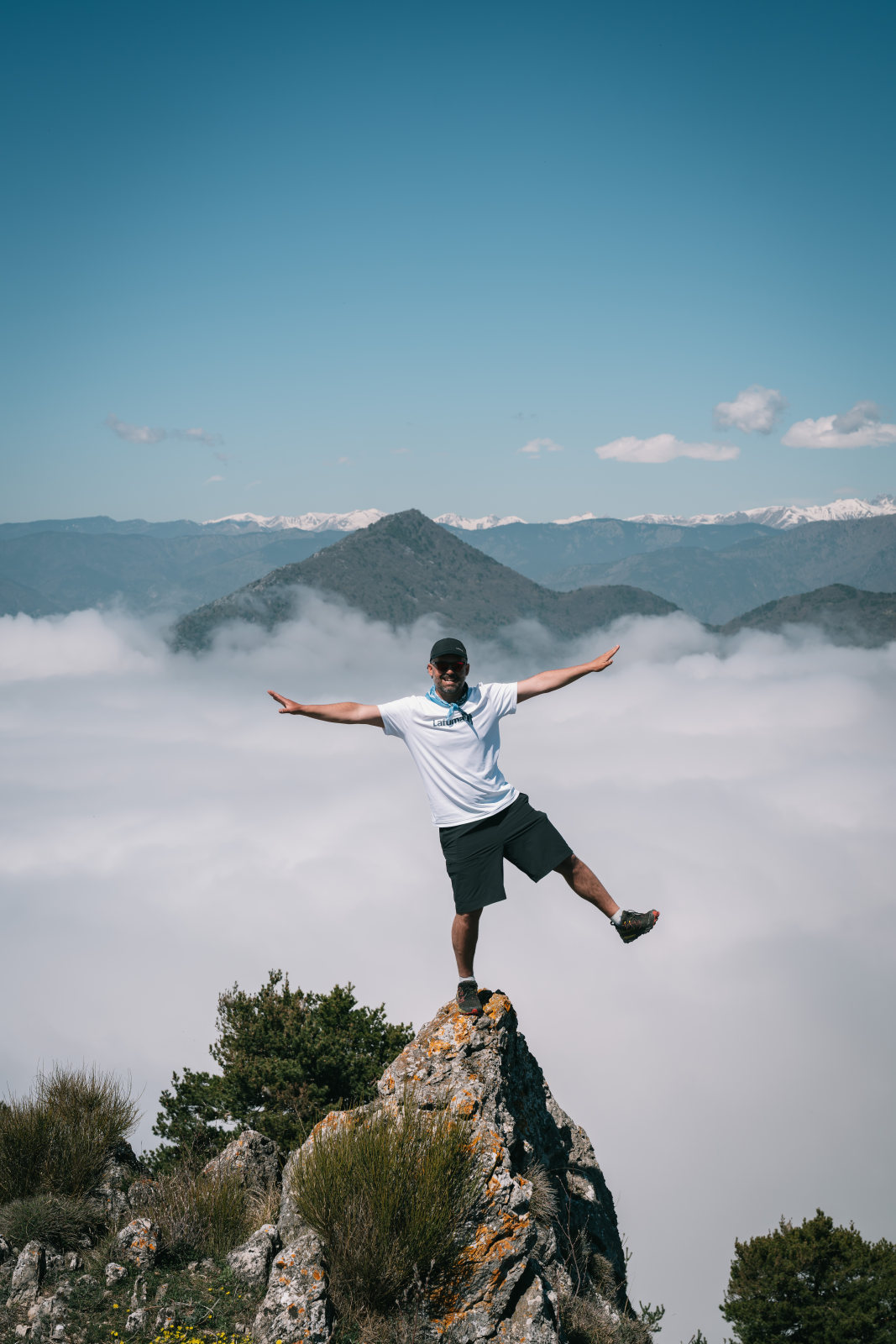
With the destination only part of the point, we naturally paid more attention to what happened along the way. After a short push to one summit, we met a local boy playing the ukulele and singing softly, a thick sea of clouds spreading behind him like an impromptu stage. Another day’s route took only half a day, but its trail markers were named after planets, offering a playful way to think about distance and location in the mountains on a cosmic scale.
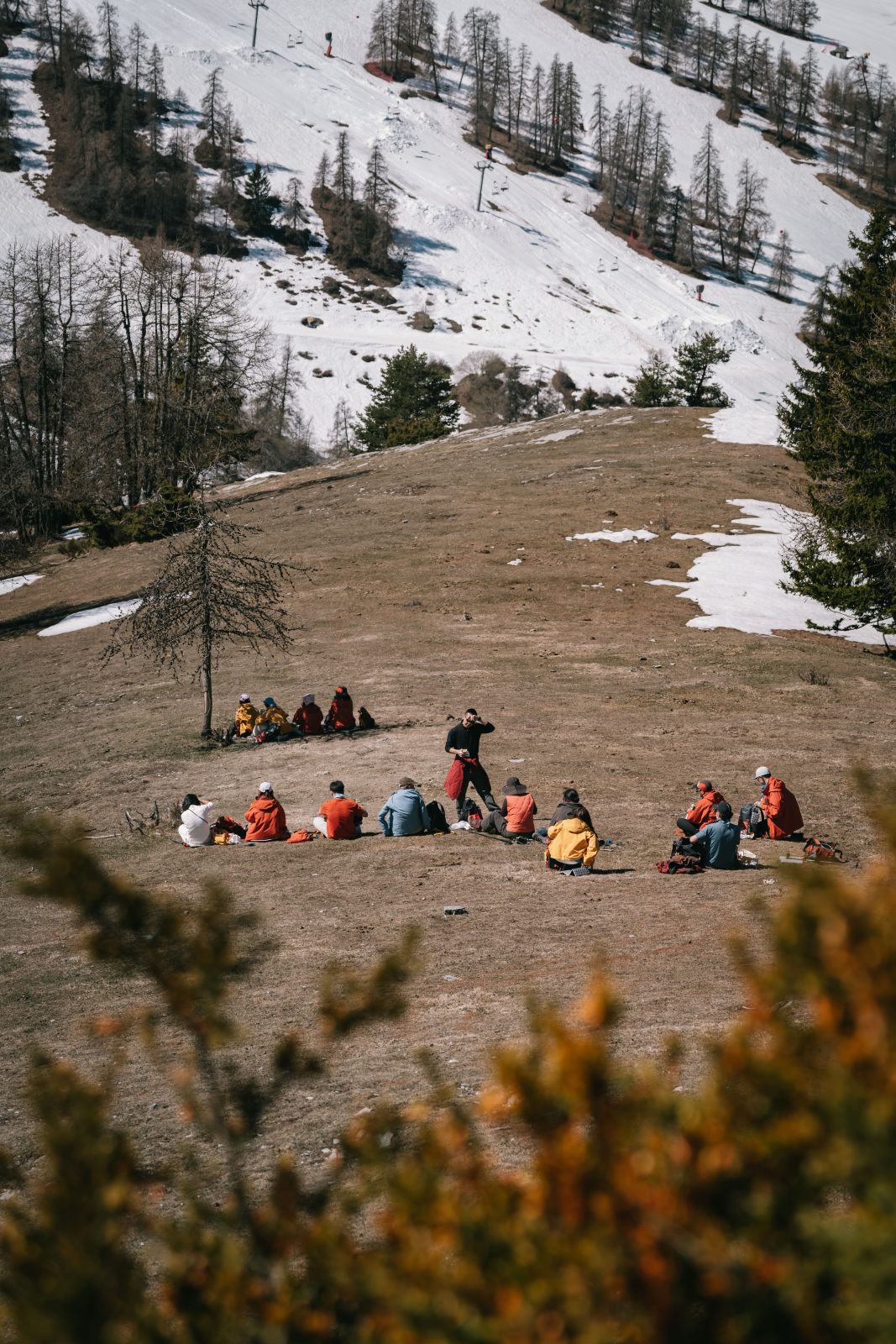
Distance and intensity became just two parts of a hike also shaped by walking, pausing, talking and observing.
That loosened the association between hiking and grueling effort, heavy packs and specialized skills. A baguette sandwich and two bottles of water were enough to set out. Along the way, you might come across a farm serving drinks and desserts made with fresh local plants, or stop at a winery for a meal and good wine. The outdoors began to feel like an extension of everyday life into a different landscape.
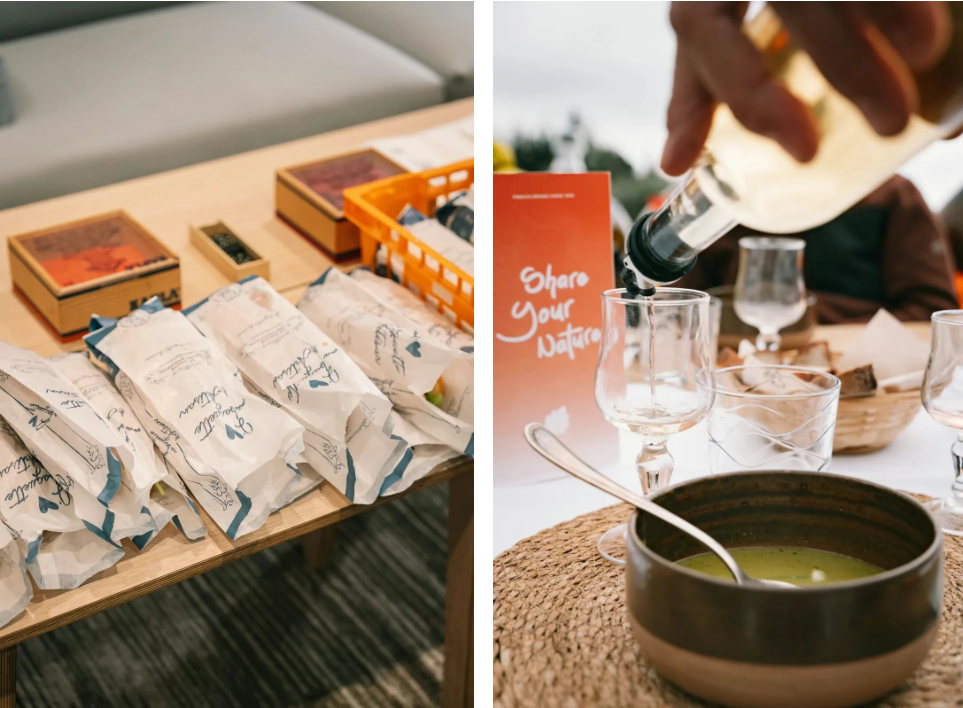 A baguette sandwich is enough to get you started, and wineries along the way offer fresh, tasty food whenever you need to refuel.
As the destination receded into the background, another theme emerged: connection.
The first connection we rediscovered was a more tangible relationship with nature. Our guides, who came from villages at the foot of the mountains, shared local knowledge along the way. The white Alpine crocus is seen as a sign of spring, pine branches are believed to ease stomach discomfort, and the cones can be used to make wine. Touch, smell and taste brought us closer to the landscape and gave us a sense of what it means to live in it.
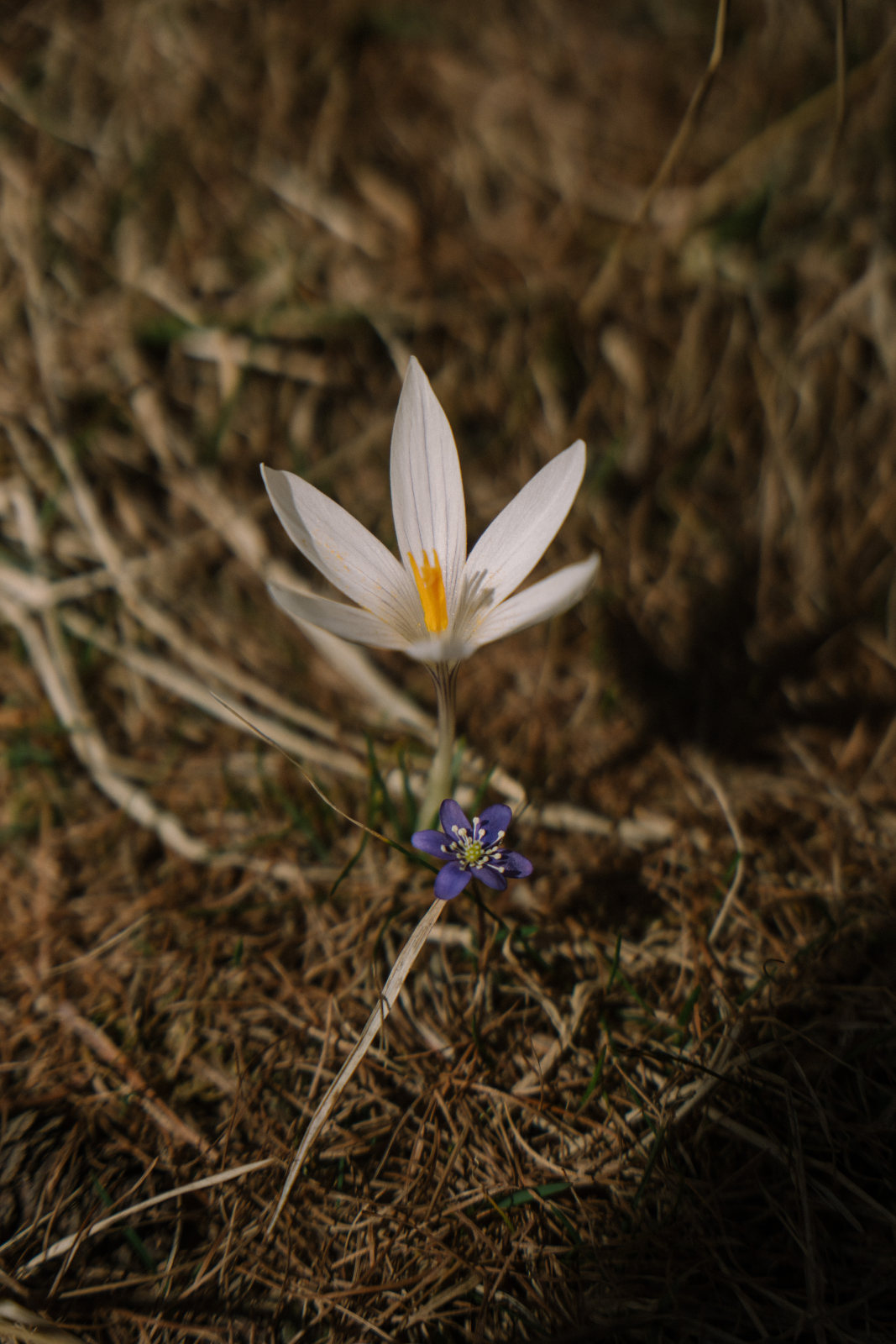 Alpine crocus
Walking also changed how people related to each other. A quick heads-up on a gravel stretch, a brief conversation between hikers or simply walking and breathing in step helped forge a loose but lasting connection.
Exhibitions and community events bring these experiences back into everyday life, allowing what happens in the mountains to carry over into more social settings. That extension from the mountains to the city reflects Lafuma’s longstanding “Share Your Nature” philosophy. It treats our relationship with nature as an experience people can share and discuss in different settings and carry into their daily lives.
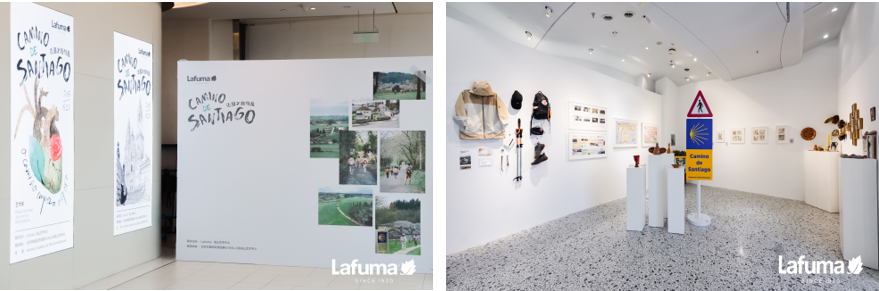 Lafuma’s “The French Trail” special exhibition
These experiences suggest a different way to tell the story of the outdoors. Gear weight and efficiency take a back seat to a more relaxed, enjoyable and accessible approach, closer to what the brand calls “Joy Hiking.”
Walking can be easy and enjoyable, and the act itself can offer a fresh way to understand the world. The boundary between city life and the outdoors shifts as both become part of the same everyday routine.
The idea extends beyond any one trail. Alongside summit attempts and physical challenges, hiking can offer enjoyment, connection and a more regular, lasting relationship with nature.
02 Why the outdoor industry needs a lighter narrative
Lafuma’s take on the outdoors raises a broader question. Why does this kind of storytelling matter now?
Over the past two years, the broader sports industry has begun to move away from the competitive ideal of “higher, faster, stronger.” Brand storytelling is taking on a lighter, gentler tone, with renewed attention to what makes sports fun, how they make people feel and how they fit into everyday life.
The outdoor industry is moving at a different pace. Outdoor recreation is rapidly going mainstream as activities once pursued by a small group of specialists become everyday options. Yet industry messaging still centers on altitude, extreme conditions, technical specs and expert-level performance. A new vocabulary has yet to fully take shape.
In the industry’s early days, emphasizing technical expertise helped build trust, establish standards and educate consumers. As participation grows, messaging that assumes specialist knowledge can clash with more everyday needs. For people who simply want to spend a weekend in nature, it can make outdoor activities harder to understand and take up.
As that disconnect has become more apparent, parts of the industry have begun to experiment. In recent years, some trail running events have added more relaxed activities focused on the participant experience. The sport remains central, with broader measures of success alongside finishing times and rankings.
Lafuma’s history puts that approach in perspective. It is a longstanding part of the brand’s identity that has come back into view as the wider industry shifts.
Lafuma was founded in 1930 in Anneyron, a small town at the foot of the French Alps. In 1936, Lafuma invented a backpack with a metal frame that the French military soon adopted, giving the brand early ties to technical outdoor pursuits and expeditions. At the time, outdoor activity was largely understood in terms of what people and their gear needed to do in extreme conditions.
That focus on expeditions and technical use gradually shifted over the following decades, in close step with changes in 20th-century French society.
As paid vacation was introduced and gradually extended, people had more leisure time, and camping, hiking and short trips became more popular. Outdoor recreation expanded from an expeditionary pursuit for a small group into a more widely enjoyed way to spend leisure time and vacations.
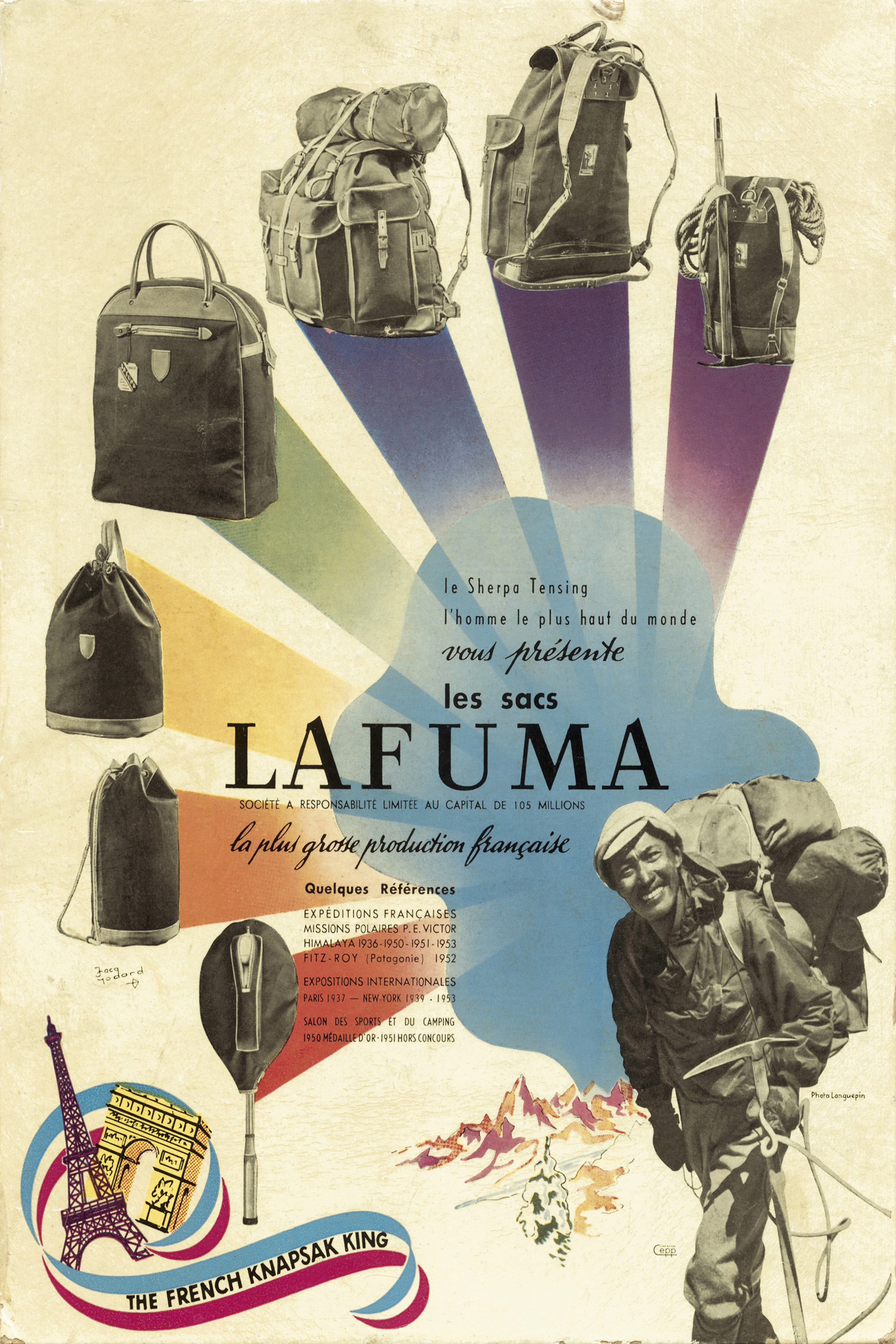 A 1950s Lafuma poster featuring mountaineer Tenzing Norgay and showcasing the brand’s early backpacks and expedition gear.
That social shift was reflected in Lafuma’s product development. Its early backpacks emphasized structure and durability for technical outdoor use. As the customer base broadened, designs combining metal and canvas put greater emphasis on lighter weight and portability. The products evolved with how people used them, from gear built for a small group embarking on long journeys to everyday items that made it easier for more people to spend time in nature.
Today, Lafuma’s range is increasingly organized around where and how people use the products, with categories closer to everyday needs. The understated, utilitarian look has given way to a brighter, more refined and versatile style that works outdoors and complements both everyday outfits and mountain-inspired looks.
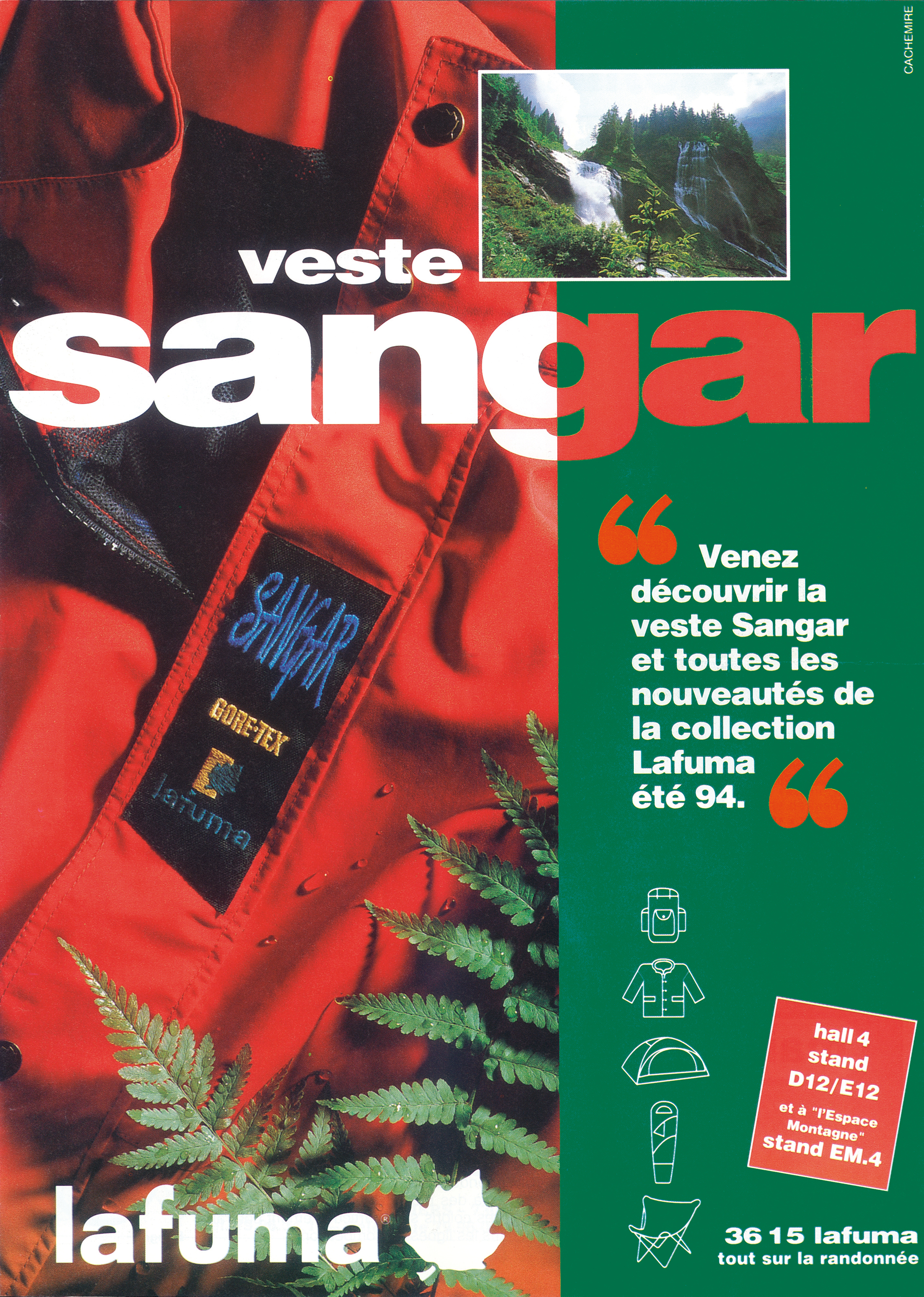 A Sangar shell jacket from the 1990s
Taken together, these shifts brought Lafuma from an equipment-focused business closer to a French outdoor lifestyle brand, in keeping with the relaxed, accessible experience that “Joy Hiking” promotes.
The 95th-anniversary reissue of the classic Sangar and the return to the Alpine foothills where Lafuma began made that historical shift visible again. Both reflect an outlook that took root early in the brand’s history and still shapes its products. The outdoors is becoming a more accessible part of everyday life.
 Lafuma’s Sangar line exemplifies this approach. Its cuts, fabrics and details are designed for everyday hiking, making the pieces easy to wear day to day with less emphasis on hardcore performance.
The same question matters in China. As more people take up outdoor activities, China’s outdoor market is moving from a formative stage dominated by experienced users into a phase of wider adoption.
The industry’s focus is broadening from building awareness of technical expertise to helping people of all experience levels get outdoors and enjoy it. Future growth in the outdoor market will depend in large part on a steady influx of new users.
At this stage, the industry is reexamining how it communicates. A lighter narrative gives the industry a way to reach more people while preserving the role and substance of technical messaging. Its value may lie chiefly in changing where people start.
People who once felt put off by talk of altitude, pace and gear systems can rediscover the outdoors through enjoyment, firsthand experience and activities that fit into daily life. Those who are still on the fence gain more ways to get started. BRANDSTAR
Lafuma · Brand storytelling · Storytelling in sports and outdoor brands
More stories →