BASAO makes the case for slower living in a world spinning out of control
Making tea a natural part of everyday life
In recent years, brands across industries have been talking about what it means to feel at ease. It has become one of the most widely discussed ways of living on social media. What began as a way to relieve anxiety gradually became a platform buzzword and an idealized lifestyle reproduced again and again.
Yet feeling genuinely at ease takes lived experience, time, and a moment that gives our attention somewhere to settle.
Tea offers just such a moment. Drinking tea is inherently unhurried. You wait for the water to boil, time the steep, take in the aroma, and finally taste it. The process makes you slow down and take a breather.
These seemingly idle pauses create a rare opening in everyday life. The rush to take in information and get things done subsides, and you can feel time passing again.
Perhaps that is why tea always leaves a little breathing room. It gives emotions and senses time to unfold, without demanding immediate stimulation or results. In that way, tea can foster a genuine sense of ease.
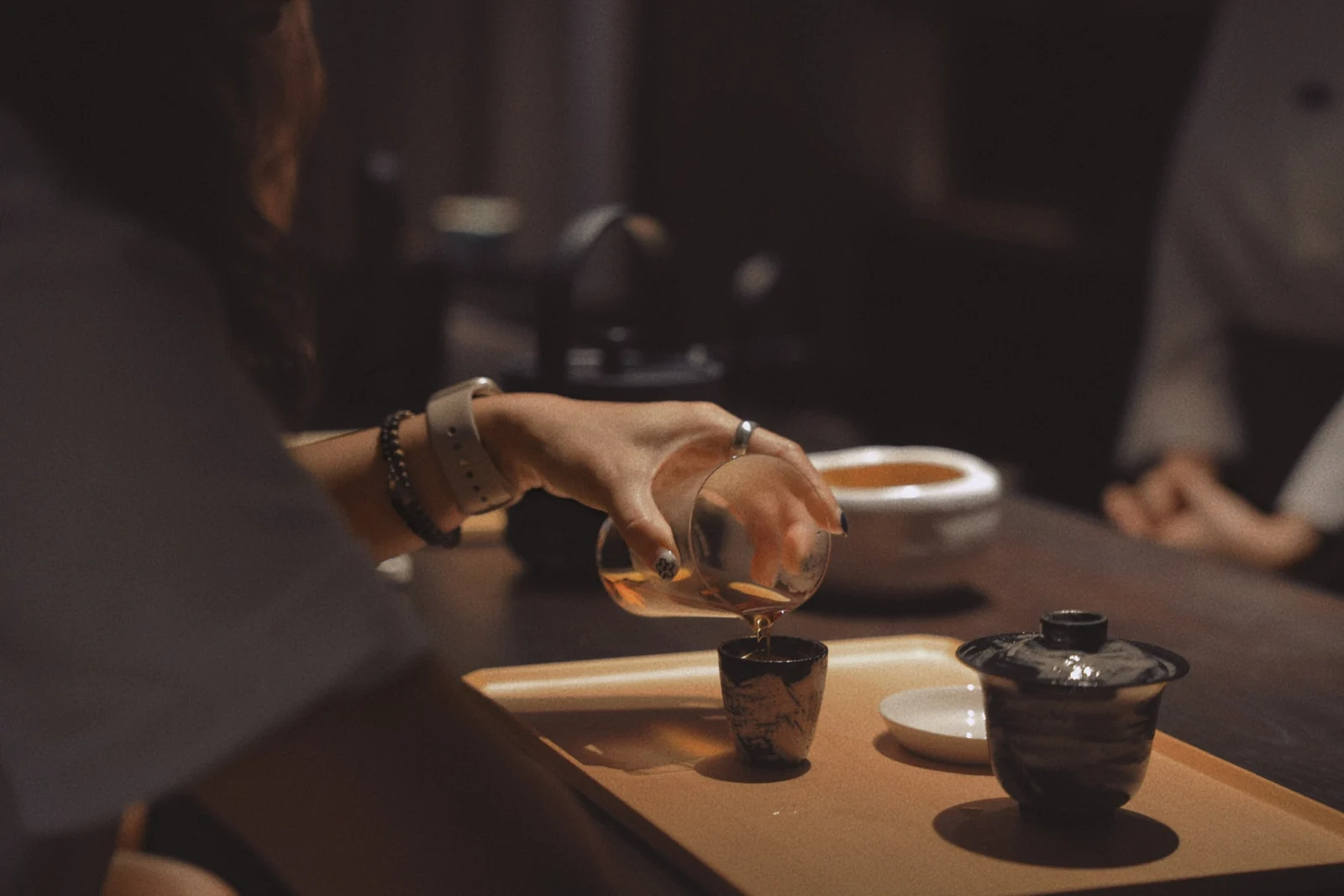
Five years have passed since Brandstar last covered the Chinese tea brand BASAO.
Over those five years, amid an explosion of information and a quickening pace of life, BASAO has kept using tea to cultivate mindfulness, or an attentiveness to the present moment. In pushing back against the prevailing pace, it has offered city dwellers an oasis.
In the second half of 2025, BASAO reopened its Shanghai store at Rockbund following a renovation.
The renovation brings BASAO’s current brand philosophy into focus. It further strips away tea’s associations with socializing and gifting and brings it back into the realm of personal experience. It also shows how the 15-year-old brand has gradually refined its focus.
BASAO’s original purpose remains the same. It now sees and pursues its third path more clearly, treating tea as a personal practice in a market shaped by social gifting and the pursuit of short-term traffic.
Through a consistent design language across its products and in-store experience, BASAO makes an elusive sense of ease visible and tangible. You can find it in the bowl of tea right beside you.
01 Finding room to breathe in the present through tea
Around 2020, Xiang Biao’s idea of “rebuilding the nearby” gained traction on social media, as did a view put forward by Luo Xiang that draws on a central idea in Dostoevsky’s novel The Brothers Karamazov. In essence, love actual people rather than people in the abstract, and love life itself rather than its meaning. Both ideas continue to spark public discussion today.
In the consumer sector, categories such as outdoor recreation and emotional wellness have also been booming in recent years.
Responses to these ideas and trends have been mixed, but one thing is clear. People are urgently looking for answers and for something to hold on to as a flood of information threatens to throw daily life into disorder. The desire for inner calm and a sense of order has only grown as technology advances and the pace of life accelerates.

We noticed a pattern on social media.
Some people seek instant gratification through shopping to ease the anxiety they feel about the world around them. Others have chosen a slower, quieter practice they can sustain over time. They drink tea.
On Xiaohongshu, the “Daily Tea Drinking” topic has sparked more than 10 million discussions. The words, images, and mood of the posts all seem to settle naturally into a quieter rhythm of their own.
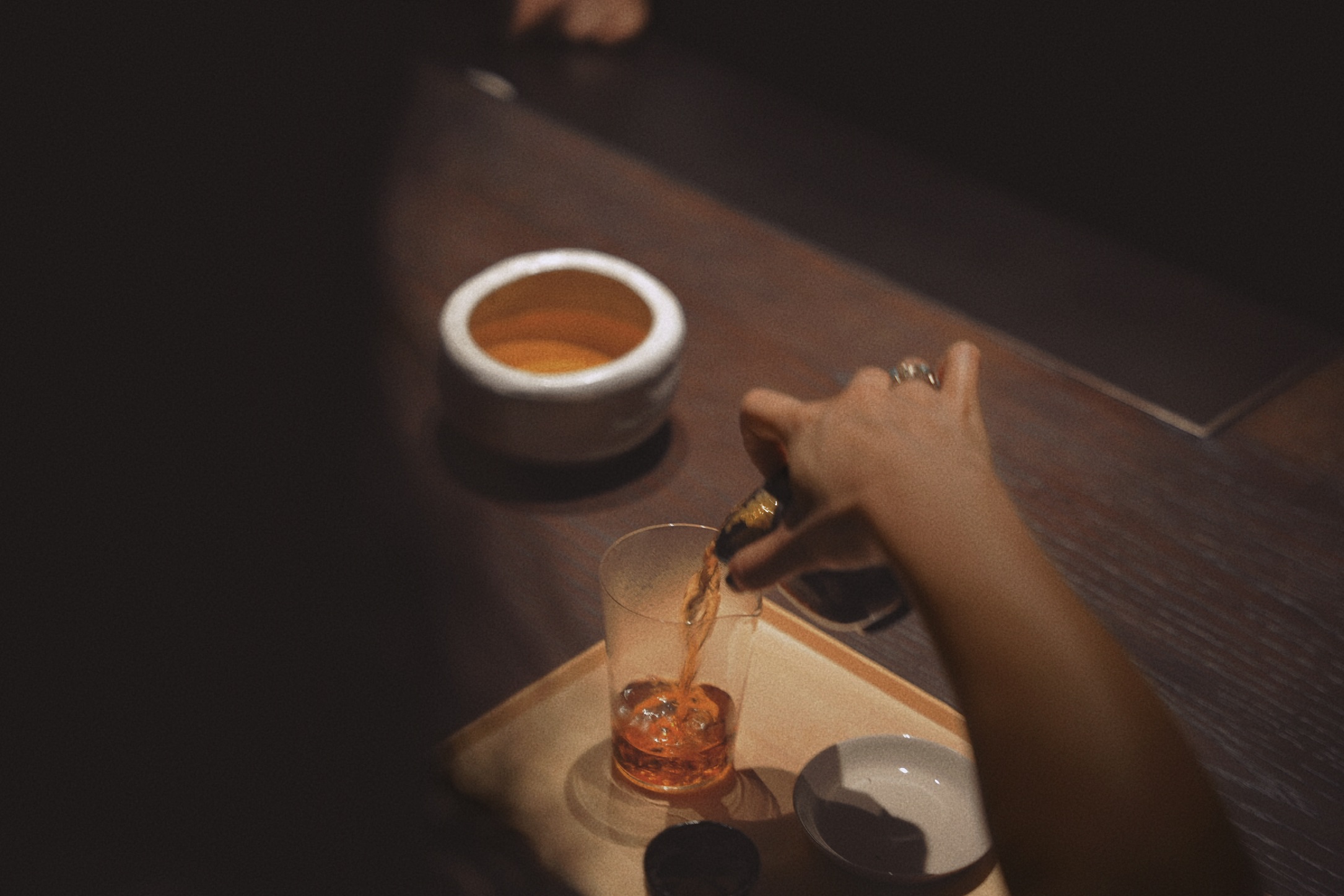
You sit down, take up the pot, and add water. You pour successive infusions, take in the aroma, and taste. As the leaves unfurl, your breathing slows without your noticing. Your senses return to the present, to the warmth of the vessel in your hands and the shifting color and flavor of the tea.
Each time we drink tea, we step away from the outside world and into a stretch of time that belongs entirely to tea.
Rebuilding the nearby and caring for and loving the people around us both amount to reclaiming our attention. We bring it back to the present, from a distant virtual world to the reality at hand. This gives a tense, distracted mind a chance to settle and refocus.
Tea can carve out exactly this kind of breathing room in a busy modern life.
Tea drinking is a time-tested practice shaped by generations of experience. Its place in daily life predates the modern consumer economy. What looks like a revival may be better understood as people continuing to choose tea because they still need what it offers.
Tea’s value extends well beyond the drink itself. It gives daily life a rhythm and offers people a practice they can consciously turn to when life feels empty.
02 Making the store a place to reconnect with yourself
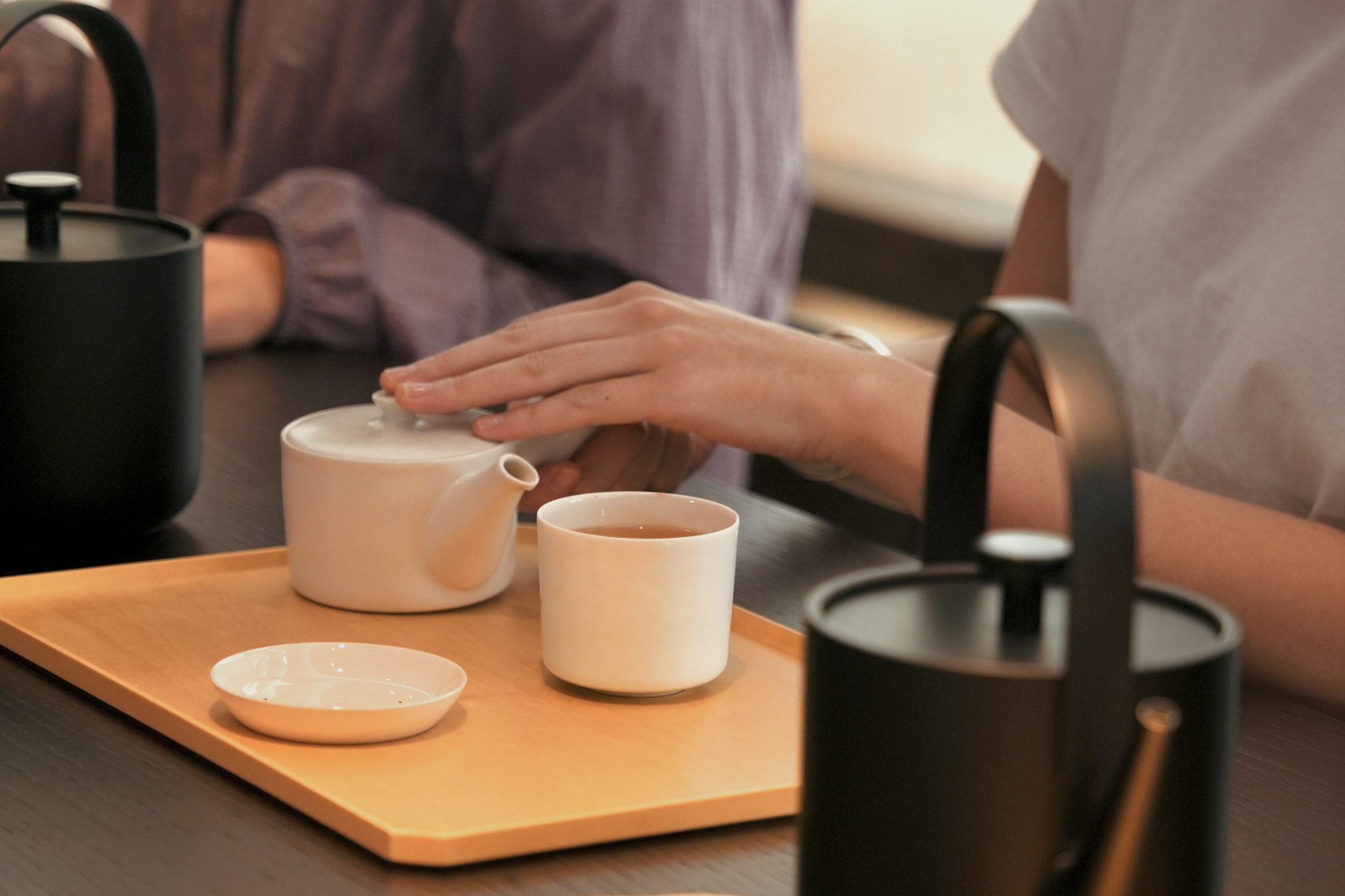
In August 2025, BASAO completed the renovation of its Shanghai location at Rockbund and reopened it as a full-fledged store. The redesign puts the brand’s current philosophy into practice. Amid the intensity of city life, the store offers a quiet place to reconnect with your senses and bring your attention back to the present.
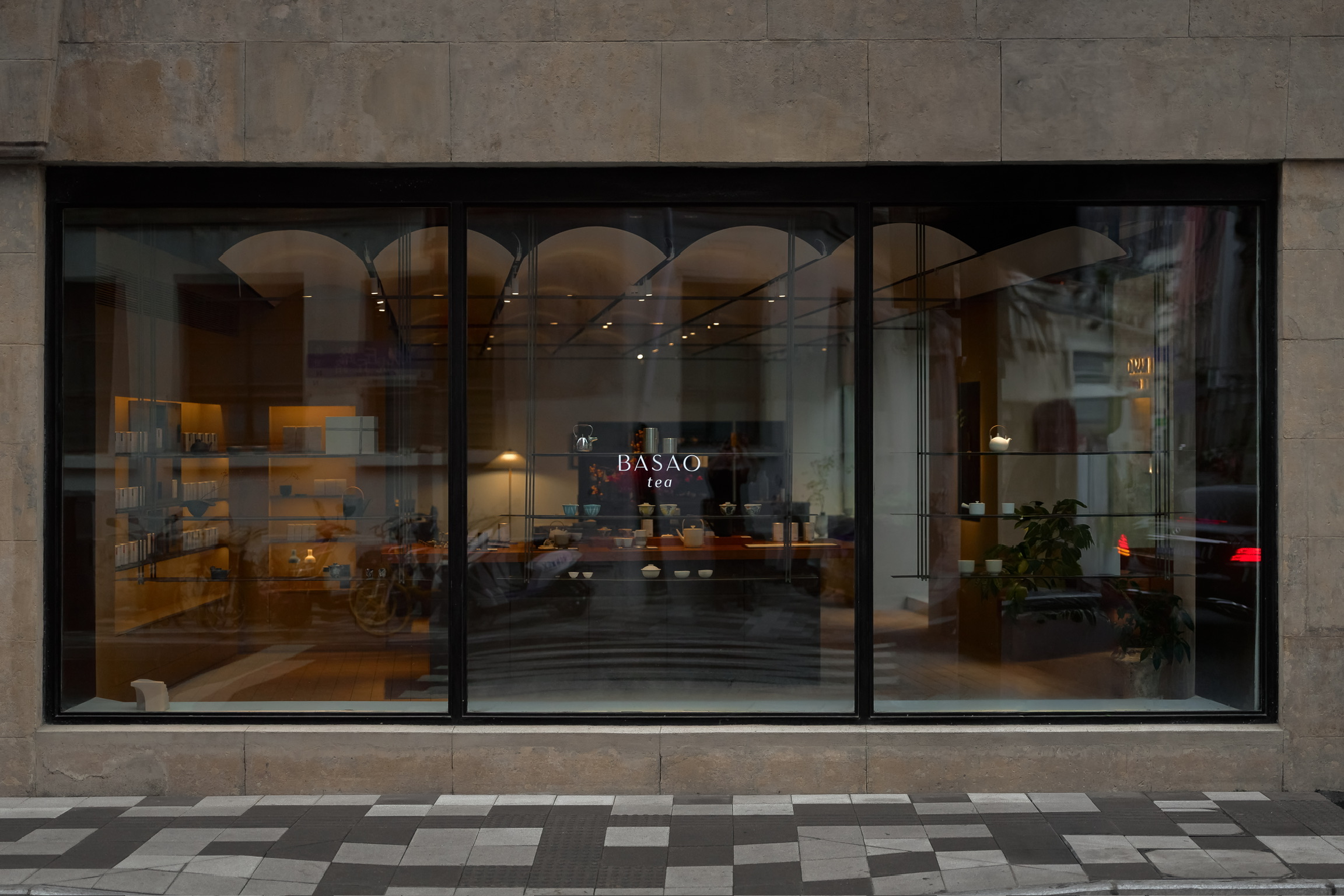
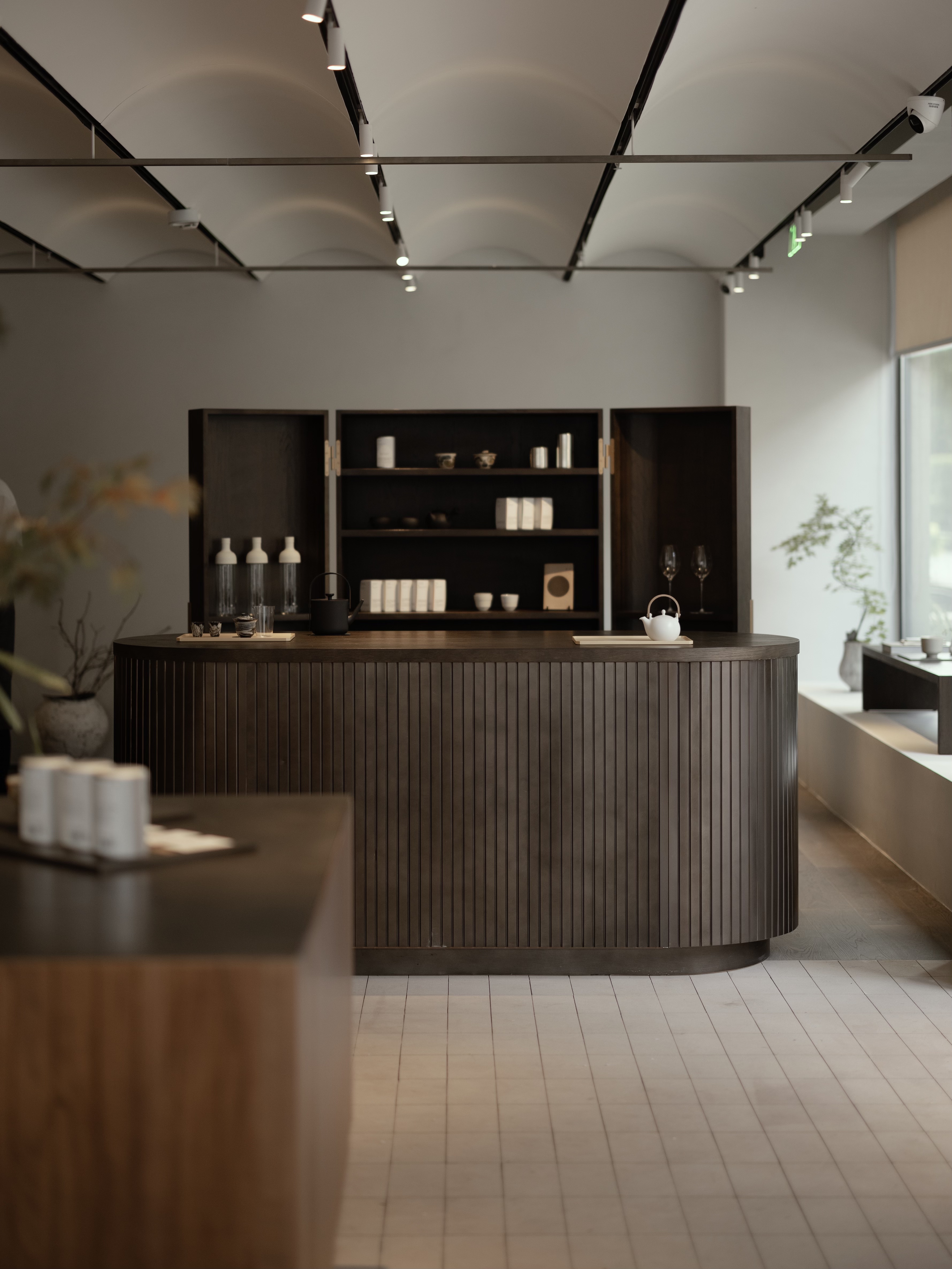
Japanese designer Keiji Ashizawa carried forward BASAO’s characteristically calm, contemplative atmosphere. Terracotta tiles cover the floor, warm wood is used for much of the countertop space, and nearly floor-to-ceiling windows let in natural light. The path from the street-side plantings to the softly lit, darker interior gradually leads visitors from bustle to stillness. Their attention starts to settle before they even sit down.
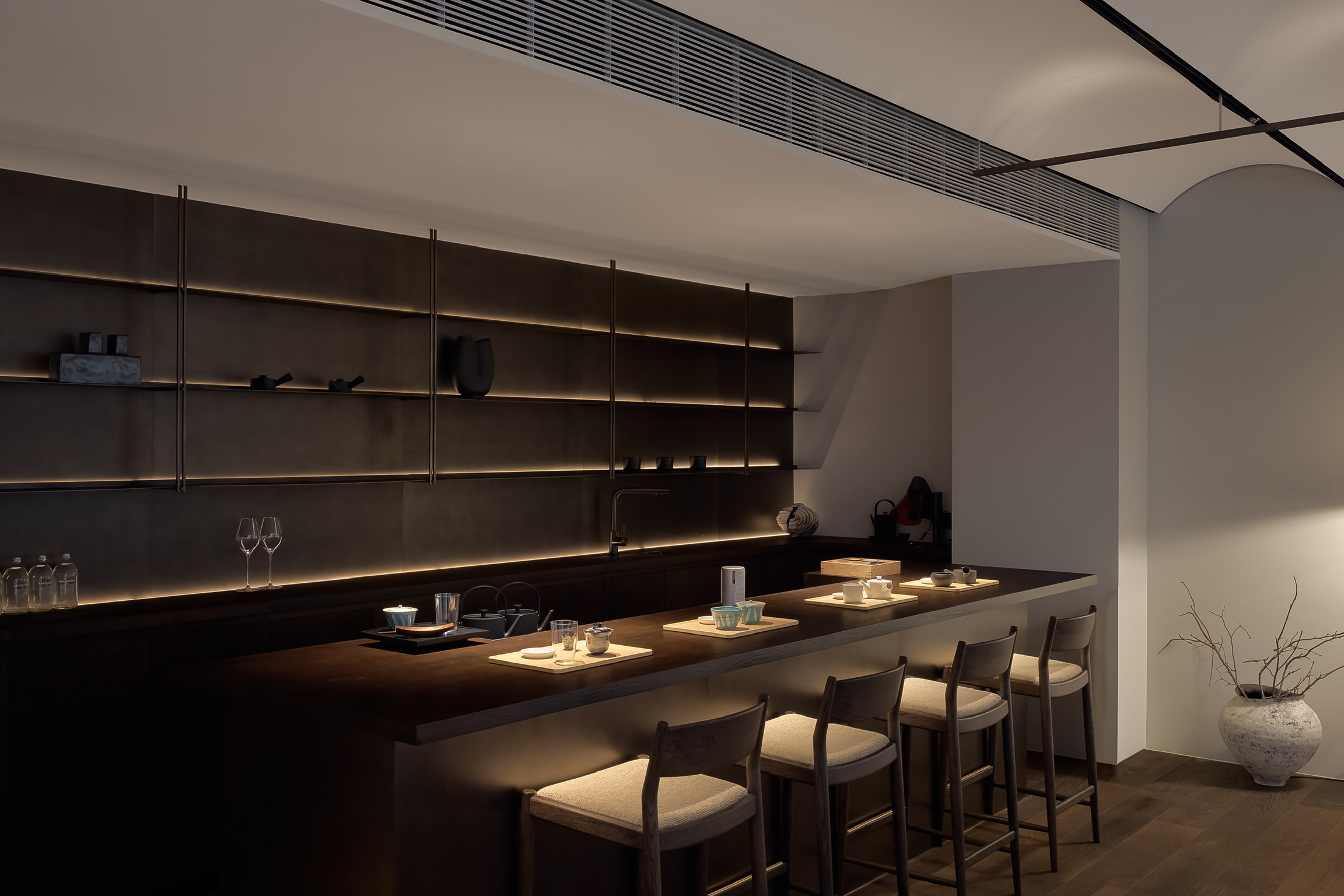
The other half of the experience is the store’s selection of teaware sourced from around the world. BASAO presents these pieces as suggestions for how to enjoy tea, pairing objects from different places and craft traditions with different teas, occasions, and moods.
Once customers start thinking about which pot or cup to use and what pace to brew at, a fixed routine becomes a set of choices they can mix and adjust themselves. That is part of the fun.
This is what distinguishes the “contemporary gongfu tea” BASAO has long championed. Its contemporary character comes from the role tea plays in modern life. A practice once oriented toward social connection can also become a way to find personal calm. The Rockbund store is the first full expression of this retail and experience model, which BASAO plans to roll out to more locations.
03 Easing tea into everyday life
BASAO’s Rockbund store shows how spatial design can give tangible form to a pause in the day.
For people just getting into tea who cannot visit a store, making it a part of daily life can be more difficult.
Tea comes with a learning curve. Its specialist vocabulary, from tea types and subcategories to growing plots, mountain sites, and harvest years, takes time to learn and can pose an invisible barrier.
BASAO’s approach is to simplify everything from how it talks about tea to how it structures its SKU assortment and designs its products.
As we reported previously, BASAO takes a cue from specialty coffee and distills a complex body of tea knowledge into two dimensions. It describes each tea’s aroma with notes such as ripe fruit or floral nectar, and its taste with notes such as lychee or honey mandarin.
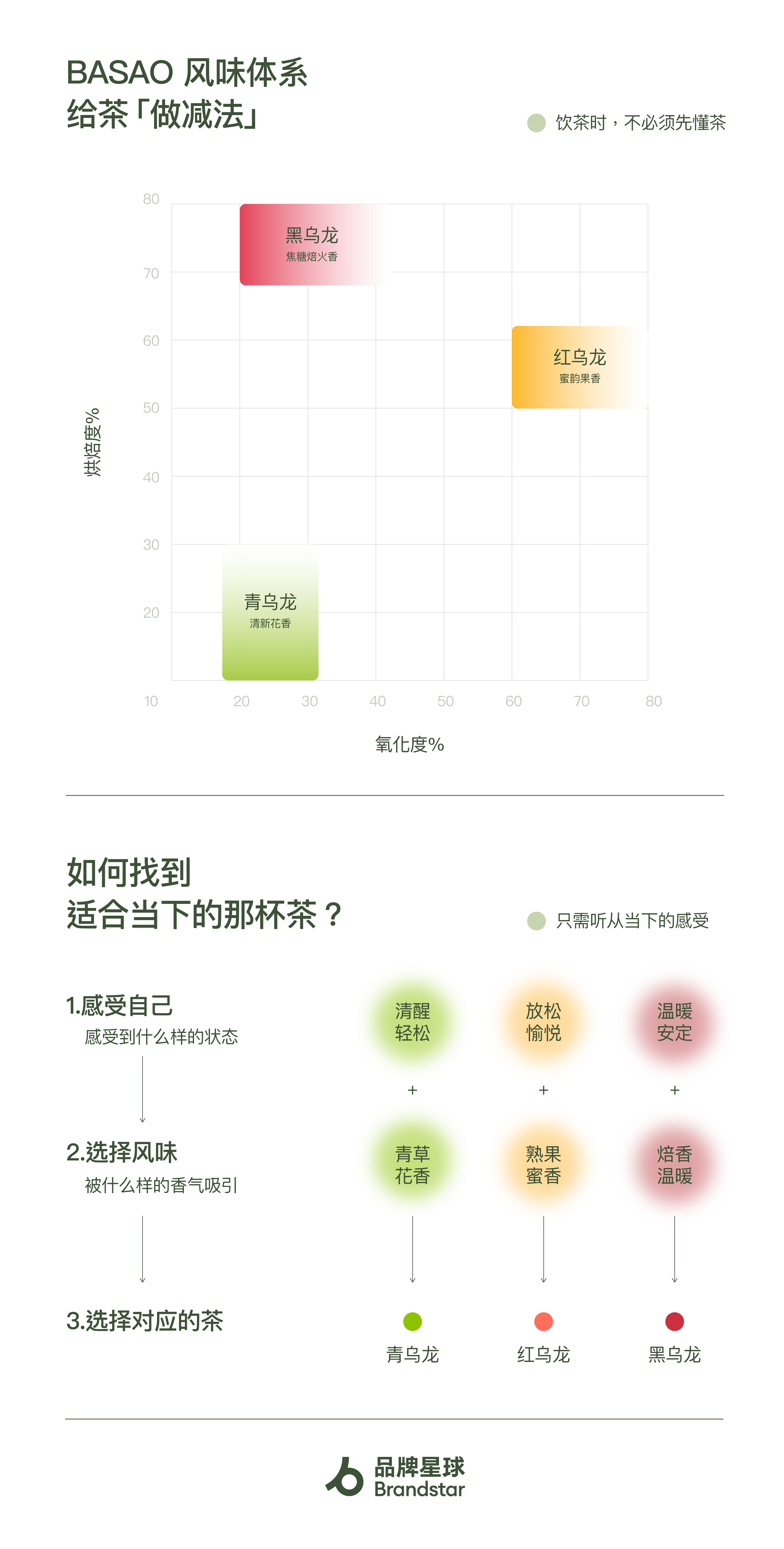
On its online product pages and packaging, BASAO also uses colored dots to show at a glance whether a tea tastes lighter and more refreshing or richer and more full-bodied.
A few familiar flavor cues and a colored dot give customers enough to make a choice. They can start with what they like and learn about tea as they go.
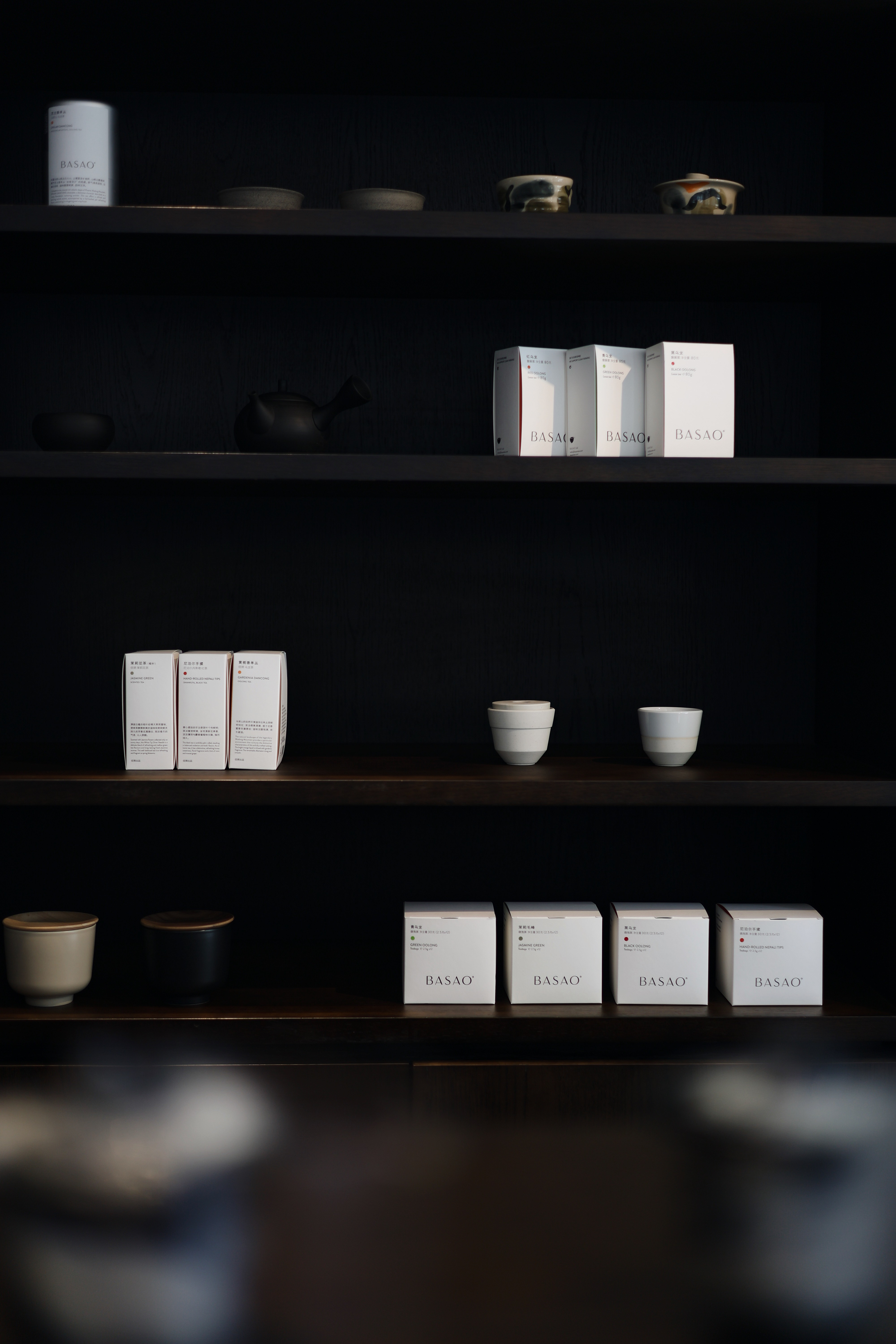
Second, BASAO deliberately keeps its product range focused.
Traditional tea retailers cover all six major categories of Chinese tea and often offer a dozen or more products side by side. BASAO’s tea assortment centers on oolong. The brand uses oxidation and roast levels to group its oolongs into three categories, “green,” “red,” and “black,” giving customers a clearer, simpler way to choose.
Behind the streamlined flavor descriptions and SKU assortment is a rigorous selection process that leaves room for sensory judgment and intuition.
In its initial screening, BASAO strictly follows the national standard for sensory evaluation of tea, scoring such attributes as leaf shape, the proportion of whole and broken leaves, aroma, and taste. Once a tea meets the objective scoring criteria, the team also weighs its subjective preferences.
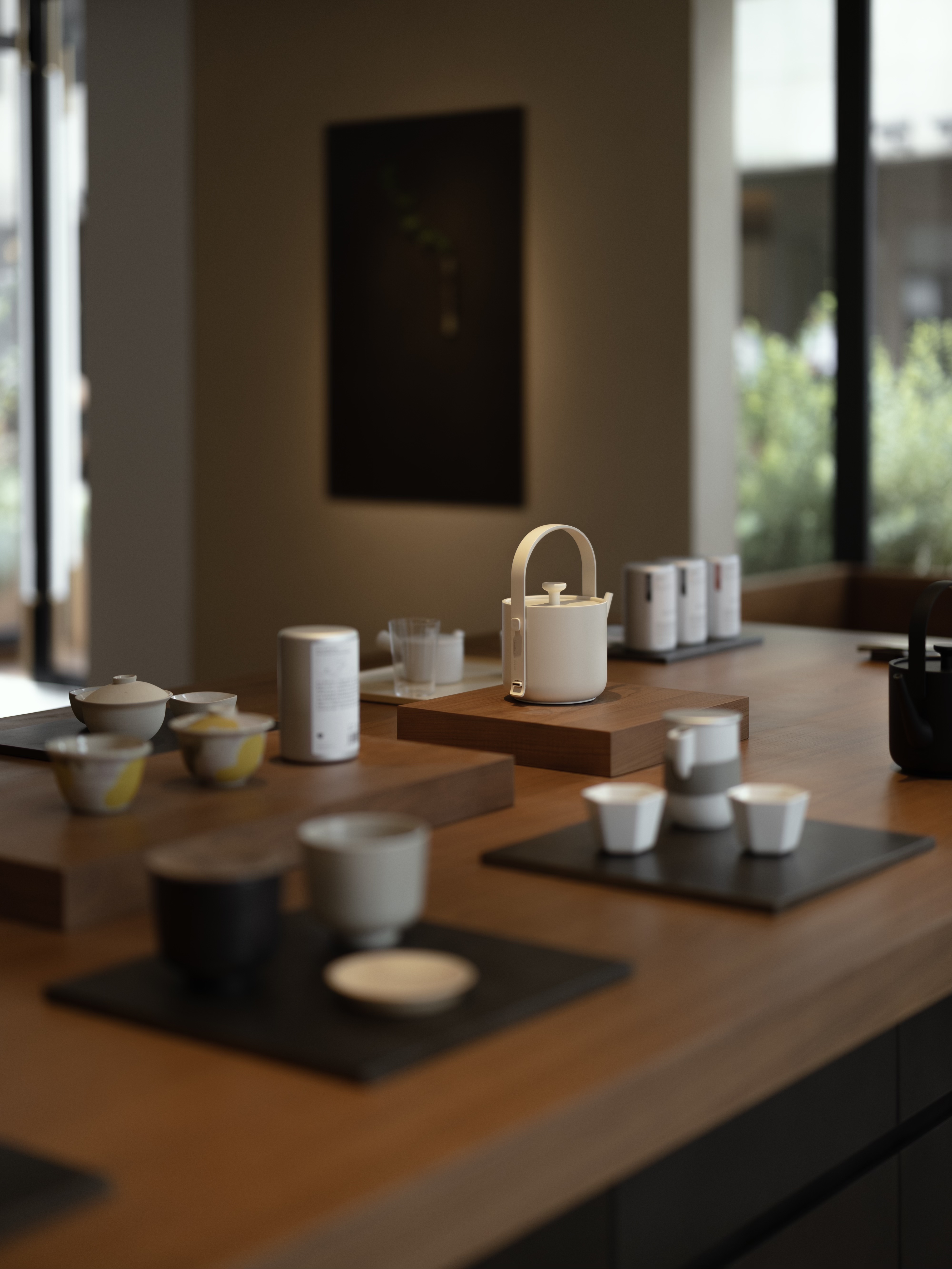
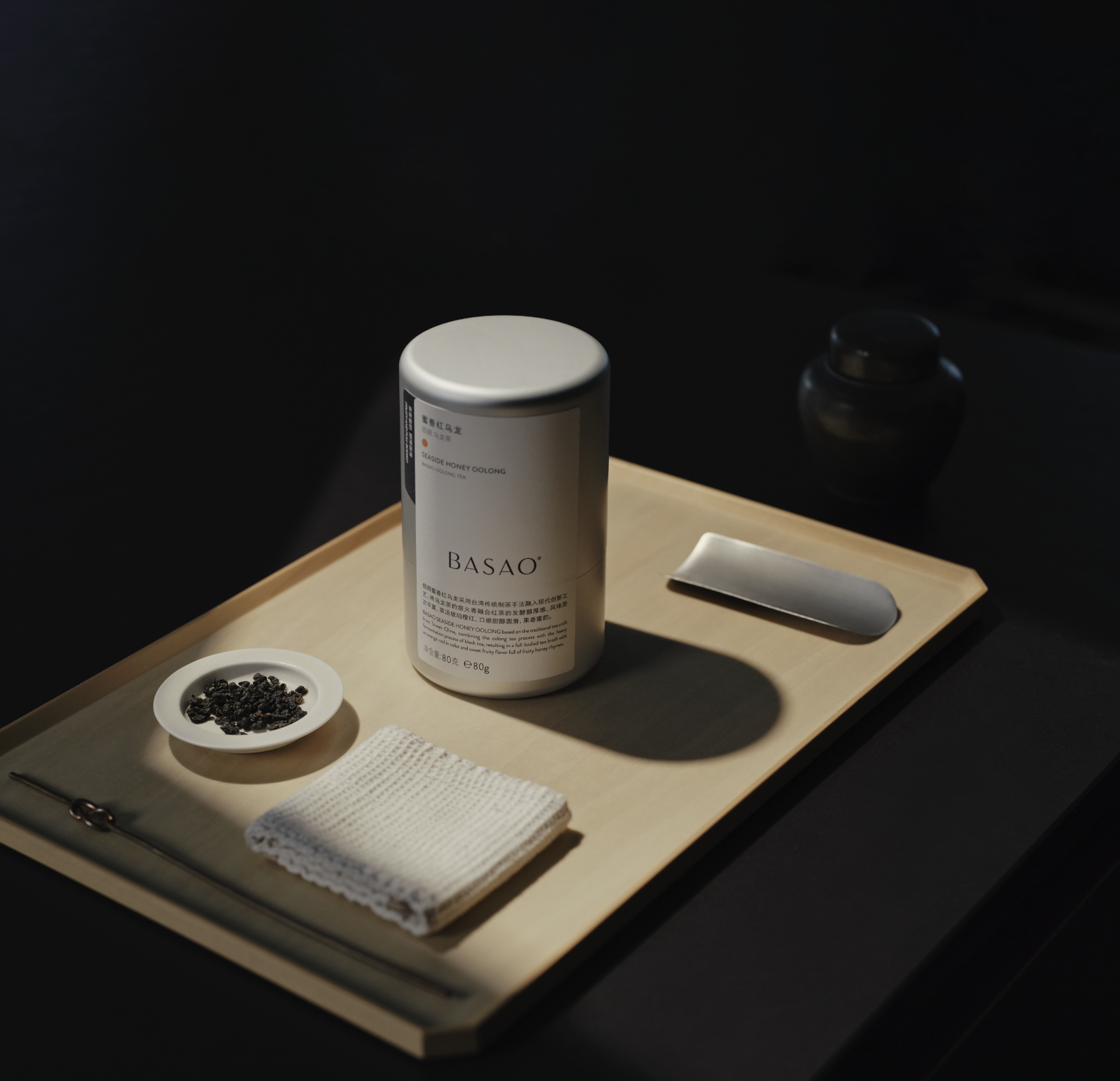
Take the silver tin of Honey Aroma Red Oolong.
The tea scored well against the objective criteria. What ultimately earned it a place in the lineup was its “exuberant aroma and sweet flavor, which evoke all sorts of seasons and landscapes and can help people form a comforting emotional connection.”
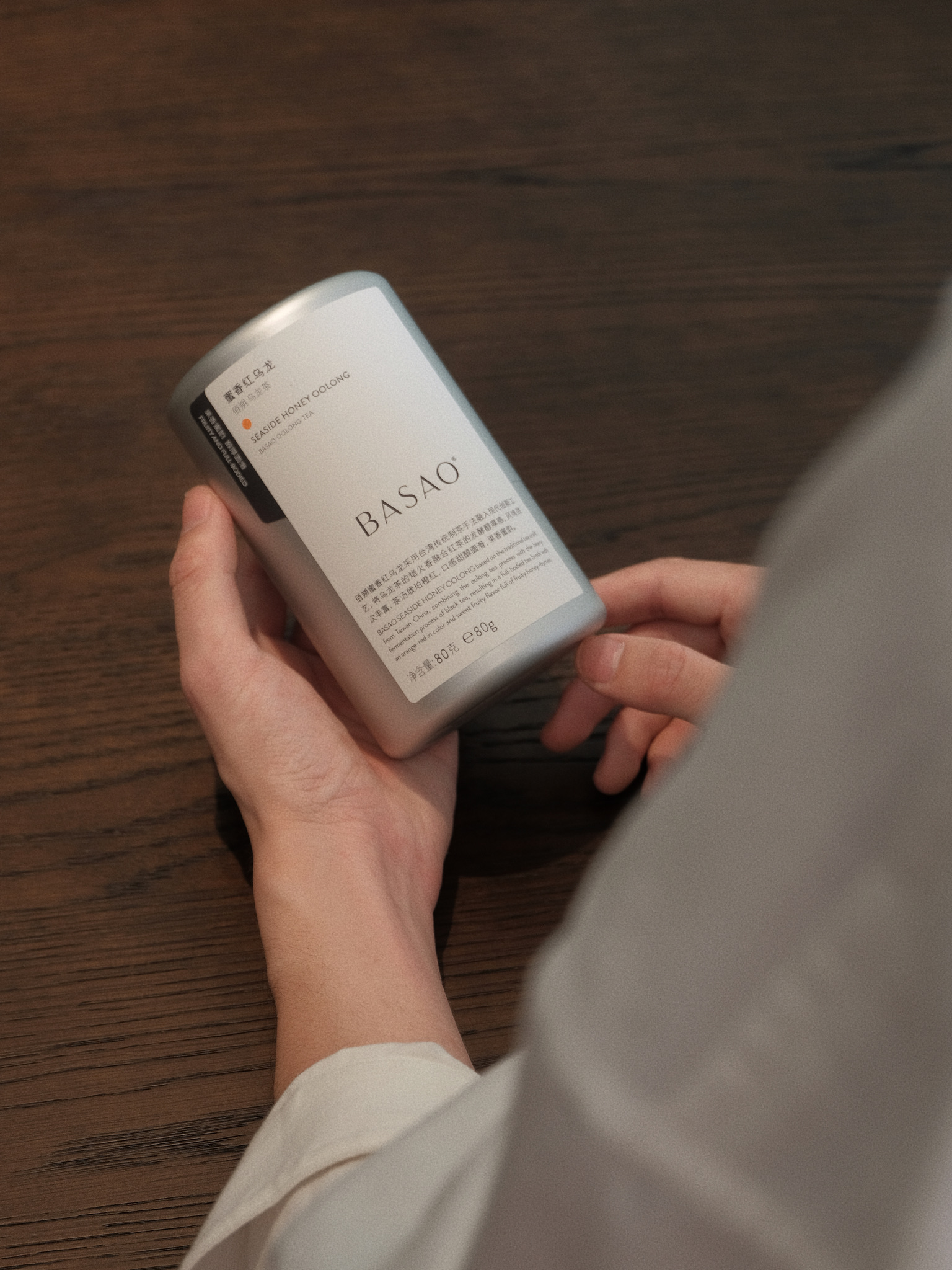
The same principle of simplification guides BASAO’s product design.
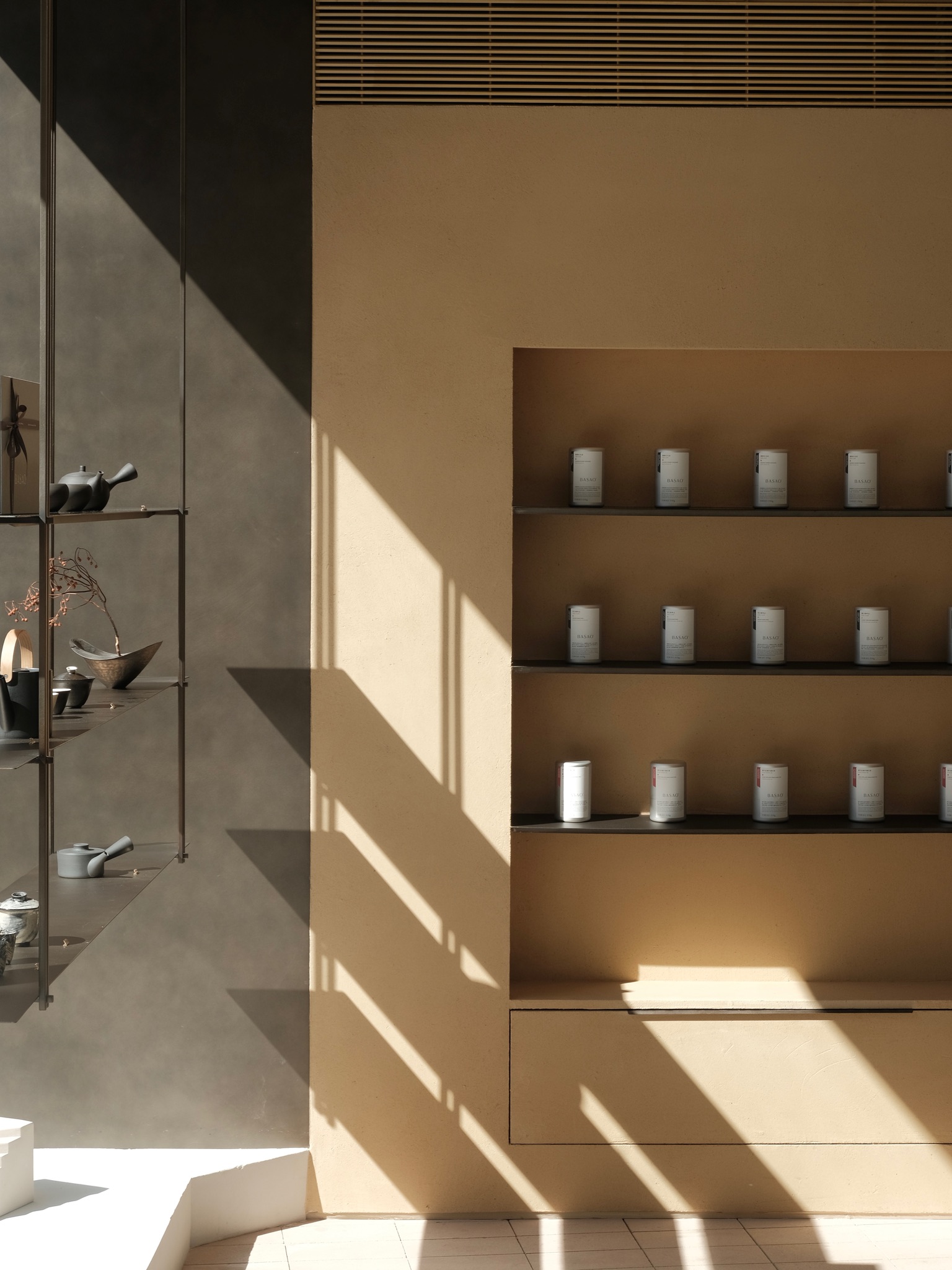
For its most recognizable line, the Silver Tin series, BASAO moved away from the richly colored tinplate containers traditionally associated with tea. It uses recyclable aluminum to make rounded canisters with a frosted silver-white finish and clear, understated labels.
That series also accounts for one of our strongest impressions of BASAO’s Rockbund store. The brand devotes an entire wall to the Silver Tin series. The canisters are so minimal that the display becomes part of the interior design, lending the store a more restrained, understated feel.
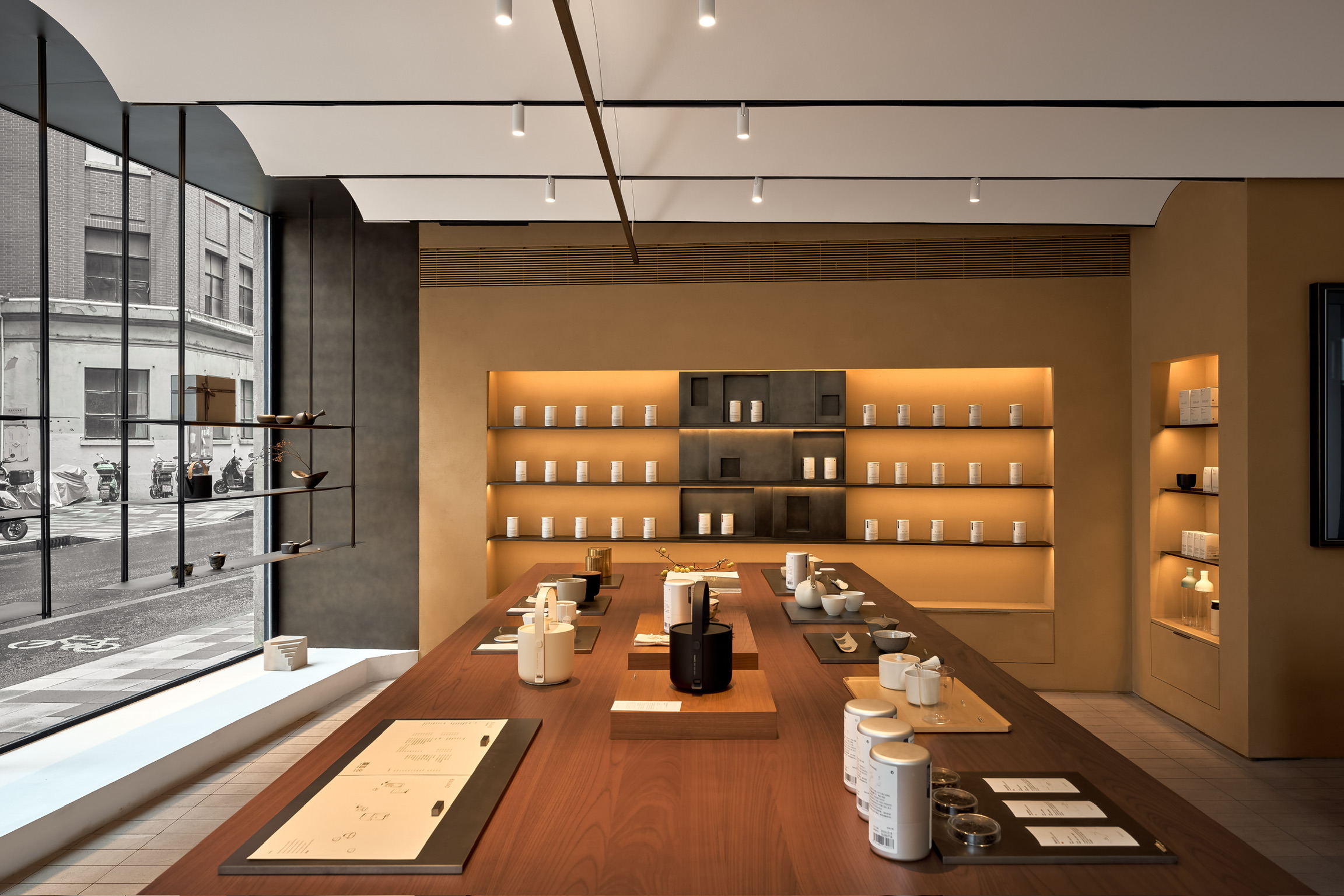
The Silver Tin series also balances practicality with environmental considerations. The aluminum shields tea from light and moisture, and customers can keep the original canister for long-term use, replenishing it with refills in more environmentally friendly paper packaging.
BASAO carries the same design language into its teaware. Most pieces are made of matte ceramic with a smooth, soft finish and come in solid colors such as black and dune, for a clean look and feel.
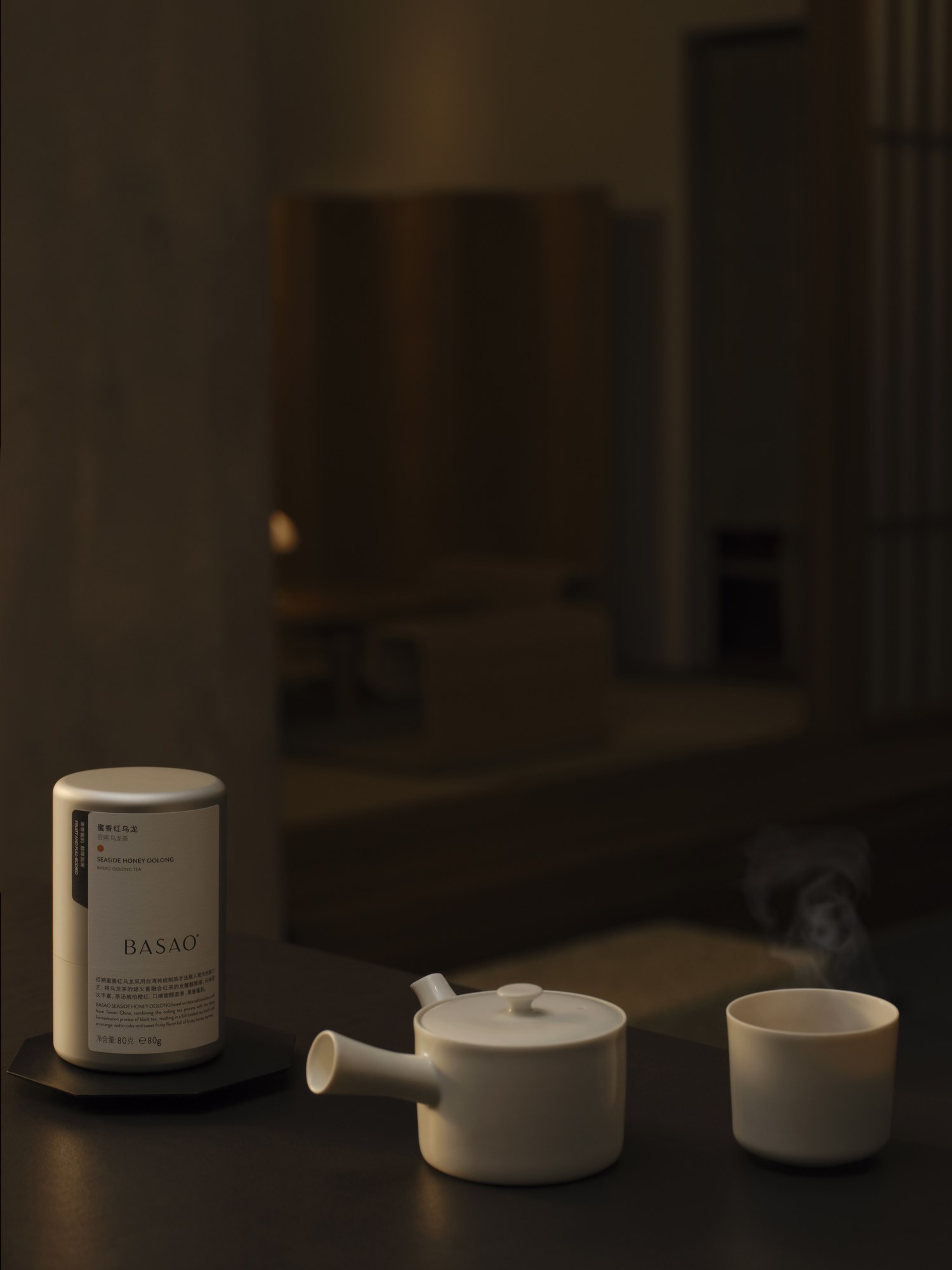
For BASAO, good teaware should be unobtrusive. The vessel plays an essential role in drinking tea, but its job is to support the atmosphere from the background.
BASAO considers subtle details that directly affect the experience, from how the cup feels in the hand and how warm it gets to the angle at which the rim meets the lips.
The teacup BASAO developed with Copenhagen design studio Norm Architects has a smooth, natural feel. Its double-wall construction keeps the cup cool enough to hold while still letting you feel the warmth of the tea. The gently flared rim follows the curve of the lower lip so the tea flows more smoothly into the mouth.
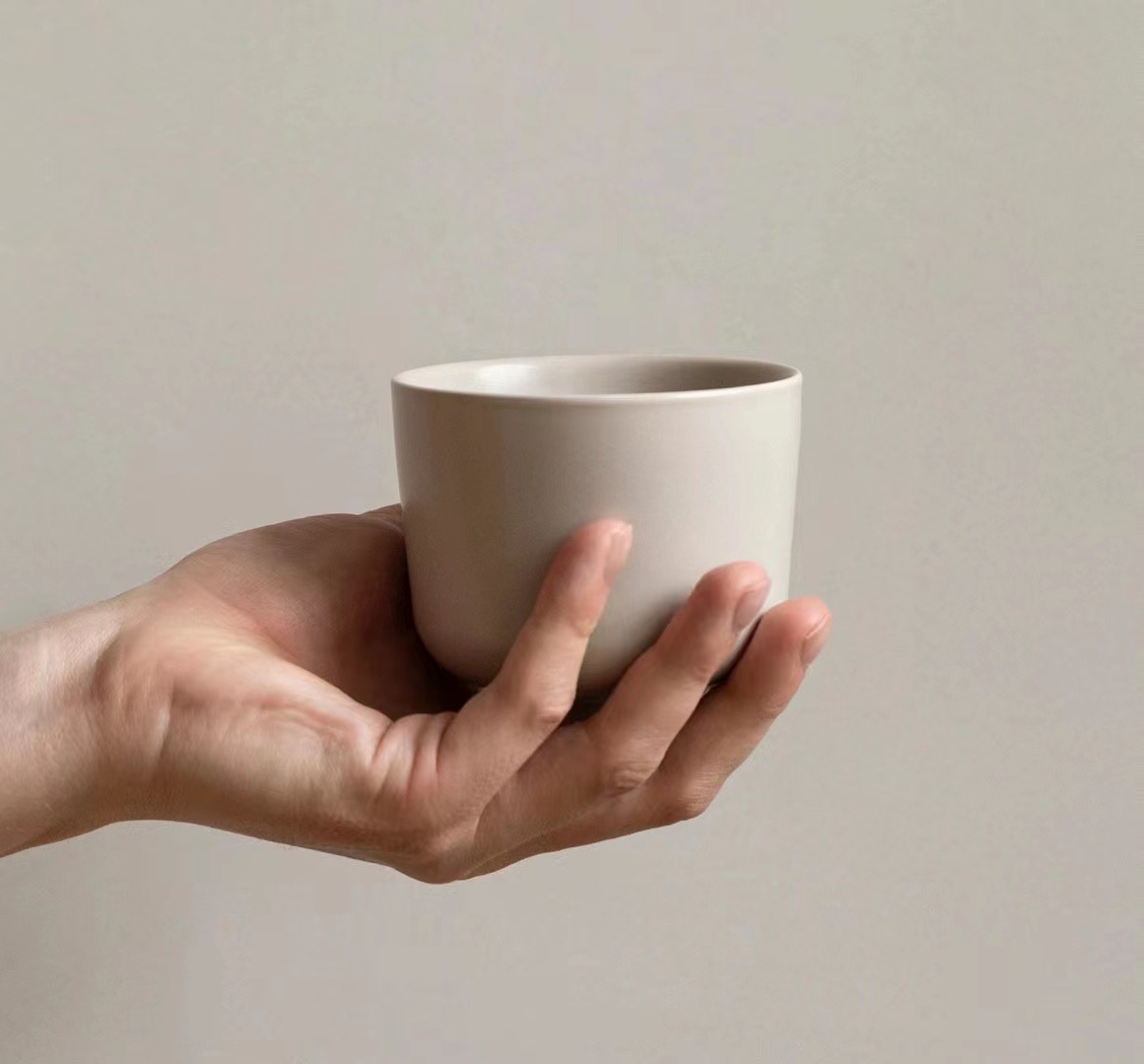 BASAO x Norm Architects teacup
In everyday settings, these understated objects fit easily into their surroundings and can add to the appeal of a room.
For BASAO, simplification serves a purpose beyond visual restraint. Clearer flavor descriptions, a tighter SKU assortment, and unobtrusive design put drinkers in control of what they choose and how they experience it, making tea easy to fit into daily life and easy to start whenever they like.
04 How design can help modernize tea
BASAO shows that retelling tea’s history in language aimed at younger audiences only goes so far. Bringing this centuries-old practice into modern life takes a broader reconsideration of how we talk about tea, what it means to people, and how it is designed and presented.
Over its 15 years, BASAO has gradually developed a distinctive way of describing tea flavors and a design aesthetic of its own. That aesthetic makes the tea and teaware more visually appealing, but its deeper contribution is to create a real pocket of quiet alongside the bustle of everyday life. Each visit to that space may be brief, yet those moments can leave a lasting impression as they accumulate.
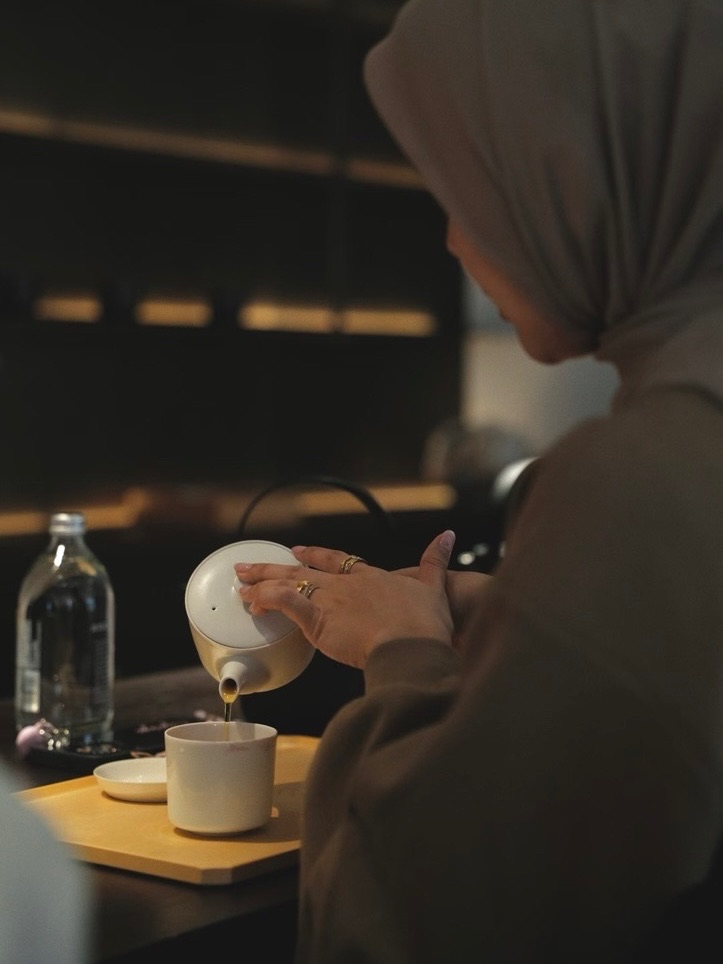
Rockbund, where the BASAO store is located, brings old and new together and blends cultures. In much the same spirit, BASAO takes an open, inclusive view of tea, attracting creative collaborators from China and abroad to explore how tea can evolve for modern life.
In addition to working on the double-walled teacup, Copenhagen design studio Norm Architects designed BASAO’s store on Jianye Road in Xiamen. It was the studio’s first project in China.
BASAO also worked with German artist Karina on a series of gaiwan, or lidded tea bowls, interpreting Eastern artistic aesthetics through a Western humanistic lens.
In our view, this openness to different cultures is essential to modernizing tea.
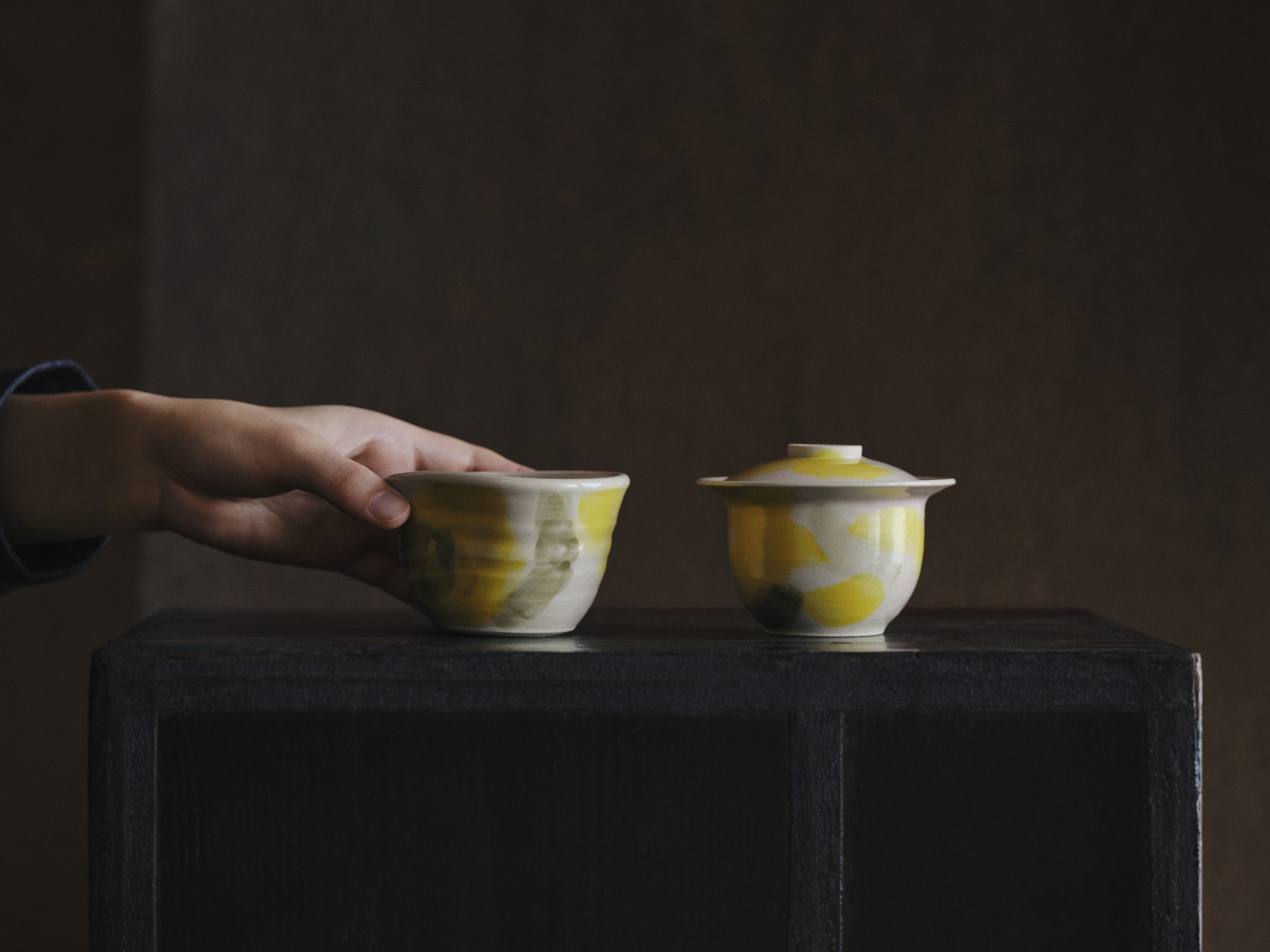 BASAO x Karina gaiwan series
In a market where tea is often sold as a gift and brands compete on creative concepts and frequent launches, BASAO has chosen a longer-term path to growth. It makes tea easier to understand, then keeps customers coming back through product quality and an eye for design.
There are already plenty of tea beverage brands offering surprising flavors and bold sensations. What’s rare is a tea brand like BASAO that stays focused on one thing over the long haul.
BASAO shows that tea can give us a moment away from the chaos and that it’s “no rarefied thing beyond our reach.”BRANDSTAR