Why mother-and-baby brands increasingly need to tell a story about everyday aesthetics
Nest Designs pairs practicality with aesthetics, offering a gentle take on what family life can be.
Search for “mother-and-baby products” on social media today, and alongside product reviews you’ll often find fuller snapshots of family life.
In one “baby sleep sack review,” an off-white bamboo-cotton sleep sack lies on a natural wood bed frame, styled with a matching comfort blanket and bedding. The shot could come from an interiors magazine. In a post about parent-and-child outfits, natural light frames a mom’s cotton-linen jacket and her baby’s printed pajamas. The comments range from “Is it comfortable?” to “Does it look good?” and “How would you style it?”
These posts reflect a shift in how families shop. Mother-and-baby products are quietly evolving from practical parenting essentials into part of the aesthetic of everyday life. A sleep sack can help a baby sleep more soundly while becoming part of the bedroom and the time parent and child spend together. A set of baby loungewear can feel soft against the skin and be easy to wear while reflecting the atmosphere, aesthetic, and family life a mom wants to create.
As products offer increasingly similar features, what can brands offer moms beyond helping them care for their babies? How can they become part of the lives moms aspire to lead? Recent moves by Canadian premium mother-and-baby brand Nest Designs offer a case in point.
01 From products to aesthetics, new ways to express family life
Founded in Canada, the premium brand has spent more than a decade in the mother-and-baby market and is now drawing attention for a range of reasons. Conversations about the brand have expanded from how well its products work to how moms are doing, how families express their taste at home, and what life with children can look like. Some people are talking about its bamboo-cotton sleep sacks, others are analyzing the aesthetics of its collaborations, and still others are considering the brand in light of a bigger question about the kind of life mothers want today.
With that in mind, we looked at what Nest Designs has been doing recently and which emerging industry questions it is trying to answer.
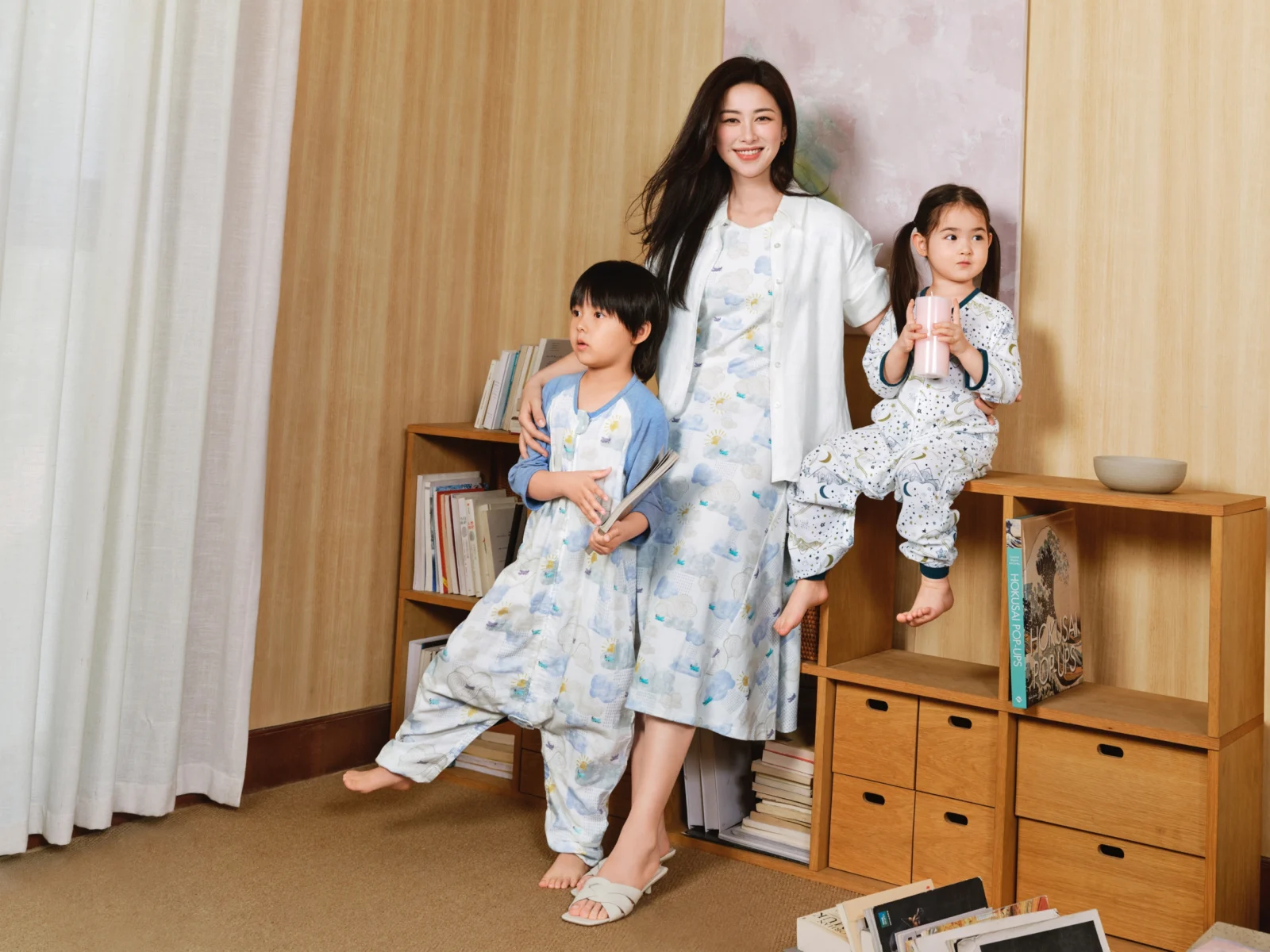
Ahead of Mother’s Day, Nest Designs announced Zhu Zhu as its brand ambassador and released a TV commercial themed “A mom and an artist in everyday life.”
Zhu Zhu’s public profile gave the announcement reach, and her life gave the campaign its story. She is an actor, an art collector, and a mother. After becoming a mom, she kept her usual rhythm, from film sets and art exhibitions to get-togethers with friends.
Her example shows how becoming a mother can mean bringing a child into an already rich, fulfilling life while continuing to do what you love. That reflects a message Nest Designs has long shared through “Moms Beyond Motherhood”: You’re a mom, and you’re still yourself.
Nest Designs presents motherhood as something that enriches life. As moms see to their babies’ everyday needs, their own tastes, feelings, and ways of living deserve attention and care, too. All of those things help shape the atmosphere at home and the way parents and children spend time together.
In the commercial, afternoon sunlight streams through the windows as Zhu Zhu paints in the garden and helps her daughter learn to identify flowers and paint. The camera moves closer as her daughter dips flowers in paint and presses them onto the surface to make prints. The textures of the plants and the prints on their clothes come together as the two spend time with each other. Art, beauty, and time together are all part of an ordinary afternoon.
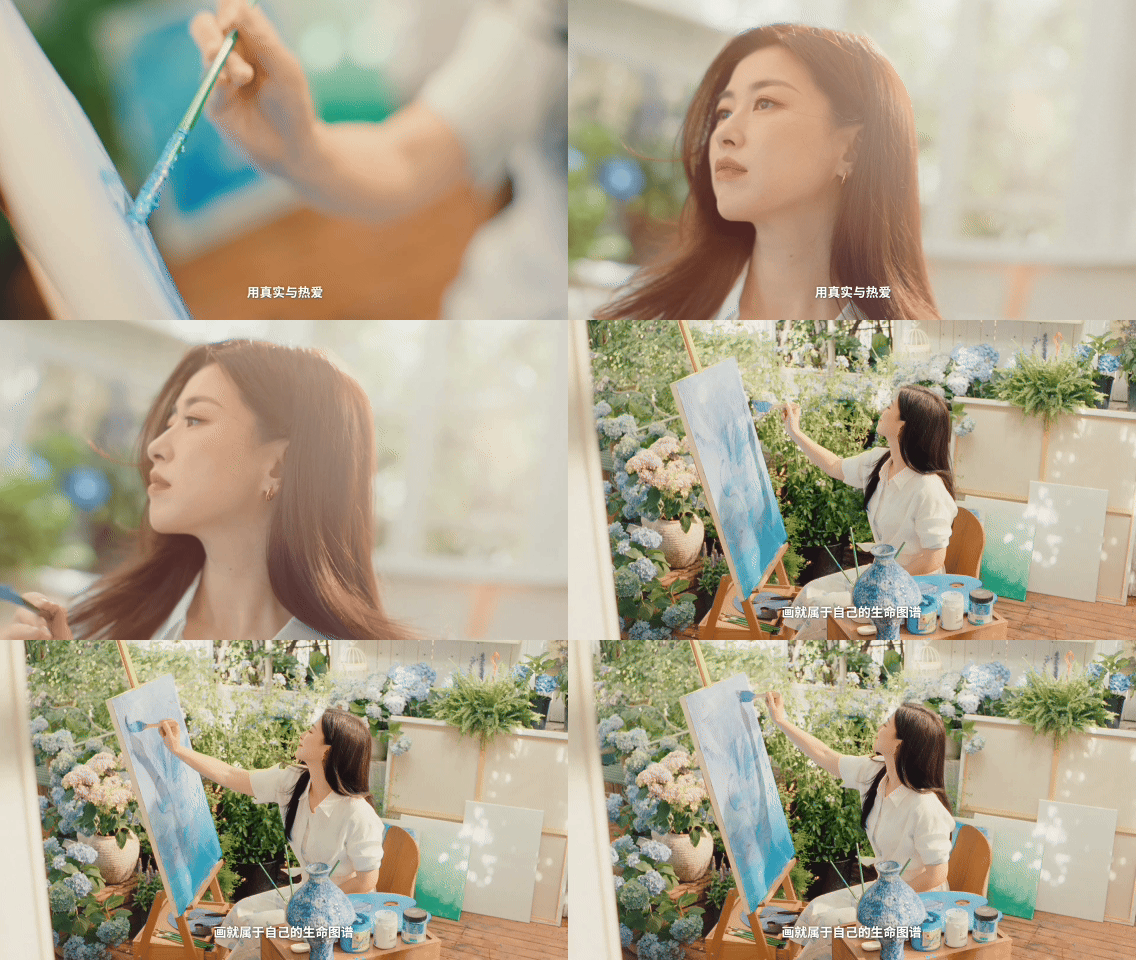
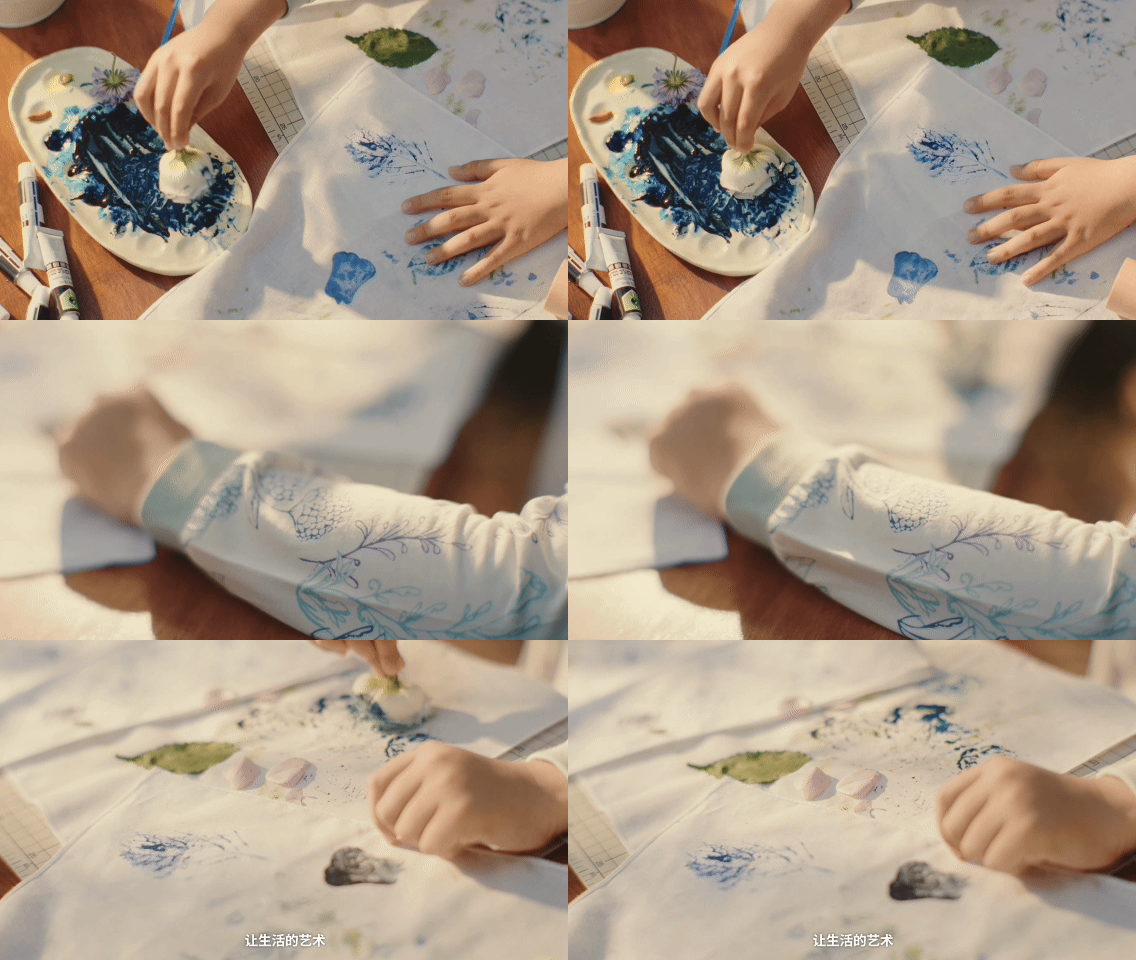
The value a mother-and-baby brand brings to family life lies both in how children experience its products and in the tastes and attitudes toward life that moms hope to pass on.
Nest Designs is also bringing its vision of family life into physical spaces as it opens more stores.
For mother-and-baby brands, some qualities are difficult to convey through photos, copy, and video alone. What does “soft” actually feel like? What does “natural” translate to in practice? Are the products really suitable for wearing next to a baby’s skin, moving around in every day, and washing repeatedly? Customers can often make a more informed judgment once they’ve felt the fabric and experienced the space in person.
That helps explain why Nest Designs continues to expand its presence in high-end retail destinations.
Beijing SKP, Nanjing’s Deji Plaza, and the brand’s stores in other key cities give Nest Designs a presence beyond the point of sale. These high-end retail landmarks are already places where shoppers seek quality, express their taste, and make lifestyle choices. Opening stores in these destinations brings Nest Designs into settings consumers already know and associate with a high standard of living.
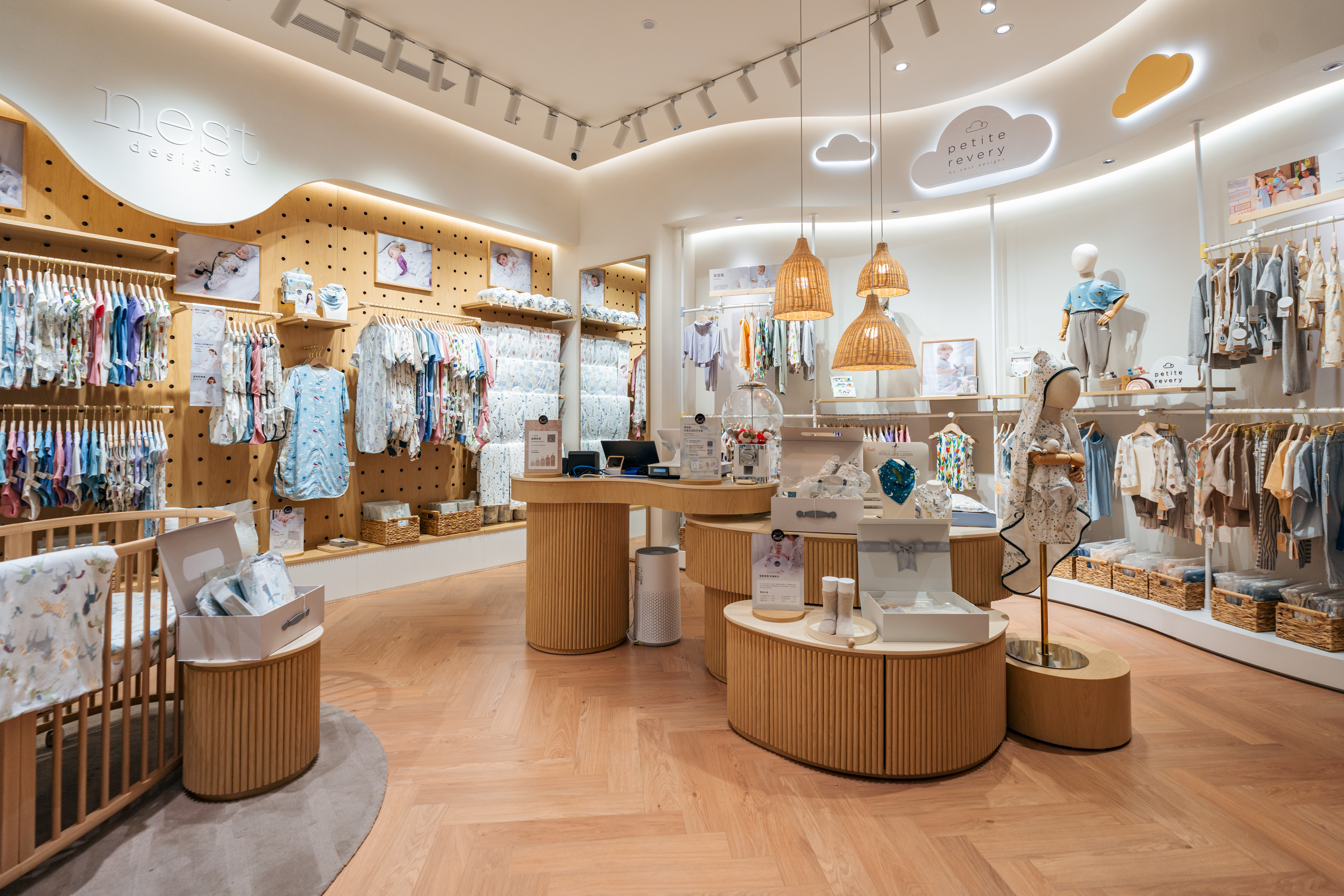 The Nest Designs store at Nanjing’s Deji Plaza
Soft, natural tones, clean, orderly displays, and the way products look together give physical form to the Nest Designs vision of family life. Sleep sacks, loungewear, and bedding are displayed together, with materials, colors, and patterns that echo one another. Shoppers can see how the brand’s aesthetic and ideas about everyday living carry across categories.
Families visiting the stores can more easily picture how Nest Designs products might fit into their daily routines. The stores give shoppers a chance to experience the brand’s promise of “Natural softness for restful sleep” firsthand.
As these initiatives take shape, the conversation around Nest Designs is increasingly touching on more pressing cultural questions about motherhood and parenting.
02 Shared values take on greater importance in the mother-and-baby market
By 2026, product upgrades alone could no longer explain how brands compete in the mother-and-baby market.
China’s National Bureau of Statistics reports that births fell to 7.92 million in 2025 and the birth rate reached a record low of 5.63 per 1,000 people. Yet the mother-and-baby consumer market continues to expand. According to iMedia Research, China’s market grew steadily from 2018 to 2024 and is projected to reach 8.9 trillion yuan in 2027.
The apparent contradiction points to a structural shift in the industry. Families are having fewer children while investing more in each child, demanding higher quality, and bringing greater emotional expectations to their purchases. As parenting budgets rise, families are moving into higher price tiers and weighing more complex lifestyle considerations alongside function.
The “2025 Mother and Baby Industry White Paper” identifies a group of moms who want to give their children the best on their own terms. They look for brands that reflect their identity and give them confidence in their parenting choices, gravitating toward high-quality brands with a distinctive aesthetic. A 2025 Bain & Company survey also found that more than 70% of Chinese women consumers ranked “treating themselves” and “personal growth” among their top reasons for spending.
When moms shop for their children, they’re also making choices for themselves. Brands need to answer two questions. Is the child well cared for? Does the mom feel seen, too?
The first question has long been part of parenting conversations. The second is gaining traction in a broader public discussion.
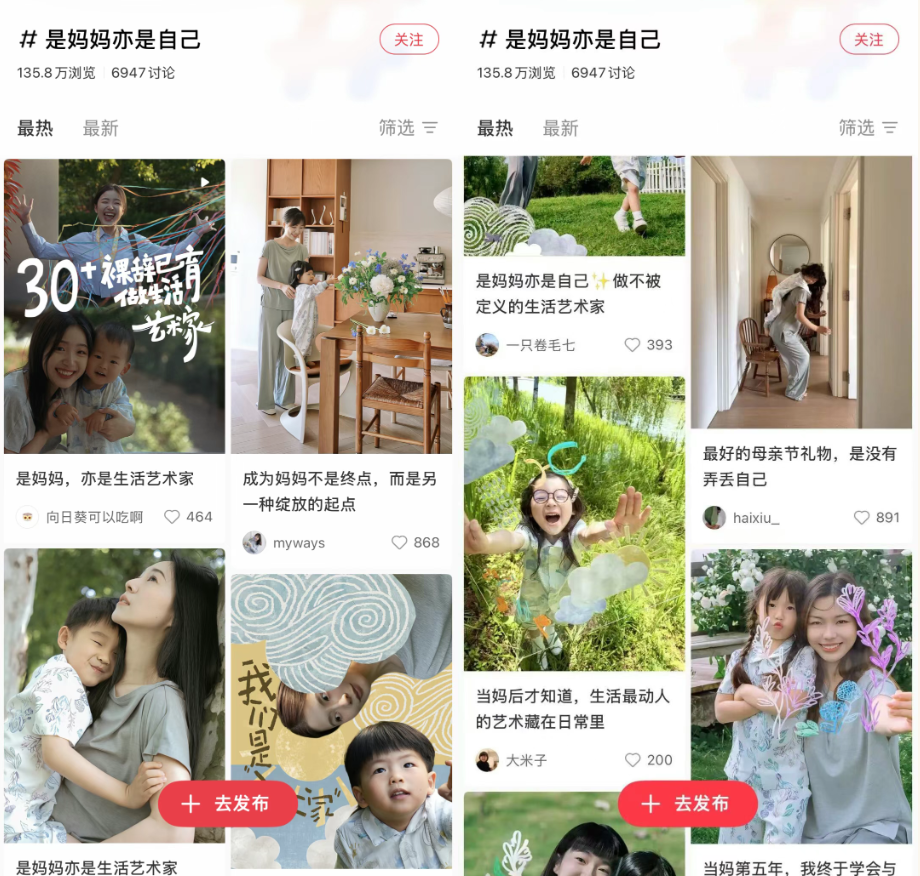
In recent years, conversations about parenting among a new generation have shifted from practical child-rearing tips toward how moms themselves are doing.
A post on Xiaohongshu struck a chord with its message, “The best Mother’s Day gift is keeping hold of who you are.” KnowYourself has also explored mothers’ tastes and day-to-day well-being, suggesting that when moms tend to their own needs and stay attuned to everyday life, their children gradually develop a sense of agency through their example.
These conversations point to an emerging view of parenting. A mother’s well-being, tastes, and way of life help create the conditions in which her child grows. Women can keep their worlds open after becoming mothers. They are “moms and still themselves,” their many identities like the colors that emerge when a single beam of light passes through different prisms.
That raises a central question for mother-and-baby brands. How can they become part of the lives moms aspire to lead and make products that serve needs beyond the practical demands of parenting? Nest Designs has long had its own answer.
03 From discovering design to sharing daily life, what moms around the world hope for
From the outset, Nest Designs has paired essentials such as softness, comfort against the skin, breathability, and safety with clean, natural design. It has steadily expanded its assortment and the situations in which families can use its products. Brandstar found that over the past 13 years, the brand has developed that approach in two ways.
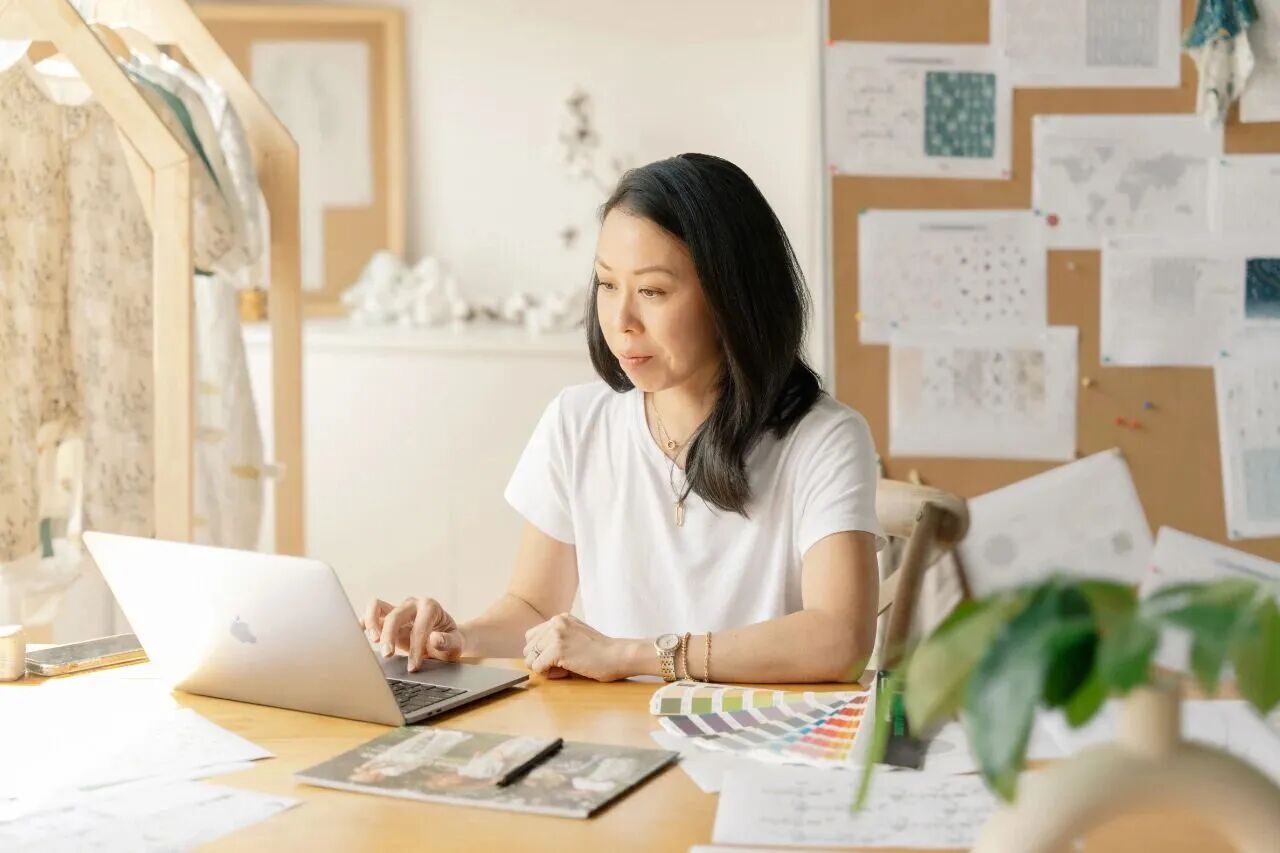 Tammy Lo, founder and chief designer of Nest Designs
First, the brand has spent years refining how its products feel and perform. Across maternity, baby and children’s products, adult loungewear, and bedding, Nest Designs has kept refining its material choices, fabric development, and construction details to make its promise of “Natural softness for restful sleep” tangible in daily use.
A soft, reassuring first touch is one sign of quality, and repeated use in real homes is the next test. Does the fabric feel gentle against a baby’s skin? Does it breathe during sleep? Can the baby move freely? Does it stay comfortable after repeated washing? The brand developed its “five sensations of sleep” framework around these needs. It focuses on feel against the skin, temperature, breathability, a sense of security, and freedom of movement to help parents and children sleep comfortably.
For example, the brand’s proprietary Signature Zhuji™ fabric range uses patented Tanzhu® fiber as a base and blends it with natural materials such as Supima® extra-long-staple cotton, merino wool, mulberry silk, and avocado fiber. Nest Designs continues to refine the balance of softness, comfort against the skin, breathability, warmth, and lightness to meet moms’ expectations for quality and peace of mind.
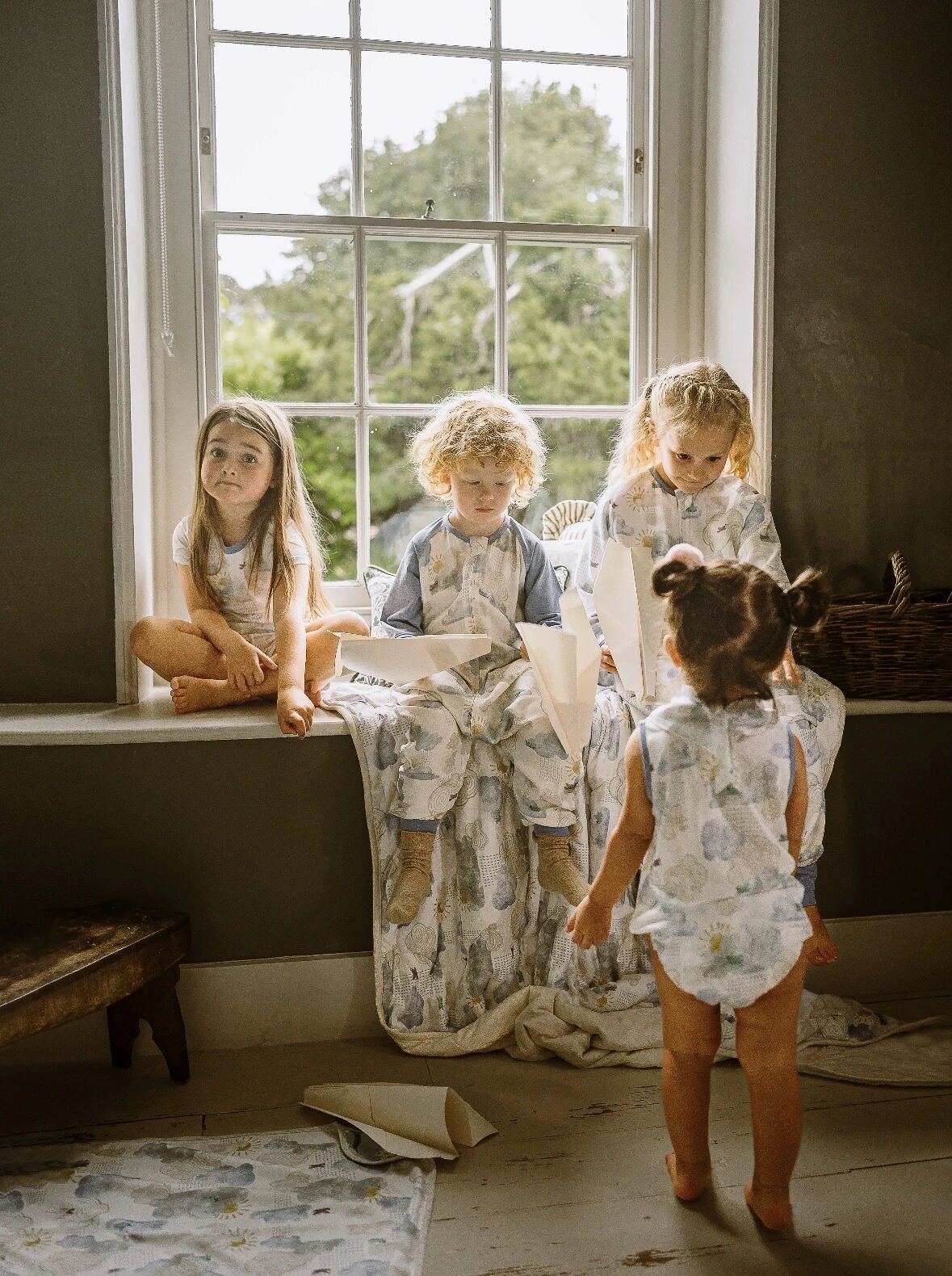
Second, the brand keeps broadening its design vocabulary. For Nest Designs, playful design can include cute cartoons and babyish motifs alongside the liveliness of nature, art, and everyday life.
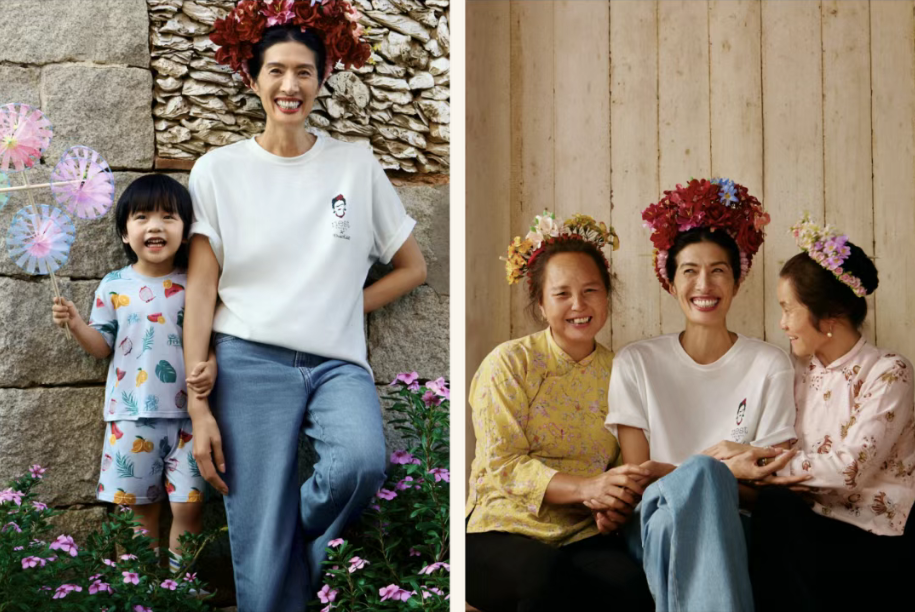 The Nest Designs collection in collaboration with Mexican artist Frida Kahlo, with brand friend and international supermodel Huang Xianxi starring in the campaign
Since 2017, Nest Designs has released collaborations with artists and established creative properties including Marine de Quénetain, Frida Kahlo, and Eric Carle. From de Quénetain’s contemporary botanical linework and soft colors to Kahlo’s bold palette and self-expression and the timeless blend of nature and childhood wonder in Carle’s work, each collaboration has expanded the brand’s idea of how children first develop an eye for design.
When children’s everyday clothes and bedtime blankets feature soft, nature-inspired, artistic designs, those products become some of their earliest ways to discover color, texture, and beauty in daily life.
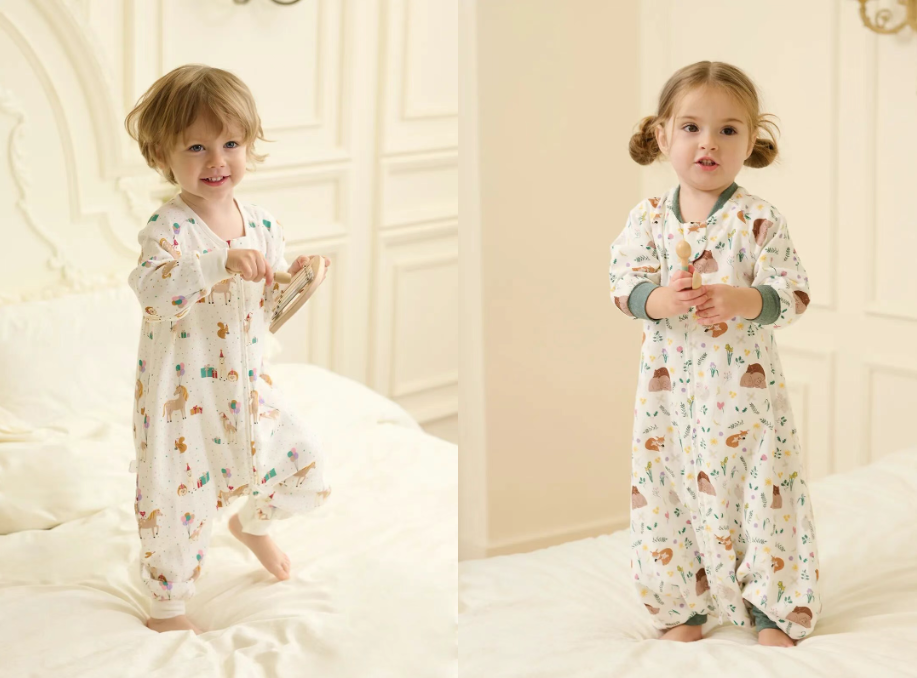 The Nest Designs x Marine de Quénetain collection
That is also a deeper meaning of “Moms Beyond Motherhood”: You’re a mom, and you’re still yourself. Becoming a mother can open a new chapter in which personal taste, identity, and enjoyment of everyday life help shape the relationship with a child. Moms care for their children, set the tone at home, introduce them to art and design, and share in the daily life they create together.
That time together extends into more of the everyday routines of raising children.
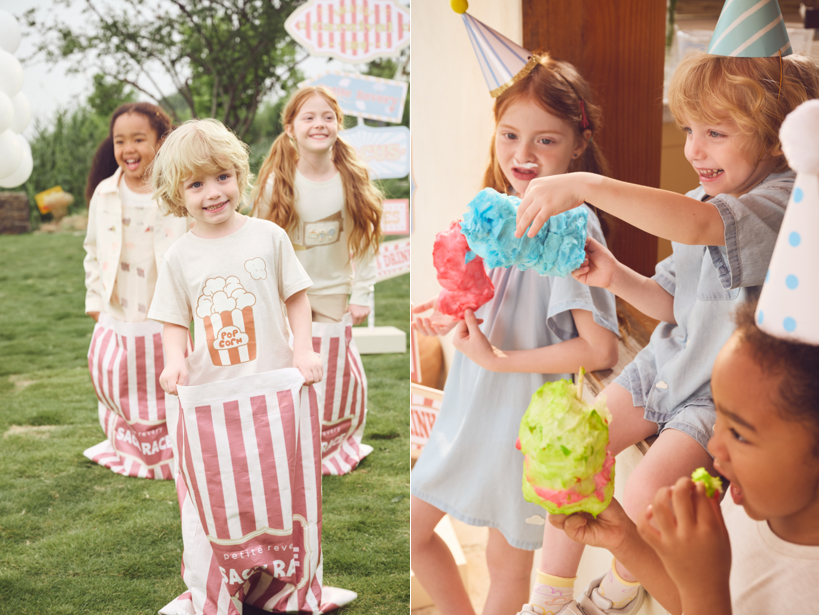
 Petite Revery
From newborns’ sleep routines to children’s outdoor activities and mothers’ own time at home, Nest Designs continues to expand its product lines to meet a range of family needs. Its core collection focuses on sleep and nursery essentials for mothers and babies, while Petite Revery offers clothes for children’s everyday activities and outdoor play, and Like Lois extends the offering into adult home life.
The brand uses a consistent design language to meet specific needs across stages of family life and everyday settings. A sleep sack can help a baby sleep soundly while complementing the atmosphere a mother wants to create in the bedroom. Matching parent-and-child outfits can be soft against the skin and easy to wear every day, while also becoming part of the family’s memories.
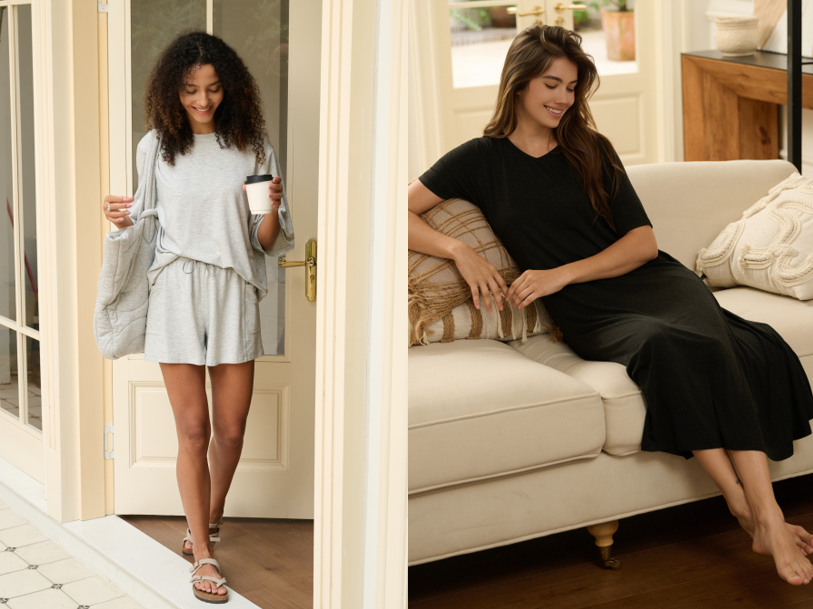
 Like Lois
04 Closing thoughts
Today, more than one million mothers worldwide have chosen Nest Designs. Judging by the brand’s performance across global markets, its approach is resonating in similar ways across cultures.
The brand’s philosophy of “natural softness for restful nights together” may speak to a hope shared across cultures: that babies receive gentle care and mothers find ease, companionship and a sense of security in their bond with their children.
Seen in this light, Nest Designs’ evolution spans everything from introducing children to design to becoming part of their daily routines, from how products feel against a child’s skin to how mothers experience life at home. The brand is working to become a lasting part of family life by offering well-made, thoughtfully designed products that families feel connected to. For a mother-and-baby brand, that may be the hardest advantage to replicate. BRANDSTAR