Qeelin funds repairs to a Dong village’s drum tower and covered bridge
Work on the Lituan Drum Tower and Flower Bridge at Zhaoxing in Guizhou began in late 2025. The jeweler previously backed research into Sui and Tang dynasty ornaments at the Dunhuang grottoes in 2024.
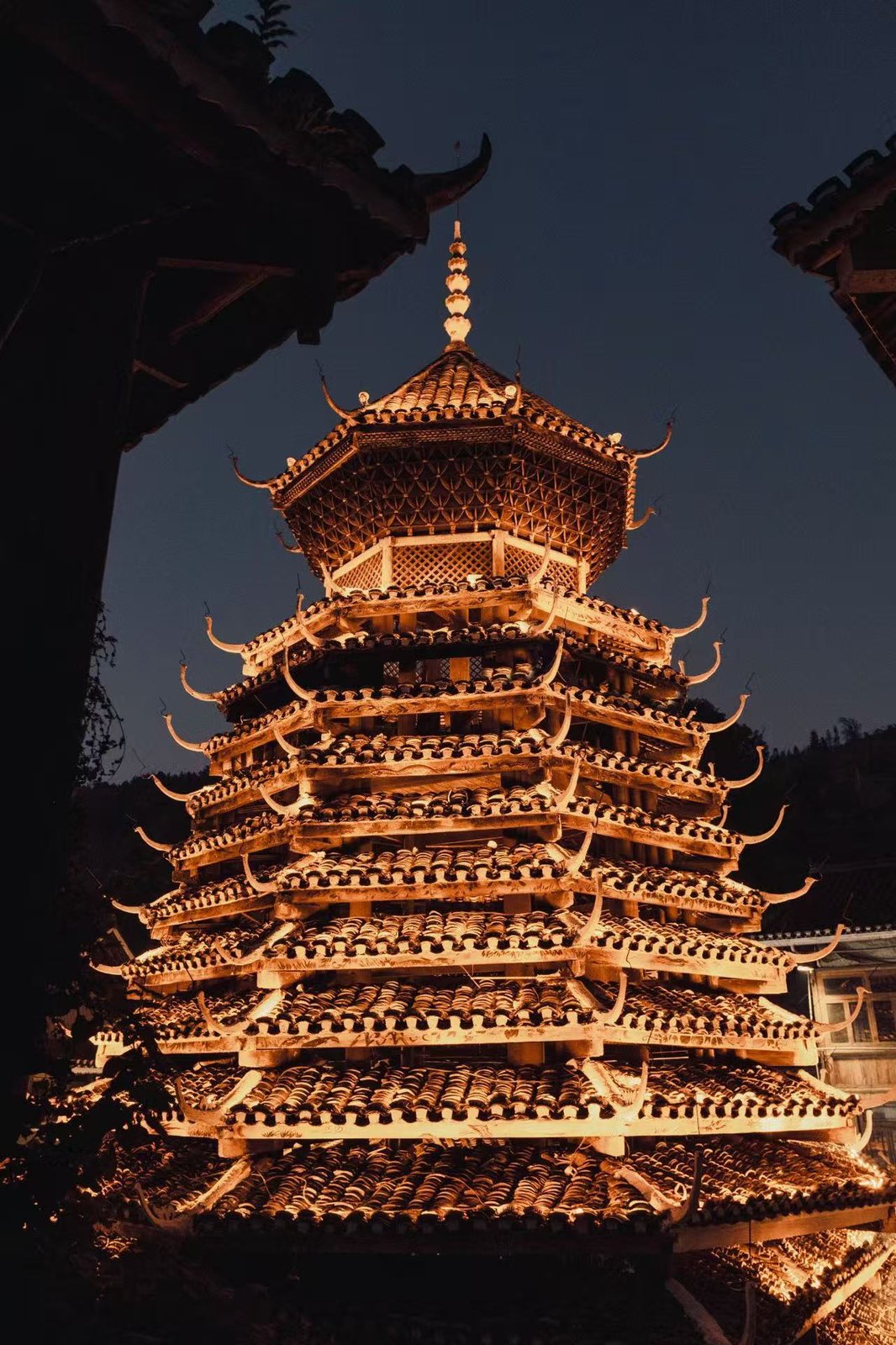
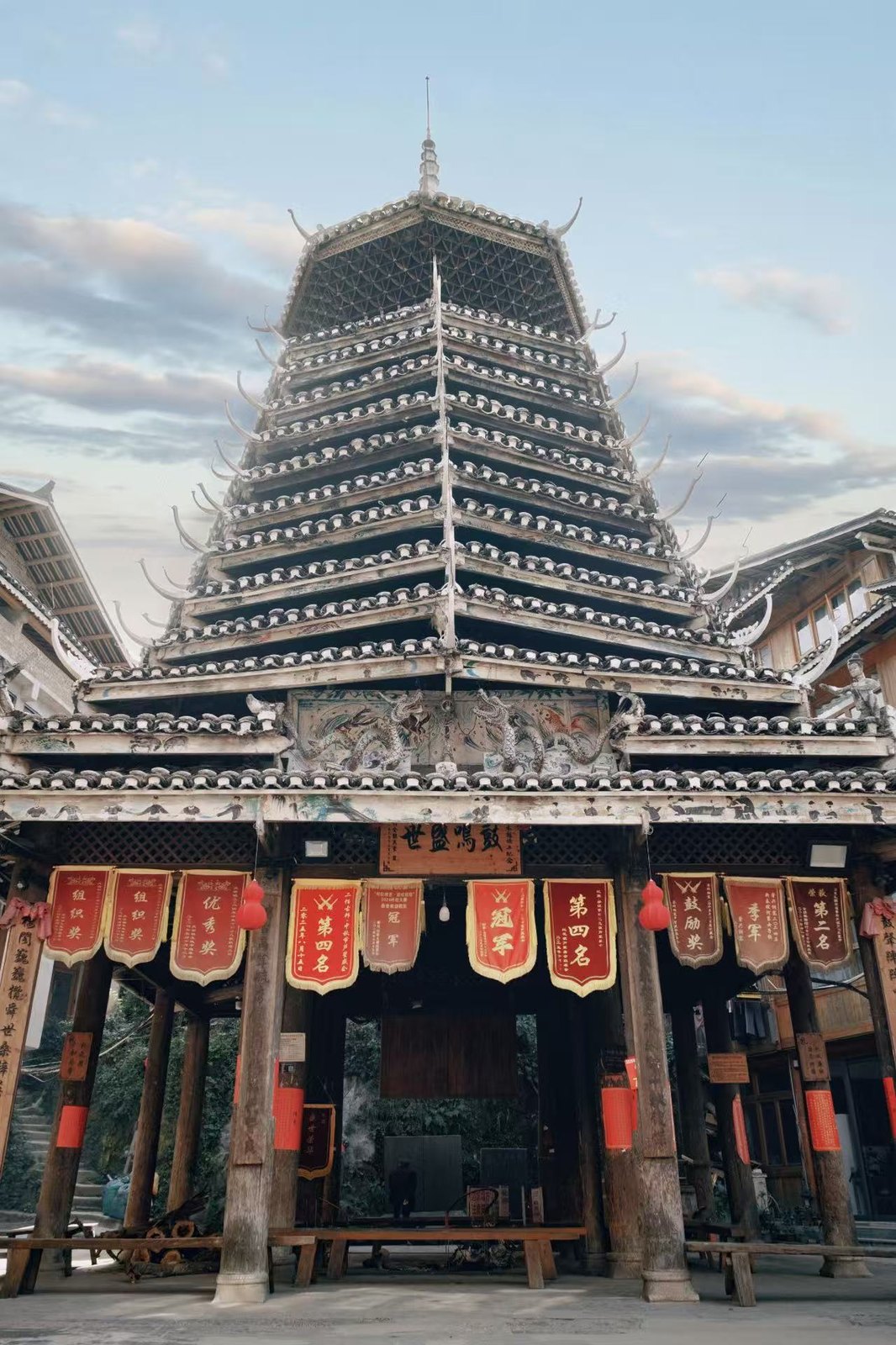
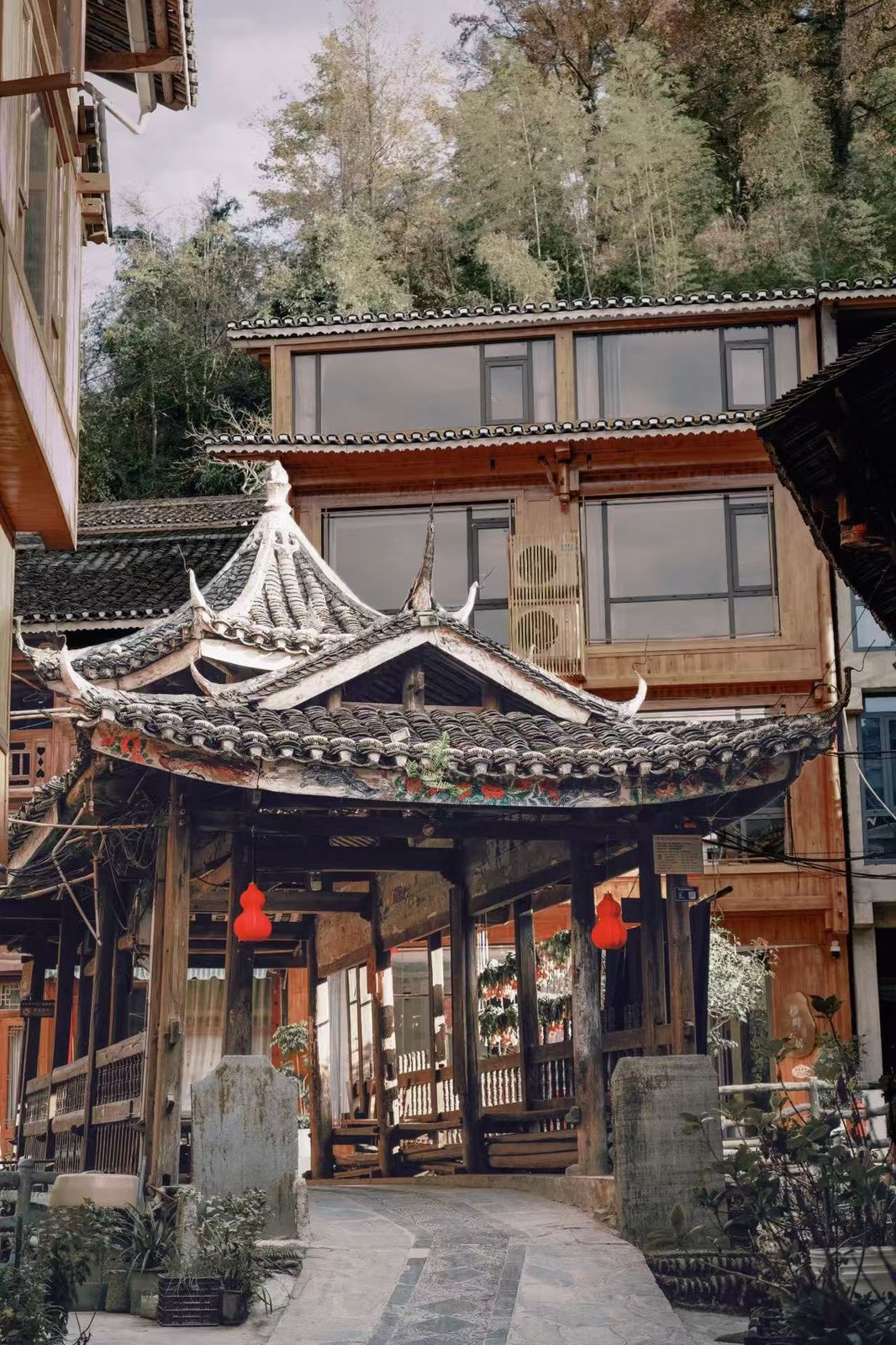
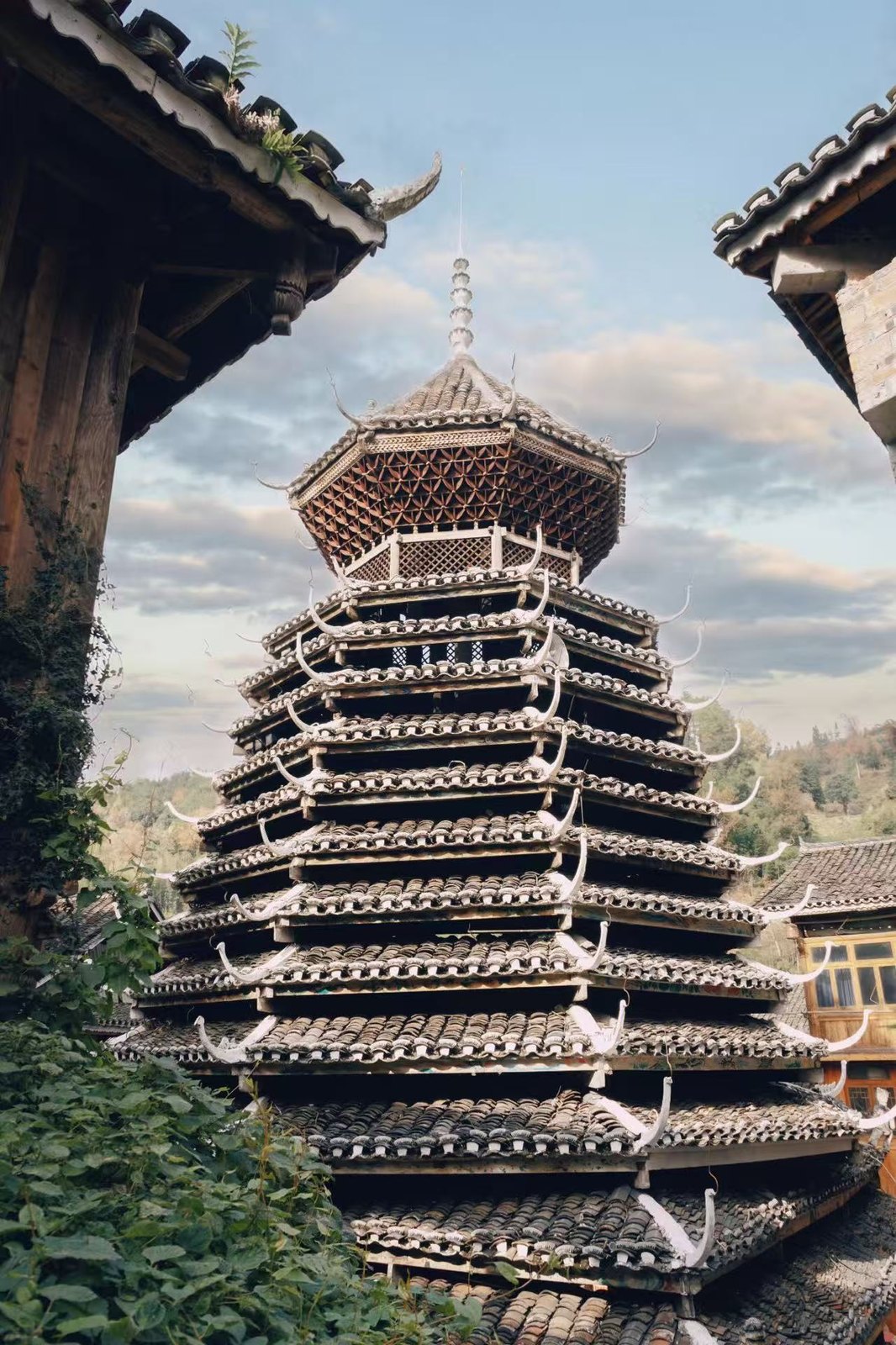
At the end of 2025, a restoration project funded by fine jeweler Qeelin got under way in the Dong village of Zhaoxing in southeastern Guizhou. It covers the Lituan Drum Tower, recognizable by its 13 closely spaced tiers of eaves, and the Flower Bridge over a stream. The project follows the brand’s 2024 support for research into Sui and Tang dynasty ornaments depicted at the Dunhuang grottoes and continues its involvement in Chinese cultural heritage.
From the Dunhuang caves to the mountains of Guizhou
The Mogao Caves at Dunhuang provided an early inspiration for Qeelin founder and creative director Dennis Chan. Moved by the art he saw there, Chan founded the company in 2004 to interpret Chinese culture through contemporary jewelry. Its signature Wulu collection translates the curving form of the gourd, a symbol of blessings and prosperity, into modern designs that helped establish Qeelin’s aesthetic.
For more than two decades Qeelin has drawn traditional motifs into contemporary jewelry. Its research has taken it from the deserts of the northwest to the mountains of the southwest, where it looked to everyday Dong culture for new high jewelry designs. Wulu Chi interprets the idea of qi, or vital energy, in Dong culture. Wulu Shanshui captures the village at dawn and dusk. Both give stories from the mountains another form.
Preserving the places where Dong traditions live
In Zhaoxing, the Lituan Drum Tower is a gathering place for clan deliberations and festivals. The covered Flower Bridge reflects a Dong saying: where there is water, there should be a bridge, and where there is a bridge, a pavilion. Both structures trace their origins to the Southern Song dynasty and use traditional timber construction without iron nails. They preserve a record of living Dong culture, but centuries of exposure have made the wood difficult to conserve.
Qeelin sees the repairs as a way to sustain the community life these buildings make possible. Its projects at Dunhuang and in Zhaoxing reflect the company’s understanding of Chinese culture and its emotional significance to people in China. “What sets Qeelin apart is that it was born of Chinese culture. That is a unique quality, and we will continue to delve into that culture,” said CEO Christophe Artaux.
Qeelin says preservation also requires passing knowledge from one generation to the next. It plans to explore how organizations outside government can support intangible heritage, help traditional practices find a place in contemporary life and introduce them to international audiences through jewelry.