More than a code: Why Nike created the 6453 cultural space
A keypad code, street culture and the idea of home offer three ways to understand how Nike 6453 connects the brand’s history with local communities.
The Nike team and several sneaker collectors created the space together as a place to relive shared memories. The atmosphere is relaxed, with a focus on cultural expression and no overt marketing. For the first generation of enthusiasts who watched China’s sneaker culture grow from its earliest days into a full-fledged phenomenon, every corner of the house holds a piece of their youth.
As touting specs and selling collaborations lose their punch for sportswear brands, Nike seems to have finally realized that its most durable advantage extends beyond technology and “Just Do It” to the memories it shares with people who lived through the same era.
Nike’s next chapter in China starts with dusting off its brand archives and carefully curating them to rekindle people’s emotional attachment to the brand.
Why go back to 2008?
The first step in a nostalgia strategy is choosing the year to revisit. Nike gave the concept space the tagline “THE EXPERIENCE SINCE 2008.”
A sign at the entrance to Shanghai’s 6453 space introduces it this way:
“Nike Sportswear (NSW) has been experimenting since it began in 2008. We’ve tried all sorts of things over the years. Some stuck around and became classics. Others were forgotten and slipped through the cracks of time. However they turned out, they all came from a love of culture and sport.”
Nike Sportswear was Nike’s first offshoot to dial back the performance aesthetic and embrace fashion and lifestyle. Its design language was better suited to younger consumers. Its roster of classics includes the AW77, Nike Windrunner, Eugene Track Jacket, Nike Sportswear Tee, Air Max 1, Air Max 90, Nike Dunk, Air Force 1 and Nike Cortez.
The year 2008 also marked the beginning of Nike’s convergence with China’s sneaker culture.
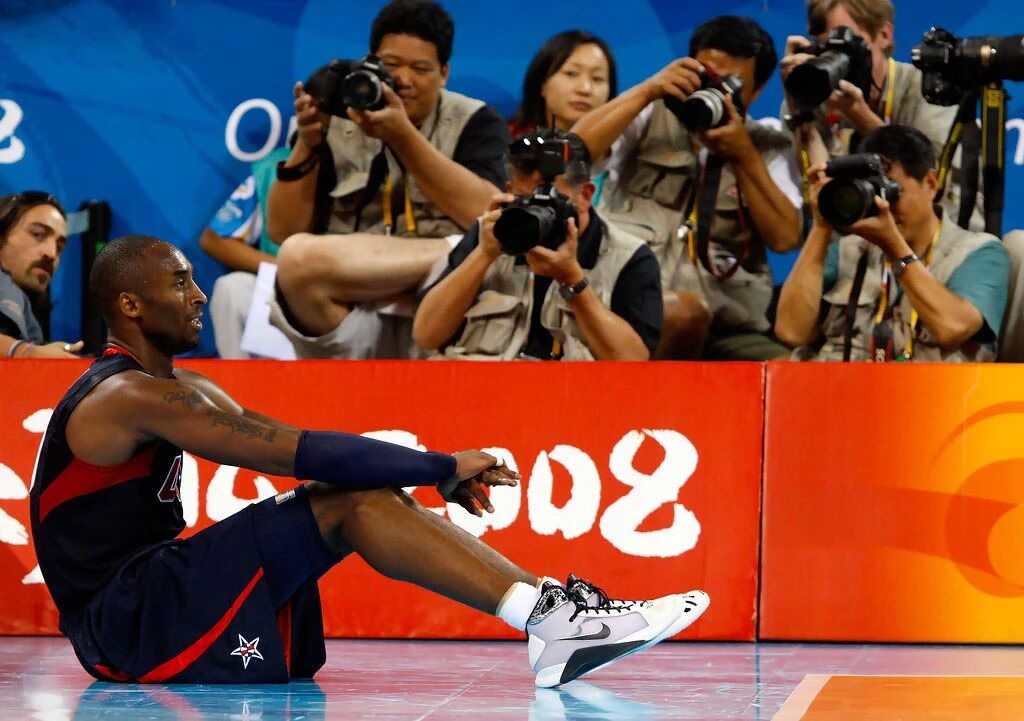
With all eyes on the Beijing Olympics, Nike unveiled the Hyperdunk, designed specifically for NBA star Kobe Bryant. The first use of Flywire technology and Lunarlite foam made the Hyperdunk Nike’s lightest and strongest basketball shoe at the time. It quickly caught the attention of Chinese basketball fans, generating unprecedented visibility and buzz for Nike in basketball footwear.
—
The year 2008 marked a turning point for Nike and sneaker culture in China
Over the next five years, Nike’s pace of product innovation reached its peak. From Flywire and Lunarlite to the introduction of Zoom Air and Nike+, each new generation sent fans scrambling to buy and collect the latest releases. Nike’s signature sneaker lines flourished across the board.
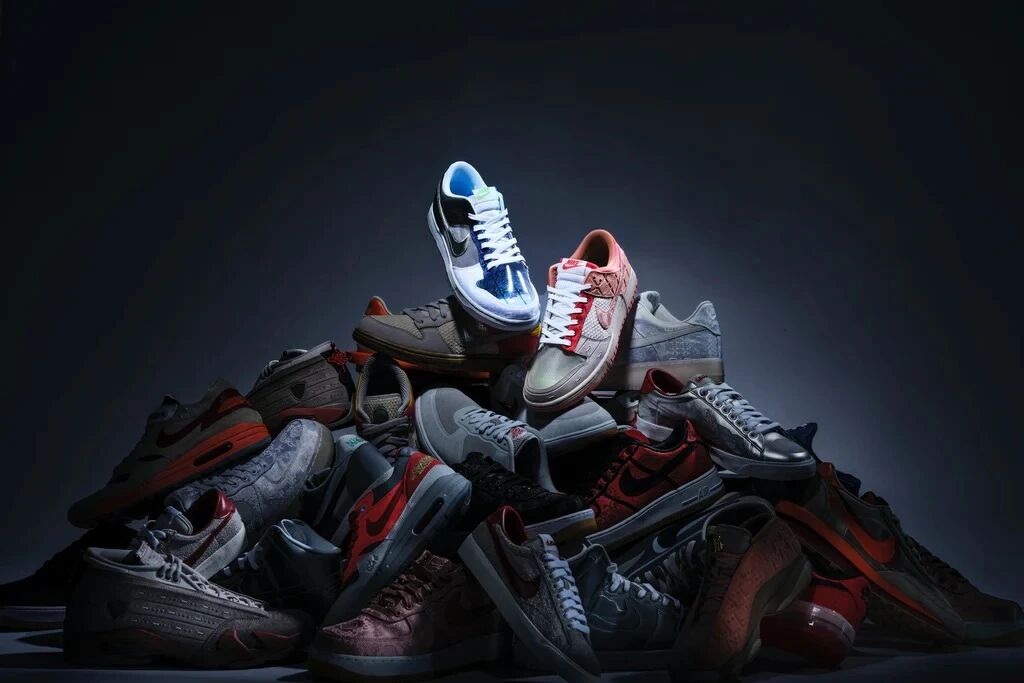
The launch of the “What The” series marked a coming of age for Nike’s cultural storytelling. Distinctive colorways and themes gave the series a recognizable cultural identity, turning performance gear into a vehicle for stories that could unfold with each release.
—
Nike turns archival products into ongoing cultural stories
Around the same time, the 2008 Olympics brought basketball culture to a mass audience in China for the first time. The earliest sneaker forums and in-person trading groups sprang up in first-tier cities such as Beijing and Shanghai, laying the groundwork for China’s first sneaker scene.
Those enthusiasts are now between 30 and 40, with steady incomes and substantial spending power. More importantly, their attachment to the products of that era goes well beyond function.
That’s what makes Nike’s approach to 6453 so effective.
When a brand pays tribute to a particular era, it’s effectively extending an invitation to those who lived through it: “We remember your youth.” That emotional appeal can resonate more deeply than any campaign built around product features.
6453, Nike’s cultural code
The idea behind 6453 has been around for years.
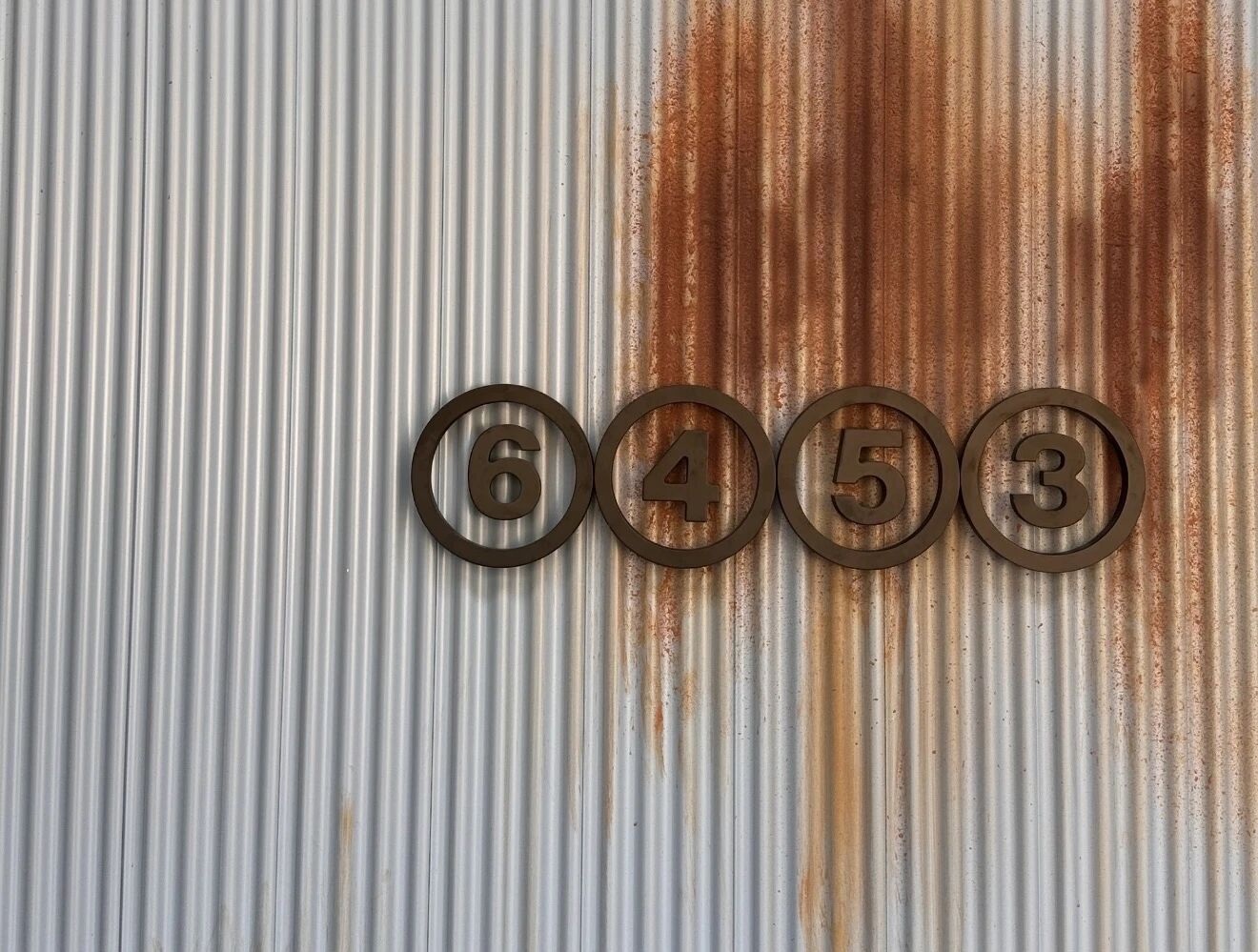
On the T9 keypad of an older mobile phone, 6453 spells NIKE. Originally the last four digits of Nike headquarters’ phone number, the code has appeared in product designs and marketing campaigns and has long been an inside reference among Nike fans.
—
How a keypad code became part of Nike’s brand culture
Nike’s official alumni platform, 6453 ALUMNI, also reflects the number’s place at the heart of the brand’s culture.
In naming its Shanghai cultural hub 6453, Nike drew on a reference tied to a specific era and community. Those in the know recognize it immediately.
Nike is deliberately limiting its reach to select communities, a marketing strategy known as gatekeeping.
Word about the space spreads mainly through invited Nike App members, select streetwear communities and word of mouth among insiders. References to 6453, clues about classic NSW products and milestones in Nike’s history, quizzes, interactive installations and custom prizes give visitors a sense of insider access and cultural authenticity.
In an age of information overload, an inside reference like this can be especially good at cutting through the noise and drawing people in.
One Xiaohongshu user said they had stepped inside out of curiosity and come away with a deeper appreciation for Nike. “I saw a side of Nike beyond competitive sport and got a clearer sense of its collaborations and craftsmanship.”
Sharing the space with CiRENS, a local independent bike shop, was also a deliberate choice. Cycling has a strong community and lifestyle dimension, and its overlap with sneaker culture offers a fuller, more contemporary picture of young urban life.
Bringing two seemingly different subcultures together under one roof reveals a more nuanced picture of the audience. Someone who wears Nike sneakers might also be an avid cyclist who loves exploring the city.
That crossover is laying the groundwork for Nike to reach new communities.
Home as a design metaphor
In physical terms, another key design choice at 6453 is to model the space on a home.
In Chinese culture, home is a place where people can let their guard down. Three qualities help explain why.
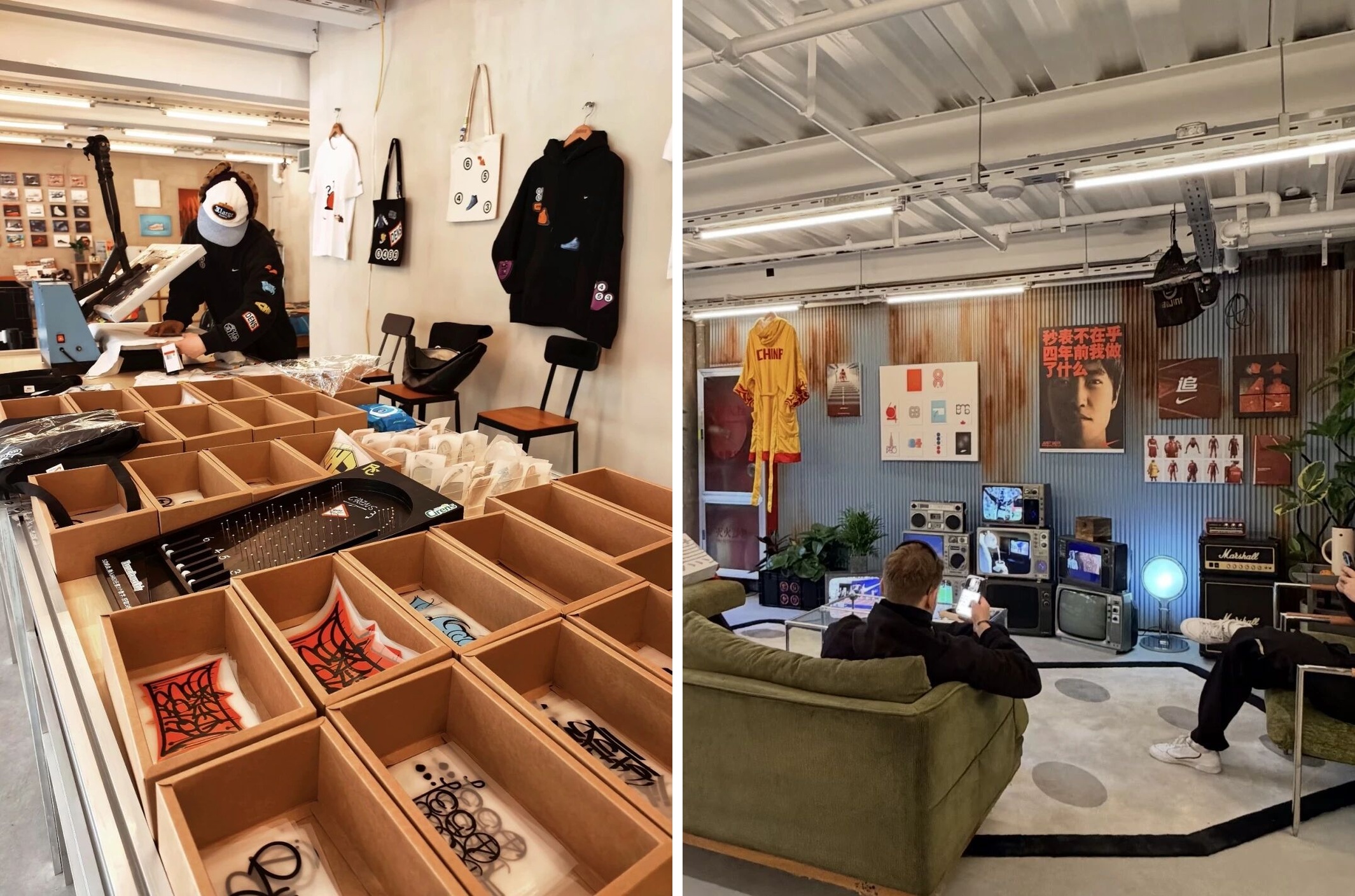
The first is privacy. Street culture began as a public form of expression rooted in collective identity, attitude and defiance. Nike stages a gradual transition from the living room to the walk-in closet to the bedroom, moving from public to semipublic to private space. Along the way, Nike’s signature cultural touchstones become part of everyday life.
—
6453 uses domestic spaces to organize memories of sneaker culture
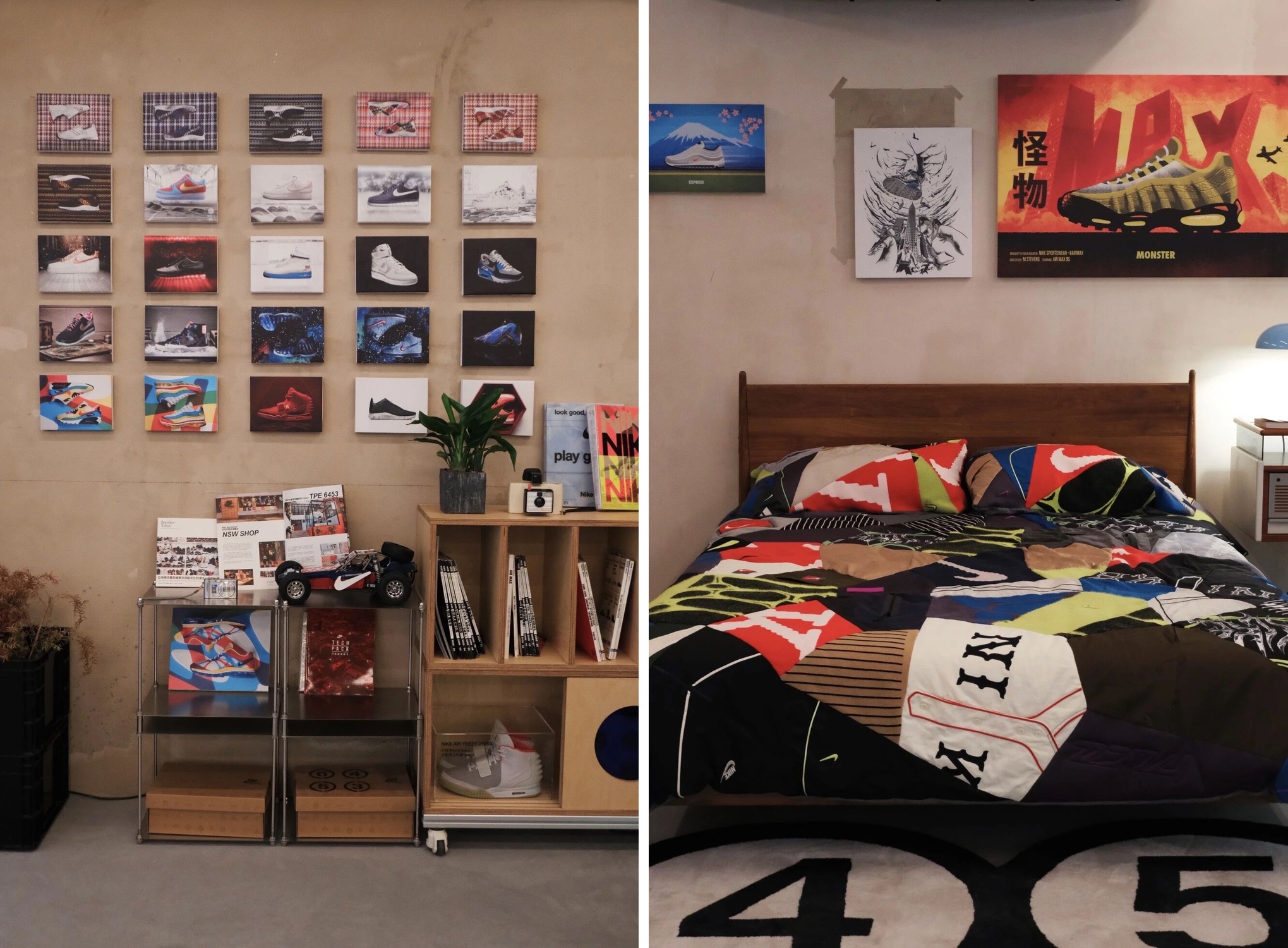
The second is familiarity. The sneaker posters on the walls, lookbooks and classic shoes scattered throughout the space, and a TV playing footage Nike captured at landmark sporting events over the years all form part of the backdrop of a home. Visitors can make their own connections to those memories, taking the lead in interpreting the space.
The third is immersion. The space makes a period in time tangible. The sneaker wall, pool table, old magazines, Nokia phones and CCD cameras are woven into a fully realized domestic setting. These objects act as memory triggers, prompting visitors who recognize them to pause and remember the era.
—
Old magazines, sneakers and everyday objects evoke shared memories
That helps explain why some visitors said they could spend a whole day inside. The space invites people to linger beyond a quick photo, and each object quietly asks, “Do you remember?”
Shifting the focus from a sweeping account of street culture to personal memories makes the brand feel less didactic.
Traditional brand spaces often take an instructional tone, telling consumers what’s good and what’s cool. At 6453, Nike shares its story and gives visitors room to recognize themselves in it.
That shift can have a significant effect on how consumers feel. When visitors see the sneakers they chased in their youth carefully displayed and the designs bound up with those memories treated with respect, it naturally reawakens a sense of identity.
Consumers make the emotional connection themselves, without Nike having to talk up its own greatness.
Closing thoughts
Some may read Nike’s turn to nostalgia as a sign that innovation is flagging. That reading clearly underestimates how adept Nike is at using its brand assets.
Nike is doing something more astute than simply recreating the past. It’s choosing which moment to revisit, recasting the setting and rethinking how people participate so that history becomes something they can experience today.
As the introduction to 6453 puts it in its closing line, “All the answers to the future were written long ago in the past.” The direction of Nike’s strategic shift in China is now clear. The brand is turning to culture to rebuild itself.
Nike continued in that direction for the 30th anniversary of the iconic Air Max 95, teaming up with emerging designer Jose Wong (Wang Zidi) to open a corner snack shop in Shanghai.
Air Max sneakers shared shelf space with more than 60 classic Chinese snacks. With retro games, work by several young avant-garde artists and the slogan “No One Tells Me What to Do,” Nike sought to tap into memories shared across generations.
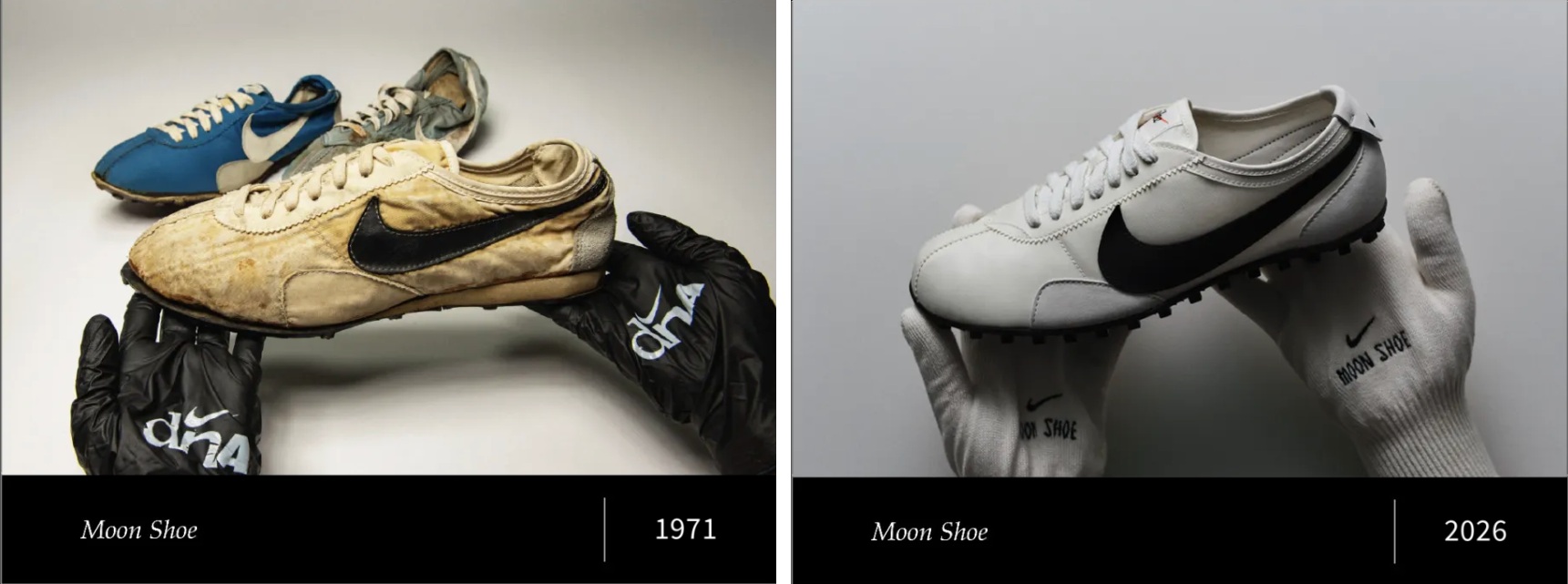
The Moon Shoe reissue is another example of Nike curating its own archives for a contemporary audience.
—
An original Nike Moon Shoe and its reissue
Introduced in 1971, the Moon Shoe is a Nike icon with roots in sport and enduring appeal in youth culture. It embodies Nike’s distinctive approach to innovation: identify a problem and experiment boldly. That principle went on to guide all of the brand’s product development.
Bringing back a shoe with this much history puts Nike back on the starting line.
Amid the noise, Nike has quieted the rallying cry of “Just Do It.” By telling stories about moments it witnessed firsthand, the brand is finding a way to reconnect.
6453 · Nike · Branded spaces · Street Culture
More stories →