Brandstar’s 2026 brand-building trends report
Across strategy, identity, content, and experience, we examine how brands competing in a mature market are shifting from chasing buzz to building relationships.
If the past decade was the business world’s Age of Exploration, with companies growing unchecked on the back of cheap traffic and rapid expansion, 2026 marks a fundamental shift. Competition once centered on scaling into a growing market. Now it hinges on creating more value in an existing one.
The external tailwinds that once drove growth, including favorable demographics, traffic arbitrage, and channel expansion, have gradually faded. Brands now face tougher competition for existing demand. This year, depth offers the security that scale once seemed to guarantee.
Key shifts in the consumer market over the past year point to three emerging approaches to brand building.
From product transactions to customer lifecycle management. Brands are looking beyond individual sales, using exceptional service and emotional value to grow customer lifetime value, encourage repeat purchases, and build word of mouth over time.
From algorithm-driven marketing to a renewed focus on people and culture. As AI narrows efficiency gaps, a human touch, original storytelling, and tangible action on social responsibility will become rare competitive advantages.
From broad, all-in-one offerings to platforms built around focused, distinctive niches. Brands are building scalable portfolios of specialized offerings, developing real depth and expertise in each segment.
Competing for existing demand can still generate growth. The shift is toward higher-quality growth.
Brandstar reviews brand-building trends from 2025 through 2026 to date, looking at brand strategy and three areas of execution: identity, content, and experience. This is a selective account of the changes we’ve observed over the past year, with approaches brands can draw on.
01. From expansion to relationship building
In 2025, brands gradually moved away from aggressive, high-profile market pushes. They sought a distinctive presence that could fit naturally into consumers’ lives and last over time.
This kind of relationship grows through a steady, dependable presence over time, with less emphasis on brief bursts of intense marketing engagement.
Consumers can maintain lasting ties with several brands at once. The priority for brands has shifted from grabbing market share and scaling quickly to earning a distinct, enduring place among the brands consumers turn to.

02. A return to clarity
After successive waves of concept-heavy marketing, brands are paring back sweeping narratives to answer two basic questions clearly: Who are we, and what do we do?
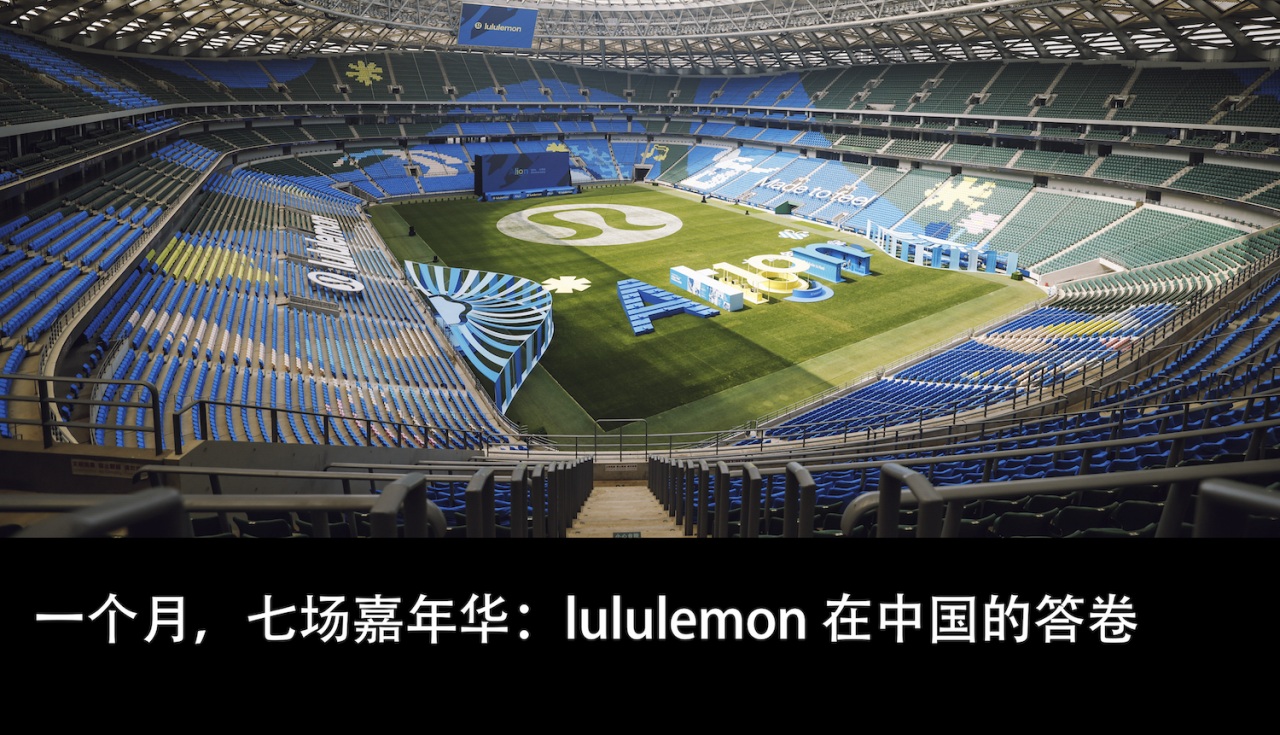
More brands are using hero products or signature collections to articulate their identity. Lululemon and LOEWE used the 10th anniversaries of Align and Puzzle, respectively, to revisit their histories through those flagship products.
More brands are also drawing on their roots to sharpen their positioning. Baozhu Nailao returned to the sweet fermented rice on which it was founded, building on its expertise in fermentation, while Lihou Chasi draws its distinctive identity from the local culture of southern Fujian.
In niche markets, clear positioning cuts through more effectively than elaborate marketing tactics.
03. From a single-channel model to omnichannel integration
Direct-to-consumer was once hailed as a surefire growth engine. In 2025, rising traffic acquisition costs and the limited reach of a single channel prompted a more pragmatic approach.
Nike’s withdrawal from and subsequent return to Amazon illustrates an emerging industry consensus. The question has moved beyond whether to sell direct. It comes down to who buys which products, on what occasions, and through which channels.
Beyond making sales, channel choices reflect a brand’s judgment about its audience’s tastes and culture. Coordinating those channels lets a brand reach customers seamlessly and reinforce what it stands for throughout the customer journey.
04. A clear, consistent stance is more persuasive
As competing products become more alike, brands are finding it harder to charge a premium for features. A clear set of values is becoming a more durable competitive advantage. Consumers’ purchases also signal approval of the role a brand plays in society and the cultural stance it takes.
Jixiashan draws deeply on Chinese culture to set itself apart from standardized hotels. Its positioning as a culture-led hotel gives it a distinctive aesthetic and cultural identity.
In its 2025 annual report, Patagonia spoke candidly about the environmental targets it missed. Being open about the gap between its ambitions and its results strengthened the long-term credibility of its mission.
Vague slogans rarely resonate. A clear, consistent stance is more persuasive. A brand’s future competitiveness will depend both on spotting market opportunities and on knowing where to draw the line when those opportunities test its values.
05. Localization becomes participation in local culture
Localization has evolved from a market-entry strategy into a test of how deeply a brand can engage with local culture. Brands are moving from outsiders pushing into a market to active participants in shaping its culture.
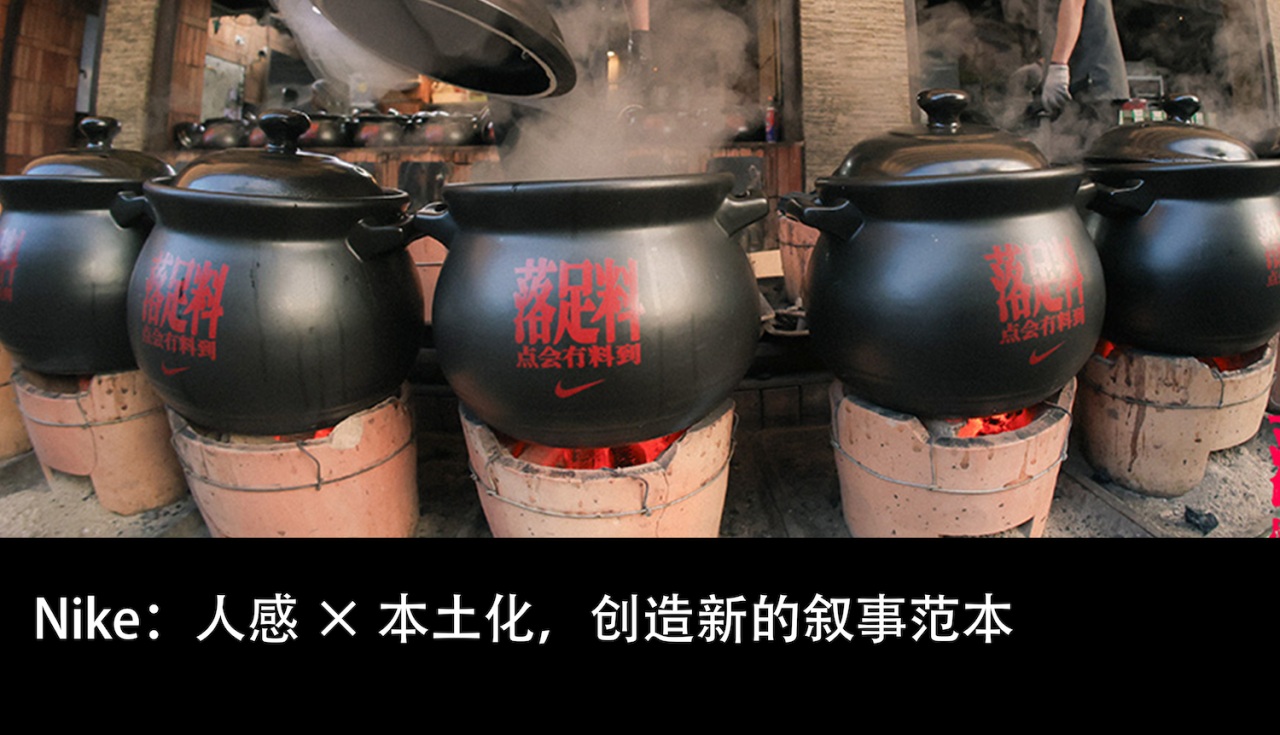
Nike’s work in China illustrates this shift.
Speaking like a runner. During the Shanghai Marathon, Nike’s “Looking for punishment” slogan struck a chord with runners by capturing why they willingly put themselves through a grueling race.
Speaking in local terms. Nike’s National Games short film linked the tradition of slow-simmered soup with the drive to excel. The Cantonese line, roughly “Put in the good stuff and you’ll have something to show for it,” grounded the brand story in familiar local experience.
Brands are shifting their focus from broad market coverage to the cultural nuances of specific places. Working city by city helps them pick up on subtler local sentiments and build stronger emotional ties.
06. Eastern storytelling becomes a source of brand value
Eastern culture has evolved from a visual accent into a durable competitive advantage for brands. Once primarily a form of local self-expression, it is becoming more deeply embedded in global commerce.
Songmont reinterprets imagery from nature through a contemporary design language. To Summer’s initiative to trace Eastern fragrance ingredients back to their origins builds a cultural foundation at the source of the supply chain and challenges stereotypes. Continued investment in Chinese brands and culture by groups such as LVMH and Kering also signals the commercial reach of Eastern aesthetics across cultures.
In a mature market full of similar offerings, functionality and efficiency rarely provide lasting protection from competitors. Eastern storytelling that is locally rooted, contemporary in its aesthetics, and accessible to global audiences gives brands a source of value that is hard to copy.
07. China evolves from growth market to global amplifier
In 2024–2025, China’s role in global brand strategy expanded beyond its contribution to financial results. It became a testing ground for global strategies and a market that could amplify them.
Reliable growth momentum. Strong revenue growth in China at companies such as Amer Sports, including a 43.4% increase in fiscal 2025, is prompting brands to make long-term investments ahead of demand.
An outsized retail investment. Arc’teryx is expanding its network of high-end flagships, and Haglöfs chose Shanghai for its first flagship worldwide. Both moves position China as a key market for showcasing the brands at their most ambitious.
Global amplification. Expansion models and new approaches to storytelling developed in China are starting to inform global operations.
China is moving from the receiving end of global strategy to a source of changes in how brands position themselves and operate worldwide.
08. Luxury shifts from status symbols to tangible value
Luxury brands are moving away from logo-driven premiums and putting authenticity at the center of what makes their products worth paying for.
Brands are rebuilding their long-term competitive advantage in three ways.
Craftsmanship and scarcity. Through its traveling craftsmanship exhibition, Hermès made scarcity tangible by showing what 16 hours of handwork go into, giving the public a lesson in time and craftsmanship.
Emotional and cultural resonance. Louis Vuitton and Dior are turning stores into spaces for cultural experiences. Consumers are drawn in by the stories, rituals, and sense of identity the brands offer, moving beyond impulse purchases driven by logos.
A long-term narrative. Loro Piana draws on fine cashmere craftsmanship and a sense of quiet strength to answer questions about scale with a focus on quality, earning lasting loyalty among high-net-worth consumers.
Brand identity
01. From static logos to adaptive identity systems
Logos are evolving from flat graphics into systems with a visual language of their own. These adaptable marks can work seamlessly across AI experiences, dynamic interfaces, and even augmented reality.
Strategy-driven redesign. Google strengthened the visual link between its logo and Gemini, signaling its move into the AI era. OpenAI softened its mark for a more human feel. Japan’s Kokuyo uses a series of diagonal strokes to suggest that curiosity has no limits.
Designing across media. Simple, modular forms keep brands recognizable at extreme scales, from wearables to virtual reality, while giving them room to tell stories across different contexts.
Beyond visual appeal, design helps a brand stay recognizable and expressive as it adapts across media.
02. From seeing to feeling with multisensory identity
Brand identity is expanding beyond visual cues. Brands are pairing sensory experiences with emotional responses to create deeper, more lasting memories.

Loro Piana invites the public to touch fabrics from its archive, making a century of craftsmanship tangible. McDonald’s uses outdoor ads with built-in ventilation to release the smell of fries, creating a vivid scent memory in a physical space. Aesop uses ambient scent and a thoughtful tone of voice to make calm part of how people recognize and experience the brand.
Content and communications
01. Cultural depth sets brand content apart
Brands are increasingly setting their content apart by engaging deeply with culture, a shift from competing through new formats. Working with cultural communities to create something of shared value gives that content a longer life.
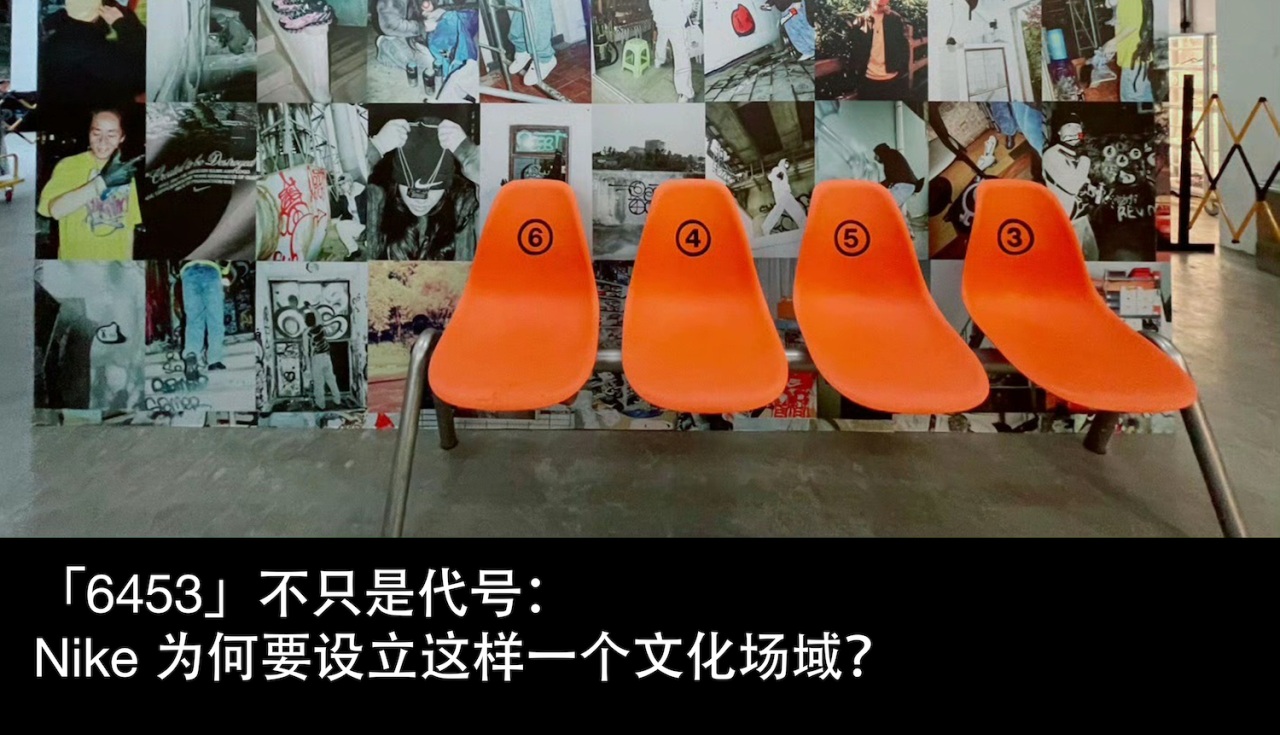
JNBY continues its project to make full use of fabric, drawing on the intangible cultural heritage of shadow puppetry to develop a contemporary design language. CIGALONG uses jewelry to convey the spirit of Kunqu opera. Xiaohongshu turns online discourse into a cultural event through its literary festival. Nike launched the weekly publication In The Margins to give its core audience a space for ideas and interests they share.
Brands are moving beyond delivering messages to exploring, creating, and shaping culture.
02. Ongoing storytelling builds lasting affinity
Brand communications are shifting from one-off campaigns to ongoing stories grounded in a core vision. A more consistent relationship across interactions helps people identify with a brand over time.
To Summer has moved from showcasing physical objects to developing a coherent cultural point of view. Through its idea of a new Eastern modernity, it extends its interpretation of Eastern culture into modern dance and contemporary art, giving the brand a consistent voice across disciplines.
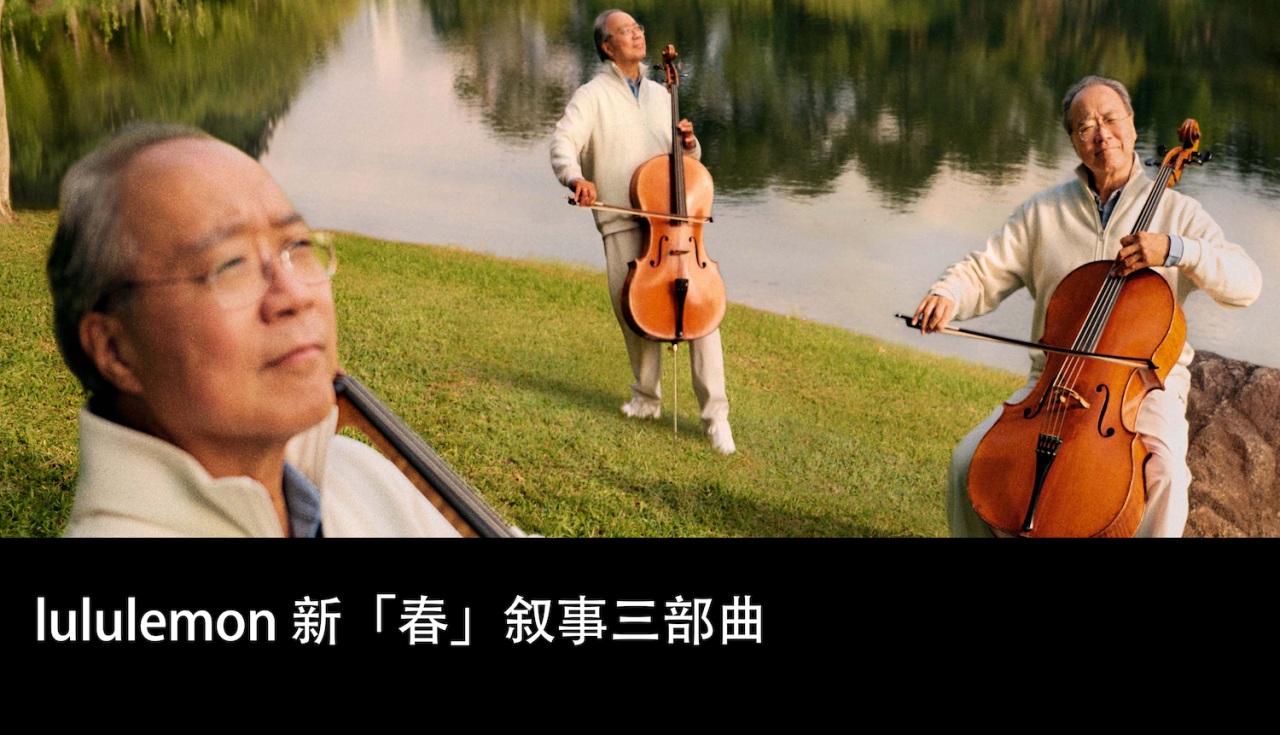
Lululemon uses spring as a recurring theme in an ongoing conversation about what it means to feel your best. In 2025, it explored reconnecting with what drew people to their practice in the first place. In 2026, it focused on what people can discover through the repetition of everyday practice. That continuity connects the brand’s philosophy to customers’ personal growth.
03. From spotlighting individuals to telling stories through many voices
Brand storytelling is shifting from a single celebrity to a group portrait made up of people with diverse perspectives.
Weaving together different perspectives gives a brand’s core ethos greater depth.
Creating knowledge together. Songmont brings scholars and creators together, drawing on their collective wisdom in place of traditional endorsements.
Building a shared identity. edition and GIADA showcase a range of women, creating a shared identity with room for different experiences.
Connecting through everyday settings. MINISO features an ensemble of celebrities in real-life shopping scenarios to strengthen its emotional connection with everyday consumers.
The shift from “I” to “we” gives people from different walks of life a place to find common ground through the brand. People are turning from idealized idols to real, tangible interactions with others for a sense of belonging.
04. The human touch returns to brand storytelling
As public attention shifts from grand narratives to everyday experiences and communication moves from one-way messaging to exchanges built on mutual understanding, brand content is taking on a more human tone. Brands are setting aside the lectures and engaging with people’s daily lives with genuine empathy.
With its message “It’s OK to ease up and keep going,” On acknowledges the fatigue and setbacks that come with exercise, giving the brand a more human voice. Babycare champions “gentle parenting,” drawing on the nuances of lived experience in place of expert advice to connect more deeply with parents.
Compared with flawless advertising, messaging that feels more authentic, specific, and even slightly imperfect can help counter the sense of distance technology creates.
When people feel uncertain, they are more inclined to trust brands that show a human side. This content builds emotional ties through small, everyday moments, independent of any immediate purchase. Those relationships become a core asset that helps brands weather business cycles.
Brand experience
01. Physical spaces are once again a competitive battleground
Physical spaces are once again shaping how brands compete. They have evolved from points of sale into central platforms for brand storytelling and community engagement.
Louis Vuitton’s immersive Shanghai pop-up, The Louis, reinforces its luxury positioning. H&M is reshaping retail standards by upgrading its first experience center.
Cycling brand PNS brings cycling and café culture together, blurring the line between commerce and socializing. Haglöfs has added a display area for upcycled items and an event space to VASA, its global flagship, giving shoppers more ways to experience the brand’s values.
Physical spaces create value beyond transactions by giving people a deeper feel for the brand through the environments they create. Sensory experiences and community interaction help brands build emotional connections that extend beyond the products themselves.
02. Small objects put emotion within reach
Consumers are turning to small, appealing objects to meet emotional needs. Moderately priced miniatures that offer a specific kind of comfort have become portable expressions of identity.
POP MART introduced a mini version of LABUBU in formats such as clip-on charms, offering an instant source of comfort whenever people touch them in daily life. Luxury brands such as Louis Vuitton and Loewe offer miniature leather goods and charms that make it easier for consumers to own a piece of the brand and carry that emotional connection with them.
Emotion is shifting from something people see to something they carry. These small objects put the brand experience within reach wherever people go, extending it beyond dedicated settings.
03. Brand spaces and public spaces increasingly overlap
Brands are exploring spaces beyond traditional commercial settings. They are moving beyond the confines of shopping malls into neighborhoods, historic districts, and public facilities, becoming part of the urban cultural fabric.
Shanghai’s Yongyuan Road and Anfu Road have become testing grounds for brand co-creation. Dongnanyi helps brands integrate with the historic city around it, making local cultural stories tangible. Chanel staged a runway show on an abandoned subway platform and partnered with a contemporary art museum to create a space. Brands are using these public cultural sites to reshape how they tell their stories.
Consumers increasingly look to physical spaces for genuine connection as well as shopping. As brands and public spaces become more intertwined, they are changing how brands engage with cities and making brand experiences a more integral part of consumers’ daily lives.
04. Brand experiences move from destinations into daily life
Brand experiences are shifting from places consumers go to moments they encounter in daily life. Brands are building experiences around activities people already do regularly, extending engagement beyond a visit to a store or exhibition.
On launched a podcast, “Listen While You Run,” with audio cues that sync with runners’ strides. The brand becomes part of the run itself.
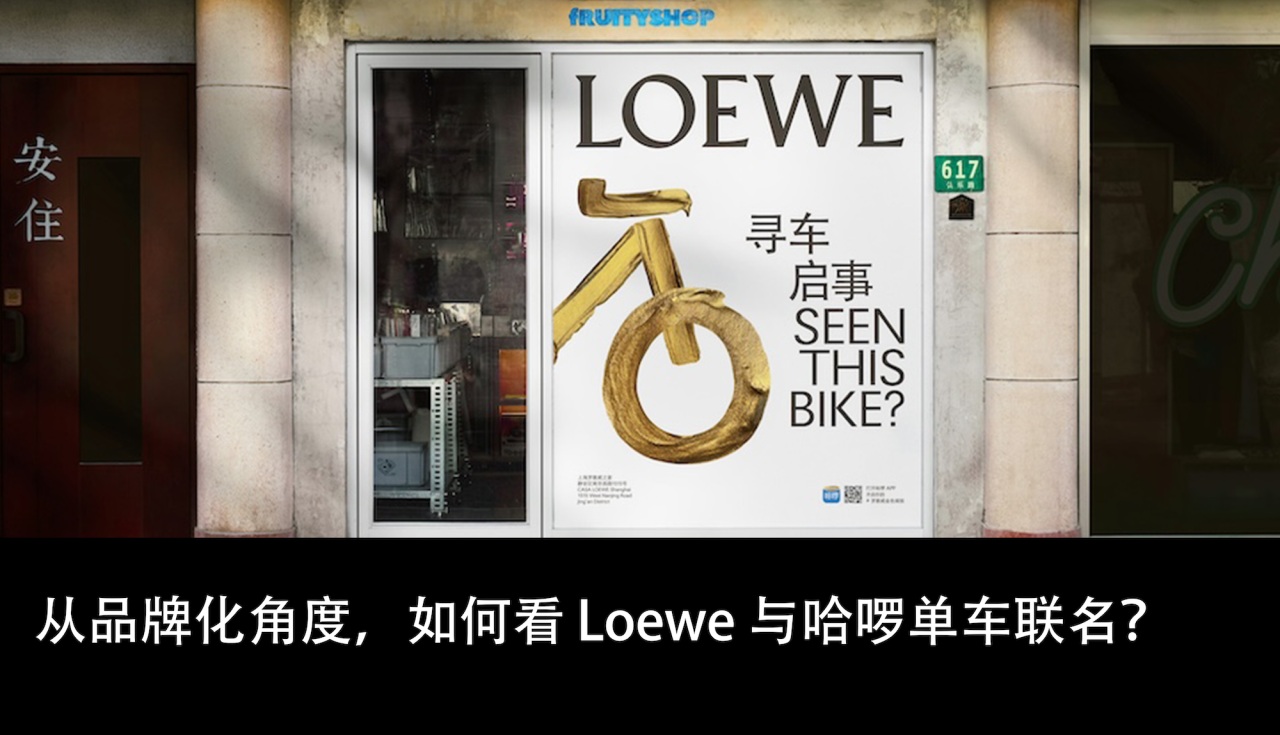
LOEWE partnered with bike-sharing service Hello for “Golden Ride,” using shared bikes to showcase the brand’s visual identity. Riders can explore LOEWE’s aesthetic simply by taking a ride, without visiting a store.
Passive viewing rarely leaves a lasting impression. Brands can build a more enduring presence by fitting into the rhythms of daily life. This low-pressure form of engagement makes brands easier to remember and strengthens relationships.
01. Physical spaces will increasingly be built around experiences and communities
Opportunities for in-person storytelling will continue to grow as brands create experiences and cultivate communities in physical spaces, reaching beyond the limits of online traffic to build more genuine connections.
Physical spaces will evolve from places to shop into places to spend time. As they become more integrated into consumers’ social lives and routines, they will play a central role in helping brands build lasting relationships.
02. Eastern cultural storytelling moves from local expression to stories with global human appeal
Stories rooted in Eastern cultures will evolve from local expressions into narratives that resonate globally. Brands that draw deeply on local heritage and pair a contemporary aesthetic with clear, globally accessible storytelling will have more room to grow.
The ability to translate culture across markets will become a competitive advantage. For Eastern brands going global, the challenge is to tell local cultural stories in ways that audiences worldwide can understand, identify with, and connect to.
03. Human-centered storytelling moves toward shared values
In 2025, “softness” was the watchword we saw in human-centered storytelling. As more brands recognize the value of connecting with consumers through perspectives grounded in daily life, they will need to move beyond what everyone else is doing.
Human-centered storytelling will place less emphasis on sounding approachable and appealing to young people, and more on connecting through deeply held values.
Consumers want brands with convictions of their own. Helping people feel seen and understood is a starting point. Brands earn that human connection over time by grounding their storytelling in what they stand for and delivering on their promises through clear positions, decisive choices, and concrete action.
Brand experience · Brand building · Brand storytelling · Brand strategy · Trend Reports
More stories →