Xiaohongshu: Emotion is the surest route to growth this fall
As emotion becomes a factor brands can plan for, how can apparel and accessories brands turn what consumers feel into product assortments, content, and growth for their fall launches?
During this year’s Lunar New Year holiday, Brandstar looked at how Xiaohongshu was using a systematic, data-informed approach to turn emotion into a business opportunity. Six months later, we found that what began as a seasonal marketing topic on the platform was becoming a way of doing business across industries.
Fashion apparel and accessories are a case in point. They are discretionary purchases, and the decision to buy often starts with a specific feeling. Beyond price, materials, and design, consumers increasingly use accessories to express who they want to become. A vegetable-tanned leather work bag conveys quiet confidence at work. A crystal bracelet can embody a wish to accept oneself, body and mind. The feeling that first prompts a purchase is where the business opportunity begins.
That offers a fresh lens on this year’s fall launches. Every fall, brands seem to fight the same battle. They roll out new products, place bets on their assortments, and step up promotion. As competition intensifies and styles, imagery, and selling points converge, what will it take to win today? The growth signal worth watching may be which brands first understand why a shopper needs a particular product at a particular moment.
Xiaohongshu recently hosted Feeling in Form, its closed-door 2026 summit for senior executives in fashion apparel and accessories. Drawing on the brand case studies shared at the summit, we set out to answer a question for brand teams. Once brands can plan around emotion, how can they turn it into measurable growth in this year’s fall launches?
01. Emotion becomes a must-have in discretionary categories
Two shifts are playing out at once in the consumer market. People are still inclined to save and are more careful about spending, while spending tied to personal interests, self-expression, and feeling better remains resilient. Consumers are cutting back on unnecessary purchases, yet they will still make room in their budgets for a product that speaks directly to how they feel right now.
NielsenIQ’s Top 10 Key Trends in China’s Consumer and Retail Market for 2026 identifies personal relevance as a major shift in consumer behavior. Emotion-related factors account for the top three purchase drivers. Functionality still matters, and consumers increasingly care whether a product speaks to their circumstances, their feelings, and the life they aspire to.
Apparel and accessories make this shift especially visible. Clothes, jewelry, and bags serve practical purposes while helping people affirm who they are, shift into a different frame of mind, and express how they live. Someone might look for a bag that gives them a confidence boost on the first day of a new job, choose statement earrings for their first date in a while, or reward themselves with a silk scarf after finishing a project. In discretionary categories especially, the purchase decision starts with a feeling.
On Xiaohongshu, these needs tend to surface in specific terms. Users search for “what to wear to a first client meeting,” “a gift to myself for turning 30,” or “what silk scarf to pack for a long business trip.” They also post about how they felt before and after a purchase. According to figures shared at the summit, Xiaohongshu averages more than 800 million searches a day, and queries of eight or more Chinese characters grew 52%. The longer the query, the more context it offers about the user’s life and why a product might fit into it.
Longer queries also give brands a way to look past broad audience labels and understand individual shoppers. Take work bags. Lawyers, teachers, creative professionals, and tech workers all commute, but their work environments, style preferences, functional needs, and emotional motivations differ.
Shoppers today are deliberate about the accessories they choose. Each choice expresses something about the person they aspire to become. Brands need to understand who buys a bag and the situations in which they need it.
This is how Xiaohongshu breaks down demand for apparel and accessories. It starts with a shopper’s profession, narrows the focus to specific situations, then considers style preferences, functional requirements, and emotional motivations together. Broad category segments give way to a more specific picture of people making choices at different points in their lives, with particular expectations in mind.
The way Xiaohongshu’s community works gives brands a view into everyday life. Its 400 million monthly active users share small moments from commutes, dates, trips, workouts, celebrations, and occasions when they treat themselves. Those posts show how people interpret and use the same product in different ways. Brands can see the individuals behind category segments, each at a different stage in life and with multiple needs.
The apparel and accessories industry’s discussion of emotion is part of this broader commercialization process. It starts with identifying needs in what users share, then applies those insights to trends, assortments, creators, content, and conversion.
Xiaohongshu is bringing emotion into earlier business decisions. It is beginning to shape how brands assess trends, define products, and identify who to reach. It also influences how content connects an individual product to someone’s life.
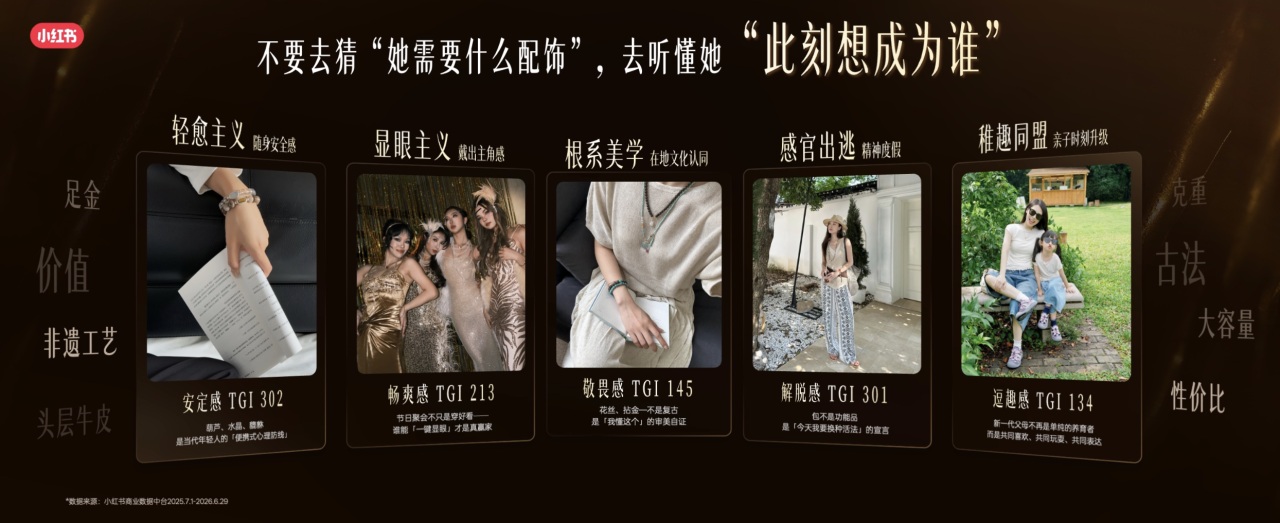
—
Xiaohongshu applies emotional insights to trends, assortments, creator selection, content, and conversion
This capability matters especially in a largely discretionary industry like apparel and accessories. Good products are plentiful, and standing out on style and price alone is getting harder. Brands that understand sooner what consumers care about right now and what they want to express have a better chance of giving shoppers a clear reason to buy.
02. How fall launches turn emotional insights into business results
The summit theme, “Feeling in Form,” captured a central idea in apparel and accessories. Accessories make emotion visible. When choosing a product, shoppers often ask themselves, “Is this me?” Xiaohongshu wants to understand the feelings behind those choices and help brands apply that insight to products, content, and sales.
To coincide with fall launches, Xiaohongshu released Wear in Moods 2026, its commercial white paper on emotion and fashion trends. Drawing on more than 780,000 genuine user posts, it identifies 10 trends and shows brands how to apply them to assortment planning, content, and occasion-based marketing. It lays out how brands can turn emotional insights into business results for their fall launches.
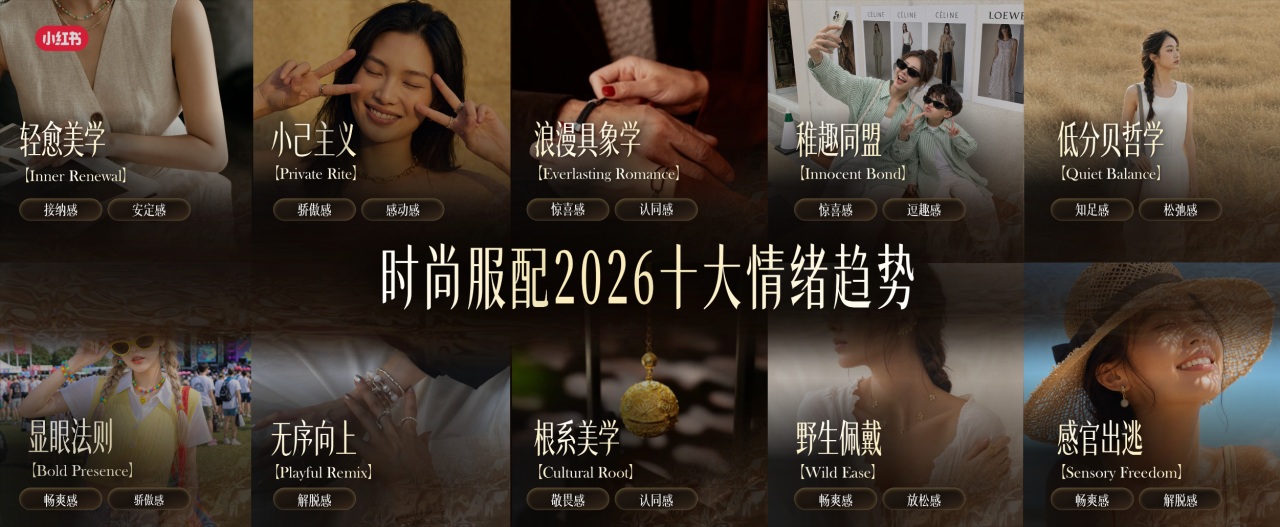
—
Wear in Moods 2026 identifies 10 emotion-driven trends in fashion apparel and accessories
● Emotion-driven trends are reshaping fall assortments
Brands often interpret trends as a set of colors, silhouettes, or style keywords, and fall launches can easily turn into a race to adopt the same popular elements. Xiaohongshu starts with the specific circumstances described in user posts. When does a shopper need the product, how does she hope it will make her feel, and how would she describe that need in her own words?
Trends in the white paper, including “Rules for Standing Out,” “The Low-Decibel Philosophy,” and “Rising Through Disorder,” emerged from how users describe their lives. They translate into different product choices. Some shoppers want a statement accessory that affirms who they are. Others find calm in light, understated designs or express a carefree attitude through layering. Others see jewelry as a way to commemorate a relationship or a stage of life.
A trend becomes useful to a brand when it can identify who wants to feel a certain way, in what situation, and how the product can help. That gives brands a basis for deciding which products to make fall hero items, which to show in new outfits or everyday settings, and which trends to take into the next round of product development. The insight then informs product selection, inventory planning, and content development.
● One product can fit into many different lives
To turn emotional insights into sales volume this fall, brands need to reach the right people, choose the right products, and get the messaging right. When promoting a product, brands need to assess whether it conveys a clear feeling and how it might fit into different everyday situations.
As traditional demographic labels lose their usefulness, brands need to consider emotional fit as well as style when choosing creators. For jewelry brand HEFANG, Xiaohongshu analyzed how actual buyers expressed their feelings and identified three core pairs of emotions: exhilaration and anticipation, appreciation and satisfaction, and ease and delight. It then selected creators who embodied those feelings, helping raise the click-through rate (CTR) on product recommendation posts from 8% to 12%.
Much of the value of apparel and accessories emerges from how a piece is styled and where it is worn. HEFANG’s Tableware collection featured in stories about dating, where it served as a keepsake of a close relationship. It also found a place in workwear as a “badge of independence” for women marking personal growth and rewarding themselves. In their first month, new pieces from the collection generated more than RMB 4 million in Xiaohongxing-attributed gross merchandise value (GMV), and new-customer lifetime value (LTV) rose by 1.2 times.
The HEFANG case shows how a single product can serve different occasions and give shoppers several reasons to buy. By identifying the different circumstances a product can speak to and pairing each with the right creators and messaging, brands can stand out in crowded categories, give shoppers clearer reasons to buy, and create room for premium pricing.
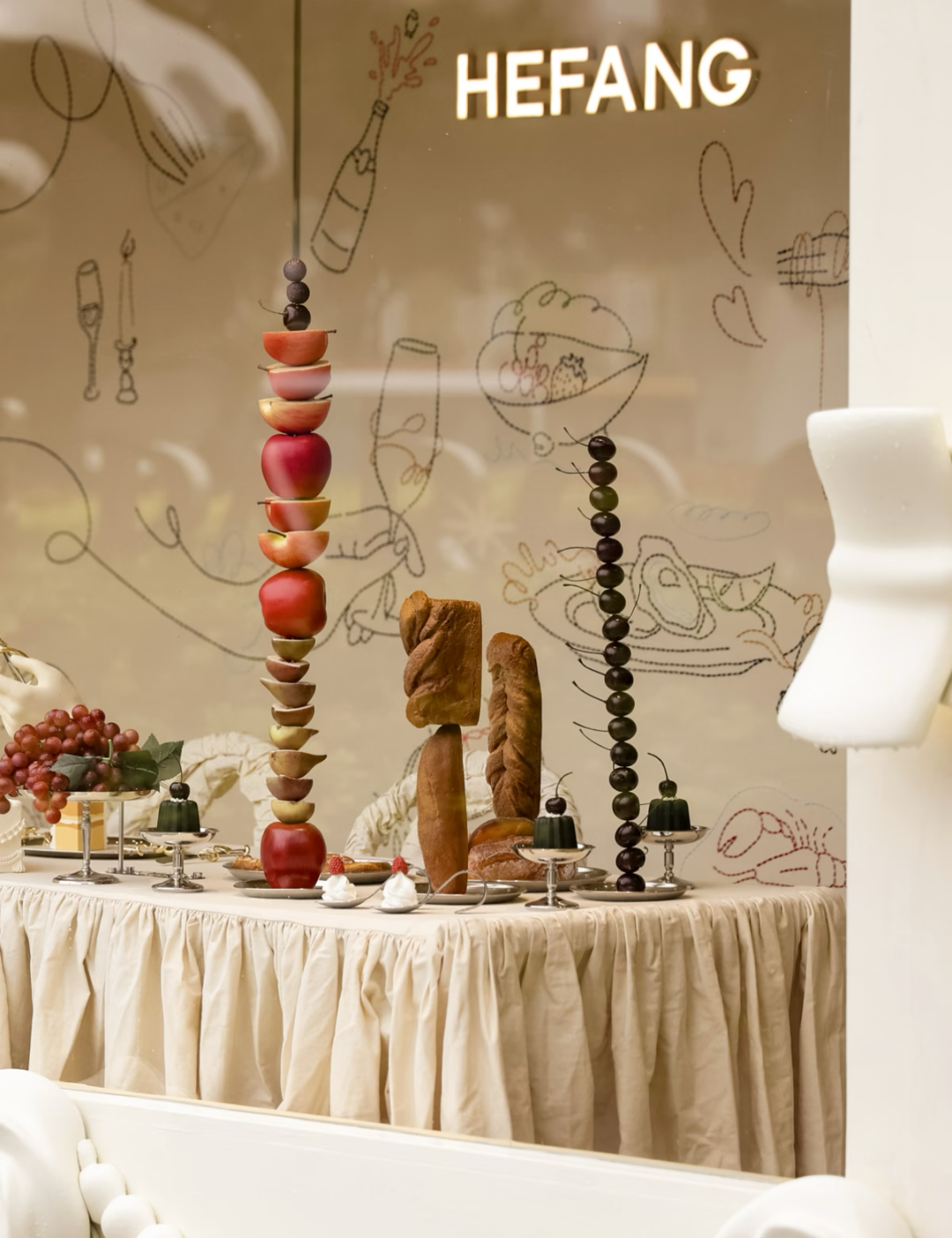
—
HEFANG’s “Inspiration Cake House” pop-up at Parc Central in Guangzhou
● Everyday moments give brands opportunities to connect
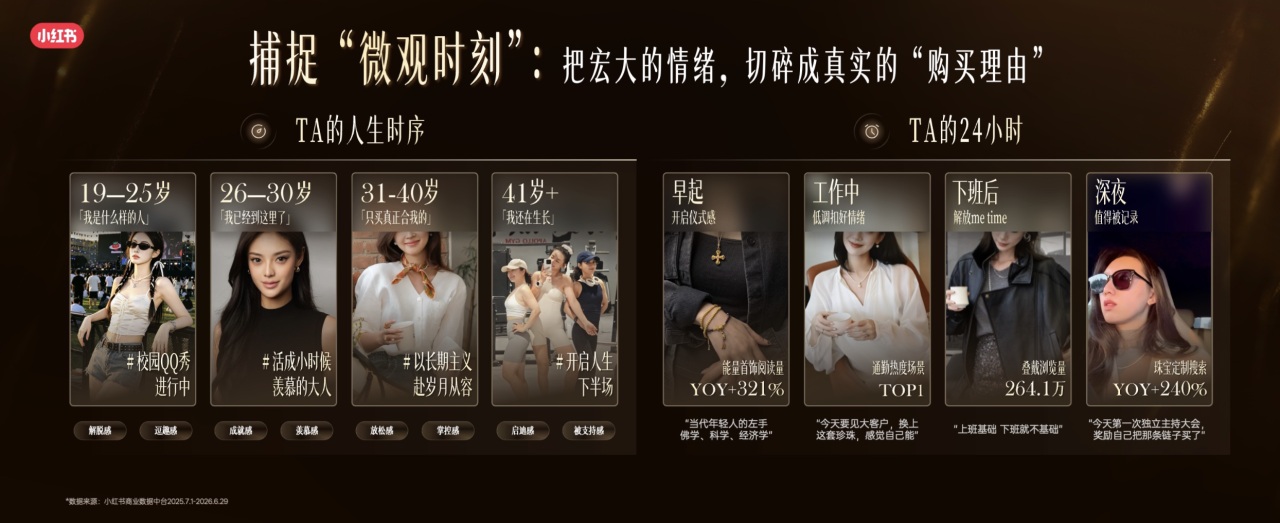
Seasonal shifts, holidays, and rituals naturally create moments of heightened emotion in apparel and accessories. Xiaohongshu also released its MOODSFIT Everyday Emotional Peaks Calendar, pairing situations with emotions over the coming months to help brands plan their content cadence for the second half of the year. Alongside shared marketing occasions, users’ own lives keep generating new reasons to shop.
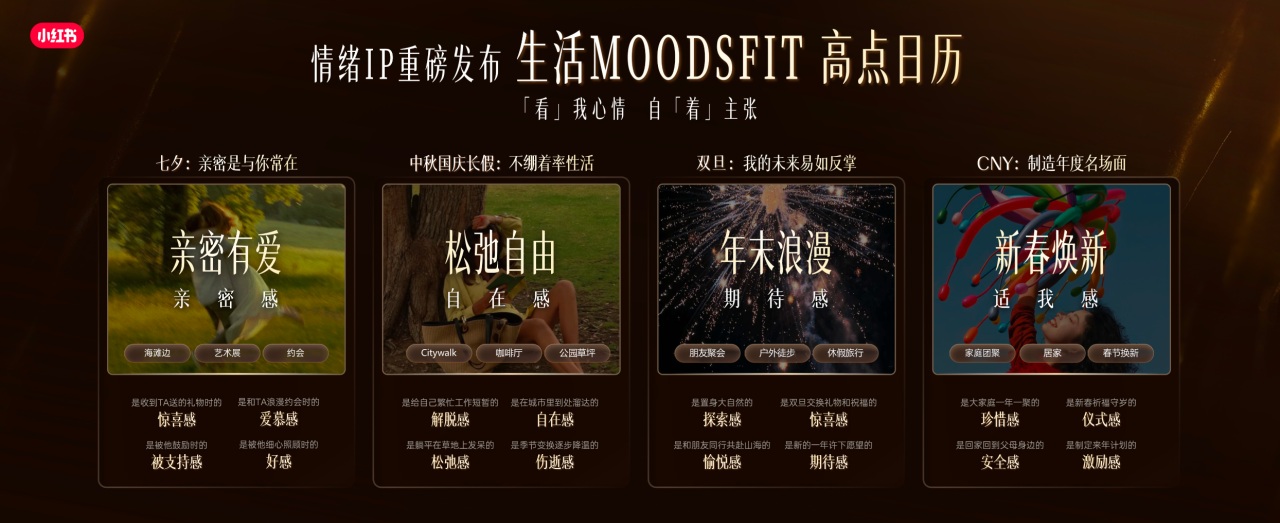
—
Xiaohongshu’s MOODSFIT Everyday Emotional Peaks Calendar
Starting a new job, finishing a project, living alone for the first time, seeing someone again after a long time, or simply wanting a little more confidence can all prompt an apparel or accessories purchase. These personal moments happen at different times for different people, but they happen every day and often coincide with when shoppers actually make decisions.
—
Brands can build ongoing engagement around users’ personal milestones
For brands, the long-term aim of emotion-led marketing is to generate a steady stream of business from personal moments. Brands can keep refining their content around those specific feelings. Search activity, comments, and sales data can show which emotions resonate with users and help brands develop a consistent way to express them. When a fall launch expresses a feeling rooted in the brand’s own identity, a short-lived traffic boost can translate into a more stable audience and longer-term sales.
03. Conclusion
The summit sent a clearer signal. Xiaohongshu is extending the use of emotion beyond content into assortment planning, the design of use cases, and performance measurement. For brands preparing fall launches, the work starts with identifying needs that their products can meet in what Xiaohongshu users share about their lives. Those needs can then guide assortments, content, and how brands convert interest into sales.
As brands get better at understanding users’ everyday lives and the different sides of who they are, fall launches can help build something beyond a short-term lift in traffic. What users share on Xiaohongshu, together with feedback on what works, can help brands build steadier relationships with their audiences, sustain business over a longer period, and grow more organically.