How Oura built an AI hardware brand around a ring
The ring’s shape, what Oura promises its members and how its teams work together help explain how a hardware company can tell a coherent product story.
Over the past two years, China’s AI hardware and consumer tech industries have released a wave of new products, from AI glasses and earbuds to recording devices and companion hardware. Many teams can readily explain their models, chips, and features, but their brand stories remain vague. Consumers know what the products can do, yet struggle to say why they need them or why they would stick with them over time.
That is the brand-building challenge for many AI hardware companies. Brand identity, content, retail spaces, and campaigns all matter, but they lack a clear focus until consumers understand why the product exists.
For AI hardware companies still building awareness of a new category, product storytelling belongs at the start of brand building and should guide the work from the outset.
The product story first needs to explain what problem the technology solves. The form factor, use cases, and actual experience then have to deliver on that promise.
Oura predates the current wave of generative AI, but it faces a similar challenge in turning sensor readings, algorithms, and data collected over time into something consumers can understand and use regularly. For the 2026 World Cup, it signed England national team players Harry Kane and Declan Rice. The ads focused on how athletes train, rest, sleep, and recover, with the ring’s sensors taking a back seat.
The campaign spanned global broadcasts of England’s matches, advertising outside Harrods in London, and Oura’s in-store counter. For a smart ring that shoppers still need to try on and size, the two athletes did more than generate exposure. They made the ring’s value easier to grasp by showing how recovery matters in everyday life as well as in elite sports.
Oura has grown well beyond the label of “sleep tracker.” As of September 2025, the company reported cumulative sales of more than 5.5 million smart rings. Its use cases now include women’s health, stress management, athletic recovery, and long-term health. The ring also appears regularly in fashion collaborations, in celebrities’ daily lives, and at major sporting events.
Oura turned a ring into a lifestyle product by building its story around two questions that take precedence over any list of sensors or features. Why do people need to understand their bodies, and how can they use that understanding in daily life?

—
Oura Ring puts health-tracking technology into a ring designed for long-term wear
How did a product that relies so heavily on sensors, algorithms, and physiological data move beyond consumer tech to become a lifestyle brand?
In several interviews, Oura’s current chief marketing officer, Doug Sweeny, describes an approach in which brand and business drive each other. The brand communicates what the product does and helps shape product, channel, and growth decisions. Feedback from the business tests the brand’s assumptions and shows where it can expand.
01. Brand building starts with the product
Oura started by considering who would wear the device and what it would take to keep wearing it over time. That helped determine the form the technology should take to fit into daily life.
Oura was founded in Finland in 2013. Its original goal was to help people understand how their bodies were doing over time. The team later settled on a smart ring as the way to do that.
On a podcast from health tech brand H.V.M.N., Oura co-founder and former CEO Petteri Lahtela recalled that the team began with questions about the wearer before deciding what its sensors would measure. What information would help someone understand their own body? What kind of product would they keep wearing for months or even years?
—
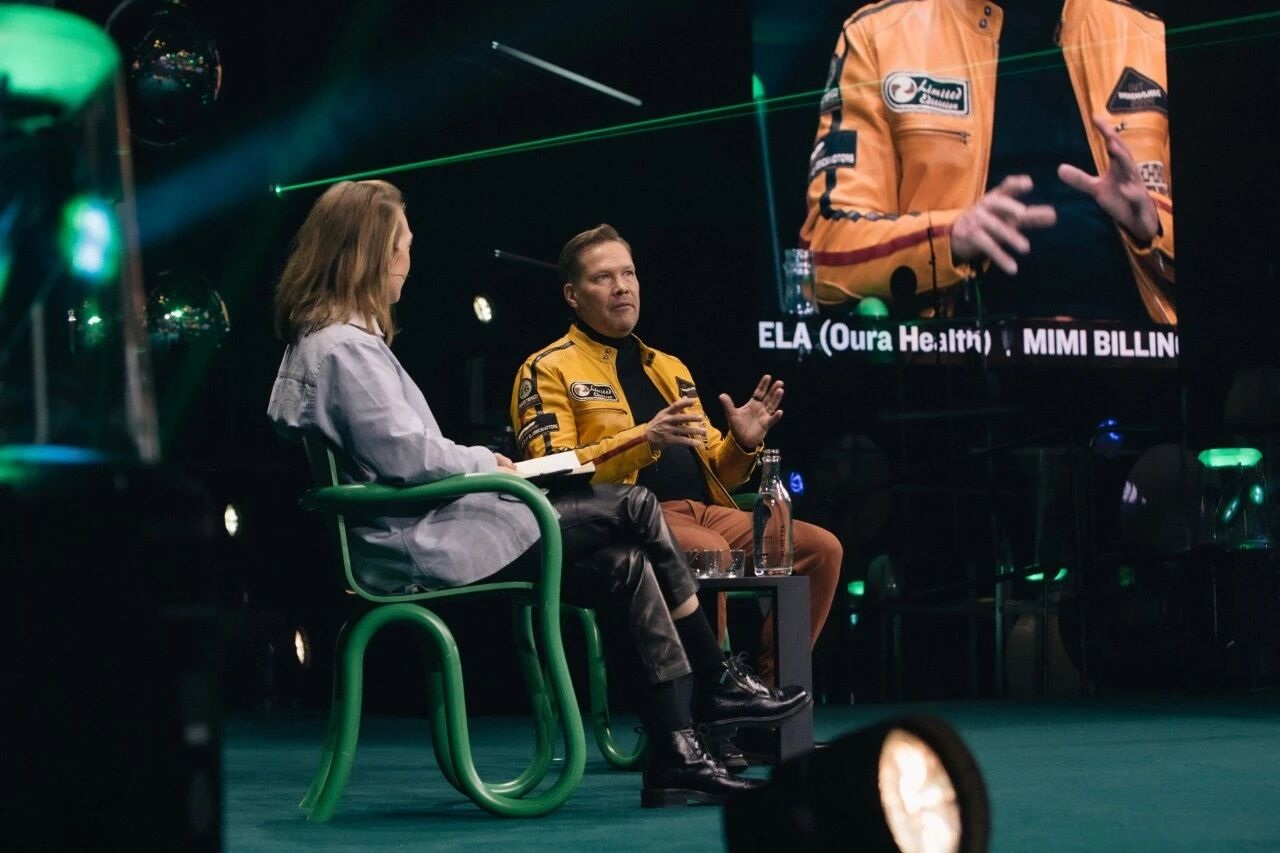
Oura co-founder and former CEO Petteri Lahtela at the Slush 2024 startup conference
The finger provides relatively stable physiological signals, and people are already accustomed to wearing rings. The need for accurate measurements and long-term wear made a ring the natural choice.
Putting the technology inside a ring was only the first step toward making it fit into daily life. On The Growth Pod, a podcast about startups and growth, Petteri explained what that meant for the design.
“It had to be beautiful and well designed enough that people would want to wear it even without any technology inside.”
Another co-founder, Kari Kivelä, had worked in technology at Nokia and had begun designing jewelry. From the outset, the team developed the electronics and the exterior together. It kept refining the dimensions, materials, fit, and sensors so the technology would work within a ring people could wear comfortably in everyday life.
That gave Oura its first point of differentiation. The screenless ring collects data quietly, and the phone app explains what it means. The less the product interrupts people’s lives, the more readily it can become part of their routine.
For Oura, design makes the ring recognizable and comfortable enough to wear over time, while adapting the technology to the realities of daily life. How the product is defined and what form it takes are part of building the brand.
02. Redefining the value takes the brand beyond a single feature
Oura broadened its positioning from sleep tracking to helping people understand their bodies.
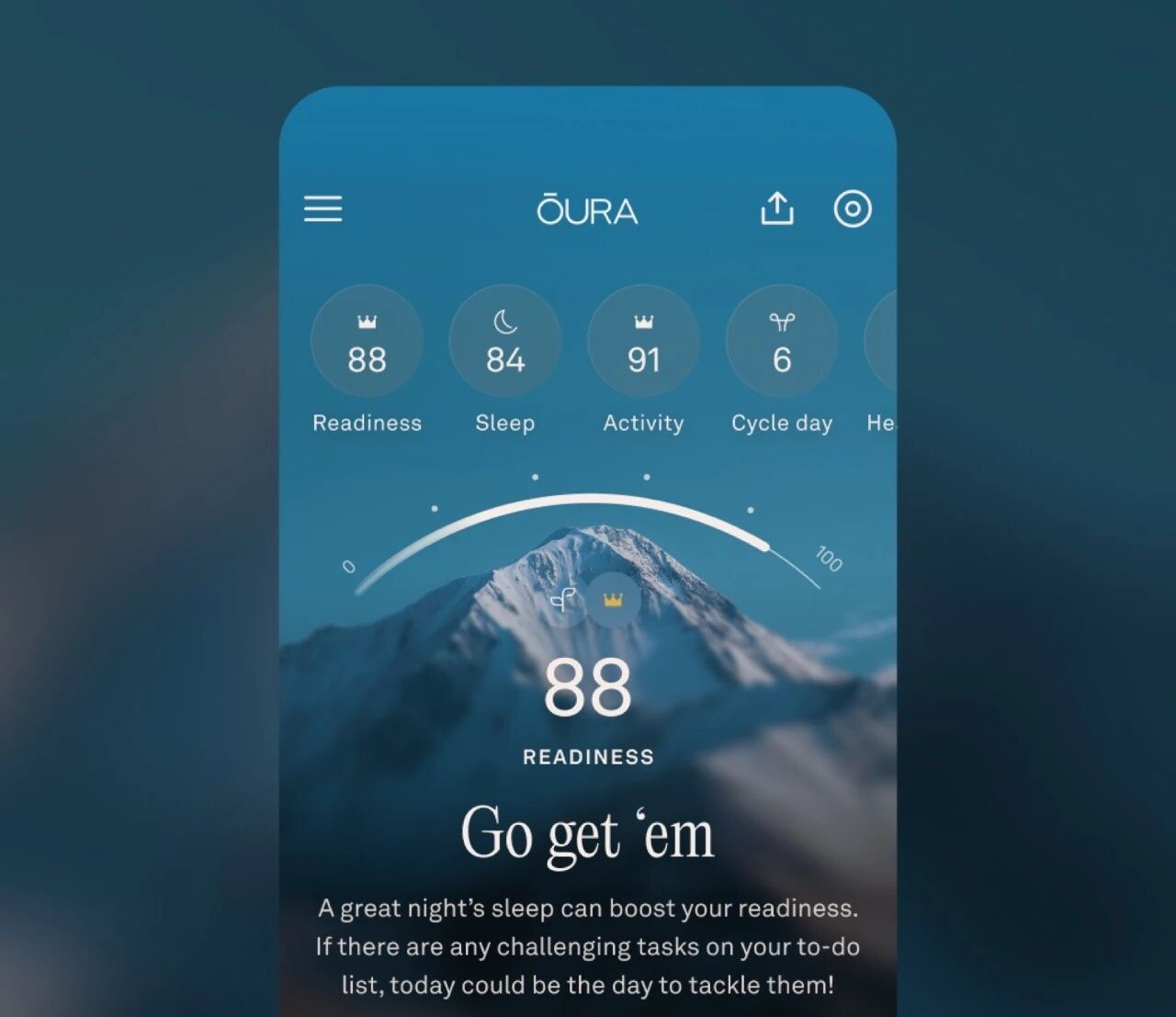
The ring gave Oura a recognizable form, and sleep gave people their first clear reason to use it. Oura developed three core scores for sleep, activity, and readiness, turning complex signals such as heart rate, body temperature trends, and breathing into advice people could understand.
But an association with sleep could also limit the brand.
Doug Sweeny joined Oura in October 2022 after holding brand and marketing roles at companies including Levi’s, Nest, and One Medical. According to UK marketing trade publication Marketing Week, brand awareness was about 5% in the US and still in the single digits in the UK when Doug arrived. Inside the company, there was no consensus on what the brand stood for. Many consumers still saw Oura as a sleep device for tech geeks and people focused on optimizing their health.
A new tagline could wait. Doug spent his first few months talking with teams across the company about the product, its users, and Oura’s future. They came to see Oura as a “translator for the body.”
Doug described that idea in 2023 on creator marketing platform CreatorIQ’s Earned Podcast.
“Our goal is to give every body a voice. Your body is telling you what it needs, and Oura helps you understand what it’s saying.”
Giving the body a “voice” means explaining changes that used to be hard to notice. Oura’s current CEO, Tom Hale, put it more directly in an interview with European news outlet Euronews.
“What people want from their data is insight.”
—
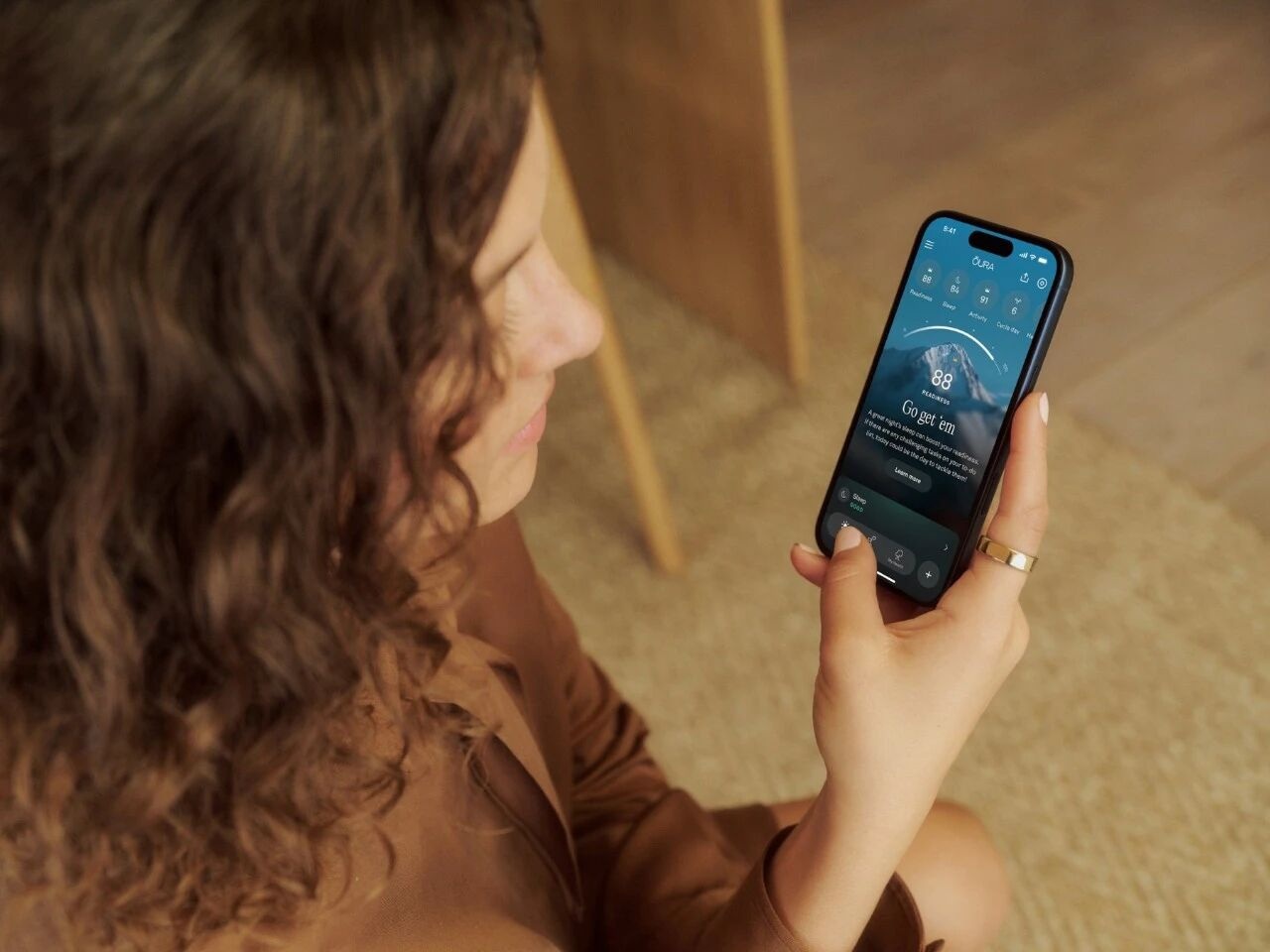
The Oura app turns signals from the body into insights about sleep, activity, readiness, and more
Data shows what happened. Insights tell you what that means for you and whether to be more active today or prioritize recovery. Oura uses each person’s long-term baseline to make that assessment.

—
Oura helps people see how they’re sleeping and recovering and adjust their daily habits accordingly
By moving from “tracking sleep” to “helping people understand their bodies,” Oura redefined what users get out of the product. Consumers can now turn to the same brand for sleep, stress, recovery, women’s health, and daily activity, and Oura can expand into new areas while keeping its identity clear.
—
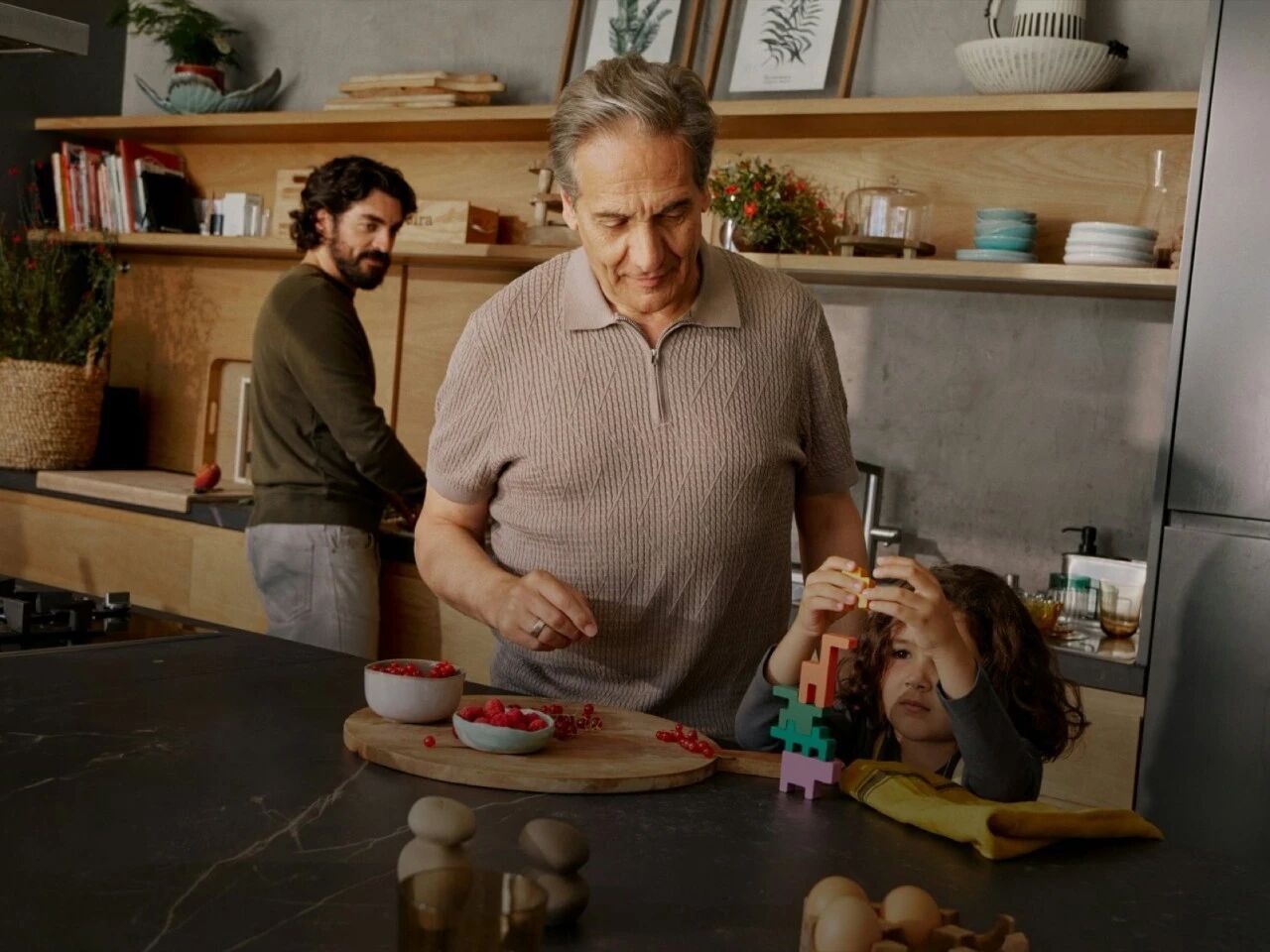
Oura extends its health story to family life over the long term
That gave Oura a basis for becoming a lifestyle brand. Across different parts of daily life, the same idea guides which features belong in the product. Help people understand their bodies and use that understanding to adjust how they live.
03. Brand building takes more than a communications team
Brand building becomes an organizational capability when it guides decisions about products, channels, and how the company operates.
Long before Doug joined, Oura’s founders saw the brand as the result of what they designed the product to do, the choices the company made, and what users experienced.
Petteri described that view on The Growth Pod.
“The brand comes from the team’s DNA. That’s where it takes shape, beyond anything done behind the scenes or at an agency.”
He went on to explain how that shows up in the product.
“What the brand stands for has to hold true in the product and come through in the experience of using it. Then users start telling the brand story for you. They talk about the product and what it helped them discover about themselves.”
Visuals and language can express the brand, but the experience is what earns trust.
After joining Oura, Doug put the founders’ original intent into words the whole company could use.
Under this approach, marketing and product work together while the product is still in development. Doug described their relationship in a 2026 interview with Marketing Week.
“We work very closely with the product team, like the left hand and the right hand.”
Alongside advertising, creative, and public relations, Oura’s marketing team has a hand in retail operations, user insights, growth, and membership revenue. That gives the brand team earlier input into product concepts, pricing, distribution channels, and partnerships. Feedback from stores and members also informs brand decisions.
This became particularly evident when Oura expanded from direct-to-consumer sales into retail. Buying a smart ring online can be difficult. Shoppers need to check the size, see the color, and get a feel for how it fits. They also need someone to explain how a ring turns data into advice.
—
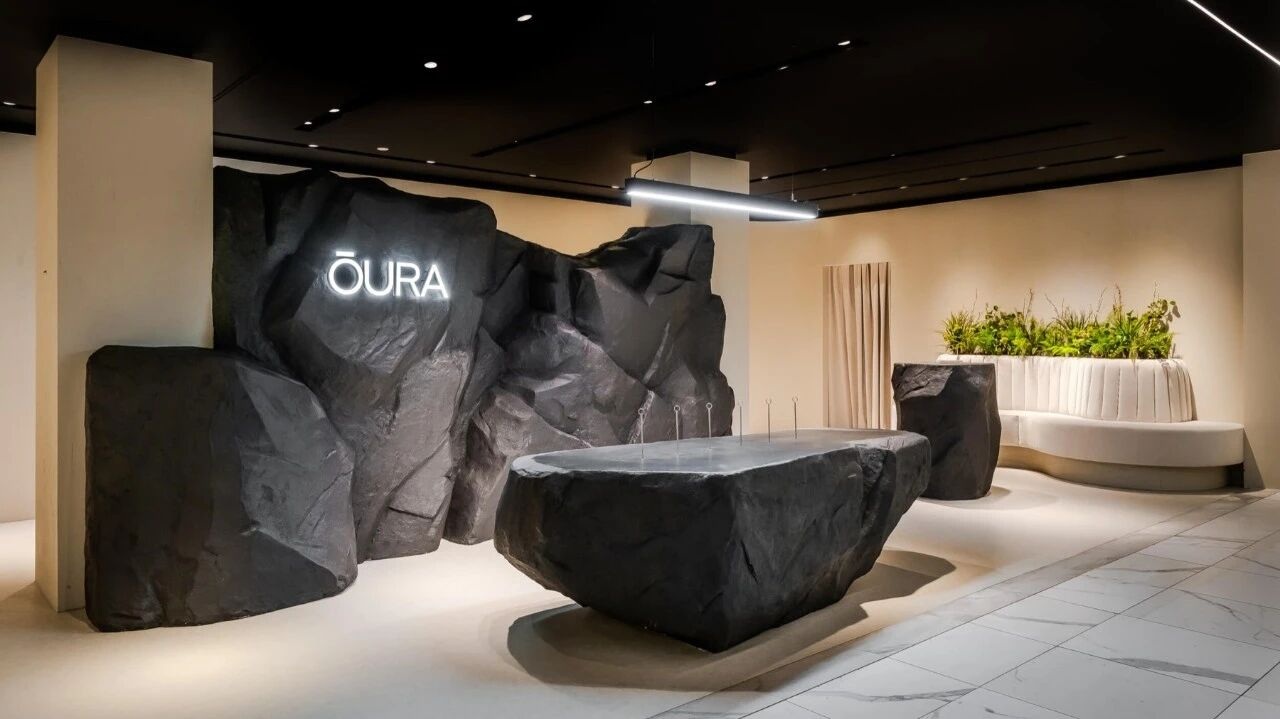
Oura’s retail space at Harrods in London
Working with retailers such as Target, John Lewis, and Harrods gave Oura more points of sale. It also gave shoppers a place to try on the ring, confirm their size, and ask store staff how it turns data into advice. For new products that require consumer education, retail also helps shoppers understand what the product does.
Doug elaborated in 2023 on CreatorIQ’s Earned Podcast.
“You need an idea and a story that are simple and credible. They have to be true to the product and the brand, speak to what consumers actually want, and connect with culture. All of that has to work together so everyone in the organization understands the story and knows how to tell it.”
04. The brand drives the business, and the business drives the brand
Brand building helps Oura expand into new use cases and channels, while feedback from retail, members, and product use helps the company refine its brand decisions.
Doug summed up how Oura views the relationship between brand and business.
“The brand drives the business, and the business drives the brand. The two go hand in hand.”
When Oura repositioned itself from a sleep device to a tool for understanding the body, it gained a consistent way to explain its work in women’s health, stress management, recovery, and long-term health. The ring’s identity as a piece of jewelry made it easier to connect with fashion, retail, and culture, while the focus on recovery gave its sports partnerships a clear purpose.
Doug discussed that approach in 2026 on the marketing podcast The Speed of Culture.
“Product storytelling is at the heart of what we do … We want to tell the story of both the hardware and the software well.”
The 2026 World Cup campaign shows how that positioning connected marketing, retail, and the path to purchase. Oura went beyond having Harry Kane and Declan Rice wear the ring, using their training and recovery routines to draw a connection to everyday sleep and health.
In an interview with Glossy, which covers fashion, beauty, and consumer culture, Doug said shoppers typically need eight to ten touchpoints before buying a model priced at $399 or $499, for example. The athletes brought firsthand expertise in recovery, and the major sporting event drew attention. The Harrods counter, in-person try-ons, and digital touchpoints helped shoppers understand the ring and decide whether to buy.
The business also helps Oura refine its brand decisions. In stores, the team can see where shoppers still have questions. Member usage data and feedback help it judge which insights stay useful over time and which features still need a clearer explanation. Reactions across markets also test whether the original brand language holds up.
The membership model makes that relationship more tangible. The sale of an Oura ring is only the beginning. The app must keep delivering value through its data interpretation and recommendations.
—
Beyond the hardware, Oura continues to offer insights into users’ bodies through its app and membership service
Speaking on the entrepreneurship podcast Masters of Scale, Tom Hale said that
one thing he likes about subscriptions is that every time a customer renews, the company has to earn that money all over again.
Each renewal generates revenue and gives the company a direct market signal about whether the product continues to deliver value.
The more a brand learns about people’s sleep, stress, cycles, and physical changes, the more restraint it needs to exercise in handling data and offering recommendations. Oura’s official materials state that its AI health advice cannot replace a physician and that the Oura Ring is not a medical device intended to diagnose, treat, or prevent disease. Acknowledging those limits is part of building a long-term relationship.
Letting the business inform the brand goes beyond adjusting ads based on sales results. The brand needs to learn from how customers buy and use the product, what happens at retail, and how members engage, then use that feedback to shape the product, messaging, and business decisions.
—
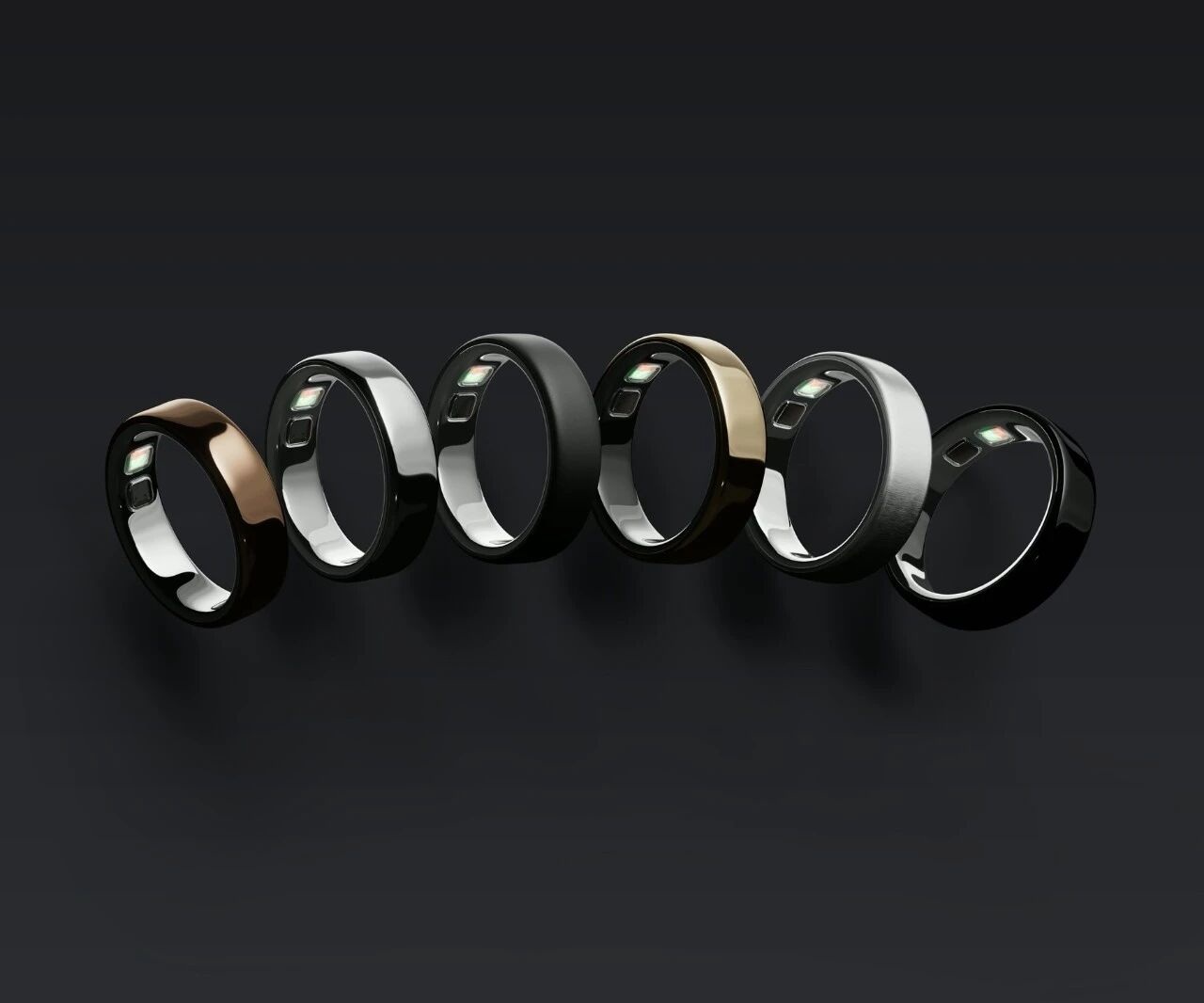
Oura Ring 5 comes in six finishes
The lesson from Oura goes deeper than positioning a ring as a lifestyle product. The ring’s form, the way Oura interprets data, and its membership service all help people understand their bodies and adjust their daily routines accordingly. In-store try-ons and sports partnerships bring that benefit to consumers in more settings.
The challenge in AI hardware often goes beyond developing the technology itself. People need to understand and remember how it improves daily life and keep choosing it for that reason.
Brand identity, content, retail spaces, and campaigns can reinforce one another only when they are built on a clear product narrative. In a new category, consumers first need to understand how the product fits into their lives, why it needs to take that particular form, and how it will continue to deliver value after purchase.
For Chinese AI hardware and consumer tech companies, consumer perceptions of these new categories are still taking shape. Brands bear the cost of educating the market and have a chance to define what makes these products valuable.
Clear advertising is only one test of a product narrative. It also has to hold up across the product, sales channels, and business model, and evolve in response to what the company learns from retail, product use, and renewals.
When the brand and the business continually refine one another, brand building can develop from launch messaging into a lasting capability for the product team and the wider organization.
AI hardware · Oura · Product Storytelling · Founders and Organizations · Brand building · Brand storytelling · Wearable Technology
More stories →