Why are brands building their own content studios?
Brands are increasingly turning to original content over advertising. LVMH, Nike, Red Bull, Starbucks, and Patagonia show how building in-house content studios can give brands a consistent voice over the long term.
Starbucks recently announced the launch of an entertainment studio and brought in multimedia platform Sugar23 to create content for it.
Starbucks’ announcement raises questions about how brands organize their creative work. How many brands are building their own content studios today? Why are they setting them up, and how do they operate them?
The move reflects an interesting shift in recent years. Some brands are increasingly favoring original content over advertising.
Advertising tends to follow established conventions and has an explicit sales objective. When brands communicate through original content, they often have more room to tell stories and engage with issues of public interest.
This helps explain the appeal of content studios for major brands and companies. They often take a combined approach, using original content and advertising to serve different communication goals.
For brands such as LVMH, Starbucks, and Nike, which invest heavily in content and have ambitious goals for it, building an in-house studio is an efficient long-term option.
01 | LVMH brings brand stories to the big screen
In early 2024, LVMH announced the launch of its own content platform, 22 Montaigne Entertainment, named for the luxury group’s Paris address.
Created by LVMH in partnership with Superconnector Studios, the platform seeks opportunities for the group’s more than 75 luxury brands to work with entertainment creators, producers, and distributors to develop, produce, or finance film, television, and audio content.
The move was seen as a major step into the entertainment industry for LVMH. The group said working with the culture and entertainment industries would enrich its brand stories and showcase the exceptional creativity and craftsmanship of its houses.
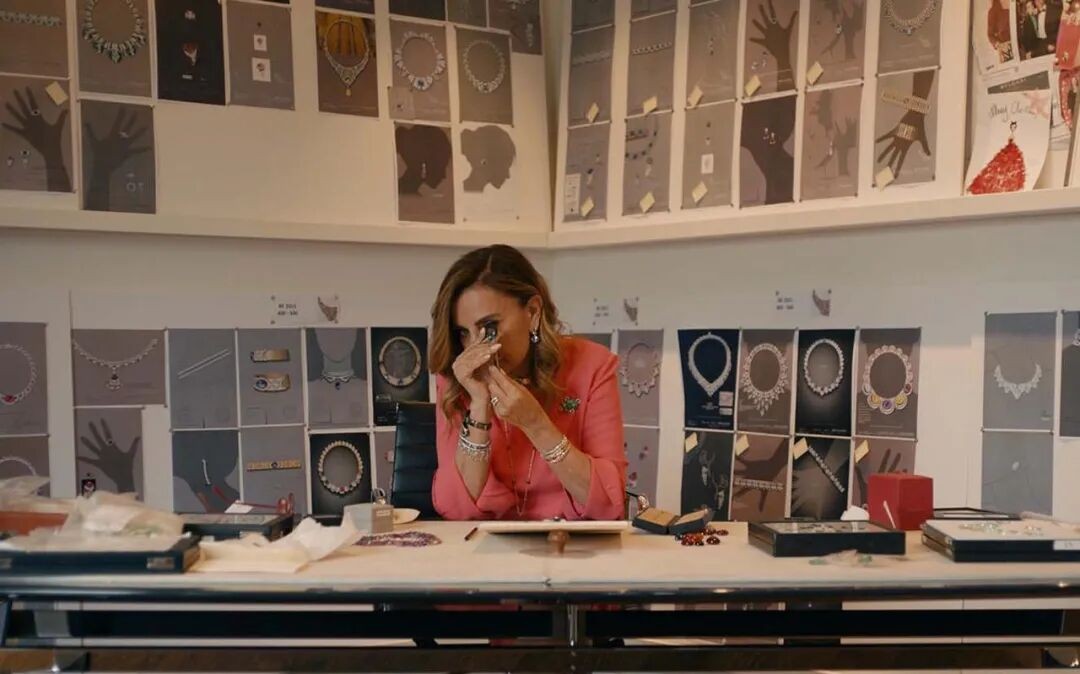
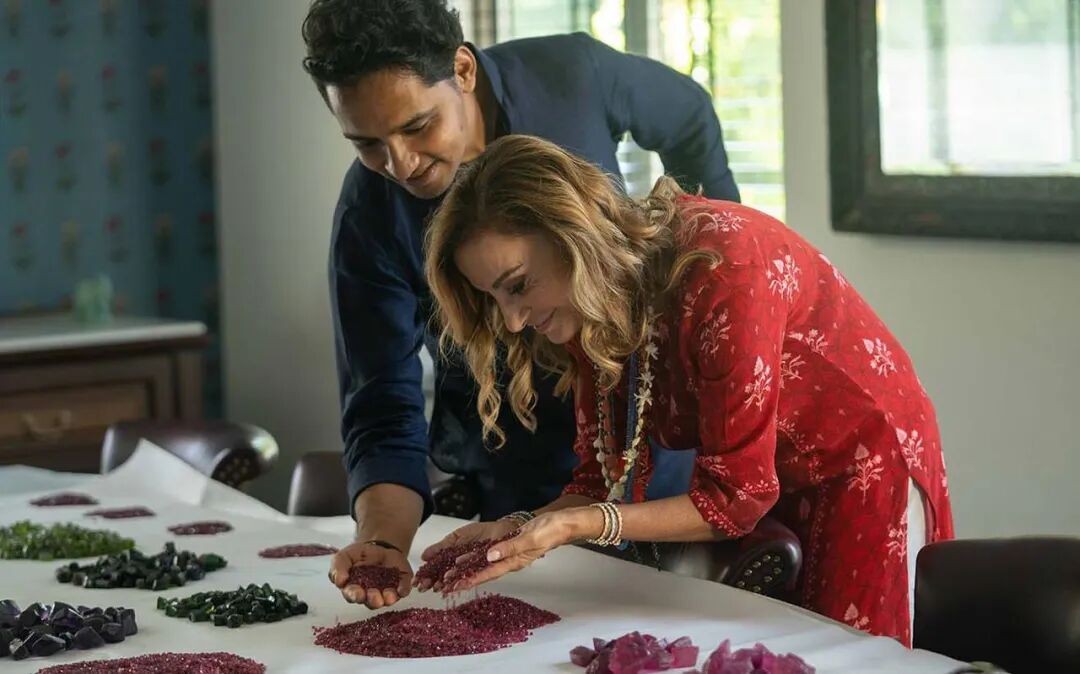
LVMH had previously produced Inside the Dream, a documentary about its jewelry house BVLGARI that follows the designers and artisans who create its high jewelry pieces. The film had its world premiere at the Toronto International Film Festival in 2022 and is also available to watch online.
—
A still from Inside the Dream
In our view, bringing its brands to the big screen with the production standards of film and television is an important way for LVMH to build brand equity and connect with consumers. The group’s rationale for creating a studio also caught our attention.
Asked why it wanted a content studio, LVMH said the goal went beyond making a single documentary or producing a film itself. It wanted to reduce the role of chance in whether its content succeeds. One way to do that is to give talented storytellers the opportunity to keep telling great, authentic stories.
Our takeaway is that once brands reach a certain size and stage of development, they have to think beyond the project at hand and consider how to build a system for communicating consistently through content. An in-house studio is one way to make that work systematic and sustainable.
02 | Nike explores the spirit of sport
In 2021, Nike established Waffle Iron Entertainment to produce sports-related entertainment, including documentaries and feature films, and deepen the brand’s connection to sports culture.
Nike also released two projects that year. The Day Sports Stood Still is a documentary about how the sports world responded to COVID-19 lockdowns, and Promiseland is a docuseries about NBA star Ja Morant.
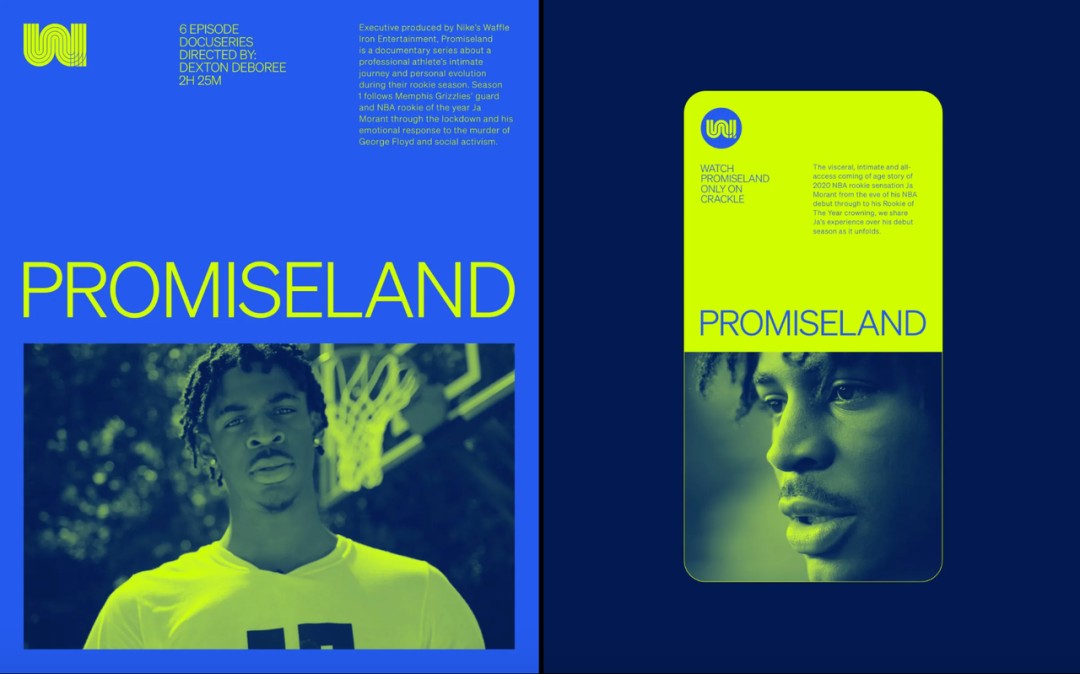
In 2022, Waffle Iron Entertainment announced a partnership with Apple TV+ under which Apple Original Films would finance and distribute its programming. The first project from the partnership was Hustle Rule, a podcast adapted from Gwendolyn Oxenham’s bestselling book.

Nike has long known how to connect emotionally with consumers through content. Its deeper move into entertainment, its own studio, and its distribution and funding partnership with Apple give it a stronger foundation for producing and distributing that work.
03 | Red Bull builds its identity around extreme sports and youth culture
Austria’s Red Bull built a foothold in youth culture through an extensive slate of extreme sports content.
Red Bull took a different approach from its communications strategy in China when it refreshed its positioning for the Austrian market. To avoid competing directly with coffee as a pick-me-up, Red Bull positioned itself as a trendy drink, specifically targeting young people and athletes who were more open to trying something new.
To reinforce that positioning, Red Bull sponsored numerous sports and extreme sports events. It sought to move beyond its image as a pick-me-up for blue-collar workers and associate the drink with pushing limits, freedom, and style.
In 2007, Red Bull founded Red Bull Media House to produce content spanning extreme sports, music, and culture, strengthening the brand’s positioning and recognition in extreme sports and youth culture.
The strategy continues today. Red Bull’s website still features numerous extreme sports documentaries, videos, and other projects sponsored and produced by the brand.
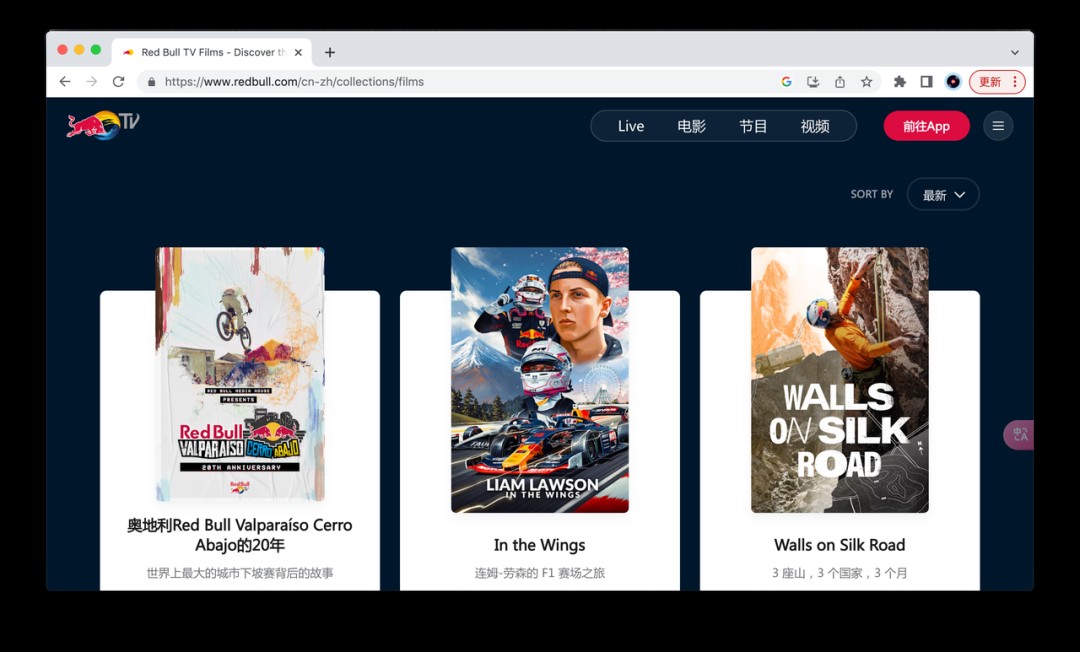
Red Bull’s content proved effective as promotion and became a profitable business in its own right.
Red Bull Media House is now a global multiplatform media company. It produces, sponsors, and distributes extreme sports content and serves as a strategic and media partner for live coverage and broadcasts of events including Formula E, the international electric racing championship.
In 2024, Red Bull Media House earned a Sports Emmy nomination for its coverage of the second round of the FIM Hard Enduro World Championship. Fellow nominees included Nickelodeon’s Super Bowl LVIII, Netflix’s Formula 1: Drive to Survive, and CBS’s The Masters.


04 | Starbucks tells stories about the values behind the third place
In June 2024, Starbucks announced the launch of an entertainment studio and brought in multimedia platform Sugar23 to create content for it. Oscar-winning producer Michael Sugar founded the platform and had previously partnered with Anheuser-Busch on plans to develop a slate of films, television shows, and podcasts.
Michael Sugar described storytelling as deeply rooted in Starbucks’ work and Starbucks Studios as a natural extension of those efforts. He said the partners would use storytelling to foster connection, inspire change, and build a stronger sense of community.
At the time of writing, the studio had yet to release any work, so its output was still an open question. The launch builds on Starbucks’ long-standing investment in original content. In 2016, for example, the company released Upstanders, an original documentary series that reflected its values through human-interest stories. It followed more than a dozen community workers in their daily lives, showing how they stepped up to help people in their communities.
Upstanders returned for a second season in 2017, with Howard Schultz personally involved throughout the making of the documentary series.
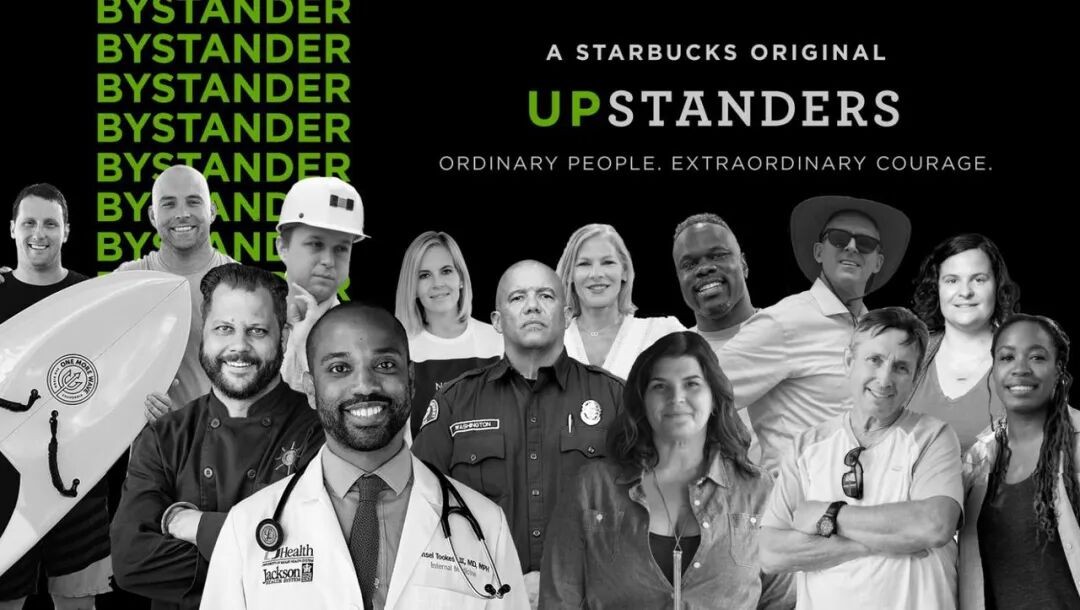
The series clearly wasn’t going to help Starbucks sell more coffee. The company said the project was about expressing its values and served no commercial purpose.
In 2019, Starbucks released a documentary about Rwandan coffee. Anita, a coffee roaster, traveled to the region where the beans were grown and got to know women at a local coffee cooperative. The film recounts the historical tragedy they endured and shows how they approached the task of building new lives.
That same year, Starbucks also served as a producer on This Is Football, a six-part documentary series about the passion, triumph, and love that soccer inspires.
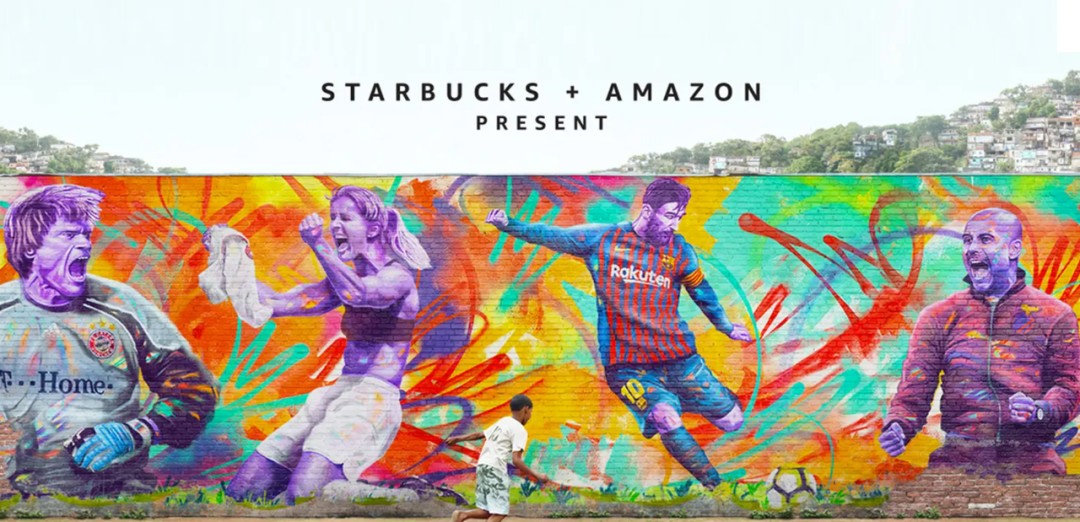
Taken together, these projects show where Starbucks puts its emphasis. It prefers telling stories about what brings communities together to paying celebrities and spokespeople, whether or not the stories directly involve coffee.
Gina Woods, Starbucks’ senior vice president of public affairs, said the company’s mission was to inspire and nurture the human spirit by bringing customers and partners together in its stores every day. She said Starbucks does this through coffee, and soccer has a similar power to unite people around the world across ages, backgrounds, and beliefs. That shared commitment to human connection drew Starbucks to the project, she said, and the company was excited to share it with partners and customers worldwide.
05 | Patagonia makes the case for conservation through film
Patagonia Films is a major part of the brand’s content operation, though it falls outside the strict definition of a content studio. Its documentaries and films about the environment and the outdoors communicate Patagonia’s environmental philosophy and commitment to social responsibility.
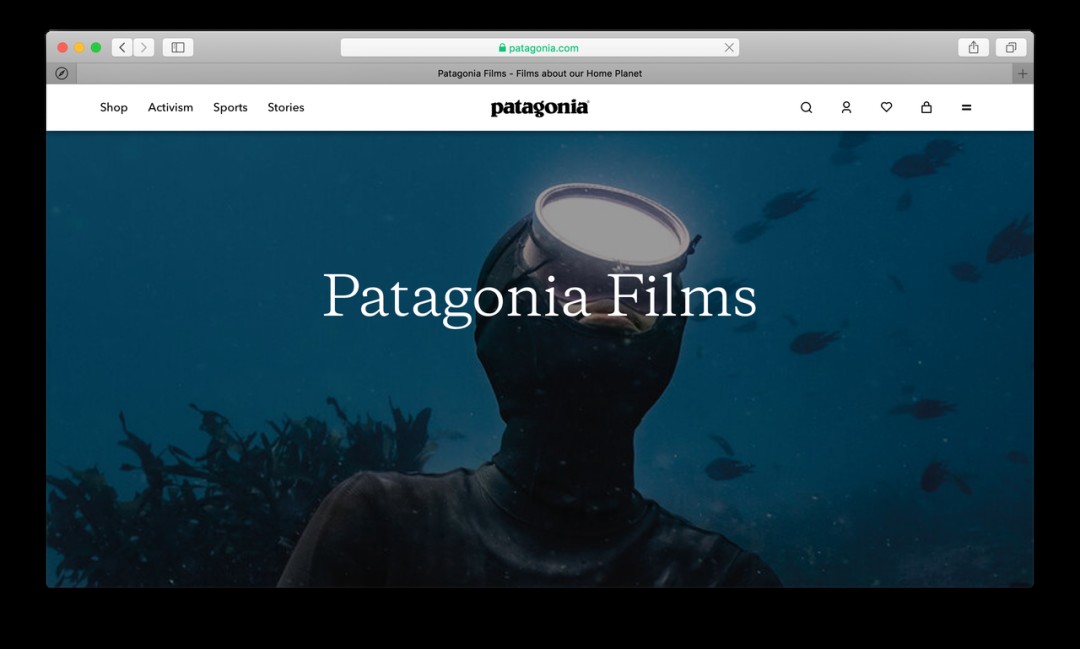
Patagonia’s website and YouTube channel feature numerous environmental documentaries. Making these films has become a tradition for the brand.
Every year, Patagonia works with documentary and short-film directors to spotlight issues such as biodiversity and water resources. It has released more than 100 films exploring the relationship between people and nature, including Fishpeople, Blue Heart, TAKAYNA, and Artifishal.
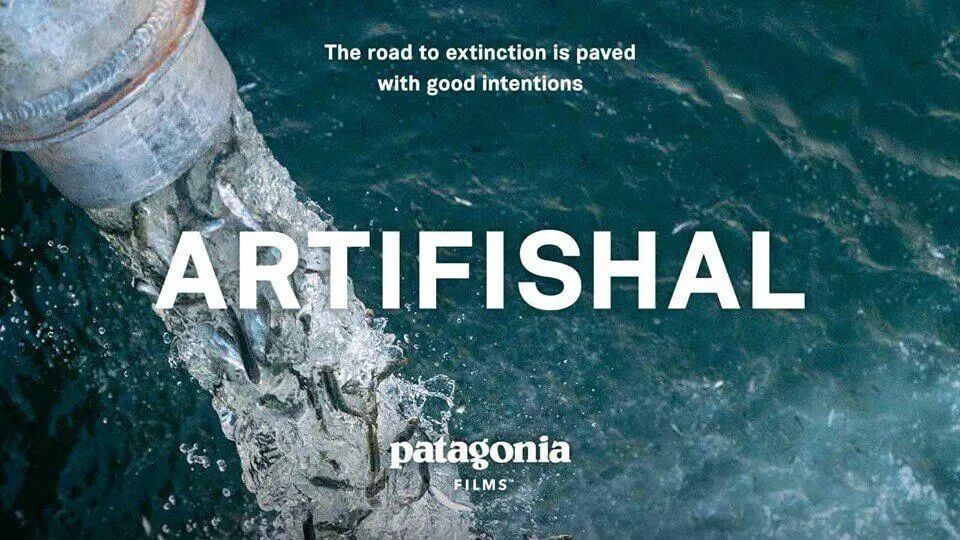

Patagonia often organizes in-person advocacy initiatives alongside documentary releases, working with influential figures in the environmental movement and nongovernmental organizations to put those initiatives into practice. It also donates 1% of its annual sales to environmental organizations.
For Patagonia, pairing storytelling with action has become a regular part of its content strategy. The work has no direct conversion objective. Sustaining it over time has helped Patagonia establish its standing in conservation and build brand equity.
From the standpoint of building brand value and developing a sustained content operation, the impact extends beyond any individual film. The work gives Patagonia a place in a broader network working for the public good, where it can use its reach and influence, mobilize resources across organizations, and help put conservation initiatives into practice.