To Summer × Isabel Marant rethink what makes a collaboration valuable
A summer collaboration reimagines how Eastern aesthetics are expressed
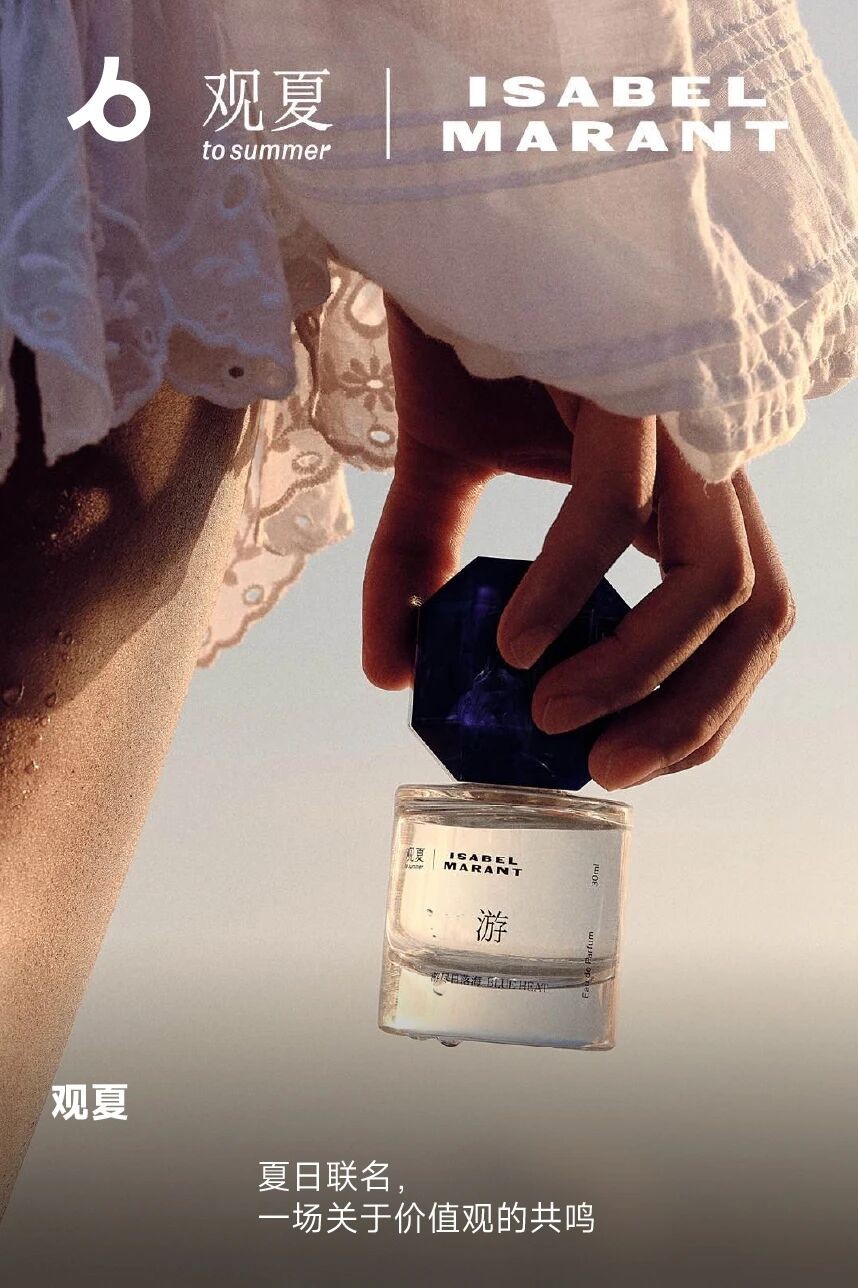
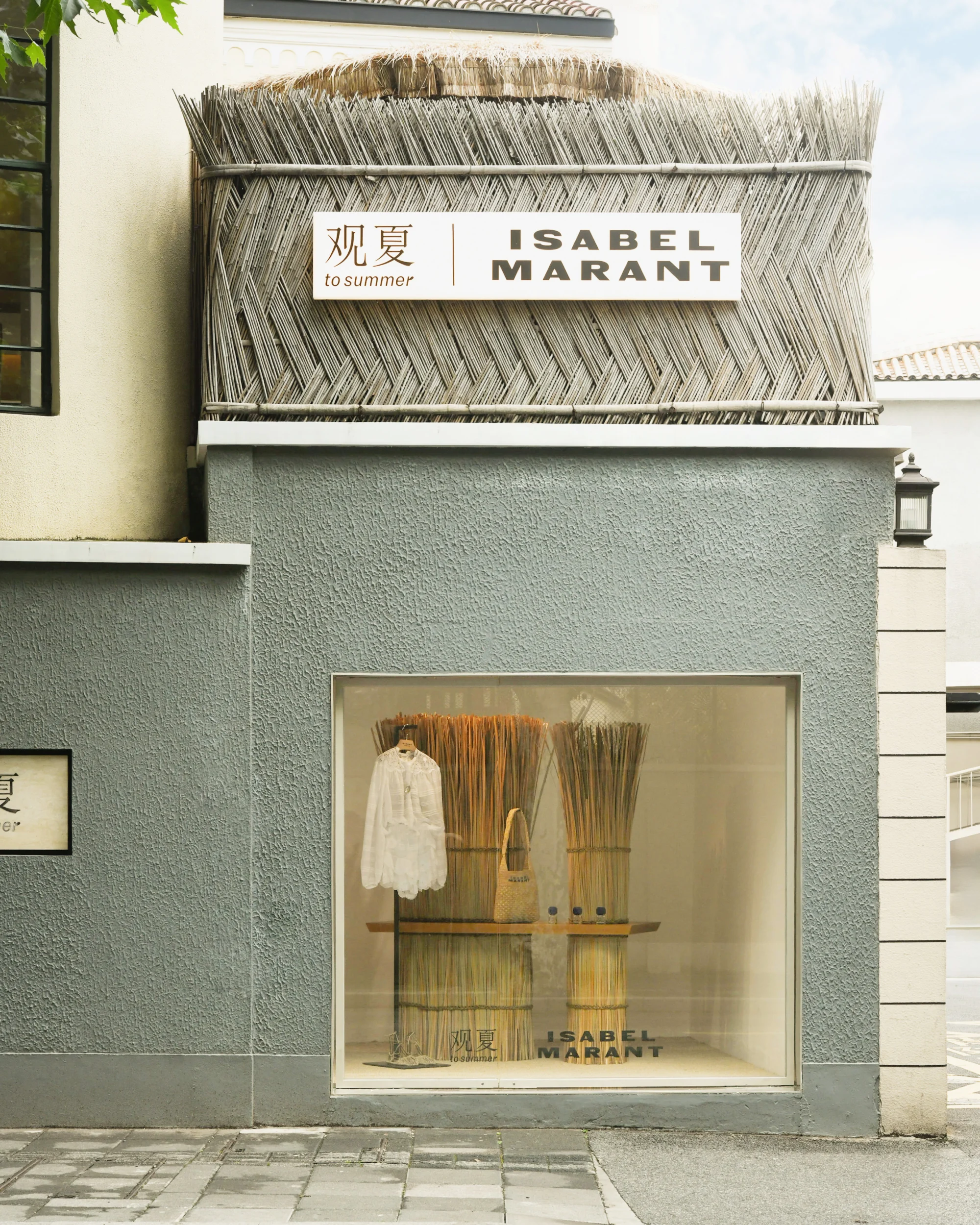
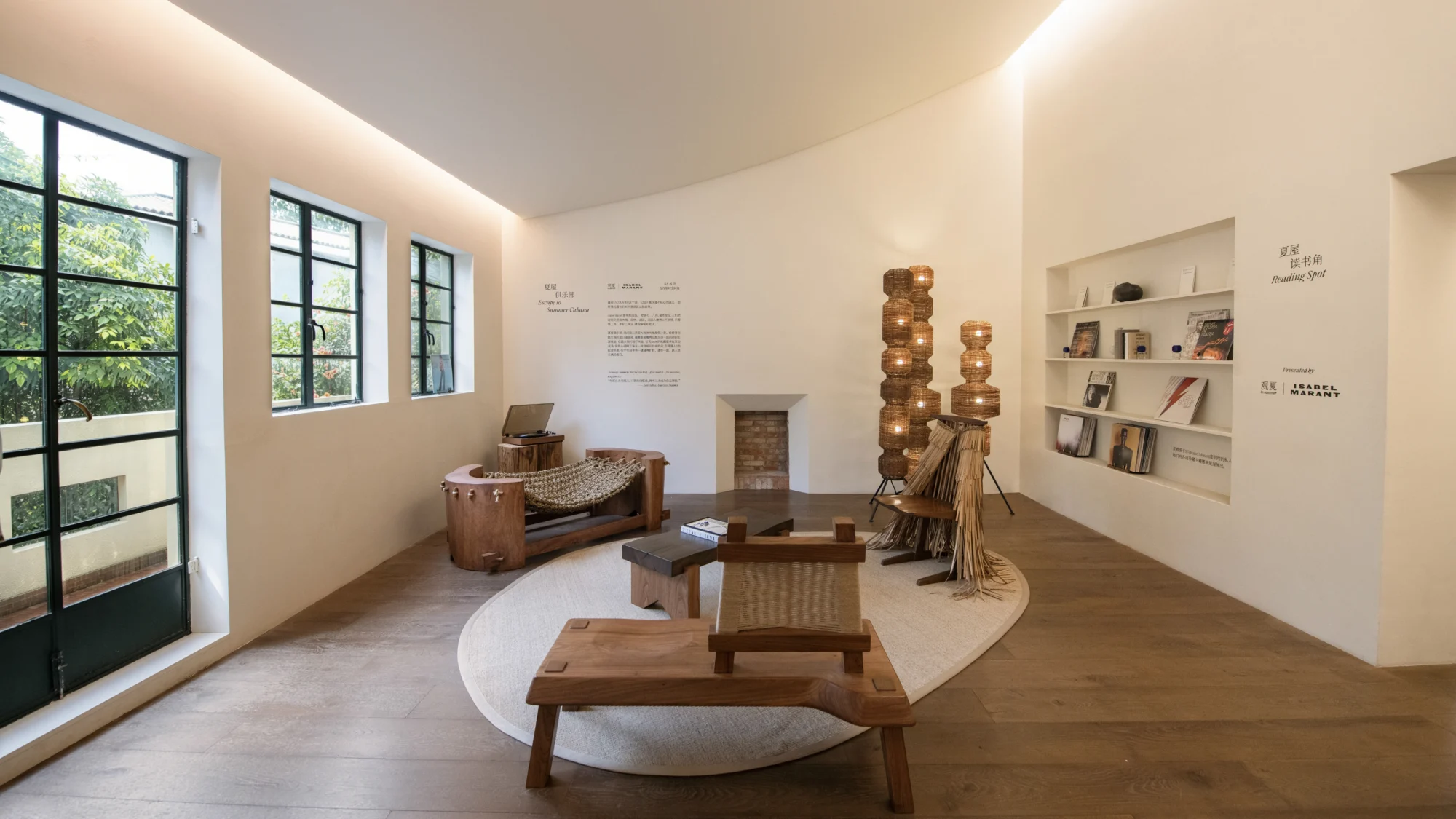
In June, a Summer Cabana from a faraway island appeared at To Summer’s Xianting store in Shanghai.
Natural wood, palm thatch, and handmade furniture evoke summer in Ibiza. A breeze sweeps over the roof, the sun is about to sink slowly into the sea, and the body unwinds in the heat. Stepping inside feels like slipping away to an island in midsummer, briefly free of the routines of everyday life.
—
The Summer Cabana at To Summer’s Xianting store in Shanghai
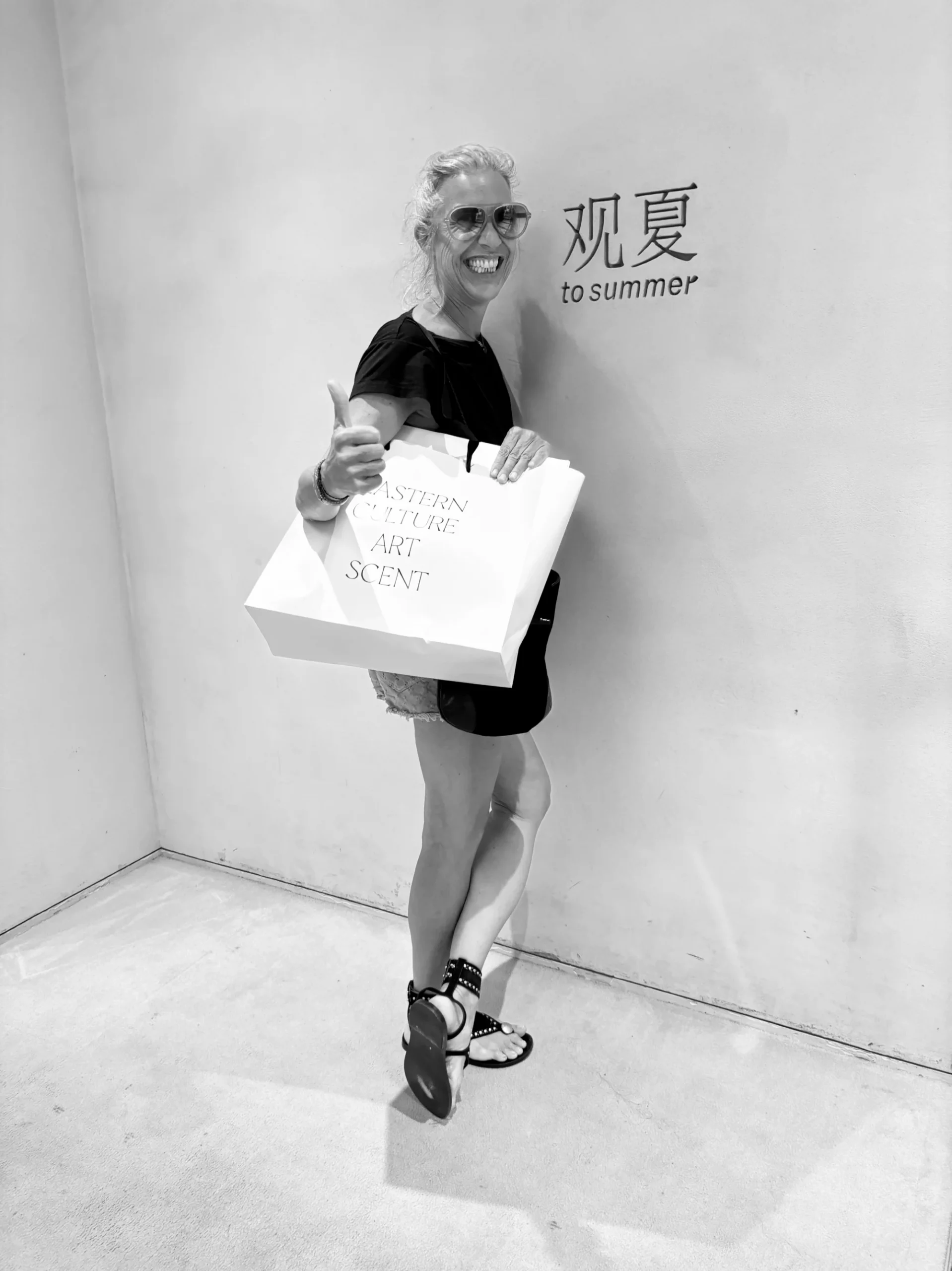
The cabana is part of The Cool Girl’s Summer Travel Case, a new collaboration between To Summer and French fashion label Isabel Marant. The two brands first connected during Isabel’s trip to China two years earlier. In 2024, she visited To Summer’s Xianting store in Shanghai for the first time and posed for a souvenir photo inside with a large bag of her purchases slung over her shoulder.
A fan of woody fragrances, she liked the scent of Kunlun Boiling Snow and was drawn to the portable solid perfumes. What surprised the team was how quickly the Paris-raised designer picked up on the Eastern aesthetic of negative space in the store’s restrained displays and natural materials, without any explanation from the staff.
—
Designer Isabel poses for a souvenir photo outside To Summer’s Xianting store in Shanghai
That immediate understanding set the collaboration in motion. After the trip, Isabel told To Summer she wanted to capture something of herself in a bottle of perfume. Scent became a natural medium for the two brands to work in together, with To Summer bringing an Eastern sensibility to a fresh expression of Isabel Marant’s free-spirited style.
With dual logos, limited editions, and pop-ups arriving one after another, many cross-category collaborations are designed for a quick burst of attention and are just as quickly eclipsed by the next trending topic. The novelty is wearing off fast for consumers. To Summer and Isabel Marant took an unusually restrained approach, going beyond the publicity of pairing two names or simply swapping signature elements.
The collaboration feels almost like an “anti-commercial” choice. To Summer and Isabel Marant built their partnership on shared values. The Eastern artistic fragrance brand and the French fashion label first explored their ideas about women, the body, and how women set the terms of their own lives. The collaboration grew out of those conversations.
To Summer places its Eastern perspective in a wider context. Women in East and West face the same world and grapple with many of the same questions about who they are. The project also gives To Summer a low-key way to see how far it can travel with that perspective.
Cool girls from East and West find common ground in summer
To Summer and Isabel Marant each arrived at their own version of cool. One is rooted in Eastern culture, the other grew out of the free-spirited streets of Paris, and both put women’s agency at the center.
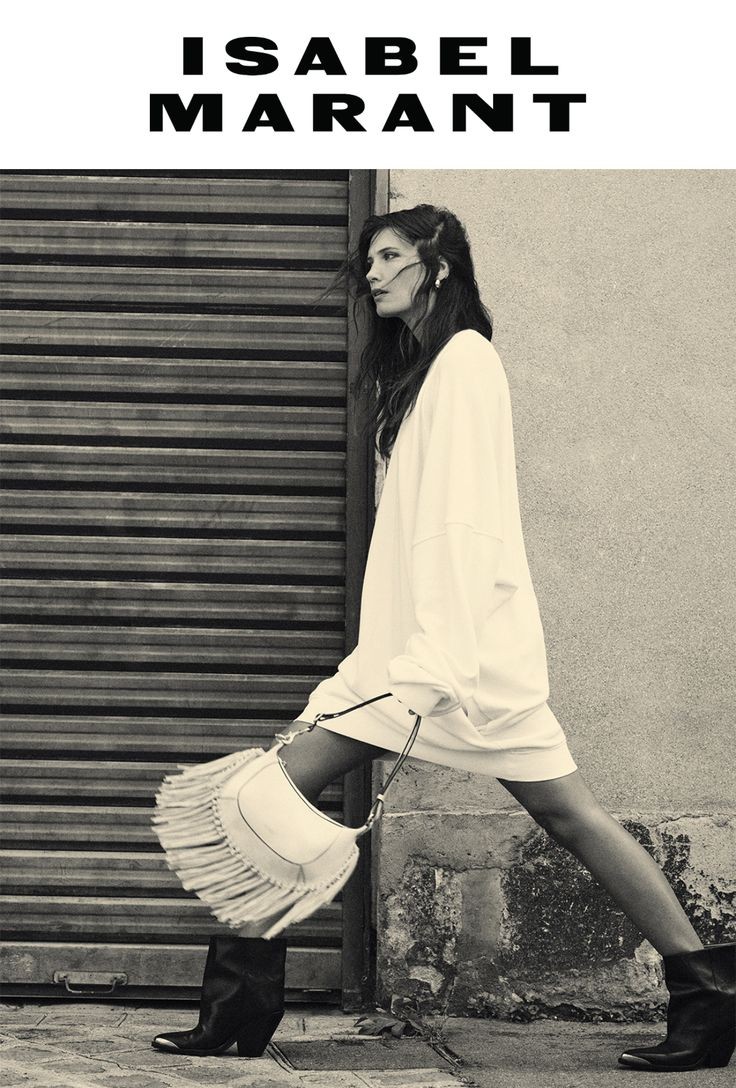
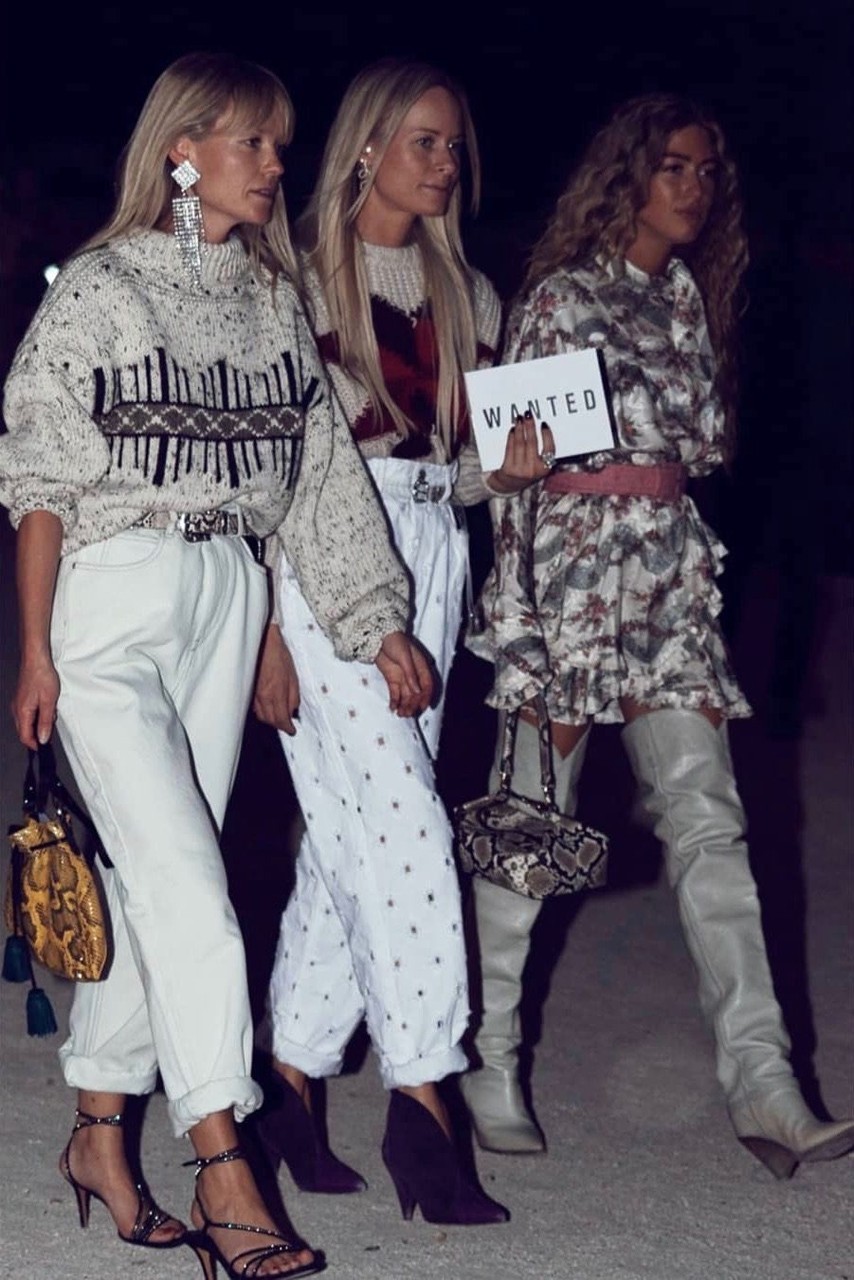
Isabel Marant embodies a distinctly Parisian cool, with an open, unpolished energy.
In the Parisian aesthetic, cool goes deeper than a particular trend, flawless makeup, or the latest arrivals. Parisian women know exactly what looks good on them and which styles suit them. They may even find it surprising that women are expected to worry about aging. For them, fashion is a form of self-exploration. They understand what they like about their bodies and what they find harder to dress, respect the natural texture of their skin, and look past trends to choose clothes that fit who they are and how they live.

—
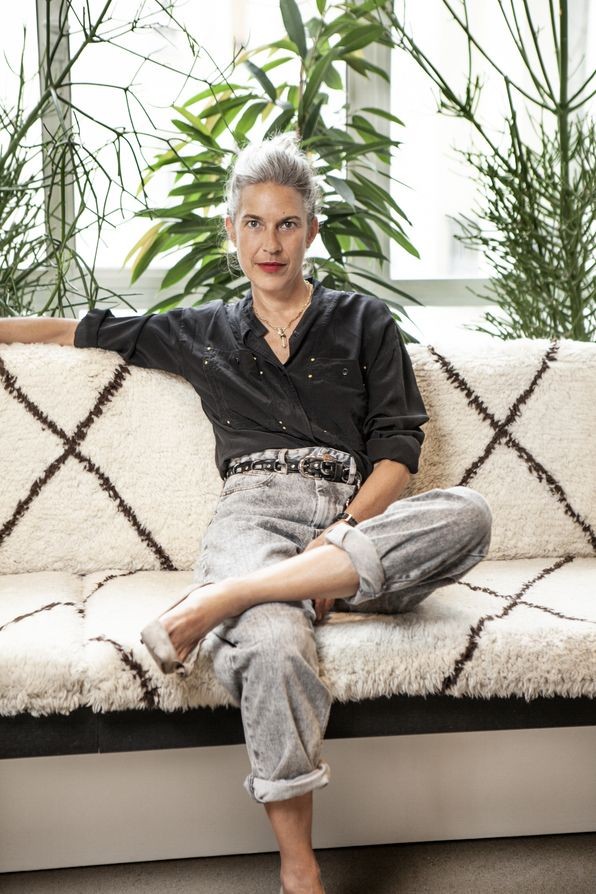
From left, a portrait of Isabel Marant, a brand poster, and a street-style poster
Rooted in the East, To Summer’s sense of cool comes from a quiet, grounded self-assurance. The brand’s “New Eastern Modern” aesthetic reflects a thoughtful woman’s deep understanding of herself and what she actually needs in daily life, so she can meet the world at ease and sure of herself.
The brand draws on the restraint and inwardness of Eastern culture while continually pushing beyond traditional boundaries and shedding labels imposed by others. It celebrates women’s ability to take charge of their lives with courage at any age.

This kind of cool is understated. It quietly weaves the sensibility of Eastern cool girls into the fabric of everyday urban life, drawing its strength from self-reflection. It means staying present, free from the constraints of the past and worries about the future. It means rediscovering what feels genuine in ordinary life and keeping your own rhythm and routines.
Over the past few years, To Summer has kept women’s experiences in focus, turning that interest into a series of thoughtful, nuanced publications and in-person programs.
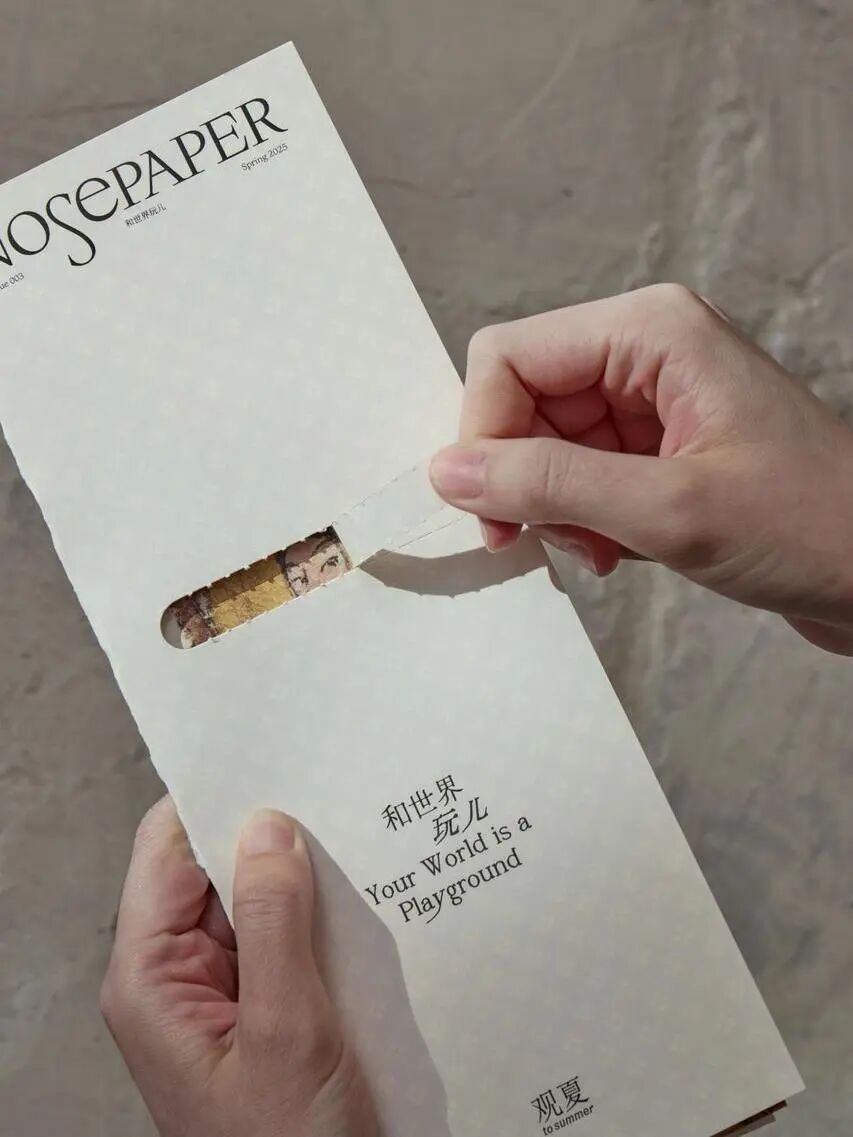
In March 2024, To Summer launched its annual project, “Freedom and Imagination,” and published its brand publication Nosepaper. It invited women poets to contribute, giving women room to put their feelings into words through poetry and imagination. In 2025, “Play With the World” shifted the focus from familiar stories of hardship to how women could approach daily life, creative work, and self-expression with more ease. For International Women’s Day in 2026, To Summer took the simple act of breathing as the starting point for “A Spring Gathering by the Water.” It invited women from different fields to discuss how to reconnect with themselves through life’s ups and downs and relate more gently to themselves, nature, and the world.


—
From left, the third issue of Nosepaper, “Play With the World,” and “A Spring Gathering by the Water”
From poetry to play to breathing, To Summer’s work on women’s self-expression has moved steadily inward. The brand is interested in how women find the courage to express themselves and how they hear their own voice amid the noise of everyday life and the pressure to keep pace with society’s expectations.
That progression makes the collaboration with Isabel Marant feel natural. One uses fashion to give the body room to move. The other uses scent to sharpen awareness of what we feel. Both start with women’s lived experience and encourage them to explore what they love and what suits them. Across cultures and through different mediums, both brands encourage women to pay closer attention to what they feel and want.
Women in East and West may express cool differently. One expression tends toward quiet resilience and an ease that leaves room to breathe, while the other may take the form of more visible freedom and spontaneity. Both draw on the same inner resources and resolve, which give women the confidence to express themselves and the composure to face whatever comes their way.
Clothes, scent, the body, space, and women’s self-expression gradually came together in a shared idea of cool.
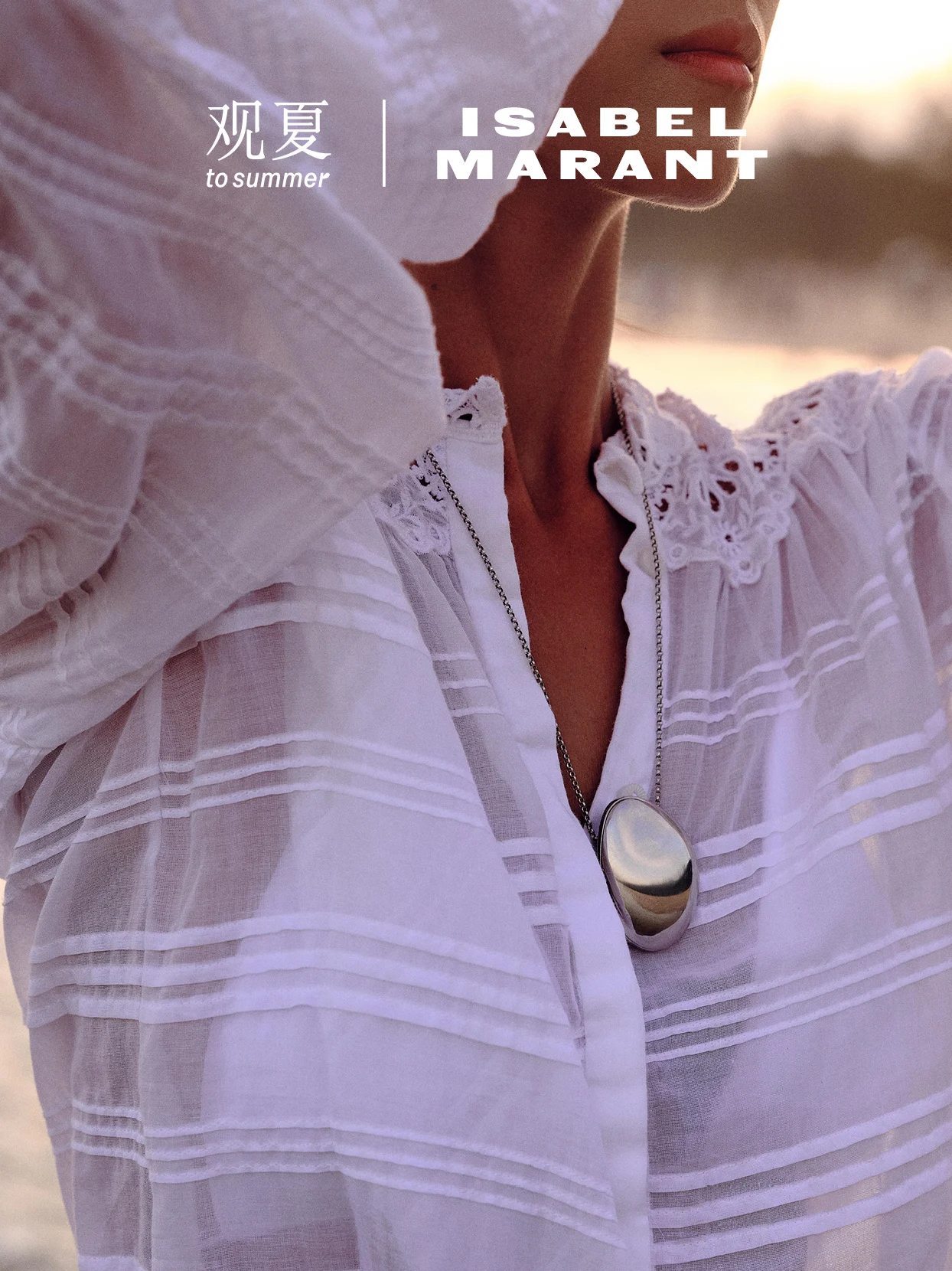
That shared understanding shaped the in-store installation for the fragrance. At Xianting, To Summer wove signature Isabel Marant elements into its “New Eastern Modern” aesthetic with a light touch, giving their shared sense of cool a physical form in both the space and the product.
Seeing each other in a new light
That kind of mutual recognition is especially valuable in today’s consumer market.
Over the past few years, collaborations have become one of the most common tactics in brand marketing. Two names appear side by side, followed by limited-edition packaging, special colorways, pop-ups, and buzz on social media. Collaborations once gave consumers plenty to get excited about. As the same moves played out again and again, consumers began to lose patience.
As consumers move away from buying for status and toward products that offer an emotional payoff and reflect their values, collaborations increasingly emphasize what the partners stand for and the ideas they convey.
The To Summer and Isabel Marant collaboration grew out of a recognition that the two brands share similar values and views on how to live.
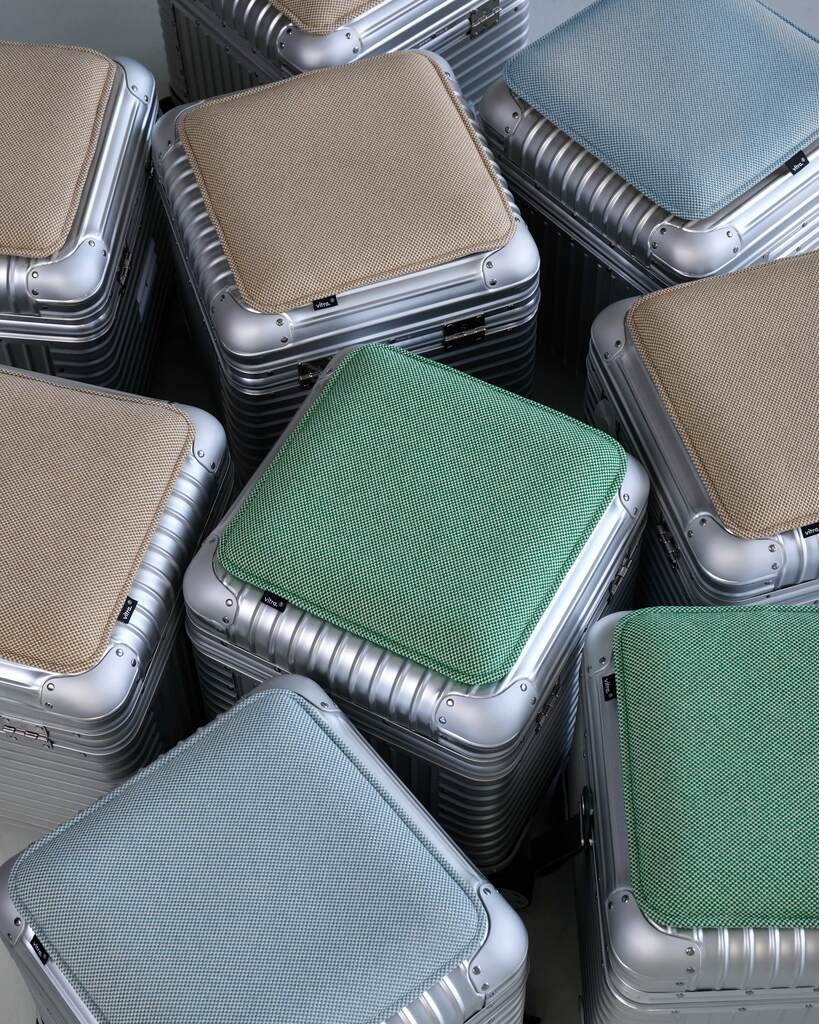
Similarly, luggage brand Rimowa and furniture brand Vitra launched two products together under the Rimowa Vitra 2025 collaboration, an aluminum storage stool and an aluminum toolbox.
Rimowa and Vitra are both known worldwide for innovative design that prizes functionality and durability. They found common ground in the design language and silhouettes of the products as well as in their broader views on design and daily life. As the lines between work, home, and travel blur, the two explored how design can support people on the move and help them feel at home as they move between places.

—
The collaborative aluminum toolbox and storage stool were both released in limited quantities
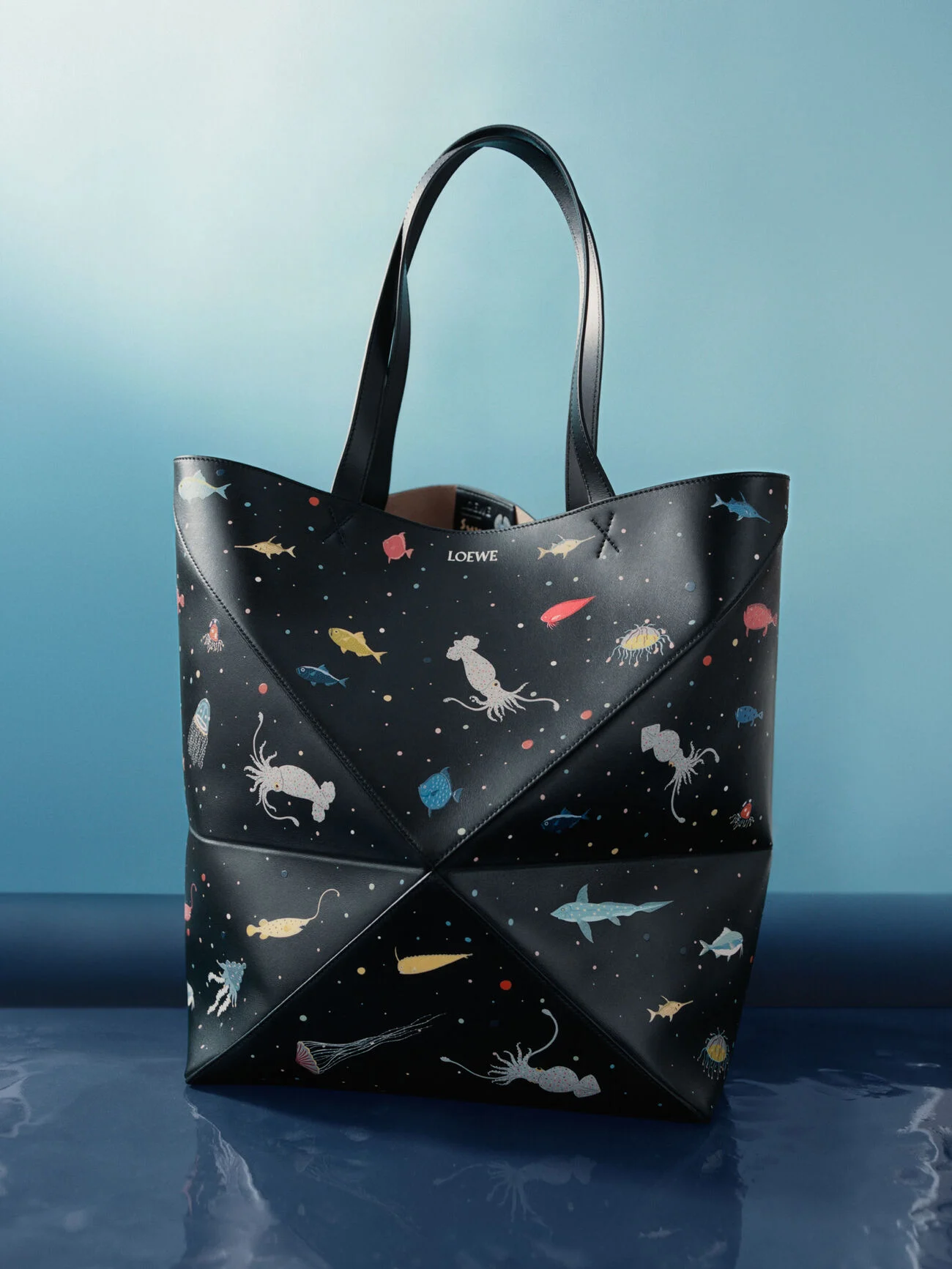
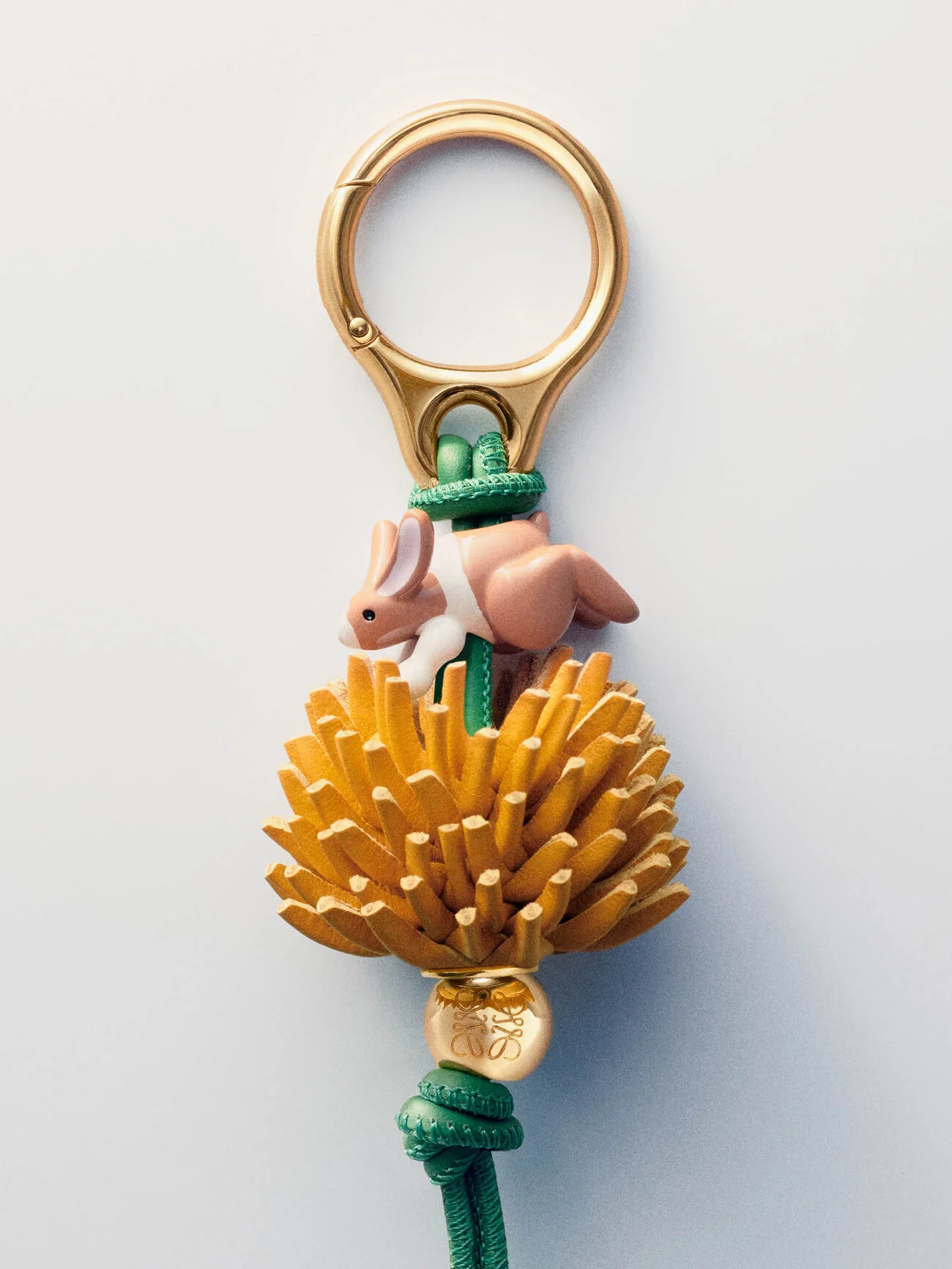
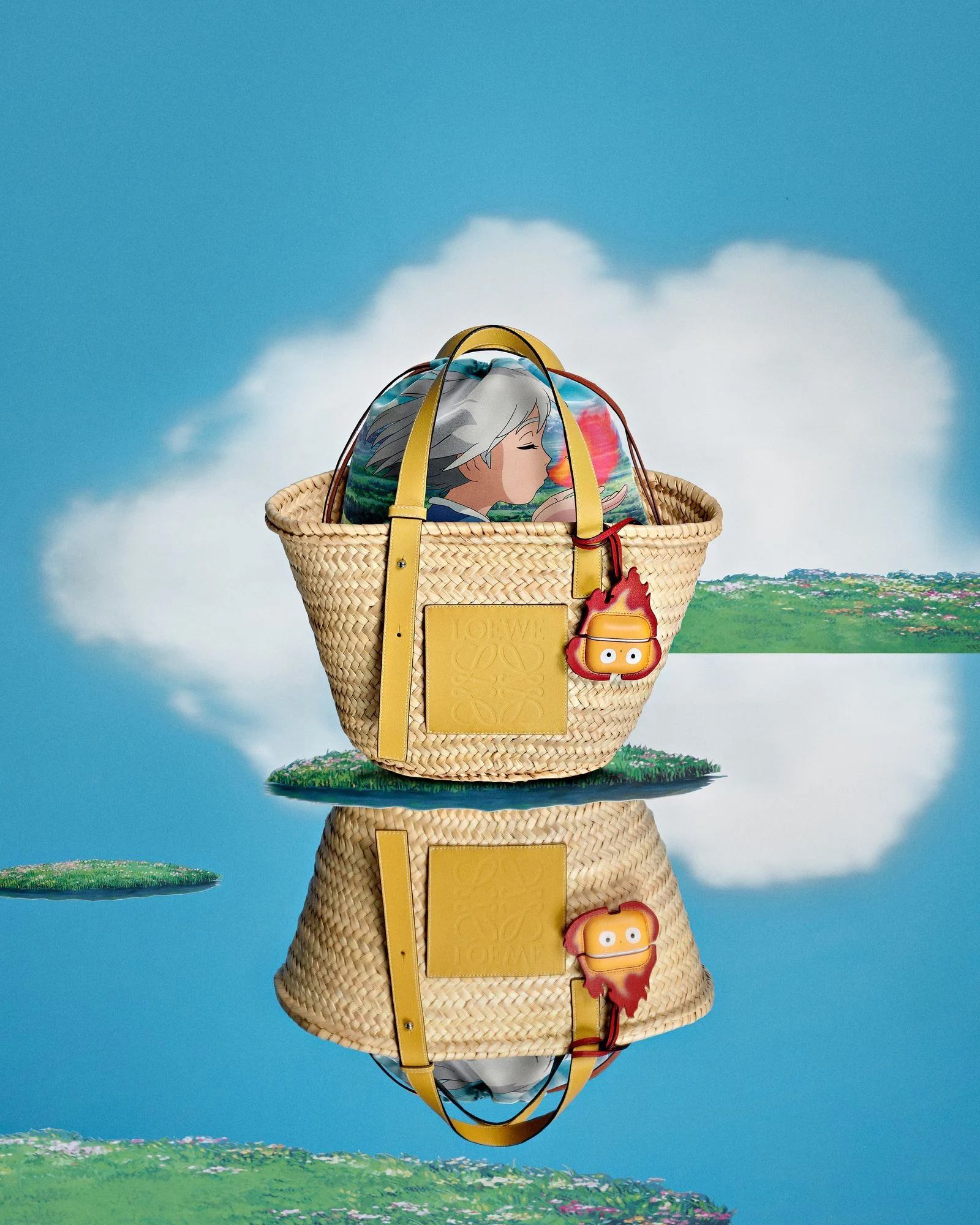
Loewe, known for its craftsmanship, has spent several years seeking out artists and studios that share its appreciation for handcraft, childlike wonder, and nature. In collaborations with Kyoto’s Suna Fuji and Studio Ghibli, for example, the fashion house used leathercraft to reinterpret the artisanship behind ceramics and animation.

—
Top, the SS24 collaboration with Kyoto ceramics studio Suna Fujita introduced a new collection of bags and charms. Bottom, Howl’s Moving Castle was the third and final collection in LOEWE’s collaboration with Studio Ghibli.
Shared values are what allow cross-category collaborations to break out of a predictable commercial formula and become genuinely interesting and worth discussing. The To Summer and Isabel Marant partnership is closely aligned with this shift in consumer priorities and aesthetic tastes.
The collaboration carries added significance for two brands from different cultural backgrounds.
For To Summer, this is its first in-depth collaboration with an overseas fashion label. The partnership crosses both category and cultural boundaries. To Summer hopes fashion’s inherently physical language can make fragrance part of a fuller, more imaginative way of living. The collaboration also gives the brand a low-key way to explore overseas markets, learn how to work with international partners, and gain practical experience for future expansion abroad.
For Isabel Marant, this is the first collaboration with a Chinese brand in its 30-year history. Staying true to its easygoing, free-spirited ethos, the label used fragrance to engage more deeply with Chinese consumers and help more of them get to know the brand and identify with it. The understated vitality of Eastern culture also lent new depth to its exploration of freedom and the body.
That rapport made the collaboration feel spontaneous and unforced. Each brand could approach the other openly and respectfully while staying rooted in its own culture.
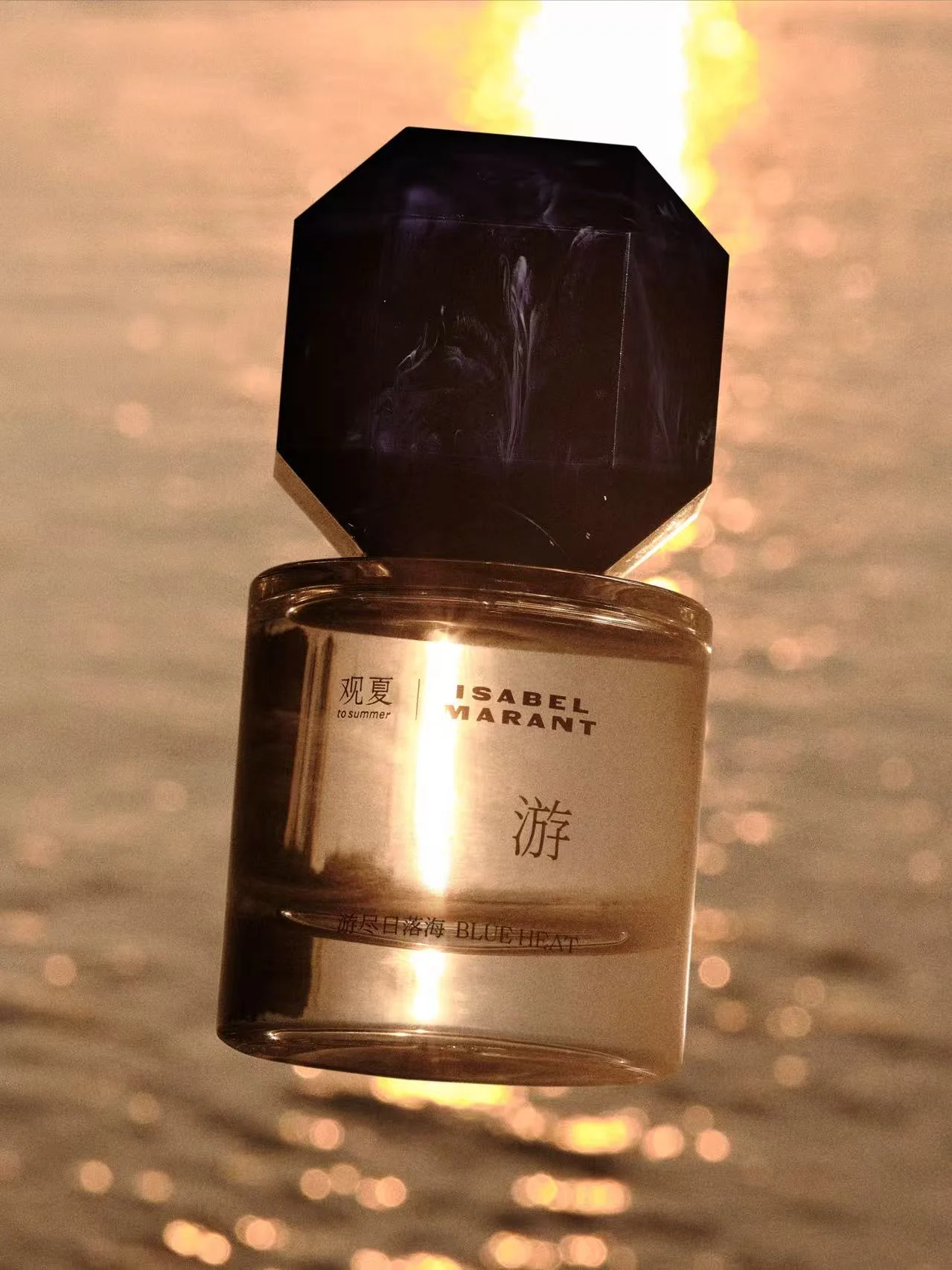
Blue Heat, the fragrance born of the collaboration, gave that shared sensibility a natural expression in scent. Where conventional summer marine fragrances aim for a crisp freshness or evoke the cool of the sea from a distance, Blue Heat explores a more physical side of summer. It captures the urge, once the sun has warmed your body, to dive deeper within yourself and keep swimming into the waves.
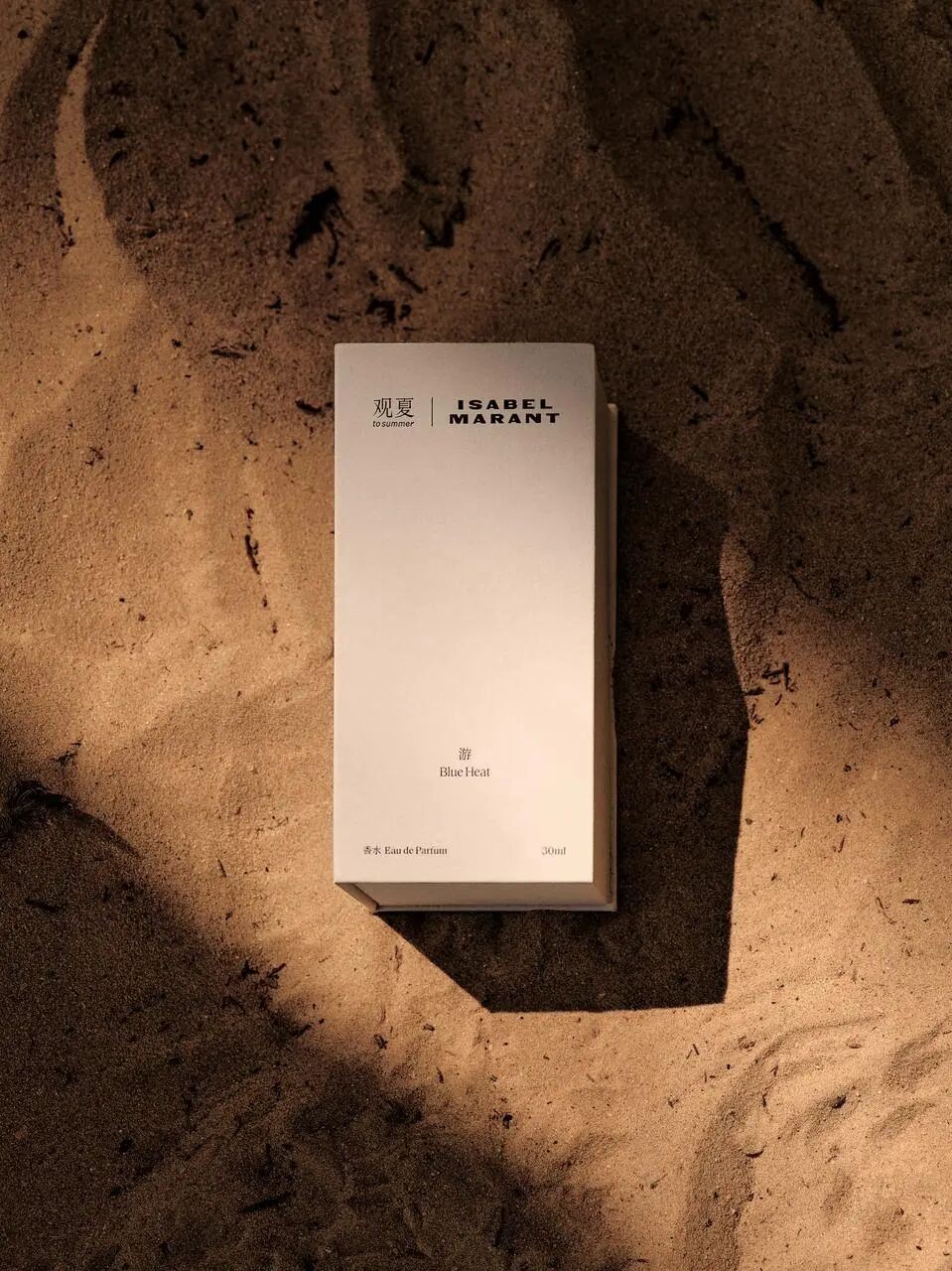
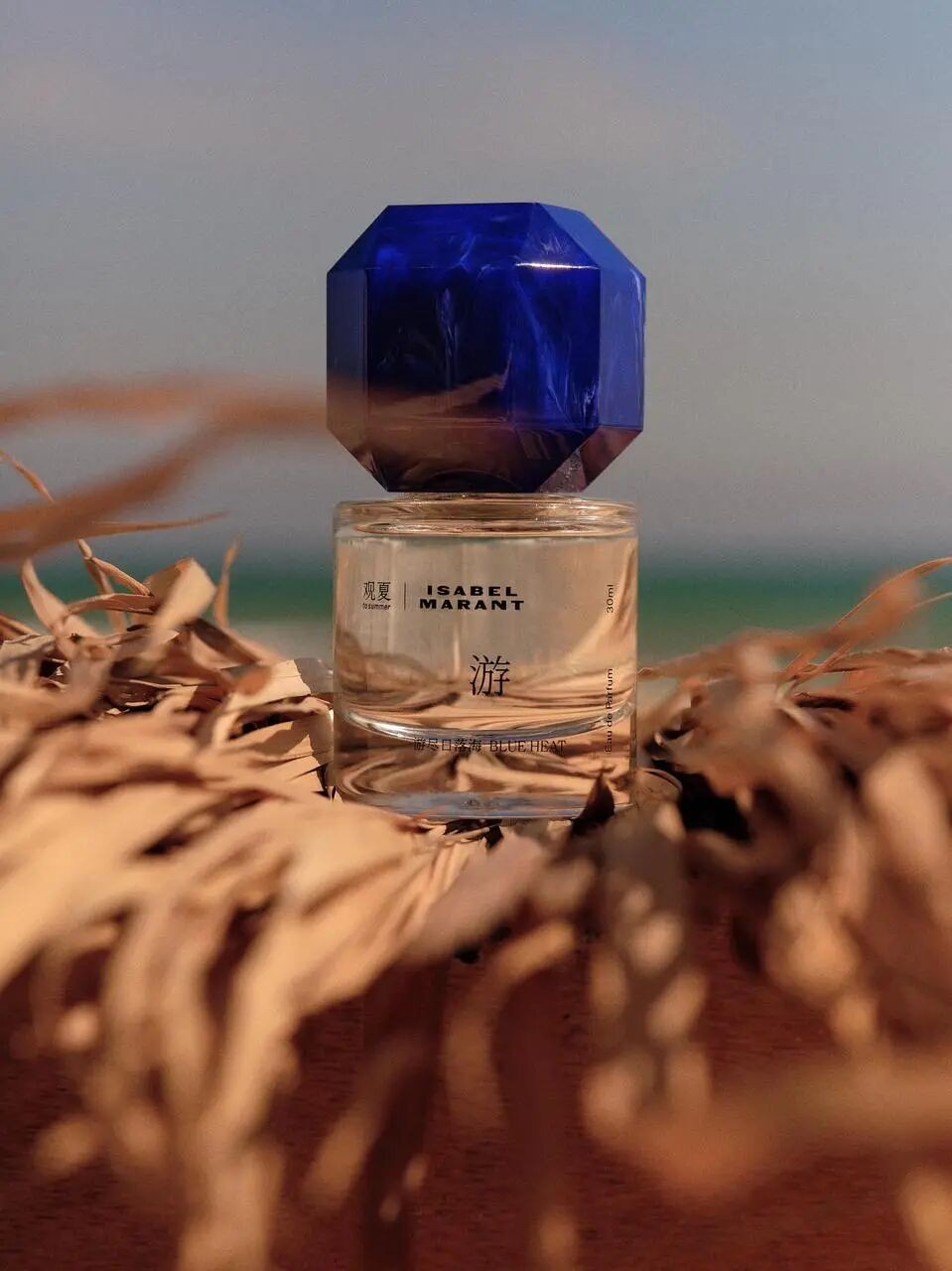
Marine fragrances often suggest water through crisp orange or other citrus notes, or through a soapy accord with a pronounced jasmine-like white floral note. For this collaboration, To Summer took a different route, adding a strong woody accord that gives the airy marine notes a grounded sense of weight.
The layers of the fragrance echo the in-store Summer Cabana, vividly evoking the physical and emotional memories city dwellers associate with a seaside holiday. There is the coarse, handwoven texture with its dry, salty tang in the sun, the woody scent of a timber cabin in the sea breeze, and even the warm grit of sand under bare feet.
—
The Summer Cabana at Shanghai’s Xianting store carries that same idea into the space. Isabel personally designed the rustic beach hut, which sits amid To Summer’s natural materials, restrained displays, and Eastern use of negative space.
Taking an Eastern sensibility farther afield
For years, To Summer has been asking how Eastern traditions can find their place in contemporary life.
From launching the Eastern Aromatic Ingredients Origins Project to bring local ingredients into the global fragrance industry to making scent part of daily life through publications, art collaborations, and events for women, To Summer has pursued the same aim throughout. It seeks to give local culture a voice on its own terms while paying attention to how individuals experience the world.


—
Left: To Summer’s Eastern Aromatics Origins Project. Right: To Summer’s first professional art publication, This Is Her: Selected Works from 25 Years of Peng Wei’s Art.
Seen in this light, the international collaboration with Isabel Marant breaks new ground across categories and cultures while staying closely aligned with To Summer’s brand philosophy and long-term strategy.
That alignment in philosophy and strategy helped To Summer sidestep a familiar dilemma for heritage brands communicating across cultures: too much detail can weigh down the story, while too little can reduce it to a superficial collage. The collaboration extends beyond a single product, naturally moving the brand from telling an Eastern story within its category to articulating a way of life across cultures.
When a cross-category collaboration conveys complex cultural ideas through shared human experiences and feelings, such as summer, freedom and a sense of agency over one’s own body, the ease with which the partners see themselves in each other and the depth of their shared values may themselves offer a new model for Chinese brands reaching audiences across cultures.
In the end, “Swim” may be the best metaphor for the collaboration. It’s the name of the fragrance and a description of where To Summer is today. Setting out from the East, the brand continues to carry scent, space, women’s ways of sensing and a way of life into a wider world. It swims on until the sun sinks into the sea, moving between its Eastern origins and the wider world, finding its bearings as it affirms its own identity and encounters others. To Summer still sets out from the East, and this time it carries the East farther out to sea.
BRANDSTAR
Isabel Marant · Chinese brands · Brand storytelling · Brand collaborations · Beauty brand storytelling · To Summer
More stories →