Craft is becoming a new source of in-store content
From product development and customization to repair and remaking, craft gives brands in-store content they can keep refreshing and customers can see for themselves.
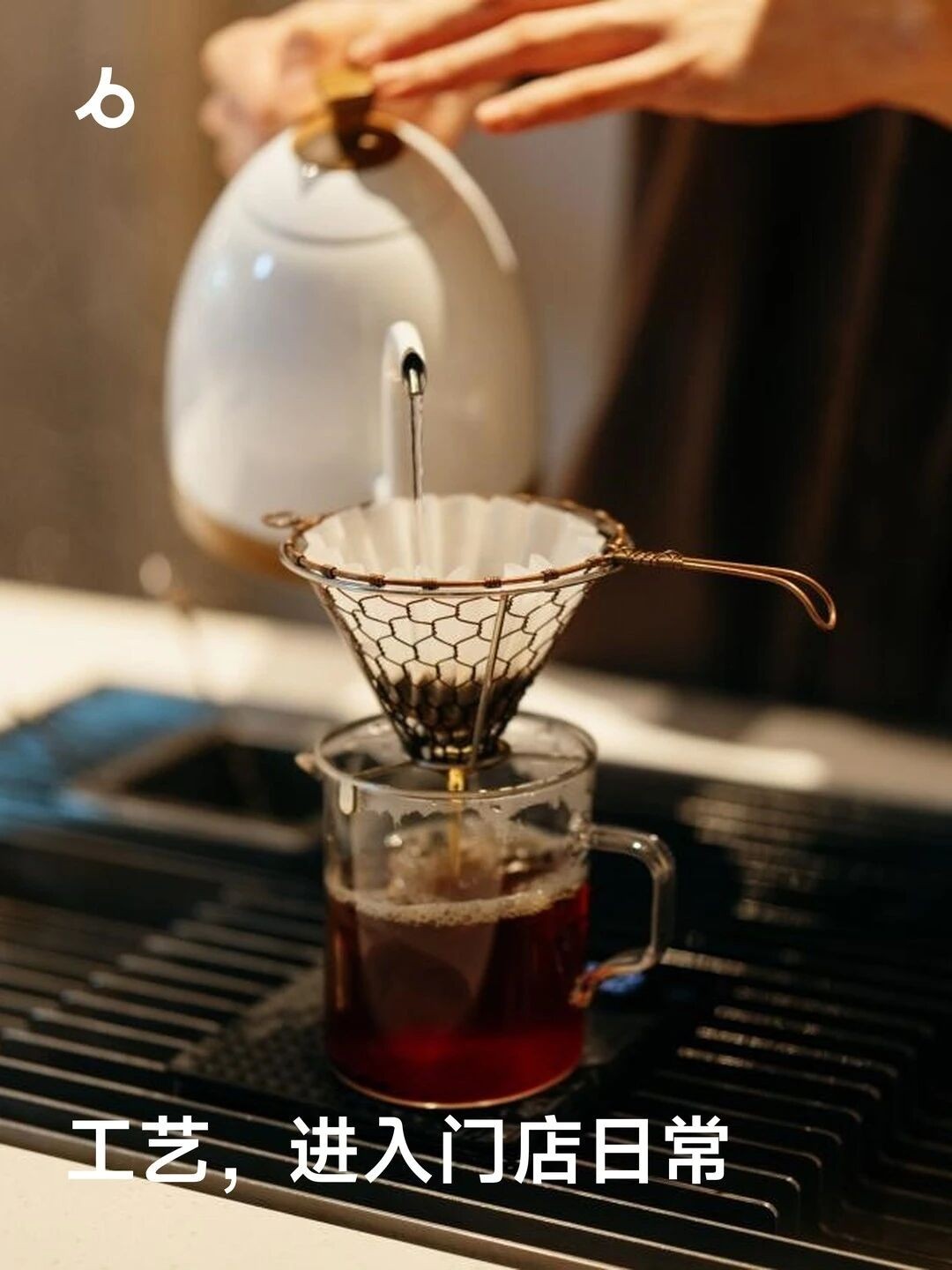
In July, HEYTEA opened its first HEYTEA Craft store in China in Guangzhou’s Shipaiqiao neighborhood.
A long craft bar spans the center of the store. Customers can watch staff simmer tea to order in copper pots, hand-pour it through copper mesh filters, and use smart extraction equipment. Using seven custom tea bases and five techniques—pot simmering, covered steeping, pour-over brewing, fresh extraction, and hand-roasting—the store developed 25 exclusive products across five series.
—
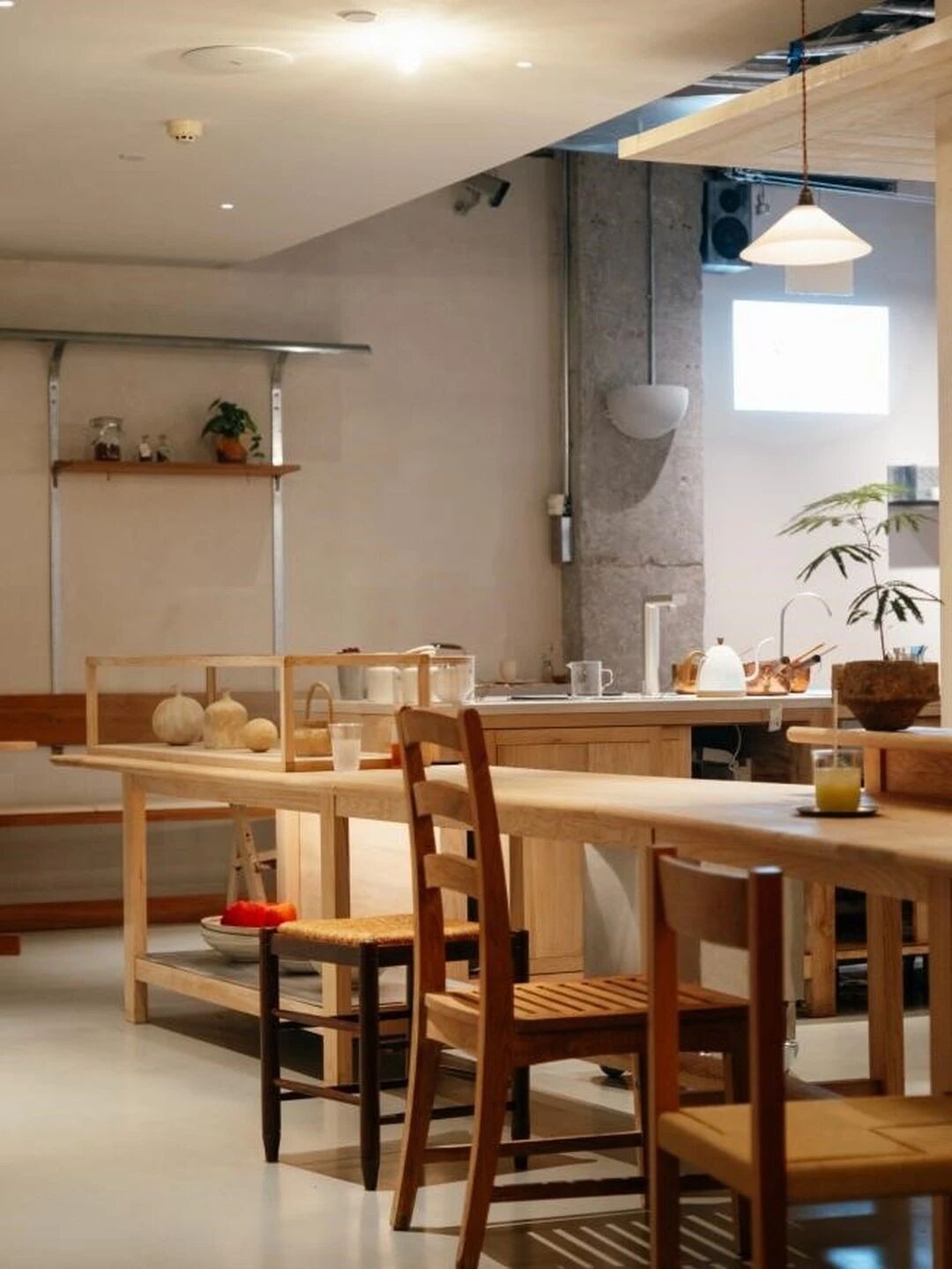
The long craft bar at the HEYTEA Craft store
The exclusive menu and bar layout are organized around different tea preparation and extraction methods. At the bar, customers can observe the equipment and techniques and see how pot simmering, pour-over brewing, and smart extraction produce distinct flavors.
Similar shifts are taking place in lifestyle and apparel retail.
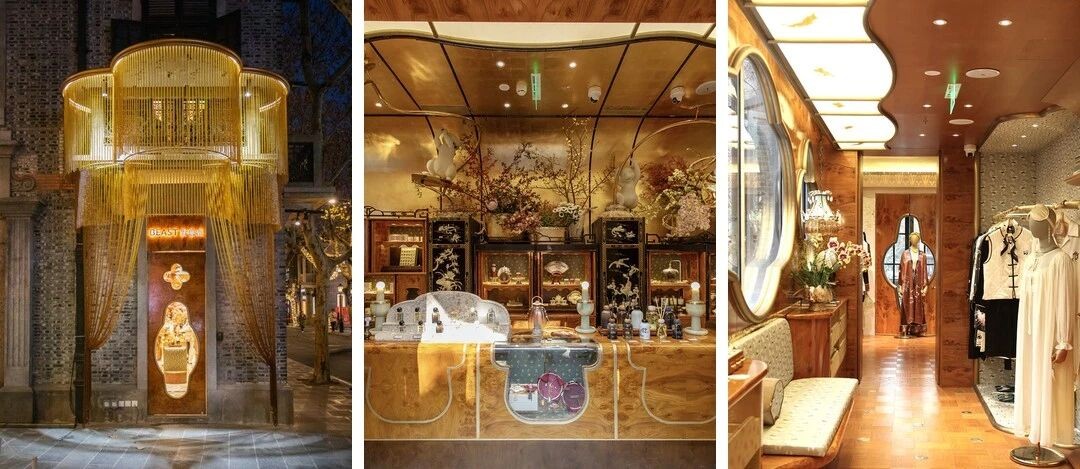
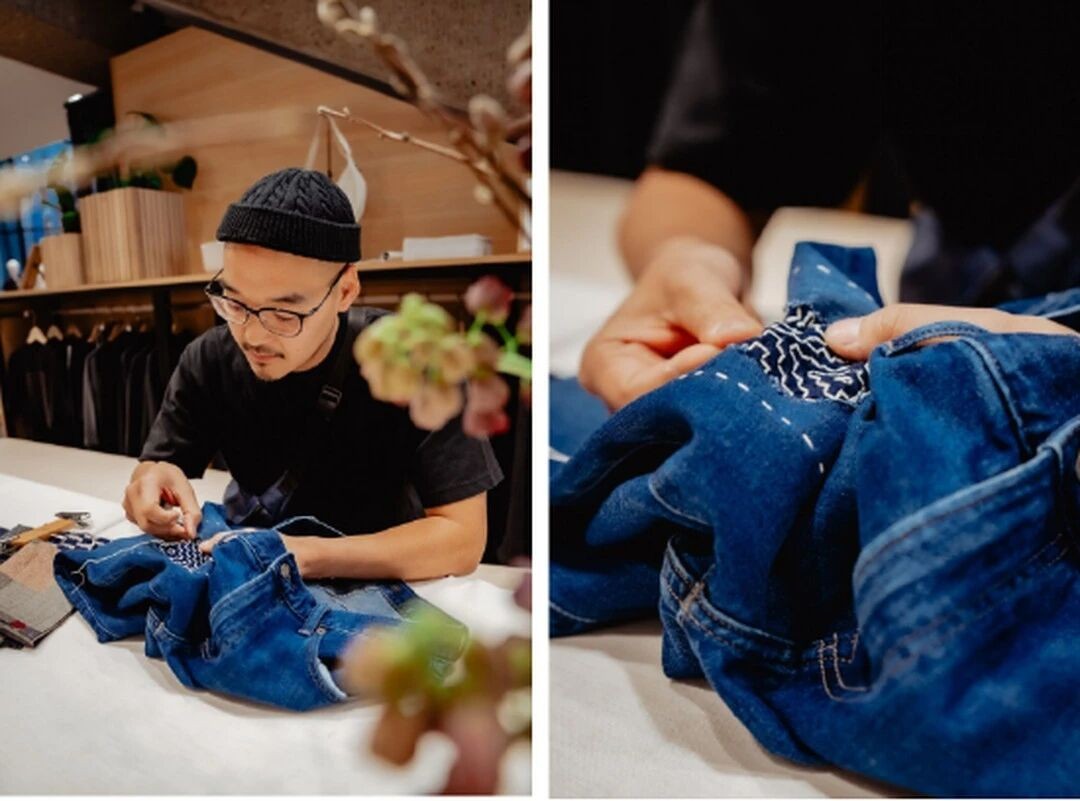
The Beast opened its first Chinese Workshop store in Shanghai’s Xintiandi, bringing Quanzhou bead embroidery, Yongkang pewter carving, Chaozhou woodcarving, decorative glasswork, and Song brocade weaving into fragrances, loungewear, and store displays. UNIQLO’s RE.UNIQLO STUDIO, meanwhile, brought repairs, alterations, and hand-stitched sashiko embroidery to its Shanghai flagship.
Craft was once used mainly in displays and product descriptions. More stores are bringing it into new product development, customization, workshops, and repair services, giving them content that evolves through day-to-day operations.
01. Craft gives stores content they can keep refreshing
Materials, tools, and techniques stay in use across product development, displays, workshops, and customization, keeping in-store content fresh through daily operations.
Stores typically refresh their content with new products, themed displays, and temporary installations. When an event ends, the displays come down. Because craft is tied to products and services, it can keep evolving as materials, techniques, and customer choices change.
The HEYTEA Craft store builds its content around how a drink is made. Pot simmering, copper-filter pour-over brewing, and smart extraction are used for different products, and the menu helps customers understand how each technique affects flavor. The bar is both a production space and a place to explain the products.
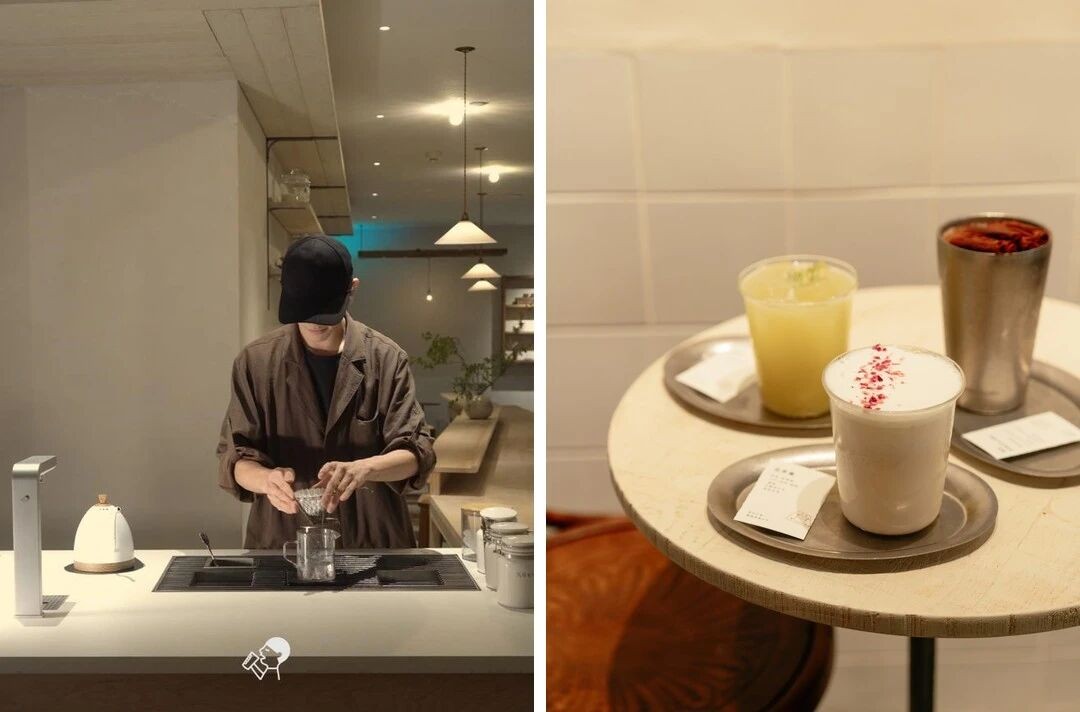
HEYTEA also uses different techniques to develop store-exclusive products. Starting with different tea bases, the brand rethinks how it prepares, extracts, and blends each tea. The five techniques correspond to five product lines: milk teas, specialty tea drinks, dark chocolate specialty drinks, pour-over teas, and ice cream. The store layout, preparation methods, and exclusive menu all follow the same approach to product development.
—
Tea preparation and exclusive products at the HEYTEA Craft store
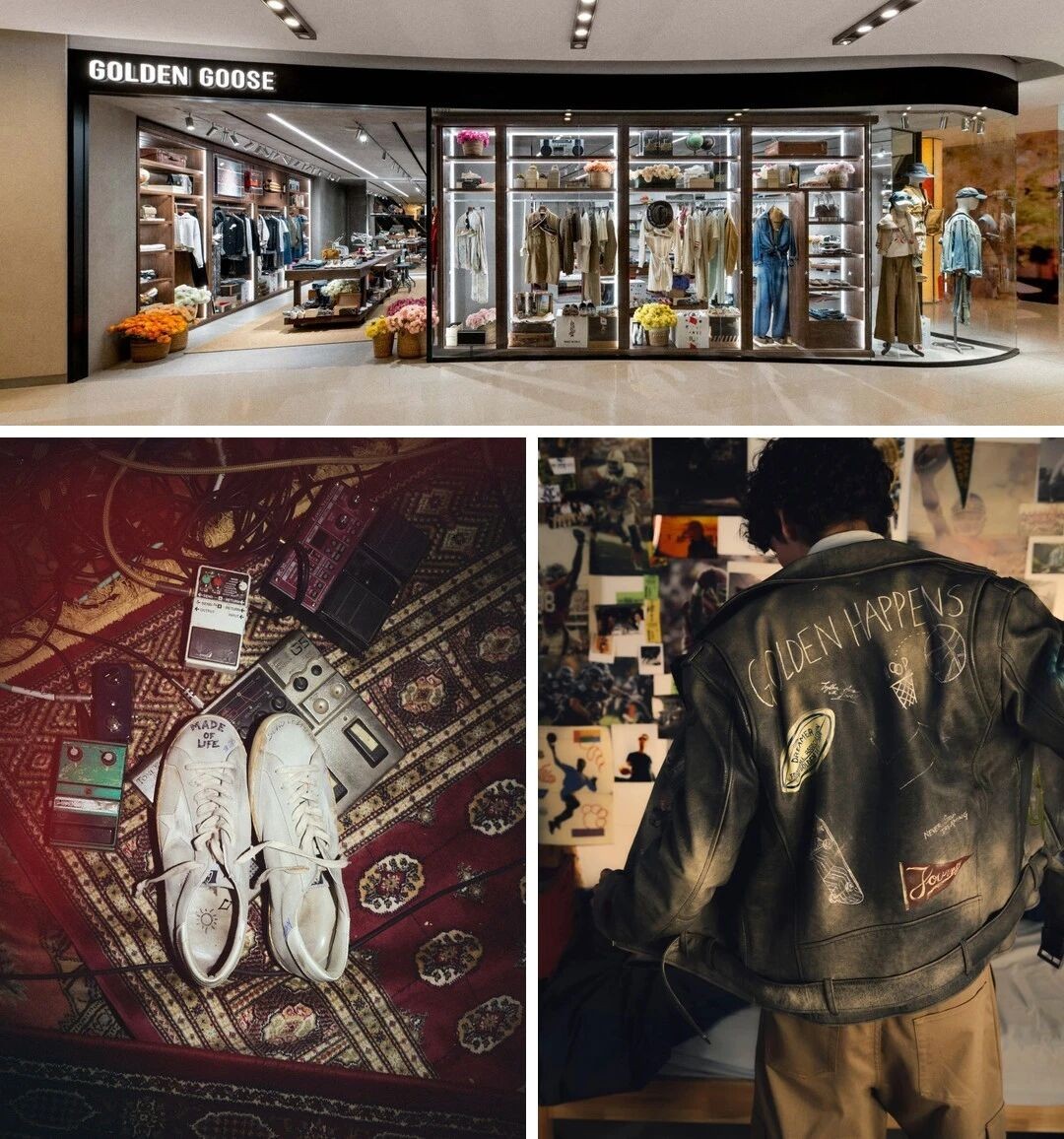
Golden Goose offers Co-Creation as an in-store service by appointment. Customers work with a sneaker artisan to choose motifs, lettering, and decorative details, and the artisan then personalizes their shoes, bags, boots, or jackets. The official page for the Shanghai IAPM store already offers Co-Creation bookings. Each appointment yields a different finished piece, with the work shaped by the customer’s choices.
—
Golden Goose’s Shanghai IAPM store and its Co-Creation offering
The Beast takes a different approach. It uses Quanzhou bead embroidery on fragrance sachets and Song brocade in loungewear. Pewter carving, woodcarving, and decorative glasswork feature in exclusive products and store displays. The materials, embroidery techniques, and crafted objects tell the story of each product, extending traditional craft from the merchandise into the store itself.
—
The Beast’s Chinese Workshop store in Shanghai’s Xintiandi
HEYTEA puts its daily preparation on display, Golden Goose offers Co-Creation by appointment, and The Beast organizes its merchandise and displays around traditional craft. New products, appointments, and exclusive offerings continually change the materials and finished pieces customers see, giving craft a longer lifespan as in-store content than a one-off themed installation.
02. Craft makes product differences verifiable
Materials, construction, production steps, and services give brands concrete details to point to when explaining what sets their products apart.
Brands often describe products with broad terms such as “craftsmanship,” “handmade,” and “heritage.” Stores can tie those claims to specific product differences by showing the materials, tools, and production steps and offering related services.
Golden Goose’s Co-Creation service starts with the customer’s design. Motifs, lettering, and decorative details must suit the material and construction of each piece before a sneaker artisan carries out the work. The official page lists shoes, bags, boots, and jackets as eligible items. Beyond choosing colors and inscriptions, customers can confirm the specific techniques and the finished result.
At the HEYTEA Craft store, the differences are visible on the menu and at the bar. The store uses pot simmering, covered steeping, pour-over brewing, fresh extraction, and hand-roasting across seven custom tea bases, with each technique corresponding to a different product line. Customers can use the menu and watch the bar staff to connect each flavor with the tea base, equipment, and extraction method.
Generative AI has made it easier to create polished images, videos, and spatial renderings. Similar visuals can be produced quickly, while a brand’s capabilities still rest on what it does. Processing a material, building a structure, or restoring a used item takes tools, time, and people, and yields a result that can be inspected.
In Brandstar’s view, as AI makes visual content production more efficient, craft gives brands another way to earn credibility. Product development can be demonstrated through materials and processes, cultural expression through specific techniques, and sustainability commitments through repairs, remaking, and longer product life.
HEYTEA’s bar uses both smart extraction equipment and traditional tools. Golden Goose’s sneaker artisans likewise choose techniques based on each item’s materials and the customer’s design. Equipment and procedures keep the work consistent and efficient, while the end result still depends on staff judgment about the materials and finish.
03. Craft extends beyond the purchase
Repair, remaking, and personalization extend in-store services into the time customers spend using a product.
UNIQLO upgraded its RE.UNIQLO STUDIO workshops at its Middle Huaihai Road and West Nanjing Road stores in Shanghai and introduced hand-stitched sashiko embroidery in China for the first time. The Middle Huaihai Road store moved its workshop to a prime spot on the third floor, while the West Nanjing Road store added repairs to its alteration services. Worn garments can be reinforced, and existing styles can be reworked with embroidery and pieced fabric.
—
UNIQLO’s RE.UNIQLO STUDIO garment repair and alteration workshop
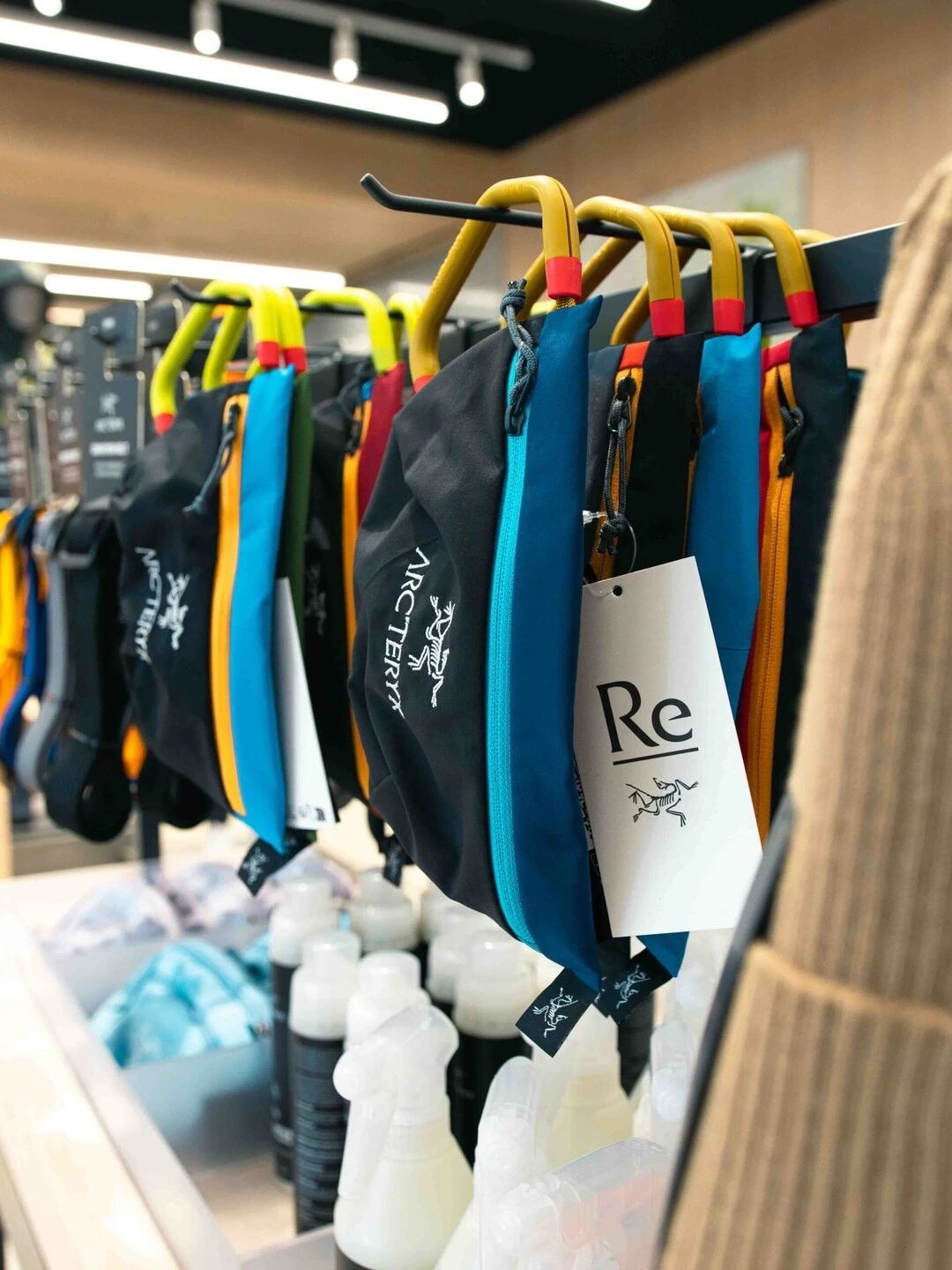
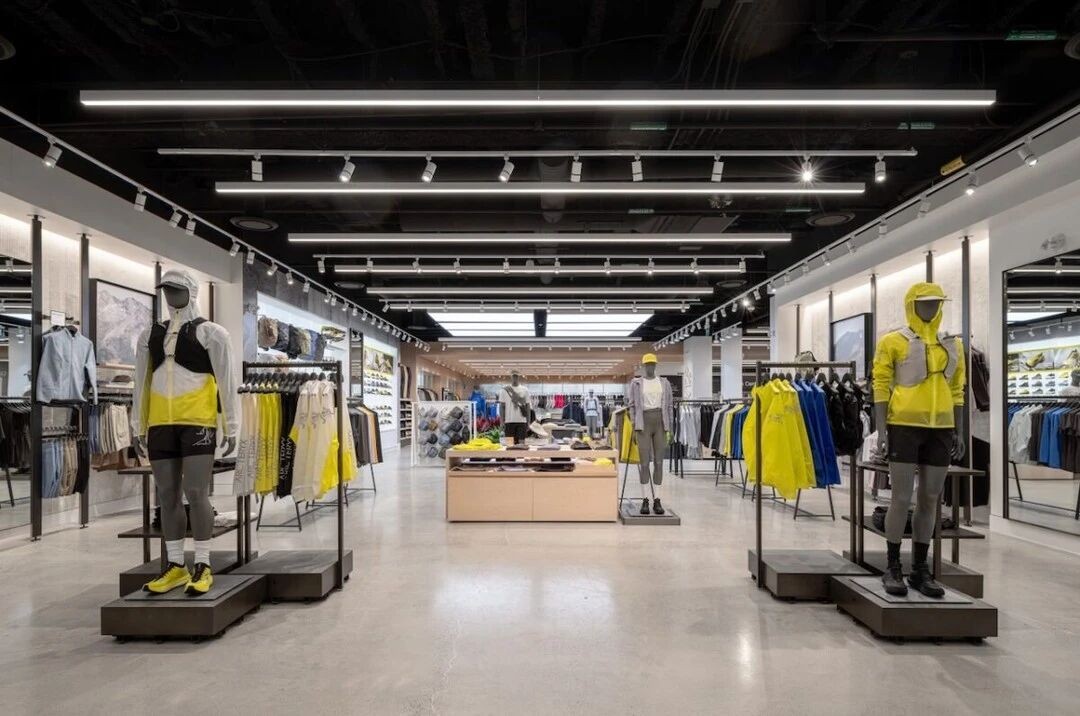
Arc’teryx’s ReBIRD service centers bring product assessments, technical cleaning, repairs, and care guidance into stores. According to the brand’s 2024 climate report, ReBIRD added 12 service centers that year, with locations in China including Beijing, Shanghai, Sichuan, Tibet, and Yunnan. Global repair volume rose 39% year over year, reaching 28,147 garments. Stores can patch garments and replace zipper components, while specialist teams handle more complex repairs.
—
Arc’teryx ReBIRD service center
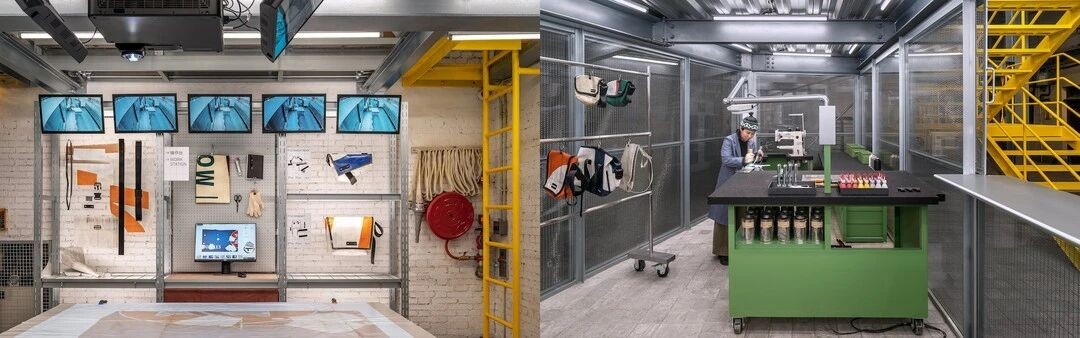
FREITAG’s company-operated Shanghai store, previously covered by Brandstar, offers both the F-CUT experience and bag repairs. At a workstation, customers can choose truck tarps and bag styles, then virtually cut the material and personalize their designs. The orders go to the Zurich factory for production. The store also repairs used bags to extend their working life.
In 2025, FREITAG and Hender Scheme also held a hands-on customization workshop at the Shanghai store. Participants chose bags and handles made from leather offcuts, then stitched them together by hand. The workshop extended the brand’s craft beyond production into alterations, repairs, and everyday use.
—
The F-CUT experience and bag repairs at FREITAG’s company-operated Shanghai store
Repairs, alterations, and customization give customers more reasons to visit beyond buying something new. They may return to mend an old garment, get an outdoor garment serviced, finish a custom piece, or attend a workshop. The brand stays involved as customers use and maintain its products, and the store learns more about wear, repairs, and demand for personalization.
Material texture, the condition of used items, and customer choices all shape the finished result. The same technique can produce different pieces, and each store visit can yield a record of the entire process.
Final thoughts
Building in-store content around craft starts with products and capabilities the brand already has. HEYTEA builds on its work with tea bases and flavor development. Golden Goose draws on personalization and artisan services. The Beast turns traditional techniques into products and displays, while UNIQLO, Arc’teryx, and FREITAG start with product care and remaking.
A display of tools, workbenches, and unfinished goods alone soon runs out of ways to refresh its content. Customers can see new materials, processes, and results on repeat visits when products continue to use those techniques and stores keep offering related services.
Craft also gives brands an ongoing source of content. Tea bases and extraction methods explain what sets new products apart. Traditional techniques shape the merchandise and displays, while repairs and finished custom pieces give brands work they can keep documenting. This content comes from what happens in stores every day and evolves with new products, services, and customer choices.
Craft grounds brand content in specific products and services, with the same capabilities supporting the products, the store environment, and brand communications.
BRANDSTAR