As sports sponsors chase champions, ICBC turns the camera on everyday players
ICBC’s credit card has drawn on the idea of striving for nearly a decade. A new tennis campaign gives that idea a different cast of characters and ties it to something cardholders can use.
In a year packed with major sporting events, brands are competing for attention on the field of play. According to Miaozhen Systems’ 2026 report on digital marketing trends in China, 31% of advertisers with a content marketing plan intend to spend more on content around sporting events.
Event sponsorships, prominent logos, celebrity endorsements and partnerships with champions have become familiar tactics. Simply showing up at a tournament gives audiences little reason to remember a brand. For marketers, the question has shifted from how to secure exposure to how an event can give renewed meaning to something the brand has stood for over time.
This year, Industrial and Commercial Bank of China teamed up with Mastercard on a campaign around the Billie Jean King Cup Finals in Shenzhen. The campaign centered on a product approaching its tenth anniversary, the ICBC Mastercard Fendou credit card. Its Chinese name means “to strive.”
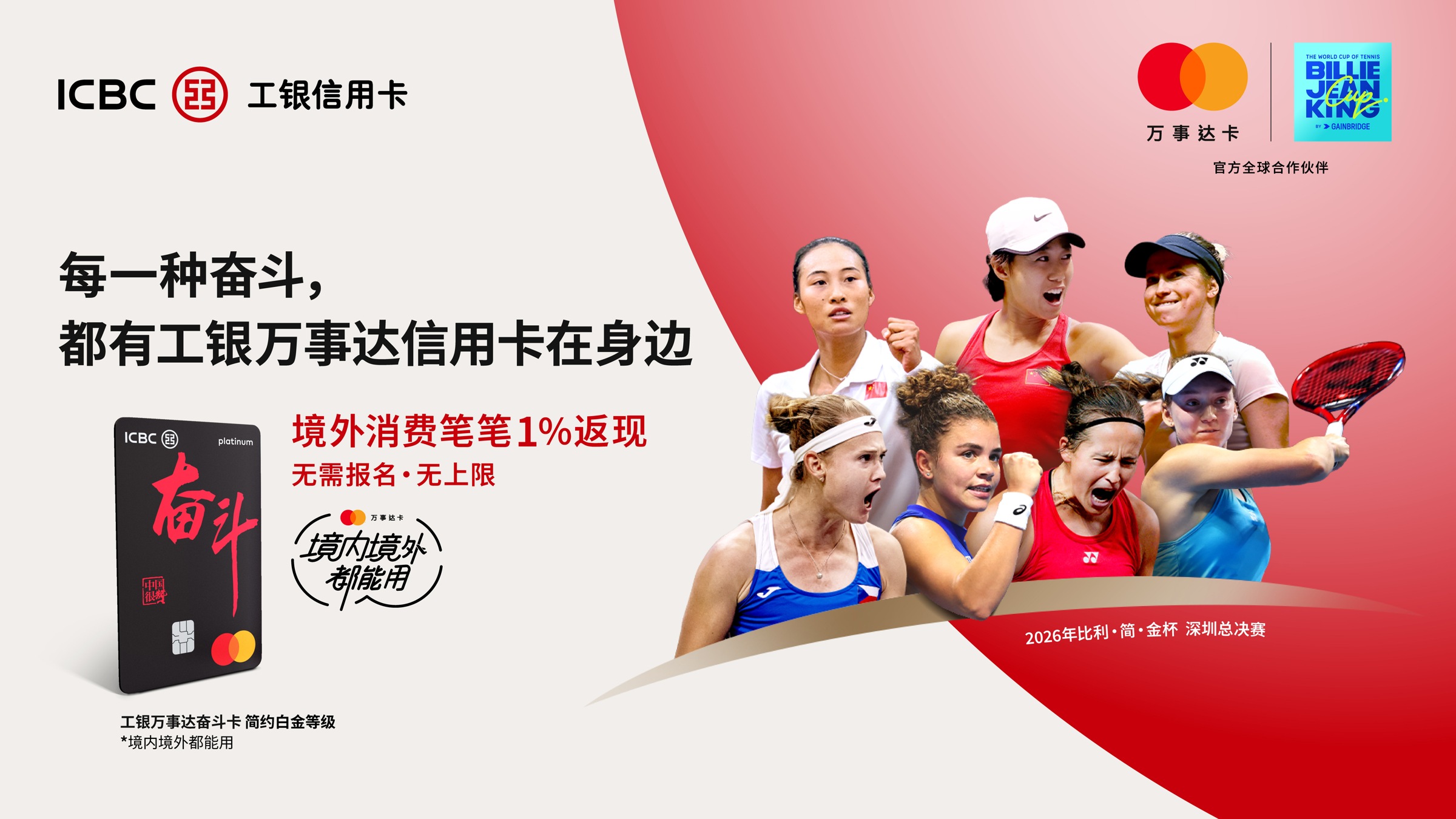
A new look, an advertising campaign or a slogan are familiar ways to refresh an established product. Another approach starts with the idea the product was built on and asks what it might mean to consumers today. For Fendou, that idea has always been striving. This time, ICBC reconsidered whose efforts the card represents and what it can offer them.
From sporting role models to a wider cast
ICBC and Mastercard introduced Fendou in 2017. The partners drew on athletes’ life stories to inspire cardholders, particularly younger ones. The card won praise for its message and its service. In 2018, ICBC introduced a new version that added the slogan “Cheers for China” to the original theme.
The first card followed a familiar sports marketing formula. One exceptional athlete embodied a value the brand wanted to convey. As sport became part of more people’s daily lives, the story could accommodate a wider field. The “Cheers for China” edition celebrated the effort ordinary people put into the lives they love. Its message was that each generation’s work contributes to the country’s progress, giving people another reason to cheer for China.
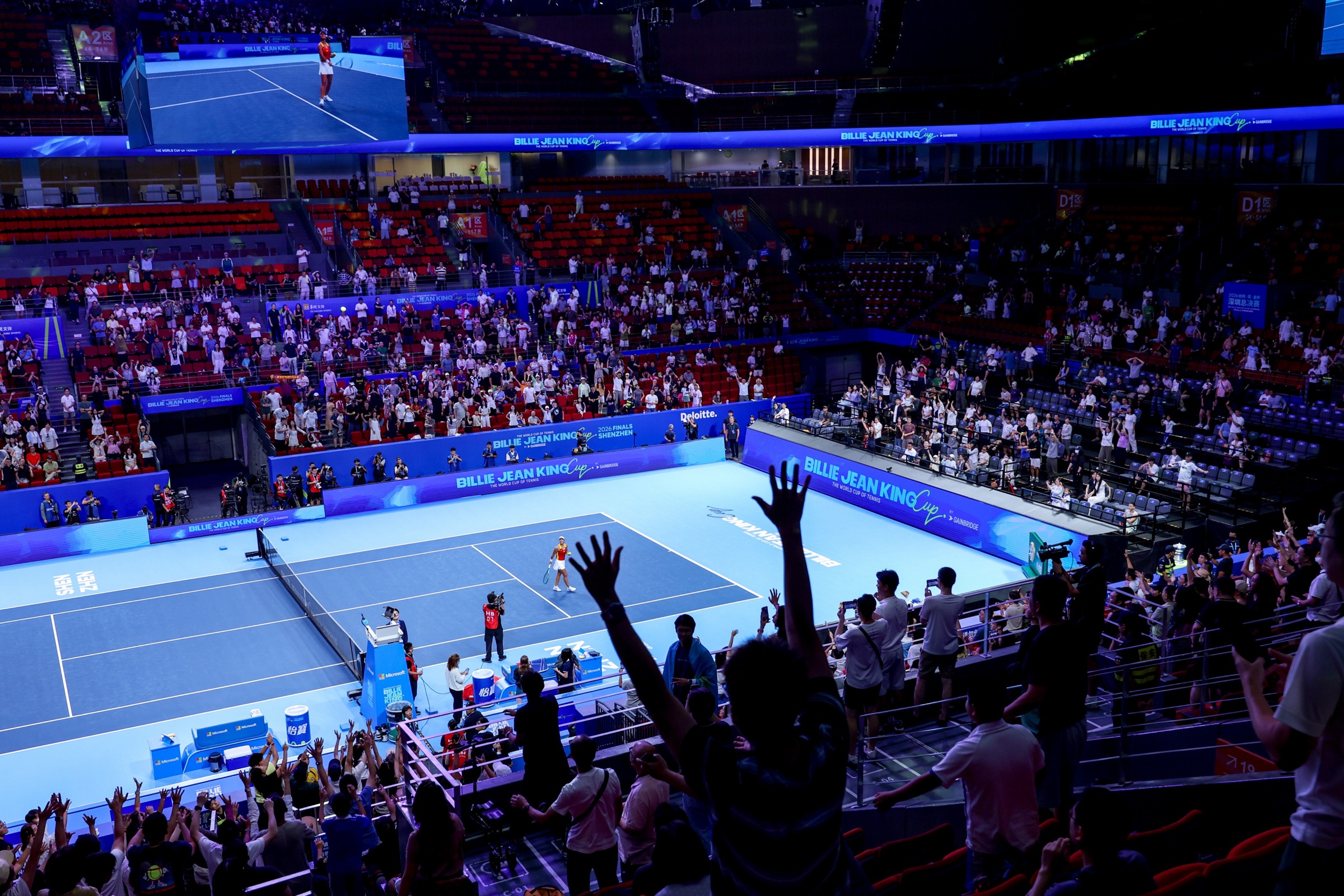
Nine years after the original launch, the ICBC World Mastercard Fendou “Cheers for China” card returned to sport through the Billie Jean King Cup. The campaign looked beyond the podium to students studying tennis abroad, people who work in the sport, recreational players and spectators. Some had turned a passion into a career. Others spoke about improving through daily practice or still finding time to play after work.
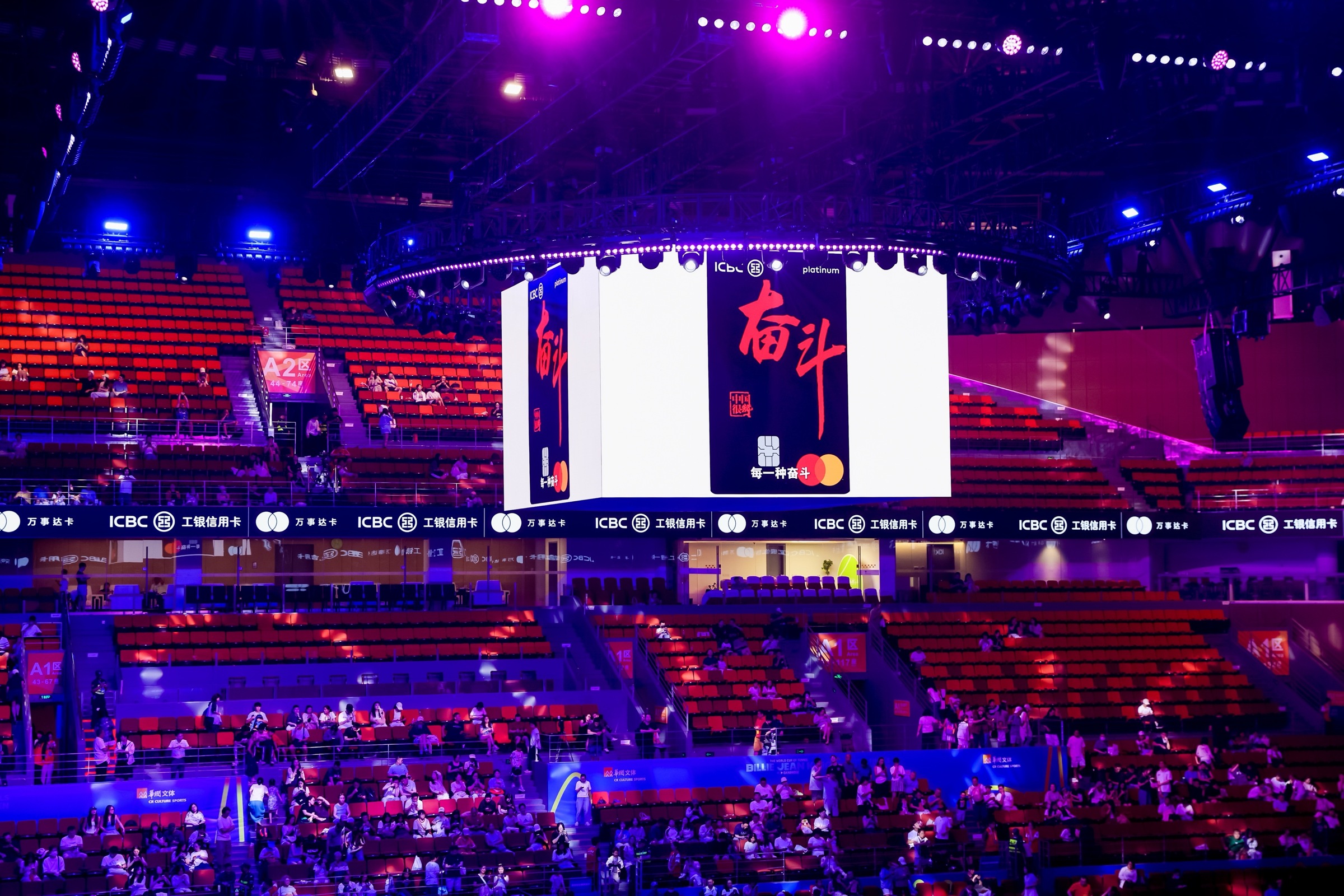
The campaign invited people who had once looked up to a champion to recognize something of themselves in the story. The Fendou card’s central idea stayed the same. More people now had a part in it.
This reflects a wider shift in sports marketing. Much of an event’s value comes from the people who take part, as well as the few who deliver its defining moments. As sport becomes a way of life, a sponsor has two questions to answer. Which champion does it stand alongside, and where can an ordinary participant see themselves in the story?
What 1% means to a cardholder
Once ICBC had widened the cast, it still had to give the product a role. Financial brands often tell stories about ambition and possibility, then switch registers to list points, cash back and perks. Someone may remember how the ad felt and forget the card, or understand a benefit without seeing where it fits into their life.
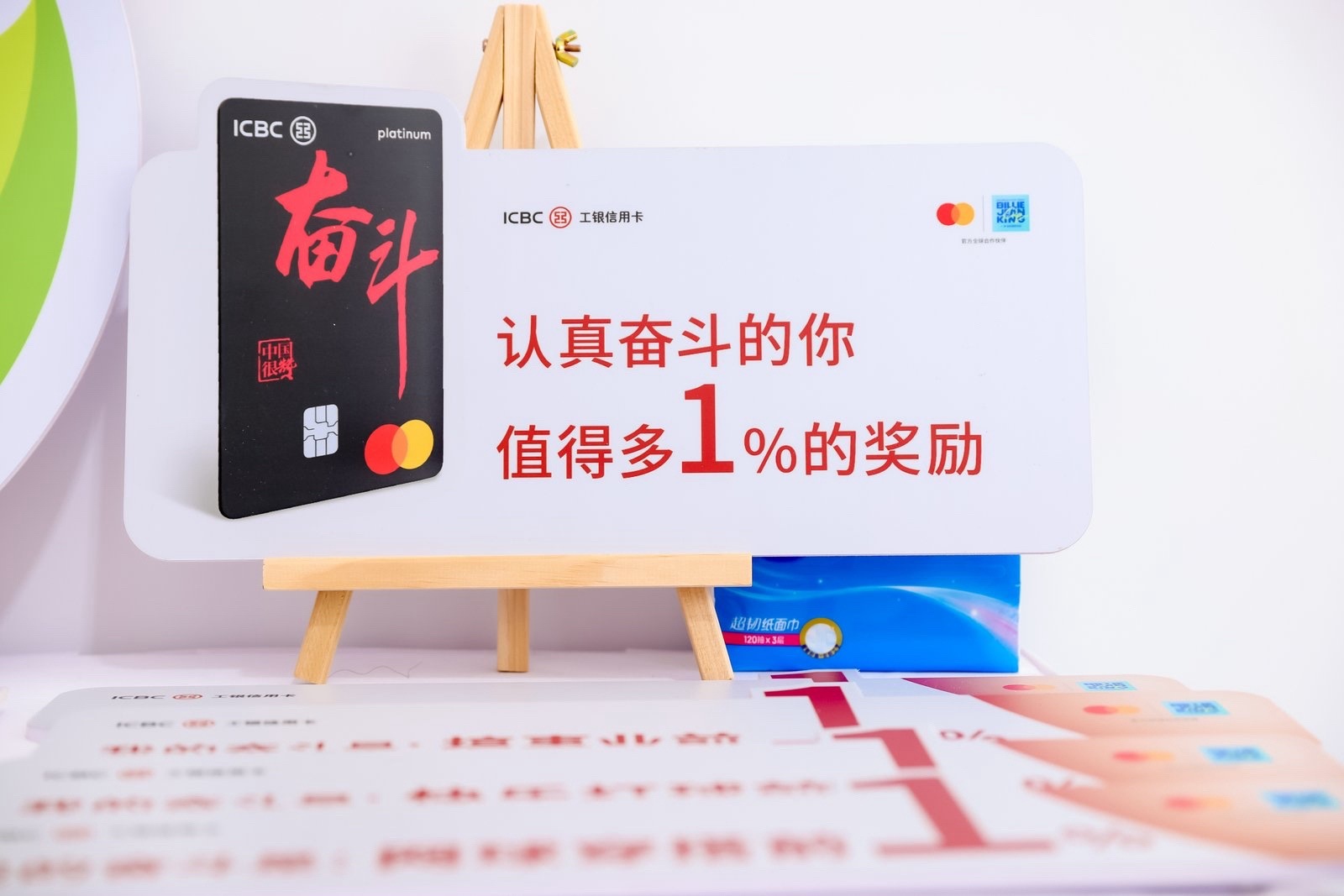
ICBC Mastercard connected the two with one figure. The card offers 1% cash back on every overseas purchase. The campaign recast that benefit as a promise: “Your hard work deserves an extra 1%.”
Cardholders can receive the 1% reward each time they spend abroad. That gives the campaign’s wider message a basis in the product. Few people will rank in the top 1%. Everyone can work toward their own 1%, and that effort deserves recognition. A number from a card’s terms becomes a measure people can relate to on their own terms.
A purchase, a trip or a match can all be occasions for someone to experience what the card does. In the context of a real day, its benefits become concrete forms of support at different stages of a person’s pursuits.
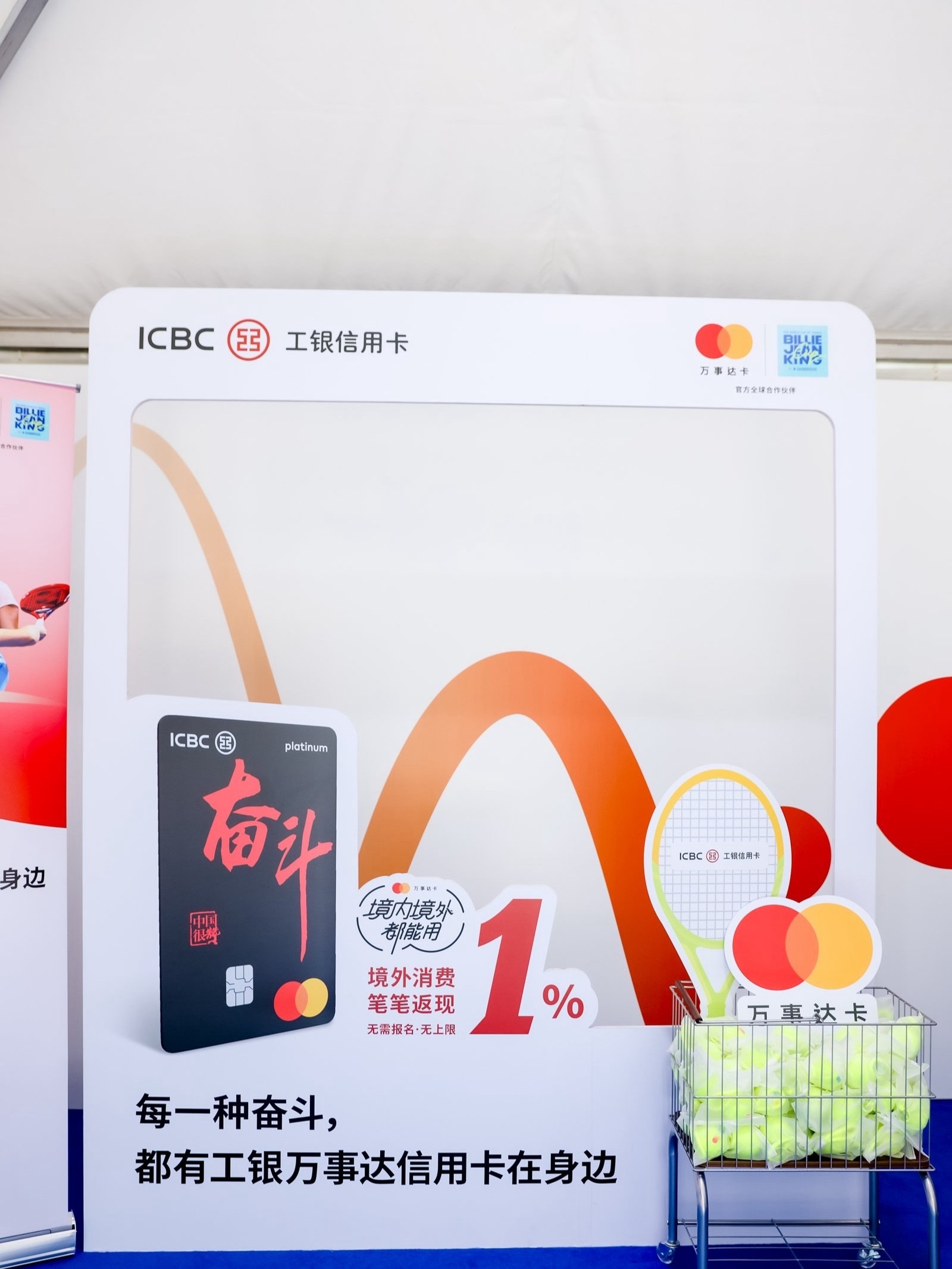
ICBC brought those benefits together in the line “Whatever you strive for, ICBC Mastercard is by your side.” The individual features explain what the card does. Using them gives cardholders a way to experience the sense of support the campaign describes.
How a tennis tournament gave an established card a new setting
The Billie Jean King Cup offered more than a large audience. Repetitive drills, persistence in a match and the time players invest regardless of the result all make the idea of striving tangible. The involvement of people in the stands and beyond brought that idea into everyday life.
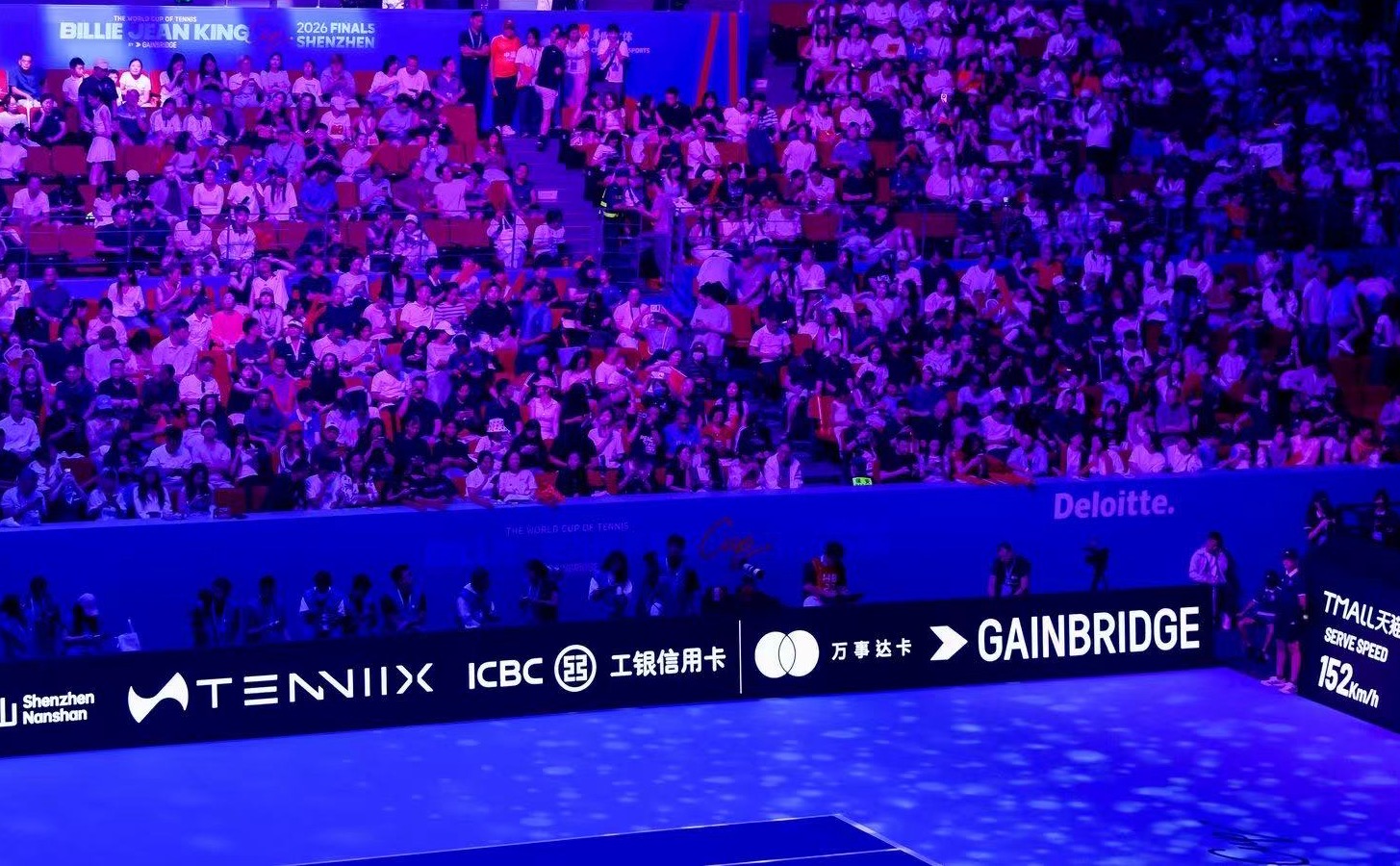
The tournament connected the card’s history with its current benefits and customers. Volleyball coach Lang Ping and the Chinese women’s national volleyball team had set an aspirational standard. Recreational players gave that spirit a place in ordinary life. A benefit such as unlimited 1% cash back on overseas purchases brought the message back to what an individual could experience.
A sporting event can change how consumers understand a familiar brand idea long after the attention around it subsides. ICBC Mastercard kept striving at the center of its campaign. New participants, a tangible card benefit and a different sporting setting gave the idea fresh relevance to today’s consumers.
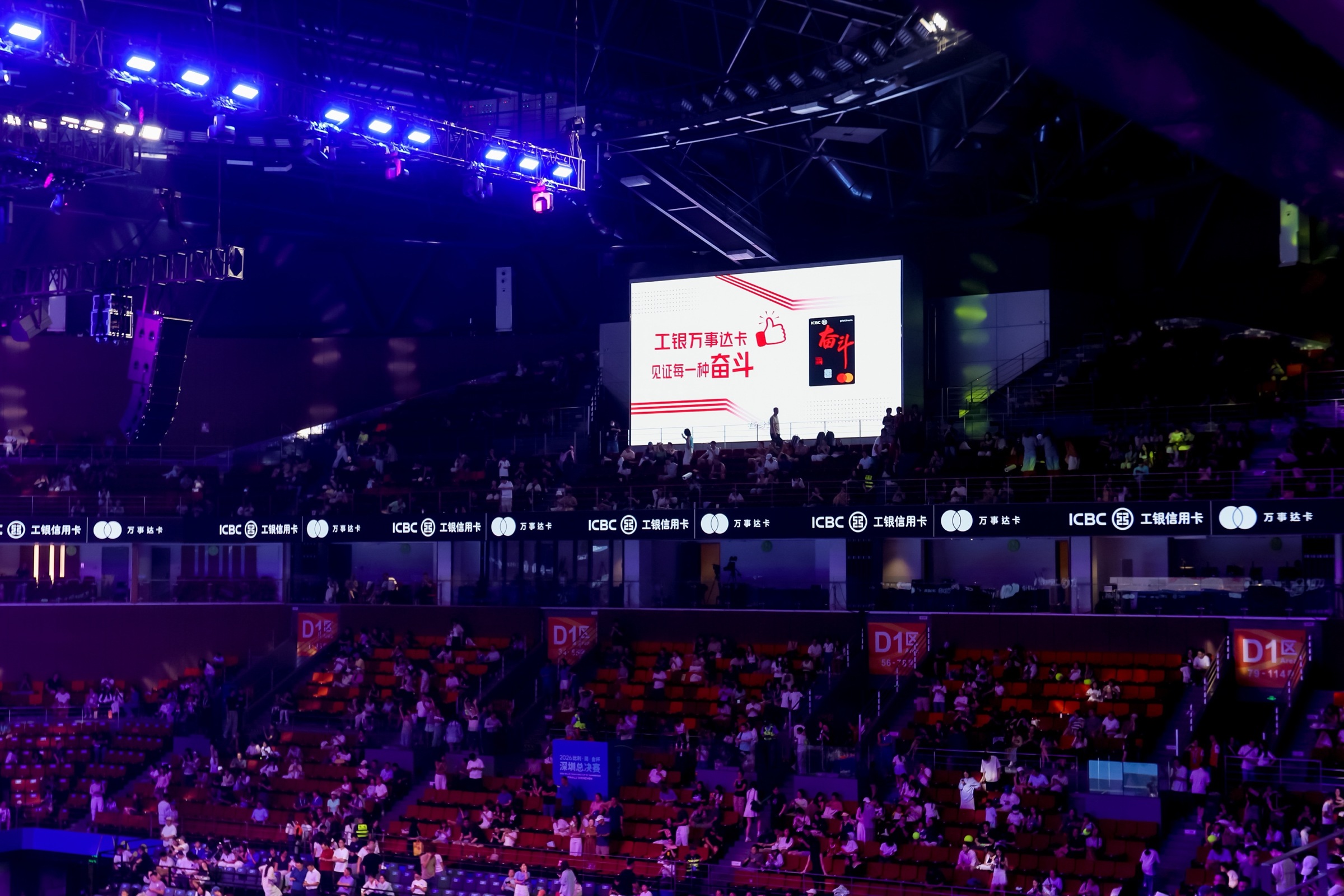
For an established brand, renewal can mean revisiting a deceptively simple question as times change. Why does this brand still matter to you today?
The tournament ends and the attention moves on. If a competition can bring a long-standing brand idea into the lives of more people, it can leave something behind: the beginnings of a longer relationship between a brand and its customers.
Mastercard · Industrial and Commercial Bank of China · Sports marketing
More stories →