To Summer opens Lin’an Incense Shop in Hangzhou and debuts its Agarwood and Sandalwood Reserve
To Summer’s new Hangzhou incense shop takes its cues from the markets of Southern Song–era Lin’an and its traditions of incense and herbal medicine. The opening also marks the debut of the Agarwood and Sandalwood Reserve collection and a new Hangzhou-exclusive scent, “Signs of Spring in the Snow.”
To Summer, a fragrance brand rooted in Eastern arts, has opened a Hangzhou branch of its incense shop. Following its Beijing Guozijian and Shanghai Middle Huaihai Road locations, the brand takes inspiration from the markets of Southern Song–era Lin’an and its traditions of incense and herbal medicine, naming the new location Lin’an Incense Shop. To mark the opening, To Summer debuted its Agarwood and Sandalwood Reserve collection and introduced a new Hangzhou-exclusive scent, “Signs of Spring in the Snow.”

—
Lin’an Incense Shop, To Summer’s Hangzhou branch
After the Southern Song dynasty established its capital in Lin’an, northern cultural traditions met Jiangnan’s landscapes, plants, tea customs, and incense practices. Apothecaries, teahouses, and entertainment halls were part of everyday city life. The name Lin’an Incense Shop recalls those old storefronts, while the space invites visitors to linger, choose and sample incense, and talk.
Screens, burners, tables, and shelves shape the space
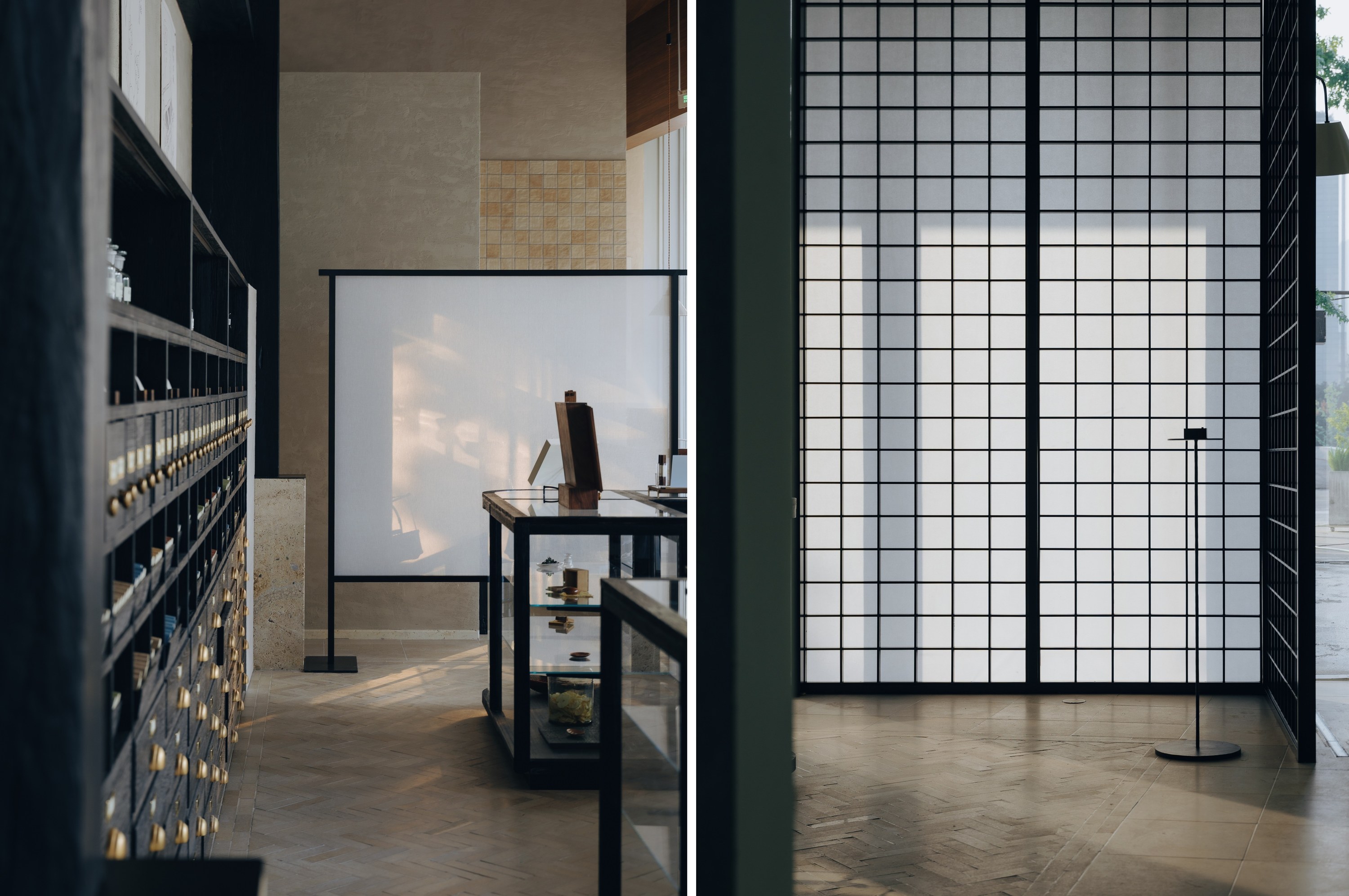
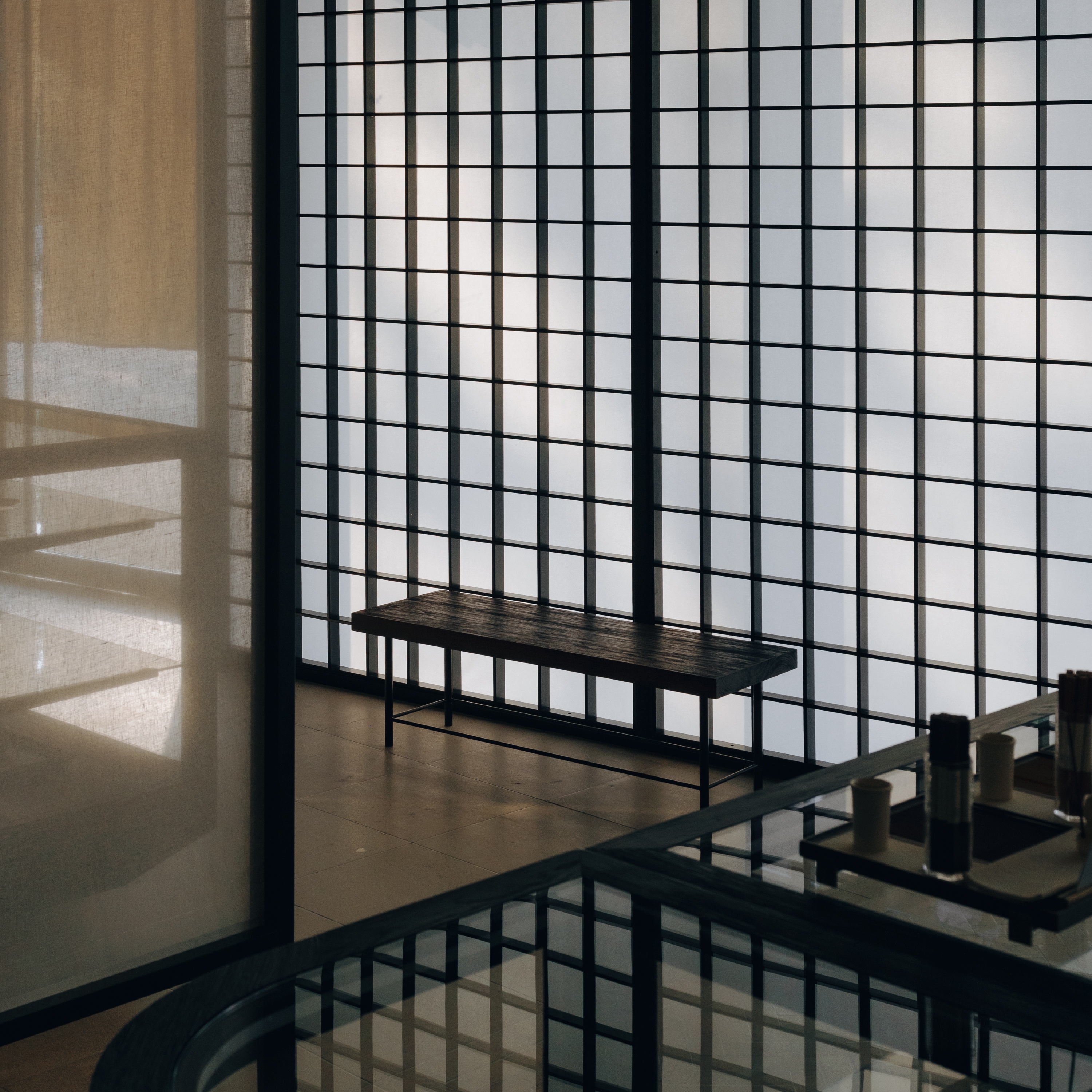
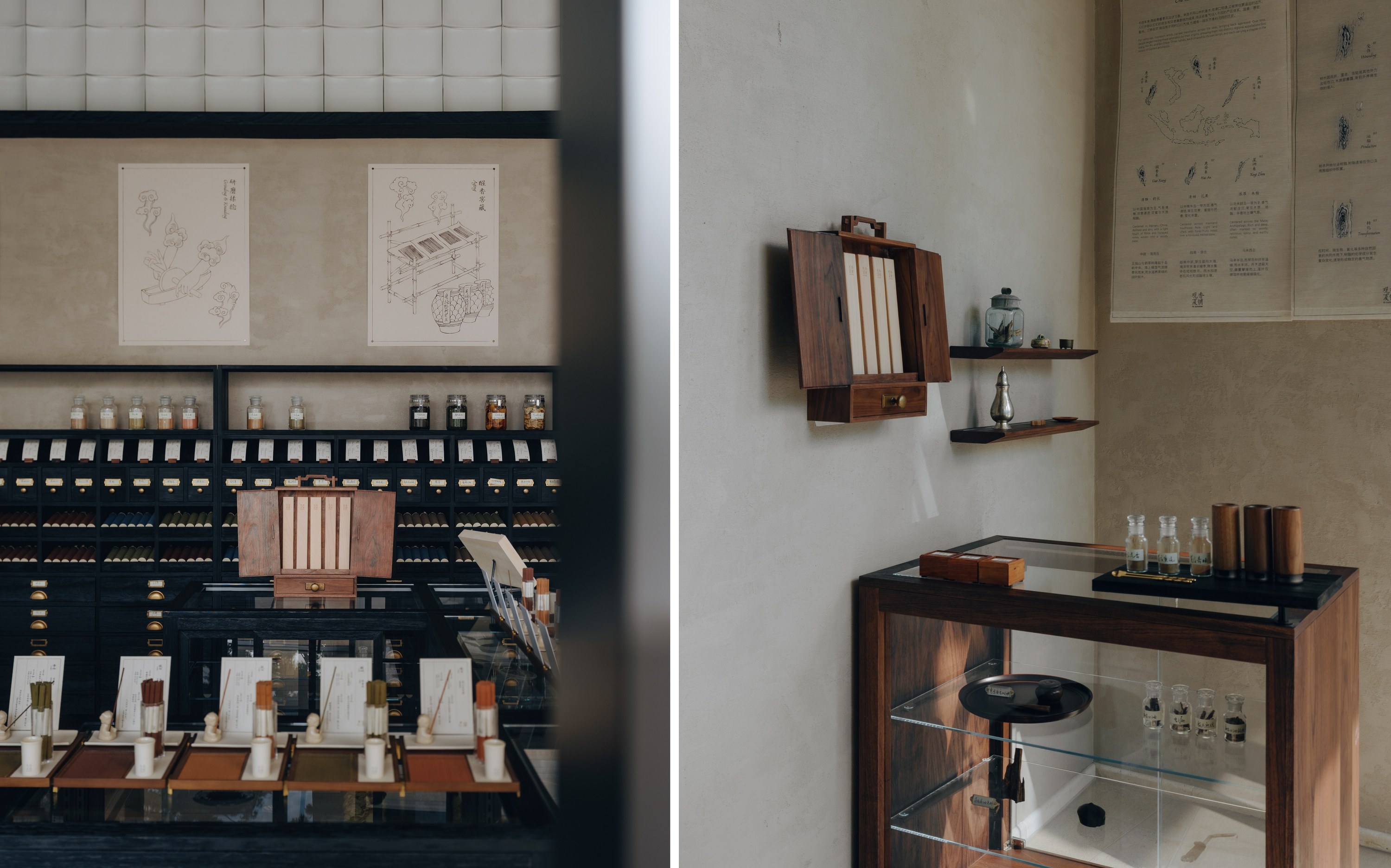
Four elements shape the store’s design. Lattice screens filter light and shadows from the street, suspended incense burners let fragrance drift with the air, tables give visitors a place to browse and sample incense, and shelves hold botanicals and aromatic materials. Herringbone brickwork and a pale sky-blue hue evoke Song dynasty architecture and the aesthetics of Jiangnan decorative objects. A cabinet for blended incense displays prepared medicinal herbs, incense sticks, incense powders, and finished products in sequence. In the agarwood and sandalwood area, visitors can learn to identify, distinguish, and burn incense.
—
Light and shadow inside Lin’an Incense Shop
—
Lattice screens bring light and shadows in from the street
—
Aromatic materials on display and the incense sampling area
A modern interpretation of traditional incense blending
To Summer has been developing incense sticks since 2020 and has made repeated visits to traditional incense workshops in Fujian to document the ingredients, methods, and sensory knowledge behind local incense blending. Making a stick begins with identifying, preparing, and combining the ingredients. The blend is then ground, kneaded, rolled into sticks, and aged. Its layers of fragrance emerge as it burns.
To Summer’s incense shop takes as its starting point the shared origins of incense and herbal medicine. It uses natural wood powders, including cypress, cedar, hinoki, sandalwood, and agarwood, to build its incense bases. Depending on the properties of each botanical, the shop uses traditional methods such as soaking in liquor, honey, or sugar. It also uses modern perfumery materials such as concretes, absolutes, essential oils, and fruit esters to capture floral, fruity, and other botanical scents.
Four themes guide product development. “Shared Roots of Incense and Medicine” focuses on botanical aromas. “Traditional Formulas Reimagined” revisits historic incense recipes. “Agarwood and Sandalwood Reserve” explores the origins, terroir, and sensory qualities of rare aromatic materials. “To Summer Through the Seasons” builds on the brand’s signature creations.
The Agarwood and Sandalwood Reserve opens with a focus on Nha Trang, Vietnam
With the opening of its Hangzhou branch, To Summer’s incense shop debuted its agarwood line, Agarwood and Sandalwood Reserve. The brand has visited the places where its ingredients originate, from Xianning for osmanthus and Jingmai for pu’er tea to Xinhui for aged tangerine peel. The new collection extends that work to agarwood. Agarwood forms as resin gradually accumulates in an injured tree. The way the resin forms, the terroir, and time all shape its aroma. Even pieces from the same region can vary depending on where the resin formed, how much oil the wood contains, and how mature the resin is.
According to To Summer, the shop enlisted a 30-member panel led by the president of the Xiamen Agarwood Association to evaluate each batch in blind scent assessments. The panel considers distinctiveness, complexity, regional character, and consistency. The shop also factors in rarity when assigning selected materials to its Silver, Gold, and Black Label tiers. Silver Label showcases the characteristic scent profile of a region. Gold Label focuses on the complexity and lingering notes of individual pieces. Black Label features rare natural kyara, with each one-of-a-kind piece individually numbered.
The Agarwood Journey program will focus on one producing region per season. The inaugural fall/winter 2026 season features Nha Trang, Vietnam, and the products are made with materials sourced that season. The first releases are Gold Label 01 “Nha Trang Honey Agarwood” and Silver Label 01 “Nha Trang Agarwood.” The Gold Label blend uses resinous wood from insect cavities and heartwood, along with mature resin from the ends of wood slabs, to bring out honeyed sweetness, floral and fruity notes, and a soft finish. The Silver Label blend uses oil-rich heartwood and mature resin from insect cavities in older wood, yielding a cool sweetness with interwoven notes of fruit, honey, and milk.
“Signs of Spring in the Snow,” a new Hangzhou-exclusive scent
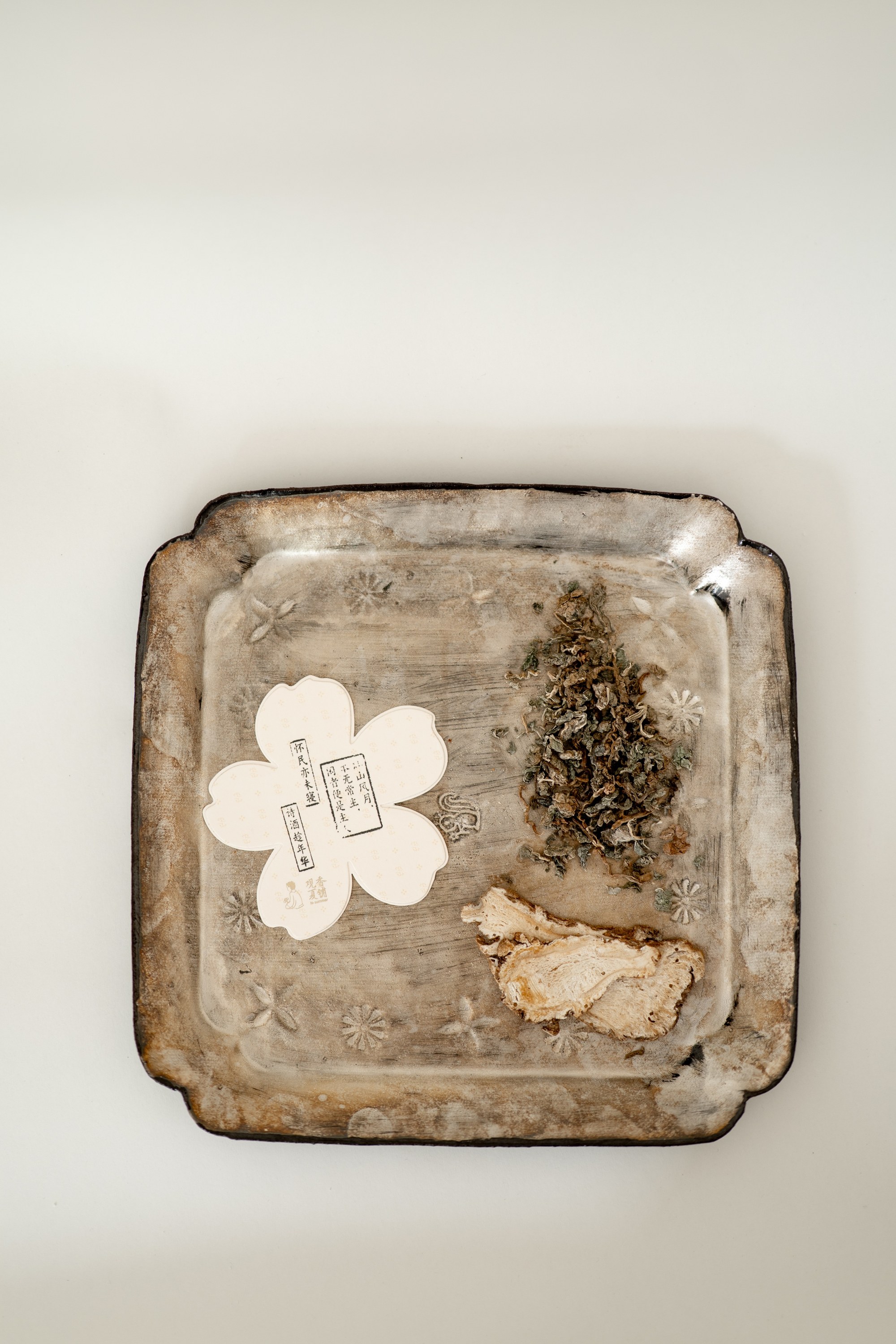
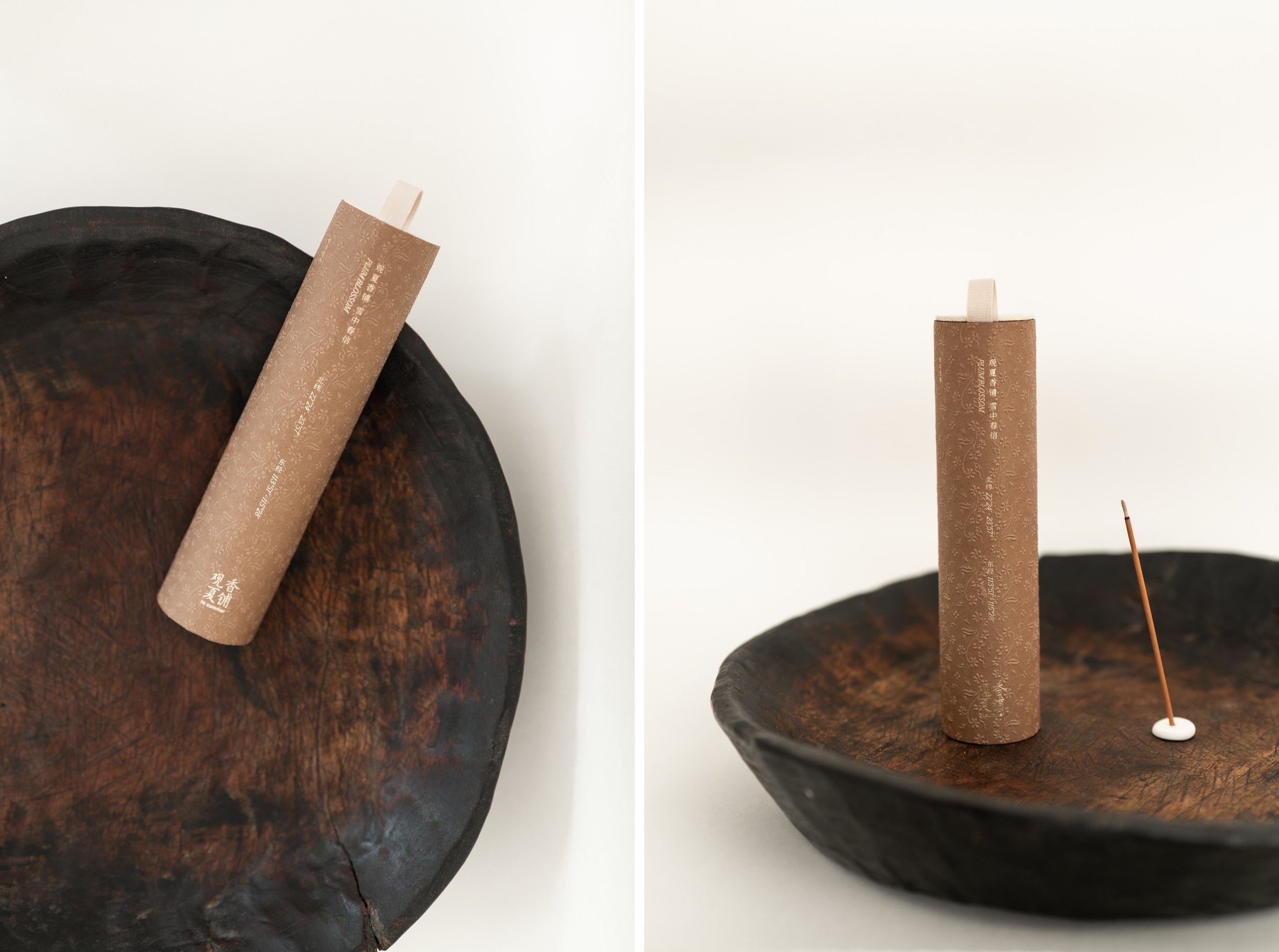
Released alongside the store opening, “Signs of Spring in the Snow” draws on a story about Su Shi blending plum blossom incense while serving as prefect of Hangzhou. To Summer’s incense shop uses agarwood, sandalwood, and plum blossom to evoke warmth amid the cold, reflecting the tastes of the literati in Lin’an’s incense and herbal medicine traditions.
—
“Signs of Spring in the Snow,” a new Hangzhou-exclusive scent
To Summer follows a traditional flower-steaming method, alternating layers of plum blossoms, sandalwood, and agarwood and steaming them repeatedly so the blossom scent permeates the wood. The brand then uses its “scent capture at the source” technique to preserve the fragrance of southern plum blossoms. Agarwood and sandalwood provide a warm, mellow base, while plum blossom, clove, and borneol carry the scent from a cool opening to a lingering sweetness.
—
“Signs of Spring in the Snow” incense and details of the burner
—
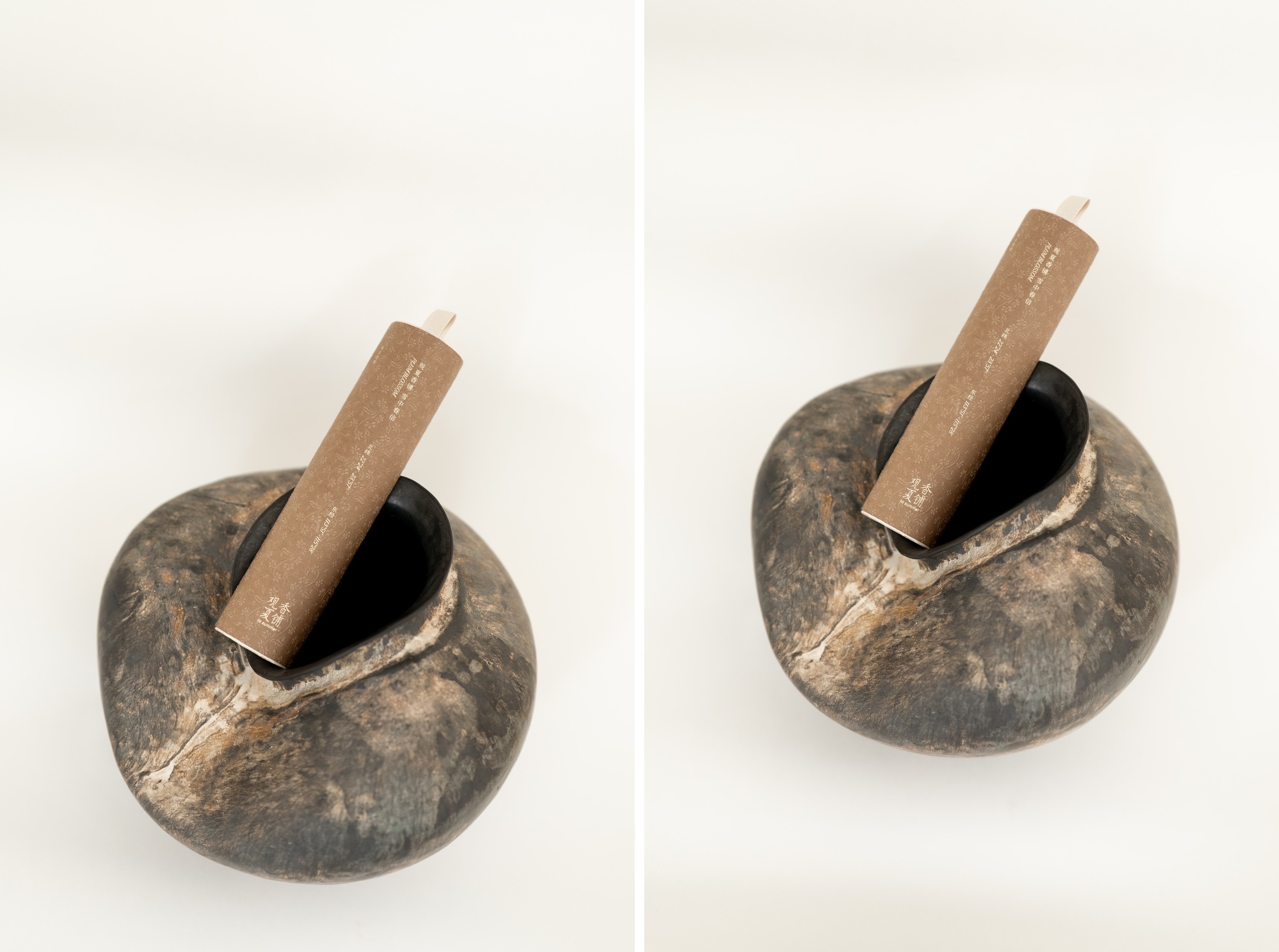
Details of the “Signs of Spring in the Snow” incense burner
—
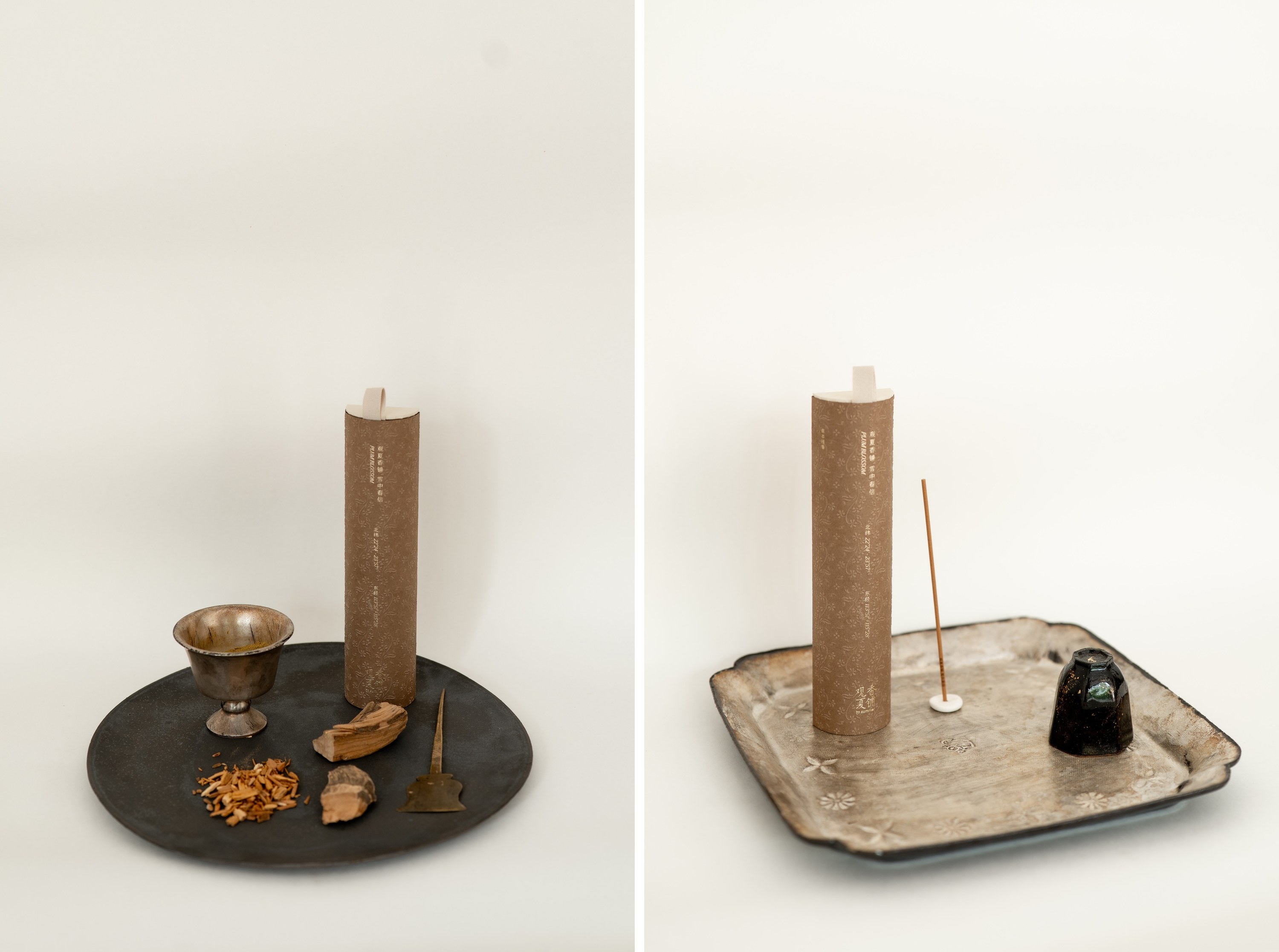
“Signs of Spring in the Snow” incense shown burning
To Summer’s first incense shop, in Beijing’s Guozijian neighborhood, uses a shopfront with a workshop behind it to showcase botanicals, incense recipes, and the making process. Its Middle Huaihai Road store in Shanghai recalls the street’s history as Avenue Joffre. In Hangzhou, the brand continues to draw on local culture in its store design, taking cues from hanging incense burners, neighborhood streets and lanes, and Lin’an’s traditions of incense and herbal medicine.
To Summer
More stories →