Humanities-driven brand content trends in 2025
Storytelling grounded in the humanities is shaping a new direction for brand content


The term “humanities” comes from the Latin humanitas. It originally described values associated with a liberal education, emphasizing the cultivation of cultural literacy, moral character, and rational thought. Today, the term broadly encompasses fields concerned with human culture and intellectual and spiritual pursuits, including history, philosophy, historiography, and the arts.
Where the natural sciences seek to uncover objective laws and the social sciences study patterns in society, humanities-driven content focuses on reflecting on human values and how cultural traditions are passed down.
The humanities have long had a place in how brands express themselves. Research by Harvard Business School professor Douglas B. Holt suggests that the world’s leading brands, including household names such as Nike and Apple, embody human values of one kind or another. Alongside the goods they sell, these brands give consumers a framework for making meaning and finding a sense of purpose, helping them navigate a complex society.
Grand as that may sound, the way brands express human values has become a yardstick for judging what they stand for and the value they offer. Apple’s “Think Different” stands for a spirit of rebellion and innovation, while Nike has become a symbol of pushing past your own limits. These ideas give people something to believe in beyond what the products themselves represent.
This kind of messaging was once mostly the preserve of leading brands or brands rooted in culture. Today, a clear shift is underway. Brands are increasingly looking beyond product utility and value to express themselves in cultural, emotional, and spiritual terms.
The shift is particularly evident among fast-moving consumer goods, consumer tech, and outdoor brands. Once focused on explaining specs and technology, they are increasingly experimenting with stories about intangible cultural heritage, artistic creation, and other areas of the humanities.
As a result, humanities-driven content has gone from an occasional departure to an increasingly common practice.
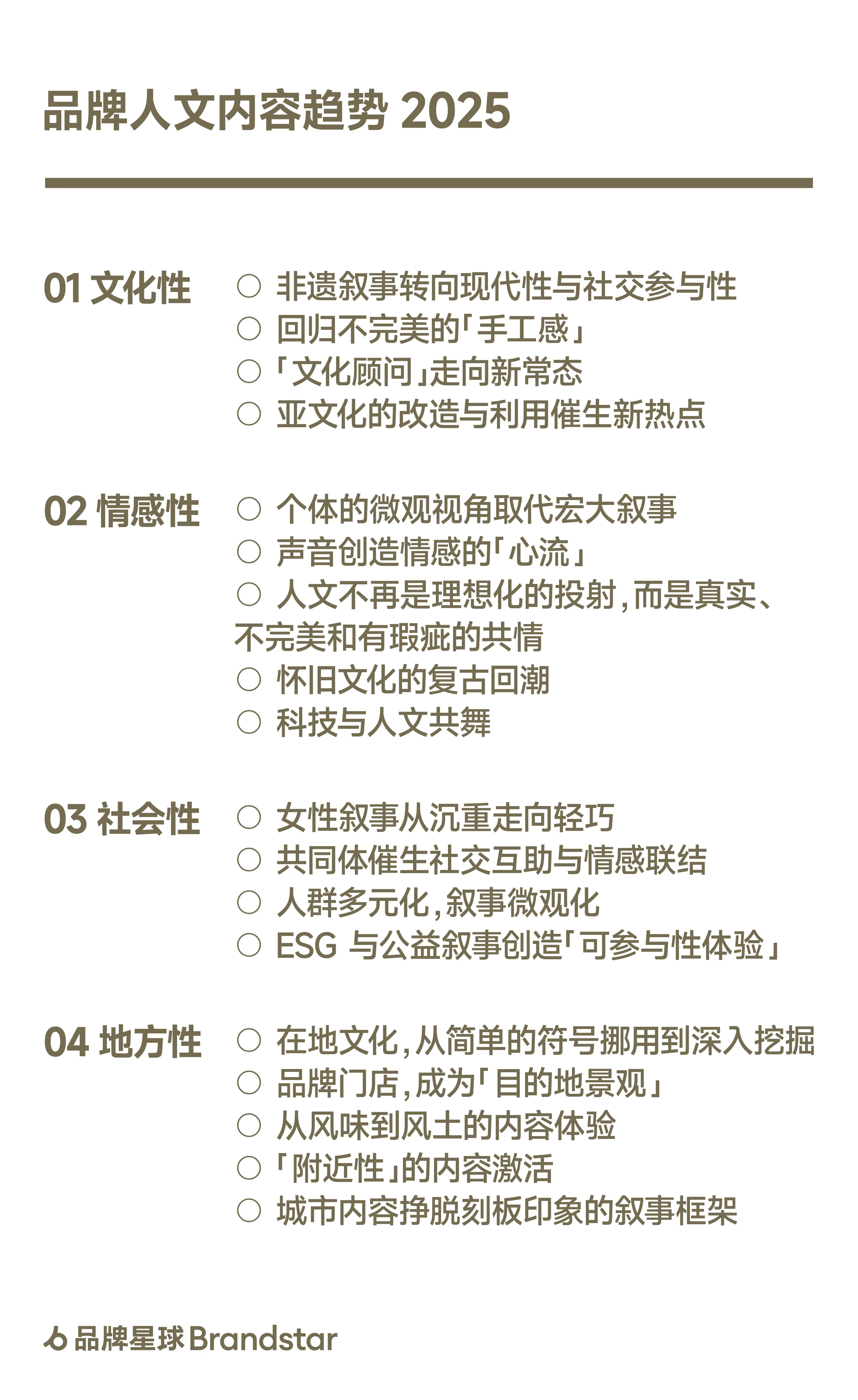
Drawing on nearly a year of observation, Brandstar identifies four dimensions along which humanities-driven brand content is evolving.
●Culture — Respecting, preserving, and building on humanity’s achievements in history, art, philosophy, and related fields
●Emotion — Showing deep empathy for people’s feelings, memories, and lived experiences
●Society — Engaging with and reflecting on relationships among groups and issues of public concern
●Place — Exploring and drawing on local environments, collective memory, identity, and the cultures associated with them
Across all four dimensions, both in how the trends are evolving and in how the content takes shape, we found a common thread. Humanities-driven content sets aside the pursuit of efficiency and optimal solutions to ask how people can find a deeper sense of fulfillment.
01 Culture
Heritage storytelling becomes more contemporary and participatory
Over the past year, intangible cultural heritage has appeared frequently in brand content, becoming a prominent theme in storytelling grounded in the humanities. Among younger consumers, intangible cultural heritage has gone from a tradition encountered in museums to a culturally rich, socially engaging part of everyday life.
Growing cultural confidence, changing attitudes toward consumption, and an evolving media landscape all contribute to the trend. The historical and aesthetic value of intangible cultural heritage has stirred public interest in cultural and national identity. Younger generations are also moving from passive observation to active participation, and from sharing on social platforms to immersive in-person experiences.
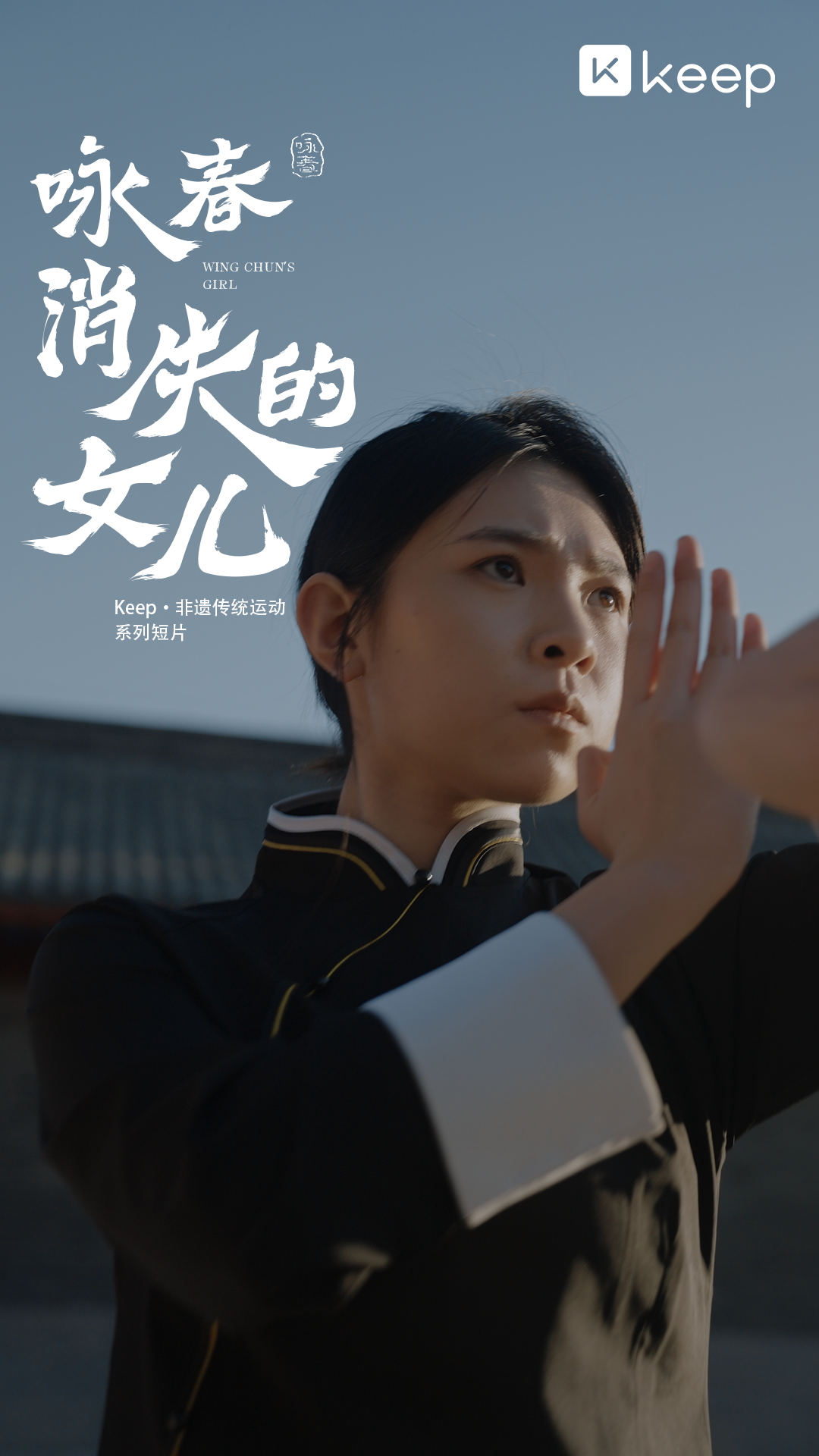
Keep tells the story of college student Guo Ziyu to explore how gender shapes the transmission of traditional sports and encourage more women to take part.
Cross-industry collaborations are also making intangible cultural heritage a more familiar part of modern life. Li-Ning paired Suzhou embroidery with a sportswear aesthetic, while Florasis drew on Miao silverworking techniques. Brands are moving beyond recounting the history of these traditions and giving them a more direct role in everyday purchases and product use.
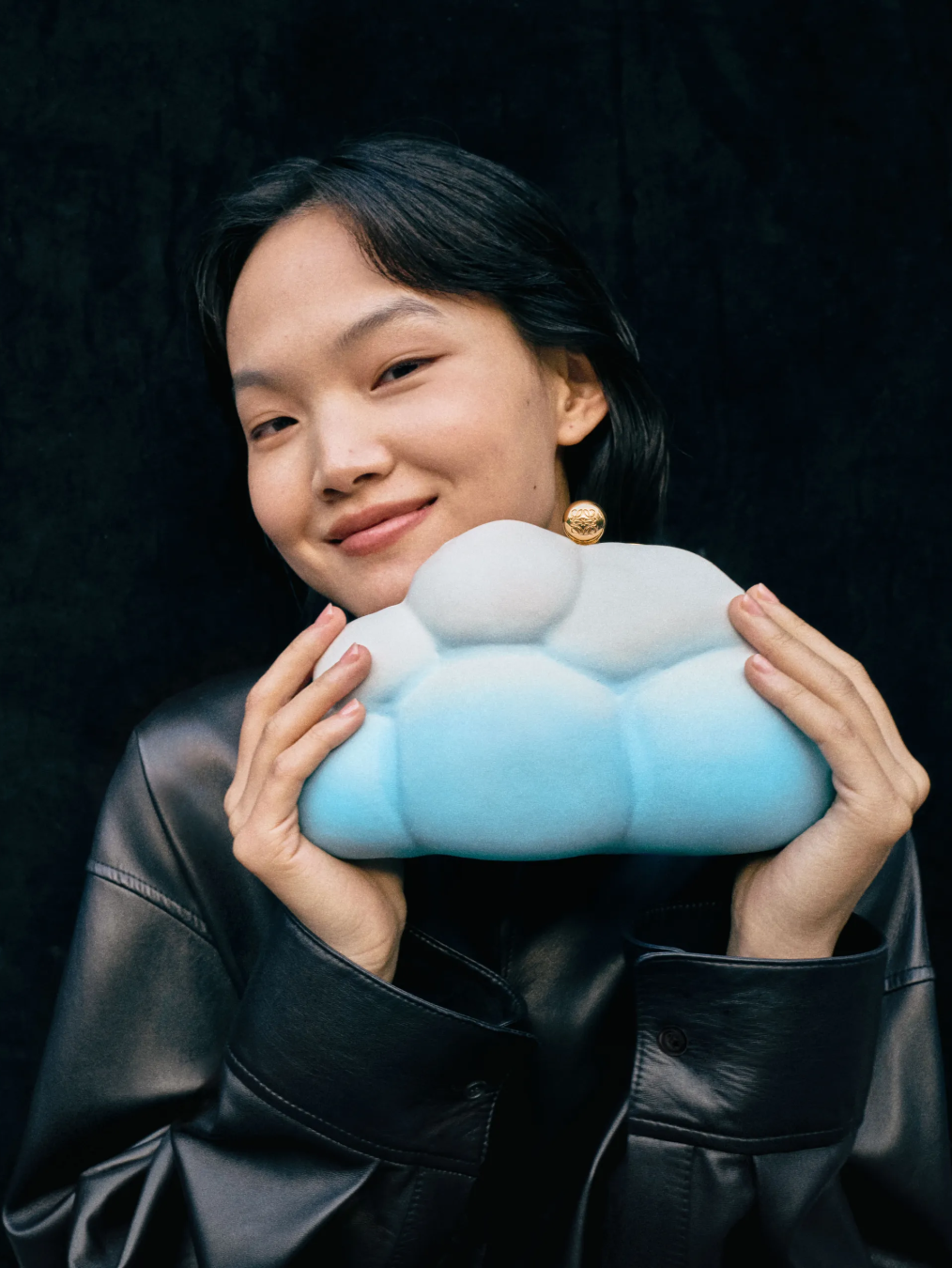
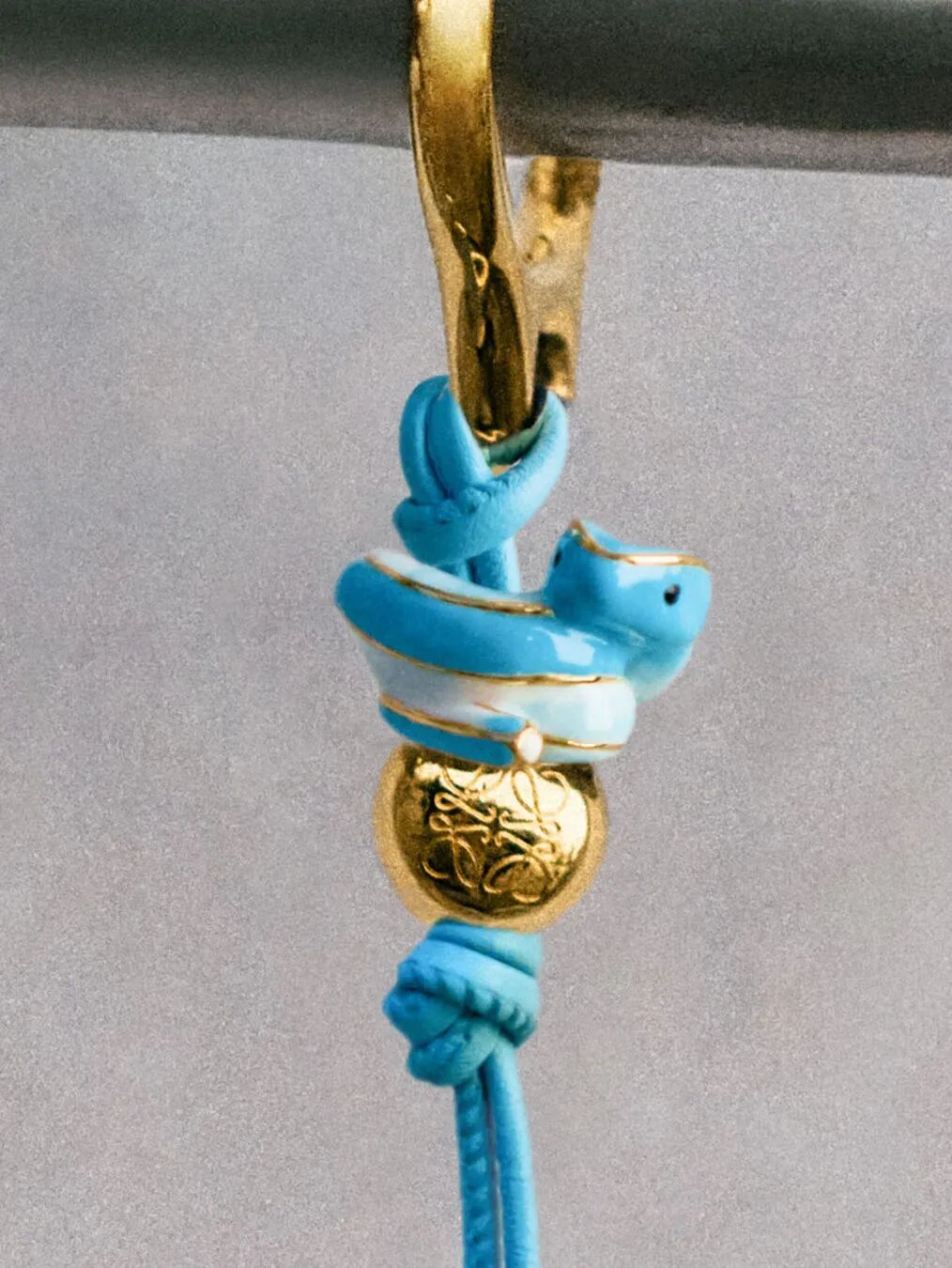
LOEWE incorporated cloisonné enameling into the product design of its Year of the Snake capsule collection.
Some brands are taking intangible cultural heritage a step further by integrating it into their strategy to build a more distinctive position over the long term.
CHJ Jewellery, for example, continues to invest in preserving and developing traditional Chinese filigree. It established a filigree inlay studio and brought in master artisans from the Beijing Filigree Inlay Factory to train a new generation of skilled craftspeople. It also regularly releases products that blend filigree with contemporary design and uses cross-industry collaborations to bring the craft to a wider audience.
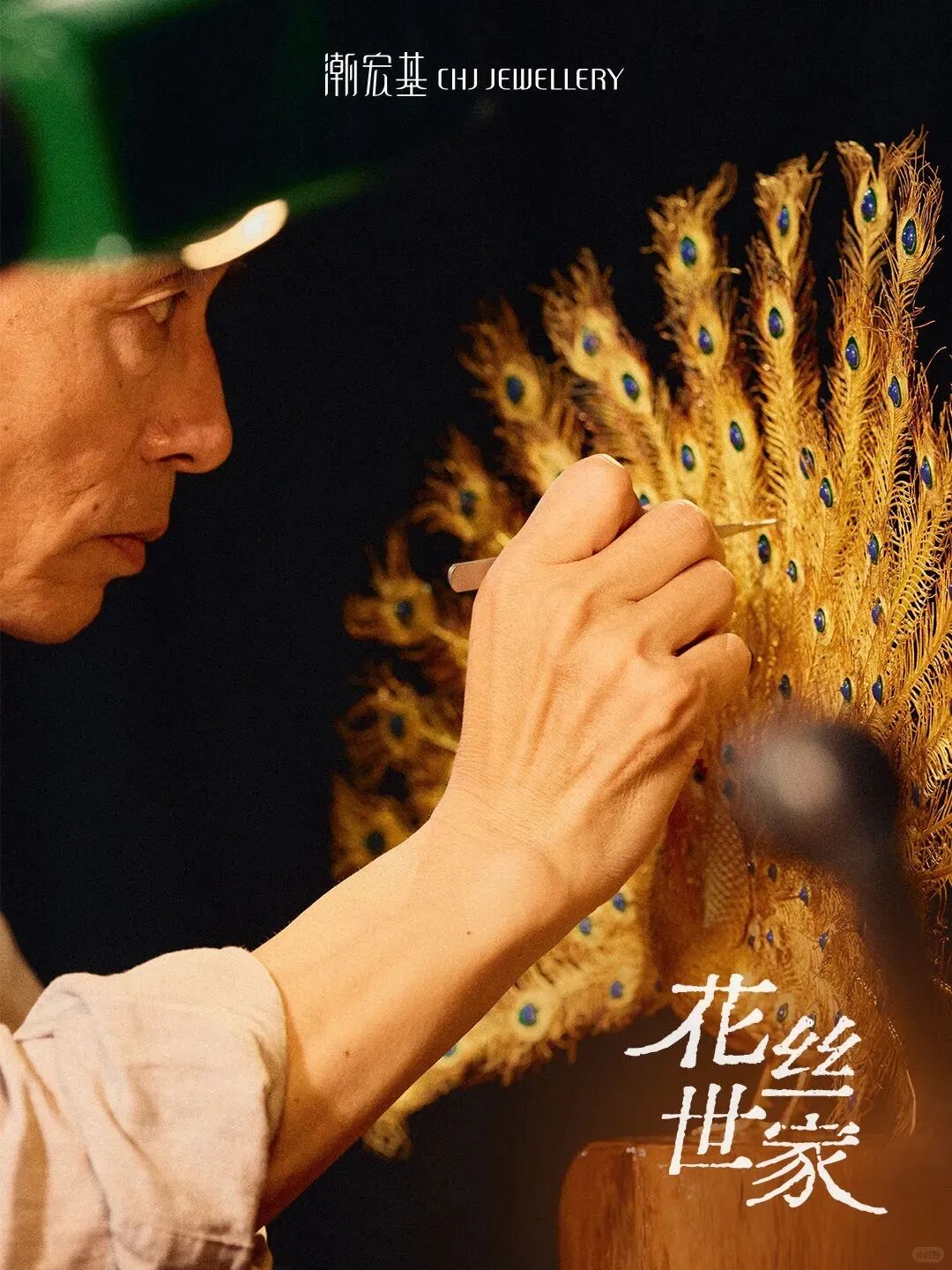
CHJ Jewellery makes filigree central to its brand strategy, core products, and marketing campaigns.
Related reading How CHJ Jewellery is giving intangible cultural heritage a commercial life beyond preservation
The return of handmade imperfection
In an era of pervasive digitization and industrial-scale content production, more brands are returning to a handmade feel — trading flawless industrial finishes for a natural, rougher aesthetic that shows the human hand. The shift in visual style reflects a renewed consumer appetite for authentic textures and a deeper sense of connection.
The trend is most visible in three areas.
First, print publications are making a comeback. Amid the rapid flow of social media, some brands are using print to take a more considered approach to cultural storytelling. Hermès set up kiosks to showcase Le Monde d’Hermès, and Pop Mart launched play/GROUND, a twice-yearly youth culture magazine. Both bring the brands’ ethos into a new medium and reflect a sustained investment in cultural expression.

Pop Mart launched play/GROUND, a twice-yearly youth culture magazine.
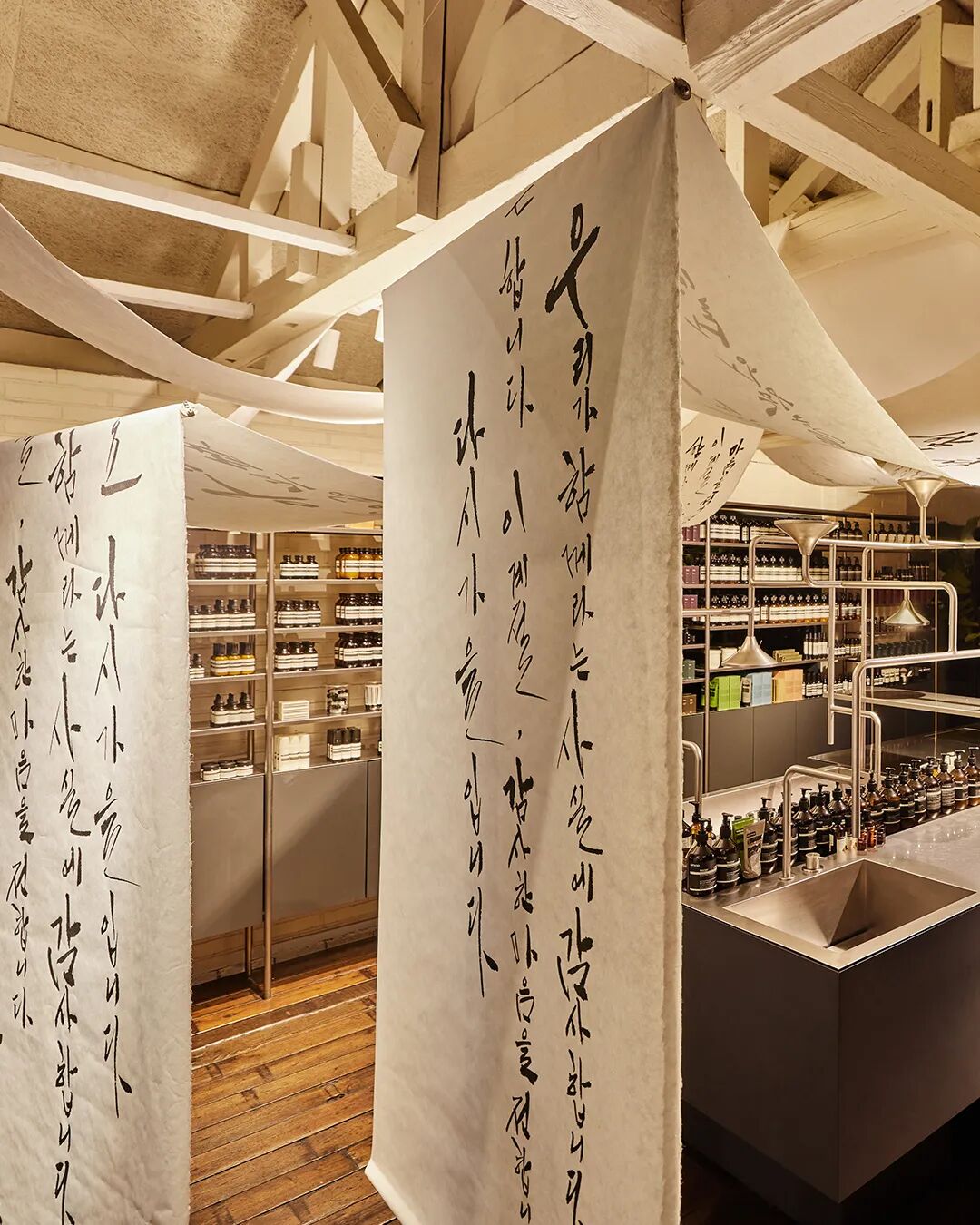
Second, packaging design is preserving the texture of raw materials and the marks of handwork. Aesop, for example, uses unlaminated paperboard cartons, solid-color labels, and minimalist typography to give its products a natural, understated, and carefully crafted look and feel.
Third, cultural revivals are bringing back older forms of expression, including zines, the handmade booklets long associated with niche cultures. Independent brands use handwritten text, screen printing, and limited runs to turn handmade publications into immersive experiences.
The return of a handmade feel is a rediscovery of the textures of real materials. As more sensory experiences move online, it helps brands rebuild emotional ties between people and objects, bring warmth to their content, and communicate in a slower, more considered, and more personal way.
Cultural advisors are becoming a fixture
The 2022 controversy over Dior’s mamianqun, or horse-face skirt, brought debates over cultural plagiarism and appropriation into public view and underscored the stakes of cultural storytelling. Handled well, cultural storytelling can give a brand distinctive depth and value. Mishandled, it can distort a culture or present a one-sided interpretation.
To prevent misinterpretation and preserve cultural authenticity, some brands have brought in experienced cultural advisors to guide their work. In 2025, LOEWE announced that Chen Jie and Qin Wen would serve as the brand’s cultural advisors in China and collaborate on special projects. The move points to deeper localization in the brand’s cultural storytelling and a commitment to exploring the culture on its own terms.
As cultural storytelling continues to grow, cultural advisory work could become a dedicated, long-term function within brands. Overseas brands entering China with an urgent need to deepen their local presence have particular reason to approach cultural issues with respect and rigor.

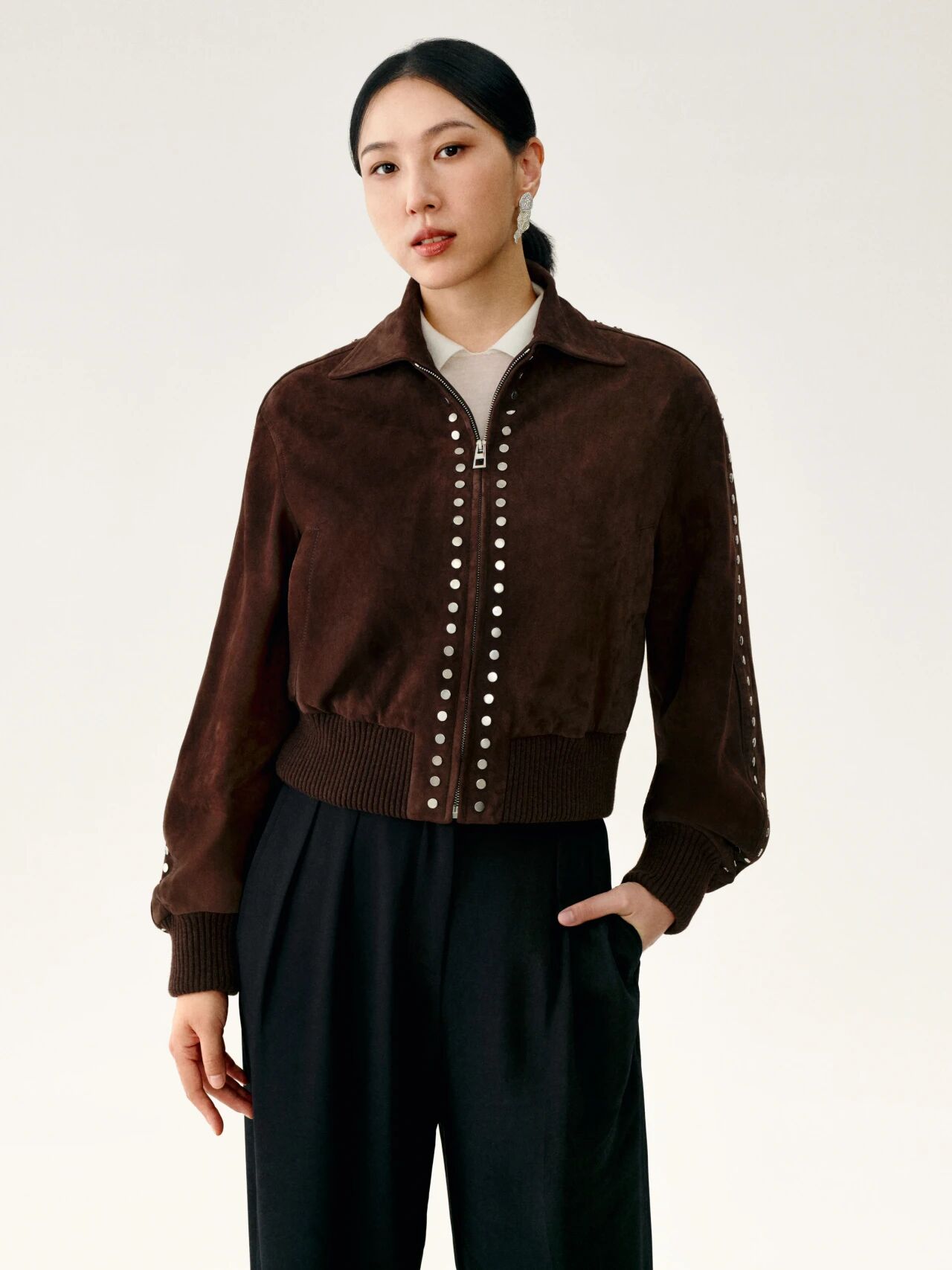
LOEWE announced that Chen Jie and Qin Wen would serve as the brand’s cultural advisors in China.
Brands rework subcultures into mainstream trends
In 2025, several niche, rebellious subcultures became fixtures in mainstream entertainment. The absurdist internet culture exemplified by Na Yina gained traction in music, while Tan Hello Kitty kept growing in popularity.
These trends broke with standardized beauty and style conventions, gave young people fresh ways to express themselves, and provided an outlet for pent-up emotions while shaping new popular tastes.
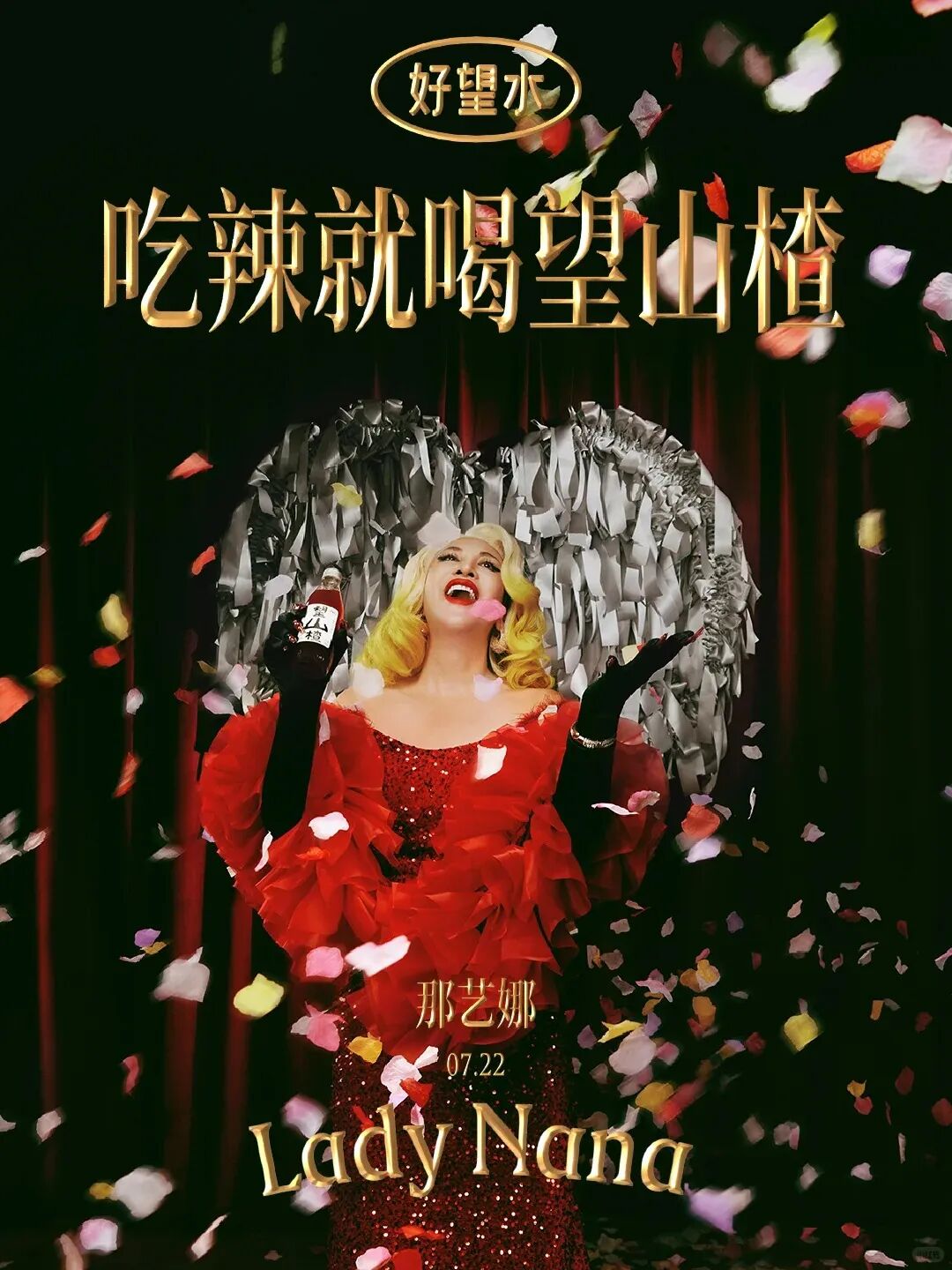
Na Yina performs “Spice It Up,” a theme single in collaboration with Haowangshui.
Brands have tapped into these subcultures with memes, short-form videos, and products that resonate with younger consumers’ tastes and attitudes. This summer, for example, Haowangshui enlisted Na Yina to put her spin on “Eating spicy food? Drink Wang Shanzha,” using the drink to cool the palate and the campaign to offer a moment of levity. Home goods brand tbn teamed up with Hello Kitty on a limited-edition Tan Hello Kitty collection, turning a subcultural reference from 1990s Japan into a widely embraced symbol of cute-with-an-edge, Y2K bombshell style.
As rebellious and subcultural styles once confined to niche communities are reworked and absorbed into mainstream culture, they give brands new cultural stories to tell and build on.
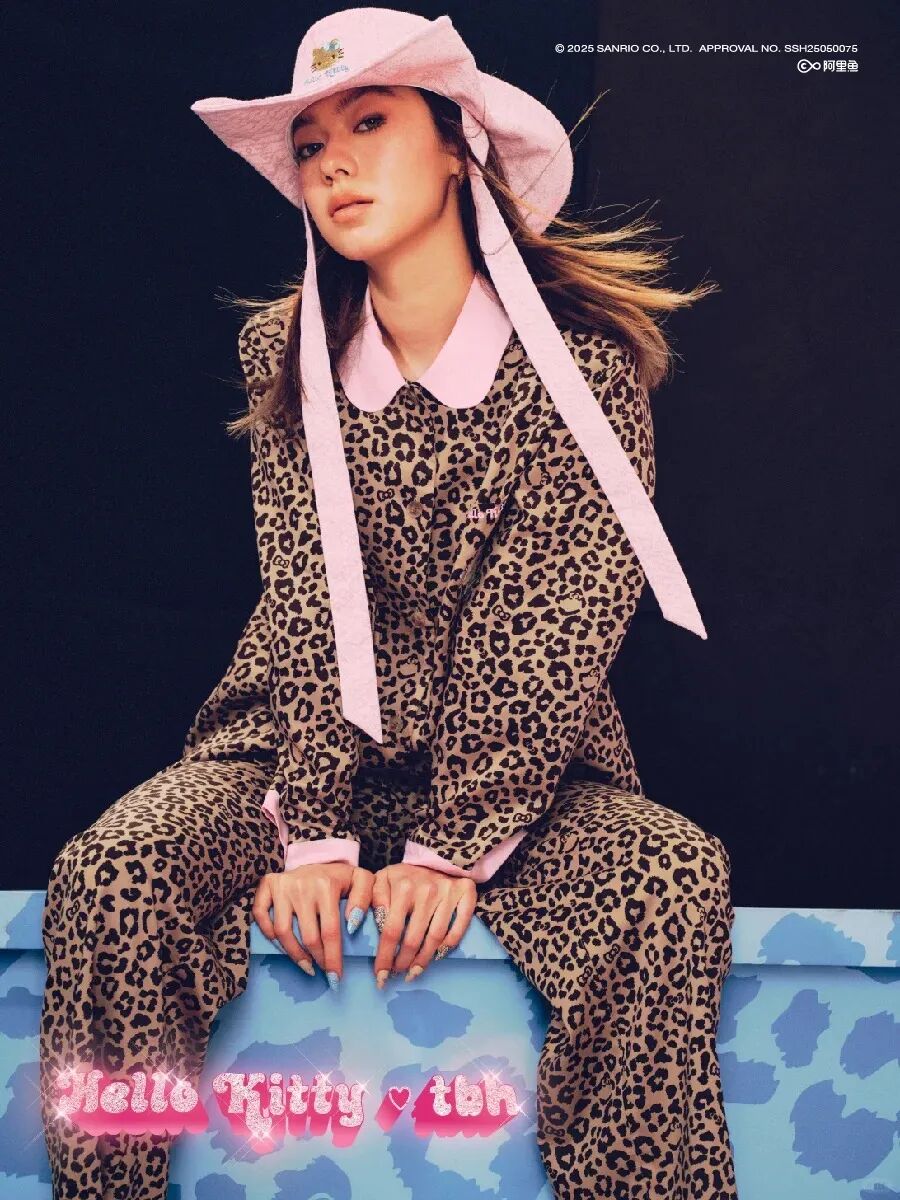
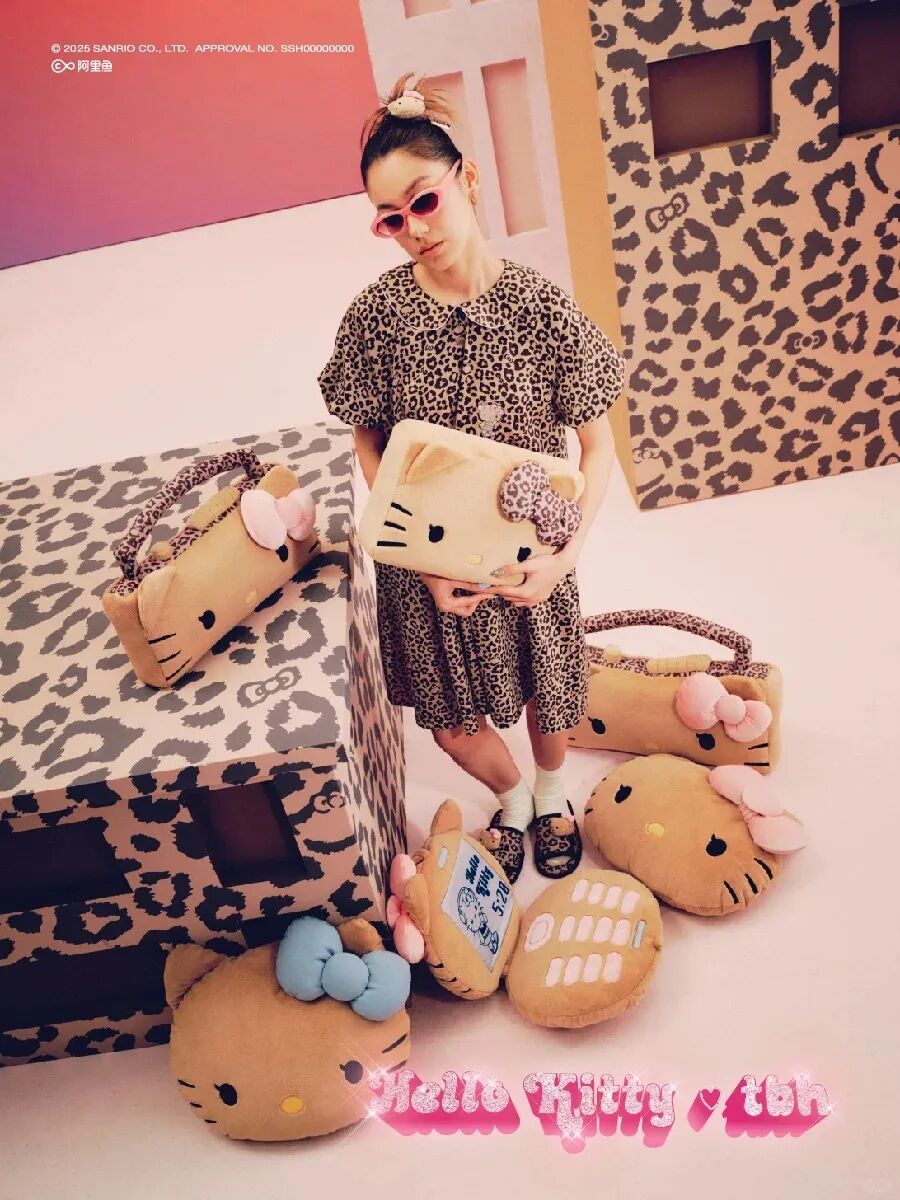
Hello Kitty × tbh limited-edition Tan Hello Kitty collection
02 Emotion
Personal stories replace sweeping narratives
Amid information overload and shifting consumer attitudes, sweeping narratives are losing their emotional force. True, specific stories about individuals are more likely to resonate and be shared.
Brand communications strategies are shifting in response. Declarations of brand values are giving way to warmer, more personal storytelling centered on individuals. Brands are moving away from preaching and learning to listen and tell stories with empathy.
Athleisure brand an action a day (AAAD), for example, challenges narrow beauty standards by casting people with a range of bodies and backgrounds, including a plus-size dance instructor, office workers, and first-time models. Its “Faces” series tells the true stories of ordinary people, bringing its ideas of sizing that reflects real bodies and getting active together into everyday life. The focus on people as they are reflects a wider interest in diversity and coexistence.

A 2025 adidas out-of-home ad also drew attention for its subtle storytelling. In it, athlete Wu Yanni’s mother gently kisses her daughter on the forehead. With no slogan, the simple gesture shifts the focus from sporting achievement and glory to family affection and support, striking an emotional chord.
Related reading Why did this adidas ad strike a chord?
How sound creates a state of emotional flow
Human-centered stories can be told through audio as well as text and video.
Compared with traditional advertising, audio content helps brands build emotional connections with consumers in a subtler way by offering a sense of companionship and conversation. People often listen to podcasts while focused or relaxed, making them more receptive to a brand’s values and stories and more likely to absorb them naturally.
This trend is shifting brand strategy from overt product placement toward more substantive content and relationship building. Candid conversations and topics that resonate help brands become trusted companions in consumers’ daily lives. The shift reflects a desire for genuine relationships and empathetic dialogue, as well as the value brands place on lasting emotional connections.
GIADA, for example, invites women to take part in in-depth conversations on its podcast, Flowers Among the Rocks. The show has reached beyond the brand’s usual audience, showing how a brand and its editorial content can grow together.

Mass-market brands are also investing in audio. For International Women’s Day 2025, L’Oréal Paris adapted its “It’s OK, Every Step Is Worth It” campaign into podcast content. By listening and offering companionship, the brand conveyed its point of view and responded to consumers’ desire for dialogue on equal terms and an emotional connection.

Empathy moves beyond idealized portrayals to embrace real lives and their imperfections
Brands once relied on idealized storytelling to project a human-centered image, presenting polished cultural ideals and values. Consumers today want brand stories that feel more genuine and closer to everyday life.
On Kuaishou, for example, documentary content follows people from all walks of life, showing how they persevere through hardship and face setbacks as they pursue their dreams. The imperfections in these true stories make them easy to relate to.
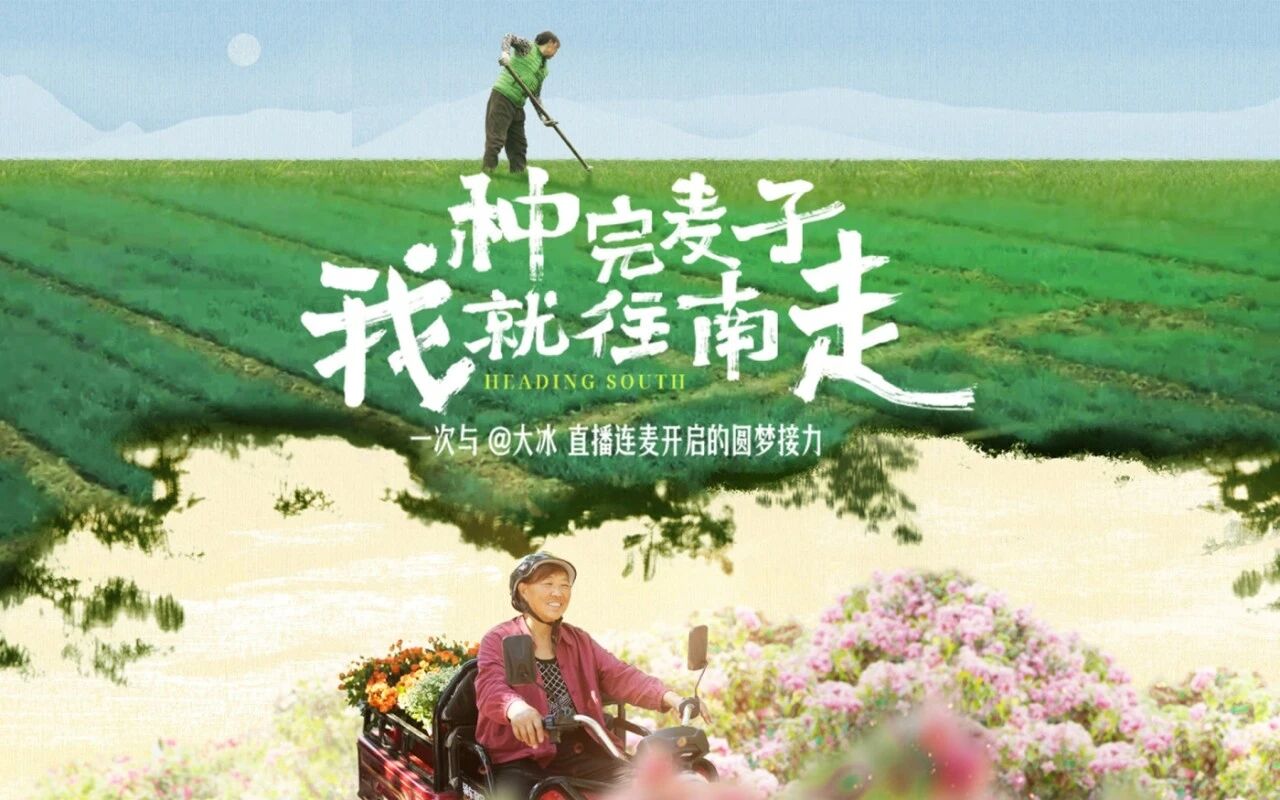
A live call-in on Da Bing’s Kuaishou stream led the platform to make Once I’ve Planted the Wheat, I’ll Head South, a short documentary based on the true story of Auntie Maizi.
Beauty brands are moving beyond flawless looks on models to show how everyday consumers apply makeup, imperfections and all, while addressing their skin concerns directly.
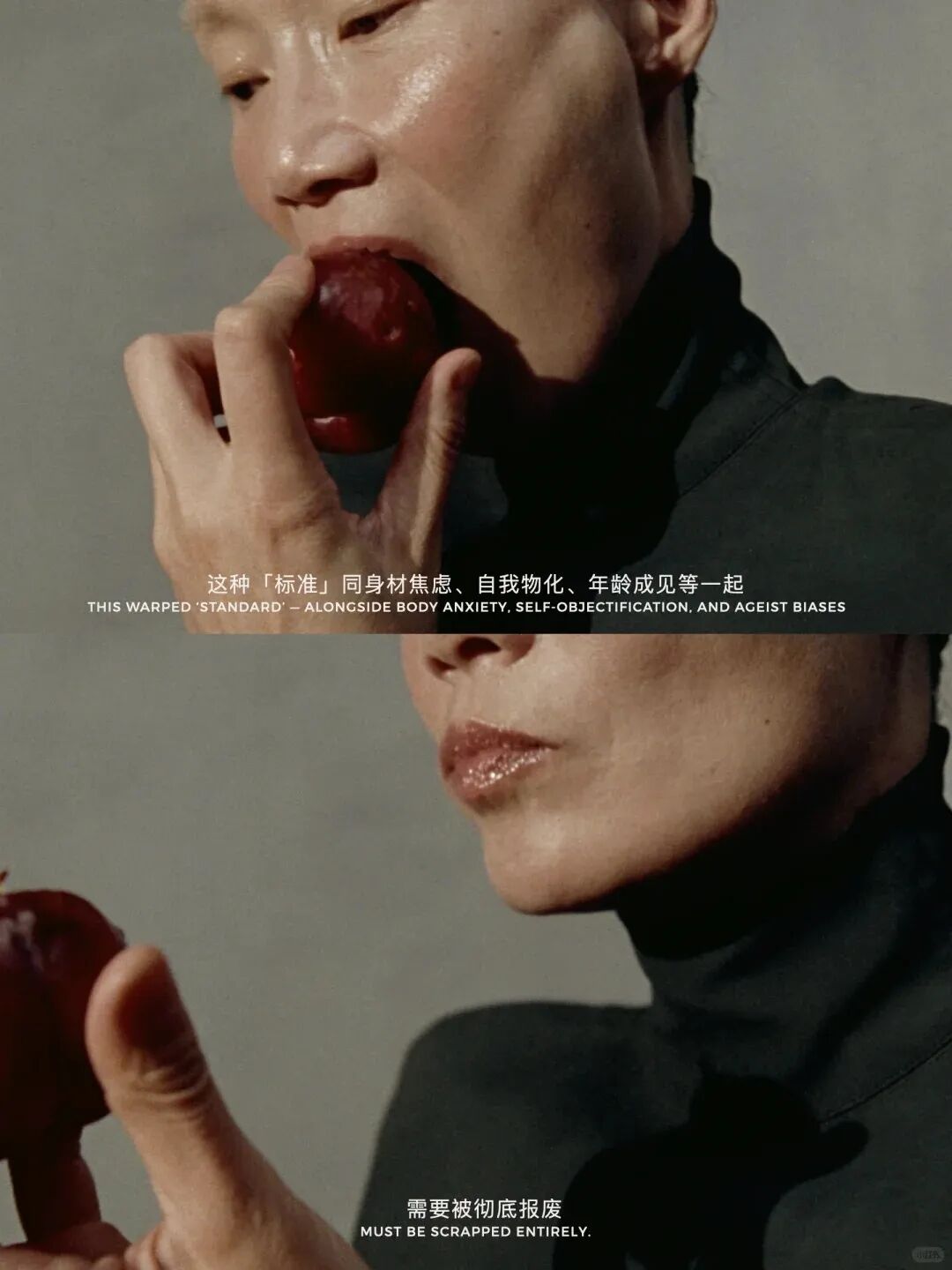

MAISON de SIT.E cast 59-year-old SILKE, 51-year-old Luo Jinting, and 54-year-old Ding Yi in OLD is Code, an experimental documentary questioning the age at which people are deemed past their prime. The film shows their skin as it is, with no post-production retouching.
McDonald’s also builds product personality around being “flawsome,” or finding beauty in imperfections. Take pickles, which some people love and others hate. In Big Mac photography, the brand leaves stray crumbs and fallen lettuce in the frame, even letting the shot look a little messy. Those real, imperfect moments help consumers relate.
Against the backdrop of idealized, picture-perfect portrayals of life, today’s consumers want something that feels recognizably human. Authenticity brings out the details that move people and make a story resonate.
Related reading · Fan moments and the secret to how McDonald’s gets people
Nostalgia fuels a retro revival
As life moves faster and the world feels less predictable, people increasingly look to familiar constants from the past for comfort and security. That impulse has fueled a retro revival, with people turning to nostalgia for a sense of familiarity and a way to orient themselves.
That impulse is shaping brand marketing. Brands are reviving classics across content and products to tap into shared memories and the emotions they evoke.
In 2023, for example, Olay surprised audiences by bringing Maggie Cheung back on screen. The brand released a collaborative vlog on her 59th birthday, framed as a letter to herself and capturing her reflections on the most ordinary moments of daily life.
Cheung’s return to the screen quickly drew online audiences into reminiscing about her earlier work, her life, and Hong Kong’s golden age, sparking a wave of organic sharing.

Olay × Maggie Cheung captures reflections on everyday life in the style of a letter and a diary.
The revival of nostalgia is moving human-centered brand content beyond product promotion and giving it a greater role in conveying emotion and culture. Brands are using the retro revival to build deep, lasting emotional ties with consumers.
Related reading · How are brands recreating and reviving classic ads?
Technology meets human-centered storytelling
Technological progress is prompting people to consider both the benefits and drawbacks of technology and how it can help build a better society.
Beyond making life more convenient and efficient, technology is increasingly intersecting with everyday life in brand storytelling, bringing out its human side and making it feel more personal.
For its “Father’s Universe | A Brief History of My Family” project, Xiaohongshu used 3D modeling to create an online museum, Fuqing’s Courtyard, for Zhang Fuqing, a 77-year-old resident of Shanggaoling village in Dai County, Shanxi.
The museum exhibits words Zhang Fuqing wrote on the brick walls, window lattices, and doorframes of his home during his lifetime. His writing ranges from the little things in daily life to questions about the universe, revealing an inner life that was both down-to-earth and romantic. Xiaohongshu also helped his children preserve the writings permanently and make them accessible to a wider audience through the online museum, while encouraging users to explore and share their own family stories.
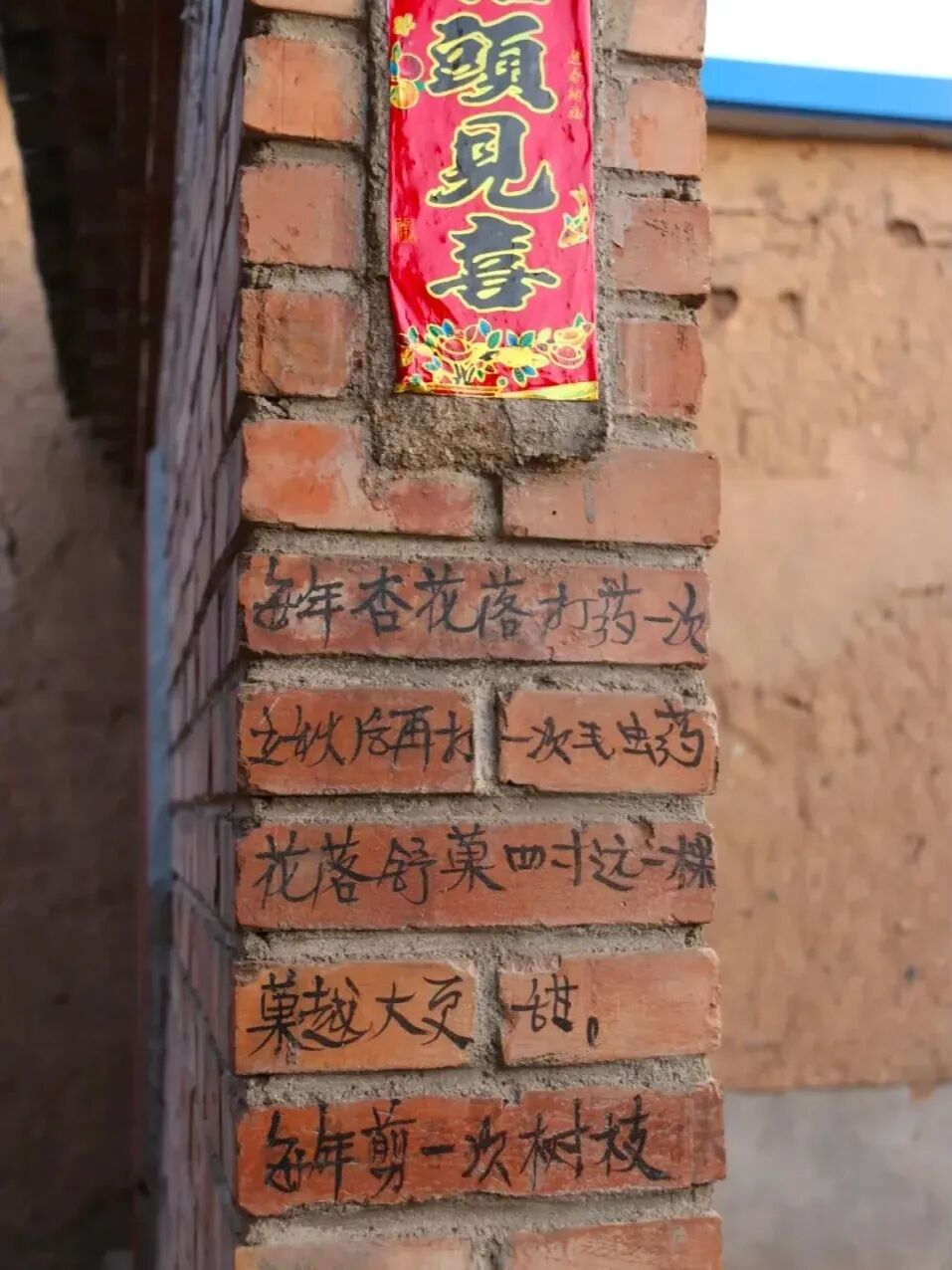
3D modeling brought Zhang Fuqing’s writings on brick walls, window lattices, and doorframes to a wider audience. (Image source: @My Father’s Name Is Zhang Fuqing)
Insta360 used 360-degree footage to fulfill a wish for a mother with advanced cancer. It helped her leave a time capsule for her children so that memories of her love could stay with the family.
As technology advances, its applications will shape more of our lives. For tech brands in particular, finding ways to communicate what their technology means to people will be an essential part of building a brand.
Related reading · How can brands tell a good story in five minutes?
03 The social dimension
Stories about women take a lighter tone
Brands often portrayed women through the hardships they faced and how hard they fought to overcome them. That approach could draw attention, but it also risked leaving women feeling exploited or alienated. Today, consumers increasingly want to shed some of that pressure and face everyday problems with less tension and intensity.
In response, brands are moving from a critical stance toward dialogue with women on equal terms, expressing their values in a gentler, more relaxed, and lighter way.
Several brands have put this approach into practice. To Summer, for example, invited women creators to explore the philosophy of play through writing poetry and collaborating on physical spaces. The project eased the pressure of competing narratives about women and offered a lighter way to engage with the world, in a relaxed setting where women could feel supported.
Yili also moved away from heavy-handed messaging. Its upbeat short film offers a lively portrait of women’s everyday lives, capturing their energy and challenging stereotypes through authentic portrayals.
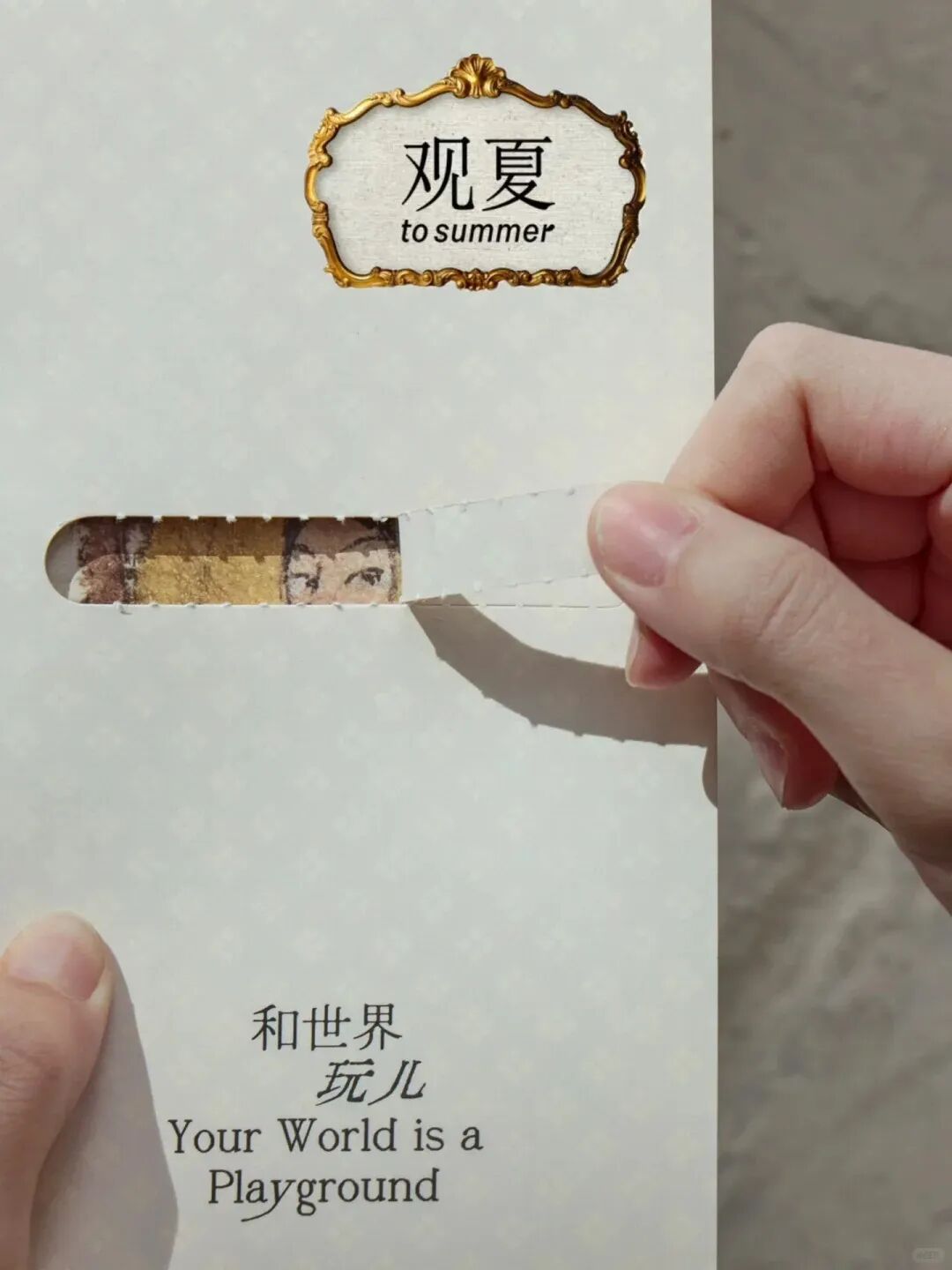

To Summer invited women creators to “play with the world,” taking a lighter approach to exploring “freedom and imagination.”
Related reading · How brands approached International Women’s Day 2025 and the collective portrait their different perspectives drew
Communities foster mutual support and emotional bonds
Uncertainty and a sense of crisis have intensified people’s desire for community. These ties increasingly take shape outside traditional social structures, through newer forms such as diverse family arrangements and brand communities.
As a result, brands are moving from one-way messaging to building communities with their audiences. Interactive platforms and activities people can take part in together give consumers a way to become community members.
In the outdoor sector, the Arc’teryx Mountain Classroom is one of the brand’s signature programs for sharing outdoor knowledge, skills, and experience. It brings in professionals to teach members, giving them hands-on experience and access to expertise while strengthening ties within the outdoor community.

Fashion brands are also building communities around culture. Italian luxury house GIADA founded GIADA Academy around arts education, aesthetic appreciation, and women’s empowerment, bringing together brand events, cultural experiences, and opportunities for clients to connect. It invites accomplished women, including women from the GIADA community across industries, guests from the cultural investment sector, and fashion opinion leaders. It also holds salons and workshops across China, giving women a place to speak freely, exchange ideas, and support one another.
Similarly, Miu Miu’s 2025 Literary Club explored the theme of female coming-of-age. Literary discussions, readings of poetry and prose, and musical performances brought like-minded women from the Miu Miu community together to talk and support one another.
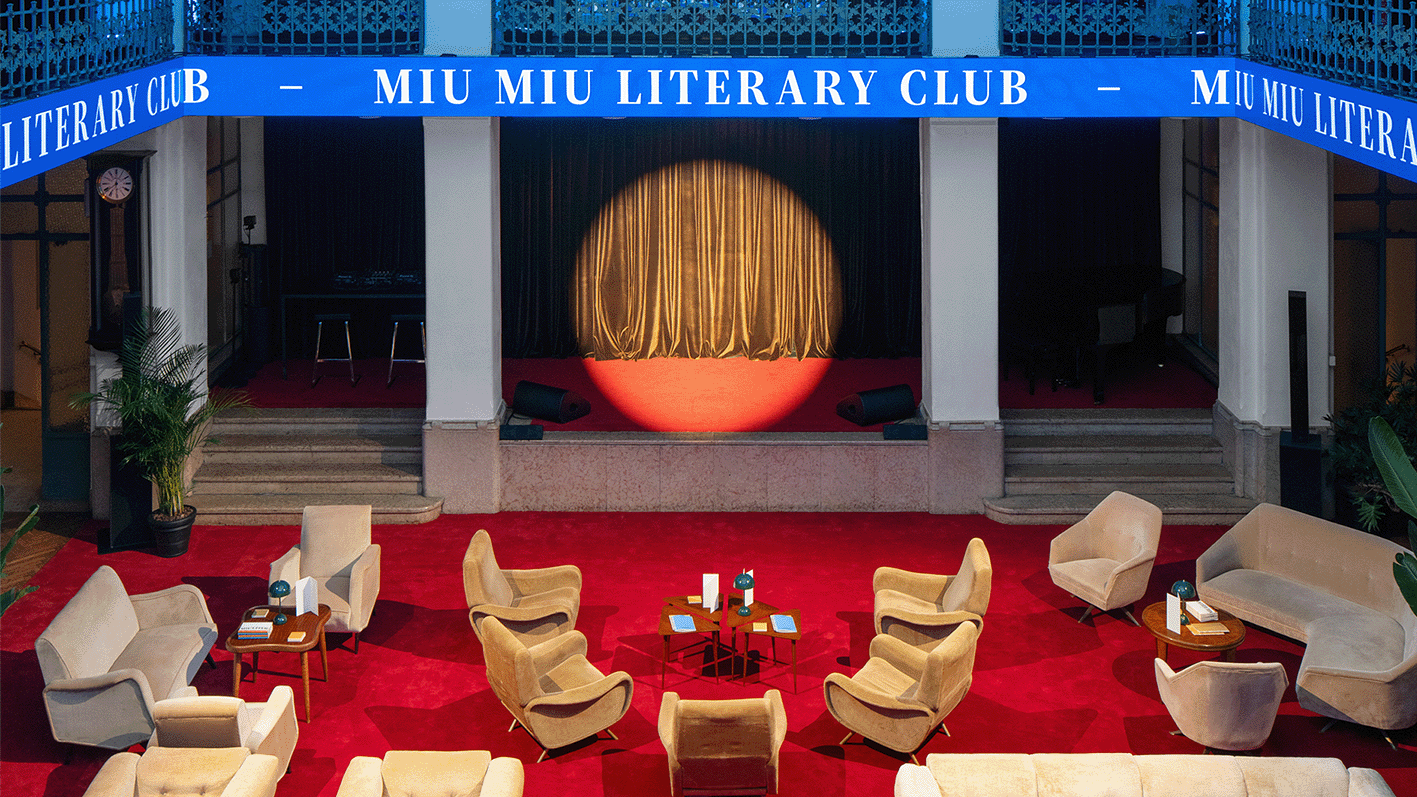
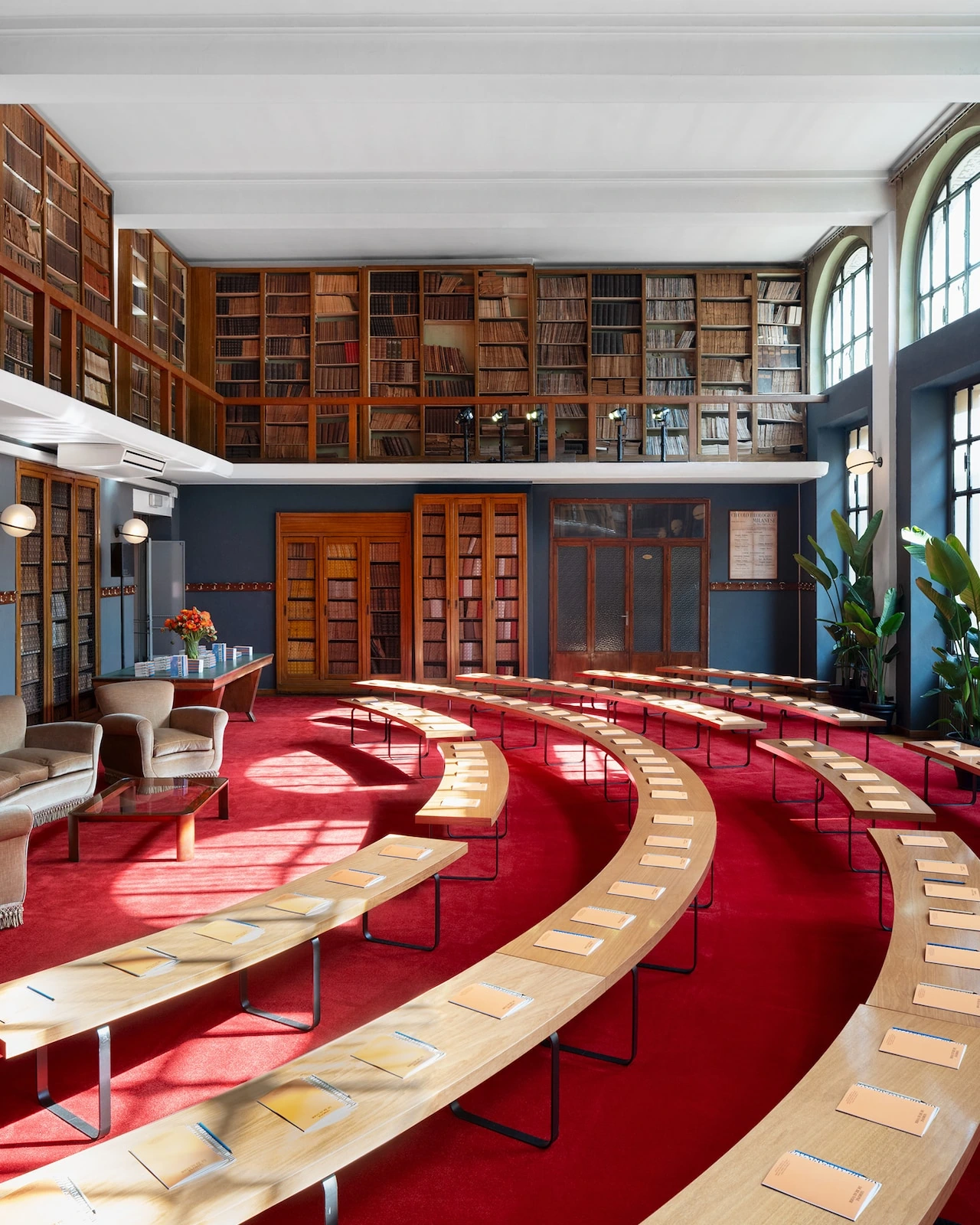
Miu Miu Literary Club event
More diverse groups, more specific stories
We’re seeing brand storytelling about people become more inclusive and diverse at a faster pace. Brands are paying attention to a widening range of groups, from minority and marginalized communities to more in-depth discussions of issues affecting children and older adults. The shift is even more apparent in how brands portray each group, moving from broad labels to stories grounded in individual experiences.
For its 20th anniversary, childrenswear brand Balabala’s bala T launched a special project called Children in China. It moved beyond familiar childhood stereotypes to give rare attention to private, sad, or painful moments in children’s lives as they grow up.
Through small, specific stories about childhood’s “little traumas,” the short film brought a wider range of more nuanced perspectives to the brand’s storytelling and left a fresh, lasting impression.
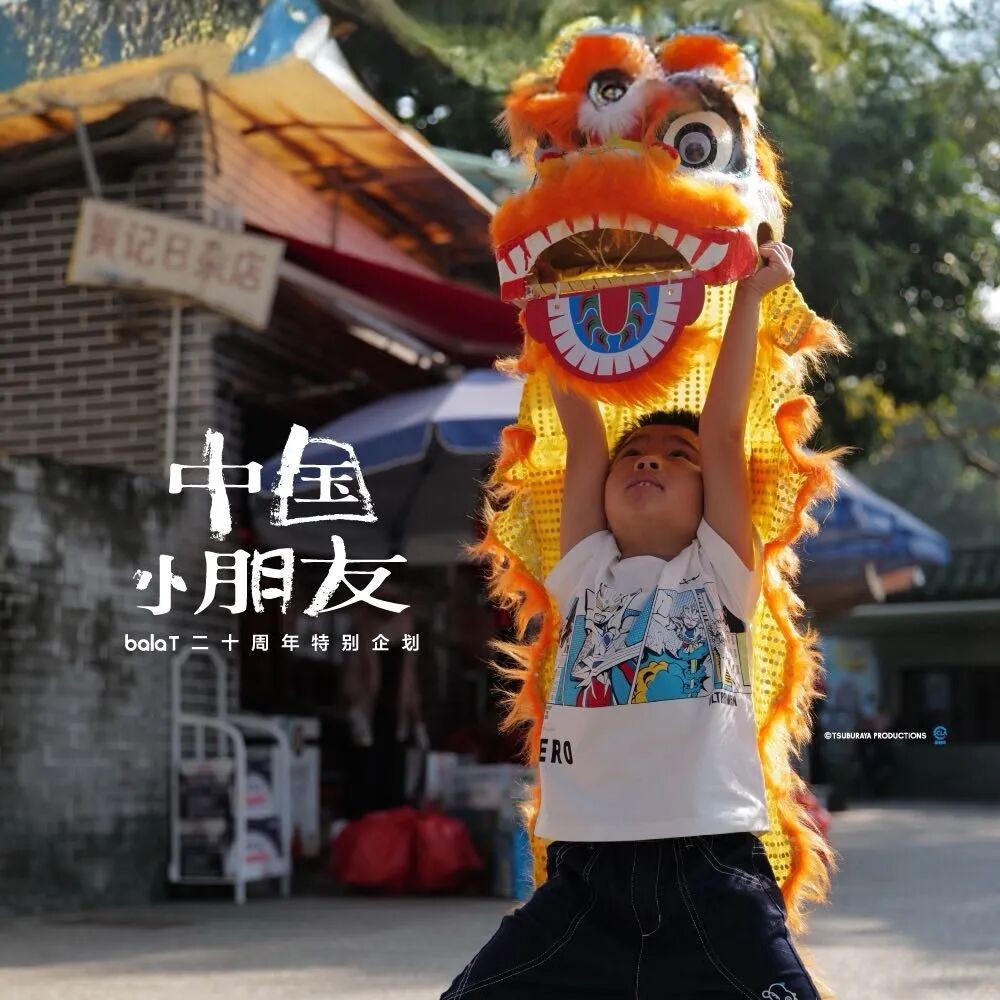
Children in China, bala T’s 20th-anniversary project
Related reading · Balabala revisits the private, defining moments of growing up for kids and grown-ups alike
ESG and social impact storytelling invite people to take part
Brands are running ESG and social impact initiatives more often. They’re also making them more participatory and interactive, moving beyond one-way communications and impact figures on paper so audiences can experience firsthand what doing good can achieve.
DOCUMENTS’ Traveling Oasis exhibition explored how an in-person experience could serve a social purpose. It brought the work of a local arts education project in Yunnan to an urban audience. By showing work made by children in the Eastern Oasis arts education program at the Tacheng artist residency in Weixi, Yunnan, it gave visitors a glimpse of how the children see nature and beauty.
Inside the exhibition, imaginative paintings by children from the highlands, creative work by artists, and documentary footage conveyed the appeal of the land and its culture. Visitors could also take part through Q&As on inspiration from the highlands and the city, handwritten notes, a postcard mailing activity centered on mutual healing, book swaps, and scented sachet making.
Participants could also buy products from Eastern Oasis that support the cause. Proceeds will continue to fund children’s arts education in Tacheng, creating a cycle in which sales sustain the program.
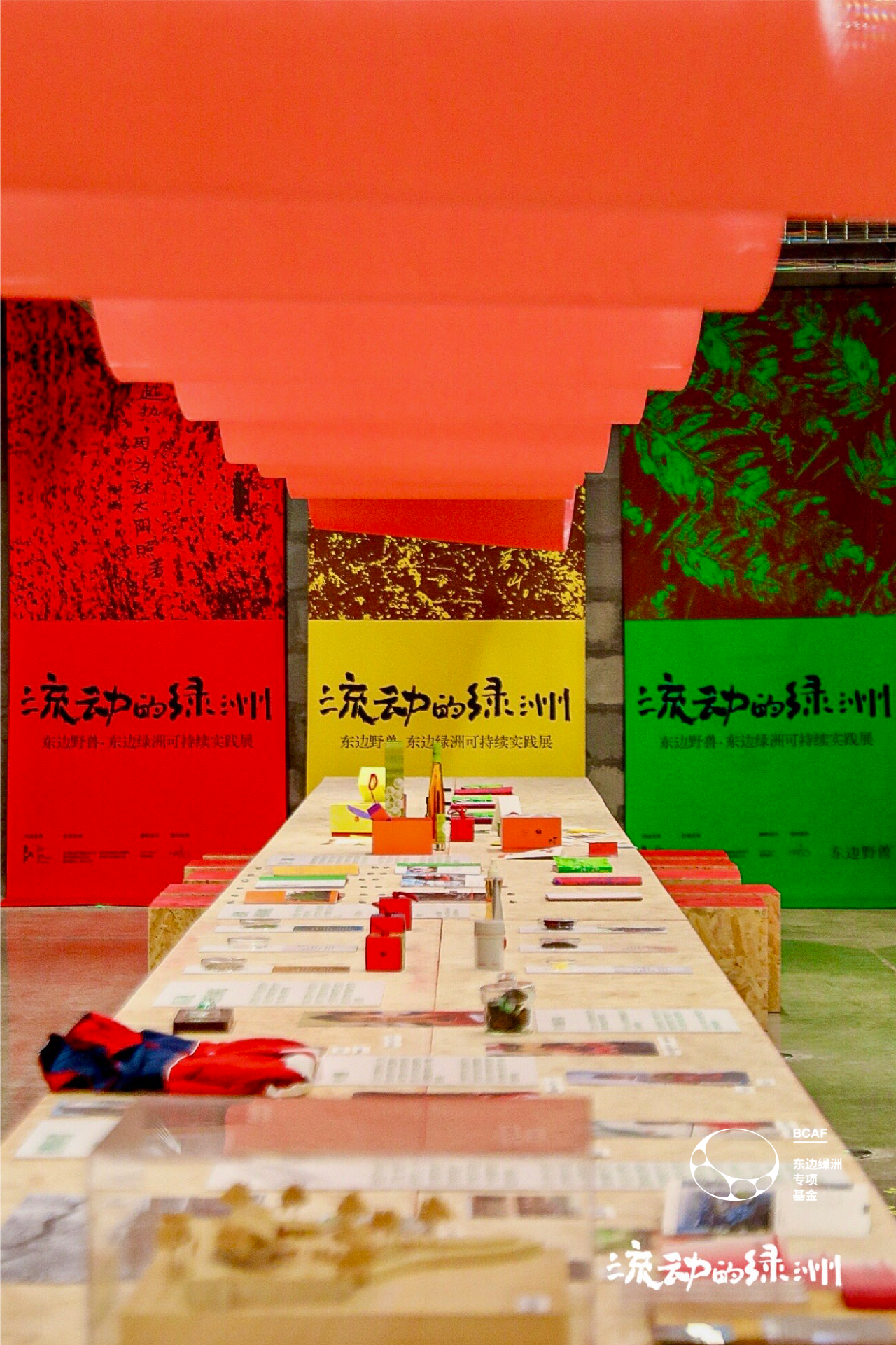
“Oasis in Motion,” the theme of Documents’ Eastern Oasis exhibition on sustainability practices
Many brands are experimenting with new ways to support public causes. China UnionPay, for example, partnered with the Sanjiangyuan Ecological Conservation Foundation on a campaign called “Look Down and Pick Up Starlight.” A UnionPay Starlight Supermarket and an exhibition of art made from found objects brought stories from Sanjiangyuan to city audiences and helped the campaign reach a broader public.
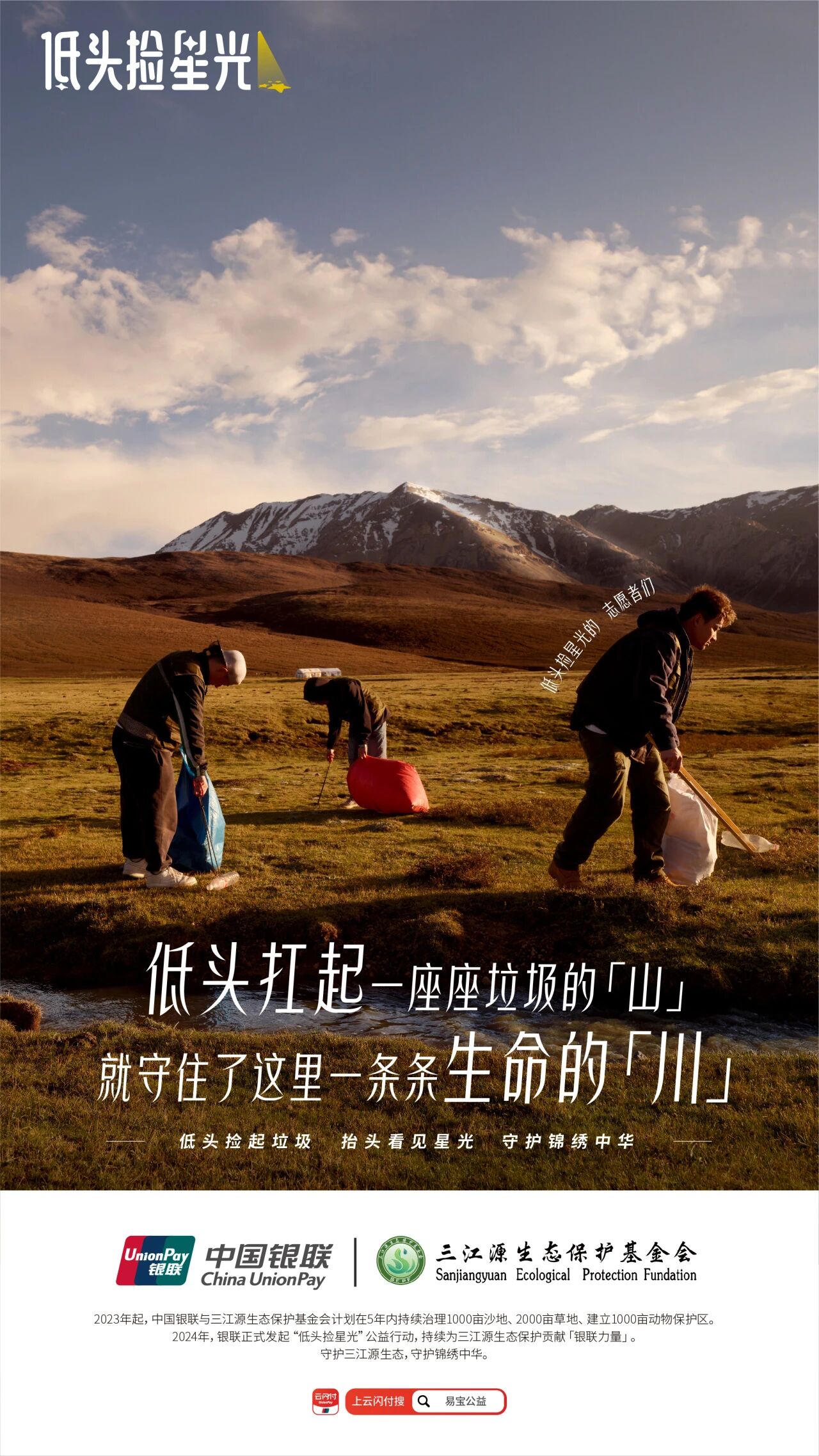
Social impact initiatives can become part of how people experience a brand’s content in their daily lives. By giving people small, practical ways to take part, brands can play a greater role in advancing sustainable development.
04 Sense of place
From borrowing local symbols to exploring local culture
Interest in local culture has continued to grow in recent years. Younger people want to understand what local symbols mean and take a more active role in experiencing the cultures behind them. This shift is fundamentally changing how brands think about and represent local culture.
Brands have traditionally borrowed elements of local culture as decorative accents. They are increasingly recognizing that working with a culture calls for a genuine, in-depth understanding of it and a place for it in their long-term strategy.
Songtsam exemplifies this trend. It puts the cultures of its destinations at the center of its work, using museums, magazines, and podcasts to explore the local landscape, ways of life, and spiritual traditions. By focusing on how people and their environment sustain one another, Songtsam steers clear of turning local culture into a spectacle or reshaping it for commercial appeal. The approach speaks directly to consumers looking for authentic cultural experiences.
Norlha, a brand from the Tibetan region, takes a similar approach. It respects herders’ way of life and builds ties between the pastoral economy and local culture, avoiding superficial repackaging of tradition. The relationship benefits both the brand and the community’s culture and reflects a growing desire to understand different cultures and see them thrive together.

Norlha portrays the daily lives of herders
Brand stores become destinations in their own right
Consumers’ growing interest in cultural and spiritual experiences is quietly changing what counts as a destination.
Whether traveling or heading out close to home, people increasingly want to get a feel for a place’s culture and everyday life beyond the usual sightseeing and photo stops. The shift toward cultural experiences reflects a desire for authentic encounters and a closer connection to place.
Brands are adapting their physical retail strategies accordingly. They are moving from standardized rollouts to a distinct design for each store. By drawing on local culture, architecture, and surroundings, they create stores with a character of their own, where visitors can shop, experience local culture, and find a reason to make a special trip.
Physical stores also give brands room to vary their programming. Rotating exhibitions and other curated content can draw new visitors and turn a visit into a destination experience shaped by the brand.
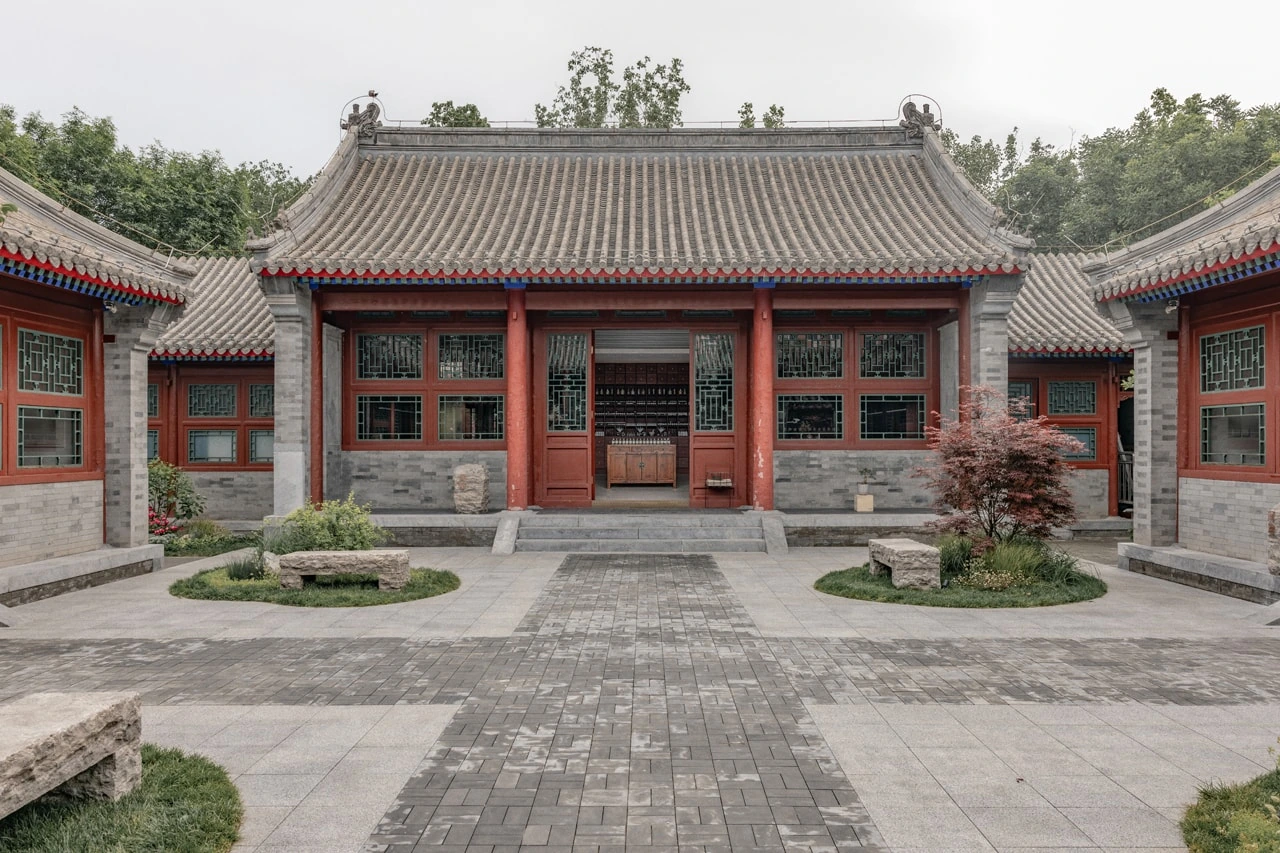
LE LABO’s Beijing courtyard fragrance lab
From flavor to terroir
As cultural tourism booms, regional flavors are becoming important expressions of cultural identity. Consumers want to experience local customs and ways of life firsthand through their senses. Products rooted in local food traditions give brands a way to build an emotional connection with those cultures.
In response, brands are exploring local ingredients and what makes them distinctive, then incorporating those discoveries into product development. Distinctive flavors give consumers a chance to discover and connect with local cultures, while giving brands more ways to express a sense of place.
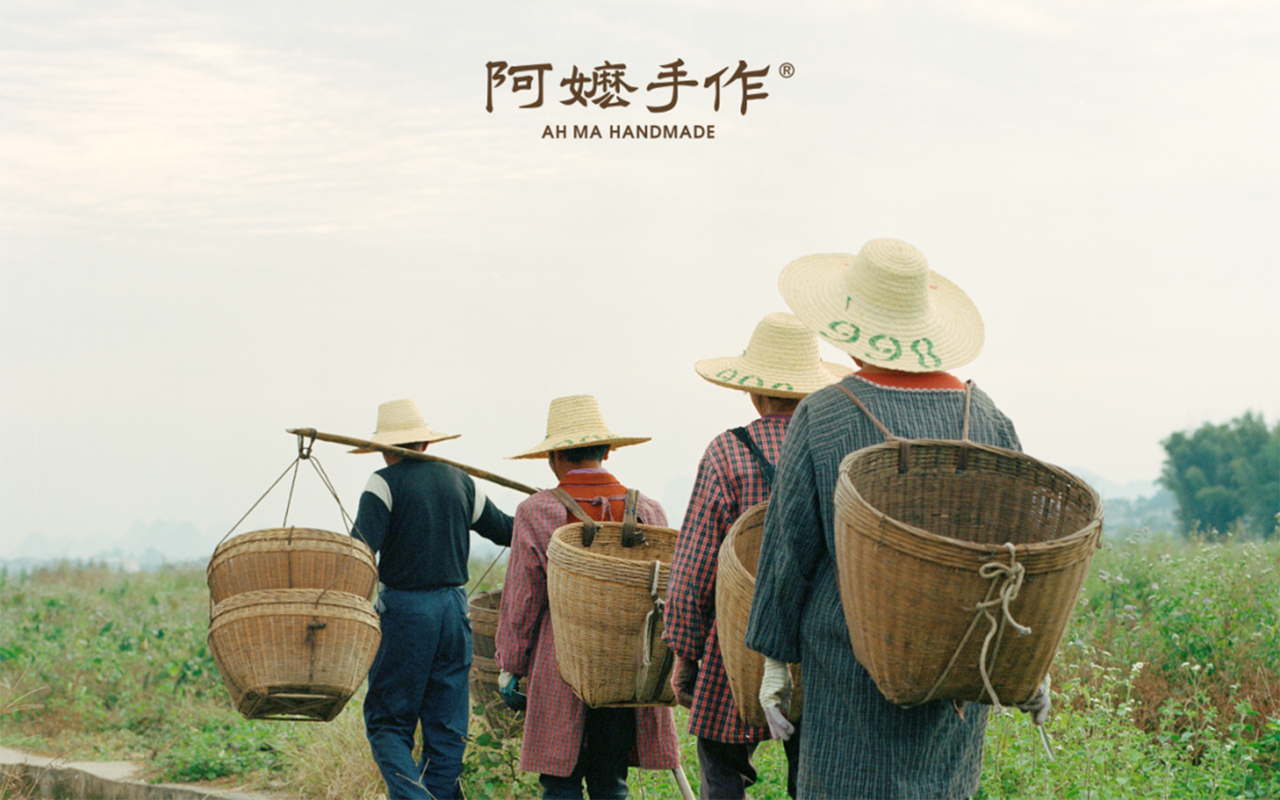
This approach has helped several emerging tea brands stand out.Guizhou’s Qu Chashan and Yunnan’s Shangshan Hecha draw on local tea varieties and food traditions to create drinks with a distinct regional identity. Brands also use their products to tell stories about where ingredients come from. A Ma Handmade’s “Good Ingredients” column is one example of how a product can become part of a wider cultural experience.
Leading brands are also exploring the cultural potential of local ingredients. Heytea, for example, launched several drinks drawing on specialties from Tibet and Chaoshan. It found a new use for highland barley as a drink base and incorporated Chaoshan fruits such as guava and Indian gooseberry. The drinks sparked interest in local culture and drew widespread discussion on social media.
How brands bring neighborhood life into their content
The renewed interest in regional culture has also prompted people to rediscover what’s close to home. As urban life speeds up and public spaces continue to change, people are looking for a deeper connection to their immediate surroundings. Once-overlooked streets, parks, and neighborhoods are again becoming places where people find a sense of belonging and cultural identity. What’s close to home is getting renewed attention and appreciation.
This shift is prompting brands to look closer to home for inspiration and build connections through the places people use every day.
One approach is to draw on the neighborhood for stories that revive local memories and evoke the texture of everyday life. Xiaohongshu’s Street Life Festival is a case in point. It brings an online community into physical spaces, using city streets to connect different facets of urban life and encouraging people to notice and share what’s around them. It gives people a reason to value everyday life close to home.

A second approach is for brands to take an active part in the life of the neighborhood.
Inspired by the idea of neighbors coming together, Short Sentence launched a print publication called “short paper.” It features interviews with creative people across industries and the brand’s recommendations for local spots to visit. By distributing the publication through neighborhood partners, Short Sentence contributes to shared spaces and cultural life and makes its business part of the neighborhood’s daily routine.
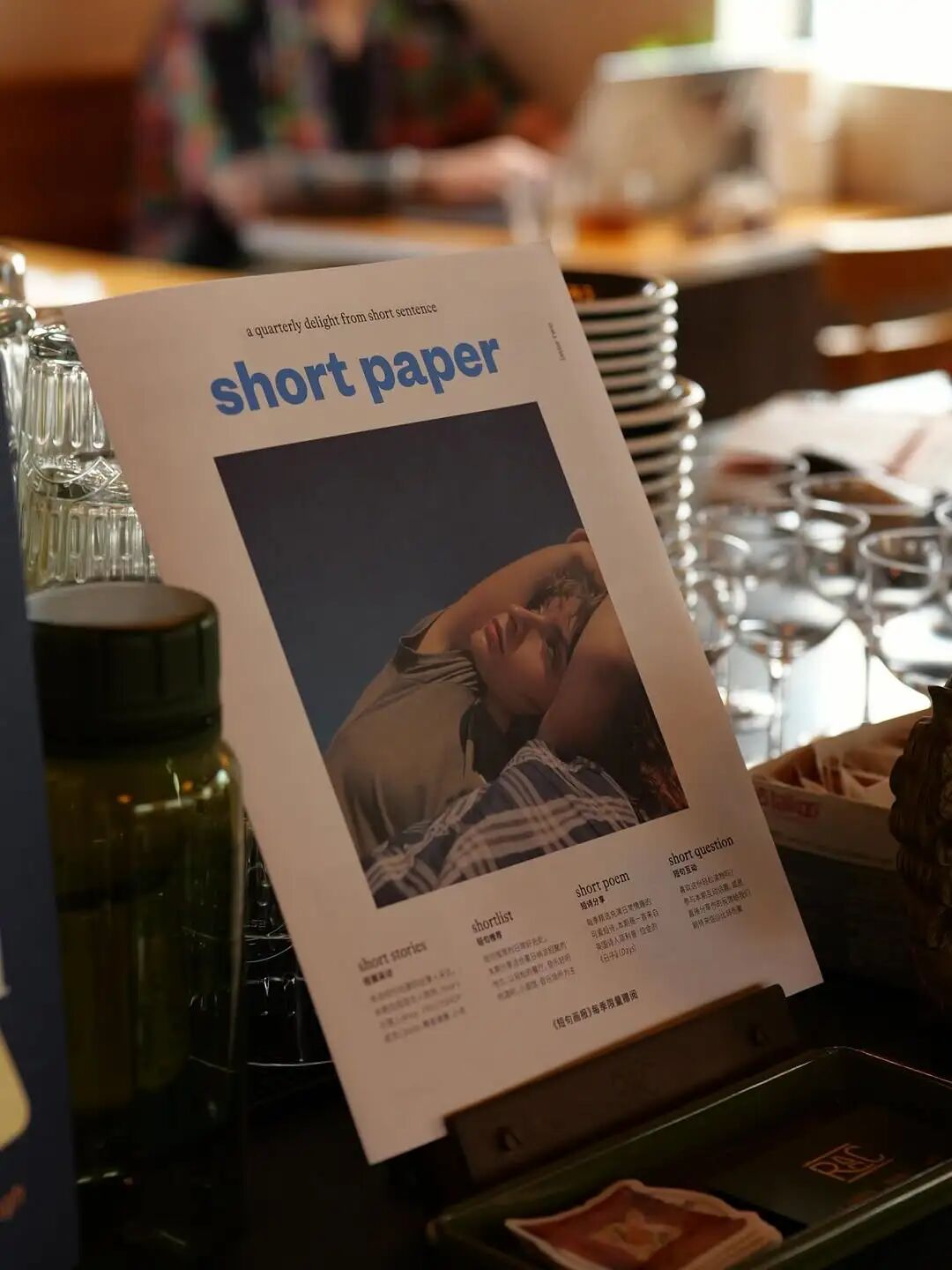
Inspired by the idea of neighbors coming together, Short Sentence launched its “shortpaper” print publication and distributed it through community partners.
City storytelling moves beyond stereotypes
Cities are shedding familiar stereotypes and showing more sides of themselves. In the past, cities and regions were often reduced to a handful of familiar symbols. In recent years, brands have started looking more closely at streets and neighborhoods to capture the complexity of city life.
Kuaishou’s “500 Hometowns” series has consistently challenged familiar ways of telling stories about cities and hometowns, asking how to capture a city’s spirit without falling into clichés. From Datong’s unassuming character and Yantai’s easygoing pace to Qiqihar’s down-to-earth honesty, the series captures what makes each city distinct and what makes it worth celebrating through vivid portraits of residents from all walks of life.
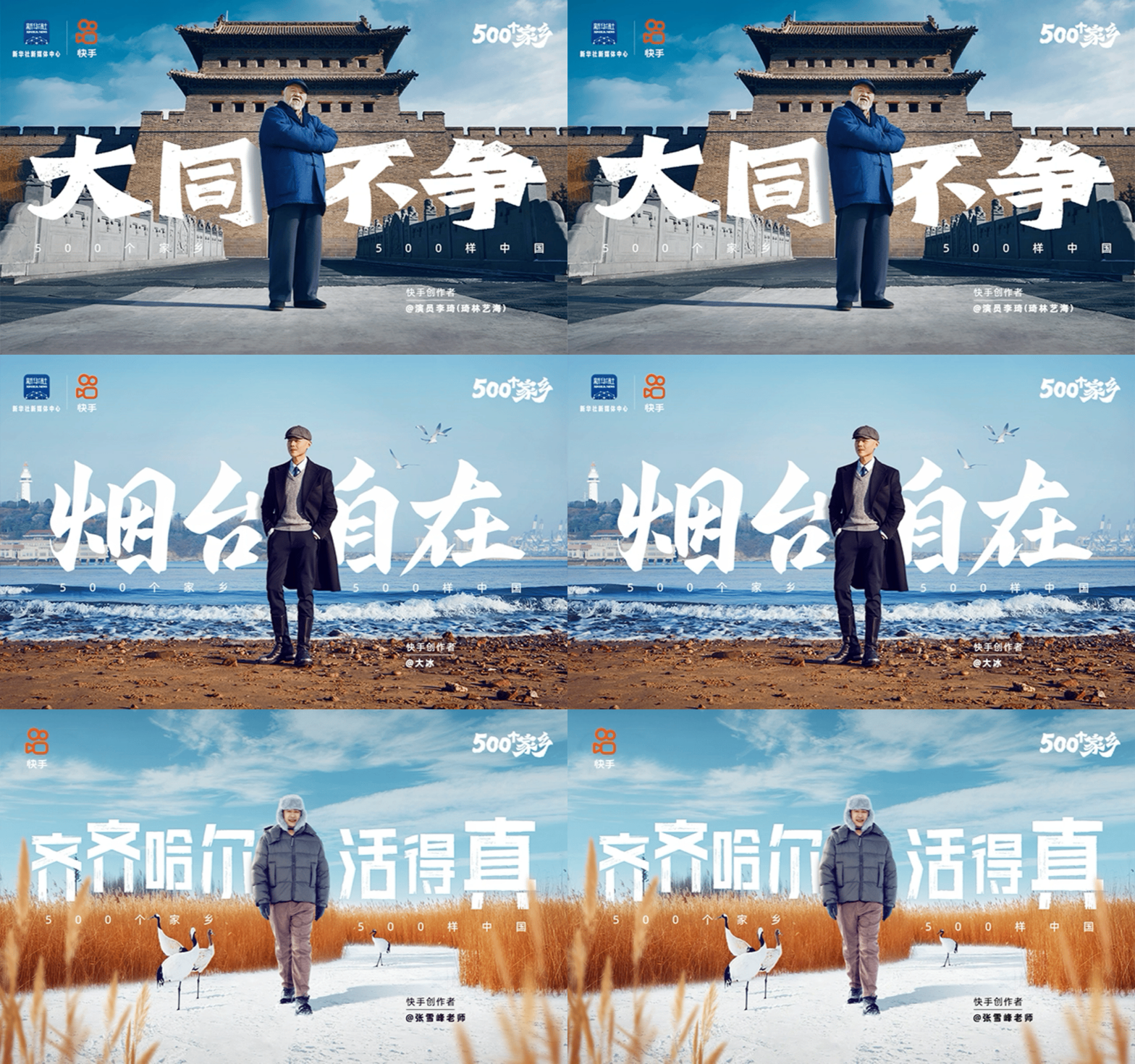
Kuaishou’s “500 Hometowns” series
Stories about cities increasingly focus on real people and small, telling details, from a cobbler’s craft in the old town and a delivery rider’s route through a new shopping district to the bustle of shoppers bargaining at a produce market.
When brands look at a city under a microscope, familiar generalizations about the place begin to give way. In their storytelling, a city comes alive through the countless individuals who make it what it is.
Uniqlo China’s “New Life City Tour Journal” explores in depth how cities can make life better. The publication connects Uniqlo’s brand philosophy with what makes each city distinct, covering everything from contemporary lifestyles and traditional culture to family life, food, and cultural figures from different fields. The project gives the brand greater cultural depth and helps it resonate with consumers.
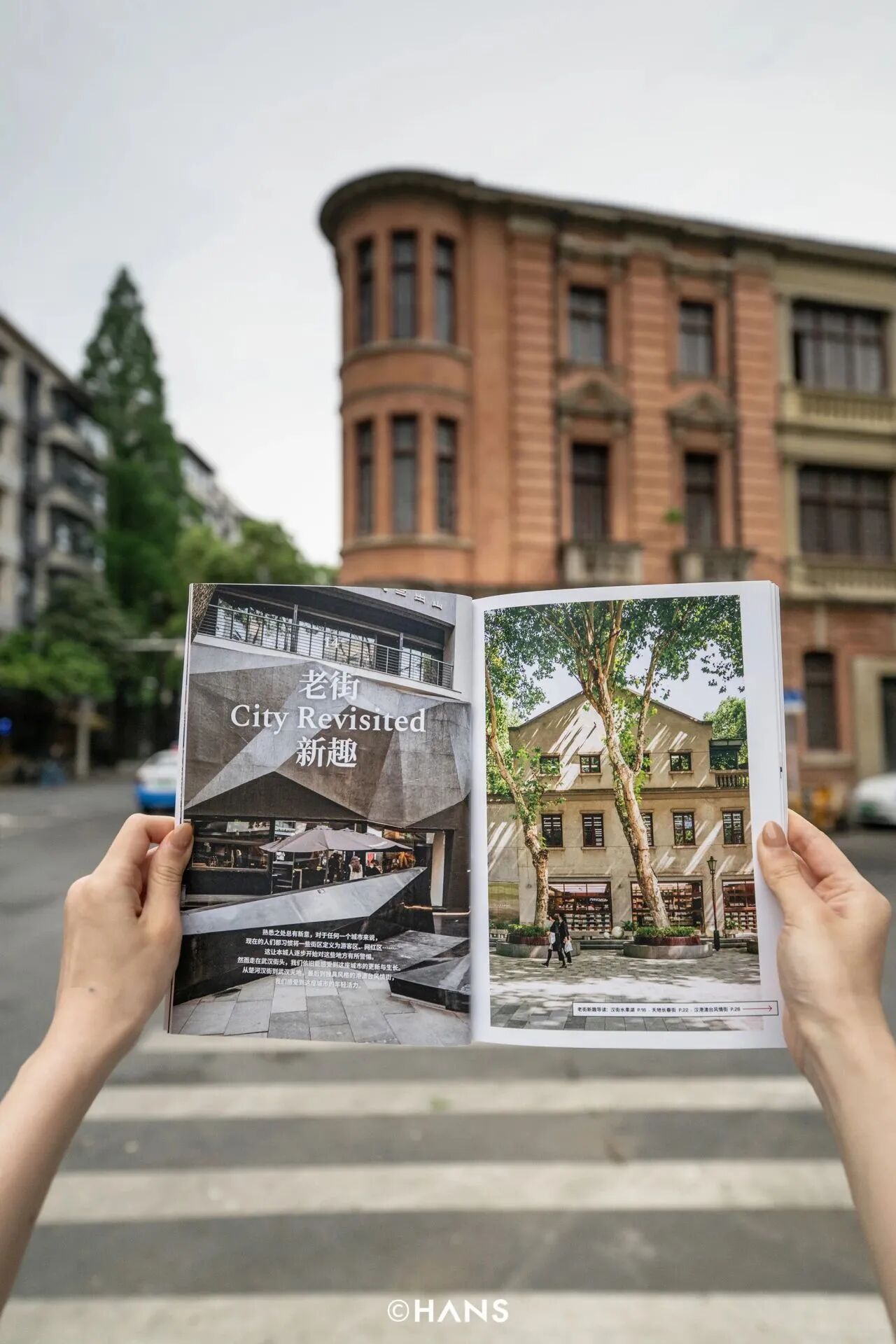
Uniqlo’s “New Life City Tour Journal: Wuhan”
As branding becomes more central across industries, we believe storytelling about people and culture will become increasingly valuable to brands. We welcome readers to get in touch and share examples worth covering.
In June 2025, Brandstar’s Planet Awards launched a list recognizing storytelling about people and culture. More than 230 entries were judged across four categories covering the preservation and transmission of cultural heritage, the expression of values, innovation in format, and care for people. The full list of winners is available on the Planet Awards’ official WeChat account.