New Balance CEO Joe Preston on what it takes to win younger customers
The decision to pursue a younger customer changed how New Balance designed shoes, ran stores and chose its partners. How did the company decide where to put its money and people?
Translated from Brandstar’s edited Chinese account of David Novak’s interview with Joe Preston on How Leaders Lead.
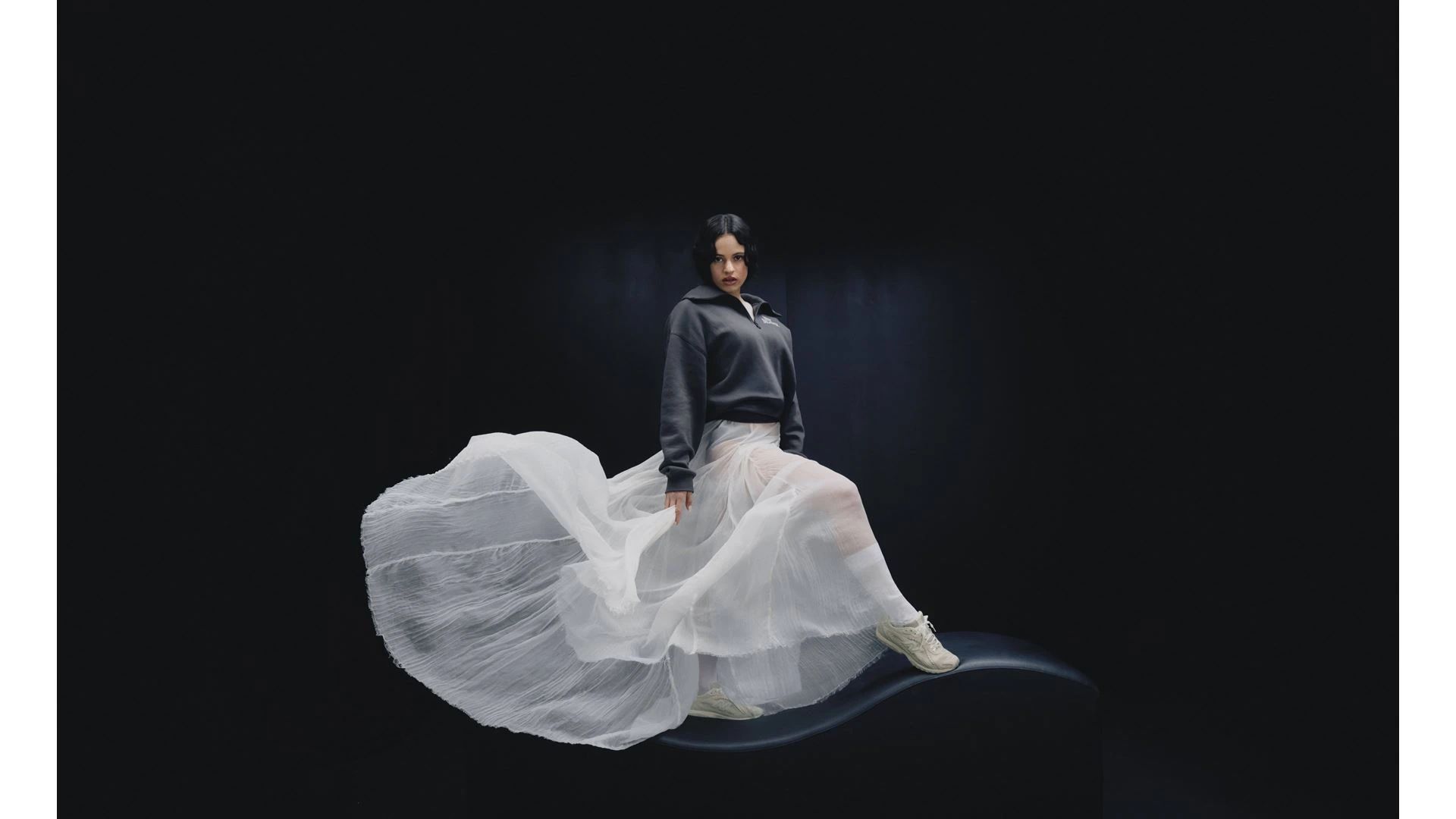
On the October 15 episode of the business podcast How Leaders Lead, New Balance president and CEO Joe Preston recalled the target the company set when it entered baseball. It wanted to be No. 1 within five years. At the time, it had yet to sell a single pair of baseball cleats.
Baseball was one of the bets New Balance made more than a decade ago to reach younger customers. In 2019, it defined that audience more precisely and asked its marketing, design, retail and collaborations teams around the world to work toward the same goal. What changes when a brand’s pursuit of younger shoppers extends beyond an ad campaign to decisions about products, distribution, partners and investment?
New Balance reported global sales of $9.2 billion in 2025, up 19 percent on the previous year, its fifth consecutive year of double-digit growth. Annual sales in both apparel and company-owned retail passed $1 billion for the first time.
In his conversation with host David Novak, Preston discussed the company’s early advertising, its signature shoes, international expansion, athlete partnerships, retail and AI. He also described what it takes to manage a team through rapid growth.
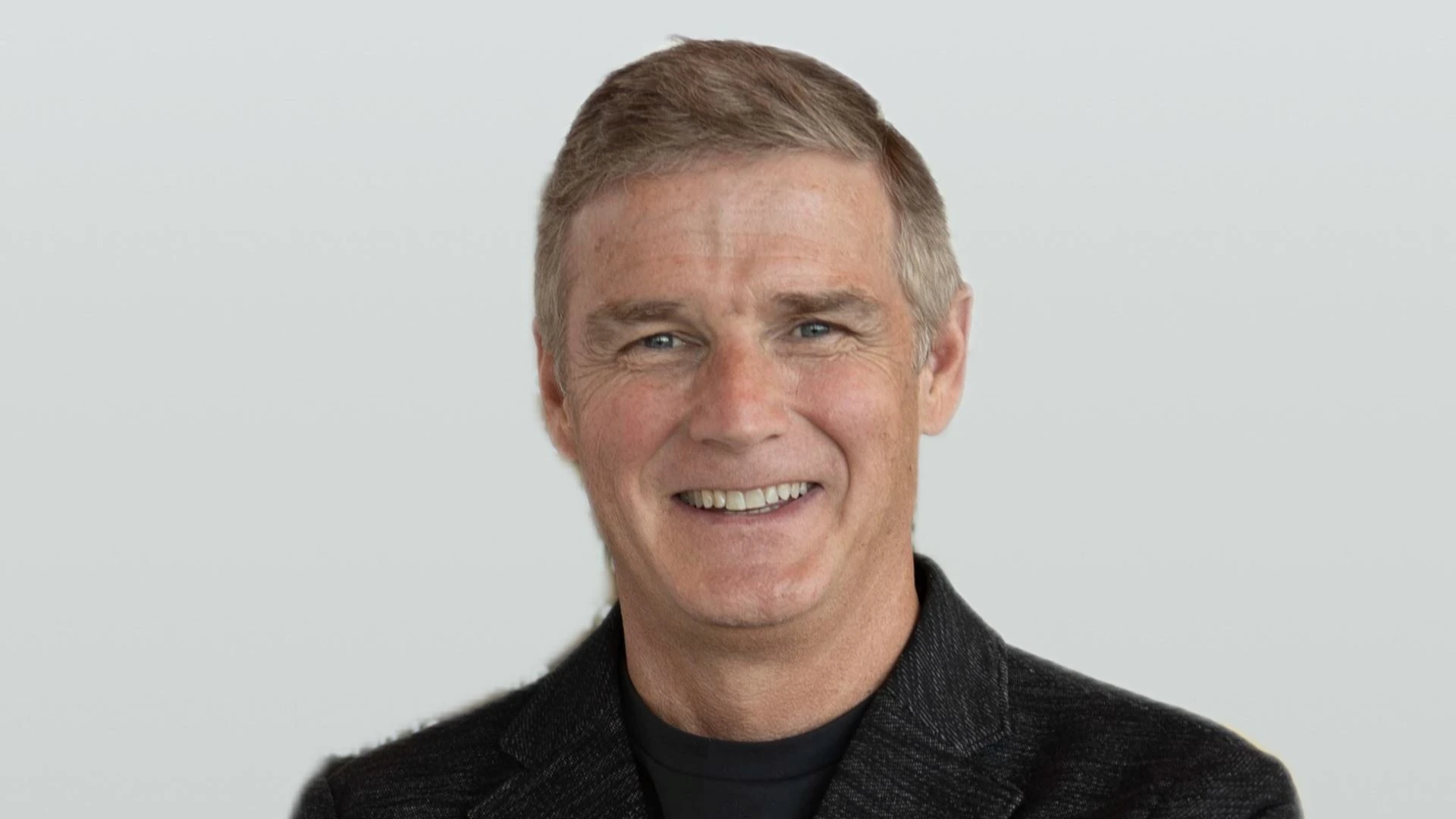
Joe Preston, president and CEO of New Balance
Brand strategy · Brand management · Corporate culture
In this interview
01 Why serious running shoes can have a sense of humor
02 Getting the whole company behind a younger customer
03 Focusing on what New Balance can control
04 Preserving the culture as the company grows
01 Why serious running shoes can have a sense of humor
There has always been humor in the way New Balance talks about performance. The craftsmanship of the 990 and the range of widths gave substance to its line “The Intelligent Choice.” The ads that teased runners worked because the brand understood how particular they were about their shoes and how much running mattered to them. That familiarity gave the brand warmth. To connect with a new generation, New Balance has to understand how people exercise, how they wear their shoes and where those shoes fit into everyday life. Its reputation for making a good product endures. The conversation with the customer keeps changing.
David Novak I’m wearing New Balance 990s right now. Tell me the story behind this shoe.
Joe Preston In 1982, we decided to introduce a $100 running shoe. A group of people really took to it and kept wearing it for years.
They started out as young college runners. A lot of them stuck with it, and some still wear it today. It went from being a running shoe to what we used to call the shoe for doctors and lawyers.
David Novak Why did you call it that?
Joe Preston We had a line, “The Intelligent Choice.” We felt New Balance was a smart choice, whether you looked at the craftsmanship or at other aspects of the product.
We also offered different widths. Even today, the 990 comes in everything from narrow to extra wide. That means manufacturing a lot of different versions of the shoe. We’ve done that from the beginning.
I can’t show you, but I’m wearing next year’s version right now. I’m really excited about it. When we bring out the update in 2027, the 990 will be 45 years old. It’s quite something to get that excited about a shoe that’s been around that long.
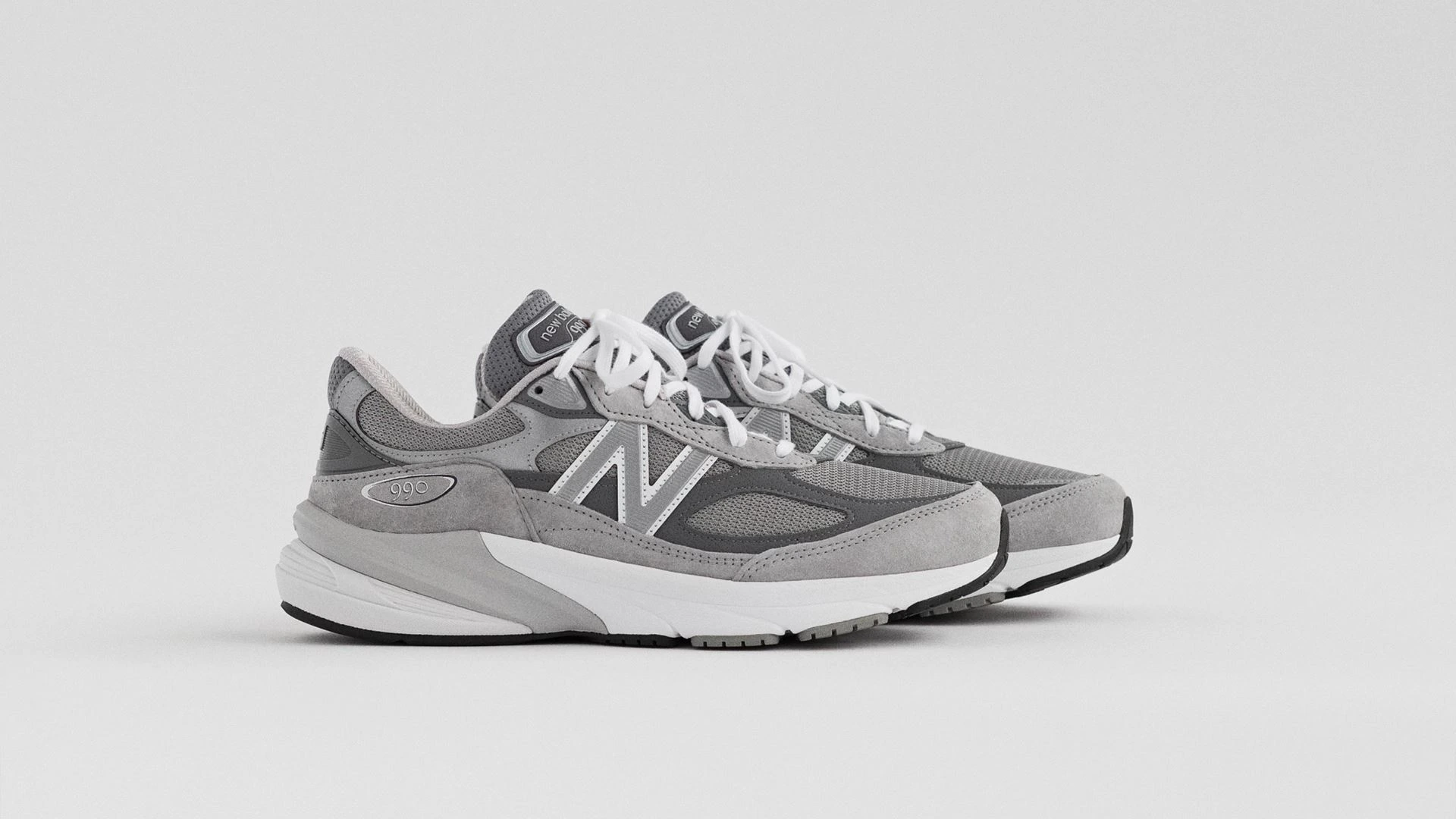
The MADE in USA 990v6 collection
David Novak You called it a more intelligent way to make shoes. What does that mean? How can a shoe be smarter?
Joe Preston That was an ad line from the ’80s…
David Novak It’s had quite a life, though. I just got a T-shirt with that line on it.
Joe Preston I love it. It tells you something about our sense of humor, too.
Another early line was “Runners aren’t normal.” One ad showed an older woman and an older man in head-to-toe New Balance with the line “When the going gets tough, the tough get going.” There was a lightness to those ads. We didn’t take ourselves too seriously. There was some of that in “The Intelligent Choice,” too.
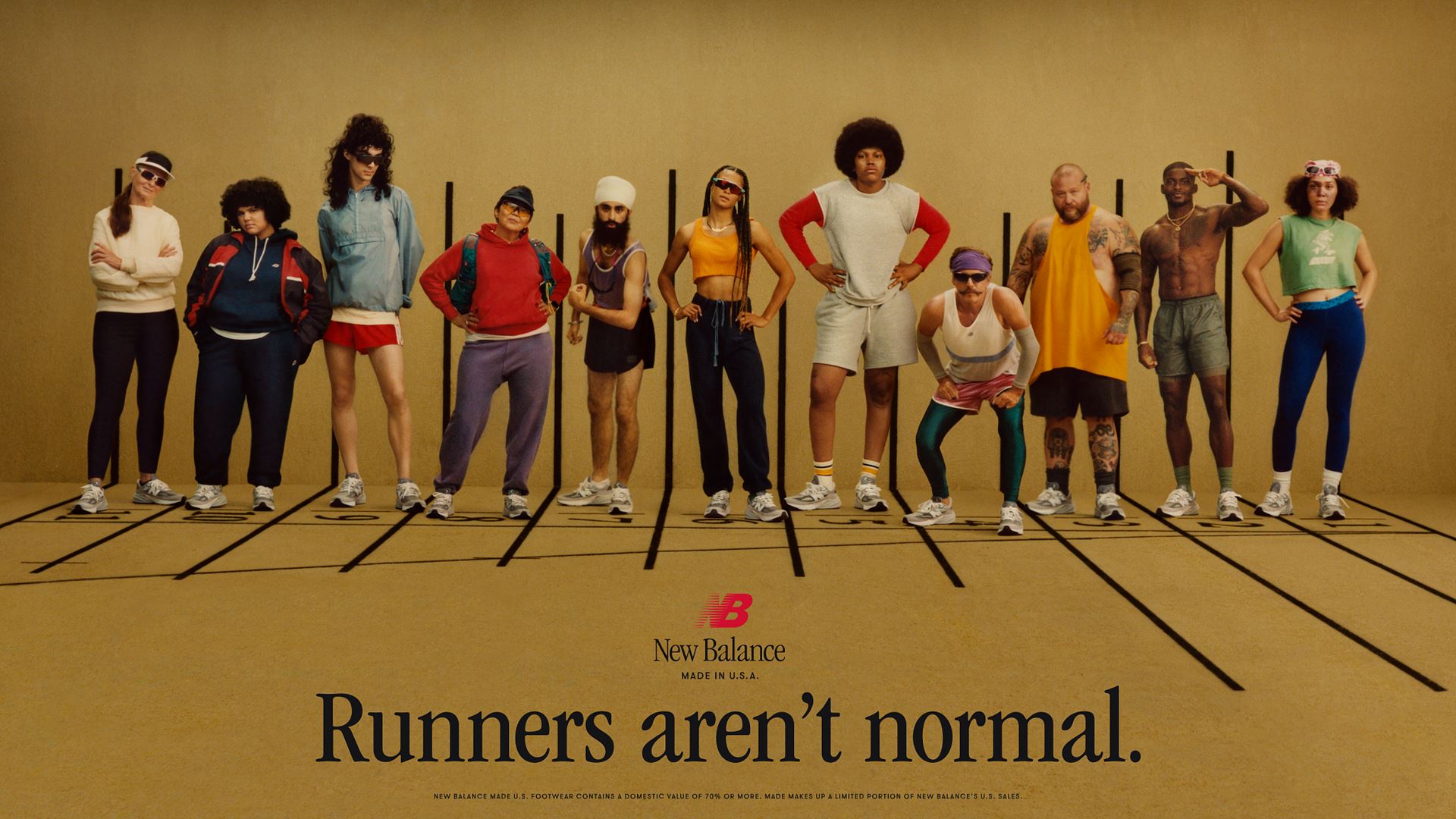
New Balance revisited “Runners Aren’t Normal” for the 990v6 in 2022.
David Novak I’ve seen your early ads. You were proud to say no athlete endorsed the product. Then you invested heavily in sports. That’s a big shift. How did you bring people along?
Joe Preston When we ran “Endorsed by No One,” we were a much smaller company. We wanted to stand apart from Nike and Adidas and get people’s attention. That’s why we did it.
By around 2012 or 2014, we’d built a base and had a business around the world. We knew we needed to bring in younger people, so we started moving in that direction.
You have to choose where you compete. It’s expensive. Athletes make a very good living on and off the field. If the product doesn’t help them perform, they won’t wear it. You have to get the product right.
And you need the people to do it. Your engineers, designers and product developers have to wake up every day thinking about how to deliver what you promised those athletes.
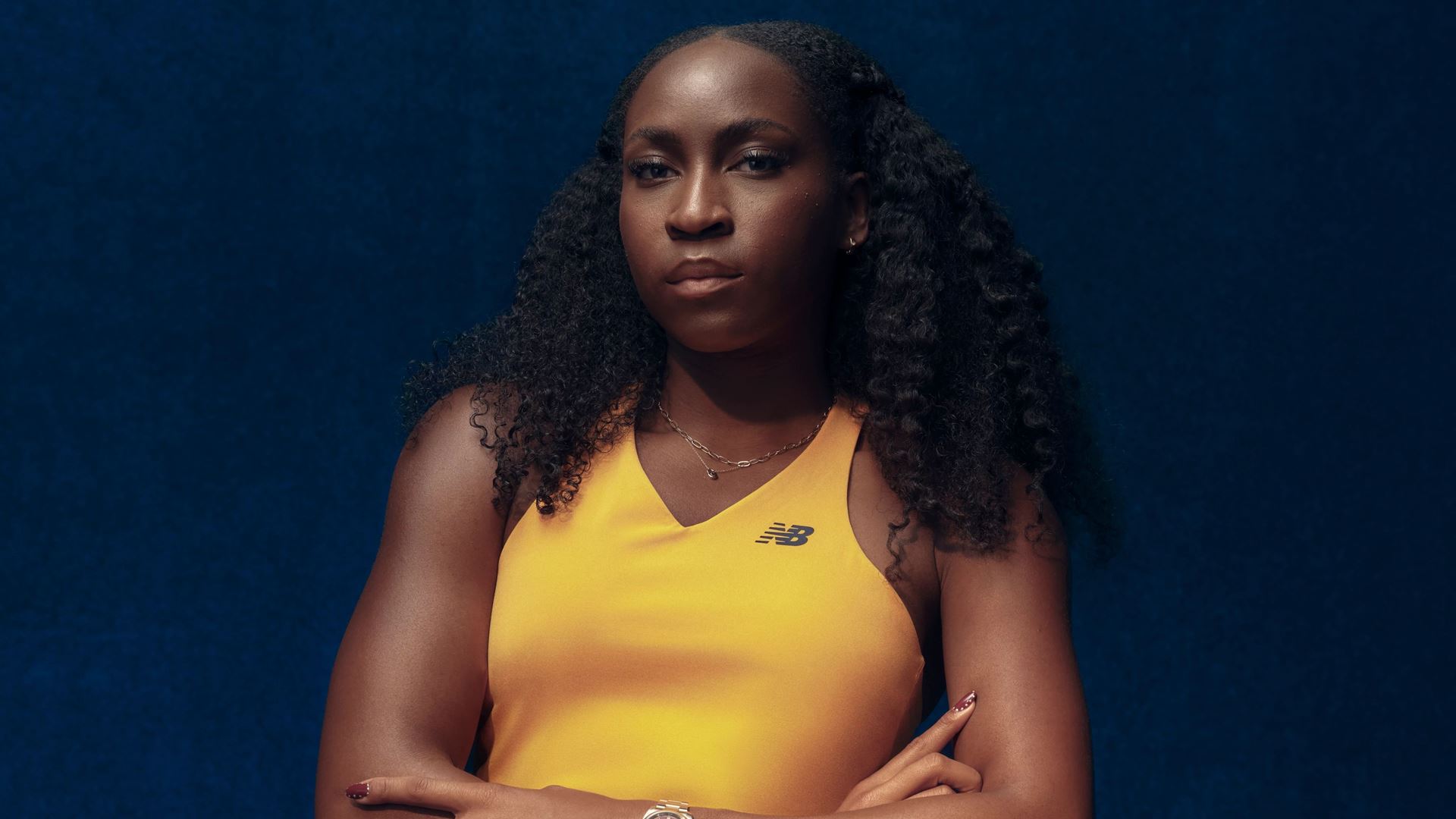
Coco Gauff in New Balance’s 2026 Australian Open collection
If the product doesn’t help athletes perform, they won’t wear it.
Joe Preston
02 Getting the whole company behind a younger customer
New Balance describes the young customer it wants to reach as independent-minded. That gives local teams more to go on than age alone. A sense of what those customers value helps teams decide which trends to follow and which partners make sense. It also gives the brand a degree of consistency while allowing markets to speak in their own voice. The strategy depends on whether product, retail and marketing decisions reinforce one another, and whether headquarters keeps investing in staff, development and budgets.
David Novak What’s been your most successful international market, and why?
Joe Preston Looking back over the years, I’d say Japan. Very early on, Japan was a beacon for us in the region. The team presented the brand exceptionally well.
For a long time, the US and Japan were the places where we had solid businesses. It took us a few years to find our footing in Europe. We grew faster in Asia. Japan had a lot to do with that and helped us develop Taiwan, too. Today we have a very strong business in North Asia, across Asia and around the world.
David Novak Of the markets you’ve run, which was the hardest to figure out? How did you get to know it?
Joe Preston Probably China, for a few reasons. I took responsibility for Asia-Pacific in 2002, when the Chinese market was opening up.
One of our suppliers had been copying our products and using our intellectual property. That got in the way of doing business there. We had to reestablish the business and recover our IP.
At the same time, we were trying to understand a fast-growing market that was quite different from anywhere else. Language was another challenge. Chinese is complex, and I don’t speak it.
I hadn’t expected the market to be as high-end as it already was. Shopping centers were going up everywhere. It felt like the American frontier.
David Novak A global brand like New Balance has to stand for something. How do you keep it consistent and still adapt to local markets? Or do you want everybody to follow the same formula?
Joe Preston First, you have to build a business. When you’re a small company expanding internationally, you might set up subsidiaries, but you’ll probably start out working through distributors. You have to support them so they can present the brand well. I think we did a pretty good job. Different markets were just at different stages.
In 2019, we defined the consumer we wanted to reach as the “global independent,” an independent-minded young person anywhere in the world. We did a lot of research and found that, for all the differences in where they lived, these people had things in common.
That gave everyone a shared idea of how to market, design stores, develop products and creative work, and choose collaborators. That was a very important step. Finally, the teams in different markets were working toward the same thing.
When the pandemic hit, we started meeting every Tuesday at 7:30 in the morning. We still do. That really helped get everyone working from the same playbook. The growth we’ve had over the past few years is a credit to the people doing the work. I believe having that shared direction made a big difference, too.
David Novak You’ve mentioned giving people support and helping them get things done. You’ve said that’s the leader’s job. Can you give me an example?
Joe Preston It struck me when I saw how the company managed its international business. People at headquarters were used to checking up on local teams and exercising control. They weren’t doing enough to support them.
I thought, if we want those markets to do well, we have to work differently. You have to give people the resources to do the job well. You can’t just fly in and tell them what they’ve done wrong.
It’s the same when you manage a team. Once you have a team of your own, your results depend on the people in it. You have to help them get things done. If all you do is inspect and control, you won’t do well, they won’t do well and the business won’t do well.
You have to give people the resources to do the job well. You can’t just fly in and tell them what they’ve done wrong.
Joe Preston
David Novak New Balance has a history and a heritage. How do you decide what to hold on to and what can change? How much can a brand like yours change?
Joe Preston You can make the brand stronger and do things you hadn’t considered before. It takes the whole team. Once we knew which young people we wanted to reach, we had a better sense of where to put our resources.
New Balance started out in running. We knew we needed to appeal to younger people. About 10 or 12 years ago, we decided to get into other sports and chose baseball first. The goal was to be No. 1 in five years. People thought that was incredible because we hadn’t sold a single pair of baseball cleats. [Laughs.]
We started with a few players, then approached some well-known high school teams. Little by little, we built a business. That gave us confidence to go into tennis, basketball and, more recently, American football, alongside running and soccer. That’s exciting. The more you see the brand can do, the more you want to try.
David Novak What’s the process for choosing an athlete? Do you have a formal checklist, or is it instinct?
Joe Preston You look for people you believe share your values. We’re a family-owned company, and values matter a great deal to us. We hold ourselves and our partners to that standard.
I couldn’t tell you whether there’s a 10-point checklist. I do know that’s where we start every time.
03 Focusing on what New Balance can control
Competing with Nike and Adidas means deciding what to do first. New Balance has finite budgets and staff. Its stores, sports marketing and product teams can’t all spend at the level of its larger rivals. Preston comes back repeatedly to the customer. Will people walk into the store? Does the product do what they need? The answers help determine where to spend and whom to hire, and make it easier to resist reacting to every move a competitor makes.
David Novak When you’re up against giants like Nike and Adidas, was there a moment when you particularly felt New Balance’s competitive spirit, the desire to take them on?
Joe Preston We’re in sports, and sports are competitive. What game doesn’t keep score? We’ve always been clear about that. But we try to avoid saying we’re going head-to-head with them. Other brands have said that in the past and found it hard to deliver.
You have to keep your own identity. You have limited resources and capital, whether you’re investing in sports marketing or opening a store on a prime shopping street. You have to choose where you can present the brand at its best.
We’ve long used the expression “control your own destiny.” Focus on what you can control and keep up with the consumer. At the time, we felt we’d fallen behind. We still use that expression.
Take how our products are displayed in stores. We’ve been talking to retail partners about that for the past five or six years. When our market share was small, we couldn’t get the best space, especially during peak selling periods. We didn’t want our two bigger competitors to squeeze us out, so we raised it every time we met a retail partner.
Of course there’s a desire to win. You can see it in how we work. We felt this was something we had to do to run the business well.
David Novak How do you personally stay in touch with the consumer?
Joe Preston I can get market research reports any time. I like to visit stores myself, without calling ahead. I just walk in and see what customers do when they encounter our products.
You have to start with the consumer. I watch people shopping in our industry and in other industries, too. That gives me a fuller picture of them.
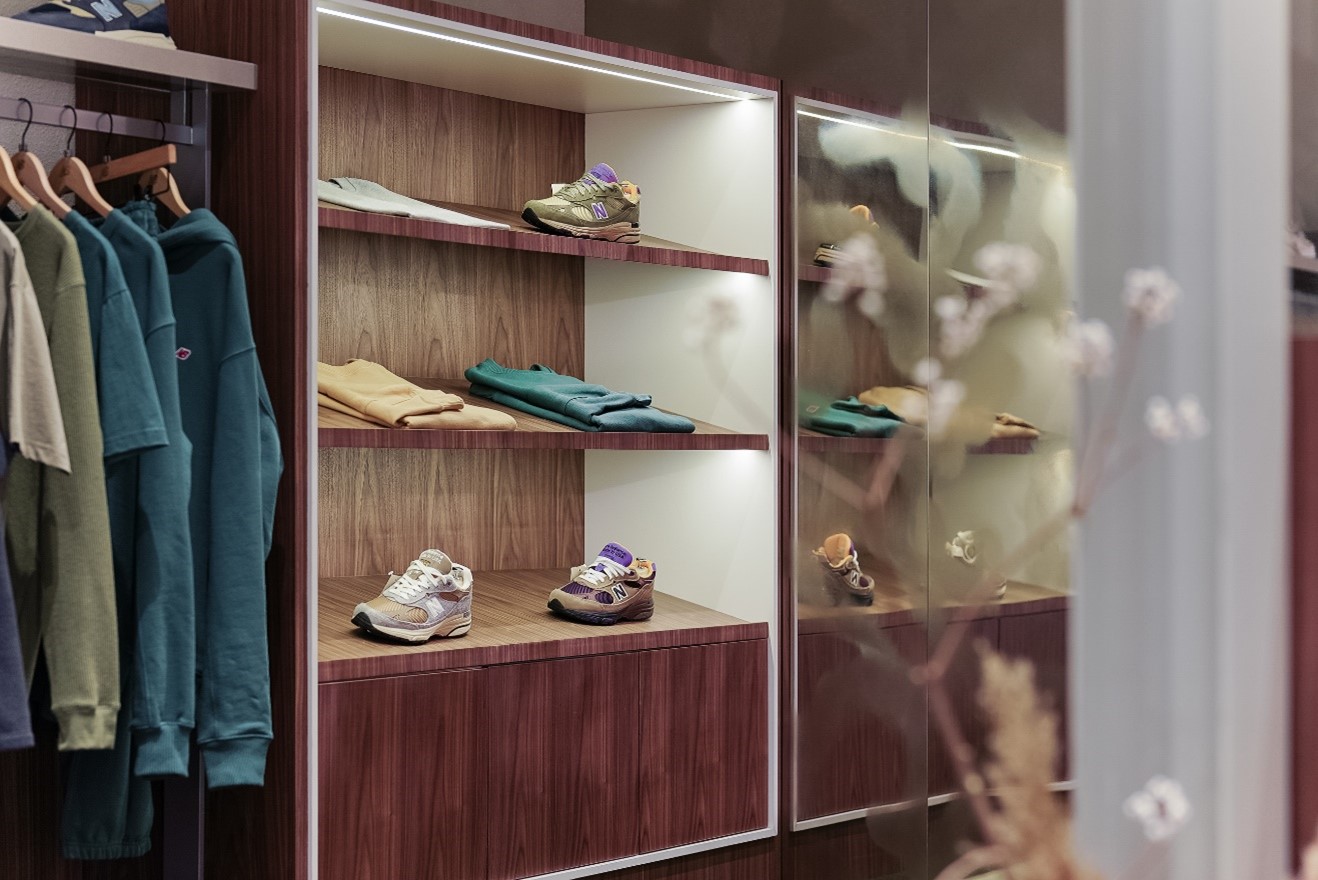
The NB Grey R store on Shanghai’s Middle Huaihai Road, 2025
David Novak What do you mean by a “sprint”? Tell me more about that.
Joe Preston When I took this job, we knew we had to build up our capabilities quickly. Hiring consultants had never been particularly popular here. People felt we could do the work ourselves. I knew our usual approach wouldn’t be enough.
We brought in outside help and also assembled an internal team. At first we called them the “ninjas.” These were bright young people from inside the company. Roughly every 90 days, we picked 10 projects and sent them to help teams that needed an extra push.
The projects didn’t all last 90 days. Some ran for 30 or 60. At the end, we wanted people to recover before taking on the next one. Those projects helped enormously during the years when we were transforming the brand globally and growing fast. We still do them.
David Novak Can you give me an example of a project underway now?
Joe Preston One is called Project Echo. Department heads work with their HR partners, and we want the senior management team to lead it.
It looks at how we assign people and organize work. You aren’t going to grow 25 percent every year. If growth slows to 5, 7 or 10 percent, you have to keep asking whether you have the right people doing the right work.
David Novak Any other examples?
Joe Preston Traffic in our own stores. Around the world, getting people into full-price stores is a challenge in our industry. Outlets and similar channels are doing well. Full-price retail is having a harder time.
We set up projects to look at how to bring in more shoppers and how to get more of them to buy. Our regular teams work on those questions all the time, but we needed an extra push. The project teams can work across departments, which helps.
David Novak Every company is experimenting with AI. What impact is it having on your industry and your business? How do you see it?
Joe Preston I think everybody is still figuring it out. We want AI to help our people do their jobs better. Some tasks still take a lot of hands. Think of how many SKUs we have and how many product specifications we produce. If AI can make that work easier, people can spend more time on higher-value product work.
I think it could be particularly helpful in narrowing the choices early in product development. We’re using AI, and we’ve tried other tools in the past. Say we were planning eight colorways. How do we get down to four? Could AI help us quickly see how the colors work together? That’s one example.
I think it will also be valuable in the supply chain, both for the work we do ourselves and the work we do with partners.
We’ve hired a vice president of data and AI. If you don’t get your internal data right, the rest doesn’t work. I think every company is going through that. It’s a crucial step.
Pricing is changing, too. It used to be per seat. Now it’s shifting to usage. You can’t have every employee constantly entering prompts and generating things individually. The costs would get away from you. You have to coordinate it and change how you produce internal reports.
Over the next year, reporting may be the first thing to change. I think that will be good. We’re a global company, and people have sometimes had their own way of looking at the business for years. Changing that matters.
04 Preserving the culture as the company grows
Hiring and promotion tell employees which behaviors the company rewards. New Balance’s emphasis on being a good teammate is closely tied to how it wants its global business to work. Even an outstanding individual performer can hold up a joint project if other departments struggle to work with them. Teams also need room to argue. Raising a disagreement openly can uncover a problem before a decision is put into practice. Once a decision is made, colleagues need to be able to back one another. When staff numbers are rising quickly, new hires learn what collaboration means by watching who gets hired and promoted and what happens in meetings.
David Novak What’s been the biggest challenge of leading the team through such rapid growth?
Joe Preston It’s happened in stages. In 2019, we were preparing for growth. Then the pandemic hit, and our first concerns were survival and keeping people safe.
Then we grew quickly, and our working environment changed. For the first few years, people were away from the office or rarely came in. A lot was different. It was hard. I don’t know how much of it you could have prepared for. We learned as we went.
Revenue was growing and so was the staff. For those of us in management, the biggest challenge was hiring people who would make our culture better. We think we have a distinctive culture. Once you hire someone, you have to bring them into the team and give them a chance to do their job well.
Every new person changes the way the people on a team relate to each other and work together. We’ve been hiring continuously, so those relationships keep changing. Our management team pays close attention to that. We talk about it often to make sure we understand it the same way.
David Novak How would you describe your leadership style?
Joe Preston Direct. I think I’m a direct person.
Since I took this job, I’ve made a particular effort to listen more. The more senior you get, the more you appreciate what listening does. At the beginning, I went around the company listening and learning. I think you have to keep doing that.
Take our 7:30 Tuesday meeting. For most of the first hour, I hardly speak. I want people to tell me what’s happening and what they think. I want to hear different perspectives before I give mine. Of course, when it’s time to speak, I don’t hide my opinion.
But I do think every leader could listen more.
David Novak Can you think of a decision you made even though you weren’t sure it was right? It could be from before you became CEO.
Joe Preston Yes. Let me give you some context first. When I took over, I thought something was slowing us down. We’ve always prided ourselves on teamwork. Over time, that had come to mean one committee could reverse a decision another had already made, all in the name of teamwork.
I still explain it this way because I believe it affects how quickly we can move. A lot of decisions aren’t clear-cut. Sometimes it’s 50–50. Sometimes it’s 61–39. The answer isn’t obvious.
I tell people that if we want something to work, we have to put everything we can into carrying out the decision. There will be decisions you disagree with or think we shouldn’t have made. We still have to act on them. I can’t always walk everyone through every reason.
David Novak You’ve mentioned the culture several times. What ways of working do you most value? What feels distinctly New Balance?
Joe Preston Teamwork and collaboration, certainly. Also, be kind to people. You can do your job well and be kind.
We want people to put their disagreements on the table and be willing to argue. That’s very different from going behind someone’s back or quietly resisting something you haven’t challenged openly.
Our culture is about treating people well. It’s that simple. [Laughs.] I mean it. It isn’t that complicated. You also have to be a good teammate. To win a championship you need star players, but they still have to play together.
We’ve had very talented people who weren’t a fit because they weren’t good teammates. The best leaders I’ve seen can work with other departments, their managers and the people they manage. Those are the people we want to promote and support. That pretty much describes our management team today.
We want people to put their disagreements on the table and be willing to argue. That’s very different from going behind someone’s back or quietly resisting something you haven’t challenged openly.
Joe Preston