CREATIVE X 2025 reimagines the future with the people shaping cities
CREATIVE X 2025 took place at Shanghai Pacific XINTIANDI on September 13, 2025. Co-hosted by XINTIANDI and TOPYS under the theme “Breaking Boundaries,” the conference brought together 20+ prominent guests, 20+ media observers, and 50+ Chinese and international brands for more than 10 hours of discussion on three core topics: local culture, public space, and creativity and innovation. More than 500 “city makers” from all walks of life also took part. Through dialogue and experimentation, they worked across professional and social boundaries to address current urban development challenges and imagine the future of their communities and cities.
In essence, CREATIVE X is an annual gathering of leading creative practitioners and innovators from China and abroad to discuss industry issues and trends and advance creative work across disciplines.
From the outset, the conference was conceived with ambitions beyond the usual format. As a creative content platform, TOPYS has regularly brought creative professionals together at its MINDPARK conference to explore emerging industry trends and what lies ahead. This year, we looked beyond professional roles and took a broader view, coming together as people who help shape cities. XINTIANDI has long worked at the intersection of urban commerce and culture, collaborating with creative communities for more than 20 years to produce pioneering programs. Its experimental experiences have helped nurture emerging local talent and build an open, inclusive creative ecosystem. Drawing on that shared outlook and experience, TOPYS and XINTIANDI joined forces to launch CREATIVE X. The conference brought together a broad range of creative practitioners for in-depth discussion and collaboration across disciplines, opening up new possibilities.
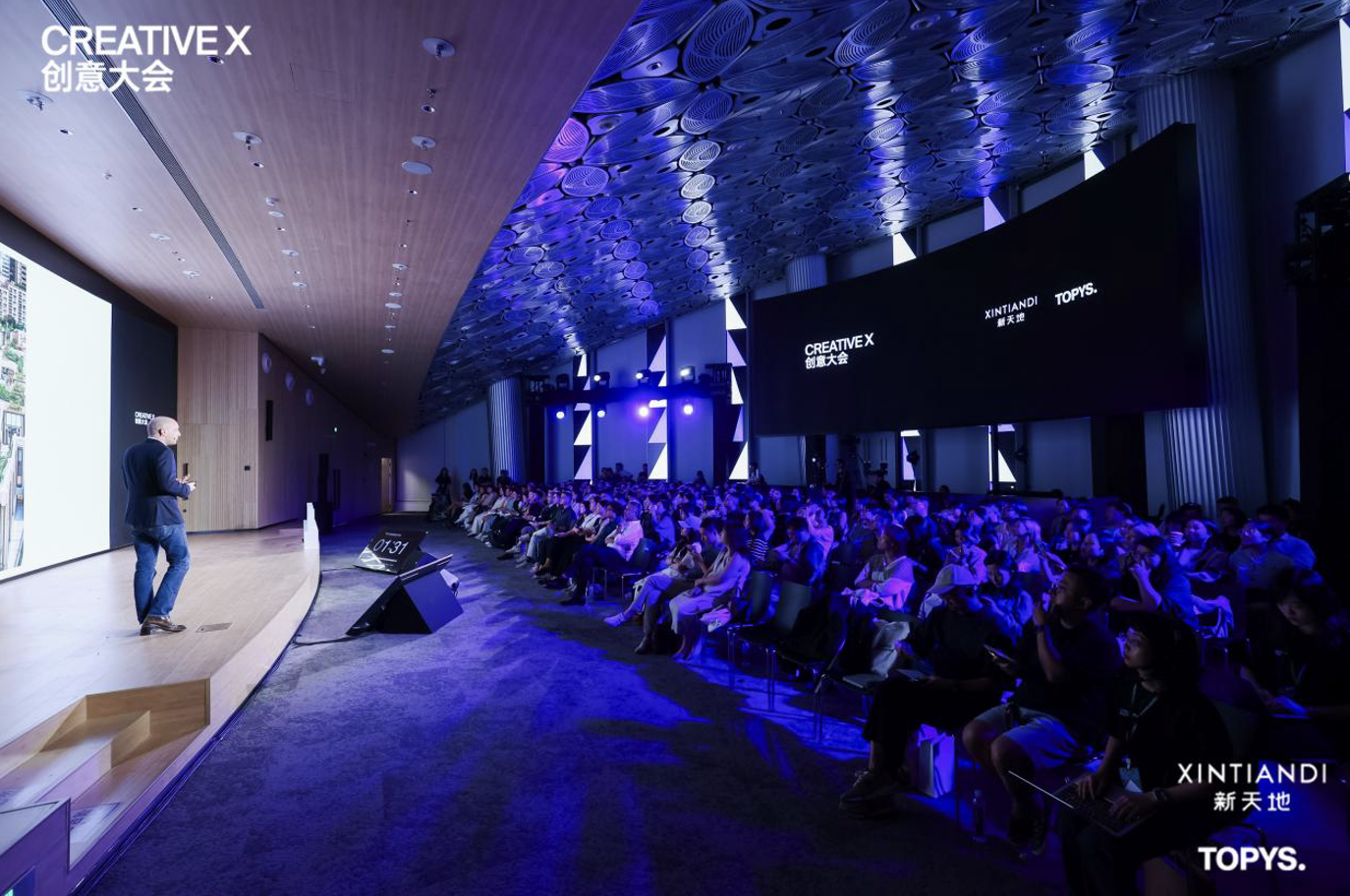
The inaugural conference took “Breaking Boundaries” as its theme. That meant bringing creators from different fields into conversation and rethinking familiar ways of discussing issues and tackling challenges. The organizers created two programs, the X FORUM talks and the X PART future neighborhood, to move beyond the conventional conference format. They aimed to give ideas and action equal weight by creating space for every question to get a response and every idea worth trying to find a way into practice.
X FORUM moved beyond the one-way lecture format with interactive sessions that encouraged exchange among speakers and between speakers and the audience. The goal was an open discussion on equal footing, where ideas could be freely challenged and explored in depth. Drawing on the organizers’ longstanding work, the forum examined three tensions at the heart of urban development. The sessions explored “Openness and Restraint in Local Culture,” “The Possibilities and Limits of Public Space,” and “What Fuels and Constrains Creativity and Innovation.” Bringing different perspectives into dialogue was intended to expand what participants could imagine for future cities and communities and spur concrete action.
More than 20 innovators from around the world took part in the forum, including Sun Qian, who initiated the China project of Echigo-Tsumari Art Triennale, David Marx, global director of communications and public affairs at NOT A HOTEL, and Aya Sengoku, president of Nakagawa Masashichi Shoten. Drawing on their own work, they shared lessons, raised questions, and explored new solutions. Talks grounded in years of experience sparked spontaneous debates and exchanges throughout the event.
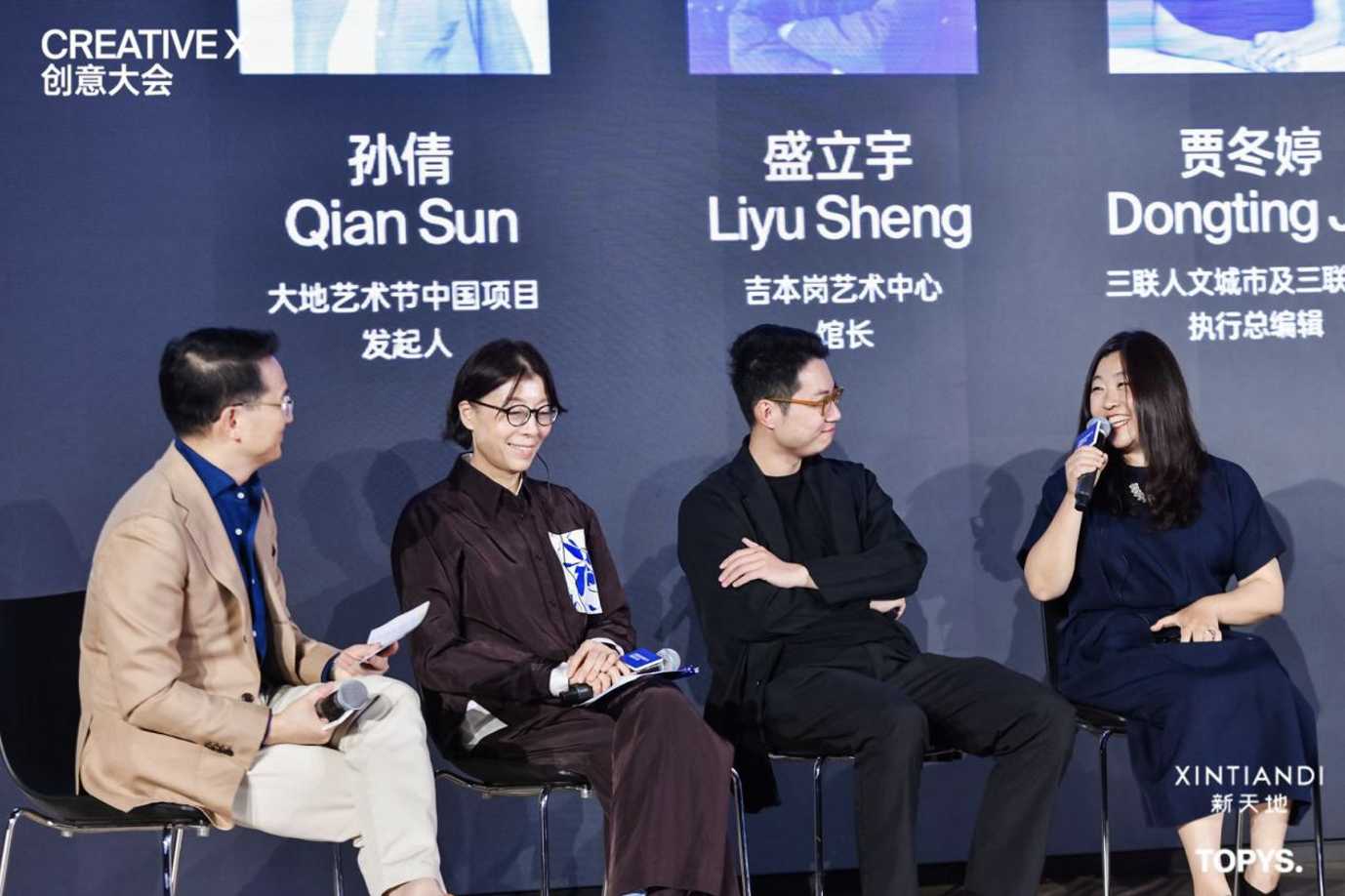
The opening session, “Openness and Restraint in Local Culture,” paired practical frameworks with vivid case studies. Sun Qian, who initiated the China project of Echigo-Tsumari Art Triennale, laid out how to build a regionally rooted art festival. Sheng Liyu, director of the Jibengang Art Center, took the audience into lesser-known aspects of Tibetan culture. Jia Dongting, executive editor-in-chief of Sanlian Humanistic City and Sanlian Zhongdu, drew on examples such as fresh market renovations and small-town revitalization to show different ways to renew local culture. Wu Jun, founder and CEO of Saturnbird, shared how the brand connects with customers through flavor, while Wonderfruit music festival founder Pranitan Phornprapha discussed how Thai Buddhism and meditation inform his music. Their examples showed how consumer experiences can give local culture a wider reach.
In the next session, “The Possibilities and Limits of Public Space,” Fotografiska Managing Director Christian Devillers and Heatherwick Studio partner and head of China Craig Miller drew on art and architecture, respectively, to explain how spaces can meet operational goals while connecting city residents with new public experiences. Huang Yuxuan, who launched the “Study of Walking” initiative, studio-L community designer Noriko Ideno, and Zhao Hui, editor-in-chief of Future Forecast, offered fresh ways to interpret and reimagine familiar public spaces such as parks and plazas. The panel then explored architectural function and aesthetics, along with ideas for the public spaces of the future.
The closing session, “What Fuels and Constrains Creativity and Innovation,” brought a fresh burst of debate. The 300-year-old Nakagawa Masashichi Shoten and emerging brand Herbeast took markedly different approaches to heritage and innovation. The Tiaohai bar and NOT A HOTEL, operating in different sectors, shared a commitment to openness and sharing. Zhou Dawei, from the art world, and Sun Lin, who works with an international brand, drew on their distinct backgrounds to share practical insights into incorporating innovation into business operations.
More than 500 attendees from a wide range of backgrounds took an active part in the discussions, bringing the broader creative community into the exchange. After the forum ended, conversations continued in the refreshment area outside, where attendees could build on ideas and make connections in a relaxed setting. The exchange of creative ideas carried on into the night.
Alongside the intensive discussions at X FORUM, the conference created a real-world testing ground for ideas about the future of retail and everyday life. It called the space the X PART future neighborhood.
As the hands-on part of CREATIVE X, the X PART future neighborhood used the neighborhood as a small-scale setting for urban life. Brands collaborated across sectors to offer their own answers to an open question about how people might live in cities in the future. Visitors could sip coffee at a newsstand, watch seeds germinate over a glass of wine at a pharmacy, feel the warmth of textiles in a hardware store, or linger over a beer at a transit shelter. More than 40 selected brands came together in this imaginative pop-up neighborhood, using products, workshops, and other activities to tell stories about the present and explore what might come next.
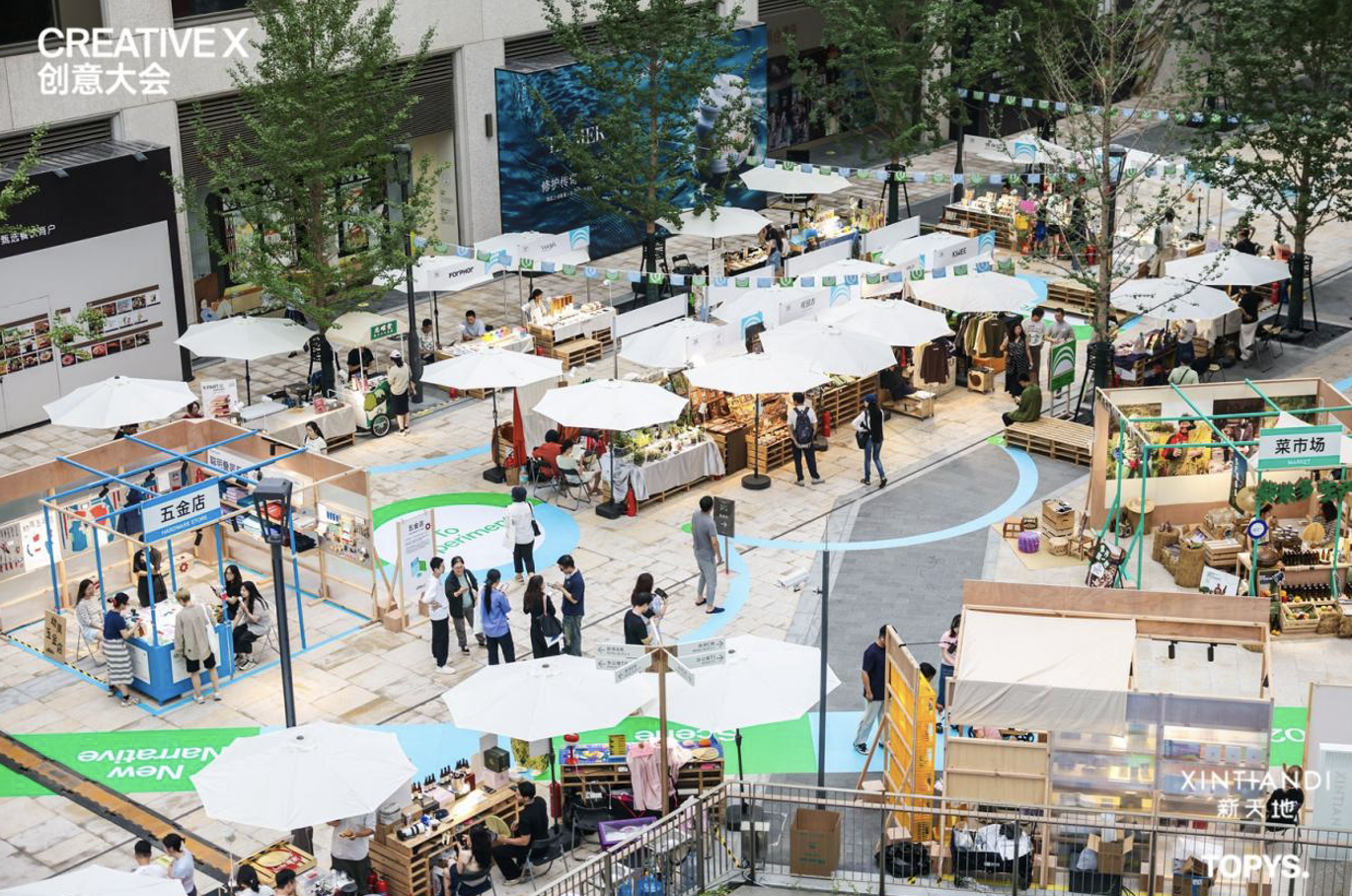
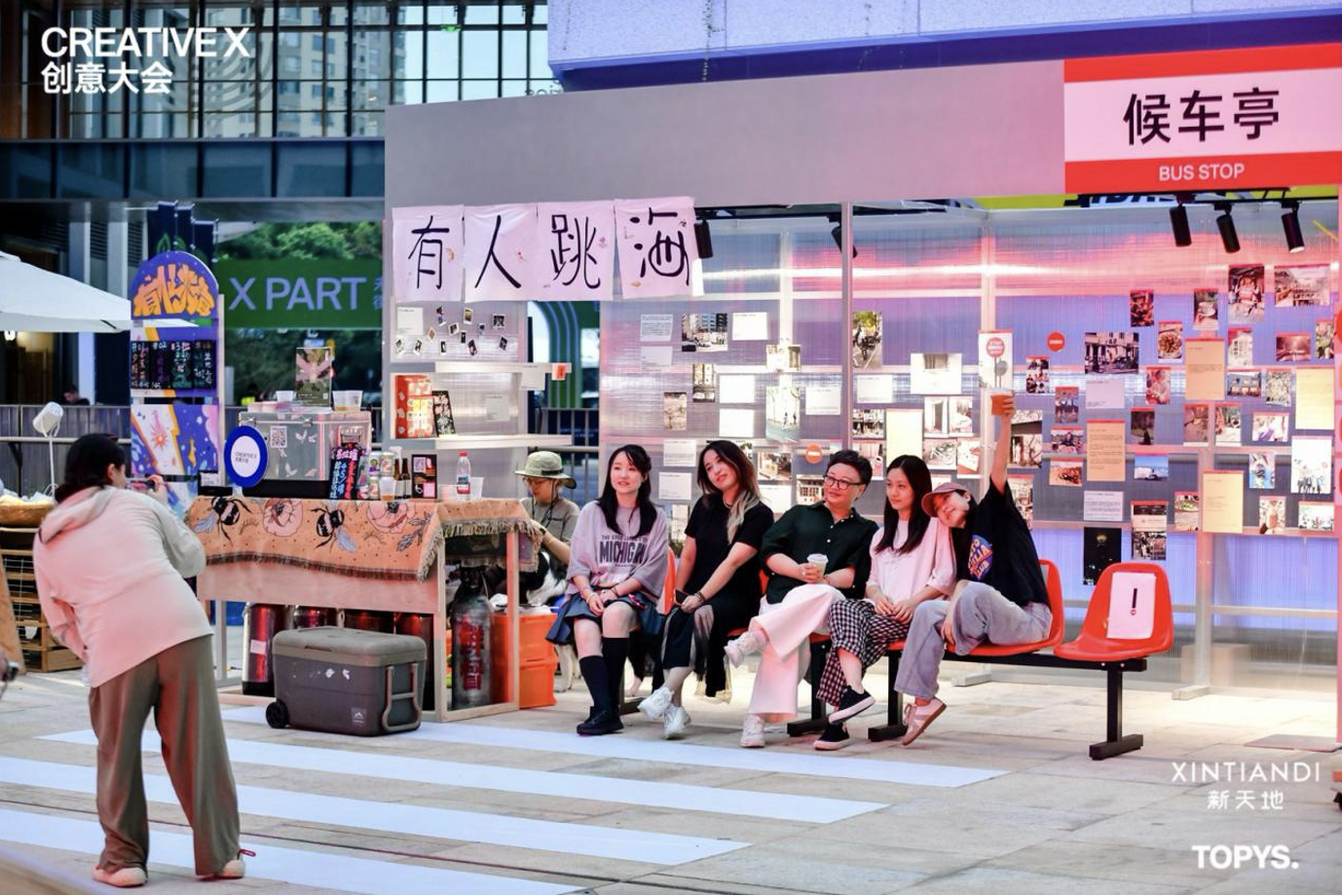
As commerce becomes more closely woven into everyday life, the X PART future neighborhood explored the boundaries between commerce and culture, function and feeling, and deliberate activities and daily routines. It gave people fresh experiences in familiar places, helped brands find new stories to tell in unfamiliar settings, and created new ways for people to connect with one another, their communities, and brands.
For attendees, CREATIVE X offered a chance to challenge assumptions through lively debate and hands-on exploration. For the co-hosts, it was an experiment that took them beyond familiar formats and ways of working. For the industry, it created a place where ideas could meet and develop, and where concepts that challenge convention could be tested in practice.
“Breaking Boundaries” is a starting point. Once familiar frameworks are opened up, everyone can explore new possibilities together, rethink what’s in place, and push further. BRANDSTAR
This article was contributed by the brand and edited by Brandstar.
CREATIVE X · TOPYS · XINTIANDI
More stories →