XINTIANDI’s evolution into a community brand
Community branding = long-term thinking + cultural co-creation + coordinated services.
In September 2025, with XINTIANDI Dongtai Li poised to make its debut as the latest addition to Shanghai XINTIANDI, Shui On Land announced that XINTIANDI would officially evolve from a commercial development brand into a community brand.
In an era of uncertainty, Shui On Land’s refresh of XINTIANDI builds on more than 20 years of brand development and carries forward a longstanding conviction. Urban development goes hand in hand with people’s pursuit of a better life.
As competition among cities intensifies and consumer segments shift, people increasingly need neighborhoods that offer a sense of belonging and purpose more than they need another shopping mall.
Shui On has long stayed the course on community building. What stands out about this refresh, and how is XINTIANDI making the shift from commercial real estate operator to community brand?
01. Where urban cultures meet and consumer expectations shift
As competition among cities and the management of urban spaces enter a new phase, preserving cultural heritage and fostering innovation rooted in a city’s identity are essential to serving the increasingly diverse people who live there.
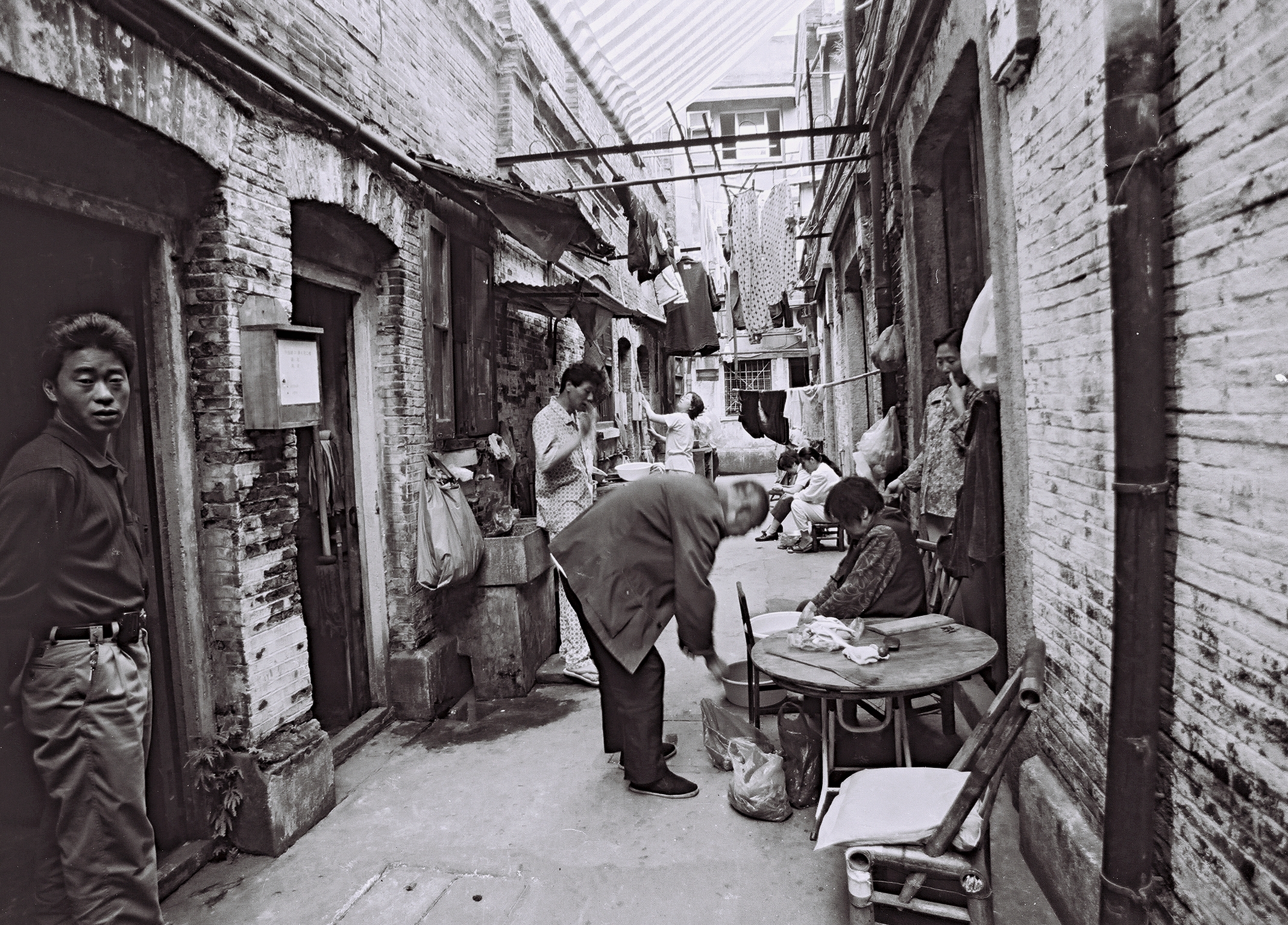
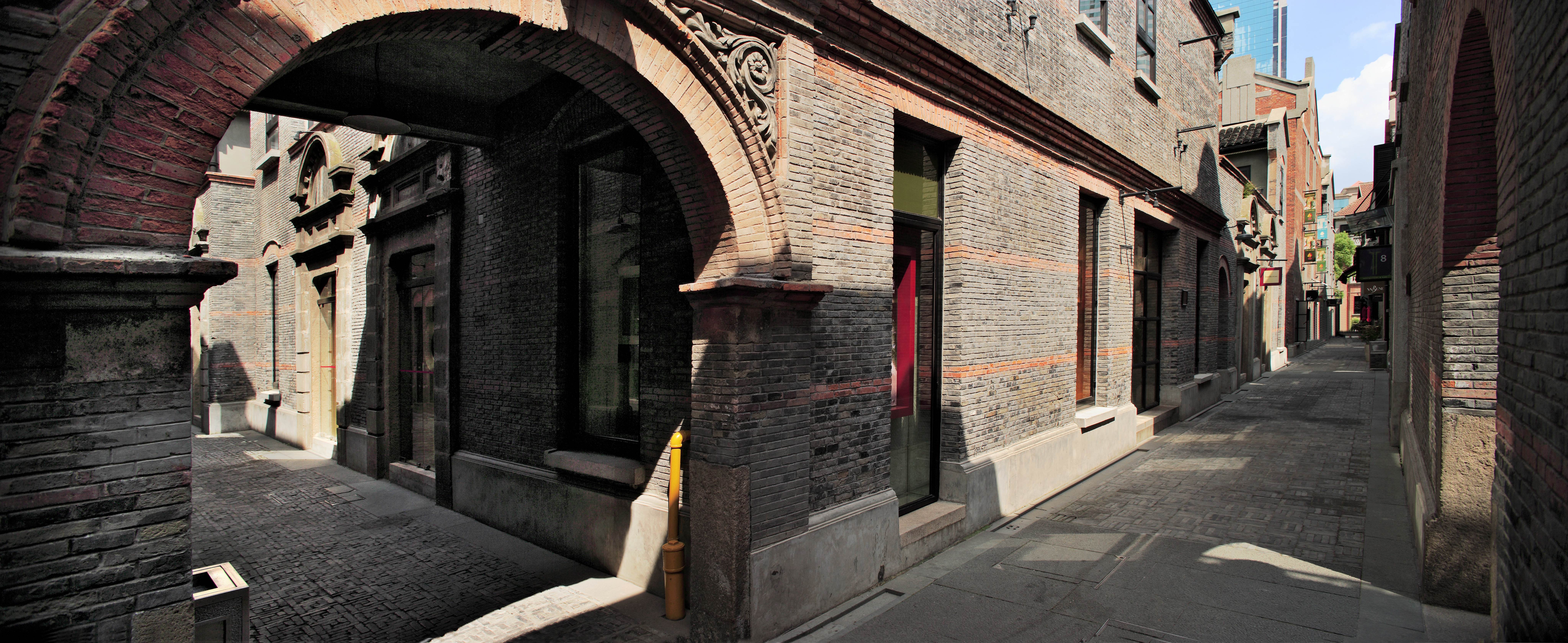
XINTIANDI calls the places that best capture a city’s spirit “urban frontiers.” These are places where different cultures coexist. Just as new life forms emerge where natural environments meet, communities at these urban frontiers take shape as cultures clash, interact, and blend, continually enriching the city’s identity.
1. From shopping mall to community gathering place
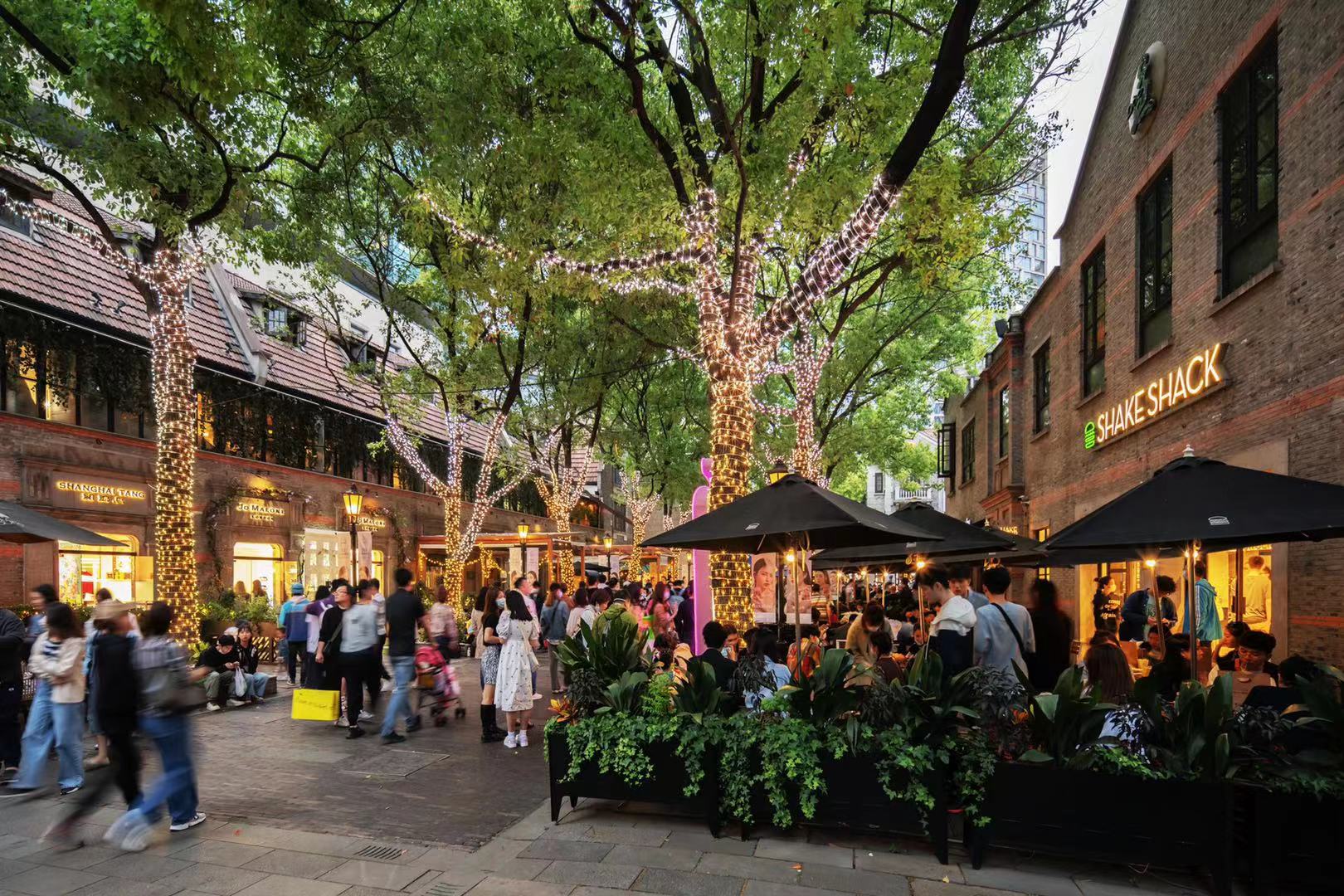
China now has more than 6,000 shopping malls. With so many to choose from, people’s expectations when they walk into a mall have subtly changed. Shopping is only one reason to go. Increasingly, visitors bring a deeper desire to feel understood, connect with others, and find a sense of belonging. Today’s consumers want places where they can share stories and make memories alongside making purchases.
XINTIANDI picked up on this shift. With the refresh, it is moving beyond the traditional role of a property operator and positioning itself as a partner that helps communities shape their own spaces and programs.
That means going beyond providing venues and actively building an open platform for a wide range of participants. Brands can engage with local culture and plan events with customers. Residents and creatives can test new ways to use the space and develop new programming. These conversations and experiments across sectors can make commercial spaces places where new forms of social and cultural life take shape.
2. A new mission for real estate
Brandstar sees the move as a sign that the purpose of commercial real estate is fundamentally changing. The old formula was “leasing + foot traffic.” Bring in enough tenants to draw shoppers and the property would generate returns. That model is losing viability as malls grow more alike, online retail captures more spending, and younger consumers seek experiences and brands that reflect their values.
The rise of community brands is a natural evolution for commercial real estate as consumer expectations change. Developers must go beyond providing space and become the people who shape meaningful places and lifestyle destinations. That means combining a range of uses within a property, creating cultural programming that resonates locally, and providing services that support the community over time. It is both a commercial strategy and a commitment to urban culture and the people who sustain it. As a community brand, XINTIANDI is addressing a question cities and consumers now face together. How can physical spaces once again express a city’s character and give people room to shape everyday life?
02. A community brand rooted in the city’s identity
1. Respecting local culture
“Local culture” has long been a buzzword in commercial real estate, but many projects reduce it to decorative motifs. XINTIANDI takes a more involved approach by putting down roots and participating directly in local life.
Shui On believes every city has a distinct history and culture, and that a thriving community brand must bring those memories and emotional connections back to life.
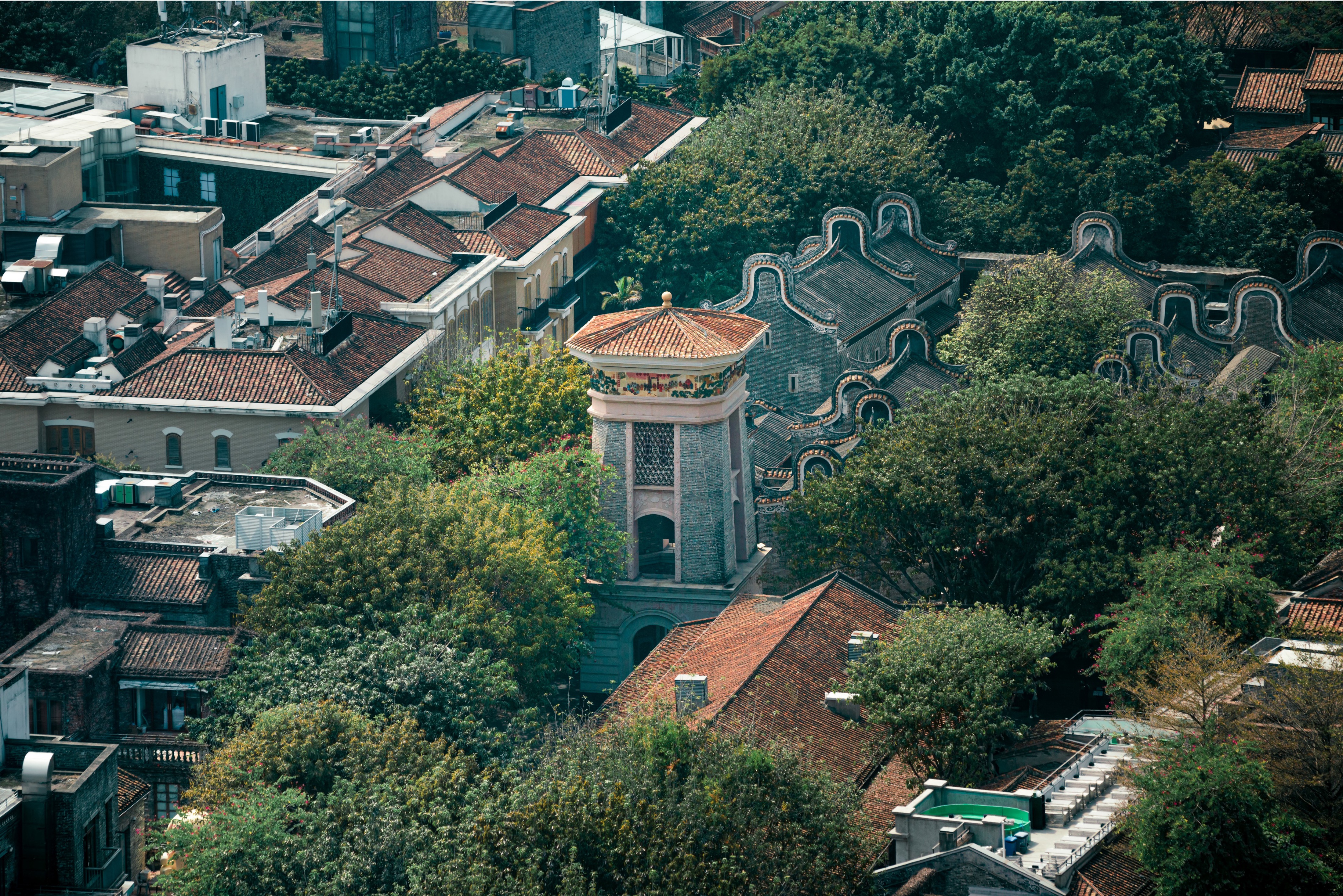
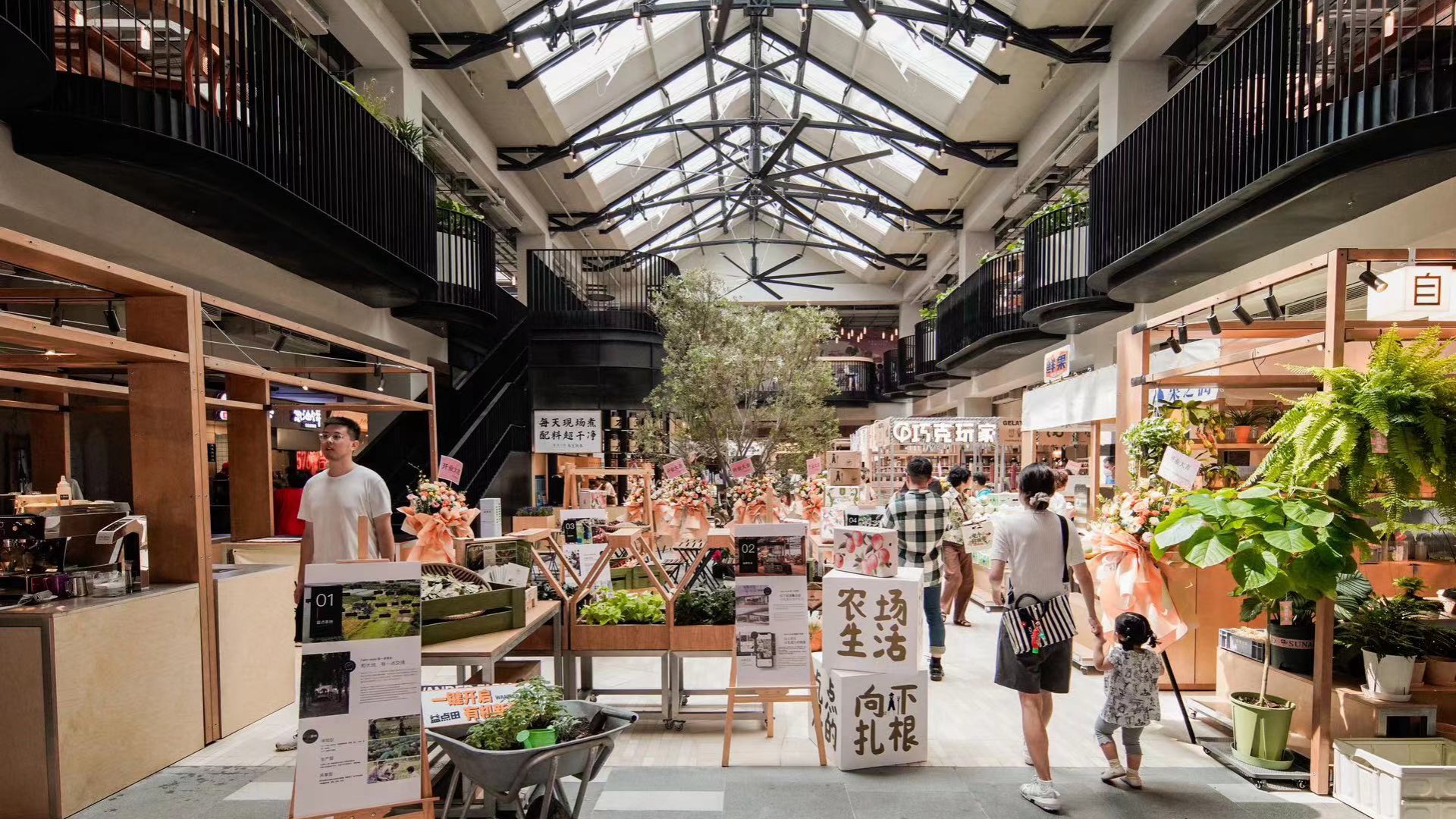
That respect goes beyond retro styling or replication. It starts with understanding a city’s historic fabric, everyday customs, and cultural identity, then weaving them into contemporary life so the community retains the warmth of its history and the energy of the present.
2. Local culture in practice
At Ruihong’s The Moon Bay, XINTIANDI reimagined the traditional flower and bird market as Weiran Shengzhang. Once an important neighborhood gathering place, the market now features botanical design, contemporary art installations, and lifestyle brands. Visitors can shop for houseplants, take part in plant-themed workshops and outdoor markets, and spend time in nature with family and friends. For people surrounded by concrete and steel, it’s a chance to see what it means for something to grow.
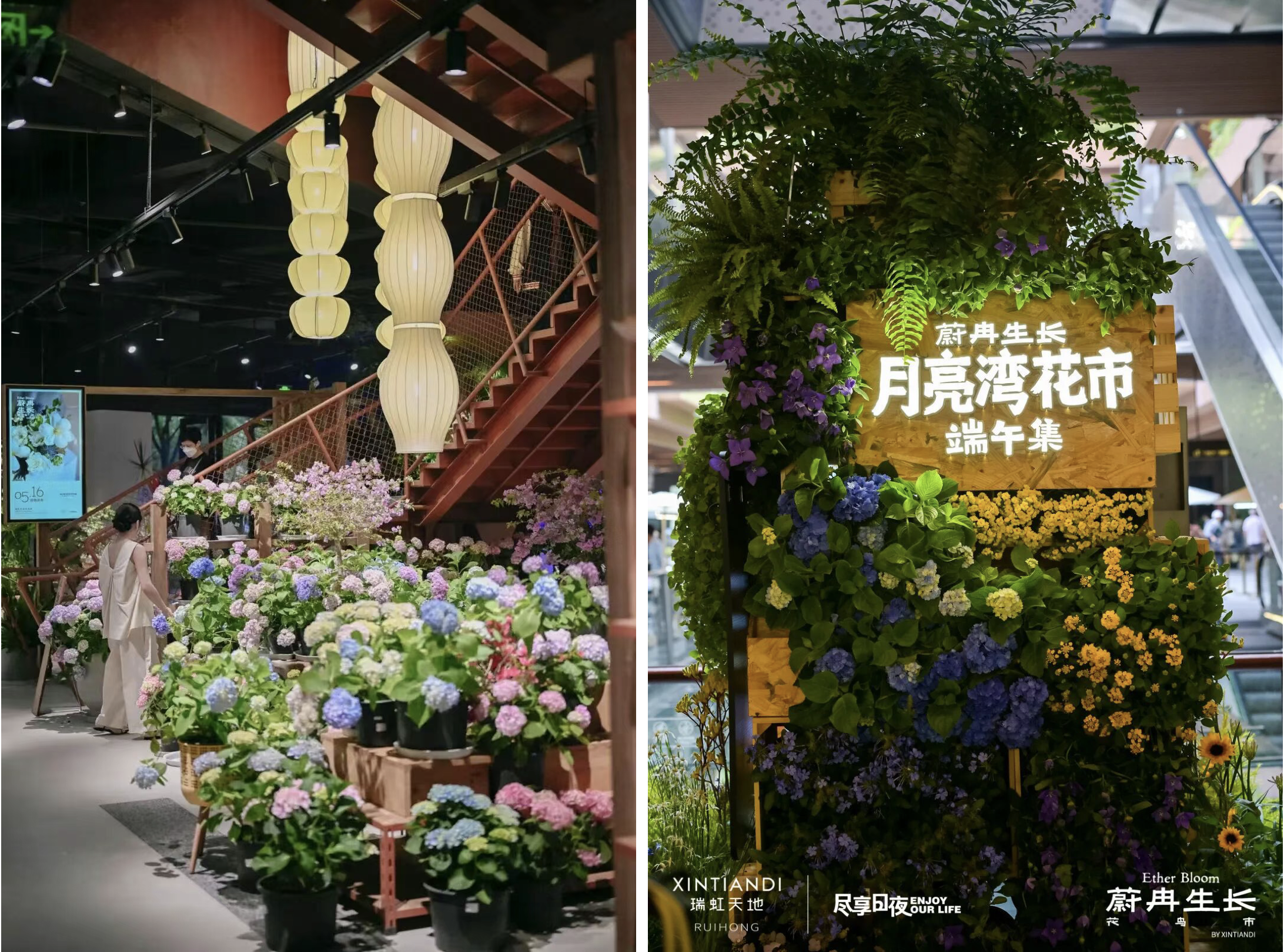 XINTIANDI’s Weiran Shengzhang flower and bird market
Dongtai Jizhen is another striking example. Once home to a famous Shanghai antiques market, Dongtai Road has been renewed as an interactive cultural space where visitors can explore the area’s history. Murals, open-air performances, and community talks make that history tangible at street level. People can stroll, stop for a while, or strike up a conversation with a stranger about the story behind a mural. In this way, local history becomes part of everyday life.
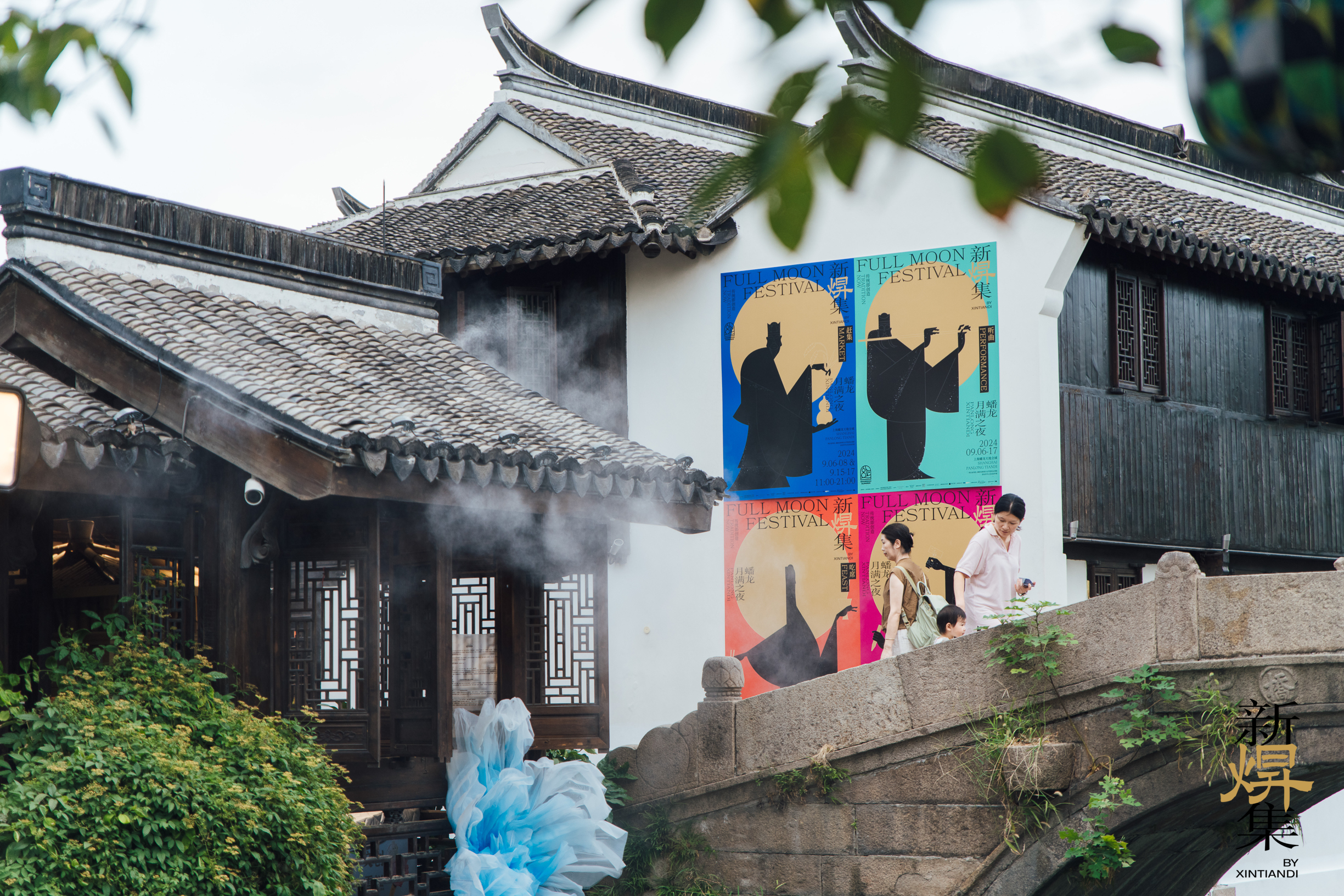
In Panlong, XINTIANDI keeps Jiangnan’s festival traditions alive through its Xinsheng Garden Fair. Crafts, holiday storytelling, and long-table feasts bring generations together to experience traditional festivities, strengthening their sense of belonging and creating shared memories. The fair gives old traditions room to take on new forms in a modern neighborhood.
3. Why local innovation matters
These examples show how a city layers its history with life in the present. Every street and every stretch of stone paving carries its own memories. Innovation rooted in place is therefore difficult to replicate, and standardized retail formats cannot meet the distinct emotional needs of people in different cities.
The deeper the roots, the more room there is to grow. By understanding and taking part in local culture, XINTIANDI brings physical spaces together under a community brand that carries forward the city’s identity and helps shape the future of urban life.
03. The three pillars of XINTIANDI’s community brand strategy
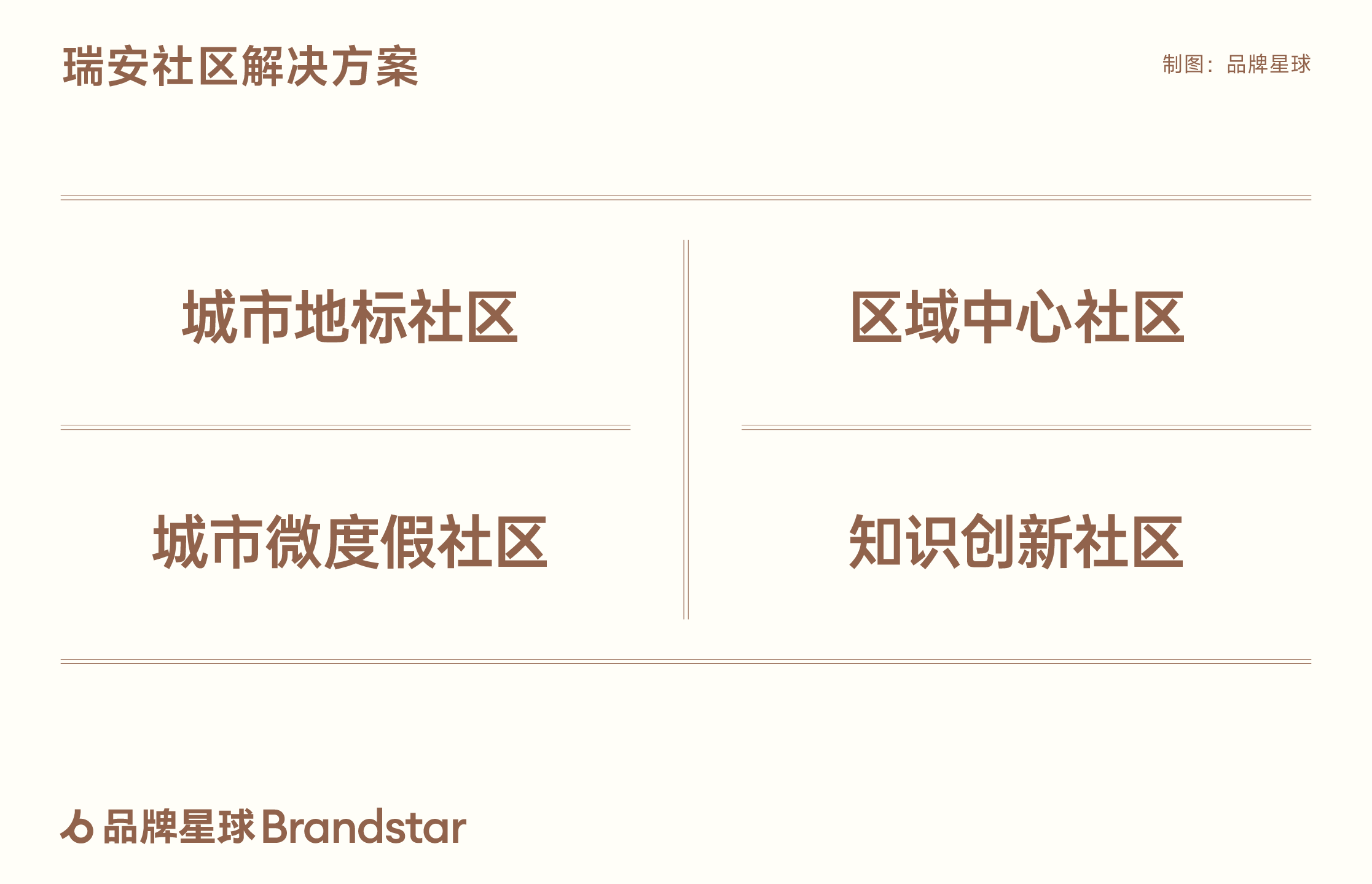
As urbanization enters a new phase, Shui On is repositioning XINTIANDI as a community brand. It starts with Shui On’s longstanding commitment to highly integrated mixed-use communities. Retail, housing, offices, and cultural uses are planned together, with a continued emphasis on well-designed public spaces.
Under the new structure, six major developments previously named under the Tiandi brand are being renamed under XINTIANDI, effective immediately. They are Wuhan XINTIANDI, Chongqing XINTIANDI, Lingnan XINTIANDI, Ruihong XINTIANDI, Hongqiao XINTIANDI, and Panlong XINTIANDI. As a brand for entire mixed-use communities, XINTIANDI extends beyond commercial uses. The shared identity brings greater consistency and helps the developments’ different functions work together, creating more possibilities for community life as spaces, programming, and services evolve together.
In the Shanghai XINTIANDI community, the soon-to-open XINTIANDI Dongtai Li sits next to Phase VI of the Lakeville residential development and Taiping Lake Park. Beneath a 6,500-square-meter panoramic canopy, it combines an open-air shopping district with an enclosed mall. The open layout and social atmosphere give brands and consumers flexible ways to interact, while the enclosed mall provides stable year-round operating conditions and accommodates a varied tenant mix. The hybrid format brings retail, dining, and entertainment together with art and cultural exhibitions, city festivals, and educational activities for families, creating a new urban landmark for shopping, shared experiences, and creativity.
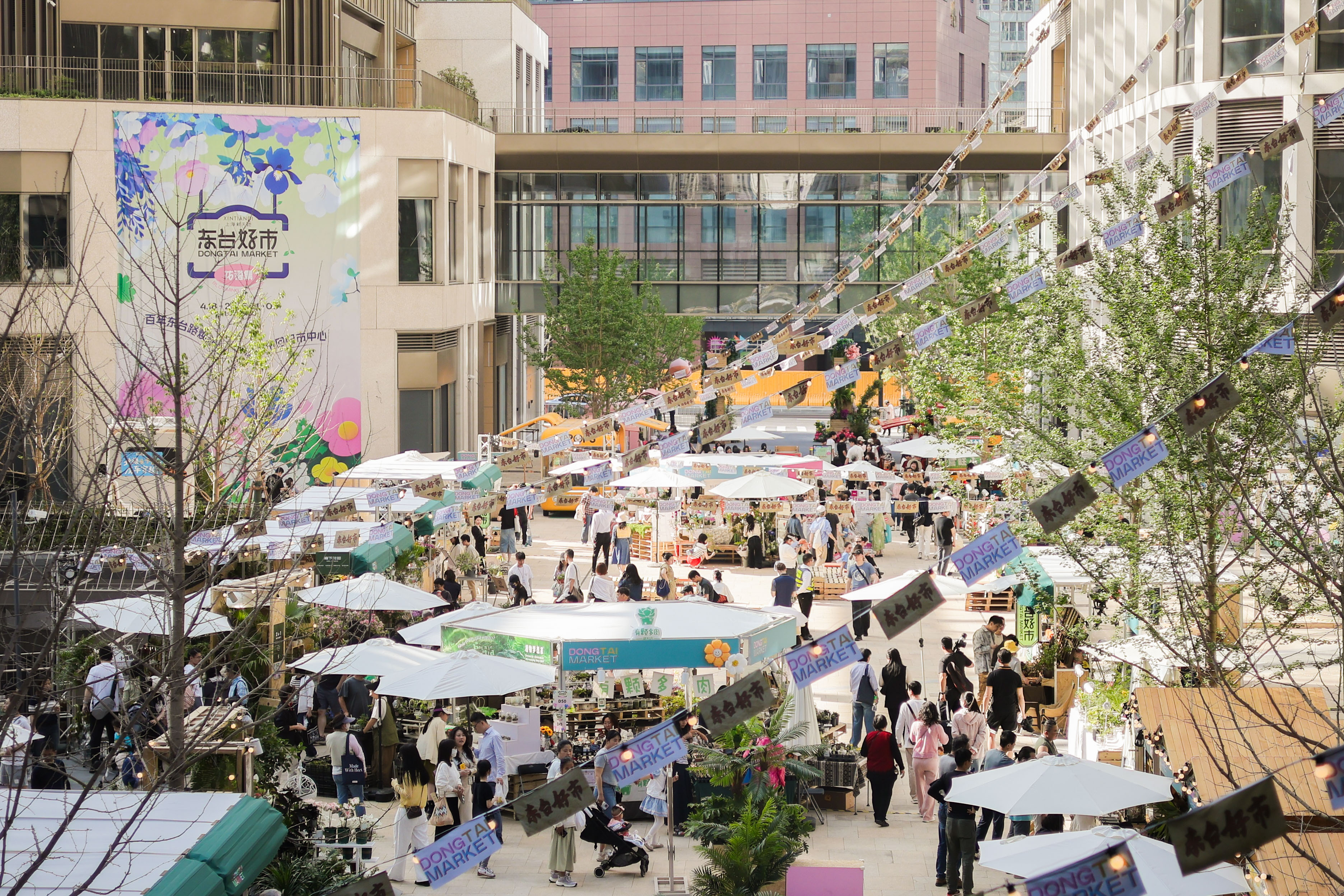
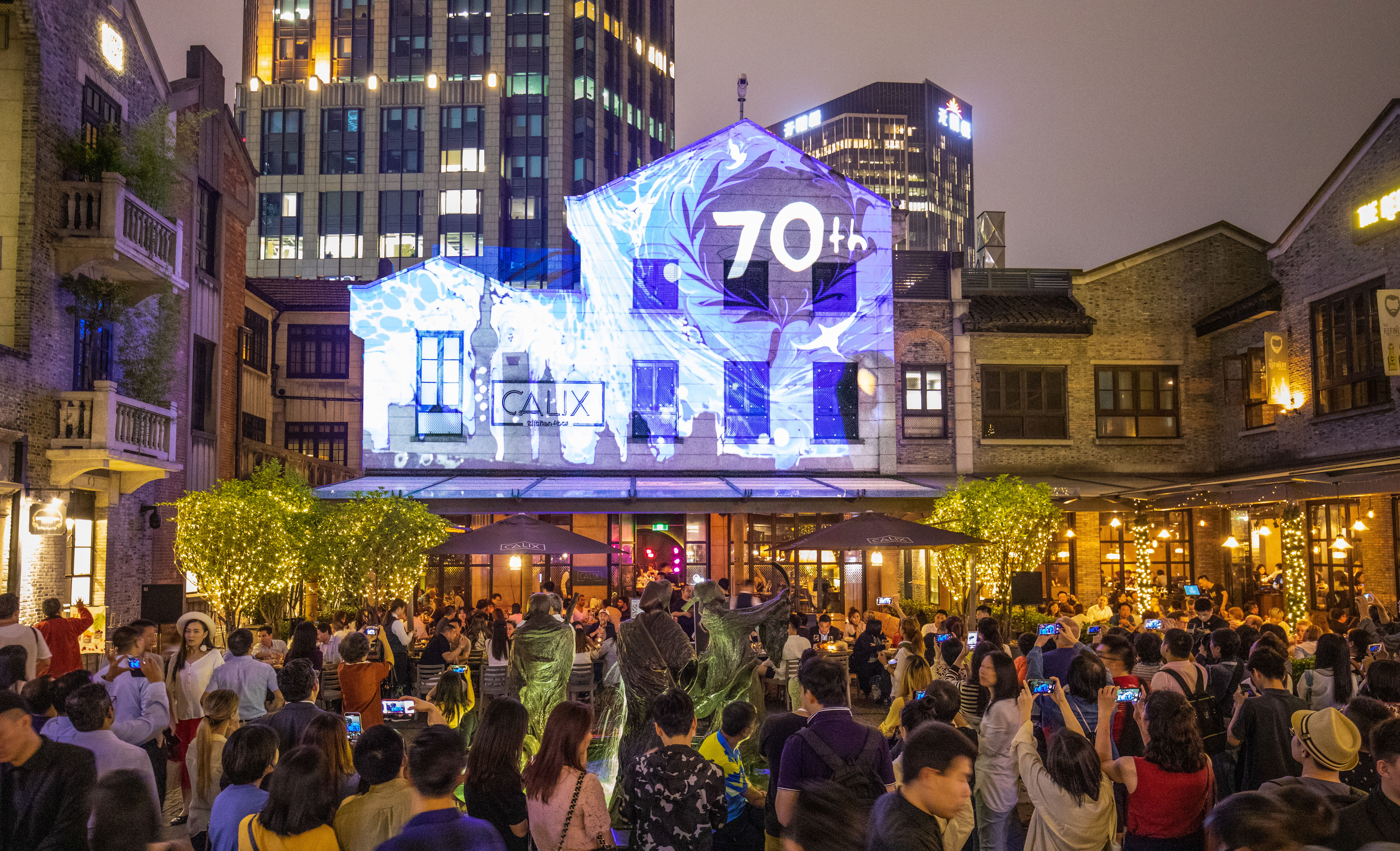
XINTIANDI also emphasizes designing spaces that can evolve. From pop-up markets in public plazas to art exhibitions and performances in rooftop gardens, the spaces give community members room to create on their own terms. The people who use these places can keep shaping them over time.
XINTIANDI emphasizes letting programming grow organically from the community, with production as only one part of the process. Its original Xinsheng Garden Fair is a case in point. Guided by the idea that “tradition is creation,” the fair turns traditional Chinese holiday rituals into interactive experiences across five areas: marketgoing, feasting, live music, friendly contests, and lantern viewing. The bustle of the market evokes familiar feelings, live music brings cultural heritage to life, and friendly competition gives people a chance to form new connections. The experience reinvigorates holiday traditions and gives the community brand a distinct personality.
The Creative X conference and X PART’s experimental neighborhood project bring the creative economy and urban culture together. Local and international creatives, brands, artists, and media observers discuss the issues shaping the future of cities. Street installations, brand pop-ups, conversations across disciplines, and experimental markets share a space, giving the community a place to develop new ideas. XINTIANDI goes beyond hosting events by building an ecosystem in which cultural programming and commercial activity can support each other.
Digital tools are the third pillar of XINTIANDI’s strategic shift. Its digital membership platform redefines what it means to be nearby, extending neighborhood connections online. Members can preview events, access exclusive benefits, and book services. A dedicated section also invites residents and brands to suggest new uses for spaces and new kinds of experiences together.
The platform goes beyond shopping with cultural recommendations, previews of art exhibitions, and sign-ups for creative markets, giving users a stake in how the community develops. These tools bring a human touch to property management, help strengthen connections, and make it easier for everyone to share in the community’s growth.
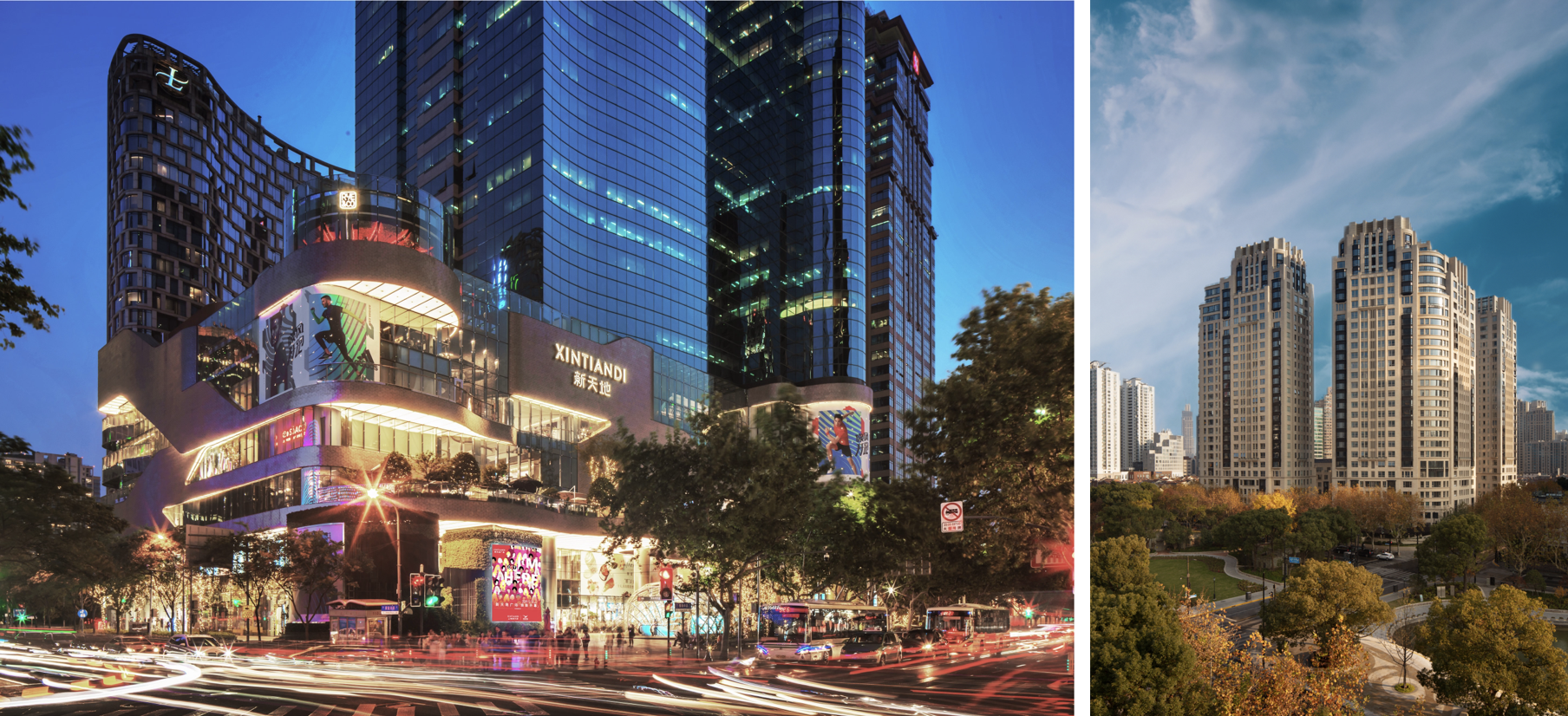
As XINTIANDI evolves from a commercial landmark into a community brand that serves a range of lifestyles, its shopping district, the Lakeville residential developments, and Taipingqiao’s historic parkland together form the Shanghai XINTIANDI community. The district goes beyond the conventional mall by bringing shopping, arts and cultural experiences, green space, and a full range of everyday services into a cohesive, self-contained urban neighborhood.
04. What XINTIANDI’s collaborative model means for the industry
Over more than 20 years of developing and operating its properties, XINTIANDI has arrived at a formula for a community brand built on collaboration and mutual support. “Long-term thinking + structures for co-creation.”
Long-term thinking gives equal weight to preserving history and fostering innovation. A model of preservation through development helps identify which local assets can anchor new ideas. Co-creation is also essential to the brand’s long-term viability. By bringing people together to exchange ideas and experiment across disciplines, generations, and media, it makes sustainability part of the community’s culture and everyday life.
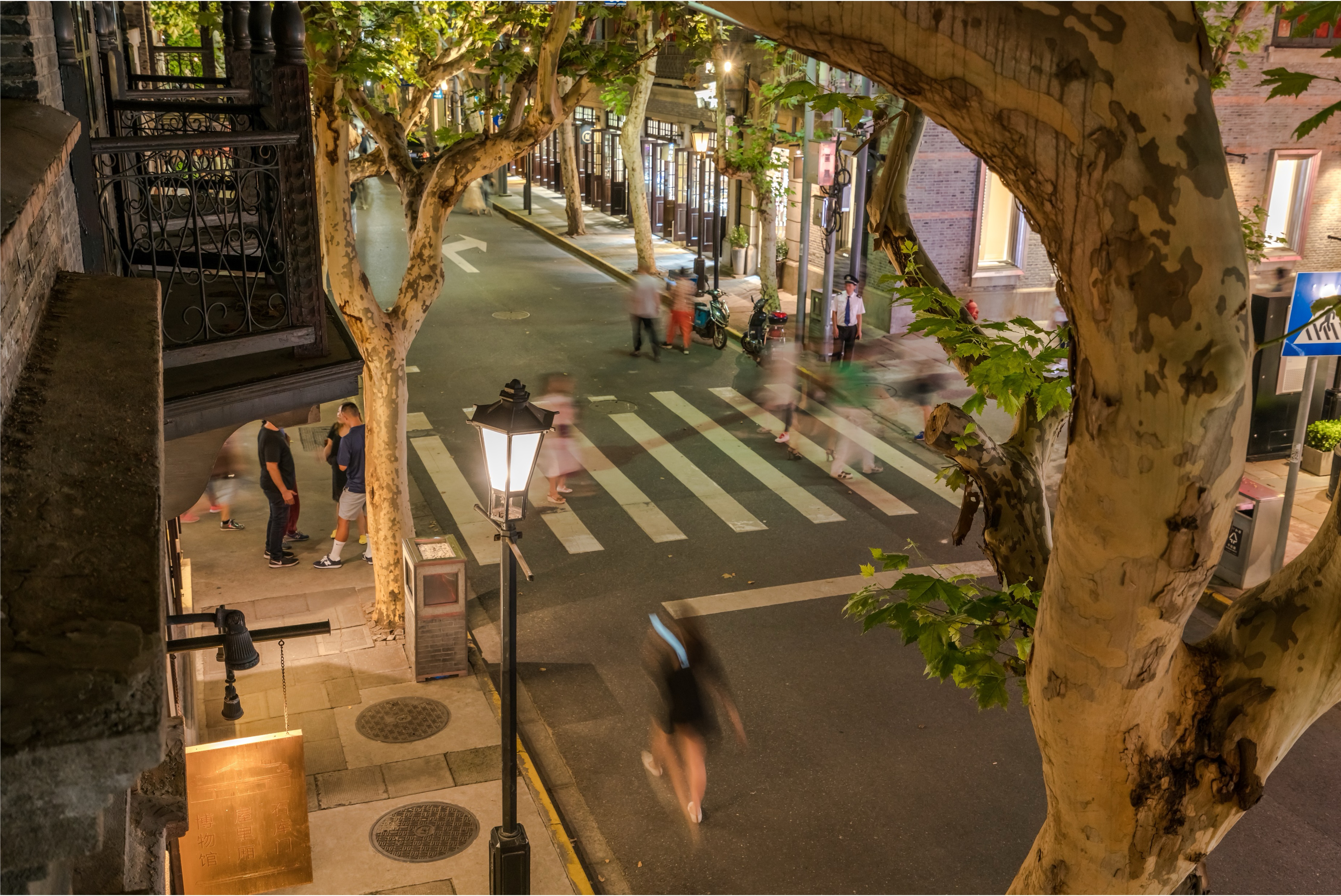
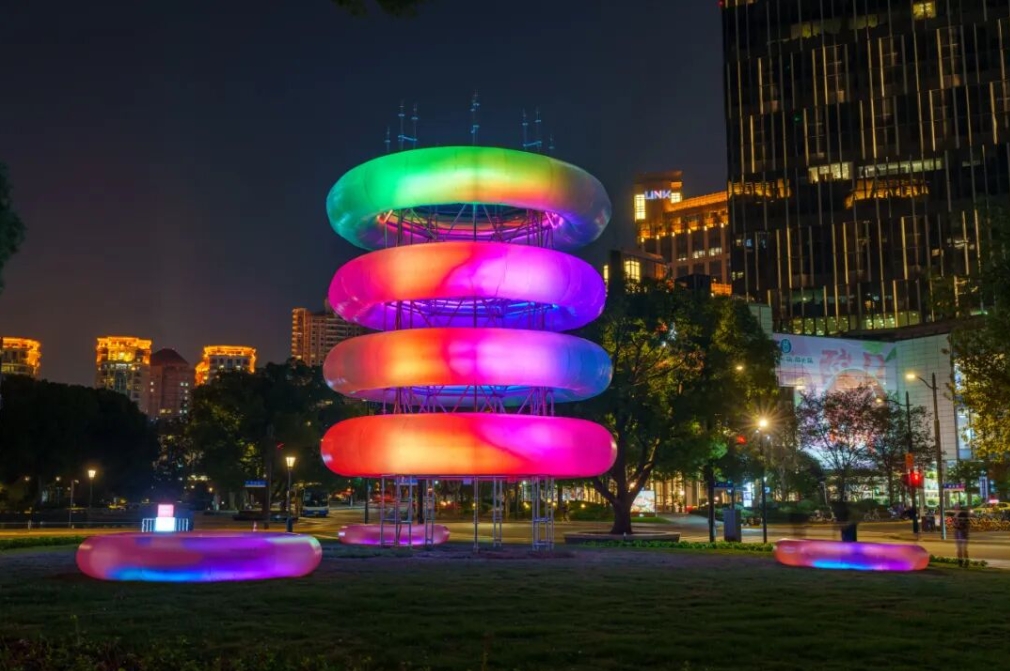
People are the most important part of every innovation. XINTIANDI calls its community collaborators “people who won’t be boxed in.” They are forward-thinking, willing to reach beyond their usual circles, and deeply involved. By expressing their values boldly and trying new things, they open up possibilities and show what different ways of living can look like. Their creativity keeps the community evolving. With this range of lifestyles shaping it, Shanghai XINTIANDI has evolved from the city’s living room into a cultural and social destination, helping shape how people live in the city.
XINTIANDI’s role is to build the platform and work with partners to develop the wider ecosystem. It brings partners together to create a distinctive community brand experience by combining different uses in shared spaces, collaborating on communications, connecting membership programs, and testing cross-industry marketing ideas. Events such as the Creative X conference bring different fields into conversation and support local creative talent. Through its own cultural programming platform, # Creators 100, XINTIANDI goes beyond producing content on its own by giving more creatives a place where they want to make things and exchange ideas, helping sustain programming that resonates with the community.
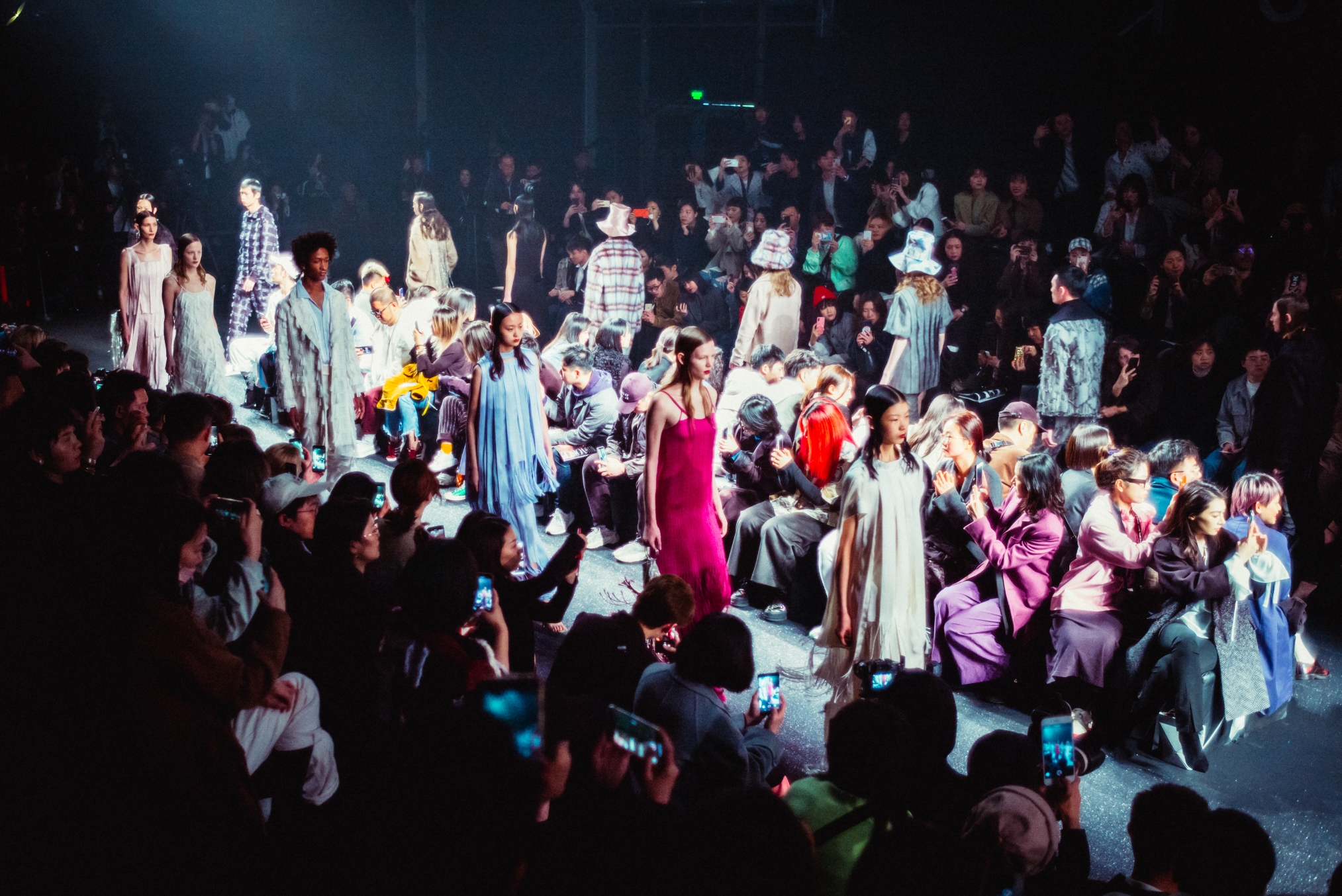
For tenant brands, operating at XINTIANDI can feel different from operating in other retail developments. In translated remarks, Yin Yi, vice president and general manager of Salomon China, said the biggest difference is the relative freedom brands have to tell their own stories and connect them naturally with the surrounding spaces, resources, and people. That has given Salomon room to develop new programming and events, making the brand an active part of the community that keeps creating and making connections instead of operating in isolation.
At XINTIANDI, brands become part of a community ecosystem, taking on a role that goes beyond a conventional commercial lease or transaction. They help shape the community by drawing on local culture and the spirit of the city to tell distinctive stories through commerce, creative work, and art. In doing so, they bring to life XINTIANDI’s promise that there’s always something new to discover in community life.
True sustainability means giving everyone in the ecosystem a place and room to grow. In nature, when each species occupies its own niche, the ecosystem can sustain its own growth even when external conditions are uncertain. The key to the continued growth of XINTIANDI’s creative ecosystem is encouraging everyone in it to imagine more ways to live well and put those ideas into practice, opening up new possibilities for everyday life.
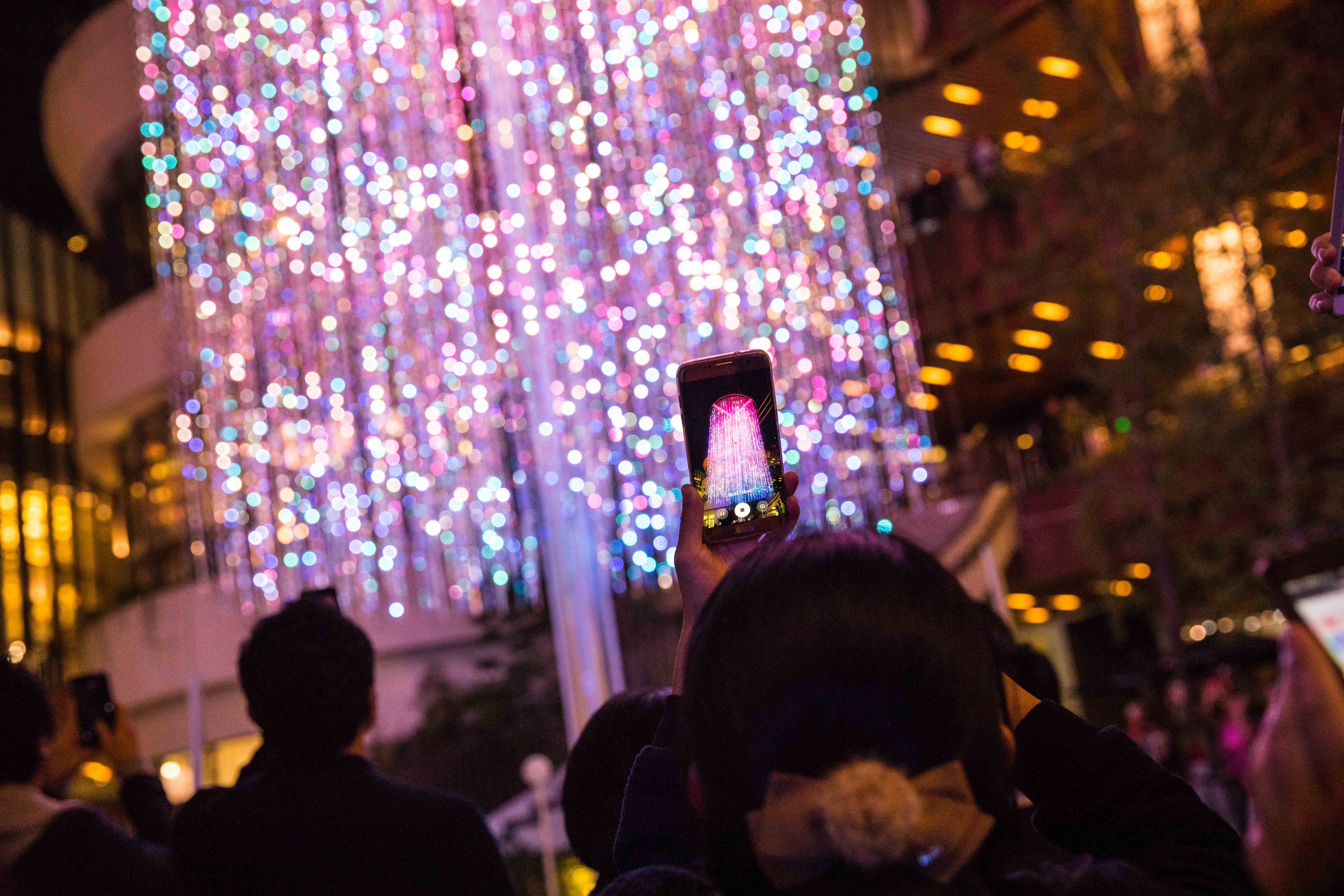
From a broader industry perspective, XINTIANDI’s strategic evolution also offers a model for building real estate brands. Its more organic, inclusive approach gives communities greater vitality and shows what a new generation of community brands could look like.
What the future of community branding could look like
XINTIANDI’s approach offers several lessons for the industry.
• Commercial real estate needs to shift its focus from transactions to creating places that hold meaning for people, with long-term cultural and community value guiding decisions.
• Brands can move beyond site selection by treating participation in a community brand as a strategic partnership and a way into the city’s creative ecosystem.
• City governance and consumers stand to see urban renewal evolve as commercial real estate takes a more community-oriented approach. Alongside physical upgrades, renewal becomes a collective effort to shape local culture and everyday life.
Brandstar sees it this way. Community branding = long-term thinking + collaborative cultural creation + coordinated services. The experiment underway at Shui On could point to a direction for urban renewal in China over the next decade.
05. Closing thoughts on how communities can bring cities and people together
As Aristotle once observed, people come to cities to live and stay to live better.
XINTIANDI’s strategic evolution is a modern answer to that age-old idea. It makes the built environment a setting for a better life and gives communities meaningful places where culture can grow and creativity can flourish.
Born in Shanghai at the turn of the century and rooted in the city’s distinctive culture, XINTIANDI has potential well beyond Shanghai. As Zhang Bin, CEO of Shui On Xintiandi, put it,
A community brand should Bring Place to Life and Bring Heritage to Life. Cities are built for friends and loved ones, and every era needs a new XINTIANDI.
Building a community brand takes sustained experimentation with how cities work and how people live, well beyond the span of a marketing campaign. XINTIANDI offers commercial real estate operators, brands, and city officials an approach to organic growth they can draw on, while expanding how we imagine the cities of the future. BRANDSTAR