Petal Ads uses data and AI to help brands regain the initiative across touchpoints
01——
In a few days, 2025 will be history. At this time of year, platforms and brands tend to pause, look back, and reflect. It may be too early to say whether 2025 marked a turning point in the current economic cycle, but it was a year that fundamentally changed how many companies and individuals think. A shared realization took hold. Relentless competition offers no viable path forward, and following others’ lead does little to break through growth barriers. Attention is now turning to a broader set of opportunities, new sources of growth are gaining momentum, and new business models, ecosystems, and ways of thinking are emerging faster.
From the explosive growth of AI to Chinese companies building robust business ecosystems overseas and the rapid rise of emotion-driven spending, new growth stories keep emerging even when opportunities seem scarce. Against this backdrop, Petal Ads held its inaugural year-end media event, “Global Ambitions, a Smarter Way Forward,” in Shanghai, bringing together dozens of media outlets to discuss the future of marketing. As the HarmonyOS ecosystem’s intelligent marketing platform for reaching consumers across devices and contexts, Petal Ads uses data science and AI to help brands move beyond competing for traffic, engage consumers more deeply in everyday settings, and regain the initiative in the market.
02——
Data- and AI-driven marketing across touchpoints helps brands regain the initiative in four ways. First, data science provides early insights for marketing decisions. Second, AI helps brands act on those insights and reach audiences sooner. Third, immersive experiences help brands seize timely opportunities to engage. Fourth, staying with users throughout their journey helps brands build lasting relationships.
Data-driven foresight
The biggest problem with traditional digital marketing is limited visibility. With data locked in silos, brands typically see fragments of a user’s behavior on a single app or device. Each fragment tells part of the story, making it difficult to build a complete picture of the user.
Petal Ads aims to overcome this limitation by connecting devices across contexts through a single HUAWEI ID. Drawing on Huawei’s “1+8+N” device ecosystem and unified account system, Petal Ads helps brands better understand what users need across phones, PCs, smart screens, watches, and tablets while adhering to strict privacy safeguards. Brands can move beyond isolated snapshots of behavior and see the rhythm of a user’s day, from waking up to a watch alarm and listening to the news on an in-car system during the commute to ordering lunch on a phone and watching a movie with the family on a smart screen in the evening.
Building on that foundation, Petal Ads uses data science products such as Jinghong Wanxiang to bring together users’ behavioral preferences across platforms. It connects activity across contexts to build a fuller picture of each user. Brands can then reconstruct how consumers make decisions as their journeys unfold, spotting signals from the first signs of interest through the purchase decision. That gives brands an evidence base for a strategy that spans the entire journey.
Using AI to reach audiences sooner
How can brands put insights from across touchpoints to work? Traditionally, marketing teams have relied on experience to assemble media mixes, allocate budgets, and optimize bids manually, a complex process that can be slow to respond. With its AI Agent, Petal Ads shifts campaign execution from manually operated tools to AI-driven decision-making.
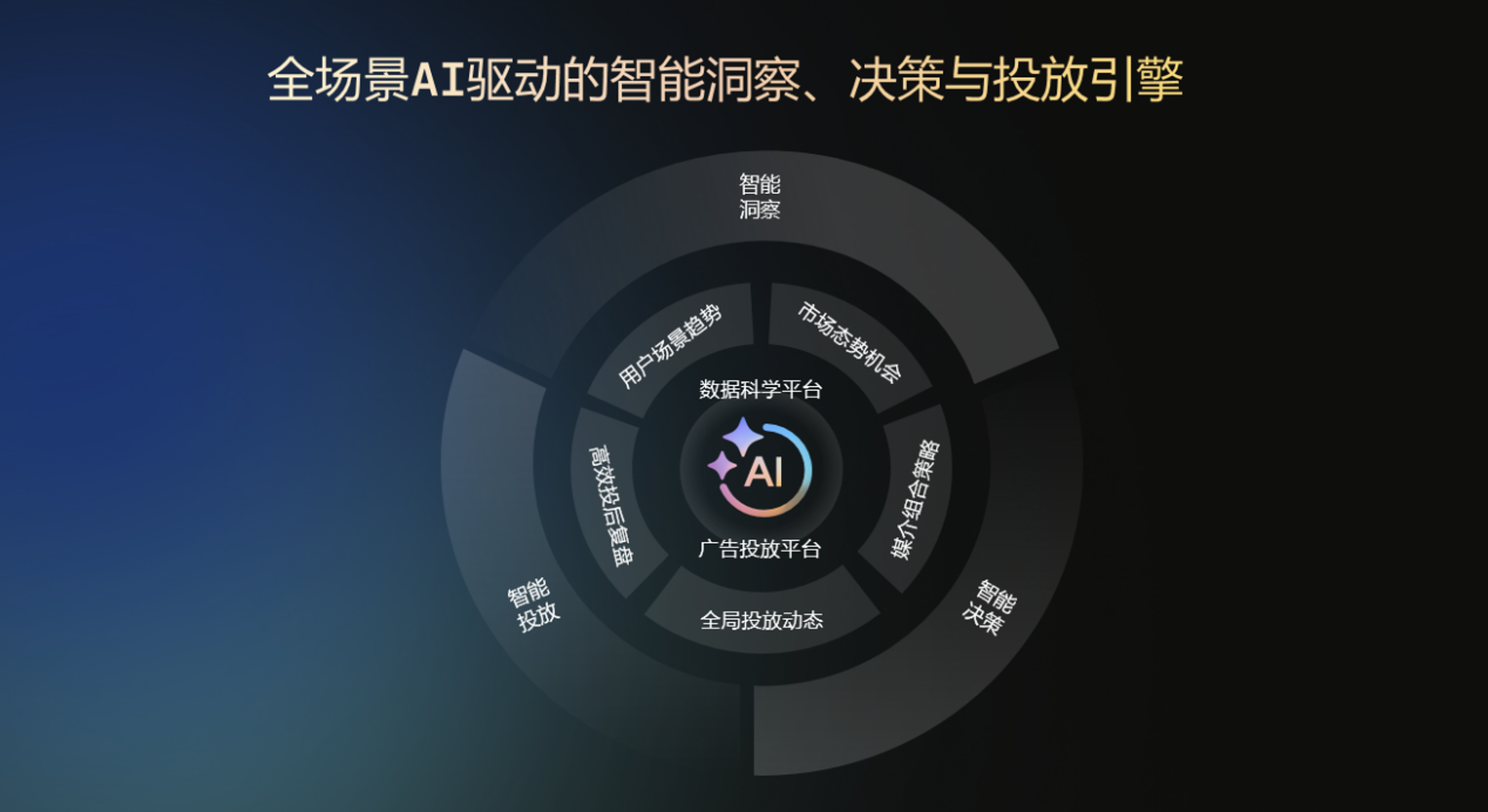
The AI Agent combines data science and ad delivery in three core engines for insights, decision-making, and campaign delivery. Brands can describe their marketing goals in plain language. For example, they might want to raise awareness of a premium infant formula brand among newly middle-class mothers with childcare needs in first-tier cities. The agent interprets the request and uses insights from across touchpoints to plan a media mix and budget allocation in real time. It then delivers relevant content at a suitable time, such as when the family is unwinding after work, and on a suitable device, such as the household smart screen or the mother’s phone. This shortens the time from strategy to execution, so campaigns can respond as users’ intentions and circumstances change.
Reaching users when they are most receptive
When attention is scarce, reaching users is only the first step. Brands need to engage them when they are most focused and receptive. Petal Ads uses its ecosystem to create new, high-value opportunities to engage consumers beyond the crowded channels already competing for their attention.
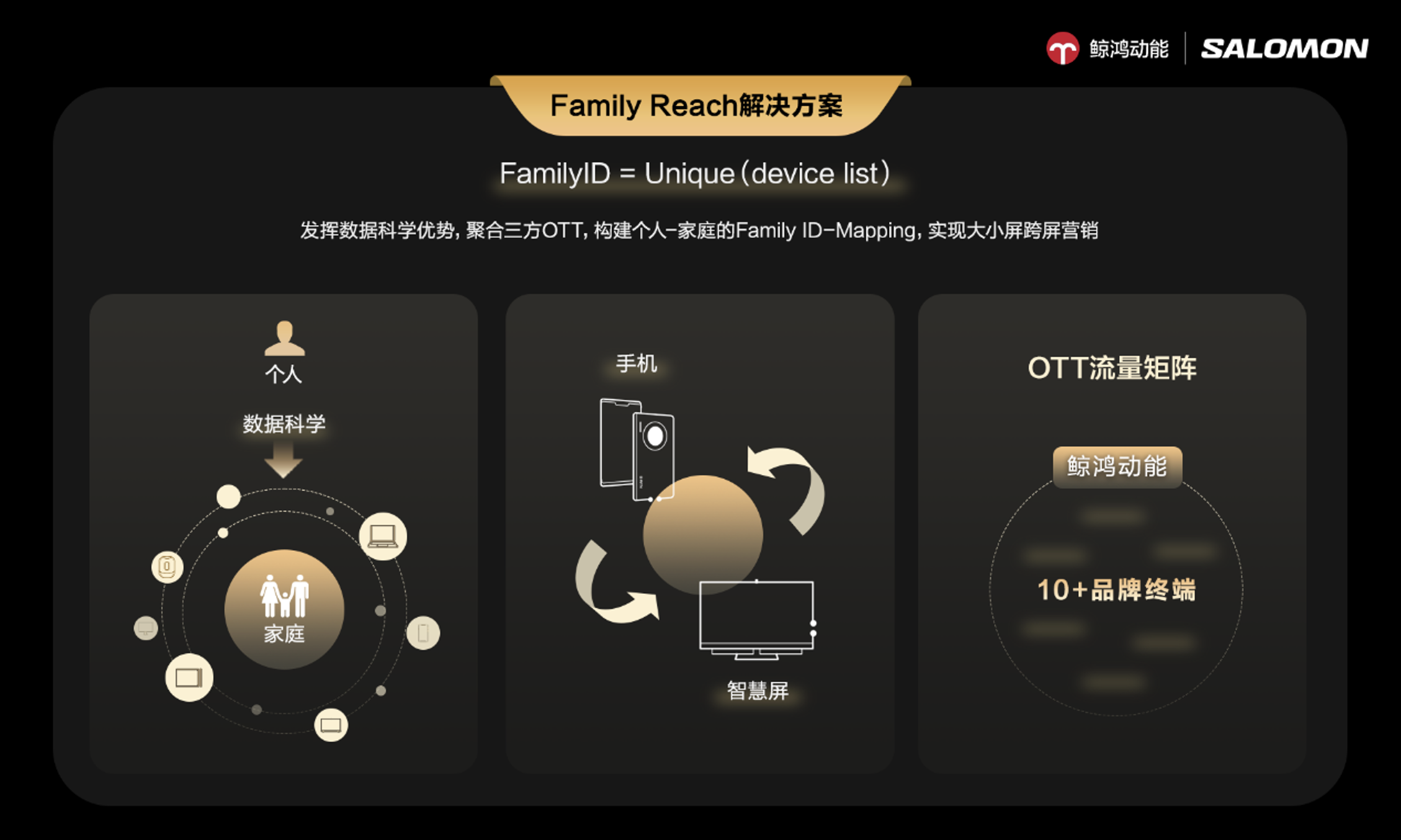
For example, Petal Ads created an “Offline Zone” for 5 million monthly users who travel frequently for business. It uses signals of user intent to preload relevant content, delivering targeted brand messages before boarding and giving brands exclusive access to a period when travelers are highly attentive. Petal Ads has also rethought how brands reach households. By linking personal HUAWEI IDs to a household Family ID, it introduced Family Reach, a cross-screen marketing solution. Brands can use prominent placements on the living-room smart screen to spark interest, then drive search, engagement, and conversion on personal phones. In a campaign with outdoor brand Salomon, running ads across both screens lifted the click-through rate for in-feed ads by 42%. The case illustrates how engaging consumers in their daily routines can create opportunities for deeper interaction than standard ad placements offer.
Building relationships throughout the user journey
The ultimate goal of marketing across touchpoints is to reshape the relationship between brands and users, moving from one-off transactions to a role in customers’ daily lives that delivers lasting value. Petal Ads uses AI and services across its ecosystem to integrate brand communications throughout the customer lifecycle. Imagine a travel app that lets users look up hotels on their phones, receive reminders on their watches, and complete bookings on their tablets. That kind of seamless experience keeps users engaged.
Huawei’s Xiaoyi assistant takes this a step further. For brands, Xiaoyi acts as a partner that understands users, interpreting their intent and anticipating potential needs so it can match them with relevant services. If a user tells Xiaoyi they want to make a low-calorie meal to help them lose fat, the assistant can immediately suggest ingredients. The brand delivers a timely, relevant solution, building awareness and driving conversion as part of the interaction.
Conclusion
The outlook for growth in 2026 remains uncertain, and competing for traffic alone offers fewer and fewer avenues for growth. Petal Ads is drawing on its position in the ecosystem and expanding its marketing capabilities across touchpoints to offer brands a more predictable path to growth, grounded in people’s needs and the contexts in which they act. The shift goes beyond an upgrade to marketing tools. It reflects a change in how businesses rebuild trust and develop lasting, mutually beneficial relationships with consumers in a fragmented market. BRANDSTAR