What kind of collaboration wins over both parents and kids?
By partnering with entertainment franchises that share its values, Tutu Mama has found another way to express what the brand stands for.
“My kid had just turned three when we first tried this Tutu Mama crossover toothbrush. Brushing practically turned into Zootopia role-play!” In a comment on a WeChat post from Tutu Mama, which makes personal care products tailored to different childhood age groups, one parent described how their child turned brushing into an adventure alongside the animated film’s characters.
Tutu Mama announced its collaboration with the hit franchise three months before Zootopia 2 opened. The co-branded toothpaste has sold more than 100,000 units and generated over RMB 1 million in sales through the brand’s Tmall flagship store. To coincide with the film’s release, Tutu Mama staged an in-person pop-up and brought costumed performers and prominent large-screen ads to Wuyi Square subway station in Changsha, extending the campaign’s reach.
Tutu Mama’s collaborations this year included two other box-office heavyweights in China. Ne Zha 2 is seen as a landmark in the rise of Chinese animation, while Lilo & Stitch is a globally recognized franchise. The three films took the top three spots on the annual global box-office chart.
 Maoyan Movies’ annual global box-office chart
Many brands have recently teamed up with popular film and television franchises. According to Beijing Business Today, more than 70 mainland Chinese brands have partnered with Zootopia 2 across sectors including food service and everyday consumer goods. For brands, collaborations with popular franchises are an important way to reach new audiences and gain visibility.
A review of Tutu Mama’s recent collaborations revealed a more deliberate strategy. The brand uses values that resonate, storylines that fit, and themes already present in the franchise to bring its philosophy of “love and science” to life in ways consumers can enjoy, understand, and feel.
01. How protection links the film and the brand
For the collaboration, Tutu Mama launched a Zootopia 2 character-themed range that included fruit-flavored kids’ toothpaste formulated to help prevent sugar-related cavities, lightly tinted fruit-oil lip gloss for kids, children’s toothbrushes, children’s tooth-protecting oral spray, and product sets. Every item featured characters from the film.
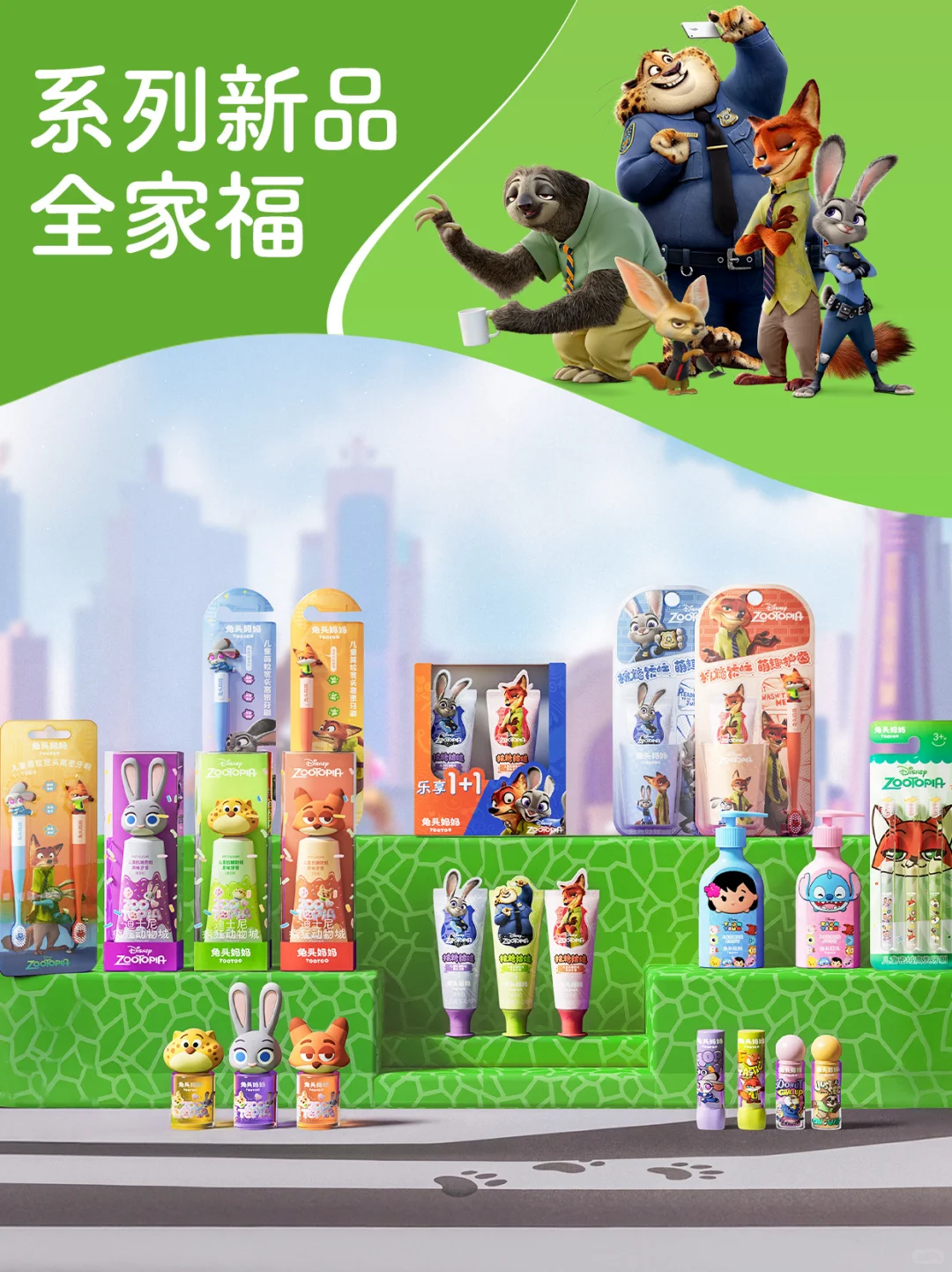
The connection went beyond packaging and product design. Tutu Mama built the launch campaign around a theme central to the film itself.
Protecting others has always been central to the Zootopia films and to Judy’s character. Nick and the others help Judy crack tough cases with the same goal in mind: keeping Zootopia safe. Tutu Mama carried that idea into the campaign, building nearly all of its promotion around the lead characters protecting children’s teeth.
Tutu Mama’s WeChat launch post opened with a “Sugar Monster Crisis.” “Sugar monsters are swarming the city, and the teeth of several downtown residents are flashing yellow warnings! The entire city is now on Level 1 cavity alert!” Nick and Judy form the “Tooth Patrol” and take on a mission to keep sugar in check and prevent cavities. The new toothpaste is cast as the team’s best weapon for defeating the monsters and completing the mission.
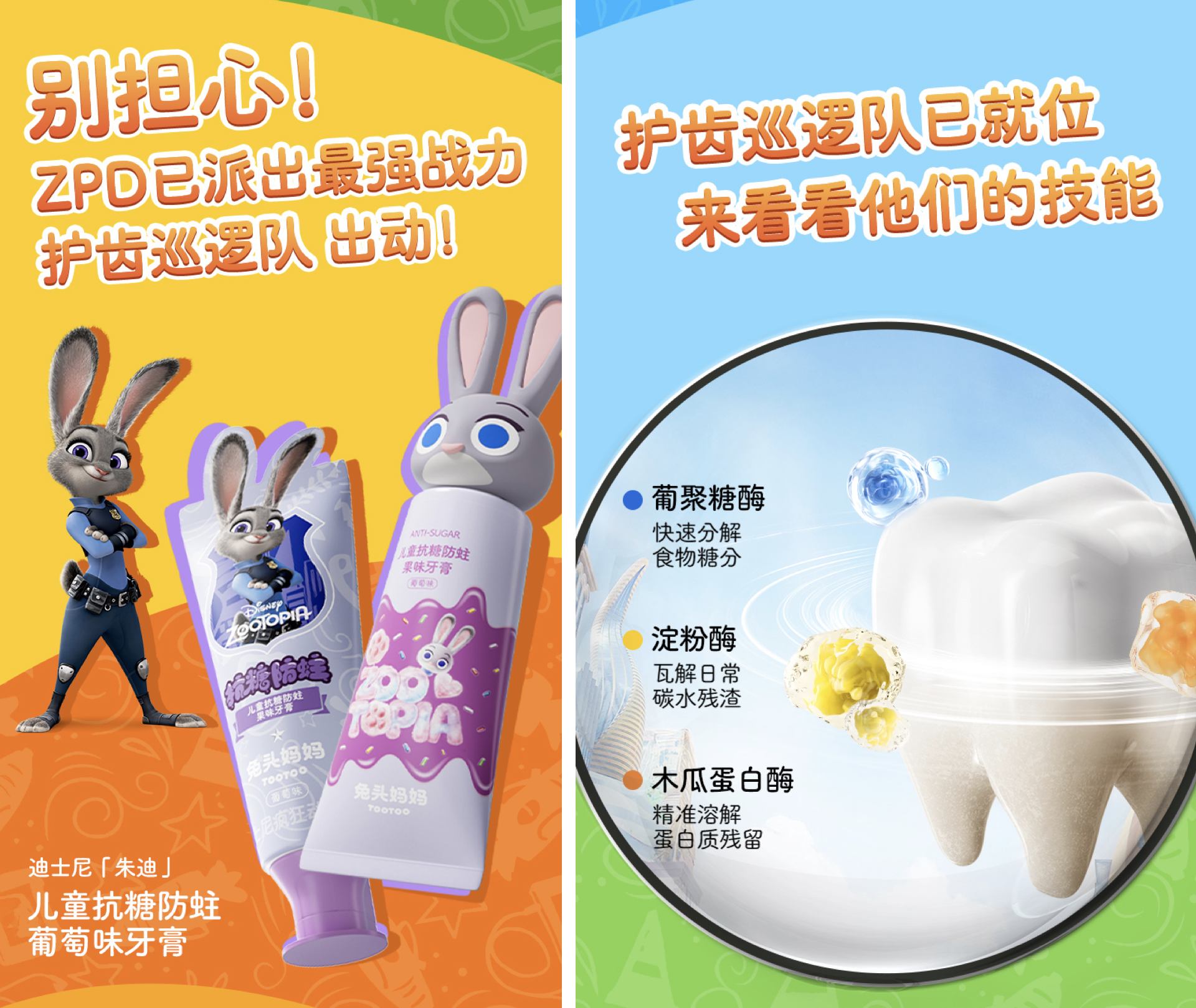
Tutu Mama used the film’s storyline to explain what the products do, how their ingredients work, and the dental science behind them. The story gave the campaign a closer connection to the franchise and helped lower consumers’ natural guard around advertising. It also gave parents a practical way to tackle a familiar problem in children’s personal care: getting kids to brush their teeth.
Getting a reluctant child to brush is a real and often difficult parenting challenge. The reasons are varied and complex. One is that brushing offers little immediate positive feedback, so children may be reluctant to do it on their own. Insisting can also undermine their sense of autonomy.
Drawing on child psychology, Tutu Mama made brushing part of a story featuring characters and plot elements kids already liked, giving them more room for imaginative play and more immediate positive feedback. Children get to be the movie heroes’ teammates and have a mission of their own: helping Judy and Nick succeed.
The story gives brushing a plot full of twists and a payoff children can feel right away. Finishing the job means defeating the sugar monsters, giving kids more reason to join in.
The theme of protection carried over from brushing into children’s daily lives through the products, the pop-up, subway ads, and even costumed performers. That made the oral health lessons feel less like instruction and gave children and parents more ways to take part.

The toothpaste and oral spray caps, for example, were shaped like characters from the film. Children could display them at home or reuse them on other products, such as hand cream. The toy-like designs encouraged imaginative play and made it easier for children to get absorbed in the story while brushing.
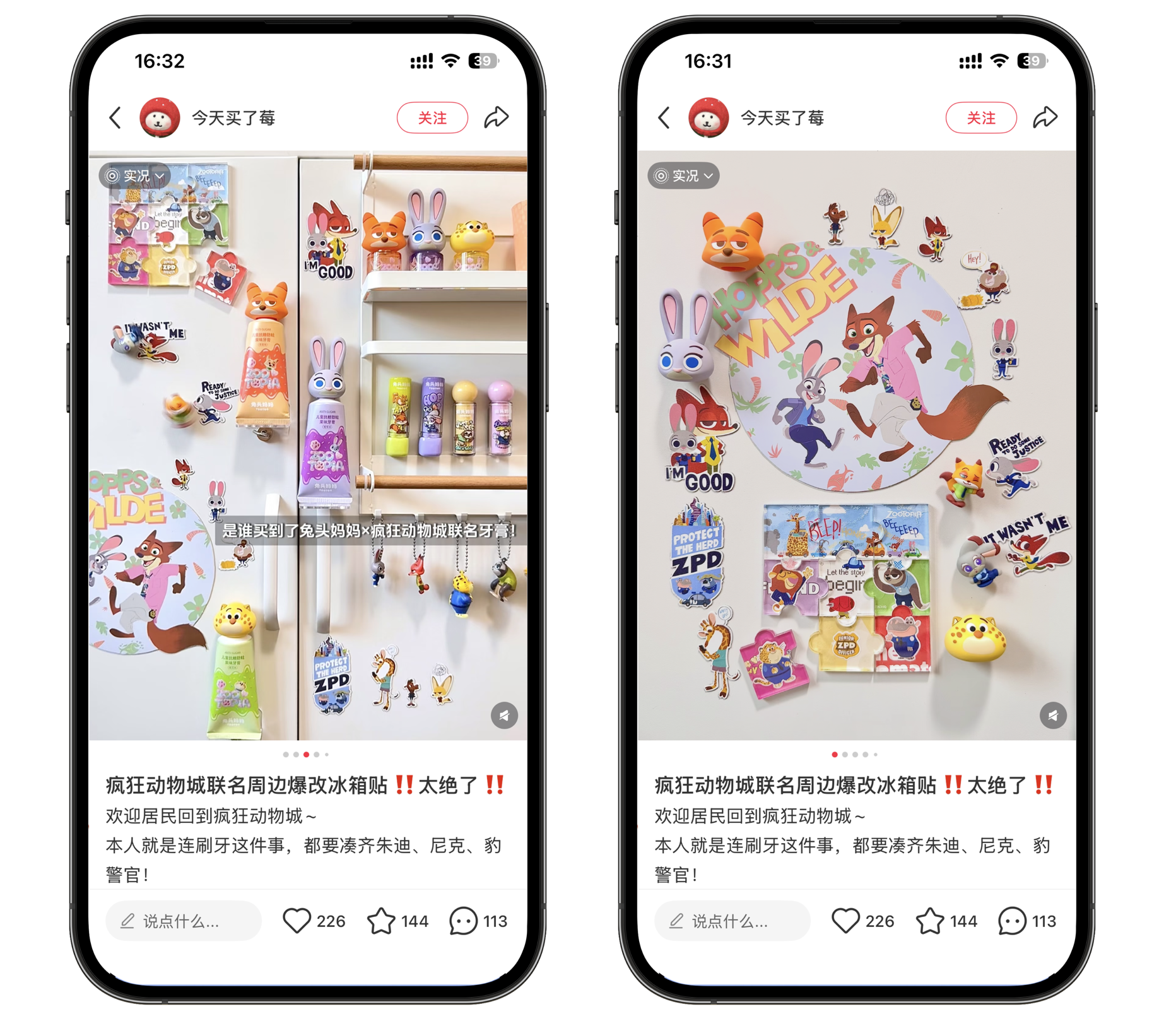 Xiaohongshu users put their own creative spin on the Tutu Mama x Zootopia collection
At the in-person events, performers dressed as Nick and Judy appeared in Changsha’s Wuyi Square and aboard subway trains. They posed for photos and interacted with children and parents, building rapport and trust before sharing oral health tips. That helped audiences take in the information.
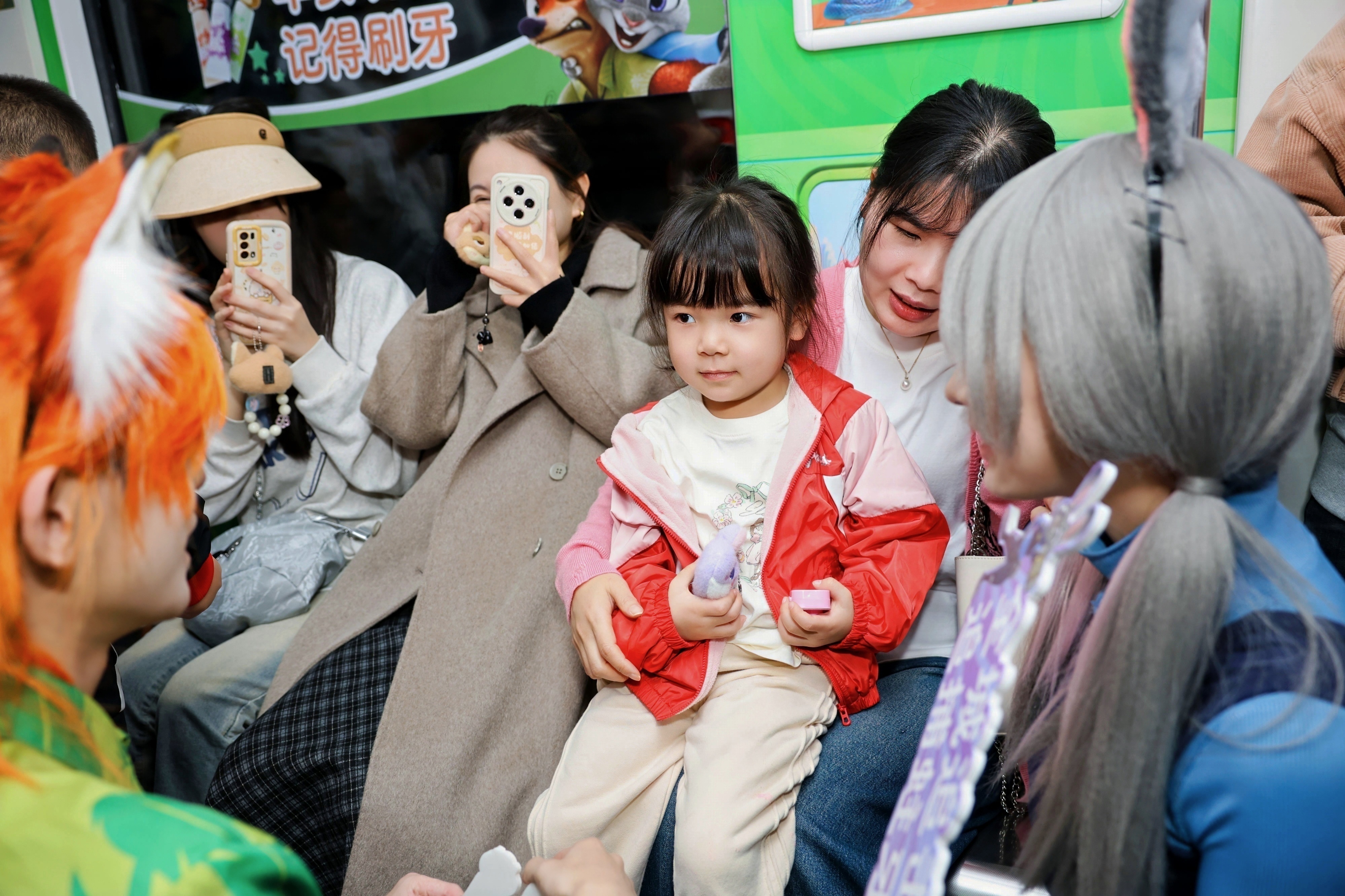
Tutu Mama’s storytelling gave consumers a way to connect emotionally with the campaign beyond learning about product benefits and oral health. With familiar, expressive characters to anchor that connection, consumers could more readily see the healthy, positive image the brand wanted to convey.
02. The strategy behind Tutu Mama’s collaborations
In reviewing the Zootopia 2 and Ne Zha 2 partnerships, Brandstar saw a common brand strategy at work. Tutu Mama chooses franchises with themes that align with its own, then draws on their broad audiences and emotional appeal to evoke specific feelings and reinforce the brand image it wants to build.
For Zootopia 2, Tutu Mama focused on a theme the film and the brand share: protection. The products and campaign story gave kids the feeling that Judy and Nick were helping them look after their teeth. By making brushing easier for parents, Tutu Mama showed that it was on their side in helping protect their families.
Tutu Mama’s past communications show a sustained commitment to educating families about children’s oral health and improving product efficacy. By consistently putting its philosophy of “love and science” into practice, Tutu Mama has built a public image as a brand with a clear sense of purpose.
For its Ne Zha 2 collaboration earlier in the year, Tutu Mama drew on the film’s subversive spirit. The title character is confident, brave, and unwilling to give up, with a strong sense of mission and a clear goal. Those qualities make this new incarnation of Ne Zha a departure from the traditional portrayal.
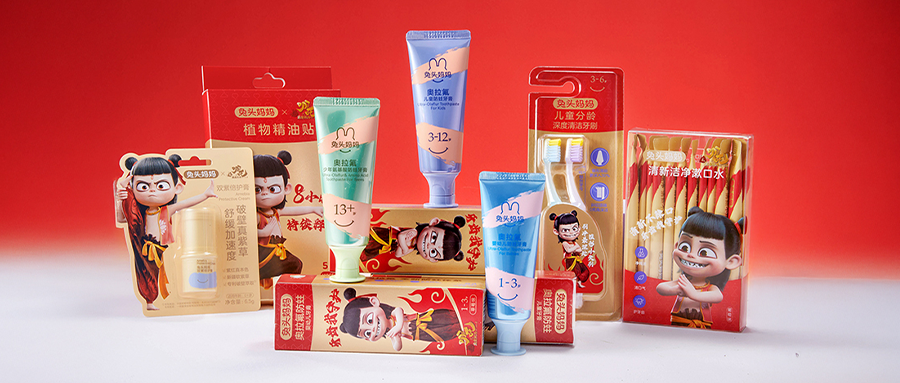
The film’s advances in characterization and visual effects also challenged public and industry assumptions about Chinese animation. That willingness to upend expectations and the determination to see things through are qualities the brand and the film share.
Olaflur is a key ingredient in Tutu Mama’s toothpaste, and European companies long held a monopoly on the raw material and the technology used to make it. Last year, Tutu Mama synthesized olaflur for the first time, breaking that overseas technology monopoly. The breakthrough challenged expectations in much the same way the film did for the animation industry and its audiences.
The film’s strong emotional tone helped consumers quickly recognize and identify with the brand’s sense of purpose and willingness to challenge convention. In a comment on Tutu Mama’s campaign video, one viewer riffed on the line that best captures the film’s spirit, turning “I decide my fate, not heaven” into “I decide the fate of my teeth, not heaven.” The response showed that the brand’s message had landed.
When choosing a franchise, Tutu Mama looks for a fit with both its brand message and its target audience. Brandstar found that these films have the broad appeal of traditional family entertainment, but a closer look at who watches them shows how well they match younger parents’ tastes. According to Yicai, viewers aged 30 to 39 accounted for a larger share of the Ne Zha 2 audience than they do of moviegoers overall, suggesting that young and middle-aged adults were the film’s most devoted viewers. Zootopia 2, meanwhile, benefited from the popularity of the original nine years earlier, which left a lasting, favorable impression among today’s young and middle-aged adults.
On Xiaohongshu, we often see users discussing how the film’s metaphors relate to the real world. The films Tutu Mama chose are popular with children and resonate widely and deeply with adults, particularly young and middle-aged adults, the age groups that include today’s younger parents.
Children use the products, while parents make the purchasing decisions. That can leave children’s personal care brands wondering whose tastes their image should appeal to. Tutu Mama’s approach offers another way to think about it. A franchise with cross-generational appeal can bring the brand closer to both groups, keeping its image lively and fun while adding themes adults can identify with.
The overlap in themes and audiences shows that Tutu Mama looks beyond reach and popularity. It considers what each franchise stands for and how it can help express the brand’s own message.
03. How Tutu Mama added emotional appeal to its science-led strategy
“Protecting children’s health” is Tutu Mama’s brand mission. Its product innovations and educational outreach have already put that mission into practice through product development and public service. The collaborations give the brand a way to express that same mission on an emotional level. They complement those other two areas of work and give the brand a fuller way to communicate what it stands for.
Tutu Mama has repeatedly used charitable initiatives to promote children’s oral health as part of its mission to protect children’s health. Since 2023, it has been a key participant in the China Oral Health Foundation’s Mountain Daisies initiative. The program provides children in remote areas with oral care products and services such as dental exams and pit-and-fissure sealants. It also teaches children why oral health matters.
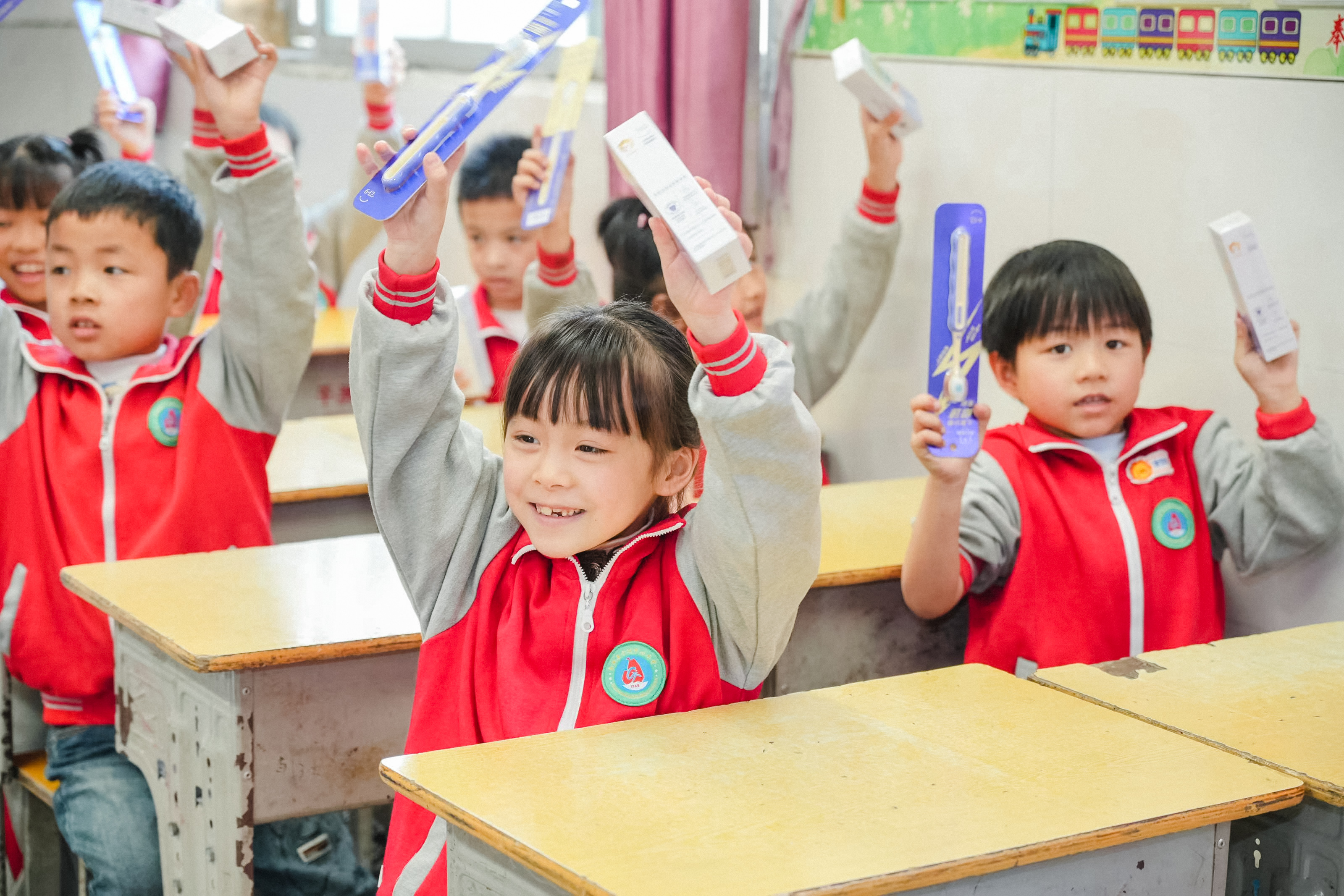
Brandstar sees public service as an important way for brands to fulfill their missions. Like product R&D, charitable work gives substance to Tutu Mama’s message and conveys the science behind its “love and science” philosophy. How that work is presented matters. Without a format that engages people emotionally, even substantive, evidence-led efforts can come across as dry, making the brand’s mission harder to understand and giving audiences less reason to engage with it.
Through its recent franchise collaborations, Tutu Mama appears to have found an engaging way to make the science behind the brand resonate emotionally.
In Brandstar’s view, Tutu Mama’s move from science-led messaging toward emotional resonance marks an evolution in its brand strategy. It offers research-driven brands that emphasize science and efficacy another way to communicate with consumers.
Marketing with a human touch has become a trend in China and abroad, reflecting consumers’ growing desire to express themselves emotionally. We increasingly look to brands for an emotional payoff and a sense of connection. Strong products and R&D underpin a brand’s longevity. The challenge is to tell a rigorous scientific story in a way people can understand, accept, and even connect with emotionally. Tutu Mama has shown how it can do that.
04. Closing thoughts
Pop Mart’s Ne Zha film figurines generated RMB 10 million in sales within eight days of launch, while Luckin Coffee’s hit collaboration with Black Myth: Wukong helped lift its US-listed shares. Franchise partnerships have produced plenty of marketing success stories like these.
What gets us excited is the immediate lift collaborations can give brands—buzz spikes, products sell out fast, and brands make inroads with new audiences.
Once the initial excitement and buzz fade, brands need to rethink what collaborations can do for them. Can we extend their impact? Can we make them part of a broader strategy for shaping the brand’s image, expressing its identity, and building the brand over time? Beyond driving traffic, can collaborations bring the brand closer to the image it aspires to, or might they pull it in the opposite direction?
With two high-profile IP collaborations, Tutou Mama showed how much untapped potential collaboration marketing has to express a brand’s identity. BRANDSTAR
Tutu Mama · Brand strategy · Brandstar case studies · Brand collaborations
More stories →