L’Occitane en Provence is emerging as a dark horse
Returning to its birthplace and rediscovering its founding spirit give the brand a place to start anew, again and again.
L’Occitane en Provence marks its 50th anniversary in 2026. For a brand that has been around for half a century, the occasion is both a milestone to celebrate and a pivotal moment to rethink how it expresses itself and where it goes next.
At the half-century mark, guided by its vision of “building connections through craftsmanship and reason,” the brand embarked on a comprehensive refresh. It continues to update everything from its visual identity and product packaging to its physical spaces, creating a warmer dialogue with today’s consumers.
At the same time, L’Occitane en Provence has turned its attention back to its birthplace, the cultural roots that have sustained it. Its respect for nature, care for people, and commitment to sustainability, which it has valued since its founding, have come into sharper focus.
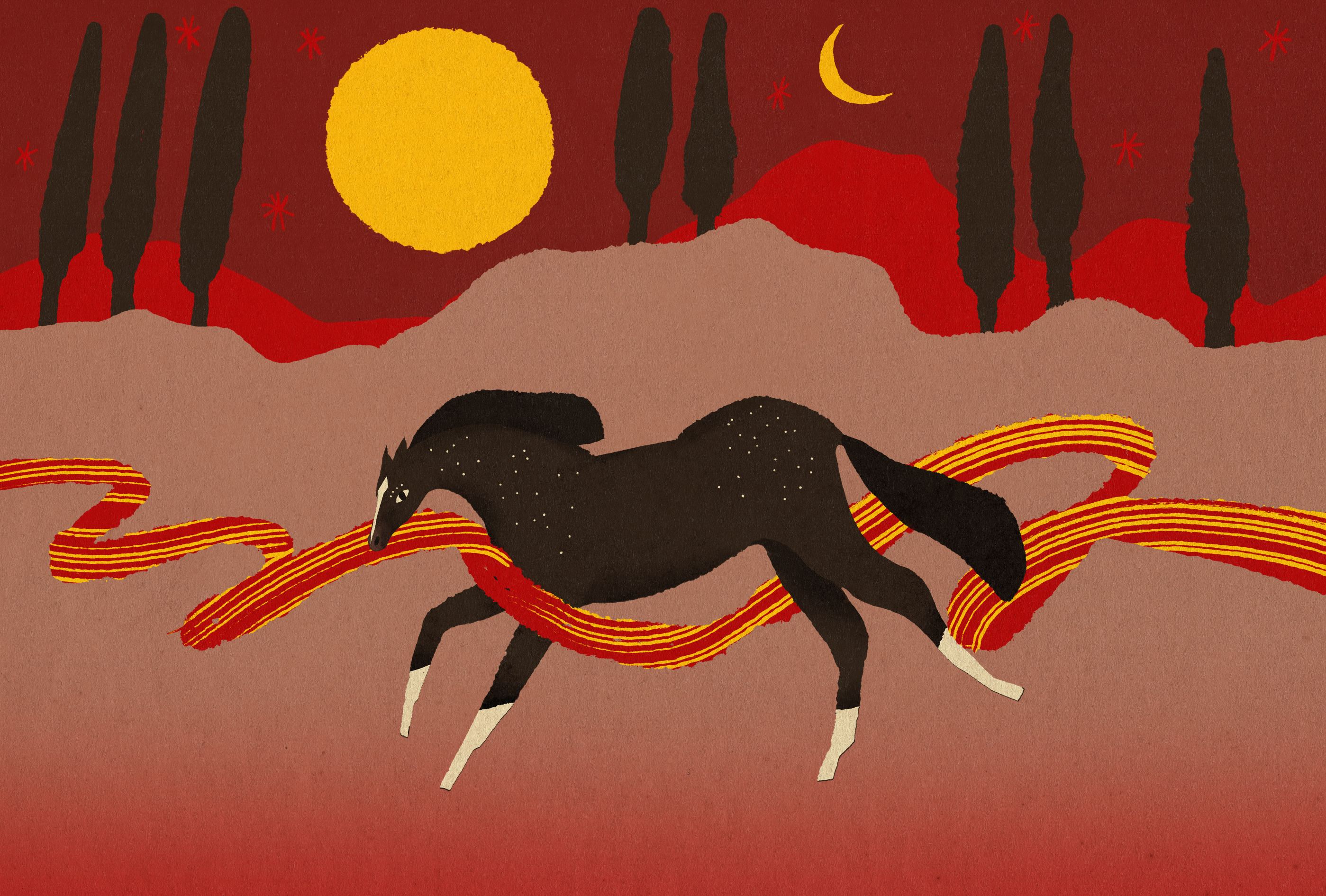
To mark its 50th anniversary, L’Occitane en Provence recently launched its 2026 New Year gift box in China. The brand deliberately departed from traditional New Year imagery, making a galloping black horse the centerpiece. The image emerged naturally as a metaphor for the brand itself. L’Occitane en Provence is a quiet, confident dark horse galloping into its next 50 years.
01. Back to the founding vision as a dark horse sets out
The story of L’Occitane en Provence began in the highlands of Provence in southeastern France. The Mediterranean climate brings abundant sunshine and varied microclimates that support a rich diversity of plants. Fragrance and nature are part of everyday life here.
It was in this setting that a young local named Olivier Baussan founded L’Occitane en Provence in 1976. Drawing on his knowledge of plants, he used a still to extract rosemary essential oil and sold it at local markets, beginning the brand’s journey from Provence to the world.
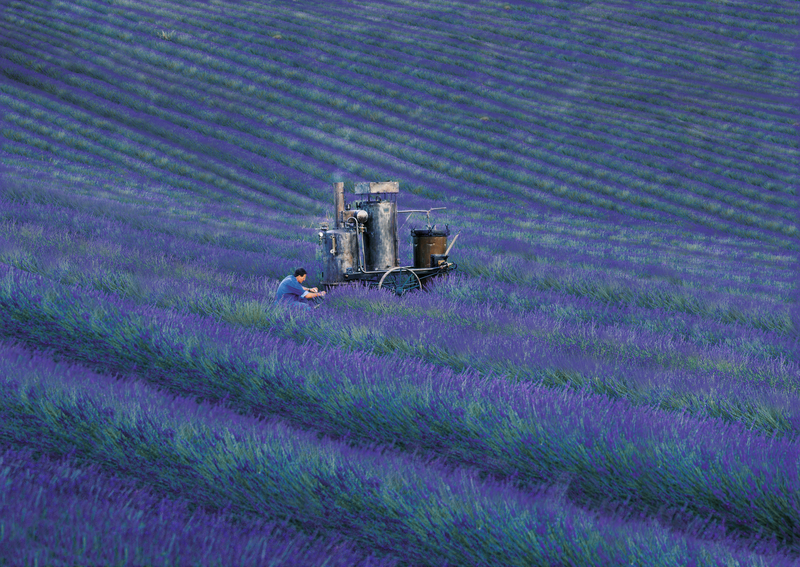
Ever since that first bottle of essential oil at a market in 1976, L’Occitane en Provence has developed products around botanicals, fragrance, and daily care. Product formats have evolved over the past 50 years, while the founding vision of “sharing nature’s gifts with the world” has stayed constant.
After half a century of building on that foundation, L’Occitane en Provence is rethinking how it expresses itself, using its classics as a starting point to respond to new lifestyles and changing consumer habits.
A series of recent product updates puts that approach into practice.
In October 2025, L’Occitane en Provence launched its new Art of Southern France fragrance collection. Building on its classic Verbena fragrance, the brand expanded the lineup with scents inspired by signature notes of southern France, including White Lavender, Luberon Cherry Blossom, and Grasse Orange Blossom. In response to growing interest in personalization and the emotional appeal of fragrance, the brand introduced fragrance layering, encouraging customers to find combinations that feel more personal.
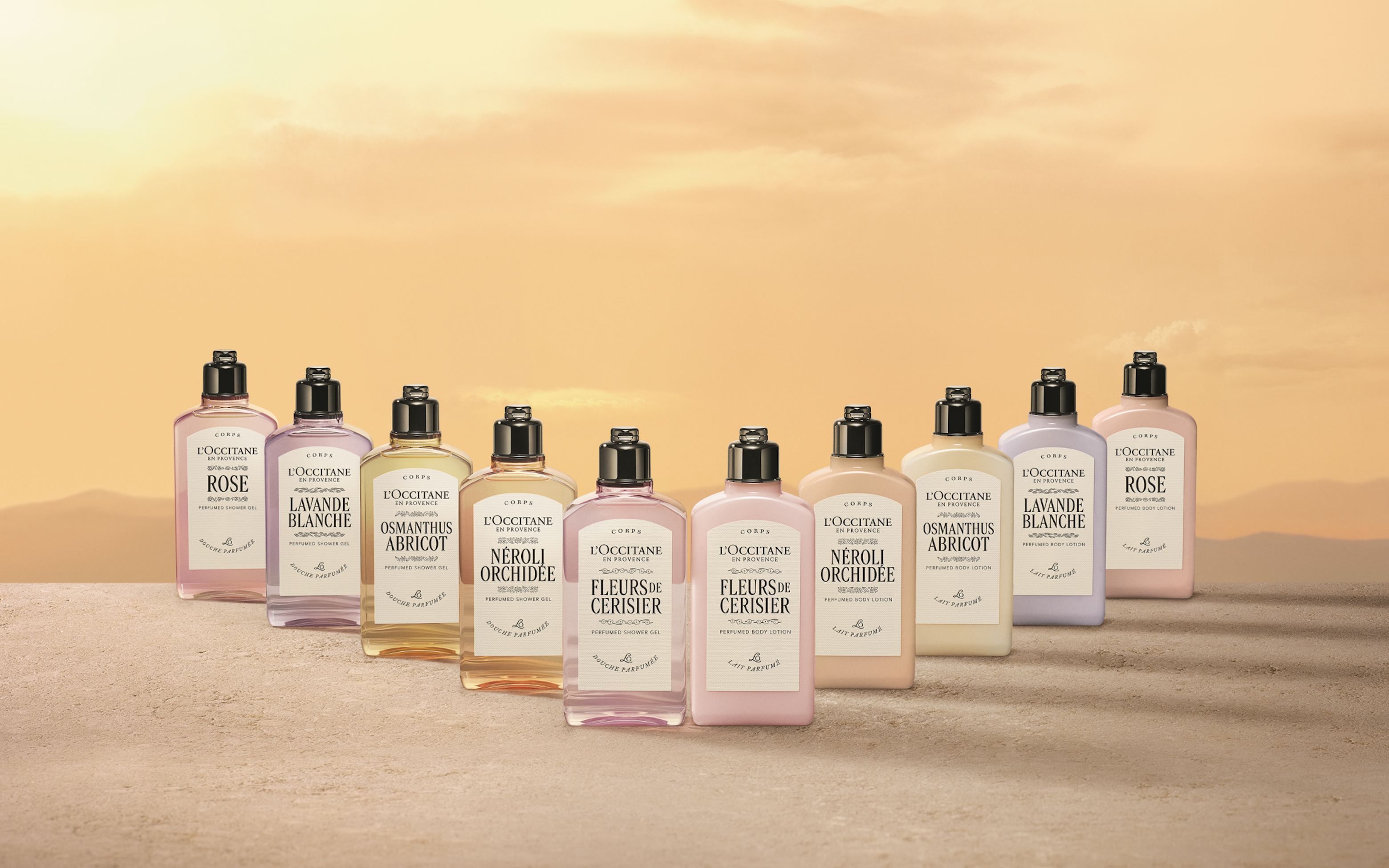
The Art of Southern France fragrance collection also introduces a new packaging design that draws on landmarks and symbols from the brand’s native Provence. The bottles take the shape of Provençal arches, while the labels are inspired by the region’s coat of arms.
The product packaging also features a new “Lo” brand mark. It pairs the “L” from the original L’Occitane en Provence logo with a contemporary lowercase “o,” bringing the brand’s history and the memories associated with it into a modern design.

As part of the refresh, L’Occitane en Provence also updated and expanded its classic product lines.
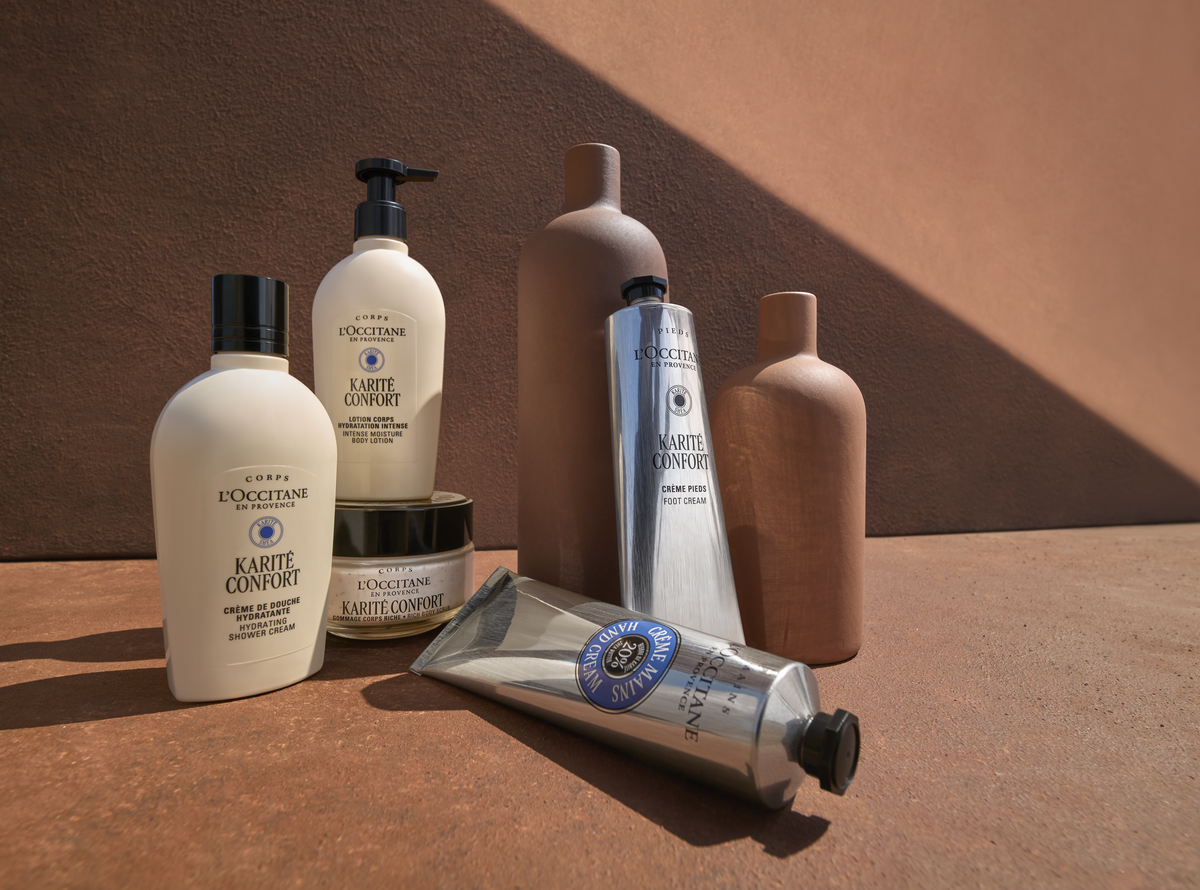
New typography and colors give the Shea Butter Hand Cream packaging a cleaner, more open look. It retains the signature gouache paint tube shape, originally inspired by the painting supplies used by the founder’s mother, who was an artist. The design is both practical and sentimental.
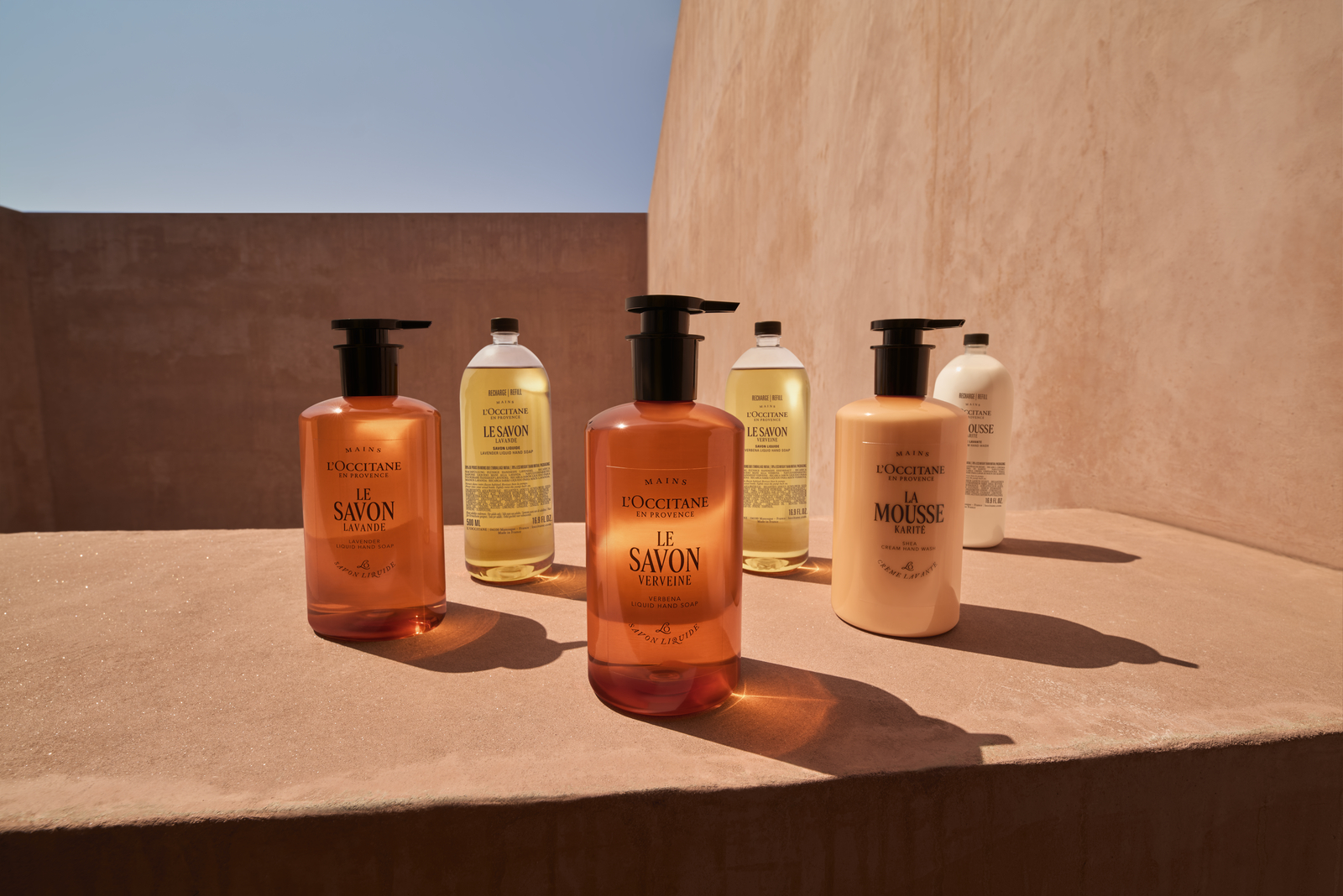
The brand also expanded its core hand care line with Botanical Hand Washes from Southern France featuring three signature botanical ingredients: lavender, verbena, and shea butter. The launch brings the brand’s approach to natural care into the everyday routine of washing hands.
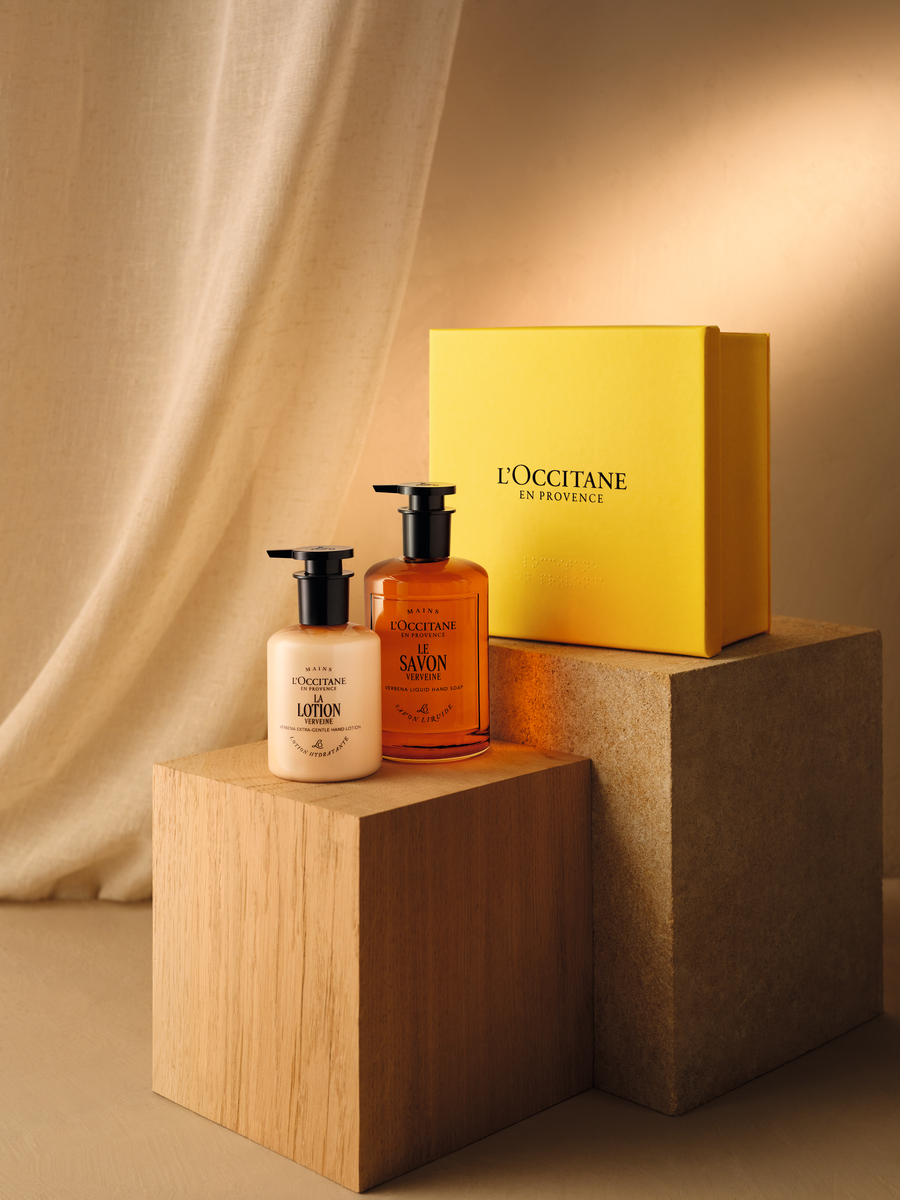
The hand wash packaging draws on the medicine jars used in Provençal homes. Its smooth bottle silhouette and two-tiered pump, shaped like an apothecary jar, bring a detail from local daily life into the design.
Alongside updating product formats and expanding their everyday uses, the brand extended its new refill format to the hand wash line as part of its ongoing commitment to sustainable consumption.
The new refill packs are made from recycled PET (rPET) and are 100% recyclable. They use about 78% less plastic than the standard packaging and substantially reduce energy use and carbon emissions in production and transportation.
One of the biggest product moves in the L’Occitane en Provence refresh is its push into home fragrance.
L’Occitane en Provence first entered home fragrance in early 2025 with flameless products in scents including Juniper Amber, Evening Gardenia, and Fig Oolong. The range now spans six scents.
Inspired by the pop of a champagne cork, the brand gave its home fragrances cork-style stoppers and outer packaging modeled on champagne bags, making the moment of opening part of the experience. The stopper opens with a pop, releasing the fragrance and enlivening the gathering. Over time, the scent can become associated with memories of those occasions.

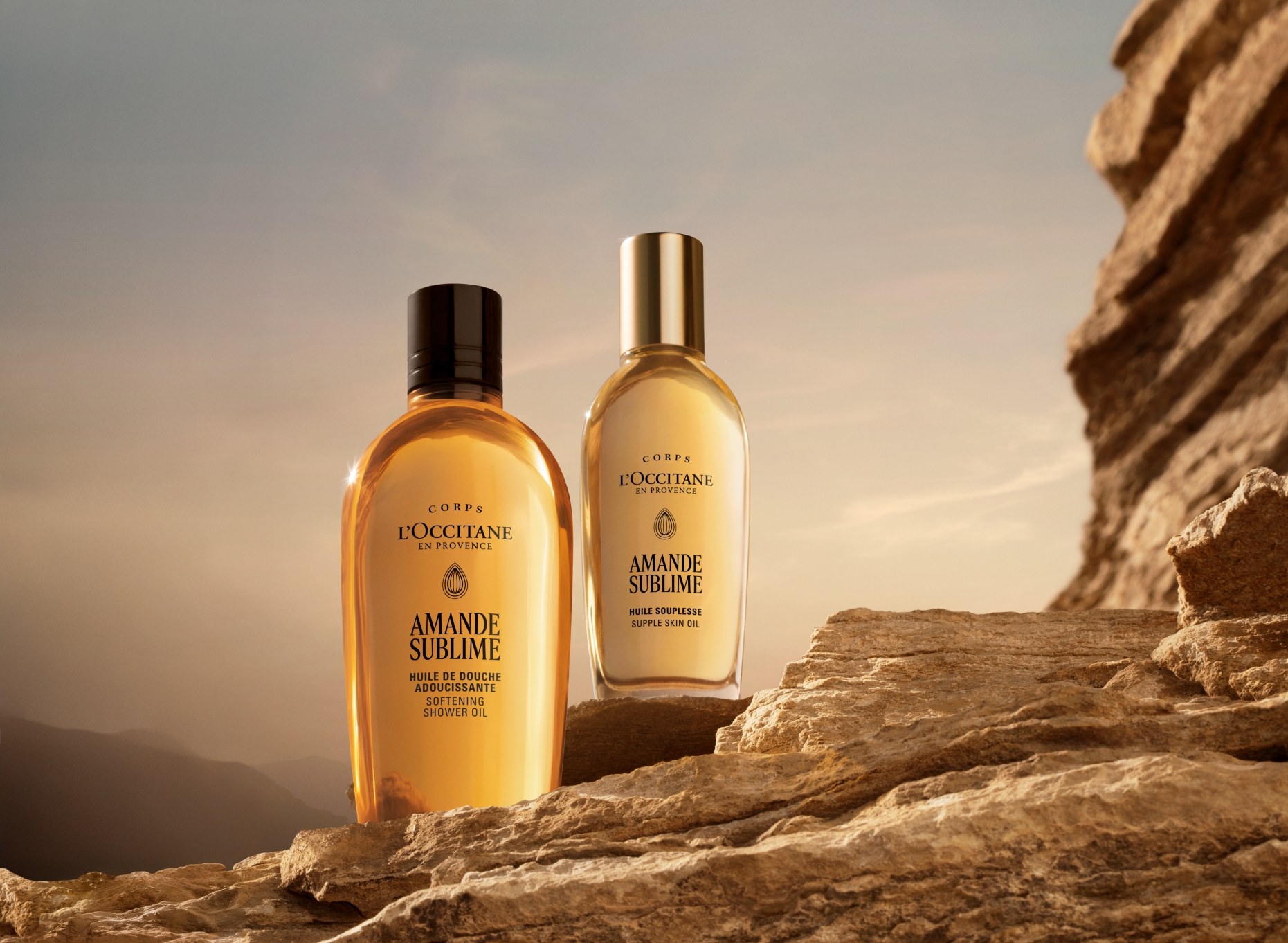
The packaging refresh also extends to the classic Sweet Almond collection. The redesigned Sweet Almond Shower Oil packaging has a richer golden hue that evokes a Provençal sunset. Its elongated oval shape takes its cue from the almonds hanging from sweet almond trees in Provence.
To bring the restorative traditions of southern France beyond everyday product use, L’Occitane en Provence has opened more than 100 spas across 28 countries, giving guests a more immersive way to experience the brand’s philosophy.
Le Couvent des Minimes, un Hôtel et Spa L’Occitane en Provence, in Mane, Provence, is a leading example of that philosophy. Set in a converted historic monastery, it brings together accommodations, spa treatments, and dining in a setting that reflects southern France’s emphasis on nature, restoration, and a slower pace of life.
In China, the brand partners with hotels to blend southern French aromatherapy with local culture. At Harbin’s Aoluguya Hotel, for example, winter guests can enjoy a spa experience that combines the natural character of the Greater Khingan Mountains with the aesthetics of southern France.
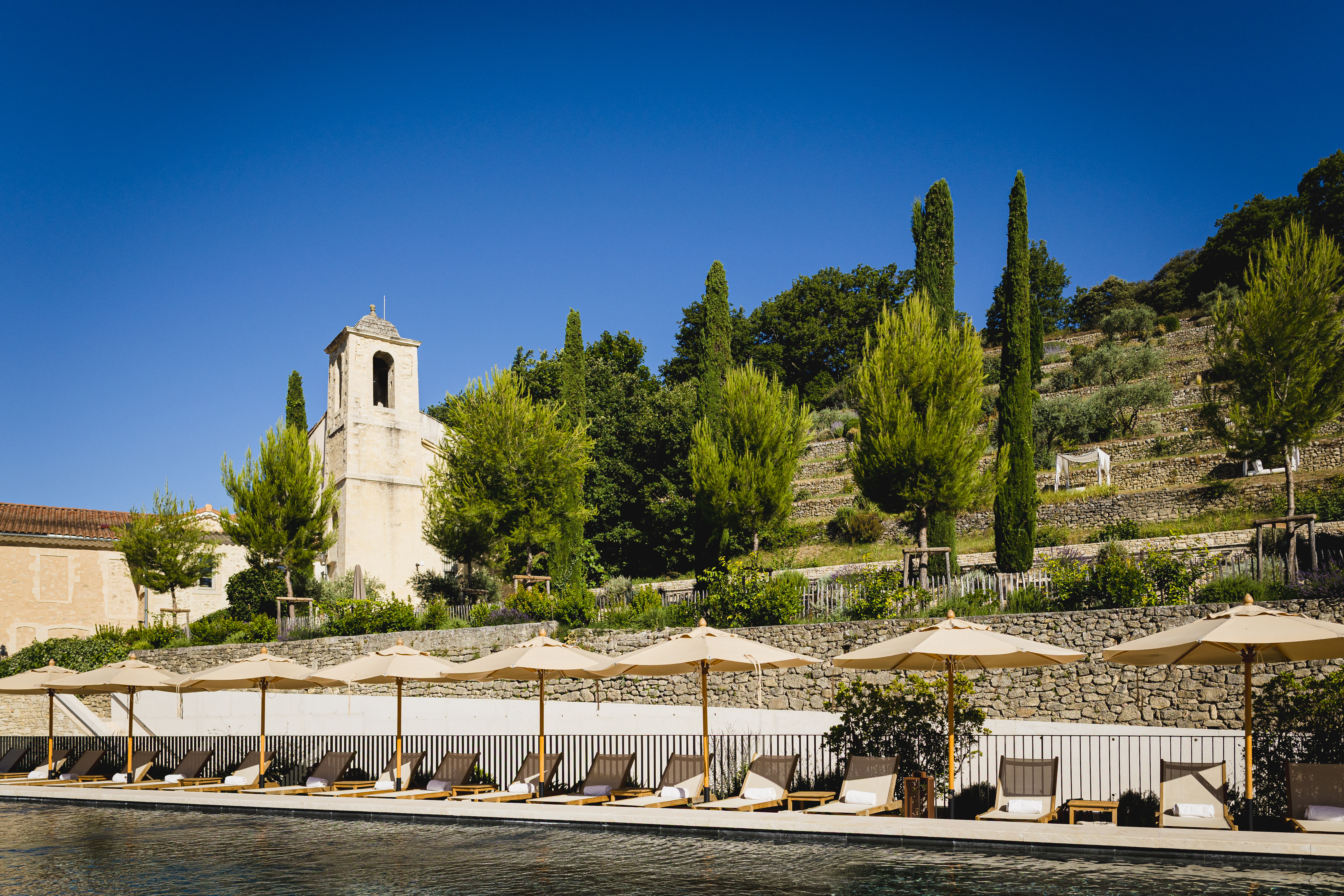
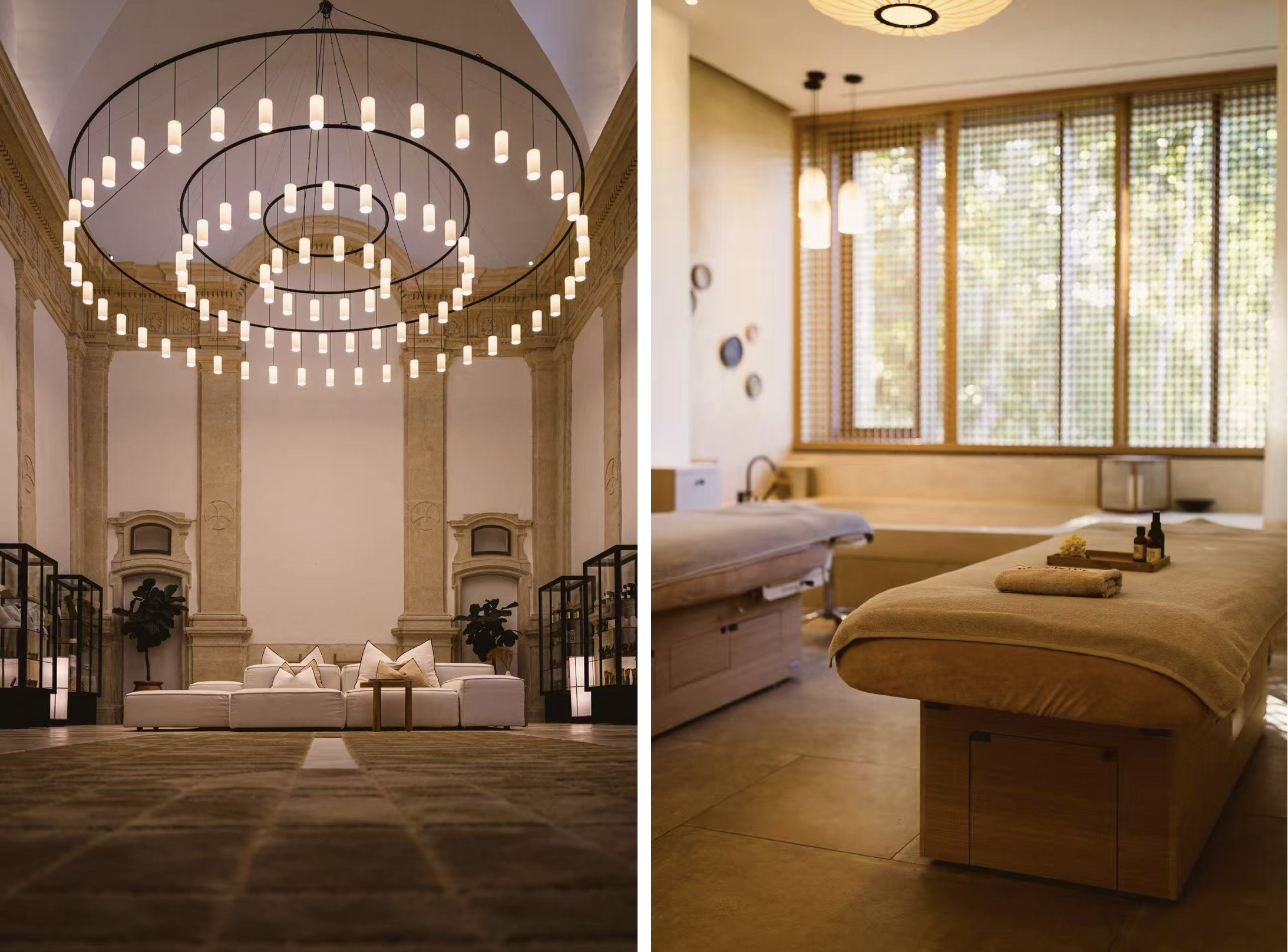
Surrounded by greenery, Le Couvent des Minimes, un Hôtel et Spa L’Occitane en Provence, in Mane occupies a former monastery dating to 1613.
The refresh of classic products and the expansion into new categories point to a broader shift for L’Occitane en Provence, from a body care specialist to a lifestyle brand that brings emotional resonance and a sense of ritual to daily routines. With the Provençal way of life at its core, the brand is building an experience that spans bathing, skin care, everyday routines, and the home. Together, these offerings give consumers a fuller sense of life in a southern French home and bring more pleasure to daily routines.
02. Back to Provence, the brand’s source of inspiration
Very few beauty and personal care brands include their place of origin in their name.
For L’Occitane en Provence, the close association with Provence lends credibility and makes its story easier to communicate. More importantly, the brand has become an ambassador for the region’s culture and artistic traditions through its everyday work, helping preserve the spirit of Provence and introducing it to a wider public through a commercial brand.
Provençal culture also informs the brand’s visual identity. The colors and imagery of the region appear across packaging, store interiors, and other brand materials.
The primary brand color, “Warm Sunshine Yellow,” evokes Provence at its most beautiful in the afternoon. “Limestone Beige” and “Warm White” are commonly seen on local building façades.
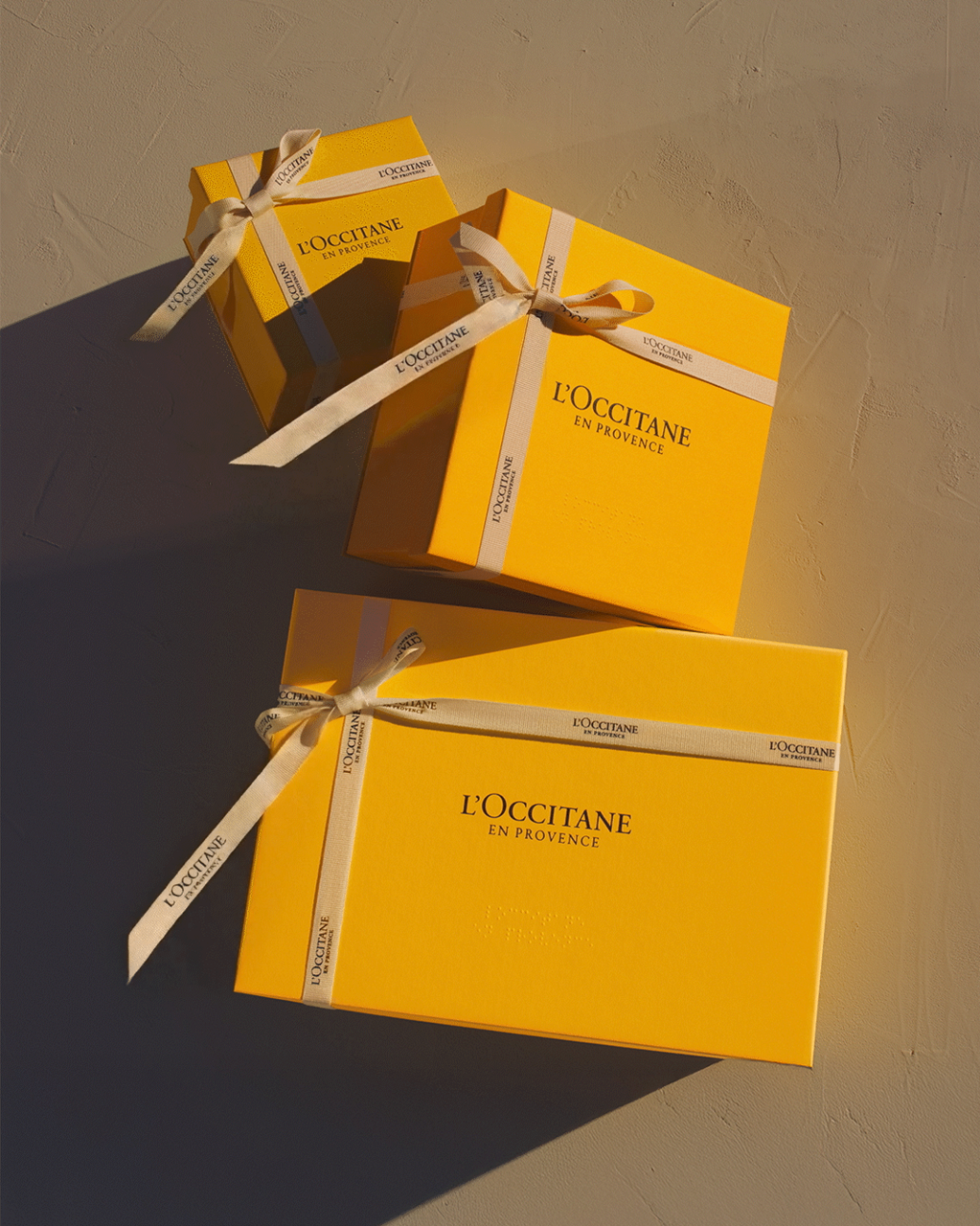 The primary brand color, “Warm Sunshine Yellow,” appears on product packaging.
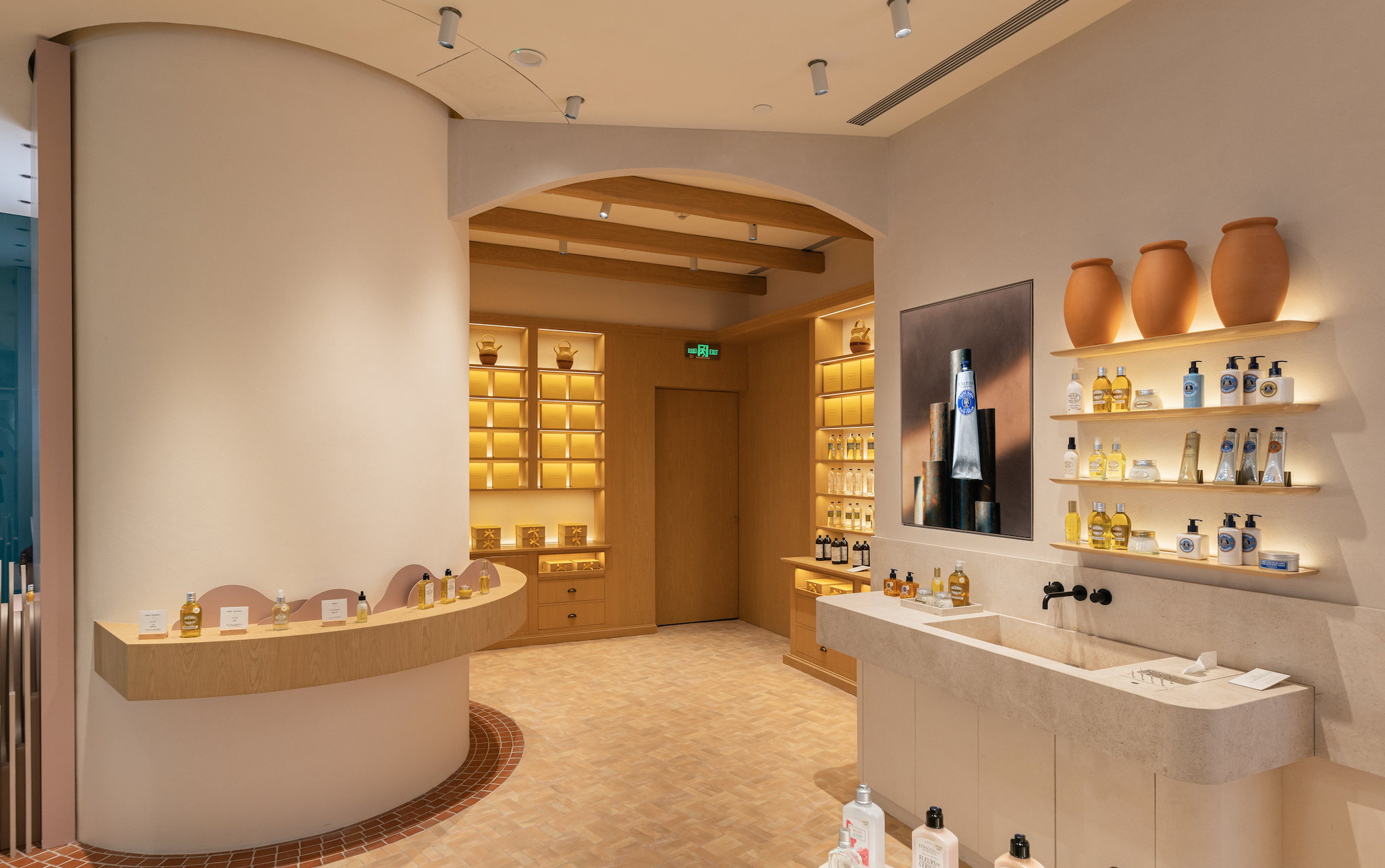 The renovated Taikoo Hui store in Guangzhou pairs natural wood tones with warm white and uses limestone for its display islands. The palette and materials evoke the quiet and natural textures of Provence, giving the interior a more enveloping feel.
The brand also drew on paintings by Provençal artist Paul Cézanne to develop a secondary palette based on scenes from the region.
“Chirping Insects,” for example, captures the distinctive blue tones of nightfall in Provence.
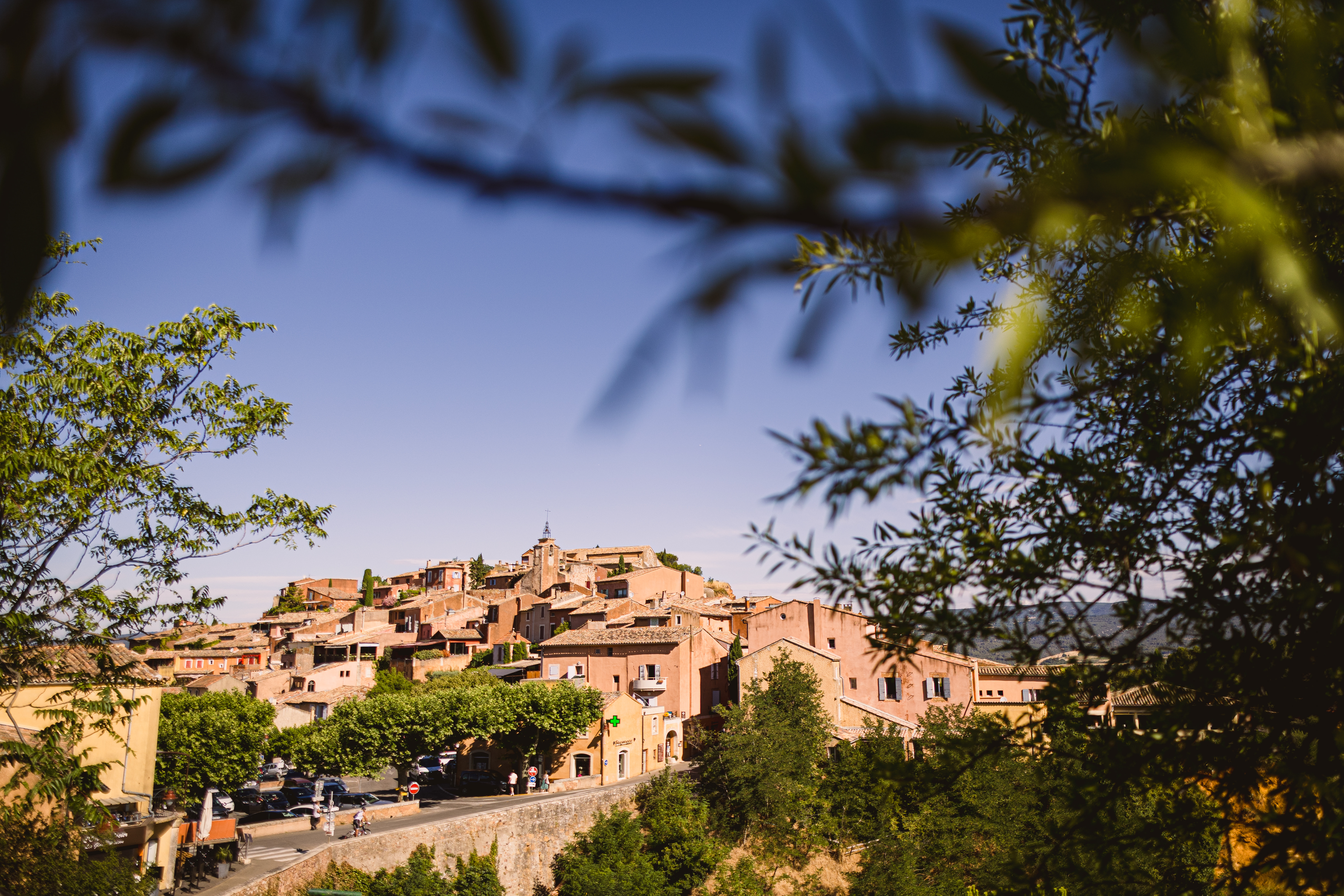
“The Passion of Roussillon” recreates the intense hues of the red-earth town in the summer sun.
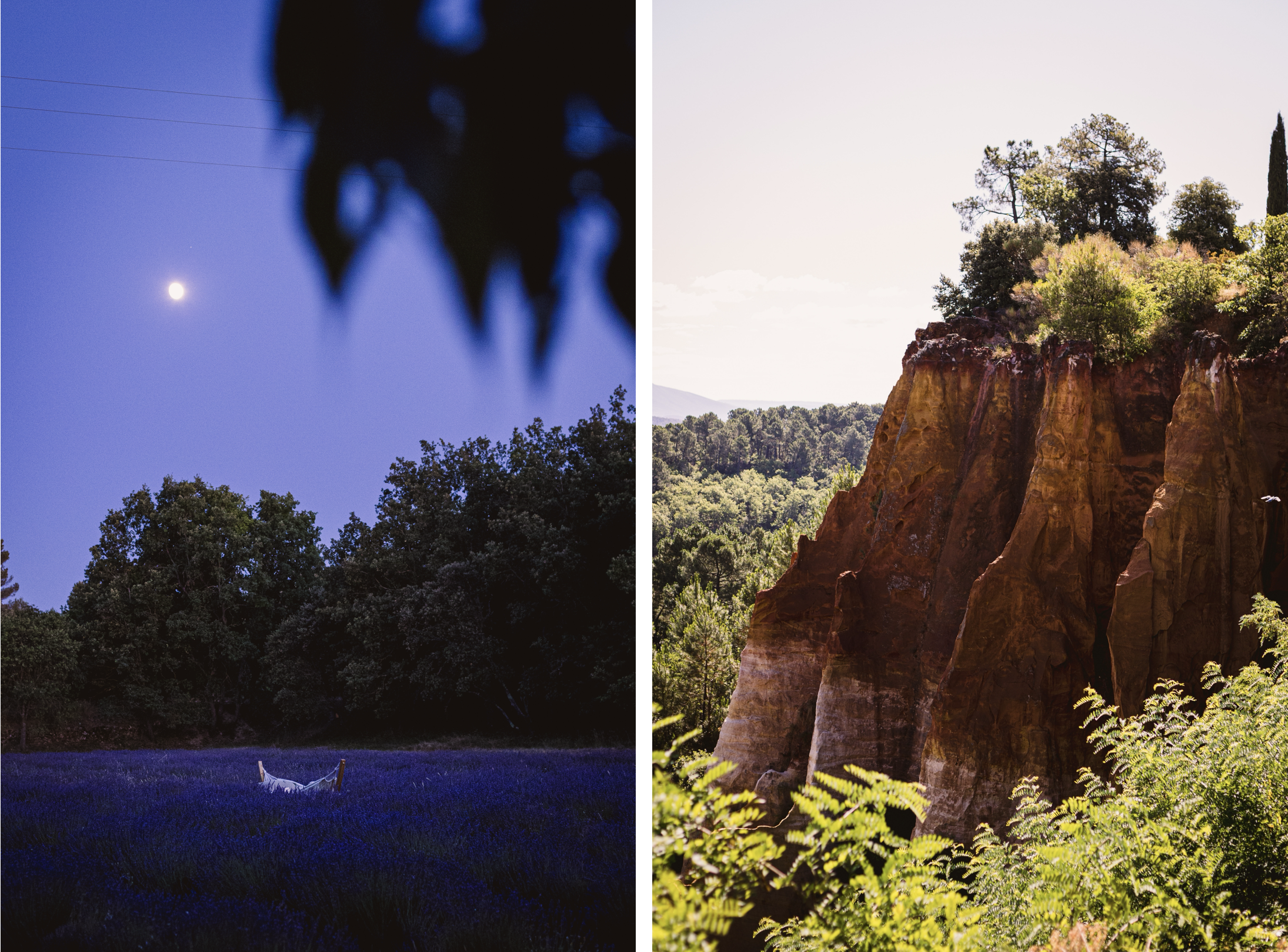
For L’Occitane en Provence founder Olivier Baussan, plants are raw materials produced by photosynthesis and also “poems of the land,” love letters from nature to humanity. That outlook shows how deeply poetry and art are woven into the brand’s origins.
That artistic sensibility also shapes the work L’Occitane en Provence creates.
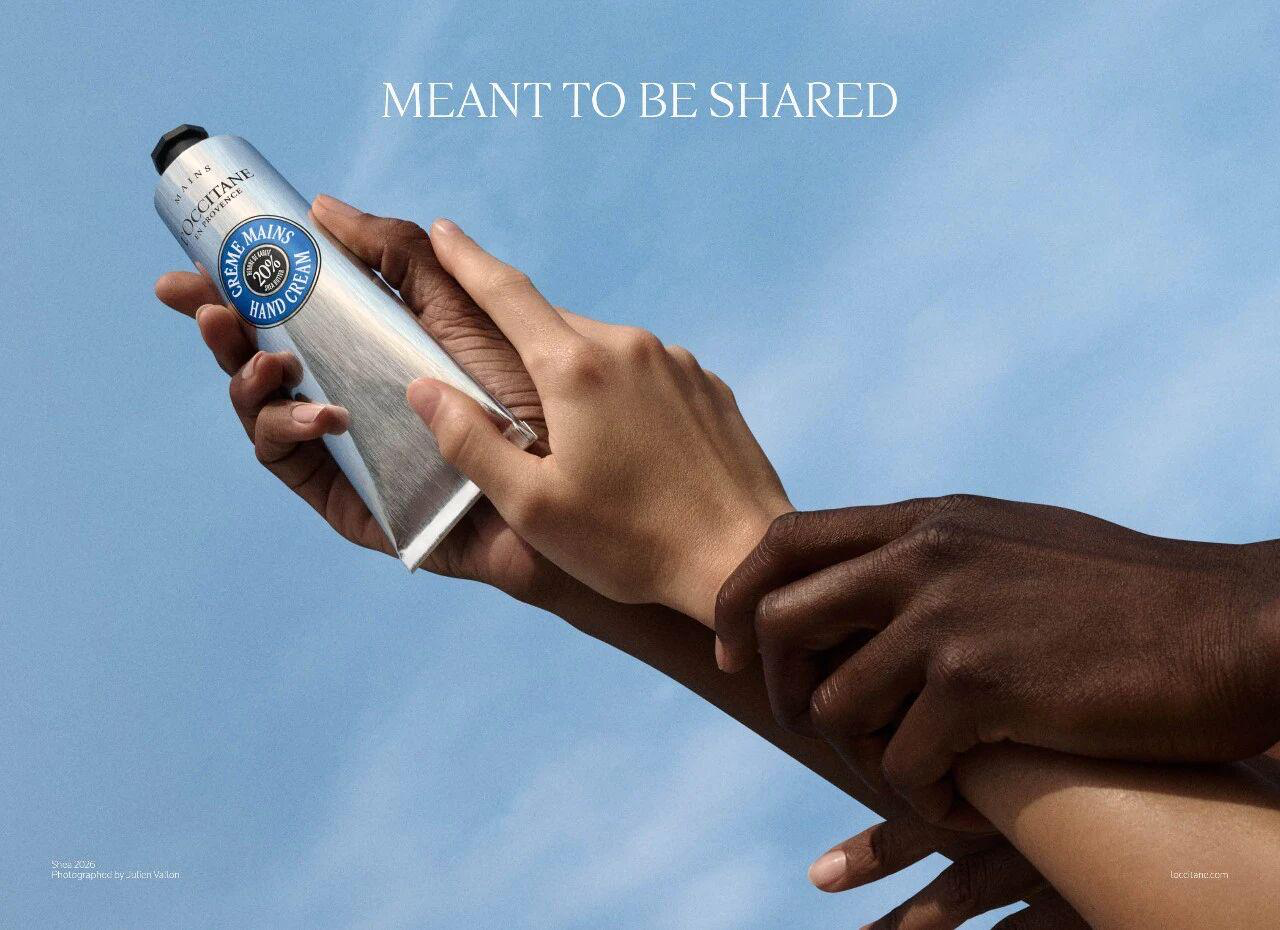
L’Occitane en Provence introduced its first Shea Butter Hand Cream in 1993. More than 30 years on, it remains on sale as one of the brand’s most recognizable classics and has found its way into customers’ routines and memories. As a gift, it conveys care and serves as an everyday reminder of the person who gave it.
For its 50th anniversary, the brand launched “MEANT TO BE SHARED,” a campaign centered on its Shea Butter collection. Using hands as a visual motif, the short film explores human connection through an expressive, energetic contemporary dance ensemble.
The short film signals a shift in how L’Occitane en Provence positions both the brand and its products, from emphasizing practical benefits to giving greater weight to connection and sharing. It also marks the beginning of a new storytelling approach rooted in contemporary art, opening up new possibilities for how the brand expresses itself.
03. Looking ahead and building lasting connections
As it turns 50, L’Occitane en Provence is reconnecting with its birthplace and its customers through products, design, and storytelling about its origins. That idea of connection extends beyond the products themselves.
Connection has always been a core value at L’Occitane en Provence. Its vision of “building connections through craftsmanship and reason” encompasses what goes into its products and how they perform, as well as the lasting relationships they help foster among people and between people, nature, and the planet.
For its 50th anniversary refresh, the brand’s return to its geographic and cultural roots also reaffirms its founding values. It aims to keep paying attention to what people and the land need and to use the resources it has to build lasting, mutually beneficial, and sustainable relationships.
The beauty and personal care industry has only gradually begun to prioritize environmental, social, and governance (ESG) issues in recent years. L’Occitane en Provence is among the few brands that made philanthropy and sustainability central to its work from the start. For the brand, connection has always meant helping specific communities gain greater independence and opportunity.
In 1997, a chance encounter with a person with vision loss in a New York elevator brought home to founder Olivier Baussan how important braille is in everyday life. The experience prompted L’Occitane en Provence to become one of the first in the industry to introduce braille labeling on its packaging. The small gesture made respect tangible and gave more people an equal opportunity to choose products independently.
As this work developed, the brand expanded its focus on people with vision loss to include prevention and protecting eyesight.
In China, the brand partnered with nonprofit eye care organizations to screen 820,000 children and fund eye surgery for 166 children and adults over 10 years. Since 2024, the brand has also held “A Gift in the Palm of Your Hand” benefit concerts, giving performers with vision loss a stage where they can be seen as artists.

What moved us was a comment on a social media post about L’Occitane en Provence. The commenter shared how someone they knew had undergone successful eye surgery with the brand’s financial support and been spared blindness. Quiet, personal accounts like this show what the brand’s commitment to connection can mean in practice.
L’Occitane en Provence has also worked since its founding to build relationships with and empower women across a wider range of communities.
After reading that women in Burkina Faso earned income by harvesting shea nuts by hand, founder Olivier Baussan began developing products with shea butter as a key ingredient. He increased the proportion of shea butter in the formulas to help local women earn a steadier income.
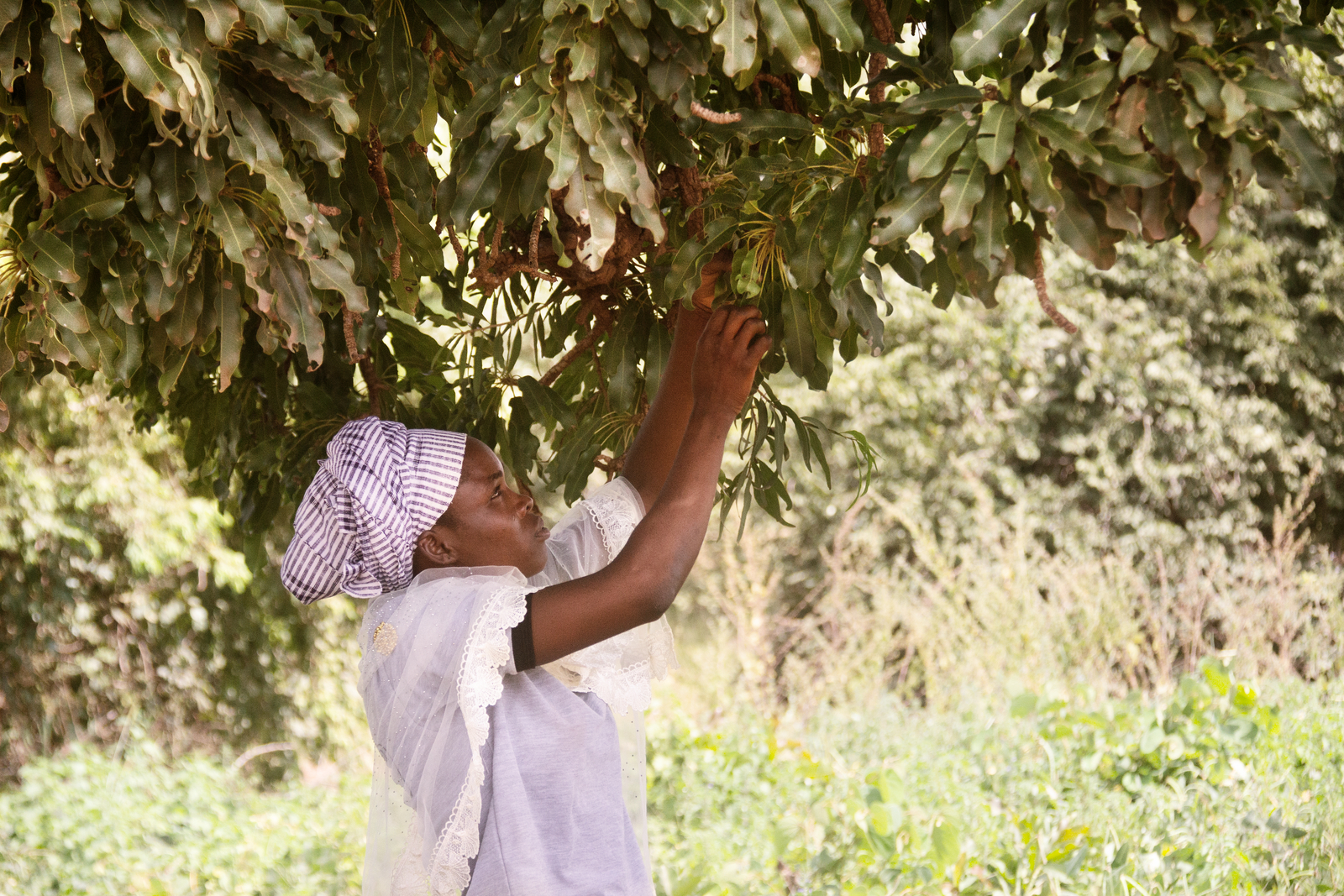
L’Occitane en Provence gradually built a 100% fair-trade shea butter supply chain and introduced programs offering microloans and vocational training to women in Africa, along with educational support for girls. By 2025, the brand had helped 62,000 African women achieve social and economic independence.
That commitment to women extends to China, where L’Occitane en Provence has partnered with the China Women’s Development Foundation to provide funding and business development support for young women practicing traditional crafts. Co-branded products help bring wider visibility and recognition to women working in paper cutting, ceramics, and bamboo weaving.
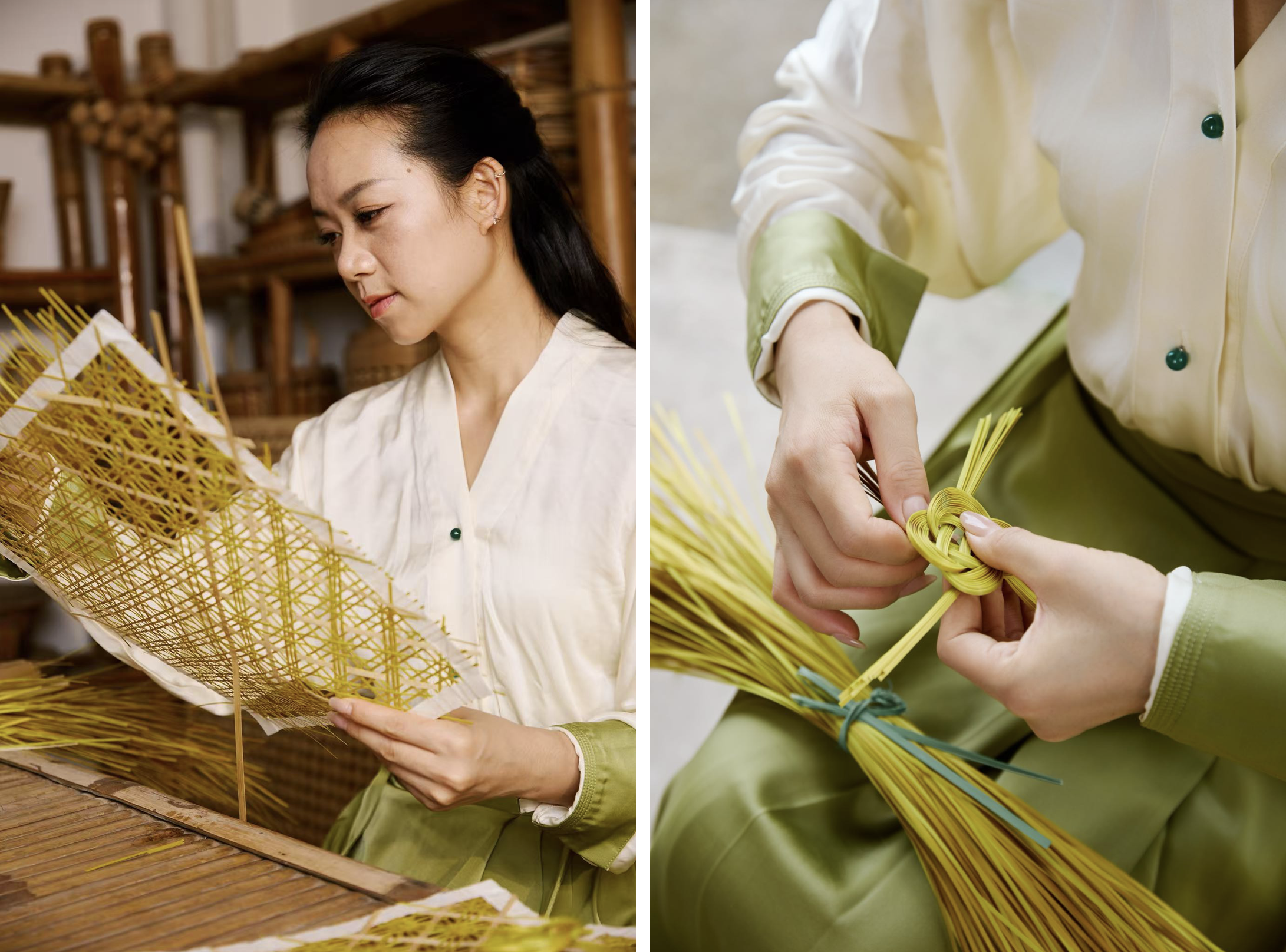
L’Occitane en Provence grew out of a single plant, and its ties to the natural world have endured ever since. The brand still holds to its founding belief that true beauty comes from nature and should return to it.
Around the world, L’Occitane en Provence has established fair-trade partnerships with growers who supply key ingredients such as shea, sweet almond, and immortelle. These partnerships protect growers’ rights and livelihoods while encouraging organic cultivation and preserving local biodiversity.
The brand also helps threatened plants thrive over the long term by cultivating them for commercial use. In 2000, it launched a sweet almond tree conservation program with Provençal grower Jean-Pierre Jaubert, focusing on organic cultivation and conservation.
In China, L’Occitane en Provence has long supported conservation beyond its commercial operations. Through the Million Tree Project, it works with the nonprofit Shanghai Roots & Shoots to rehabilitate sandy land in Ningxia. By fiscal 2025, the project had planted 530,000 shrubs, improving local ecological conditions and providing residents with a steady livelihood.
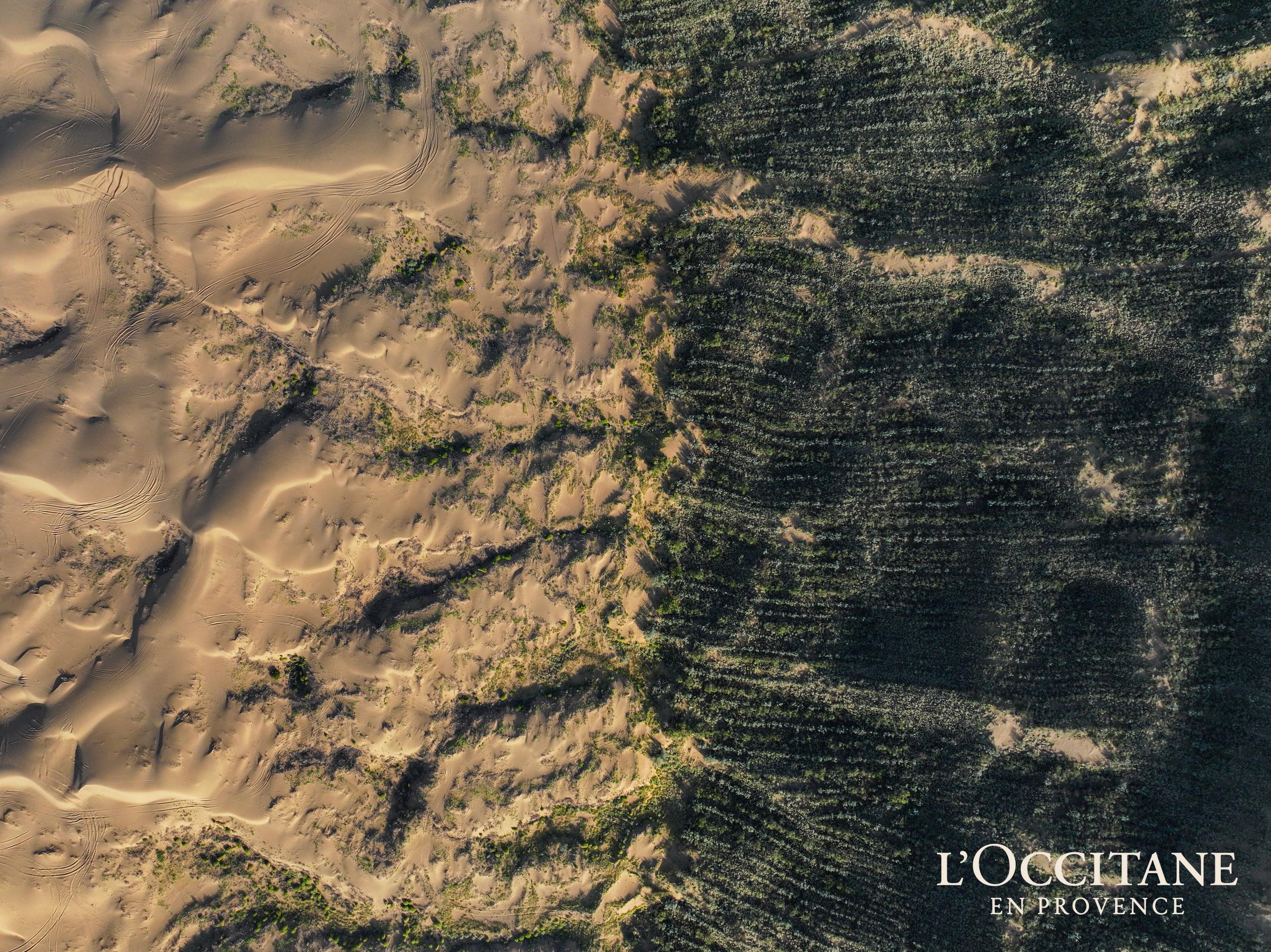
In Brandstar’s view, this emphasis on relationships gives the term “dark horse” another meaning. By taking a long-term view and following through with concrete actions, the brand builds lasting value and trust and strengthens the mutually sustaining relationship between people and nature.
04. Closing thoughts
Looking back at the 50th-anniversary refresh of L’Occitane en Provence, the visual updates and product changes were part of a coordinated effort with a clear foundation and room to evolve. Taking Provence as its spiritual home, the brand brought its heritage, products, and physical spaces together with a contemporary aesthetic to give the refresh a coherent direction.
By revisiting its roots, L’Occitane en Provence found fresh ways to express its identity through both products and storytelling. It strengthened what consumers associate with the brand while honoring its classics and identifying growth opportunities beyond its core product lines.
Its storytelling looks beyond what the products do to explore the people and values behind them. By positioning itself as a companion in everyday life and a way to connect with others, the brand speaks to consumers’ emotional needs and gives a classic brand room to stay relevant and evolve creatively.
That process gives “dark horse” a deeper meaning. It describes a measured and more demanding approach that prizes craftsmanship and sound judgment over successive phases of the business. The brand looks to its classics for ways to innovate and moves forward steadily at its own pace.
As its identity expands beyond skincare efficacy, L’Occitane en Provence is coming to represent a way of living that consumers can experience and choose, along with the human values it embodies. The brand is laying the groundwork for a future that extends beyond the next 50 years, with a place in consumers’ lives that will be harder to fill.BRANDSTAR