Bananain Hands Its Product Copy to the People Who Grow Its Cotton
Bananain recently released a short film, “Cotton Workers Write the Copy.” The brand traced its cotton to Xinjiang and handed an assignment normally reserved for an advertising team to the people who grow its Bai Pang Mian, or “plump white cotton.” Their recommendations went straight onto the product detail page. Here are some of their lines.
“This plump white cotton grew up drinking snowmelt from the Tianshan Mountains, just like me. Pure as can be.”
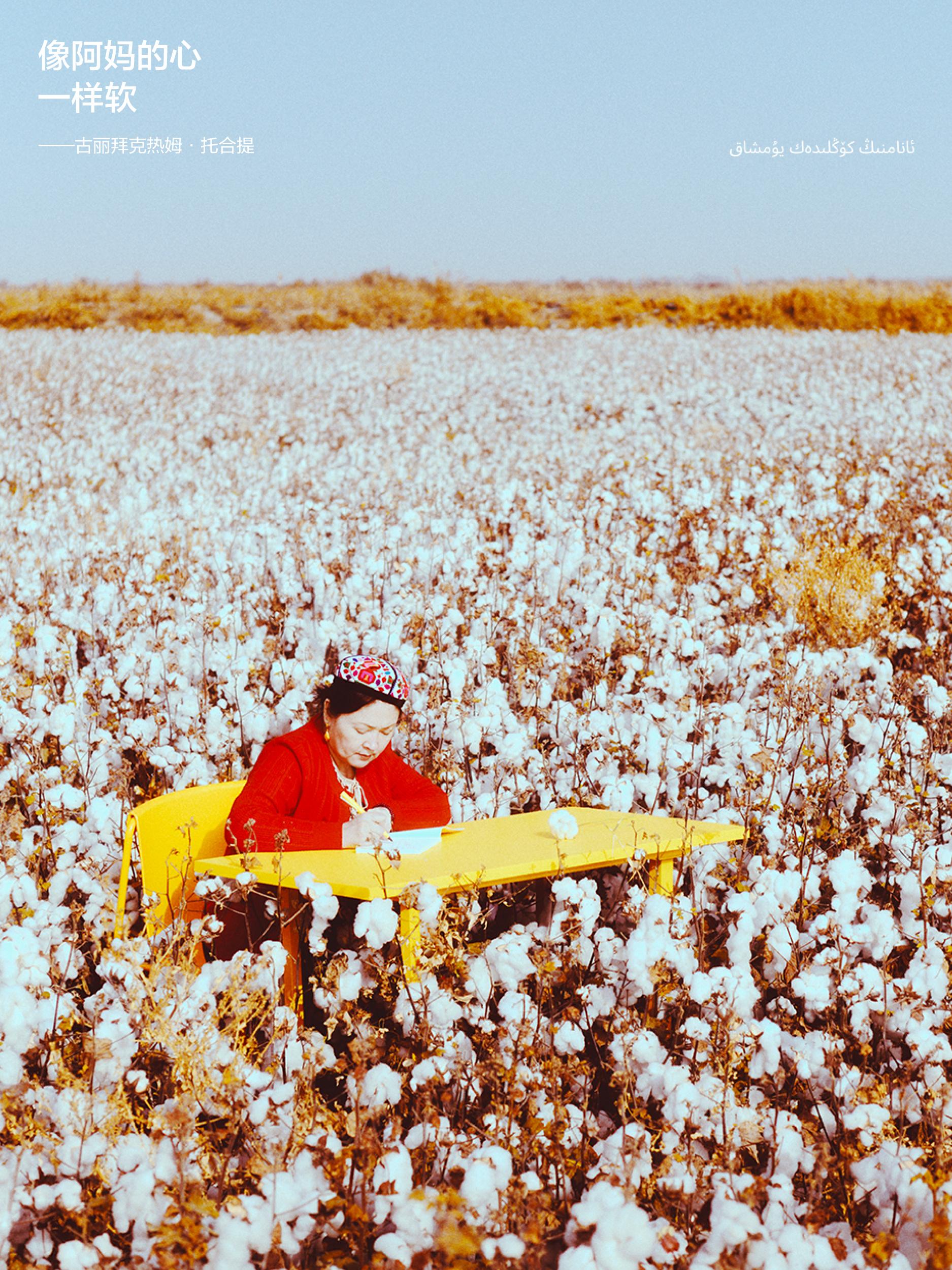
“Soft as a mother’s heart.”
“The right weather, the right soil, the right people. That’s what it takes to grow a boll like this.”
“The days are hot, the nights are cool. The cotton looks like it’s dusted with sugar.”
“There’s strength in this plump white cotton. Pull it and it stretches a long way without breaking.”
The lines sound like everyday speech in the place where the cotton grows. They convey the material’s properties with warmth and conviction.
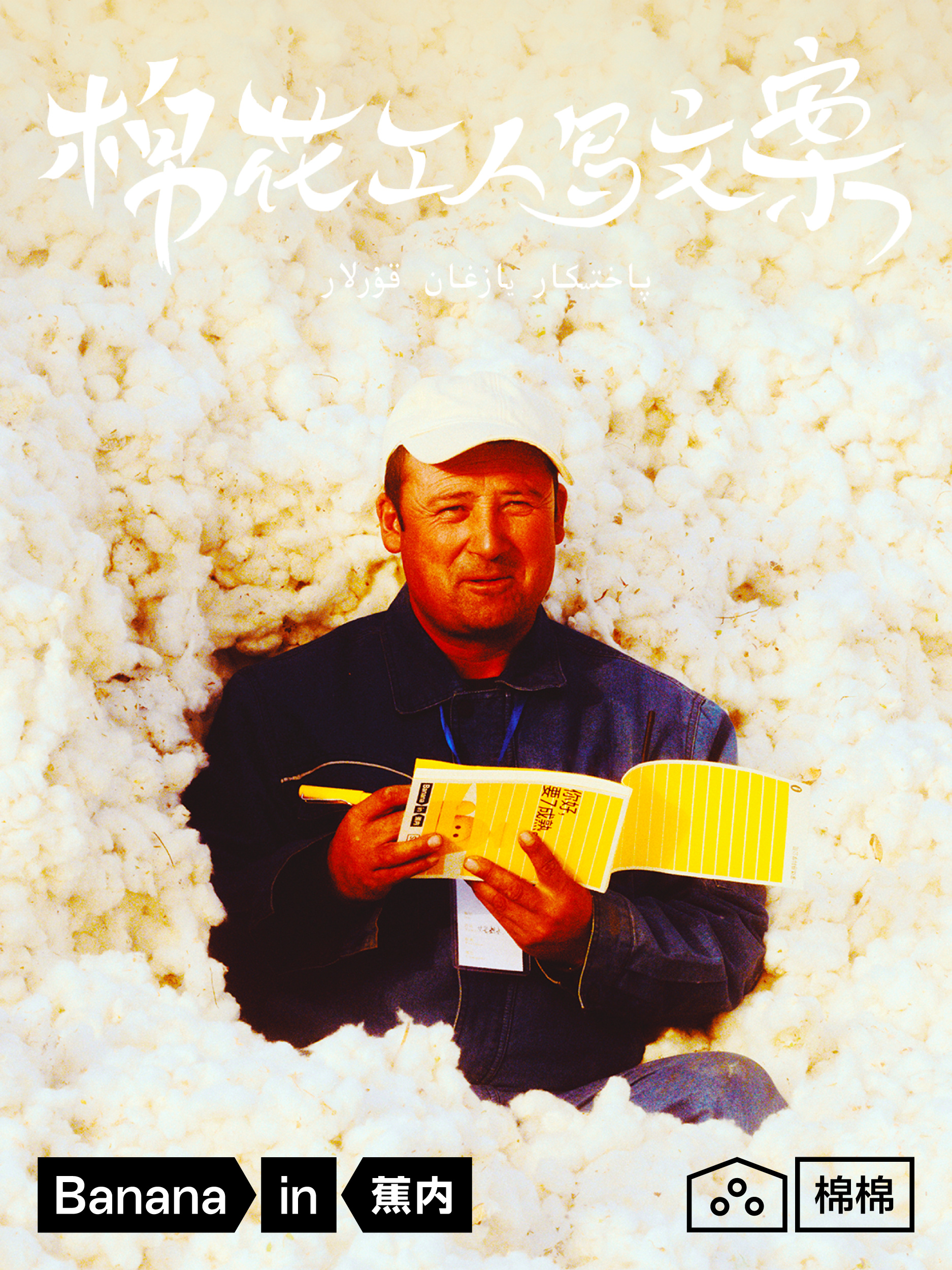
The film gives Bananain a new perspective on a familiar subject. Its stories still begin with the product, but following the material back to its source brings people into what has largely been a technical account of how its clothes work.
01. Starting with the product
Bananain visited cotton-growing areas in Xinjiang. The film follows workers as they sow, pick and lay the cotton out to dry. The camera then catches them writing on site, turning what they have learned from growing cotton into a few plainspoken lines.
The footage gives viewers a basis for judging the brand’s claims. The quality of its cotton owes as much to the workers’ experience as it does to local growing conditions.
The writing is full of sensory detail. “The days are hot, the nights are cool. The cotton looks like it’s dusted with sugar” invites viewers to imagine its texture while suggesting how the local climate shapes the crop.
Both the film and the copy keep the cotton in focus. In the workers’ words, it “stretches a long way without breaking” and is “soft as a mother’s heart.” Fiber strength and softness become qualities a shopper can picture before touching the garment.
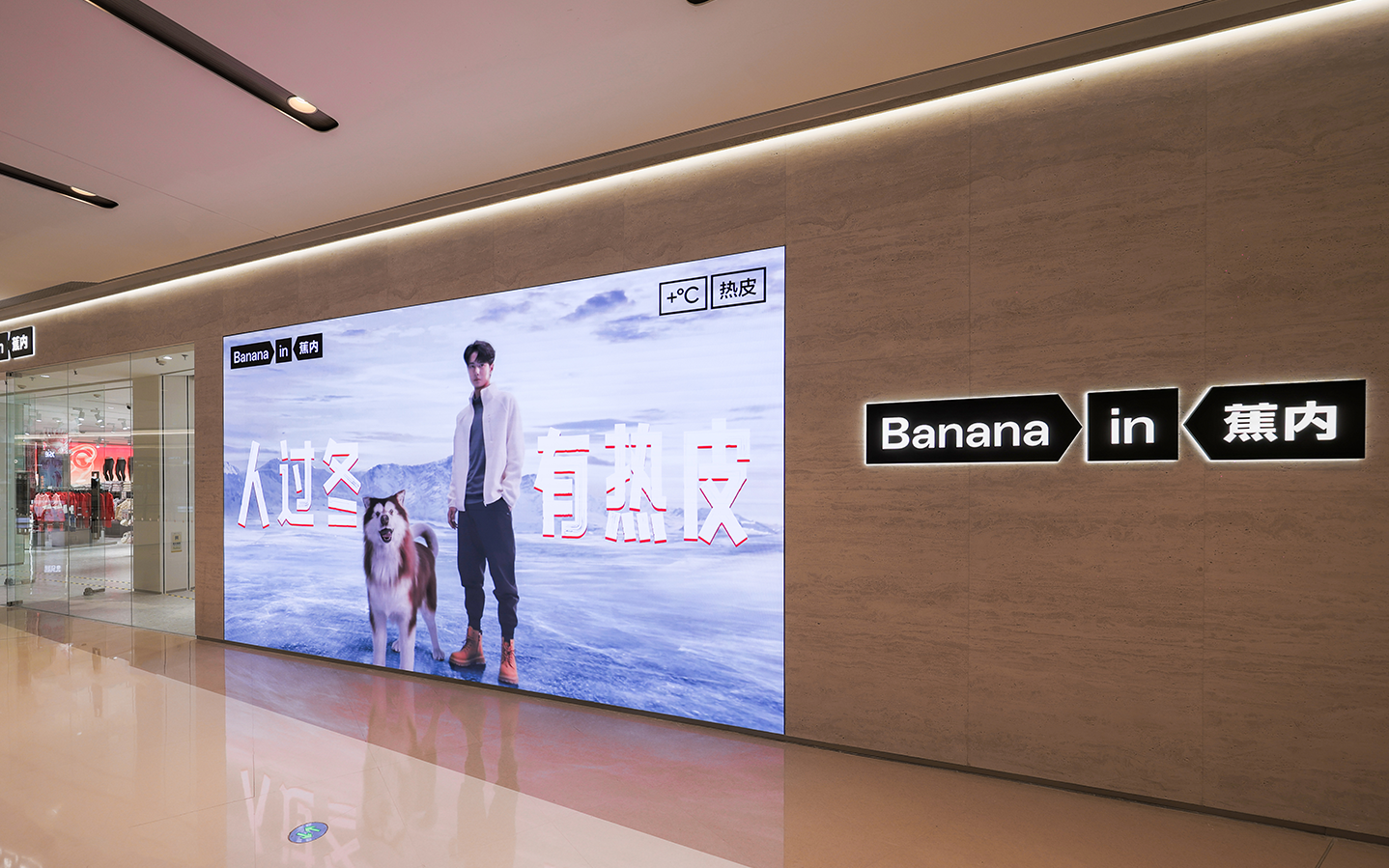
The approach follows a longstanding principle at Bananain. Its brand stories begin with the product. Over time, it has built a body of work around that idea. The product determines the subject, and what it feels like to wear is the point of entry for a conversation with shoppers.
The essentials are to explain what the product is and what it does for the wearer, in a voice distinctive enough to identify the brand.
Bananain has found a middle ground by inventing a vocabulary for its products. Names such as “warm skin,” “cool skin” and “silver skin” describe different sensations. They give technical ideas an everyday expression and each line a distinct personality. Over time, the names can become recognizable properties in their own right.
Bananain also deliberately plays down individual identity in its imagery. Models often wear matching bowl cuts that obscure nearly half their faces in posters and films. The look gives the brand a recognizable visual signature, keeps attention on the garments and the bodies wearing them, and suggests that the products have broad appeal.

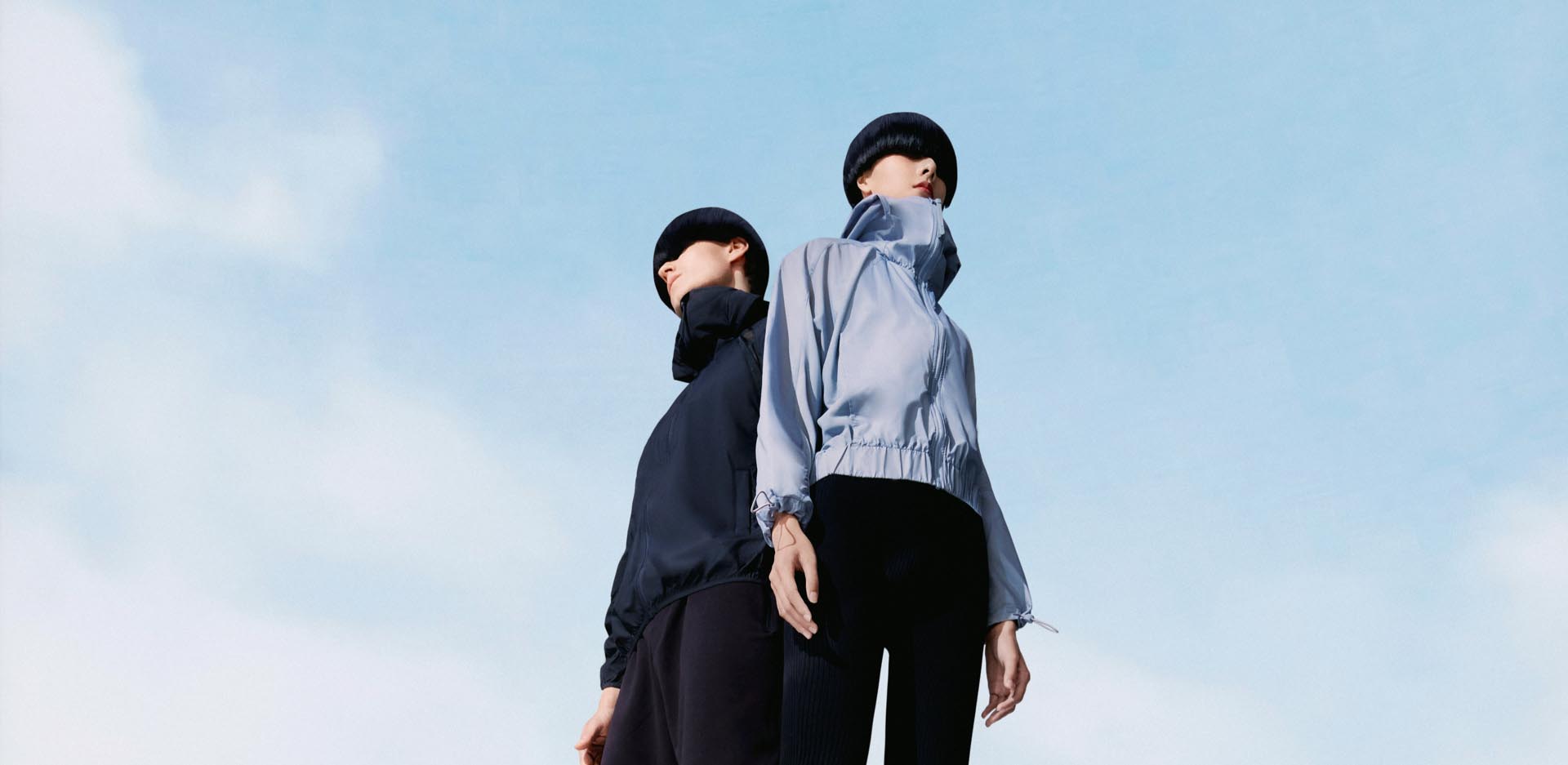
The prevailing tone is cool and restrained. Emotion is muted, with flashes of humor in the details. That treatment helps keep the focus on the product and supports Bananain’s positioning around the science of how clothing feels on the body.
Together, the words and images give Bananain a consistent way to describe what its products do and how it feels to wear them, in a form that remains recognizably its own.
02. Bringing people into the picture
Bananain has long described itself as a company devoted to the science of physical comfort. Its clothing incorporates proprietary technologies for trapping insulating air, distributing down through channels and using silver ions for active antibacterial protection.
Past campaigns have accordingly leaned on technical detail and data to explain product value. That approach builds authority and credibility, though it leaves less room for storytelling or an emotional connection.
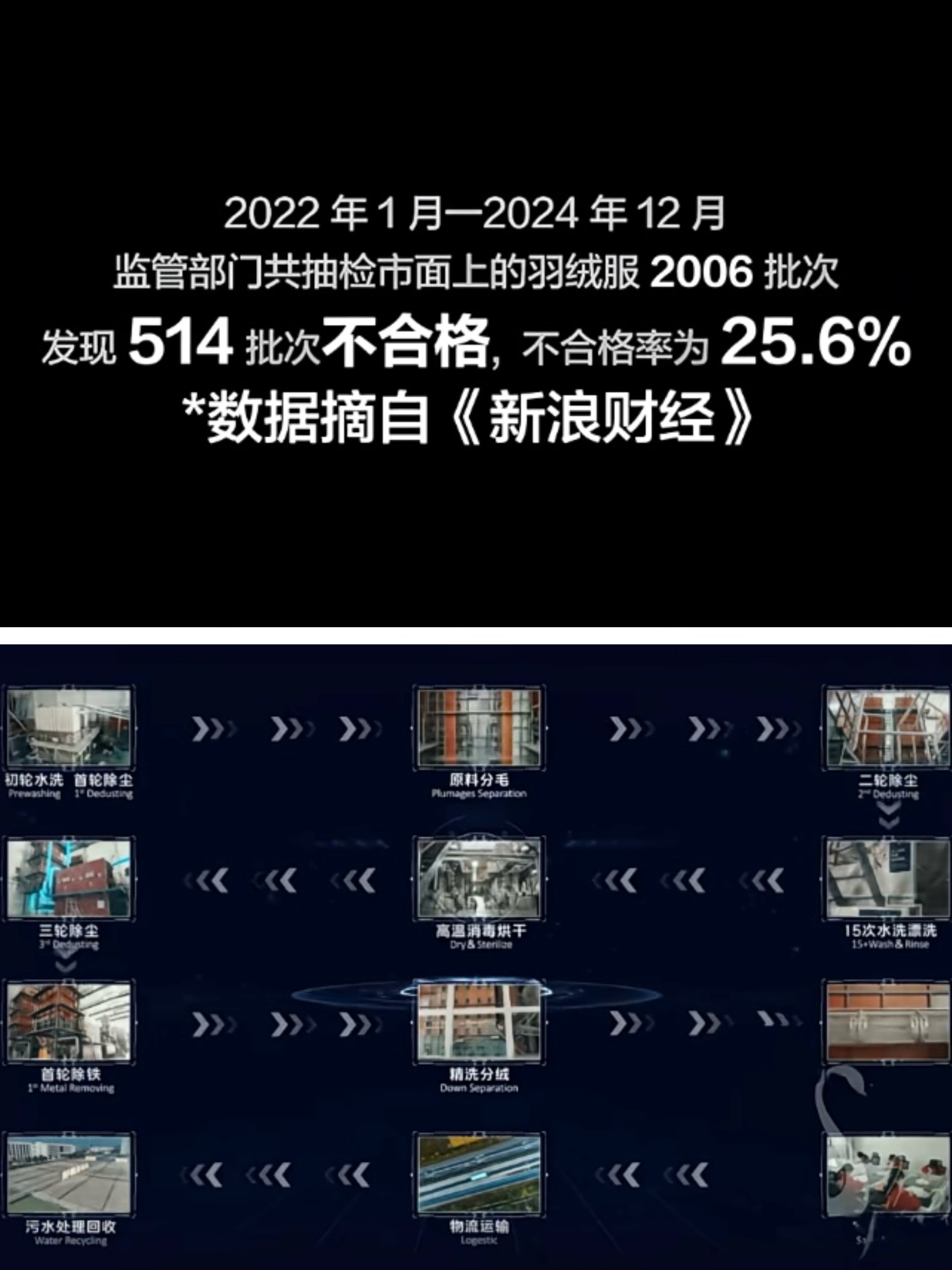
—
That film opened with figures on down jackets that failed regulatory spot checks. It then worked through materials, manufacturing and finishing details to show how the quality of a jacket could be assessed.
The cotton film takes viewers to the growing region and lets the people who work there speak for themselves. Having workers in Xinjiang write the copy gives a product story previously built around materials and technology a human dimension.
The workers tell the story. Their copy describes the cotton’s properties alongside its growing conditions and their own experience in the fields. They evoke fields watered by Tianshan snowmelt, the smell of cotton after a day in the sun and the feel of it at harvest.
Those details give a material with an abstract set of specifications a place and a history. The finished product represents the work of people tending a particular stretch of land. Even before a shopper handles the cotton, its character is easier to imagine.
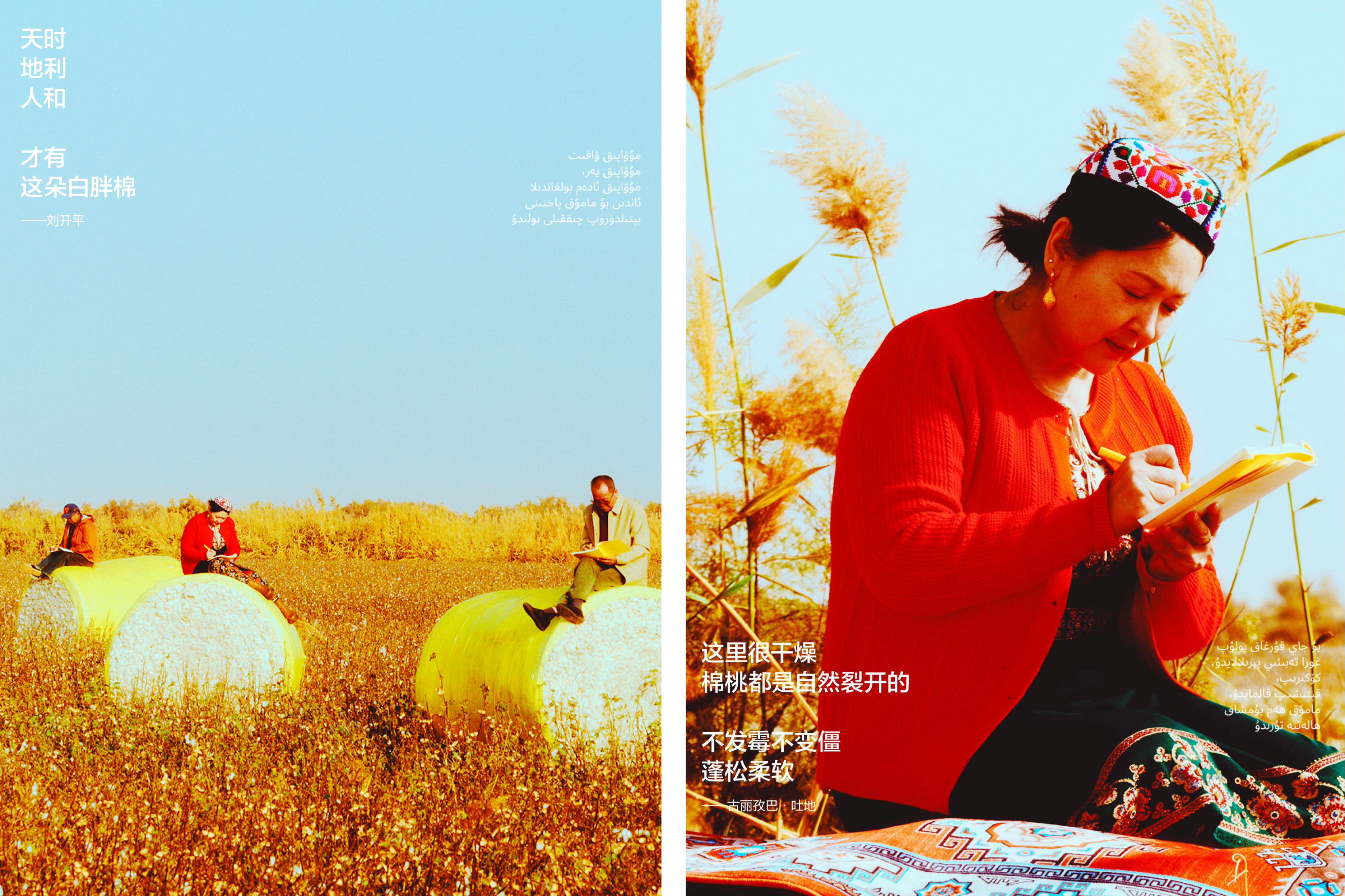
The workers write in an everyday idiom, with little embellishment or literary polish. One describes the cotton as “soft as a mother’s heart.” That simplicity complements Bananain’s more analytical voice. One draws on experience and feeling, the other on technology and reasoning. Together they give shoppers a fuller sense of the product.
Underwear and everyday consumer goods brands often alternate between explaining a function and evoking an emotion. By inviting producers to write, Bananain extends an account of materials and technology to encompass the place a material comes from and the people who make it.
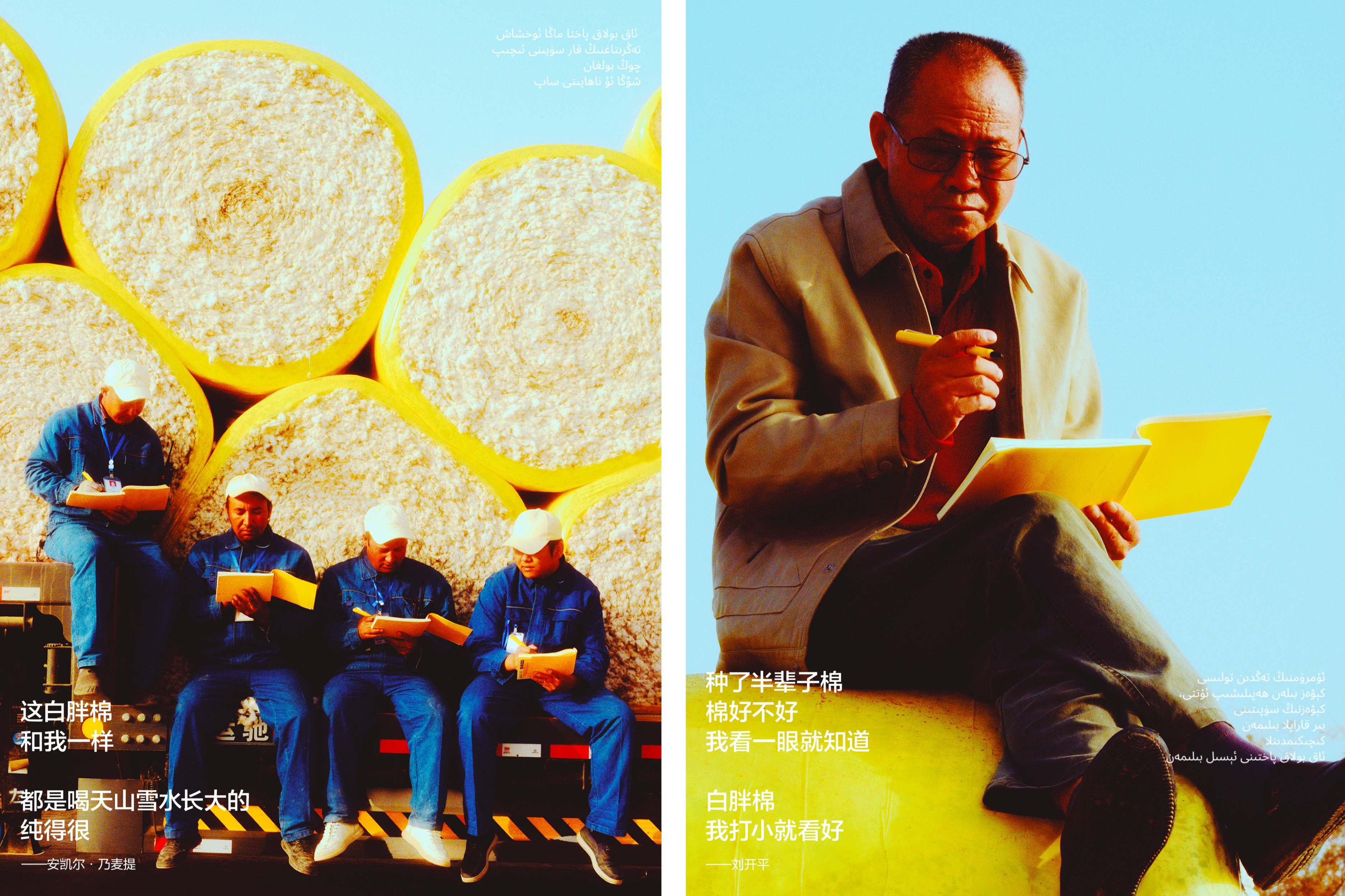
Linking the product to its production and the workers’ experience helps shoppers understand both what it is and where it comes from. The product becomes easier to picture and relate to.
03. What it says about underwear
One idea runs through Bananain’s brand stories. How does it feel on the body?
Many labels explore how a garment makes somebody feel physically and emotionally. Bananain interprets sensation in distinctly scientific terms. Its interest lies in the relationship between the body, its clothing and its surroundings.
That makes it possible to explain the function of a garment, underwear included, in terms of what a wearer actually experiences. It gives a specific form to sensations that can be hard to describe, and a clear logic to the brand’s stories.
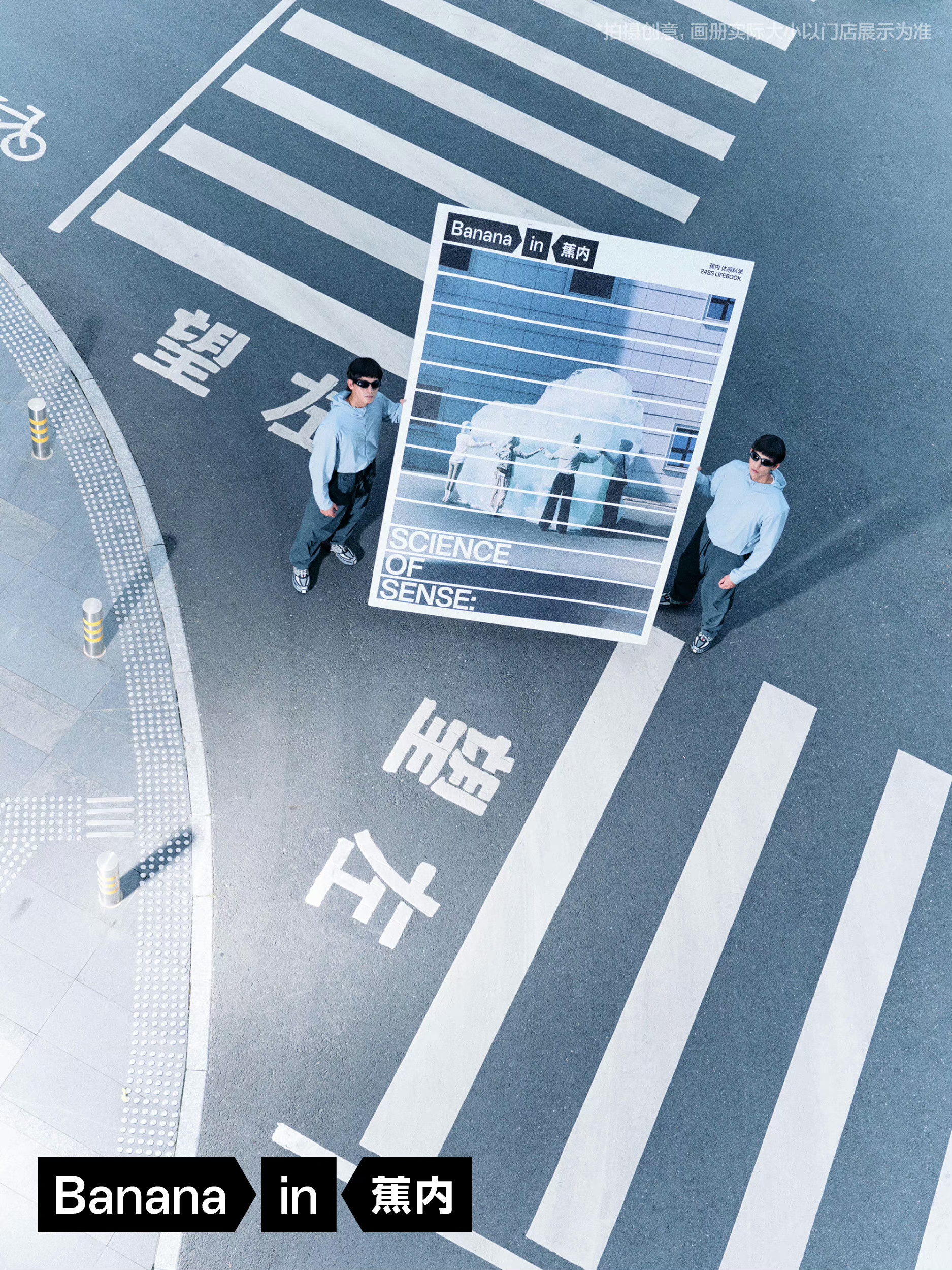
Bananain’s experiments with product language reflect a wider development in the underwear business. Brands are gradually shifting the focus of their stories from the product itself to the body.
For years, underwear marketing revolved around function. Lift, shaping and a “perfect” silhouette were industry watchwords. The body was something to be molded, and underwear the means of bringing it closer to an accepted beauty ideal. The wearer’s experience and actual needs received less attention.
As consumer attitudes have evolved, brands have begun to see the body in more complex terms. It is where sensations are felt and tastes and lived experiences take shape. It is also a means of expressing social identity and a sense of self.
Brands have responded to that change in different ways.
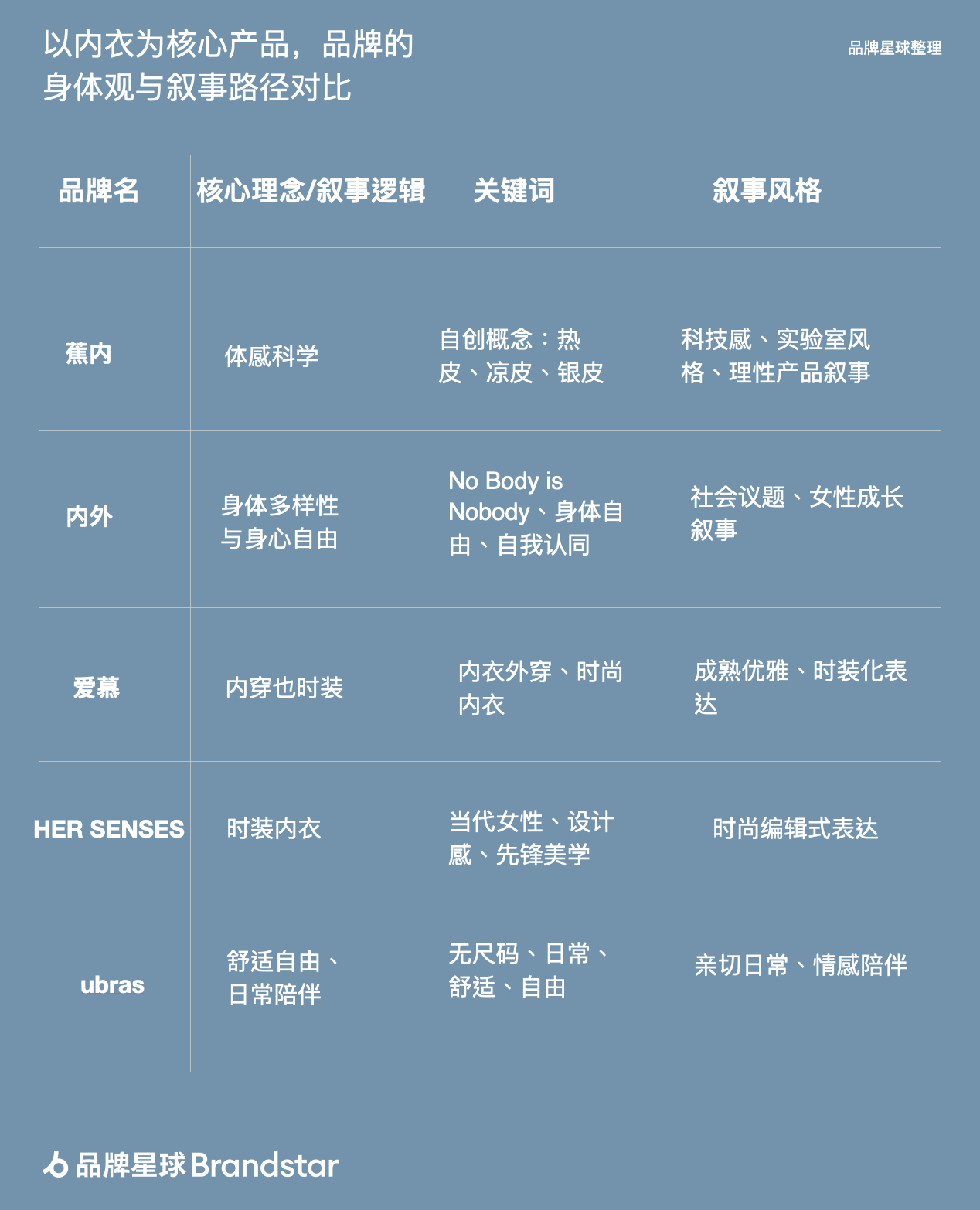
Their stories suggest several distinct views of the body, each with its own editorial emphasis.
• The body understood through science, with an emphasis on materials and function.
• The body in society, with an emphasis on identity, freedom and social recognition.
• The body as an aesthetic subject, with an emphasis on silhouette and fashion.
• The body as a source of feeling, with an emphasis on comfort, companionship and emotional connection.
Bananain comes closest to the scientific view of the body.
Its language of materials, technology and design translates the abstract idea of sensation into something a wearer can recognize. The garment’s function, the experience of wearing it and the body’s response correspond clearly. That systematic approach has kept the brand’s storytelling consistent over time.
The workers’ copy gives Bananain room to try something beyond a scientific explanation. Putting the cotton and the people who grow it into the same story shows where the material comes from and what human care goes into it. BRANDSTAR
Chinese brands · Brand storytelling · Small-format content · Bananain
More stories →