How Bananain built its first decade on product science
The Chinese apparel brand describes the research and operating decisions behind its long-term growth.
It often takes looking back to realize how much a period held. More than a decade has passed since China’s new consumer sector began its rise and later splintered. Bananain, founded in what was dubbed the “second half of the internet era,” marked its first decade along the way.
Over those ten years, Bananain rode the new consumer wave and became one of the sector’s breakout growth stories. At the brand’s 10th anniversary event, founder Zang Chongyu put it this way: “We make clothes for the comfort you feel in your own body, rather than to show off.” It was a distinctive stance in a consumer market that prizes traffic and expansion.
At the event, Bananain set out its strategic positioning around the science of how clothing feels and a sustained focus on what the wearer experiences. It also announced the establishment of a research institute dedicated to that science. Brandstar spoke with founders Zang Chongyu and Li Zechen and joined scientists at the event for a discussion on the evolution of clothing comfort in China. Bananain also traced how its brand evolved from product innovation to expansion into new categories.
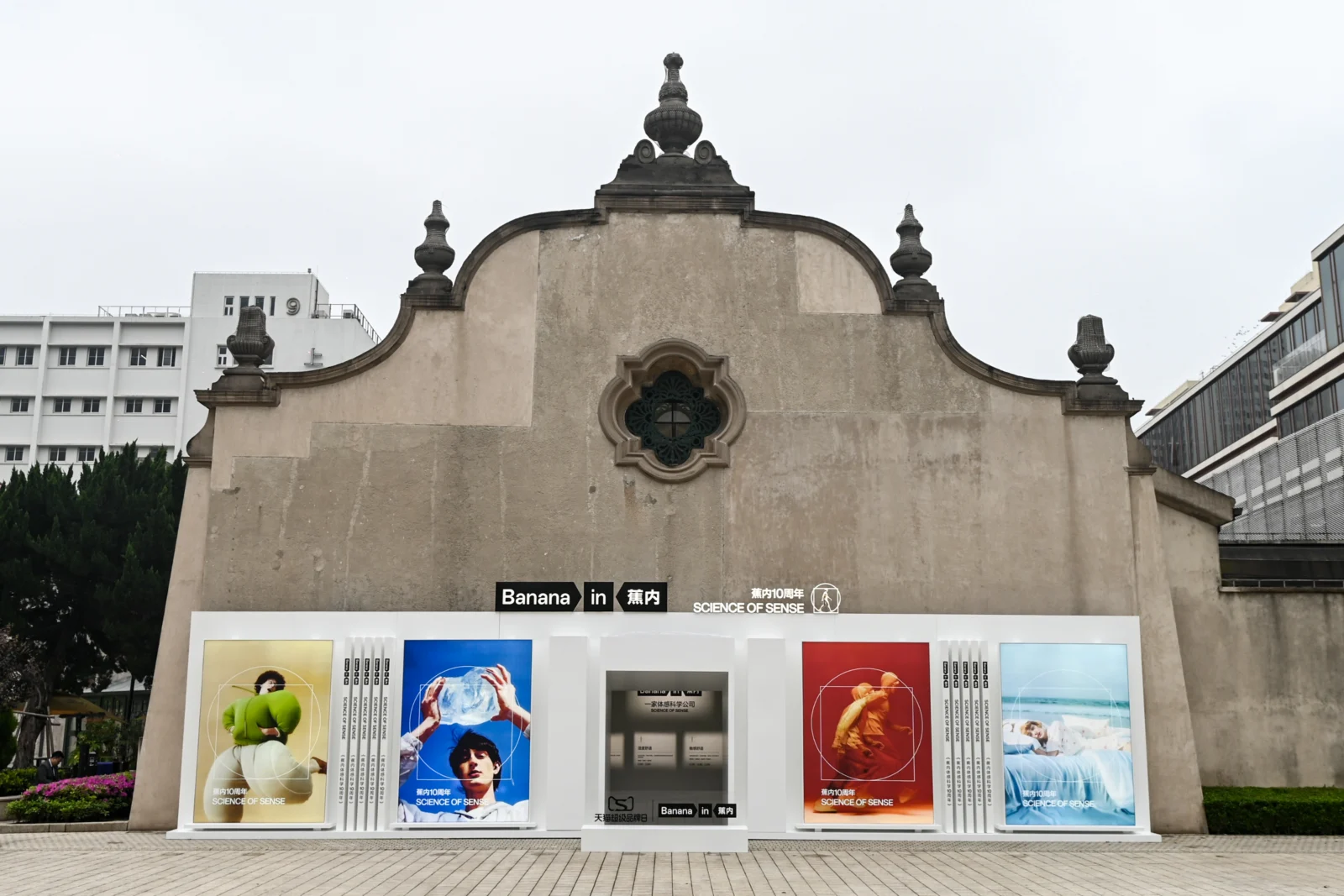
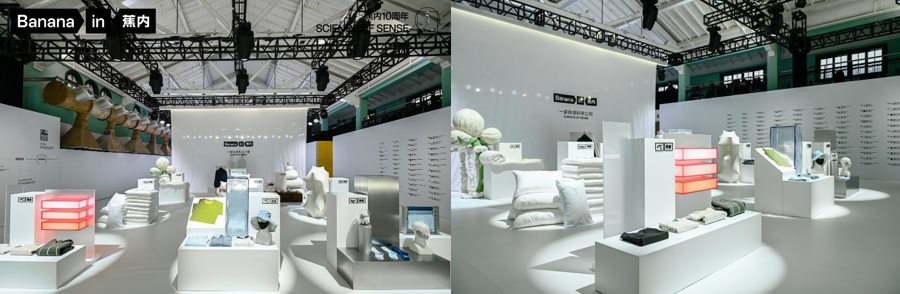 Bananain held its 10th anniversary event on the science of how clothing feels at Columbia Circle in Shanghai.
How does Bananain intend to grow? What lessons and innovations from that process are worth the industry’s attention?
At the brand’s 10-year mark, we traced the path Bananain has taken. The answer may lie in the name itself. The three a’s in “Banana in” stand for “anyone,” “anywhere,” and “anytime.” The “in” reflects the ambition to let everyone be “in comfort” in any setting and make comfort a driver for the wider industry.
For a decade, Bananain has looked inward in how it develops products, expresses its brand, and pursues growth. With that commitment to putting the product first, it has worked to codify comfort in scientific terms.
01 The science behind how clothing feels
The apparel industry broadly agrees that how clothes feel on the body matters. In recent years, many brands have used metaphorical taglines and visual cues to evoke a mood of comfort. Bananain rarely takes that approach. More often, it measures and validates how clothing feels, working through the problem as it would a math equation.
Behind this distinctive approach is a basic premise. The science of how clothing feels starts with discomfort. When wearers report itching, pressure marks, or trapped heat, Bananain breaks each complaint down into measurable parameters, giving otherwise imprecise sensations a clear frame of reference.
That gives comfort a scientific basis. The same inward focus runs through the brand’s creative work. For its 10th anniversary, Bananain teamed up with the National Ballet of China to present a short dance film that used movement to express subtle changes in how the body feels.
Bananain avoids playing up emotion in its messaging while giving people who prioritize how clothing feels something they can count on. Comfort is itself a deeply felt emotion, one that ultimately contributes to a sense of well-being.
First, define comfort
The theme of the anniversary event reflected Bananain’s view that comfort is first and foremost a science that can be quantified and validated, grounded in how clothing feels on the body. From there, comfort comes down to getting the relationship right between people and their surroundings, and between clothing and skin. That understanding is the starting point for Bananain’s product development.
In 2016, 86 years after the clothing label was invented, Bananain introduced its first pair of “tagless” underwear, replacing the scratchy sewn-in tag with a label printed on the outside. It was as though the industry and consumers had only then realized that the little pieces of fabric sewn into necklines, side seams, and waistbands were optional. That small change all but overturned the underwear industry’s approach to labeling.
That same eye for overlooked problems has guided Bananain’s product development ever since.
The core +℃ Heat Skin and −℃ Cool Skin lines grew out of Bananain’s efforts to get the relationship between the body and its surroundings right in different climates. +℃ Heat Skin challenged the assumption that thicker means warmer. It uses air-trapping technology to provide warmth without bulk, keeping skin temperature in a comfortable range of 32–34°C. −℃ Cool Skin pairs cool-touch fabrics with a breathable construction to address the stuffiness of clothing that physically blocks UV rays. An alkali-soluble yarn process creates tiny vents in the tightly woven fabric so moving air can keep the wearer cooler.
Using the same approach, Bananain expanded from underwear into loungewear and accessories. It developed bras with support you barely feel, activewear that tackles trapped sweat and clamminess, and socks that stay put at the heel. With a scientific method, comfort became a problem the brand could solve.
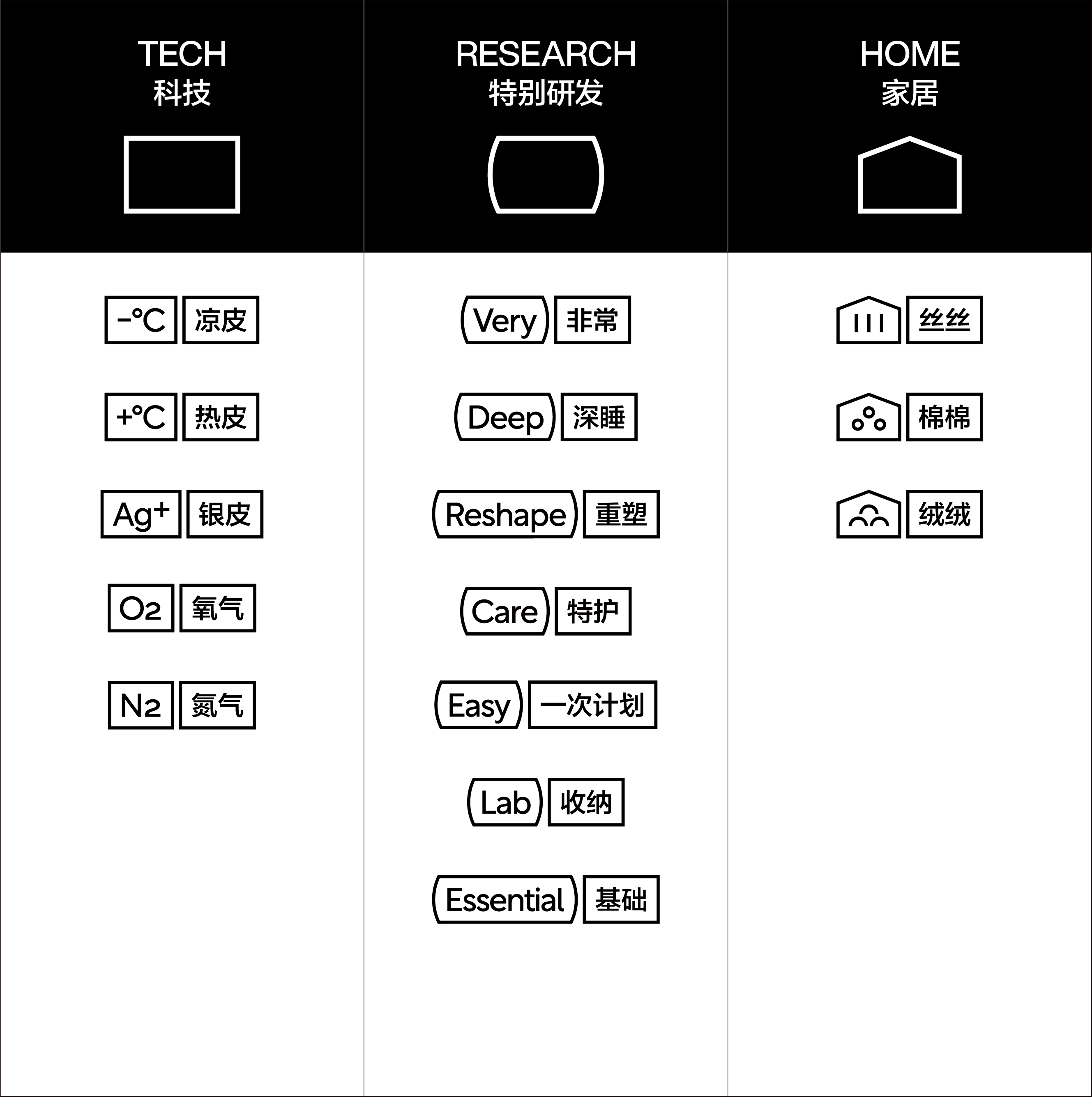 Bananain built a clear, streamlined product system.
Then, find ways to measure how it feels
Once comfort has been defined, the next step is to make it measurable.
Comfort has traditionally been a subjective matter. Everyone has a different standard, which makes it hard for a brand to make a consistent promise. Bananain established five objective measures for comfort: temperature, humidity, tactile feel, pressure, and protection.
Bananain continually refines its products by identifying pain points, clarifying what wearers need, and developing a solution. For thermal comfort, it uses Airwarm® heat retention in Heat Skin, AircoolUV sun protection in Cool Skin, and Therma Tune dynamic temperature regulation in Deep Sleep. These technologies help garments respond to shifts in body and ambient temperatures, keeping wearers comfortable in a range of weather conditions and settings.
Bananain’s growing portfolio of core technologies and its stringent internal standards have moved it a step closer to setting the rules for the industry. At the anniversary event, it previewed a white paper titled The Science of How Clothing Feels: Underlying Mechanisms and a Framework for Assessing Perceived Comfort, to be published jointly by Bananain, the China Textile Information Center, and CBNData. The paper can be read as a public account of the methodology at this stage of its development.
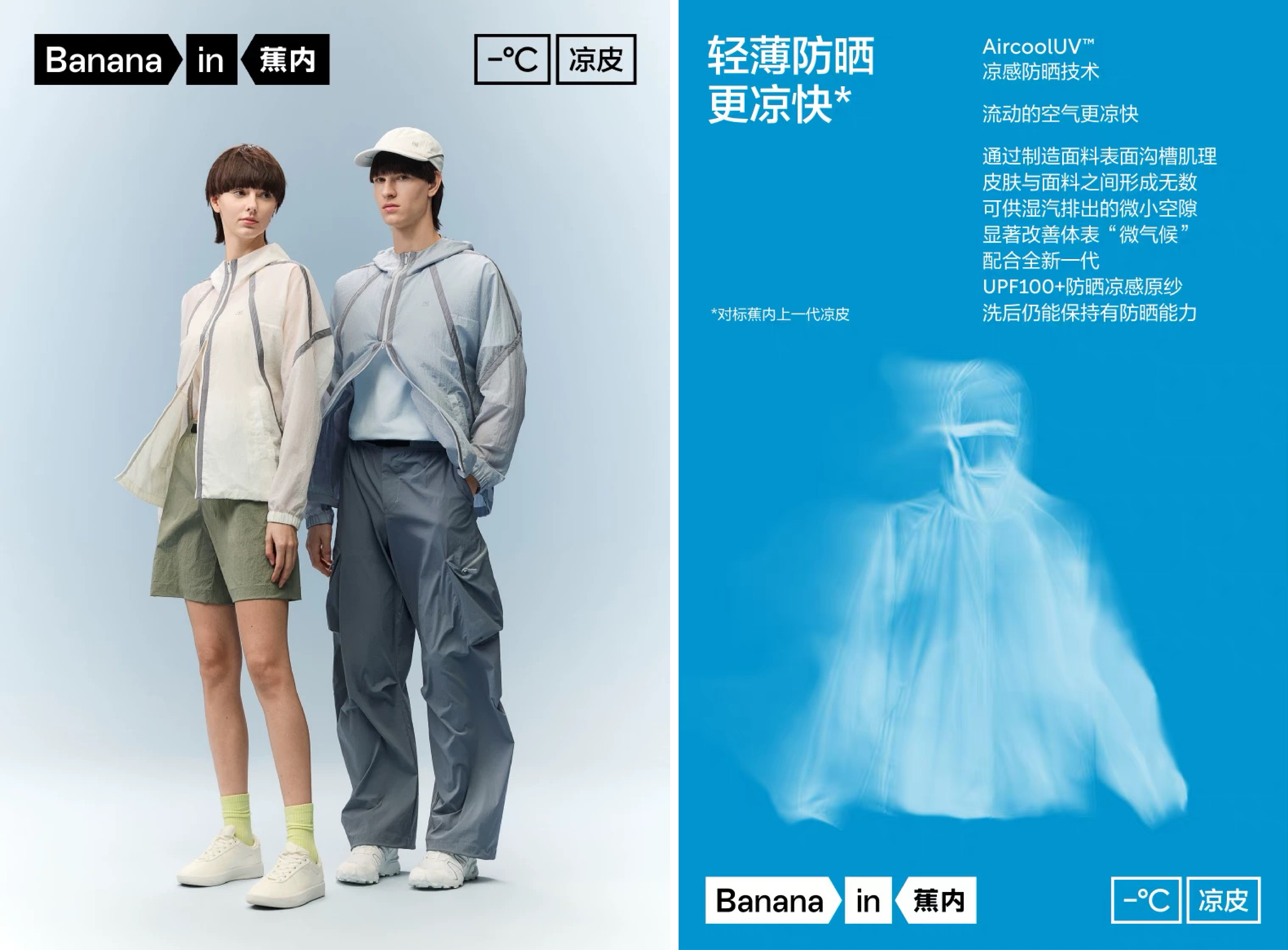 Bananain’s Cool Skin sun-protective apparel uses AircoolUV technology, developed to provide a cool feel and UV protection.
Finally, put numbers to how clothing feels
For Bananain, the science of how clothing feels comes down to numbers recorded in standards, test reports, and assessment frameworks. It takes evidence to put those numbers on paper.
Bananain draws on 372 patents and a proprietary dataset built from feedback from 65 million users. That gives it the ability to design solutions for different people and settings. The same garment can feel warm overall to someone who gets cold easily while still feeling breathable to someone who tends to overheat.
The numbers come from the lab, while the feel only becomes apparent when you put the garment on. Turning lab results into something a wearer can feel is the final step in Bananain’s product development.
For a brand operating in the real world, working out what makes a garment comfortable is only the first step. Bananain also needs a precise vocabulary to convey what customers can expect to feel.
 Roundtable on the evolution of clothing comfort in China
From left to right are Brandstar founder Lai Yongfeng, Bananain founders Zang Chongyu and Li Zechen, Cai Zaisheng of Donghua University, and Yang Hongshan of the China Textile Information Center.
02 How Bananain found its aesthetic
Brands often take one of two paths. Some start with a hit product and develop a style over time. Others begin with a guiding conviction that shapes what they put into the world. What comes back in turn informs that conviction, and the exchange gradually produces a coherent system. Bananain took the second path.
In our view, Bananain’s strongest competitive advantage lies in the disciplined, efficient, and coordinated system of expression it has built over a decade. Its visuals and language follow the same principles, giving the brand a consistent identity beyond any individual hit product.
The founders’ design backgrounds gave the young brand a distinct aesthetic from day one. As Zang Chongyu showed at the event, Bananain has worked to become a technology company in the apparel industry while using creativity and design to develop a distinct, cohesive approach to its content.
Bananain has long worked to bring its visuals and language under a common set of standards. Classic marketing positioning theory emphasizes competition and treats visuals and language like a hammer and nail, meant to land with precision and force. That thinking gave rise to terms like “visual hammer” and “verbal nail,” with the bitten Apple logo and the Nike Swoosh as examples of visual hammers. Bananain uses the approach to make its own system coherent, rather than to stake out a competitive position in the market.
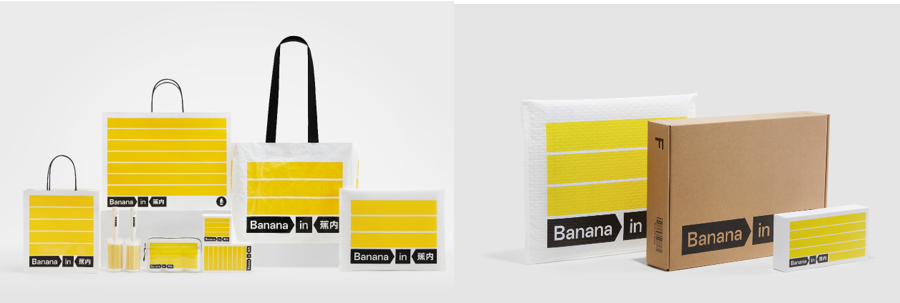
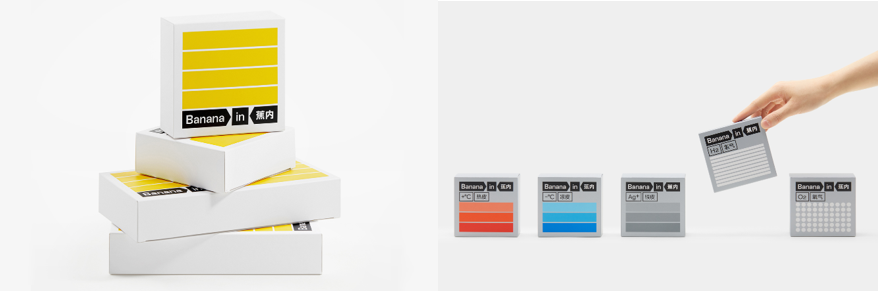 In 2024, Bananain introduced its visual identity 3.0, using simpler symbols to organize its product categories.
A consistent visual identity
Bananain favors a subdued palette of black, white, and gray, accented by its signature bright yellow and minimalist geometric icons, over the saturated hues associated with dopamine dressing. This system of symbols makes the identity less susceptible to shifts in fashion. Its tech-forward, futuristic look fits the brand’s “live in the future” ethos.
Bananain consistently styles its models to downplay gender and individual personality. Their signature bowl cuts give the models a more neutral presence, keeping shoppers’ attention on the product design and specifications.
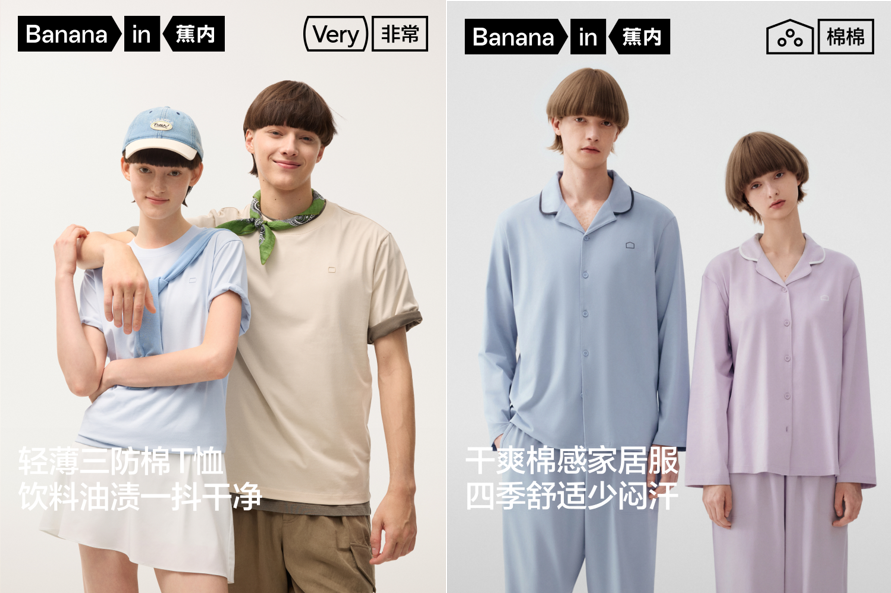
The same logic extends from product detail pages to physical retail. As of 2026, Bananain had opened 68 spaces dedicated to the experience of wearing its products across 30 Chinese cities. From Shenzhen’s humid heat to Shenyang’s bitter cold, the science of how clothing feels has moved out of the lab, where shoppers can now judge comfort for themselves. The stores echo the online experience with silver-toned metallic finishes, shelving arranged in grids, and signage organized around product specifications.
Shoppers who discover Bananain online encounter a familiar look and feel the first time they enter a store, and the same is true in reverse. A highly consistent visual identity makes the brand easy to recognize at a glance and easy to remember.
The brand can also take a personal approach. For International Women’s Day this year, Bananain skipped a major campaign and used a Polaroid camera to photograph women on its staff. Each photo was signed by the employee it portrayed, under the message “At Bananain, every woman is seen.” There are real people inside this company devoted to the science of how clothing feels.
A language of its own
Visuals give the brand a consistent look, while language gives shoppers a consistent way to understand it. Bananain is as exacting about word choice as it is about science.
Straightforward names like Cool Skin, Heat Skin, Silky, and Cottony, paired with alphanumeric product codes, have become Bananain’s own brand vocabulary.
Copy has to state clearly what the product does. Shoppers can read a product’s performance profile from its code without having to guess what “cloudlike” means. “Generates and retains heat for better protection from cold winds” gets the point across faster than “like winter sunshine.” Plainspoken copy that addresses a specific problem, such as “Cool Skin socks with reinforced toes and heels to help prevent holes,” appears on the lead image of product pages.
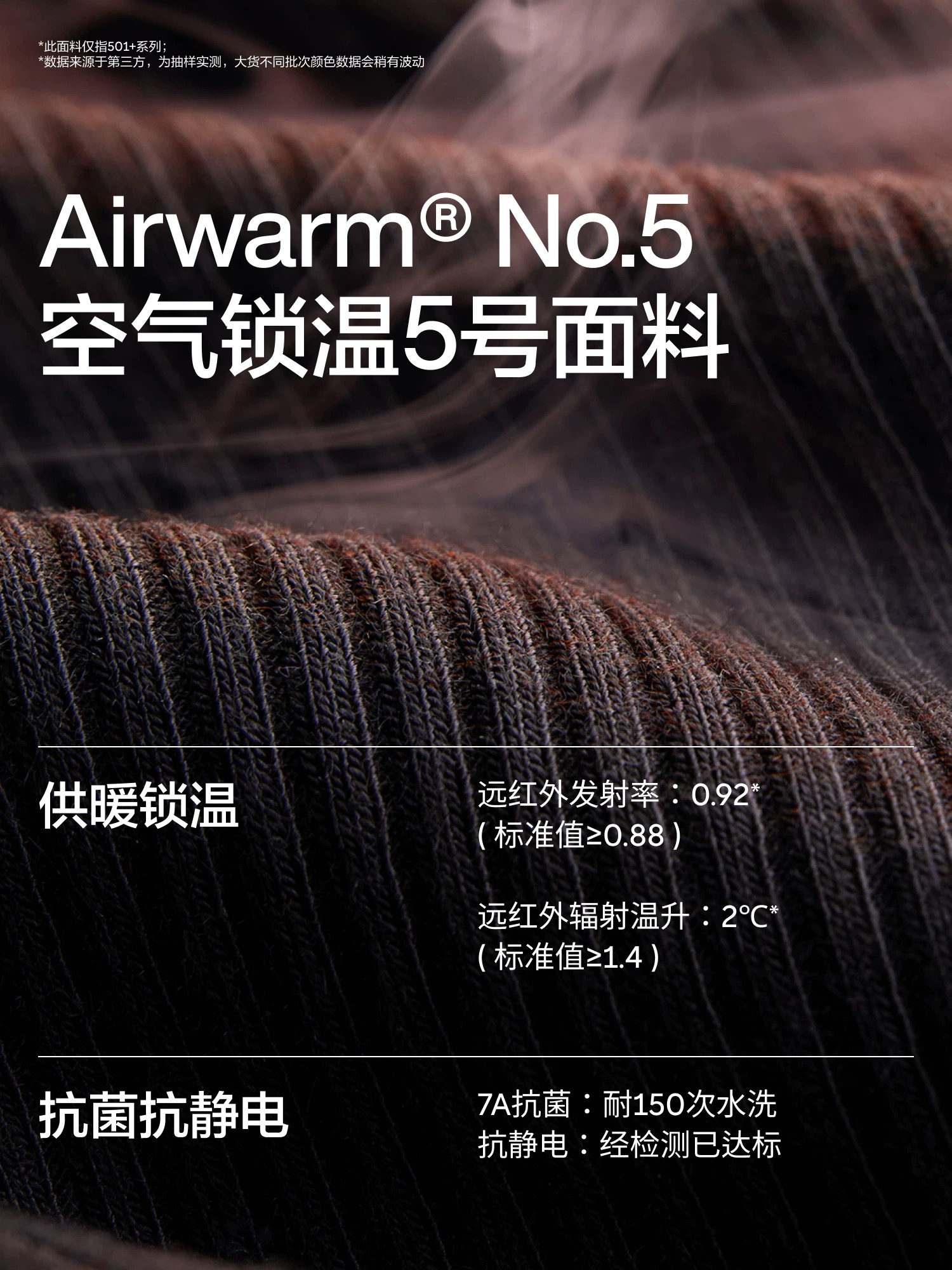
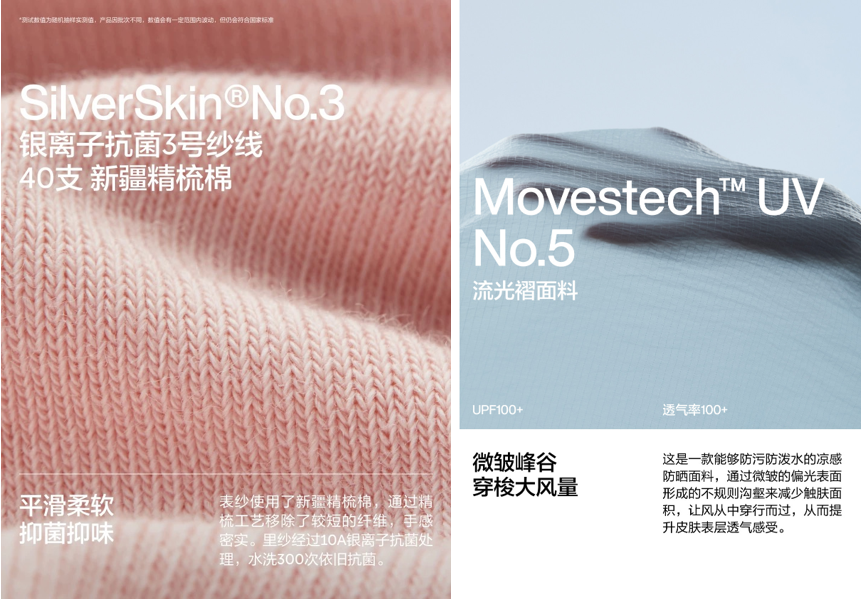 Bananain uses lead product images to show what each item does and what problem it solves.
A standardized content template helps shoppers pick out product features amid a flood of information. A shopper familiar with Bananain can read “Heat Skin 503+++” at a glance. Heat Skin signals warmth, 5 identifies the fabric, 03 means extra thickness, and +++ is the highest warmth rating. The brand and its customers have developed an unspoken understanding.
Product design, retail spaces, and messaging fit together like mortise-and-tenon joints because they follow the same principles. That gives the brand the cohesion to endure through market cycles and gives customers a reason to trust it over time.
03 Chinese brands come into their own
“At the same time, aesthetics and brands rooted in everyday life in China are gaining new momentum and coming into their own.” At the event, Zang Chongyu used those words to look ahead to a new chapter in the story of Chinese brands.
For Bananain, any everyday convention that people take for granted but that makes little sense is worth redesigning. Bananain tends to let its products speak for the brand instead of repeatedly telling people who it is. It builds the same principles into the design of each product, beyond the life of any emotionally driven campaign or passing social trend.
That restraint has shaped how Bananain has grown from day one.
Brandstar has observed that each evolution of the Bananain brand came naturally once the company had built up the capabilities to support it. It started by addressing specific sources of physical discomfort, using hero products to set the brand apart. Once it had built a substantial user base and gained experience working with the data, it set out to “redesign the basics,” gradually developing a range of product lines and a patent portfolio. Only after building a solid technical foundation did it adopt its current positioning as a “science of comfort company.”
The phrase “science of comfort company” appeared as early as the construction hoarding for Bananain’s first store. The science of comfort has been central to the brand from the start. Each step forward followed naturally from capabilities the company had built internally, on its own timetable.
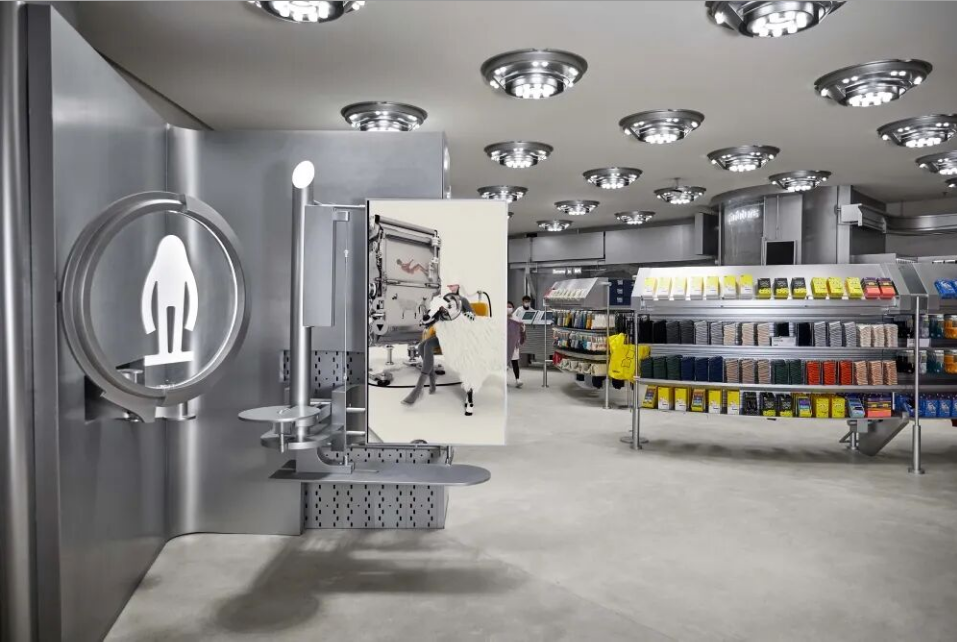 Bananain’s “No. 000 Experience Store” at Uniwalk in Shenzhen. The name comes from the default combination for luggage locks, “000,” and marks the start of the brand’s brick-and-mortar presence and its aim to make the experience accessible to everyone.
Over the past decade, most of China’s emerging consumer brands joined a rush to find growth externally. Online traffic surged and new concepts proliferated. Rapid growth also brought intense pricing pressure and increasingly look-alike brands vying for the same customers. Against that backdrop, Bananain’s steadiness stands out.
For now at least, Bananain appears content to steer clear of both the churn of the unbranded mass market and the race to lead on new concepts. Its approach has consistently been measured. By looking inward and building the brand on operational efficiency and a continuous feedback loop in product development, it lets a pricing premium emerge as those capabilities mature.
A long-term focus on product has carried Bananain through a market shakeout. Where does it go from here? At the launch event, the company gave a clear answer.
For the next decade, Bananain will stay the course and keep its focus on the science of comfort and on building from within.
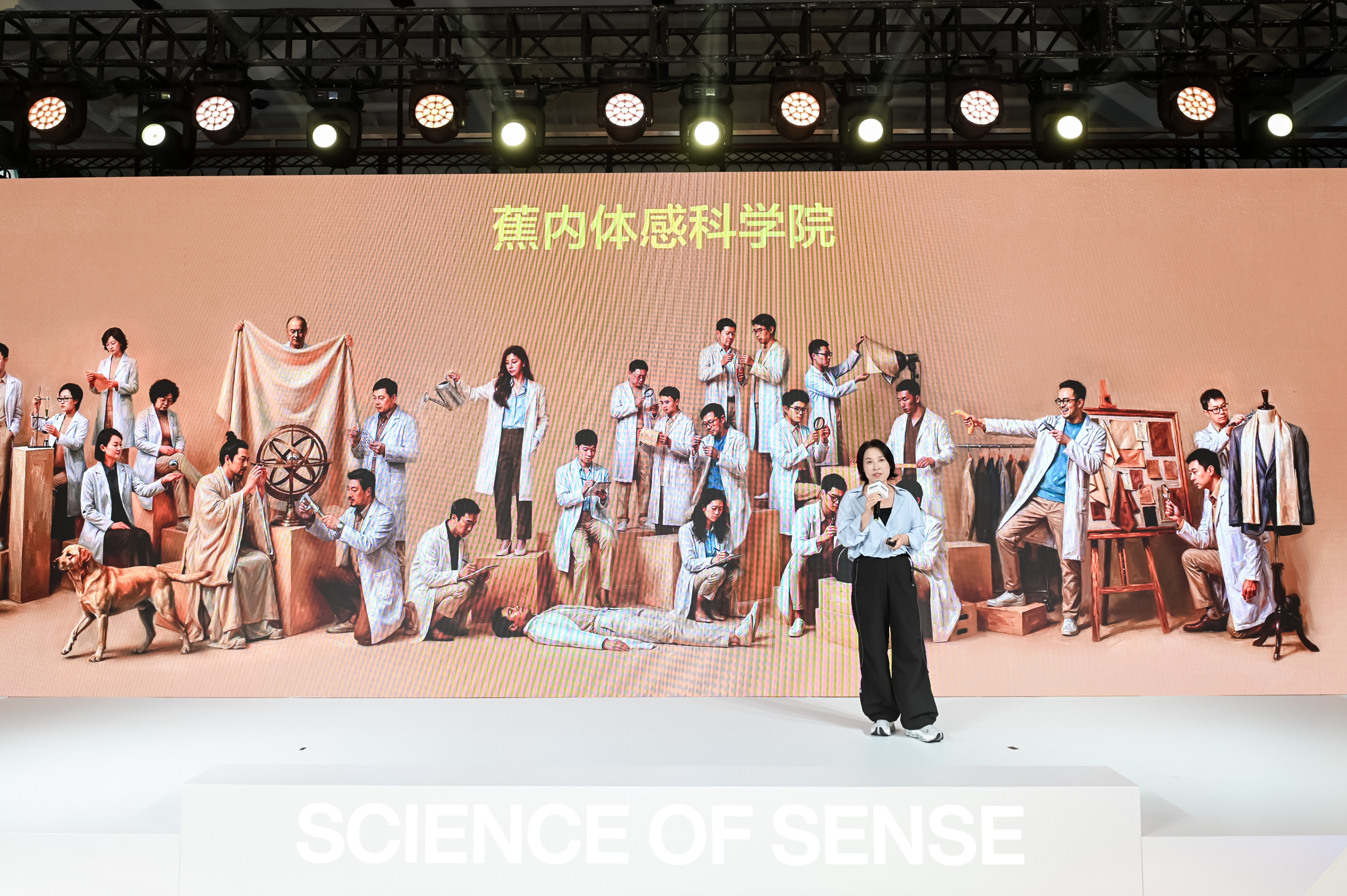 Poiling, Bananain’s vice president and science of comfort officer, unveils the company’s science of comfort strategy.
04 Closing thoughts
How can a brand find its footing in an uncertain market?
Bananain offers a distinctive example of brand building grounded in science, organizational discipline and a systematic approach. By tightly linking how it expresses its ideas through products, how it organizes its work and how it builds the brand, Bananain has developed the capacity to grow from within and endure across market cycles.
An operating system built from within may yield steadier returns than trends that come and go. Looking back on its first decade, Bananain has been reshaping how clothes feel on the body while refining the character of the brand itself.
Perhaps the answer was in the name all along. The “in” in “Banana in” points to the brand’s enduring inward focus. Bananain looks within to shape its products, express its identity and find growth. That approach carried it through one market cycle and will guide it into its next decade.BRANDSTAR