Adidas Brings a World Cup Soccer Market to a Former Shanghai School
Ahead of the 2026 World Cup, the sportswear brand put soccer shirts and fan culture back in a neighborhood setting.
The 100-day countdown to the 2026 FIFA World Cup is underway, and global sportswear brands have kicked off their campaigns for the tournament.
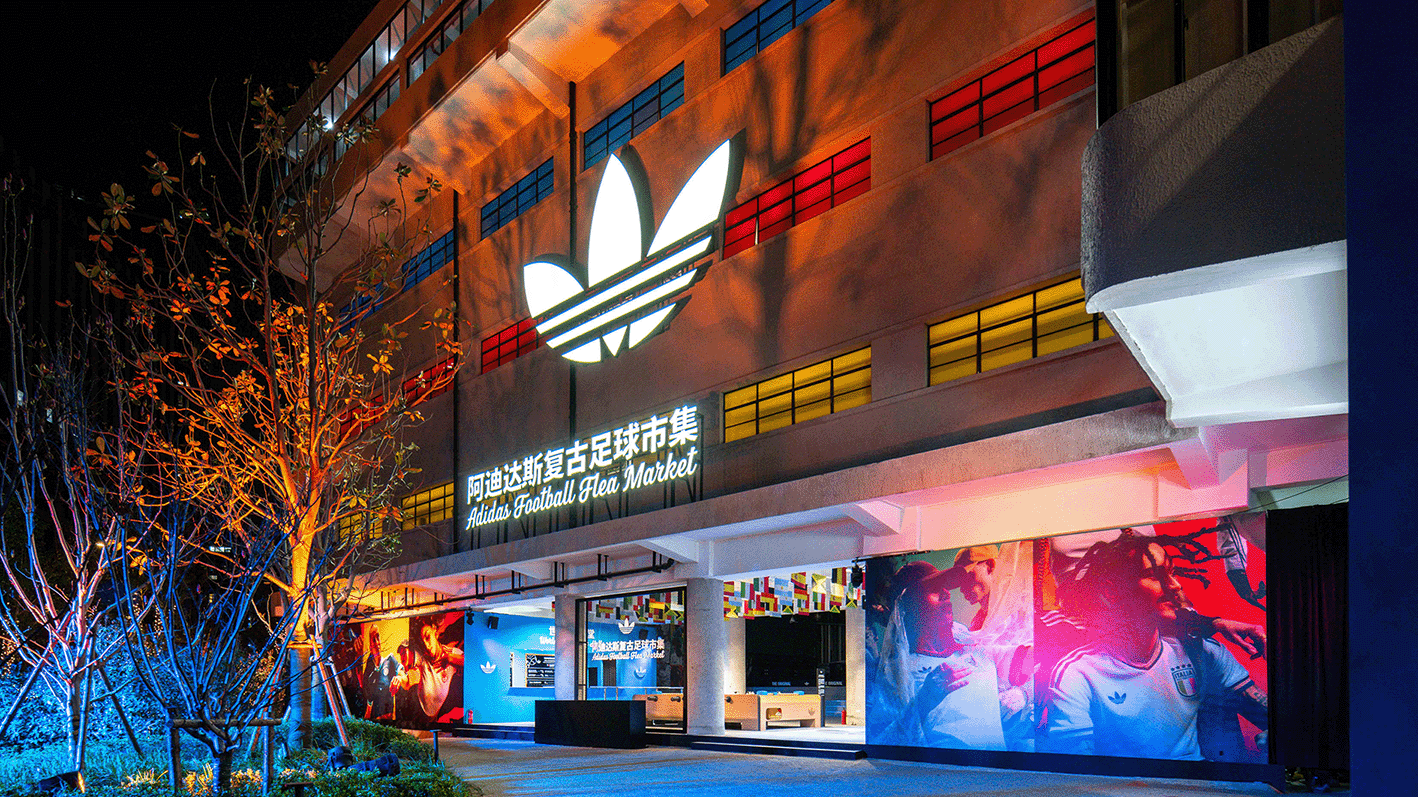
As an official global FIFA partner and World Cup sponsor, adidas skipped the conventional launch format and staged a retro soccer market at the historic former Lagrena Elementary School in Shanghai’s Xintiandi.
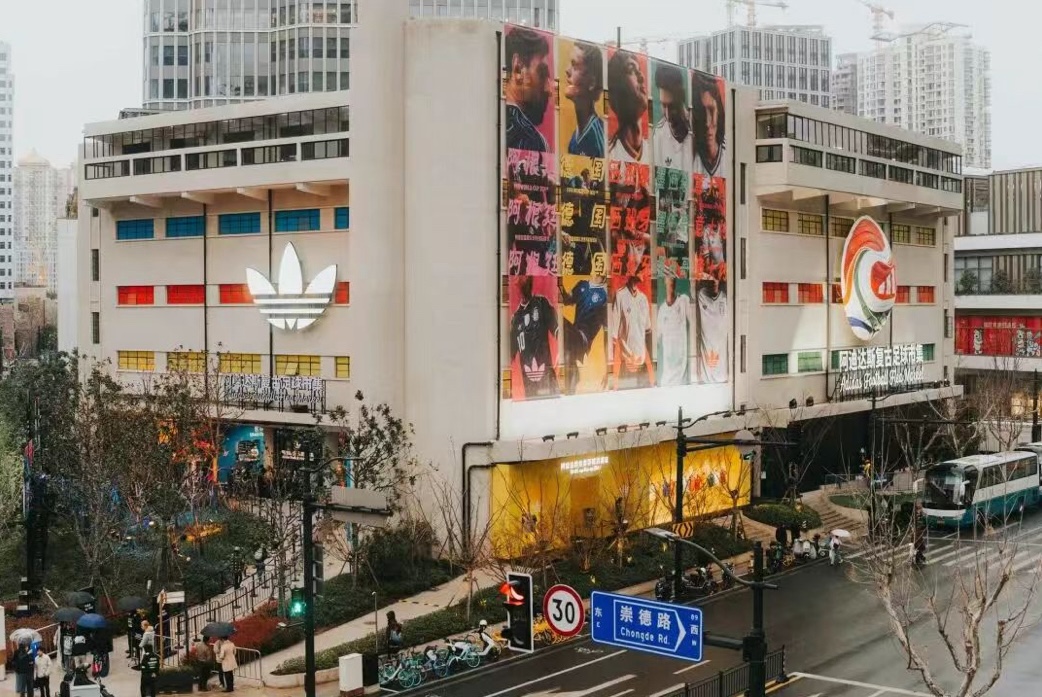
The idea that the medium is the message suggests that the medium shapes how we perceive the world. Space itself is a storytelling medium. For visitors drawn to the market, stepping into a building steeped in shared memories of youth and school offered an experience that went well beyond browsing a pop-up or taking part in a soccer activity.
adidas used the site’s distinctive character to bring a seemingly distant World Cup and a soccer culture that had gradually drifted from everyday life back into familiar settings. An accessible public event that brings culture and style together gives people another way to discover and connect with the game beyond the professional pitch.
01 A historic schoolhouse helps tell the story
Memorable brand events depend on a strong fit between the concept and the setting.
adidas held its recent retro soccer market at Shanghai’s former Lagrena Elementary School, where the building’s history echoed shared memories of soccer culture and made the space part of the story.
Construction of Lagrena Elementary School began in 1935 with funding from the Shanghai French Municipal Council. Located in the heart of the former French Concession, the building served as a school for more than 70 years under a succession of names, including Yimiao No. 2 Central Primary School, Luwan No. 3 Central Primary School, Lingyun Middle School, and Bile Middle School.
After the school closed in 2018, the building was restored for preservation and incorporated into the Pacific Xintiandi development. It is a protected heritage site in Huangpu District for its significance to Shanghai’s modern educational history and its architectural value. Today it is a public cultural space open to all.
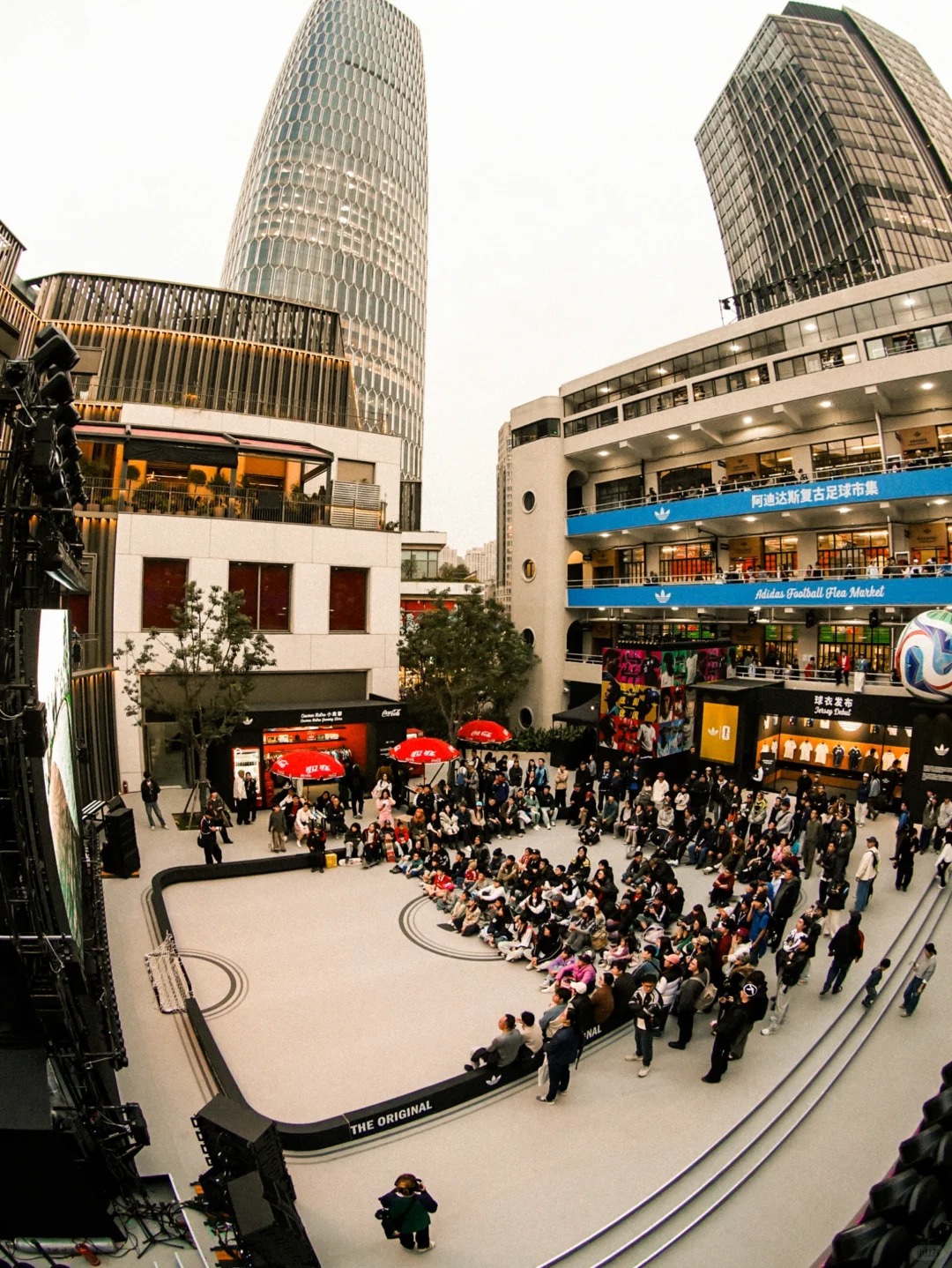
The five-story, T-shaped building retains its classrooms, corridors, and playground intact, preserving the feel of a school. That setting speaks to how many people first encountered soccer. For most, those early memories are of pickup games on the school playground or the joy of kicking a soda can on the way home, long before the intensity of professional competition entered the picture.
School is where soccer culture feels closest to everyday life and where its earliest memories resonate most widely.
With “Trefoil Elementary School” as its creative concept, adidas built the programming around the school’s original layout and features, finding different uses for the setting across the event.
The brand re-created period school settings, including a cafeteria, a snack shop, a library, classrooms, and a school broadcast room. It also programmed soccer and youth community activities across all five floors.
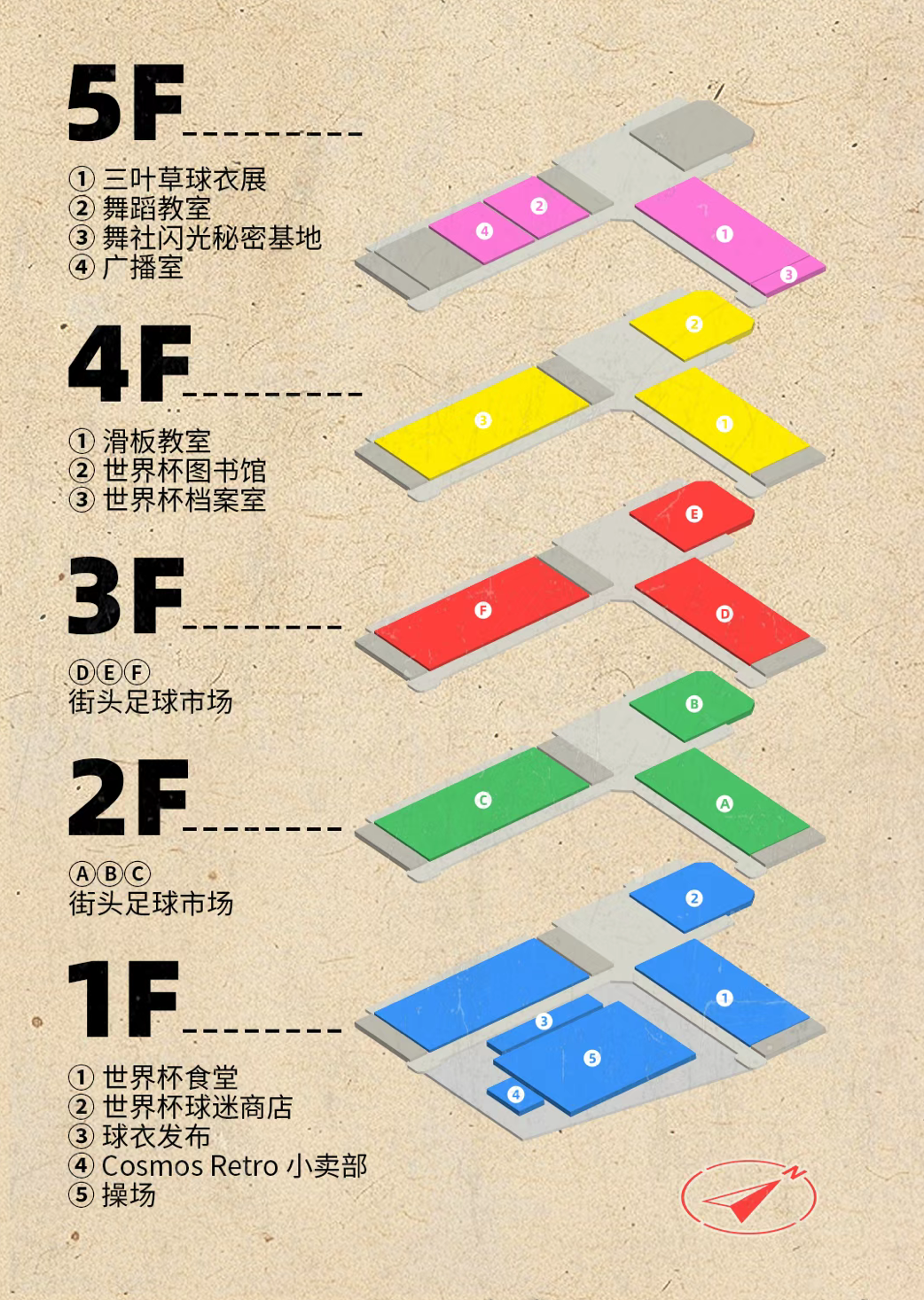
The ground-floor playground was the main hub for hands-on soccer, with 2-on-2 matches, ball juggling, and drills for controlling high balls that recalled playing at school. Street dance elimination battles and a skate film premiere strengthened the event’s ties to youth culture.
On the second and third floors, adidas worked with Fanji and more than 50 creators to put on a street soccer market with stalls featuring vintage jerseys, soccer merchandise, and screen printing.
The fourth floor became the “World Cup Archive,” displaying 21 classic German national team jerseys, photographs from past World Cups, and rare soccer collectibles to trace the intertwined histories of the brand and soccer culture.
The fifth floor paired a Trefoil jersey exhibition with spaces for street dance and skateboarding, connecting soccer culture to the interests of a wider youth audience.

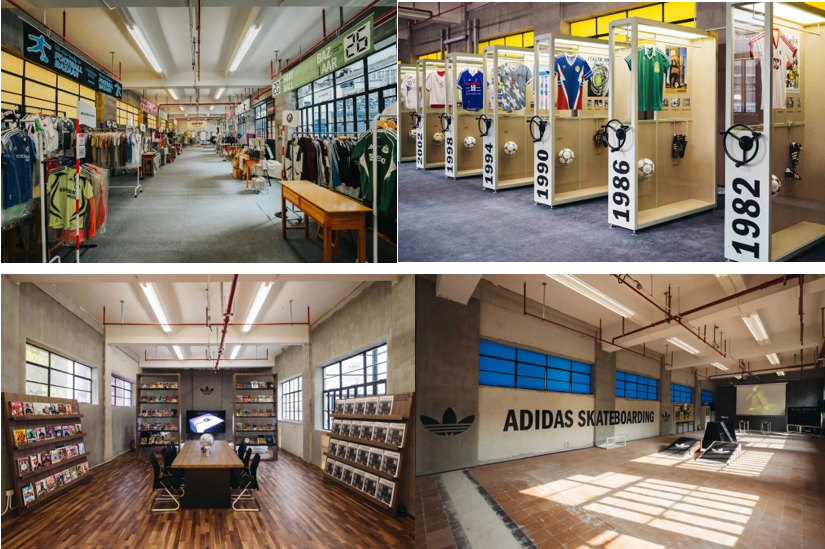 The floors housed an interactive playground, a market, an archive, and activities for the street dance and skateboarding communities.
The old schoolhouse comes back to life through nostalgia
Putting the historic schoolhouse back to use gave the nearly century-old building new life and immersed visitors in a familiar past. A school carries a sense of familiarity that conventional commercial venues and trendy shopping districts rarely offer, making it easy for visitors to feel at home.
Social media comments such as “Back where the dream began” and “See you after school” captured that emotional response. What began as a brand-led marketing event became an experience that visitors took part in and shared on their own.
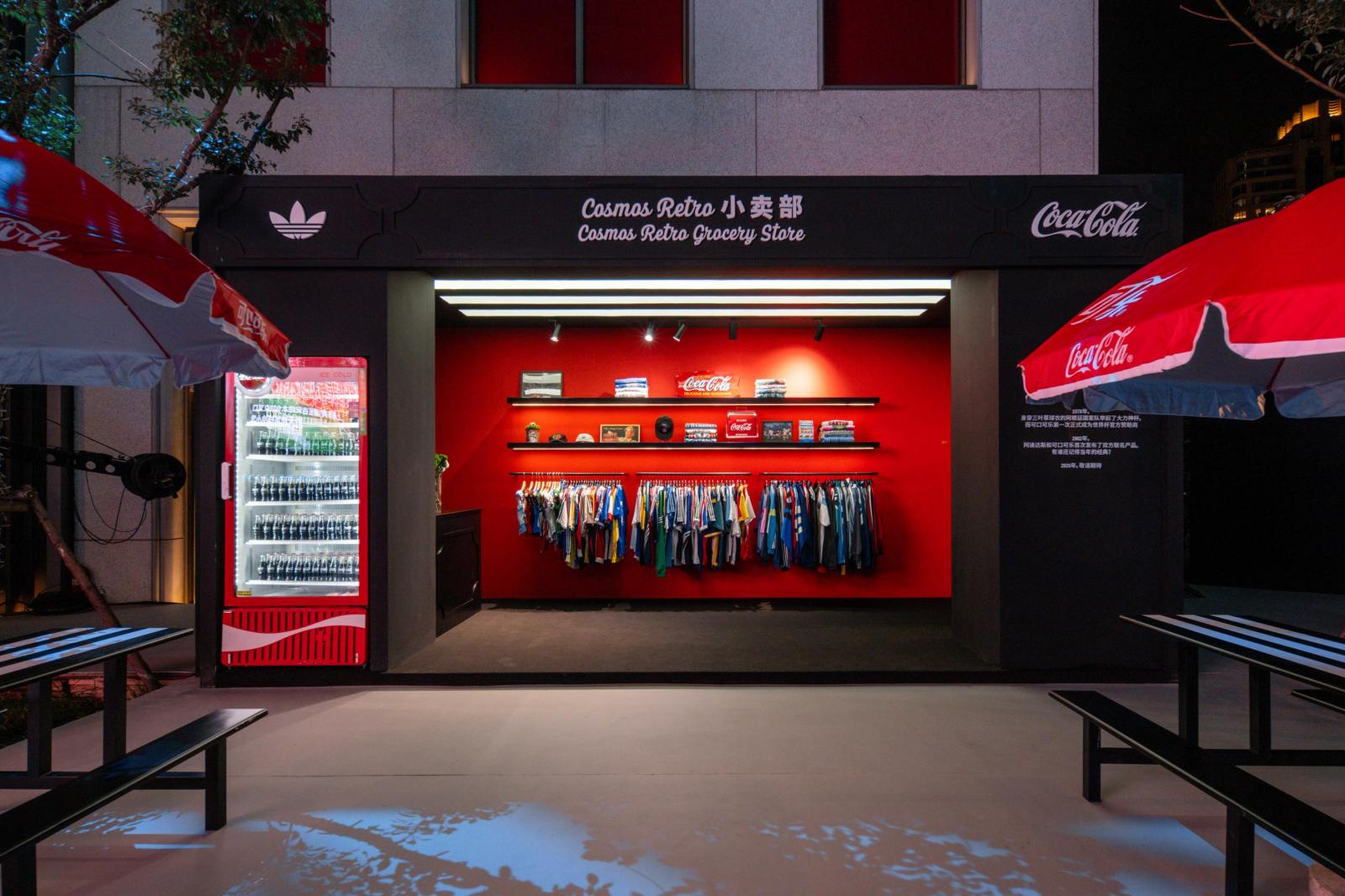 Familiar features such as the snack shop and playground take visitors back to their school days.
Bringing the World Cup closer to everyday life
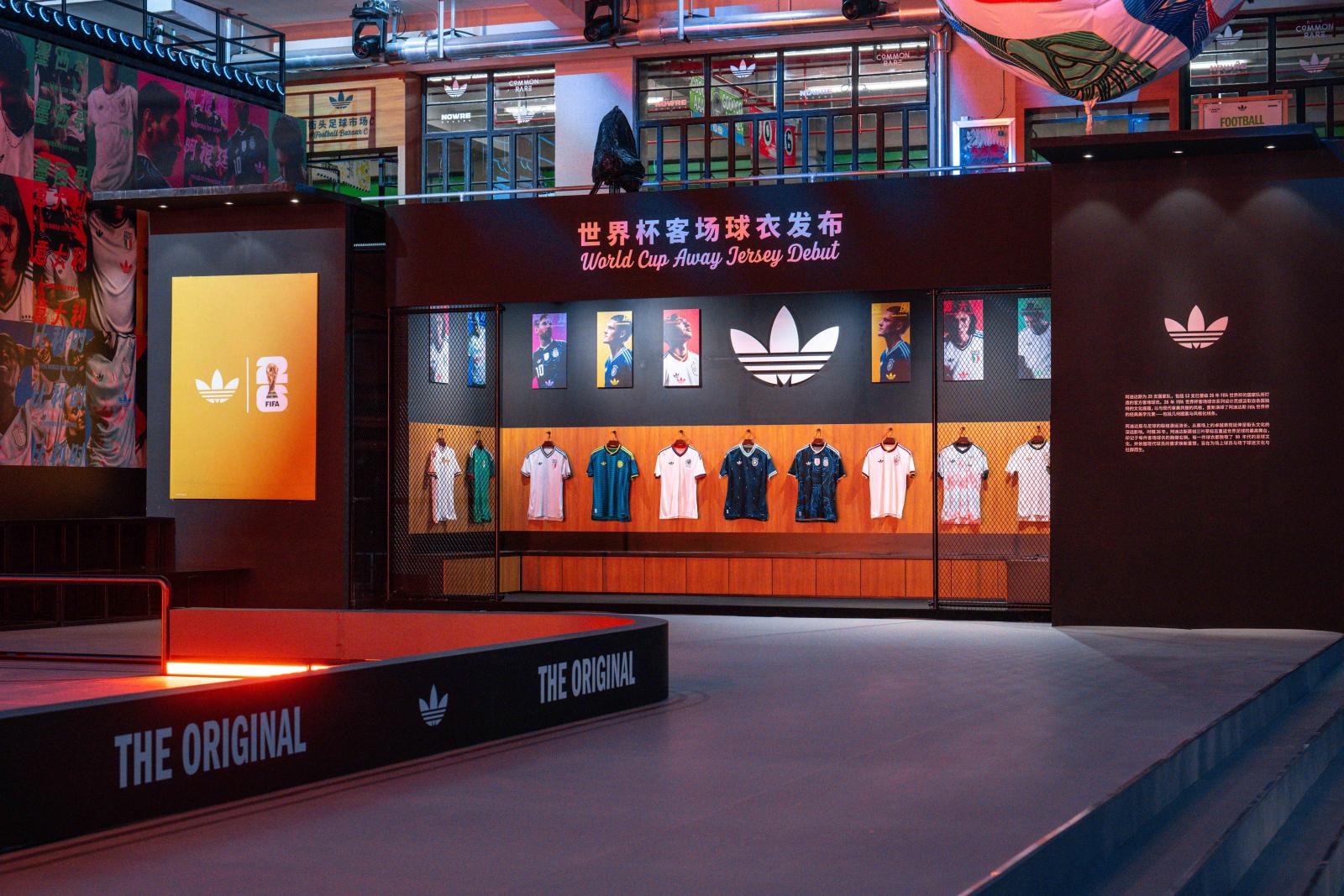
The school setting also made a major tournament feel like part of everyday life. As an official FIFA World Cup sponsor, adidas used the event to debut the 2026 World Cup away jerseys for 25 national teams in China and announce the Trefoil logo’s return to World Cup play after 36 years. All the programming centered on the tournament and the brand’s soccer heritage.
In a school setting, the World Cup became a topic of everyday conversation tied to people’s youth, memories, and daily lives. That brought the tournament closer to the general public than a stadium event or formal launch would have and aligned closely with the adidas soccer business’s recent push from the professional pitch to a mass audience.
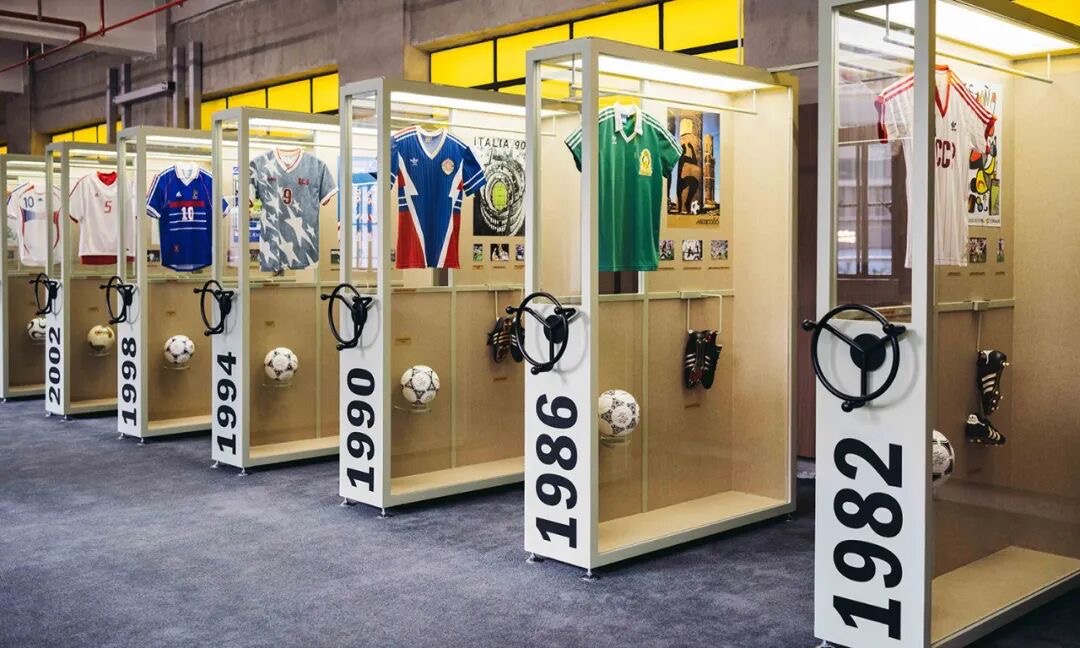 Created in the run-up to the tournament, the “World Cup Archive” introduced the public to soccer culture, gave dedicated fans a reason to visit, and showcased the brand’s deep roots in the game.
The school becomes a gathering place for youth culture
The market offered broader and more layered programming than a traditional pop-up. It brought the brand’s World Cup story to life through soccer history, a streetwear market, live competition and hands-on activities, and a platform for youth culture.
The mix of programming made the school an open, inclusive, and vibrant cultural gathering place. It brought soccer history together with local memories of school and involved creators and youth communities, giving the brand a more open, dynamic, and wide-ranging way to express itself.
More importantly, the event used the school to bring soccer culture beyond its core audience and connect it directly with young people and everyday life. Street dancers and skateboarders had a place to gather, and more people got to see the World Cup archives. Through history, creative work, and hands-on participation, the brand gave people a tangible experience of soccer culture in their community.
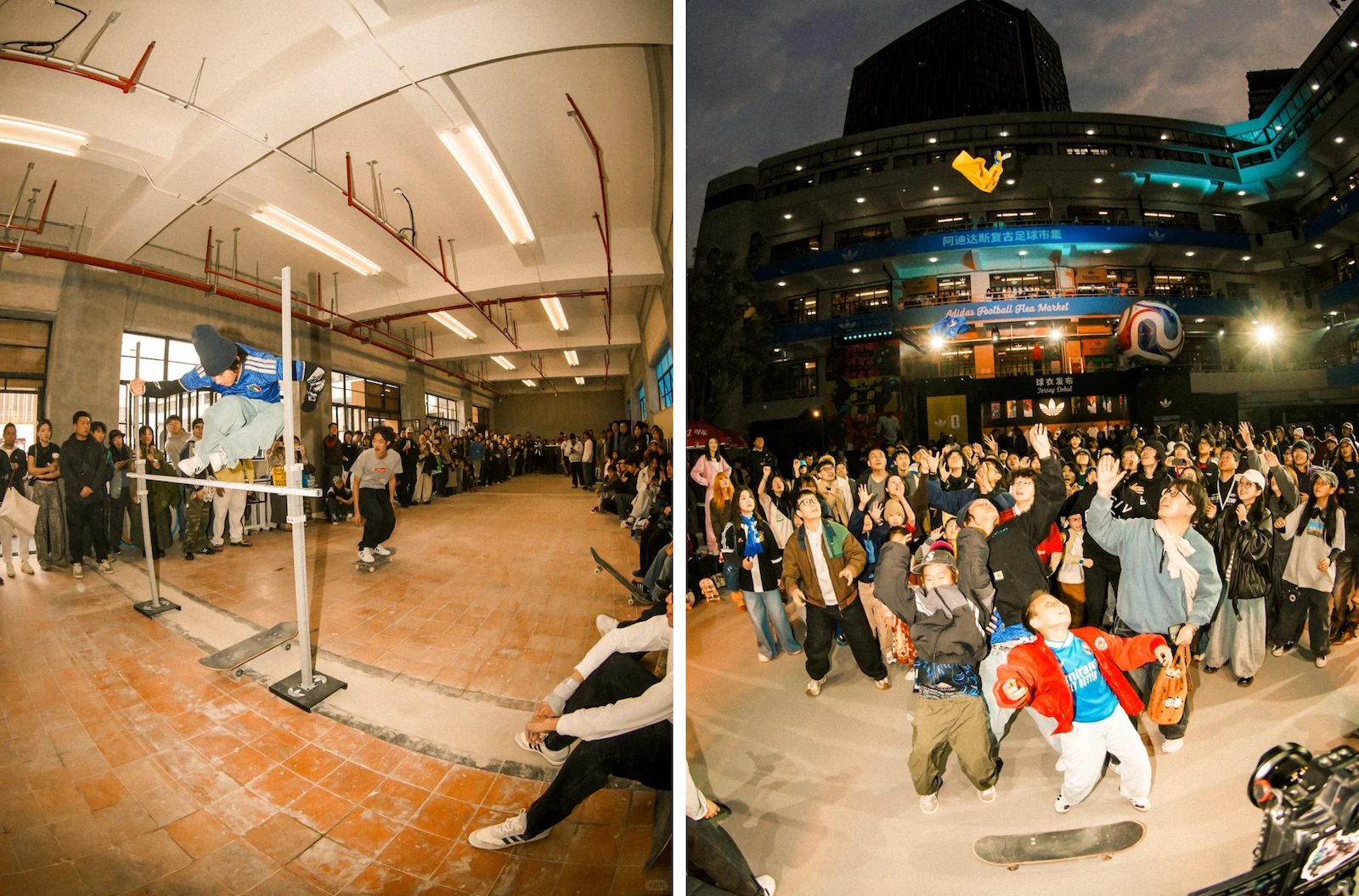 The venue hosted youth culture and community activities.
02 The Trefoil returns to the World Cup, putting performance and style on equal footing
The clear highlights of the retro soccer market were the China debut of the 2026 World Cup away jerseys for 25 national teams and the official announcement that the Trefoil logo would return to World Cup play after 36 years.
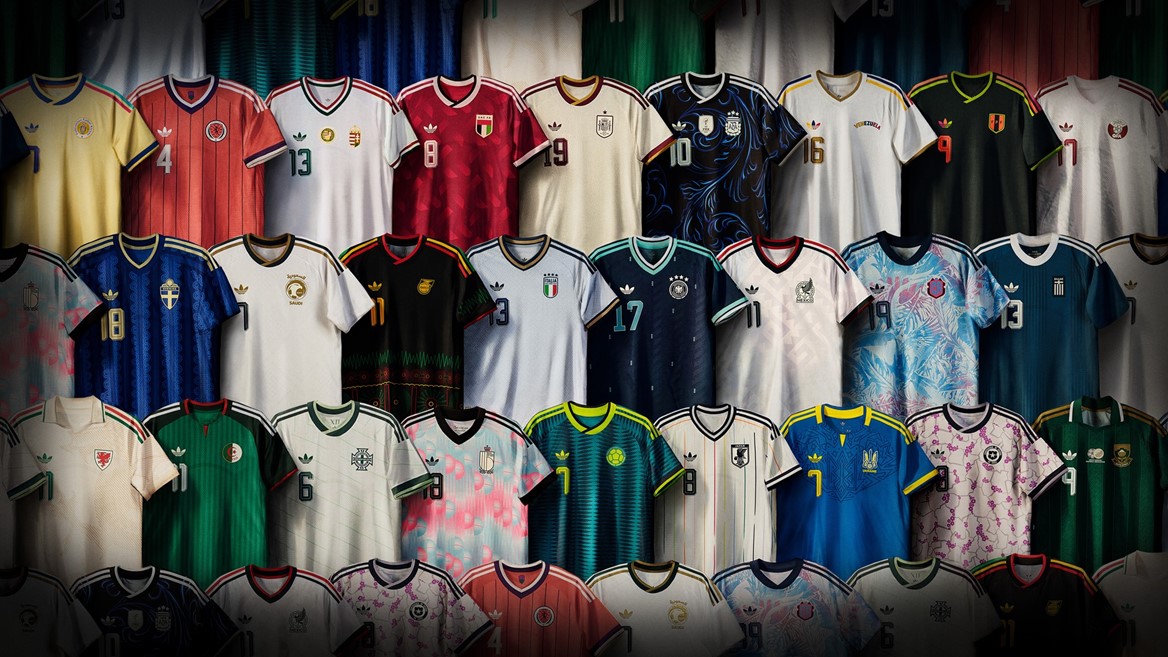 The debut of away jerseys for 25 national teams also marked the Trefoil’s return to World Cup play after 36 years.
The move put the brand’s approach to bringing professional sport and streetwear culture together into practice.
The 1990 World Cup in Italy was the last time the Trefoil appeared in official World Cup play. Afterward, adidas created a clear split in its brand architecture.
The Trefoil became the mark of Originals, the heritage lifestyle line focused on reissues of classics, street culture, and everyday wear. Performance, which included professional soccer, adopted the Three Stripes across its range and focused on technology development and competitive performance. The Trefoil stood for style and the Three Stripes for performance.
At the time, the split supported the brand’s push to specialize and sharpen the focus of each line. It also helped adidas build a strong reputation for its technical capabilities in professional sports. The arrangement lasted 36 years.
The shift was prompted by the return of retro style and rising consumer expectations for sports products. As retro aesthetics went mainstream, the Trefoil found renewed interest among consumers who associated it with the golden age of 1990s soccer. At the same time, demand for sports products changed fundamentally. Jerseys became fashion staples for everyday wear as well as match gear. Consumers now expect products to combine design, cultural relevance, practicality, and professional-grade performance.
Against that backdrop, adidas began testing a new strategy. In 2024, to mark its 75th anniversary, adidas released new third jerseys for five leading clubs, Arsenal, Bayern Munich, Juventus, Manchester United, and Real Madrid. The launch marked the Trefoil’s return to professional soccer.
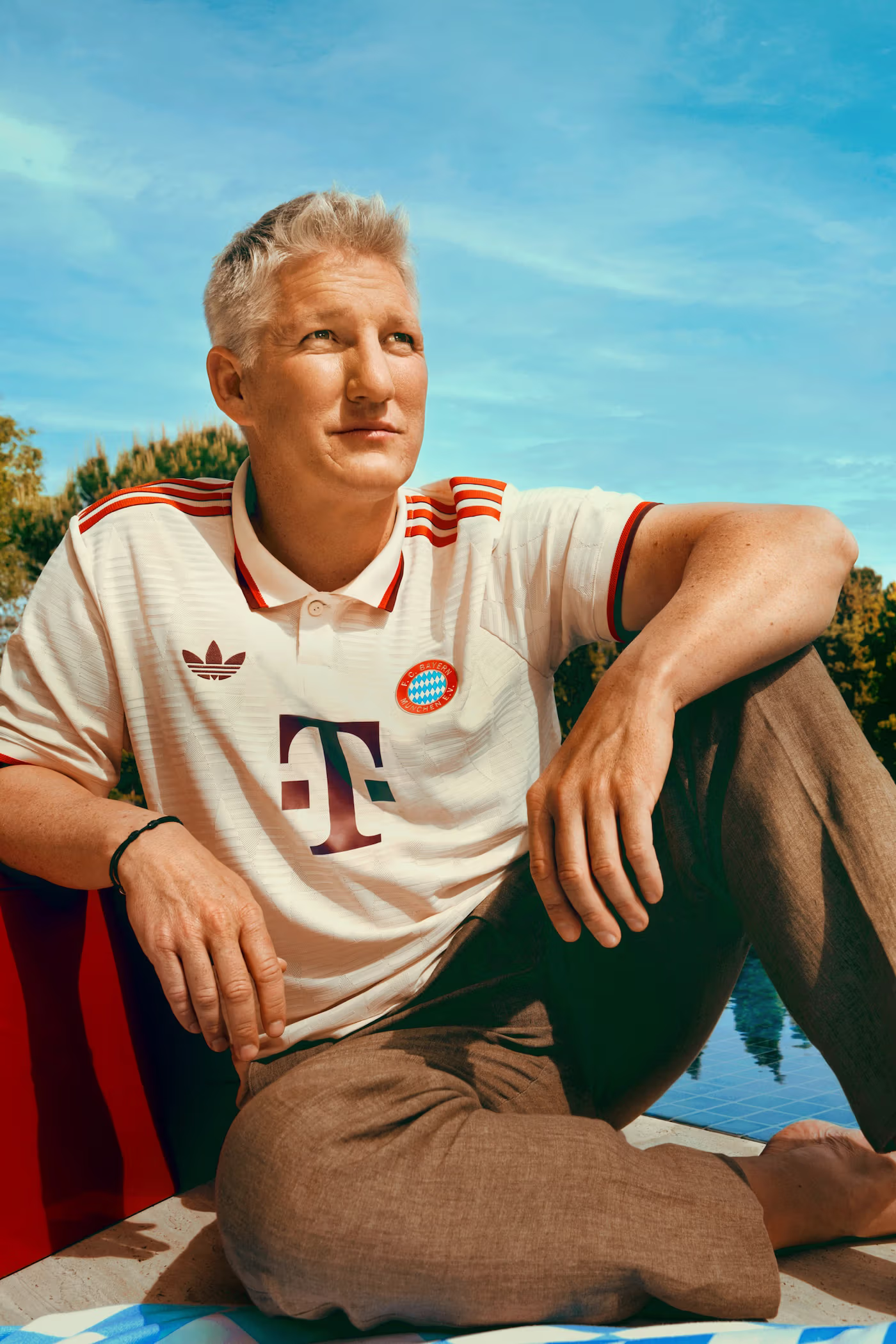 The Trefoil returned on third jerseys for the brand’s 75th anniversary.
The jerseys all used retro designs, replacing the traditional Three Stripes logo with the Trefoil. They paid tribute to club history and tapped into Blokecore, the global trend for retro soccer styling, giving professional jerseys streetwear appeal.
As limited-run alternatives, third jerseys sit outside a club’s core on-field identity, making them an ideal testing ground for bringing the Trefoil back into match play.
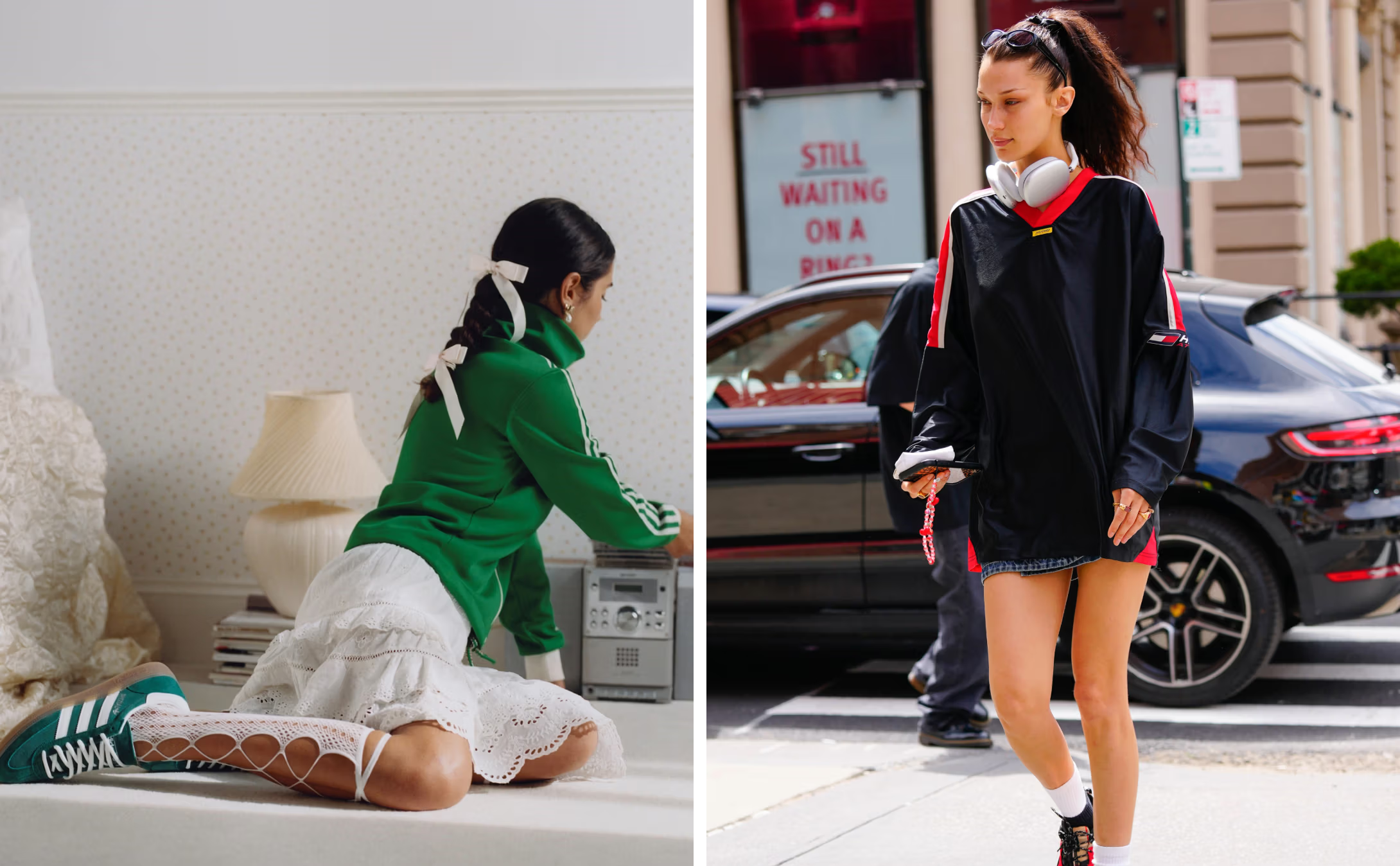 Blokecore, the retro soccer style trend that has gone global in recent years.
For the 2026 World Cup, adidas turned that experiment into a strategic move. Putting the Trefoil on the chest of 25 national teams’ World Cup away jerseys brought the logo from a lifestyle line into the core of the brand’s professional soccer offering.
The jerseys draw on each country’s cultural heritage, using geometric patterns and stylized lines to reinterpret classic 1990s soccer aesthetics in a way that fits the retro trend and resonates with contemporary tastes.
The player jerseys feature CLIMACOOL+ cooling technology and upgraded 3D-engineered fabric for better breathability, faster drying, and improved heat dissipation under professional match conditions.
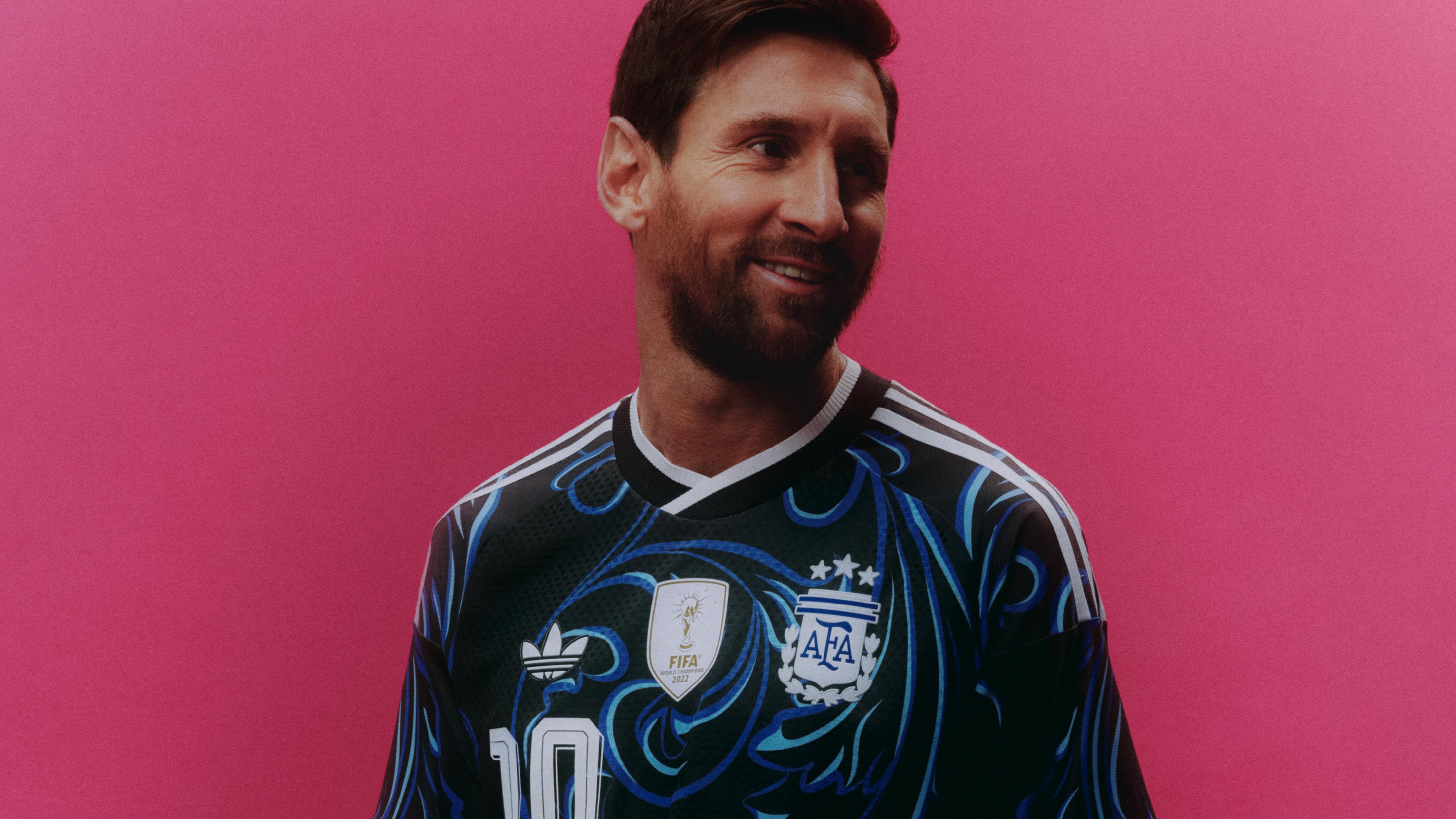 Messi wearing Argentina’s away jersey.
The Trefoil’s return can be seen as a key step in bringing a cultural symbol into the adidas professional soccer lineup, combining professional-grade performance, retro style, and cultural storytelling.
The combination of performance, style, and culture extends beyond soccer and reflects the brand’s broader strategy in recent years.
For the 2026 F1 Grand Prix in Shanghai, adidas set up a “Speed Lab” on the Xuhui waterfront. Brand-run training camps, interactive outdoor activities, and pop-up experiences brought professional racing, community participation, and cultural programming together in a single activation.

The approach reflects a broader shift in style trends. Sports subcultures are quickly becoming more fashion-oriented and reaching mainstream audiences.
From yoga and golf to motorsport and soccer, once-specialized disciplines are increasingly part of mainstream culture and fashion. For adidas, these sports offer room to deepen its expertise, engage with cultural trends and youth communities, and grow beyond its core audience.
While many competitors still build their messaging around technology and sell on performance alone, adidas has used a retro symbol to establish itself as a leader in soccer culture. Bringing professional sport and style together has allowed the brand to compete on more than technology, spreading sports culture more widely and reaching people beyond its core sports audience.
According to its fiscal 2025 results, released in March 2026, the adidas soccer business performed strongly. The soccer category grew 12% year over year and continued to drive growth as a business at the heart of the brand. The run-up to the World Cup boosted sales of jerseys, match balls, and accessories, with apparel and accessories posting strong fourth-quarter growth.
At the same time, retro Trefoil designs are becoming a significant growth driver. Their success in bridging professional competition and sportswear fashion helped lay the groundwork for the Trefoil’s return to the pitch.
03 A shift in sports marketing
The takeaway from the adidas retro soccer market may be that the best sports marketing depends on a genuine connection between the brand, sports culture, and consumers. Spectacle alone cannot create that connection.
A place can provide that connection. The former Lagrena Elementary School made sports culture feel more personal through the building’s history and the memories it evoked. A cultural symbol can do the same. The retro Trefoil drew on shared memories and contemporary tastes to give sports products a distinct identity.
When sports marketing moves beyond events and products and reconnects with people and their everyday lives, brands can tell more compelling stories and bring sports culture to a wider audience.
With the 2026 World Cup approaching, sports brands will keep competing for attention. The retro soccer market from adidas, built around the idea that the space itself tells the story, offers the industry a new direction. At its core, sports marketing is about making sports culture part of everyday life and giving more people a chance to experience what makes sports so compelling. The market was both an experiment in marketing and a way for adidas to take responsibility for sharing sports culture and explore how to do it. BRANDSTAR
adidas · Brand storytelling · Storytelling in sports and outdoor brands
More stories →