Inside Bang & Olufsen’s Century of Sound in Shanghai
The Danish company’s centennial exhibition traces how the radio became a piece of furniture and how industrial design shaped the experience of listening.
Any brand that makes it through a full century is bound to weather upheaval and shifts in its industry. Founded in 1925, Danish audiovisual brand Bang & Olufsen (B&O) marked its centennial in 2025 with “A Century of Sound,” a themed exhibition in the garden at 8 Hengshan Road in Shanghai.
Compact and meticulously presented, the exhibition starts with the brand’s history and traces its evolution over a century through iconic pieces, recreated settings and technical breakdowns.
Alongside the brand retrospective, the exhibition offers an imaginative look at how sound can be designed and woven into everyday life. While most brands still focused on getting the function right, B&O saw that speakers could be both functional and beautiful. Through design, it sought to show the public the many forms music could take in daily life.

01 The triumph of putting design first
Walk through the gallery and it’s immediately clear that B&O’s designs from half a century ago still look forward-thinking and hold up to close inspection. That consistency across eras comes from a principle the brand has followed for a century “Define the ideal concept first, then find the technical solution.”
In 1925, two young engineers with very different temperaments, Peter Bang and Svend Olufsen, began their adventure in a small attic in Struer, Denmark. Bang was consumed by radio engineering, while Olufsen had keen instincts for business and art.
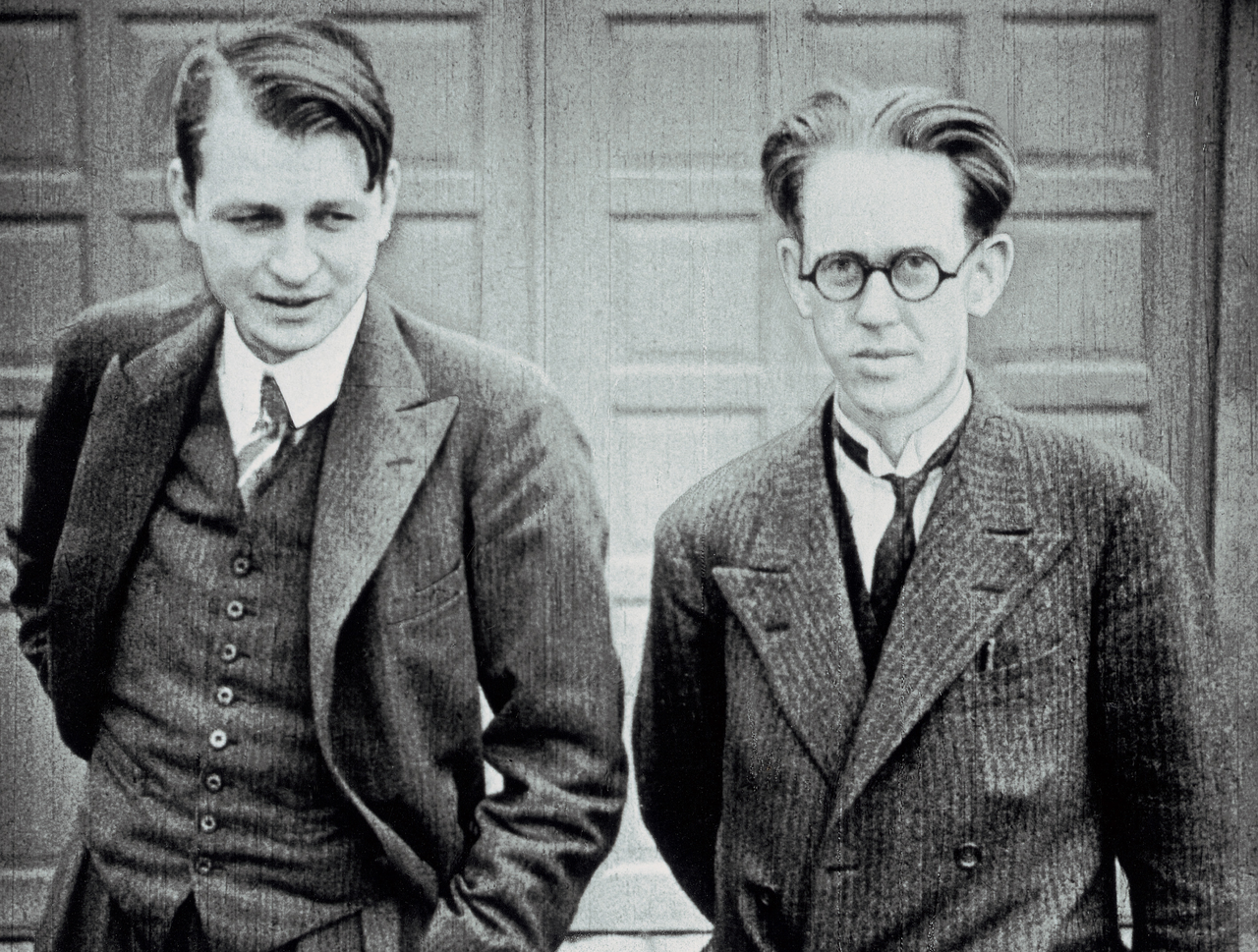 Left — Svend Olufsen. Right — Peter Bang.
Radios at the time were bulky and relied heavily on expensive batteries that needed frequent replacement. Bang and Olufsen took on that problem and introduced The Eliminator in 1926. It used AC conversion technology to do away with the need for batteries altogether.
The technical leap changed how people entertained themselves at home and set B&O on a design path guided by ideas and focused on improving the user experience.
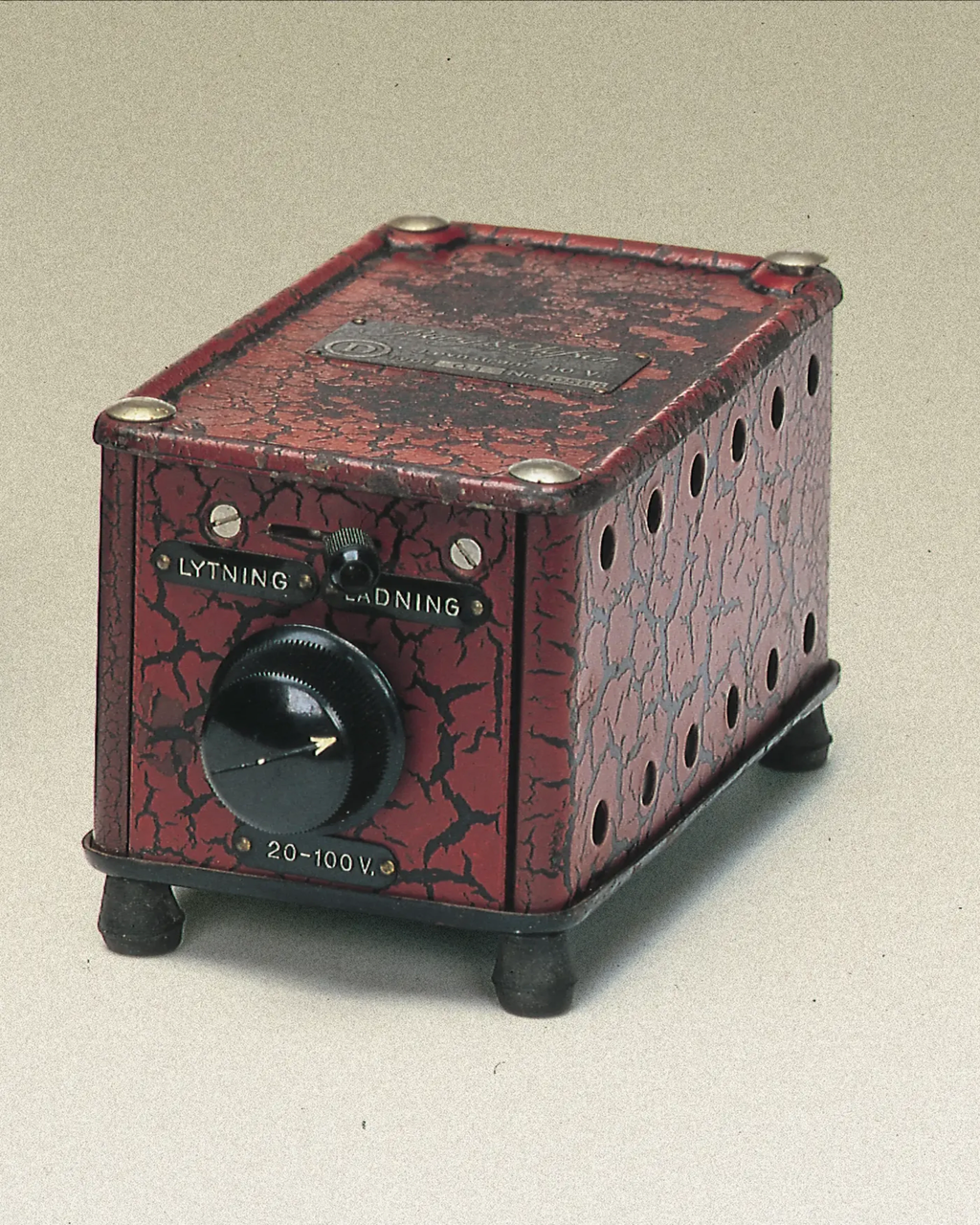 The Eliminator (1926), the first radio that could run on AC power instead of batteries
In 1964, B&O began a decades-long partnership with Danish industrial design master Jacob Jensen, taking his “less is more” philosophy to its logical extreme. Conventional manufacturing let technology dictate function. B&O reversed the process and put design first.
The team first asked designers what their ideal audio system would look like. Once the concept was in hand, engineers tackled the technical challenges and made the performance fit the design.
The iconic Beogram 4000 turntable from the early 1970s is the clearest example. Jacob Jensen questioned why users had to position the tonearm by hand. Why couldn’t it find the right spot automatically, or even play a record backward?
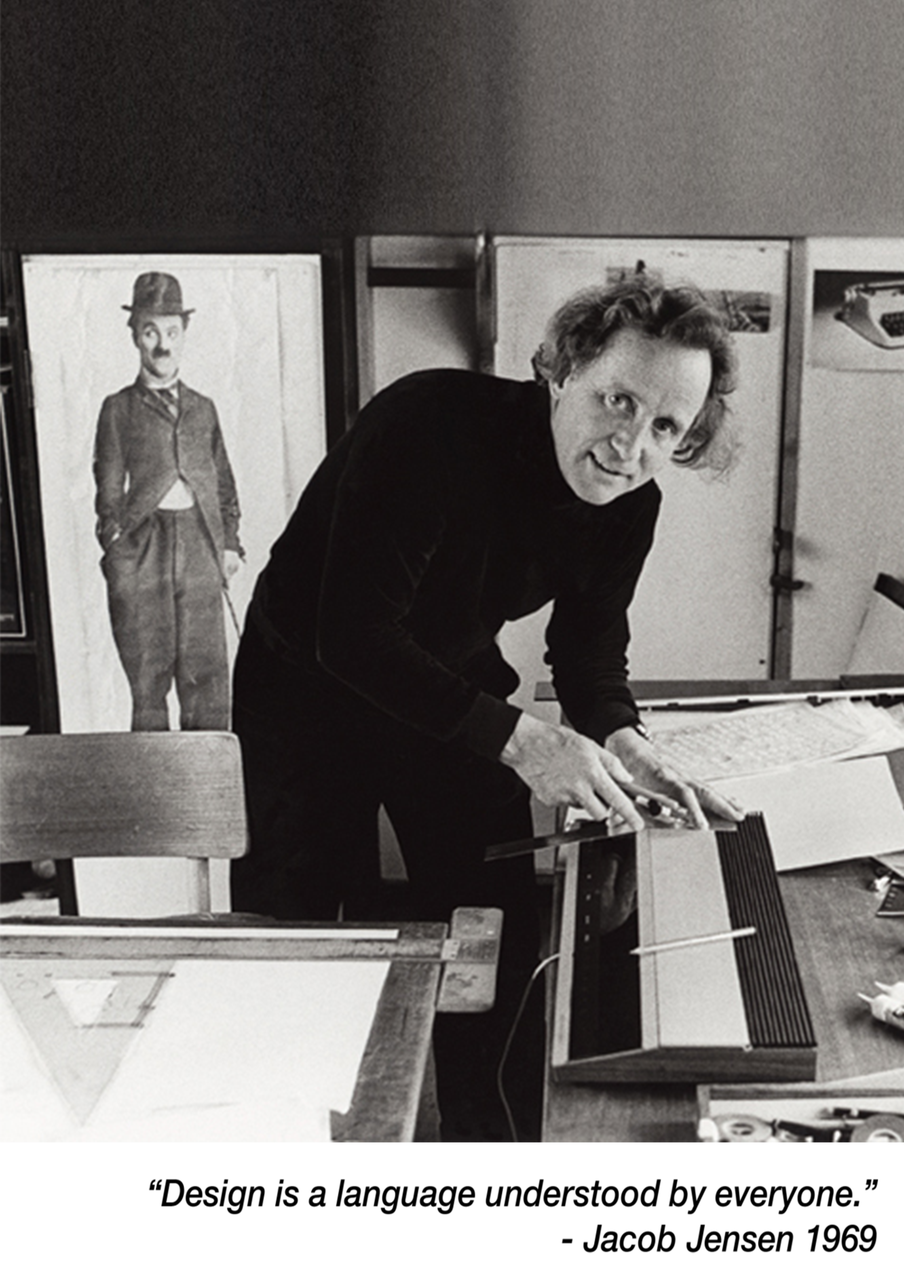 Jacob Jensen once said that design should be a language everyone can understand.
To realize that vision, B&O developed a groundbreaking tangential tracking system. The tonearm moved radially at a constant speed, keeping the stylus steady in the groove for the most faithful sound reproduction. The turntable eventually entered the permanent collection of New York’s Museum of Modern Art (MoMA). The Beomaster 1900 later pioneered touch-sensitive controls in the same spirit. An ideal of more elegant everyday living drove these advances and gave the technical specifications a purpose.
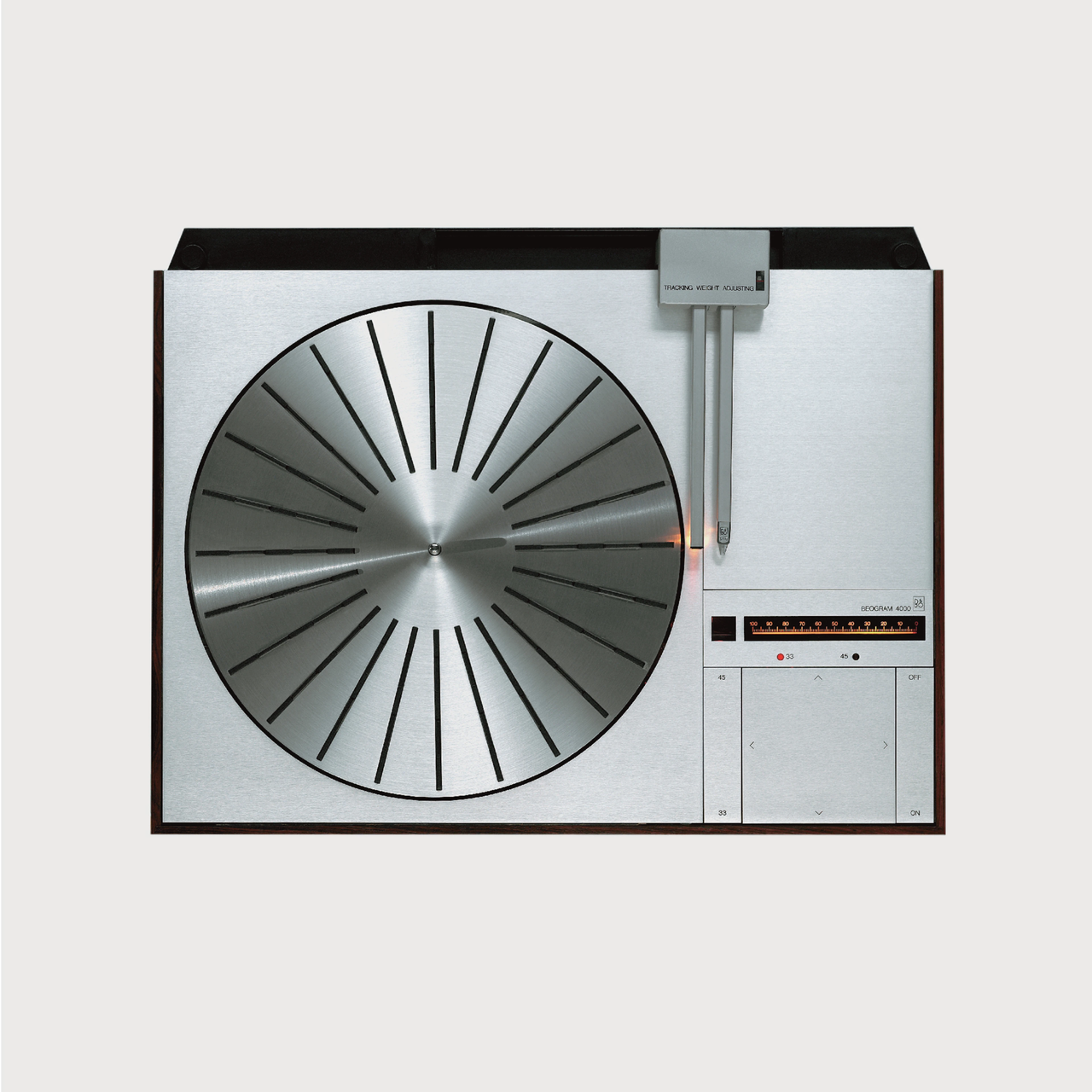
 Beogram 4000 (1972), with a dual-arm system for precise positioning.
 Beomaster 1900 (1976), which introduced touch-sensitive controls and featured a concealed touch panel.
As B&O creative director of design Kresten Bjørn Krab-Bjerre once put it, ideas always lead the work, with technology in a supporting role. Within the company, design and engineering work together as equal partners, each helping the other succeed.
The approach still has constraints. Acoustics specialist Jakob Dyreby noted that when developing flagship products such as the Beolab 50, the team locks in the speaker driver positions at the outset to deliver the best possible listening experience. Within those acoustic constraints, the teams refine the acoustics, structure, software and hardware together. When acoustic engineers hit a roadblock, the concept team gives them its full support. When a design needs a breakthrough, the engineering team looks for a way to make it work.
The right idea comes first, then the right technology. That is how B&O has stayed relevant across eras.
02 From radio to room centerpiece as music becomes part of life at home
One reason may be that Denmark was rebuilding and modernizing after World War I. Under the influence of social democratic ideas, an early welfare system began to take shape and people placed increasing value on the quality of life at home. Long Nordic nights and cold weather also meant that Danes spent extended stretches indoors.
Hygge, a word steeped in Danish philosophy, became a guiding value in Danish life. Along with warmth and comfort, it emphasizes being present, cultivating a welcoming atmosphere at home and connecting with others.
B&O got its start in a room and introduced its first mass-produced five-tube radio in 1929. Its walnut cabinet let it sit as elegantly in the living room as a piece of furniture. From then on, B&O held to a design principle that its products should feel at home. The idea fit seamlessly with Danish home culture and became central to the brand over the following century.
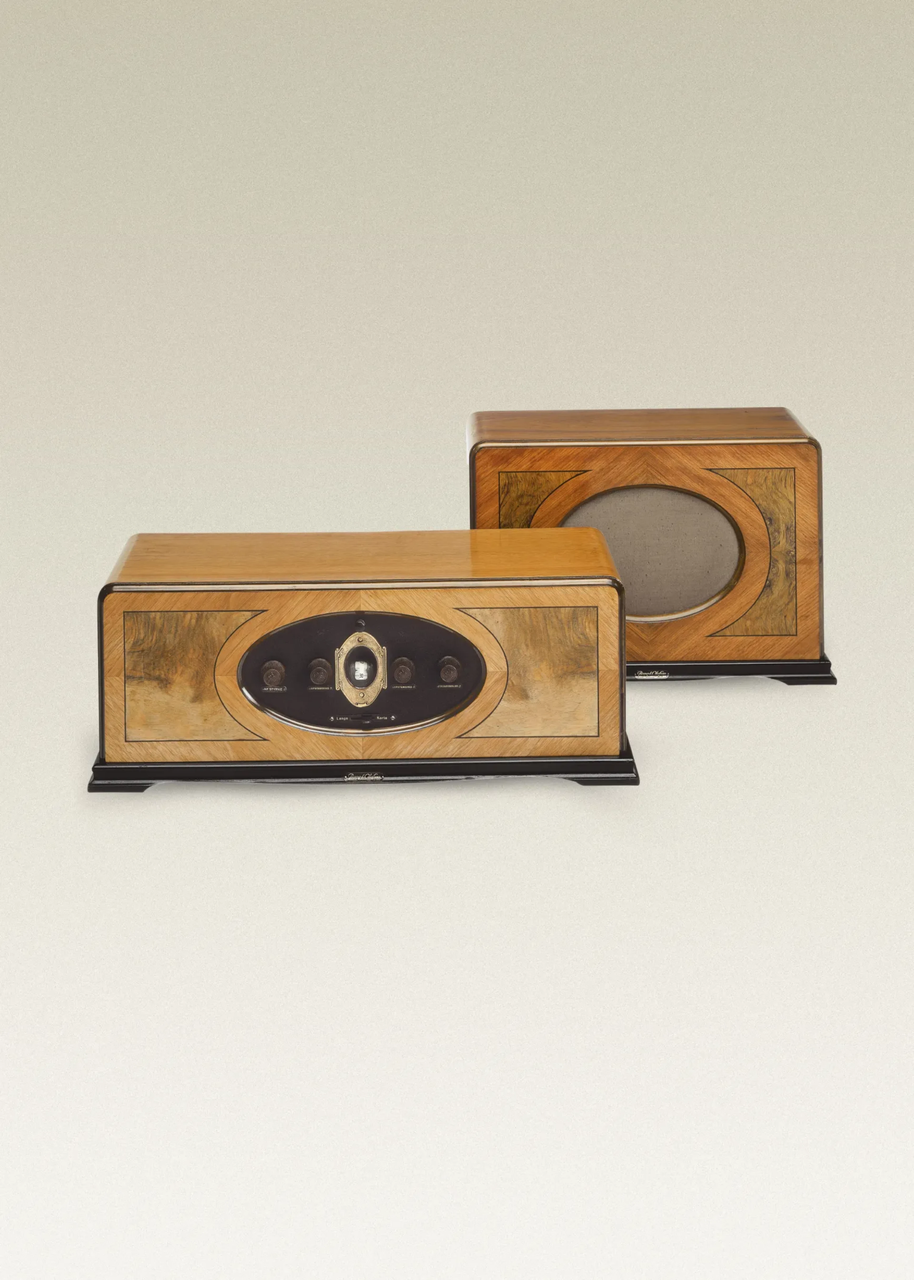 Five-Lamper (1929), B&O’s first mass-produced radio
In 1939, B&O took a bold step by using Bakelite, a new material that resisted warping under heat once molded, for the Beolit 39, its first radio to carry the Beo name. The material overcame the limits of traditional options, making it possible to manufacture curved cabinets in a range of colors and with more complex contours. It was another advance in the brand’s use of materials and a key step in its exploration of product design.
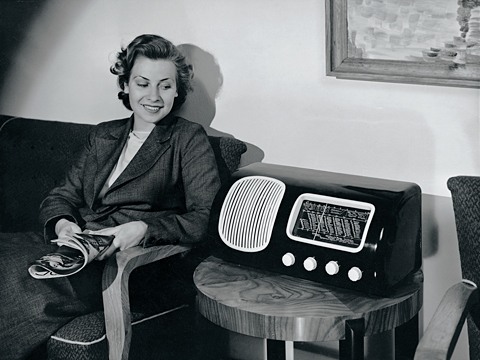 Beolit 39 (1939), the only product at the time made entirely of Bakelite
Influenced by Germany’s Bauhaus movement, B&O brought an architectural sense of space to product design, turning audiovisual equipment from a black box in the corner into a focal point in the room.
From the experimental Hyperbo radio of the 1930s through its later televisions and the Beovision Harmony, which combined material design with the visual appeal of moving mechanisms, B&O kept expanding what its products could do to make life at home easier and more refined.
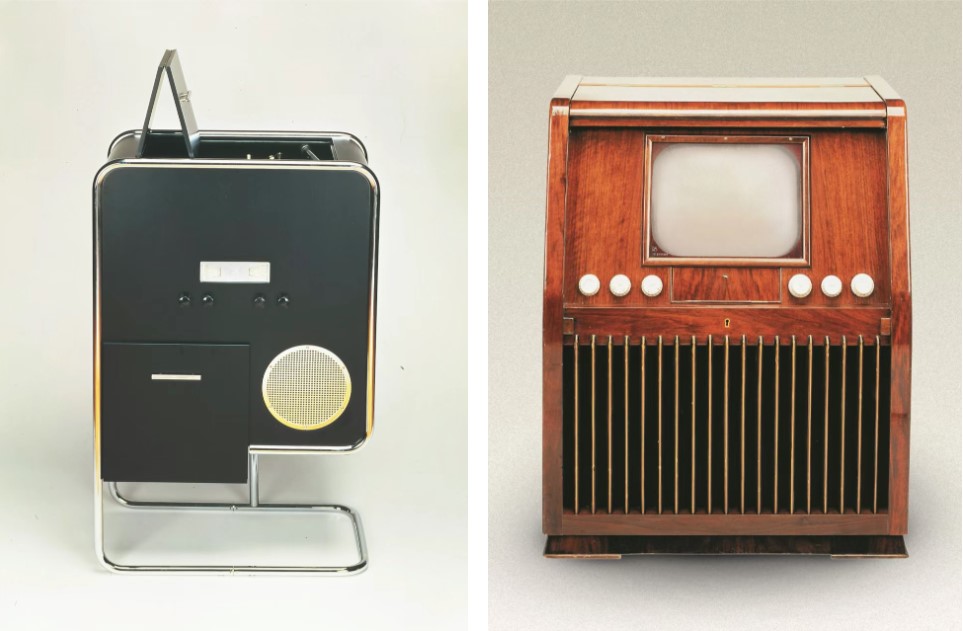 Left — Hyperbo 5 RG Steel (1934), inspired by Marcel Breuer’s office chair. Right — Wheelbarrow (1952), a movable television with rear wheels and a telescoping handle at the front.
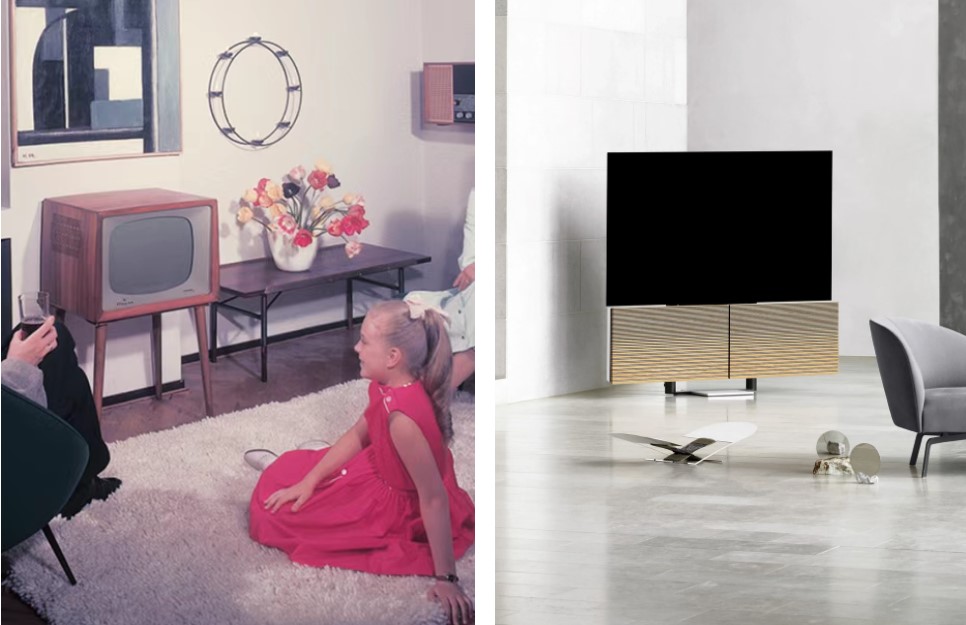 Left — Beovision Capri (1958), whose slightly curved glass screen improves picture quality and reduces reflections from the room. Right — Beovision Harmony (2019), whose speakers unfold to either side to reveal the screen when switched on.
At the “A Century of Sound” exhibition, three settings spanning eras and styles trace the shift from the black box to equipment designed around the home, showing how music can become part of a room.
- Vintage Art Deco. Velvet meets wood, while the turntable’s rich array of natural metallic finishes complements the modular design introduced by Ib Fabiansen. An opulent rug and sofa evoke the craftsmanship and glamor of 1930s Art Deco.

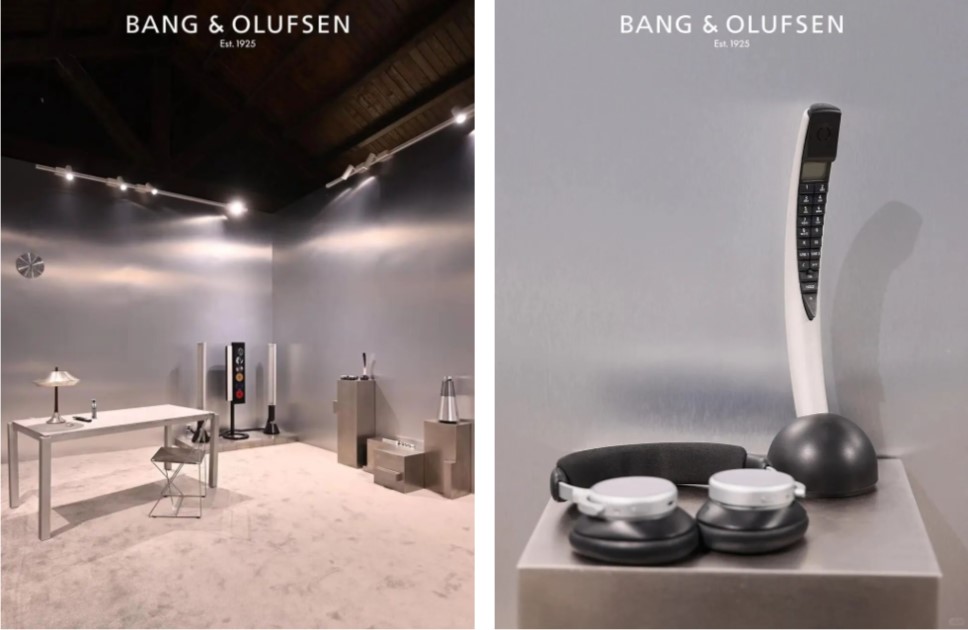
- Modern minimalism (Minimalisme). The all-silver gallery has a restrained, cool industrial aesthetic. The Beosound 9000 displays six CD covers in a row, with headphones and remotes set casually on a tabletop. Crisp lines and facets, paired with an industrial-style clock, highlight the brand’s forward-looking design.
- Danish rhythms of nature (Øjeblik). On one side of the final gallery, an immersive space inspired by the Danish word Øjeblik (“a moment”) invites visitors to lose track of time and enjoy the present. On the other, grass and lambs surround the imposing Beolab 90 Titan (Titan edition), symbolizing the brand’s return to its native Denmark, where living in harmony with nature and taking life at an easy pace are valued.
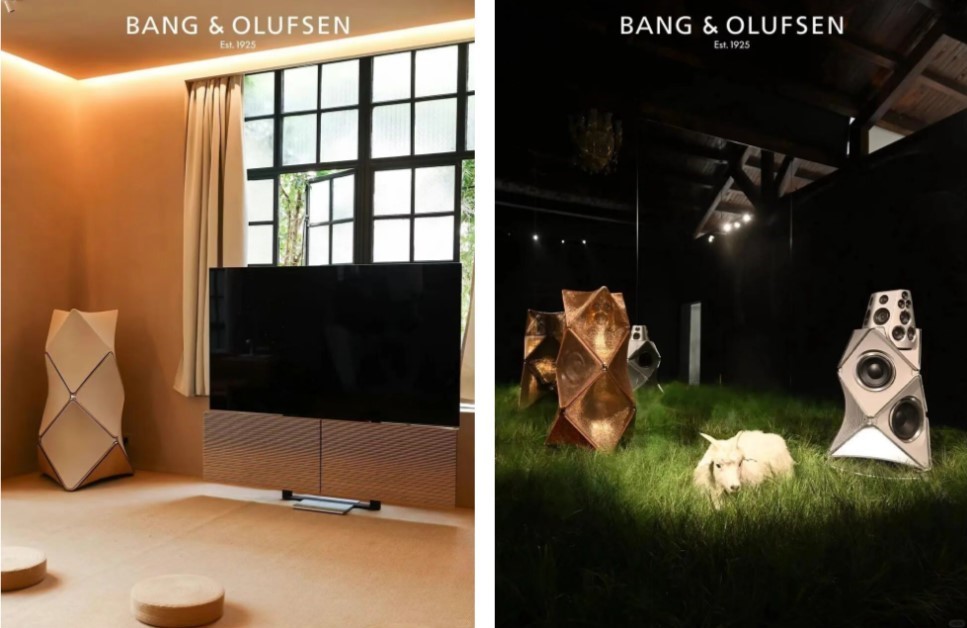
A century ago, when the founders were developing their first radio in an attic, the product was still a black box relegated to the corner. Today, B&O has upended that image of audiovisual equipment with designs versatile enough to suit very different interiors. Once tucked away in a corner, the equipment can now be part of how a room is furnished and decorated. Music can feel as much a part of a room as its furniture.
03 Experience shapes audiovisual design
In an interview with The Wall Street Journal, designer David Lewis noted that B&O looks beyond its in-house team and hires outside designers to suit individual products. In-house designers can be constrained by practical considerations such as materials and manufacturing processes. Outside designers working in fields such as architecture and furniture may have more room to challenge established approaches.
B&O has therefore long partnered with leading outside designers to keep familiar ways of working from limiting the team’s imagination and to keep opening up new design possibilities.
When designing the Beosound Balance, outside designer Benjamin Hubert posed three questions. How do people interact with sound? How can the product fit into the home? How can its audio performance be as good as possible? The order reflects B&O’s priorities. User experience and where the product will be used come first, followed by performance.
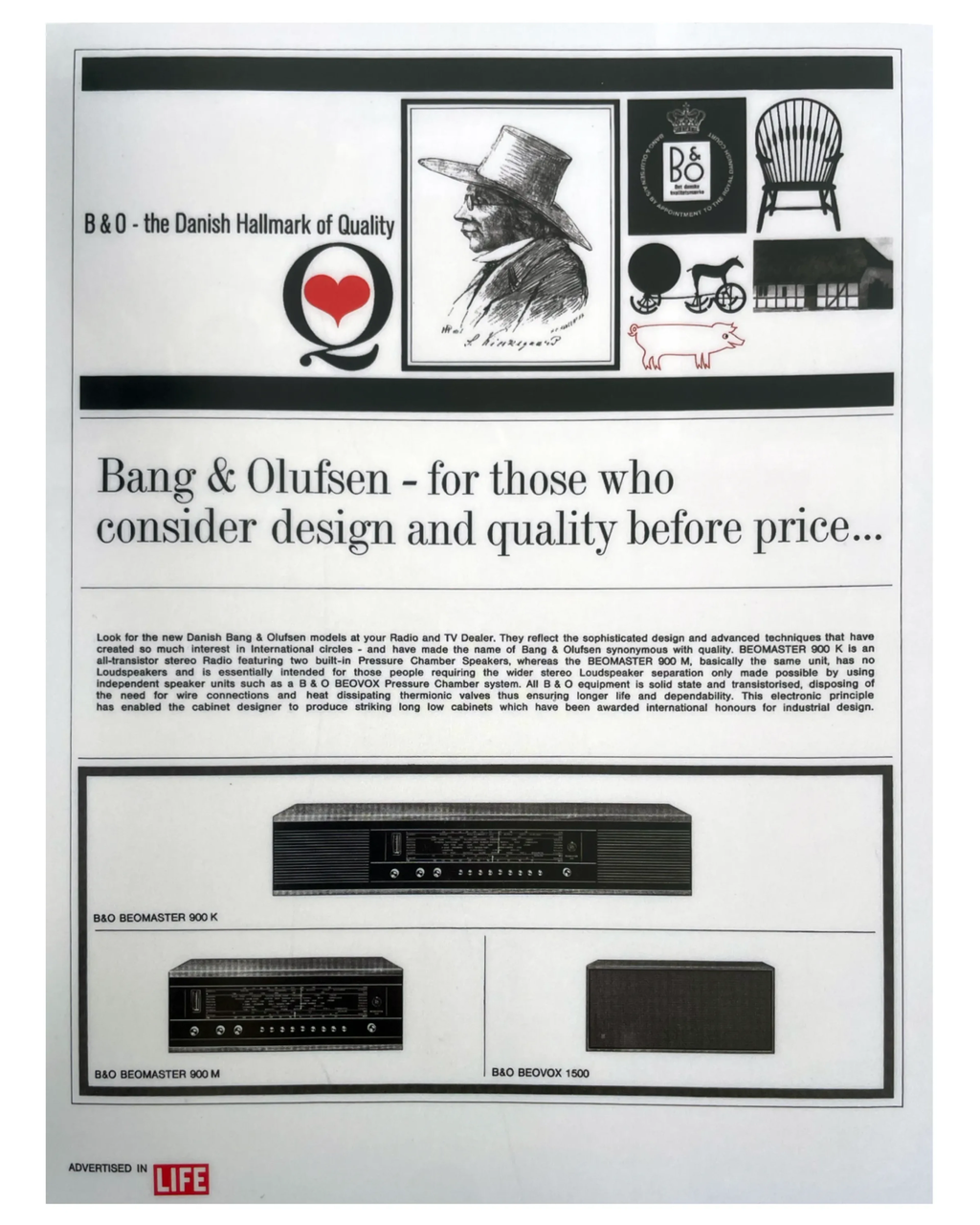 An early 1960s B&O ad addressed people who valued design and quality over price.
B&O’s approach makes room for outside ideas and calls for timeless products that are practical and enjoyable to use every day. Putting that principle into practice has given B&O products their distinctive emphasis on how they engage the senses and how people interact with them.
That focus on experience drove innovation in two areas. B&O chose materials with touch in mind and developed technology around how people interact with it, expanding the idea of what audio equipment could be. Some B&O products may look bulky or like antiques today, yet every one still has character.
The everyday pleasure these products offer, and the brand’s elegance, come through in both the materials and the way the technology responds to users.
① How wood and fabric became part of audio equipment
B&O favors wood, fabric and aluminum. The combination serves its aesthetic, acoustic and engineering goals and helps high-performance equipment fit seamlessly into the home.
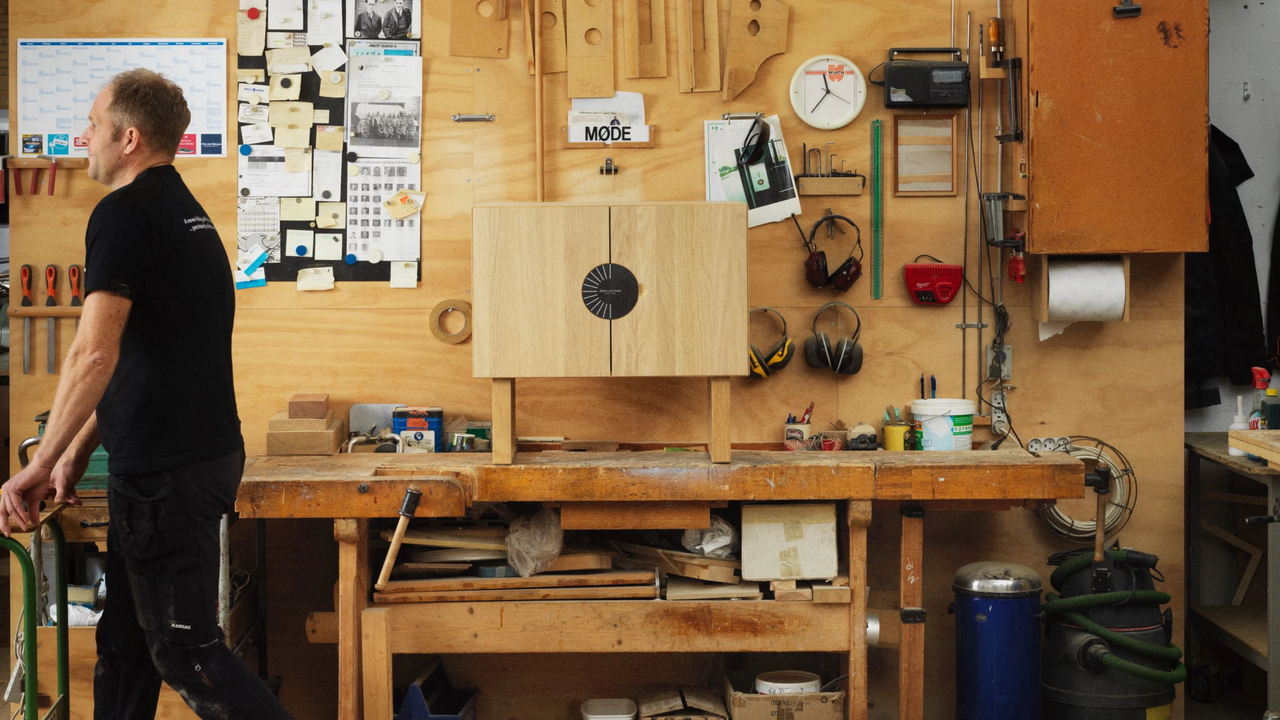
- Wood. B&O used walnut in its earliest radios. By the Jacob Jensen era in the 1960s, its wood components had become thinner and sleeker. Today, the BeoLab 18 floor-standing speaker carries on that tradition with its signature solid-wood grille. Sanded and oiled oak or walnut retains the warmth of its natural grain and gives softer, more natural acoustic reflections, avoiding the harsh noise associated with metal and plastic.
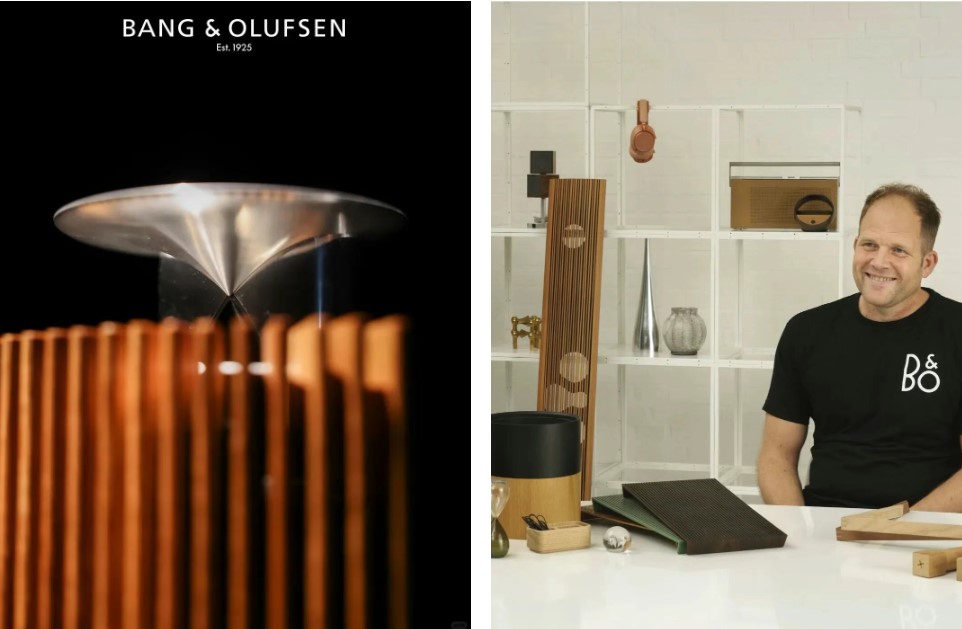
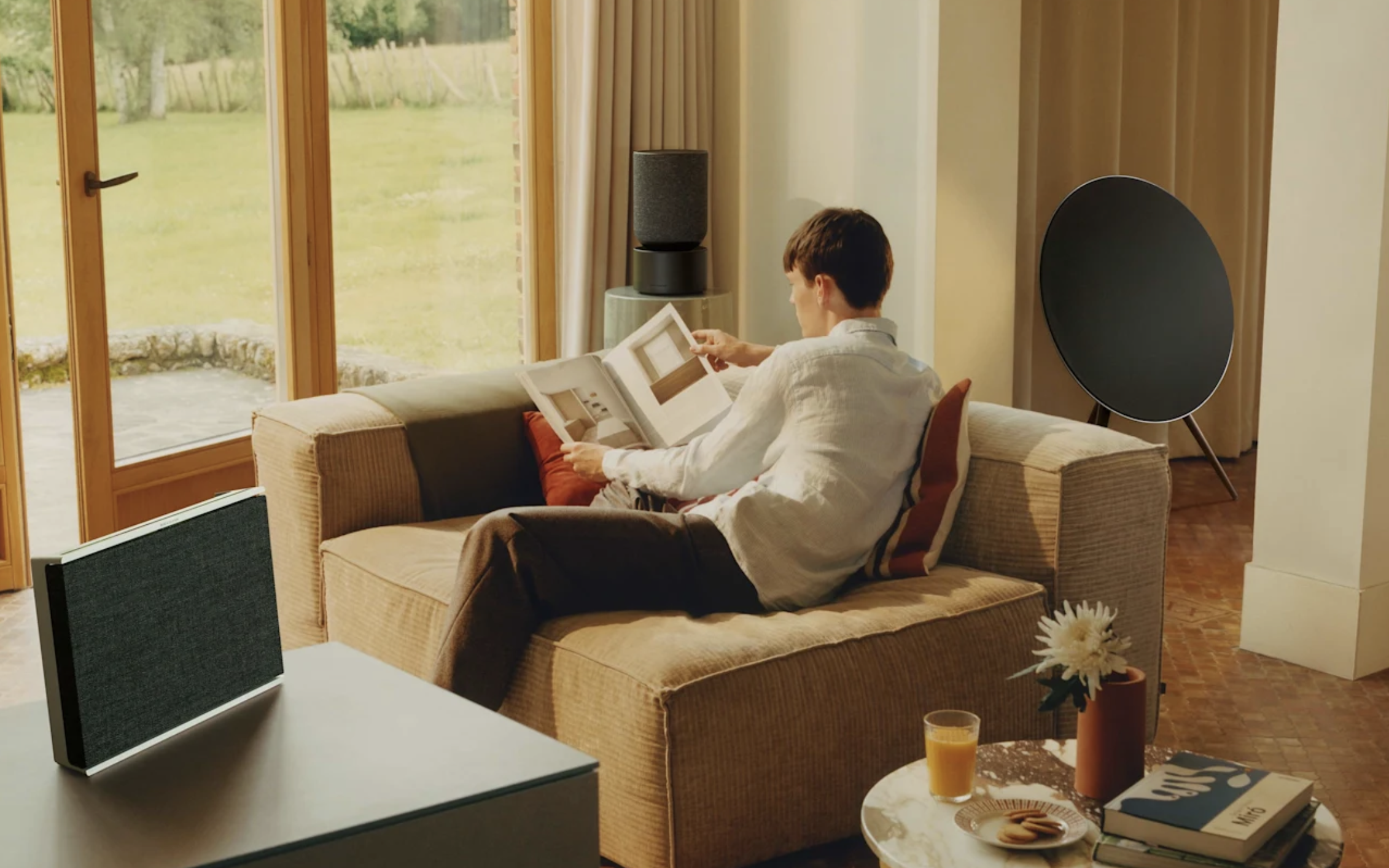
- Fabric. Fabric on audio equipment originally served only to keep out dust and conceal internal wiring. B&O went further, working closely with leading Danish textile brand Kvadrat to develop fabrics that look substantial and richly textured while letting sound pass through. Each fabric undergoes rigorous acoustic testing, and B&O uses only those that allow air to circulate freely and sound to pass through unobstructed.
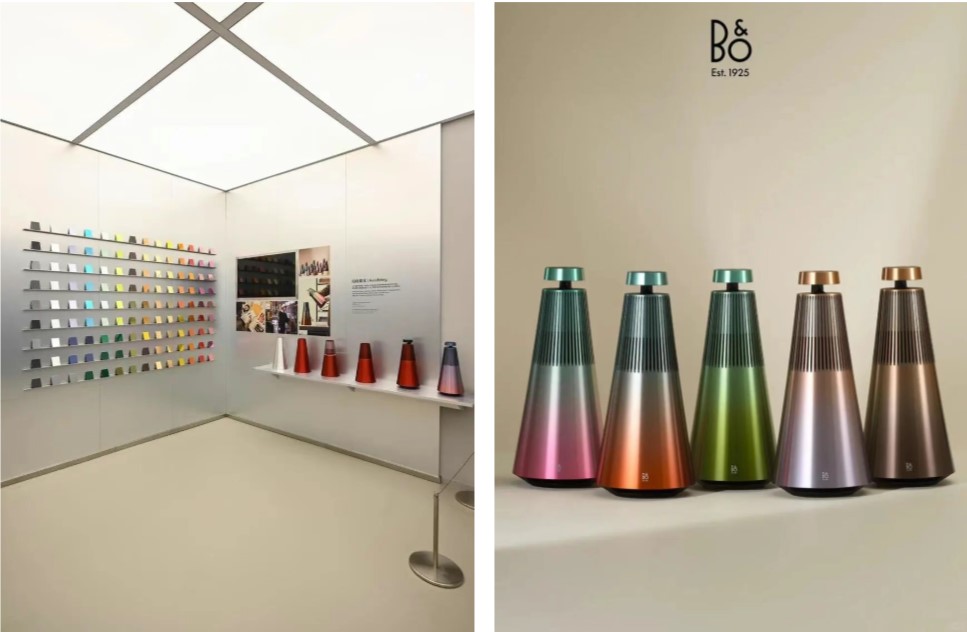
- Aluminum. Early audio equipment was often made of steel or plastic, but steel was too heavy and prone to rust, while plastic felt cheap. B&O found that aluminum was exceptionally light and dissipated heat well, making it ideal for the increasingly sophisticated circuitry of the time. To balance a modern look with durability, B&O established its world-leading Factory 5 in Struer and developed an anodizing technique that gave the aluminum a satin sheen and made the surface highly resistant to wear and fading.
② Interaction design that hides complexity and makes controls effortless
B&O uses a range of materials to improve acoustic performance, ergonomics, and the sensory experience. It also considers how to make its products feel effortless and elegant to use.
B&O turns form into function. Alongside improvements to product specs, it uses advances in technology to make its products easier to use by building the controls into the design itself, for example by concealing buttons and revealing the control interface when needed.
Long before smartphones, the Beomaster 1900 replaced conventional physical buttons with pioneering touch-sensitive controls. The uncluttered interface responded instantly and silently to a light touch.
The Beosystem 2500 used infrared sensors to open its glass doors as you approached and close them when you walked away. The automatic movement turned a routine interaction into a small ritual.
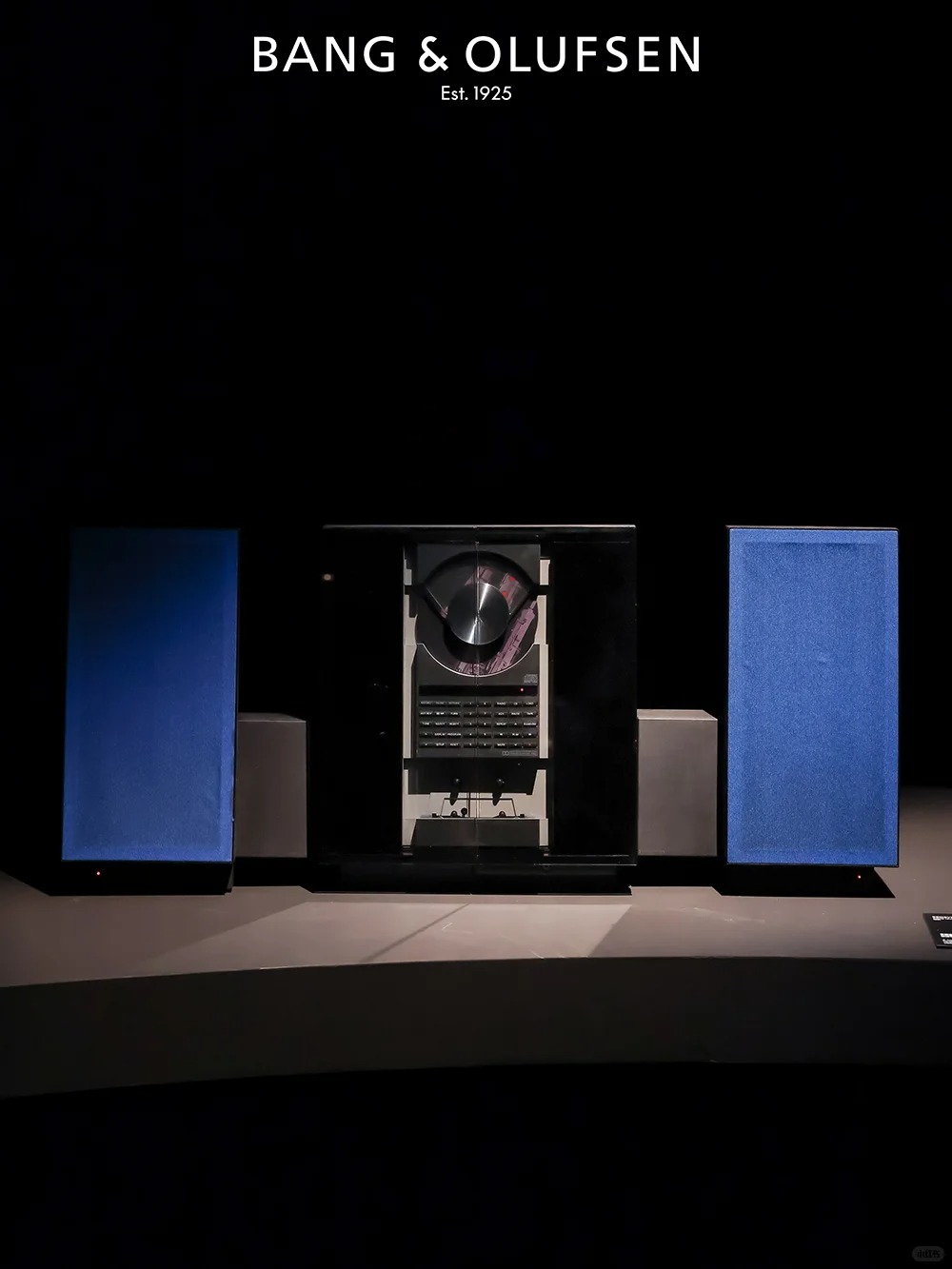
The Beosound 9000 used a precision mechanism to arrange CDs in a vertical row and put playback on display. As the music starts, the mechanism in motion becomes part of the experience, giving listeners something to watch as they operate the player.
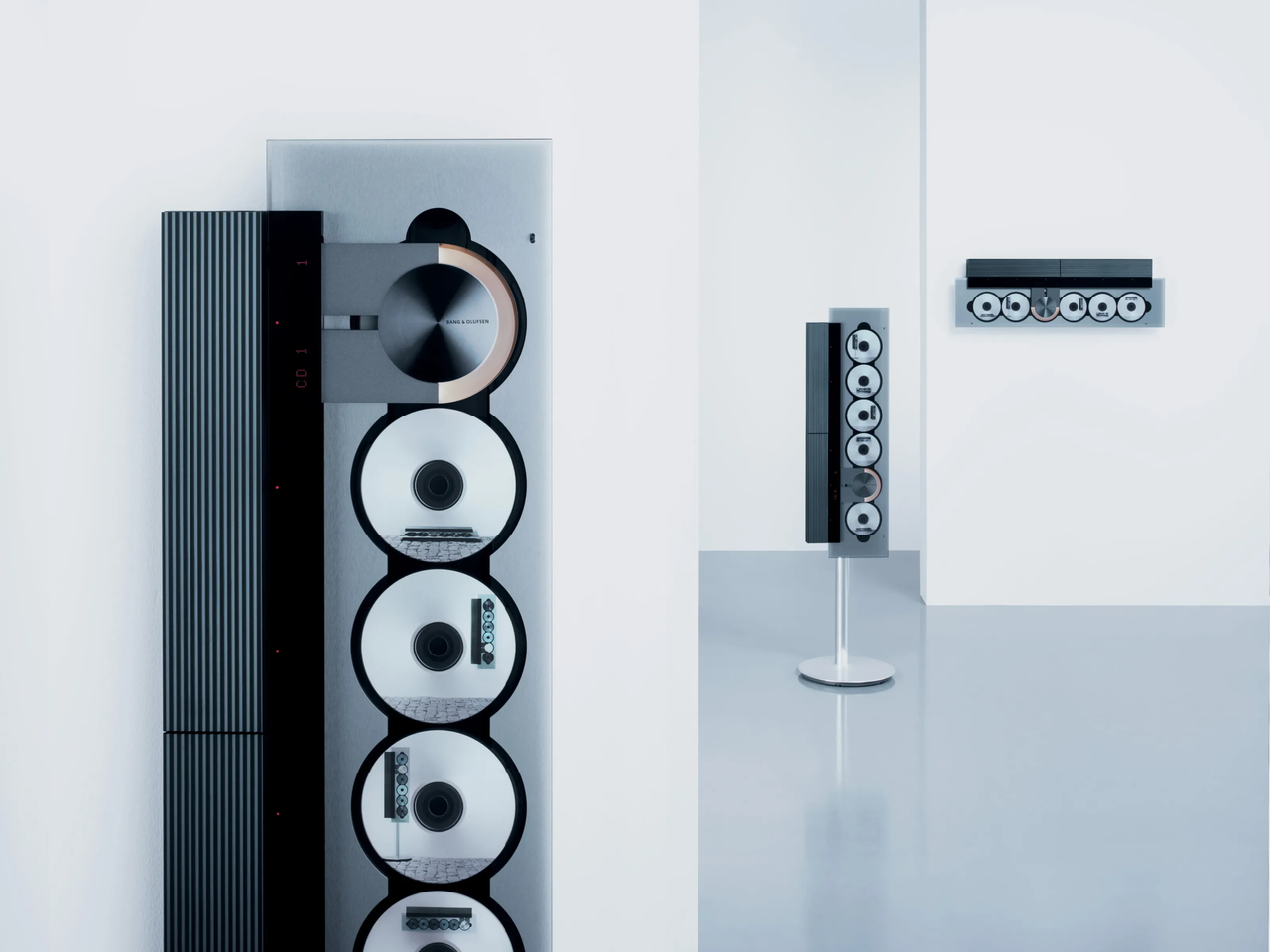 Beosound 9000 (1996), which can switch CDs in 5.5 seconds
 Beosystem 2500 (1991), whose glass doors slide apart with a slight wave of the hand
These technologies changed how the products felt to use by keeping the complex mechanisms out of sight and leaving users with a simple interface. In use, the technology recedes and what comes through is a sense of ease and pleasure.
03 How music became part of everyday life, and why we need it
Even if you’re unfamiliar with B&O, you may have spotted its products in celebrity homes featured in interiors magazines. Today, signature products such as the Beosound A9 have moved well beyond the living room, turning up in neighborhood cafés, bars, and even stylish barbershops.
 A B&O BEOCOM 2 telephone appears in the film The Devil Wears Prada
B&O’s achievement lies in creating systems that can tune something as intangible as sound with precision, then using design and materials to give music a form you can see, touch, and integrate into a space. It gives music a place in everyday life in many forms, extending the experience beyond listening.
Listening to music might once have meant closing your eyes and losing yourself in the sound. In B&O’s world, the equipment becomes a functional design object that contributes to the look of a room. For people who share that sensibility, choosing B&O is an expression of taste and a way of life.
When music becomes part of life at home and even part of a city’s public spaces, a high-quality listening experience feels within reach. It becomes part of wanting to live well every day. B&O’s centenary honors its history and shows how a brand with an inimitable character can stand the test of time.BRANDSTAR