When brands enter the partnership phase of global expansion
From iPX to iPMA, a shared benchmark for partnership value
When a product is headed for an overseas market, brand teams usually start with the target market, sales platforms, and budget. Once the product goes on sale, a different set of questions quickly emerges. Where do local consumers first hear about it? Who can explain it clearly? And who can give hesitant shoppers the final bit of reassurance they need?
These questions arise at points in the buying journey where brands can only do so much on their own. Media reviews introduce consumers to the product, creators show how its features work in real situations, channel partners facilitate purchases, and recommendations from existing customers build trust. Different partners influence different points in the purchase decision, raising a new business question. How can brands find these people, work with them over the long term, and assess what value each type of partnership creates? That is the question partnership marketing sets out to answer.
The way consumers look for information is changing, making these partnerships more important. Brandstar recently explored this shift in “A new era of global expansion: How can brands find more predictable growth overseas?” As consumers turn to generative AI alongside traditional search, brands expanding abroad need ways to build trust alongside the systems they use to drive traffic. Partnership marketing makes that trust-building part of day-to-day operations. Brands find the right partners, have them explain the product in relevant contexts, and track how content, referrals, and conversions unfold.
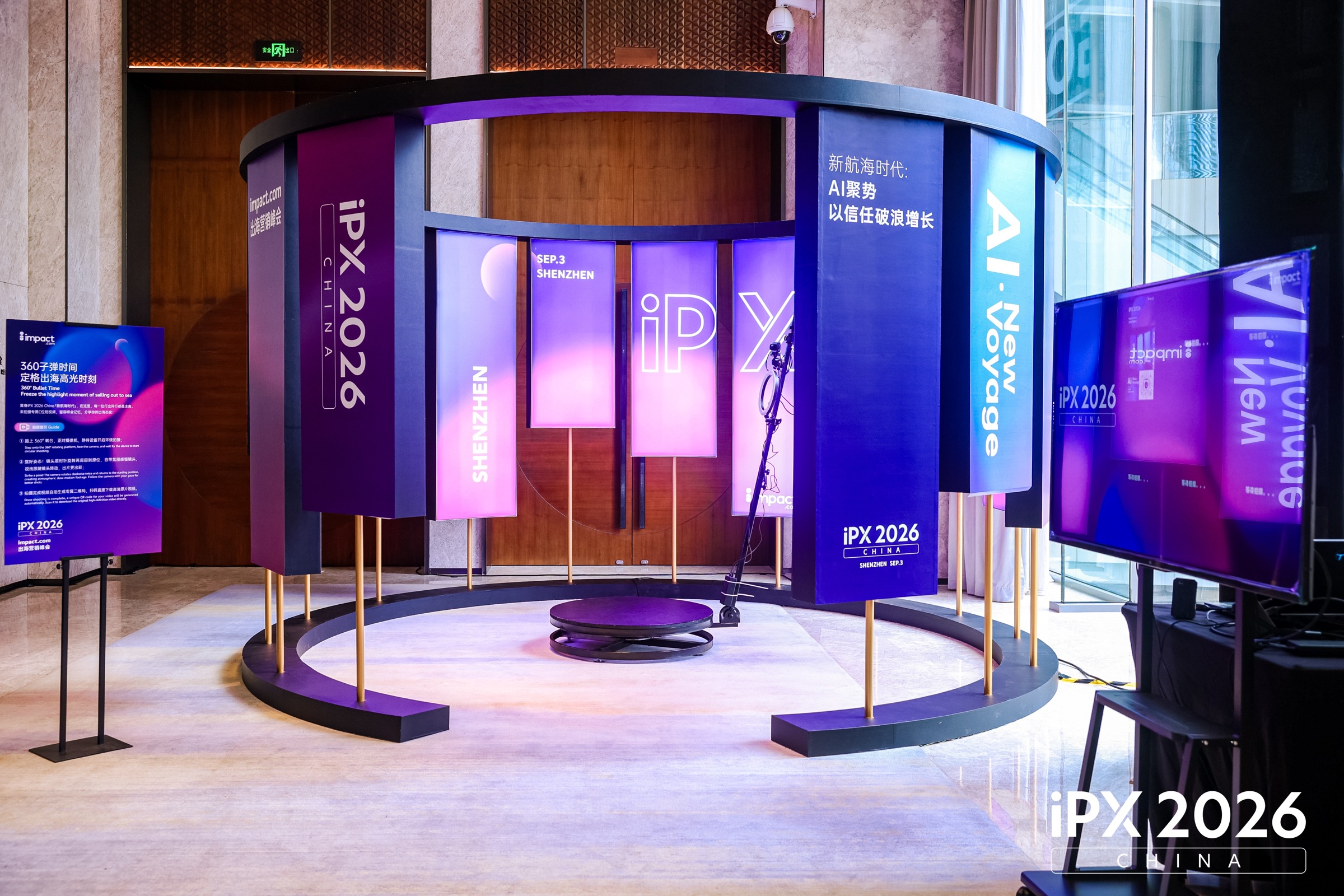
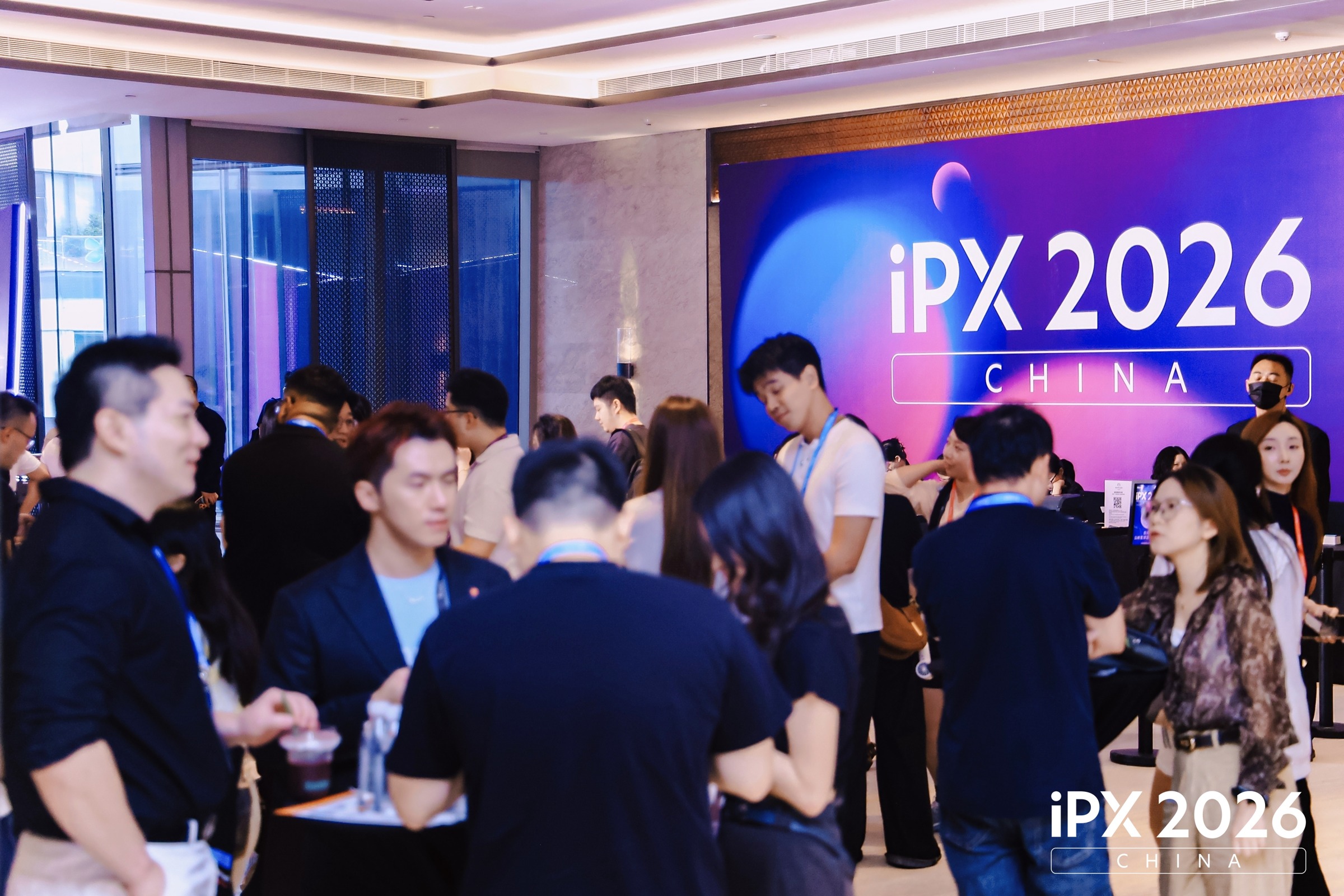
In September, a conference in Shenzhen brought the issue into focus. Hosted by impact.com, the iPX Global Marketing Summit drew nearly 1,000 attendees and more than 500 brands. Onstage, speakers discussed AI, content creation, localization, and partnership marketing. Offstage, brands, media outlets, creators, platforms, and practitioners met one after another. Since its debut in 2024, iPX has become a major gathering for Chinese brands to discuss how they market overseas.
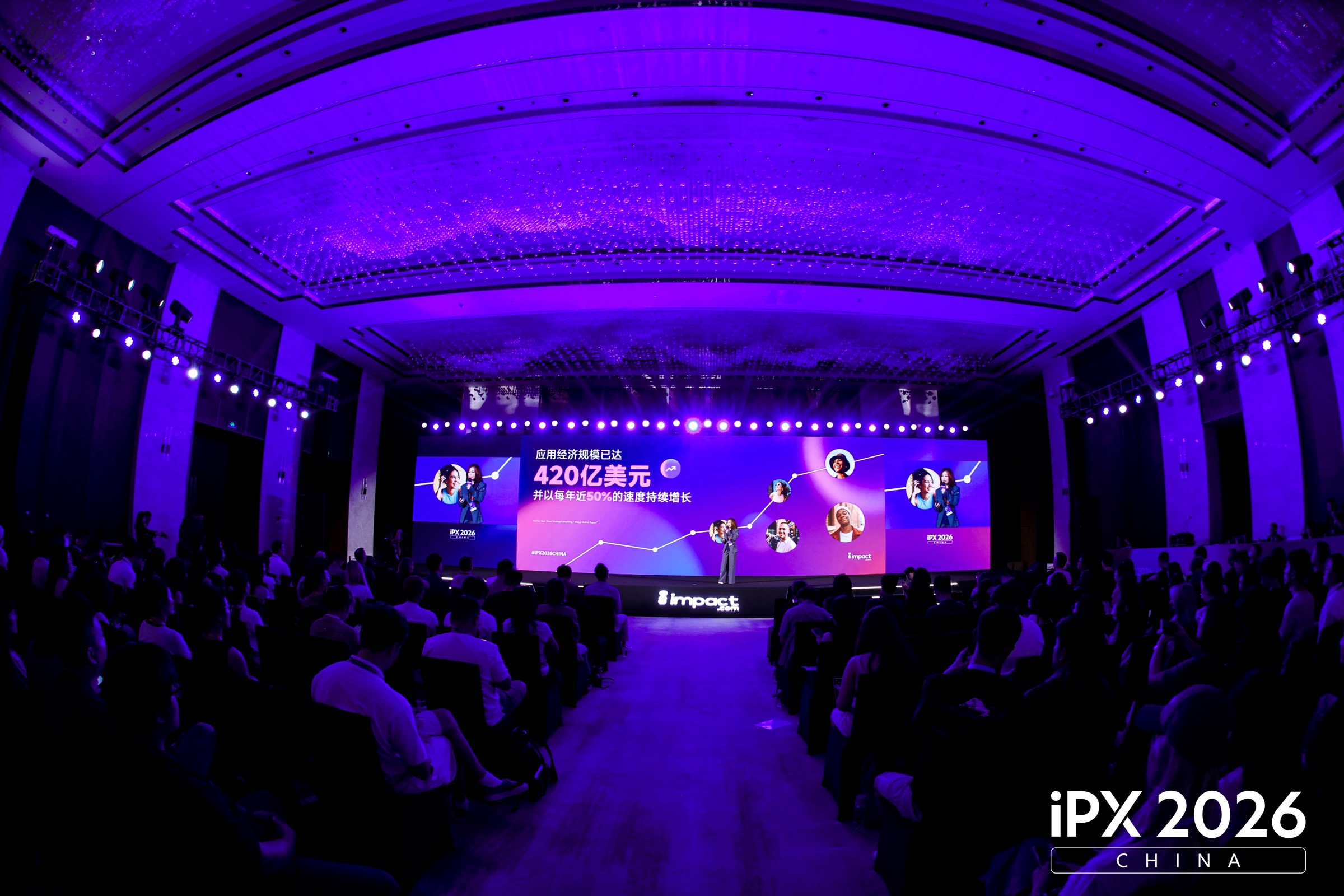
At the conference, with nearly 1,000 people in attendance, Jennifer Zhang (JZ), president of Greater China at impact.com, recalled the first iPX in 2024. As she told Brandstar, the inaugural event took place in Shenzhen, and returning there on a larger, broader platform felt like coming back to where it all began and moving into the next phase.
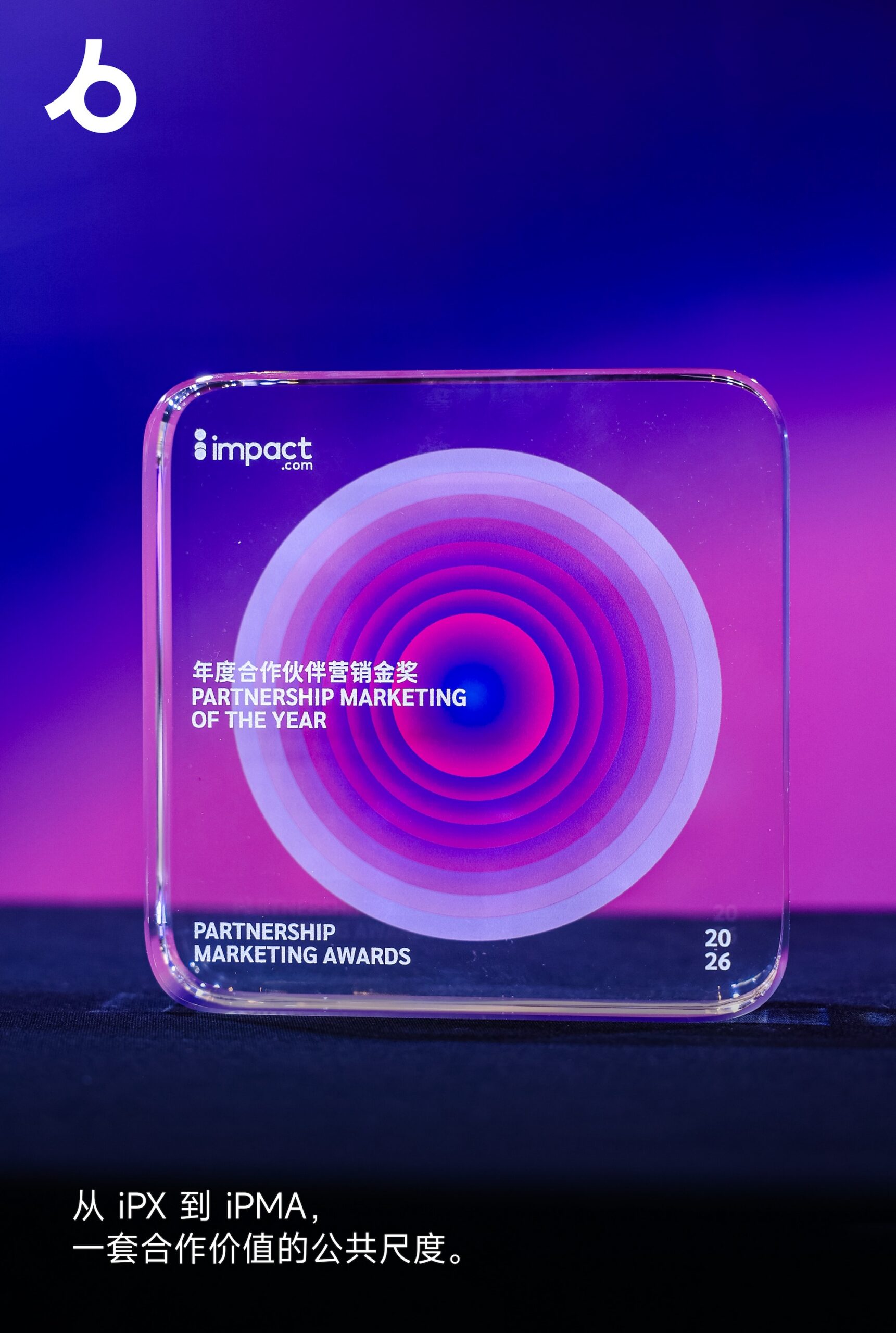
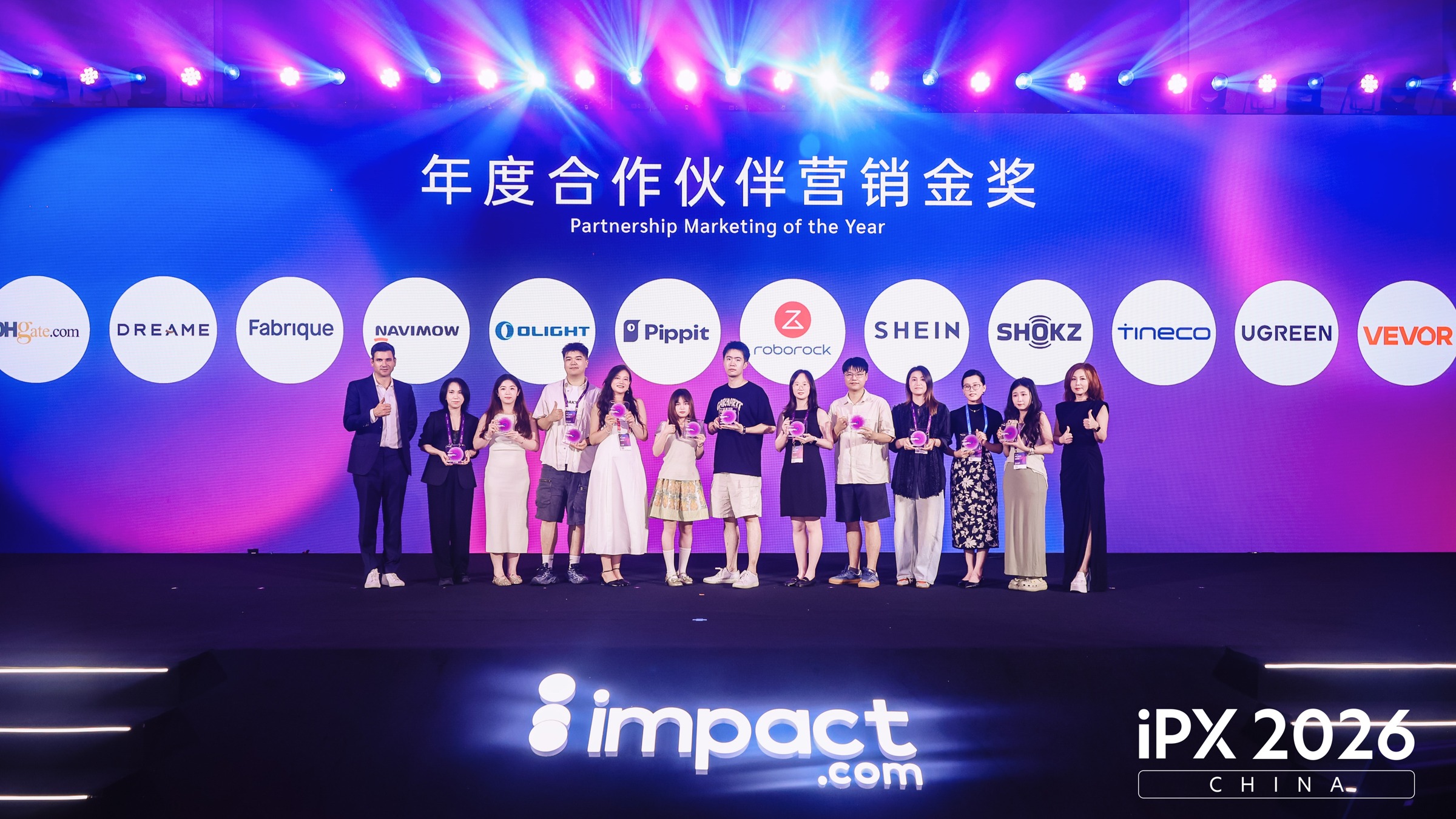
That same day, the inaugural annual Partnership Marketing Awards (iPMA) announced its results, with more than 20 brands receiving awards. iPX puts industry questions on the agenda, while iPMA looks to real-world work for answers. Each initiative serves a distinct purpose for impact.com. The platform helps brands find and manage partners and measure their performance. The summit gives practitioners a place to exchange ideas, and the awards recognize work worth discussing across the industry.
01. Partnership marketing is expanding
Founded in 2008, impact.com set out to solve practical problems. How do you track and attribute conversions from different partners, manage contracts and payments, and keep improving performance once a partnership is underway? Its technology gave brands a single place to manage and measure partnerships that had previously been handled separately.
Today, the term “partner” extends well beyond traditional affiliate channels. Creators, media publishers, technology partners, channel partners, loyal customers, and brand advocates can all influence a purchase decision. impact.com has likewise expanded from its affiliate marketing platform, Performance, to encompass Creator for influencer marketing and Advocate for customer referrals. Brands now track a wider range of metrics. Clicks and orders still matter, and teams also monitor customer lifetime value (LTV), return on investment (ROI), content quality, and whether partnerships can be sustained.
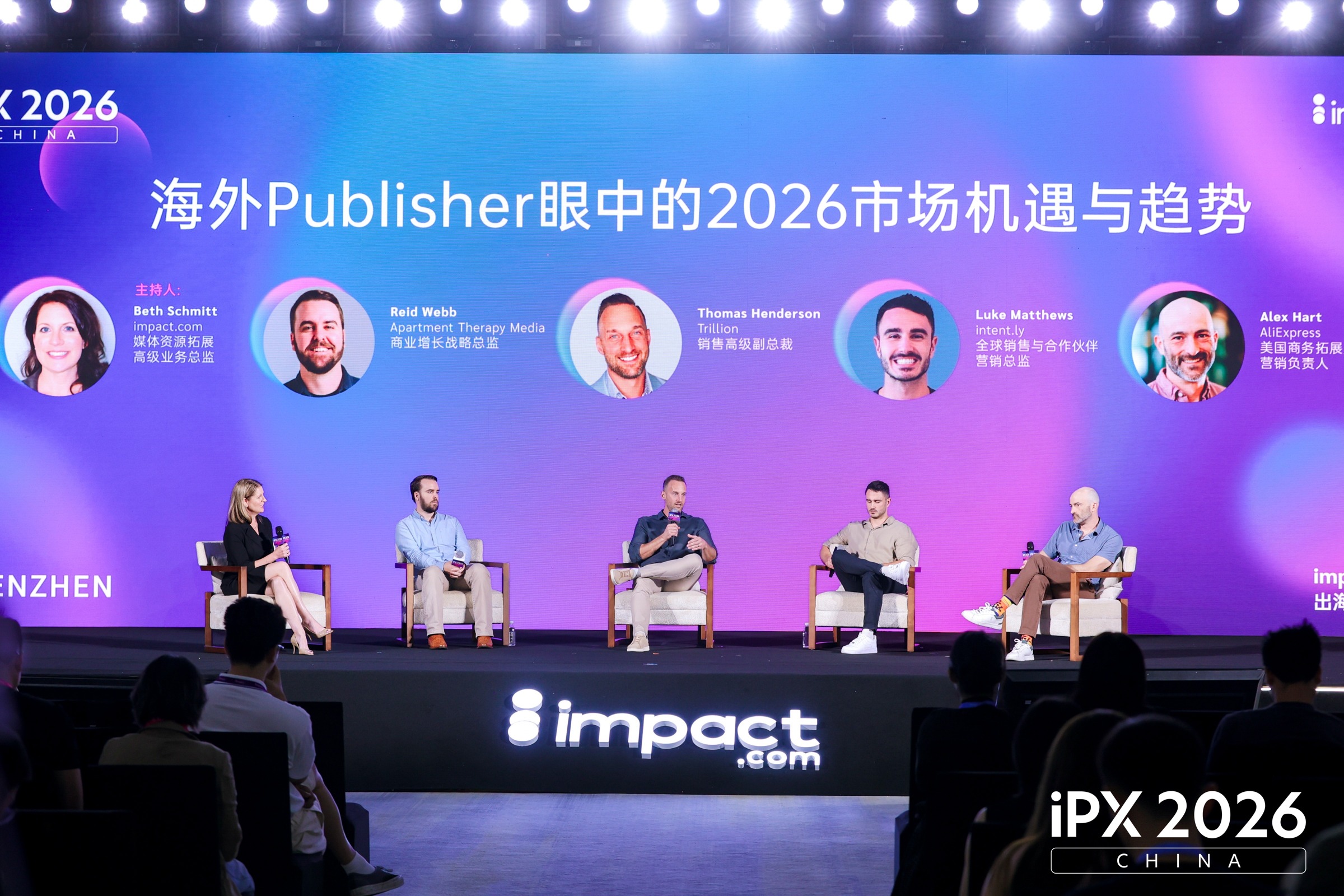
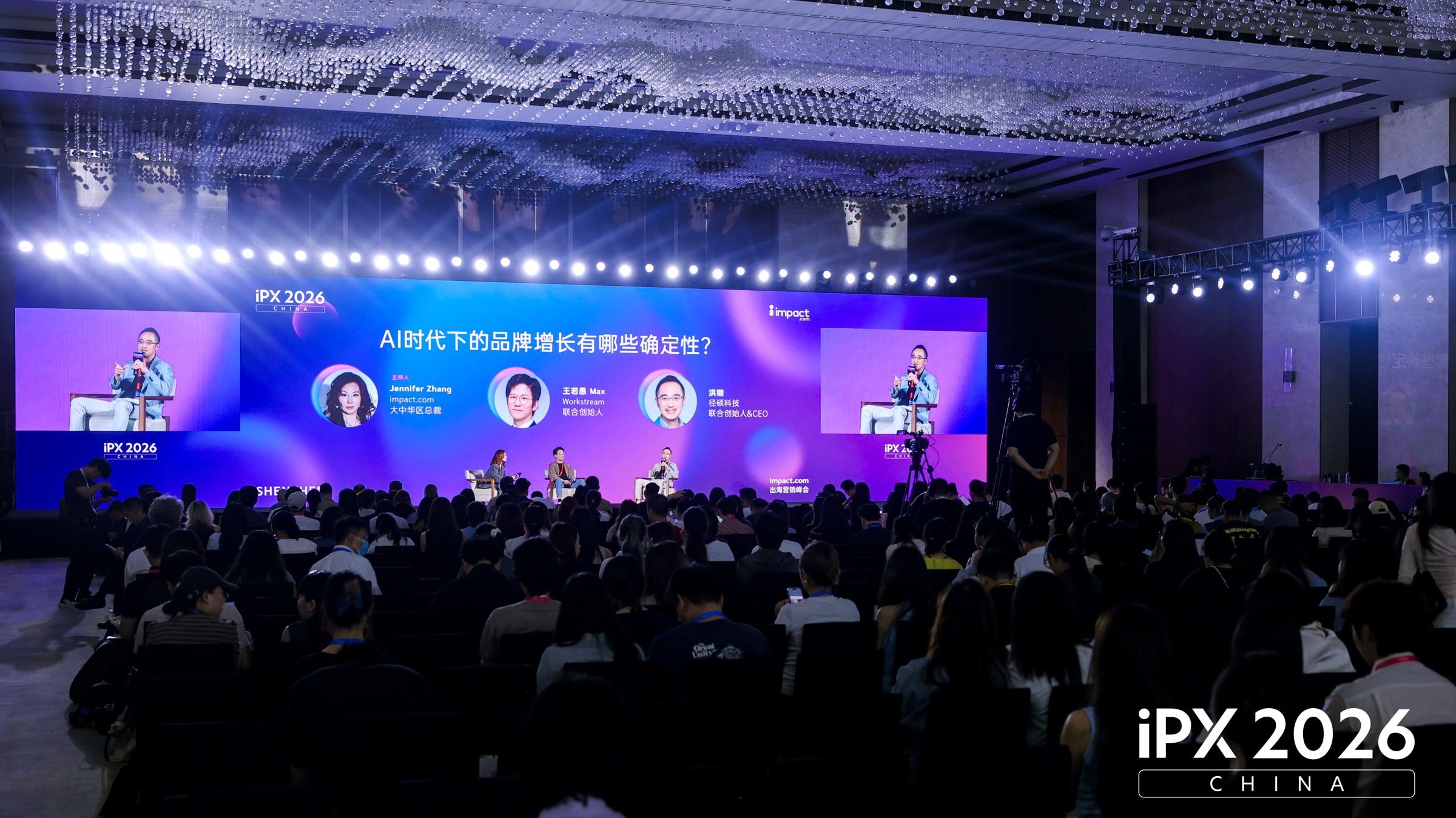
impact.com officially entered China in 2019. JZ grew the team from one person to nearly 100. She told Brandstar that the Greater China business has maintained a compound annual growth rate of more than 50% since the company entered China. Greater China is now impact.com’s second-largest market globally.
That growth has closely paralleled the global expansion of Chinese brands. Over the past few years, Chinese companies have expanded beyond Europe and the US into markets including Southeast Asia and the Middle East. Alongside supply chain advantages and efficient ad spending, they increasingly rely on brand building, local content, and customer relationships to grow. Brands need to reach local consumers through people and settings those consumers already trust. As a result, partnership marketing has evolved from a performance channel into a way to manage how brands connect markets, content, and relationships.
From its debut in 2024 to this year’s event with nearly 1,000 attendees, iPX has grown to include far more than the affiliate teams responsible for conversions. Brand decision-makers, media outlets, creators, platforms, and practitioners now attend, and the conversation has expanded from individual conversions to AI-powered search, local content, and customer relationships. Partnership marketing is becoming a cross-functional effort.
As participation broadens from affiliate teams to brand decision-makers, media outlets, and creators, individual conversions tell only part of the story. A conference gives people a place to meet and exchange ideas, but deciding which partnerships are worth replicating requires a closer look at how each one worked and what it achieved. The platform supports collaboration and measurement, iPX gives practitioners a place to compare experiences, and iPMA opens real-world work to public evaluation. Together, they address how the industry can assess value as partnership marketing scales.
02. Brands need a local network of trusted partners
For brands expanding abroad, trust is often earned at specific points in the buying journey. An overseas shopper might first encounter a Chinese brand through a review from a specialist publication, a creator’s video, a deals site, a search result, or a friend’s recommendation. Different partners contribute at different stages. Brands need to decide who should explain the product, who should help turn interest into sales, and when to bring each partner in.
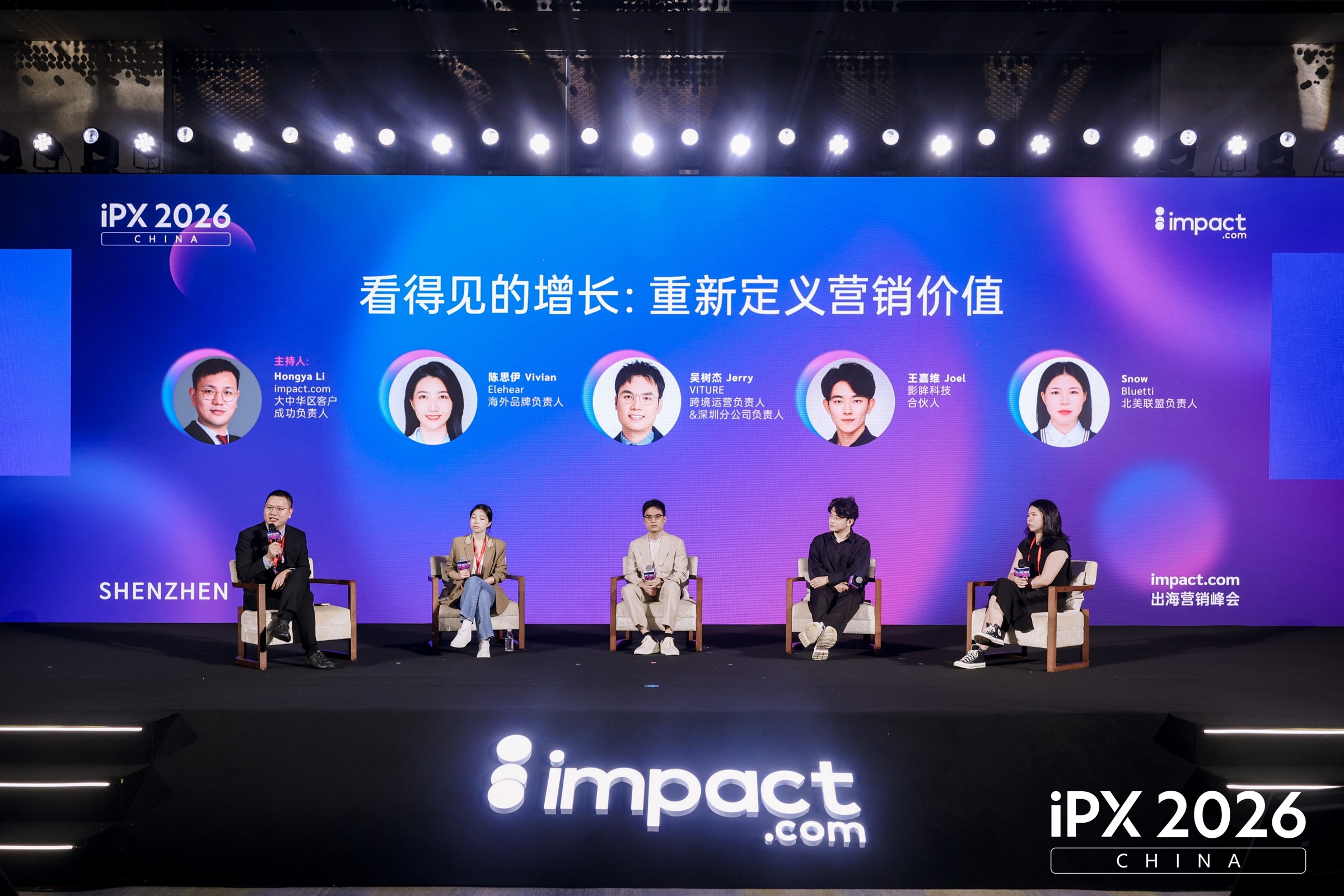
Enrique, who leads affiliate marketing for Dreame in North America, takes a clear view. He says generating gross merchandise value (GMV) is only one role for affiliate marketing. When Dreame promotes a new premium flagship product, it first identifies the audience based on the product’s positioning and works with major media outlets on content that builds awareness of both the brand and the product. In the middle and later stages of the launch, it adds conversion-focused channels such as coupons and cash back to drive sales.
The sequence matters. Publishers help consumers understand the product, while partners geared toward conversion help reduce friction at the “last mile” of the purchase decision. Sales and return on investment (ROI) can measure both, but each serves a different purpose in the customer journey. Judging every partner by the same short-term conversion metrics can lead brands to undervalue early-stage content and overlook a better mix of partners.
Smart kitchen appliance brand Typhur faces another common challenge. Its products typically command a high price, and shoppers rarely place an order after seeing them once or twice. Zoe Wang, who leads affiliate marketing at Typhur, said the company prioritizes partners who can guide shoppers through the entire process, from understanding the product to trusting it and deciding whether to buy. Specialist media outlets and key opinion leaders (KOLs) explain the products through hands-on cooking, while cash-back offers, discounts, and shopping content tend to come into play closer to purchase.
Typhur therefore asks creators to spend less time listing features and more time showing how the products fit into real life. Roasting a chicken for Thanksgiving, making a weeknight dinner, or cooking steak for a family gathering shows what temperature control and automation can do in an actual kitchen.
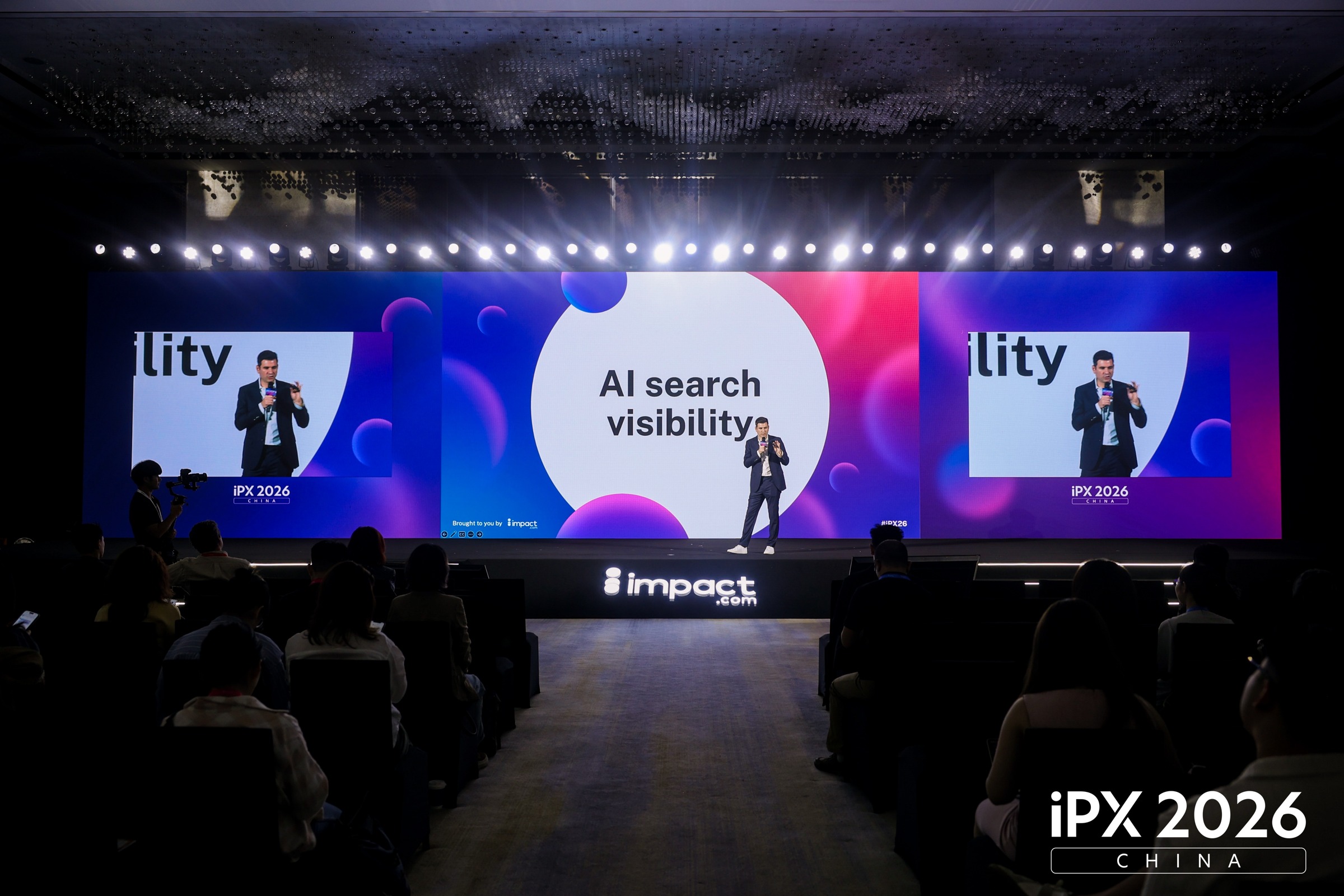
In conversations with brands at the summit, we also saw how AI is changing search habits. As consumers start asking AI for product recommendations, high-quality content published by specialist media and creators could help brands appear in these new search channels.
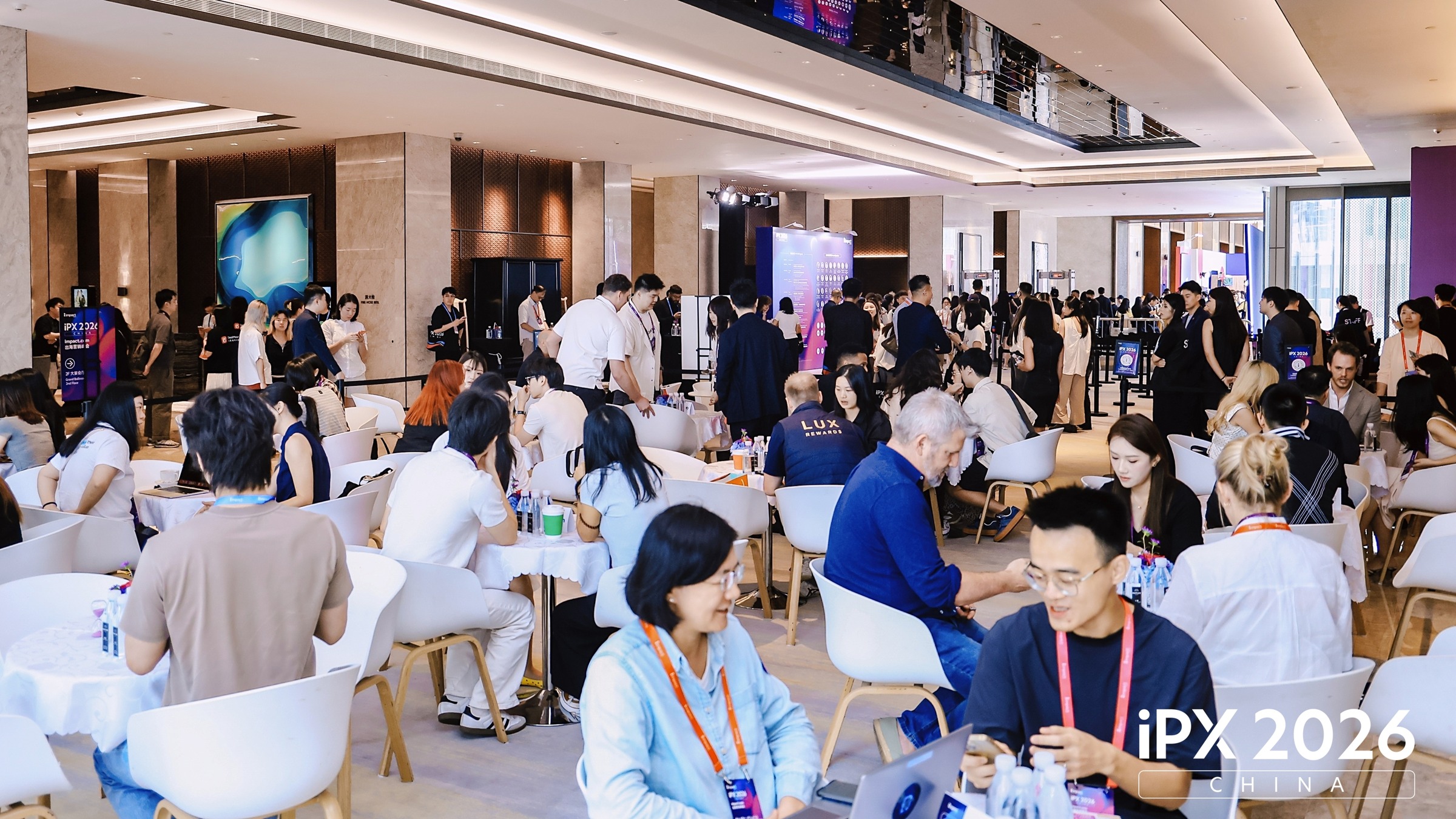
Over a few hours of meetings at iPX, WeCreat affiliate marketing manager Bella connected with around 12 publishers and reached agreements with five of them. She described the day as efficient. What mattered most to her was whether those connections would continue after the event and lead to future collaborations.
Bella described the work in human terms, emphasizing the relationships behind the numbers. She has found that staying in regular contact opens doors to new media contacts, PR opportunities, and deeper collaboration. At the same time, data broken down by country, product, and date helps the team see which markets and products perform best and work with partners to adjust content and placements.
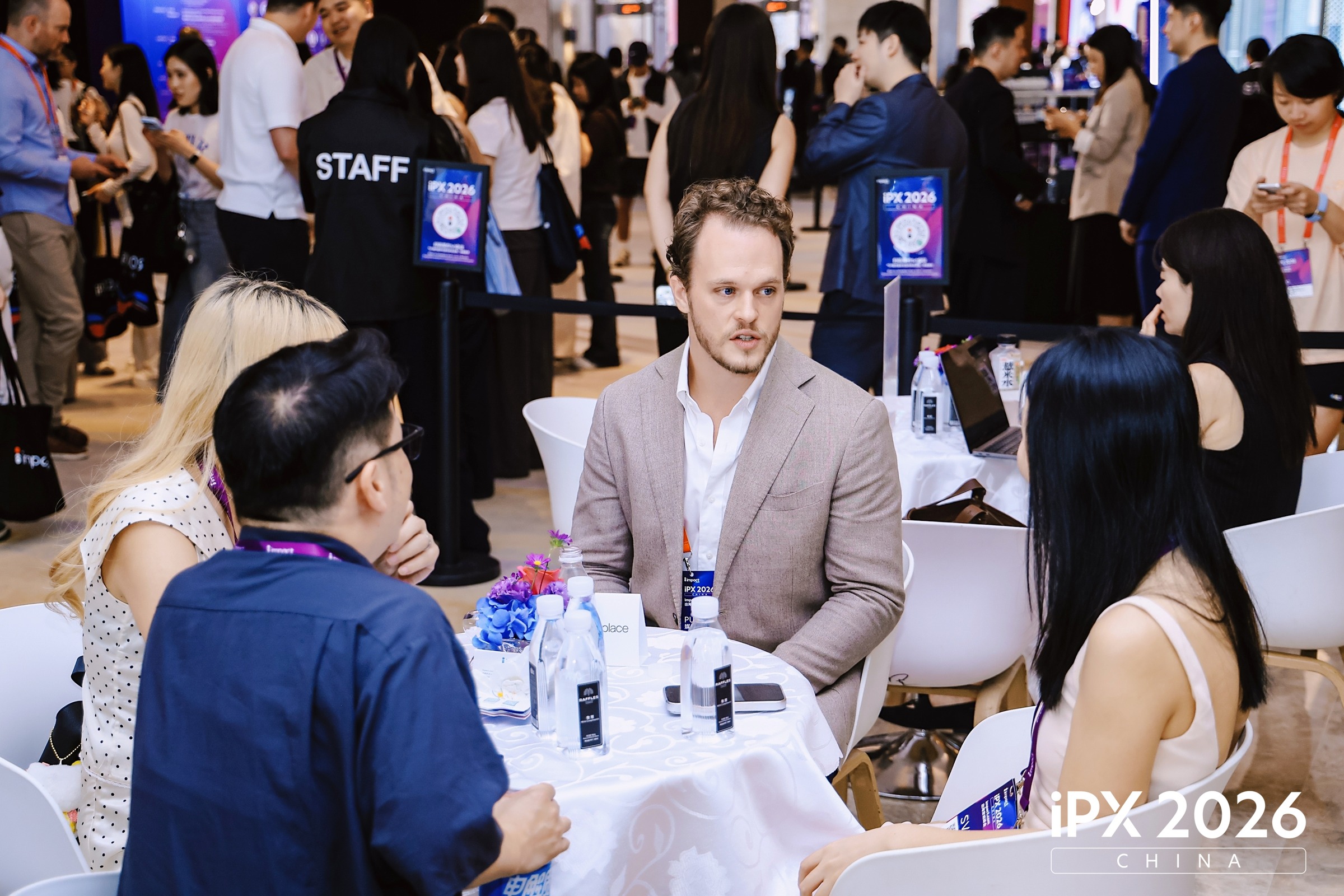
Dreame builds awareness with content before bringing in partners that drive purchases. Typhur demonstrates complex features in everyday settings. WeCreat keeps relationships going through regular communication and uses data to refine its partnerships. Together, the three approaches show that mature partnership marketing brings together people with complementary skills who can guide consumers from discovery to purchase and help brands build a local network of trusted relationships they can maintain over time.
03. Awards set a shared benchmark for partnership value
As partnership marketing expands from individual clicks and orders to include content, relationships, and long-term operations, the criteria for a strong case study need to evolve. Sales and growth rates remain important. A case worth learning from also shows how content builds awareness, how partners work together, whether the platform improves efficiency, and whether the organization can turn a one-off project into an ongoing program.
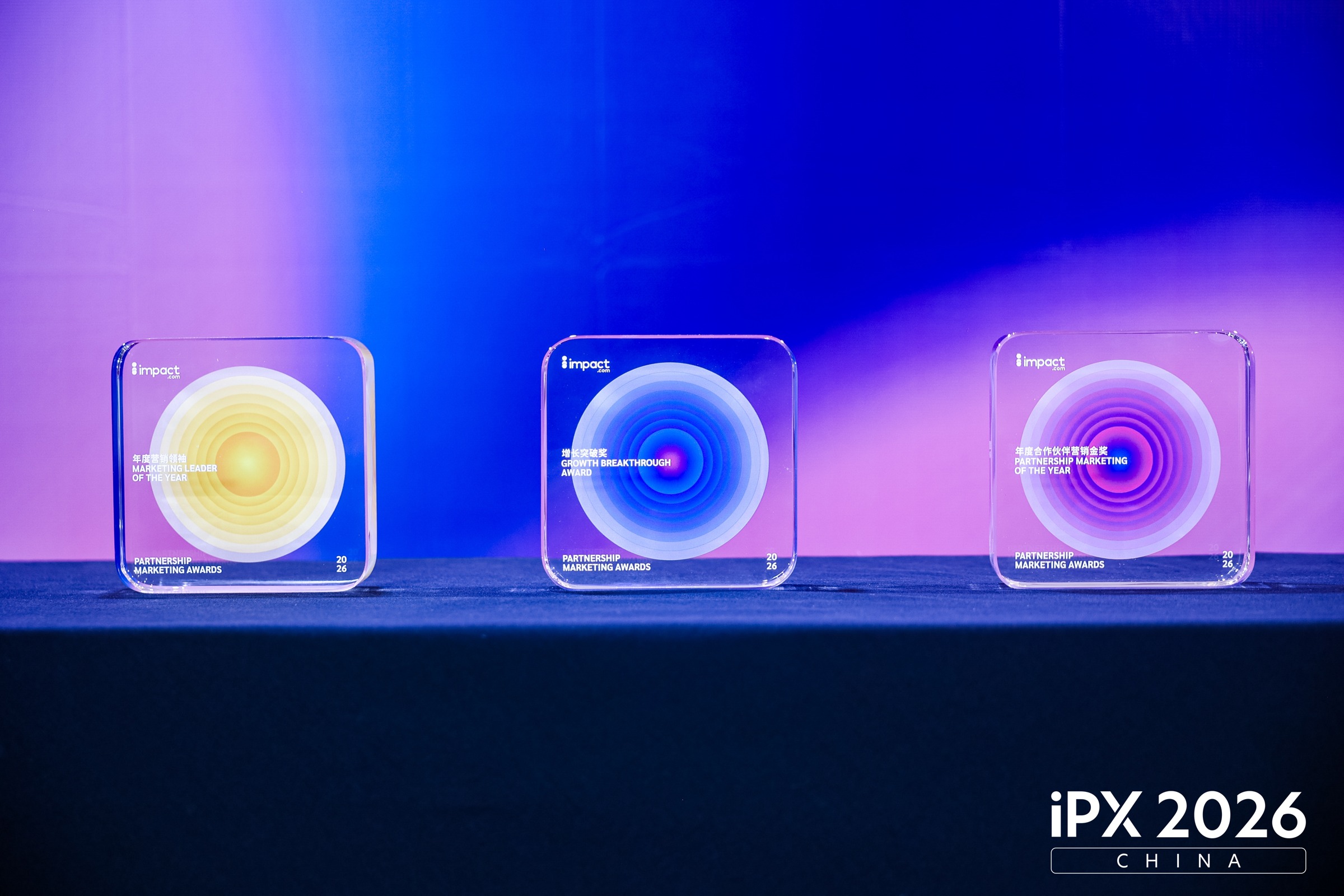
iPMA is a flagship awards program that impact.com launched in China as a global first for the company. It features seven awards. The top honor is the Partnership Marketing Gold Award of the Year. The breakthrough awards recognize growth, ecosystem collaboration, platform efficiency, and partnership innovation. Individual honors include Marketing Leader of the Year and Gold Marketer of the Year. The categories give commercial results, brand value, collaboration, and individual contributions their own place in the judging.
Among the honorees were prominent companies with international businesses, including SHEIN, Dreame, Shokz, UGREEN, Roborock, and Pippit. Spanning consumer fashion, smart hardware, and content creation tools, the winners illustrate how partnership marketing works across categories.
The winners also show what partnerships can achieve at different levels, from overall brand performance and growth in users and revenue to the contributions of the practitioners running the programs. Several of the interviewees featured above were among the honorees. Dreame won the Partnership Marketing Gold Award of the Year, Typhur received the Growth Breakthrough Award, and WeCreat affiliate marketing manager Bella Wang was named Gold Marketer of the Year. Dreame sequences its product launches around content and conversion partners, Typhur builds multiple touchpoints for high-priced products, and Bella brings relationship management and data analysis into her day-to-day work.
iPMA uses three rounds of judging consisting of an initial screening, a review, and a final evaluation. Judges consider industry impact, practical execution, the depth of the methodology, and collaboration across the ecosystem. The 25-member panel includes company founders and brand decision-makers, practitioners with years of experience leading global growth, media representatives, and industry opinion leaders. That range of perspectives helps keep any one metric from obscuring the value of the work.
As one of the judges, Brandstar paid particular attention to how an initiative delivered commercial results while managing the relationships behind them. Strong growth figures need a clear explanation of how the partnership worked. A project that generates buzz also needs to show what lasting value it delivered for the brand. Clear judging criteria, winners that exemplify the work being recognized, and consistent judgments over time help establish iPMA’s standing and credibility in the industry.
China was a deliberate choice for the inaugural iPMA. Many Chinese brands across a wide range of categories are expanding abroad while building their brands and adapting operations to local markets. The cases that have emerged span different stages of development. Some brands are still building their first affiliate channels, while others are starting to manage creators, media partners, and customer referrals at scale. Together, they offer a wide range of examples for studying partnership marketing.
The novelty of a global first gave iPMA a high-profile debut. Its lasting value comes from regularly publishing representative case studies and applying clear, consistent judging criteria. That turns the experience of brands, partners, and frontline practitioners into knowledge the industry can discuss and apply.
Closing thoughts
A mature partnership marketing program delivers reliable business results, builds trust in the brand and strengthens community relationships over time, and keeps the partner portfolio working over the long term.
iPX brings brands, platforms, and practitioners together in one place, and iPMA draws lessons from their work that the wider industry can use. Together, the annual summit and awards create a regular cycle of exchanging ideas, putting them into practice, and reviewing the results.
Where consumers first hear about a product, who explains it clearly, and who gives them that final bit of reassurance rarely come down to a single channel. For Chinese brands already operating overseas, more predictable growth is likelier to come from long-term partners who understand one another and from the brand’s ability to manage that network. For brands still preparing to expand, bringing a product into another country is only the starting point. The brand also has to find a place in the content and relationship networks local consumers already trust. iPMA gives the industry a common benchmark for assessing these capabilities.
BRANDSTAR
impact.com · iPMA · iPX 2026 · Partner Marketing · International expansion
More stories →