On Kilian Jornet’s China tour, NNormal and Being Capital discuss what draws local trail runners
How a drive to push limits can shape a new generation of outdoor sports brands.
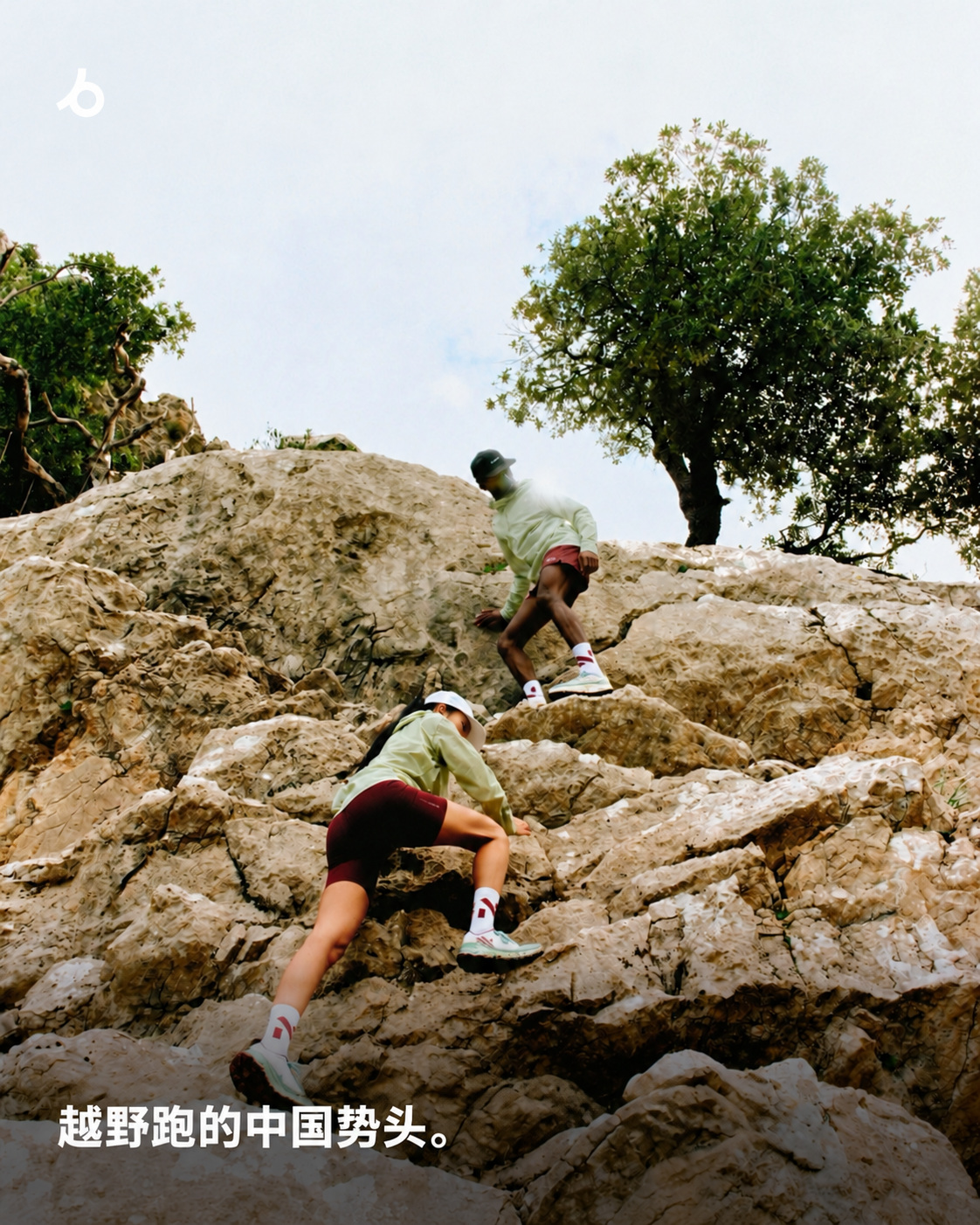
This past September, there was one topic everyone in China’s trail running community was talking about: “King K” had arrived.
“King K” is trail running legend Kilian Jornet, co-founder of NNormal, an outdoor sports brand founded just four years ago. Last year, NNormal and Being Capital formed a joint venture to grow the brand’s business in China. On this trip, Kilian joined local runners on the trails and experienced China’s trail running culture firsthand.
Kilian’s exploits have earned him a loyal following. His book signing and nighttime campus run at Peking University, as well as his talk in Chengdu, drew crowds of outdoor enthusiasts. At each stop, he used the attention to share his thoughts on changes in glaciers, trail conservation, and high-altitude exploration. That has always been his approach to building the brand: his first priority is encouraging more people to get into the mountains and protect them, ahead of getting them into NNormal shoes.
NNormal had already caught the attention of China’s trail runners well before its official market debut. Some bought shoes from overseas on their own, and others were willing to pay a premium on resale platforms. They chose NNormal for its performance and durability, its environmental values, and their trust in Kilian himself.
—
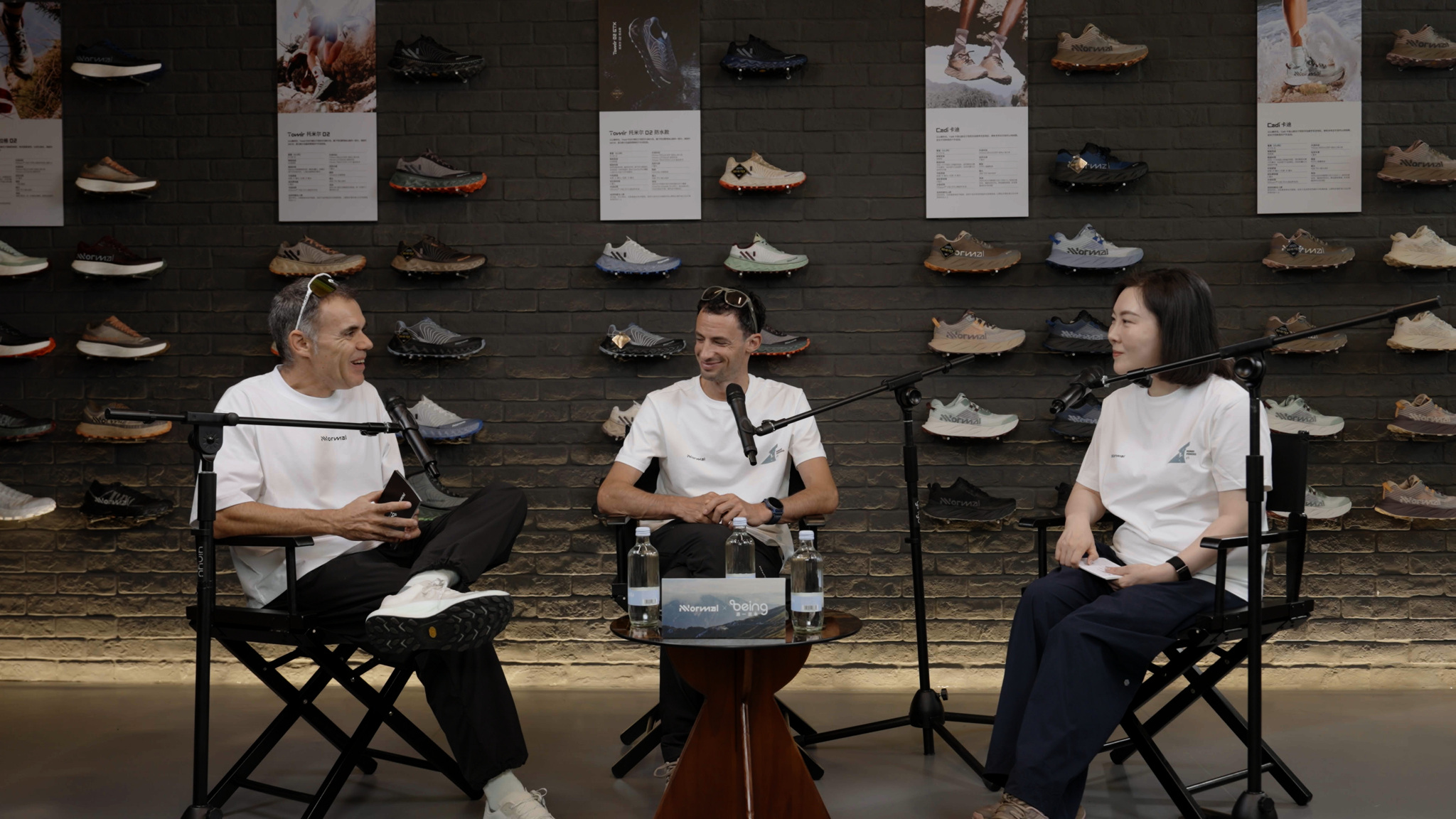
From left at the discussion: Sito Luis Salas, Kilian Jornet, and Jeacy Yan
In Shanghai, Kilian sat down with NNormal global CEO Sito Luis Salas and Being Capital founding partner Jeacy Yan at NNormal’s Xintiandi pop-up. As the conversation unfolded, it became clear how NNormal had won over runners so early and why Being Capital wanted to work with the brand.
Kilian is always pushing his own limits, and this young Spanish brand brings the same spirit to making trail running shoes.
01
What kind of running shoe can a trail legend and a century-old shoemaker build together?
What Jordan is to basketball and Messi is to soccer, Kilian Jornet is to trail running: widely regarded as the greatest of all time. He has won the Ultra-Trail du Mont-Blanc (UTMB) four times. In 2022, he set a course record of 19 hours and 49 minutes, becoming the first runner to finish in under 20 hours. In 2017, he made two speed ascents of Everest in six days without supplemental oxygen or fixed ropes. In 2024, he linked all 82 Alpine peaks above 4,000 meters in 19 days.
Kilian is a committed alpine-style climber. The more common Himalayan style relies on extensive logistical support and Sherpa guides. Alpine-style climbers aim to move fast and light, climb self-sufficiently, and leave as little impact on the mountain as possible. That calls for lighter, stronger, more durable gear.
The right gear matters. Kilian has long been interested in product design, and during his years with Salomon he was closely involved in testing and refining prototypes for the S‑LAB Sense line. His expertise in trail shoe design proved itself in competition. A year after falling short at the 2010 Western States 100-Mile Endurance Run, he won the race in the first-generation S‑LAB Sense.
For athletes, signing with an established brand that pays well is the usual choice, but Kilian has always been more eager than most to take on a challenge.
In 2022, he chose to end his 18-year partnership with Salomon. He said in an interview that the decision was easy. As he put it, starting from scratch meant he could build everything he wanted himself.
—
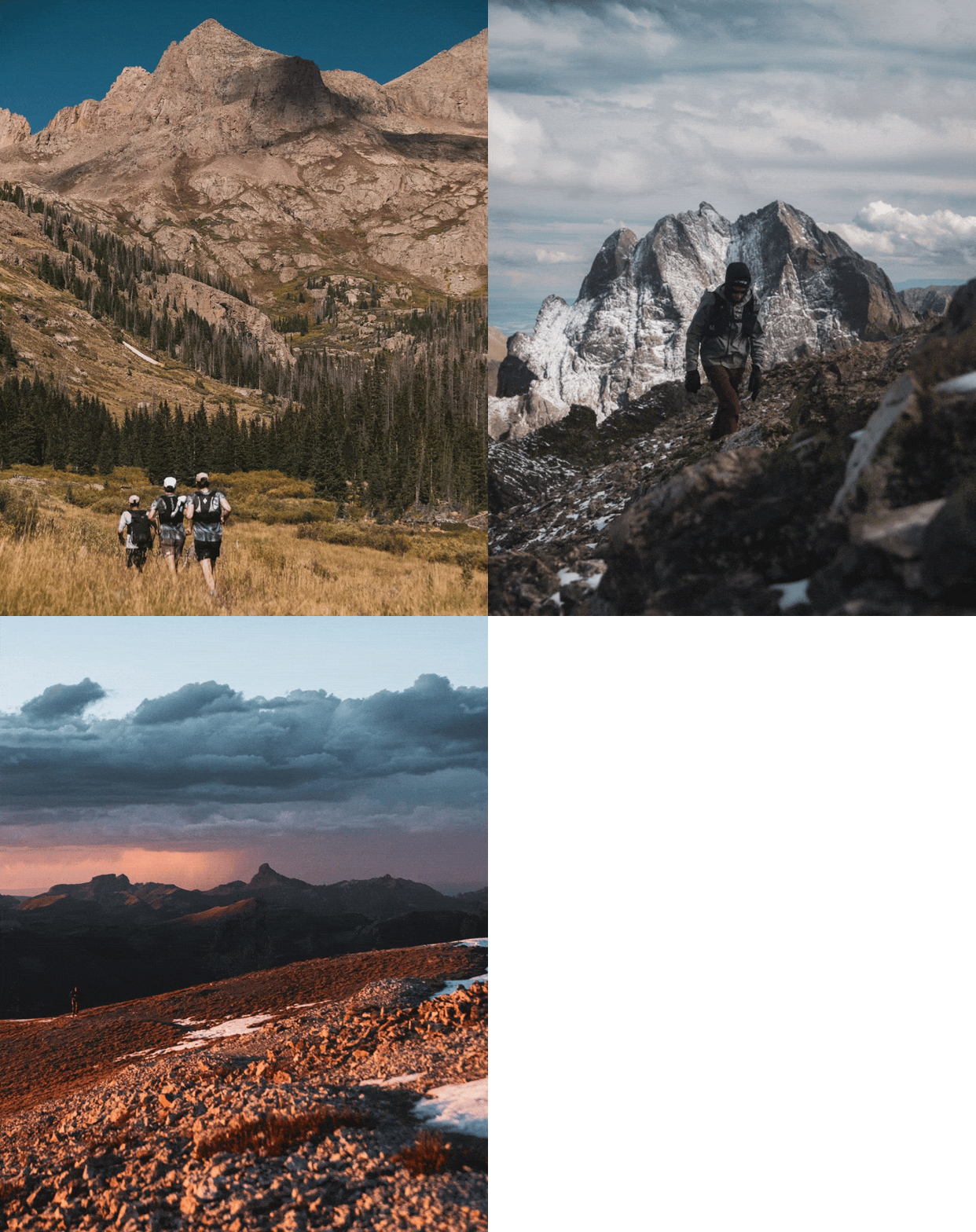
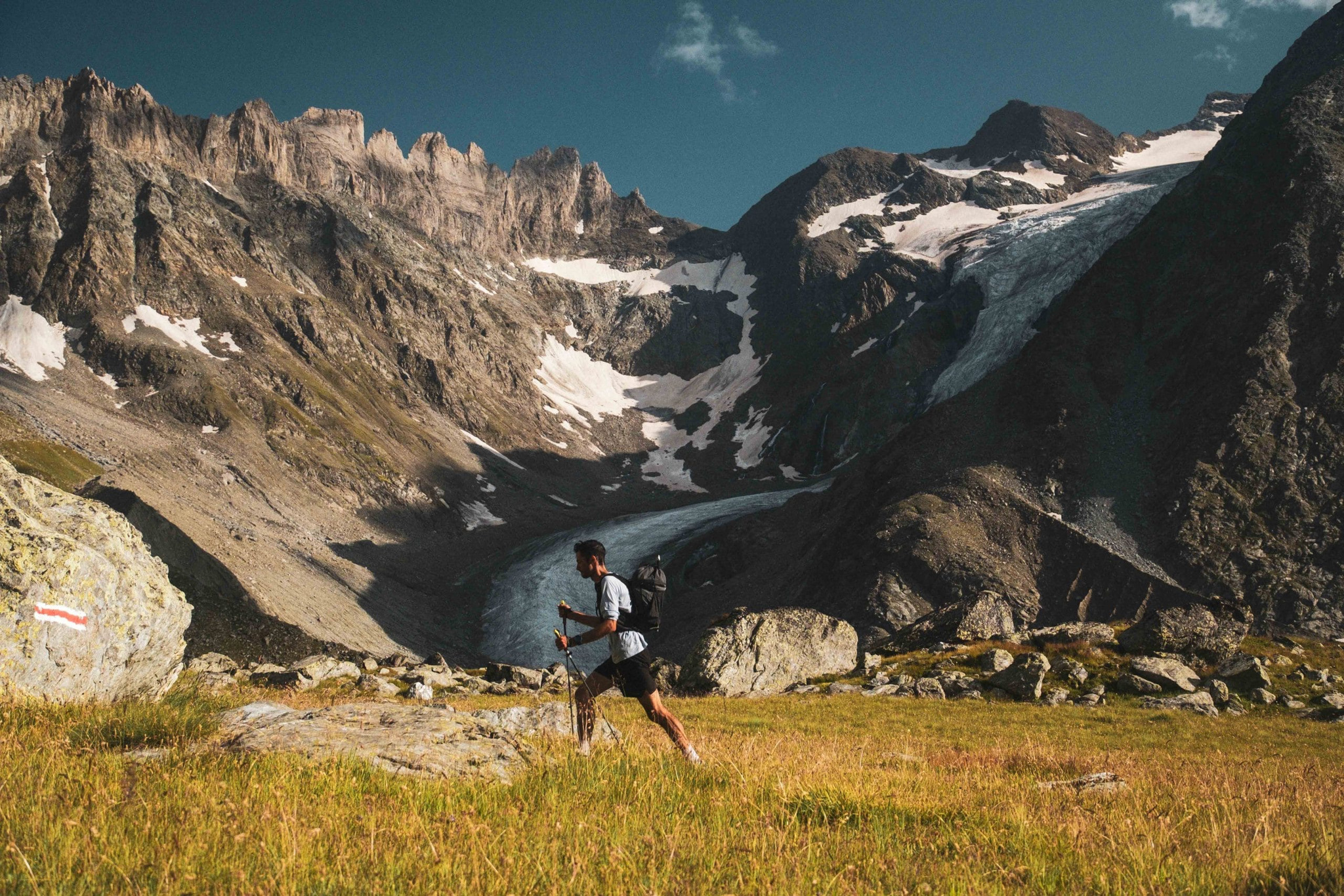
Last year, Kilian wore NNormal’s Kjerag 02 and Tomir 02 GTX for his States of Elevation project, summiting 72 peaks in 31 days entirely under his own power.
Around the same time in Spain, Camper, a family-owned company with 150 years of shoemaking experience, began considering a new brand as the pandemic took its toll and growth at its flagship brand hit a ceiling. Sito, then Camper’s COO and a longtime trail runner, noticed that people were heading into the mountains more often after the pandemic.
Sito wondered why they didn’t start a trail running brand. A friend introduced Camper to Kilian. In their conversations, they found they had similar ideas about what a brand should do. Both believed a company should make better things and had a responsibility to give back to society.
Sito still remembers the decision the team made as soon as they spoke with Kilian. They would build the brand if Kilian came on board and drop the project if he didn’t.
Kilian ultimately joined, and NNormal was born. The name combines “Nor-way,” representing Kilian, and “Mal-lorca,” where Camper is headquartered. The double N stands for “not normal.”
Kilian’s experience and Camper’s capabilities added up to more than the sum of their parts. Sito said the team wanted to excel in all three areas: performance, durability, and design. A shoe had to be light and fast, last a long time, meet runners’ needs, and look good.
—
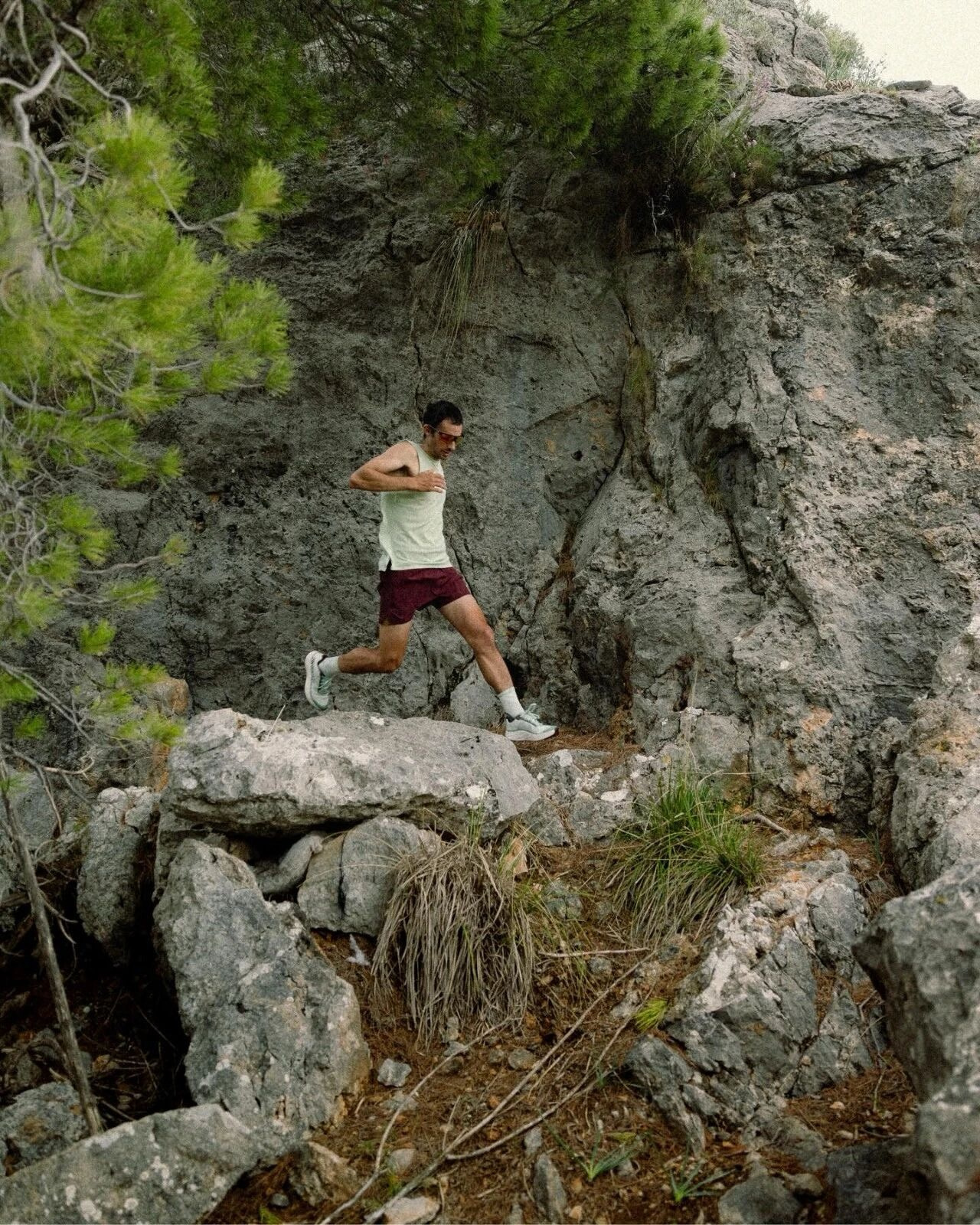
Kilian field-tests every NNormal shoe himself, and the team refines each model based on his feedback.
Trail runners often need several pairs of shoes for different elevations, distances, terrain, and training needs. Kilian had long wanted to make a versatile, modular running shoe that would simplify things for runners, last longer overall, and lower its environmental impact. That led to the Kboix 01 (nicknamed “Ultra Wild”). A durable upper comes with three separate midsoles for long distances, mixed terrain, or technical terrain. The midsoles fit in the same pair of shoes and can be swapped as needed. The design earned NNormal a 2024 ISPO product award.
The Kjerag, named for a peak in southwestern Norway, is Kilian’s race-winning shoe. Lighter, faster, and more agile, it is suited to technical sections and high-intensity racing. The Tomir, named for Mallorca’s Puig Tomir, is an all-terrain shoe for long, continuous mountain runs. The Cadí, named for the Serra del Cadí in Spain’s Catalonia region, was designed to give beginners a comfortable shoe for long distances on their first mountain runs.
02
Being Capital followed runners’ lead to NNormal
In China, runners, hikers, and other outdoor enthusiasts are flocking to trail racing. Being Capital estimates that China’s running shoe market was worth about RMB 50 billion in 2023 and will reach RMB 70 billion five years later, with dedicated runners and running enthusiasts driving most of the growth.
Before founding Being Capital, Jeacy was a consumer-sector partner at IDG Capital. She has 17 years of experience investing in consumer businesses.
Jeacy said a major reason Being Capital chose to partner with NNormal was the combination of Kilian’s deep product knowledge and hands-on involvement in design and development with Camper’s extensive experience in manufacturing, supply chain management, and business operations.
That judgment reflects Jeacy’s longstanding investment approach. Her past investments include Gentle Monster and To Summer, spanning fashion eyewear and fragrances inspired by the East, as well as international and homegrown brands. Early in their development, both built consumer mindshare in a niche category through distinctive products and strong brands.
NNormal fits the same pattern.
Jeacy says she steers clear of brands that simply imitate others. What drew her to NNormal was the combination of its products and its values.
An internal NNormal saying sums it up: “50% product, 50% values.” NNormal is a Certified B Corporation, which means it has undergone a comprehensive review of its corporate governance, labor rights, supply chain, and environmental impact. The brand has also pledged 1% of sales (rather than profits) to the Kilian Jornet Foundation to protect mountain ecosystems.
—
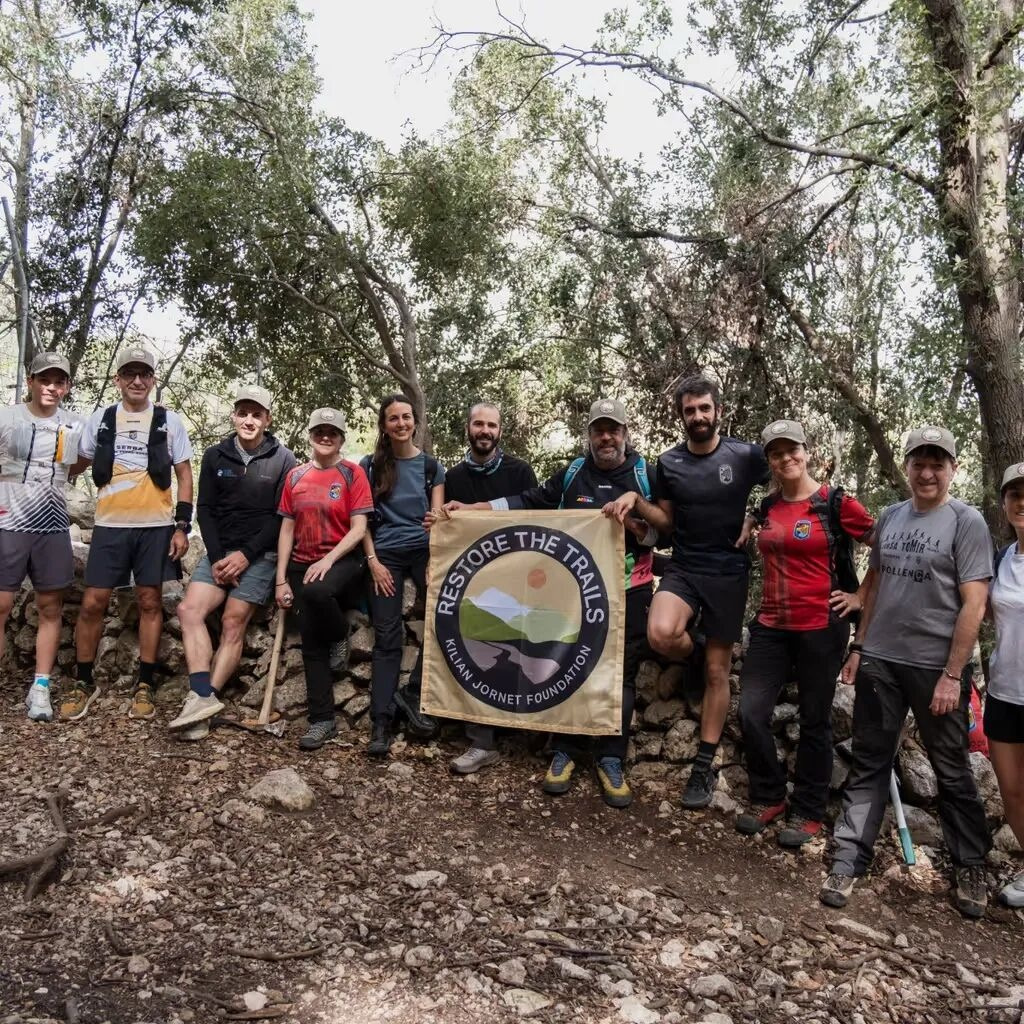
Restore the Trails is a trail restoration project launched by the Kilian Jornet Foundation.
During the conversation, Kilian pointed to a familiar contrast. You can order a new pair of shoes on your phone and have it delivered quickly. To get a pair repaired, you have to find a cobbler, get the shoes to them, and potentially wait several days. In Kilian’s view, getting more wear out of a pair of shoes means making repairs easier.
He hopes getting shoes repaired will eventually be as easy as buying a new pair, and sees that as one measure of the brand’s long-term progress. NNormal currently works with Vibram-certified cobblers to offer lifetime warranty service for every shoe model in more than a dozen countries and regions, including France, Italy, and Spain.
—
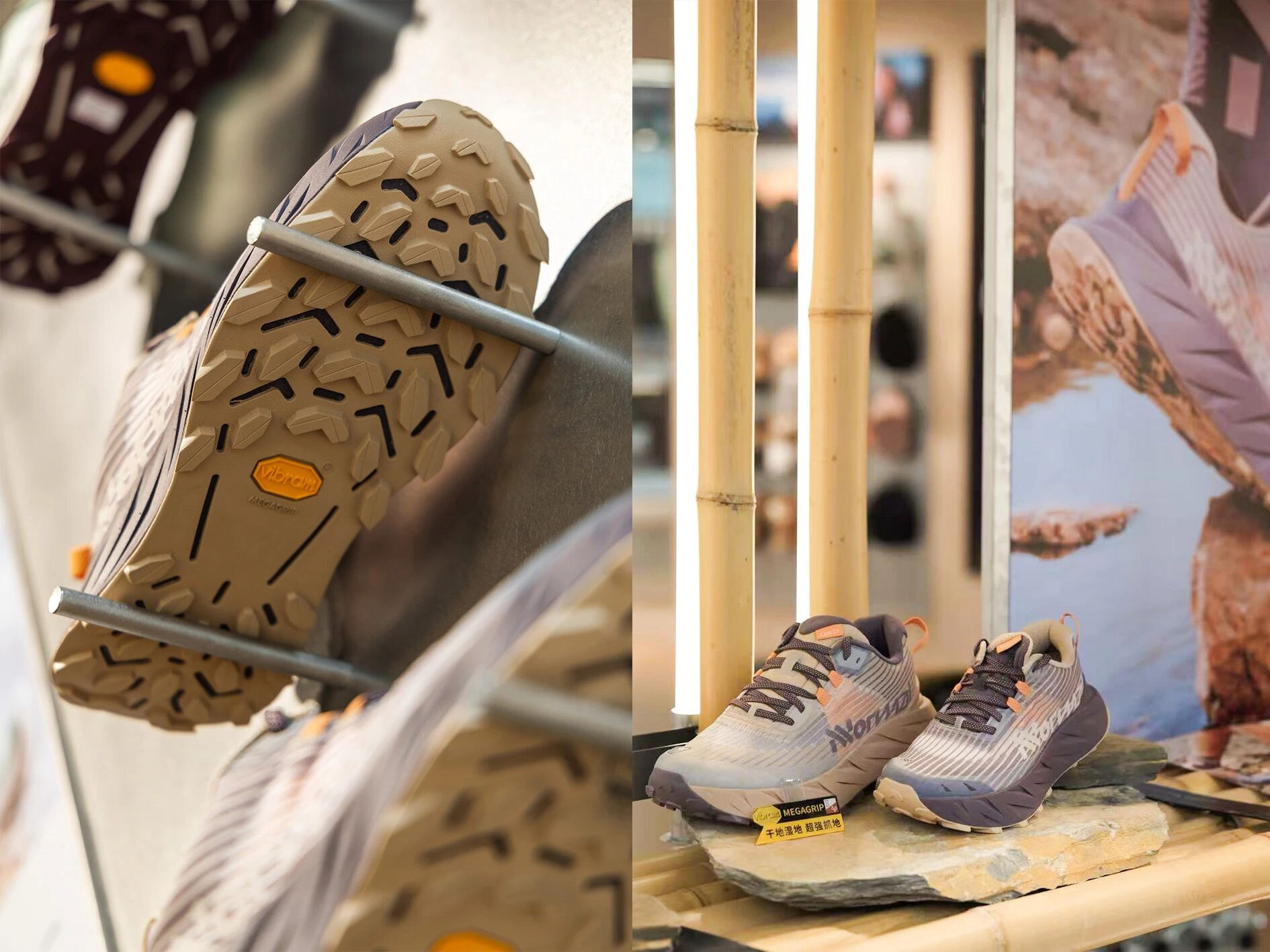
Vibram is a key NNormal partner. Its signature outsoles with the yellow logo are widely used by technical outdoor brands around the world.
Kilian remembers a question they asked themselves before launching NNormal. Camper had a long history and his partnership with Salomon was going well, so why start another brand? Their answer was that they wanted to build a brand that could keep growing without relying on overconsumption.
Footwear is generally one of the most complex fashion categories and among the hardest for inventory turnover. NNormal calibrates production to demand by sales channel, keeping mass production and promotional clearance out of its model. If a retailer orders 100 pairs, the brand produces only 20% extra for sales through its own website and for replenishment.
In an earlier interview, Sito said that slowing consumption had also slowed the brand’s revenue growth. It’s an approach that runs counter to conventional business instincts. He added that durability could itself give new customers a reason to choose the brand.
—
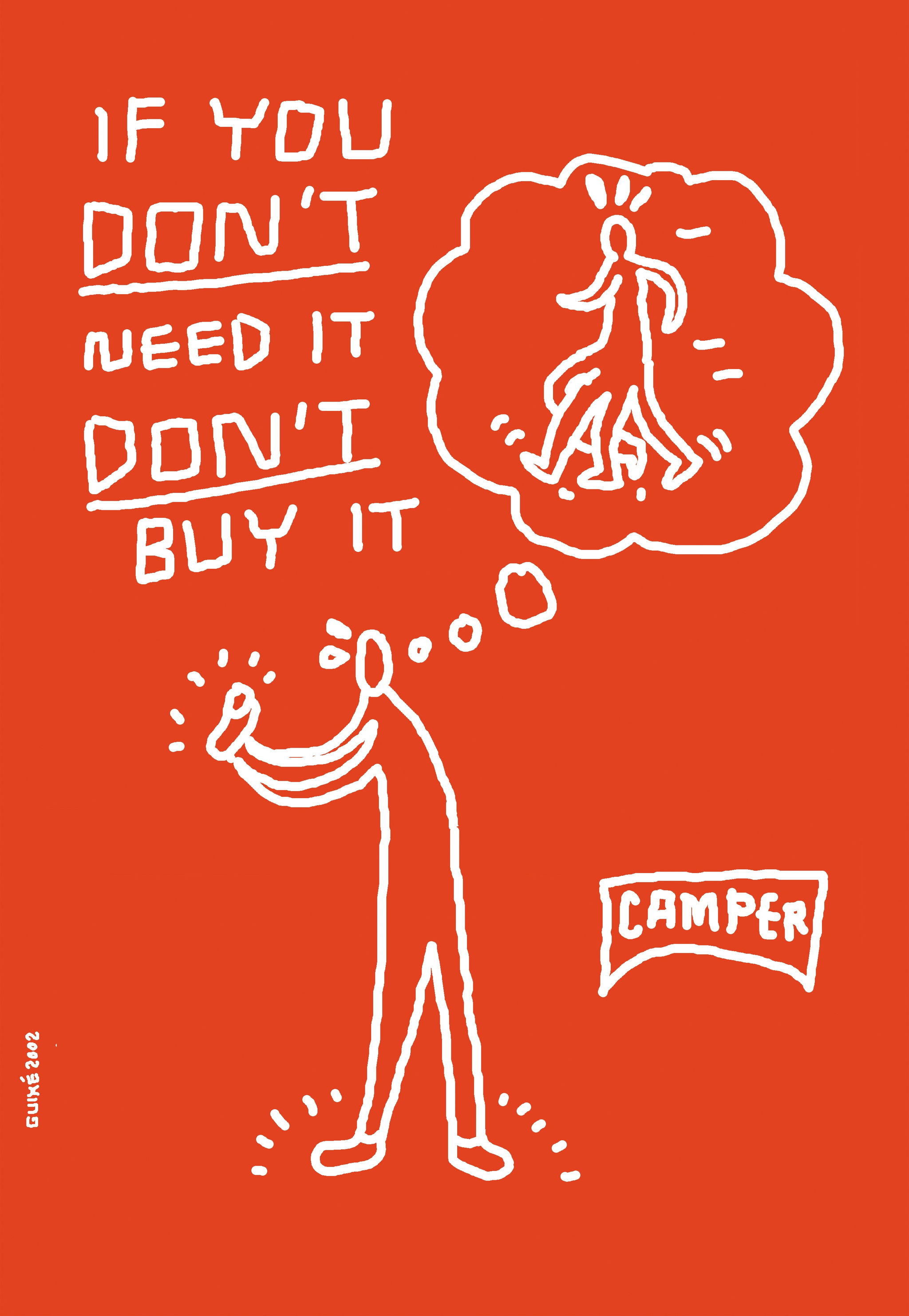
Camper is also a Certified B Corporation. More than 20 years ago, it urged people to make more considered purchases with the message “If you don’t need it, don’t buy it.”
Jeacy said the board had agreed to stay focused on trail running over the next few years. In her view, starting in a relatively niche category helps the brand stay focused.
The brand also built a local community early on. Kilian takes part in events alongside Chinese runners, giving consumers a chance to get to know the brand firsthand.
Kilian acknowledged that the European team can think through how to get people interested in the products, but that China’s business environment and race ecosystem are completely different. Success in China is difficult for international brands, and Being Capital brings firsthand knowledge of how that ecosystem works.
03
Putting down roots in China starts with understanding what runners need
Sito sees entering China so early in the brand’s life as both a challenge and an opportunity. He’s confident about the start. The team is in place, the brand has begun participating in races and organizing community events, and it is exploring which sales channels can help it reach more consumers.
The brand chose Wenling, Zhejiang, for its first launch event in China last year. Jeacy took part and was struck by how everyone headed into the mountains together to pick up litter along the trail. It would be hard to find a clearer expression of the brand’s message, “Your Path, No Trace.”
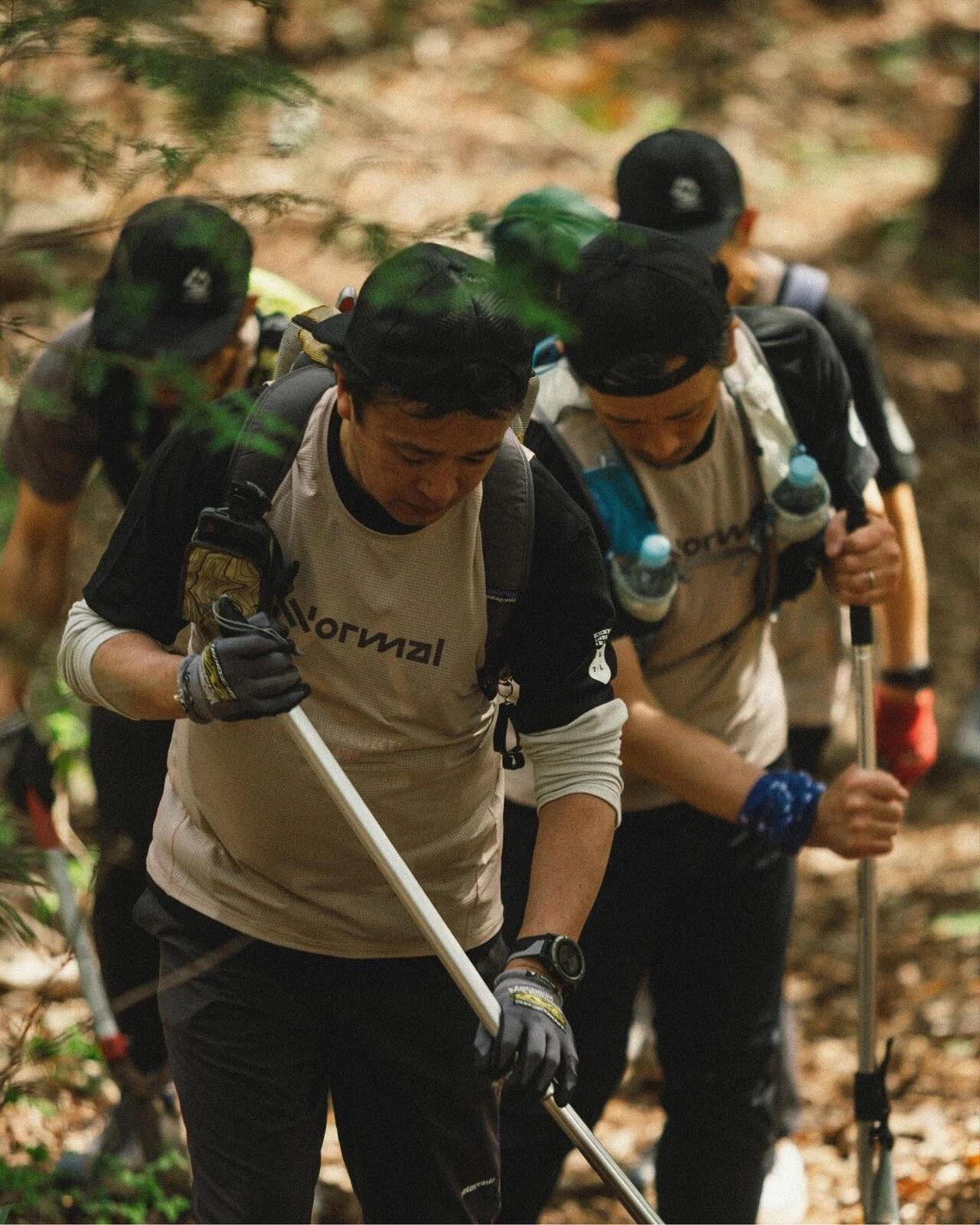
Jeacy sees one striking difference between China and Europe. “Many people wear our footwear and apparel because they’re drawn to the sport. They may have yet to try trail running themselves. Later on, a friend might invite them along, and that’s how they get started.”
Trail running is emerging as an outdoor trend, drawing people who enjoy spending time in nature. Runners can choose distances and routes that suit their experience. Beginners can build confidence as they go, while seasoned runners and elite athletes push themselves to cover longer distances, gain more elevation, and run at faster paces. Helping each other out during races and heading out on group training runs add to the pleasure of sharing the sport.
On the morning run, Kilian saw how much personal connection matters to Chinese runners: “In Europe, people focus more on performance and the individual experience. In China, results matter too, but much of what runners are looking for comes from being part of a community.” Sito saw something similar. He ran three races in China over the past year, and many of the participants were young people who lived in big cities. They came with friends and sometimes stopped along the way to take photos. “Ninety percent of people are there to enjoy the sport,” he said.
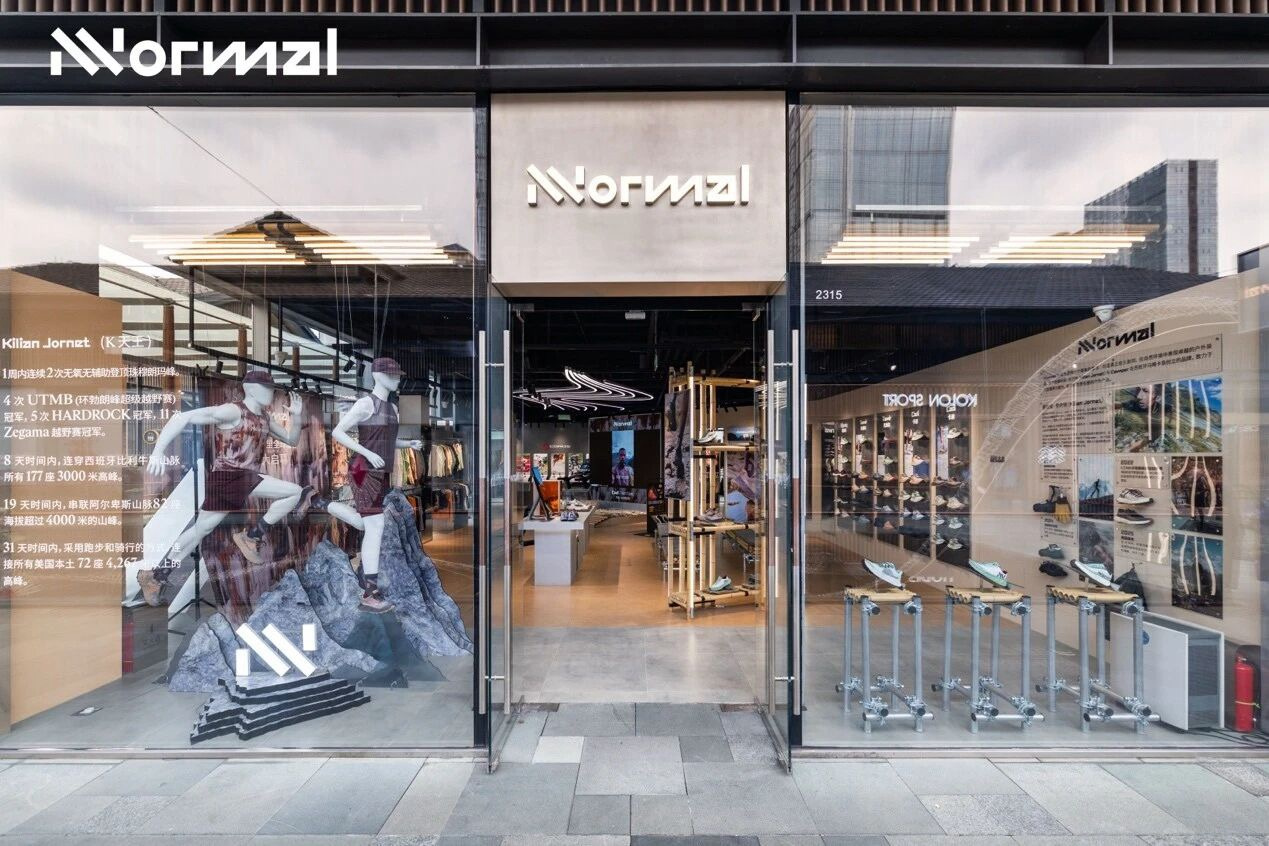
For its first company-operated, long-term pop-up in China, NNormal chose Taikoo Li Chengdu, a less obvious choice than Beijing or Shanghai. Chengdu is surrounded by mountains, from ranges just outside the city suited to everyday training to the challenging terrain of the Longmen Mountains for long-distance trail runs. Few major Chinese cities offer such easy access to wild terrain. Chengdu also has a vibrant economy and a large concentration of young people. It’s a snapshot of China’s running scene as a whole. Runners live and work in the city and head into the mountains on weekends.
Running the Chengdu store will help NNormal, a newcomer to China, better understand local consumers. Sito said the team is taking that feedback into account as it plans next season’s products.
—
The Chengdu store opened on Earth Day.
04
What will things look like in five years, and where is the finish line?
Asked what they hoped for the brand’s future, the three gave different answers that echoed one another.
Jeacy hopes that in five years, NNormal will be among consumers’ top three choices for outdoor brands. Sito has a more specific benchmark in mind. If 10% of participants at trail races in China are wearing NNormal, that would show the products are a good fit for Chinese consumers. Neither offered a financial target. For both the investor and the CEO, consumer mindshare came up before revenue.
From the start, NNormal set out to challenge an industry built around replacing gear with something new and to build a “slow business” around products that last. That’s a difficult proposition. Durability raises production costs. Where other brands bet on trends, NNormal is betting that quality will earn customer loyalty. “People will always have real, recurring needs for gear. Make a good product and it’ll serve you well,” Kilian said.
When Sito was younger, all he thought about during races was winning. Now he wants to “keep running for as long as I can,” and he takes the same approach to running a company. Kilian has had a similar experience in races. “Before you cross the finish line, you expect to have changed, maybe even to have undergone some kind of transformation. What often happens is that you realize you’re still the same person.”
If all you want is to reach the finish line, it’s hard to avoid feeling let down once it’s over. “But if your aim is to keep the journey going, the joy and the feelings that come with it can carry on, too.”
Written by Li Tianya
Edited by Wang Jiaqi
Editorial supervision by Lai Yongfeng
Related reading: NNormal enters China: Are outdoor sports brands entering an era of specialization?
NNormal · Being Capital
More stories →