LVMH’s results are under pressure, but growth is no longer the only priority
The luxury industry is gradually shifting its focus from growth to restructuring and building stronger brands.
At the midpoint of 2025, results at LVMH, the world’s largest luxury group, continued to flash warning signs.
In the six months ended June 30, LVMH’s sales fell 4% year over year to €39.8 billion, and operating profit declined 15% to €9 billion. Second-quarter revenue fell 7% year over year to €19.5 billion, a markedly steeper decline than in the first quarter and the second consecutive quarterly miss against analyst expectations.
The Fashion and Leather Goods division, home to core brands including LV and Dior, also struggled. First-half sales fell 8% year over year to €19.1 billion. Second-quarter sales dropped 9% to €9 billion, the steepest decline of any division. Its profit margin fell 4.1 percentage points from a high of 38.8% to 34.7%.
Selective Retailing, home to Sephora, was the only division to post organic revenue growth, at 2%. Operating profit rose 12%, driven primarily by Sephora’s expanding North American store network and successful exclusive-brand strategy.
In Japan, second-quarter sales plunged 28% amid currency effects and a sharp drop in spending by Chinese tourists. The rest of Asia-Pacific, including China, saw its share of revenue fall from 33% to 30%. Europe was the only bright spot for growth, with revenue up 1% year over year. Results in the US were mixed, with high-end leather goods and fashion brands performing well while beauty retail faced challenges.
Other earnings highlights
• Fashion and Leather Goods’ share of revenue fell to 48%. LV underperformed its own historical results slightly but outperformed the division’s other brands. Selective Retailing, Watches and Jewelry, and other businesses increased their shares to 22%, 13%, and 1%, respectively. Perfumes and Cosmetics held steady at 10%.
• The group’s gross margin was 66.8%, down 2 percentage points from the same period in 2024. Marketing and selling expenses totaled €14.732 billion, down 2% year over year.
• Expenses related to developing the brands’ retail networks rose 1% at constant exchange rates. Advertising and promotional expenses accounted for 11.3% of revenue and fell 4% at constant exchange rates.
• First-half cash flow rose 29% to €4 billion. In euro terms, investment declined by €370 million and net debt fell by nearly €2 billion. The leverage ratio was 15%.
• Demand in China improved markedly in the second quarter as spending shifted back from Japan and began to translate into actual demand in the Chinese market.
Brandstar fashion analysis
After three years of rapid growth, LVMH has clearly entered a correction. On the earnings call, CFO Cécile Cabanis acknowledged that several sources of macroeconomic uncertainty and currency volatility disrupted the start of 2025. She noted that local demand remained strong in Europe and the US and that China improved quarter over quarter in the second quarter. The group would continue to focus on improving service for local clients and building a lasting competitive advantage through product innovation.
CEO Bernard Arnault said the group was maintaining a high degree of vigilance heading into the second half while remaining fully confident in LVMH’s long-term potential.
LVMH has begun responding to these headwinds on several fronts.
1/ Focus spending where it has the greatest impact
Cécile Cabanis repeatedly emphasized efficiency on the call.
She argued that cost cuts alone were insufficient in a difficult environment. The priority was to create and act on opportunities to improve efficiency, an effort that takes time and offers no shortcuts.
In Fashion and Leather Goods, LVMH is closing underperforming stores across its brands, adjusting spending on runway shows and beauty marketing, and concentrating resources on its core business as it continues to open stores and develop new products.
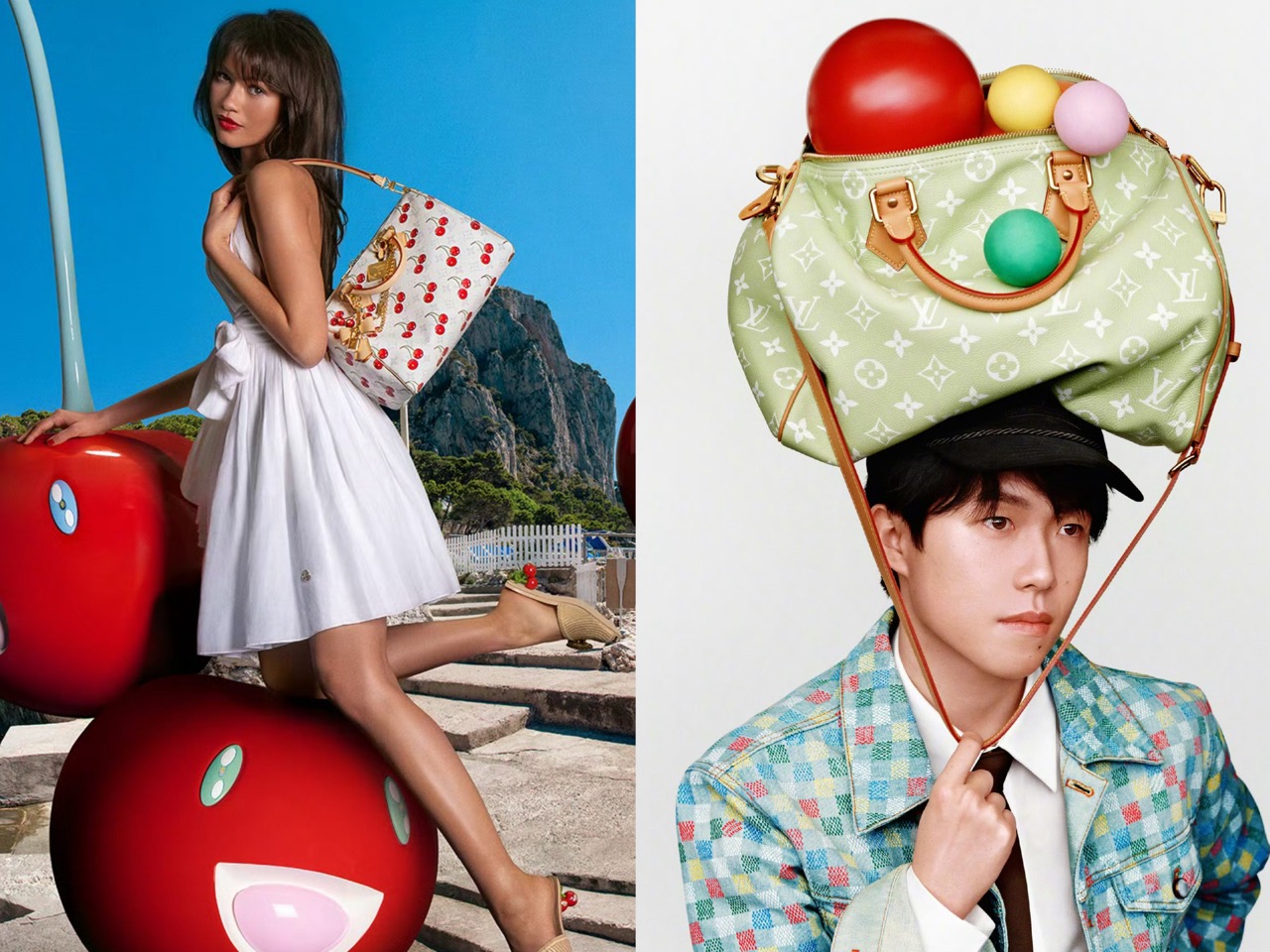
Cécile Cabanis said LV’s cherry collection with Takashi Murakami and new collections from men’s creative director Phillip Williams were both in strong demand during the period. Newly opened stores all posted strong double-digit growth. Dior’s Toujours and D-Journey handbags continued to sell well, and the brand was preparing to open two stores, one in New York and one on Rodeo Drive.
Fendi and Loewe both leaned into high-end craftsmanship. Fendi reissued its Mamma Baguette bag for its centennial, while Loewe released a special collection marking the Puzzle bag’s 10th anniversary and planned a new Paris flagship to strengthen its positioning as a craftsmanship-led luxury house.
In their product strategies, core brands LV and Dior are keeping their offerings accessible by expanding entry-level categories such as fragrance and mini handbags, while using youthful design and creative concepts to connect with consumers.
LV’s new 2025 Silver Lockit collection, launched with brand ambassador and Stray Kids member Felix, quickly sold out and sparked a rush to buy it worldwide. LV’s makeup line, developed by internationally renowned makeup artist Pat McGrath and set to debut in the fall, could give results a significant lift.
Dior is also set for a fresh start with its first change of creative director in 10 years.
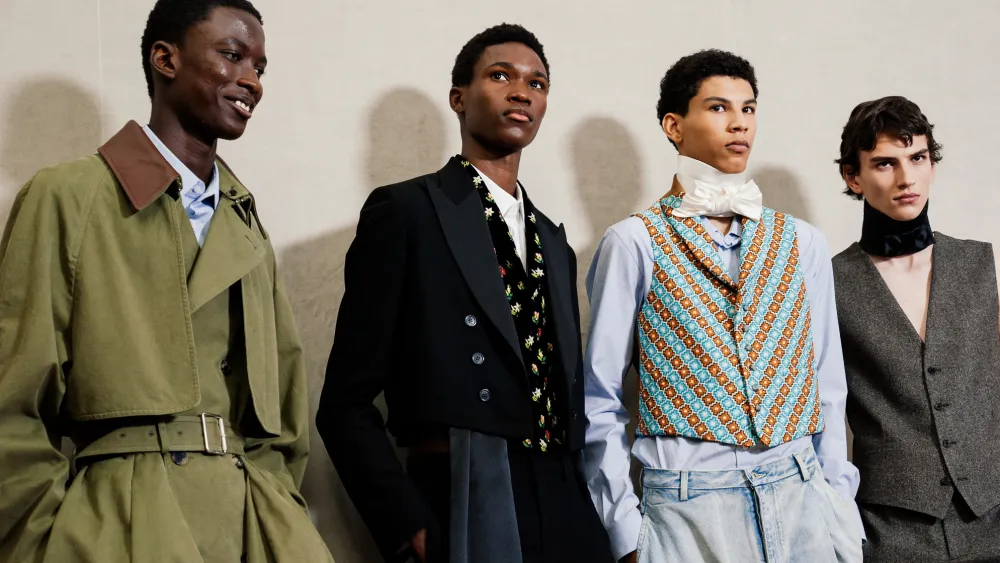
Cécile Cabanis noted that the debut show from Dior’s new creative director, Jonathan Anderson, drew more than 1.1 billion total views and more than 200 million livestream viewers. Sales staff and customers alike were excited and eager for the new collection.
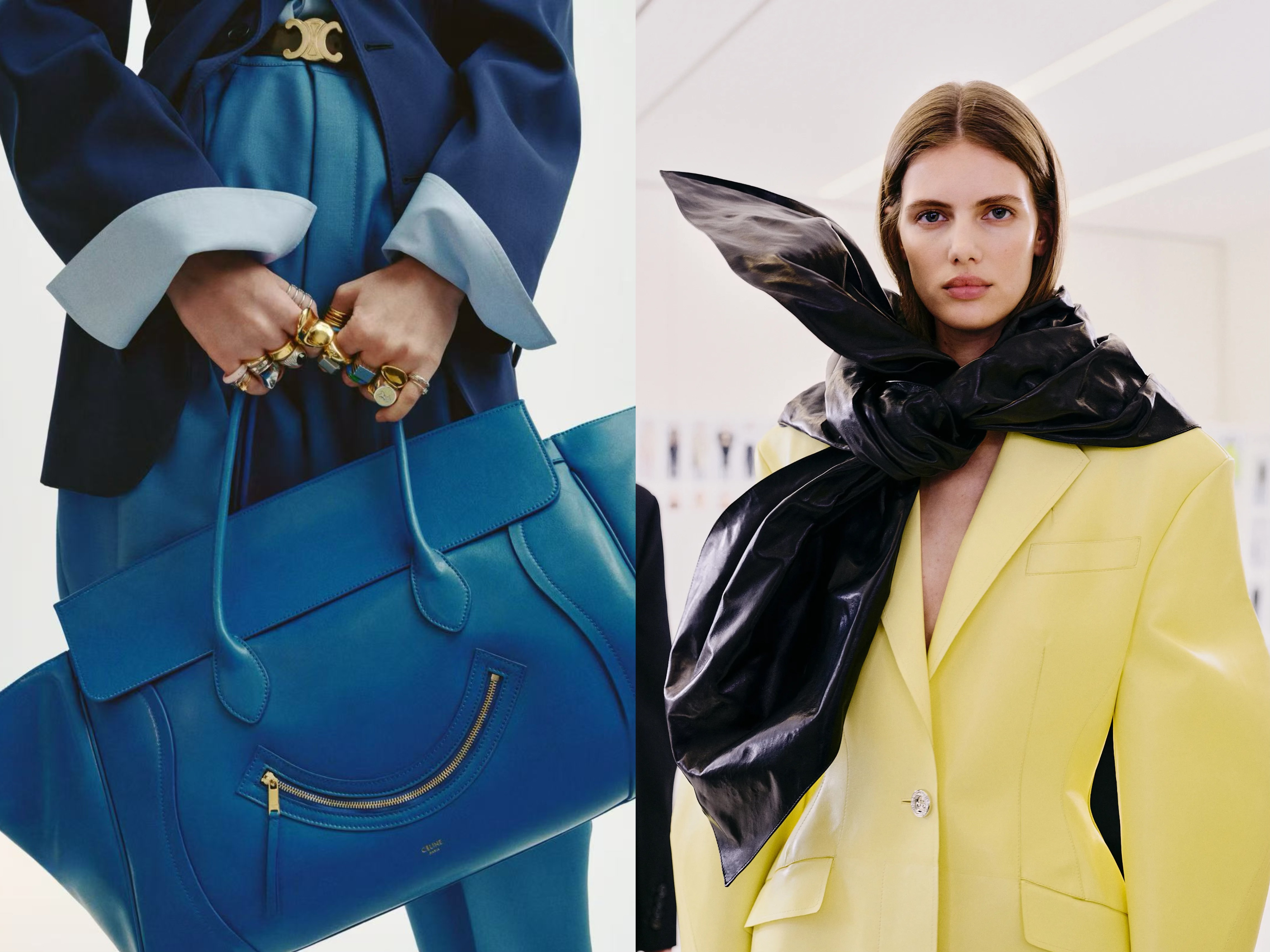
Loewe, Celine, and Givenchy were also at pivotal stages in their creative leadership transitions. Celine and Givenchy had already released their new collections to positive industry reviews. Loewe’s first runway show under Jack McCollough and Lazaro Hernandez was scheduled for October.
Meanwhile, LVMH will continue to refine its brand portfolio. On the earnings call, Cécile Cabanis cited last year’s decisions to sell stakes in Off-White and Stella McCartney. She said the group would sell brands it considered a poor fit for the portfolio or believed would be better served by another operator.
The Wall Street Journal, citing people familiar with the matter, recently reported that LVMH had teamed up with JPMorgan Chase to explore a sale of designer label Marc Jacobs at a $1 billion valuation. Potential buyers included US brand management companies ABG, Bluestar Alliance, and WHP Global. Talks were ongoing.
2/ Build brand strength through experiences and sports marketing
With global economic pressures weighing on consumer confidence and prompting more deliberate spending, LVMH is investing more in demonstrating the value of its luxury brands to protect market share and maintain its influence.
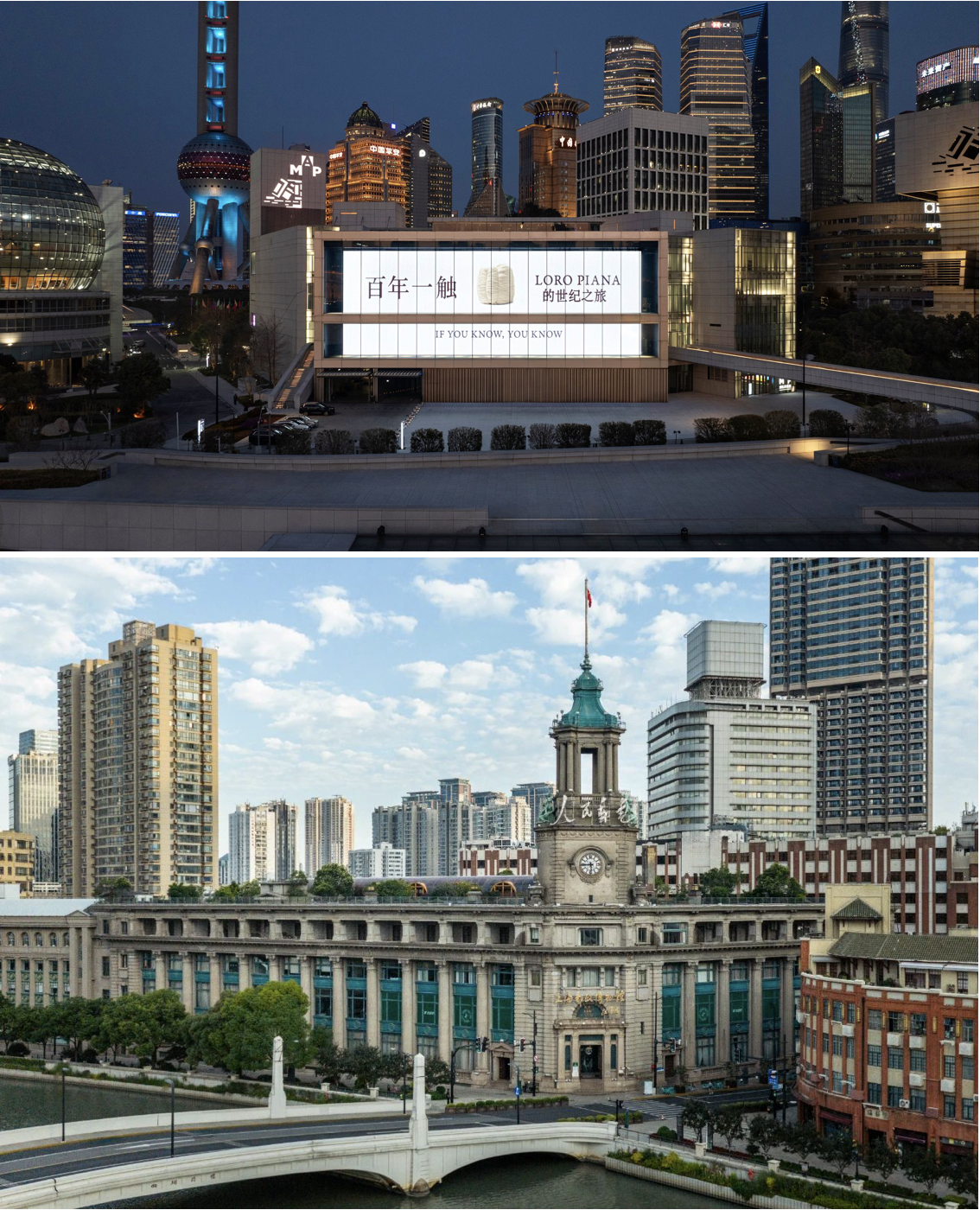
Over the past six months, LV, Loro Piana, and Celine staged major exhibitions on brand history and craftsmanship in cities including Shanghai, Bangkok, Tokyo, and Osaka. Loro Piana held its first brand exhibition in its 100-year history, using an immersive, multisensory experience to convey the house’s core values.
LV worked with several cafés and bars on Shanghai’s Julu Road to stage Murakami pop-ups and partnered with the Shanghai Postal Museum and DeepSeek on a pop-up post office. The projects helped the brand build closer ties with the city and its local clients.
On the earnings call, Cécile Cabanis repeatedly brought up The Louis, recently unveiled at HKRI Taikoo Hui in Shanghai. She said The Louis had generated an unexpected halo effect for the brand. She added that only LV could bring together an exhibition about the brand’s history and culture, retail space, and a lifestyle experience in this way.
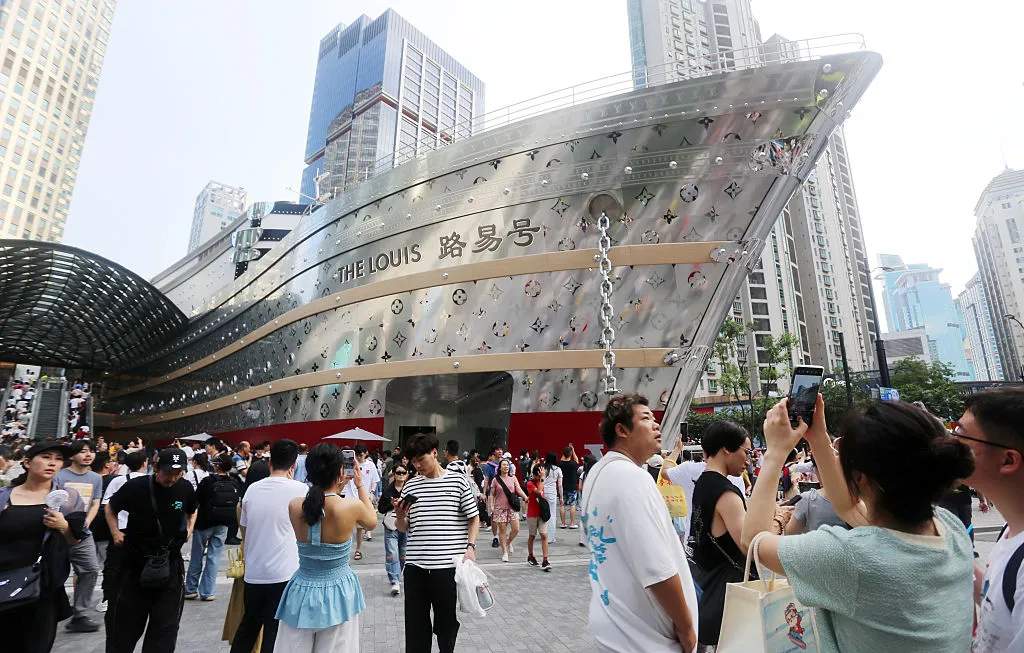
With celebrity attention and the draw of the LV brand, The Louis has become a destination for Shanghai residents and tourists alike. Reservations for the Visionary Journeys exhibition and seats at LV Cafe are both fully booked. An industry source said neighboring retailers have also benefited from a surge in foot traffic.
LV plans to continue drawing on its heritage to showcase its distinctive art of travel and fashion through a range of experiences unique to the brand.
Sports events are another opportunity LVMH is targeting.
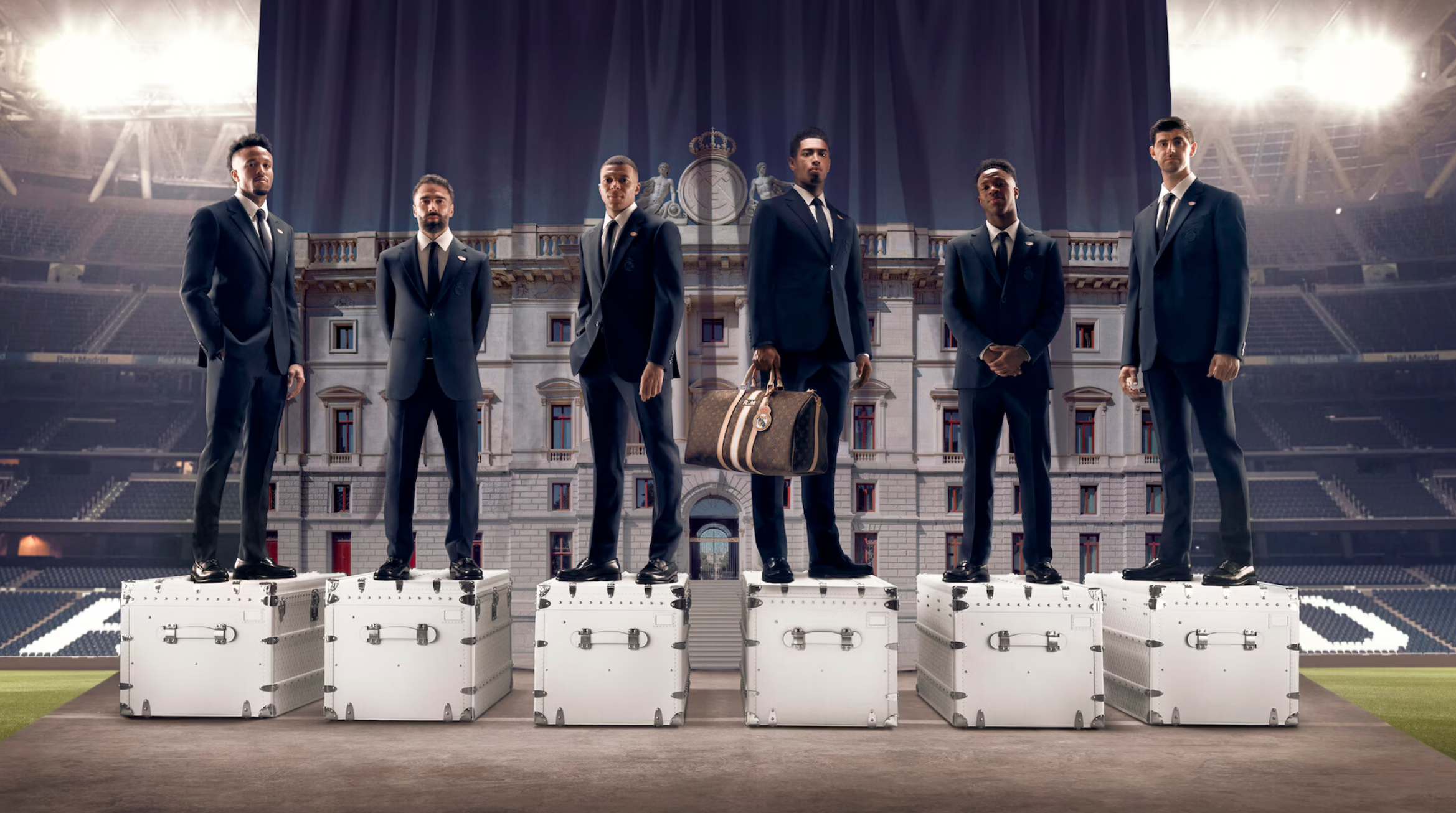
After nearly five years of building its presence in sports, LV’s trophies and trophy trunks have become fixtures on the podiums of most major international competitions, including four consecutive FIFA World Cups, the Australian Open, League of Legends, the NBA, and Formula 1, the world’s most expensive racing competition.
On June 16, LV also announced that it had become an official partner of Real Madrid. It will provide custom suits, travel luggage, and other items to the men’s and women’s first-team soccer players and the men’s basketball team.
An industry source said using sports events to reach new customers and energize its brands is a new strategic direction for LVMH. With several Real Madrid stars popular with Gen Z, the partnership lends the group credibility with younger audiences.
3/ Strengthen selective retailing, beauty and fragrance, and watches and jewelry to build a broader competitive advantage
To better weather the downturn, LVMH is also using its diversified portfolio to cushion swings in demand, moving from reliance on a single growth driver to a more resilient model supported by several businesses.
Sephora, part of Selective Retailing and one of the few businesses to post profit growth in the first half, will continue opening stores in Europe, the Middle East, and Latin America, among other markets. It also plans to strengthen its customer relationship management system and expand the share of exclusive brands such as The Ordinary and Makeup by Mario in its assortment to encourage repeat shopping.
In beauty and fragrance, emerging brands such as Fenty Beauty and Maison Francis Kurkdjian are relying primarily on product innovation to sustain growth. Dior introduced new versions of its men’s and women’s fragrances and pursued innovation in skincare through its Dior Prestige and La Collection Privée lines.

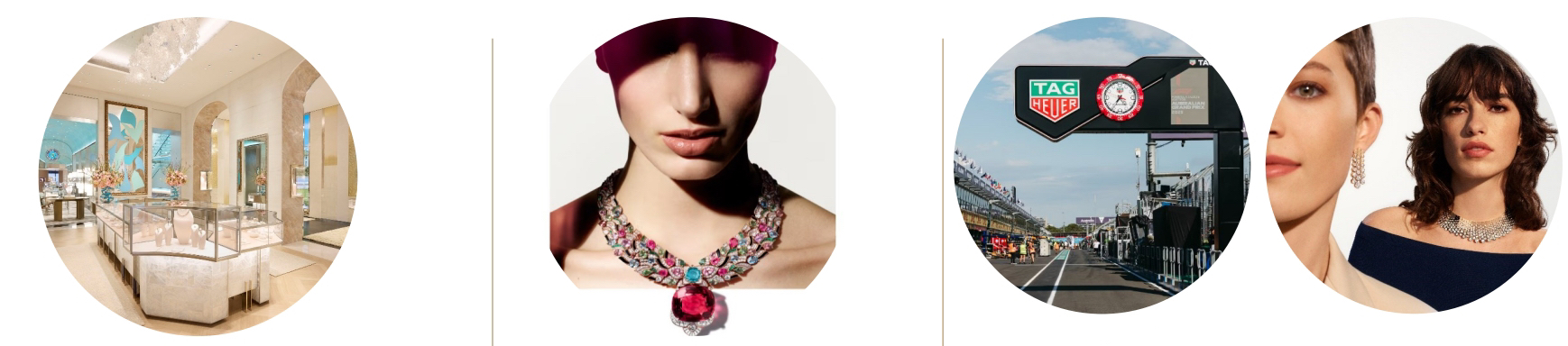
Revenue in LVMH’s Watches and Jewelry division was nearly flat overall, while several of its brands are emphasizing cultural storytelling to reshape their influence in different ways.
Tiffany is a third of the way through its store upgrade program, and The Landmark on New York’s Fifth Avenue is performing steadily. The debut of its latest high jewelry collection, Sea of Wonder, at the Metropolitan Museum of Art further reinforced its positioning around jewelry as an art form and significantly elevated its brand image.
Bulgari, another major brand in the division, set new sales records with several pieces priced above €1 million from its new Polychroma high jewelry collection.
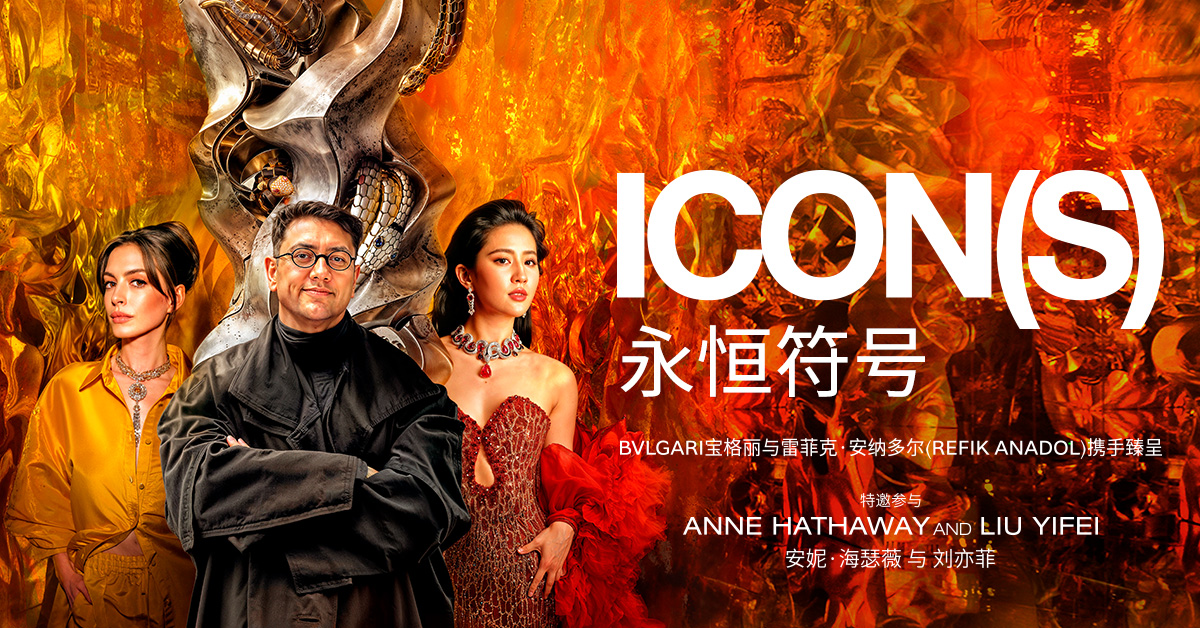
Bulgari continued to invest in how it presents the brand. Alongside its Serpenti Infinito exhibitions in Shanghai and Seoul, it released the documentary Eternal Symbols during the Shanghai International Film Festival and held a post-screening forum on how contemporary icons are defined and created. The discussion explored the enduring appeal of classic symbols and how they can be reinterpreted for contemporary audiences.
Through LVMH’s close partnership with Formula 1, TAG Heuer returned to the sport in 2025, replacing Rolex as official timekeeper. It also underscored its technical credentials with Solargraph solar-powered watches and Carrera date models powered by the TH31 movement.
LVMH is also expanding into luxury hotels, private cruises and media to open up new avenues for growth and build an ecosystem spanning fashion, beauty, jewelry, luxury goods, culture, the arts and experiences.
LVMH is clearly feeling the pressure. As the market leader faces the luxury industry’s toughest downturn in 15 years, its only option is to press ahead.
LVMH’s response suggests that the luxury industry’s troubles run deeper than product oversaturation and inflated prices. The era of logo worship is fading as consumers shift from paying for a brand name to paying for value and experience.
In this next phase, the luxury industry’s focus will shift from growth to restructuring and long-term brand building. LVMH’s opportunity hinges on whether its brands can connect with their respective audiences through shared values and build deeper emotional ties.
LVMH also faces a crisis of trust. Following successive data breaches at LV and Dior and a supplier scandal involving Loro Piana, and with uncertainty over who will succeed Bernard Arnault, even a small misstep could further erode investor confidence in LVMH.
LVMH shares are down 22.5% year to date and have lost nearly half their value since their April 2023 peak. Its latest market capitalization stands at €245.6 billion, and its price-to-earnings ratio has fallen to 20 times earnings, just one-third of Hermès’s multiple.
The encouraging sign is that this appears to be a cooling-off after the global luxury spending boom that began during the pandemic. LVMH’s operating performance and share price are still ahead of where they were in the comparable period of 2019, suggesting that the slowdown largely reflects a return to a more normal pace of market growth.
Over the long term, LVMH still has the resources to weather the cycle. The desire for beautiful things and a sense of identity endures.
The line outside LV’s flagship on Paris’s Champs-Élysées is as long as ever, but the long effort to correct course is making for tougher going at LVMH.BRANDSTAR