Longchamp opens on Wukang Road. Why are physical spaces becoming stages for brand storytelling?
Physical spaces are becoming stages for brand storytelling.
On October 28, 2025, La Maison de Famille Longchamp opened in Shanghai’s Hengshan–Fuxing Historic District. The freestanding villa at 12 Wukang Road spans nearly 200 square meters and is Longchamp’s first standalone experiential space anywhere in the world.

Physical stores are nothing new, but Brandstar has observed that brands are increasingly designing concept stores around multiple uses and experiences. Amid economic uncertainty, these spaces are taking an unexpected direction. With sales taking a back seat, they are becoming stages where brands can tell their stories, bring a way of life to life, and share the values that guide them.
La Maison de Famille Longchamp illustrates a trend that is shaping strategy across the wider lifestyle sector. These spaces create an immersive atmosphere while subtly conveying the culture of the brand.
01. Giving the idea of home a French expression
In French, “maison” can refer to both a brand’s house and a home.
Longchamp’s experiential store on Wukang Road gives the idea of home a physical form. It places the products in the context of everyday French life and makes the Longchamp way of living tangible. Customers can feel as though they are stepping into a French friend’s home.
At the entrance, visitors are greeted by a bird’s nest carved from a motif of branches and leaves, a symbol of warmth and belonging. The nest serves as the villa’s own emblem, distinct from the Longchamp logo. It evokes the care a bird takes in building its nest and reflects an enduring commitment to craftsmanship and quality.
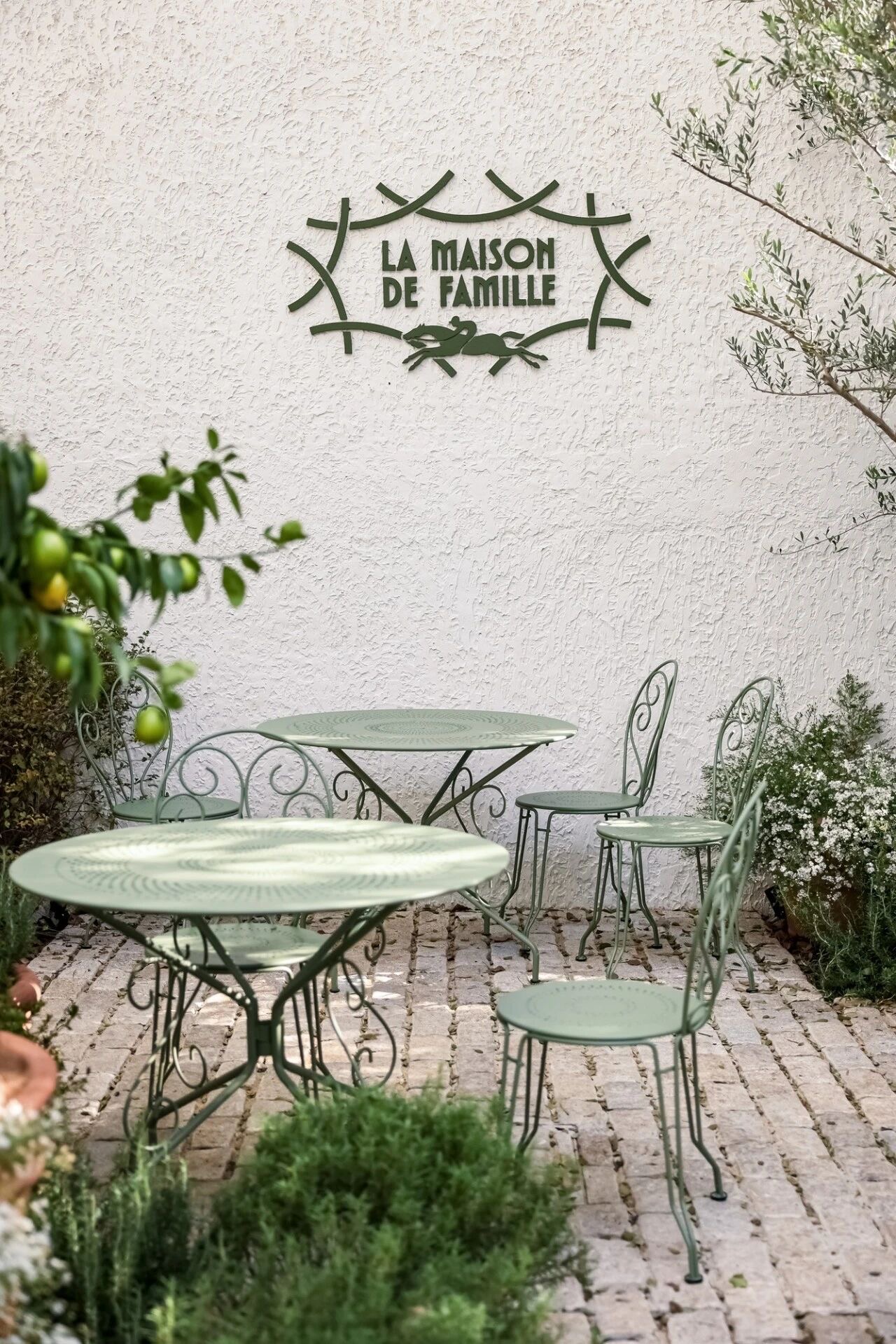 La Maison de Famille Longchamp’s emblem
Like many experiential spaces, La Maison de Famille Longchamp brings several experiences together under one roof. The first floor houses a living room, dining room, and café. The second floor has a game room, library, and dressing room. A lush courtyard completes the setting.
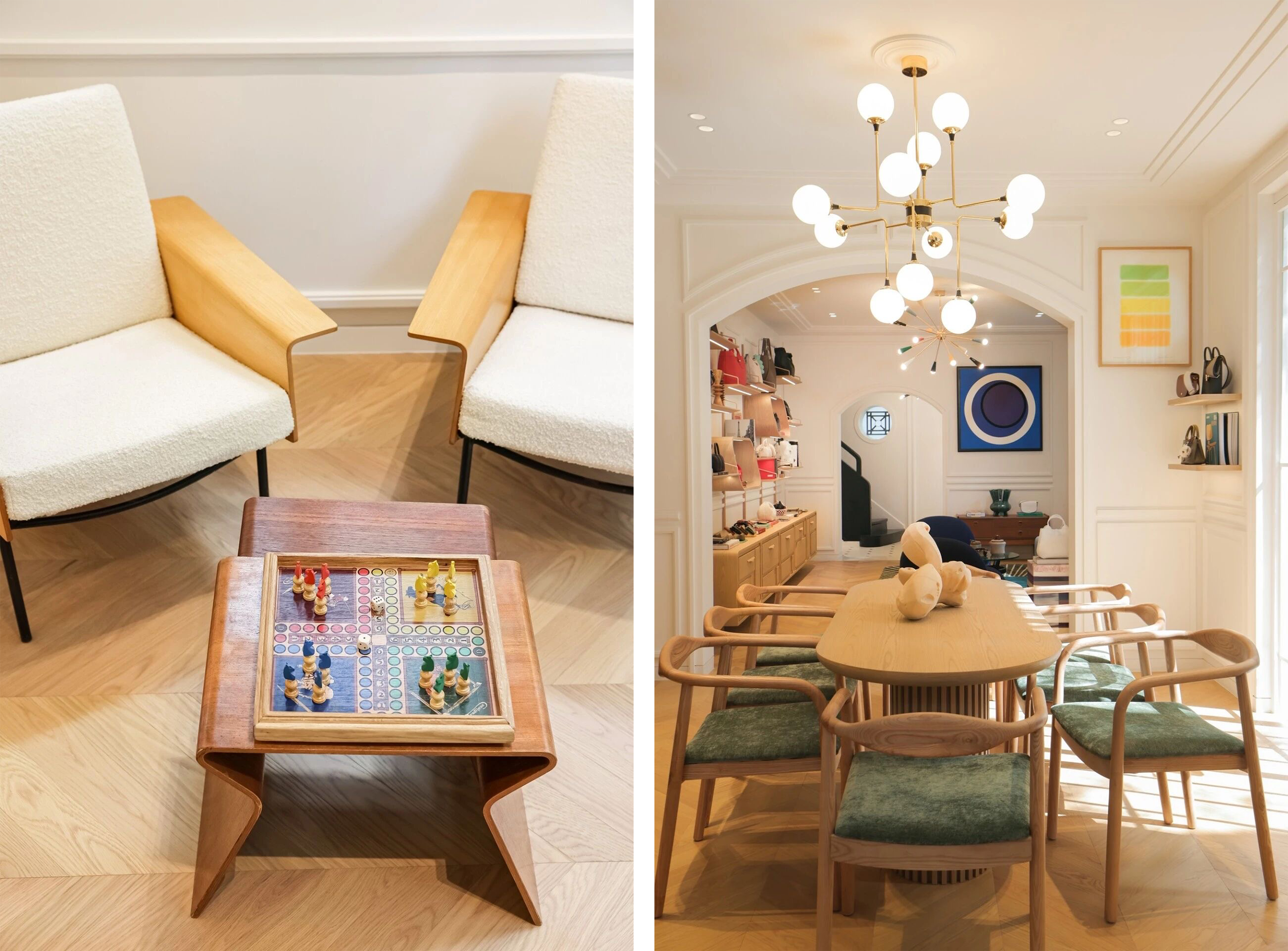 Left, the second-floor game room. Right, the first-floor dining room.
What sets the villa apart is that each space is designed to reflect a Longchamp family member’s personality and the part of the family legacy they carry forward.
CEO Jean Cassegrain, a grandson of the founder, carries forward the family’s pioneering spirit. Warm, elegant furnishings turn the living room associated with him into a cabinet of curiosities that tells the brand’s story.
His sister Sophie Delafontaine is the design director. Her kitchen and dining room embody the family’s spirit of sharing, with a generous table where guests can gather over good food.
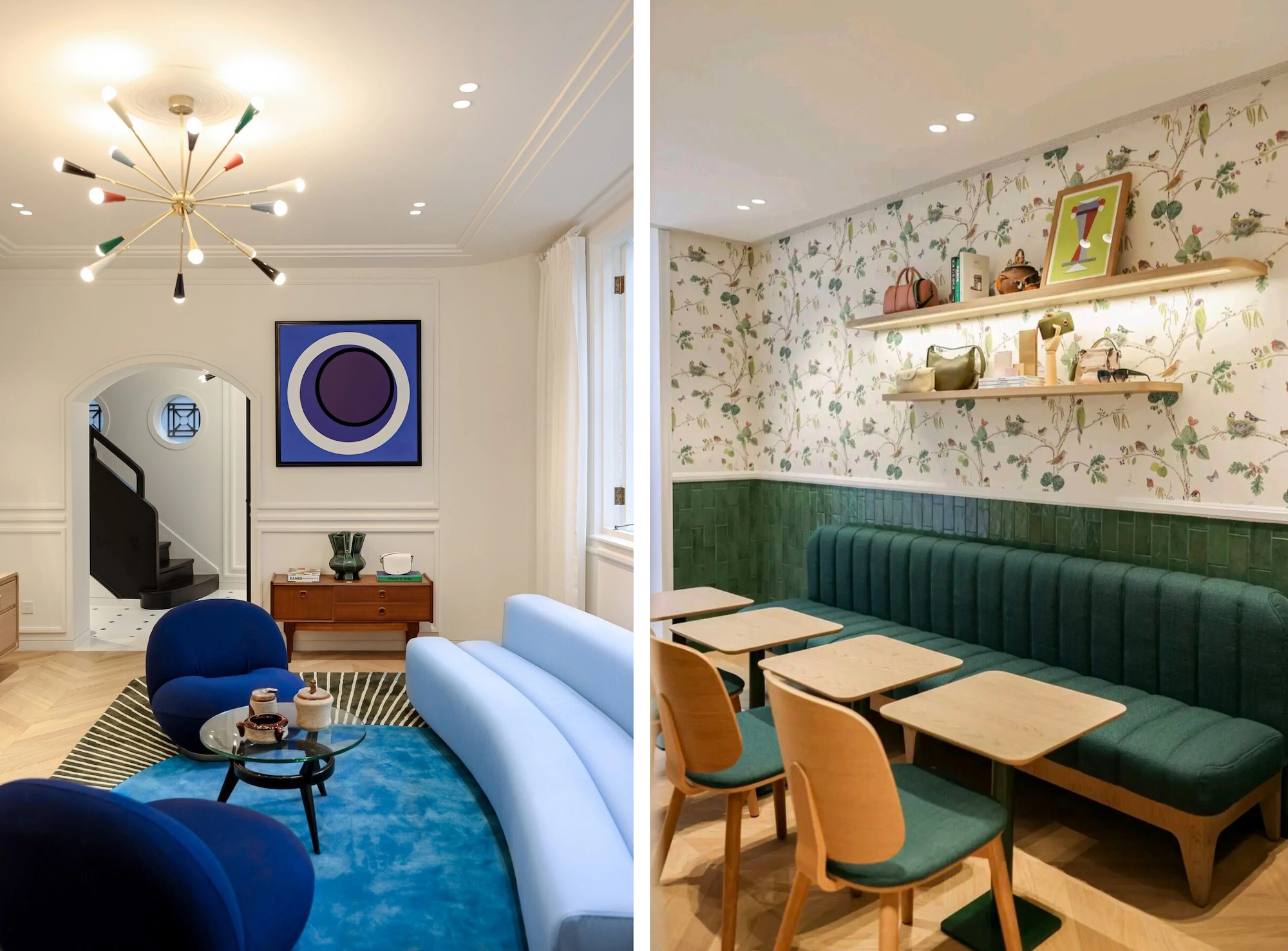 Left, Jean Cassegrain’s living room. Right, Sophie Delafontaine’s dining room.
Jean’s son, Adrien Cassegrain, leads the brand’s sustainability strategy, and the garden reflects his commitment to sustainability and the environment. The dressing room of Sophie’s daughter, Juliette Poupard, captures the Longchamp woman’s Parisian elegance and fashion sensibility.
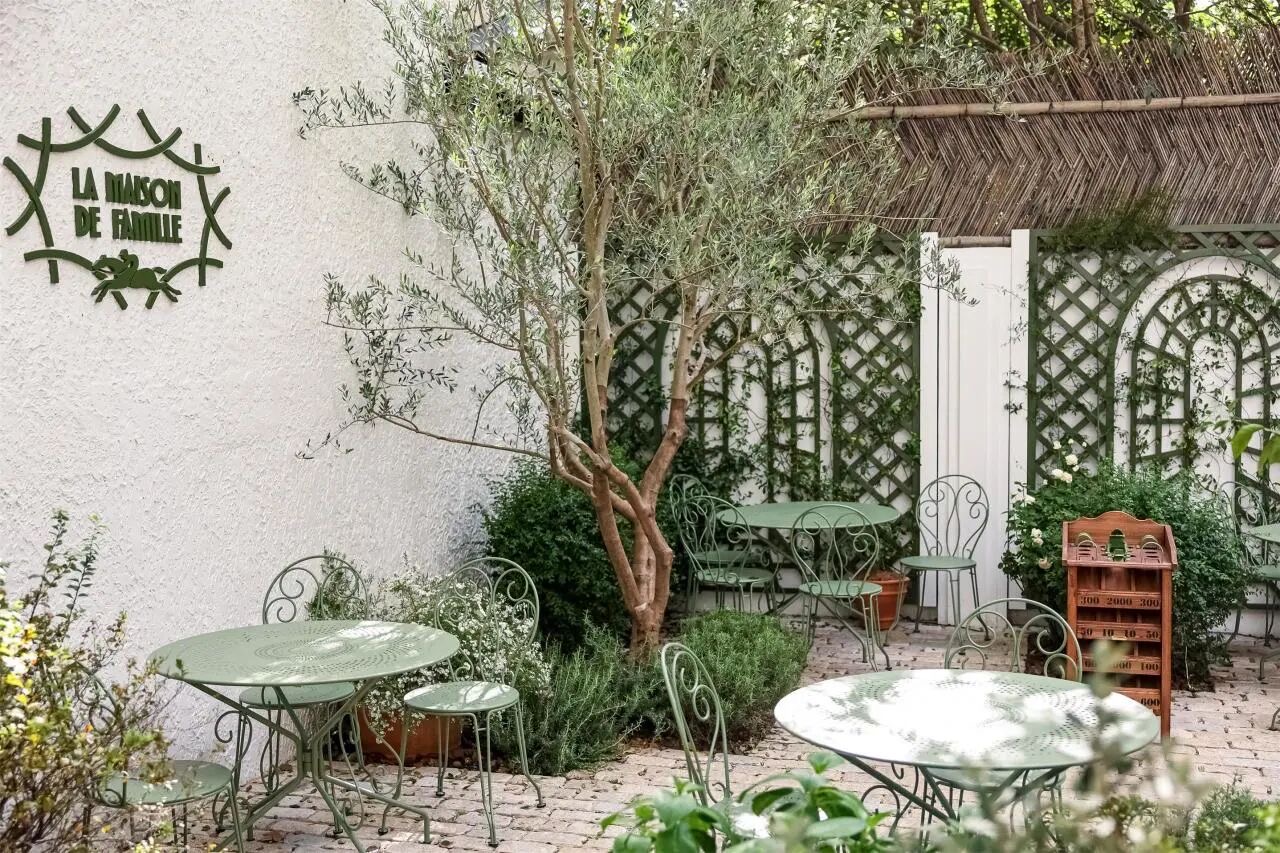
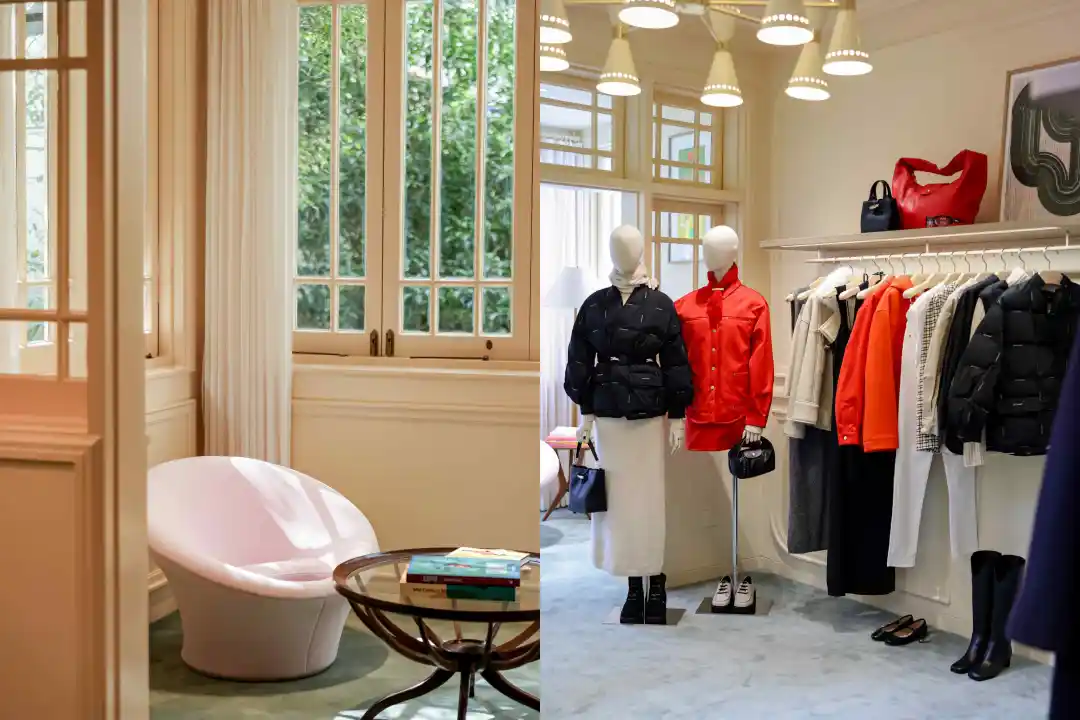 Top, Adrien Cassegrain’s garden. Bottom, Juliette Poupard’s dressing room.
The arrangement reflects another defining feature of Longchamp. The third and fourth generations of the founder’s family still run the brand together. By retaining direct control and decision-making authority, the family can pass on Longchamp’s culture and spirit and protect them from the effects of overcommercialization.
Giving each family member a room of their own reflects the brand’s nearly 80 years of family tradition and deepens the theme of home. The family has kept Longchamp vital by preserving, adapting, and innovating across generations.
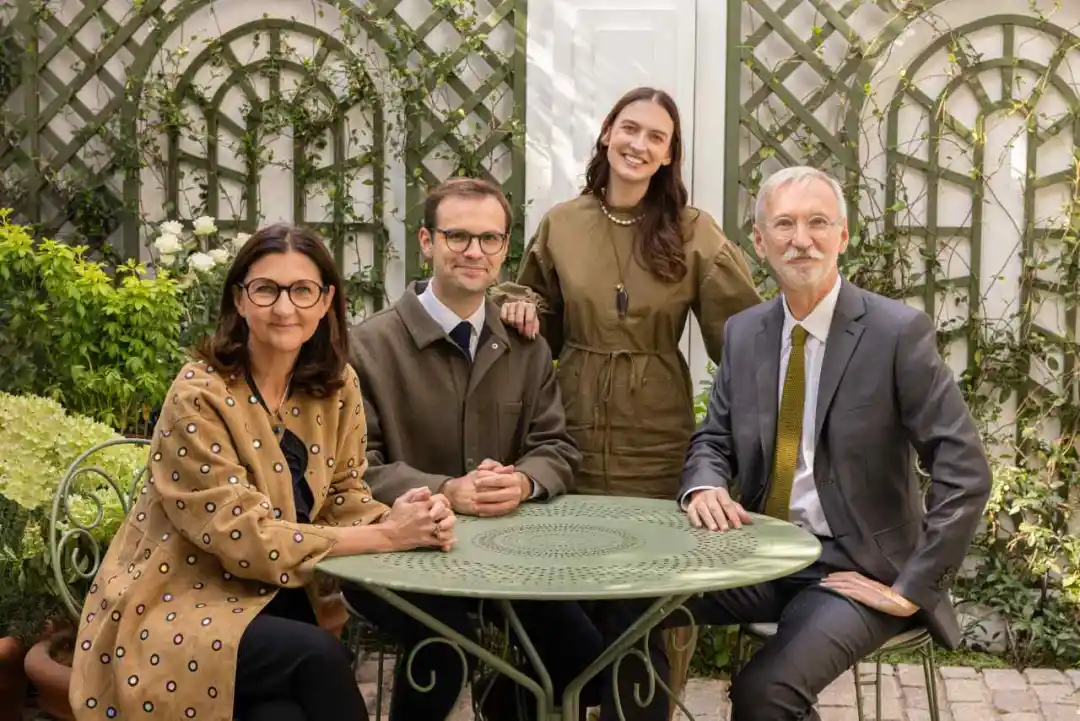 Members of the Longchamp family
The decor and furnishings carry a sense of warmth and comfort throughout the historic building. The intimacy of a private home also lets Longchamp showcase the French style and art of living that most clearly define the brand.
Herringbone wood floors evoke Haussmann-era Paris, while a blue sofa by French modern design master Pierre Paulin and Geneviève Claisse’s painting “H Luz” accent the interiors. The dining table is set with Gien ceramics from France’s Loire Valley, and the Longchamp café serves French sandwiches, madeleines, and other light bites. The study shelves hold French-language favorites such as Asterix and The Smurfs, alongside traditional games such as ring toss and petits chevaux.
 Hector Cassegrain’s study
Longchamp designed the villa to feel like a real home. Its living room, dining room, kitchen, game room, dressing room, and garden put guests at ease and let them experience the family’s art of living and spirit of sharing firsthand. Together, the rooms give visitors an immersive sense of what animates the brand.
In moving from store to home, Longchamp gives up the heavy foot traffic of a shopping mall. Its historic villa brings art, interiors, and lifestyle together in a stylish cultural gathering place for the city.
Alongside selling products, the villa tells a story about how a French aesthetic can fit into the fabric of Shanghai. It seeks to connect on a personal level with the customers whose loyalty matters most to the brand.
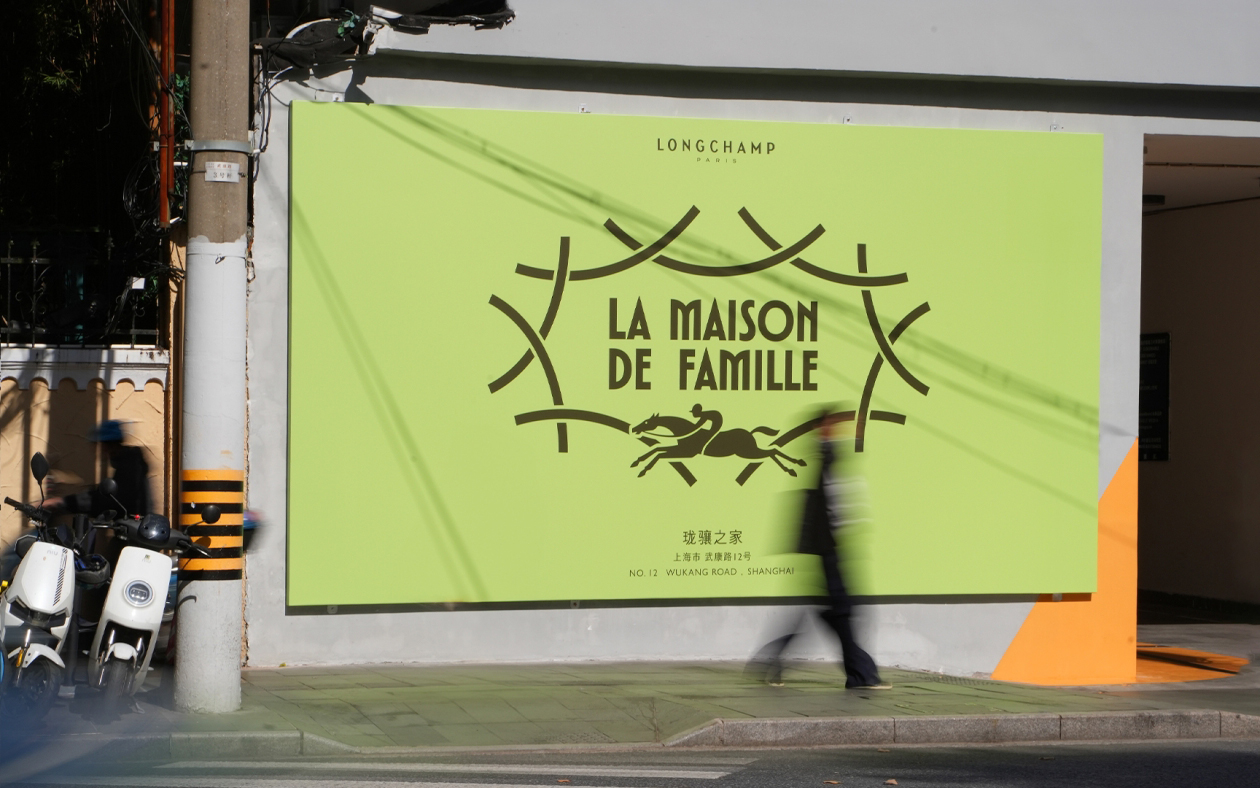
02. Physical spaces become stages for brand storytelling
Brandstar has observed a shift in what consumers seek, from meeting practical needs to finding an emotional connection. The role of physical retail is changing with it. More brands are expanding beyond the traditional sales-channel model and making standalone experiential stores central to how they tell their stories.
With transactions taking a back seat, brands use settings, atmosphere, and cultural references to turn stores into immersive theaters that tell their stories and convey their core values. Longchamp, Salomon, and SIGMA offer clear examples of the trend.
In October 2025, Salomon opened Fujun, its little white house, in a century-old French-style villa in the Anfu Road neighborhood. The three-story, 479-square-meter space explores French hospitality through three themes, “Entering the Home – Le Salon,” “Entering the Hall – La Galerie,” and “Taking a Seat – L’Atelier.” Together, they reimagine how outdoor culture can engage with neighborhood life.
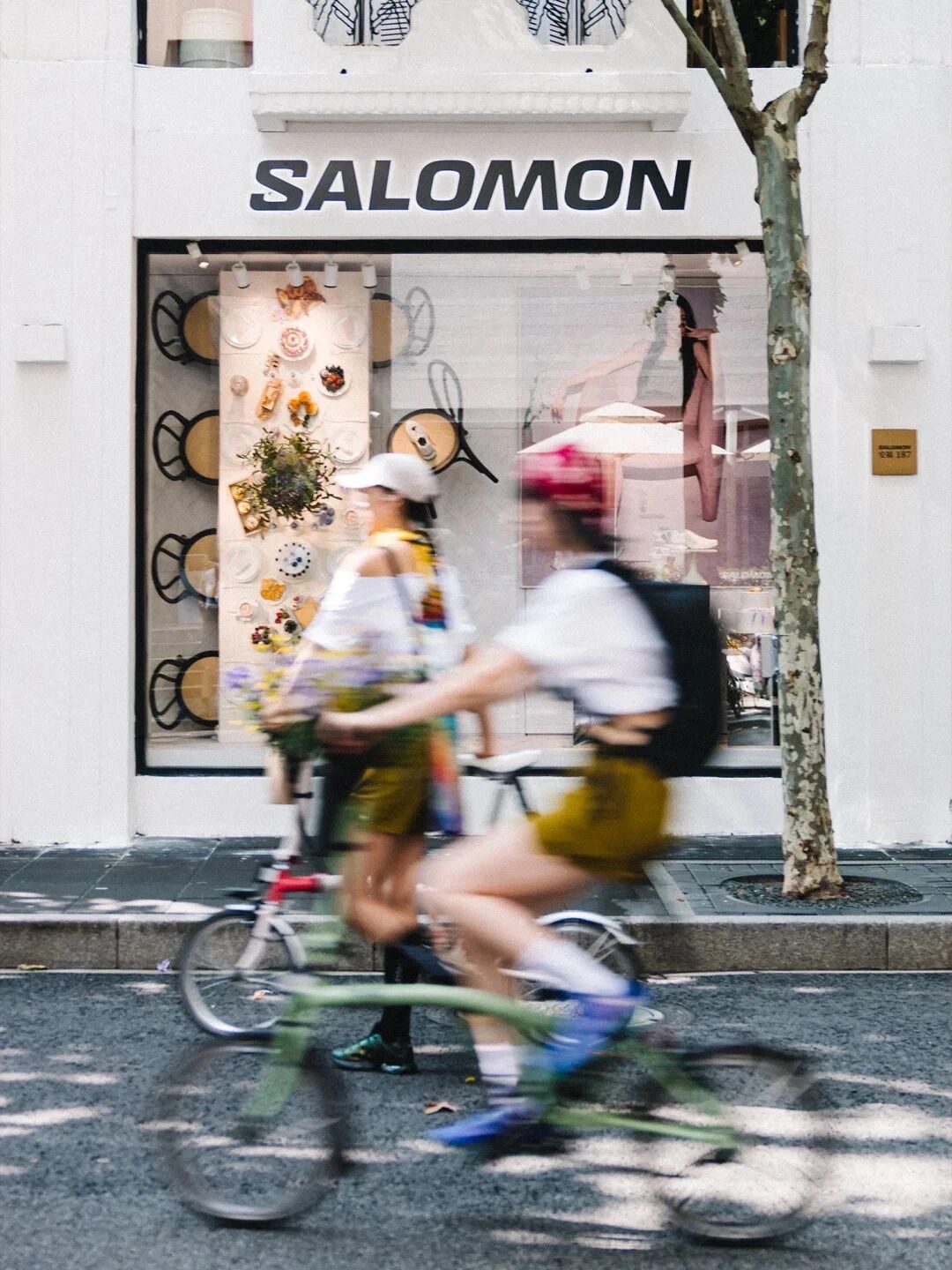
The space deemphasizes sales to highlight the roots of Salomon’s French craftsmanship and trace its heritage from the mountains to city streets.
Fujun takes its cues from Salomon’s store in Paris’s Marais district, bringing French fashion trends and avant-garde culture into a Shanghai setting. Details include French picnic-themed window displays, a wine cellar-inspired display of collaborations and brand history, and a table laid for an elegant French dinner.
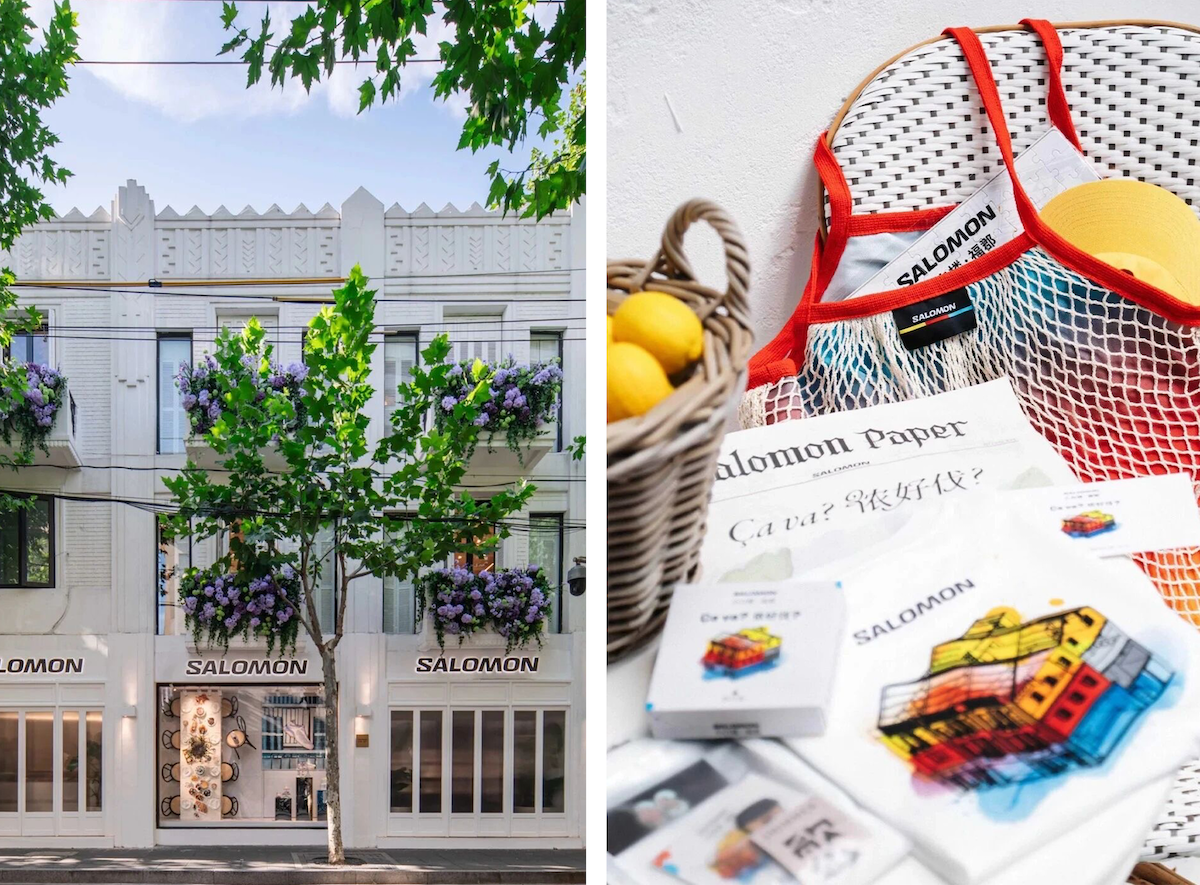 Salomon’s Fujun
Alongside opportunities to experience its footwear, Salomon has introduced fragrance and art exhibitions to give visitors more to explore and more reasons to return.
Brandstar has also long followed SIGMA’s experiential store at Columbia Circle, where the optics brand brings technical expertise and cultural expression into the space. Beyond displaying equipment, SIGMA has organized the store around three themes, “Origins,” “Making,” and “Perception.”
“Origins” explores the roots of SIGMA’s optical technology and reflects its brand culture. “Making” showcases its commitment to craftsmanship. “Perception” explores the value of perception and expresses respect for artistic creation through formats such as an art gallery. Together, the three areas express SIGMA’s proposition, “The art of engineering. Engineering for Art”. In the brand’s view, exceptional craftsmanship can often give rise to new forms of artistic expression.
Guided by its aim of making image-making a purer creative pursuit, SIGMA puts less emphasis on sales and gives technical expertise and cultural depth center stage.
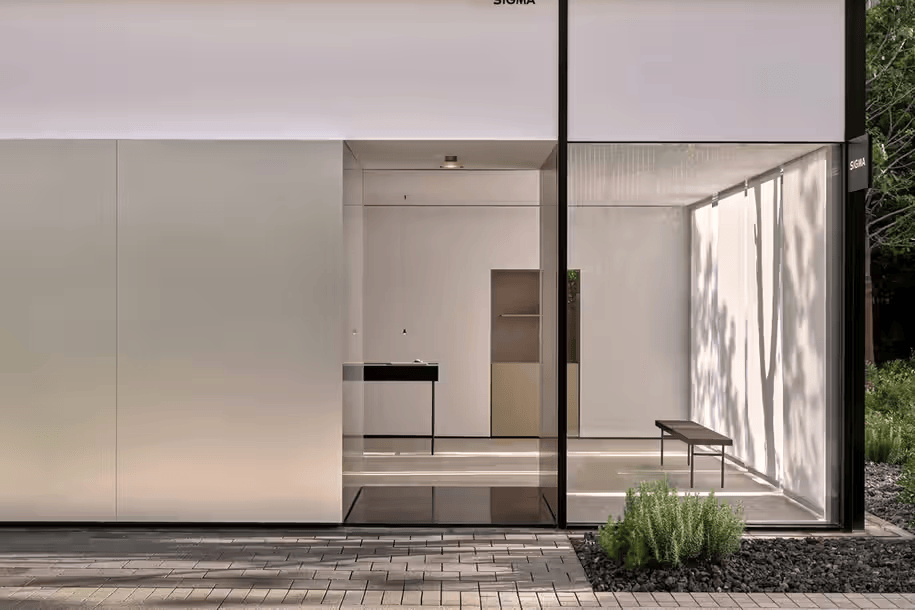 SIGMA’s Columbia Circle store
The value of a standalone experiential store now extends well beyond merchandise sales.
A store gives the brand’s ethos physical form, helps consumers develop a deeper emotional connection, and offers a particularly effective way to turn abstract ideas into tangible settings. Every design choice and detail gives visitors a way into the story, helping them move from recognizing the brand to identifying with it.
La Maison de Famille Longchamp and the experiential spaces from Salomon and SIGMA point to the same shift. The value of physical retail has evolved from providing a place to transact to providing a medium for storytelling.
Brands will compete on products and prices as well as on their ability to create spaces that tell more moving stories and give consumers a deeper emotional connection through firsthand experience. BRANDSTAR
Longchamp · Brand storytelling · Storytelling through physical spaces
More stories →