Back to retail fundamentals: How sportswear brands are reshaping the running ecosystem
Bringing running expertise to a wider audience.
In the competitive sportswear retail market, forging deeper relationships with customers is becoming a key strategy for brands struggling to attract traffic.
Brandstar has observed that in recent years, major brands have invested in sports clubs and membership programs, using in-person events to strengthen customer relationships and build brand equity. Yet many of these initiatives are still run as one-off projects, launched for a marketing campaign and fading from view once it ends.
Xtep offers a model for taking a longer view. Over more than a decade, it has built a full running ecosystem that serves everyone from competitive athletes to everyday runners.
The ecosystem has two distinct layers. At its core is the Xtep Running Club, founded in 2012. Its network of more than 70 running clubs nationwide continues to strengthen the brand’s following among competitive runners and its reputation for performance products. The new X-RUN satellite store format extends that reach, turning more than 100 stores into places where people can get into running and access expert support.
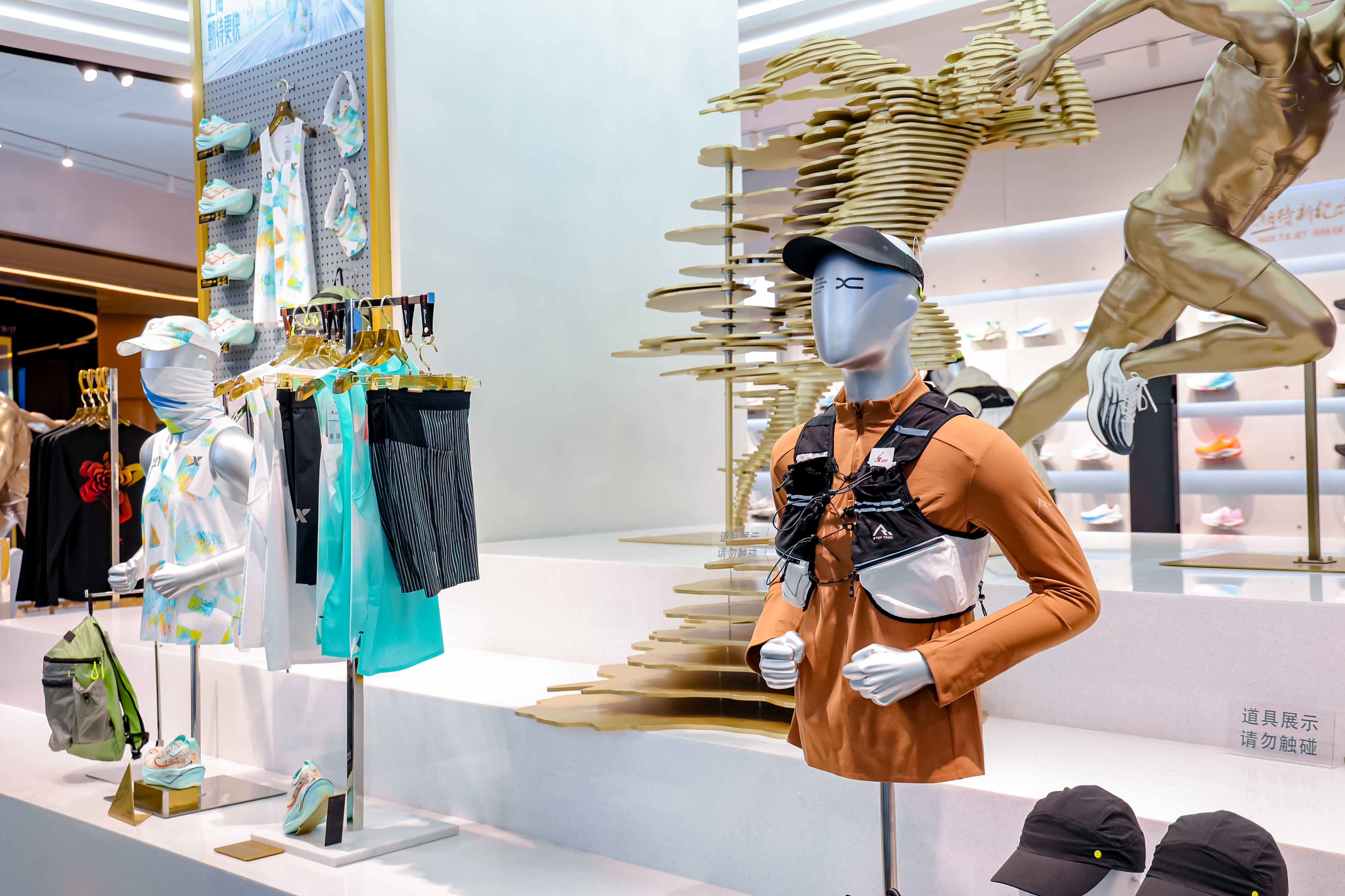 Xtep Gold Label running store
The format reflects Xtep’s ambition to bring running expertise to a wider audience. It also marks a key step in expanding from serving competitive runners to building a more comprehensive running ecosystem. How can Xtep turn the expertise it gained serving elite runners into a replicable, sustainable retail model that reaches everyday runners?
01. Building on running expertise to reach more runners
Serving everyday runners is a natural next step for Xtep after years of building its expertise in the sport.
That approach dates back to 2007, when Xtep sponsored the Xi’an City Wall International Marathon. It went on to expand its marathon sponsorships and sign competitive runners, gradually building an ecosystem spanning races, products, clubs, and the Xtep Running Club membership program. In the process, it became a major presence in Chinese running.
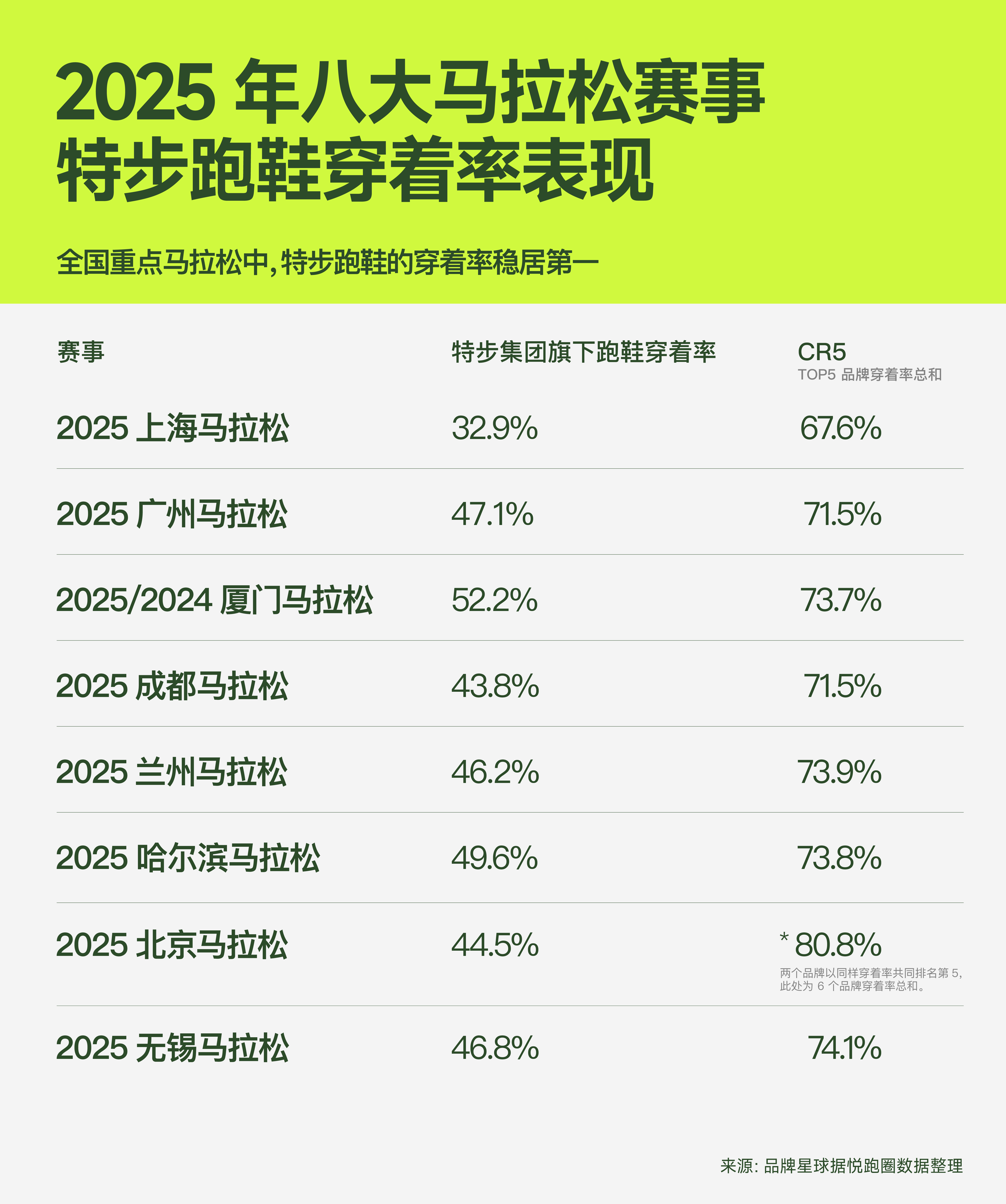
Data show that Xtep running shoes consistently ranked first by wear rate at major Chinese marathons in 2025, including those in Beijing, Shanghai, Xiamen, and Wuxi. In a recent article, sports industry outlet Lanxiong Sports noted that Xtep led the entire field at each race despite stiff competition from Chinese and international rivals, a result that once would have been hard to imagine. The industry has traditionally emphasized wear rates among podium finishers or runners who break three hours in a full marathon. Xtep places particular weight on the wear rate across the entire field as a better gauge of how effectively its running expertise reaches the broader public.
The market around Xtep has also shaped its running ecosystem. In recent years, competition in running has expanded beyond product technology to encompass the full experience across races, communities, and services. According to Guosen Securities’ second-quarter 2025 sportswear industry analysis, China’s running population continues to grow as domestic and international brands ramp up their activity in the category. The 2025 Shanghai Marathon showed how that competition now spans each brand’s ecosystem and every stage of the runner’s experience. Nike used targeted emotional marketing to connect with runners. Adidas used interactive AR to engage them from race prep through the post-race period. Li-Ning showcased its performance technology with displays such as a running-shoe boat on the Bund. Brands including HOKA and On built close ties with running communities to win over runners.
Within Xtep, another insight was coming into focus. While serving elite runners, the brand saw clear gaps in the recreational running market and strong demand for support. Beyond choosing gear, many beginners struggle to stick with running and are unsure how to get started. As one Xtep retail operations representative put it, elite runners often have established clubs behind them, while everyday runners are often on their own.
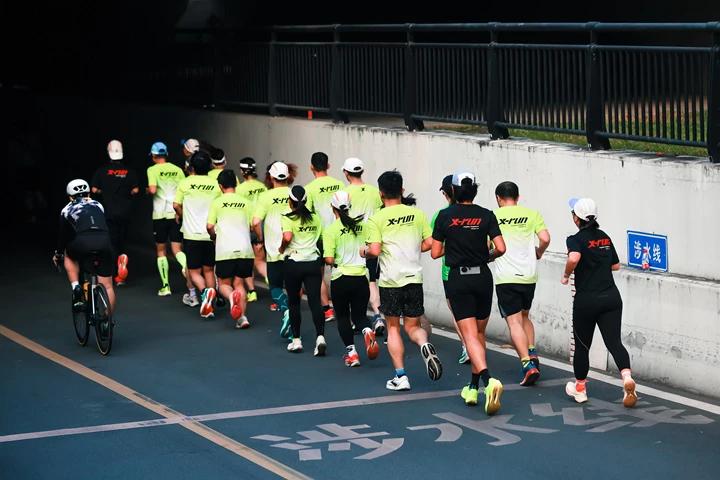
 The Xtep X-RUN running group and X-RUN services for runners
Together, these factors prompted Xtep to gradually open its established running ecosystem to a wider market. The move helps the brand stand out in a crowded field and supports its long-term vision of sharing the power of running.
The team wants everyday runners to experience the joy of running, too. Drawing on its race operations experience, running clubs, and a Xtep Running Club program with more than 2 million members, Xtep began extending its expert support to a wider audience, from helping elite runners push their limits to helping beginners take their first step.
02. Using satellite stores as hubs for running services
How can Xtep bring that expert support to the wider public? Its answer is to make services a core part of the place closest to customers: the store.
That idea led to the X-RUN satellite store. The format builds on the traditional running club by adapting the coaching, event programming, and product expertise previously geared to experienced runners into in-store services people can easily try and join.
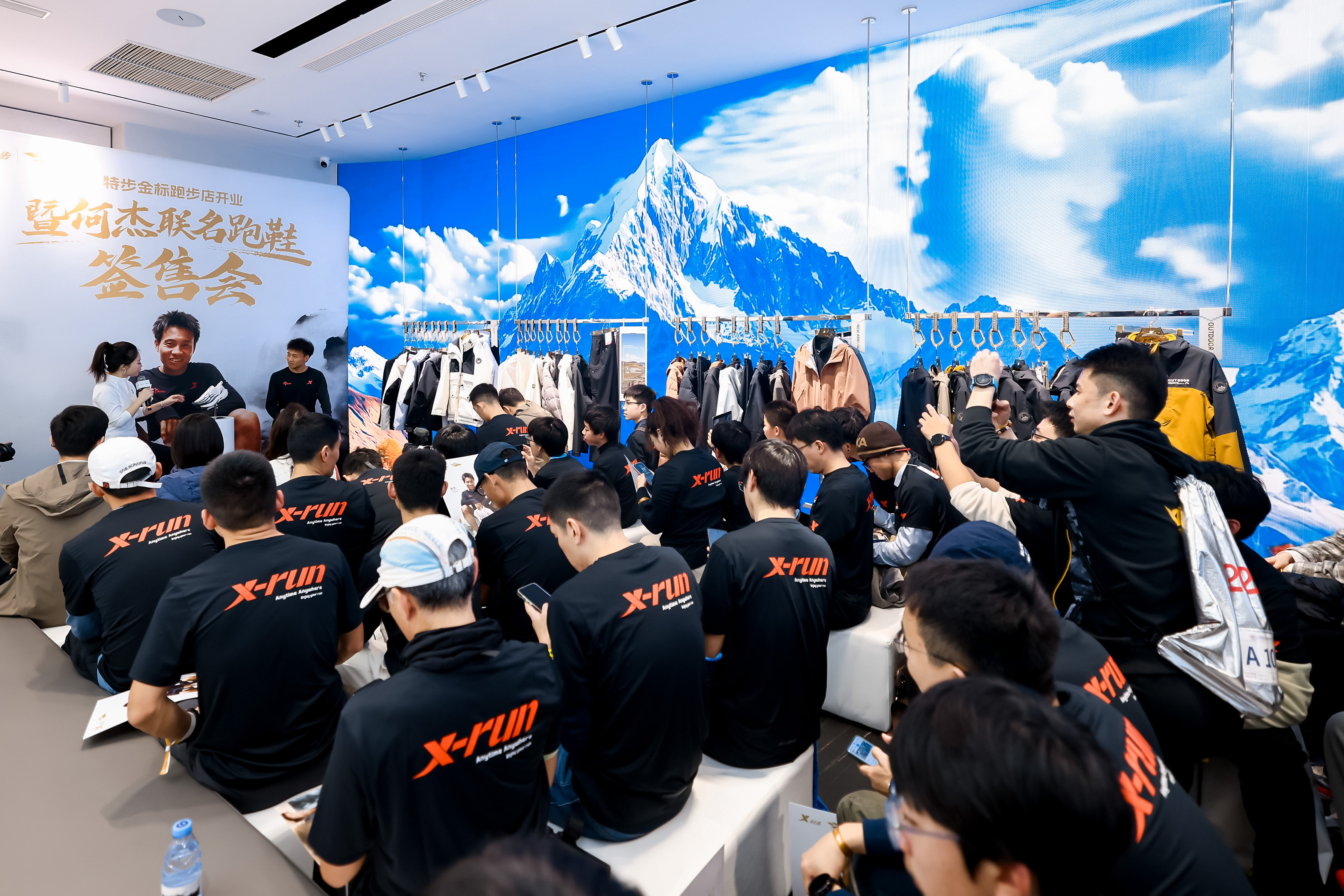 He Jie signing event at an Xtep Gold Label running store
The same retail operations representative explained that Xtep wants to replicate the club model in stores. The idea is that everyday runners can buy performance gear and find a relaxed, welcoming running group that suits them while out shopping.
The goal is to extend the model’s reach from top athletes to anyone who wants to start running.
Making that expansion work depends on how closely the retail space, people, and merchandise work together.
It starts with rethinking the retail space.
X-RUN satellite stores are typically located in neighborhoods near parks, stadiums, or running tracks, making it easy for runners to meet up. Dedicated areas give them a place to gather before a run, unwind afterward, and swap tips. Bringing those social activities together with gear shopping makes each store a welcoming stop in runners’ daily routines.
A three-tier staffing model makes the stores’ running expertise visible and accessible.
At the top, outside running coaches certified by Xtep provide expert training guidance. At the center are running advisors, selected from store associates for their product knowledge, running experience, and ability to manage communities. They provide day-to-day support and organize events. Store associates handle initial customer contact and member sign-ups. Together, the three tiers connect expert guidance, ongoing support, and sales conversion.
Jackson, a store associate who became a running advisor, said the role gave him more confidence to share his running knowledge with customers and turned a one-way sales pitch into a worthwhile conversation.
What makes passersby stick around? Xtep pairs merchandise with programming and runs regular events to earn customers’ trust and build an emotional connection.
Each month, X-RUN satellite stores organize themed runs around customer interests, including couples’ runs, summer night runs, and training camps for first-time marathoners. The variety gives people a reason to join.
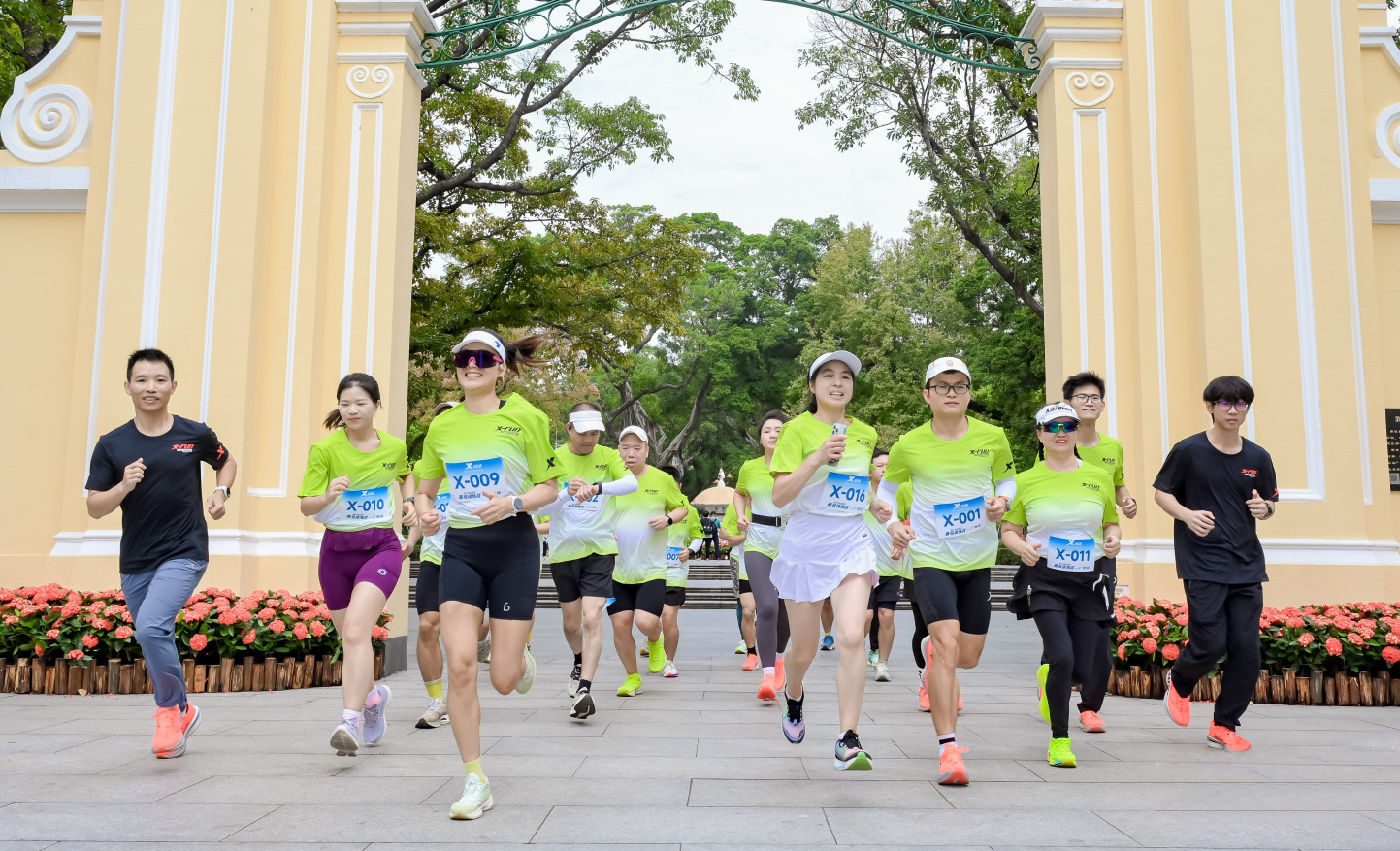
 The Xtep X-RUN first-marathon training camp and X-RUN training camp
By joining these low-pressure events regularly, runners form genuine bonds with the brand, the advisors, and fellow runners. Expert guidance and friendly support build the trust that makes participants more inclined to buy.
The share of sales from high-end shoes for elite runners at X-RUN satellite stores can reach five times that of comparable stores. And in a survey, 99% of participating runners said they would recommend the running group to a friend.
A significant shift in how Xtep measures performance helps keep the model running over time.
For X-RUN satellite stores, Xtep looks beyond sales totals to measures such as the share of members who return to stores, repeat purchase rates for events, average transaction value, and the share of sales from running shoes. The same retail operations representative stressed that Xtep wants runners to experience its performance products firsthand through services and events.
There are now more than 100 X-RUN satellite stores nationwide. They link experts with everyday runners and products with services, steadily bringing Xtep’s running expertise to a wider market.
03. How Xtep is reaching everyday runners for the long term
For a consumer brand like Xtep, building trust is a business that takes time.
According to Xtep’s 2025 interim financial report, revenue from continuing operations rose 7.1% to RMB 6.838 billion in the period ended June 30. Revenue from the core Xtep brand increased 4.5% to RMB 6.053 billion. The gains lend some support to the company’s strategic direction.
One key driver of that growth is the closer customer relationships Xtep has built through in-person services.
Purchases grow out of ongoing support. X-RUN satellite stores have consistently outperformed the broader store network in sales of flagship performance running shoes. Customer participation is an even more telling measure. As of November this year, more than 6,000 people had gone from watching on the sidelines to taking part in running through the satellite stores. More than 40% were recreational runners.
One runner said they trusted experts and had complete confidence in their recommendations. That trust is what most directly turns expert service into a willingness to buy.
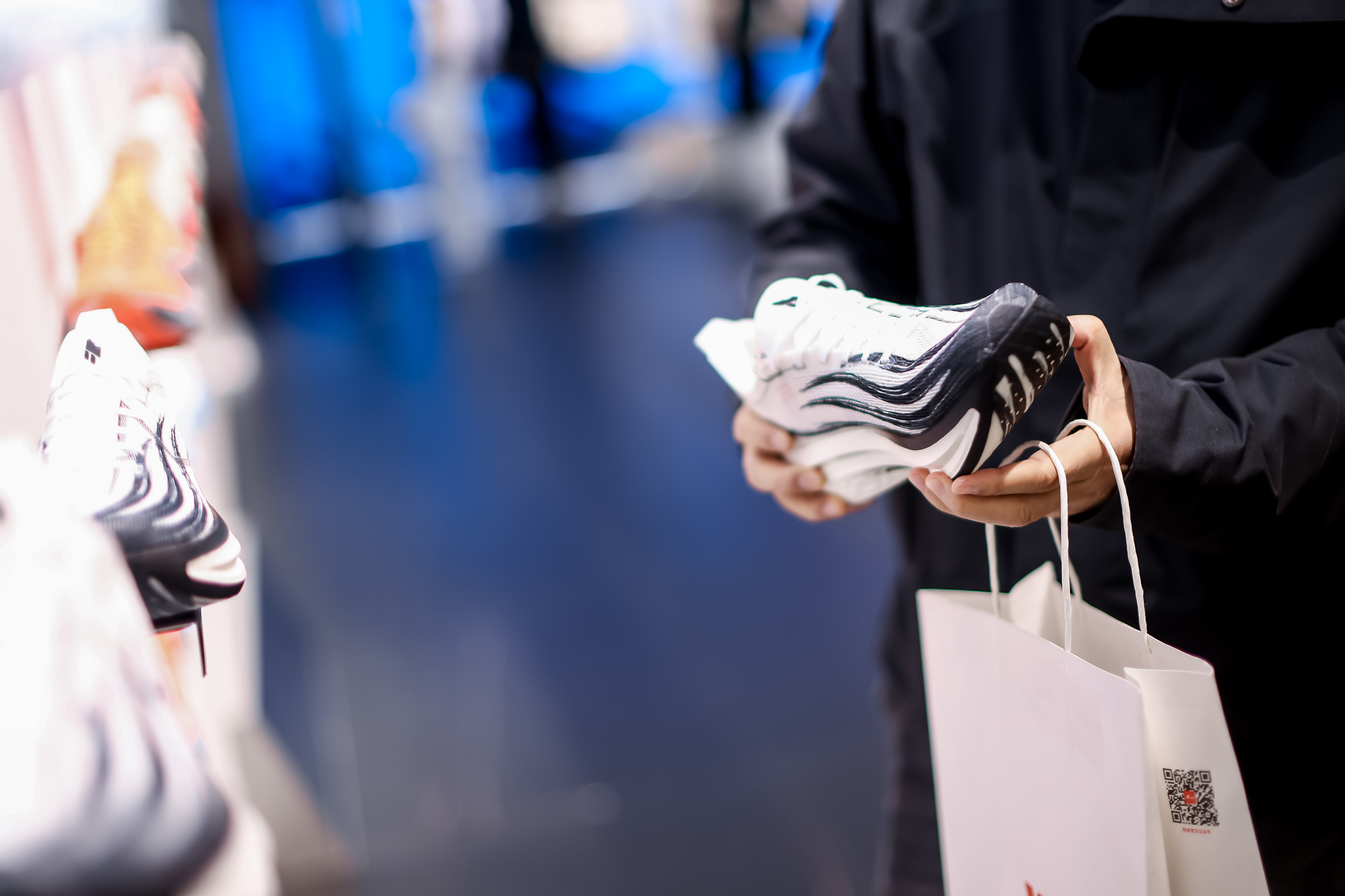 Xtep 160X-JET
Xtep’s deeper strategic advantage may lie in its ability to embed the running ecosystem in how the company operates.
It is a coordinated, ongoing effort that spans product development, brand communications, customer engagement, and in-store service. The company builds a product range for different types of runners, plans events year-round around races and seasons, and coordinates the work of coaches, advisors, and store associates. That collaboration links products, experiences, and communities and underpins Xtep’s long-term competitiveness.
It all supports Xtep’s clear brand positioning: “World-class running shoes from China’s Xtep.”
04. Closing thoughts
The network centered on the Xtep Running Club could be called version 1.0 of Xtep’s running ecosystem, establishing its reputation for expertise. The broad rollout of X-RUN satellite stores marks the emergence of version 2.0, a shared running ecosystem for competitive and everyday runners.
The shift takes Xtep back to a retail fundamental, moving the focus from turning over inventory to earning customers’ trust.
As China’s recreational running culture matures, the significance of the bridge Xtep is building between competitive and everyday runners will become clearer. Lasting brands grow by becoming part of customers’ lives and evolving alongside them. BRANDSTAR