MEIDEHEN brings a modern eye to Chinese folk craft
Bringing folk craft into fashion and everyday life.
As Chinese consumers have grown more confident in their cultural identity, the consumer goods industry has kept its attention fixed on the rich resources of traditional Chinese culture. More brands are incorporating Chinese elements into their own creative language, giving rise to a variety of approaches to culturally rooted consumption and creating an important touchpoint for emotional connections with consumers.
As the market moves faster and pressure to drive conversions becomes more apparent, brands have come to rely on cultural references for quick recognition and instant resonance. For a time, layers of meaning built up over generations were reduced to shorthand that was efficient but superficial. Brand stories began to converge, products started to look alike, and the culture itself lost much of its complexity and vitality.
As Brandstar’s 2025 Cultural Content Trends report notes, younger consumers place greater value on exploring cultural meaning and engaging in deeper, participatory experiences. As consumers tire of formulaic cultural references, they are looking for the values behind the symbols and for experiences that feel authentic.
Contemporary expressions of Eastern aesthetics are entering a new phase. Brands need to understand and absorb the culture they draw on, moving beyond decorative references to build cultural equity of their own over time.
Against this backdrop, Chinese accessories brand MEIDEHEN chose a more deliberate approach that goes deeper into the culture it draws on.
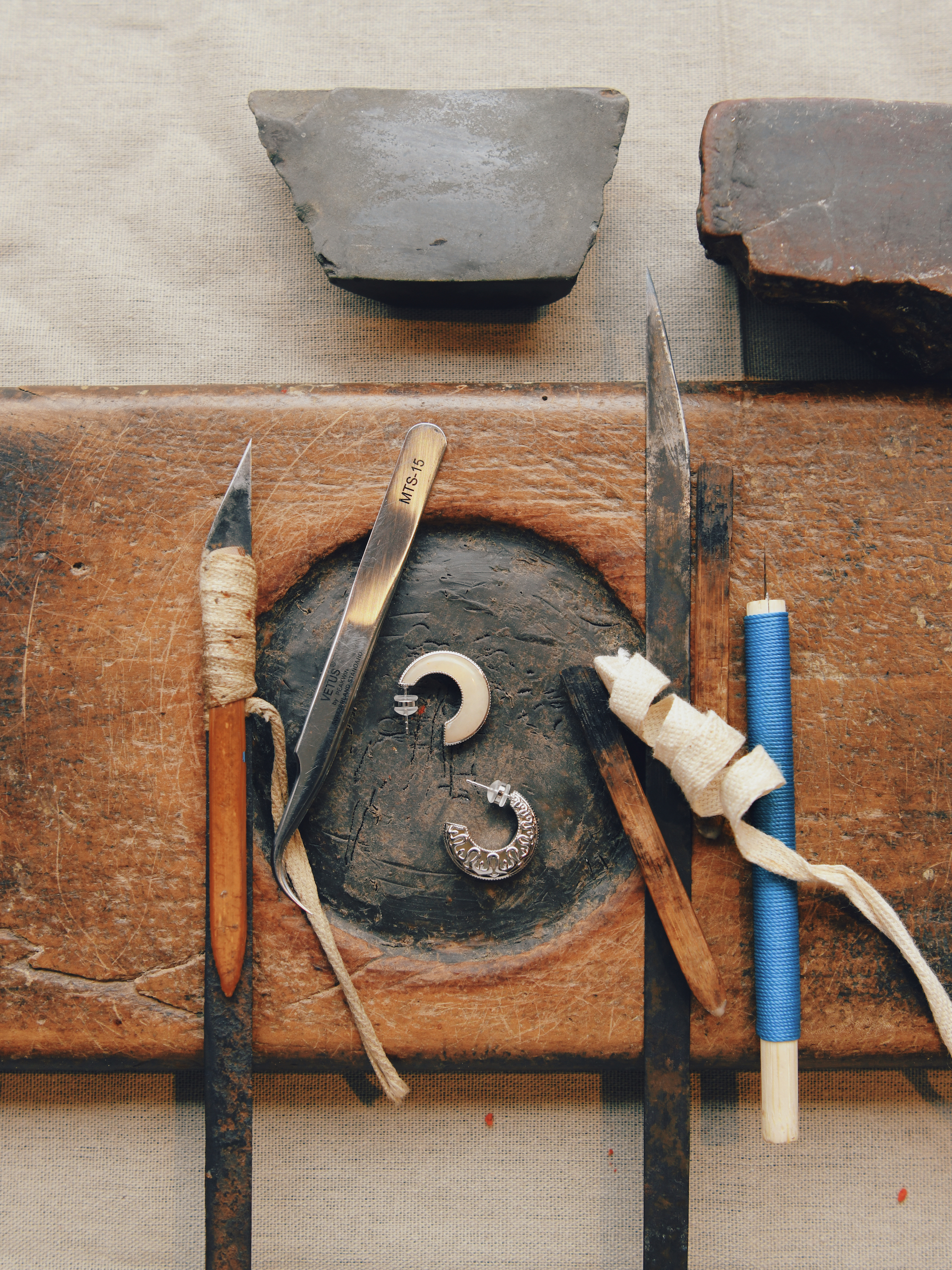
MEIDEHEN officially launched in May 2025 at the intersection of modern design and traditional folk craft. The brand uses a contemporary design language to reinterpret traditional Chinese techniques, bringing them from artisan workshops and museum displays into objects people can wear and use every day.
Through a contemporary aesthetic, the brand seeks to address two longstanding challenges for brands working with intangible cultural heritage and folk craft: dated imagery and a disconnect from contemporary life. It also treats folk craft as a cultural asset that can sustain the brand over the long term, much as handcraft forms the foundation of century-old luxury houses.
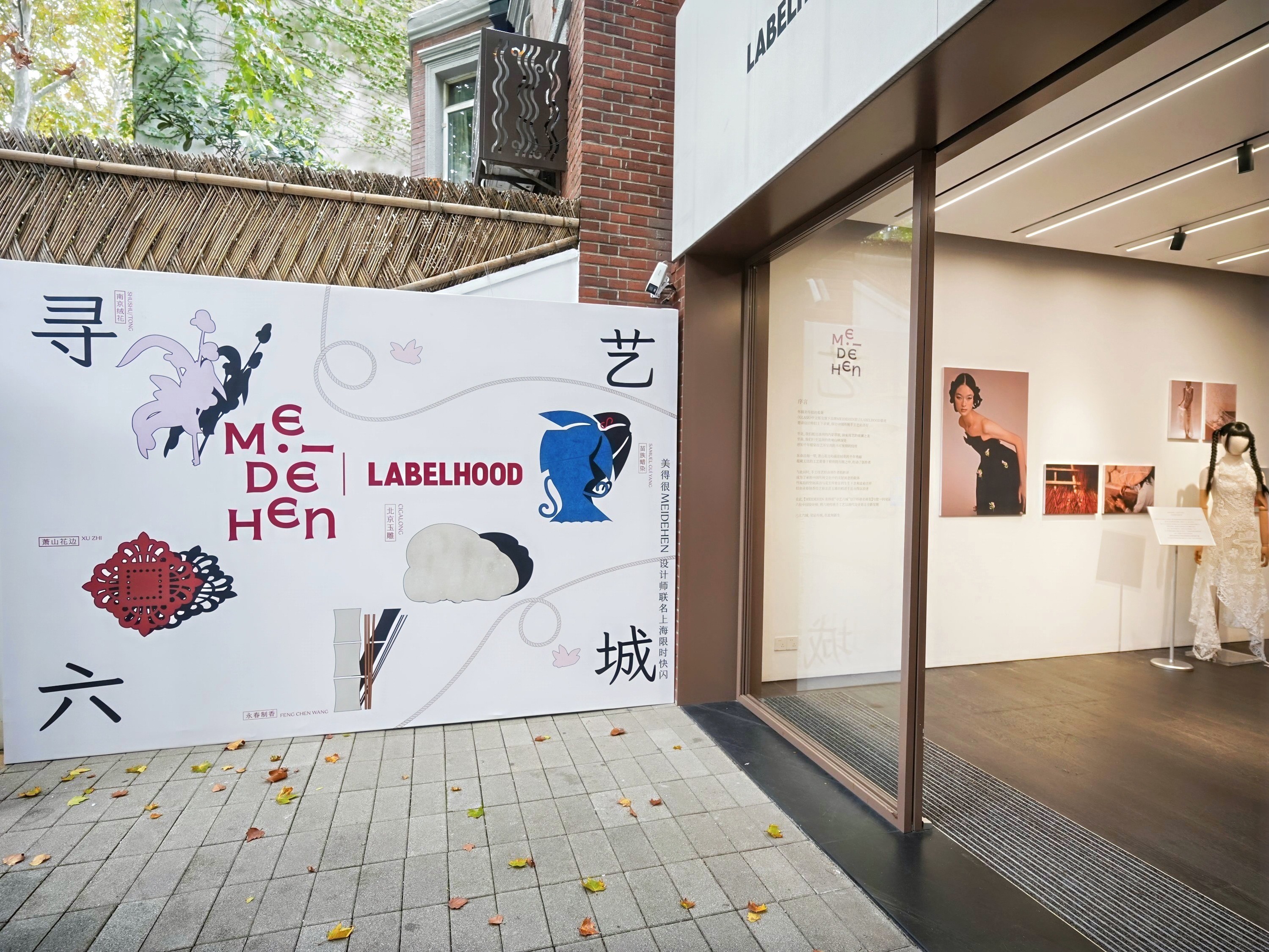 In November 2025, MEIDEHEN held its “In Search of Craft Across Six Cities” event at the Leihu House in Shanghai.
MEIDEHEN is a young brand with an experienced founding team.
Liu Ke, founder of the Chinese edition of GLASS, brings 15 years of experience in fashion content and visual direction, along with an extensive network of media and celebrity contacts. She believes that a strong aesthetic can be rooted in Eastern culture and still resonate across borders, provided it comes from a deep understanding of that culture and finds a contemporary form of expression. She hopes to lead MEIDEHEN in reinterpreting Chinese folk craft in a contemporary design language and building a brand with Eastern roots and international reach.
Co-founder Long Zijia draws on his experience running his established designer label, CIGALONG, to lead MEIDEHEN’s business strategy. He oversees end-to-end operations and overall strategy, builds out the brand’s online operations and offline network, and charts its long-term commercial direction. He and Liu Ke aim to build a Chinese folk craft brand with a lasting influence on contemporary culture.
In Brandstar’s view, an up-to-date fashion perspective and strong design capabilities are what allow brands like MEIDEHEN to develop a consistent approach to reinterpreting folk craft and build on it over the long term.
01. Building cultural equity through local folk craft
In recent years, growing cultural confidence and shifts in consumption have prompted more Chinese brands to revisit their cultural roots. Some focus on the craft traditions of ethnic minorities, while others explore the aesthetics of a particular region. Traditional Chinese handicrafts are gradually moving from relatively overlooked local settings into the consumer mainstream.
International luxury houses made this transition long ago. Hermès and Chanel have built cultural equity through craftsmanship over decades, making it central to their stories and their value. Bvlgari continues to draw on Italian goldsmithing and Roman history, treating local culture as an enduring source of design inspiration.
China has a wealth of cultural traditions, but few brands have systematically made local folk craft a core asset. Most examples to date are in gold jewelry. Laopu Gold has built a Chinese luxury identity rooted in traditional goldworking, while CHJ Jewellery incorporates heritage techniques such as filigree inlay into its collections and explores ways to give them a younger appeal.
Outside gold jewelry, few folk craft brands combine contemporary design, everyday wearability and an international outlook.
MEIDEHEN saw room to grow in that relatively unexplored market.
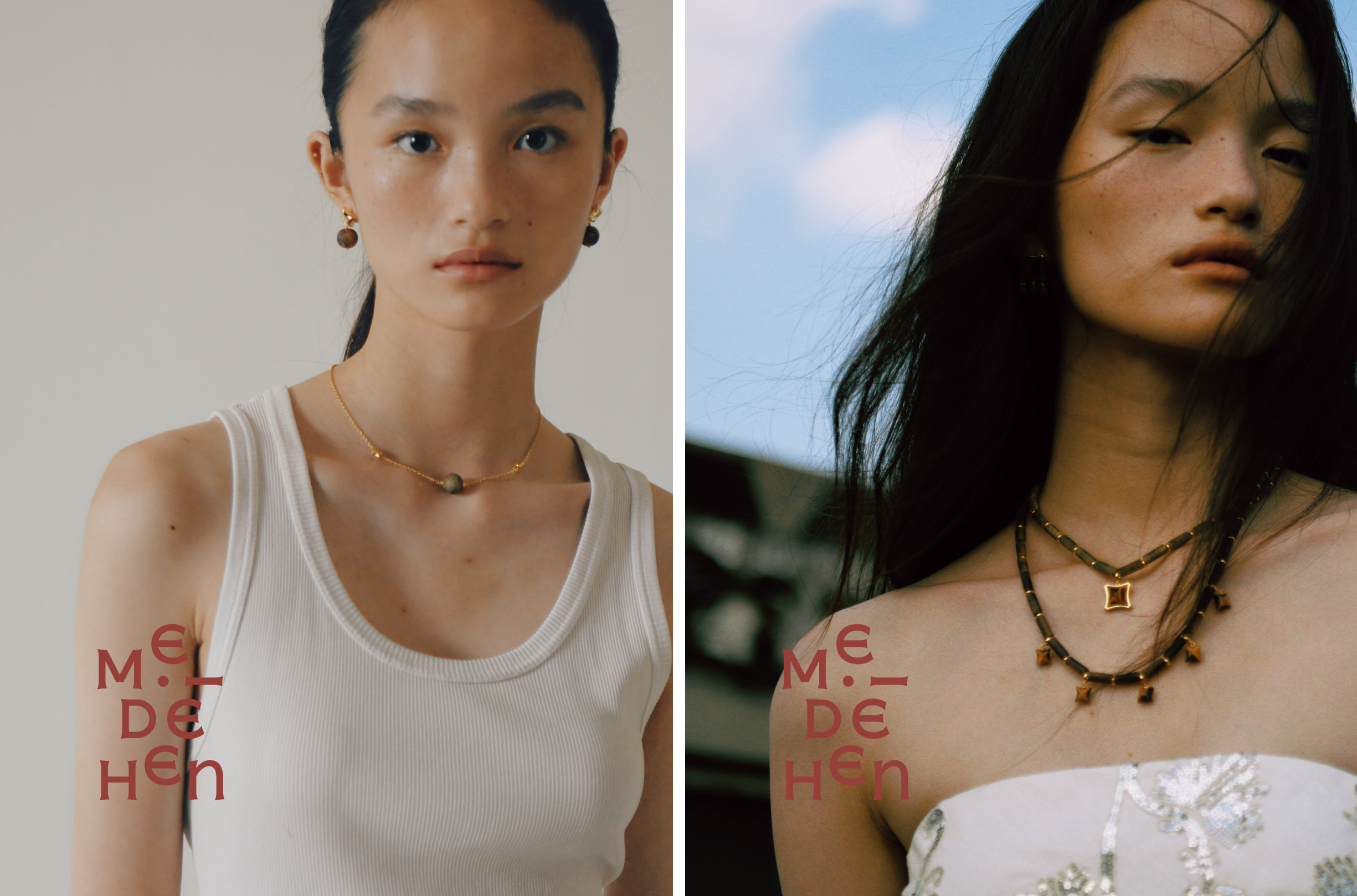
The name MEIDEHEN echoes the English phrase “made here.” The wordplay expresses the brand’s commitment to place. It draws on the landscapes, techniques and people that shape Chinese culture and takes those firsthand encounters as its starting point.
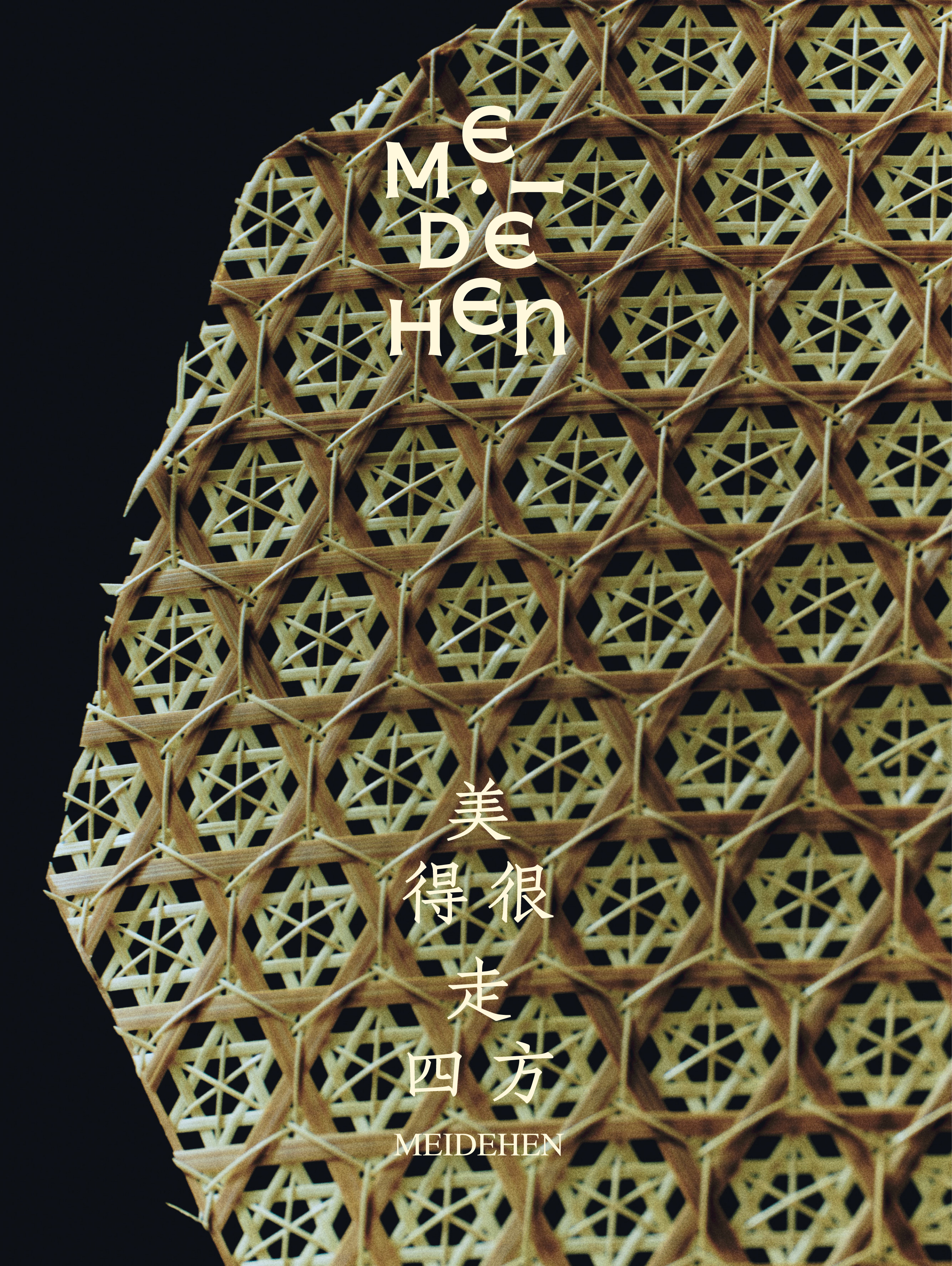
The brand’s slogan, “MEIDEHEN, go far and wide,” uses a distinctly colloquial Chinese expression to convey the idea of starting at home and looking outward. MEIDEHEN travels across China, drawing on local landscapes, cultures and handcraft traditions from many regions to create pieces suited to contemporary tastes and everyday life.
The brand uses “the right time, the right place and harmony among people” to organize its products and storytelling. “Right Time: In Season” reimagines traditional festivals. “Right Place: Where Heaven and Earth Meet” explores local culture in places such as southern Fujian and western Hunan. “Harmony Among People: Artisan Profiles” captures the human side of artisans and their craft.
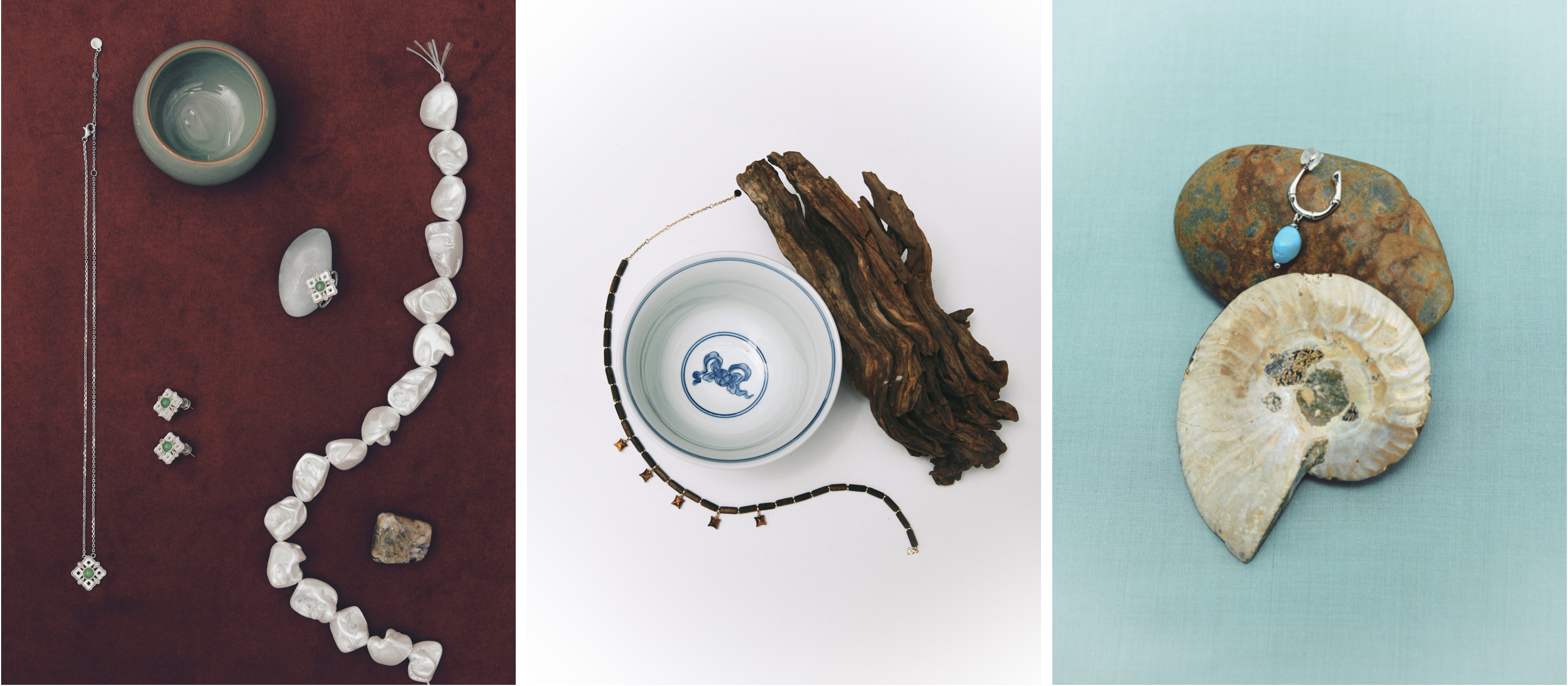
The brand has launched several collections rooted in local culture. The Weaving Edit draws on heritage weaving techniques, the Southern Fujian Edit takes its cues from Quanzhou’s decorative lanterns and the patterned tiles of historic houses, and the Tibetan Edit reflects the region’s natural environment and an aesthetic shaped by coexistence with nature. The brand also ventured into the rainforest and made agarwood the signature material of its In Search of Agarwood collection. It has since developed extensions such as Good Fortune in Every Direction.
The overall assortment continues to develop around festivals, local culture and traditional craftsmanship.
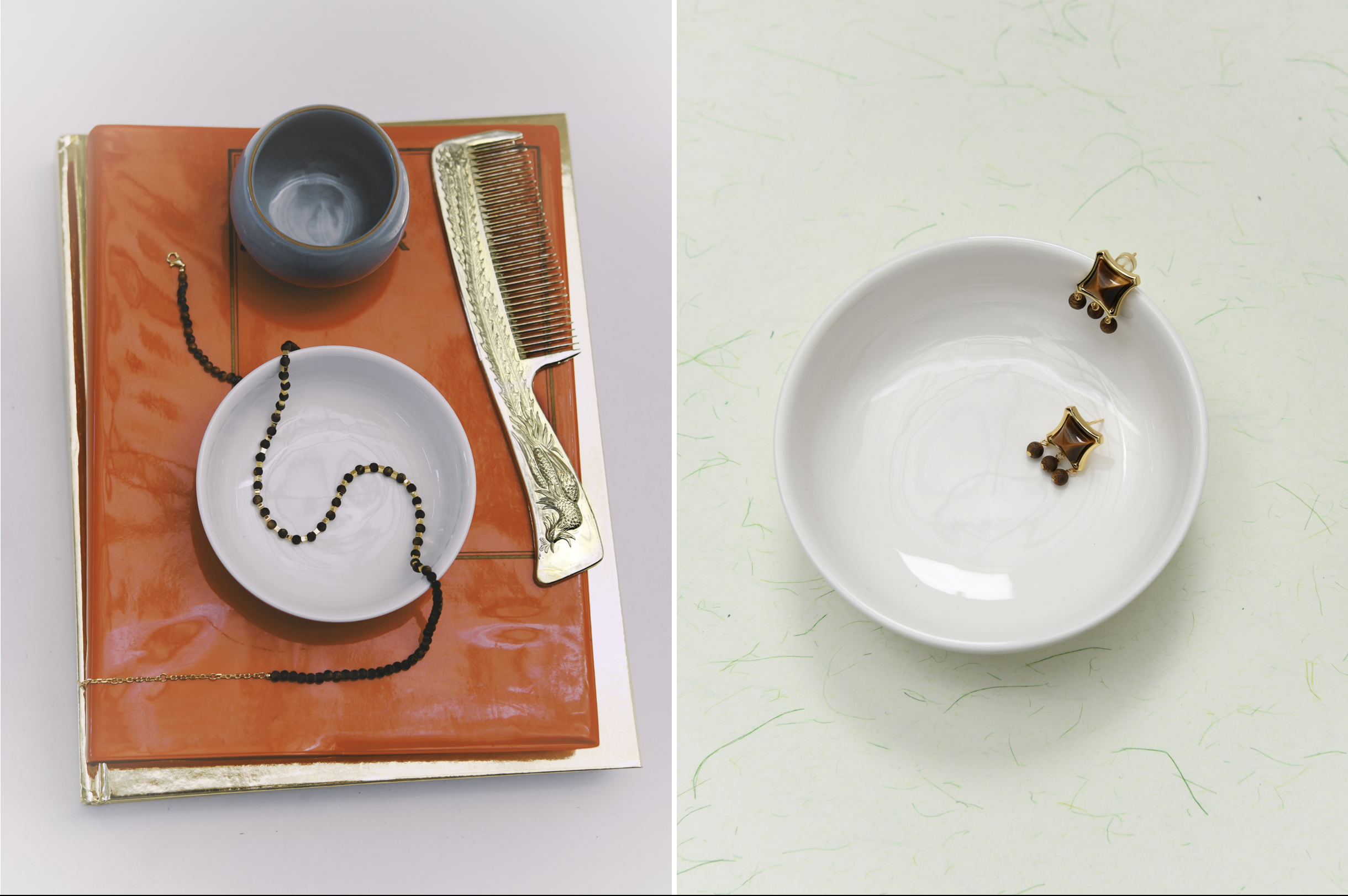
True to its “MEIDEHEN, go far and wide” slogan, the brand has traveled across China, working in a range of regions and craft traditions. The breadth of those travels has also allowed it to go deeper into Chinese culture and folk craft.
Folk craft often appears in the market as a seasonal motif or the inspiration for a single product. MEIDEHEN uses it as an ongoing design method and part of its long-term storytelling. Every collection begins with field research and firsthand experience.
For its Weaving Edit, the brand visited three places to explore three heritage techniques: Dongyang bamboo weaving, Linshu willow weaving and Xuhang straw weaving. Its documentary traces each making process in full and places it in its local context.
Video!!
MEIDEHEN distilled signature structures and techniques from the three weaving traditions into a design language it could use across products. Herringbone, open hexagonal and coin-cross weaves inform contemporary silhouettes. The brand pairs those forms with materials such as silver, red sandalwood and pearls to make them easier to style with everyday outfits.
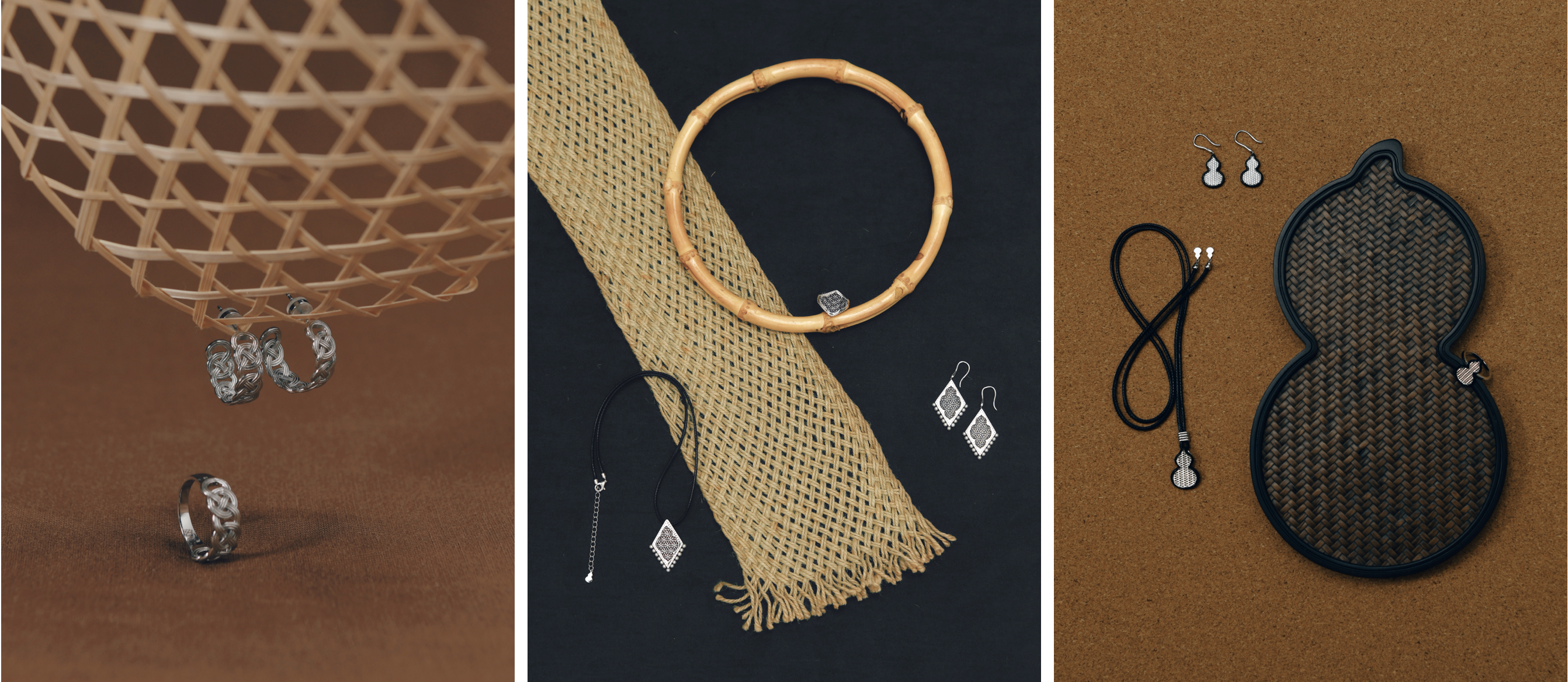 MEIDEHEN pieces from the Red Sandalwood, Black-Rimmed Gourd and Cross-Weave Rattan collections, shown in that order.
MEIDEHEN’s approach to folk craft extends beyond technique. During field research and product development, the brand pays close attention to the land, surroundings and individual artisans who sustain these traditions. That keeps the design grounded in the cultural settings that gave rise to its forms and techniques.
In the introduction to the Dongyang bamboo weaving chapter, an elder says, “You have to split the bamboo finer than moonlight to weave in the Jiangnan scenery beyond the window lattice.” The Linshu willow weaving chapter offers an equally memorable description: “Cut the branches when the Yellow River recedes, and even after a hundred bends they still have a stubborn streak.” Both lines capture the practical wisdom and poetry of an older generation.
The Southern Fujian Edit records a bit of local poetry: “In the old days, lanterns walked the roads at night, lighting the way for travelers coming home as they counted the years in the red bricks.” The brand weaves heritage lanterns, patterned tiles from historic houses and the stories behind them into its products, giving the pieces warmth and a sense of narrative.
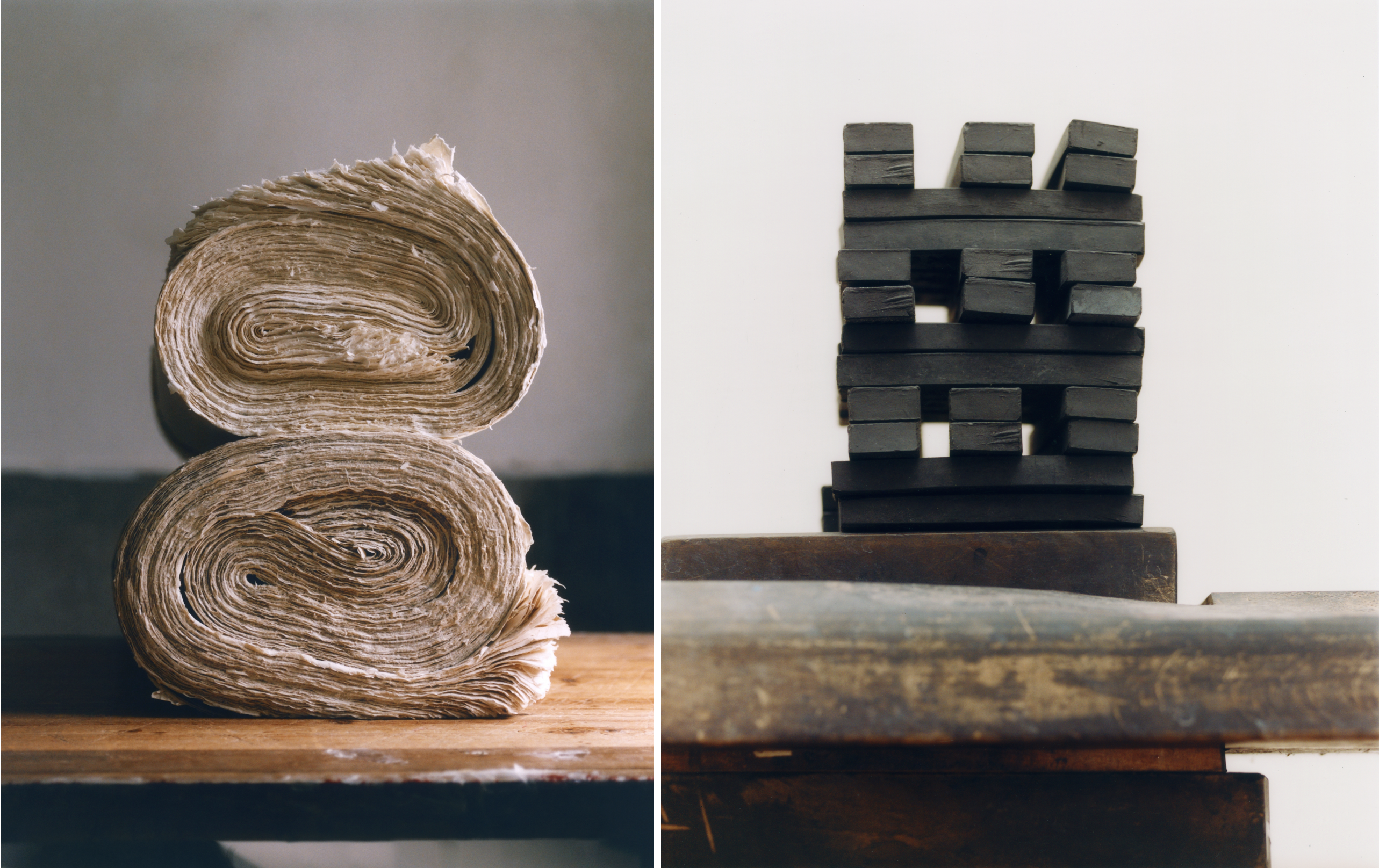
Alongside its ongoing fieldwork, MEIDEHEN also explores how folk craft can speak to contemporary festival traditions. For Qixi in 2025, the brand traveled to Huizhou, home to the heritage techniques used to make Hui inksticks, Hui brushes and She inkstones. It worked with local artisans to create the Four Treasures of the Study Gift Set, drawing on traditional writing implements to mark the festival.
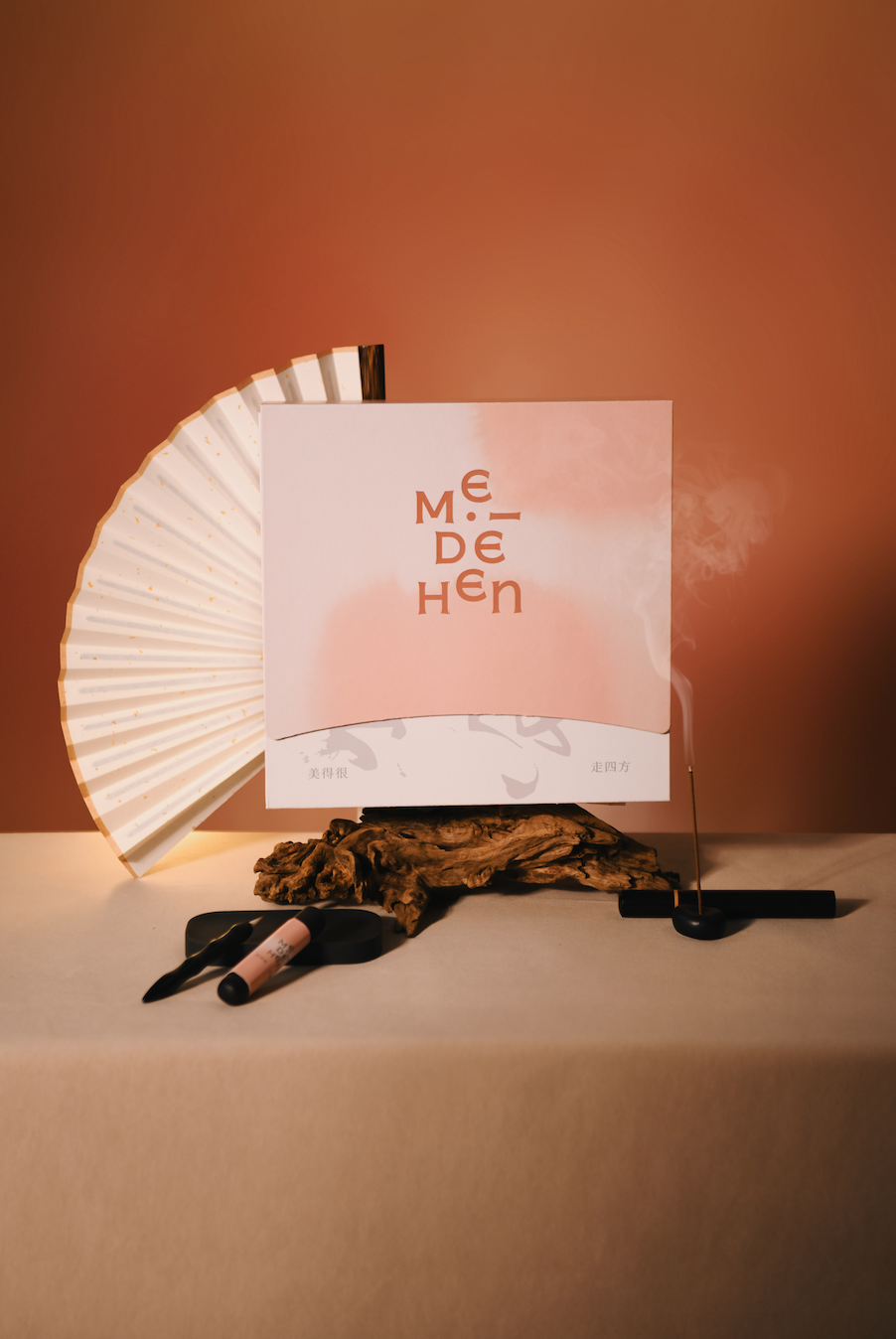 MEIDEHEN’s Four Treasures of the Study Gift Set for Qixi 2025.
For Qixi, MEIDEHEN took a quieter approach to romance, returning to the cultural world of the Four Treasures of the Study. “Life moved slowly then, letters traveled far, and a lifetime was just long enough to love one person.” The restraint and devotion evoked by brush and ink offered a more understated, enduring expression of affection.
In documenting and reinterpreting folk craft, MEIDEHEN also explores the sense of time, ways of expressing affection and everyday habits these traditions embody. Its evocation of a gentler, slower past gives the brand a distinctive way to tell stories about intangible cultural heritage.

MEIDEHEN also preserves the warmth of handwork and natural materials in its products.
MEIDEHEN’s approach to craft is summed up in the phrase “imperfections are miracles.” In the Tibetan Edit, the brand deliberately preserves the natural veining in Tibetan turquoise. In the In Search of Agarwood collection, every agarwood bead bears its own naturally occurring scar.
Just as human connections keep folk craft alive, these natural imperfections preserve traces of time and place in MEIDEHEN’s products.
To give “MEIDEHEN, go far and wide” a more tangible form, the brand introduced the Four Directions Doll, a playful character designed to engage consumers in a more approachable, informal way in their daily lives.
MEIDEHEN’s Four Directions Doll mascot. The standard edition is on the left, and the 2026 New Year special edition is on the right.
The Four Directions Doll embodies the brand’s origins and its idea of travel, setting out from one place into a wider world. It roams far and wide, collecting glimpses of folk craft from villages and cities. Rooted in traditional culture, the doll becomes an everyday companion on a desk, by the bed, on a trip or in someone’s palm, creating small moments of connection.
The Four Directions Doll gives MEIDEHEN a way to express its identity beyond its core products. Its appeal comes from the warmth and companionship it brings to everyday life.
Keeping folk craft alive through fashion
In Brandstar’s view, traditional culture can be passed from one generation to the next if it evolves with the times.
Handcraft became an asset for century-old luxury houses because their designs appealed to consumers. Loyal customers and wider recognition have reinforced the value of both the brands and their craft.
MEIDEHEN’s answer is fashion. It works like a designer label to build a contemporary brand around creative interpretations of folk craft.
In product design, MEIDEHEN selects and reworks imagery from folk craft through a contemporary aesthetic. This approach helps it avoid the dated look often associated with traditional craft brands and the familiar visual shorthand for wealth and status.
The brand deconstructs Quanzhou’s decorative lanterns, for example. A semicircle of Hetian jade evokes the hazy glow of a candle inside the shade, while square pieces of mother-of-pearl around the jade echo the play of light through the lantern’s four glass panels.
MEIDEHEN’s Lantern green jade and mother-of-pearl stud earrings.
In October 2025, MEIDEHEN launched a heritage craft collaboration with six Chinese designer labels. It paired SHUSHU/TONG with Nanjing velvet flowers, SAMUEL GUÌ YANG with Miao batik, FENG CHEN WANG with Yongchun incense making, SWAYING/KNIT with Mongolian ropework, XUZHI with Xiaoshan lace and CIGALONG with Beijing jade carving. The project produced six collaborative pieces that brought folk craft and contemporary fashion together.
Swipe left to see more →
The designers behind all six labels are rooted in China and take a forward-looking, international approach, which aligns with MEIDEHEN’s ambition to bring folk craft into contemporary design.
The six labels also share part of MEIDEHEN’s audience: consumers who embrace Chinese culture, love fashion and want to connect with brands that have cultural depth. For MEIDEHEN, still at an early stage of development, the project was a chance to reach those consumers more directly and broaden its customer base.
Building on MEIDEHEN’s in-depth research into folk craft, each collaboration in the project was grounded in extensive fieldwork. The Chinese edition of GLASS documented the full process, from initial inspiration to finished pieces, through a continuing series of articles and documentaries on social media.
After the product launch, MEIDEHEN partnered with fashion retailer LABELHOOD to host a limited-run pop-up for the “In Search of Craft Across Six Cities” designer collaborations at LABELHOOD House on Shanghai’s Julu Road. The pop-up brought the project offline and extended its reach across channels.
Error! Filename not specified.
With folk craft at the heart of its brand, MEIDEHEN both initiated the project and connected the designers with folk craft traditions.
From field research and product development to storytelling across channels and formats, MEIDEHEN drew on its strengths to bring a new generation of Chinese brands together to explore contemporary folk craft. The project also demonstrated MEIDEHEN’s ability to bring together the partners and resources it needed.
For this project, MEIDEHEN chose to develop products with designers, forgoing a cultural IP collaboration. The choice reflects how MEIDEHEN positions and operates the brand, bringing a fashion designer’s perspective to the work of giving folk craft a meaningful place in contemporary design.
Beyond the products, MEIDEHEN is working with the Chinese edition of GLASS to develop a distinctive, carefully crafted editorial and visual style. Through documentaries, photography, and writing, the brand is also shaping a contemporary aesthetic for folk craft.
MEIDEHEN measures market breakthroughs by the numbers and, more importantly, by recognition from industry professionals. Its June 2025 livestream debut drew strong market interest. Just two months later, the distinctive Eastern aesthetic and quality of its “Tracing the Scent of Agarwood” collection earned it a spot on celebrity buyer Dong Jie’s Xiaohongshu livestream.
For a young brand, meeting Dong Jie’s team’s exacting selection standards and making it onto the livestream so quickly was a strong endorsement of its products and aesthetic. A subsequent livestream dedicated to MEIDEHEN and featuring founder Long Zijia gave the brand’s appeal more room to come through, underscoring its ability to capture demand and its strong conversion potential in celebrity livestreams.
Celebrities including Bai Jingting, Song Qian, Yao Chen, Zhang Ruonan, and Zhao Liying have also worn MEIDEHEN pieces as part of their everyday wardrobes.
Swipe left to see more →
Bai Jingting, Song Qian, and Zhang Ruonan wear, respectively, MEIDEHEN turquoise clip-on earrings, MEIDEHEN half-cut square agarwood drop earrings with a tiger’s-eye Candy Tower ring, and a MEIDEHEN × SHUSHU/TONG velvet-flower dress. Error! Filename not specified.
Celebrity participation helped MEIDEHEN build credibility early on, bringing the brand to consumers’ attention faster and making the appeal of its products more visible. In a relatively short time, the brand began turning that exposure into sales.
Less than a year after MEIDEHEN launched, the data had already validated the viability of the brand and its products. The results also pointed to MEIDEHEN’s willingness and ability to invest in marketing communications.
Supply chain autonomy is essential to making folk craft part of a brand’s cultural assets. Hermès, for example, prioritizes training its own artisans, while Chanel acquires workshops to safeguard its independence in production and design.
With founder Long Zijia overseeing the supply chain and product development, MEIDEHEN says it has reached preliminary understandings with several artisan workshops and is gradually building a network of workshop partners.
As it builds that network, MEIDEHEN plans to serve as a platform that connects artisans and helps them develop their practices in a contemporary context. In doing so, the brand can give back to the craft traditions it draws on and help carry them forward through contemporary fashion.
Closing thoughts
As more brands make cultural storytelling and traditional heritage a regular part of how they communicate, they risk using cultural symbols superficially and treating culture as a way to tap market demand. Culture should be as integral to a brand as blood or bones are to the body, coming through naturally in the stories it tells.
MEIDEHEN offers an example worth watching. For the brand, folk craft is a starting point for design. Experiencing and engaging directly with these crafts in the communities where they are practiced will help MEIDEHEN build brand assets that are hard to replicate.
In its brand introduction, MEIDEHEN writes, “Walk the path, follow the way, and look into the heart. See heaven and earth, see all living beings, and see yourself.” On each journey into folk craft, the brand encounters the warmth of the artisans and their work. Those encounters become the seeds of products that reinterpret traditional techniques through MEIDEHEN’s contemporary aesthetic.
In traveling far and wide, MEIDEHEN is also looking for its own heart and drawing on its strengths to carve out a place in the industry.
Consumers can join the brand on its journey across this vast cultural landscape, experiencing the care artisans bring to their work and the enduring quality of imperfection. Along the way, they may discover a new appeal in traditional culture or find a philosophy of beauty marked by warmth and quiet.
In this way, MEIDEHEN aims to “give tradition new life in the present and bring beauty from China to the world.”