L’Occitane en Provence opens second exhibition celebrating women artisans in Shanghai, “Weaving a Dream of Southern France”
Chinese bamboo weaving meets the landscapes and traditions of southern France.
L’Occitane en Provence and the China Women’s Development Foundation expand support for women and living heritage
On April 10, 2026, L’Occitane en Provence and the China Women’s Development Foundation opened “Weaving a Dream of Southern France” in Shanghai, marking the second season of their joint Craftsmanship for Women’s Empowerment initiative. Zhang Lei, director of the foundation’s International Cooperation Office, and Lin Zhiyi, executive director of L’Occitane China, attended the opening alongside bamboo-weaving artist Yang Longmei and her team of artisans.
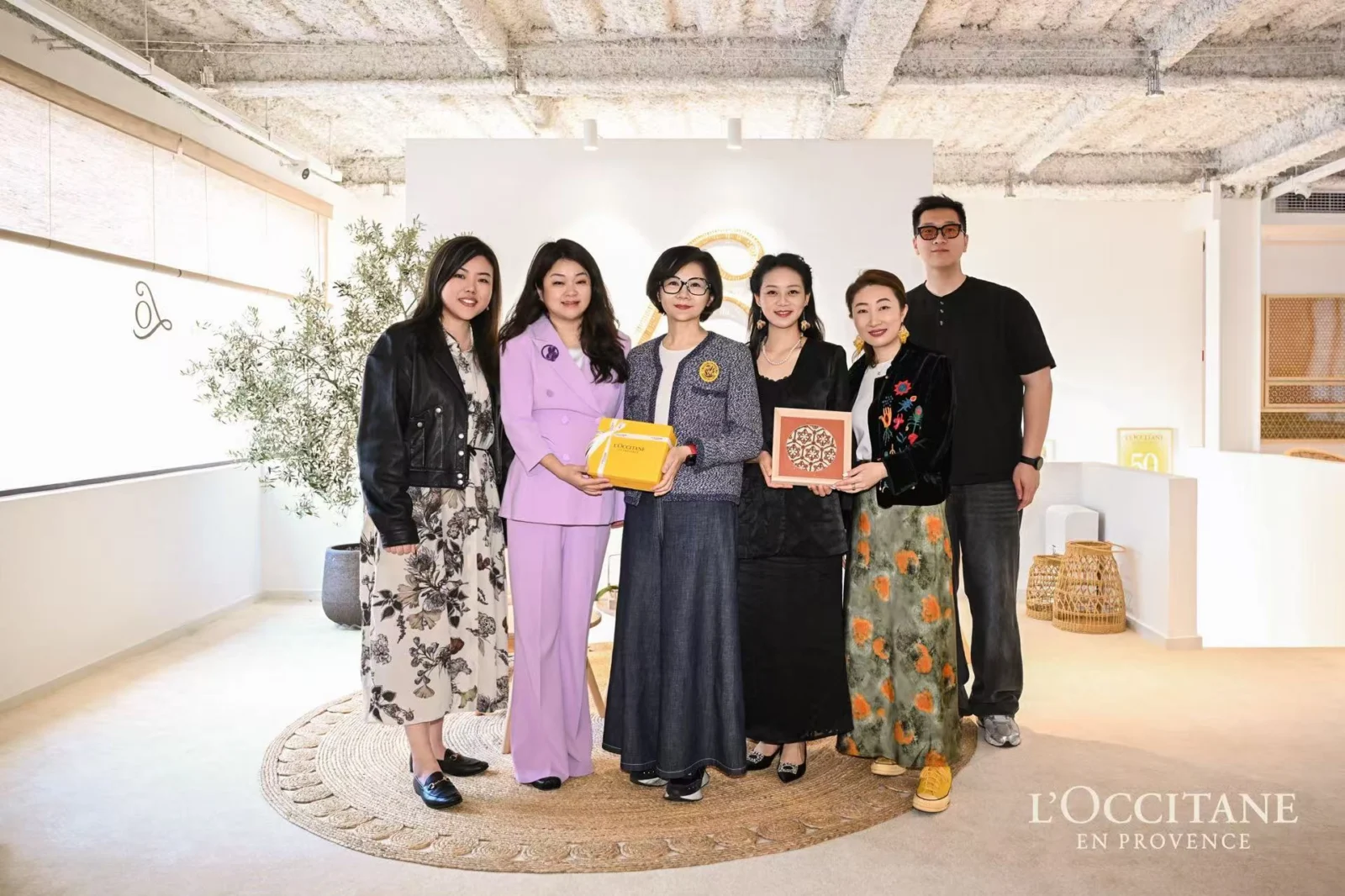
The initiative returned for a second season in 2026 after its inaugural 2025 edition, centered on traditional paper cutting, received a positive public response. This year, the project enlisted Yang Longmei, a practitioner and bearer of the Daoming bamboo-weaving tradition, and her team to explore the connections between Chinese bamboo weaving and southern France. The collaboration builds on the initiative’s work to preserve intangible cultural heritage and empower women. Coinciding with the 50th anniversary of L’Occitane en Provence, the exhibition brings Eastern and Western aesthetics together and pays tribute to the dedication and creativity of women artisans.
How the initiative is moving from visibility to connection
The China Women’s Development Foundation and L’Occitane en Provence jointly launched Craftsmanship for Women’s Empowerment in 2025 as a philanthropic initiative for today’s women artisans and young arts professionals. It helps participants bring their crafts to market, refine their artistic work, showcase their creations, share expertise, and develop entrepreneurial skills. The aim is to find practical applications for craft skills, keep traditional techniques alive and evolving, and support women’s innovation, entrepreneurship, and sustainable development.
In her opening remarks, Zhang Lei, director of the China Women’s Development Foundation’s International Cooperation Office, said the first phase supported 100 women artisans and young arts professionals. The program offered training in bringing crafts to market and guidance on adapting their work for international audiences in Beijing, Shaanxi, Chongqing, and other locations. She said the program was well received by local women entrepreneurs.
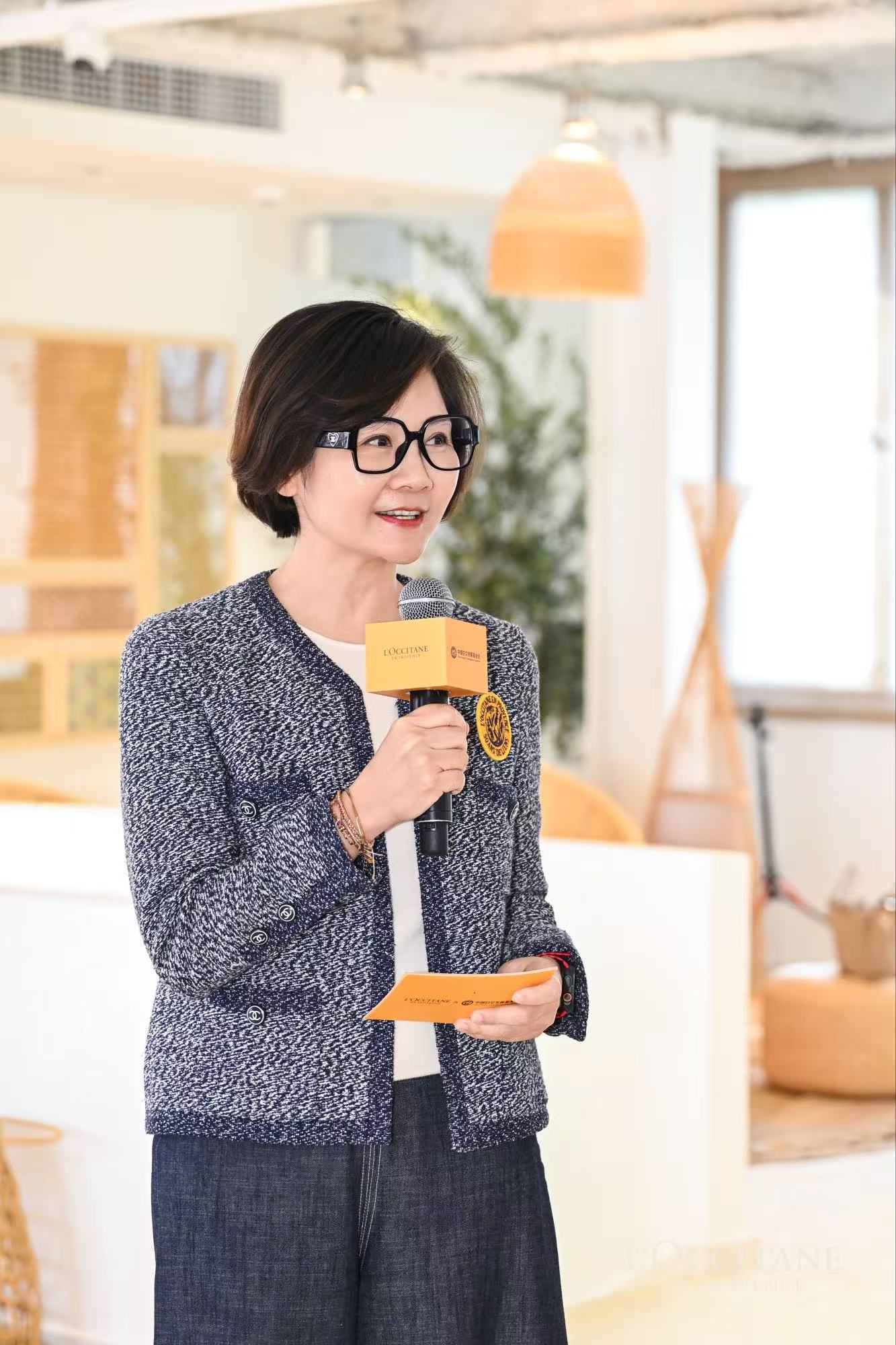
Lin Zhiyi (Queenie), executive director of L’Occitane China, explained what continues to drive the project. Since its founding in 1976, she said, L’Occitane en Provence has believed that good products should deliver effective skin care and benefit the planet, society, and people in need. The brand has long supported local growers and artisans in Provence and wants to extend that commitment to China. This year, through its renewed partnership with the China Women’s Development Foundation, the brand connected with bamboo-weaving artist Yang Longmei and her team. Lin said the craft combines the delicacy and resilience of Eastern handiwork with an understanding of how people can live in harmony with nature, an idea that reflects the brand’s own roots in nature.
Translating fragrance into bamboo and imagining southern France by hand
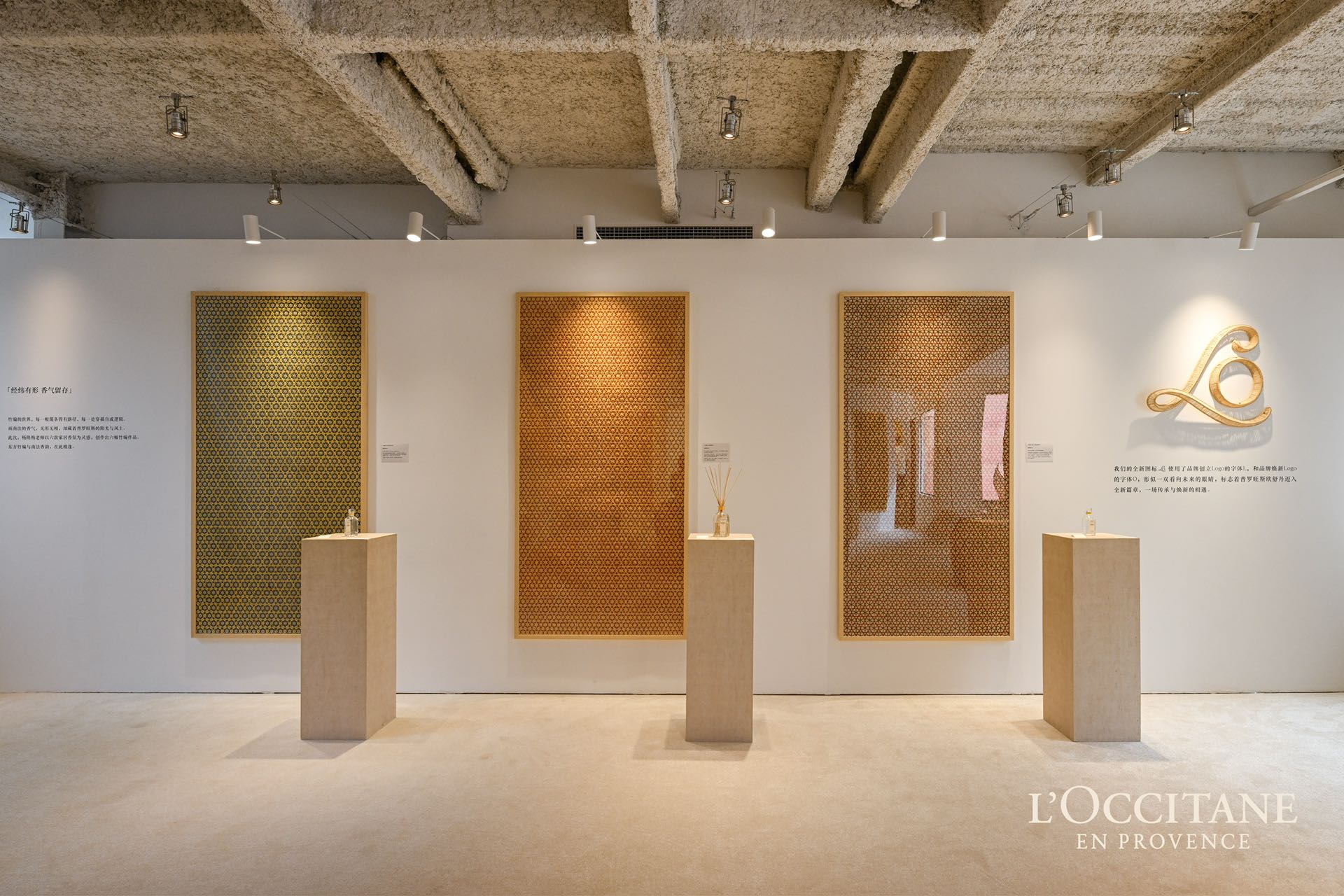
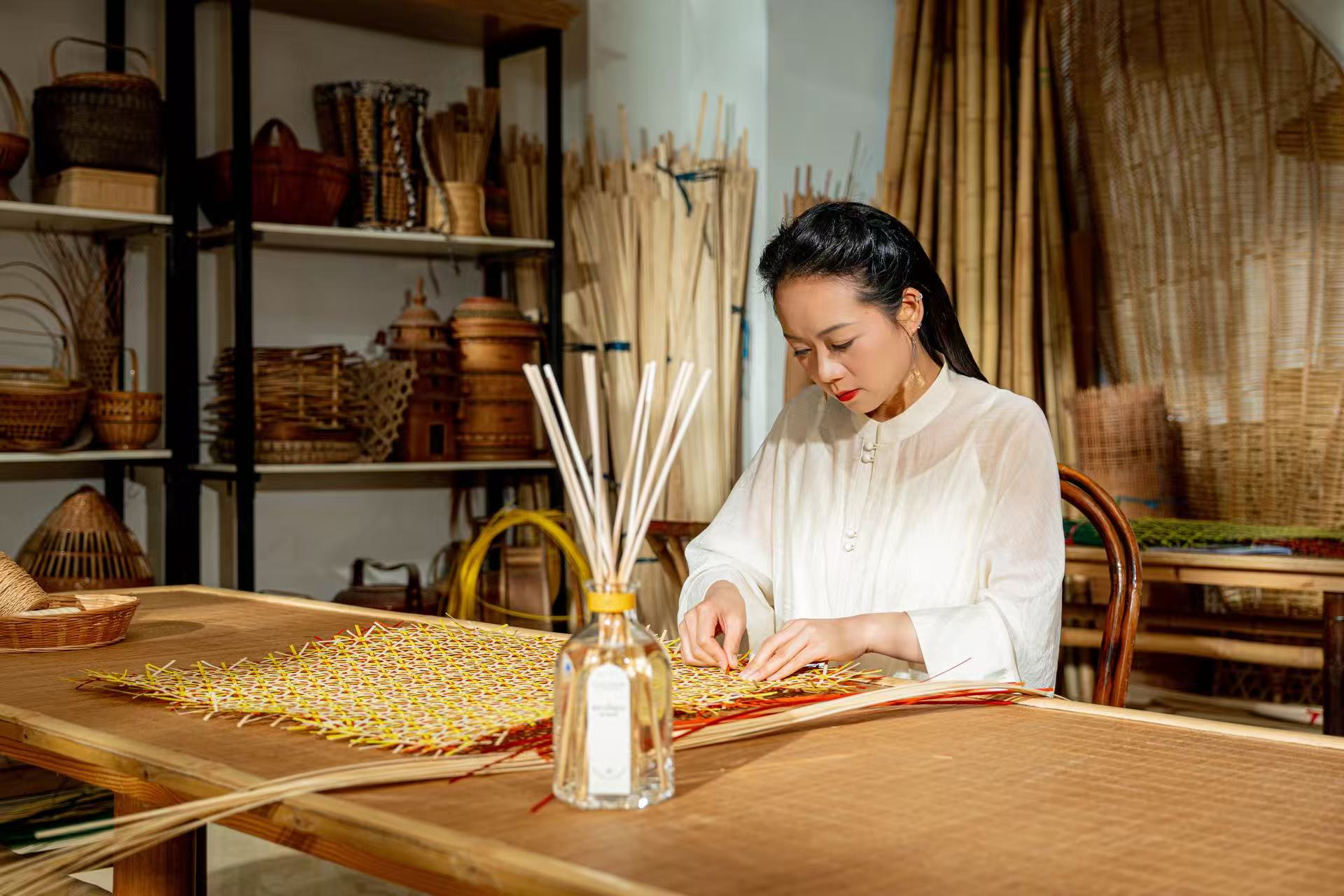
At the heart of “Weaving a Dream of Southern France” is a series of bamboo weavings by Yang Longmei and her team, inspired by L’Occitane en Provence’s home fragrances. Yang has never been to Provence, yet she has used the bamboo she knows so well to evoke the region’s sunlight, landscape, and stories.
Recalling how the work began, Yang said she still remembers opening the home fragrances that friends at L’Occitane en Provence had sent to her studio. As the scent of the Mane Terraces fragrance gradually spread, she felt she had discovered what Provence smelled like. The warm sweetness of aged wood, with a hint of sunshine, immediately brought to mind the bamboo groves in the mountains of Sichuan. Each spring, as new shoots break through the soil, the air there carries a faint, crisp green scent. At that moment, she felt that the two places, thousands of miles apart, shared something in the scent of the land.
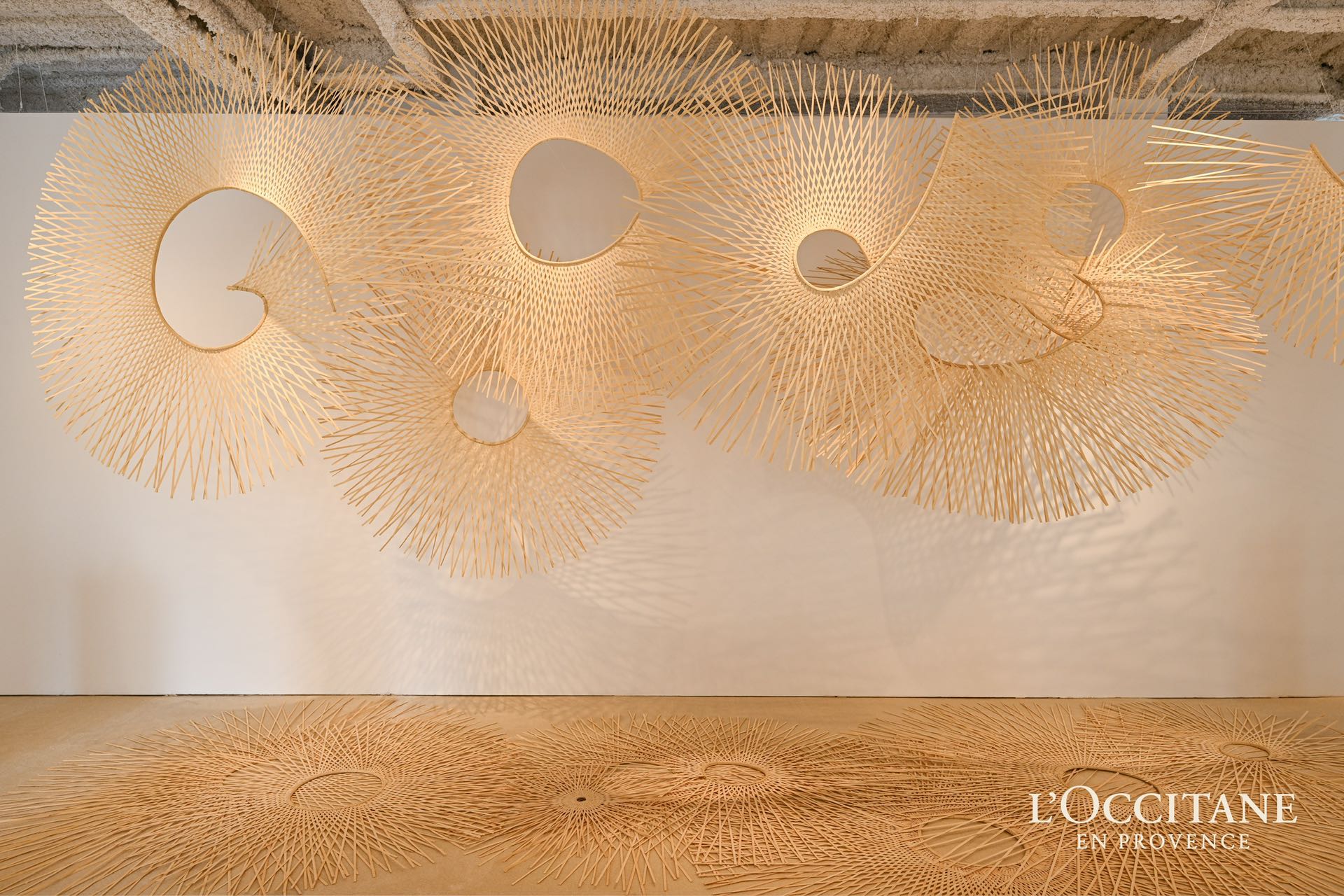
Yang used fine bamboo strips to “translate” the fragrances. To capture verbena’s freshness, she used a six-pointed star as the framework and triangles as the connective pattern, tracing the path of light across the orderly bamboo panels. To convey the abundance of lavender, she layered deep purple over the bamboo’s natural color to recreate the curves of a flower field rippling in the wind. For the quiet resilience of the Mane terraces, she wove a simple grid of horizontal and vertical lines and diamonds, building it upward layer by layer to evoke the layers of life in a terraced landscape.
Of the works on display, Mane Terraces holds Yang’s most deeply personal memory. She recalled tearing up the first time she smelled it. The warmth of sun-heated fig leaves mingled with the sweetness of aged wood took her back to the moment she saw the first bamboo shoot emerge in a ravaged grove after a fire at her family’s bamboo-weaving factory. The scent recalled the earthy sense of life returning that she had felt then. The fire had nearly destroyed years of work, but Yang persevered. For her, healing meant taking everything she had lived through, including the pain, and weaving it into the strength to keep growing, as bamboo does.
Bringing traditional craftsmanship into everyday life
A dedicated lifestyle section places woven bamboo pieces in familiar home settings, with a woven lamp by the dining table, a storage basket in the corner of a living room, and a woven tray on a tea table. The approach reflects a principle L’Occitane en Provence has long held in southern France. Good craftsmanship belongs in everyday life as much as it does in a museum display case.
Lin said the brand wants customers to experience craftsmanship as something within reach and to see intangible cultural heritage as part of life today. Put a woven bamboo tray on a coffee table and use it to hold odds and ends or a home fragrance, she explained, and the warmth of something made by hand becomes part of daily life. That is what L’Occitane en Provence and the China Women’s Development Foundation have sought to achieve through the initiative, giving women artisans greater visibility and bringing their work into people’s homes so it can have lasting value.
From Provence to China, a commitment to preserving local culture and sustaining the arts
To mark its 50th anniversary, L’Occitane en Provence partnered with the cultural organization Provence Culture to launch Prix Cultures globally, giving back to the region that has inspired the brand. The award aims to help develop the contemporary arts ecosystem that tells Provence’s stories. Winning artists will receive a cash award, the opportunity to exhibit for several months at Le Couvent des Minimes, the brand’s hotel and spa in southern France, and support in bringing their work to a wider public.
Adrien Geiger, global CEO of L’Occitane en Provence, said the 50th anniversary was an occasion to reflect on the brand’s deep ties to the arts and culture of Provence, its source of inspiration. He described art as a gentle yet resolute force that draws attention to environmental and social issues and gives people a way to tell new stories and imagine new possibilities together.
Prix Cultures is also a tribute to Provence, where nature and art inform one another. The award reflects the brand’s wish to work alongside artists with humility and sincerity, as a genuine partner in telling the region’s stories.
The global cultural initiative echoes the Craftsmanship for Women’s Empowerment program that L’Occitane en Provence launched with the China Women’s Development Foundation. In both Provence and China, the brand sees culture as a way to connect places and artisans with the future.
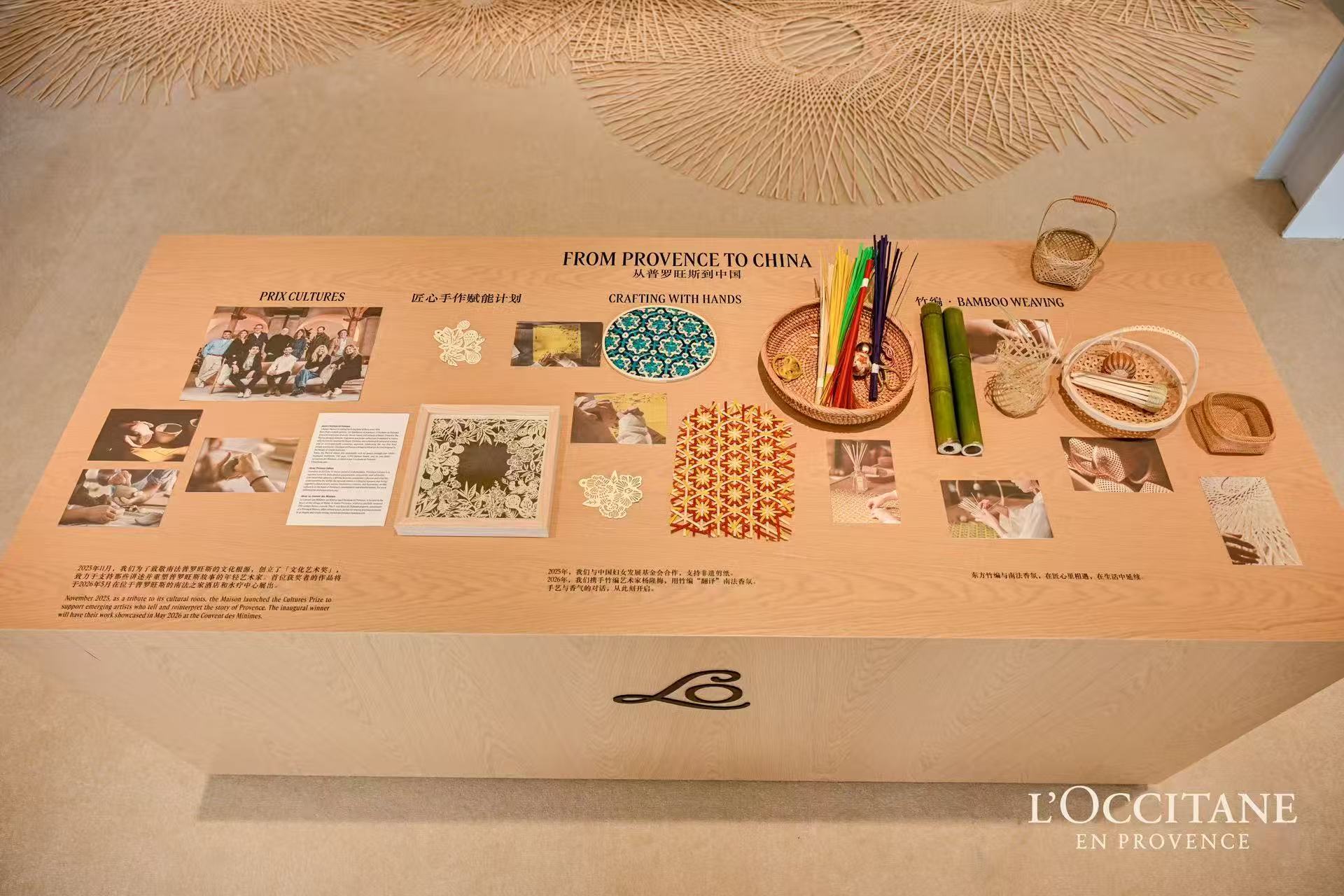
The project has broadened its work with traditional crafts, moving from paper cutting in its first season to bamboo weaving in its second.
Discussing this year’s plans, Zhang said the project would reach more participants, expand the ways it supports them, and deepen its social impact. It will extend its work in Sichuan, Qinghai, Yunnan, and other areas, combining online and in-person programming, training and hands-on practice, and a volunteer mentorship program. The goal is to build a broader range of skills among artisans and women entrepreneurs and support more women in pursuing their ambitions.
Yang thanked the initiative for its support and trust, saying it had given her more room to express how she sees the world through bamboo, a material she knows well. She said a good collaboration lets people stay rooted in who they are as they come to understand and connect with another world. To her, that is what artisans have in common. In southern France and in China, whether growing lavender or weaving bamboo, people use their hands to give their love of the land a form others can touch, feel, and connect with.
Exhibition invites the public to discover bamboo weaving
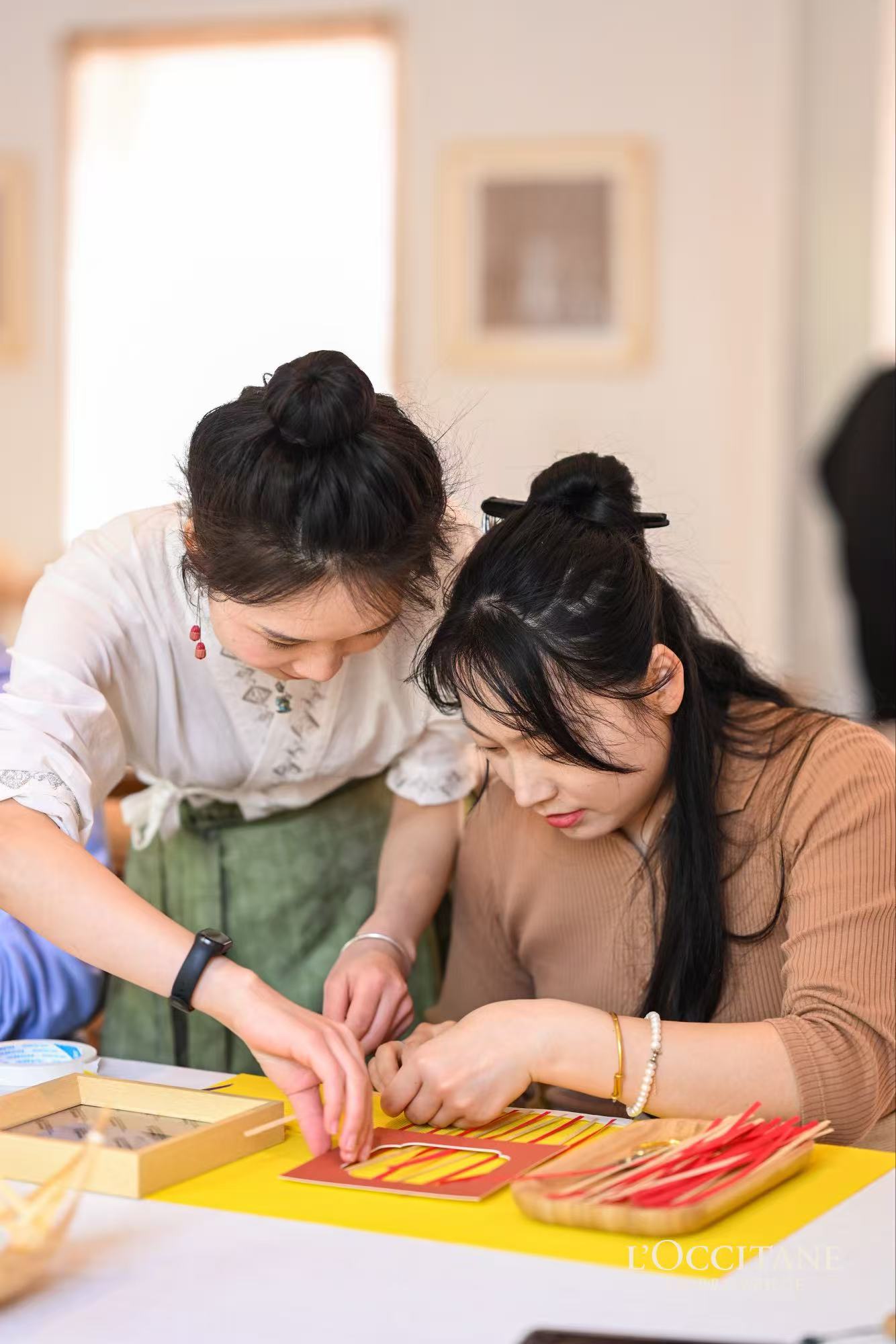
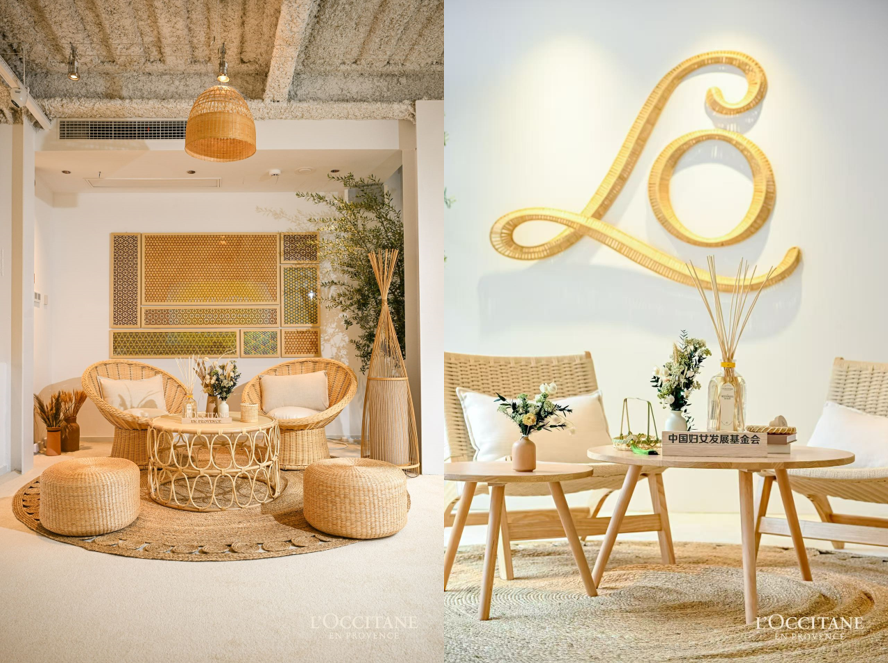
“Weaving a Dream of Southern France” is now open to the public. Visitors can see six bamboo-weaving artworks by Yang Longmei and handle bamboo strips in an interactive area, where they can get a feel for the skill behind each over-and-under pass. The organizers invite anyone interested in intangible cultural heritage and craft to explore how the warp and weft bring Chinese craftsmanship into conversation with southern France, and to see the work of women artisans who are carrying the tradition forward through their own creations.
BRANDSTAR