An ancient city finds its voice again, sparking a revival of Eastern humanism
The project rebuilds commerce on cultural foundations, reversing the conventional approach of fitting culture into a commercial model.
In October 2025, Brandstar met in Dongnanyi, in Datong’s ancient city, with the people behind cultural and lifestyle brands Sunyata, To Summer, Yizuoyiwo, Tiaohai and tea’stone, as well as Dongnanyi project lead Xia Tao. Taking “Revitalizing everyday life through the humanities” as their starting point, they explored an emerging question: How can the story of Eastern humanism be retold?
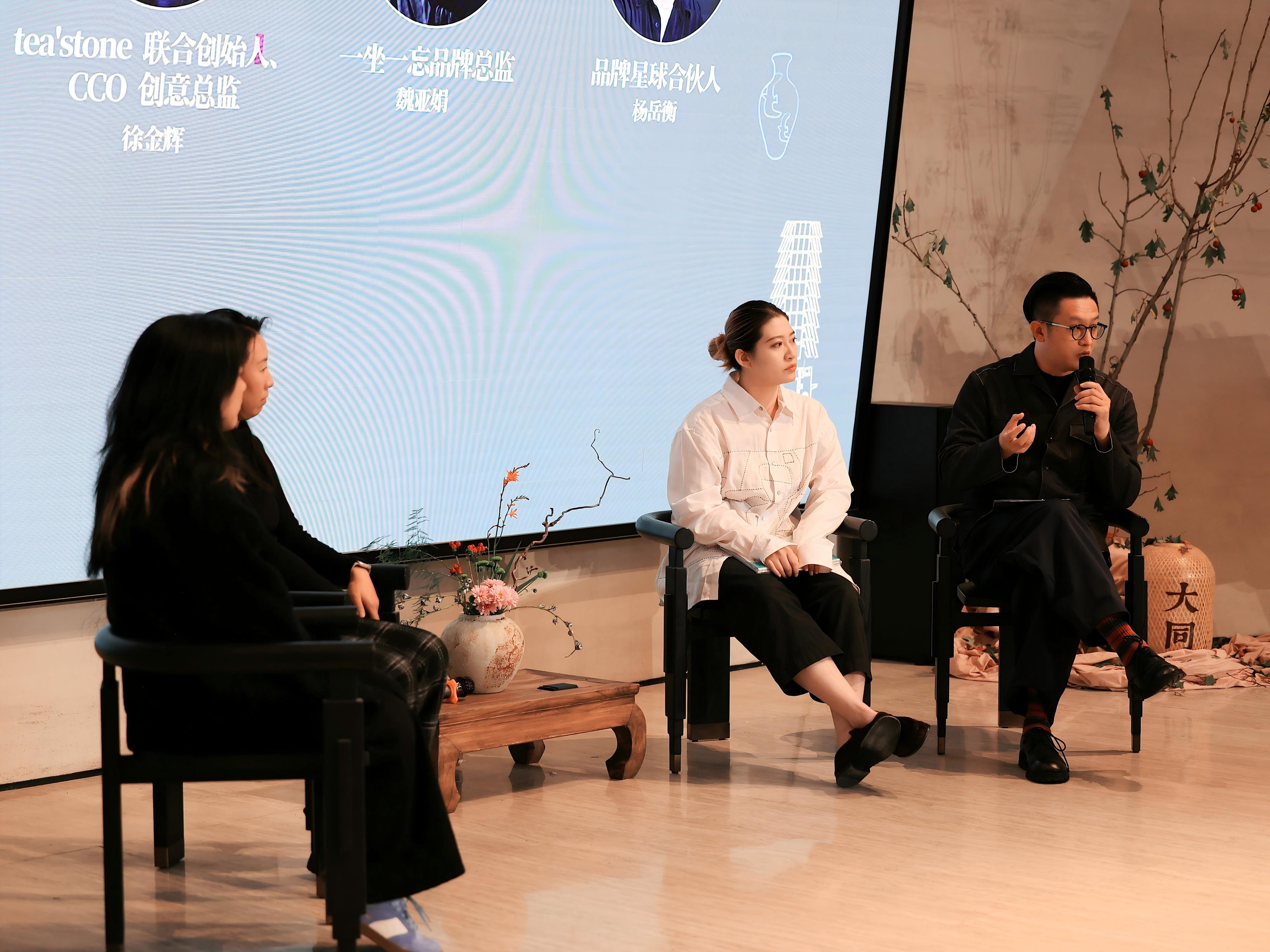
Commercial real estate is undergoing a fundamental reset. The gains from expansion are fading, consumer behavior is fragmenting into new segments, and people are rethinking how they live and what they value. Brands face questions they have never had to ask before. What kinds of spaces will support the next phase of growth? Which urban contexts still warrant long-term investment?
Dongnanyi offers a fundamentally different answer. It rebuilds commerce around culture, reversing the practice of adding culture to a commercial model.
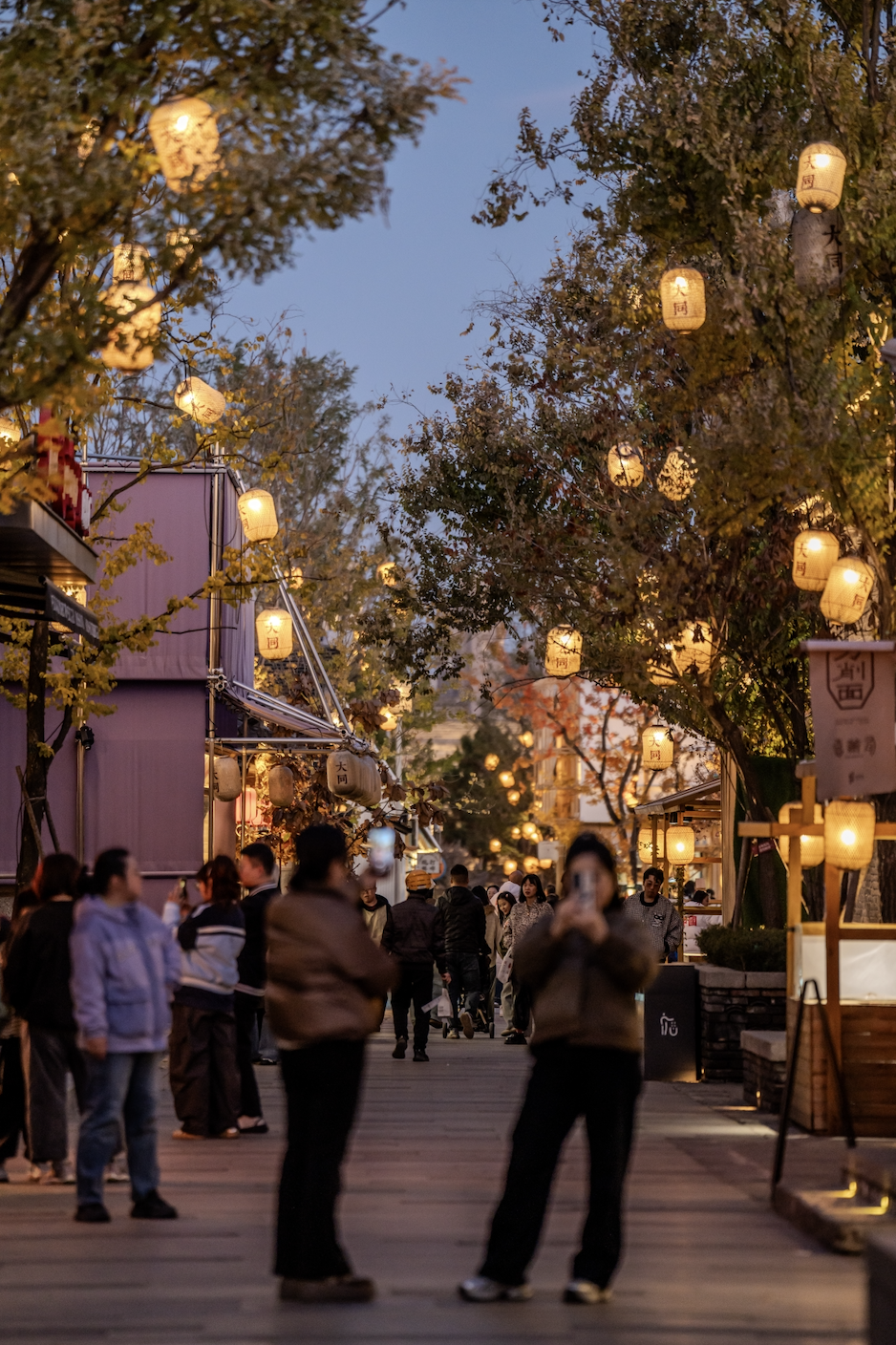
Datong’s historic district has rich cultural capital and has also gone through a long period of quiescence. Dongnanyi goes beyond recreating the past. It gives the ancient city a voice again so that a contemporary story of Eastern humanism can be heard and put into practice.
The project raises several questions.
1. How can historic districts and brands create settings, develop programming, and articulate shared values together?
2. What lies at the heart of the lifestyle ecosystem Dongnanyi is building around humanist values?
3. How can people touch it, experience it, and feel it firsthand?
4. Viewed through the lens of an “Eastern Renaissance,” what might Dongnanyi ultimately contribute to society and the brand sector?
01. At Dongnanyi, tenants become partners in shaping the district’s identity
At the roundtable “When culture shapes commerce: An Eastern exploration of brand building and business models,” brand leaders moved past rent and foot traffic to discuss how brands could connect more deeply with local culture. Sunyata founder Lai Guoping argued that everything tells a story about people and culture, and that a brand only truly takes shape when that story is built into the product itself.
That gets to the heart of why brands choose Dongnanyi: the city’s culture and a brand’s ethos naturally reinforce each other. For brands, the real value of a space increasingly depends on whether they can keep creating content there. Dongnanyi offers brands with roots in Eastern culture a setting where they can tell their own stories in a district that shares their cultural references and humanist values.
Sunyata Datong officially opened in September 2025. An article titled “Why did Sunyata come to Datong?” described how this land wrote one of China’s most important songs of ice and fire, becoming part of Chinese civilization’s collective memory and a touchstone for its identity.
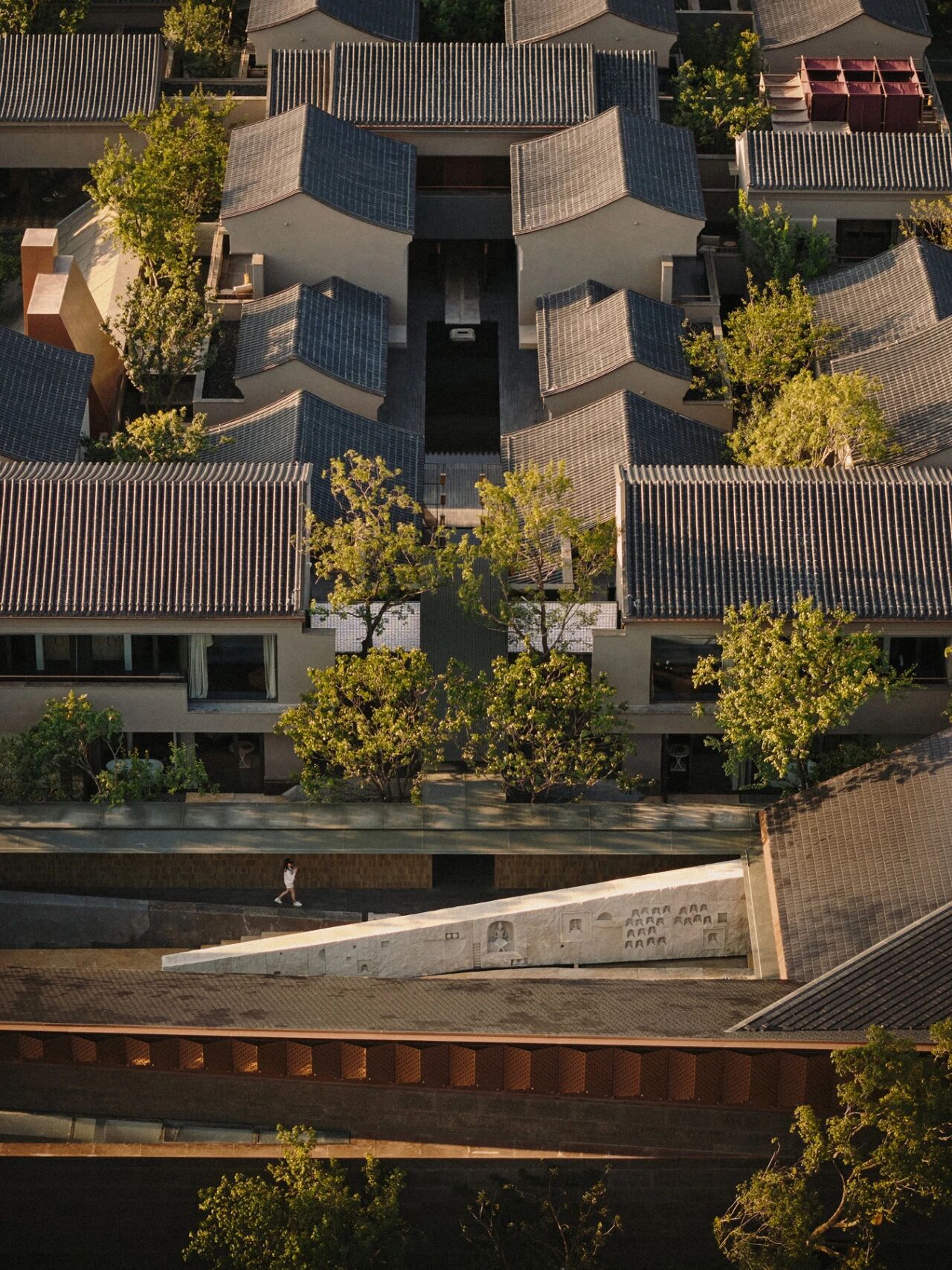
Yet history alone cannot sustain the district today. Described as a “living fossil of Datong’s traditional ward system,” Dongnanyi retained the ancient city’s urban fabric during restoration. The team surveyed and mapped courtyards, lanes, and public spaces in detail and interviewed longtime residents to record memories of everyday life. That work allowed the ancient city to come alive again on its own terms. It also brought the district’s design language into natural alignment with brand aesthetics. The scale of the courtyards, the materials, the interplay of light and shadow, and the character of the lanes give physical form to the moods brands want to convey.
That shared sensibility soon led to programming created together.
The Theater and Music Season showed what that collaboration could look like. Dongnanyi retold Datong’s history through contemporary theater, lighting, and vocal music. A frontier garrison commander and a female general evoked life on the frontier in a performance created with Zhu Bingren Copper. Shanxi and Persian merchants teamed up with Lanyin Dongfang and Liulaoxier Vinegar Workshop to tell a Silk Road story. Cultural travelers and artisans joined district brands to trace how local traditions evolved. Food enthusiasts showcased the confidence and openness of Datong’s cuisine with Hunyuan mung bean jelly and Youwanxi knife-cut noodles.
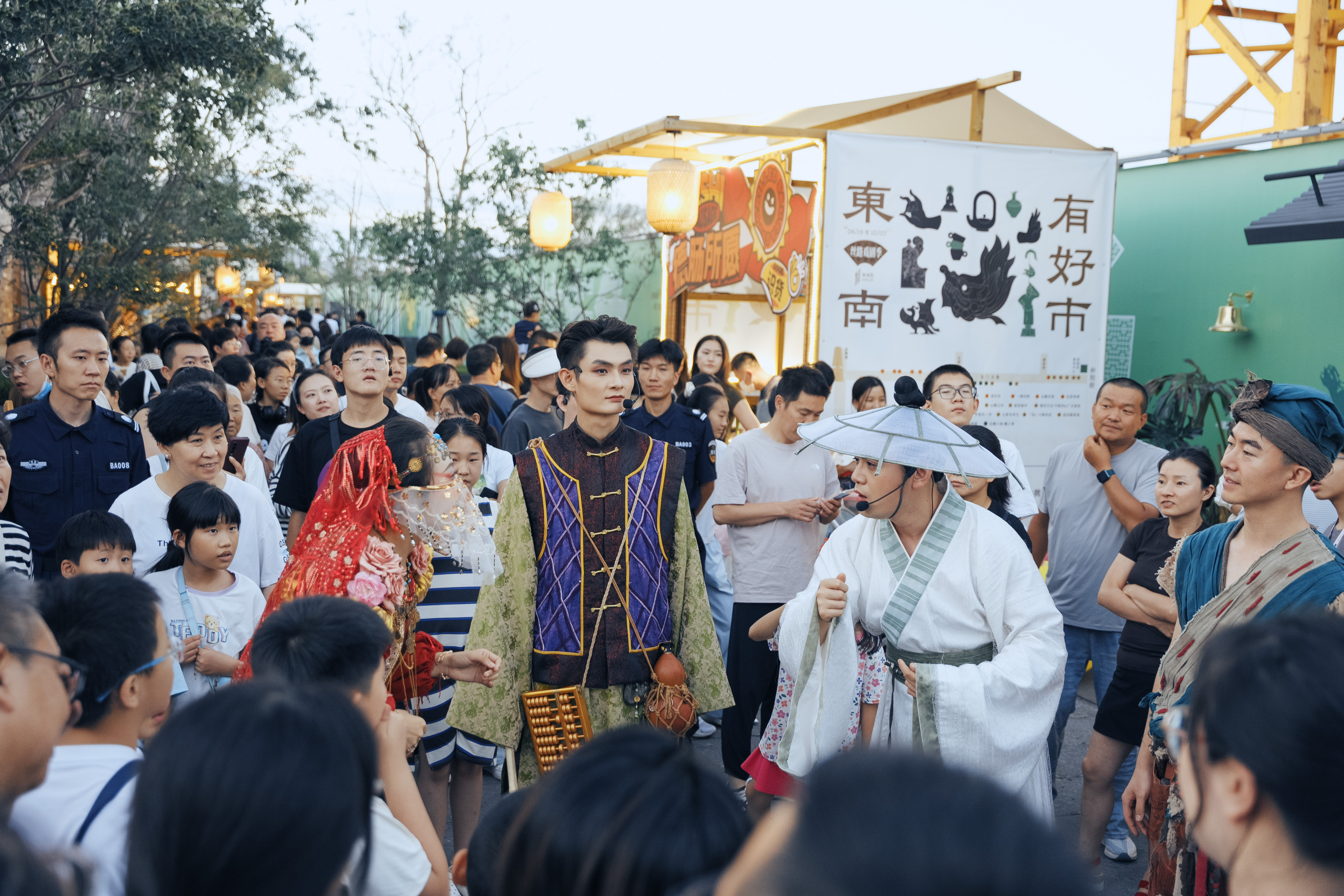
For the “Pingcheng Night Banquet” at Sunyata, Dongnanyi drew inspiration from Northern Dynasties banquets to bring the beauty of classical ritual and music into contemporary life. The event captured the openness and poetry of Datong’s heritage, shaped by exchanges between Han Chinese and northern peoples and by ties to the wider world. Dongnanyi turned a dining experience into a ceremonial performance of Northern Dynasties banquet traditions.
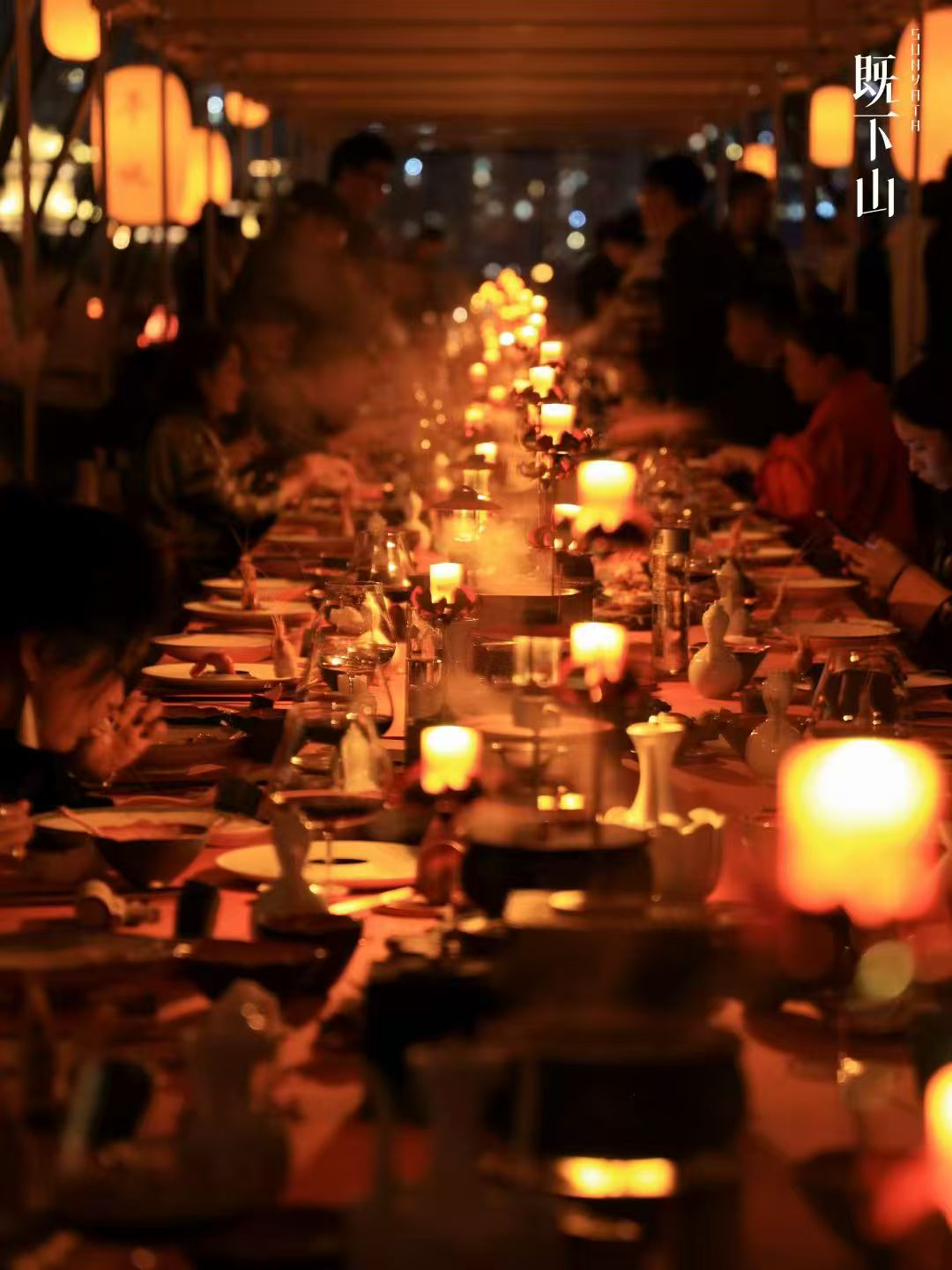
In planning its tenant mix, Dongnanyi prioritized dining, leisure, and entertainment businesses tied closely to local life, bringing the ancient city back into daily use as well as welcoming short-stay visitors. The district gives brands a working space where they can put down roots and create content beyond the photo opportunity.
For To Summer, Yizuoyiwo, and Tiaohai, the value of Dongnanyi extends beyond commercial space to a cultural setting where they can build for the long term. As the brand leaders put it at the forum, the appeal runs deeper. At Dongnanyi, brands go beyond tenancy to help shape the district’s ethos. Dongnanyi is showing brands that a place offers its greatest value when they can count on it as a long-term partner.
01. Dongnanyi’s humanist model and three ways brands can take part
Xie Chunzhen, founding partner of Zhipu Wenhua, sees two defining features in Datong: a storied past and a renaissance still in the making. The city’s daily life, however, reveals a tension. Datong has an exceptionally high concentration of historic buildings and few cultural spaces that genuinely connect with contemporary lifestyles. Its 2,300 years of urban memory have yet to find expression in a form younger people can identify with in their daily lives.
Dongnanyi aims to make culture a living part of contemporary life again, something people can sense, take part in, and experience firsthand.
That matters just as much to brand leaders, because choosing a space means choosing an ecosystem. Dongnanyi’s humanist model has three parts. Create a cultural landscape people can experience firsthand, tell stories they can take part in, and give them a set of values they can carry into their own lives.
These ideas go beyond slogans. Each is a layer of operations that brands can see in action and help shape.
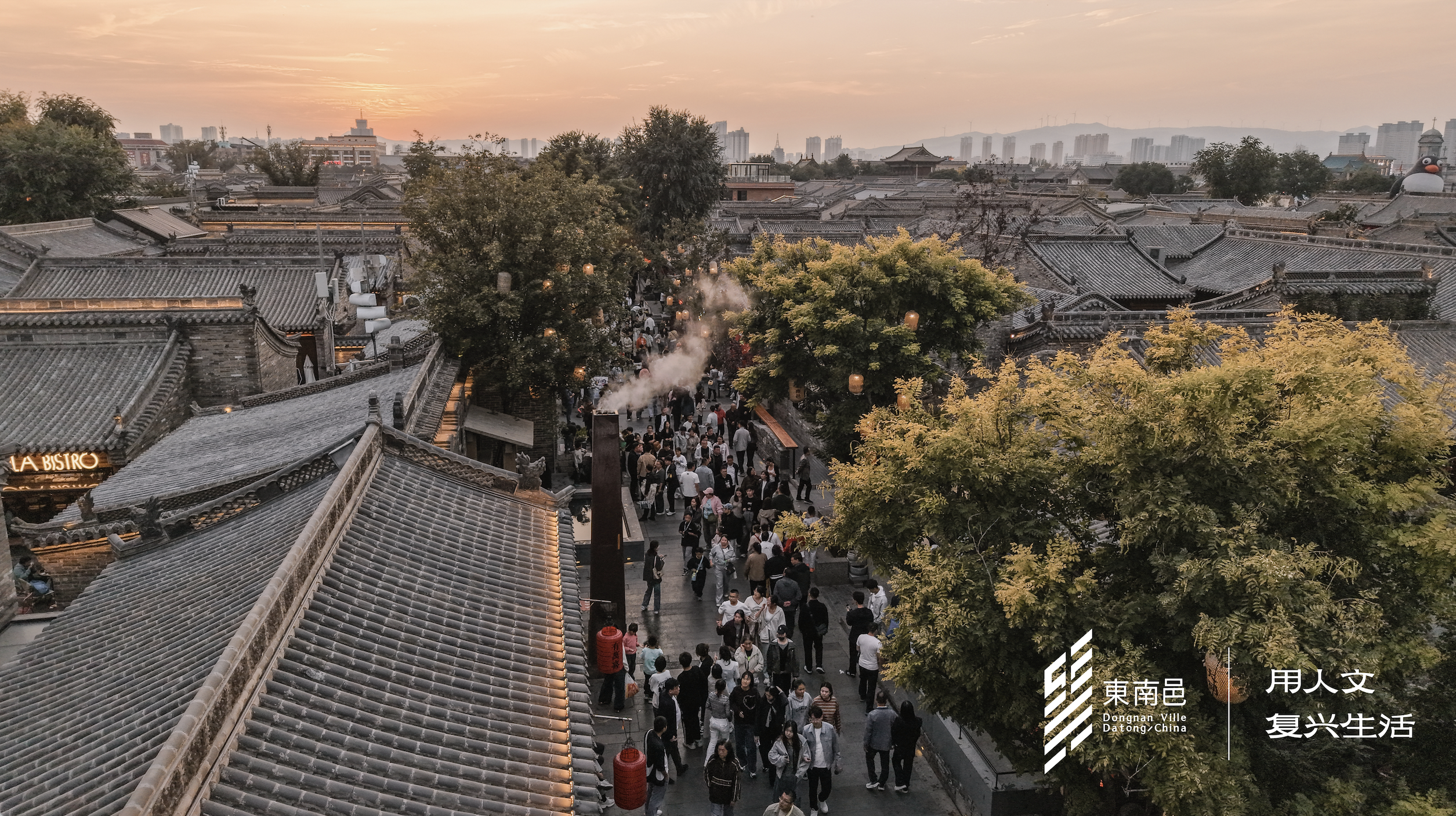
➊ The physical setting lays the foundation for the experience
By shaping courtyards, setting the scale of streets and lanes, choosing materials, and designing for light and shadow, Dongnanyi has made the district a place to stroll, linger, and live again. Culture grows naturally out of the spaces people use every day. The space conveys the brand and sets the mood. It gives brands the physical foundation they need to create experiences.
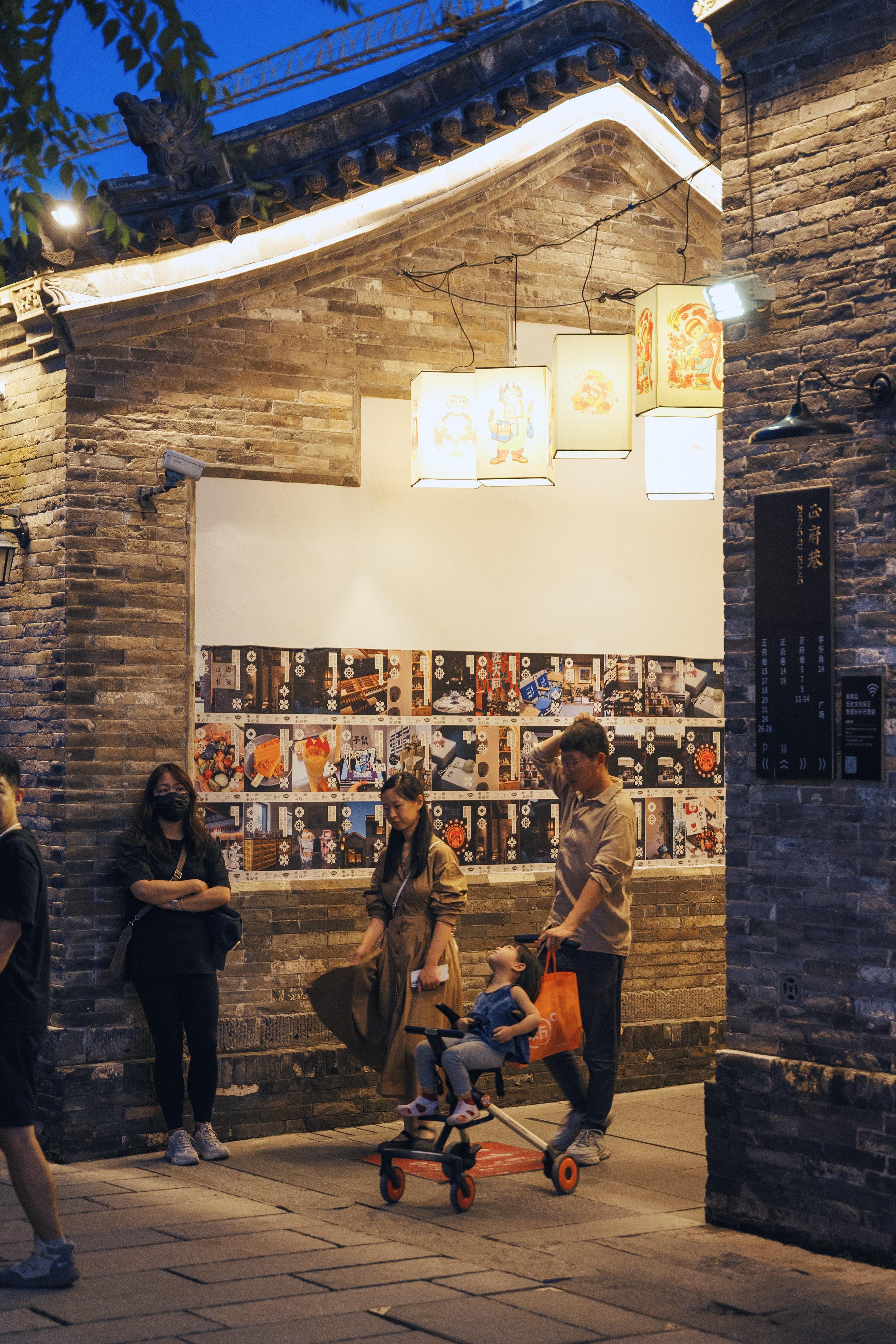
➋ Storytelling drives the district’s cultural programming
Dongnanyi goes beyond providing a backdrop. It is where programming takes place and brands create stories together. Its ongoing curation builds a body of programming that ranges from the Dongnanyi China Festival, Sunyata’s Pingcheng Night Banquet, and Theater at Dongnanyi to regular book clubs, Pingcheng Academy cultural salons, and art salons. This layer turns the district into a venue for cultural programming and gives brands an evolving set of stories to work with.
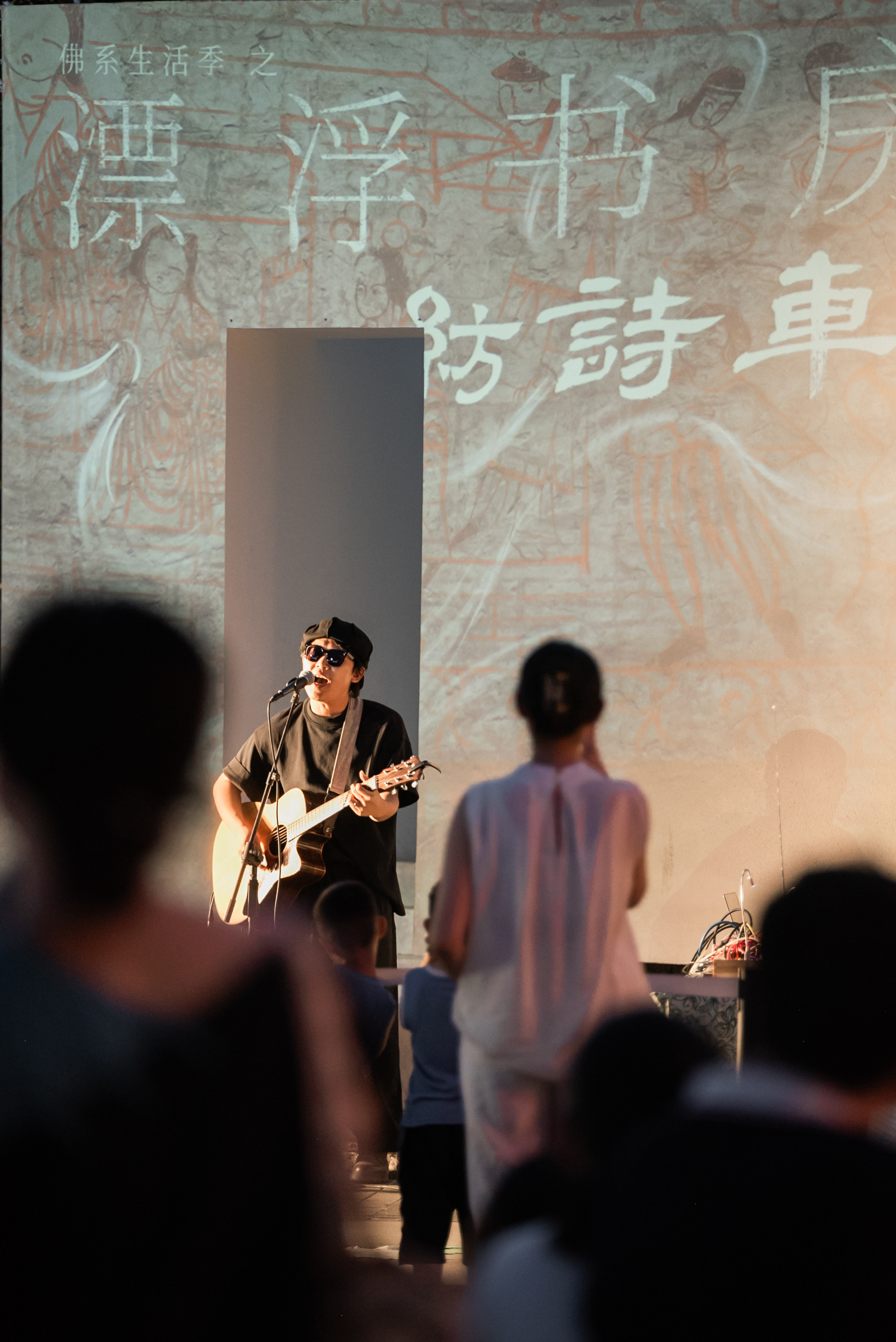
➌ A shared ethos gives the brand its identity and creates a sense of belonging
The final layer gives people a clear sense of what Dongnanyi stands for. Guided by ideas such as “Revitalizing everyday life through the humanities” and “Let different forms of beauty flourish together in a world of harmony,” the district looks beyond aesthetics to the quality of people’s relationships and the sense of meaning and dignity they find in everyday life. Its values guide whom it works with, how it operates, and where it draws the line. Commercial viability comes after that. Dongnanyi thus becomes a district with a recognizable ethos, connecting brands with people who share their values.
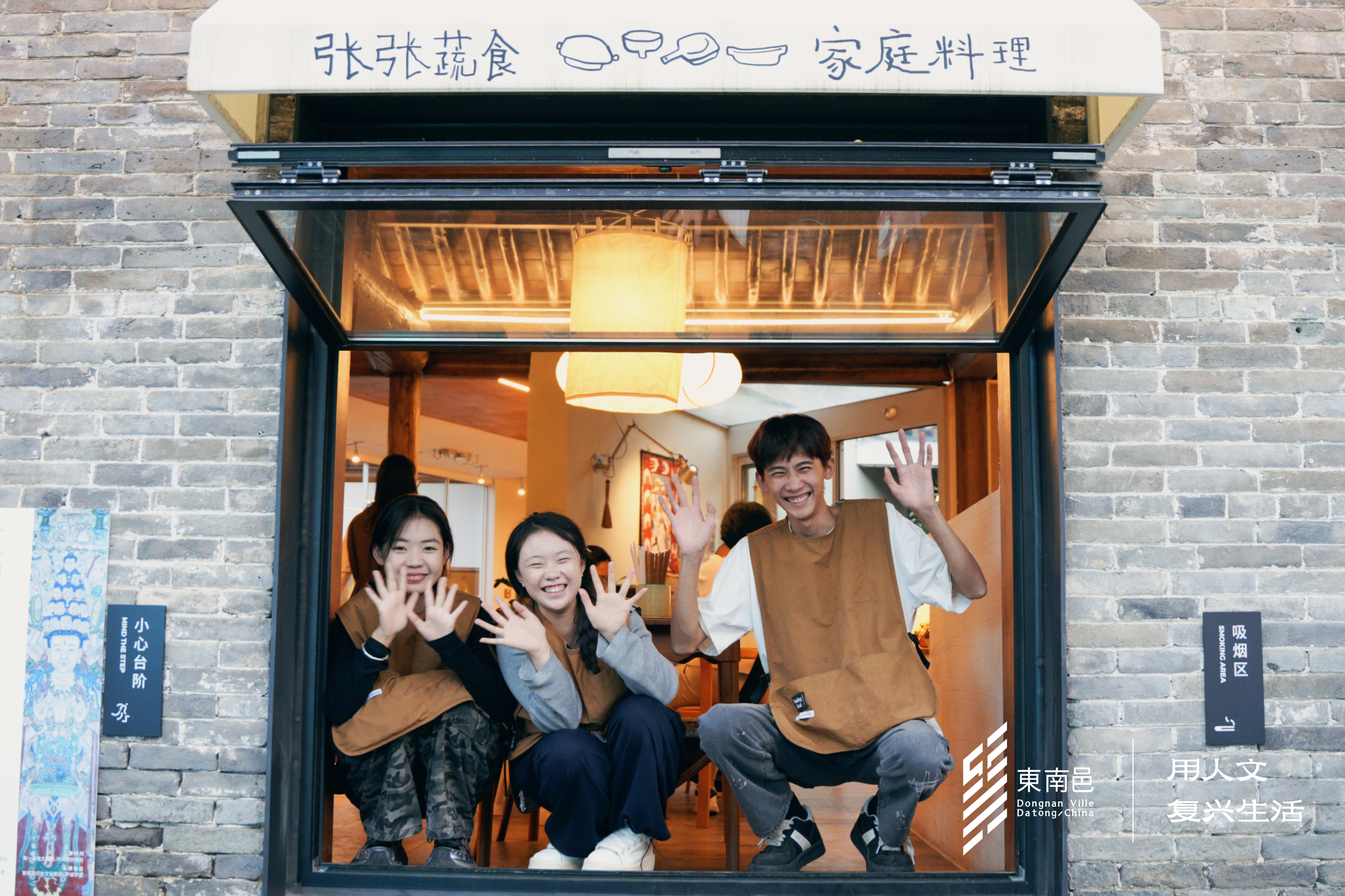
Dongnanyi’s humanist model links the physical setting, cultural programming, and brand identity, laying the groundwork for sustainable growth. Together, the three layers make Dongnanyi “a contemporary lifestyle brand grounded in humanist values, able to keep telling its story and draw people who share its ethos.”
03. From Aranya to Dongnanyi: Two approaches to cultural storytelling
Dongnanyi’s proximity to Beijing makes it a popular weekend getaway for the city’s residents. In recent years, it has often drawn comparisons with Aranya, a benchmark commercial real estate project. If Aranya has shown that community can drive a business, Dongnanyi is testing whether culture can do the same.
Xie Chunzhen, who consulted on both projects, sees Aranya as a “contemporary utopia facing the sea” and Dongnanyi as an “Eastern humanist laboratory rooted in an ancient northern city.”
He compared the projects along three dimensions. In geography and character, Aranya is a seaside town of tomorrow, symbolizing youth, freedom, and the arts. Dongnanyi sits deep within an ancient northern city, alongside the Confucian Temple and the city walls, and embodies the spirit of the old city, its history, and its culture. One looks out toward open horizons and the future. The other returns to the city’s fabric and roots.
In its storytelling, Aranya emphasizes closer and freer relationships in contemporary life. Dongnanyi has taken on the task of translating China’s traditional humanist values into a contemporary way of living. The former is building a new vision for life. The latter is reviving a cultural memory whose continuity was broken.
In business terms, Aranya is closer to a mixed-use resort community, with the experience shaped by the rhythm of arrival and departure. Dongnanyi brings together a courtyard community, a design-led district, and a zone for young people. Its central question is how to lead a new kind of everyday life within an ancient city.
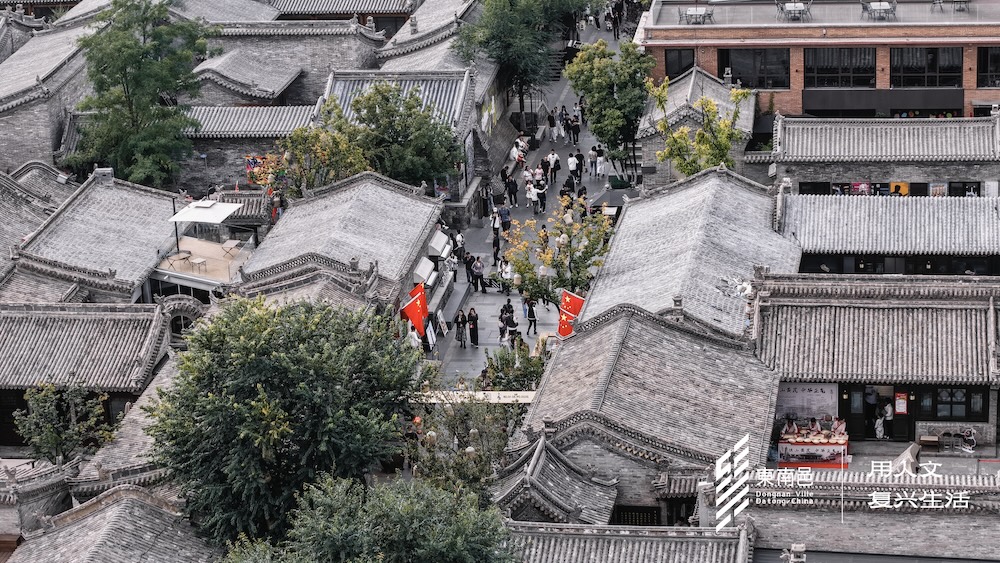
For all their differences, the two projects share a common foundation. “Both are guided by values, operate with a long-term perspective, and seek to build a new model for everyday life for Chinese consumers.”
Dongnanyi’s long-term value lies in making cultural storytelling an enduring urban asset that can outlast one-off purchases and short-lived surges in foot traffic. By continually refining the space, maintaining a steady program, and staying true to values that resonate with people, Dongnanyi gives the district a meaning people can share.
In an age of abundant material choice, a steady sense of what matters has become the rarest thing a place can offer.
When businesses give more thought to how people actually live, the returns often last longer and customers are more likely to stay engaged. By taking the long view and investing in relationships, Dongnanyi is showing brands a more reliable path to growth across business cycles.
04. Final thoughts
What question is Dongnanyi really asking?
At a time when Eastern identity is so often reduced to symbols and packaged for consumption, how can we rebuild an authentic Eastern way of life that people can practice every day?
Dongnanyi draws brands exploring the same question. They want to move beyond using elements of Eastern culture as visual spectacle and make that culture integral to the products, spaces, and services they offer.
Dongnanyi extends the renewal of an ancient city into a local experiment in reviving an Eastern way of life. It takes aesthetics into everyday practice, turns cultural storytelling into a collaboration with brands, and uses one district to give that way of life a coherent form.
Its significance extends beyond commerce. It rebuilds people’s relationships with their city, their culture, and the way they live. BRANDSTAR