Why is athleisure brand Alo launching luxury handbags?
Alo is moving beyond yoga to build a top-tier lifestyle brand.
Alo, one of the hottest names in an increasingly crowded sportswear market, has found a new avenue for growth.
On September 9, Alo, the Los Angeles lifestyle brand known for pairing mind-body balance with a polished aesthetic, launched its first luxury handbag collection. It comprises four styles in standard and mini sizes: the Voyage Duffle, Tranquility Tote, Odyssey Bowler and Balance Bucket.
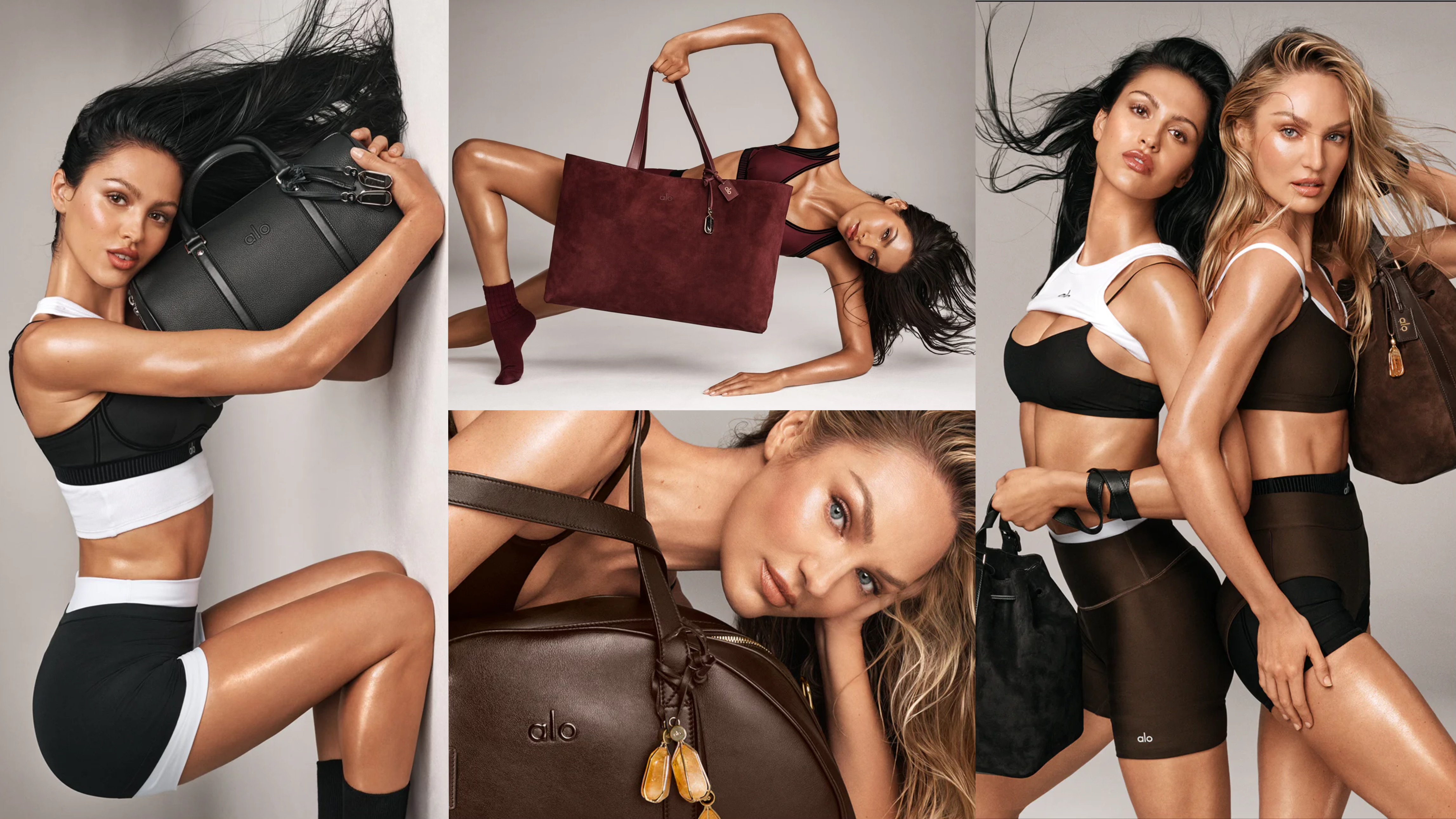
Alo’s luxury handbags range from $1,200 to $3,600, or approximately RMB 8,500 to RMB 25,000, putting them on par with the signature GG Marmont handbags from Italian luxury house Gucci.
According to Alo’s website, the collection builds on its Studio-to-Street philosophy. Each bag was conceived and designed in Los Angeles and made entirely by hand in Florence, Italy, by artisans whose craft has been passed down through generations.
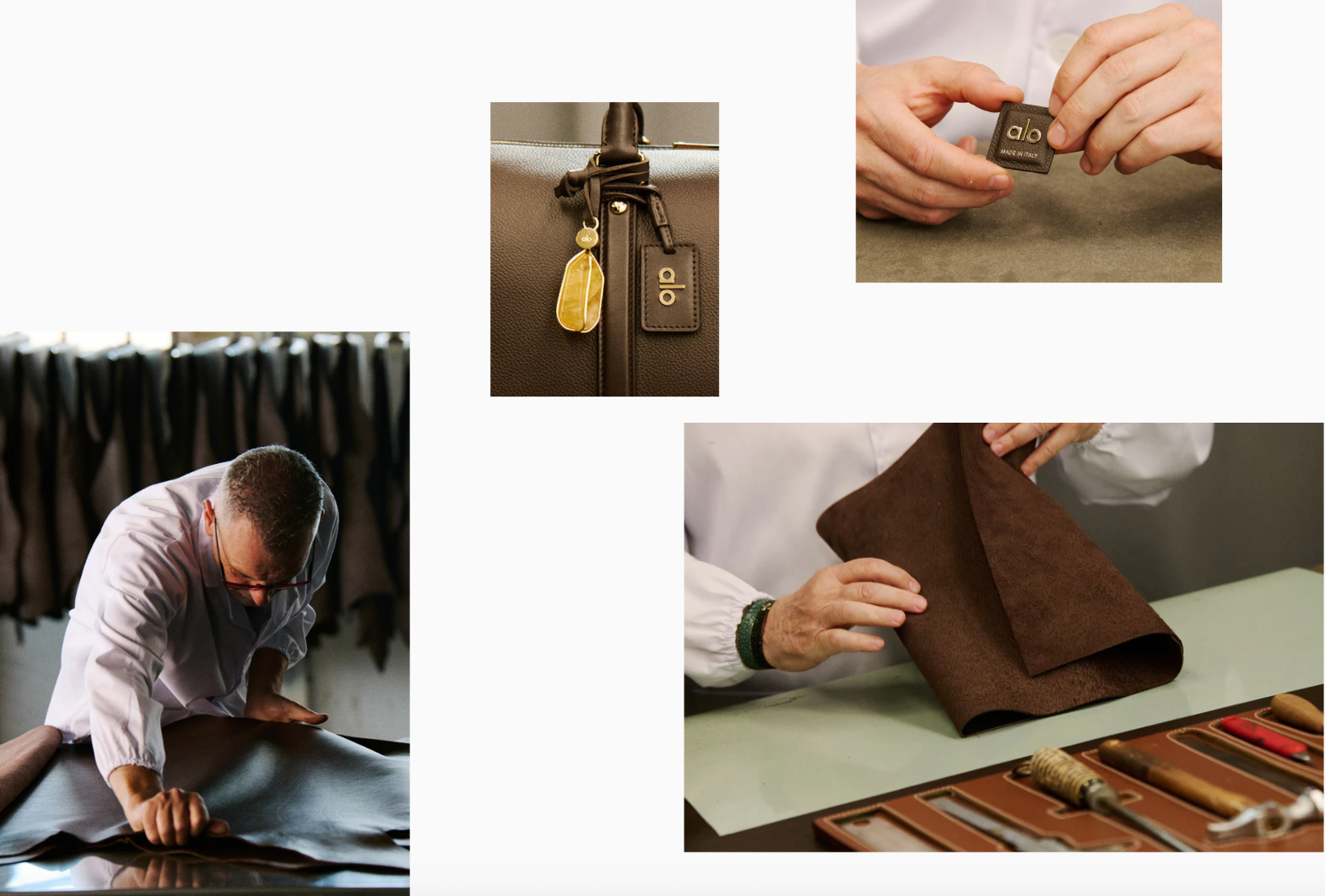
The materials and finishes are in line with luxury-house standards. The bags use Italian leather and suede that meet sustainability and ethical standards, with hand-painted edges, custom-forged hardware and carefully designed interior compartments.
Each Alo bag also comes with an Intention Crystal selected by the brand to help focus and channel positive energy. Smoky Quartz, for example, represents inner stability and protection, while Citrine symbolizes abundance and creativity.
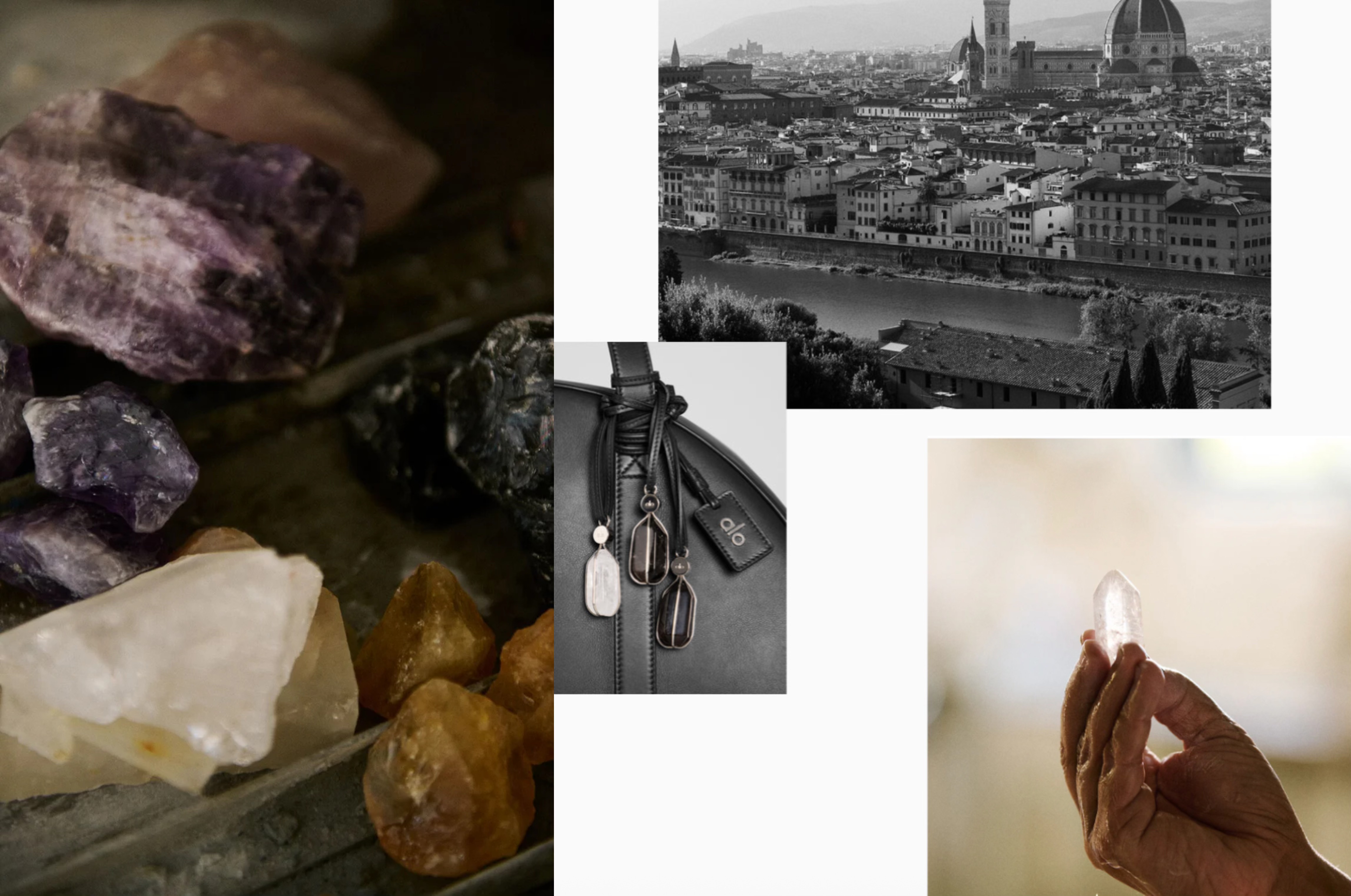
Alo describes the crystals as portable symbols of energy and hopes they will help customers bring mindfulness into the things they carry every day. The brand plans to gradually introduce more collectible crystals, giving customers a wider range of meanings and personal intentions to choose from and adding another layer of symbolism and individuality to the bags.
In keeping with its luxury positioning, the collection will be released in extremely limited quantities and sold exclusively at 23 Alo Sanctuary boutiques worldwide, including flagships in Beverly Hills, New York’s SoHo, London’s Regent Street, Aspen and Seoul’s Dosan Park.
Brandstar fashion analysis
Alo has given the handbags a dedicated page with detailed coverage on its website, a sign that the collection is a top-tier product line designed to open a new chapter for the brand.
The launch also marks a shift in Alo’s ambitions beyond the yoga market it shares with lululemon. Alo is betting that wellness will become the next luxury market.
The shift has been years in the making.
1/ Beyond yoga apparel, a lifestyle for young people from wealthy families
Danny Harris and Marco De George co-founded Alo in Los Angeles, California, in 2007. The name comes from the initials of Air, Land and Ocean and reflects the brand’s belief that people and nature should coexist in harmony.
Like lululemon, Alo started out selling women’s yoga apparel. Its target audience was narrower than the broader middle-class market, focusing on young people from wealthy families who prize fashion, enjoy exercise and embrace mindful living.
Alo’s blend of performance technology and laid-back California style has won over celebrities such as Kendall Jenner and Hailey Bieber, and its pieces have become staples for young people from wealthy Beverly Hills families.

Starting in 2020, Alo built on that foundation with Alo Glow System, a clean beauty skincare brand, and Alo Wellness, a supplement brand for active consumers, among other ventures. It also opened Sutra, its first vegetarian restaurant, in New York, gradually building a distinctly Los Angeles take on the wellness lifestyle.
As Alo gained recognition and influence with its target audience, it accelerated its expansion in 2023.
Alo expanded beyond the US at a pace of five new stores a month while testing a premium line, Alo Atelier. A $1,400 down jacket, $748 cashmere pants and a $698 fur jacket were aimed at attracting more affluent shoppers already interested in the brand.
At the same time, Alo set its sights on WAGs, the wives and girlfriends of elite athletes. They help shape and live a contemporary luxury lifestyle that spans beauty, fitness, wellness, travel, leisure and family life, and they command considerable attention on social media.
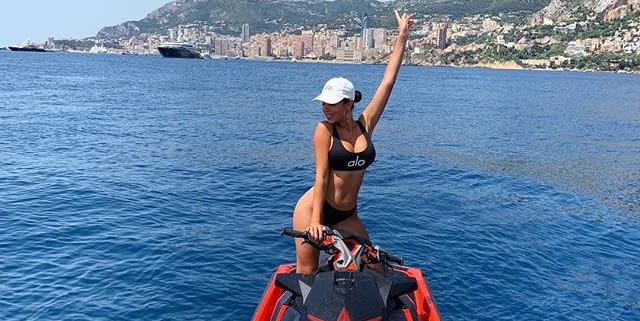
Earlier analysis suggested that a single photo of five elite athletes’ wives wearing Alo could concentrate attention and send ripples beyond their immediate circles.
Celebrity exposure, premium fashion products and a diverse, inclusive community helped Alo’s social media activity rise and eventually overtake lululemon’s. Many customers said they chose Alo for the sense of belonging it offered.
As the business expanded, revenue at parent company Color Image Apparel soared from $200 million in 2020 to $1.5 billion in 2023. Forbes projected that it would reach $2.5 billion in 2025.
2/ From selling products to selling an aesthetic and an identity
For a long time, Alo built its strategy for gaining ground around lululemon.
It partnered with yoga bloggers and creators with established social media followings to host interactive events that would spark interest among prospective customers. It also developed classes with professional yoga instructors and practitioners, lending the brand credibility.
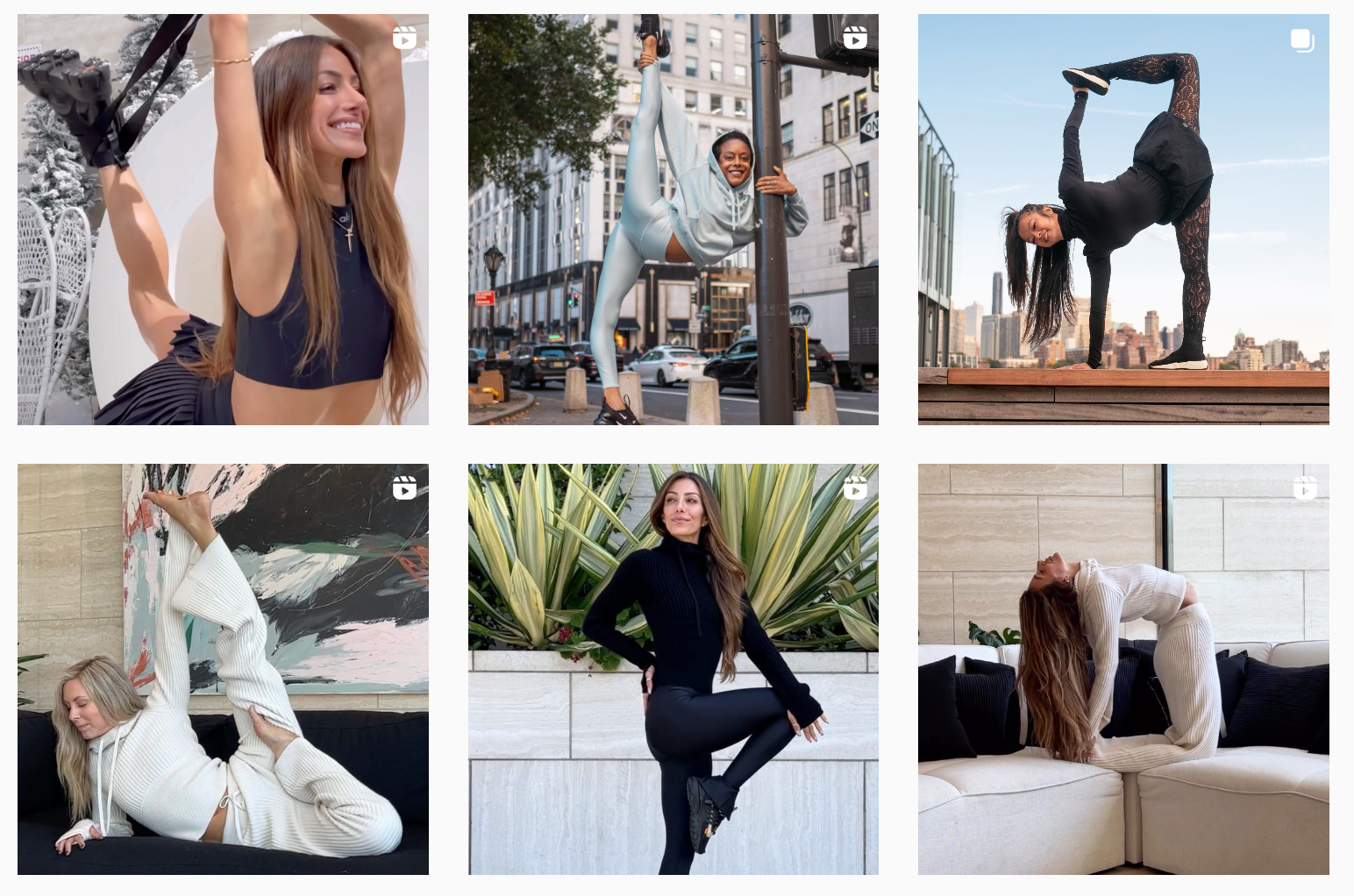
To capture more market share, Alo went so far as to choose new store locations near lululemon stores. According to a Bernstein report, about 84% of Alo’s US stores were within 1 kilometer of a lululemon location.
As the yoga market grew more saturated, lululemon’s business model began to hit a growth ceiling after the pandemic.
Meanwhile, activewear became part of the everyday wardrobe. Shoppers still pay attention to improvements in fabrics and performance, but they place greater weight on whether pieces work across different settings and whether the brand’s outlook and lifestyle fit their own.
In response, sportswear, fashion and luxury brands alike have introduced activewear for everyday use and gradually expanded into categories such as outdoor apparel, tennis and golf to meet a wider range of consumer needs.
Alo followed the trend, with a particular focus on building a cohesive aesthetic and making the brand a marker of identity.
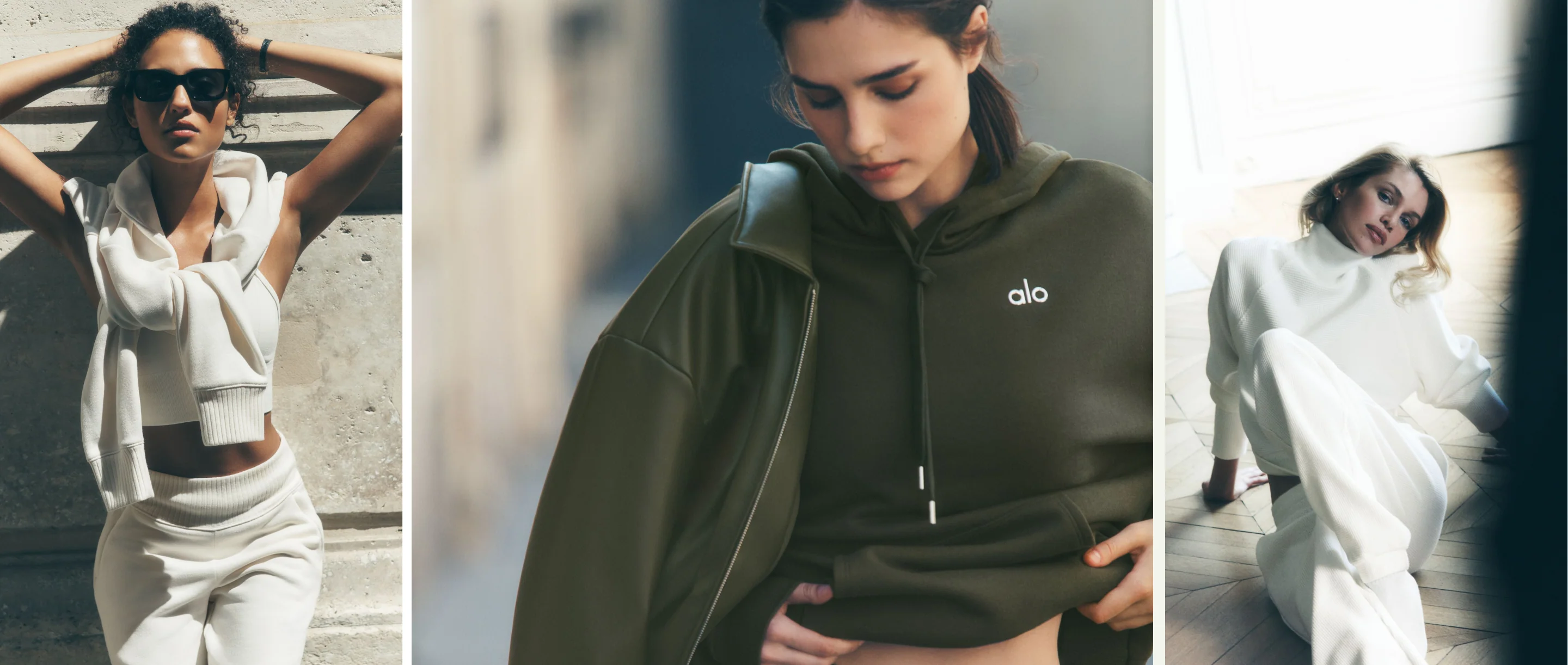
By incorporating fashion trends into its designs, Alo turned yoga apparel into pieces people could wear on the street, outdoors, at a bar or even on the red carpet. It keeps the assortment fresh by releasing new colors or styles every two weeks.
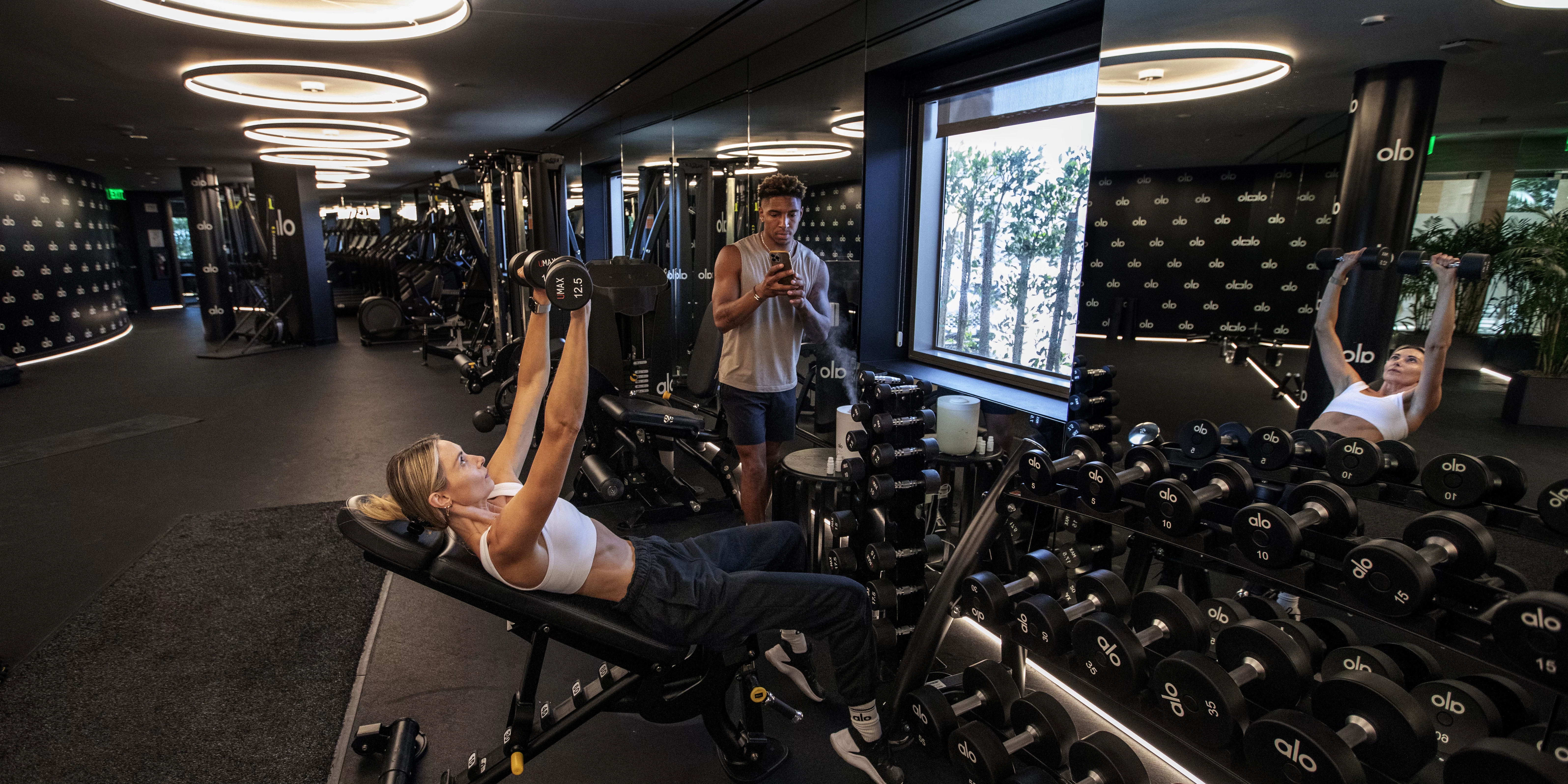
The invitation-only gym Alo opened in Los Angeles in late 2022 became a mark of status among fitness and fashion creators. It operates on a membership basis with limited public access. Aside from celebrities such as Hailey Bieber, creators generally need to meet a follower-count threshold to book a visit, which earned it the nickname “Influencer Gym.”
The approach gives Alo more room to expand beyond any single product category. With a consistent, recognizable style, each product serves as an expression of Alo’s identity. Whatever the item, consumers are buying into the Alo brand.
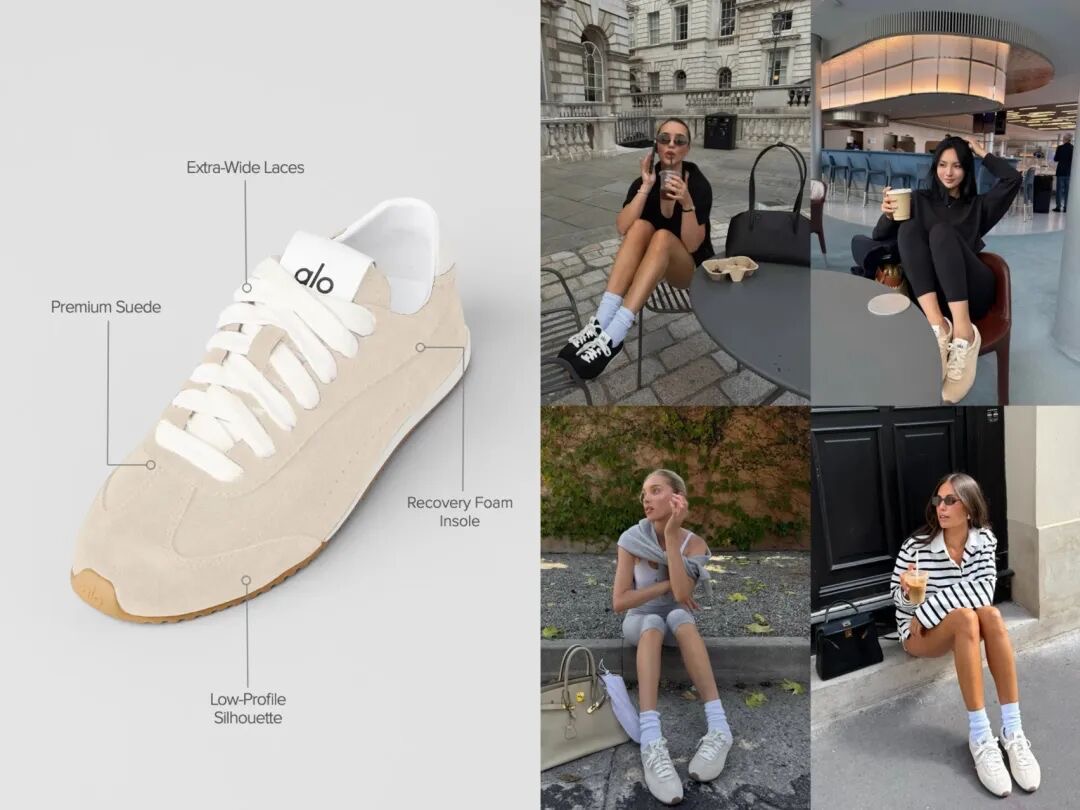
That appeal helped Alo’s latest German army trainer-style sneakers become a hit after promotion by celebrities and influencers such as Kendall Jenner. At $220, or about RMB 1,500, they cost two to three times as much as standard sneakers from Nike and adidas.
3/ Defining luxury in the age of experiences
Alo has carved out a position across athleisure, leisure and wellness, and high-end luxury. It has done so with more stylish designs than lululemon, slightly above-average prices, greater comfort than mass-market brands offer and a sharper eye for fashion than specialist brands.
Buoyed by that position, Alo began testing the Asia-Pacific market in 2024 and moved to elevate the brand more broadly in 2025. Its global ambitions were evident in the appointments of Blackpink’s Jisoo and BTS’s Jin as brand ambassadors and in new stores in Seoul, Singapore and the Philippines.
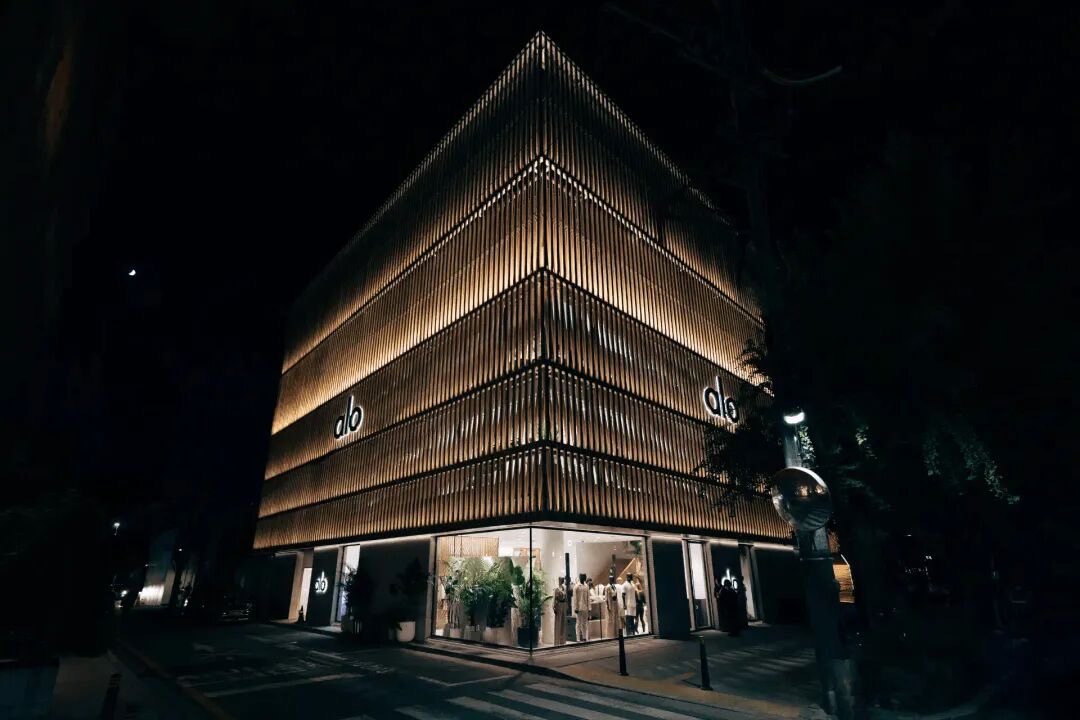
Will shoppers pay Gucci prices for a luxury handbag from Alo at this point?
In our view, the answer may matter little to Alo.
The Row can command sky-high prices for logo-free basics and turn RMB 5,000 flip-flops into one of the world’s hottest fashion items. Alo sees an opportunity in the generational shift in how people understand luxury.
In a recent interview, co-founder and CEO Danny Harris said he was confident that, after 18 years of building the brand, Alo’s customers could now afford higher-end products.
Harris added that Alo believed its audience would prefer its handbags. In his view, customers already carried bags from a new generation of designer labels, especially those that fit a more contemporary idea of luxury and felt distinct from the bags their mothers or grandmothers carried.
In its press release, Alo said the handbag launch and accompanying ad campaign would usher the brand into a new era in luxury fashion. Alo said it would assert its distinctive position at the intersection of wellness and high fashion and use a global visual narrative to engage audiences of established luxury fashion houses.
To capture a refined lifestyle that balances luxury and function, Alo assembled an all-star campaign team. Steven Meisel, one of the most influential photographers working today, shot the campaign. Legendary French stylist Carlyne Cerf de Dudzeele handled the styling, and makeup was by Pat McGrath, the artist tapped by LV.
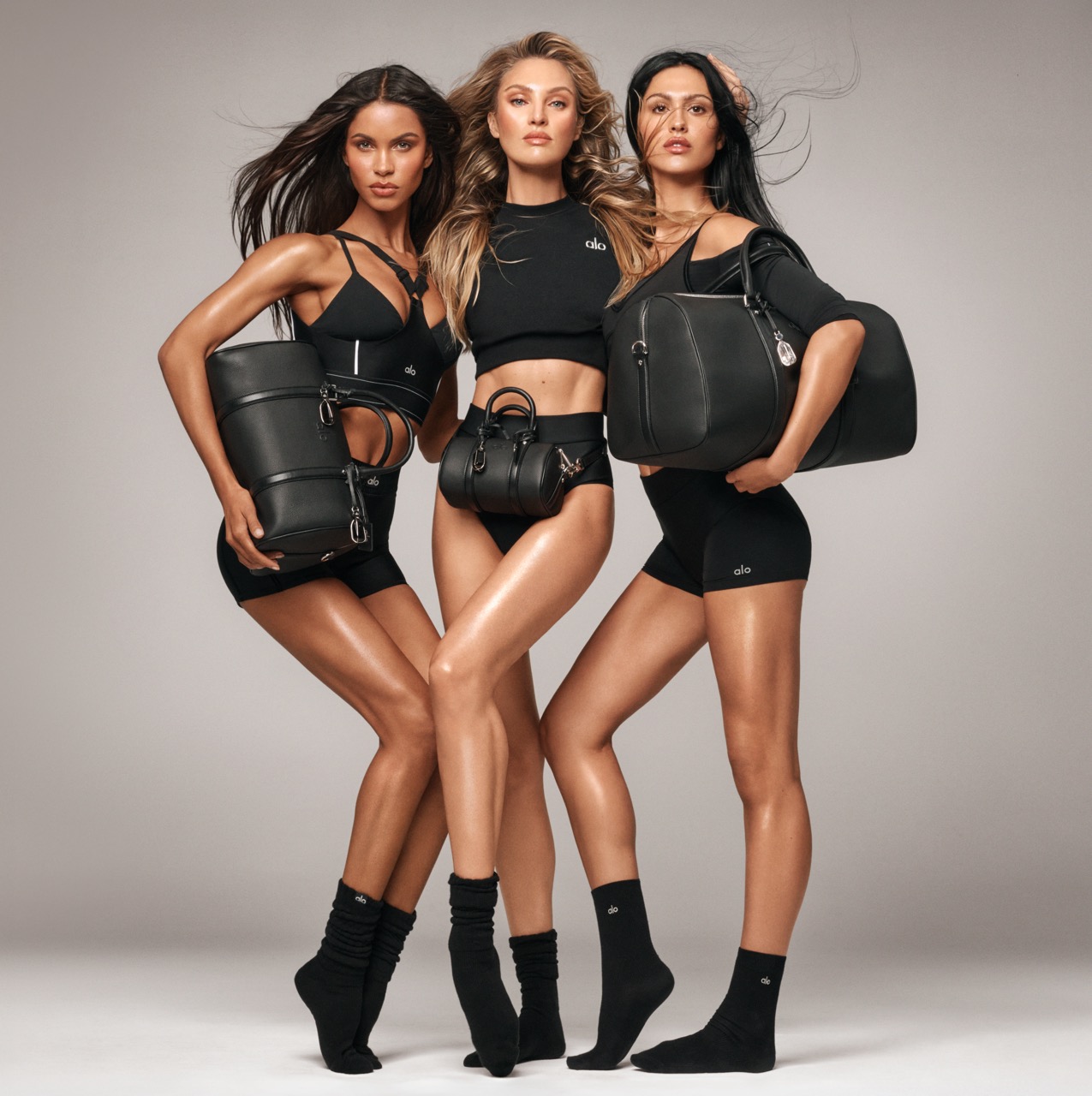
Alo also chose its models with an eye to age. Supermodels Amelia Gray, Daiane Sodré and Candice Swanepoel were born in the 2000s, 1990s and 1980s, respectively, the three cohorts that now make up the core luxury consumer base.
Summer Nacewicz, Alo’s executive vice president of creative and marketing, said Meisel’s images gave the collection a cultural depth usually associated with heritage luxury houses. She said the campaign reflected both Alo’s commitment to building its presence in high fashion and its conviction in its mission to promote mindful living.
Given the extremely limited production run and Alo’s track record with celebrity marketing, the bags are likely to turn up with stars and WAGs on private jets or luxury yachts. Beverly Hills It girls and fashion bloggers are also likely to try to get their hands on one to generate buzz.
Consistently creating images and settings that make people aspire to a brand’s lifestyle remains fundamental to the luxury business.
From opening restaurants and members-only gyms to launching Alo Atlier and its latest luxury handbag collection, Alo has had one goal all along—to bring the quality and understated luxury the brand stands for to every detail of the wellness lifestyle.
Alo has no ambition to become lululemon or the Miu Miu of yoga. It is determined to define a new kind of luxury.BRANDSTAR